Has Inheritage Foundation supported you today?
Your contribution helps preserve India's ancient temples, languages, and cultural heritage. Every rupee makes a difference.
Secure payment • Instant 80G certificate
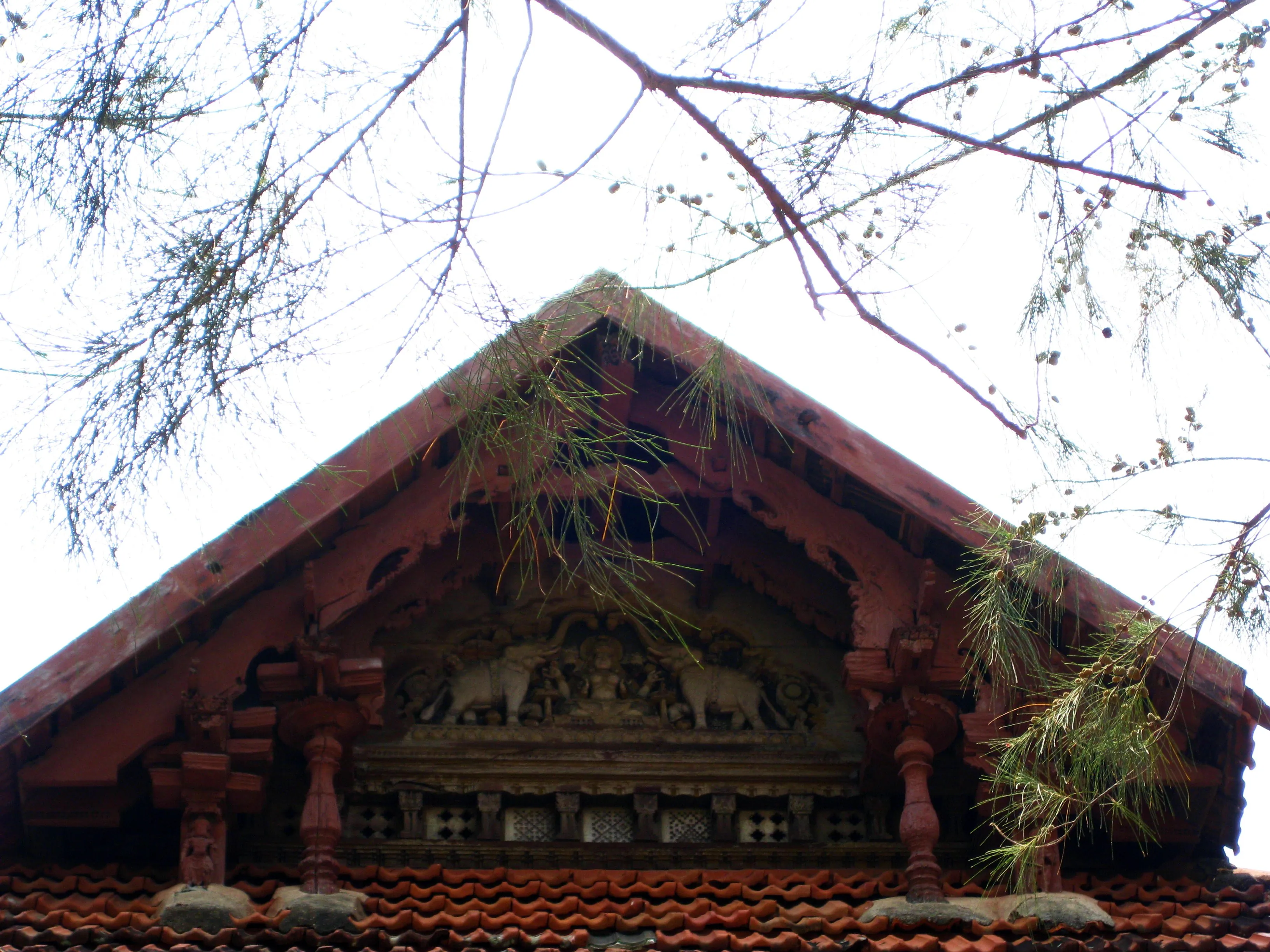
Mattancherry Palace Kochi
The Mattancherry Palace, also known as the Dutch Palace, stands as a testament to the layered history of Kochi, a city where the whispers of Portuguese, Dutch, and Indian influences intertwine. Having explored every UNESCO site in India, I can confidently say that this palace offers a unique glimpse into this cultural confluence, a narrative etched onto its walls and woven into its very fabric. Stepping through the unassuming entrance, I was immediately struck by the contrast between the simple exterior and the vibrant world within. The palace, gifted to the Raja of Kochi by the Portuguese in 1557 and later renovated by the Dutch, is a fascinating blend of Kerala architecture and European aesthetics. The sloping roof, typical of the region, is adorned with terracotta tiles, while the interiors showcase a stunning collection of murals, arguably the most captivating feature of the palace. These murals, primarily depicting scenes from the Ramayana, Mahabharata, and Puranic legends, are a visual feast. The vibrant colours, predominantly red, green, and yellow, retain a surprising freshness despite the passage of time. I spent hours captivated by the intricate details – the expressive eyes of the characters, the elaborate costumes, and the dynamic portrayal of the stories. The sheer scale of some of these murals, covering entire walls and ceilings, is breathtaking. One particular panel depicting the coronation of Rama left a lasting impression, its sheer grandeur and the meticulous detailing of the royal court showcasing the skill of the artists. Beyond the murals, the palace houses a fascinating collection of royal portraits, showcasing the lineage of the Kochi Rajas. These portraits, while not as visually striking as the murals, offer a valuable historical perspective, documenting the changing styles and influences over centuries. I found myself drawn to the portraits of the later Rajas, where the subtle incorporation of European elements in their attire and posture hinted at the growing Western influence. The palace architecture itself is a study in adaptation and fusion. The central courtyard, open to the sky, is a classic Kerala architectural element, providing natural ventilation and light. Surrounding this courtyard are four wings, each housing different sections of the palace. The influence of the Dutch renovations is evident in the long, airy corridors and the large windows, a departure from the more enclosed spaces typically found in traditional Kerala homes. I noticed the use of European-style tiles in certain sections, further highlighting the interplay of architectural styles. One of the more intriguing aspects of the palace is the presence of Hindu temples within the complex. Dedicated to Pazhayannur Bhagavathi, the tutelary deity of the Kochi royal family, these temples demonstrate the seamless integration of religious practices within the royal household. The contrast between the opulent palace interiors and the serene atmosphere of the temples added another layer to the overall experience. My visit to the Mattancherry Palace wasn't just a tour; it was a journey through time, a tangible experience of history unfolding. It's a place where the stories of kings and deities, of Portuguese traders and Dutch merchants, are interwoven into the very fabric of the building. For anyone seeking to understand the rich tapestry of Kerala's history and culture, the Mattancherry Palace is an essential stop, a place where the past comes alive in vibrant colour and intricate detail. It's a reminder that history isn't just about dates and events; it's about the stories etched onto walls, whispered through generations, and waiting to be discovered.

Baba Balak Nath Temple Hamirpur
Nestled within the Shivalik range, the Baba Balak Nath Temple in Deotsidh, Hamirpur, presents a compelling example of Nagara architectural tradition blended with regional adaptations ([1][2]). During the Dogra period in the 19th century, around 1850 CE, the temple's construction reflects a departure from the elaborate Dravidian styles prevalent in South India, favoring a simpler North Indian aesthetic ([3]). The temple, with its white facade and saffron flags, creates a striking visual against the backdrop of the surrounding landscape ([1]). Instead of intricate carvings typical of many Nagara temples, murals depicting scenes from the life of Baba Balak Nath adorn the walls, employing vibrant colors to narrate local legends ([2]). The Shikhara (spire) atop the Garbhagriha (sanctum sanctorum) echoes the Nagara style, albeit in a less ornate form than its classical counterparts ([3][4]). Locally sourced materials, including stone, concrete, steel, and wood, were employed in its construction, distinguishing it from temples built with granite ([1]). Devotees offer roasted chickpeas (chana) to the deity, a unique ritual reflecting regional customs ([5]). This practice highlights the temple's integration into the local cultural fabric. Within the complex, a central courtyard fosters a vibrant atmosphere of devotion, contrasting with the more solemn atmosphere often found in South Indian temples ([4]). This temple stands as a testament to the syncretic nature of Indian religious architecture, blending diverse styles and traditions to create a unique sacred space ([1][2][3]). The temple is a place of religious importance for devotees and locals alike.
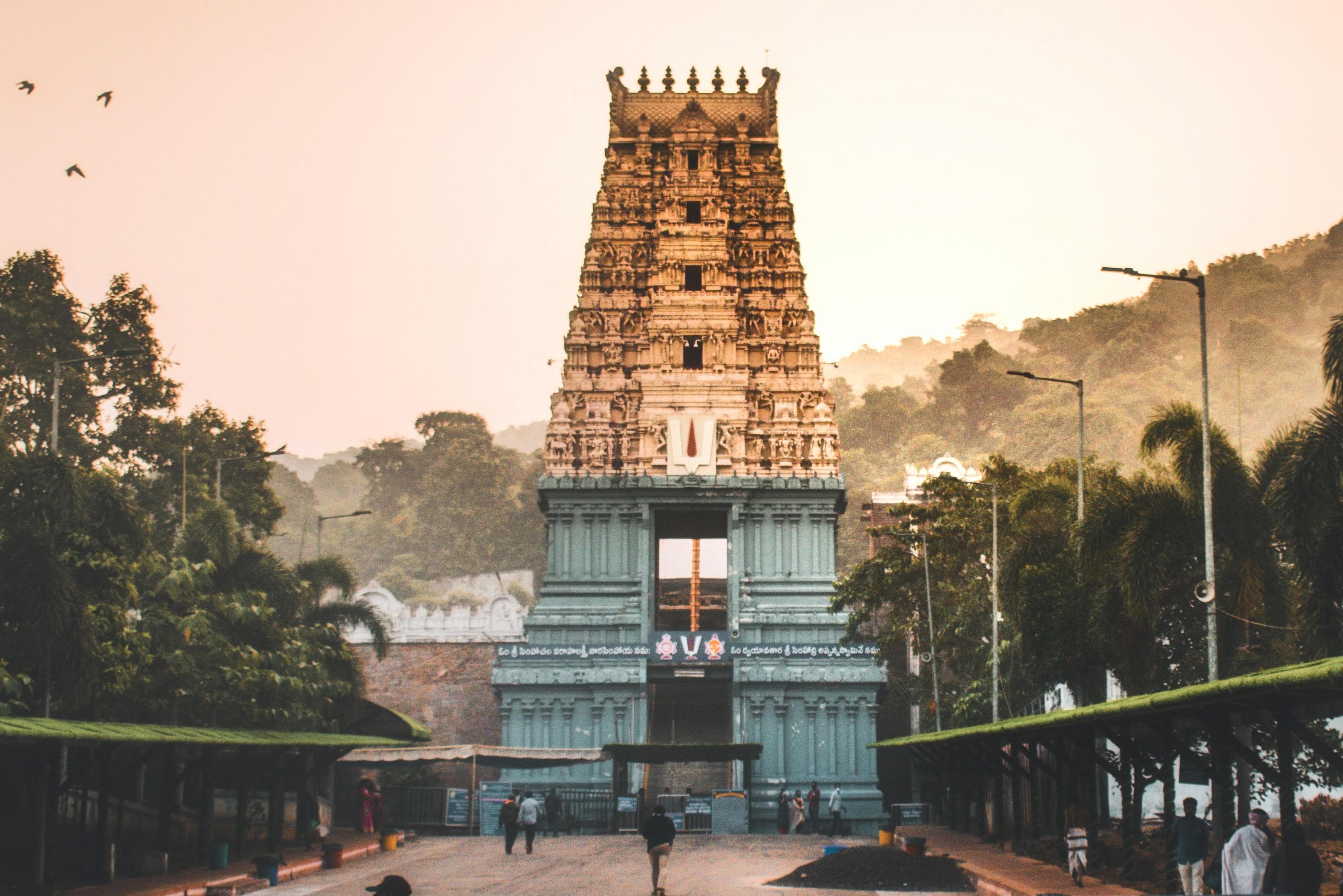
Simhachalam Varaha Lakshmi Narasimha Temple Visakhapatnam
The salty tang of the Bay of Bengal hung in the air as I climbed the steps leading to the Varaha Lakshmi Narasimha Temple at Simhachalam. Having explored the basalt-carved wonders of Maharashtra’s caves and temples, I was eager to experience the distinct architectural flavour of Andhra Pradesh. And Simhachalam, perched atop a hill overlooking Visakhapatnam, promised something unique. The temple complex, enclosed within high walls, exudes an aura of quiet power. Unlike the open courtyards I’m accustomed to in Maharashtra, here, the structures are tightly knit, creating a sense of intimacy and concentrated devotion. The main gopuram, though not as towering as some I’ve seen, possesses a distinct Dravidian elegance, its intricate carvings narrating tales from the Puranas. The use of light-coloured stone, possibly Khondalite, gives the temple a luminous quality, contrasting sharply with the dark, weathered basalt of my home state. As I approached the sanctum sanctorum, the air grew thick with the scent of sandalwood and incense. The presiding deity, Varaha Lakshmi Narasimha, is unique – a manifestation of Vishnu as Narasimha, the man-lion, covered in sandalwood paste throughout the year, except for one day, 'Chandanayatra Utsavam'. This practice, I learned, stems from a legend where the deity’s fiery rage was cooled by the application of sandalwood. The anticipation of seeing this unique form, shrouded in mystery, heightened my excitement. Finally, I stood before the sanctum. The dimly lit space, filled with chanting, allowed only a glimpse of the sandalwood-covered deity. While I couldn’t discern the actual features of the idol, the palpable energy within the sanctum was undeniable. It was a powerful, almost visceral experience, different from the serene contemplation I often feel in Maharashtra’s cave temples. Here, the atmosphere was charged with a raw, vibrant devotion. Stepping out of the sanctum, I took time to appreciate the intricate carvings adorning the temple walls. The depictions of gods, goddesses, and mythical creatures showcased a distinct regional style, different from the Chalukyan and Yadava influences I’m familiar with. The narrative panels, though weathered by time and the coastal climate, still spoke volumes about the rich mythology associated with the deity. I noticed the recurring motif of the Varaha avatar, the boar incarnation of Vishnu, highlighting the temple’s dedication to this particular form. The temple complex also houses several smaller shrines dedicated to other deities, each with its own unique character. I was particularly drawn to the shrine of Andal, a female Alvar saint, whose devotion to Lord Vishnu is legendary. The presence of this shrine within the complex spoke to the inclusive nature of the temple’s spiritual embrace. As I descended the hill, the city of Visakhapatnam sprawled before me, a vibrant tapestry of modern life against the backdrop of the ancient Eastern Ghats. The visit to Simhachalam had been a journey not just to a different state, but to a different spiritual landscape. The temple’s unique rituals, distinct architecture, and the palpable devotion of the pilgrims offered a fresh perspective on the diverse tapestry of Hindu worship. It reinforced the idea that while the essence of faith remains constant, its expressions can be wonderfully varied and regionally specific. The Varaha Lakshmi Narasimha Temple, with its sandalwood-clad deity and vibrant energy, stands as a testament to this rich diversity. It's a must-see for anyone seeking to explore the architectural and spiritual wonders of Andhra Pradesh, and a stark, fascinating contrast to the cave temples of Maharashtra I know so well.
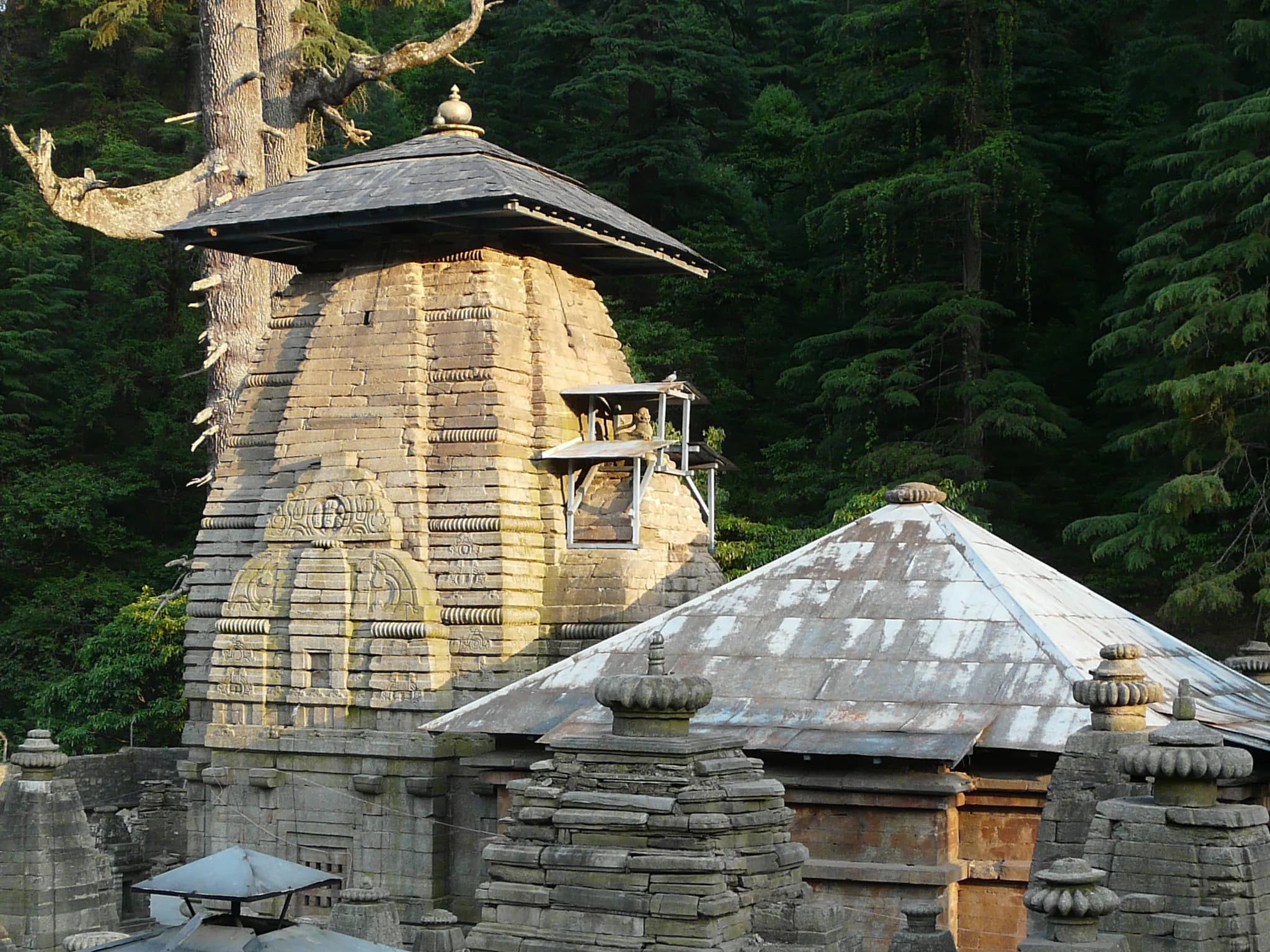
Jageshwar Temples Almora
The crisp mountain air of Uttarakhand carried the scent of pine and something older, something sacred. I stood at the entrance to the Jageshwar temple complex, a sprawling tapestry of over 124 stone temples nestled within a deodar forest. It wasn't simply a collection of structures; it felt like stepping into a living, breathing organism that had evolved organically over centuries. The Jageshwar group isn't a planned, symmetrical layout like Khajuraho or Modhera; it's a cluster, a family of shrines that have grown around each other, whispering stories of devotion and architectural ingenuity. My initial impression was one of subdued grandeur. Unlike the towering, imposing structures of South India, these temples were more intimate, their grey stone surfaces softened by moss and lichen. The majority of the temples belong to the Nagara style of North Indian architecture, characterized by a curvilinear shikhara, the tower above the sanctum. However, the shikharas here possess a distinct local flavour. They are taller and more slender than those found in, say, Odisha, giving them an almost ethereal quality against the backdrop of the Himalayas. Several temples, particularly the larger ones dedicated to Jageshwar (Shiva) and Mrityunjaya, exhibit the classic tiered structure of the shikhara, with miniature replicas of the main tower adorning each level, diminishing in size as they ascend towards the finial. I spent hours wandering through the complex, tracing the weathered carvings on the doorways and pillars. The intricate detailing, though eroded by time and the elements, still spoke volumes of the skill of the artisans. Recurring motifs included stylized lotuses, geometric patterns, and depictions of divine figures – Shiva, Parvati, and Ganesha being the most prominent. One particular panel, on a smaller shrine dedicated to Nandi, caught my attention. It depicted a scene from Shiva's marriage to Parvati, the figures rendered with a surprising dynamism, their expressions almost palpable despite the wear and tear. The main Jageshwar temple, dedicated to the eponymous deity, is the largest and arguably the most impressive. Its towering shikhara dominates the skyline of the complex, drawing the eye upwards. Inside the sanctum, a lingam, the aniconic representation of Shiva, resides in a dimly lit chamber, imbued with a palpable sense of reverence. The air was thick with the scent of incense and the murmur of prayers, a testament to the fact that this is not merely an archaeological site but a living place of worship. What struck me most about Jageshwar was the sense of continuity. The architectural styles evident here span several centuries, from the early Gupta period to the later medieval era. You can trace the evolution of the Nagara style, observing the subtle changes in the shikhara design, the ornamentation, and the layout of the temples. This layering of history, this palpable connection to the past, is what sets Jageshwar apart. It's not a static museum piece; it's a dynamic testament to the enduring power of faith and the artistry of generations of builders. As the sun began to dip behind the mountains, casting long shadows across the complex, I felt a profound sense of peace. Jageshwar is more than just a collection of temples; it's a sanctuary, a place where the whispers of the past mingle with the prayers of the present. It's a place that reminds us of the enduring power of human creativity and the timeless search for the divine. And it's a place that I, as a student of ancient Indian architecture, will carry with me, etched in my memory, for years to come.
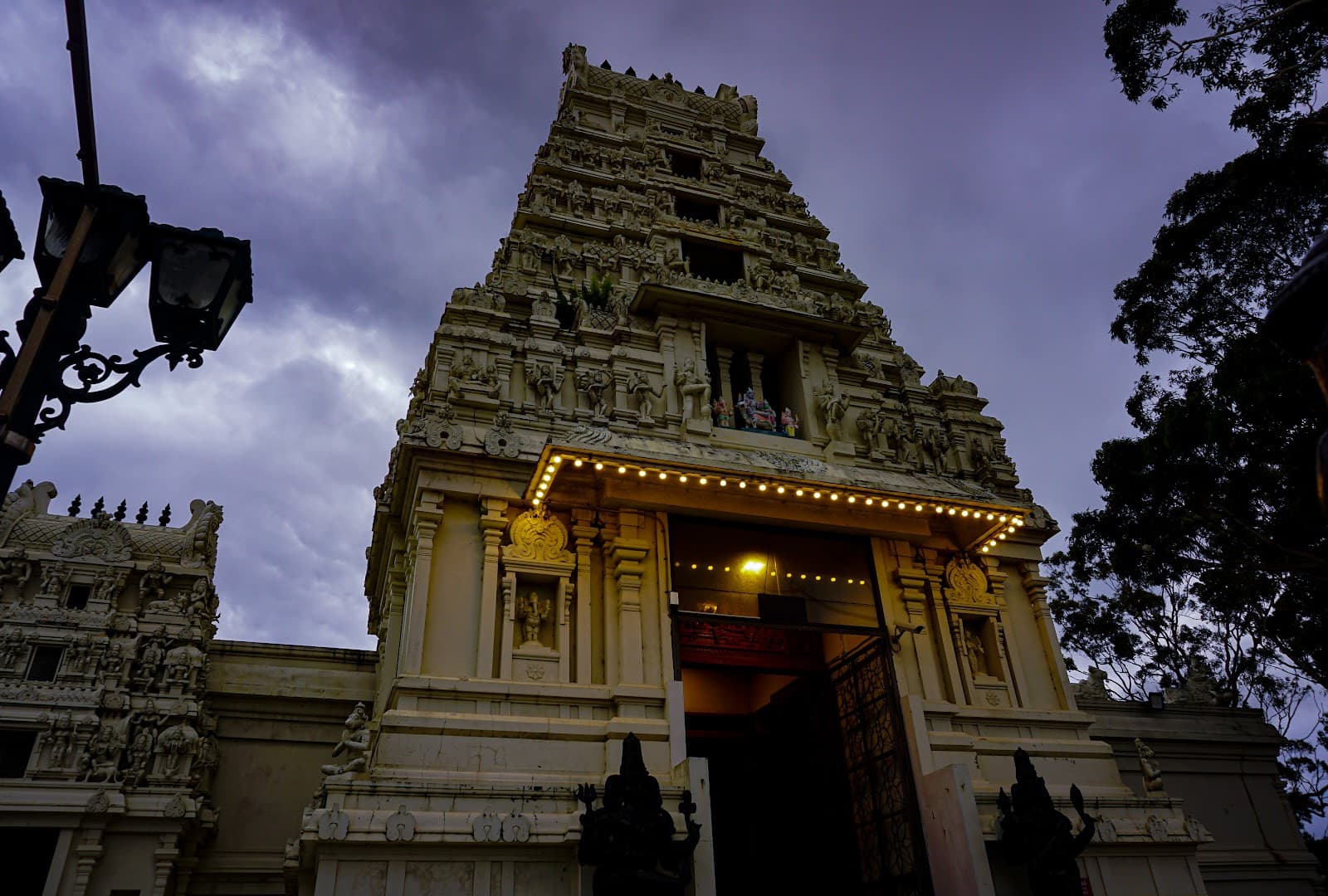
Sri Venkateswara Temple Helensburgh
Sri Venkateswara Temple Helensburgh is dedicated to Lord Venkateswara and anchors Helensburgh, New South Wales, as the largest traditional mandir in the southern hemisphere ([1][2]). Weekday darshan operates from 8:00 AM to 12:00 PM and 4:00 PM to 7:00 PM, while weekend seva blocks extend to 8:30 PM with queue marshals stationed under the sixteen-column mandapa to separate ticketed archana devotees from casual visitors ([1][5]). The annadhanam hall seats 350 with stainless service lines and HACCP logs posted beside the prasadam counter, and volunteers patrol the dining floor between sittings to keep evacuation aisles clear ([1][2]). Asphalt car parks on Temple Road are segmented into family, coach, and accessible bays, each mapped on LED boards that update occupancy in real time during Brahmotsavam ([1]). A 1:14 accessible ramp wraps the southern side of the rajagopuram and connects to a hydraulic platform that bridges the final granite risers, so wheelchair users reach the sanctum viewing rail without lifting assistance ([3]). Orientation signage uses bilingual Tamil-English panels, QR-linked audio guides, and pictograms for shoe storage, first aid, and quiet rooms, helping newcomers settle without slowing veteran pilgrims ([2][6]). Site stewards log fire drills, rainwater pump tests, and sanitation cycles within an asset-management tablet so compliance tasks are timestamped before evening arati concludes ([4]). With the granite kitchen humming, the main hall ventilated via roof monitors, and ushers escorting seniors to shaded seating, the complex remains fully ready for year-round worship, festivals, and coach tours ([1][2]).

Dwarkadhish Temple Dwarka
The salty air, thick with the scent of incense and the murmur of chanting, welcomed me to the Dwarkadhish Temple. Rising from the western edge of Dwarka, where the Gomti River meets the Arabian Sea, the five-storied edifice, also known as the Jagat Mandir, seemed to breathe history. Its chalk-white facade, sculpted with intricate details, shimmered under the intense Gujarat sun. This wasn't just a temple; it was a narrative etched in stone, a testament to centuries of devotion and architectural prowess. My lens, accustomed to the sandstone hues of Madhya Pradesh's temples, was immediately captivated by the Chalukya style architecture. The temple's main spire, or shikhara, soared 78 meters high, a majestic beacon visible from miles away. Its surface, a tapestry of carved figures depicting deities, celestial beings, and scenes from Hindu mythology, was a visual feast. I spent hours circling the structure, adjusting my camera angles to capture the interplay of light and shadow on these miniature narratives. The intricate latticework jalis, or screens, offered glimpses of the inner sanctum, adding a layer of mystique to the already potent atmosphere. Ascending the steps, worn smooth by countless pilgrims, I entered the Sabha Mandap, the assembly hall. Here, the air was alive with the rhythmic chanting of mantras and the clang of bells. Fifty-six intricately carved pillars supported the hall's ceiling, each a masterpiece of craftsmanship. The sheer density of the carvings, depicting everything from floral motifs to epic battles, was overwhelming. I found myself drawn to the subtle variations in style, hinting at the contributions of different artisans across generations. The Garbhagriha, the inner sanctum where the deity of Lord Krishna, Dwarkadhish, resides, was a space of palpable reverence. Photography wasn't permitted inside, but the experience transcended the visual. The energy of the space, charged with centuries of prayer and devotion, was undeniable. It was a moment of quiet reflection, a pause in the whirlwind of capturing images. Beyond the main temple, the complex sprawled into a network of courtyards, shrines, and smaller temples. Each corner held a new discovery – a hidden carving, a weathered inscription, a glimpse into the temple's layered past. I was particularly fascinated by the ancient well, believed to be connected to the Gomti River, its water considered sacred. The stories woven around this well, passed down through generations, added another dimension to the temple's rich tapestry. The experience wasn't just about documenting the architecture; it was about absorbing the atmosphere. The constant flow of devotees, their faces etched with faith, the echoing chants, the scent of sandalwood – these sensory details became integral to my understanding of the Dwarkadhish Temple. It wasn't a static monument, but a living, breathing entity, constantly evolving with the ebb and flow of devotion. As the sun began to set, casting long shadows across the temple complex, I found myself on the Gomti Ghat, watching the evening aarti. The rhythmic chanting, the flickering lamps, and the vibrant colours of the setting sun created a scene of breathtaking beauty. It was a fitting end to a day spent immersed in the heart of Hindu devotion. My camera, though laden with images, could only capture a fraction of the experience. The true essence of Dwarkadhish Temple, its spiritual weight and historical significance, remained etched in my memory, a testament to the enduring power of faith and human artistry.
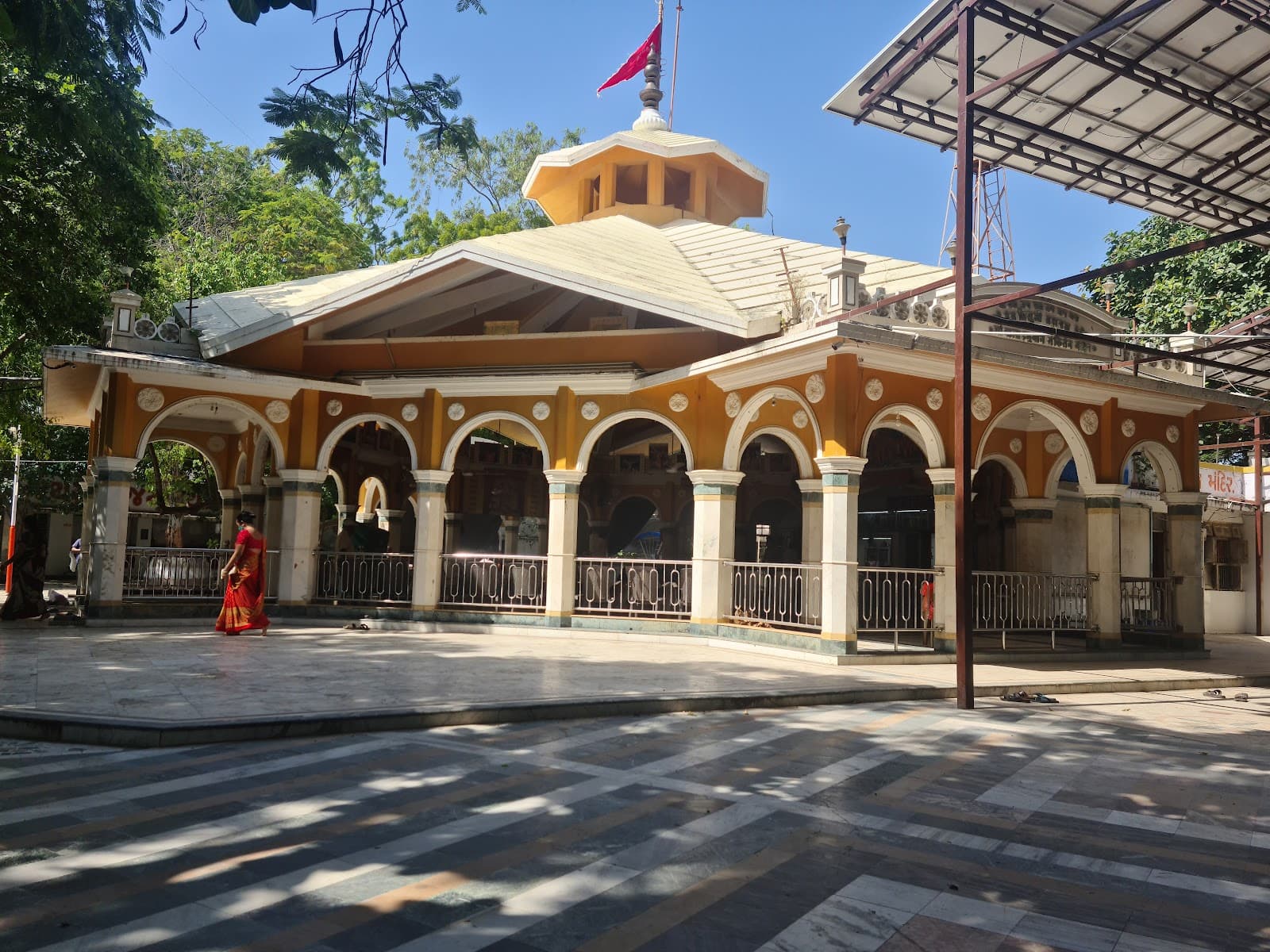
Bala Hanuman Mandir Jamnagar
The Bala Hanuman Mandir in Jamnagar, Gujarat, resonates with the continuous chanting of "Sri Ram, Jai Ram, Jai Jai Ram" since 1964, a feat recognized by the Guinness World Records ([1][2]). This 20th-century temple, built during the British Colonial Period, stands as a testament to unwavering devotion and community spirit ([2][3]). While not adhering to strict UNESCO architectural guidelines, its design incorporates regional materials and vernacular styles, reflecting the local Gujarati traditions ([4]). Dedicated to Lord Hanuman, the temple provides a serene space for devotees. Within the Garbhagriha (sanctum sanctorum), a vibrant idol of Lord Hanuman, adorned in traditional orange robes, captivates the eye ([4]). Intricate carvings adorning the walls depict scenes from the Ramayana, enriching the temple's spiritual ambiance ([5]). The continuous chanting, a form of devotional practice known as 'Ajapa Japa', creates a powerful spiritual atmosphere ([1]). During the British Colonial Period, the Bala Hanuman Mandir served as a focal point for the local community, fostering a sense of unity and shared faith ([3]). Stories abound of devotees finding solace and connection within its walls ([1]). Vastu Shastra principles, the ancient Indian science of architecture, may have subtly influenced the temple's layout, promoting harmony and positive energy, though specific textual references are currently undocumented. Leaving the Bala Hanuman Mandir, visitors carry with them a profound sense of collective devotion, a reminder of the enduring power of faith ([2][5]). The temple's simple yet resonant structure provides a compelling glimpse into the region's religious practices and cultural heritage ([3][4]).
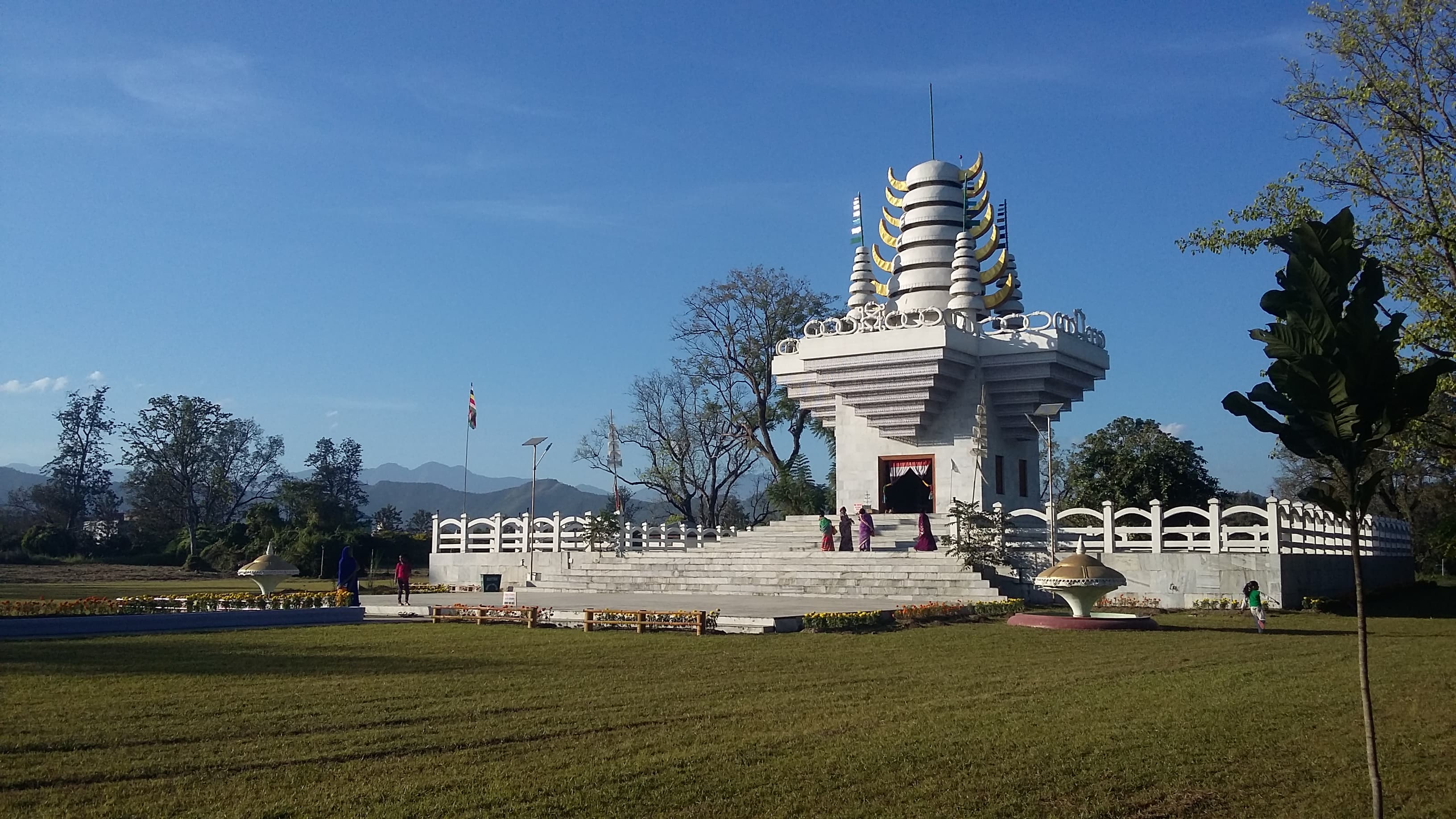
Chingnungkok Temple Imphal
Nestled in Konung Mamang, Imphal, the Chingnungkok Temple represents the vernacular Manipuri religious architecture of the 18th century ([1][2]). Maharaja Garib Niwaz commissioned its construction around 1710 CE within the historic Kangla Fort complex ([3]). The temple is dedicated to Pakhangba, a principal Meitei deity, reflecting the region's spiritual landscape ([1]). Timber construction stands out as a defining feature of the temple, complemented by a distinctive thatched roof ([4]). Fired brick and mud brick construction are evident in the rectangular structure ([2]). Intricate carvings embellish the roof eaves and supporting pillars, depicting scenes from Meitei folklore ([1][3]). These carvings narrate stories passed down through generations, showcasing the artisans' skills and preserving cultural memory ([4]). The architectural style reflects the unique traditions of the Meitei people. Within the Garbhagriha (Sanctum), a palpable sense of reverence pervades the atmosphere ([2]). The temple harmonizes with its natural surroundings, with ancient trees providing a serene backdrop ([1]). Smaller shrines dedicated to various deities and a sacred pond further enrich the complex, echoing the main temple's architectural style ([3][4]). The sacred pond plays a vital role in temple rituals, solidifying the connection between the sacred and natural elements ([1][2]). During the Ahom period, temple architecture in the region saw a flourishing of unique styles ([3][4]). The temple reflects Manipur’s rich cultural heritage, embodying the spiritual and artistic sensibilities of the Meitei people ([1][2]). The Chingnungkok Temple stands as a testament to the enduring legacy of Manipuri craftsmanship and religious devotion ([3][4]). It exemplifies the integration of nature and spirituality in the region's architectural traditions ([1][2]).
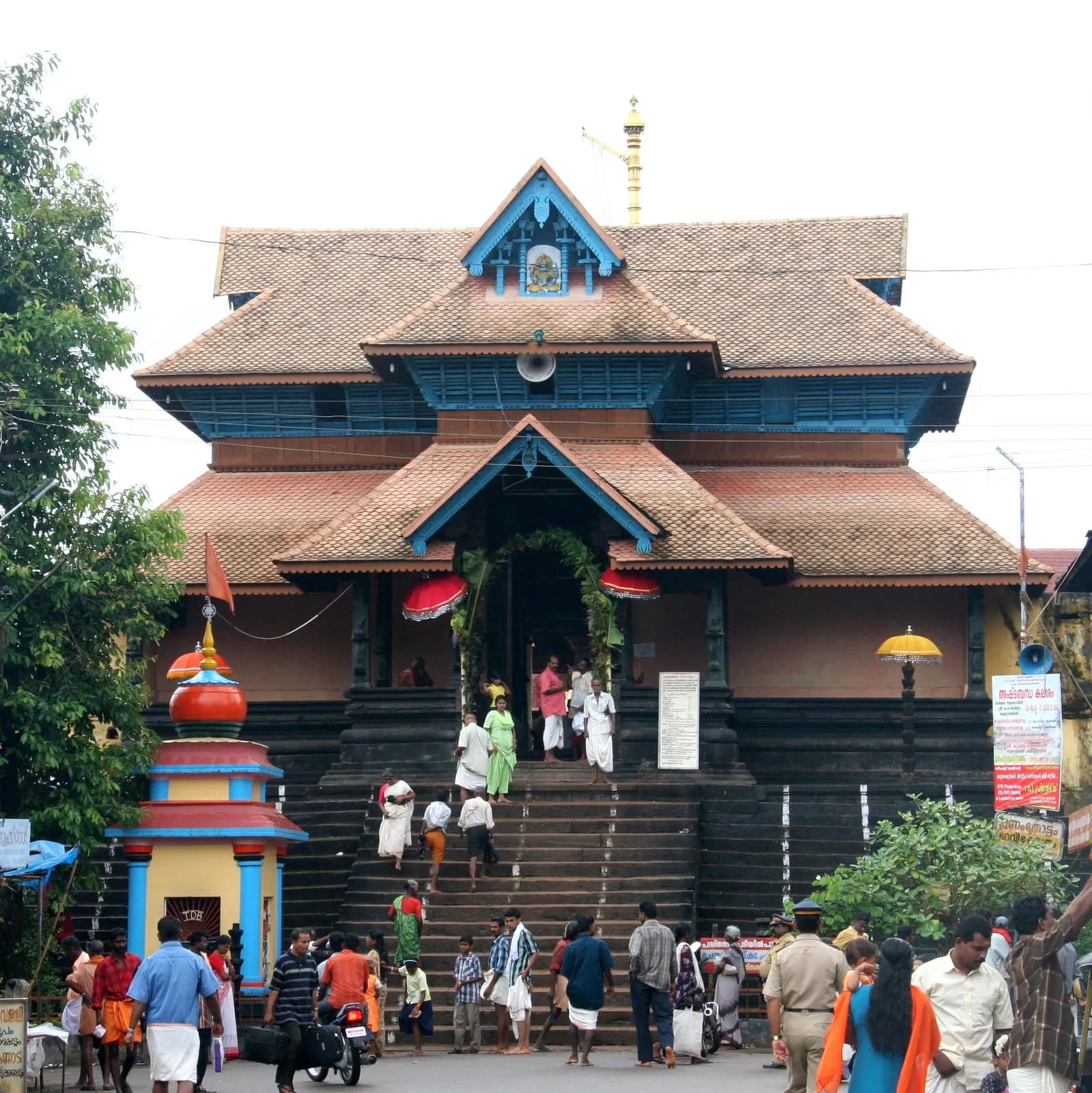
Aranmula Parthasarathy Temple Aranmula
Enclosed by Kerala's lush landscapes, the Aranmula Parthasarathy Temple, a shrine dedicated to Lord Krishna, exemplifies the region's distinct architectural heritage ([1][2]). Constructed around 1550 CE, during the Chera period, the temple diverges from the towering gopurams (gateway towers) typical of Tamil Nadu temples, embracing the Kerala style with its sloping, copper-shingled roofs ([3][4]). Commissioned by Pandya Dynasty kings, the temple showcases the architectural prowess of the time ([5]). Intricate carvings embellishing the wooden eaves and pillars narrate scenes from the Mahabharata, reflecting the region's deep-rooted mythological traditions ([1][2]). The use of laterite, wood, stone, and copper highlights the traditional materials employed in Kerala temple construction ([3][4][5]). Further, the Koothambalam (temple theatre) within the complex underscores the temple's function as a cultural center, its ornate pillars resonating with the echoes of Kathakali performances ([1][2]). Within the Garbhagriha (Sanctum Sanctorum), the deity is adorned with resplendent silks and jewels, creating a mystical ambiance heightened by the aroma of sandalwood and incense ([3][4]). The temple's design may subtly align with principles outlined in texts like the *Manasara Shilpa Shastra*, though specific verses are not directly documented ([5]). Also, Aranmula's connection to the Aranmula Kannadi, a unique metal mirror crafted through a secret process, adds to the temple's mystique ([1][2][3]). During the annual Onam festival, the Vallam Kali boat race on the Pampa River enhances the temple's spiritual significance, celebrating the enduring power of tradition ([4][5]). The temple stands as a repository of Kerala's cultural and architectural legacy, inviting visitors to immerse themselves in its rich history and spiritual aura ([1][2][3]). The gable roofs further accentuate the distinctiveness of the temple, setting it apart from other architectural styles in the region ([4][5]).
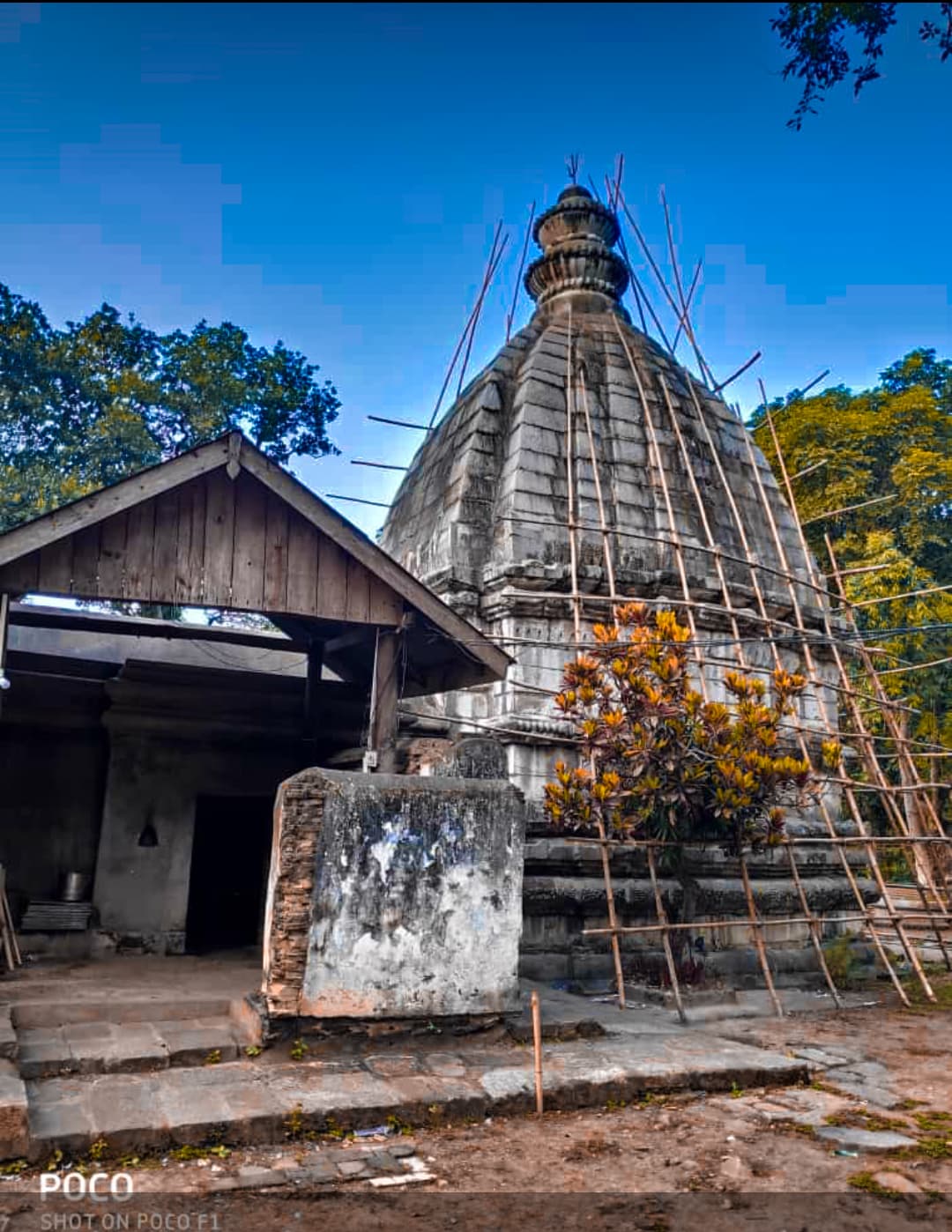
Kedareswara Temple Hajo
The Brahmaputra’s milky waters seemed to cradle the small hillock on which the Kedareswara Temple stood, a silent sentinel against the vast Assamese sky. Having spent years documenting the intricate stone carvings of Gujarat’s temples, I was eager to experience this architectural gem, so different from the sun-baked sandstone structures I was accustomed to. The journey from Guwahati, through verdant rice paddies and bustling villages, only heightened my anticipation. The first thing that struck me about Kedareswara was its stark simplicity. Unlike the ornate, almost flamboyant temples of my home state, this Shiva temple, built by the Ahom king Rajeswar Singha in 1752, exuded a quiet dignity. The pyramidal structure, reminiscent of the classic Nagara style prevalent in North India, rose in tiers towards the sky, its brick-and-mortar construction plastered and painted a pristine white. This stark white, against the vibrant green backdrop of the surrounding hills, created a visual harmony that was both striking and serene. Climbing the steep stone steps leading to the main entrance, I noticed the absence of elaborate sculptures that often adorn Gujarati temples. Here, the ornamentation was restrained, almost minimalist. A few stucco figures of deities, weathered by time and the elements, peered out from recessed niches, their features softened, almost blurred, lending them an air of ancient wisdom. The sanctum sanctorum, housing the Shiva lingam, was small and dimly lit, the air thick with the scent of incense and the murmur of prayers. The lingam itself, smooth and dark, seemed to absorb the ambient light, radiating a palpable sense of sacredness. I sat there for a while, absorbing the quiet energy of the space, the centuries of devotion that had imbued these walls with a palpable spirituality. Circumambulating the temple, I observed the subtle details that revealed the temple's unique character. The cornices, though simple, were adorned with delicate floral motifs, a testament to the local artisans' skill. Small, arched windows punctuated the thick walls, allowing slivers of light to penetrate the inner chambers, creating an interplay of light and shadow that added to the mystical atmosphere. What truly captivated me, however, was the syncretism evident in the temple's surroundings. Just a short distance away stood the Hayagriva Madhava Temple, a significant Vaishnavite shrine. This close proximity of Shaivite and Vaishnavite places of worship spoke volumes about the region's rich religious tapestry, a testament to the harmonious coexistence of different faiths. I learned from the local priest that Hajo is considered a pilgrimage site for Hindus, Buddhists, and Muslims alike, a rare example of interfaith harmony. As I descended the steps, the Brahmaputra shimmering in the afternoon sun, I reflected on the unique beauty of Kedareswara. It wasn't the grandeur or the opulence that moved me, but the quiet dignity, the understated elegance, and the palpable sense of history that permeated every stone, every corner of this ancient shrine. It was a powerful reminder that architectural marvels don't always need to shout to be heard; sometimes, a whisper can be just as profound. The Kedareswara Temple, in its serene simplicity, spoke volumes about the enduring power of faith and the rich cultural heritage of Assam. It was a journey into the heart of India’s spiritual landscape, a journey I won’t soon forget.
Vellore Fort Vellore
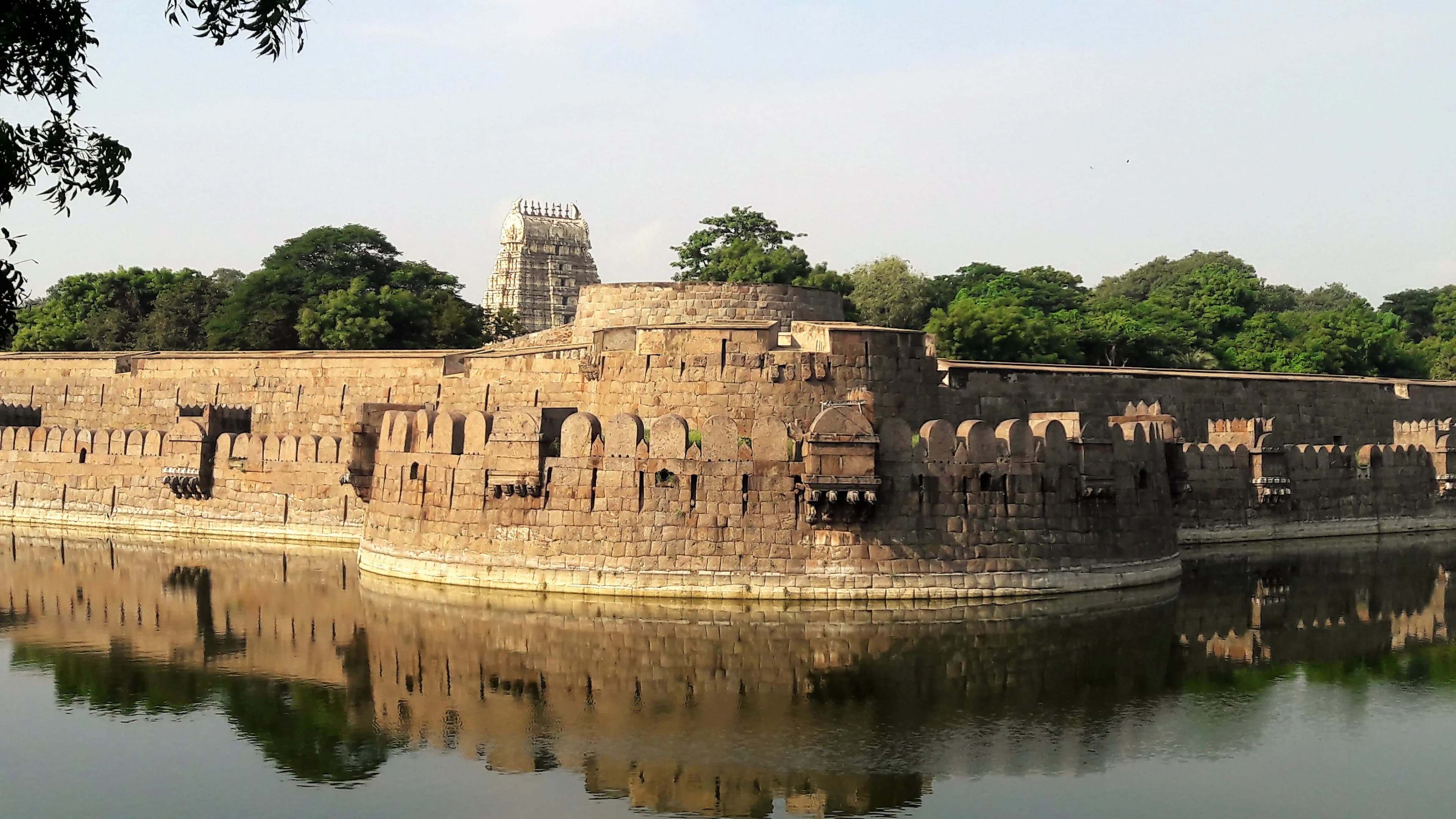
The imposing granite ramparts of the Vellore Fort rose before me, shimmering under the Tamil Nadu sun. Having explored the intricate stone carvings of Gujarat's architectural wonders, I was eager to experience the distinct Dravidian style of this 16th-century marvel. The sheer scale of the fort, its moat still brimming with water, immediately impressed. This wasn't just a military stronghold; it was a statement of power etched in stone and earth. Crossing the sturdy bridge over the moat, I felt a palpable shift in atmosphere. The outside world faded, replaced by the hushed grandeur of history. The main entrance, the Bali Kota, was a formidable gateway, its thick wooden doors reinforced with iron. The architecture here, unlike the ornate carvings I was accustomed to back home, was characterized by robust functionality. The emphasis was on strength and defense, a stark contrast to the celebratory nature of many Gujarati temples. Inside, the fort unfolded like a layered narrative. The Jalakanteswara Temple, nestled within the fort's walls, was a breathtaking example of Vijayanagara architecture. The intricate carvings covering the gopuram, though weathered by time, were a testament to the skill of the artisans. I spent a considerable amount of time studying the depictions of deities and celestial beings, noting the distinct stylistic differences from the iconography found in Gujarat's temples. The temple's location within the fort itself spoke volumes about the intertwined nature of religion and power during that era. My exploration led me to the Kalyan Mahal, a palace within the fort. Here, the architectural style shifted again. While the base retained the robust granite construction, the upper levels displayed delicate arches and balconies, hinting at Mughal influences that seeped in later centuries. Peering through the arched windows, I imagined the lives of those who once resided within these walls – royalty, soldiers, and perhaps even artists who adorned the temple with its intricate carvings. One of the most striking features of the Vellore Fort is its moat. Unlike many dry moats I've encountered, this one was filled with water, creating a formidable natural barrier. I learned that crocodiles were once introduced into the moat as an added layer of defense, a detail that sent a shiver down my spine. Circling the fort along the ramparts, I could appreciate the strategic brilliance of its design. The high walls, the wide moat, and the strategically placed bastions offered a panoramic view of the surrounding plains, allowing defenders to anticipate any approaching threat. Descending into the dark, damp cellars known as the Tipu Mahal, I felt a palpable sense of history. These underground chambers, once used for storage and perhaps even as prisons, offered a glimpse into the less glamorous aspects of fort life. The air was thick with the scent of damp earth and the echoes of the past seemed to linger in the silence. As I left the Vellore Fort, the late afternoon sun casting long shadows across the ramparts, I carried with me a deeper understanding of South Indian military architecture. The fort was not merely a collection of stones and mortar; it was a living testament to the ingenuity and resilience of those who built and defended it. The experience was a powerful reminder that architecture, at its best, can tell a story, and the Vellore Fort had whispered its tales to me in a language both powerful and profound. The contrast with the architectural traditions of my home state, Gujarat, only served to enrich my appreciation for the diversity and richness of India's architectural heritage.
Buddhist Temple of Qala-i Khumb Gorno-Badakhshan Tajikistan
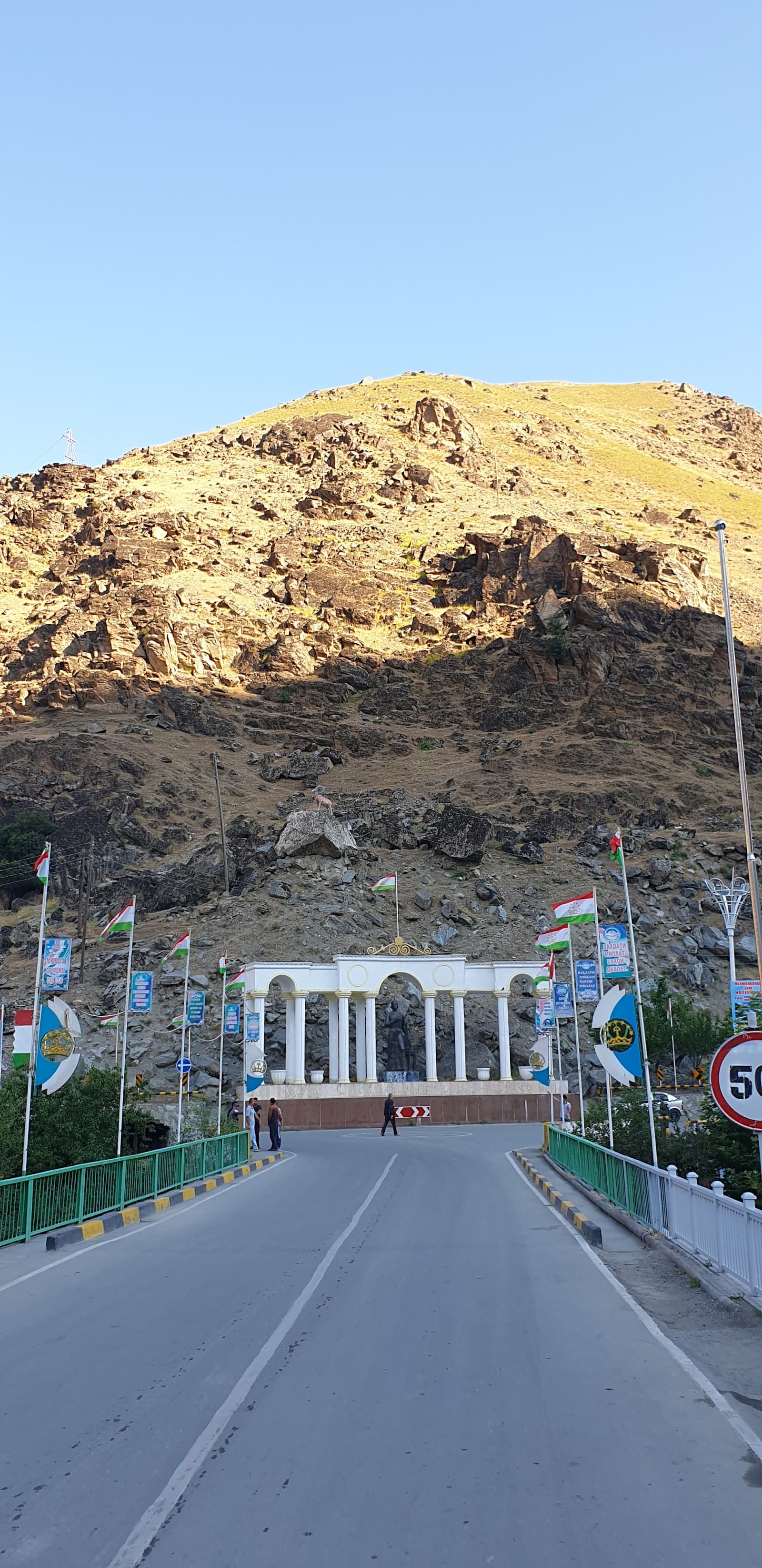
Nestled in the remote Gorno-Badakhshan Autonomous Region of Tajikistan, the Buddhist Temple of Qala-i Khumb, built around 650 CE, stands as a significant testament to the transmission of Indian Buddhist architectural and artistic traditions across Central Asia ([1][2]). This 7th-century complex, constructed during the Tokharistan period under the patronage of the Tokharistan Yabghus, showcases a remarkable synthesis of Indian and Central Asian building techniques ([1]). The temple's location along ancient trade routes underscores its role in disseminating Buddhist teachings and culture from India to the wider region ([2]). Archaeological excavations have uncovered extensive ruins, including foundations, walls, and architectural fragments, offering insights into the temple's original layout and design ([1]). Stone, rammed earth, fired brick, clay, stucco, wood, and metal were employed in its construction, reflecting both local resources and imported techniques ([1][2]). The architectural elements exhibit clear Indian Buddhist iconographic influences, demonstrating the profound impact of Indian artistic traditions ([2]). Intricate carvings adorning the walls depict Buddhist sculptures and reliefs, executed in a style that reflects the Gupta and post-Gupta periods of northern India ([1]). These artistic details highlight the sophisticated understanding of Indian Buddhist traditions possessed by the artisans who created the complex ([2]). The discovery of coins, pottery, and ritual objects further supports the site's importance as a major center of Buddhist learning and practice, attracting monks, traders, and pilgrims from various regions, including India ([1]). Sophisticated planning principles, systematically transmitted from the great monastic centers of India, are evident in the temple's layout, which features a central sanctuary surrounded by monastic cells and assembly halls ([2]). This layout mirrors the principles outlined in ancient texts such as the *Manasara Shilpa Shastra*, which details the planning and construction of sacred structures, although specific textual references for this temple's design remain to be confirmed through further research. Today, the Buddhist Temple of Qala-i Khumb, a UNESCO Tentative List site, continues to be studied and conserved, preserving its legacy as a vital link between Indian and Central Asian civilizations ([1][2]).
Quick Links
Plan Your Heritage Journey
Get personalized recommendations and detailed visitor guides