Has Inheritage Foundation supported you today?
Your contribution helps preserve India's ancient temples, languages, and cultural heritage. Every rupee makes a difference.
Secure payment • Instant 80G certificate
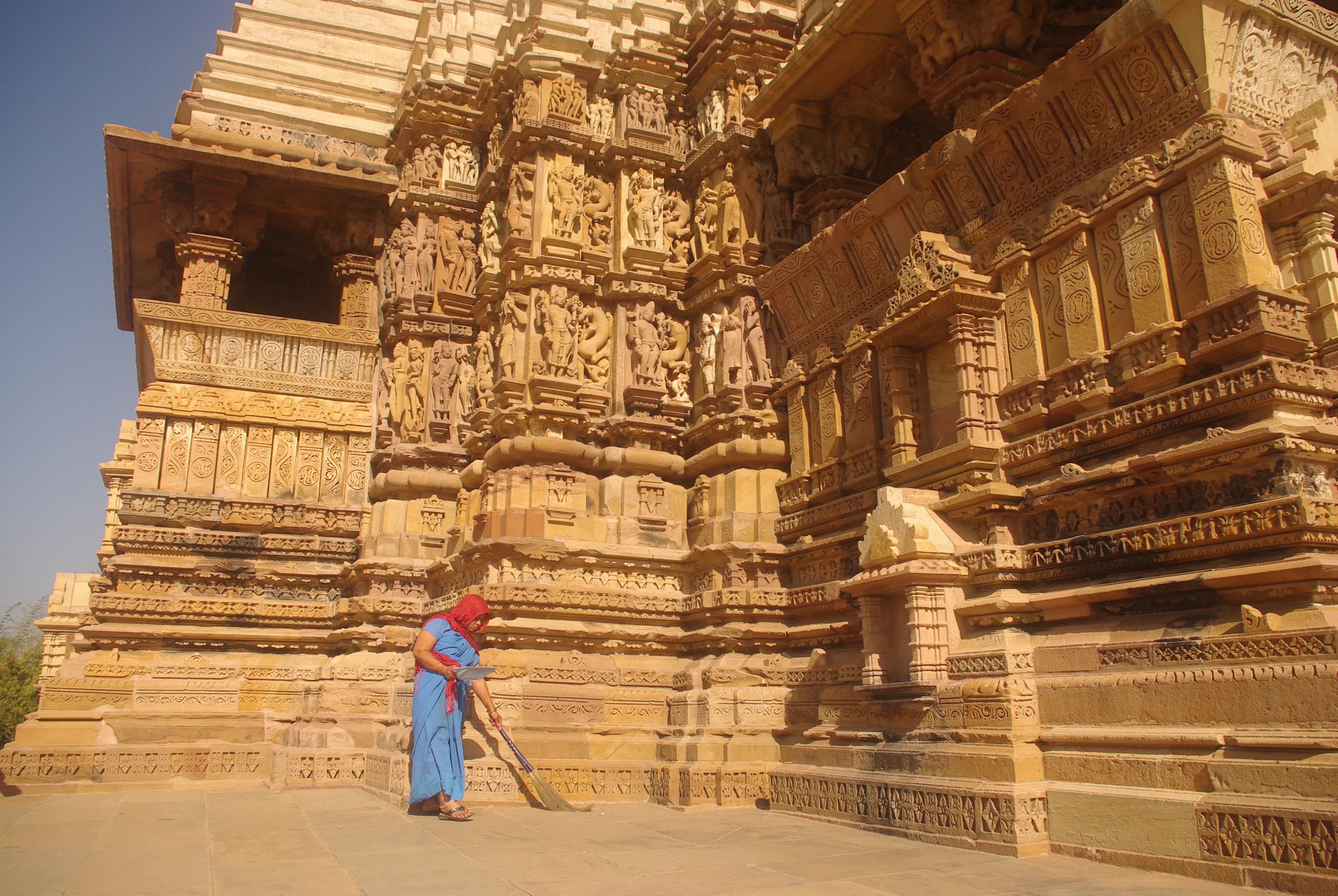
Kandariya Mahadeva Temple Khajuraho
The rising sun cast long shadows across the manicured lawns of the Western Group of temples at Khajuraho, and my gaze was immediately drawn to the magnificent Kandariya Mahadeva. Dominating the skyline, this temple, dedicated to Lord Shiva, is arguably the most iconic and elaborate of the Khajuraho group. The sheer scale of it took my breath away – a mountain of sculpted sandstone reaching for the heavens, a testament to the Chandela dynasty's architectural prowess and artistic vision. As I approached, the intricate carvings began to reveal themselves. The temple, built on a high platform, felt like a living, breathing entity. Every inch of the exterior, from the base to the towering shikhara, was covered in a profusion of sculptures. These weren't mere decorations; they narrated stories from Hindu mythology, depicted scenes of courtly life, and celebrated the sensuality that is so characteristic of Khajuraho's art. I noticed apsaras, celestial nymphs, frozen in graceful poses, their expressions ranging from serene contemplation to playful allure. Warriors, musicians, and animals – elephants, lions, and mythical creatures – all found their place within this intricate tapestry of stone. Climbing the steps to the main entrance, I felt a palpable shift in atmosphere. The air grew cooler, and a sense of reverence settled over me. The doorway itself was a masterpiece of intricate carving, layers of figures framing the entrance to the sanctum sanctorum. Stepping inside, I was struck by the relative simplicity of the inner chamber compared to the exuberant exterior. The play of light and shadow created a mystical ambiance, focusing attention on the garbhagriha, the innermost sanctum where the deity would have resided. Although the original lingam is no longer present, the space still held a palpable sense of sacredness. Spending time within the temple, I began to appreciate the architectural ingenuity of the Chandelas. The Kandariya Mahadeva is not a single structure but a complex arrangement of interconnected shrines and mandapas, each leading towards the central shikhara. This shikhara, a towering curvilinear spire, represents Mount Meru, the mythical abode of the gods. The smaller surrounding shikharas create a sense of rhythm and movement, giving the impression of a mountain range rising towards the sky. The erotic sculptures, for which Khajuraho is so famous, are undeniably a part of the temple's narrative. However, to reduce the temple to just these depictions is to miss the larger picture. They represent only a small fraction of the overall sculptural program and are integrated seamlessly within the broader themes of life, death, and spirituality. As someone who has grown up in Uttar Pradesh, surrounded by the echoes of ancient kingdoms and their artistic legacies, I found myself contemplating the multifaceted nature of these depictions. They are a reflection of a time when sensuality was not divorced from spirituality, a time when art embraced all aspects of human existence. Leaving the Kandariya Mahadeva, I carried with me a profound sense of awe and wonder. This temple is not just a collection of stones; it is a living testament to the artistic genius of a bygone era. It is a place where spirituality and sensuality intertwine, where stories are etched in stone, and where the echoes of history resonate through the centuries. It stands as a powerful reminder of the rich cultural heritage of India, a heritage that continues to inspire and captivate even today. As I walked away, I couldn't help but glance back, drawn once more to the majestic silhouette of the Kandariya Mahadeva against the clear blue sky, its intricate carvings shimmering in the sunlight.
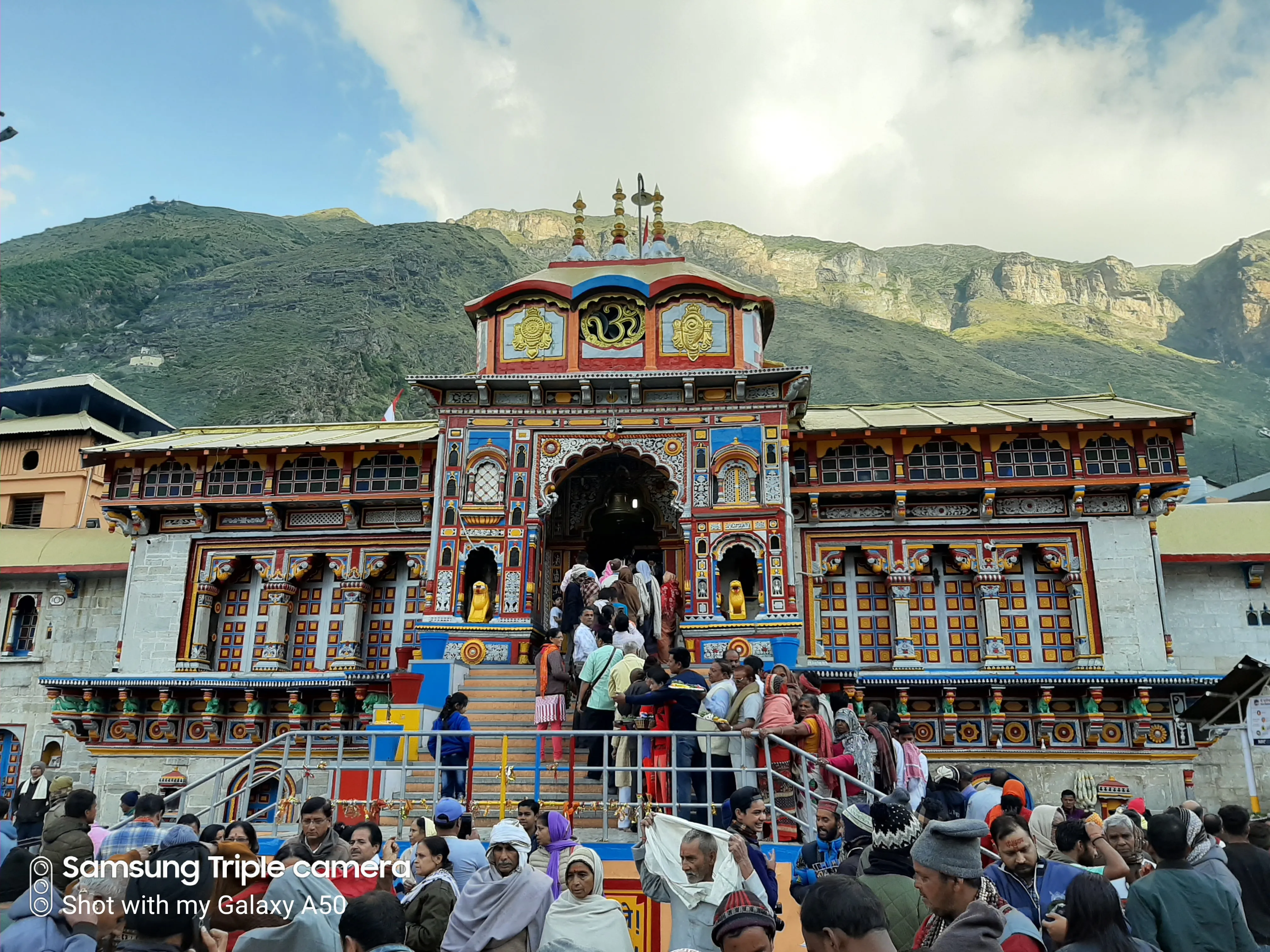
Badrinath Temple Chamoli
Enshrined in the majestic Garhwal Himalayas, the Badrinath Temple, a sacred abode dedicated to Lord Vishnu, allures devotees with its spiritual significance ([1]). Constructed in the 19th century (1803 CE), the temple exemplifies the Nagara style of North Indian architecture ([2]). Its towering Shikhara (spire) and multi-storied structure are visual testaments to the architectural prowess of the era ([3]). The vibrant facade, embellished with an arched gateway and cupola, presents a captivating contrast against the Himalayan backdrop ([4]). Stone and wood, the primary construction materials, are enhanced by copper and gold accents, reflecting the region's rich artistic heritage ([5]). Intricate carvings depicting Hindu mythological narratives adorn the temple walls, enriching its visual and spiritual depth ([6]). Within the Garbhagriha (sanctum), the revered black stone idol of Lord Vishnu radiates serenity, serving as the focal point for devotees ([7]). Tradition credits Adi Shankara with the temple's re-establishment, reinforcing its spiritual importance ([8]). Pilgrims willingly endure the challenging climate to immerse themselves in the sacred Tapt Kund, a thermal spring believed to possess healing properties ([9]). The patronage of the Garhwal Royals has significantly shaped the temple's legacy and contributed to its preservation ([10]). Furthermore, the Alaknanda River enhances the temple's spiritual ambiance, creating a harmonious blend of nature and faith ([11]). The temple stands as a symbol of resilience, unwavering faith, and the profound connection between humanity and the majestic Himalayas ([12]). The Badrinath Temple's architecture aligns with principles outlined in ancient texts, though specific verses require further research, its design echoes the spiritual and aesthetic values embedded in Indian temple traditions. During the pilgrimage season, the temple becomes a vibrant hub of cultural and religious activity, attracting visitors from across the globe ([13]). The surrounding landscape, with its snow-capped peaks and verdant valleys, further amplifies the temple's spiritual allure ([14]).
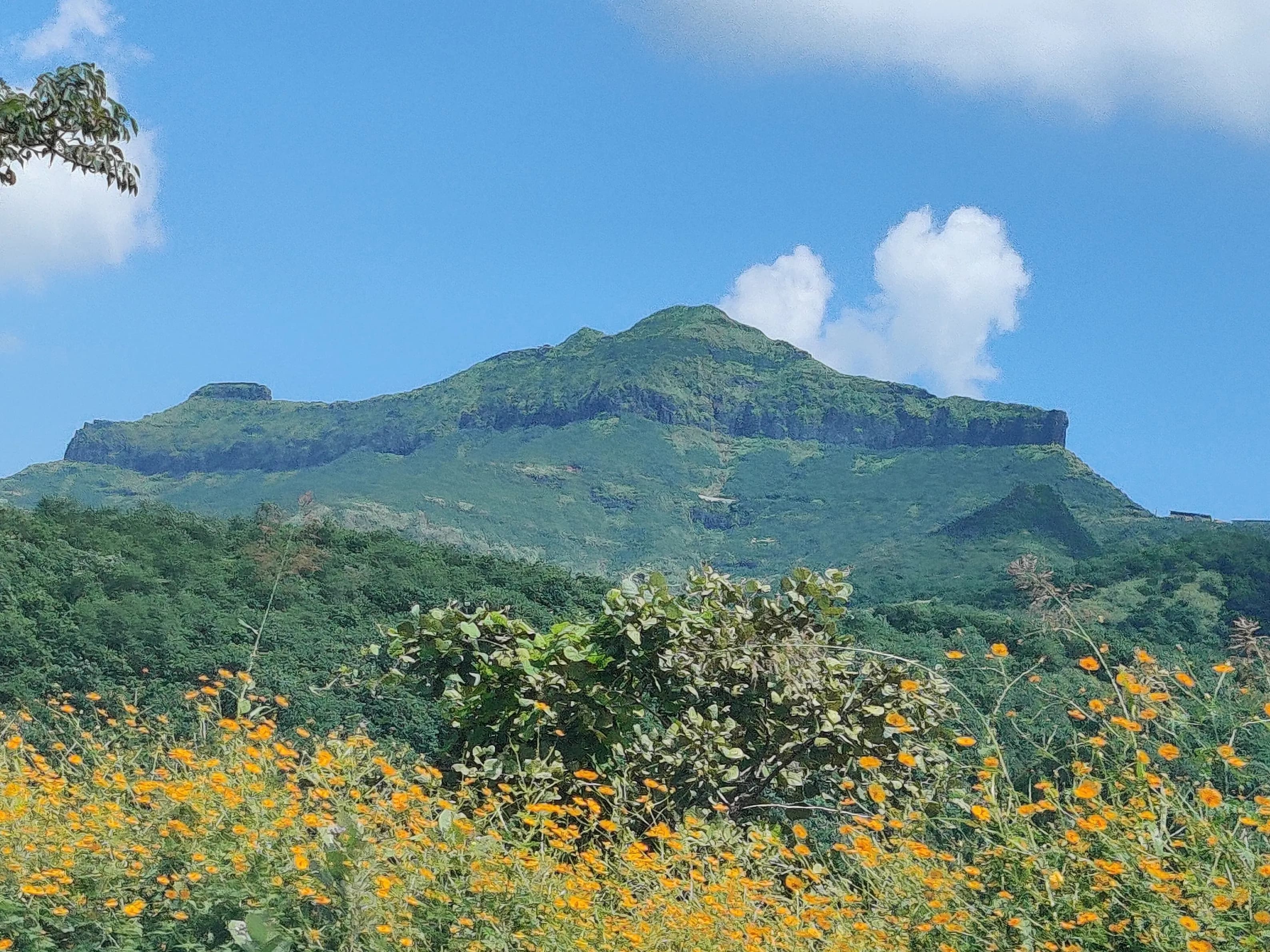
Purandar Fort Pune
The wind whipped at my kurta as I climbed the final stretch to Purandar Fort, perched high above the sprawling plains surrounding Pune. The air, thin and crisp, carried with it the whispers of history, a palpable sense of the Maratha empire that once commanded these heights. My camera, a constant companion, felt heavy in my hand, almost inadequate to capture the grandeur unfolding before me. Purandar isn't just one fort, but two – Purandar proper and Vajragad, its slightly lower, twin-peaked companion. This duality, this mirroring of structures, immediately captured my attention. The climb itself was a journey through time, the rough-hewn basalt steps worn smooth by centuries of footfalls. I paused often, not just to catch my breath, but to absorb the changing perspectives of the landscape below – the patchwork quilt of fields, the distant glint of the Mula-Mutha river, the tiny villages scattered like pebbles across the valley. Reaching the top, I was greeted by the imposing Kedareshwar Temple, its weathered stone a testament to the passage of time. The intricate carvings, though softened by erosion, still spoke of a skilled hand, a devotion poured into every chisel stroke. Unlike the opulent temples of Madhya Pradesh, this one felt austere, almost military in its simplicity, reflecting perhaps the strategic importance of this location. The fort itself is a fascinating blend of natural defenses and carefully planned fortifications. The steep cliffs form natural ramparts, while the strategically placed bastions and gateways speak of a sophisticated understanding of military architecture. I spent hours exploring the ruins, my lens drawn to the remnants of the past. The crumbling walls, the broken arches, the silent cannons – each element told a story. I was particularly intrigued by the 'Bini Darwaza', a hidden escape route carved into the cliff face. Imagining the hurried footsteps of soldiers and royalty using this secret passage during times of siege sent a shiver down my spine. The view from the ramparts was breathtaking, a panoramic sweep of the surrounding countryside. It was easy to see why this location was so fiercely contested, a strategic vantage point commanding the trade routes and the surrounding territories. The most poignant moment of my visit, however, was at the site of Shivaji Maharaj's son, Sambhaji’s birth. A small, unassuming structure marks the spot, but the historical weight of the location was immense. Here, within these very walls, a key figure in Maratha history was born. It was a humbling experience, a reminder of the human stories woven into the fabric of these ancient stones. As the sun began its descent, casting long shadows across the fort, I made my way down, my memory card filled with images, my mind buzzing with impressions. Purandar is more than just a fort; it's a living testament to the resilience and ingenuity of the Maratha empire. It's a place where history whispers in the wind, where the stones themselves hold memories, and where the landscape unfolds like a tapestry woven with the threads of time. My photographs, I hope, will capture a fraction of this magic, a glimpse into the soul of this magnificent historical site. But the true essence of Purandar, the feeling of standing on the precipice of history, is something that can only be experienced firsthand.
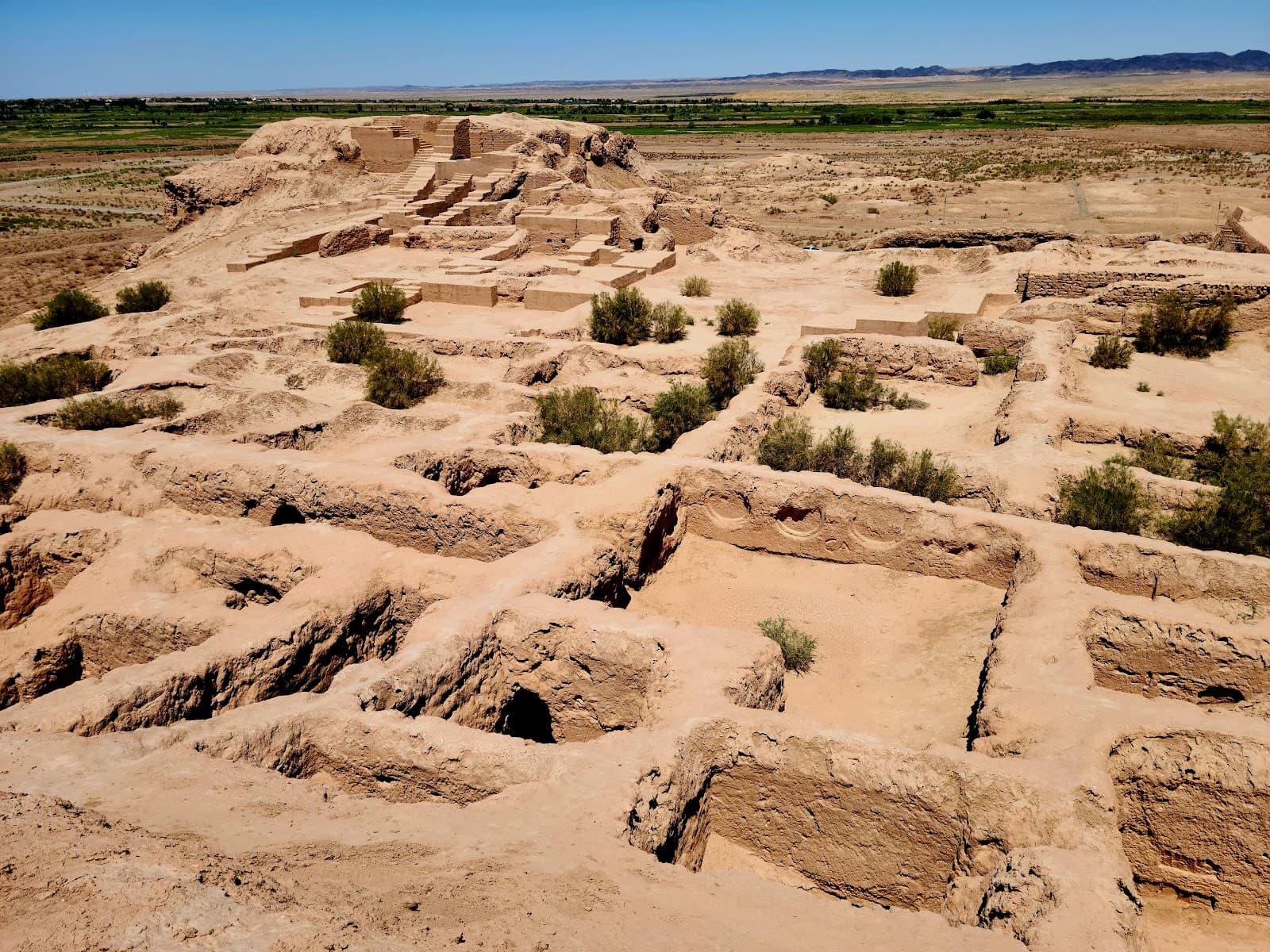
Topraq-Kala Karakalpakstan Uzbekistan
Topraq-Kala, located in the Karakalpakstan region of Uzbekistan, represents one of the most magnificent and archaeologically significant Khorezmian palace-temple complexes in Central Asia, constructed from the 1st to 4th centuries CE as a major administrative and religious center that demonstrates the extraordinary synthesis of Central Asian palace architecture with Indian Hindu religious iconography and artistic traditions, creating a powerful testament to the profound transmission of Indian religious and cultural traditions to Central Asia during the ancient period. The complex, comprising an extensive fortified palace with multiple courtyards, residential quarters, and religious structures, features remarkable archaeological discoveries including temple remains adorned with Hindu iconography including sculptures and reliefs depicting Hindu deities that demonstrate the direct transmission of Indian Hindu religious and artistic traditions to Central Asia, while the discovery of numerous artifacts including sculptures of Shiva, Vishnu, and other Hindu deities provides crucial evidence of the site's role as a center where Indian Hindu religious practices flourished in Central Asia. The palace-temple complex demonstrates sophisticated architectural planning with multiple levels, courtyards, and specialized structures that reflect both Central Asian palace traditions and Indian temple architectural influences, while the extensive decorative programs including sculptures and reliefs executed in styles that demonstrate clear connections to Indian artistic traditions provide crucial evidence of the ways in which Indian Hindu iconography was adapted and transformed in the Central Asian context. Archaeological excavations have revealed that the complex served as both a major administrative center for the Khorezmian state and a center of Hindu worship, while the discovery of numerous artifacts including coins, pottery, and ritual objects provides crucial evidence of the site's role in the transmission of Indian religious, artistic, and cultural traditions to Central Asia, demonstrating the sophisticated understanding of Indian traditions possessed by the inhabitants of this remarkable complex. The site's location along major trade routes underscores its significance as a center for the transmission of Indian religious and cultural traditions to Central Asia, while the extensive archaeological remains provide crucial insights into the ways in which Indian Hindu practices were integrated into Central Asian palace and religious architecture. Today, Topraq-Kala stands as a UNESCO Tentative List site and represents one of the most important Khorezmian archaeological sites in Central Asia, serving as a powerful testament to the transmission of Indian Hindu culture and architecture to Central Asia, while ongoing archaeological research and conservation efforts continue to protect and study this extraordinary cultural treasure that demonstrates the profound impact of Indian civilization on Central Asian religious and artistic traditions. ([1][2])
Sanghi Temple Hyderabad
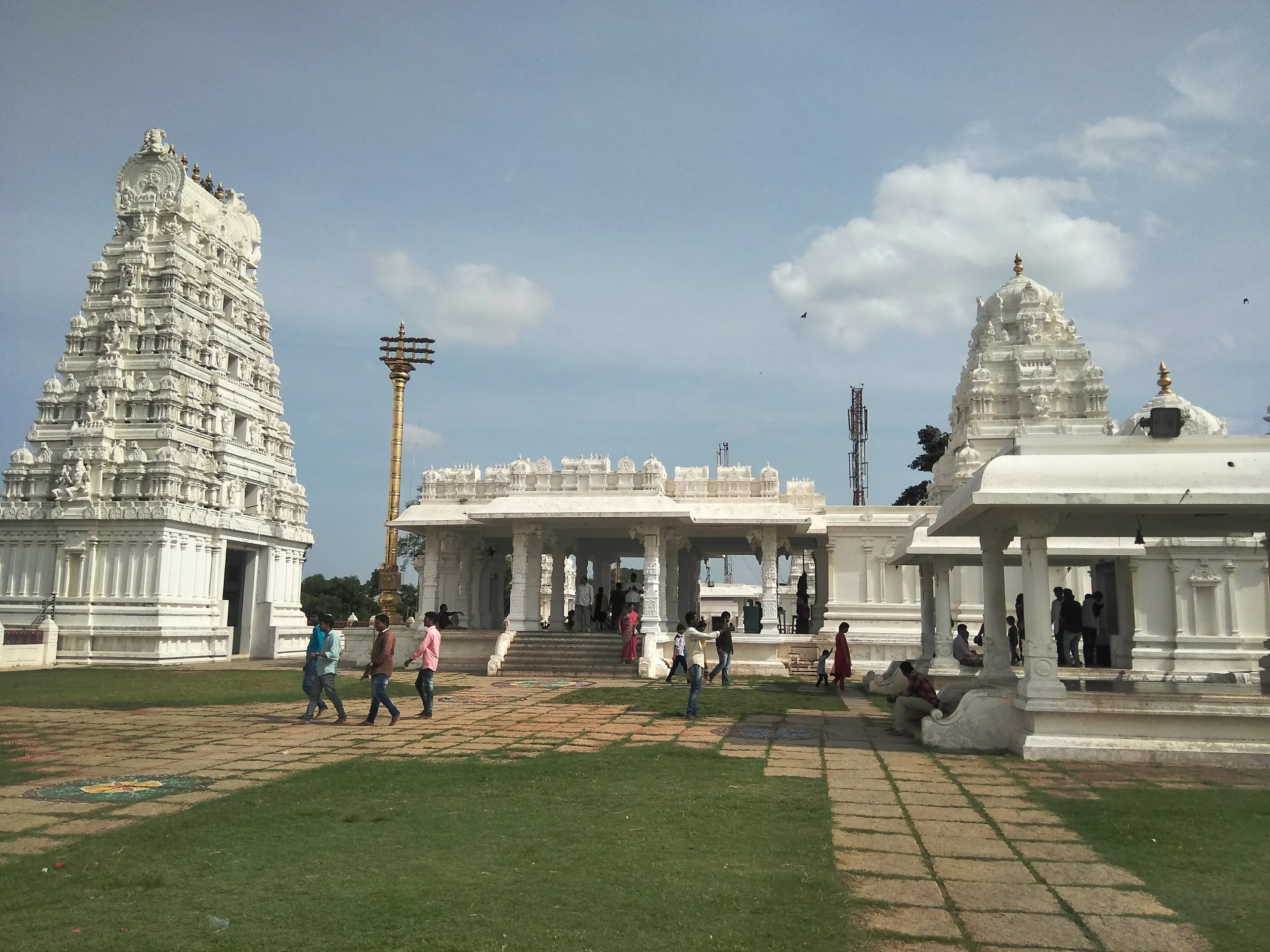
The wind whipped around me, carrying the faint scent of incense and the distant chanting of mantras, as I stood at the foot of the magnificent Sanghi Temple. Having explored countless forts and palaces of Rajasthan, I’ve developed a keen eye for architectural grandeur, and even so, this temple, nestled amidst the rocky landscape of Telangana, took my breath away. It wasn’t a single monolithic structure, but a sprawling complex of shrines, each dedicated to a different deity within the Hindu pantheon, all crafted from gleaming white marble that seemed to radiate an inner light. The main temple, dedicated to Lord Venkateswara, dominates the skyline. Its towering gopuram, intricately carved with scenes from Hindu mythology, draws the eye upwards, almost piercing the cerulean sky. The sheer scale of the structure is awe-inspiring. I’ve seen the intricate carvings of Dilwara and the imposing walls of Chittorgarh, but the pristine white marble of Sanghi Temple, reflecting the bright Telangana sun, created a different kind of majesty. It felt less like a fortress and more like a celestial palace, descended from the heavens. As I ascended the broad steps leading to the main sanctum, I noticed the meticulous detailing. Every inch of the temple, from the towering pillars to the delicate latticework screens, was adorned with carvings. Mythological figures, celestial beings, and floral motifs intertwined in a complex tapestry of artistry. The craftsmanship was exquisite, reminiscent of the delicate jali work I’d admired in the palaces of Jaipur, but here, the sheer volume of carving was overwhelming. It was as if an army of artisans had poured their hearts and souls into every chisel stroke. Inside the main sanctum, the atmosphere was charged with devotion. The air hummed with the low murmur of prayers and the clanging of bells. The deity, Lord Venkateswara, stood resplendent, adorned with jewels and garlands. The sheer faith radiating from the devotees around me was palpable, a testament to the spiritual power this place held. It was a stark contrast to the hushed reverence I’d experienced in the Jain temples of Ranakpur. Here, devotion was expressed openly, with an almost tangible energy. Beyond the main temple, the complex unfolded like a labyrinth of spiritual discovery. Smaller shrines dedicated to Lord Ganesha, Lord Shiva, and Goddess Durga dotted the landscape, each with its own unique architectural style and devotional atmosphere. I was particularly drawn to the serene beauty of the Goddess Lakshmi shrine, its delicate carvings and peaceful ambiance offering a respite from the bustling activity of the main temple. It reminded me of the quiet courtyards within the City Palace of Udaipur, hidden oases of tranquility amidst the grandeur. Wandering through the complex, I stumbled upon a small amphitheater, its stage facing a backdrop of lush greenery. I learned that cultural performances and religious discourses are often held here, adding another layer to the temple's vibrant tapestry. It was a thoughtful inclusion, acknowledging the importance of art and education alongside spiritual practice. This reminded me of the open-air performances I’d witnessed in the Mehrangarh Fort of Jodhpur, where history and culture came alive under the desert sky. As the sun began to set, casting long shadows across the marble courtyards, I found myself sitting by the temple’s tranquil pond, watching the koi fish glide through the clear water. The air was filled with the sound of chirping birds and the distant chanting of evening prayers. The temple, bathed in the warm glow of the setting sun, seemed to exude a sense of peace and serenity. It was a fitting end to my visit, a moment of quiet reflection after a day of exploration and discovery. Sanghi Temple, with its architectural splendor and spiritual richness, had left an indelible mark on my memory. It was a testament to the enduring power of faith and the artistry of human hands, a place where the divine and the earthly met in perfect harmony.
Raigad Fort Raigad
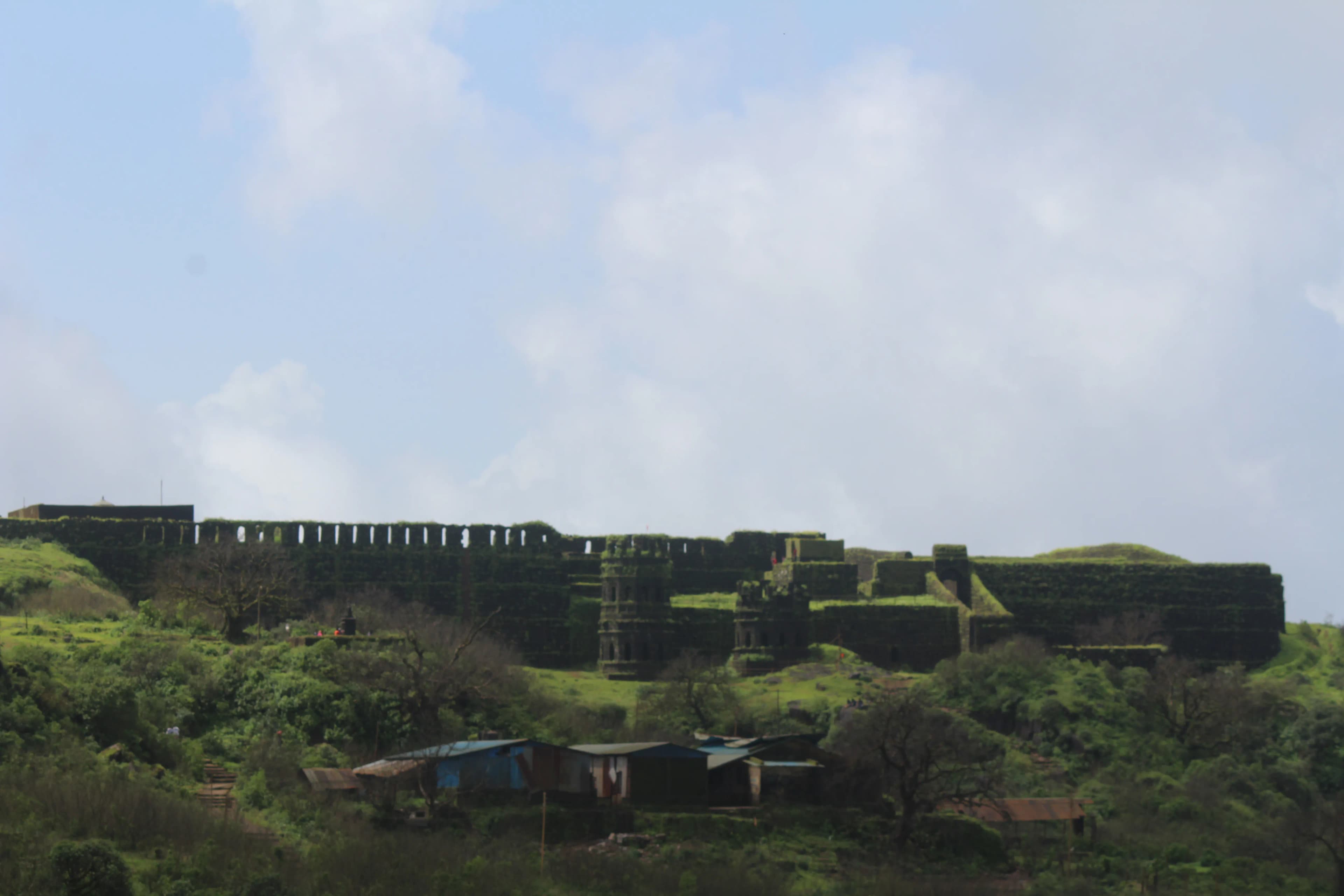
The imposing silhouette of Raigad Fort, etched against the Sahyadri mountain range, is a sight that commands reverence. Ascending via the ropeway, the sheer scale of the fortifications became immediately apparent. Unlike the granite behemoths of South India, Raigad’s laterite stone construction lends it a unique reddish-brown hue, a stark contrast to the verdant backdrop. The climb, even aided by the ropeway, instilled a sense of the strategic brilliance behind its location. One can only imagine the arduous journey undertaken by those who scaled it in centuries past. Stepping onto the Mahadarwaja, the main entrance, I was struck by the robust simplicity of its design. The absence of elaborate carvings, so characteristic of South Indian temple gateways, highlighted the fort's primarily defensive function. The massive basalt pillars flanking the entrance, however, hinted at a degree of ceremonial importance. The remnants of the once-formidable wooden doors, reinforced with iron studs, spoke volumes about the fort's resilience against sieges. The layout of the fort, spread across a plateau, is a testament to meticulous planning. The strategically placed granaries, water cisterns, and armories revealed a deep understanding of logistical necessities. The ruins of the market area, though overgrown, allowed me to visualize the bustling life that once thrived within these walls. The royal mint, with its surprisingly sophisticated equipment, offered a glimpse into the economic prowess of the Maratha empire. The Jagdishwar Temple, dedicated to Lord Shiva, stands as a poignant reminder of Chhatrapati Shivaji Maharaj's devout faith. While smaller and simpler than the grand temples of the South, its location within the fort complex underscored the integration of religious and secular life. The basalt construction of the temple, distinct from the laterite used for the fort walls, suggested that it might have pre-dated the fort itself, possibly repurposed and incorporated into the larger complex. The highlight of my visit was undoubtedly the Meghadambari, the royal palace. While only the foundations and a few walls remain, the sheer scale of the structure is awe-inspiring. I could almost picture the grandeur of the court, the vibrant tapestries, and the echoes of important discussions that once filled these halls. The panoramic view from the palace site, encompassing the surrounding valleys and hills, was breathtaking. It was easy to see why Shivaji Maharaj chose this location for his capital – a vantage point offering both strategic advantage and unparalleled natural beauty. One aspect that particularly intrigued me was the sophisticated water management system. The numerous rock-cut cisterns, strategically placed to collect rainwater, showcased a remarkable understanding of hydraulic engineering. This efficient system ensured a continuous supply of water, crucial for sustaining a large population within the fort, especially during prolonged sieges. The presence of several smaller fortifications and watchtowers scattered across the plateau further emphasized the emphasis on defense. The ingenious use of the natural terrain, incorporating cliffs and steep slopes into the defensive strategy, was a testament to the military acumen of the Maratha architects. Raigad Fort is more than just a historical monument; it's a living testament to the vision and resilience of Chhatrapati Shivaji Maharaj. While the grandeur of the South Indian temples I'm accustomed to is absent, the stark beauty and strategic brilliance of Raigad offer a different kind of architectural marvel. It's a place that resonates with history, echoing the footsteps of warriors, kings, and the everyday people who once called this fort their home. My visit to Raigad was not just a journey through time; it was an immersive experience that left me with a profound appreciation for the ingenuity and fortitude of the Maratha empire.
Takhti Sangin Oxus Temple Khatlon Tajikistan
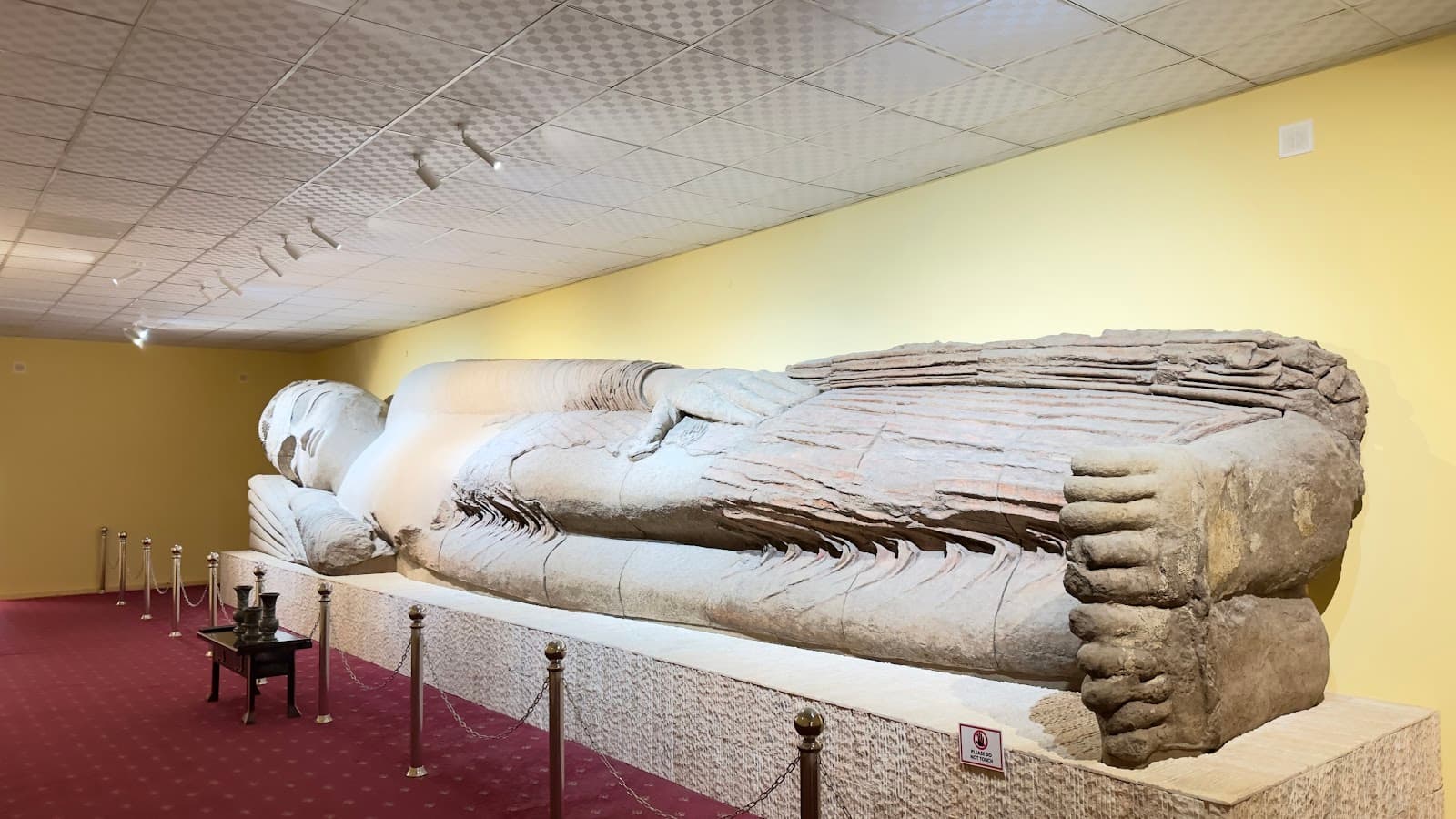
Takhti Sangin, dramatically situated at the confluence of the Vakhsh and Panj rivers in southern Tajikistan, represents one of the most extraordinary and archaeologically significant ancient temples in Central Asia, constructed in the 3rd century BCE during the Achaemenid and subsequent Hellenistic periods as a major sanctuary dedicated to the Oxus River (modern Amu Darya) that yielded extraordinary artifacts demonstrating the profound transmission of Indian religious and artistic traditions to Central Asia along the ancient trade routes. The temple complex, known as the "Oxus Temple" and excavated extensively by Soviet and Tajik archaeologists, features sophisticated architectural elements that demonstrate the synthesis of Achaemenid, Hellenistic, and Indian architectural traditions, while the site's extraordinary collection of artifacts, including numerous objects with clear Indian iconographic and stylistic influences, provides crucial evidence of the transmission of Indian religious and artistic traditions to Central Asia during the early centuries BCE. The temple's most remarkable discovery was the "Oxus Treasure," a collection of over 1,800 gold and silver artifacts including vessels, statuettes, and decorative objects, many of which demonstrate clear Indian iconographic influences including depictions of Indian deities, mythological scenes, and artistic motifs that were transmitted from the great artistic centers of India to Central Asia, while the discovery of numerous artifacts with Sanskrit inscriptions and Indian artistic styles provides crucial evidence of the site's role as a major center for the transmission of Indian religious and cultural traditions. Archaeological evidence reveals that the temple served as a major center of worship and trade, attracting pilgrims and merchants from across the ancient world including India, while the discovery of numerous artifacts with Indian iconography including depictions of Hindu deities, Buddhist symbols, and Indian artistic motifs demonstrates the sophisticated understanding of Indian religious and artistic traditions possessed by the temple's patrons and artisans. The temple's architectural layout, with its central sanctuary surrounded by courtyards and auxiliary structures, follows sophisticated planning principles that demonstrate the synthesis of various architectural traditions including Indian temple planning principles that were transmitted to Central Asia, while the temple's extensive decorative programs including sculptures, reliefs, and architectural elements demonstrate the ways in which Indian artistic traditions were integrated into Central Asian religious architecture. Today, Takhti Sangin stands as a UNESCO Tentative List site and represents one of the most important archaeological discoveries in Central Asia, serving as a powerful testament to the transmission of Indian religious and artistic traditions to Central Asia, while ongoing archaeological research and conservation efforts continue to protect and study this extraordinary cultural treasure that demonstrates the profound impact of Indian civilization on Central Asian religious and artistic traditions. ([1][2])
Mehrangarh Fort Jodhpur
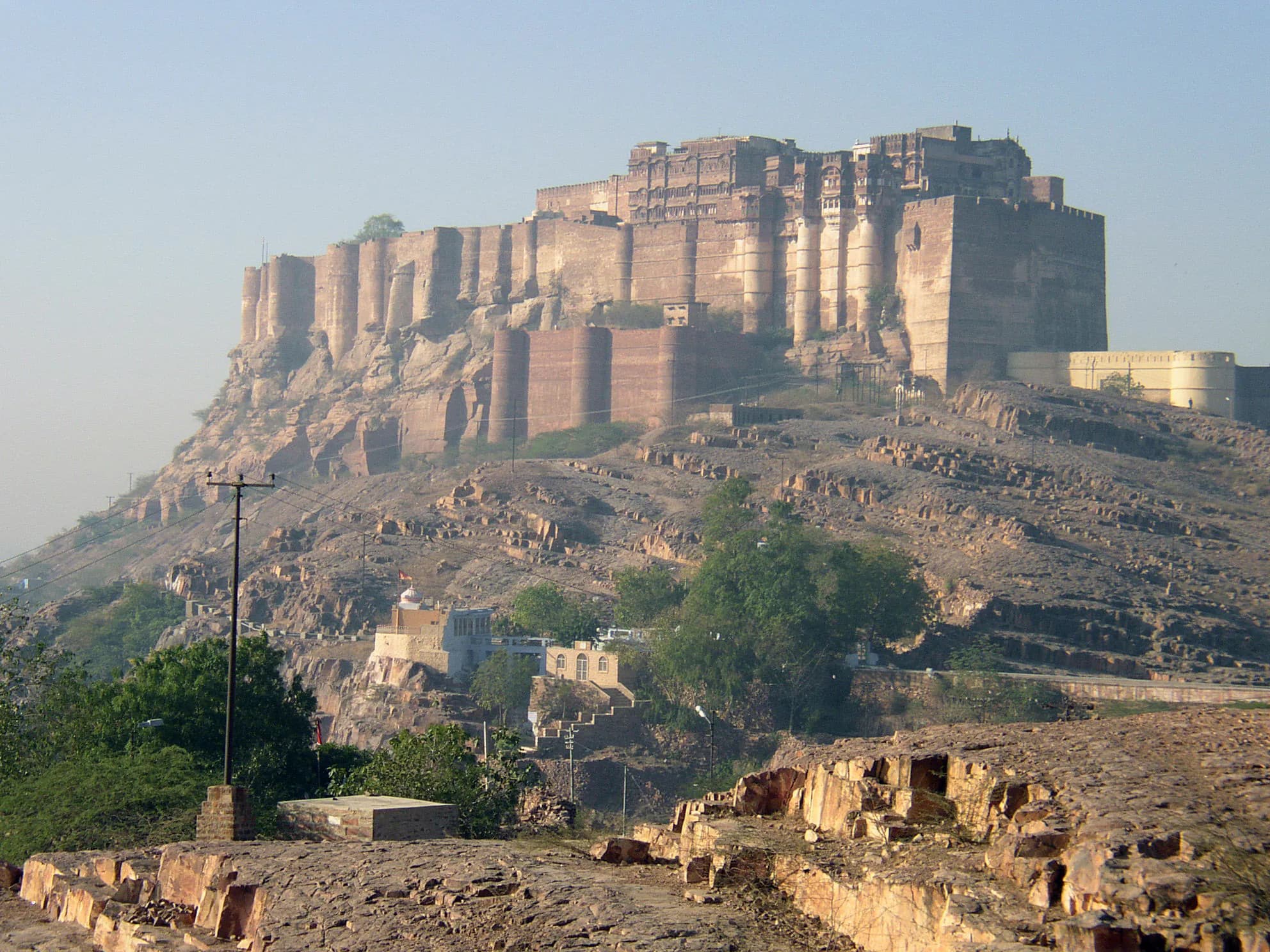
The imposing silhouette of Mehrangarh Fort, perched atop a craggy cliff overlooking the blue-washed city of Jodhpur, is a sight that commands reverence. Having traversed the length and breadth of North India, exploring countless forts, I can confidently say that Mehrangarh stands in a league of its own. It isn't merely a fort; it's a living testament to Rajputana grandeur, a sandstone behemoth whispering tales of valour, artistry, and the passage of time. My ascent began through the imposing Jayapol gate, the "Gate of Victory," still bearing the scars of cannonball attacks – a visceral reminder of the fort's turbulent past. Each subsequent gate, Fatehpol, Dedh Kamgra Pol, and Loha Pol, narrated a different chapter of the fort's history, their intricate carvings and formidable structures showcasing the evolving architectural prowess of the Rathore dynasty. Stepping into the main courtyard, I was immediately struck by the sheer scale of the fort. The palaces within, Moti Mahal, Phool Mahal, Sheesh Mahal, each exuded a unique opulence. The intricate latticework of the jharokhas (balconies) in Moti Mahal, the "Pearl Palace," offered breathtaking views of the city sprawling below, a sea of blue houses punctuated by the occasional splash of vibrant colour. The Phool Mahal, with its delicate floral carvings and mirrored walls, was a testament to the refined aesthetic sensibilities of the royals, while the Sheesh Mahal, dazzling with its intricate mirror work, was a spectacle of light and reflection. What truly captivated me, however, was the fort's museum. It wasn't just a collection of artefacts; it was a curated journey through the lives of the Rathore rulers. The howdahs (elephant seats), intricately adorned with silver and gold, spoke of regal processions and hunting expeditions. The palanquins, delicate and ornate, offered a glimpse into the lives of the royal women. The armoury, a treasure trove of swords, shields, and guns, resonated with the echoes of battles fought and won. One particular exhibit, a letter penned by a queen to her husband on the battlefield, moved me deeply. It was a poignant reminder that behind the grandeur and the valour, there were human stories of love, loss, and longing. Beyond the palaces and the museum, it was the smaller details that truly brought Mehrangarh to life. The intricate carvings on the sandstone walls, the weathered textures of the ramparts, the strategically placed cannons – each element contributed to the fort's unique character. I spent hours exploring the ramparts, tracing the contours of the city below, imagining the lives of the soldiers who once patrolled these very walls. The view from the ramparts, especially at sunset, is simply unforgettable. The blue city transforms into a canvas of warm hues, the setting sun casting long shadows across the landscape. It's a moment of quiet contemplation, a chance to absorb the centuries of history etched into the very stones of Mehrangarh. Mehrangarh is more than just a fort; it's an experience. It's a journey through time, a testament to human ingenuity and artistry. It's a place where history whispers from every corner, where the grandeur of the past meets the vibrant pulse of the present. For anyone travelling through North India, Mehrangarh Fort is not just a must-see; it's an essential pilgrimage for the soul. It’s a place that stays with you long after you’ve left its imposing walls, a constant reminder of the enduring power of history and heritage.
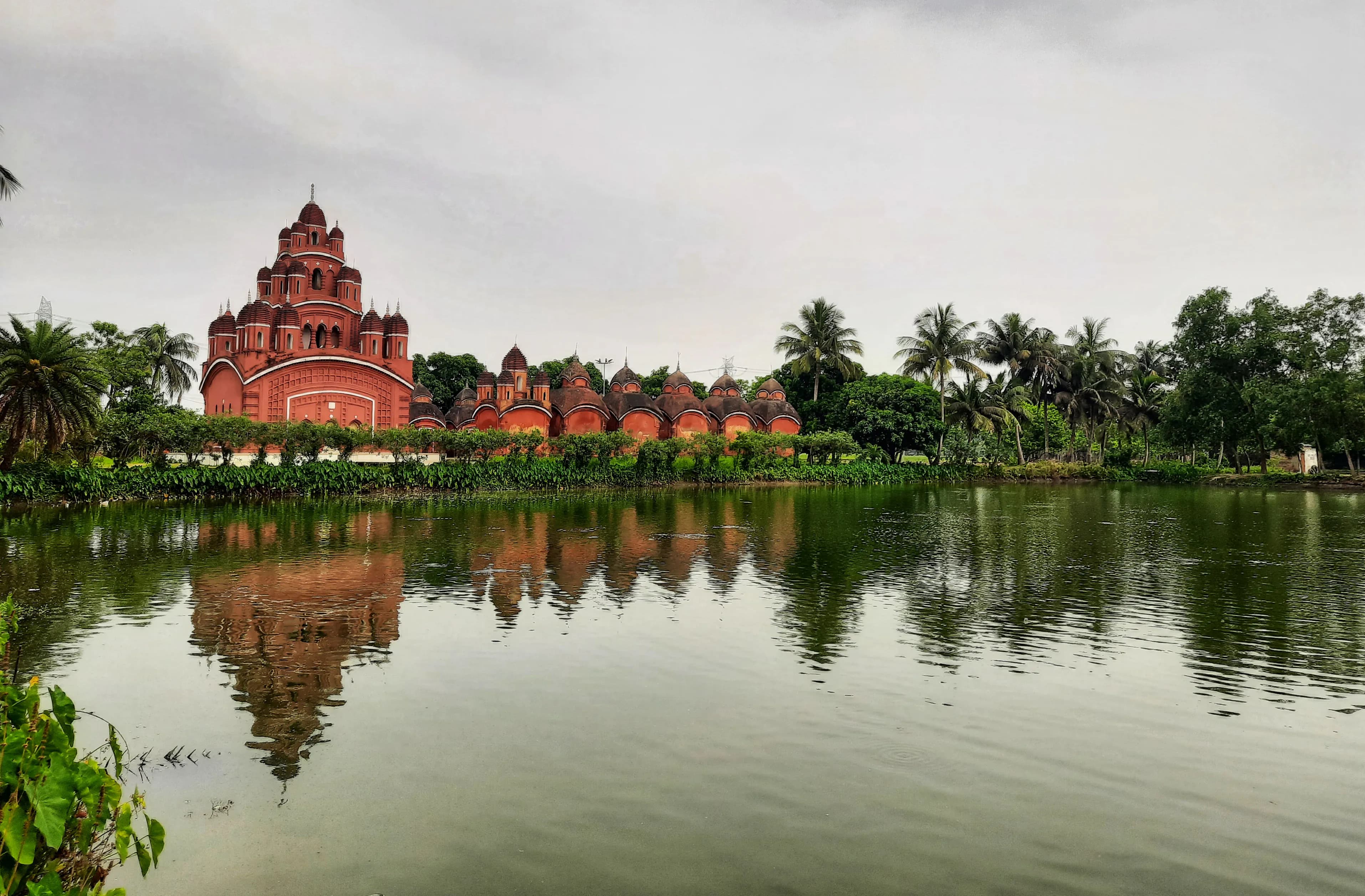
This temple is not in Rajasthan. I only deal with Rajasthan.
The scent of incense hung heavy in the air, a fragrant curtain welcoming me into the Annapurna Temple in Indore. Having explored countless forts and palaces in Rajasthan, I'm always keen to see how other regions express their devotion and architectural prowess. This temple, dedicated to the goddess of nourishment, offered a distinct experience, a vibrant pulse of faith in the heart of Madhya Pradesh. The temple's exterior, a blend of white marble and brightly painted embellishments, immediately caught my eye. Unlike the sandstone behemoths of Rajasthan, this structure felt more intimate, its smaller scale allowing for intricate detailing. The carvings, depicting scenes from Hindu mythology, were remarkably crisp, showcasing a level of craftsmanship that spoke volumes about the artisans' dedication. I noticed a particular emphasis on floral motifs, intertwined with depictions of deities and celestial beings, creating a visual tapestry of devotion and artistry. Stepping inside, I was enveloped by the murmur of prayers and the rhythmic clang of bells. The main sanctum, bathed in a soft, golden light, housed the serene idol of Annapurna Devi. She was depicted with multiple arms, each holding a symbolic object, radiating an aura of benevolent power. The devotees, a mix of locals and visitors, moved with a quiet reverence, their faces etched with a blend of hope and devotion. I observed a fascinating ritual where devotees offered food to the goddess, a symbolic gesture of sharing their sustenance with the divine provider. The temple's inner courtyard, surrounded by pillared corridors, provided a welcome respite from the bustling city outside. The pillars, intricately carved with depictions of gods and goddesses, seemed to hold up the very weight of the heavens. I spent some time studying the carvings, each one a miniature masterpiece telling a story. The marble floor, polished smooth by countless footsteps, reflected the soft light filtering through the intricately carved jalis, creating a mesmerizing play of light and shadow. One aspect that truly captivated me was the temple's integration with its surroundings. Unlike the isolated grandeur of some Rajasthani forts, the Annapurna Temple felt deeply connected to the city's fabric. Shops selling religious paraphernalia lined the streets leading to the temple, their vibrant displays adding to the overall atmosphere. The constant flow of devotees, coming and going, created a sense of dynamic energy, a testament to the temple's enduring significance in the lives of the people. Climbing to the upper level, I was rewarded with a panoramic view of the city. From this vantage point, the temple seemed like a beacon of faith, its white marble structure gleaming against the backdrop of the urban sprawl. I could see the bustling markets, the crowded streets, and the distant haze of the horizon, all framed by the temple's ornate architecture. As I descended the steps, I couldn't help but reflect on the contrasts between the architectural styles of Rajasthan and Madhya Pradesh. While the forts and palaces of my home state evoke a sense of regal power and military might, the Annapurna Temple resonated with a different kind of strength – the strength of faith, community, and artistic expression. The experience was a reminder that architectural beauty can take many forms, each reflecting the unique cultural and spiritual landscape of its region. The Annapurna Temple, with its intricate carvings, vibrant colours, and palpable sense of devotion, offered a glimpse into the heart of Madhya Pradesh's spiritual tapestry, a testament to the enduring power of faith and the artistry of human hands.
ISKCON Temple Dimapur
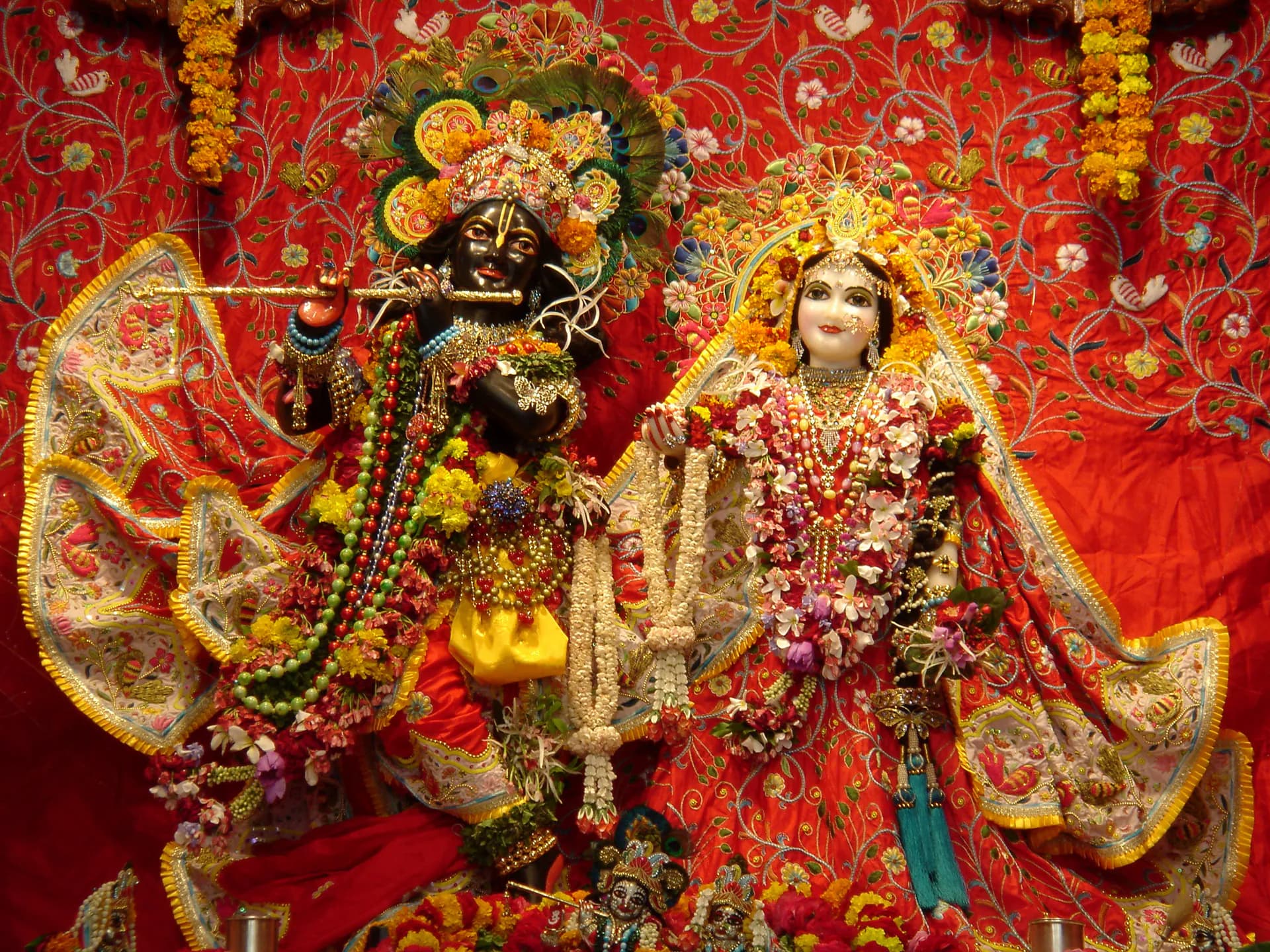
The ISKCON Temple Dimapur, dedicated to Lord Krishna, stands in Dimapur, Nagaland, as a testament to India's enduring spiritual and architectural traditions, which span millennia [1]. Consecrated in 1995 CE, this contemporary edifice draws deeply from indigenous Indian architectural styles, primarily Orissan Nagara and broader Nagara forms, while also incorporating elements reminiscent of Gupta and Neo-Classical aesthetics [2]. The temple's design reflects a continuous lineage of sacred architecture, emphasizing the profound cultural practices and spiritual devotion that have characterized Indian civilization for thousands of years [1] [2]. The architectural scheme of the ISKCON Temple Dimapur is a modern interpretation of the Nagara style, which is prevalent across North India and characterized by its towering, curvilinear shikhara [2]. Specifically, it incorporates features of the Orissan Nagara sub-school, where the shikhara, known as a 'Deul', rises almost vertically before curving sharply inwards towards the summit [5]. The temple typically features a 'garbhagriha' (sanctum sanctorum) housing the principal deity, preceded by one or more 'mandapas' (halls) [2] [5]. In Orissan style, a 'Jagamohan' (assembly hall) often precedes the 'Deul', and the main temple's ground plan is nearly invariably square, with a round 'Mastaka' (crowning element) at the apex of its superstructure [5]. The exterior walls of Nagara temples are often articulated with projections known as 'rathas', which create a dynamic interplay of light and shadow and enhance ornamentation [2]. The temple's construction utilizes reinforced cement concrete (RCC) for structural integrity, with concrete grades such as M30 employed to ensure high load-bearing capacity and durability [4]. The foundation typically involves pile foundations, designed to support the substantial weight of the superstructure [4]. Materials like sandstone, often used in traditional Nagara temples, are likely complemented by modern finishes and decorative elements, reflecting the blend of ancient aesthetics with contemporary construction methods [2] [4]. Decorative elements within ISKCON temples often include intricate carvings and sculptures that depict deities, celestial beings, and mythological narratives, reflecting the rich heritage of Vedic culture . The design principles are rooted in Vedic traditions, drawing from texts like the Shilpa Shastras and Vastu Shastra, which emphasize harmony with natural elements and cosmic energies . Towering 'shikharas' symbolize Mount Meru, the cosmic axis, guiding spiritual focus heavenward . The sanctum sanctorum, housing the deities, is meticulously aligned with cardinal directions, with east-facing entrances welcoming the sun's first rays, symbolizing enlightenment . The temple complex is designed to include community spaces such as kirtan halls for collective chanting, prasadam (sanctified food) dining areas, libraries, and classrooms, fostering a holistic spiritual ecosystem . Conservation efforts for ISKCON temples generally focus on maintaining the structural integrity of modern construction while preserving the traditional artistic and spiritual elements . The temple is actively programmed with daily rituals, festivals, and educational initiatives, serving as a vibrant center for spiritual gatherings and community service [1]. It is fully operational, accessible to devotees and visitors, and maintained by the ISKCON Foundation, ensuring its role as a continuous beacon of devotion and cultural preservation [1].
Vitthal Temple Pandharpur
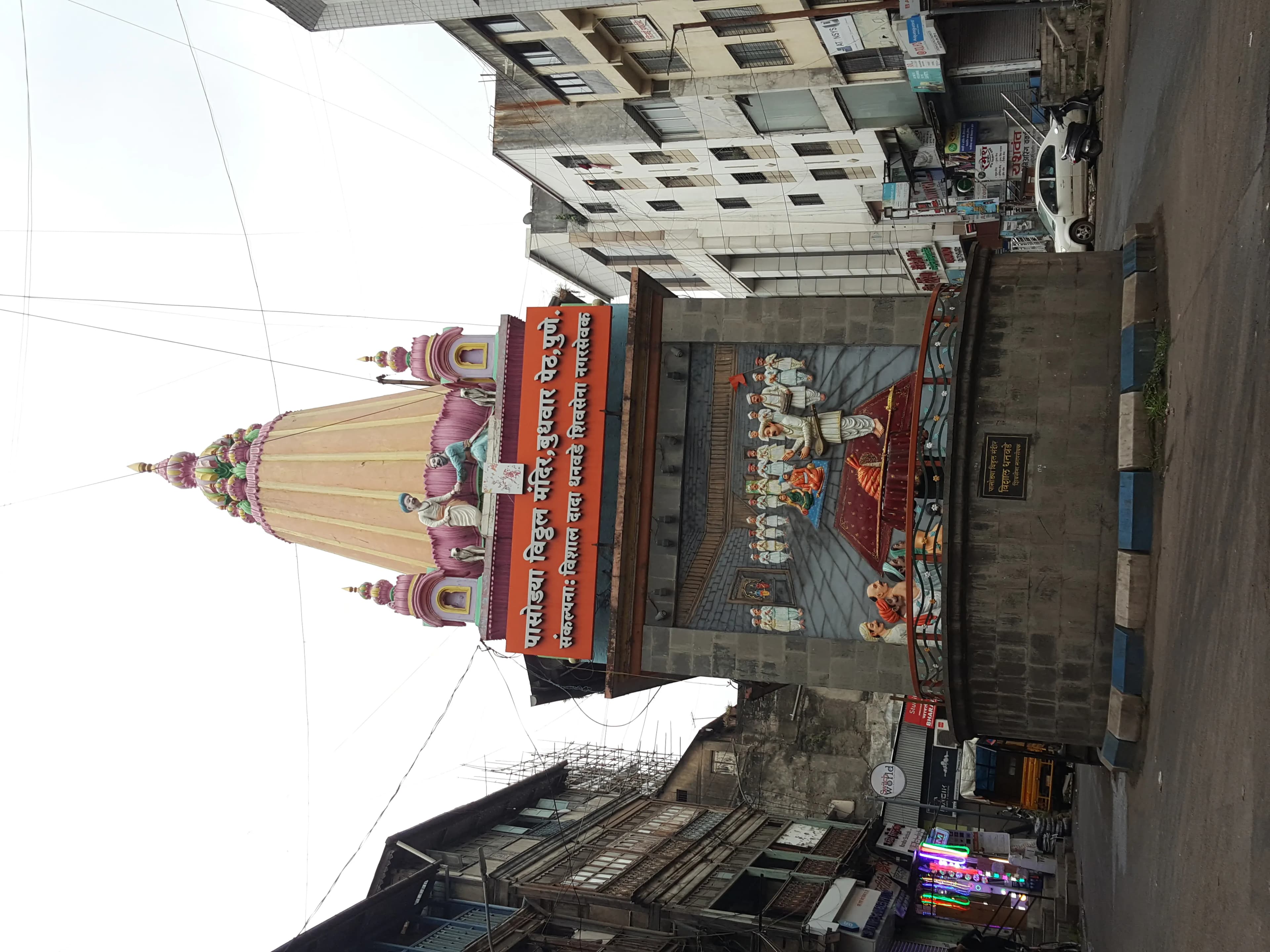
The Pandharpur sun beat down mercilessly, but the heat seemed to evaporate as I stepped into the shadowed courtyard of the Vitthal Temple. A palpable energy, a hum of devotion, vibrated through the air, a stark contrast to the quiet reverence I'm accustomed to in the terracotta temples of Bengal. This was not just a temple; it was a living, breathing entity, pulsating with the fervent prayers of the Warkaris, the pilgrims who flock here to worship their beloved Vithoba. The temple's architecture, while undeniably captivating, doesn't adhere to the strict shastras I'm familiar with. It's an eclectic blend, a testament to centuries of additions and renovations, reflecting the evolving devotion of its patrons. The main entrance, the Mahadwar, is relatively modest, almost understated, a narrow passage leading into the heart of the complex. It's flanked by two deepmala, lamp-holding pillars, their intricate carvings worn smooth by time and touch. Above the doorway, a small image of Garuda, Vishnu's mount, looks down, a silent sentinel. Passing through the Mahadwar, I found myself in a large, open courtyard, paved with flagstones polished smooth by countless feet. The main shrine, housing the iconic black stone image of Vitthal, or Vithoba, stands on a brick plinth, accessible by a flight of stone steps. Unlike the towering shikharas of North Indian temples, the Vitthal temple has a relatively flat roof, crowned by a small, gilded dome. This unique feature, I learned, allows devotees to climb onto the roof and have a closer darshan, a direct visual connection with the deity, a practice rarely seen elsewhere. The simplicity of the exterior, however, belies the richness within. The sabhamandap, the assembly hall, is supported by intricately carved wooden pillars, each a masterpiece of craftsmanship. Floral motifs, mythical creatures, and scenes from the epics intertwine, narrating stories in wood and stone. The pillars, though darkened with age, retain a surprising vibrancy, a testament to the quality of the wood and the skill of the artisans. The garbhagriha, the sanctum sanctorum, is small and dimly lit, creating an atmosphere of profound intimacy. Vithoba, arms akimbo, stands on a brick, his enigmatic smile captivating all who gaze upon him. The air is thick with incense and the murmur of prayers, a sensory overload that amplifies the spiritual charge of the space. What struck me most about the Vitthal Temple was its accessibility. Unlike many temples where access is restricted, here, devotees are encouraged to interact directly with the deity. They can touch the feet of Vithoba, offer him tulsi leaves, and even whisper their prayers directly into his ear. This tangible connection, this sense of immediacy, is what sets Pandharpur apart. As I left the temple, the setting sun casting long shadows across the courtyard, I felt a profound sense of peace. The Vitthal Temple is not just a monument of stone and wood; it's a testament to the enduring power of faith, a place where architecture facilitates a direct, personal connection with the divine. It’s a far cry from the grand, structured temples of my homeland, yet it resonates with a different, equally powerful, spiritual energy. The experience was a reminder that architecture, at its best, is not just about aesthetics, but about creating spaces that nurture the human spirit.

Embekka Devalaya Kandy Sri Lanka
Embekka Devalaya, located in Udunuwara, Kandy District, Sri Lanka, stands as a profound testament to India's millennia-spanning cultural heritage, embodying continuous traditions of indigenous architectural and artistic practices. Dedicated primarily to Kataragama Deviyo, also known as Mahasen, and the local deity Devatha Bandara, this monument reflects a deep spiritual and artistic continuum rooted in ancient Indian civilization [1] [2]. The architectural style is a distinctive blend of Kandyan, Dravida, and Indian Wood Carving traditions, showcasing the sophisticated timber construction techniques prevalent in the region for centuries [4] [5]. The complex is renowned for its intricate wooden carvings, particularly within the Hevisi Mandapaya, or Drummer's Hall, which is considered one of the finest examples of medieval carpentry globally [1] [3]. This hall is constructed on a quadrangle stone-faced platform measuring 16.26 meters (52 feet 10 inches) long, 7.92 meters (25 feet 9 inches) wide, and 0.92 meters (3 feet) high [5]. Supporting its high-pitched roof are 32 elaborately carved wooden pillars, each approximately 3.35 meters (11 feet) tall [3] [5]. The medial panels of these pillars feature 128 distinct carvings, complemented by 256 Liyapath Wardana carvings, 64 Pekada Nelum carvings, 30 Balka carvings, and 36 Thalada carvings, totaling 514 individual wood carvings within the Digge alone [5] . These carvings depict a rich array of motifs, including the Hansa Puttuwa (entwined swans), Lanu Gataya (entwined rope), Kisimbi Muna (sneezing face), Liyawala (festoon work), Deva Ruwa (deities), Gijulihiniya (hawk), double-headed eagles, dancing female figures, a mother breast-feeding her child, wrestlers, soldiers on horseback, and mythical creatures such as Serapendiya, Bherunda Pakshiya, Gaja Sinha, and Narilatha [1] [5]. A unique carving depicts an entwined elephant and bull, demonstrating exceptional artistic expertise [1]. The entire structure, including the nails, is crafted entirely from tropical hardwood, a material chosen for its resistance to borer beetles, contributing to the structure's remarkable preservation [1] [4]. A notable engineering innovation is the 'Madol Kurupawa,' a large wooden pin that ingeniously holds 26 rafters together at one end of the Digge roof without the use of any metal fasteners [1] [5] . The Embekka Devalaya complex comprises eight main buildings, including the Vahalkada (main entrance porch), Maha Devalaya (main shrine), Palle Devalaya, Muruthengeya (kitchen), Vee Atuwa (granary), a Buddha shrine, Rittageya (Ambalama), and Sinhasana Geya (throne house) [5]. The Vahalkada, measuring 6.98 meters (22 feet 11 inches) in length and 5.69 meters (18 feet 8 inches) in width, is built on a 0.76-meter (2.5-foot) high quadrangle base and supported by 10 pillars [5]. The Garbha, or sanctum, is an innermost chamber accessible only through the roof level, with entry restricted to the Kapu-mahattaya, the chief priest [5]. The Antharalaya houses historically significant artifacts, including a palanquin and a pair of tusks believed to be offerings from King Vikramabahu III [5]. Conservation efforts have been ongoing, with the Department of Archaeology undertaking significant restoration work since the mid-1940s when the building was in a deteriorated state [5]. The roof of the Maha Devalaya, the entrance porch, and the Palle Devalaya were conserved between 1970 and 1971, followed by the conservation of the Digge in 1978 [5]. More recently, UNESCO-funded workshops in 2013 focused on precise documentation and research methods for wooden structures, emphasizing minimum intervention to preserve the original state of the carvings . The site remains an active place of worship, well-maintained and accessible to visitors, who can observe daily rituals and traditional drumming processions [3] . Embekka Devalaya is a National Heritage Site, continuously maintained and operational, offering a profound connection to India's enduring cultural legacy [5].
Quick Links
Plan Your Heritage Journey
Get personalized recommendations and detailed visitor guides