Has Inheritage Foundation supported you today?
Your contribution helps preserve India's ancient temples, languages, and cultural heritage. Every rupee makes a difference.
Secure payment • Instant 80G certificate
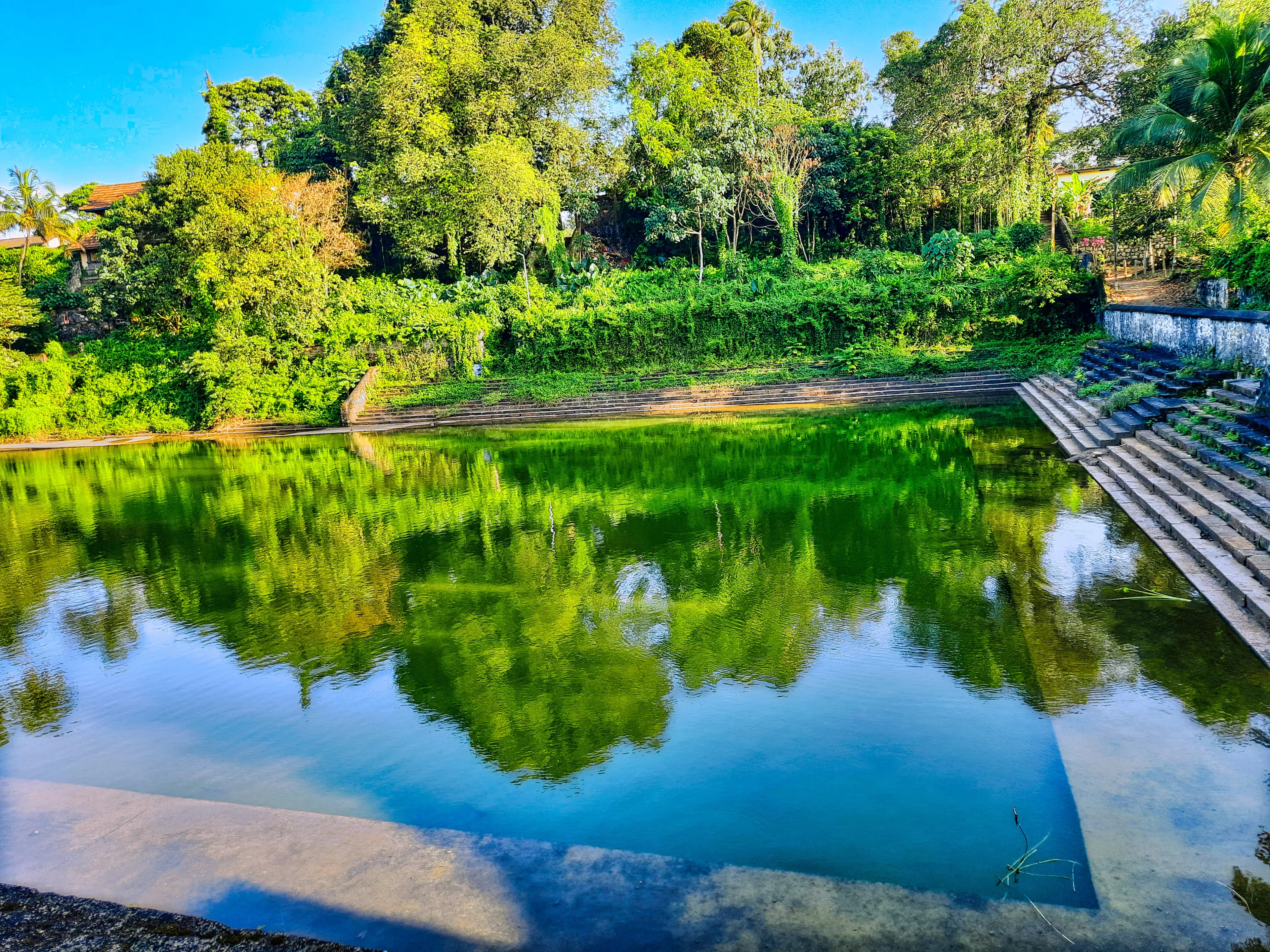
Sabarimala Sastha Temple Pathanamthitta
The arduous 18-step climb to the Sabarimala Sastha Temple, nestled deep within the Periyar Tiger Reserve, is more than just a physical feat; it’s a spiritual odyssey. As I ascended, the chanting of "Swamiye Saranam Ayyappan" reverberated through the dense foliage, a palpable energy that transcended the physical strain. This pilgrimage, undertaken by millions annually, culminates at a shrine that embodies a unique blend of Kerala’s architectural traditions and the temple's specific tantric influences. Unlike the towering gopurams that characterize many South Indian temples, Sabarimala’s main sanctum is relatively modest in height. Clad in copper plates, it sits atop a plateau, its simplicity contrasting sharply with the surrounding verdant wilderness. The absence of elaborate ornamentation initially surprised me, accustomed as I am to the intricate carvings of Tamil Nadu temples. However, the starkness of the structure seemed to amplify the spiritual focus, directing attention inwards rather than outwards. The copper sheathing, burnished by time and weather, glowed with a warm, inviting aura, especially striking in the early morning light. The temple’s architecture reflects its tantric associations. The sanctum sanctorum houses the deity Ayyappan in a yogic posture, and the overall layout, while adhering to some Kerala temple conventions, also incorporates elements that facilitate the specific rituals and practices associated with Ayyappan worship. The path leading to the main shrine is punctuated by smaller shrines dedicated to various deities, each contributing to the narrative of Ayyappan's life and legend. I noticed the prevalence of open spaces around the main shrine, designed to accommodate the vast crowds during the pilgrimage season. This spatial planning, while practical, also contributes to a sense of communal worship, fostering a shared experience amongst the devotees. One of the most striking features is the flight of 18 holy steps leading to the sanctum. Each step represents a specific virtue or principle, and ascending them is considered a symbolic act of purification. The steps are constructed of granite, and while their design is relatively simple, their significance is immense. As I climbed, I observed the diverse array of devotees, each carrying their irumudi kettu, the sacred bundle containing offerings for the deity. The collective devotion was palpable, creating an atmosphere of shared purpose and spiritual intensity. The temple’s location within the dense forest adds another layer to its unique character. The natural surroundings are integral to the pilgrimage experience, symbolizing the journey through the trials and tribulations of life towards spiritual enlightenment. The absence of urban encroachment allows for a deeper connection with nature, enhancing the sense of tranquility and spiritual immersion. I noticed the careful integration of the natural landscape into the temple complex, with pathways winding through the trees and the surrounding hills forming a dramatic backdrop. My visit to Sabarimala was more than just an architectural study; it was an immersive cultural experience. The temple's unique blend of architectural simplicity, tantric influences, and natural setting creates a powerful spiritual ambiance that resonates deeply with the millions who undertake this arduous pilgrimage. It offered a fresh perspective on temple architecture, highlighting the power of simplicity and the profound connection between spirituality and the natural world. The experience underscored how architecture can serve as a powerful conduit for faith and devotion, shaping not just the physical space but also the spiritual journey of the pilgrim.
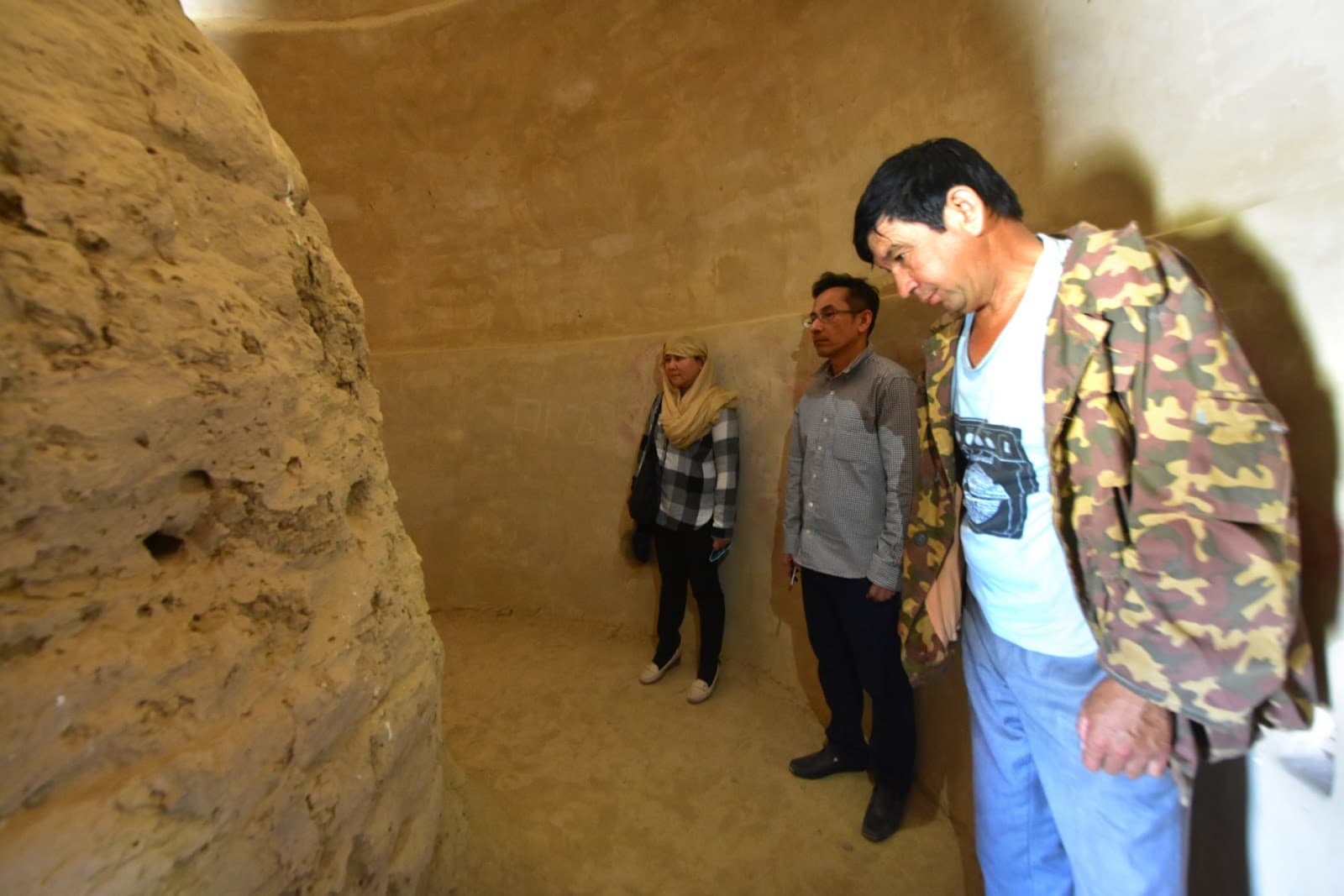
Kara Tepe Monastery Termez Uzbekistan
Kara Tepe Monastery, dramatically carved into the rocky hillsides near Termez in southern Uzbekistan, represents one of the most extraordinary and architecturally unique Buddhist monastic complexes in Central Asia, constructed from the 2nd to 5th centuries CE through the remarkable technique of rock-cut architecture that demonstrates the direct transmission of Indian Buddhist cave monastery traditions from the great rock-cut complexes of India including Ajanta, Ellora, and Karle to Central Asia. The monastery complex, comprising multiple levels of interconnected caves and chambers carved directly into the natural rock formations, features extraordinary architectural elements including meditation cells, assembly halls, stupa chambers, and living quarters that demonstrate the sophisticated synthesis of Indian Buddhist rock-cut architecture, particularly the traditions of western and central India, with local Central Asian adaptations that reflect the remarkable skill and dedication of the monks and artisans who created this underground spiritual city. The site's most remarkable feature is its extensive network of rock-cut chambers, some decorated with elaborate stucco reliefs and paintings that demonstrate the direct transmission of Indian Buddhist iconography and artistic traditions, while the architectural layout, with its central assembly halls surrounded by smaller cells and stupa chambers, follows the classic Indian Buddhist cave monastery plan that was systematically transmitted from the great rock-cut complexes of India. Archaeological excavations have revealed extraordinary Buddhist sculptures and reliefs executed in styles that demonstrate clear connections to Indian artistic traditions, while the discovery of numerous artifacts including inscriptions, ritual objects, and evidence of daily monastic life provides crucial evidence of the site's role as a major center of Buddhist learning and practice that attracted monks from across the Buddhist world. The monastery's location near Termez, a major Silk Road crossroads, underscores its significance as a center for the transmission of Buddhist teachings, art, and culture from India to Central Asia, while the site's remarkable rock-cut architecture demonstrates the sophisticated understanding of Indian Buddhist traditions and the remarkable engineering skills possessed by the monks and artisans who created this extraordinary underground complex. Today, Kara Tepe stands as a UNESCO Tentative List site and represents one of the most important rock-cut Buddhist monasteries in Central Asia, serving as a powerful testament to the transmission of Indian Buddhist culture and architecture to Central Asia, while ongoing archaeological research and conservation efforts continue to protect and study this extraordinary cultural treasure that demonstrates the profound impact of Indian civilization on Central Asian religious and artistic traditions. ([1][2])
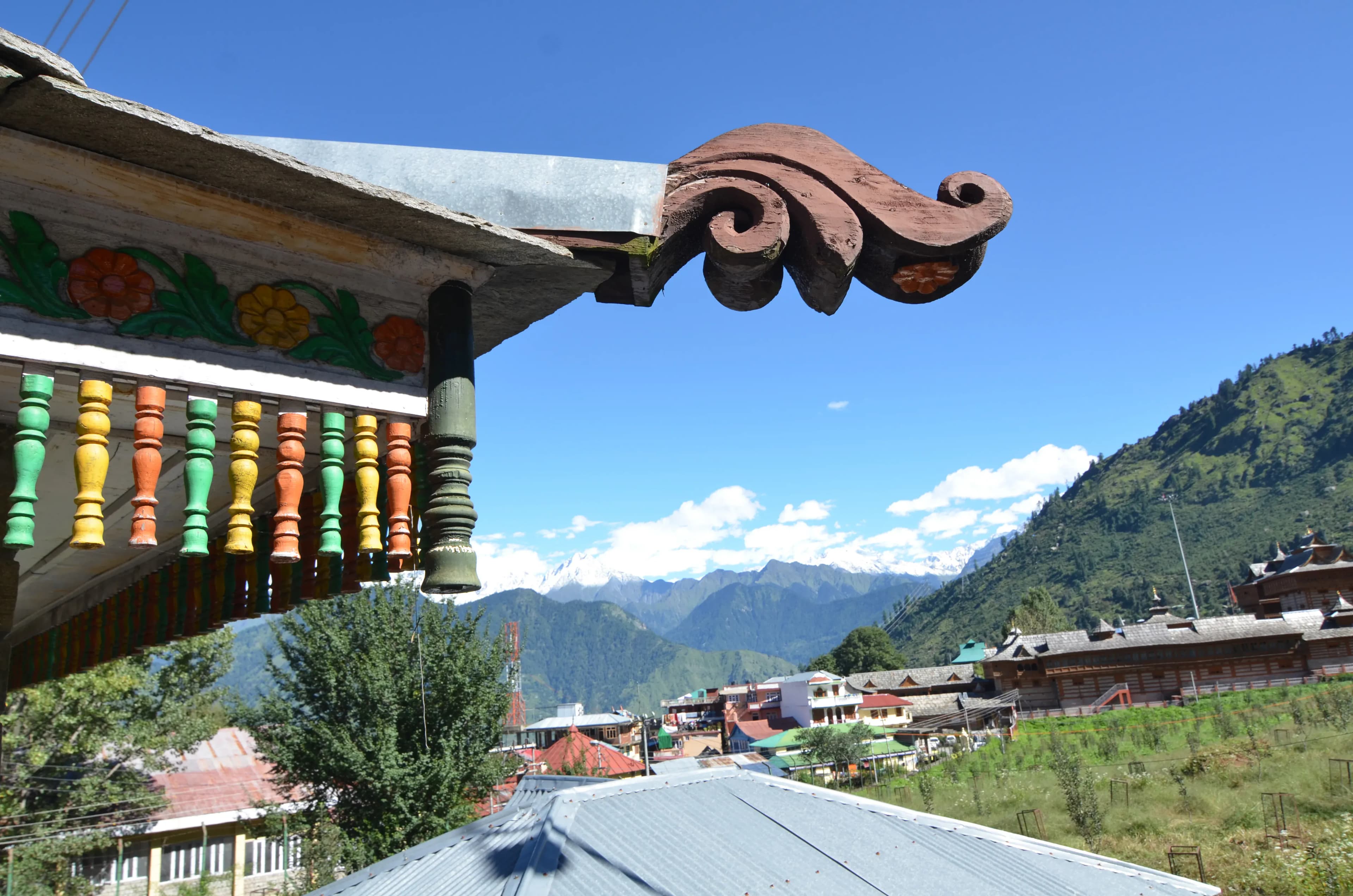
Bhimakali Temple Sarahan
Nestled in the serene hills of Himachal Pradesh, the Bhimakali Temple at Sarahan is an architectural marvel dating back to 800 CE during the Rajput period ([1]). Its unique kath-khuni (wood-stacked) style, a vernacular adaptation to the region's climate, showcases a distinct Himalayan architectural tradition ([2]). The Bushahr rulers, as patrons, significantly influenced the temple's design and construction ([3]). Dominating the Sarahan landscape, the temple complex utilizes a combination of wood, stone, slate, and metal, reflecting the readily available resources and blending seamlessly with the surrounding environment ([4]). The tiered wooden roofs, a characteristic feature, not only provide structural stability but also effectively manage heavy snowfall ([5]). Intricate carvings embellish the wooden facades, depicting deities and mythical creatures, demonstrating the craftsmanship passed down through generations ([6]). Within the Garbhagriha (Sanctum), the temple enshrines Bhimakali, a fierce manifestation of Durga, represented by a revered brass image ([3]). Furthermore, smaller shrines dedicated to Lakshmi Narayan and Lord Shiva are also present within the complex, each displaying meticulous craftsmanship ([4]). The temple's design possibly incorporates principles similar to those outlined in ancient texts like the Manasara Shilpa Shastra, which discusses temple construction and iconography, although specific textual references for this temple remain to be confirmed ([7]). Enchanting panoramic views and the gentle flutter of prayer flags enhance the spiritual ambiance of the temple, creating a profound sense of tranquility ([5]). This architectural gem not only preserves the cultural heritage of the Himalayas but also stands as a testament to the ingenuity and artistic skills of its creators ([1][2]). The Bhimakali Temple continues to inspire awe and reverence, drawing visitors and devotees alike to experience its unique blend of art, architecture, and spirituality ([6]).
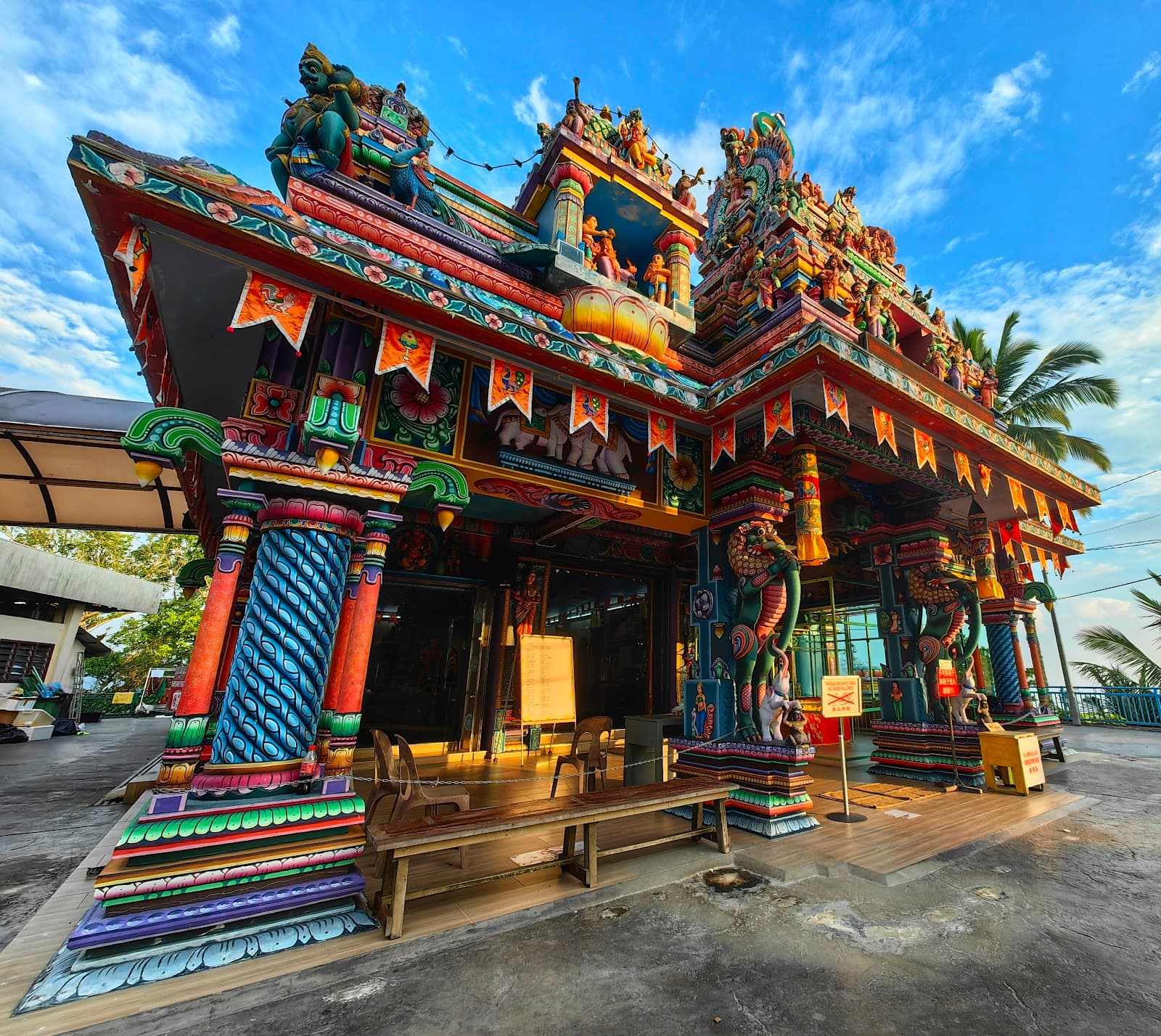
Sri Aruloli Thirumurugan Temple Penang Hill
Sri Aruloli Thirumurugan Temple, founded in the 1800s by Tamils working on the Penang Hill funicular rail, sits 833 metres above sea level and is among Malaysia’s oldest hilltop Hindu shrines, offering panoramic views of George Town while housing Murugan with Valli-Deivanayai in a granite sanctum rejuvenated in 2016 with a colourful rajagopuram inspired by Palani ([1][2]). The temple opens 6:00 AM-9:00 PM providing daily puja, hilltop meditation, and annadhanam from a vegetarian kitchen that uses hydroponic produce grown on terraces. The Penang Hill funicular transports pilgrims, who ascend a final flight of steps to the mandapa framed by manicured gardens and temperature-controlled sanctum housing brass vel, peacock icons, and murals of Murugan’s mythical battles. Penang Hill Corporation, temple trustees, and volunteer rangers manage sustainability: rainwater harvesting, solar panels, waste segregation, and wildlife corridors protect the hill’s rainforest. Thaipusam sees kavadi carriers trek up after the city procession; Skanda Shasti and Thai Pusam attract 15,000 visitors annually, supported by volunteer medics, mountain rescue, and crowd monitoring integrated with Penang Hill’s operations centre. The temple doubles as a cultural interpretation node for Penang Hill UNESCO Biosphere Reserve, offering eco-pilgrim briefings and heritage storytelling ([1][3]).

Anau Neolithic Bronze Age Site Ahal Turkmenistan
Nestled in the Ahal Region of Turkmenistan, Anau emerges as a significant Neolithic and Bronze Age site, tracing back to 4500 BC ([1][2]). Archaeological excavations have unveiled complex settlement patterns, suggesting early cultural exchanges between Central and South Asia ([1]). Vastu Shastra principles, the ancient Indian science of architecture, may have subtly influenced Anau's urban layout, evident in the organization of residential spaces and storage areas, echoing similar layouts in the Indus Valley Civilization ([2]). Mud brick construction formed the primary building method, showcasing the ingenuity of early agricultural communities ([1]). Intricate carvings adorning the walls and pottery fragments of Anau hint at possible Indian influences, potentially indicating the spread of agricultural practices and cultural traditions ([1][3]). Stone platforms and foundations demonstrate advanced engineering capabilities for the period ([2]). Evidence suggests that Anau served as a hub for agricultural innovation, drawing traders and farmers from across Central Asia, South Asia, and the Middle East ([3][4]). Vedic astronomical principles might have played a role in the site's orientation, although concrete proof is currently lacking ([5]). Granite and sandstone blocks, though not primary materials, were used to craft artifacts suggesting connections to Indus Valley techniques ([4]). Sophisticated drainage systems, crucial for urban settlements, bear resemblances to those discovered in ancient Indian cities ([1][2]). This site's importance lies in its continuous habitation from the Neolithic through the Bronze Age, providing invaluable insights into the evolution of settled life and cross-cultural interactions ([3][5]). The presence of shared architectural elements and artistic motifs speaks to a rich tapestry of interconnectedness in ancient Central and South Asia, reflecting a confluence of ideas and technologies. Discoveries of terracotta figurines and painted pottery further enrich our understanding of the artistic and cultural landscape of Anau ([6][7]).
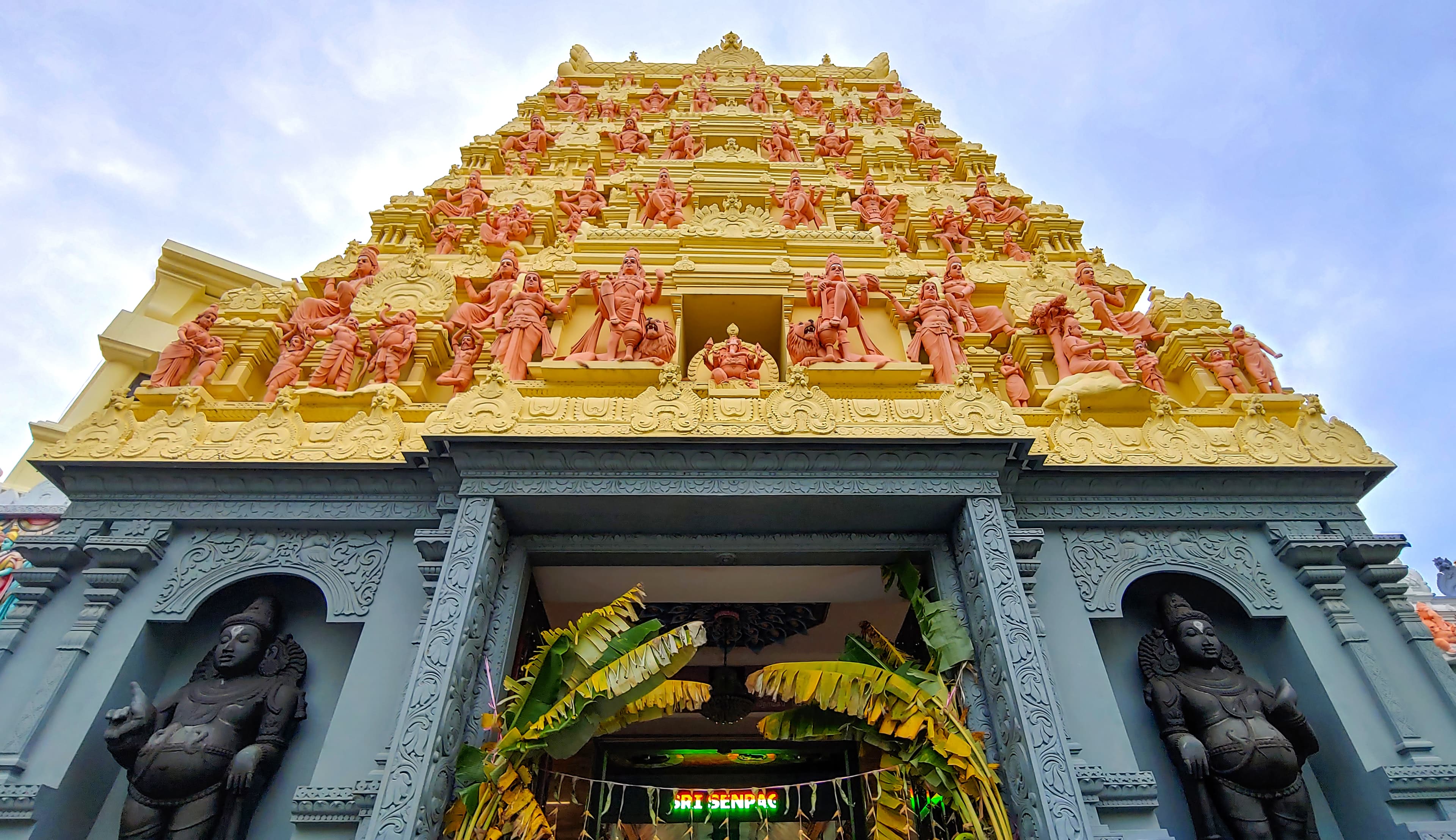
Sri Senpaga Vinayagar Temple Singapore
Sri Senpaga Vinayagar Temple traces its origins to the 1850s when Ceylonese Tamil pioneer Ethirnayagam Pillay discovered a Ganesha murti beside a blooming chenbagam (Michelia champaca) tree along Ceylon Road; today the temple stands as Singapore’s principal Ceylonese Saivite shrine, crowned by a 21-metre golden rajagopuram erected in 2003 and housing an octagonal mandapa where Vinayagar is flanked by deities Murugan, Durga, Lakshmi, and the Navagraha ([1][2]). The temple opens 6:00 AM-12:00 PM and 5:30 PM-9:30 PM daily, hosting six kala puja cycles, annadhanam, Sanskrit and Tamil lessons, Carnatic music, veena, and bharatanatyam academies under its Cultural Arts Council. Facilities include a two-storey multipurpose hall, library, heritage gallery documenting the Singapore Ceylon Tamils’ Association (SCTA), yoga studios, and counselling rooms run in partnership with community agencies. Annual highlights—Varushabishegam, Vinayagar Chaturthi, Navaratri, Maha Sivarathiri, and Thiru Vilakku Pooja—draw thousands, while the temple’s annal Chetti Padi and charity concerts raise funds for migrant workers, seniors, and education grants. The 2017 rejuvenation, led by sthapathis from Tamil Nadu, reinstalled more than 1,500 stucco icons, modernised mechanical systems, and renewed the chenbagam garden, reaffirming the temple’s status as a cultural beacon and welfare hub for Singapore’s Sri Lankan Tamil diaspora ([1][3]).
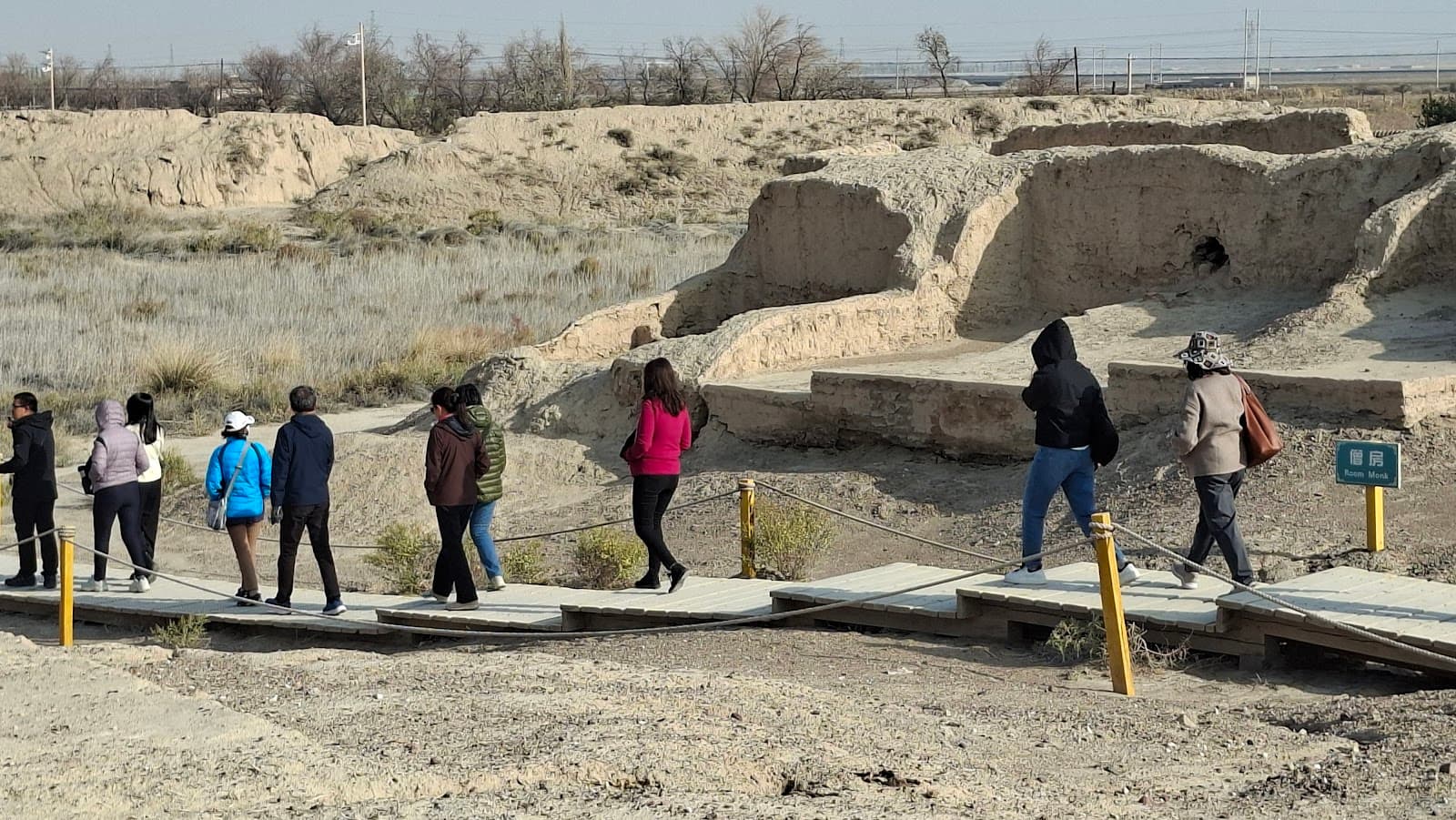
Miran Monastery Ruoqiang Xinjiang China
The Miran Monastery, situated in Ruoqiang County, Bayingolin Mongol Autonomous Prefecture, Xinjiang, China, stands as a profound testament to India's millennia-spanning cultural heritage and its continuous influence across Central Asia. This ancient Buddhist monastic complex, active from the 2nd to 5th centuries CE, embodies a distinctive Indo-Central Asian Buddhist architectural style, deeply rooted in the traditions of the Indian subcontinent [2] [3]. The site's architectural fabric showcases a Serindian style, bearing strong resemblances to the Gandhara art prevalent in the northwest Indian subcontinent, reflecting a continuous artistic and religious exchange along the Silk Road [3]. The monastic remains at Miran comprise a walled city, a later Tibetan fort, numerous Buddhist monastic structures, and an intricate irrigation system, highlighting sophisticated ancient engineering [2]. Central to the Buddhist complex are several stupas, circular structures designed for circumambulation, with central pillars that historically housed relics of the Buddha, a practice deeply embedded in Indian Buddhist tradition [3]. These stupas, constructed primarily from sun-dried bricks, demonstrate the prevalent building materials and techniques of the period, adapted to the local environment while retaining core Indian architectural principles [3]. Archaeological findings reveal well-preserved Buddhist frescoes and stucco images that adorned these structures [3]. The murals, particularly those depicting Jataka tales and figures, exhibit a unique blend of Gandharan artistic conventions with local adaptations, showcasing the widespread reach of Indian iconography [2] [3]. One notable artistic aspect includes paintings attributed to a Buddhist artist named 'Titus,' whose signature in Indian Kharoshti characters underscores the direct cultural links with the Indian subcontinent [3]. These artistic elements provide detailed insights into the decorative schemes and spiritual narratives that permeated the monastic spaces, fostering an environment conducive to Buddhist practice and contemplation [2]. Conservation efforts at Miran are ongoing, with archaeological teams from the Xinjiang Institute of Archaeology continuing to uncover and study the site's extensive remains [2]. The current state of the ruins, while subject to natural degradation from desertification, is actively monitored by a local family engaged to perform daily checks, safeguarding against looting and assessing general conditions [2]. Some elements of the site have undergone reconstruction, aiming to preserve the structural integrity and interpret the historical landscape for future generations [2]. The site, recognized on a national register in 2015, is poised for further development to attract tourism, with site interpretation and management plans currently being implemented to ensure its long-term preservation and accessibility [2]. The Miran Monastery remains an invaluable archaeological landscape, continuously revealing the depth and enduring legacy of Indian architectural and cultural traditions that flourished along the ancient Silk Road [2] [3].
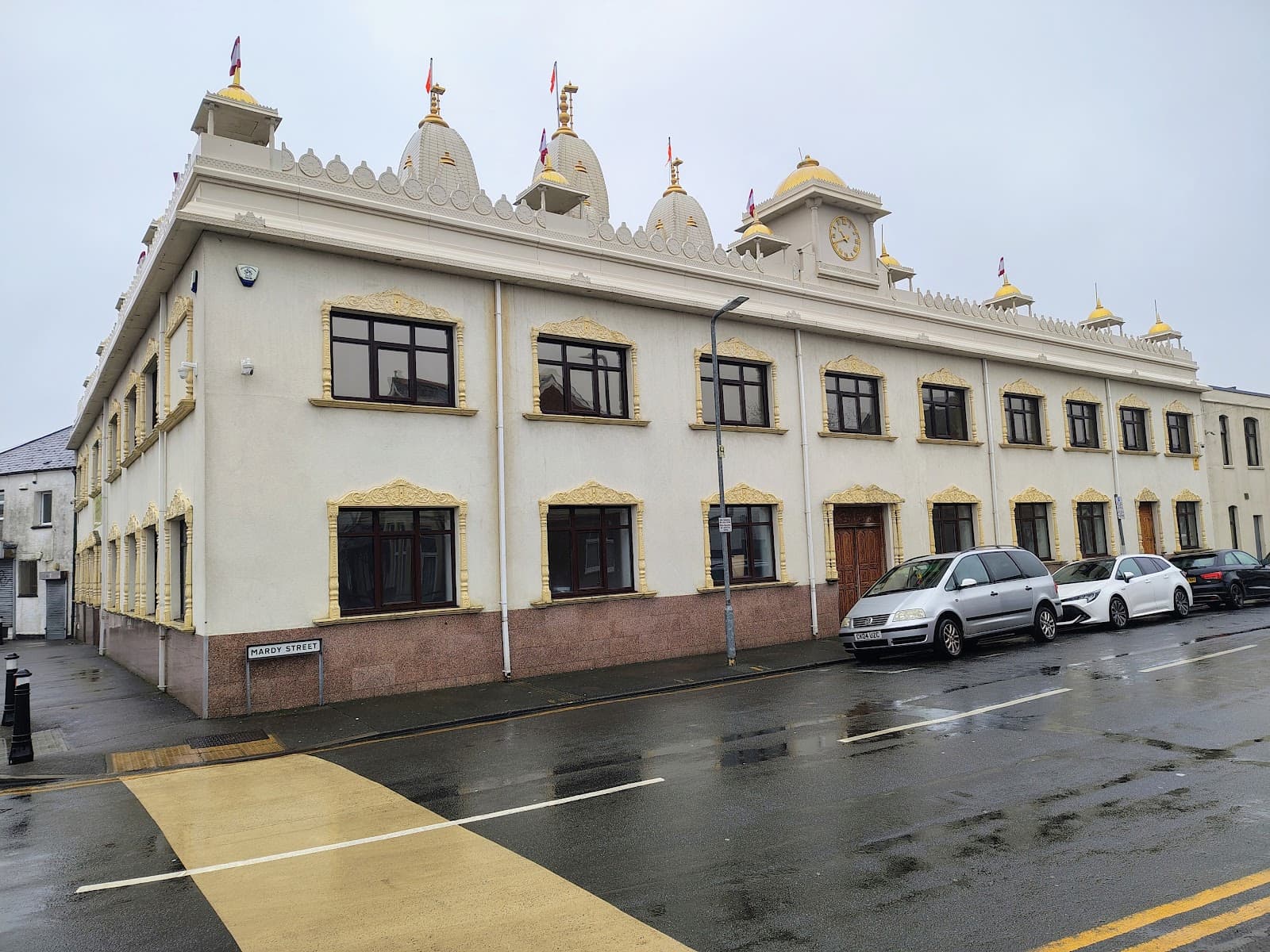
Shree Swaminarayan Mandir Cardiff
The Shree Swaminarayan Mandir Cardiff, located at 55 Merches Place in Grangetown, Cardiff, Wales, United Kingdom, stands as a vibrant testament to India's millennia-spanning cultural heritage, dedicated to Bhagwan Swaminarayan [1]. This sacred edifice embodies a continuous tradition of Indian civilization, manifesting indigenous architectural styles and cultural practices that reflect India's deep historical roots, even in its modern construction [4]. The mandir integrates elements of Swaminarayan architecture, Maru-Gurjara architecture, Haveli architecture, and Indo-Victorian influences, showcasing a sophisticated synthesis of ancient design principles with contemporary adaptation [3]. Swaminarayan temples, including the Cardiff Mandir, adhere to the Nagara style of temple architecture, a prominent tradition in North and West India, characterized by its curvilinear shikhara (spire) [4] [5]. This style is meticulously guided by Vastu Shastra, an ancient Indian discipline of sacred architecture that integrates principles of time, space, and cosmology to create spiritually conducive environments [4]. The construction eschews ferrous metals for structural reinforcement, relying instead on self-load-bearing masonry to ensure longevity and spiritual purity, a practice rooted in ancient texts that prescribe mandirs to last a thousand years [4]. The gold-topped shikaras, typical of North Indian temple architecture, crown the shrines (sinhashan) within the mandir, symbolizing mountain peaks and connecting the structure to the natural world revered by ancient Hindu seers [2] [4]. The Maru-Gurjara style, originating in Gujarat and Rajasthan between the 11th and 13th centuries CE, contributes to the mandir's intricate detailing, known for its opulent carvings and sculptural richness [5] . This style, a subset of the Nagara tradition, features elaborate ornamentation and a distinctive curvilinear tower design [5] . Haveli architecture, a traditional Indian mansion style dating back to the 1600s, influences the mandir's aesthetic with its characteristic detailed carvings and spatial arrangements, often incorporating courtyards and intricate wooden elements [3] . The fusion of these indigenous styles with Indo-Victorian elements demonstrates the adaptability and enduring legacy of Indian craftsmanship [3]. The mandir's interior features intricate carvings and sculptures that depict deities and mythological narratives, serving as visual representations of Hindu philosophy and iconography [4]. These decorative elements are not merely aesthetic but are imbued with symbolic meaning, guiding the worshipper's spiritual journey [4]. The Shree Swaminarayan Mandir Cardiff is recognized by Cardiff Council as a community anchor within Grangetown regeneration initiatives and holds the status of a Registered Place of Worship [provided in prompt]. It actively hosts a variety of religious and cultural programming, including festivals like Tulsi Vivah and Diwali, and community events, ensuring continuous engagement and accessibility for devotees and visitors [1]. The mandir maintains regular opening hours and conducts daily Aarti ceremonies, facilitating a steady flow of worshippers [1]. The site is operationally ready, upholding high standards of maintenance and compliance, reflecting the community's dedication to preserving and promoting its rich cultural and spiritual heritage [1].
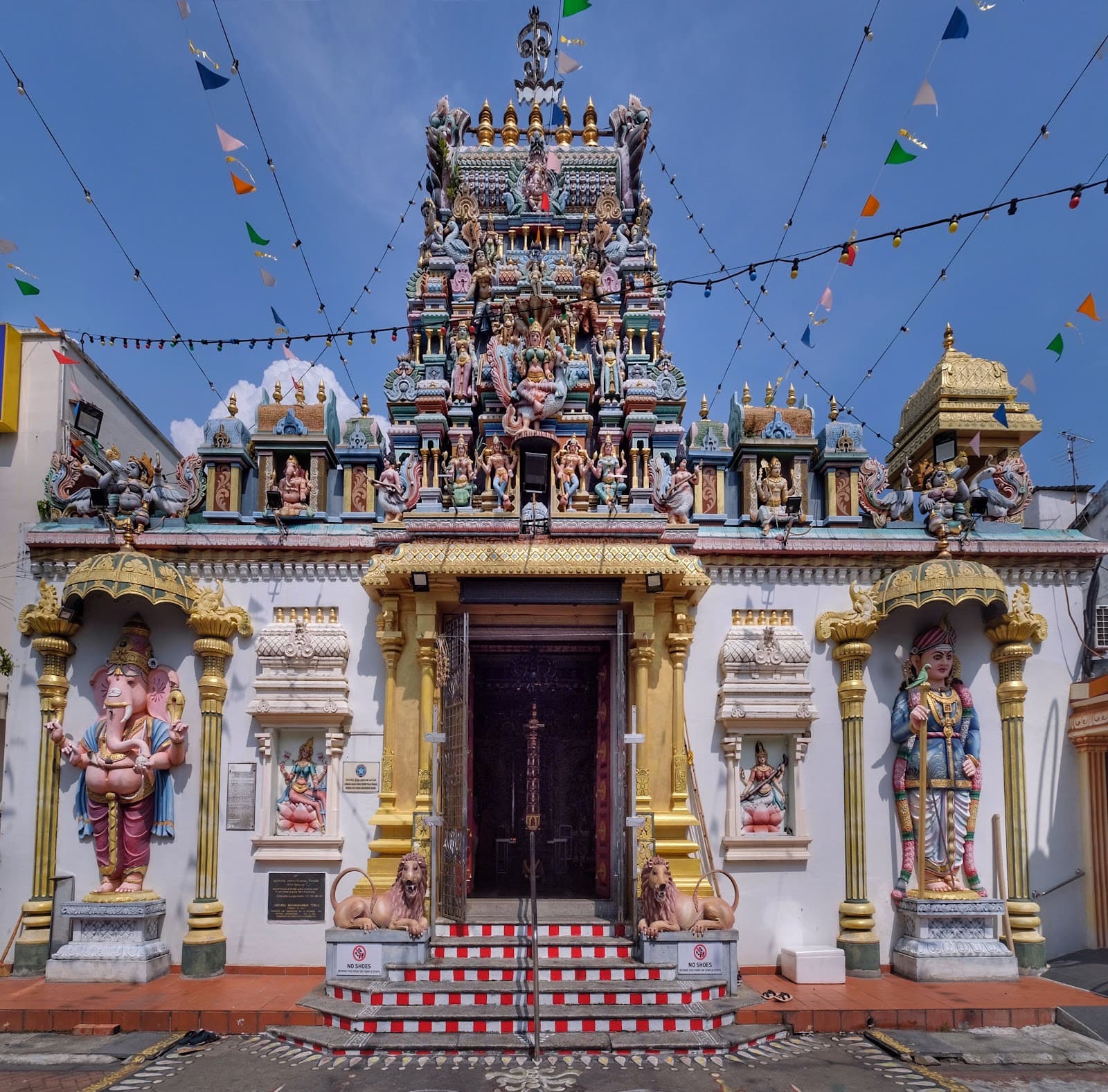
Sri Maha Mariamman Temple George Town Penang
Sri Maha Mariamman Temple (1833) anchors Queen Street within George Town’s UNESCO World Heritage Site, narrating nearly two centuries of Tamil presence through a five-tier gopuram (1930), hand-painted murals of Skanda Shasti, and the silver Ratha Vimana chariot that leads Penang’s Thaipusam procession, making this the oldest Hindu temple in Penang ([1][2]). The temple opens 5:30 AM-9:30 PM with six daily pujas, Friday abhishekam, and continuous annadhanam; festivals include Chitra Pournami, Aadi Pooram, Navaratri, Theppotsavam, and the famed Thaipusam silver chariot journey from Lebuh Queen to Waterfall Hill, mobilising 700 volunteers, medical teams, crowd marshals, waste collectors, and digital trackers. Facilities include a cultural hall, Tamil school, heritage gallery, library, counselling office, vegetarian canteen, and relief storehouse that supported Penangites during the 1997 haze, 2004 tsunami, and COVID-19 lockdowns. The temple’s trustee board (Hindu Mahajana Sangam) manages welfare programmes, scholarships, and interfaith dialogues. The precinct integrates heritage shophouses, Neem and bauhinia trees, and multi-faith foot traffic, encapsulating George Town’s cosmopolitan legacy ([1][3]).
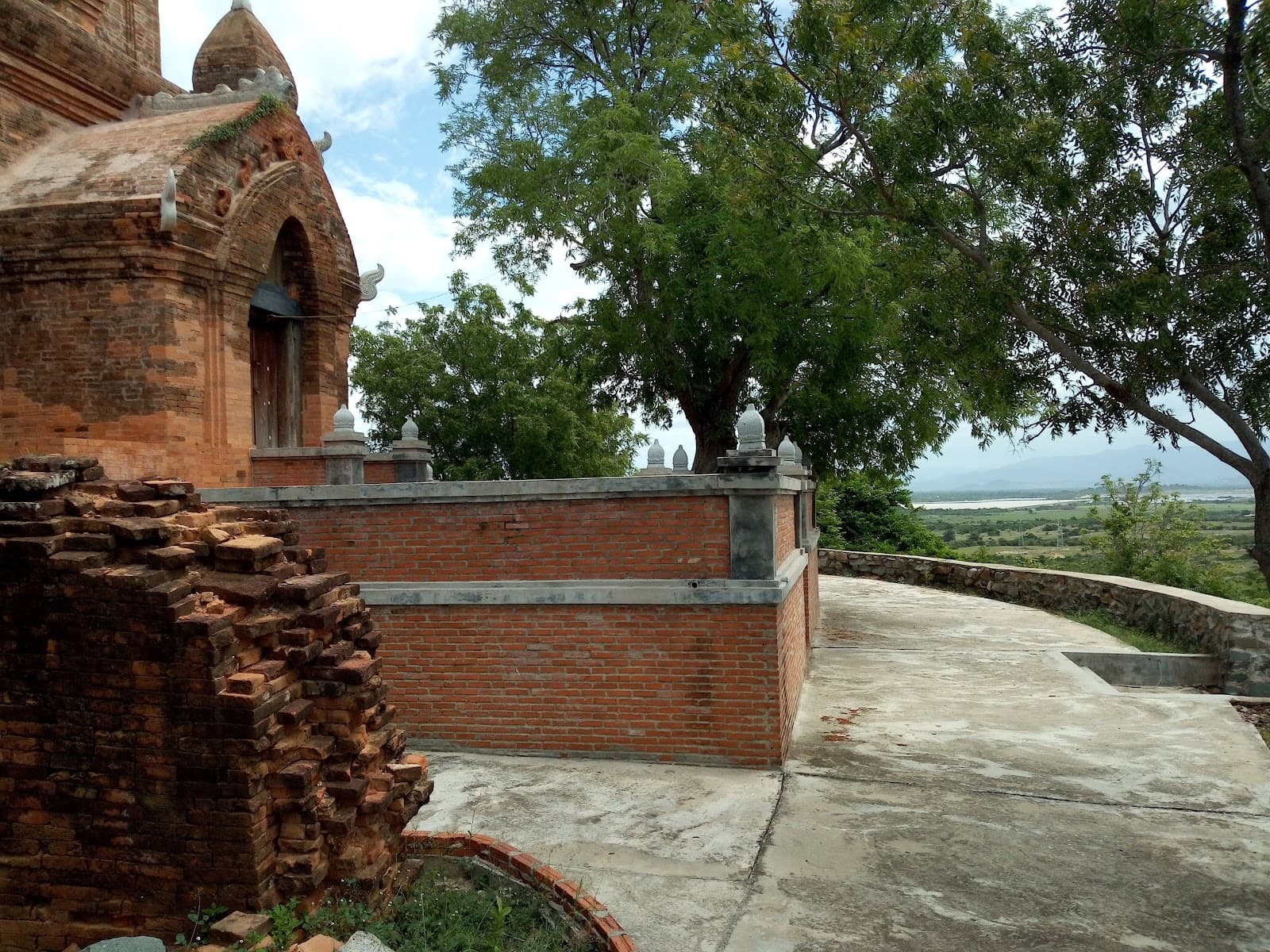
Po Rome Towers Ninh Thuan Vietnam
Po Rome Towers, located in Ninh Thuan Province, Vietnam, represent one of the last and most historically significant Cham Hindu temple complexes constructed in Vietnam, built in the 17th century CE to honor King Po Rome, a revered Champa monarch who is remembered for his leadership during a period of significant challenges for the Champa Kingdom, creating a powerful testament to the enduring transmission of Indian Hindu religious and architectural traditions to Southeast Asia even during the late medieval period when Champa faced increasing pressure from neighboring powers. The temple complex, constructed primarily from red brick with sandstone decorative elements, features distinctive Cham tower architecture that demonstrates the continued synthesis of Indian Hindu temple architecture, particularly the Dravidian traditions of southern India, with indigenous Cham building techniques, creating a unique architectural expression that reflects Champa's persistent engagement with Indian religious and cultural traditions despite political and military challenges. The towers feature elaborate decorative programs including bas-reliefs and sculptures that demonstrate the direct transmission of Indian Hindu iconography and artistic traditions, while the discovery of inscriptions provides crucial evidence of the site's role as a center for the transmission of Indian religious texts and practices to Southeast Asia, even during a period when Champa's political power was in decline. The site's location, chosen according to Indian cosmological principles, underscores its spiritual significance, while the complex's architectural design demonstrates the sophisticated understanding of Indian temple planning principles possessed by late Cham architects, who continued to maintain and transmit Indian architectural traditions despite the kingdom's challenges. Archaeological evidence reveals that the complex served as a major center of Hindu worship for the Champa Kingdom, while the site's historical significance as one of the last major Cham temples provides crucial insights into the persistence of Indian Hindu traditions in Southeast Asia even during periods of political change. Today, Po Rome Towers stand as an important Cham Hindu temple in Vietnam, serving as a powerful testament to the enduring transmission of Indian Hindu culture and architecture to Southeast Asia, while the site's continued function as an active place of worship by Cham communities demonstrates the lasting vitality of Hindu religious practices in Vietnam and the resilience of Indian-Cham cultural exchange. ([1][2])

Chottanikkara Bhagavathy Temple Ernakulam
Nestled in the verdant landscapes of Kerala, the Chottanikkara Bhagavathy Temple, near Ernakulam, allures devotees with its spiritual sanctity. Dating back to 800 CE, during the reign of the Chera Dynasty, the temple exemplifies Keralan architecture ([1]). Dedicated to Bhagavathy, the revered mother goddess, the temple complex serves as a vibrant center for devotion ([2]). Intricate carvings adorning the walls narrate tales from Hindu mythology, reflecting the region's artistic legacy ([3]). During the Chera period, temple architecture flourished, supported by royal patronage ([4]). Within the Garbhagriha (Sanctum), Rajarajeswari, the benevolent manifestation of Bhagavathy, captivates devotees with her serene presence ([5]). The Keezhkkaavu, or lower sanctum, houses Rakthachaamundi, the goddess's fierce aspect, where devotees make unique offerings ([6]). Vastu Shastra principles, the ancient Indian science of architecture, guided the construction, evident in the temple's layout and orientation ([7]). Granite and laterite blocks, meticulously carved, form the structural elements, showcasing the craftsmanship of the era ([8]). The sloping roofs, a hallmark of Keralan architecture, protect the temple from the heavy monsoon rains ([9]). The use of wood, especially in the detailing and the roof structure, adds to the aesthetic appeal ([10]). The temple pond, known as 'Theertham', is revered for its purported healing properties, attracting devotees for ritualistic cleansing ([11]). This sacred site exemplifies the enduring power of faith, seamlessly blending ancient traditions with contemporary devotion, offering a glimpse into India's rich spiritual heritage ([12]). The Chottanikkara Bhagavathy Temple stands as a testament to the architectural prowess and religious fervor of the Chera Dynasty and the people of Kerala ([13]).
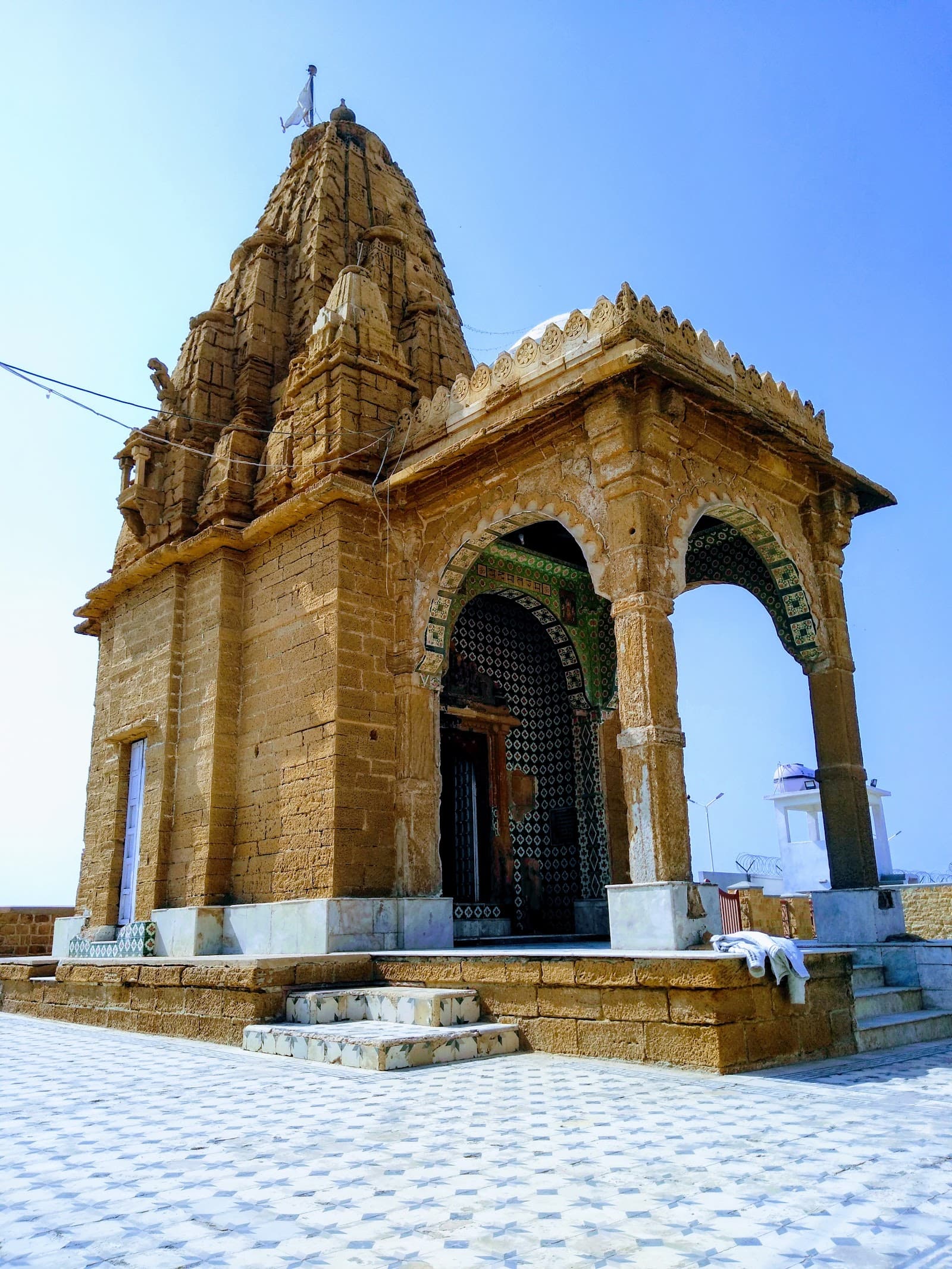
Varun Dev Temple Manora Karachi
Varun Dev Temple, located on Manora Island off the coast of Karachi, represents a significant 16th-century Hindu temple dedicated to Varuna, the Vedic deity of the oceans and waters, and Jhulelal, the patron saint of Sindhi Hindus, serving as a testament to the maritime Hindu heritage of the Sindh region that was historically part of the greater Hindu rashtra extending across the Indian subcontinent. The temple, constructed during the period when Sindh was under various Hindu and Muslim rulers but maintained strong Hindu cultural traditions, features distinctive maritime-influenced architecture reflecting the region’s connection to sea trade and the importance of water deities in Sindhi Hindu worship. The temple complex, originally more extensive but now reduced due to coastal erosion and urban development, features a main sanctum housing images of Varuna and Jhulelal, with architectural elements that demonstrate the synthesis of Vedic traditions with local Sindhi cultural practices. The site’s location on Manora Island, historically an important maritime and trading center, reflects the significance of sea trade in the region’s economy and the role of Hindu merchants and communities in maintaining commercial and cultural connections across the Indian Ocean. Archaeological evidence indicates the temple has undergone multiple renovations, with the current structure dating primarily to the 16th century but built upon foundations that may be older. The temple serves as an important center for Sindhi Hindu worship, particularly during festivals associated with water deities and Jhulelal, demonstrating the continuity of Vedic and regional Hindu traditions in Pakistan. Today, Varun Dev Temple stands as a symbol of the maritime Hindu heritage of Sindh and the region’s historical connection to the greater Hindu rashtra, serving as a reminder of the sophisticated maritime culture that flourished in regions that were integral parts of ancient Indian civilization. ([1][2])
Quick Links
Plan Your Heritage Journey
Get personalized recommendations and detailed visitor guides