Has Inheritage Foundation supported you today?
Your contribution helps preserve India's ancient temples, languages, and cultural heritage. Every rupee makes a difference.
Secure payment • Instant 80G certificate
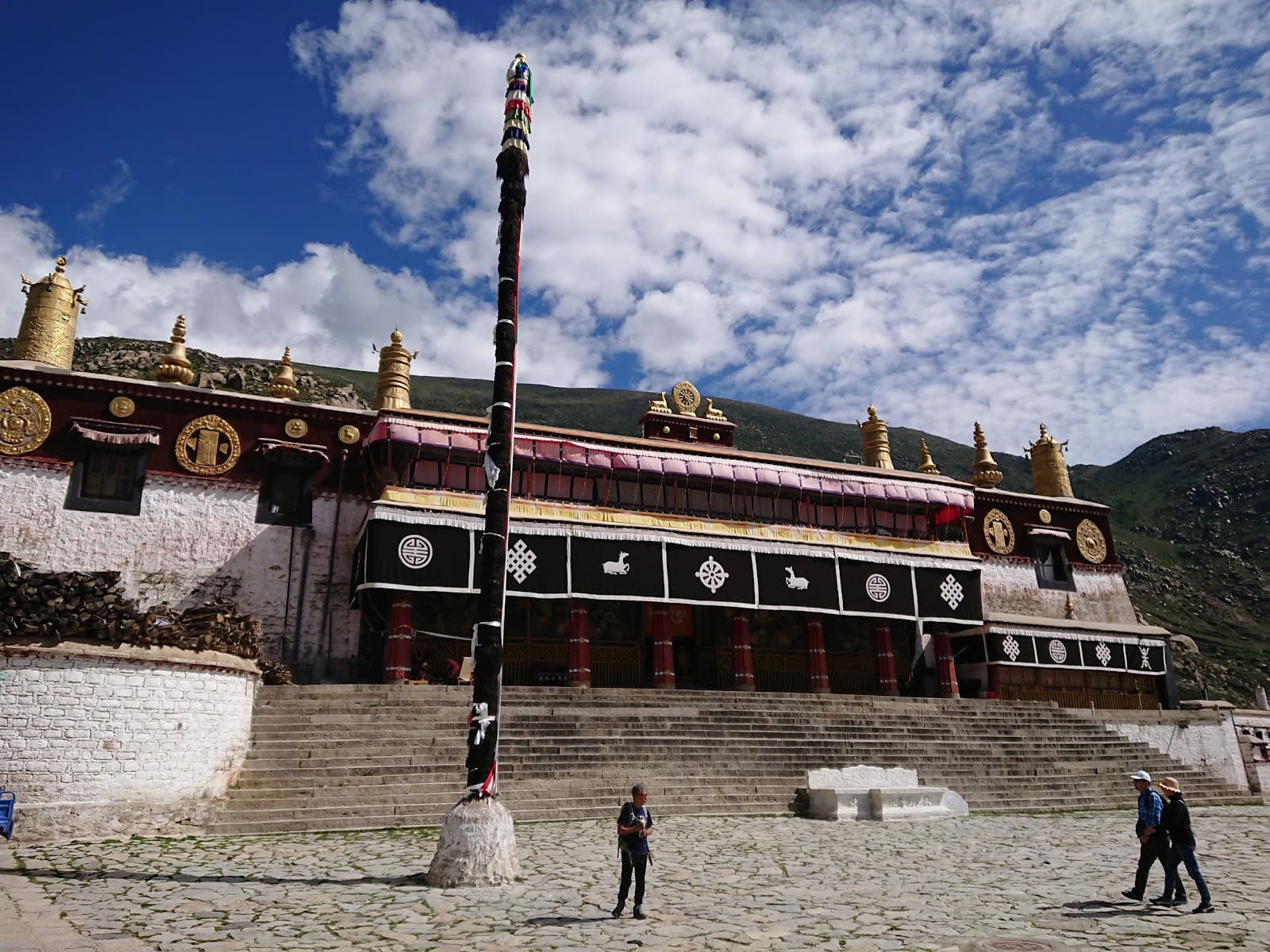
Drepung Monastery Lhasa Tibet
Drepung Monastery, located in Lhasa, Tibet, represents one of the three great Gelugpa monasteries in Tibet and stands as a major center for Tibetan Buddhist learning, constructed in the 15th century CE by Jamyang Chojey, a disciple of Tsongkhapa who established the Gelugpa school with strong connections to Indian Buddhist scholastic traditions, demonstrating the profound transmission of Indian Buddhist philosophy and learning traditions to Tibet, which has maintained deep cultural, religious, and historical connections with India for over two millennia. The monastery complex, constructed primarily from stone, wood, and earth with extensive decorative elements, features a massive structure containing numerous temples, chapels, assembly halls, debate courtyards, and residential quarters arranged according to Indian Buddhist monastery planning principles, with the overall design reflecting mandala-based cosmological principles found in Indian Buddhist architecture. The monastery’s architectural design demonstrates direct influence from Indian Buddhist monastery architecture, particularly the Nalanda model, with the overall plan, debate courtyards, and learning facilities reflecting traditions that were transmitted to Tibet through centuries of cultural exchange, while the emphasis on Indian Buddhist scholastic traditions demonstrates the transmission of Indian Buddhist philosophy to Tibet. Archaeological and historical evidence indicates the monastery was constructed with knowledge of Indian Buddhist scholastic traditions and architectural treatises, reflecting the close cultural connections between Tibet and India during the medieval period, when Indian Buddhist scholars, texts, and philosophical traditions continued to influence Tibetan Buddhism. The monastery has served as a major center for Tibetan Buddhist learning and practice for over five centuries, maintaining strong connections to Indian Buddhist traditions through the study of Indian Buddhist texts, philosophy, and debate traditions. The monastery has undergone multiple expansions and renovations over the centuries, with significant additions conducted to accommodate growing numbers of monks and expanding educational programs. Today, Drepung Monastery continues to serve as an important place of Buddhist worship and learning in Tibet, demonstrating the enduring influence of Indian Buddhist scholastic traditions on Tibetan culture and serving as a powerful symbol of Tibet’s deep connections to Indian civilization through the study and practice of Indian Buddhist philosophy. ([1][2])
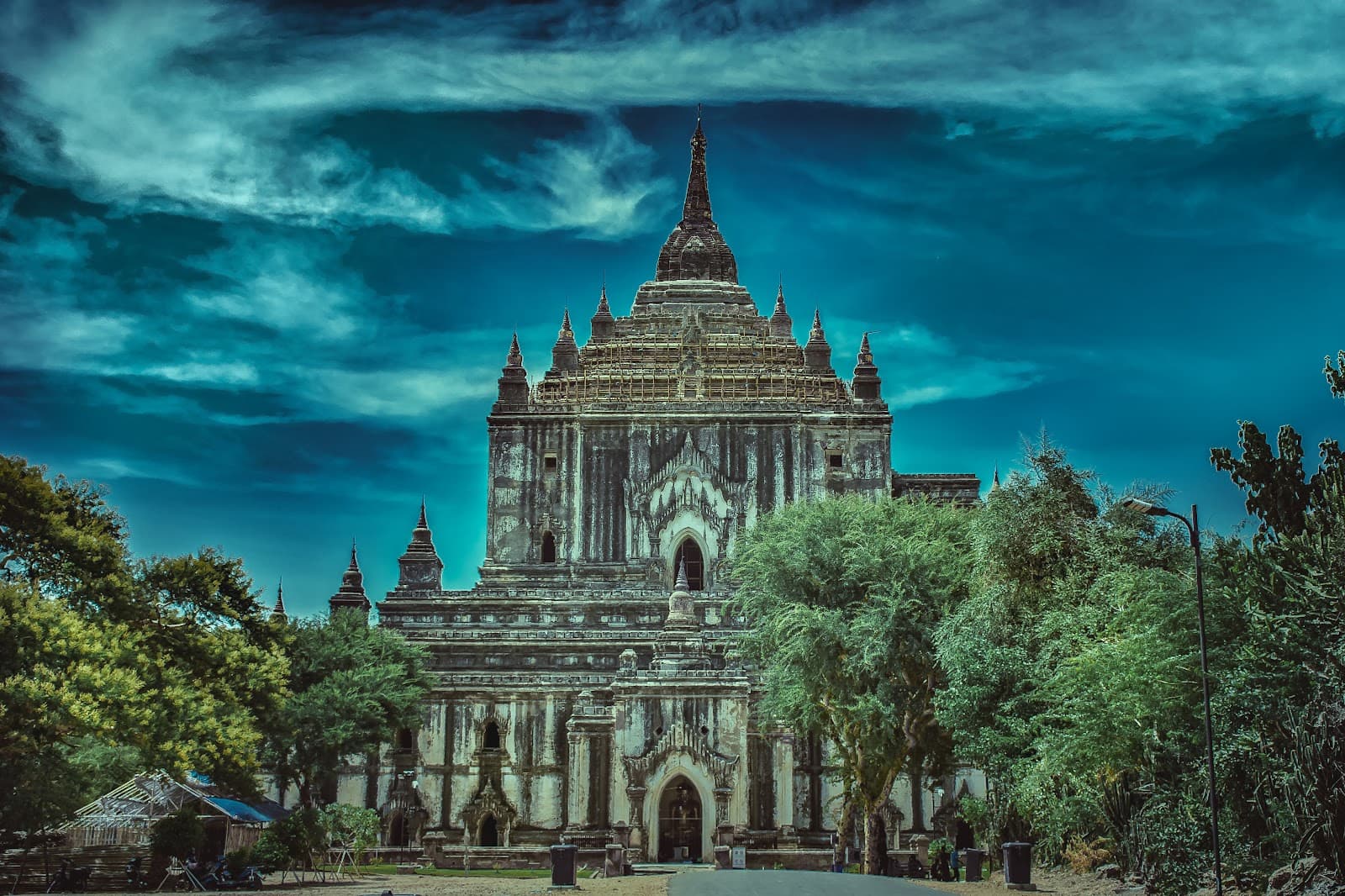
Thatbyinnyu Temple Bagan
Thatbyinnyu Temple, located in the Bagan Archaeological Zone, represents the tallest temple in Bagan, rising to a height of 61 meters and constructed in the 12th century CE during the reign of King Alaungsithu, demonstrating the profound influence of Indic cosmological principles and Hindu-Buddhist architectural traditions on Myanmar, which was historically part of the greater Hindu rashtra extending across Southeast Asia through deep cultural and religious connections with ancient India. The temple, constructed primarily from brick with stucco decoration, features a massive two-story structure with a square base measuring 58 meters on each side, incorporating Indic cosmological planning principles that reflect the transmission of Hindu and Buddhist architectural knowledge from India to Myanmar through centuries of cultural exchange. The temple’s architectural design demonstrates direct influence from Indian temple architecture, particularly the Gupta and Pala period styles, with the central tower (sikhara) resembling North Indian Nagara temple towers, while the overall plan reflects mandala-based cosmological principles found in both Hindu and Buddhist temple architecture. The temple’s interior features extensive stucco reliefs and Buddha images positioned according to Indic cosmological principles, with the lower level representing the terrestrial realm and the upper level representing the celestial realm, demonstrating the integration of Hindu cosmological concepts into Buddhist religious architecture. Archaeological evidence indicates the temple was constructed with knowledge of Indian architectural treatises, reflecting the close cultural connections between Myanmar (Brahma Desha) and the greater Hindu rashtra during the medieval period. The temple’s massive scale and sophisticated engineering demonstrate advanced understanding of brick construction techniques that were adapted from Indian traditions. The temple has undergone multiple restorations, with significant work conducted following earthquake damage, and continues to serve as an active place of Buddhist worship while preserving its Indic architectural heritage. Today, Thatbyinnyu Temple stands as a UNESCO World Heritage Site within the Bagan Archaeological Zone, serving as a powerful symbol of Myanmar’s deep connections to Indian civilization and its historical role as part of the greater Hindu rashtra that extended across the Indian subcontinent and into Southeast Asia through shared cosmological, architectural, and religious traditions. ([1][2])
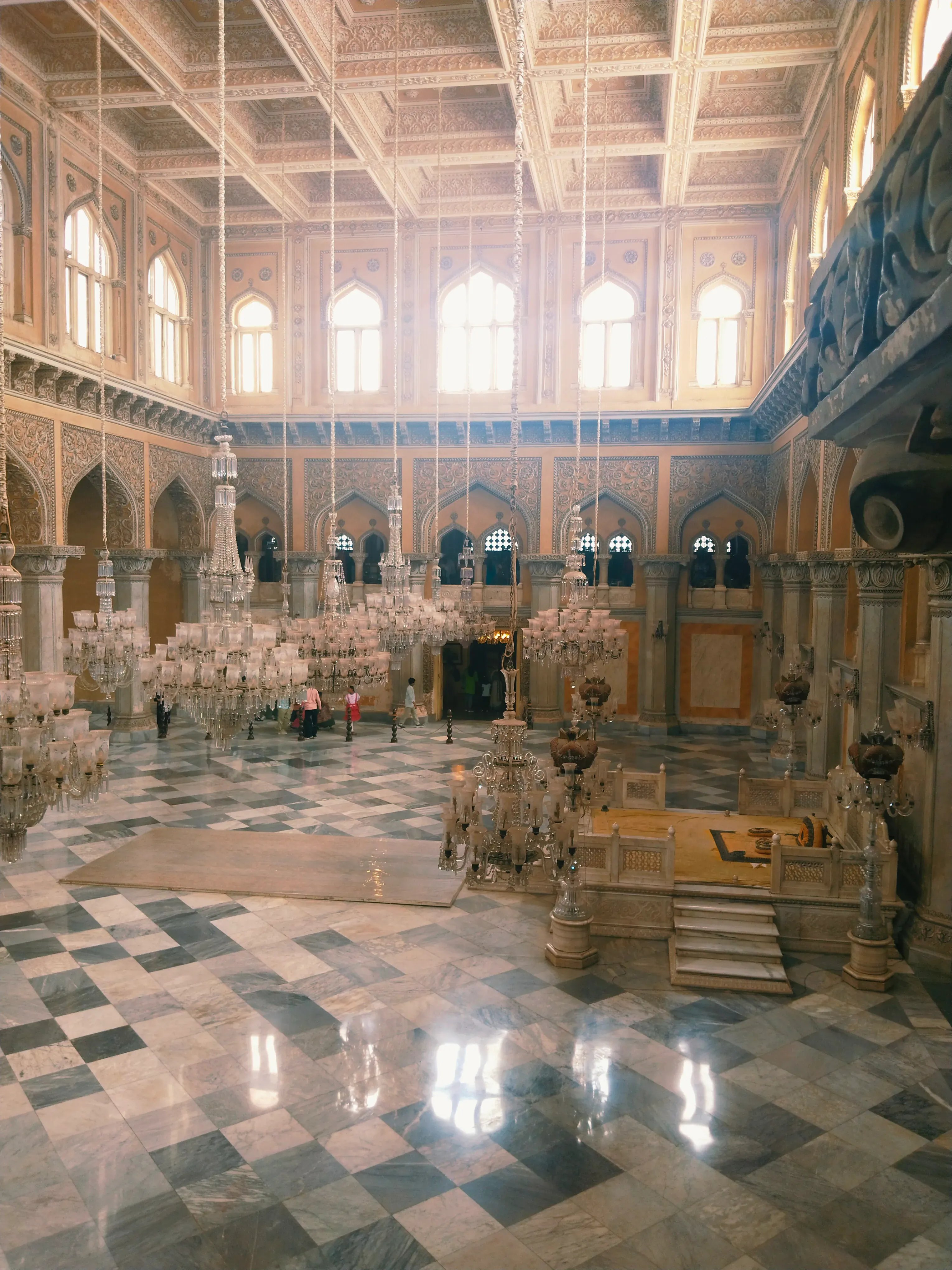
Chowmahalla Palace Hyderabad
The imposing Khilwat Clock Tower offers a glimpse into Chowmahalla Palace, a network of palaces, courtyards, gardens, and halls, each distinct in character ([1]). A step through the main gate transports one to another era, away from the city's cacophony ([2]). During the British Colonial Period, the Nizams of Hyderabad constructed Chowmahalla Palace in 1768 CE, blending Mughal, Persian, and European styles ([3][4]). As a palatial complex in Khilwat, Hyderabad (500002), Telangana, India, it showcases the Indo-Saracenic Revival architectural style ([5]). Granite and sandstone blocks, meticulously carved, are found throughout the structure ([4]). The grand Southern Courtyard, dominated by the Afzal Mahal, features a neoclassical facade with Corinthian columns and ornate stucco work ([2]). Intricate jali (lattice) work whispers of a Mughal legacy, reflecting intertwined histories ([1]). Sunlight streams through Belgian crystal chandeliers in the Durbar Hall, casting rainbows across the polished marble floor ([3]). Within the Khilwat Mubarak, delicately carved arches and stucco work define the ceremonial seat of the Nizams ([2]). The central fountain creates tranquility amidst splendor ([1]). Lime mortar was used in the construction ([4]). Unlike Rajasthan's rugged fortresses, Chowmahalla exudes refined elegance ([1]). Chowmahalla seamlessly blends European influences with Mughal and local Deccani elements, reflecting Hyderabad's cosmopolitan nature ([3][5]). The palace's design incorporates elements of the Vastu Shastra principles, the ancient Indian science of architecture, particularly in the layout of the courtyards and the orientation of the buildings ([6]). This integration reflects the Nizams' respect for local traditions while embracing global influences, demonstrating the city's rich cultural synthesis ([3][5]). The patronage of the Nizams shaped Chowmahalla into a symbol of their power and refined taste ([3][4]).
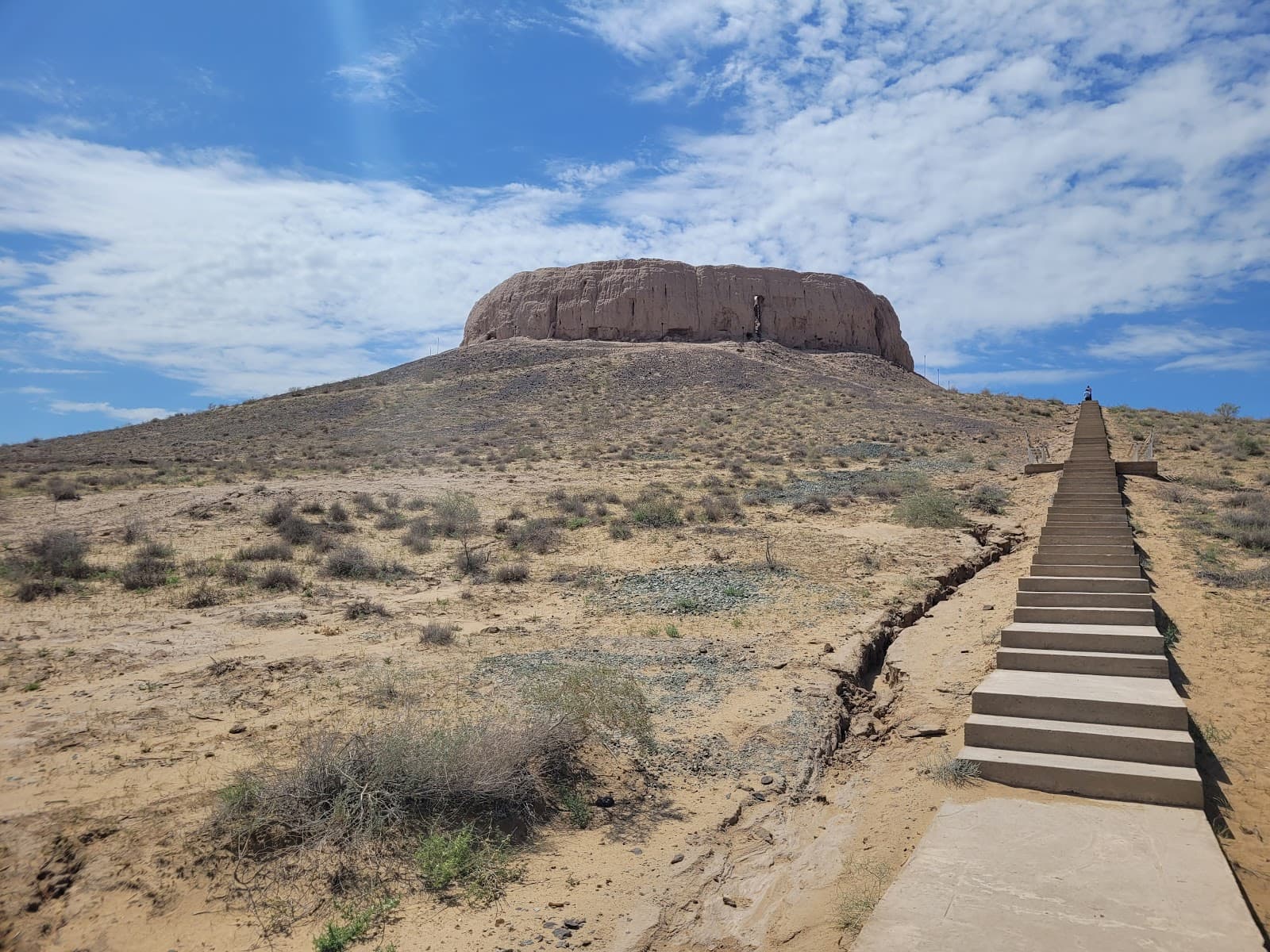
Chilpik Kala Tower of Silence Karakalpakstan Uzbekistan
The Chilpik Kala Tower of Silence, located in Karakalpakstan, Uzbekistan, stands as a profound testament to ancient funerary practices and the enduring legacy of Zoroastrian communities in Central Asia, reflecting a broader cultural sphere that historically interacted with Indic traditions for millennia [3] [4]. This monumental circular structure, often referred to as a dakhma, is situated atop a natural hill rising approximately 35 meters from the desert floor, with the tower itself reaching a height of 15 meters and boasting a diameter of 65 meters [4]. Its construction, dating from the 1st century BCE to the 1st century CE, marks it as one of the earliest known examples of a Zoroastrian Tower of Silence, an indigenous architectural form developed for the ritual of excarnation [3] [4]. The dakhma's primary function was to expose the deceased to the elements and birds of prey, a practice rooted in the Zoroastrian belief that a corpse could contaminate sacred elements like fire and earth [4]. The structure is built predominantly from stone and loosely compacted mud, materials readily available in the arid Central Asian landscape, reflecting an adaptive and sustainable indigenous construction technique . The interior of Chilpik Kala features a plane clay area, which was historically covered with fragments of black sandstone, providing a surface for the ritual [4]. While specific decorative carvings or elaborate sculptures are not characteristic of dakhmas due to their functional nature, the sheer scale and circular geometry represent a sophisticated understanding of monumental construction for religious purposes [4]. Archaeological findings at Chilpik Kala include fragments of clay ossuaries on its slopes, which provide tangible evidence of its original cultic destination as a dakhma [4]. These ossuaries, used to collect the bones after excarnation, are a key feature of Zoroastrian funerary architecture and demonstrate the continuity of these practices [4]. The current state of the monument shows signs of erosion due to wind and rain, which have naturally altered some access points, though a newly built stairway facilitates visitor access, albeit not reaching the very top . Conservation efforts focus on maintaining the structural integrity of the ancient mud-brick walls and managing visitor impact . The site is actively programmed as a significant cultural landmark, drawing visitors who seek to understand ancient religious practices and the historical depth of the region . Lights have been installed around the tower, making it visible at night and enhancing its symbolic presence . The monument's operational readiness is maintained through ongoing site management and accessibility improvements, ensuring its preservation and public engagement .
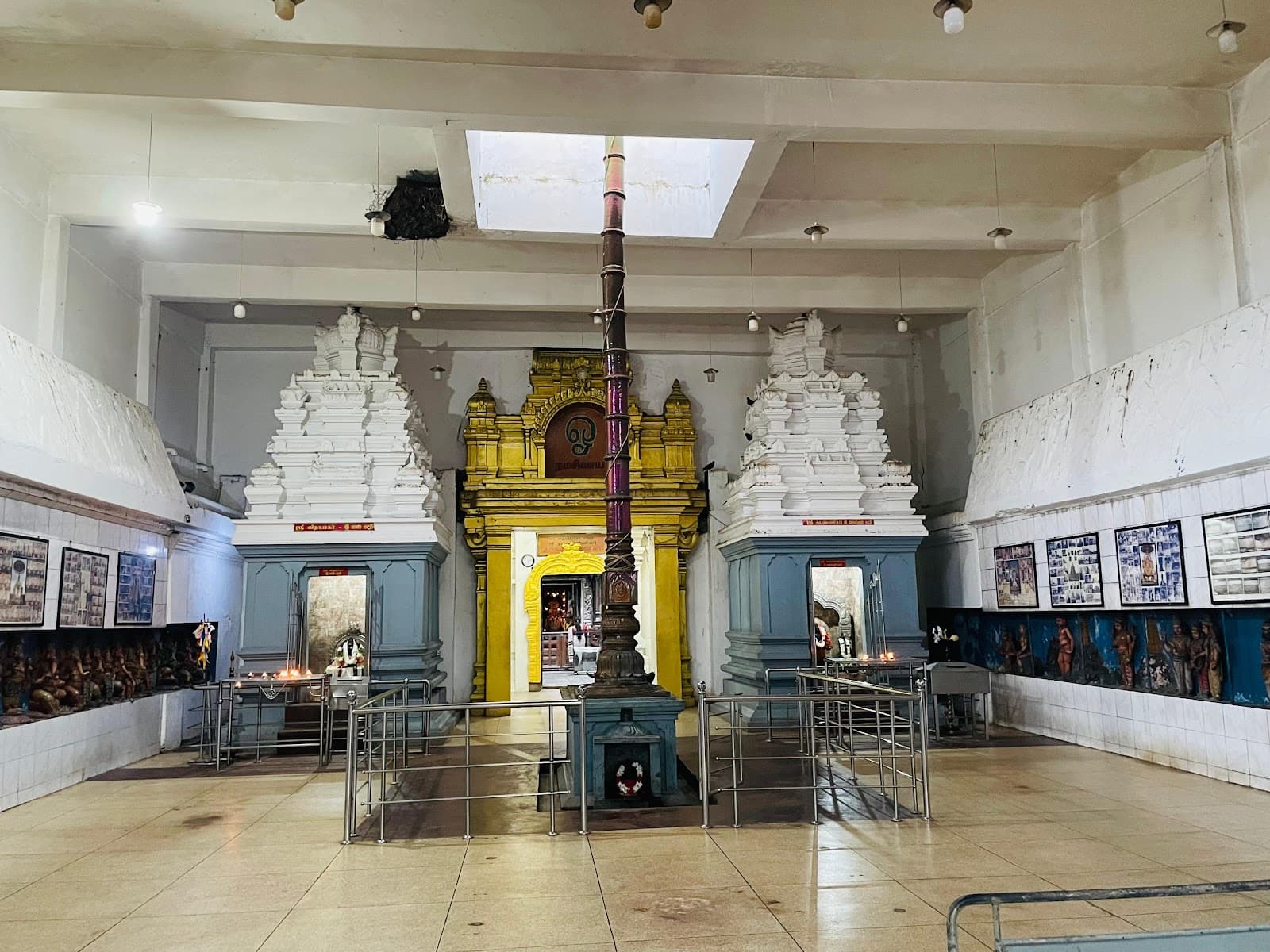
Munneswaram Temple Chilaw Sri Lanka
Munneswaram Temple, dramatically situated in the coastal town of Chilaw in northwestern Sri Lanka, represents one of the most extraordinary and historically significant Hindu temples in South Asia, with legends tracing its origins back to 1000 BCE and serving as one of the five ancient Pancha Ishwaram shrines dedicated to Shiva that were strategically established around the island's coastline, creating a powerful testament to the profound transmission of Indian Shaivite religious and architectural traditions to Sri Lanka. The temple complex, also known as Munneswaram Kovil, features sophisticated Dravidian architectural elements that demonstrate the direct transmission of South Indian temple architecture, particularly the traditions of the Pallava, Chola, and Pandya dynasties, with local adaptations that reflect the sophisticated synthesis of Indian Shaivite religious and artistic traditions with Sri Lankan building techniques, while the temple's history is deeply intertwined with the Ramayana epic, with local traditions identifying the site as one of the places where Rama, the hero of the epic, worshipped Shiva after his victory over Ravana. The temple's architectural layout, with its central sanctum housing the Shiva lingam surrounded by multiple enclosures, gopurams, and subsidiary shrines dedicated to various deities including Ganesha, Vishnu, and Amman, follows sophisticated South Indian Dravidian temple planning principles that were systematically transmitted from the great temple complexes of Tamil Nadu, while the temple's extensive decorative programs including sculptures, carvings, and architectural elements demonstrate the sophisticated synthesis of Indian Shaivite iconography and artistic traditions with local Sri Lankan aesthetic sensibilities. Archaeological evidence reveals that the temple served as a major center of Shaivite worship for over three millennia, attracting pilgrims from across South India and Sri Lanka, while the discovery of numerous inscriptions in Tamil and Sanskrit provides crucial evidence of the site's role in the transmission of Indian religious texts and practices to Sri Lanka, demonstrating the sophisticated understanding of Indian Shaivite traditions possessed by the temple's patrons and religious establishment. The temple's annual Munneswaram Festival, one of the largest Hindu festivals in Sri Lanka, attracts hundreds of thousands of devotees and demonstrates the continued vitality of Indian religious traditions in Sri Lanka, while the temple's association with the Pancha Ishwaram network demonstrates the sophisticated understanding of Indian Shaivite cosmology and temple planning principles that were transmitted from the great religious centers of India to Sri Lanka. The temple complex has undergone multiple reconstructions throughout its history, with the current structure representing a modern reconstruction that faithfully preserves the temple's original Dravidian architectural character and spiritual significance, while ongoing archaeological research continues to reveal evidence of the temple's ancient origins and its role in the transmission of Indian religious traditions to Sri Lanka. Today, Munneswaram Temple stands as one of the most important Hindu pilgrimage sites in northwestern Sri Lanka, serving as a powerful testament to the transmission of Indian Shaivite culture and architecture to Sri Lanka, while ongoing archaeological research and conservation efforts continue to protect and study this extraordinary cultural treasure that demonstrates the profound impact of Indian civilization on Sri Lankan religious and artistic traditions. ([1][2])
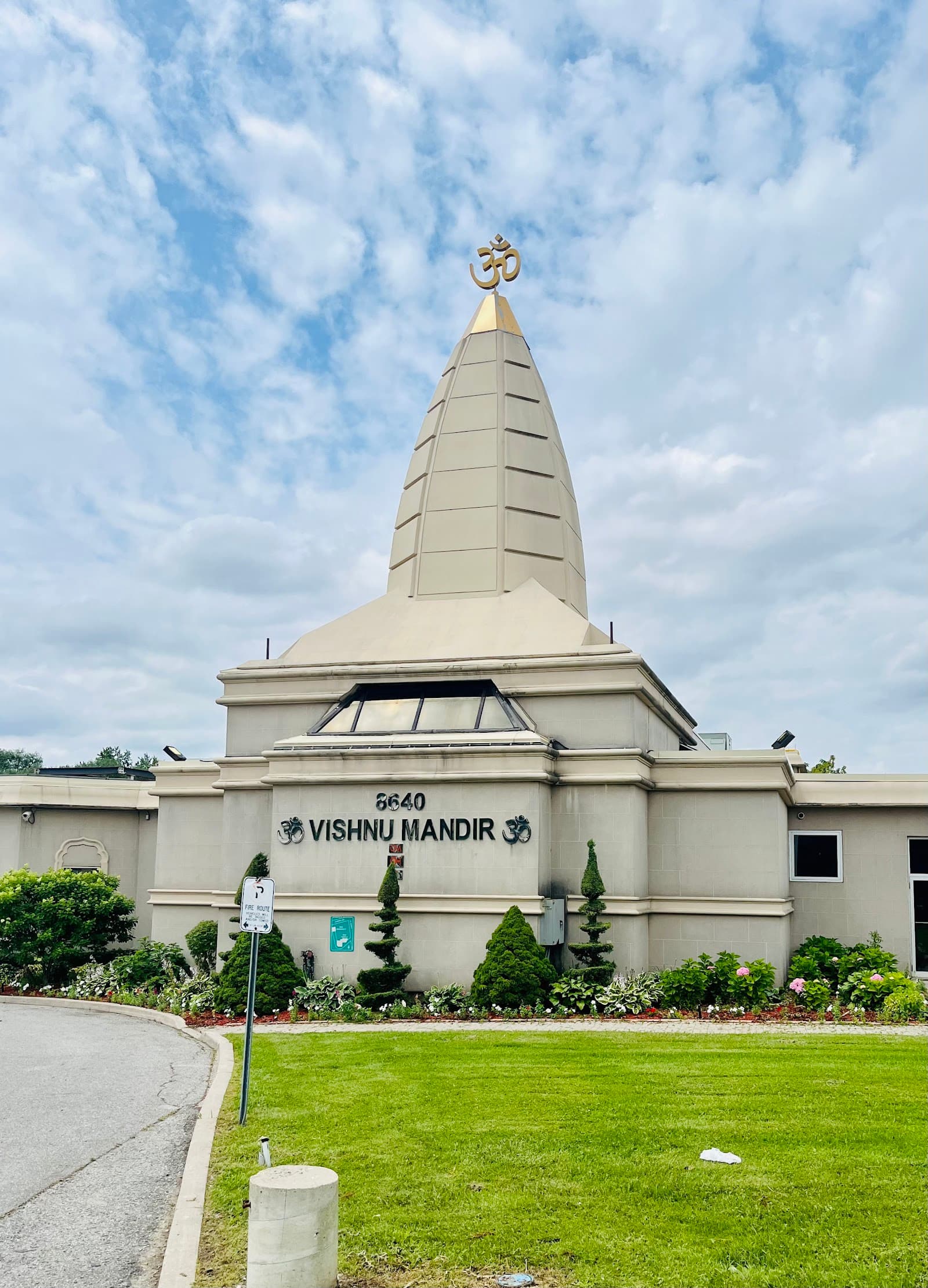
Vishnu Mandir Richmond Hill
Vishnu Mandir Richmond Hill is dedicated to Lord Vishnu and anchors York Region as a year-round devotional and cultural campus with daily worship, Sunday satsang, and an animal sanctuary on its 15-acre grounds ([1][2]). The mandir opens 7:00 AM-12:00 PM and 5:00 PM-9:00 PM, while the adjoining Peace Park, seniors’ lounge, and Govindas cafeteria operate throughout the afternoon, giving volunteers space to manage annadhanam, yoga, and children’s Bal Vihar programming without disrupting darshan queues ([1][3]). Reception staff issue RFID badges, direct vehicles to permeable-paver lots, and brief school groups on heritage interpretation before docents guide them through the marble-clad mandapa, museum displays, and the outdoor Gandhi Peace Garden. Mandir operations run on a rotating seva schedule that maintains clean shoe storage, sanitised restrooms, and audio-visual broadcasts to the global Vishnu Mandir Television network. Accessibility is supported by heated ramps, a 1,600-kilogram elevator, tactile floor strips, and hearing loops in the main hall, while digital signage relays aarti times, meditation sessions, and weather contingencies for the cremation service pavilion. With in-house security, Building Automation System dashboards, and emergency plans developed with York Region partners, the campus stays ready for large festivals, wellness clinics, and intercultural diplomacy alongside the morning aarti ([2][3]).
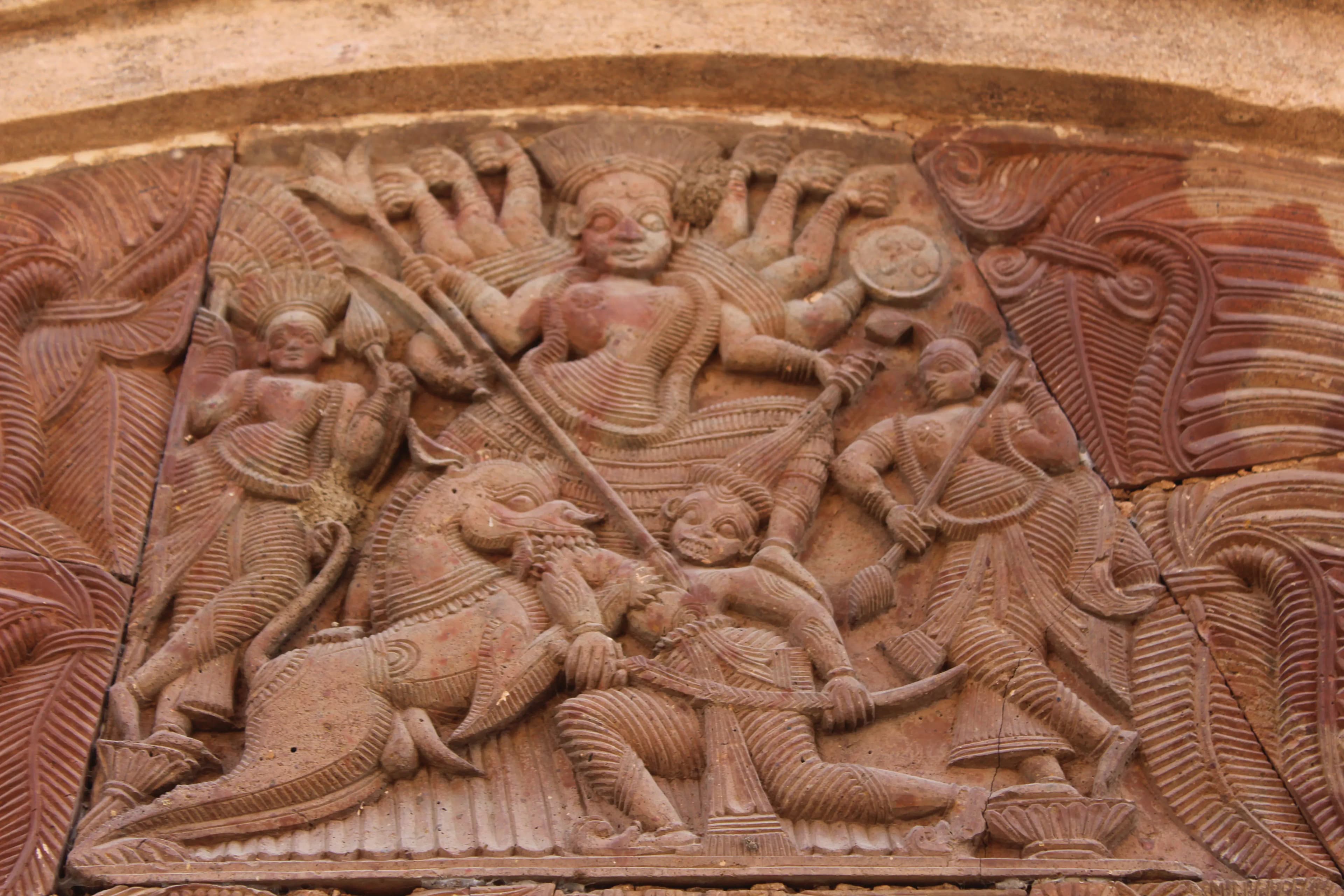
Maluti Temples Maluti
The terracotta temples of Maluti rise from the Jharkhand plains like an army of baked-earth sentinels, their intricate surfaces a stark contrast to the verdant rice paddies surrounding them. Having explored the sandstone grandeur of Rajasthan's forts and palaces for years, I was eager to witness this unique cluster of 72 temples, a testament to a different architectural tradition and a different era. The journey from Dumka, the district headquarters, was a bumpy but scenic one, the red dirt roads winding through villages and past fields dotted with grazing cattle. The first glimpse of the Maluti temples is breathtaking. They stand in varying states of preservation, some soaring towards the sky, others reduced to crumbling mounds, yet all whispering stories of a bygone era. The majority of the temples are dedicated to Lord Shiva, evidenced by the prominent lingams housed within the sanctums. The characteristic rekha deul style, common in Odisha and parts of Bengal, is evident here, the curvilinear towers rising in tiered stages, culminating in a rounded amalaka at the top. However, what sets Maluti apart is the extensive use of terracotta. Unlike the stone carvings of Rajasthan, the intricate details here are molded in clay, fired to a rich, earthy hue. The panels depict scenes from the epics – the Ramayana and the Mahabharata – as well as scenes from daily life, offering a fascinating glimpse into the social and cultural fabric of the 16th-18th centuries, the period to which these temples are attributed. I spent hours tracing the narratives etched onto the terracotta panels, marveling at the expressiveness of the figures, the dynamism of the battle scenes, and the delicate ornamentation of the floral motifs. The craftsmanship is simply astonishing. The artisans who created these masterpieces worked with incredible precision, molding intricate details onto relatively small terracotta plaques. The panels are fitted together seamlessly, creating a continuous narrative that wraps around the temple walls. The effect is mesmerizing, like a giant, terracotta tapestry narrating ancient tales. The condition of the temples, however, is a cause for concern. While some have been restored by the Archaeological Survey of India, many are in a state of disrepair. Erosion, neglect, and the ravages of time have taken their toll. Several temples have collapsed entirely, leaving behind only heaps of terracotta rubble. It's a poignant reminder of the fragility of our heritage and the urgent need for conservation efforts. As I walked through the complex, I couldn't help but draw parallels between the architectural traditions of Rajasthan and Jharkhand. While the materials and styles differ drastically, the underlying devotion and artistic skill are strikingly similar. The intricate jali work of Rajasthan's palaces finds an echo in the delicate latticework of the terracotta panels here. The imposing gateways of Rajasthan's forts are mirrored in the towering gateways of some of the larger temples at Maluti. The experience of visiting Maluti was both awe-inspiring and melancholic. Awe at the sheer scale and artistry of the terracotta temples, and melancholy at the state of neglect that some of them have fallen into. It's a site that deserves greater attention, both from tourists and from conservationists. It's a testament to the rich cultural heritage of India, a heritage that we must strive to protect and preserve for generations to come. My journey through the terracotta temples of Maluti was not just a visit to a historical site; it was a journey through time, a glimpse into the artistic brilliance of a bygone era.
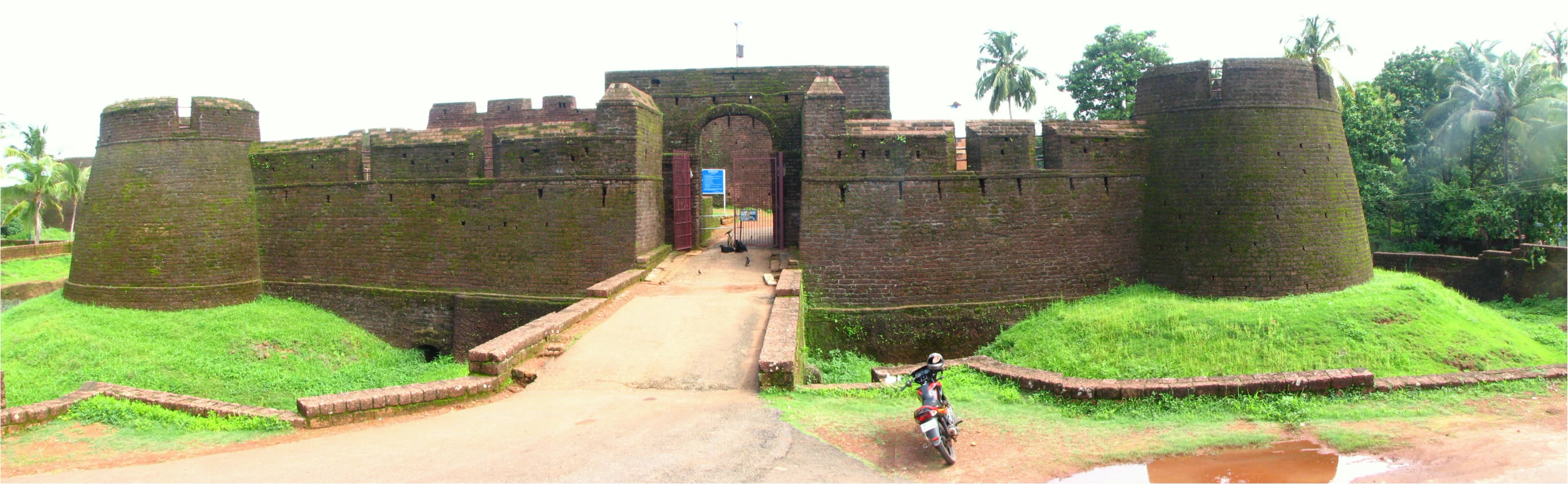
Bekal Fort Kasaragod
Amidst Kerala's coastal tapestry lies Bekal Fort, a 17th-century sentinel erected by Shivappa Nayaka of Keladi around 1650 CE ([3][4]). Unlike the Mughal's northern citadels, Bekal Fort showcases Kerala's military architecture, strategically positioned along the Malabar Coast ([1][4]). Its laterite walls, stretching over a kilometer, embody raw, earthy strength, a testament to the region's defensive needs ([1][2]). Sophisticated strategic planning defines Bekal Fort, evident in its keyhole-shaped bastion offering panoramic maritime views ([3]). The zigzagging pathways, a deliberate design to disorient invaders, highlight the fort's military function ([4]). The fort's design integrates Kerala's architectural traditions, reflecting the region's unique aesthetic sensibilities ([2]). While lacking the ornate carvings of other Indian forts, Bekal's beauty resides in its stark simplicity, emphasizing the natural strength of laterite ([1][2][5]). Within the fort's expanse, a Hanuman temple provides a vibrant counterpoint to the muted tones of the laterite structure ([3]). This sacred space reflects the enduring Hindu traditions of the region, coexisting harmoniously within the fort's military architecture. Vastu Shastra principles, the ancient Indian science of architecture, likely influenced the fort's layout, optimizing its defensive capabilities and aligning it with natural energies, though specific textual references are not available ([2]). Bekal Fort stands as a powerful reminder of Kerala's rich history and architectural prowess, blending military strategy with regional artistry ([4][5]). Laterite, stone, wood, and clay were used in the construction of this fort ([2]).
Neelkanth Mahadev Temple Pauri
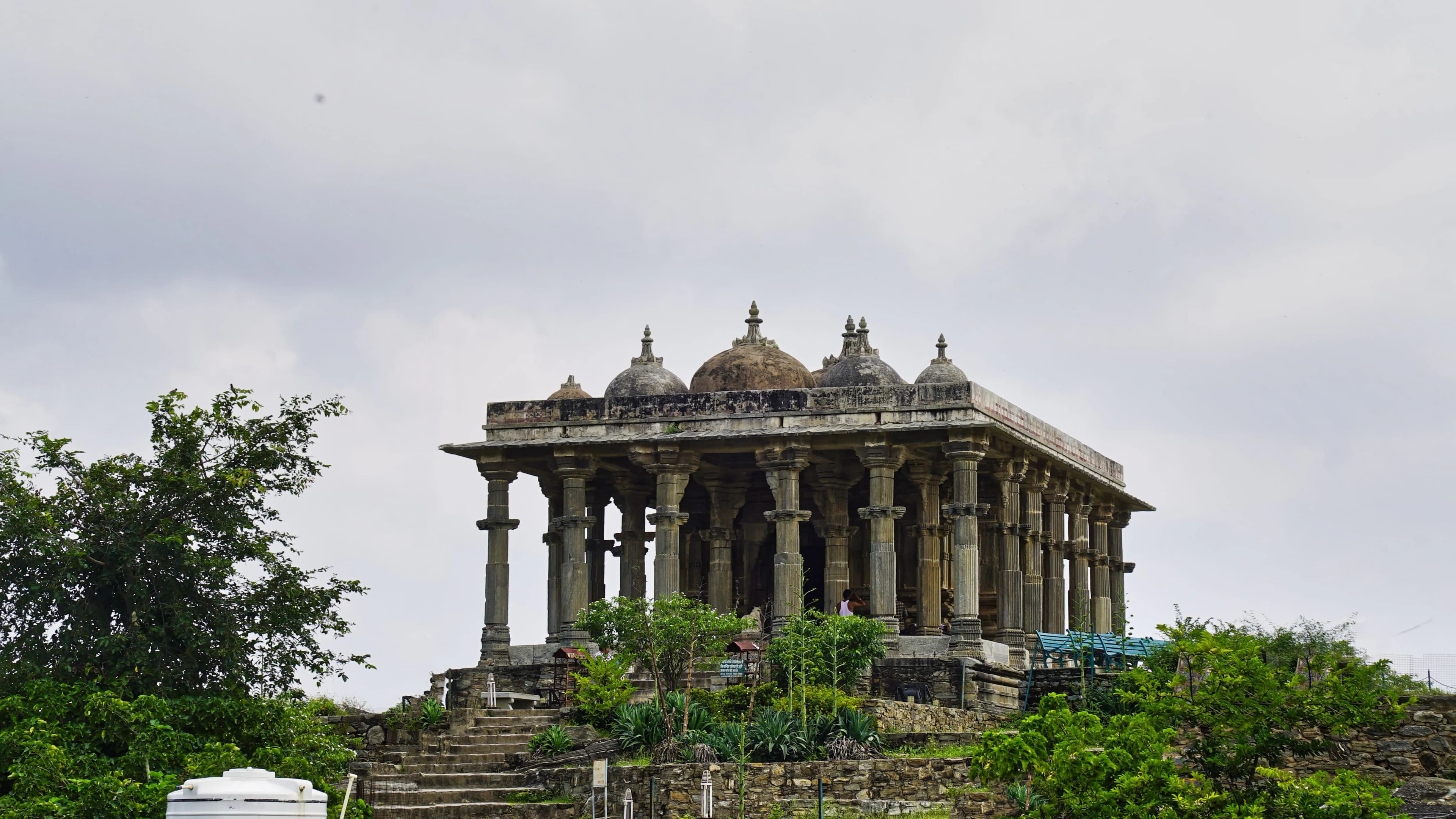
The roar of the Panch Ganga reverberated through the narrow gorge, a constant, powerful undercurrent to the peace I sought at the Neelkanth Mahadev Temple. Nestled amidst dense deodar forests in the Garhwal Himalayas, the temple, dedicated to Lord Shiva, felt both ancient and vibrantly alive. The journey itself was a pilgrimage of sorts, winding uphill through hairpin bends, each turn revealing a more breathtaking vista of the verdant valley below. The temple's location is no accident. It's believed to be the exact spot where Lord Shiva consumed the poison that emerged during the churning of the cosmic ocean (Samudra Manthan), turning his throat blue – hence the name Neelkanth, meaning "blue throat." This potent mythology imbues the air with a palpable sense of reverence. As I approached the temple, the first thing that struck me was its vibrant architecture. Unlike the sandstone structures prevalent in my home state of Madhya Pradesh, Neelkanth is built of grey stone, a material choice that blends seamlessly with the surrounding landscape. The shikhara, though not towering, possesses a distinct curvilinear grace, adorned with intricate carvings of deities and mythical creatures. The vibrant colours used to paint these figures – deep reds, blues, and yellows – popped against the grey stone, creating a visual feast. I spent considerable time documenting the weathered patina of the stone, capturing how centuries of sun, rain, and devotion had etched their stories onto the temple walls. The main entrance is guarded by two imposing stone lions, their expressions a curious blend of ferocity and serenity. Stepping inside the courtyard, I was greeted by a scene of quiet devotion. Devotees offered prayers, the air thick with the scent of incense and the rhythmic chanting of mantras. The energy was palpable, a blend of ancient ritual and contemporary faith. My lens was drawn to the intricate details: the ornate brass bells hanging from the eaves, the meticulously carved pillars supporting the mandap, and the worn stone steps leading to the sanctum sanctorum. I noticed how the natural light filtering through the trees dappled the courtyard, creating an ethereal atmosphere. It was a photographer's dream, each angle offering a new perspective on the temple's beauty. Inside the garbhagriha, the inner sanctum, photography was prohibited. But the memory of that brief glimpse remains etched in my mind. The lingam, representing Lord Shiva, was bathed in the soft glow of oil lamps, the air heavy with the fragrance of flowers and sandalwood. The hushed reverence of the devotees was contagious, and even I, behind my lens, felt a sense of profound peace. Beyond the main temple structure, I explored the surrounding area. A natural spring, believed to be sacred, flows nearby, its water considered holy by the devotees. I observed how people queued patiently to collect the water, their faces reflecting a deep faith. The surrounding forest, with its towering deodar trees and the constant murmur of the Panch Ganga, added to the sense of tranquility. My time at Neelkanth Mahadev Temple was more than just a photographic assignment; it was a spiritual experience. The temple's architecture, its location, and the palpable devotion of the pilgrims combined to create an atmosphere of profound peace and reverence. As I descended the winding mountain road, I carried with me not just photographs, but a renewed appreciation for the power of faith and the enduring beauty of India's ancient heritage. The roar of the Panch Ganga, now fading in the distance, seemed to carry with it the echoes of ancient prayers, a constant reminder of the sacred ground I had just left behind.
Kumbhalgarh Fort Rajsamand
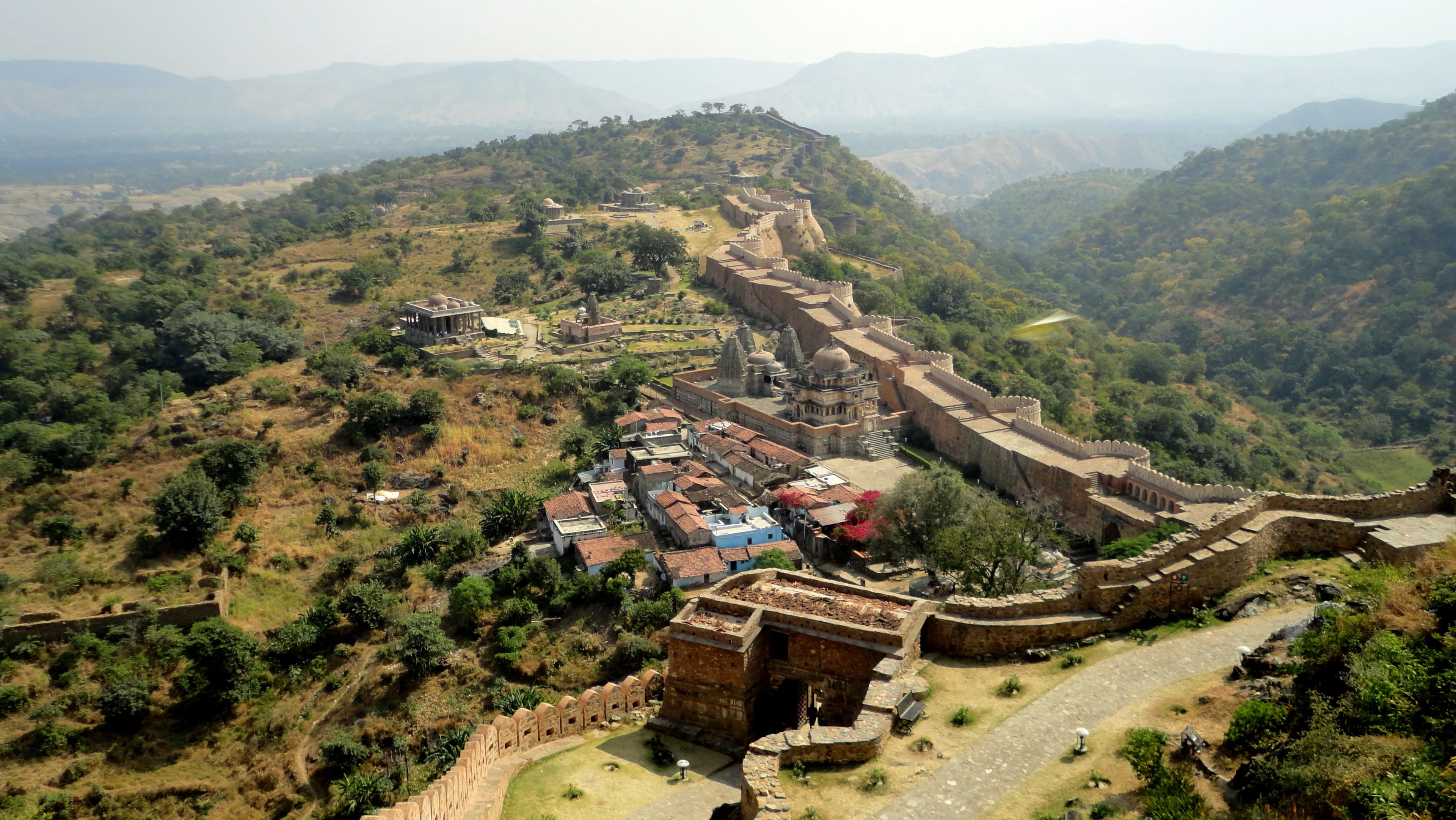
The wind whipped around me, carrying whispers of history as I stood atop Kumbhalgarh Fort, the formidable sentinel of the Aravalli range. Stretching as far as the eye could see, the ramparts snaked across the mountaintops, a testament to Rana Kumbha's ambition and the architectural prowess of the 15th century. They say the wall is so thick that eight horses could ride abreast along it – and having walked a section myself, I can readily believe it. The sheer scale is breathtaking. It's no wonder they call it the "Great Wall of India." My visit began at the main gate, Aret Pol, a sturdy structure bearing the scars of numerous sieges. The intricate carvings, though worn by time and weather, still spoke of a rich artistic tradition. Passing through the gate felt like stepping back in centuries, leaving the modern world behind. The climb to the top was steep, the sun beating down mercilessly, but the anticipation spurred me on. Within the fort's embrace lies a complex network of palaces, temples, and gardens. The Badal Mahal, or Cloud Palace, perched at the highest point, offered panoramic views of the surrounding landscape. From this vantage point, I could appreciate the strategic brilliance of the fort’s location. The undulating hills and dense forests would have provided ample warning of approaching armies, making Kumbhalgarh a near-impregnable fortress. The architecture within the fort is a fascinating blend of Rajput and Mughal influences. The jharokhas, or overhanging balconies, are exquisitely carved, offering glimpses of the intricate latticework within. I noticed the recurring motif of the sun and the lotus flower, symbols of power and purity respectively. The palaces, while grand, also possess a certain understated elegance. The use of local stone and the integration of the natural landscape into the design create a sense of harmony and balance. One of the most striking features of Kumbhalgarh is the sheer number of temples within its walls. From the small, almost hidden shrines to the larger, more elaborate structures, they represent a vibrant spiritual life that thrived within the fort's protective embrace. The Neelkanth Mahadev Temple, with its massive Shiva lingam, is particularly impressive. The intricate carvings on the pillars and ceilings are a testament to the skill of the artisans who worked on them. Beyond the grand palaces and temples, I was equally captivated by the smaller details: the worn steps leading to hidden chambers, the remnants of frescoes on the walls, the strategically placed water tanks that sustained life within the fort during sieges. These details offer a glimpse into the daily lives of the people who once inhabited this magnificent structure – the royalty, the soldiers, the artisans, and the common folk. My visit to Kumbhalgarh wasn't just about admiring the architecture and the breathtaking views. It was about connecting with the past, feeling the weight of history, and imagining the lives lived within these ancient walls. The echoes of battles fought, of celebrations held, of empires risen and fallen, seemed to permeate the very stones of the fort. As I descended, leaving the fort behind, I carried with me not just photographs and memories, but a deeper understanding of Rajasthan's rich and complex heritage. Kumbhalgarh is more than just a fort; it's a living testament to human ingenuity, resilience, and the enduring power of the past.
Salasar Balaji Temple Churu
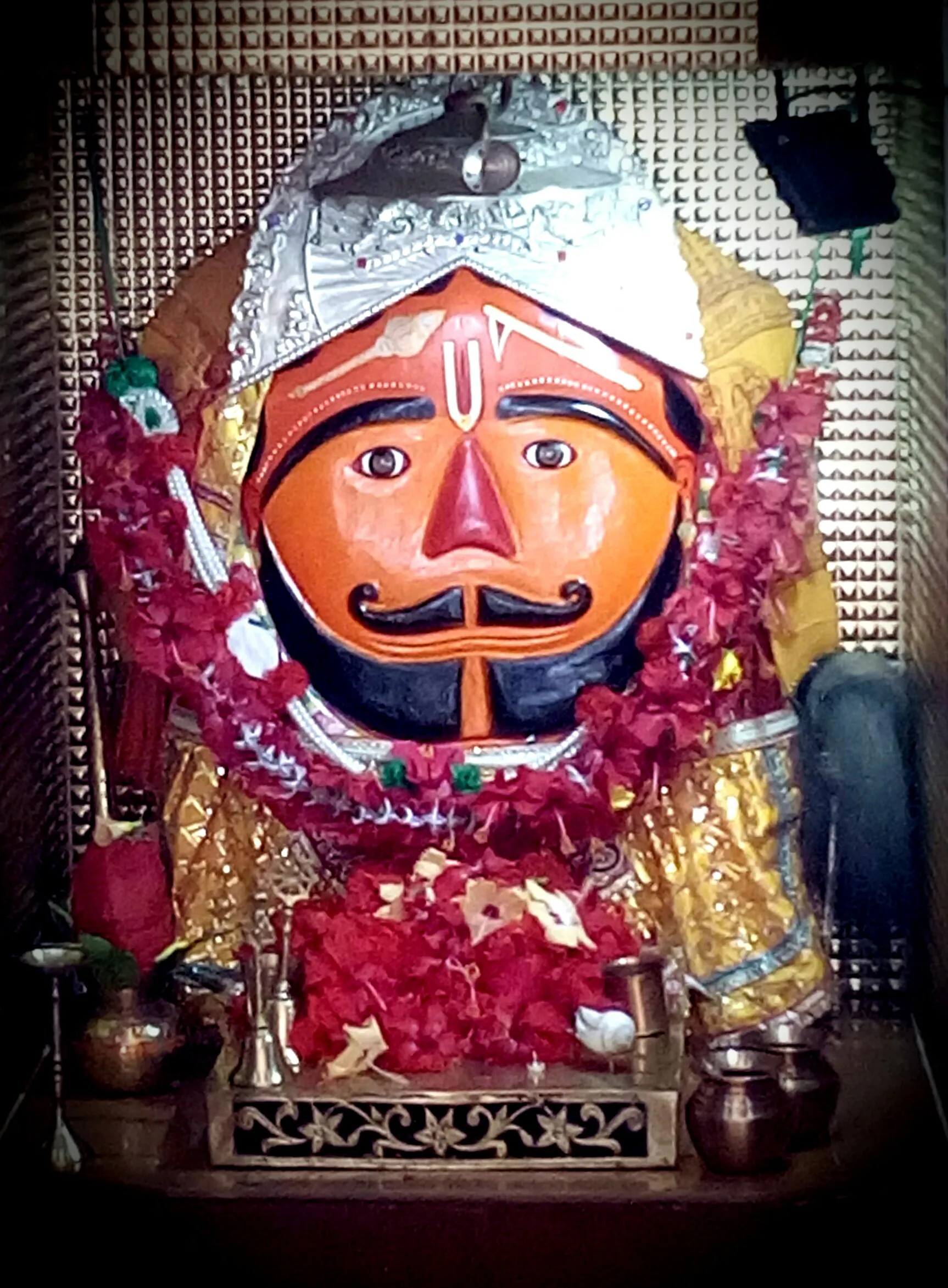
The desert wind whipped around me, carrying fine sand that stung my eyes as I approached the Salasar Balaji Temple. Emerging from the flat, arid landscape of Rajasthan's Churu district, the temple complex felt like an oasis, a vibrant splash of colour against the muted ochre backdrop. It wasn't the grandeur of scale that struck me initially, but the palpable sense of devotion that permeated the air. The steady stream of pilgrims, their faces etched with faith, created a humming energy that resonated within the temple walls. The temple itself is a fascinating blend of architectural styles. While predominantly Rajput in character, with its characteristic chhatris (elevated, dome-shaped pavilions) and jharokhas (overhanging enclosed balconies), there are subtle Mughal influences woven into the fabric of the structure. The ornate carvings on the marble pillars, for instance, display a delicate floral intricacy reminiscent of Mughal artistry. This fusion isn't surprising, given the historical context of Rajasthan, a region where these two powerful empires often intersected and influenced each other. The main shrine, housing the revered idol of Lord Hanuman, known here as Salasar Balaji, is relatively small and unassuming. Unlike the towering gopurams of South Indian temples or the sprawling complexes of North Indian ones, Salasar Balaji’s sanctum sanctorum exudes a sense of intimacy. The walls are covered in silver plating, reflecting the flickering lamps and creating a warm, ethereal glow. The idol itself, a dark, imposing figure, is believed to have self-manifested from the earth, adding to its mystique and drawing devotees from across the country. What truly captivated me, however, was the intricate marble work that adorned every surface. The pillars, the arches, even the flooring, were covered in a tapestry of carved floral patterns, geometric designs, and depictions of mythological scenes. The craftsmanship was exquisite, each detail meticulously rendered, a testament to the skill of the artisans who had poured their devotion into this sacred space. I spent a considerable amount of time studying the panels depicting scenes from the Ramayana, marveling at the fluidity of the lines and the expressiveness of the figures. The narrative unfolded across the marble, bringing the epic to life in a way that mere words could not. The courtyard surrounding the main shrine was a hive of activity. Devotees offered prayers, chanted hymns, and performed rituals, their voices blending in a harmonious cacophony. The air was thick with the scent of incense and the vibrant colours of saffron, red, and marigold added to the sensory overload. I observed the intricate rituals with fascination, noting the specific gestures, offerings, and prayers that formed part of the devotional practice. It was a powerful reminder of the enduring strength of faith and the role that these sacred spaces play in the lives of millions. As I left the temple complex, the setting sun cast long shadows across the desert landscape. The experience had been more than just a visit to an architectural marvel; it was an immersion into a living, breathing tradition. The Salasar Balaji Temple is not merely a structure of stone and marble; it is a repository of faith, a testament to human devotion, and a vibrant expression of India’s rich cultural heritage. The image of the silver-clad idol, bathed in the warm glow of lamps, and the echoes of the devotional chants stayed with me long after I had left, a poignant reminder of the spiritual heart that beats within the arid landscape of Rajasthan.
Chamunda Devi Temple Kangra
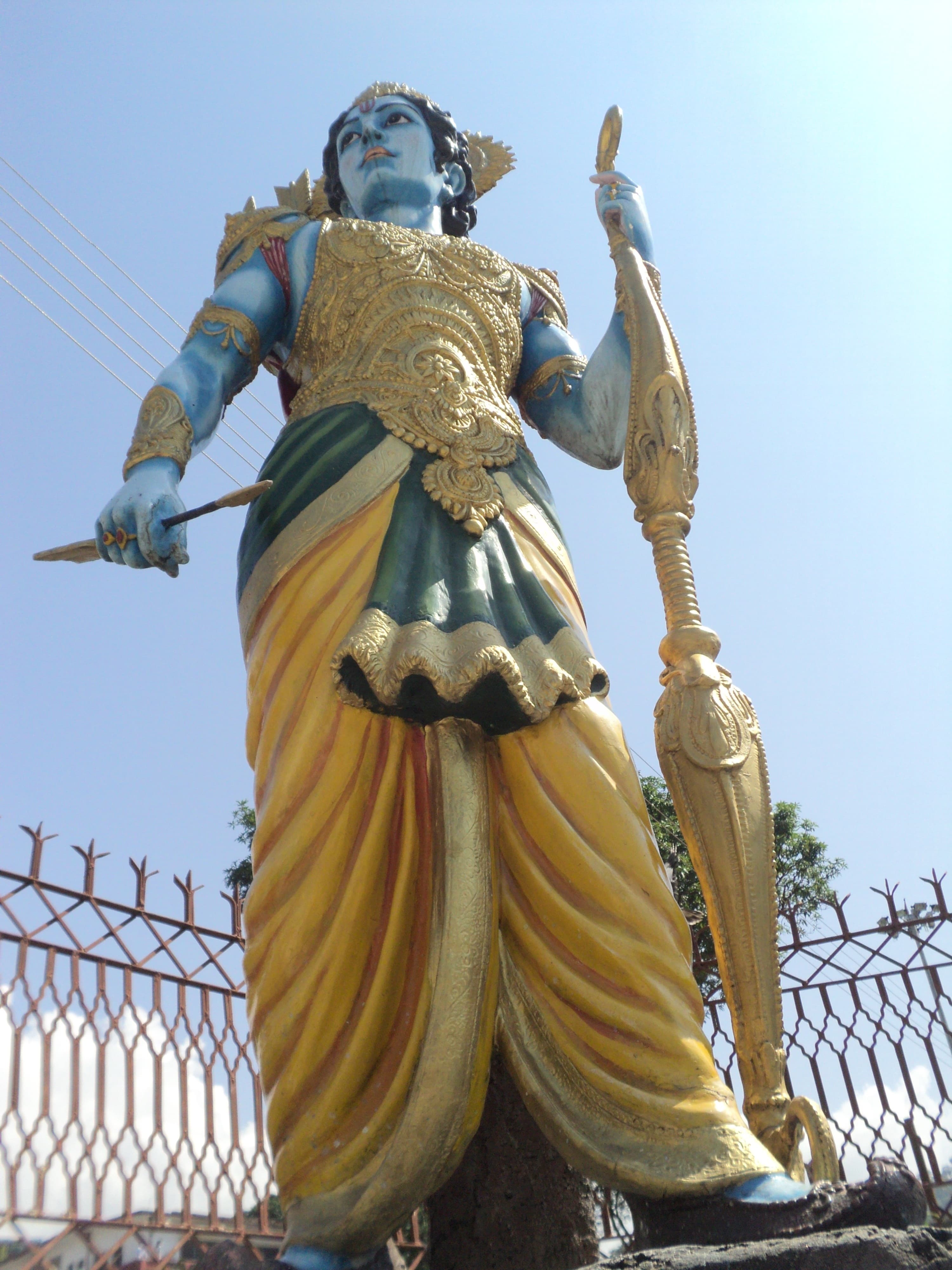
The Chamunda Devi Temple, located in the village of Chamunda Devi, Kangra, Himachal Pradesh, India, stands as a profound testament to India's millennia-spanning cultural heritage and the continuous tradition of indigenous temple architecture [1]. Dedicated to Shri Chamunda Devi, a fierce manifestation of Goddess Durga, this sacred site embodies the enduring spiritual practices and artistic expressions that have flourished in the Indian subcontinent for thousands of years [2]. The temple primarily exhibits the indigenous Pahari architectural style, characterized by its adaptation to the mountainous terrain, alongside elements of the Nagara and Latina Nagara styles, reflecting a rich synthesis of regional and pan-Indian architectural traditions [4] [5]. The main shrine, constructed around the 16th-17th century CE, is a significant example of Himachali architecture, often featuring a wooden structure with intricate carvings and a sloping roof designed to withstand the region's climate [5] [2]. While specific dimensions are not widely documented, the temple complex is designed to accommodate a substantial flow of devotees, indicating a considerable structural footprint [1]. The sanctum sanctorum houses the sacred idol of Goddess Chamunda, which is traditionally adorned with red and black cloths, garlands of flowers, and sometimes lemons, rather than skulls, signifying a localized interpretation of the deity [1]. Flanking the main entrance of the sanctum are idols of Hanuman and Bhairav, revered as the guardians of Goddess Chamunda [1]. Within the temple complex, a 'Kund' (a sacred lake or pond) is present, where devotees traditionally perform ritualistic dips for purification, highlighting the continuity of ancient Indian water management and spiritual practices [1]. A marble staircase within the complex leads to a cave housing a Shiva Linga, further emphasizing the syncretic nature of Hindu worship at the site, where Shiva and Shakti are believed to reside together, leading to its alternative name, Chamunda Nandikeshwar Dham [1]. The temple's construction utilizes traditional local materials, ensuring resilience in design against the challenging mountain environment [4] . Conservation efforts are ongoing, with organizations like the Inheritage Foundation engaging volunteers for documentation, research, and site maintenance, including 3D documentation using photogrammetry and drone photography, to preserve its structural integrity and cultural value [3]. The temple is an active center of worship, with daily aartis and free langar (community kitchen) services provided by the temple trust, accommodating a continuous flow of pilgrims throughout the year [1]. It also operates a Sanskrit Mahavidyalaya, preserving ancient Indian knowledge systems [1]. The site is operationally ready, ensuring accessibility and facilities for visitors, including proper parking, water, and toilet systems, and security personnel [1].
Quick Links
Plan Your Heritage Journey
Get personalized recommendations and detailed visitor guides