Has Inheritage Foundation supported you today?
Your contribution helps preserve India's ancient temples, languages, and cultural heritage. Every rupee makes a difference.
Secure payment • Instant 80G certificate
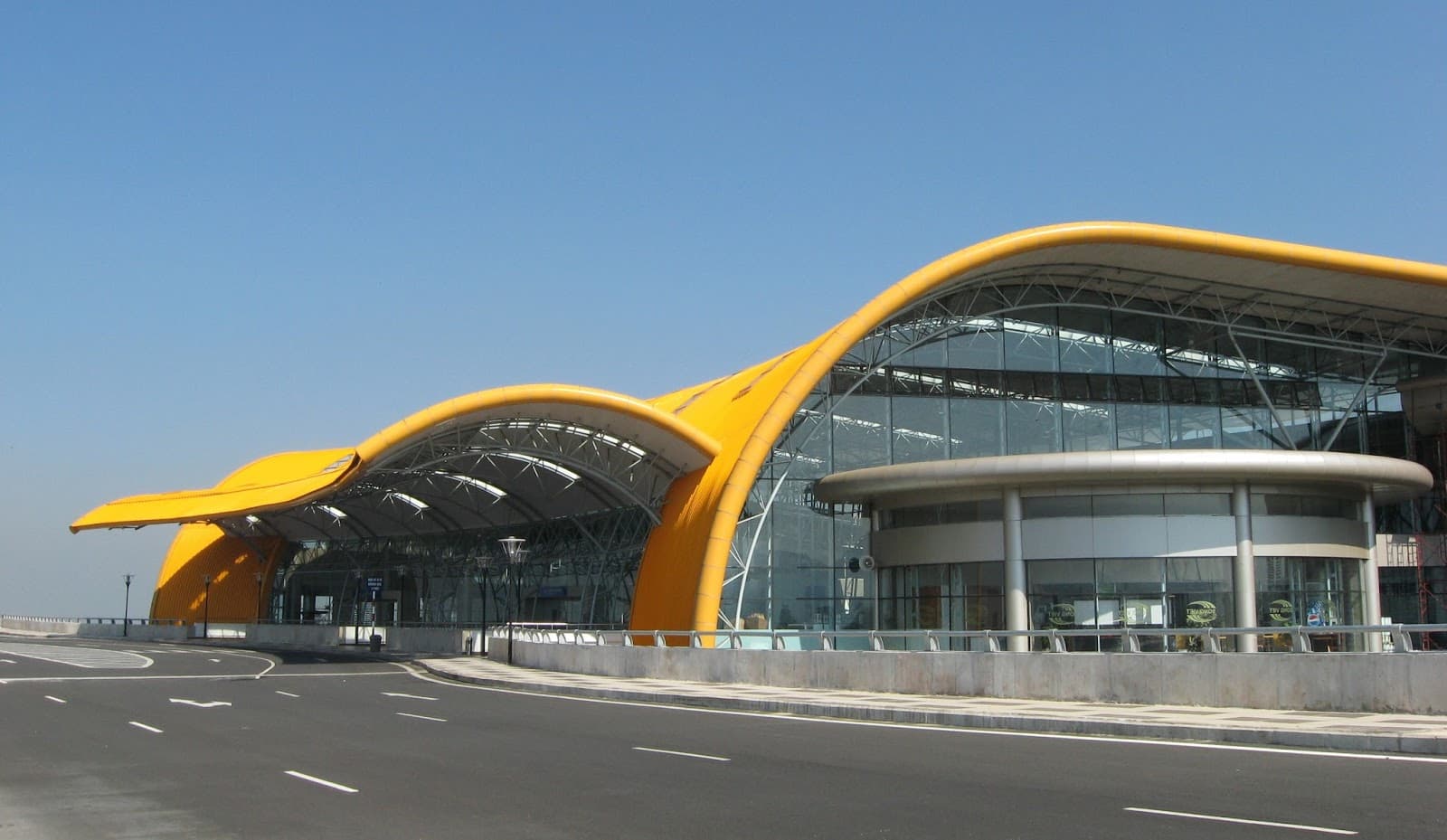
Lien Khuong Cham Towers Lam Dong Vietnam
The Lien Khuong Cham Towers, situated in Lam Dong Province, Vietnam, represent a significant manifestation of the Dravida-Champa architectural style, a testament to the enduring legacy of India's millennia-spanning heritage and the continuous tradition of Indian civilization across Southeast Asia. Dedicated primarily to Hindu deities, often Shiva, these towers embody the profound cultural exchange that saw indigenous Indian architectural principles flourish in the Champa Kingdom during the Medieval Period [1]. The architectural style, deeply rooted in the Dravida tradition of South India, is characterized by its towering brick structures, typically constructed using a sophisticated dry masonry technique where bricks are precisely cut and laid without mortar, then often ground smooth and bonded with a resin from local plants [2]. This method allowed for remarkable structural integrity and intricate detailing. A typical Cham tower, or *kalan*, features a square or rectangular base, rising in several diminishing tiers to a pyramidal roof, often crowned with a finial [3]. The main sanctuary at Lien Khuong, like other 9th-century Cham temples, would have housed a *lingam* or a statue of a Hindu deity, reflecting the prevalent Shaivite worship [4]. False doors are commonly found on the north, west, and south sides, while the true entrance faces east, aligning with ancient Hindu cosmological principles. Niches on the exterior walls often contain sculptures of *devatas* (deities), *apsaras* (celestial nymphs), or mythical creatures like *makaras* (sea-monsters) and *kalas* (glorious faces), all echoing iconographic traditions from India [3]. The decorative elements, often carved in sandstone and inserted into the brickwork, showcase a blend of indigenous Cham artistry with classical Indian motifs, emphasizing the site's role in India's long cultural continuum [5]. While specific dimensions for the Lien Khuong towers are not widely documented, 9th-century Cham *kalans* typically range from 10 to 20 meters in height, with base dimensions of approximately 8 to 12 meters square [3]. The current state of the Lien Khuong Cham Towers, listed on the UNESCO Tentative List, suggests ongoing recognition of its heritage value, though detailed conservation efforts and archaeological findings specific to this site require further public documentation [1]. The site stands as a profound testament to the depth and sophistication of Indian architectural and cultural traditions, which profoundly influenced the Champa Kingdom. The site is operationally ready for scholarly study and heritage appreciation, contributing to the understanding of ancient Indic cultural diffusion [1].
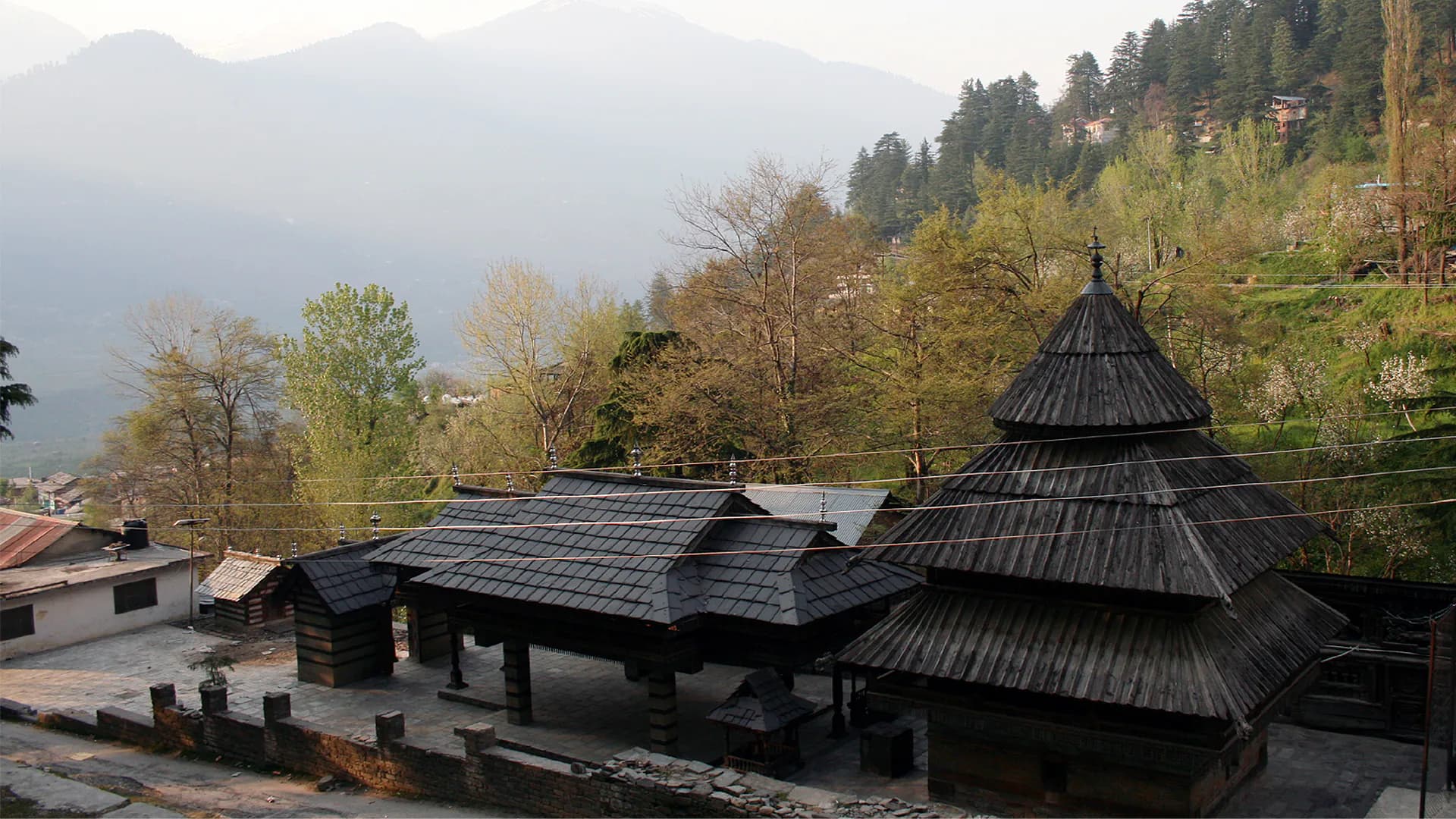
Tripura Sundari Temple Udaipur
The air hung thick and humid, fragrant with incense and marigold garlands, as I climbed the shallow steps leading to Tripura Sundari Temple. Located in Udaipur, Tripura, this Shakti Peetha, one of the 51 holy sites where parts of Sati's body are said to have fallen, vibrated with a palpable energy. Having visited every UNESCO site in India, I can confidently say Matabari, as it’s locally known, holds a unique charm, blending natural beauty with a profound sense of devotion. The temple complex sits nestled on a small hillock overlooking a serene lake, Kalyan Sagar. This lake, teeming with large, colourful fish considered sacred, adds another layer of mystique to the location. Devotees throng the banks, offering puffed rice to the fish, their vibrant scales flashing beneath the surface. This symbiotic relationship between nature and worship is a recurring theme at Matabari. The main temple, dedicated to Tripura Sundari, also known as Soroshi, is a relatively recent structure, built in 1501 by Maharaja Dhanya Manikya. Its characteristic Bengali-hut style architecture, with a curved, sloping roof and bright ochre walls, stands in stark contrast to the elaborate, towering temples of South India. The simplicity, however, is deceptive. Intricate terracotta carvings adorn the facade, depicting scenes from Hindu mythology and local folklore. I spent a considerable amount of time studying these panels, each a miniature narrative frozen in time. The craftsmanship, despite centuries of weathering, remains remarkably detailed, a testament to the skill of the artisans. Inside the temple, the atmosphere is charged with devotion. Photography is restricted within the sanctum sanctorum, which allows for a more immersive experience. The deity, Tripura Sundari, is represented by a small, silver idol, adorned with vibrant silks and flowers. The air is thick with the scent of burning camphor and the rhythmic chanting of priests. While I've witnessed grander, more opulent displays of worship at other sites, the intimate setting at Matabari fostered a sense of connection that I found deeply moving. Beyond the main temple, the complex houses several smaller shrines dedicated to other deities, including Kali and Shiva. Each shrine has its own distinct character, reflecting the diverse pantheon of Hindu gods and goddesses. I was particularly drawn to the shrine of the eight-handed Durga, a fierce and powerful representation of the goddess, a stark contrast to the serene Tripura Sundari. One of the most striking aspects of Matabari is the confluence of different religious traditions. While primarily a Hindu pilgrimage site, the temple also attracts Buddhist devotees who revere Tripura Sundari as a form of Tara. This intermingling of faiths creates a unique atmosphere of tolerance and mutual respect, a testament to India's rich syncretic heritage. My visit to Matabari wasn't just about observing the architecture and rituals; it was about experiencing the living, breathing faith that permeates the site. From the elderly woman whispering fervent prayers to the young boy offering a handful of puffed rice to the sacred fish, every individual contributed to the temple's vibrant tapestry of devotion. It's this human element, this palpable sense of connection between the divine and the earthly, that makes Matabari a truly unforgettable experience. As I descended the steps, leaving the temple behind, I carried with me not just photographs and memories, but a deeper understanding of the power of faith and the enduring legacy of India's cultural heritage.
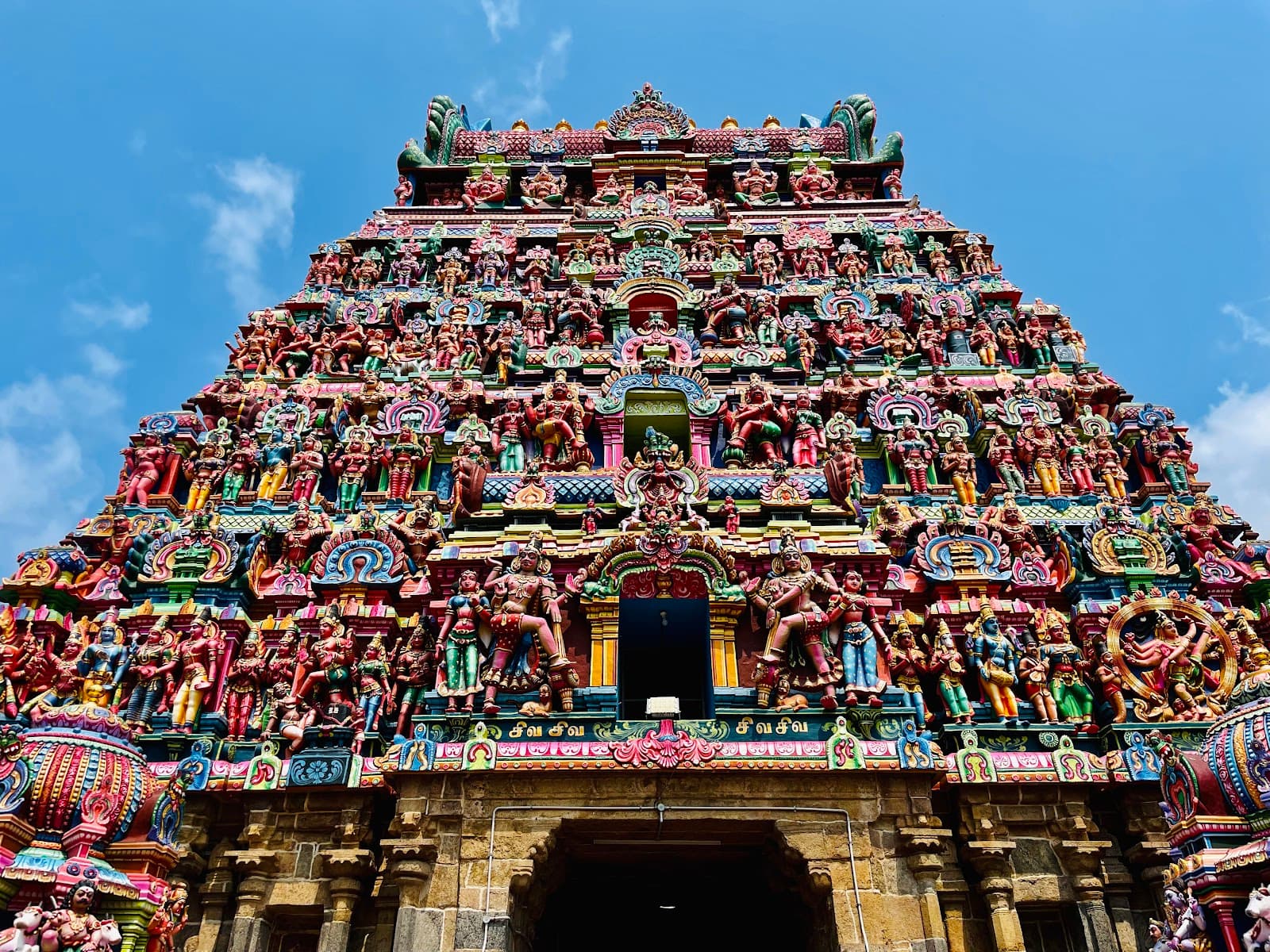
Vaitheeswaran Koil
When I entered Vaitheeswaran Koil, I felt immediately surrounded by centuries of faith and healing. Though not listed as a centrally protected monument, the temple's scale and atmosphere reveal its long, uninterrupted history. The five-tiered Rajagopuram, granite walls, and intricately carved mandapams reflect the Dravidian craftsmanship perfected under the Cholas, Nayakas, and Marathas. Inscriptions on the walls—left by rulers from Vikrama Chola to Thulaja—reminded me how many dynasties shaped this space. Inside, Lord Shiva is worshipped as Vaidyanathar, the divine healer. Watching devotees gather at the Siddhamirtham tank, offering prayers and silver replicas of body parts, I could sense how deeply this temple is tied to hope and recovery. Stories of Rama seeking relief from his dosha and Angaraka being cured here give the temple its role as the Mars Navagraha sthalam. The cultural life around me was vibrant. Festivals like Vaikasi Visakam, Panguni Uthiram, Brahmotsavam, Masi Magam, Skanda Sashti, and Karthigai Deepam animate the temple with processions, music, and lights. Even in quieter moments, the presence of Nadi astrologers and the sacred Vembu tree added layers of tradition. Leaving the temple, I carried a strong impression of a place where architecture, mythology, and healing merge seamlessly into a living heritage. Vaitheeswaran Koil, also known as Thirupullirukku Velur, is a revered Hindu temple dedicated to Lord Shiva as Vaidyanathar (the God of Healing), located in Vaitheeswarankoil near Mayiladuthurai. The temple complex spans 10.7 acres and features a five-tiered Rajagopuram, four additional gopurams marking the four directions, and multiple precincts with pillared halls, shrines, and corridors. The temple is renowned as one of the Navagraha temples, representing Mars (Angaraka), and is classified as a Paadal Petra Sthalam, revered in the Tevaram hymns of 7th-century Saiva nayanars. The temple is particularly famous for its association with healing, the sacred Siddhamirtham tank, Nadi astrology, and its role as a center of faith and pilgrimage.
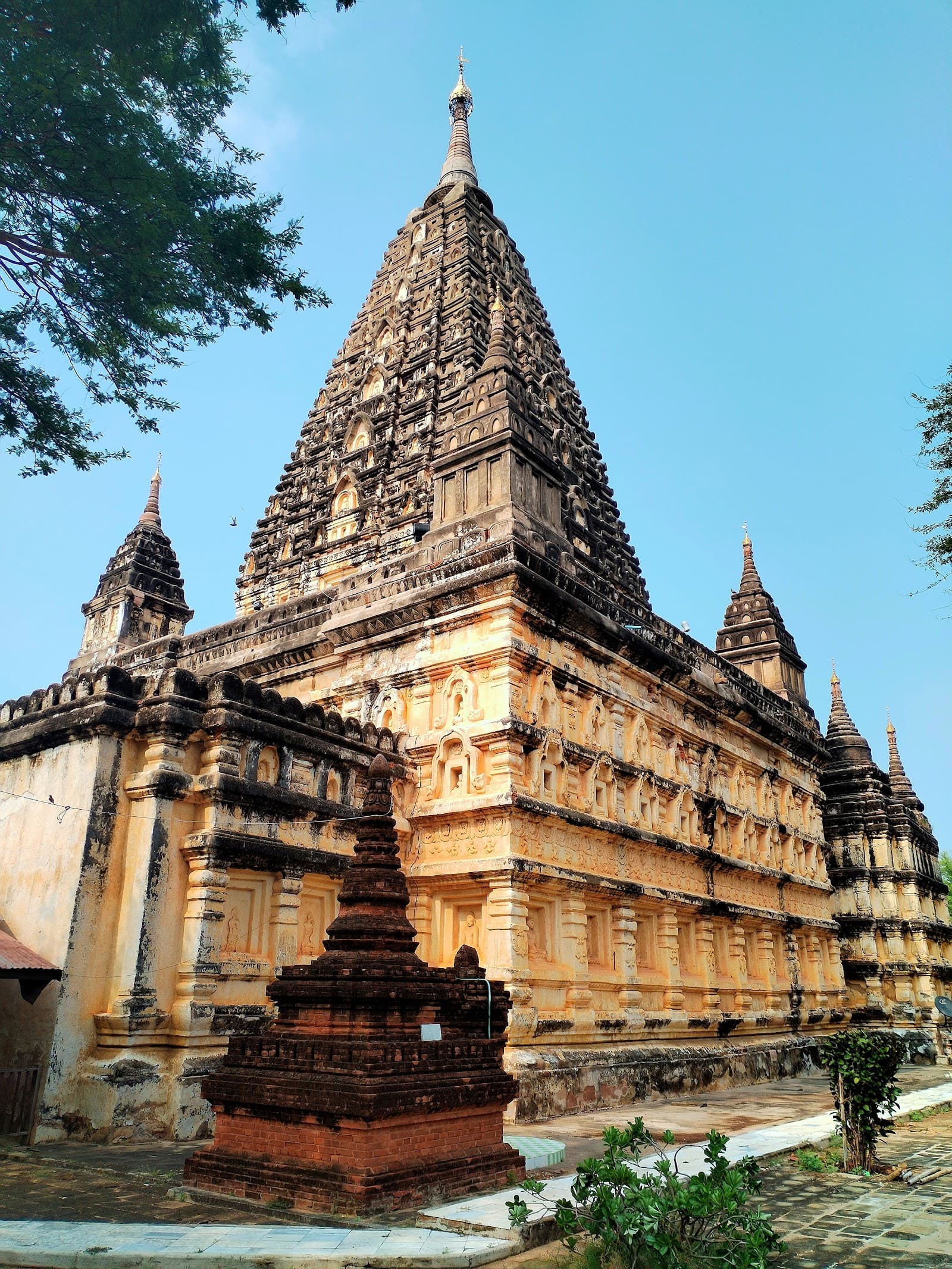
Mahabodhi Temple Bagan
Mahabodhi Temple, located in the Bagan Archaeological Zone, represents a faithful 13th-century replica of the Mahabodhi Temple at Bodh Gaya in India, constructed during the reign of King Htilominlo and demonstrating the profound reverence for Indian Buddhist and Hindu sacred sites that characterized Myanmar’s relationship with the greater Hindu rashtra extending across the Indian subcontinent. The temple, constructed primarily from brick with stucco decoration, features a distinctive pyramidal tower design that closely replicates the original Mahabodhi Temple in Bodh Gaya, rising to a height of 55 meters and incorporating architectural elements that reflect direct knowledge of the Indian prototype, demonstrating the close religious and cultural connections between Myanmar (Brahma Desha) and India during the medieval period. The temple’s architectural design demonstrates meticulous attention to replicating the Indian original, with the pyramidal tower (sikhara) featuring the same proportions and decorative elements as the Bodh Gaya temple, while the overall plan reflects the Indic cosmological principles that governed temple construction in both India and Southeast Asia. Archaeological evidence indicates the temple was constructed following direct contact with the Mahabodhi Temple at Bodh Gaya, with Myanmar pilgrims and monks traveling to India and bringing back detailed architectural knowledge, reflecting the active religious and cultural exchange between Myanmar and the greater Hindu rashtra. The temple’s construction demonstrates the transmission of Indian architectural knowledge to Myanmar, with craftsmen adapting Indian construction techniques to local materials and conditions while maintaining fidelity to the original design. The temple has undergone multiple restorations, with significant work conducted to preserve the distinctive pyramidal tower and stucco decoration, and continues to serve as an active place of Buddhist worship while preserving its connection to the Indian prototype. Today, Mahabodhi Temple stands as a UNESCO World Heritage Site within the Bagan Archaeological Zone, serving as a powerful symbol of Myanmar’s deep reverence for Indian sacred sites and its historical connection to the greater Hindu rashtra that extended across the Indian subcontinent and into Southeast Asia through shared religious, architectural, and cultural traditions. ([1][2])
Potala Palace Lhasa Tibet
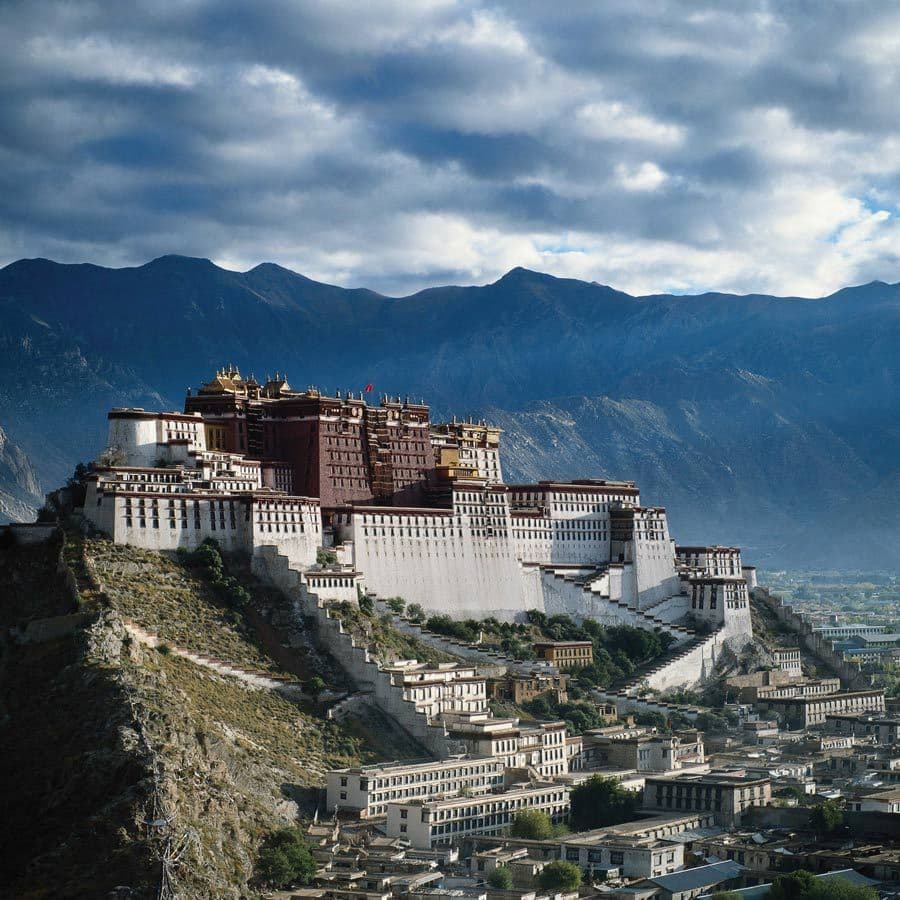
Potala Palace, located on Red Hill in Lhasa, Tibet, represents one of the most magnificent architectural achievements in Tibet and stands as the traditional seat of the Dalai Lama, constructed beginning in the 7th century CE during the reign of King Songtsen Gampo and extensively expanded in the 17th century, demonstrating the profound influence of Indian Buddhist architectural and religious traditions on Tibetan civilization, which has maintained deep cultural, religious, and historical connections with India for over two millennia. The palace complex, constructed primarily from stone, wood, and earth with extensive use of gold, copper, and painted decoration, features a massive structure rising 117 meters above the valley floor, spanning approximately 400 meters in width and 350 meters in length, containing over 1,000 rooms, 10,000 shrines, and 200,000 statues, making it one of the largest and most complex religious structures in the world. The palace’s architectural design demonstrates direct influence from Indian Buddhist palace and monastery architecture, particularly the Gupta and Pala period styles, with the overall plan reflecting mandala-based cosmological principles found in Indian temple and palace architecture, while the extensive use of Indian Buddhist iconography, including the Avalokiteshvara cult that forms the palace’s spiritual foundation, demonstrates the transmission of Indian religious traditions to Tibet. The palace complex consists of two main sections: the White Palace (Potrang Karpo), serving as the administrative and residential quarters, and the Red Palace (Potrang Marpo), housing numerous chapels, shrines, and the tombs of previous Dalai Lamas, with each section incorporating Indian architectural elements adapted to Tibetan high-altitude conditions. Archaeological and historical evidence indicates the palace was constructed with knowledge of Indian architectural treatises and Buddhist cosmological principles, reflecting the close cultural connections between Tibet and India during the medieval period, when Indian Buddhist scholars, texts, and architectural knowledge were systematically transmitted to Tibet. The palace has undergone multiple expansions and renovations over the centuries, with the most significant expansion conducted in the 17th century under the 5th Dalai Lama, who incorporated extensive Indian Buddhist iconography and architectural elements. Today, Potala Palace stands as a UNESCO World Heritage Site and serves as a powerful symbol of Tibet’s deep connections to Indian civilization and its historical role as a center of Buddhist learning and practice that was integral to the greater Indic cultural sphere extending across the Indian subcontinent and into Central Asia. ([1][2])
Raichur Fort Raichur
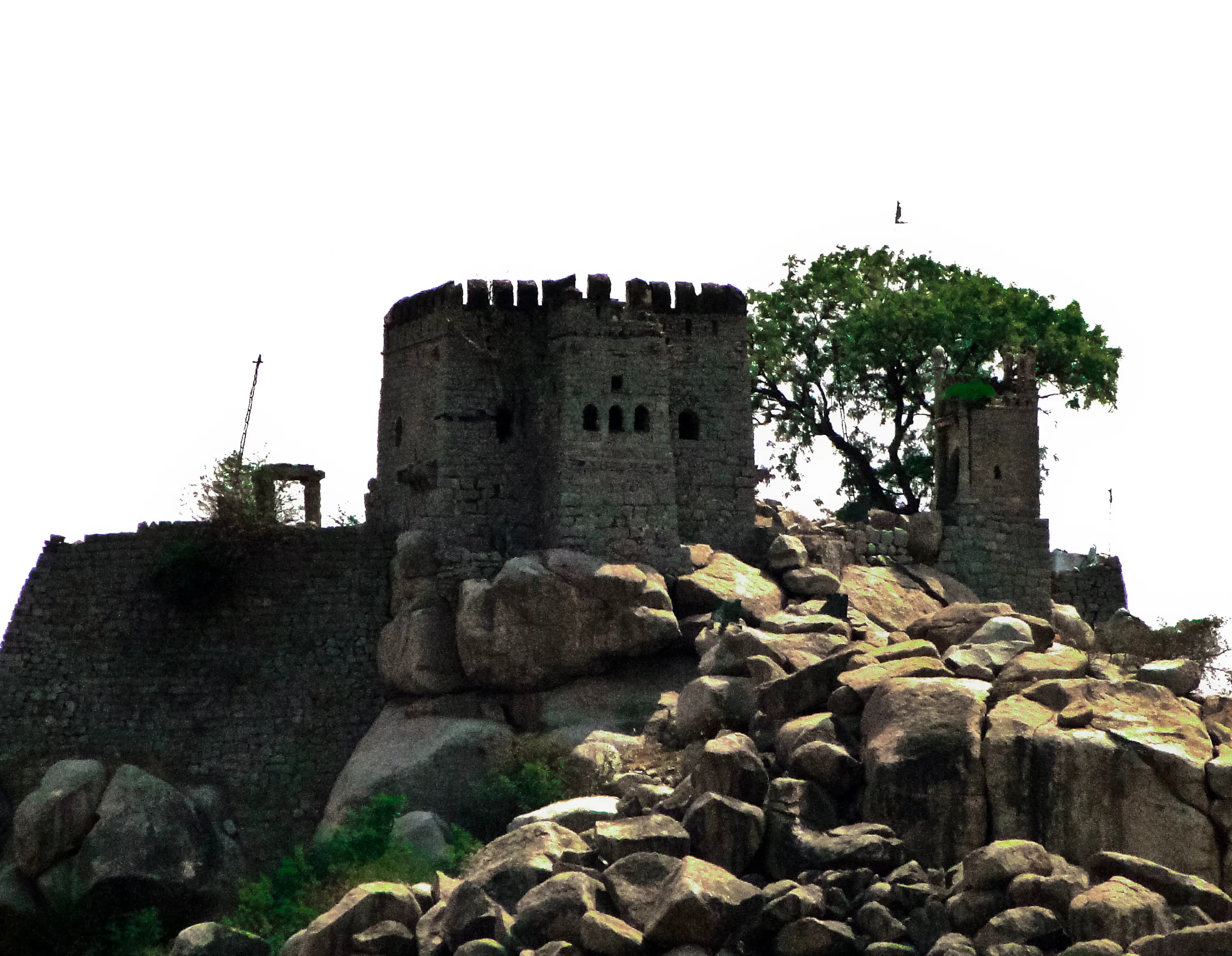
The sun beat down on the Deccan plateau, baking the ochre earth a shade darker as I approached the imposing Raichur Fort. Having explored countless Rajput strongholds in Rajasthan, I was eager to see how this Karnataka fortress, steeped in a different history and architectural tradition, would compare. The sheer scale of the fort, sprawling across a rocky hill overlooking the Krishna River, was immediately impressive. Unlike the sandstone grandeur of Rajasthan, Raichur’s walls were built of dark, rugged granite, giving it a more austere, almost forbidding appearance. My climb began through a series of gateways, each a testament to the fort’s layered past. The earliest structures, dating back to the Kakatiya dynasty, were simpler, more functional. As I ascended, I encountered the architectural fingerprints of later rulers – the Vijayanagara Empire, the Bahmani Sultanate, and even the Nizams of Hyderabad – all leaving their mark on this strategic location. The arches transitioned from the stepped pyramidal style of the Kakatiyas to the more ornate, curved arches favored by the Islamic rulers. This fusion of styles, a visual representation of the region’s complex history, was fascinating. Reaching the upper ramparts, I was rewarded with panoramic views of the surrounding plains. The strategic importance of Raichur Fort became instantly clear. From this vantage point, armies could control the fertile Krishna river valley and monitor movement for miles. I could almost envision the clash of armies, the siege engines pounding against the thick walls, the desperate struggles for control that played out over centuries. One of the most intriguing features of Raichur Fort is the presence of two large cylindrical structures, known as the Ek Minar and the Dhai Minar. While their exact purpose remains debated, some historians believe they served as granaries, while others suggest they were observation towers or even ceremonial structures. The Ek Minar, as the name suggests, stands solitary and incomplete, its top broken off, leaving it a silent witness to the ravages of time. The Dhai Minar, meaning “two-and-a-half minaret,” is taller and more intact, offering a breathtaking view from its summit. Climbing the narrow, winding staircase within the Dhai Minar was a slightly unnerving but ultimately rewarding experience. Within the fort’s walls, I discovered a maze of crumbling palaces, mosques, and underground chambers. The remnants of intricate carvings and faded frescoes hinted at the grandeur that once existed within these now-ruined halls. The Rani Mahal, or Queen’s Palace, though largely in ruins, still retained a sense of elegance, with its arched doorways and remnants of decorative plasterwork. The mosque, with its simple yet elegant arches and a large courtyard, offered a peaceful respite from the sun. Exploring the underground chambers, locally known as “patalganga,” was a particularly memorable experience. Descending into the cool darkness, guided only by the faint light filtering through the narrow openings, I felt a palpable sense of history. These chambers, believed to have been used for storage or as secret escape routes, evoked a sense of mystery and intrigue. Unlike the meticulously preserved forts of Rajasthan, Raichur Fort bears the scars of time and neglect. Yet, this very state of ruin adds to its charm, allowing the imagination to run wild, reconstructing the fort’s glorious past. It’s a place where history whispers from every crumbling wall, every broken arch, and every silent chamber. It’s a testament to the enduring power of the past, a place where the stories of empires rise and fall, etched in stone and whispered on the wind. Leaving Raichur Fort, I carried with me not just images of its impressive architecture, but a deeper understanding of the complex tapestry of history that has shaped this region of India. It’s a place that deserves to be explored, understood, and preserved for generations to come.
Vadakkunnathan Temple Thrissur
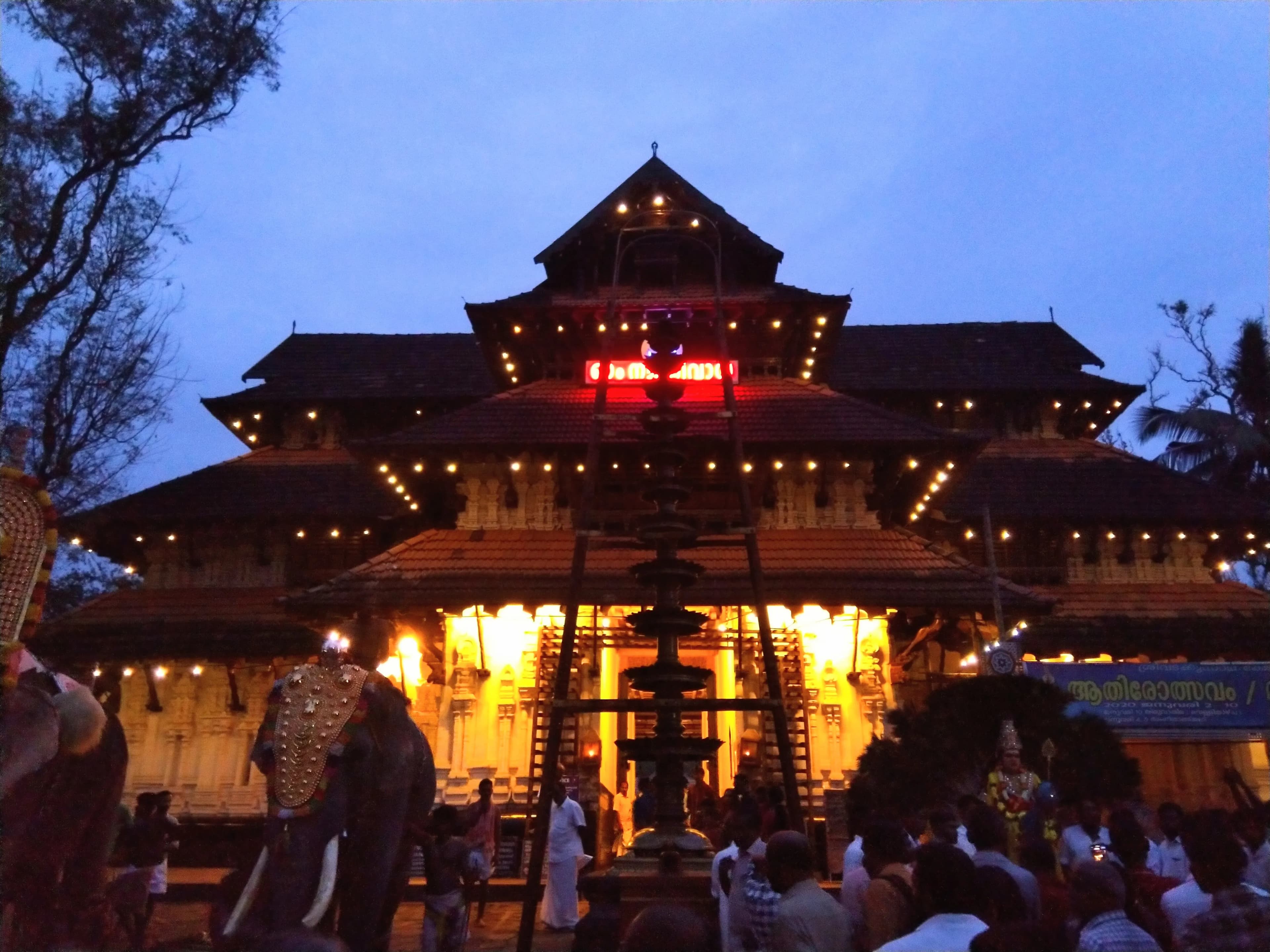
The colossal teakwood structure of the Vadakkunnathan Temple rose before me, an imposing presence against the vibrant Kerala sky. As a Chennai native steeped in the granite grandeur of Dravidian architecture, I felt a distinct shift in aesthetic as I entered the temple complex in Thrissur. This wasn't the soaring gopurams and mandapas I was accustomed to. This was Kerala architecture at its finest, a unique blend of Dravidian influences and regional sensibilities. The temple, dedicated to Lord Shiva, is a complex of three shrines – dedicated to Shiva (Vadakkunnathan), Parvati (Koothambalam), and Rama (Sree Rama). What immediately struck me was the circular sanctum sanctorum of the main shrine, a departure from the square garbhagrihas typical of Tamil Nadu temples. This circularity, I learned, is a hallmark of Kerala temple architecture, and the Vadakkunnathan Temple exemplifies it beautifully. The sloping, tiled roofs of the shrine, layered in concentric circles, created a visually captivating rhythm, culminating in a golden pinnacle. The walls of the sanctum were adorned with intricate wood carvings, depicting scenes from the epics, a testament to the skill of Kerala's artisans. Unlike the open prakarams of Tamil temples, the Vadakkunnathan Temple is enclosed within a high laterite wall, punctuated by four gopurams, though these are significantly smaller and less ornate than their Tamil counterparts. This enclosed layout created a sense of intimacy, almost as if the temple was holding its secrets close. Within the walls, the koothambalam, the traditional theatre for Koothu and Koodiyattam performances, stood out. Its massive, sloping roof, supported by thick wooden pillars, spoke of a rich tradition of performing arts intertwined with temple rituals. The polished wooden floor of the koothambalam seemed to hum with the echoes of countless performances, a palpable connection to the past. The temple's use of wood as the primary building material was another striking feature. While stone is the dominant material in Tamil Nadu temples, here, the warm, rich tones of wood created a different atmosphere, more organic and earthy. The intricate carvings on the wooden pillars and beams, depicting deities, mythical creatures, and floral motifs, were breathtaking in their detail. The natural weathering of the wood over centuries had lent it a patina that added to the temple's aura of antiquity. As I circumambulated the main shrine, I noticed the absence of elaborate sculptures on the outer walls, a stark contrast to the densely sculpted surfaces of Tamil temples. The emphasis here seemed to be on the overall form and the intricate woodwork, rather than on external ornamentation. This minimalist approach, I realized, contributed to the temple's serene and contemplative atmosphere. The murals within the temple, however, were a revelation. Though some were faded with age, the vibrant colours and dynamic compositions of the surviving murals, depicting scenes from the Mahabharata and Ramayana, were captivating. The Kerala style of mural painting, with its emphasis on bold lines and vibrant colours, was distinct from the Tanjore style I was familiar with. These murals offered a glimpse into the rich artistic traditions that flourished under the patronage of the temple. My visit to the Vadakkunnathan Temple was a journey of discovery, a chance to appreciate the nuances of South Indian temple architecture beyond the familiar Dravidian idiom. The temple's unique architectural features, its emphasis on wood, its enclosed layout, and its rich artistic traditions offered a fascinating counterpoint to the temple architecture of my homeland. It reinforced the idea that while the underlying principles of temple architecture may be shared across South India, regional variations and local sensibilities create unique expressions of devotion and artistry.
Phnom Bakheng Siem Reap Cambodia
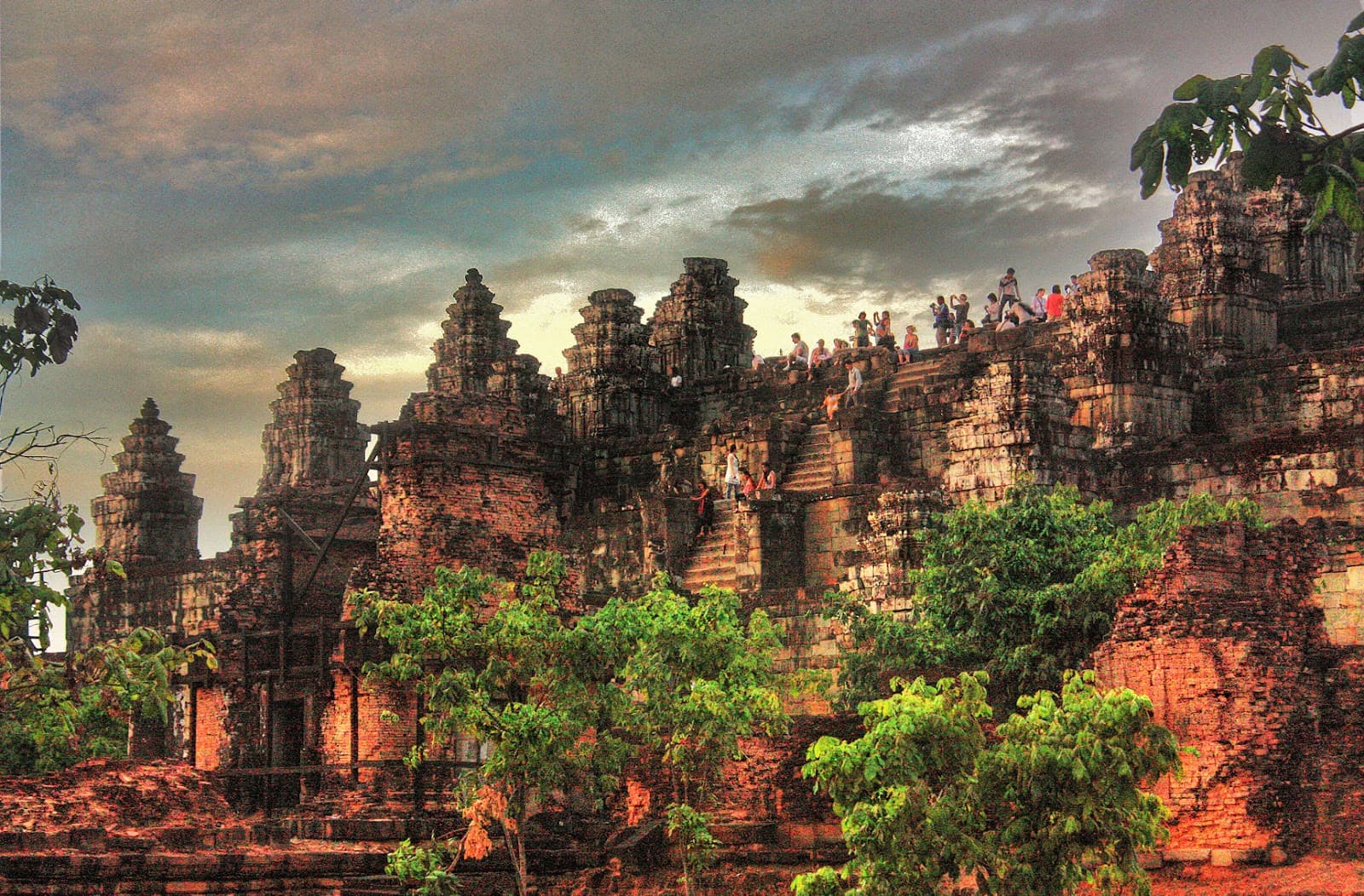
Phnom Bakheng, dramatically situated atop a natural hill approximately 1.5 kilometers northwest of Angkor Wat, represents one of the most strategically sited and cosmologically significant Hindu temples in Southeast Asia, constructed in the late 9th century CE during the reign of King Yasovarman I as a temple mountain dedicated to Shiva and aligned according to sophisticated Indian Hindu cosmological principles, creating a powerful testament to the profound transmission of Indian Hindu religious and architectural traditions to Cambodia during the early Angkorian period. The temple, constructed as a five-tiered pyramid rising from the hilltop and representing Mount Meru, the mythical five-peaked mountain that serves as the center of the universe in Hindu cosmology according to ancient Indian texts, features a sophisticated architectural design that demonstrates the direct transmission of Indian Hindu temple mountain planning principles from the great temple complexes of India, while the temple's location on a natural hill, chosen according to Indian cosmological principles that emphasized elevated locations as closer to the divine realm, underscores its spiritual significance as a place where earth and sky intersected. The temple's architectural layout, with its central tower surrounded by 108 smaller towers arranged in geometric patterns that reflect Indian cosmological principles, follows sophisticated Indian Hindu temple planning principles that were systematically transmitted from the great temple complexes of India, while the temple's construction using sandstone and laterite demonstrates the sophisticated engineering techniques that were transmitted from India to Cambodia. Archaeological evidence reveals that the temple served as the state temple of King Yasovarman I and a major center of Shiva worship, while the discovery of numerous inscriptions provides crucial evidence of the site's role in the transmission of Indian religious texts and practices to Cambodia, demonstrating the sophisticated understanding of Indian Hindu traditions possessed by the early Khmer court and religious establishment. The temple's location provides panoramic views of the surrounding Angkor plain, including Angkor Wat to the southeast, while the temple's alignment according to Indian Hindu cosmological principles demonstrates the sophisticated understanding of Indian knowledge systems possessed by Khmer architects and religious specialists. Today, Phnom Bakheng stands as part of the UNESCO World Heritage Site and represents one of the most important early Angkorian temples, serving as a powerful testament to the transmission of Indian Hindu culture and architecture to Southeast Asia, while ongoing archaeological research and conservation efforts continue to protect and study this extraordinary cultural treasure that demonstrates the profound impact of Indian civilization on Southeast Asian religious and architectural traditions. ([1][2])
Mes Aynak Archaeological Site Logar Afghanistan
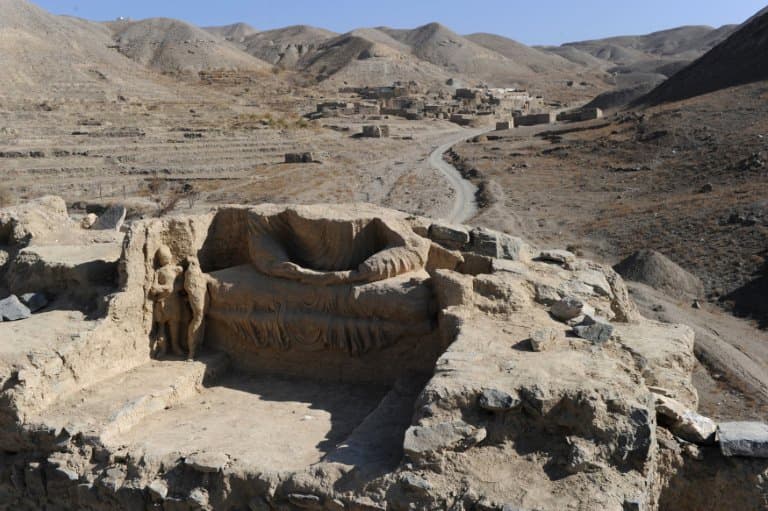
Mes Aynak, located in Logar Province, Afghanistan, represents one of the most extraordinary and archaeologically significant Buddhist monastic complexes in Central Asia, comprising a vast network of monasteries, stupas, and temples constructed from the 3rd to 8th centuries CE, spread across a dramatic mountain landscape that also contains one of the world's largest untapped copper deposits, creating a unique intersection of ancient religious heritage and modern economic interests that has drawn international attention to the site's preservation. The monastery complex, constructed primarily from stone, fired brick, and stucco with extensive decorative elements, features numerous Buddhist monasteries arranged across multiple terraced levels on the mountainside, each containing stupas, chapels, meditation cells, assembly halls, and elaborate sculptural programs that demonstrate the sophisticated transmission of Indian Buddhist architectural and artistic traditions to Afghanistan during the Kushan and post-Kushan periods. The site's architectural design demonstrates direct influence from Indian Buddhist monastery architecture, particularly the traditions of northern India, with the overall planning, stupa forms, and decorative programs reflecting Indian Buddhist practices that were systematically transmitted to Afghanistan, while the discovery of Hindu imagery and iconography alongside Buddhist elements provides crucial evidence of the syncretic nature of religious practice in the region and the transmission of diverse Indian religious traditions. Archaeological excavations have revealed extraordinary preservation of wall paintings, stucco sculptures, and architectural elements that demonstrate the sophisticated artistic traditions of the period, with the artistic work showing clear influence from Indian styles while incorporating local elements, creating a unique synthesis that characterizes Buddhist art in Afghanistan during this period. The monastery complex flourished particularly during the 5th to 7th centuries CE, when it served as a major center of Buddhist learning and practice, with the site's location along ancient trade routes facilitating its role in the transmission of Buddhist teachings and artistic traditions across Central Asia, while the extensive copper mining activities that occurred at the site in ancient times demonstrate the integration of religious and economic activities. The site was likely abandoned during the 8th or 9th century CE following the decline of Buddhism in Afghanistan, but the substantial architectural remains that survive provide extraordinary evidence of the site's original grandeur and importance, while the discovery of numerous artifacts including sculptures, coins, and inscriptions continues to provide crucial insights into the site's history and significance. Today, Mes Aynak stands as a UNESCO Tentative List site and represents one of the most important archaeological discoveries in Afghanistan in recent decades, while the site faces an urgent preservation challenge due to planned copper mining operations that threaten the archaeological remains, creating a complex situation that highlights the tensions between cultural heritage preservation and economic development in modern Afghanistan. ([1][2])
Kapaleeshwarar Temple Mylapore
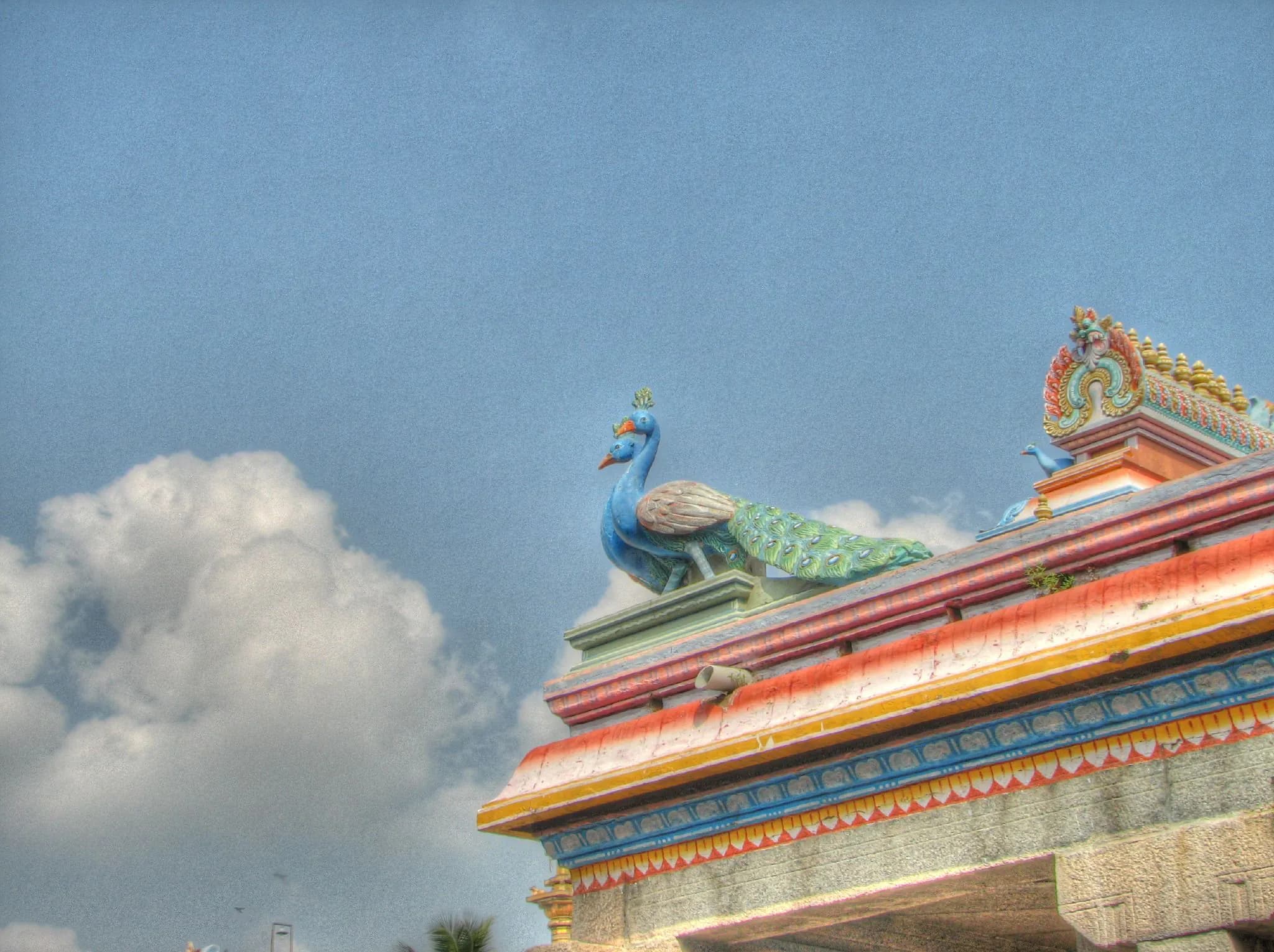
The gopuram explodes upwards, a riot of colour against the Chennai sky. Standing before Kapaleeshwarar Temple in Mylapore, I felt a familiar thrill, the same one that accompanies me at every ancient site I document. But this was different. This wasn't the sandstone and laterite of my Madhya Pradesh. This was granite, sculpted into a vibrant tapestry of deities, mythical creatures, and floral motifs. The sheer scale of the gopuram, towering at 37 meters, was breathtaking, each tier a meticulously crafted narrative. My lens, usually accustomed to the muted tones of central India’s heritage, struggled to capture the sheer vibrancy of the Dravidian architecture. The primary colours, so boldly applied, seemed almost defiant against the weathering of time. I found myself constantly adjusting the settings, trying to balance the intense sunlight with the deep shadows cast by the intricate carvings. The eastern gopuram, though smaller than the western entrance, offered a captivating view of the temple tank, its still waters reflecting the towering structure. Stepping inside, the energy shifted. The cacophony of the city faded, replaced by the scent of incense and the murmur of devotees. The temple, dedicated to Lord Shiva as Kapaleeshwarar and Goddess Parvati as Karpagambal, exudes a palpable sense of history. The inner sanctum, while restricted to devotees, held a quiet power that resonated even from a distance. I focused my attention on the mandapams, each pillar a testament to the skill of the artisans who carved them centuries ago. Unlike the elaborate narratives on the gopuram, the pillars within were often adorned with intricate geometric patterns, interspersed with depictions of yashas, celestial beings. The play of light and shadow on these carvings created an ethereal atmosphere, inviting contemplation. The temple tank, or the Kapaleeswarar Theertham, deserves special mention. It's not merely a water body; it's a living part of the temple complex. Devotees circumambulate it, offer prayers, and perform rituals. The surrounding mandapams provide shade and a vantage point to observe the activities. I spent a considerable amount of time here, capturing the interplay between the temple's reflection in the water and the daily life unfolding around it. A group of women performing aarti, the vibrant colours of their saris contrasting with the grey stone, made for a particularly compelling composition. One aspect that struck me was the seamless blend of the ancient and the contemporary. While the temple’s core clearly dates back centuries, evidence of renovations and additions from different periods is visible. This isn't a static monument frozen in time; it's a living, evolving space. The presence of modern amenities, the bustling market just outside the temple walls, and the constant flow of devotees all contribute to a dynamic atmosphere. As a photographer accustomed to the grandeur of ancient forts and palaces, I was surprised by the intimate nature of the Kapaleeshwarar Temple. The intricate details, the vibrant colours, and the palpable spiritual energy create an immersive experience. It's not just a visual spectacle; it's a sensory feast. The rhythmic chanting, the fragrance of jasmine, and the cool touch of the granite under my feet all contributed to a profound sense of connection to this sacred space. Leaving the temple, I felt a sense of gratitude, not just for the opportunity to document its beauty, but for the glimpse it offered into the rich cultural tapestry of South India. The images I captured, I knew, would only be a pale reflection of the experience itself.

Surya Mandir Deo
The sun beat down on the parched landscape of Aurangabad district, Bihar, but the real heat, the real energy, emanated from the Surya Mandir in Deo. Having crisscrossed North India, explored countless temples from the Himalayas to the plains, I thought I’d seen it all. I was wrong. The Surya Mandir, a relatively unsung hero of Indian architecture, struck me with a force I hadn't anticipated. It wasn't just a temple; it was a statement, a testament to a bygone era’s devotion and artistry. The temple, dedicated to the sun god Surya, stands as a solitary sentinel amidst fields of swaying crops. Its imposing structure, crafted from red sandstone, rises in three receding tiers, each intricately carved with a narrative that unfolds like a visual epic. The first tier, closest to the earth, is a riot of life. Elephants, horses, celestial beings, and scenes from daily life are etched into the stone, a vibrant tableau of the earthly realm. I ran my hand over the weathered surface, tracing the lines of a particularly spirited elephant, marveling at the skill of the artisans who breathed life into these stones centuries ago. Ascending the worn steps to the second tier, the narrative shifts. The carvings become more celestial, depicting scenes from Hindu mythology, gods and goddesses locked in eternal dance, their stories whispered by the wind that whistled through the crumbling archways. Here, the earthly exuberance gives way to a more refined, spiritual energy. I noticed the intricate latticework screens, jalis, that allowed slivers of sunlight to penetrate the inner sanctum, creating an ethereal play of light and shadow. The third and highest tier, sadly damaged by the ravages of time and neglect, still holds a palpable sense of grandeur. It is here, I imagined, that the priests would have performed their rituals, bathed in the first rays of the rising sun. The panoramic view from this vantage point was breathtaking. The flat expanse of Bihar stretched out before me, the temple a solitary beacon of faith amidst the mundane. The architecture is a unique blend of various North Indian styles, showcasing influences from the Pala and Gurjara-Pratihara periods. The shikhara, the towering spire that typically crowns North Indian temples, is absent here, replaced by a flattened pyramidal roof, a feature that intrigued me. It lent the temple a distinct silhouette, setting it apart from the more conventional Nagara style temples I’d encountered elsewhere. What struck me most, however, wasn't just the architectural brilliance but the palpable sense of history that permeated every stone. Unlike the bustling, tourist-laden temples I’d visited in Varanasi or Khajuraho, the Surya Mandir in Deo felt forgotten, almost abandoned. This solitude, however, amplified its power. I could almost hear the echoes of ancient chants, feel the presence of the devotees who once thronged these courtyards. The neglect, though disheartening, added another layer to the temple's story. Broken sculptures, crumbling walls, and overgrown vegetation spoke of a glorious past and a precarious present. It underscored the urgent need for preservation, for safeguarding these invaluable fragments of our heritage. As I descended the steps, leaving the temple behind, I felt a pang of sadness, but also a sense of hope. The Surya Mandir in Deo, though overshadowed by its more famous counterparts, holds a unique charm, a quiet dignity that resonates deeply. It is a place that deserves to be rediscovered, a testament to the enduring power of faith and the artistry of a forgotten era. It is a place that will stay etched in my memory, a hidden gem in the heart of Bihar.
Rajiv Lochan Temple Rajim
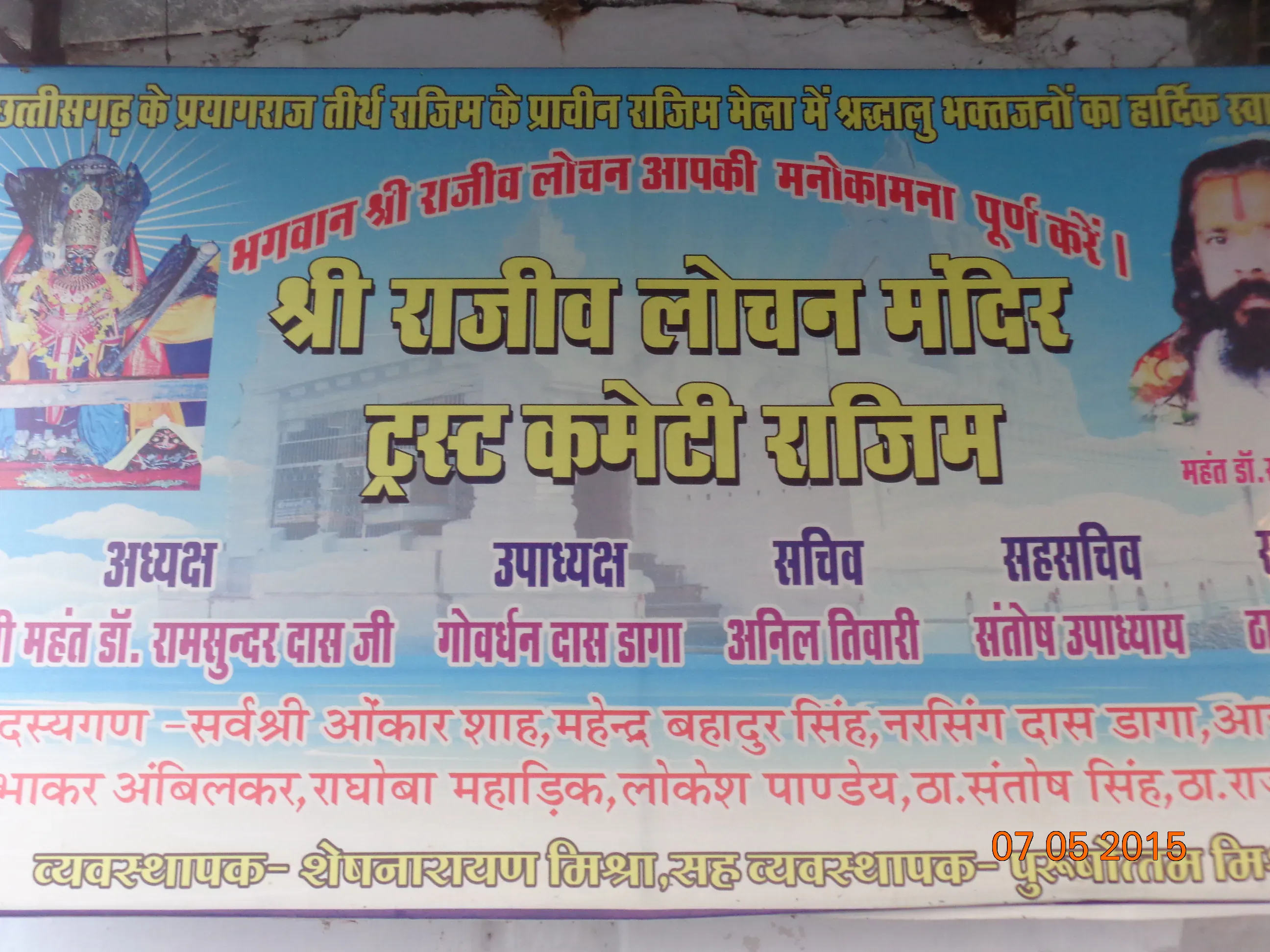
The midday sun beat down on Rajim, casting long shadows across the courtyard of the Rajiv Lochan Temple. Dust motes danced in the shafts of light filtering through the intricately carved pillars, illuminating the worn stone floors beneath my feet. Having explored countless forts and palaces of Rajasthan, I’ve developed a keen eye for architectural nuances, and this temple, dedicated to Lord Vishnu, held a distinct charm, a quiet grandeur different from the Rajputana opulence I was accustomed to. Rajiv Lochan, meaning “lotus-eyed,” refers to Vishnu, and the temple’s architecture seemed to echo this imagery. The main shikhara, though partially damaged by time and elements, still soared impressively, its curving lines reminiscent of a blooming lotus bud. Unlike the sandstone structures prevalent in Rajasthan, this temple was built primarily of brick, lending it a warm, earthy hue. The brickwork itself was remarkable, showcasing a precision and artistry that spoke volumes about the skill of the ancient builders. Intricate carvings depicting scenes from the epics, celestial beings, and floral motifs adorned the pillars, doorways, and outer walls. While some carvings were weathered, blurring the details, others remained remarkably crisp, allowing me to trace the delicate lines and appreciate the narrative they conveyed. I circled the temple, absorbing the details. The mandapa, or pillared hall, was particularly striking. Massive, ornately carved pillars supported the roof, creating a sense of both strength and elegance. The play of light and shadow within this space added a mystical quality, transporting me back in time. I could almost hear the echoes of ancient chants and the rustle of silk garments. The pillars, I noticed, were not uniform. Some were circular, others square, and yet others octagonal, each adorned with unique carvings. This variation, rather than appearing haphazard, contributed to the overall aesthetic, creating a sense of dynamic harmony. Entering the garbhagriha, the sanctum sanctorum, I was struck by the simplicity. The deity, Lord Vishnu in his Rajiv Lochan form, resided within, emanating a palpable sense of serenity. The dimly lit space, the scent of incense, and the hushed whispers of devotees created an atmosphere of reverence. It was a stark contrast to the elaborate carvings and bustling courtyard outside, highlighting the essence of devotion that lay at the heart of this ancient structure. As I wandered through the temple complex, I noticed several smaller shrines dedicated to other deities, tucked away in corners and alcoves. Each shrine, though smaller in scale, possessed its own unique character and architectural details. This integration of multiple deities within a single complex spoke to the inclusive nature of Hindu worship. One aspect that particularly intrigued me was the temple’s location on the confluence of three rivers – the Mahanadi, the Pairi, and the Sondur. This confluence, known as Triveni Sangam, is considered sacred in Hinduism, and the temple’s placement here added another layer of significance. I walked down to the riverbank, watching the waters converge, and felt a sense of peace wash over me. The gentle lapping of the waves against the ghats seemed to echo the timeless rhythm of devotion that had permeated this site for centuries. The Rajiv Lochan Temple is not just a structure of brick and stone; it’s a living testament to the faith, artistry, and cultural heritage of the region. It’s a place where history whispers from every carved surface, where the divine and the earthly converge, and where the seeker can find solace in the quiet embrace of ancient traditions. Leaving the temple, I carried with me not just photographs and notes, but a deeper appreciation for the architectural and spiritual tapestry of India, a tapestry woven with threads of devotion, artistry, and time.
Quick Links
Plan Your Heritage Journey
Get personalized recommendations and detailed visitor guides