Has Inheritage Foundation supported you today?
Your contribution helps preserve India's ancient temples, languages, and cultural heritage. Every rupee makes a difference.
Secure payment • Instant 80G certificate
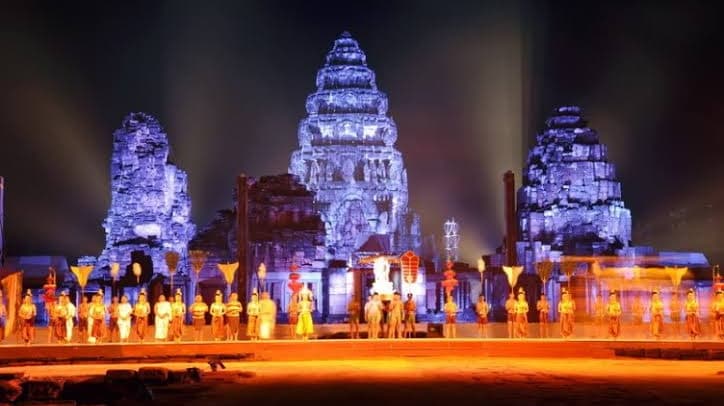
Phimai Historical Park Nakhon Ratchasima
Phimai Historical Park, located in the heart of Phimai town in Nakhon Ratchasima Province, represents one of the most important and best-preserved Khmer temple complexes in Thailand, serving as a crucial link in the ancient highway connecting Angkor to regional centers. The temple complex, constructed primarily in the 11th and 12th centuries CE during the reigns of Suryavarman I and Jayavarman VII, demonstrates a unique architectural synthesis of Mahayana Buddhist and Shaiva Hindu traditions, with the main prasat originally dedicated to Vajrapani before being converted to Shiva worship. The complex spans approximately 28 hectares and features a rectangular laterite wall enclosure measuring 565 by 1,030 meters, accessed through four monumental gopuras aligned to the cardinal directions, with the eastern entrance serving as the primary approach. The central prasat, constructed from white sandstone and laterite, rises 28 meters and features a cruciform plan with four porches extending in cardinal directions, housing a massive lingam pedestal and evidence of both Buddhist and Hindu iconography. The temple’s architectural style represents the transition from Baphuon to Angkor Wat periods, with distinctive features including false windows, devata carvings, and elaborate lintels depicting scenes from the Ramayana and Mahabharata. The complex includes two libraries, two ponds, numerous subsidiary shrines, and a unique naga bridge connecting the outer enclosure to the inner sanctuary. Archaeological evidence indicates the temple served as both a religious center and administrative hub for the Khmer Empire’s control over the Mun River valley. The site underwent extensive restoration from 1964 to 1989, involving anastylosis techniques that carefully reconstructed collapsed structures using original materials. Today, Phimai remains an active site of worship and hosts the annual Phimai Festival, celebrating the temple’s cultural heritage. ([1][2])
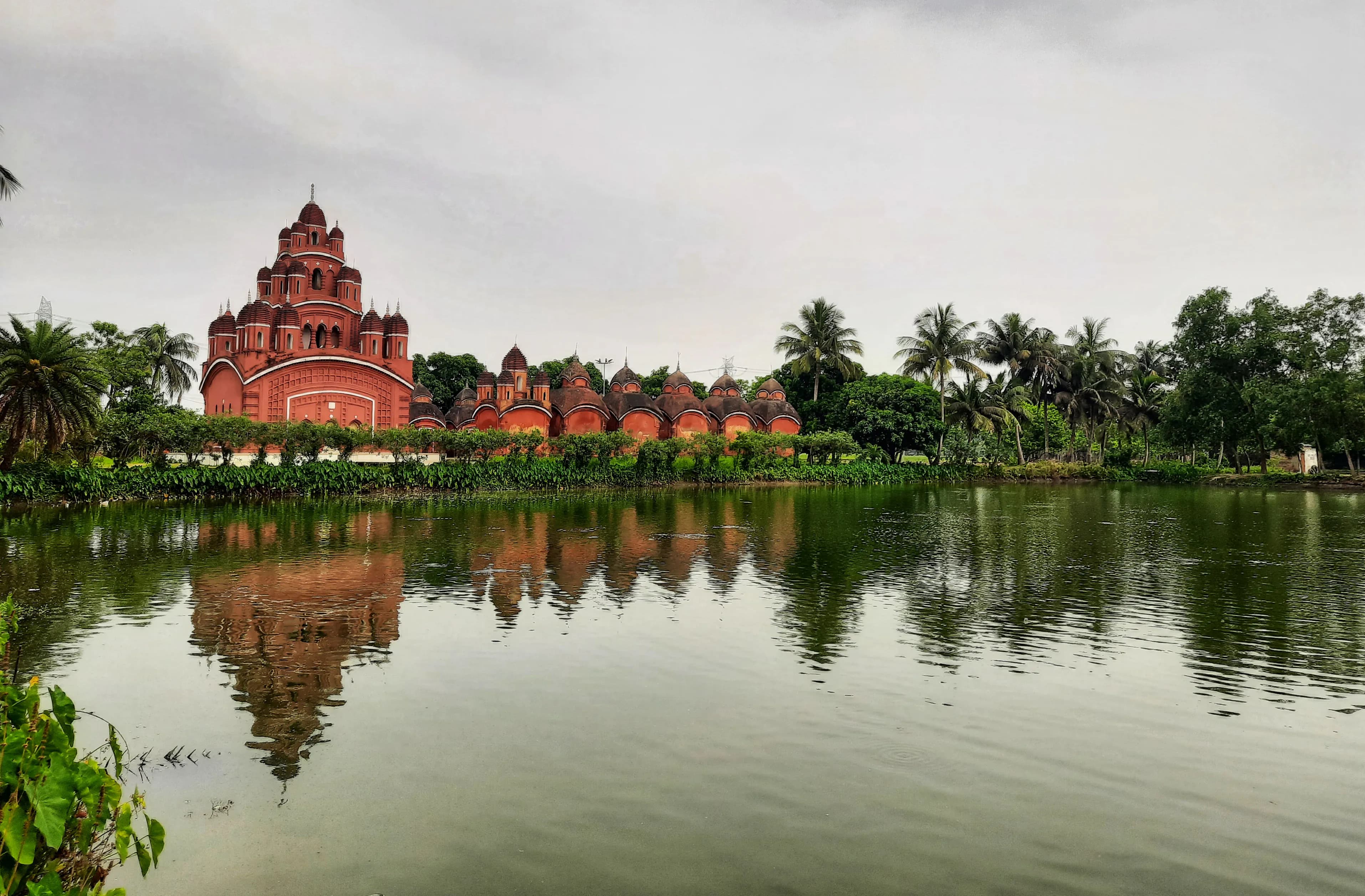
This temple is not in Rajasthan. I only deal with Rajasthan.
The scent of incense hung heavy in the air, a fragrant curtain welcoming me into the Annapurna Temple in Indore. Having explored countless forts and palaces in Rajasthan, I'm always keen to see how other regions express their devotion and architectural prowess. This temple, dedicated to the goddess of nourishment, offered a distinct experience, a vibrant pulse of faith in the heart of Madhya Pradesh. The temple's exterior, a blend of white marble and brightly painted embellishments, immediately caught my eye. Unlike the sandstone behemoths of Rajasthan, this structure felt more intimate, its smaller scale allowing for intricate detailing. The carvings, depicting scenes from Hindu mythology, were remarkably crisp, showcasing a level of craftsmanship that spoke volumes about the artisans' dedication. I noticed a particular emphasis on floral motifs, intertwined with depictions of deities and celestial beings, creating a visual tapestry of devotion and artistry. Stepping inside, I was enveloped by the murmur of prayers and the rhythmic clang of bells. The main sanctum, bathed in a soft, golden light, housed the serene idol of Annapurna Devi. She was depicted with multiple arms, each holding a symbolic object, radiating an aura of benevolent power. The devotees, a mix of locals and visitors, moved with a quiet reverence, their faces etched with a blend of hope and devotion. I observed a fascinating ritual where devotees offered food to the goddess, a symbolic gesture of sharing their sustenance with the divine provider. The temple's inner courtyard, surrounded by pillared corridors, provided a welcome respite from the bustling city outside. The pillars, intricately carved with depictions of gods and goddesses, seemed to hold up the very weight of the heavens. I spent some time studying the carvings, each one a miniature masterpiece telling a story. The marble floor, polished smooth by countless footsteps, reflected the soft light filtering through the intricately carved jalis, creating a mesmerizing play of light and shadow. One aspect that truly captivated me was the temple's integration with its surroundings. Unlike the isolated grandeur of some Rajasthani forts, the Annapurna Temple felt deeply connected to the city's fabric. Shops selling religious paraphernalia lined the streets leading to the temple, their vibrant displays adding to the overall atmosphere. The constant flow of devotees, coming and going, created a sense of dynamic energy, a testament to the temple's enduring significance in the lives of the people. Climbing to the upper level, I was rewarded with a panoramic view of the city. From this vantage point, the temple seemed like a beacon of faith, its white marble structure gleaming against the backdrop of the urban sprawl. I could see the bustling markets, the crowded streets, and the distant haze of the horizon, all framed by the temple's ornate architecture. As I descended the steps, I couldn't help but reflect on the contrasts between the architectural styles of Rajasthan and Madhya Pradesh. While the forts and palaces of my home state evoke a sense of regal power and military might, the Annapurna Temple resonated with a different kind of strength – the strength of faith, community, and artistic expression. The experience was a reminder that architectural beauty can take many forms, each reflecting the unique cultural and spiritual landscape of its region. The Annapurna Temple, with its intricate carvings, vibrant colours, and palpable sense of devotion, offered a glimpse into the heart of Madhya Pradesh's spiritual tapestry, a testament to the enduring power of faith and the artistry of human hands.
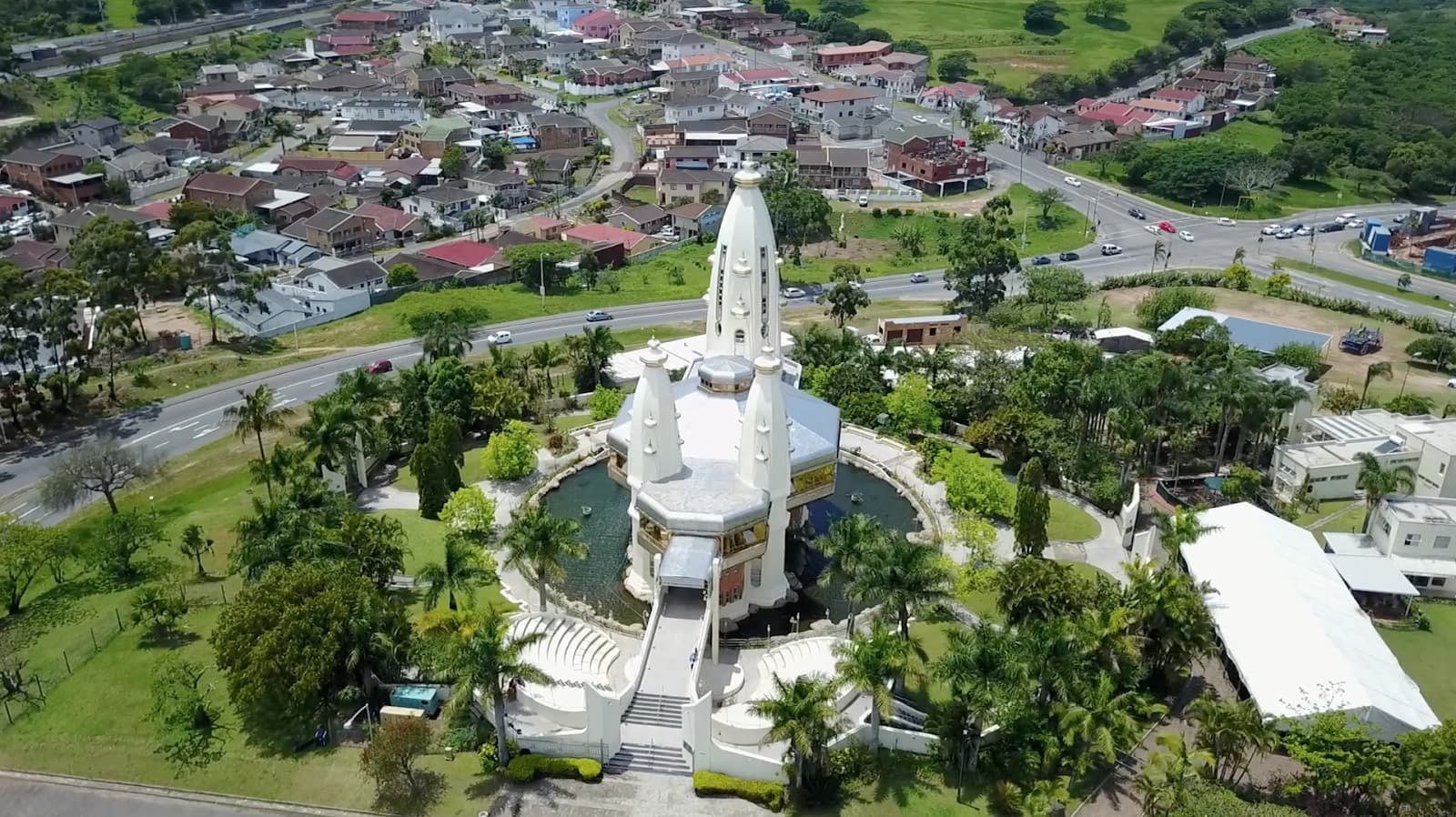
Sri Sri Radha Radhanath Temple (Temple of Understanding)
Sri Sri Radha Radhanath Temple—popularly called the Temple of Understanding—opened in 1985 atop Chatsworth’s Lotus Park with a 56-metre triple-domed hall, mirrored ceiling panels, stained glass lotus windows, and marble balustrades that reinterpret classical Indian temple geometry for a modern South African skyline ([1][2]). The ISKCON complex houses the deities Sri Sri Radha Radhanath, Lord Jagannath Baladeva Subhadra, and Sri Sri Gaura-Nitai on a gold-leafed altar backed by Italian marble reliefs; devotees circumambulate beneath parabolic arches while chandeliers reflect across the glass mosaic vault. Daily worship begins 4:30 AM with mangala-arati and extends through twelve services culminating in night-time shayana arati accompanied by Durban’s signature kirtan ensembles. Beyond ritual, the 3.5-hectare campus functions as a social engine: a commercial-grade kitchen cooks up to 15,000 vegetarian meals weekly for the Food For Life programme, the Bhaktivedanta College offers spiritual education, yoga, counselling, and youth mentorship, and the Govinda’s restaurant and bakery anchor a vegetarian culinary tradition for the city. The temple’s amphitheatre hosts annual Festival of Chariots cultural productions, multi-faith dialogues, and classical Indian arts festivals broadcast worldwide via ISKCON's media network ([1][2]).
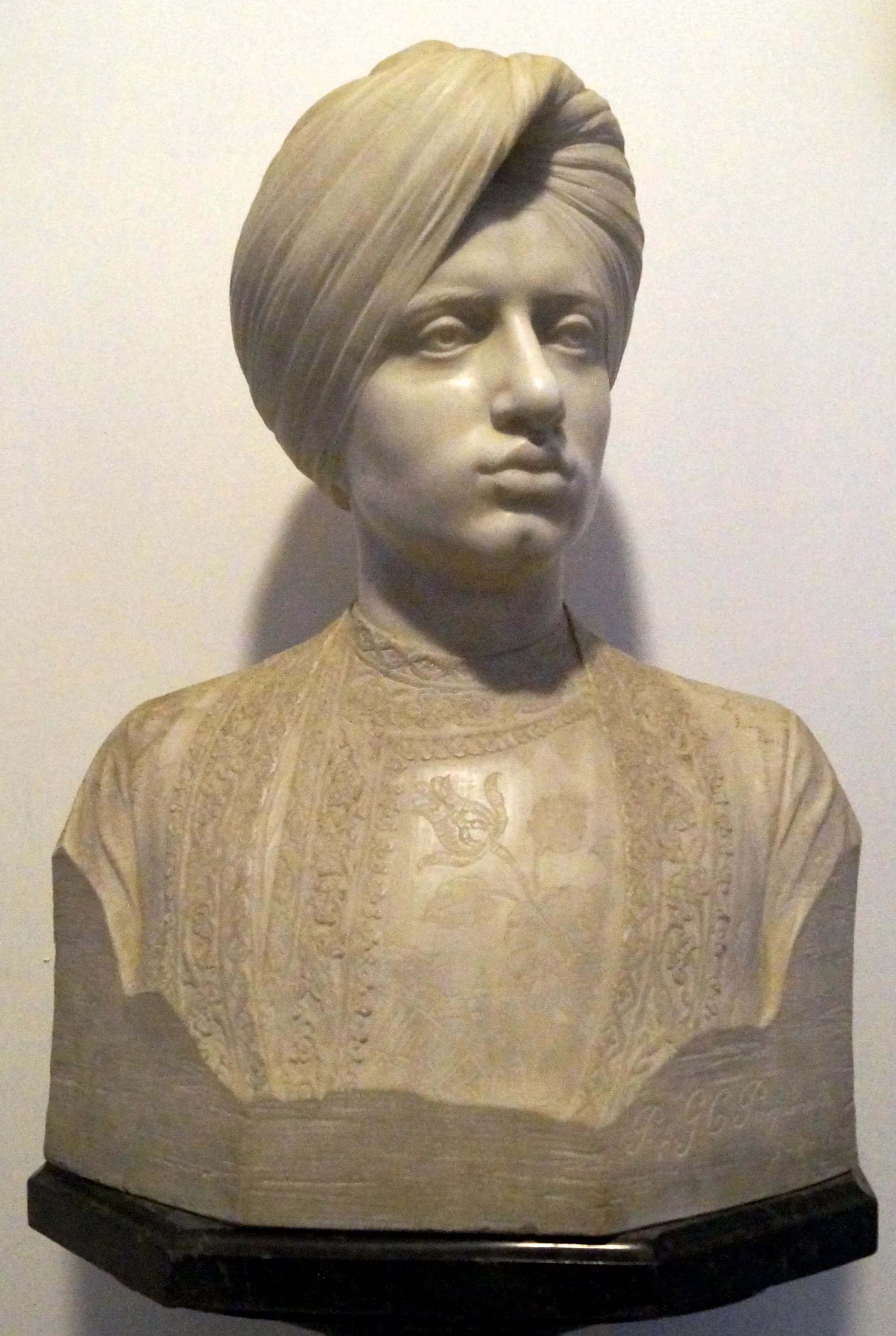
Moti Bagh Palace Patiala
The sun, a molten orb in the Patiala sky, cast long shadows across the manicured lawns of Moti Bagh Palace. Coming from Uttar Pradesh, a land steeped in Mughal grandeur, I was curious to see how Patiala’s royal legacy would compare. The palace, a sprawling complex, didn't disappoint. It wasn't the overwhelming opulence of Awadh's architecture, but a more restrained, almost European elegance blended with Sikh influences. My first impression was of space. Unlike the tightly clustered buildings of some palaces, Moti Bagh breathes. The main palace, the Quila Mubarak, stands as the anchor, its red sandstone walls a stark contrast to the verdant surroundings. The architecture here is a fascinating blend. While the overall layout and the use of sandstone reminded me of Rajput palaces back home, the intricate stucco work, particularly around the arched entrances and windows, spoke of a distinct regional style. Floral motifs, geometric patterns, and even depictions of animals adorned the walls, a testament to the artisans' skill. Stepping inside the Quila Mubarak felt like stepping back in time. The Sheesh Mahal, or Palace of Mirrors, was breathtaking. While smaller than the Sheesh Mahal in Jaipur's Amber Fort, the intricate mirror work here was no less dazzling. The play of light reflecting off the myriad tiny mirrors, creating an illusion of infinite space, was mesmerizing. I could almost imagine the royal court assembled here, their silks and jewels shimmering in the candlelight. The Darbar Hall, with its high ceilings and imposing chandeliers, exuded an air of formality. I was particularly struck by the portraits lining the walls – a visual chronicle of Patiala's rulers. Their stern faces, adorned with elaborate turbans and jewels, seemed to gaze down upon me, silent witnesses to centuries of history. The portraits weren't mere decorations; they were a powerful assertion of lineage and authority, a theme I’ve often encountered in the palaces of Uttar Pradesh as well. Moving beyond the Quila Mubarak, I explored the other parts of the complex. The sprawling gardens, a blend of Mughal and European landscaping, offered a welcome respite from the grandeur of the palace. Fountains, once undoubtedly gurgling with water, now stood silent, their weathered stone a reminder of time's relentless march. I could picture the royal family strolling through these gardens, enjoying the shade of the trees and the fragrance of the flowers. The museum within the complex was a treasure trove of artifacts. From antique weaponry and intricately embroidered textiles to vintage photographs and royal memorabilia, the collection offered a glimpse into the opulent lifestyle of Patiala's rulers. I was particularly fascinated by the collection of Phulkari embroidery, a traditional craft of Punjab. The vibrant colors and intricate patterns were a testament to the region's rich artistic heritage. It reminded me of the Chikankari embroidery of Lucknow, another example of the exquisite craftsmanship found across India. One aspect that stood out at Moti Bagh was the relative lack of restoration compared to some of the more heavily touristed sites I’ve visited. While some sections were well-maintained, others showed signs of neglect. Peeling paint, crumbling plaster, and overgrown vegetation whispered of a glorious past fading into obscurity. This, in a way, added to the palace's charm. It felt less like a polished museum piece and more like a living, breathing entity, bearing the weight of its history. As I left Moti Bagh Palace, the setting sun painting the sky in hues of orange and purple, I couldn't help but feel a sense of melancholy. The palace, a testament to a bygone era, stood as a silent sentinel, guarding the memories of a vanished kingdom. It was a poignant reminder of the ephemeral nature of power and the enduring legacy of art and architecture. The experience, while different from the Mughal splendor I’m accustomed to, offered a valuable glimpse into another facet of India's rich cultural tapestry.
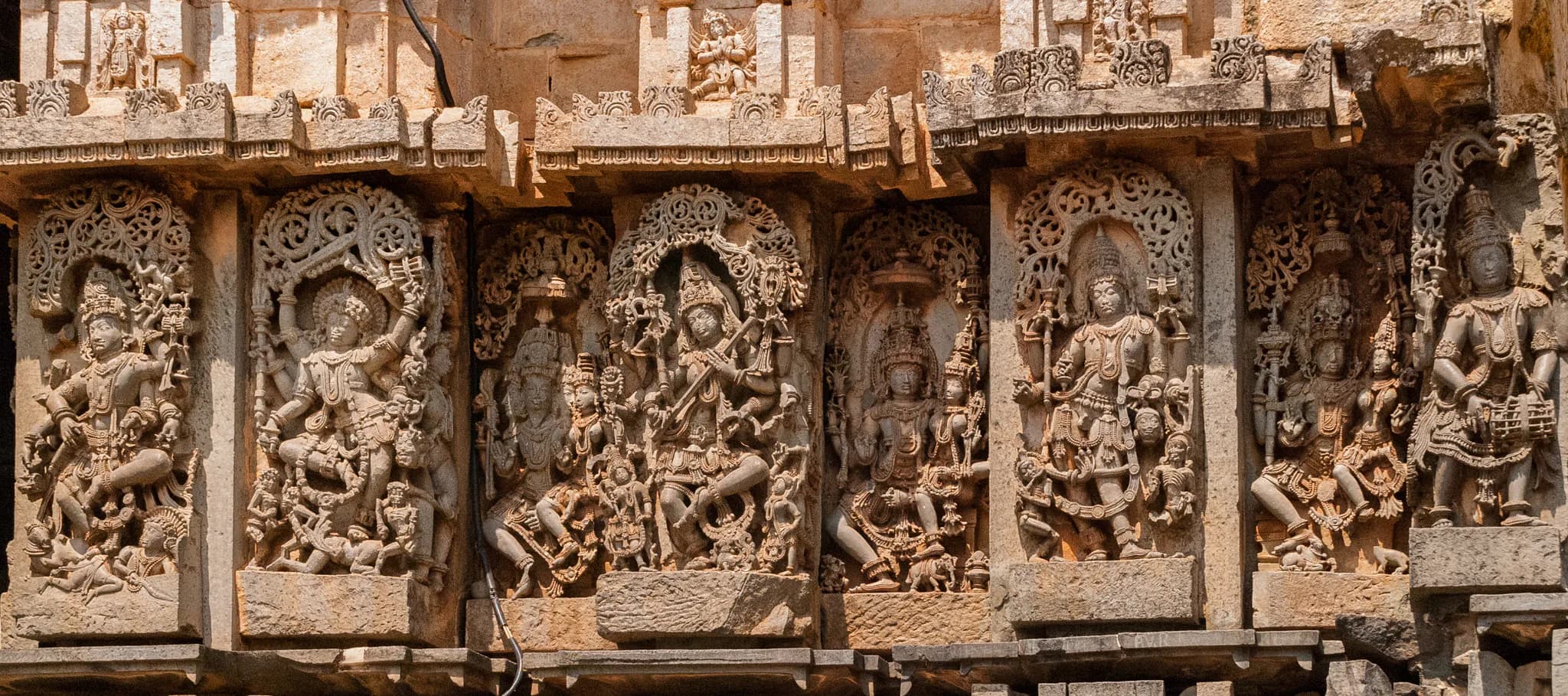
Hoysaleswara Temple Halebidu
The midday sun cast long, dramatic shadows across the intricately carved stone walls of the Hoysaleswara Temple in Halebidu, a spectacle that immediately justified its place on the UNESCO World Heritage list. Having explored every UNESCO site in India, I can confidently say that this temple holds a unique position, a testament to the artistic prowess of the Hoysala dynasty. It’s not just a temple; it’s a sprawling, open-air museum of sculpted narratives. My first impression was one of sheer awe. The temple, dedicated to Lord Shiva, isn’t towering in height like some of the South Indian gopurams, but rather spreads horizontally, inviting you to circumambulate and slowly absorb the wealth of detail. Every inch of the outer walls is a canvas, teeming with friezes depicting scenes from the epics, the Ramayana and the Mahabharata, as well as depictions of animals, dancers, musicians, and deities. I spent hours tracing the narratives with my fingers, marveling at the skill of the artisans who breathed life into stone centuries ago. The temple is built of soapstone, a relatively soft stone that allowed for the intricate carvings. This, however, has also made it vulnerable to the ravages of time and weather. Despite some erosion, the level of detail that remains is astonishing. I was particularly captivated by the depictions of elephants – each one unique in its posture and ornamentation. The sheer variety and realism in their portrayal spoke volumes about the keen observation skills of the sculptors. Inside the temple, the experience shifts. While the exterior is a riot of sculptural detail, the interior spaces are comparatively simpler, creating a sense of tranquility. The two main shrines, dedicated to Hoysaleswara and Shantaleswara (named after King Vishnuvardhana Hoysala and his queen, Shantala Devi), house large lingams. The light filtering through the latticed windows creates a mystical atmosphere, enhancing the spiritual significance of the space. One of the most striking features of the Hoysaleswara Temple is the star-shaped platform on which it stands. This allows for multiple viewpoints and perspectives of the intricate carvings. I found myself constantly moving around the temple, discovering new details with every change in angle. The play of light and shadow throughout the day further enhances this dynamic experience. While the temple itself is the main attraction, the surrounding area also holds historical significance. The nearby Kedareshwara Temple, though smaller, exhibits a similar architectural style and is worth a visit. The Archaeological Museum in Halebidu houses a collection of sculptures and artifacts from the Hoysala period, providing valuable context to the artistry witnessed at the temple. My visit to the Hoysaleswara Temple wasn't just a sightseeing trip; it was an immersive experience. It was a journey back in time, a glimpse into the rich cultural heritage of Karnataka. The temple stands as a powerful reminder of the artistic heights achieved by the Hoysala dynasty and the enduring power of human creativity. It’s a site that deserves more than a cursory glance; it demands time, patience, and a willingness to lose oneself in the intricate stories etched in stone. For anyone seeking to understand the depth and beauty of Indian art and architecture, the Hoysaleswara Temple is an absolute must-see. It’s a place that will stay etched in my memory long after I’ve left its hallowed grounds.
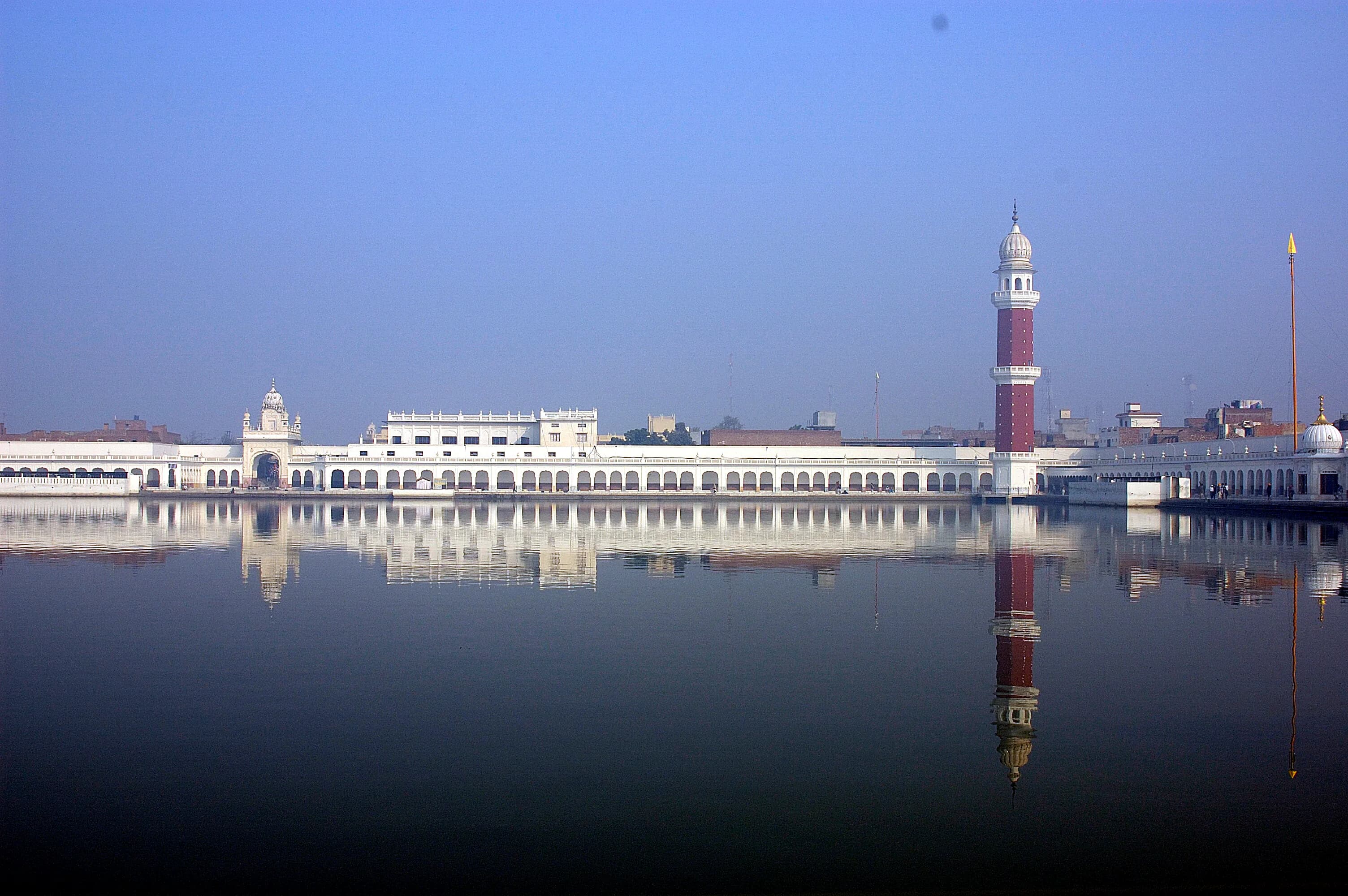
Tarn Taran Sahib Tarn Taran
The midday sun beat down on the shimmering expanse of the sarovar, its waters reflecting the pristine white marble of the Darbar Sahib, the central structure of the Tarn Taran Sahib complex. This wasn't just another gurudwara; its sheer scale and unique architectural features set it apart from the hundreds of Sikh shrines I’ve documented across India. Located in the heart of Tarn Taran, Punjab, this place exuded a palpable sense of tranquility, a spiritual hum that resonated through the air and the very stones beneath my feet. The first thing that struck me was the sarovar itself, the largest of all the holy tanks in Sikhism. It’s said that a dip in its waters has healing properties, and observing the devotees taking a ritual bath, their faces etched with devotion, I could almost sense the weight of belief and tradition carried within this sacred space. The tank is surrounded by a marble walkway, offering panoramic views of the gurudwara and the bustling activity around it. I spent a good hour just absorbing the scene, the interplay of light and shadow on the water, the rhythmic chants emanating from the main hall, and the constant flow of pilgrims. The Darbar Sahib, rising majestically from the sarovar's edge, is a marvel of Sikh architecture. Unlike the more common gilded domes, Tarn Taran Sahib boasts a distinctive ribbed dome, plated with gold leaf that shimmered brilliantly under the Punjab sun. Intricate inlay work, a hallmark of Sikh architecture, adorned the marble facade, depicting floral patterns and verses from the Guru Granth Sahib. The level of detail was breathtaking; I found myself constantly drawn closer, my lens capturing the nuances of each carved motif, each inlaid gemstone. As I stepped inside the main hall, I was enveloped by a sense of reverence. The Guru Granth Sahib, the holy scripture of Sikhism, rested on a raised platform, draped in rich fabrics. The melodious kirtan, the Sikh devotional music, filled the air, creating an atmosphere of profound spirituality. The walls, adorned with frescoes depicting scenes from Sikh history and mythology, added another layer of richness to the space. I noticed that the frescoes here were particularly vibrant, their colours seemingly intensified by the soft light filtering through the intricately carved marble screens. One element that truly distinguished Tarn Taran Sahib was the integration of Islamic architectural influences. The minarets flanking the main structure, a feature rarely seen in Sikh architecture, spoke to a history of cultural exchange and coexistence. These minarets, while clearly distinct from the main gurudwara in style, seemed to harmonize with the overall design, creating a unique visual tapestry. This subtle blending of architectural styles offered a powerful testament to the syncretic nature of Indian heritage. Beyond the main complex, I explored the surrounding structures, each with its own story to tell. The Bunga Baba Deep Singh, a smaller shrine dedicated to a revered Sikh warrior, stood as a reminder of the sacrifices made to protect this sacred place. The langar hall, where free meals are served to all visitors regardless of their background, was a bustling hub of activity, embodying the Sikh principles of seva, or selfless service. My time at Tarn Taran Sahib was more than just a photographic documentation; it was an immersive experience. It was a journey into the heart of Sikh faith and a testament to the enduring power of architecture to reflect and shape cultural identity. As I packed my equipment, the setting sun casting long shadows across the sarovar, I carried with me not just images, but a deeper understanding of the rich tapestry of Indian heritage.
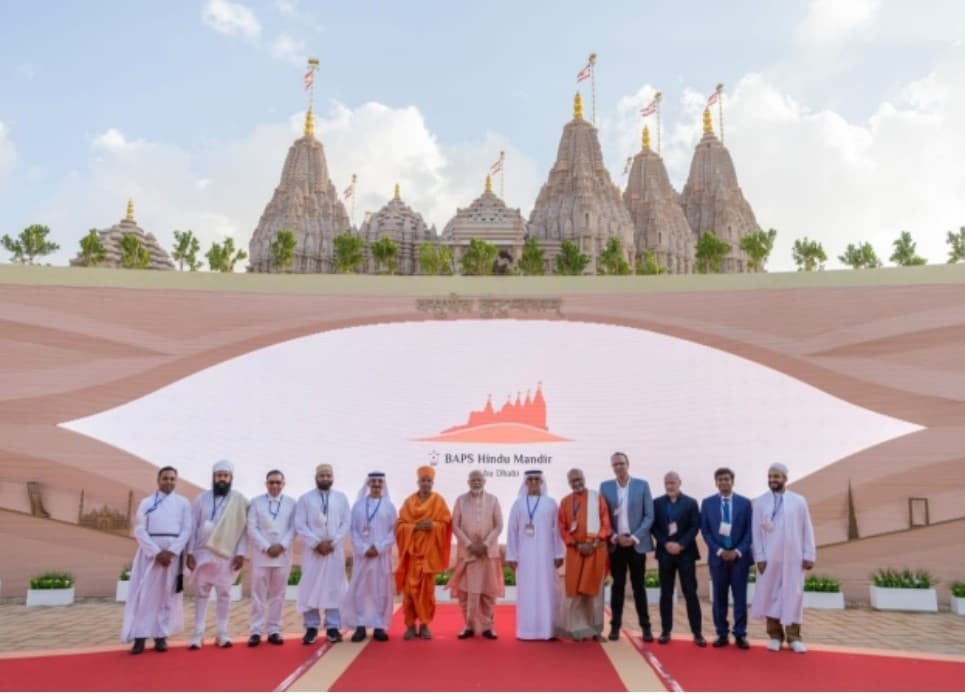
Maha Lakshmi Temple Abu Dhabi (BAPS Campus)
The Maha Lakshmi Temple forms the southern devotional wing of the BAPS Hindu Mandir campus in Abu Dhabi, providing a dedicated sanctum for Sri Mahalaxmi-Narayana with a Vaikuntha-inspired sinhasan crafted from Italian marble, gold-plated lotuses, and fibre-optic constellations that mirror Abu Dhabi's desert night sky ([1][2]). Consecrated alongside the main mandir in February 2024, the Lakshmi sanctum offers a quieter devotional experience focused on prosperity, education, and wellbeing—hosting specialised Lakshmi Pujas for entrepreneurs, students, and families moving to the Gulf. The hall seats 600 devotees, features carved marble columns, and integrates digital translation kiosks offering arti lyrics in Hindi, English, Malayalam, and Tagalog. Daily schedule aligns with the mandir's 6:00 AM-9:00 PM operations, but the Lakshmi wing hosts additional Friday evening Ashtalakshmi satsang, Saturday bridal blessings, and quarterly finance literacy workshops led by community volunteers. Donors can participate in Navagraha homa, Kuber puja, or annadhanam out of the adjoining seva kitchen. A micro-museum displays stories of Gulf entrepreneurs whose philanthropy supported the mandir and documents historic trade links between Gujarat, the Malabar coast, and the Trucial States.
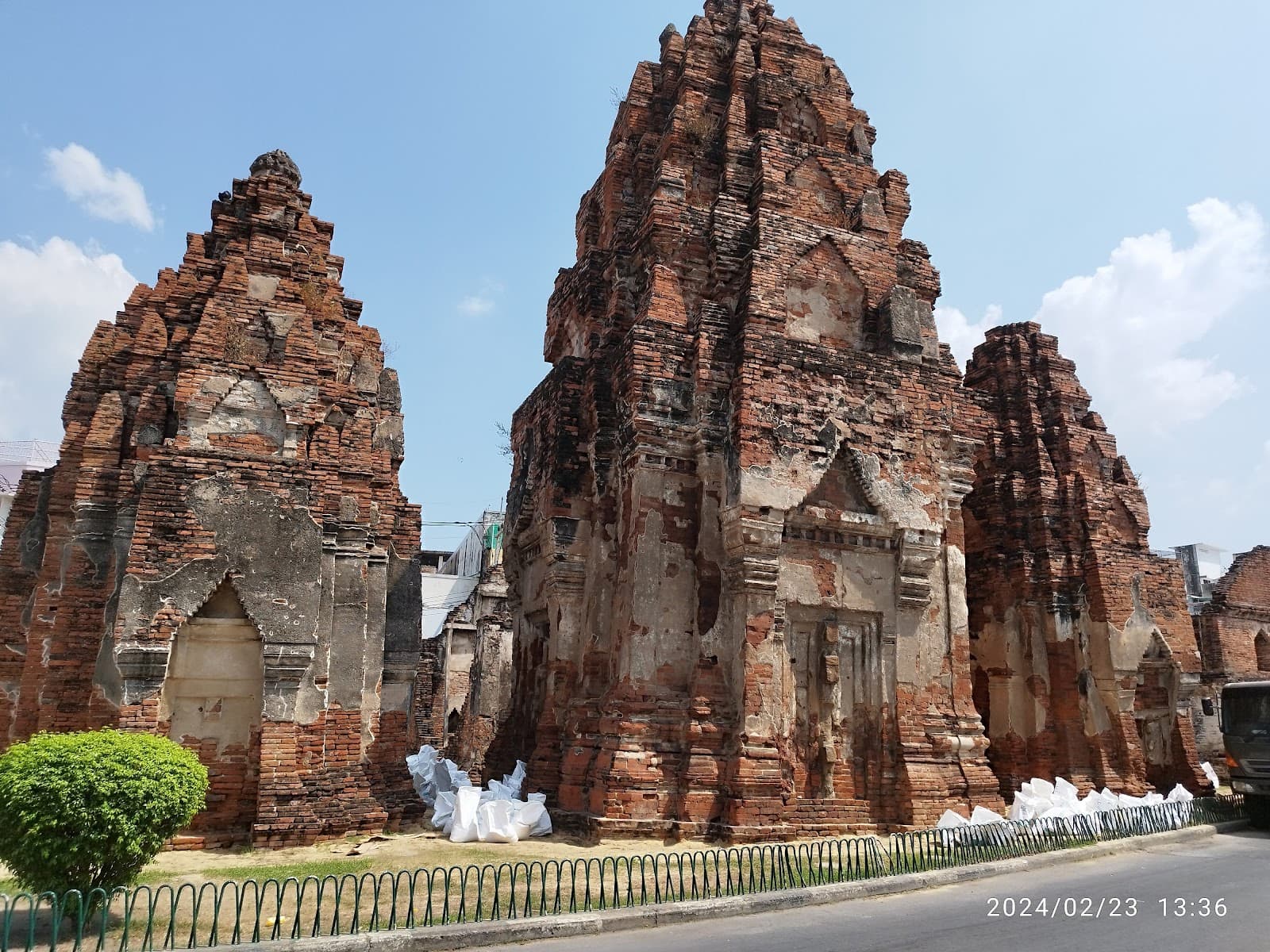
San Phra Kan Prang Khaek Lopburi
San Phra Kan, also known as Prang Khaek, located in Lopburi town, represents the oldest Khmer Hindu shrine in Central Thailand, dating to the 9th-10th centuries CE and constructed during the early Angkorian period, likely during the reign of Suryavarman II. The temple complex features three brick prangs (towers) arranged in a row, dedicated to the Hindu trinity of Brahma, Vishnu, and Shiva, demonstrating the syncretic nature of early Khmer religious practice. The complex spans approximately 0.5 hectares and features a rectangular laterite enclosure wall, though much has been lost to urban development. The three prangs, constructed primarily from brick with sandstone doorframes and decorative elements, rise to heights between 10 and 12 meters, with the central tower being slightly taller. The temple’s architectural style represents early Angkorian period, predating the more elaborate Baphuon and Angkor Wat styles, featuring simpler decorative elements and construction techniques. The complex includes evidence of stucco decoration, though most has been lost to weathering. Archaeological evidence indicates the temple served as an important early Khmer religious center in Central Thailand, establishing the foundation for later Khmer architectural developments in the region. The site has undergone restoration since the 1930s, involving structural stabilization and conservation. Today, San Phra Kan remains an important site for understanding early Khmer architecture in Thailand, attracting visitors interested in its historical significance as the oldest Angkorian temple in Central Thailand and its role in establishing Khmer cultural influence in the region. ([1][2])
Prang Sam Yot Lopburi
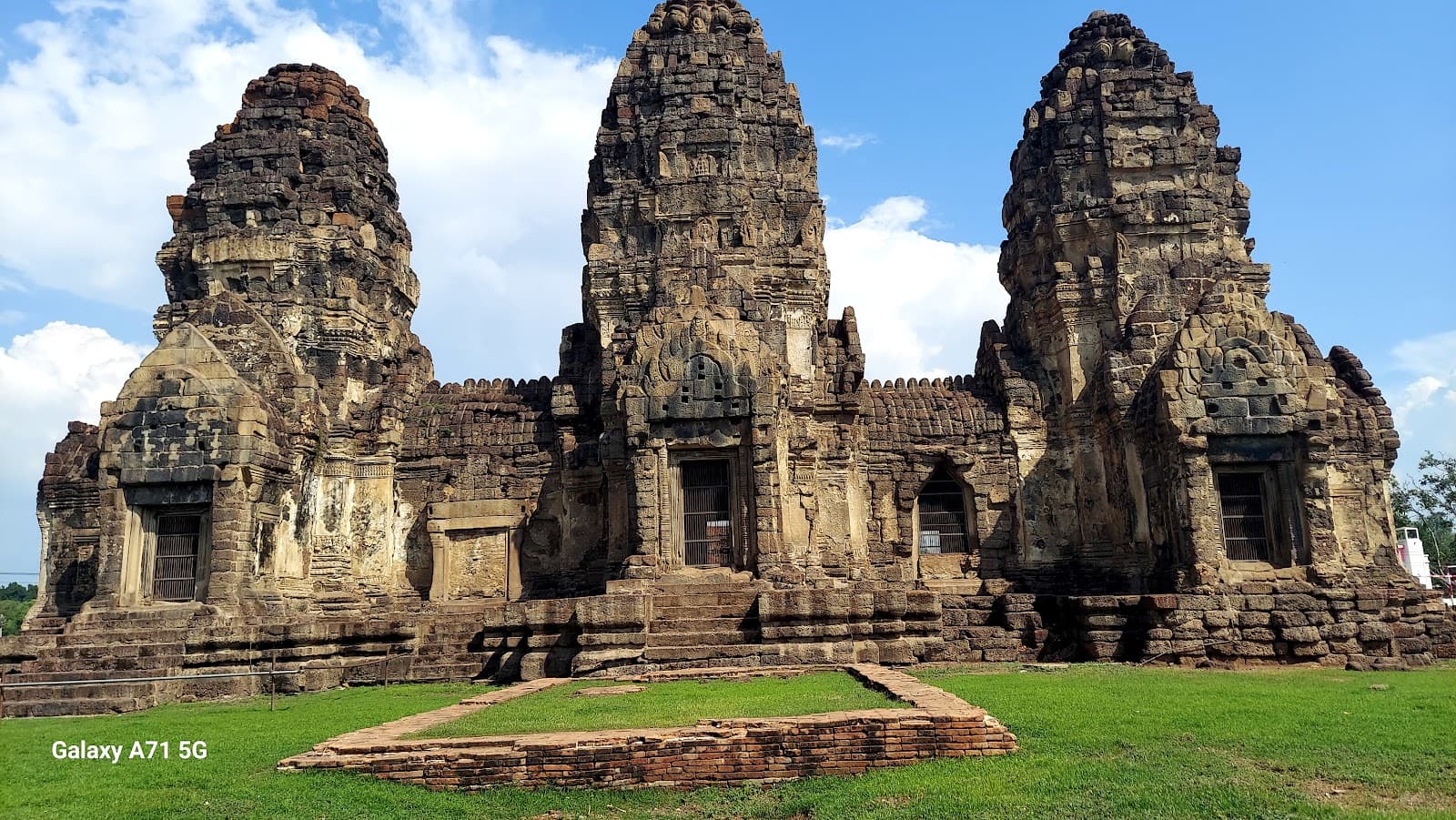
Prang Sam Yot, a revered monument in the Tha Hin Sub-district of Mueang Lopburi District, Lopburi Province, Thailand, stands as a profound testament to the enduring legacy of Indic architectural and cultural traditions that have continuously shaped Southeast Asia for millennia [2] [5]. This 13th-century Angkorian temple complex, originally dedicated to Mahayana Buddhism, embodies the sophisticated Nagara-Khmer architectural style, which itself draws deep inspiration from ancient Indian temple building practices [2] [3]. The site comprises three prominent prangs (towers) constructed primarily from laterite blocks, a common material in Khmer temples, meticulously adorned with a stucco exterior [5]. The use of laterite, a durable and locally abundant material, reflects an indigenous adaptation of grand architectural ambitions, while the stucco work, possibly influenced by Mon traditions, allowed for intricate decorative detailing [2] [5]. Each of the three prangs, arranged in a north-south alignment and connected by a narrow corridor, originally housed specific deities, reflecting a syncretic religious landscape [2] [5]. The central prang was dedicated to the Buddha, the north tower to Prajnaparamita, and the south tower to Avalokiteśvara, symbolizing a complex Mahayana Buddhist cosmology that resonated with earlier Hindu Trimurti concepts of Brahma, Vishnu, and Shiva [2] [5]. The architectural design features corbelled arches and vaults, a characteristic structural system in Khmer architecture that allowed for the construction of tall, imposing towers without true arches, a technique with parallels in early Indian temple construction [2]. Although much of the intricate carvings have eroded over time, traces of floral motifs and mythical figures can still be discerned on the stucco, hinting at the temple's former grandeur and the skilled craftsmanship of its builders [5]. These decorative elements, often depicting Buddhist iconography, are integral to the temple's aesthetic and spiritual narrative [2]. In the 17th century, during the reign of King Narai the Great of the Ayutthaya Kingdom, a prayer hall (Wihan) was added to the complex, further integrating the site into the evolving Theravada Buddhist landscape of the region [2] [5]. While this later addition, constructed with brick, now stands largely in ruins, its foundations provide valuable archaeological insights into the architectural techniques and religious practices of that period [5]. Prang Sam Yot is recognized as a registered historical site by the Fine Arts Department since August 2, 1936, underscoring its national significance [2]. Conservation efforts have focused on stabilizing the laterite and brick structures, mitigating the effects of weathering, and preserving the remaining stucco ornamentation [2] [4]. The site is currently open to visitors, offering accessibility to its main structures, though some areas may have uneven terrain [5]. Despite its relatively poor condition in some parts, ongoing maintenance ensures its preservation as a vital cultural landmark [2] [5]. The monument remains a site of active prayer and a significant tourist destination, celebrated for its historical depth and its unique resident population of crab-eating macaque monkeys, which, while adding to its charm, also present ongoing conservation challenges to the temple's exterior [2] [5]. The site stands as an operational heritage monument, welcoming visitors to experience a tangible link to the profound and continuous cultural exchange rooted in India's ancient past [5].
Mukteswara Temple Bhubaneswar
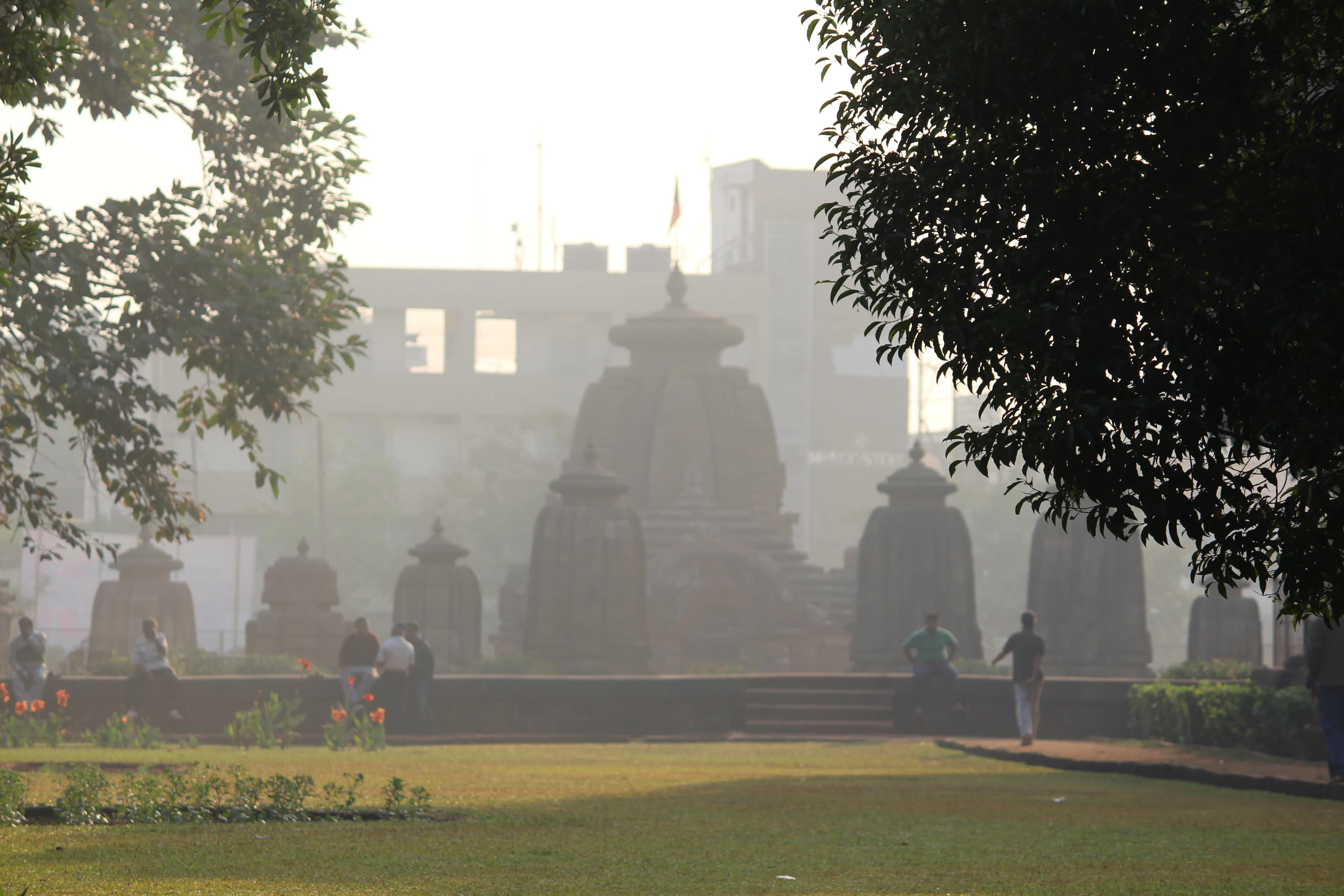
The midday sun cast long shadows across the laterite stones of the Mukteswara Temple, etching the intricate carvings into stark relief. Standing before this 10th-century marvel in Bhubaneswar, I felt a palpable shift, a whisper of the past carried on the gentle breeze. This wasn't just another temple; it felt like a pivotal moment captured in stone, a bridge between the simpler Kalinga architecture of earlier centuries and the ornate grandeur that would define the later temples of Odisha. The Mukteswara, though smaller than its successors like the Rajarani and Lingaraj, possesses a captivating elegance. Its sandstone gateway, the torana, is arguably its most celebrated feature. Covered in a tapestry of carvings – nagas, yakshas, and intricate scrollwork – it stands as a testament to the skill of the ancient artisans. I spent a considerable amount of time studying the torana, tracing the lines of the sculptures with my fingers, marveling at the dynamism captured within the static stone. The depiction of Lakulisa, a Shaivite ascetic, particularly caught my eye. His serene countenance, framed by flowing locks, seemed to radiate a quiet wisdom, a stark contrast to the writhing forms of the mythical creatures surrounding him. Passing through the torana, the compact courtyard opened before me, the main temple, or vimana, dominating the space. The vimana, built in the rekha deul style, rises gracefully towards the sky, its curvilinear form a testament to the architectural prowess of the period. Unlike the later temples, the Mukteswara’s vimana is relatively uncluttered, allowing the eye to appreciate the flowing lines and the subtle interplay of light and shadow. The decorative elements, though present, are restrained, emphasizing the overall harmony of the structure. I noticed the distinct use of chaitya arches, a recurring motif in Odishan architecture, adorning the walls. These miniature shrines, each housing a deity, added a layer of symbolic depth to the structure. The jagamohana, or assembly hall, connected to the vimana, is equally captivating. Its pyramidal roof, adorned with intricate carvings, provided a welcome respite from the midday sun. Inside, the atmosphere was noticeably cooler, the air thick with the scent of incense and the murmur of prayers. I observed the elaborate carvings on the pillars, each depicting scenes from mythology and daily life. The narrative quality of these sculptures was striking, each panel telling a story, transporting the viewer to a different time and place. One aspect that truly sets the Mukteswara apart is its experimental nature. It's often referred to as a "gem of Orissan architecture," and I understood why. The temple showcases the first extensive use of sculptures on the exterior walls, a feature that would become a hallmark of later temples. The intricate latticework on the windows, the delicate floral motifs, and the playful depictions of animals all hinted at a burgeoning artistic confidence, a willingness to push the boundaries of traditional architectural norms. As I circled the temple, absorbing the details, I couldn't help but reflect on the continuity of tradition. The Mukteswara, though centuries old, remains a living testament to the enduring power of faith and artistry. The rituals performed within its walls, the hymns chanted, the offerings made – these are echoes of practices that have been carried out for generations. It's this unbroken thread, this connection to the past, that makes the Mukteswara not just a historical monument but a vibrant part of the cultural fabric of Odisha. Leaving the temple grounds, I carried with me not just images of carved stone and intricate sculptures, but a deeper appreciation for the rich tapestry of Indian architectural history.
Naina Devi Temple Bilaspur
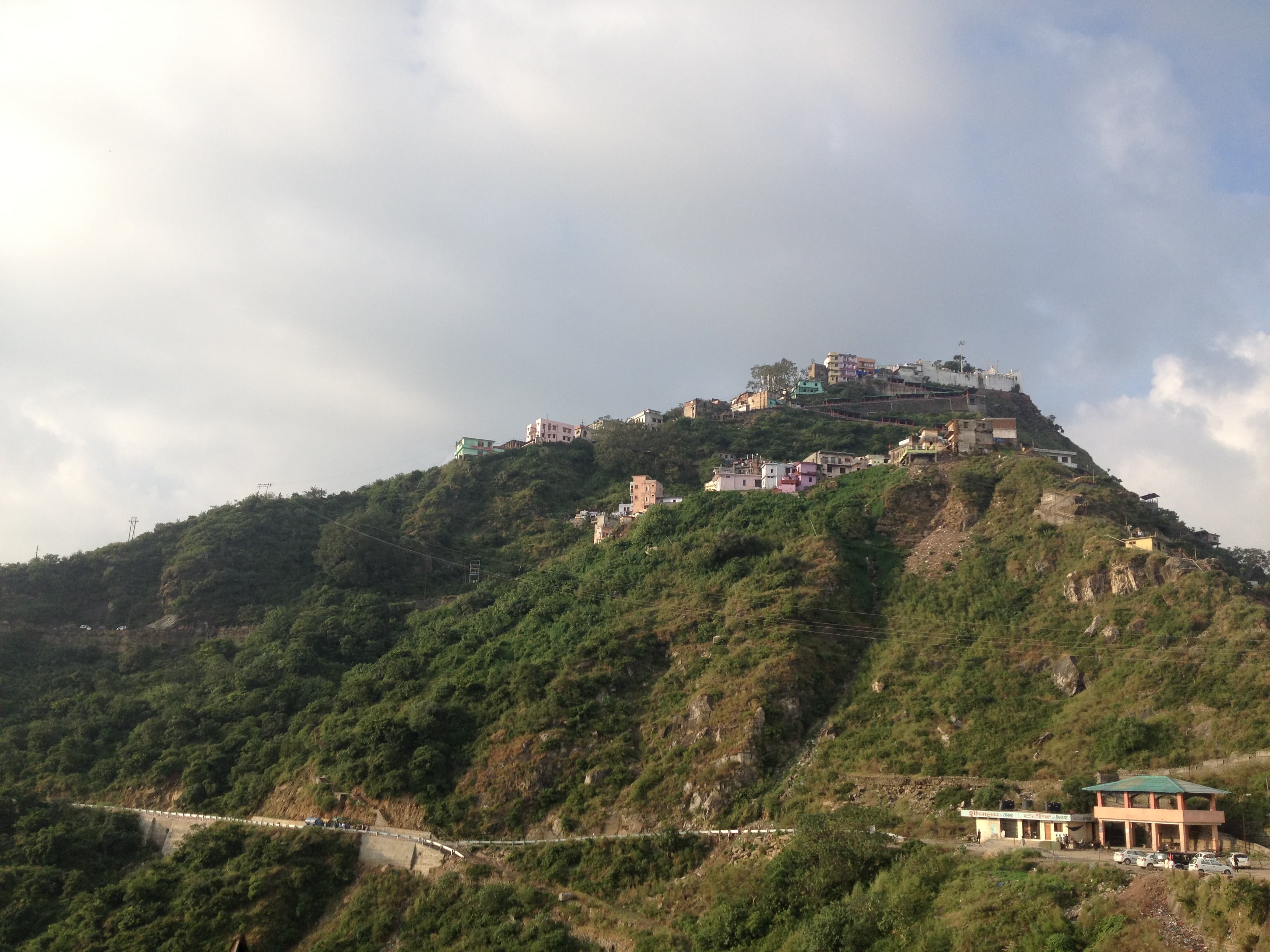
The crisp Himalayan air, scented with pine and a hint of something sacred, whipped around me as I ascended the winding path to Naina Devi Temple. Located atop a hill overlooking the Gobind Sagar reservoir in Bilaspur, Himachal Pradesh, this temple is a far cry from the rock-cut caves and ancient stone temples I'm accustomed to in my home state of Maharashtra. The journey itself sets the tone – a blend of natural beauty and palpable devotion. You can choose to hike up the steep path, a test of endurance rewarded by breathtaking views, or opt for the cable car, a swift, scenic ascent that offers glimpses of the sprawling reservoir below. Reaching the summit, I was immediately struck by the vibrant energy of the place. Unlike the hushed reverence of many ancient temples, Naina Devi buzzed with activity. Pilgrims from all walks of life, their faces etched with faith, thronged the courtyard, their murmured prayers mingling with the clanging of bells and the rhythmic chants of priests. The temple's architecture, a blend of traditional North Indian styles with a touch of modernity, immediately caught my eye. The main shrine, dedicated to the goddess Naina Devi, is a relatively new structure, rebuilt after an earthquake in 1905. Its brightly painted walls, adorned with intricate carvings and depictions of various deities, stand in stark contrast to the rugged, natural backdrop of the Himalayas. The main idol of Naina Devi, housed within the sanctum sanctorum, is a powerful representation of Shakti. Two prominent eyes, the 'Naina' that give the temple its name, dominate the image, radiating an aura of strength and protection. Unlike the meticulously sculpted stone idols I'm familiar with in Maharashtra, this representation felt more primal, more visceral. It's a simple depiction, yet it holds a profound significance for the devotees, who offer their prayers with unwavering devotion. Surrounding the main shrine are smaller temples dedicated to other deities, creating a complex of worship that caters to diverse faiths. I noticed a small shrine dedicated to Hanuman, the monkey god, a familiar figure from my explorations of Maharashtra's temples. This subtle connection, a thread of shared belief across geographical boundaries, resonated deeply with me. It highlighted the unifying power of faith, a common language spoken across the diverse landscape of India. Beyond the religious significance, the temple offers a panoramic vista that is simply breathtaking. The Gobind Sagar reservoir, a vast expanse of turquoise water nestled amidst the rolling hills, stretches out before you, creating a mesmerizing spectacle. The snow-capped peaks of the Himalayas, piercing the clear blue sky, form a majestic backdrop, adding a touch of grandeur to the already stunning landscape. I spent a considerable amount of time simply absorbing the view, feeling a sense of peace and tranquility wash over me. One aspect that particularly intrigued me was the integration of the natural landscape into the temple complex. Massive boulders, remnants of the Himalayan geology, are incorporated into the architecture, blurring the lines between the man-made and the natural. This harmonious coexistence, a hallmark of many Himalayan temples, speaks to a deep respect for the environment, a philosophy that resonates strongly with my own beliefs. My visit to Naina Devi Temple was more than just a journalistic assignment; it was a spiritual experience. It offered a glimpse into a different cultural landscape, a different way of expressing faith. While the architectural style and rituals differed significantly from what I'm accustomed to in Maharashtra, the underlying essence of devotion, the unwavering belief in a higher power, remained the same. It reinforced my belief that despite the diversity of our traditions, the human quest for spiritual meaning remains a universal constant. As I descended the hill, the clanging of temple bells fading into the distance, I carried with me not just photographs and notes, but a renewed appreciation for the power of faith and the beauty of the Himalayas.
Brisbane Sri Selva Vinayakar Koil South Maclean
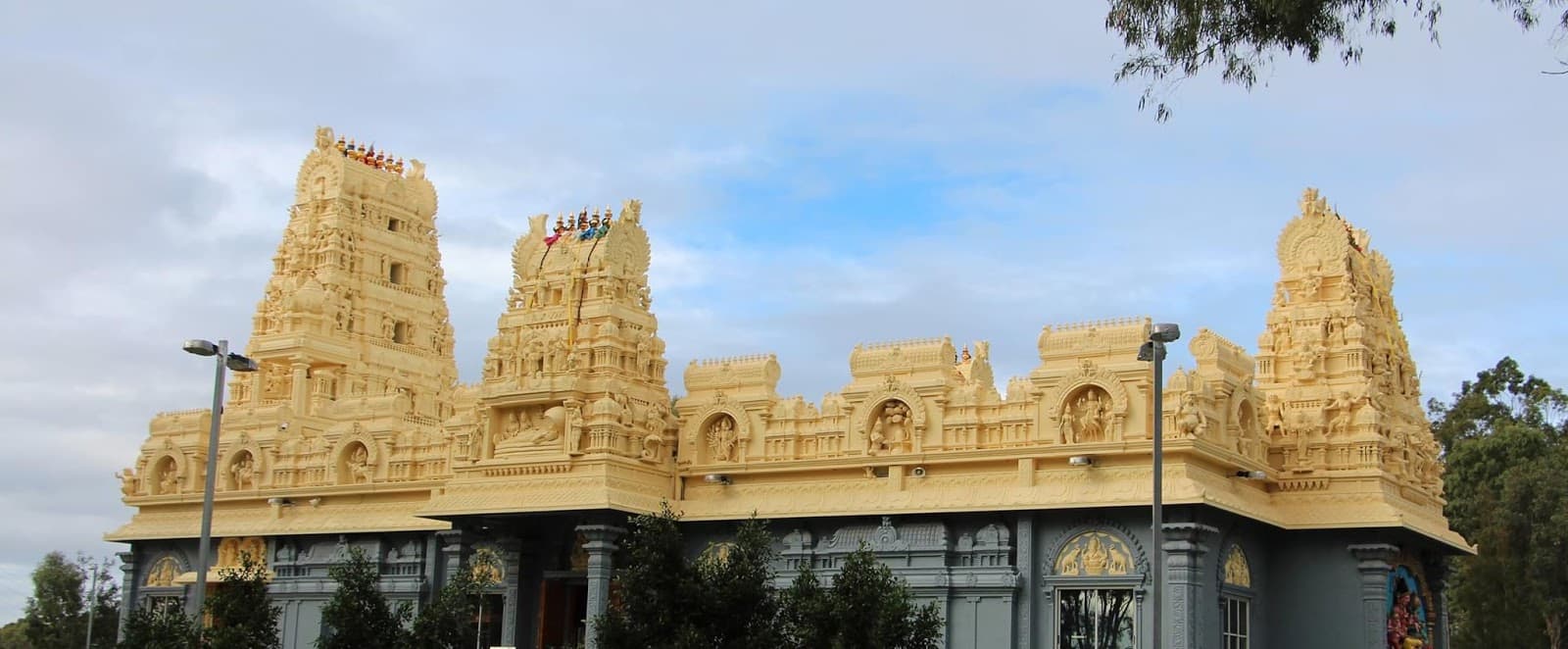
Anchoring Logan’s peri-urban corridor, Brisbane Sri Selva Vinayakar Koil South Maclean stands as Queensland’s first traditional Hindu temple dedicated to Lord Ganesha ([1][2]). Established around 1990 CE, this 20th-century temple reflects Dravidian architectural influences adapted to a rural Australian context ([1]). The temple was built by the Hindu Society of Queensland, who also continue to be its patron ([1]). Granite and sandstone blocks, meticulously carved, form the core of the Mandapa (Pillared Hall), while timber posts and corrugated steel roofing provide a functional and aesthetically pleasing structure ([1]). Daily rituals, or darshan, are conducted between 6:30 AM and 12:00 PM, and again from 4:30 PM to 8:30 PM ([1][5]). Special occasions such as Vinayagar Chaturthi, Thai Poosam, and Navaratri extend these hours until 10:00 PM ([1][5]). To manage the flow of devotees, volunteers guide visitors through the granite Mandapa using rope-guided lanes, ensuring a smooth and organized experience ([1][5]). Shuttle buggies are also available to assist elders in navigating the expansive site ([1][5]). Within the annadhanam shed, which can accommodate 300 people, polished concrete floors provide a clean and functional space for communal dining ([1][3]). Modern amenities such as induction woks and commercial chillers support the preparation and storage of prasadam (sacred food), with HACCP checklists ensuring food safety standards are maintained ([1][3]). Portable ramps facilitate the movement of prasadam carts between the kitchen and hall, even during inclement weather ([1][3]). Beyond worship, the temple serves as a cultural hub, hosting dance, music, and language classes in its cultural pavilion ([2]). A meditation pond and vahana sheds are situated along the Logan River flood fringe, with boardwalks and warning signage in place ([2]). Accessibility is a priority, with gravel-stabilized pathways, handrails, tactile signage, and a platform lift near the sanctum ensuring inclusivity ([2][5]). Auslan interpreters are also available during major festivals ([2][5]). Sophisticated drainage systems ensure the temple grounds remain functional, even during heavy rainfall ([3]). Digital signage displays bilingual Tamil-English instructions, weather alerts, and seva schedules, keeping the community informed and engaged ([1][2]). The temple's operations team monitors weather stations, flood gauges, and fire equipment, while the Logan Rural Fire Brigade conducts annual drills on site, ensuring preparedness for any eventuality ([3]). This proactive approach underscores the temple's commitment to community resilience and safety ([1][2]).
Quick Links
Plan Your Heritage Journey
Get personalized recommendations and detailed visitor guides