Has Inheritage Foundation supported you today?
Your contribution helps preserve India's ancient temples, languages, and cultural heritage. Every rupee makes a difference.
Secure payment • Instant 80G certificate
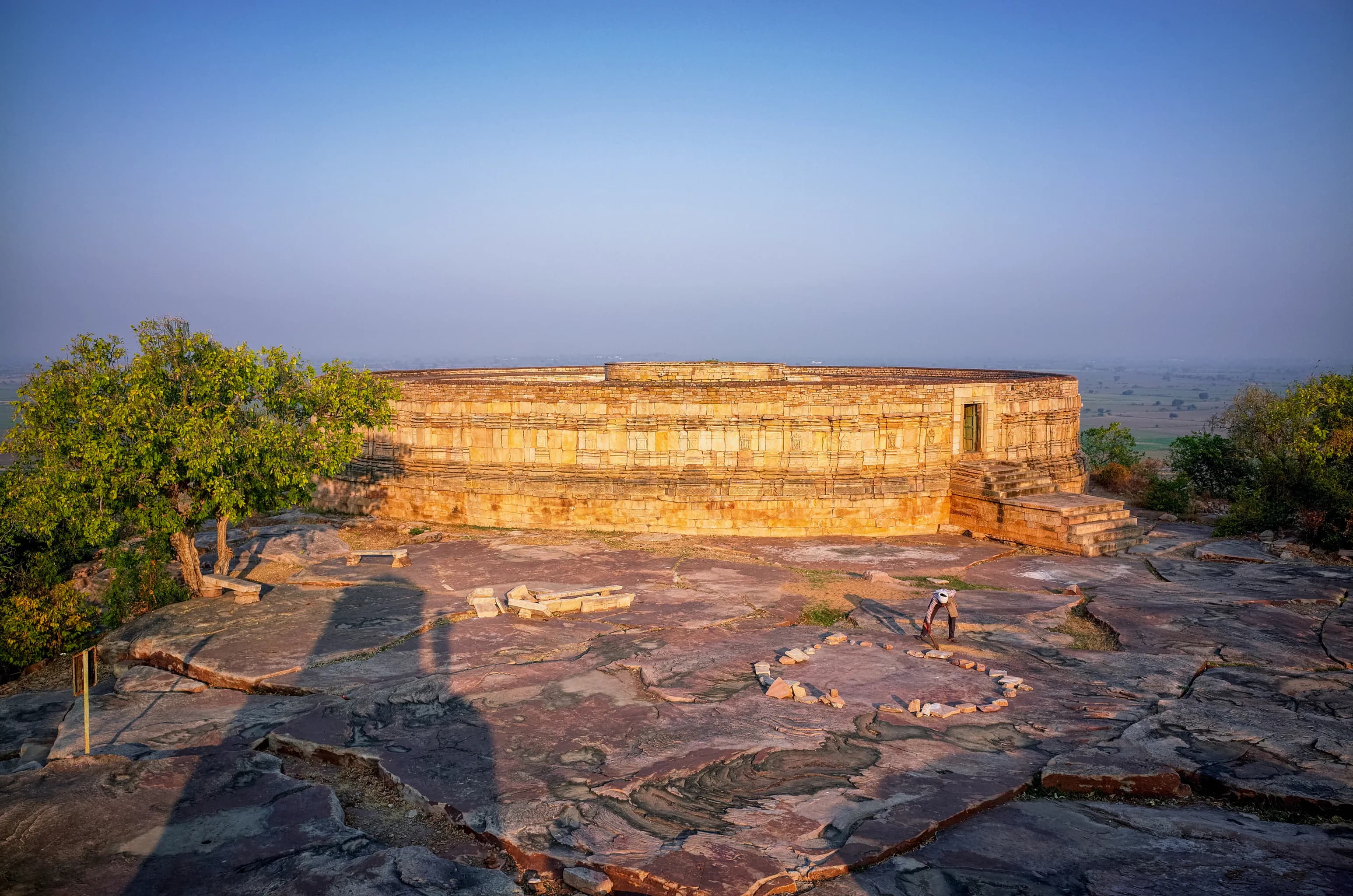
Chausath Yogini Temple Morena
Nestled atop a hill in Mitaoli, Morena, the Chausath Yogini Temple presents a striking departure from traditional Indian temple architecture ([1]). During the Gurjara-Pratihara period, around 850 CE, the Kachchhapaghata Dynasty constructed this unique circular temple ([2][3]). Sandstone and granite blocks form an open-air circular platform, marking a deviation from conventional square temple layouts ([4]). Sixty-four chambers once housed Yogini statues, reflecting traditions linked to tantric practices ([5]). Ascending to the temple, the absence of mortar in the stone construction highlights the precision of ancient craftsmanship ([1]). Stone platforms and foundations display sophisticated engineering techniques prevalent in that era ([4]). Vedic astronomical principles are believed to have influenced the temple's circular design, mirroring cosmic cycles ([3]). The central shrine, now partially ruined, was likely dedicated to Lord Shiva ([2]). Intricate carvings, though weathered, still adorn the pillars, hinting at the temple's rich iconography ([1]). Vastu Shastra principles, the ancient Indian science of architecture, may have guided the layout, emphasizing harmony with nature ([3]). Kachchhapaghata Dynasty patronage underscores the temple's historical significance ([2][3]). This temple's circular plan is a rare example of Hindu temple design, differing from the common square or rectangular layouts detailed in texts like the *Manasara Shilpa Shastra* ([4]). The open mandapa (pillared hall) further distinguishes it from typical closed-hall temples. The panoramic view from the temple enhances its spiritual ambiance, offering a commanding perspective of the surrounding landscape ([2]). This architectural marvel stands as a significant emblem of ancient Indian artistry ([4]).
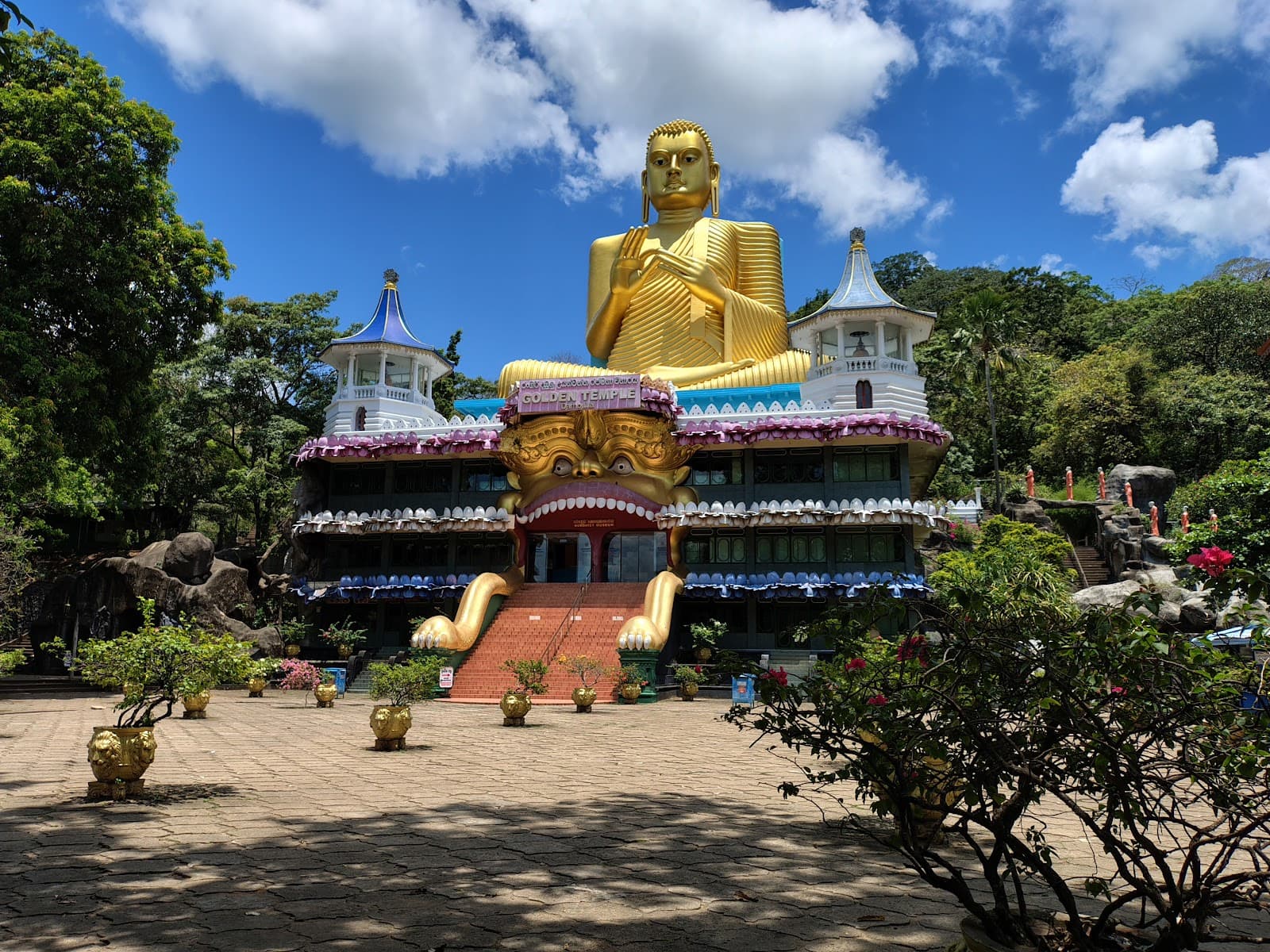
Dambulla Cave Temple Matale Sri Lanka
Nestled within the heart of Sri Lanka, the Dambulla Cave Temple, also known as the Golden Temple of Dambulla, is an ancient marvel carved into a massive granite rock ([1][2]). Originating in the 1st century BCE, during the reign of King Valagamba, this complex stands 160 meters above the surrounding plains, representing a significant testament to the enduring legacy of Buddhist art and architecture in South Asia ([1]). As the largest and best-preserved cave temple complex in Sri Lanka, it houses over 150 Buddha statues and extensive murals ([1][2]). Intricate carvings adorning the walls of the five interconnected caves showcase a profound transmission of Indian Buddhist religious and artistic traditions to Sri Lanka ([1][2]). These caves, continuously used as places of Buddhist worship for over two millennia, feature Buddha statues executed in various mudras (hand gestures) and postures, along with murals covering over 2,100 square meters ([1]). The artistic sophistication and iconographic accuracy of these statues demonstrate the deep understanding of Indian Buddhist iconography possessed by Sri Lankan artists ([1][2]). During the ancient period, the murals, painted in vibrant colors, depict scenes from the Buddha's life, Jataka tales, and various Buddhist deities, illustrating the transmission of Indian Buddhist narrative traditions ([1][2]). Archaeological evidence indicates that the temple served as a major center of Buddhist worship and learning for over two millennia, attracting monks, pilgrims, and patrons from across Sri Lanka and South India ([1]). Inscriptions in Sinhala, Tamil, and Sanskrit offer crucial evidence of the site's role in transmitting Indian Buddhist texts and practices ([1][2]). The temple's patronage by kings like Valagamba and Nissanka Malla further solidified its importance ([1]). Today, Dambulla Cave Temple, a UNESCO World Heritage Site, remains a vital pilgrimage site, demonstrating the profound impact of Indian civilization on Sri Lankan religious and artistic traditions ([1][2]). Ongoing research and conservation efforts ensure the preservation of this extraordinary cultural treasure ([1]).
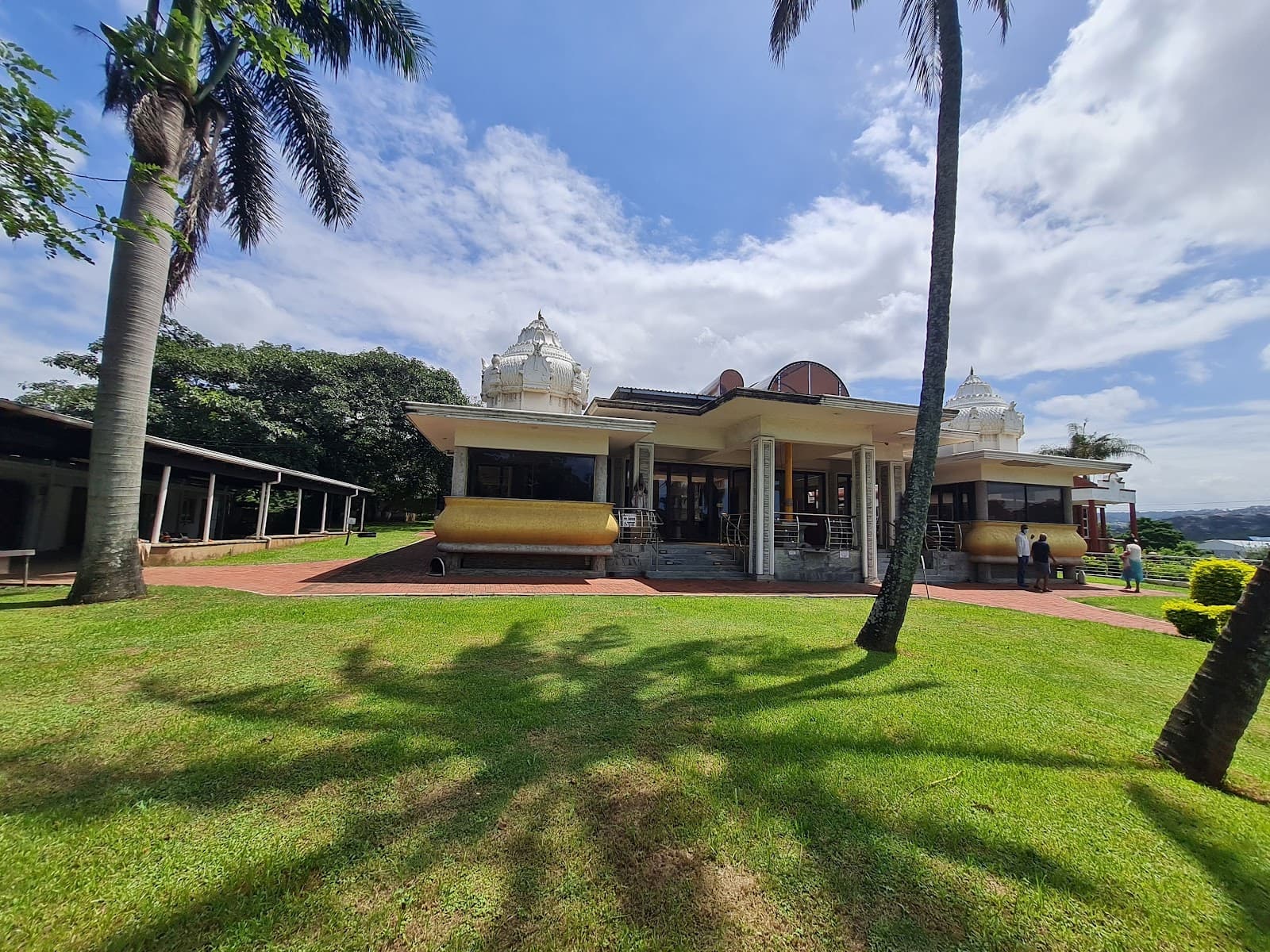
Mariamman Temple Cato Manor Durban
The Mariamman Temple of Cato Manor—initially erected in 1870 by early market gardeners—was rebuilt on higher ground after the 1905 floods and re-consecrated in 1932 by trader S.P. Chetty with a triad of barrel-vaulted towers sculpted in low relief, blending Dravidian iconography and the loose light of Durban's coastal plain ([1]). The main shrine to goddess Mariamman stands at the centre of a symmetrical courtyard anchored by smaller sancta for Gengaiammen and Draupadi; processional paths weave between mango trees planted by the founding families and the sacred fire pit used during annual Theemithi vows. The temple's unpainted brick facades and profuse stucco figurines capture the vernacular workmanship of indentured artisans—primitive yet lyrical depictions of deities holding neem leaves, tridents, and conches, illuminated at twilight by ghee lamps. Community halls along the perimeter host Tamil cultural classes, scripture recitation, marriage counselling, and relief cooking for surrounding informal settlements. ([1])
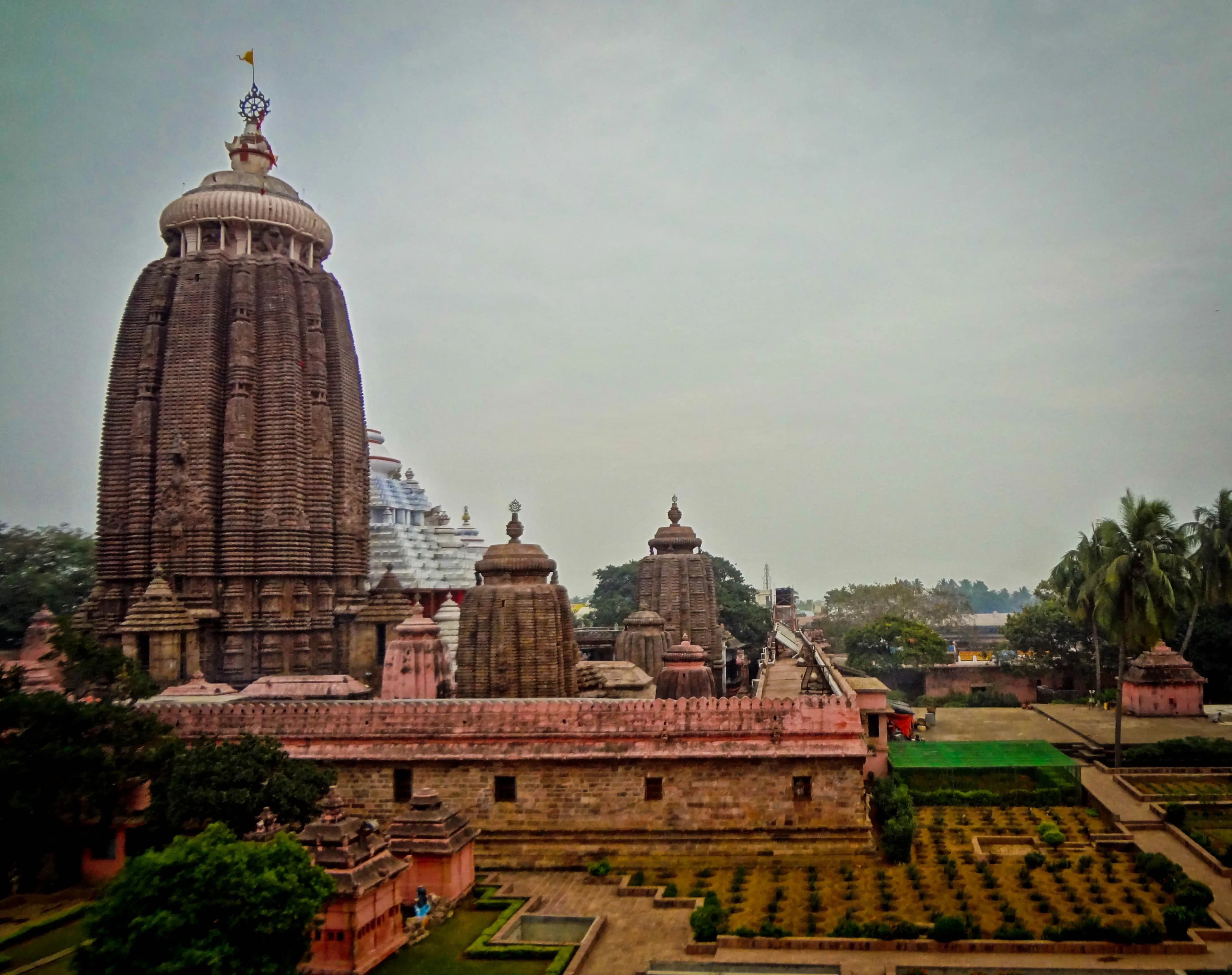
Jagannath Temple Puri
The Jagannath Temple in Puri, Odisha, stands as a profound testament to India's millennia-spanning cultural heritage, dedicated to Lord Jagannath, a form of Vishnu, alongside his siblings Balabhadra and Subhadra [2]. This monumental complex, located on Grand Road, Puri, is a vibrant center of continuous Indian civilization, embodying indigenous architectural styles and spiritual practices that reflect the nation's deep historical roots [1]. The temple is a prime example of Kalinga architecture, characterized by its curvilinear tower (rekha deul) and intricate sculptural ornamentation, which distinguishes it from other pan-Indian temple styles like Nagara and Dravida [3]. The temple complex is enclosed within a massive laterite wall known as Meghanada Pacheri, measuring approximately 202.70 meters by 196.29 meters and standing 6.1 meters high [3] . An inner wall, the Kurma Bedha, further encircles the main temple . The central shrine, or Vimana (Deula), rises to an impressive height of 57.28 meters from the inner parikrama floor to the apex of the Nila Chakra [3]. The temple's main structure comprises four distinct components arranged in an east-west alignment: the Vimana (sanctum sanctorum), the Jagamohana (porch or assembly hall), the Natamandapa (hall for cultural performances), and the Bhogamandapa (hall for offerings) [2] [3]. The Vimana is designed on a Pancha Ratha (five chariot) floor plan, where the vertical structure is divided into five projected column-like features, lending a unique vertical rhythm [2]. The Jagamohana, in contrast, is built in the Pidha deula style, featuring a pyramidal roof composed of horizontal layers [2]. Construction primarily utilized massive laterite blocks, quarried locally, fitted without mortar, showcasing the precision of Kalinga architecture [1]. Iron beams were incorporated to hold sections together, indicating advanced metallurgical knowledge for the period [1]. The temple's vertical structure is divided into five principal parts: Pitha (foundation), Bada (vertical wall), Gandi (main tower), and Mastaka (crowning elements), which includes the sacred Nila Chakra [2]. The Nila Chakra, an eight-spoked wheel made of Ashtadhatu (an alloy of eight metals), is 3.5 meters high with a circumference of about 11 meters, and is considered sacrosanct . Intricate carvings adorn the temple walls, depicting scenes from Hindu mythology, celestial beings, and floral motifs, often exhibiting a level of detail resembling wood or ivory [2] [3]. Friezes on the lower walls portray elephants, horses, and warriors in procession [2]. Niches on the Raha paga (central projection) house Parsva-devatas (side deities) such as Varaha, Trivikrama, and Nrusimha, sculpted from chlorite stone [2]. The temple features four elaborately carved gates: Singhadwara (Eastern Gate) flanked by crouching lions, Ashwadwara (Southern Gate) depicting horses, Vyaghrdwara (Western Gate) representing tigers, and Hastidwara (Northern Gate) featuring elephants [2]. The Singhadwara, the main entrance, is fronted by the monolithic Aruna Stambha, a sixteen-sided pillar topped with an idol of Aruna, the charioteer of Surya . The temple's kitchen is renowned as one of the largest in the world, preparing vegetarian Mahaprasad for thousands of devotees daily using traditional methods with earthen pots and firewood, a practice preserved for centuries [1] . The Archaeological Survey of India (ASI) plays a crucial role in the conservation of this Monument of National Importance, undertaking structural repairs using traditional methods and materials like laterite and lime plaster, and meticulously cleaning and conserving carvings [1] . Ongoing structural monitoring and repairs are in place, with efforts to incorporate both advanced conservation techniques and traditional knowledge systems to ensure durability and authenticity [1] . The temple remains an active place of worship, ensuring consistent ritual maintenance and upkeep of its architectural integrity [1]. The site is fully operational, welcoming pilgrims and visitors, with ongoing efforts to enhance accessibility, including a new ramp near the North Gate for the elderly and persons with disabilities .

Dandan-Uiliq Ruoqiang Xinjiang China
Dandan-Uiliq, or "the houses with ivory," lies nestled in Ruoqiang County, Xinjiang, a relic of the Khotan Kingdom's embrace of Indian Buddhist traditions along the Silk Road ([1][2]). This abandoned oasis town and Buddhist monastery complex, flourishing from the 6th to the late 8th century CE, offers invaluable insights into the transmission of Indian Buddhist art and culture to Central Asia ([1]). Rediscovered in 1896 by Sven Hedin, subsequent excavations by Aurel Stein and others unearthed extensive remains of temples, stupas, and residential structures, preserved by the Taklamakan Desert ([1]). Archaeological excavations have uncovered a wealth of artifacts, including Buddhist manuscripts in Sanskrit, Prakrit, and the Saka language, an Eastern Iranian language closely related to Sanskrit, demonstrating the site's role as a hub for translation and dissemination of Indian Buddhist texts ([1][2]). Intricate carvings adorning the walls depict seated Buddhas, bodhisattvas, and scenes from Buddhist mythology, reflecting iconographic programs directly influenced by Indian Buddhist art centers ([2]). The 2002 excavation of a Buddhist temple brought to light extraordinary wall paintings, accompanied by inscriptions in the Saka language, further evidencing the fusion of Indian Buddhist iconography with local Central Asian artistic traditions ([1]). Fired brick and mud brick construction techniques are prominent throughout the complex, showcasing the adaptation of Indian architectural methods to local materials ([1]). The monastery complex features multiple Buddhist temples arranged around courtyards, a layout echoing Indian Buddhist monastery architecture, where the overall plan, temple forms, and decorative programs reflecting Indian Buddhist practices that were systematically transmitted to Central Asia ([1][2]). Sophisticated stucco work and painted decoration further demonstrate the transmission of Indian artistic techniques to Central Asian craftsmen ([1]). Likely abandoned in the late 8th century CE due to various factors, Dandan-Uiliq remains a significant archaeological site, attesting to the profound influence of Indian Buddhist traditions on the Silk Road and Central Asian culture ([1][2]). Today, Dandan-Uiliq is a UNESCO Tentative List site, with its artifacts providing crucial insights into the cultural exchanges that shaped the ancient world ([1]).
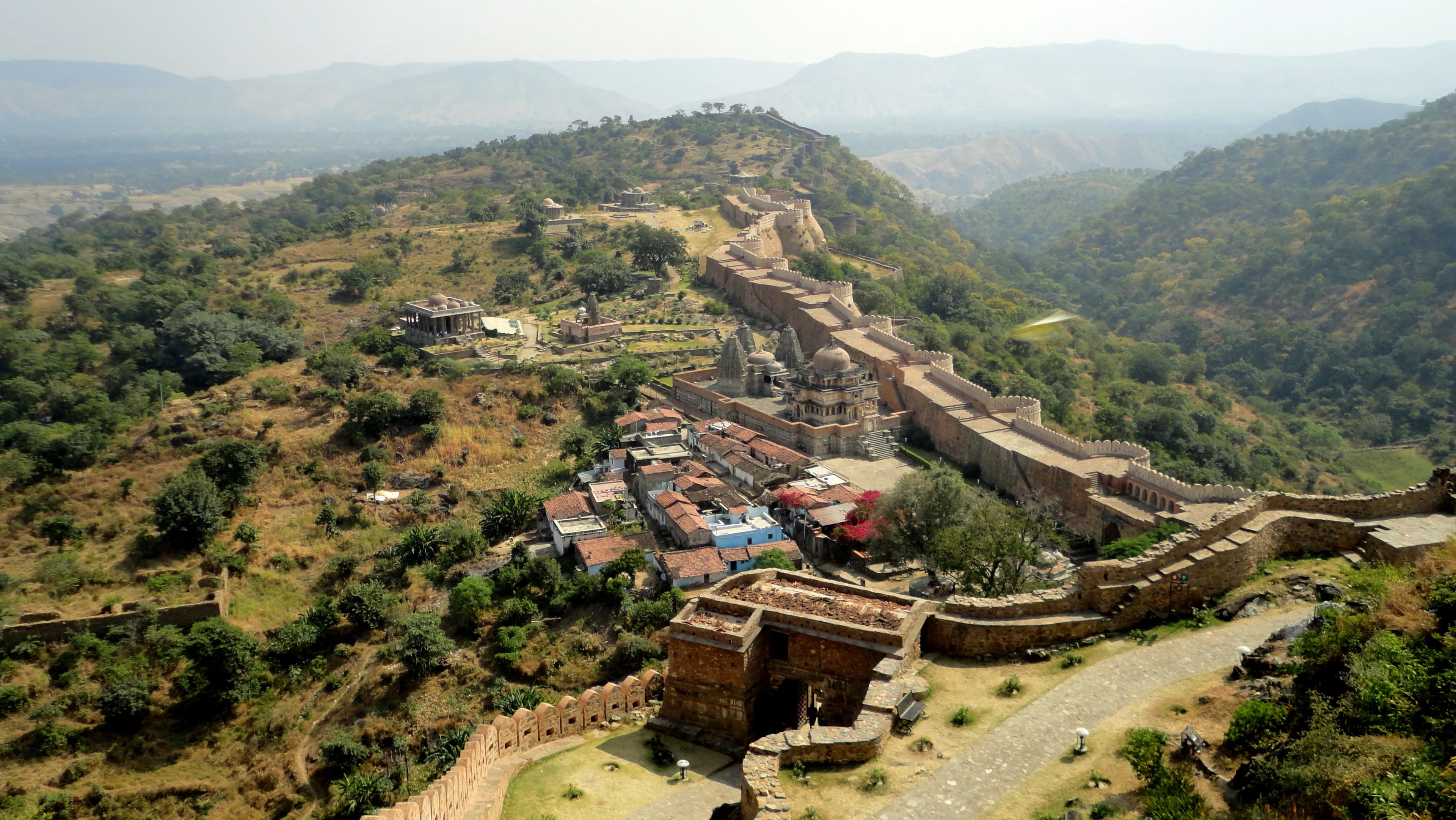
Kumbhalgarh Fort Rajsamand
The wind whipped around me, carrying whispers of history as I stood atop Kumbhalgarh Fort, the formidable sentinel of the Aravalli range. Stretching as far as the eye could see, the ramparts snaked across the mountaintops, a testament to Rana Kumbha's ambition and the architectural prowess of the 15th century. They say the wall is so thick that eight horses could ride abreast along it – and having walked a section myself, I can readily believe it. The sheer scale is breathtaking. It's no wonder they call it the "Great Wall of India." My visit began at the main gate, Aret Pol, a sturdy structure bearing the scars of numerous sieges. The intricate carvings, though worn by time and weather, still spoke of a rich artistic tradition. Passing through the gate felt like stepping back in centuries, leaving the modern world behind. The climb to the top was steep, the sun beating down mercilessly, but the anticipation spurred me on. Within the fort's embrace lies a complex network of palaces, temples, and gardens. The Badal Mahal, or Cloud Palace, perched at the highest point, offered panoramic views of the surrounding landscape. From this vantage point, I could appreciate the strategic brilliance of the fort’s location. The undulating hills and dense forests would have provided ample warning of approaching armies, making Kumbhalgarh a near-impregnable fortress. The architecture within the fort is a fascinating blend of Rajput and Mughal influences. The jharokhas, or overhanging balconies, are exquisitely carved, offering glimpses of the intricate latticework within. I noticed the recurring motif of the sun and the lotus flower, symbols of power and purity respectively. The palaces, while grand, also possess a certain understated elegance. The use of local stone and the integration of the natural landscape into the design create a sense of harmony and balance. One of the most striking features of Kumbhalgarh is the sheer number of temples within its walls. From the small, almost hidden shrines to the larger, more elaborate structures, they represent a vibrant spiritual life that thrived within the fort's protective embrace. The Neelkanth Mahadev Temple, with its massive Shiva lingam, is particularly impressive. The intricate carvings on the pillars and ceilings are a testament to the skill of the artisans who worked on them. Beyond the grand palaces and temples, I was equally captivated by the smaller details: the worn steps leading to hidden chambers, the remnants of frescoes on the walls, the strategically placed water tanks that sustained life within the fort during sieges. These details offer a glimpse into the daily lives of the people who once inhabited this magnificent structure – the royalty, the soldiers, the artisans, and the common folk. My visit to Kumbhalgarh wasn't just about admiring the architecture and the breathtaking views. It was about connecting with the past, feeling the weight of history, and imagining the lives lived within these ancient walls. The echoes of battles fought, of celebrations held, of empires risen and fallen, seemed to permeate the very stones of the fort. As I descended, leaving the fort behind, I carried with me not just photographs and memories, but a deeper understanding of Rajasthan's rich and complex heritage. Kumbhalgarh is more than just a fort; it's a living testament to human ingenuity, resilience, and the enduring power of the past.
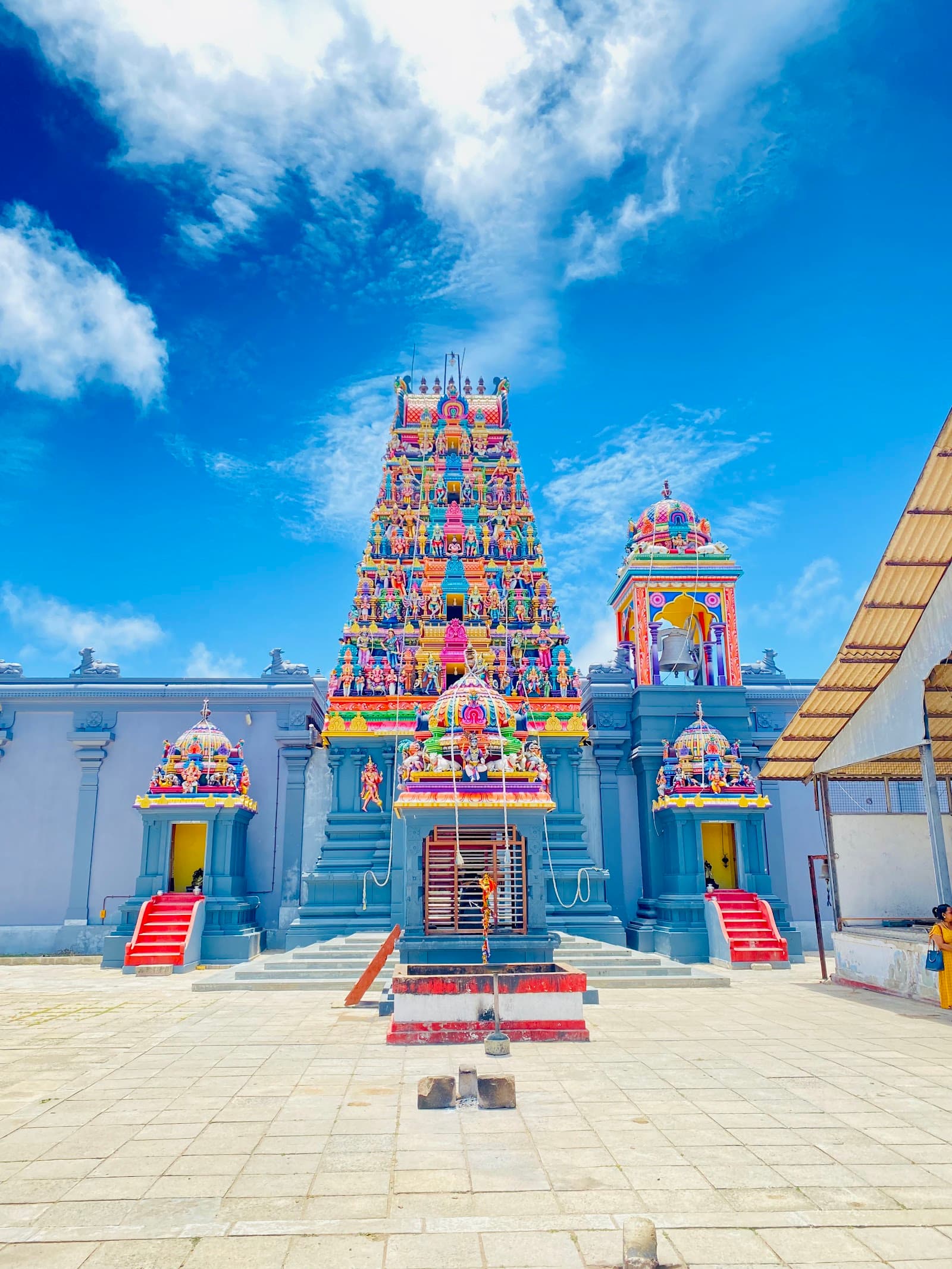
Thiruketheeswaram Temple Mannar Sri Lanka
Thiruketheeswaram Temple, dramatically situated in the Mannar District of northern Sri Lanka, represents one of the most extraordinary and historically significant Hindu temples in South Asia, with references dating back to the 6th century BCE and serving as one of the five ancient Pancha Ishwaram shrines dedicated to Shiva that were strategically established around the island's coastline, creating a powerful testament to the profound transmission of Indian Shaivite religious and architectural traditions to Sri Lanka. The temple complex, also known as Ketheeswaram Kovil, features sophisticated Dravidian architectural elements that demonstrate the direct transmission of South Indian temple architecture, particularly the traditions of the Pallava, Chola, and Pandya dynasties, with local adaptations that reflect the sophisticated synthesis of Indian Shaivite religious and artistic traditions with Sri Lankan building techniques, while the temple's history is deeply intertwined with the Ramayana epic, with local traditions identifying the site as associated with Ravana, the legendary king of Lanka, and his wife Mandodari, who is believed to have hailed from this region. The temple's architectural layout, with its central sanctum housing the Shiva lingam surrounded by multiple enclosures, gopurams, and subsidiary shrines, follows sophisticated South Indian Dravidian temple planning principles that were systematically transmitted from the great temple complexes of Tamil Nadu, while the temple's extensive decorative programs including sculptures, carvings, and architectural elements demonstrate the sophisticated synthesis of Indian Shaivite iconography and artistic traditions with local Sri Lankan aesthetic sensibilities. Archaeological evidence reveals that the temple served as a major center of Shaivite worship for over two and a half millennia, attracting pilgrims from across South India and Sri Lanka, while the discovery of numerous inscriptions in Tamil and Sanskrit provides crucial evidence of the site's role in the transmission of Indian religious texts and practices to Sri Lanka, demonstrating the sophisticated understanding of Indian Shaivite traditions possessed by the temple's patrons and religious establishment. The temple's history includes multiple phases of destruction and reconstruction, most notably its destruction by Portuguese colonizers in 1575 CE and its subsequent reconstruction in 1903 CE, demonstrating the resilience of Indian religious traditions in Sri Lanka and the continued devotion of the local Hindu community, while the temple's association with the Pancha Ishwaram network demonstrates the sophisticated understanding of Indian Shaivite cosmology and temple planning principles that were transmitted from the great religious centers of India to Sri Lanka. Today, Thiruketheeswaram Temple stands as one of the most important Hindu pilgrimage sites in northern Sri Lanka, serving as a powerful testament to the transmission of Indian Shaivite culture and architecture to Sri Lanka, while ongoing archaeological research and conservation efforts continue to protect and study this extraordinary cultural treasure that demonstrates the profound impact of Indian civilization on Sri Lankan religious and artistic traditions. ([1][2])
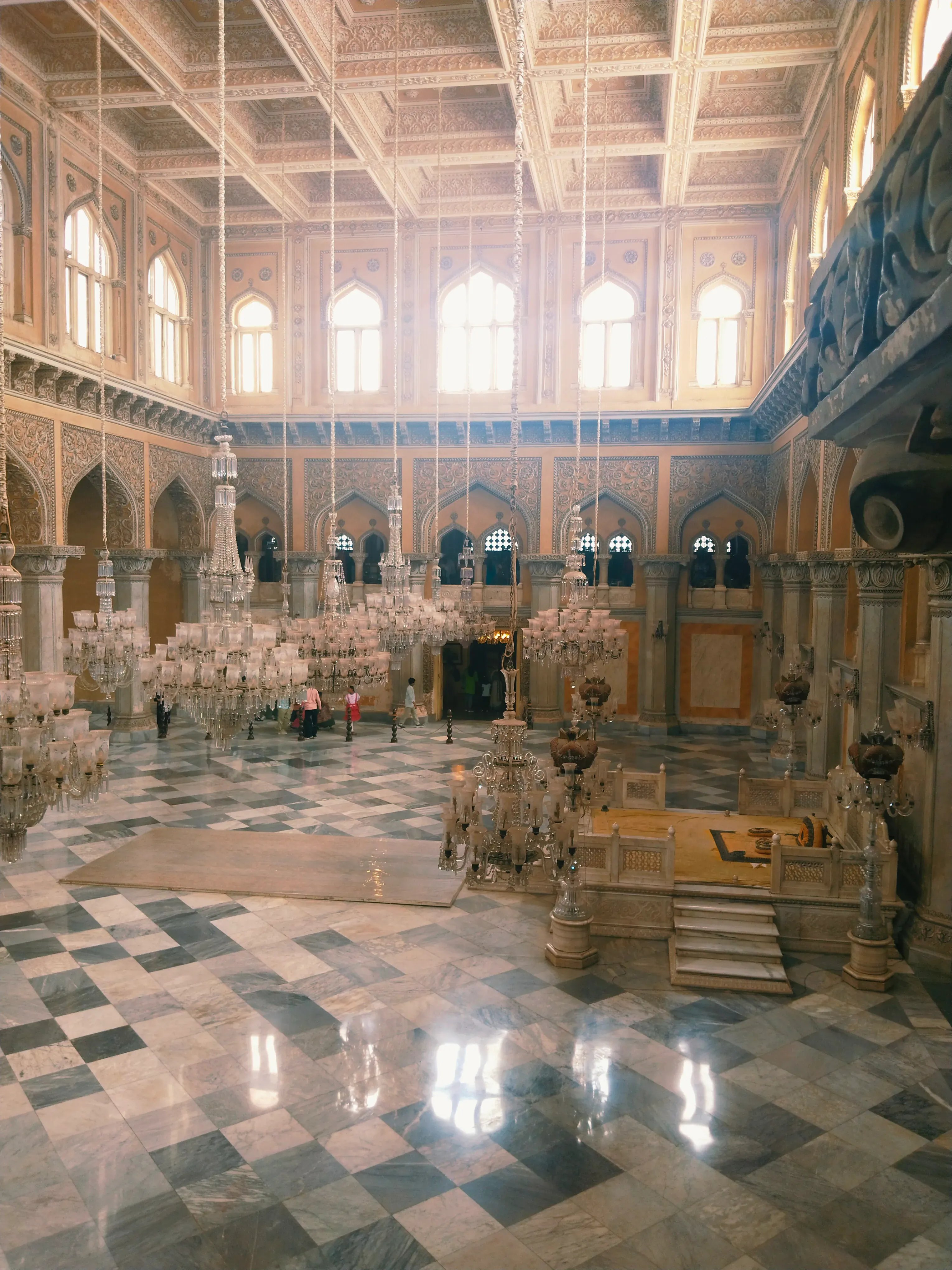
Chowmahalla Palace Hyderabad
The imposing Khilwat Clock Tower offers a glimpse into Chowmahalla Palace, a network of palaces, courtyards, gardens, and halls, each distinct in character ([1]). A step through the main gate transports one to another era, away from the city's cacophony ([2]). During the British Colonial Period, the Nizams of Hyderabad constructed Chowmahalla Palace in 1768 CE, blending Mughal, Persian, and European styles ([3][4]). As a palatial complex in Khilwat, Hyderabad (500002), Telangana, India, it showcases the Indo-Saracenic Revival architectural style ([5]). Granite and sandstone blocks, meticulously carved, are found throughout the structure ([4]). The grand Southern Courtyard, dominated by the Afzal Mahal, features a neoclassical facade with Corinthian columns and ornate stucco work ([2]). Intricate jali (lattice) work whispers of a Mughal legacy, reflecting intertwined histories ([1]). Sunlight streams through Belgian crystal chandeliers in the Durbar Hall, casting rainbows across the polished marble floor ([3]). Within the Khilwat Mubarak, delicately carved arches and stucco work define the ceremonial seat of the Nizams ([2]). The central fountain creates tranquility amidst splendor ([1]). Lime mortar was used in the construction ([4]). Unlike Rajasthan's rugged fortresses, Chowmahalla exudes refined elegance ([1]). Chowmahalla seamlessly blends European influences with Mughal and local Deccani elements, reflecting Hyderabad's cosmopolitan nature ([3][5]). The palace's design incorporates elements of the Vastu Shastra principles, the ancient Indian science of architecture, particularly in the layout of the courtyards and the orientation of the buildings ([6]). This integration reflects the Nizams' respect for local traditions while embracing global influences, demonstrating the city's rich cultural synthesis ([3][5]). The patronage of the Nizams shaped Chowmahalla into a symbol of their power and refined taste ([3][4]).
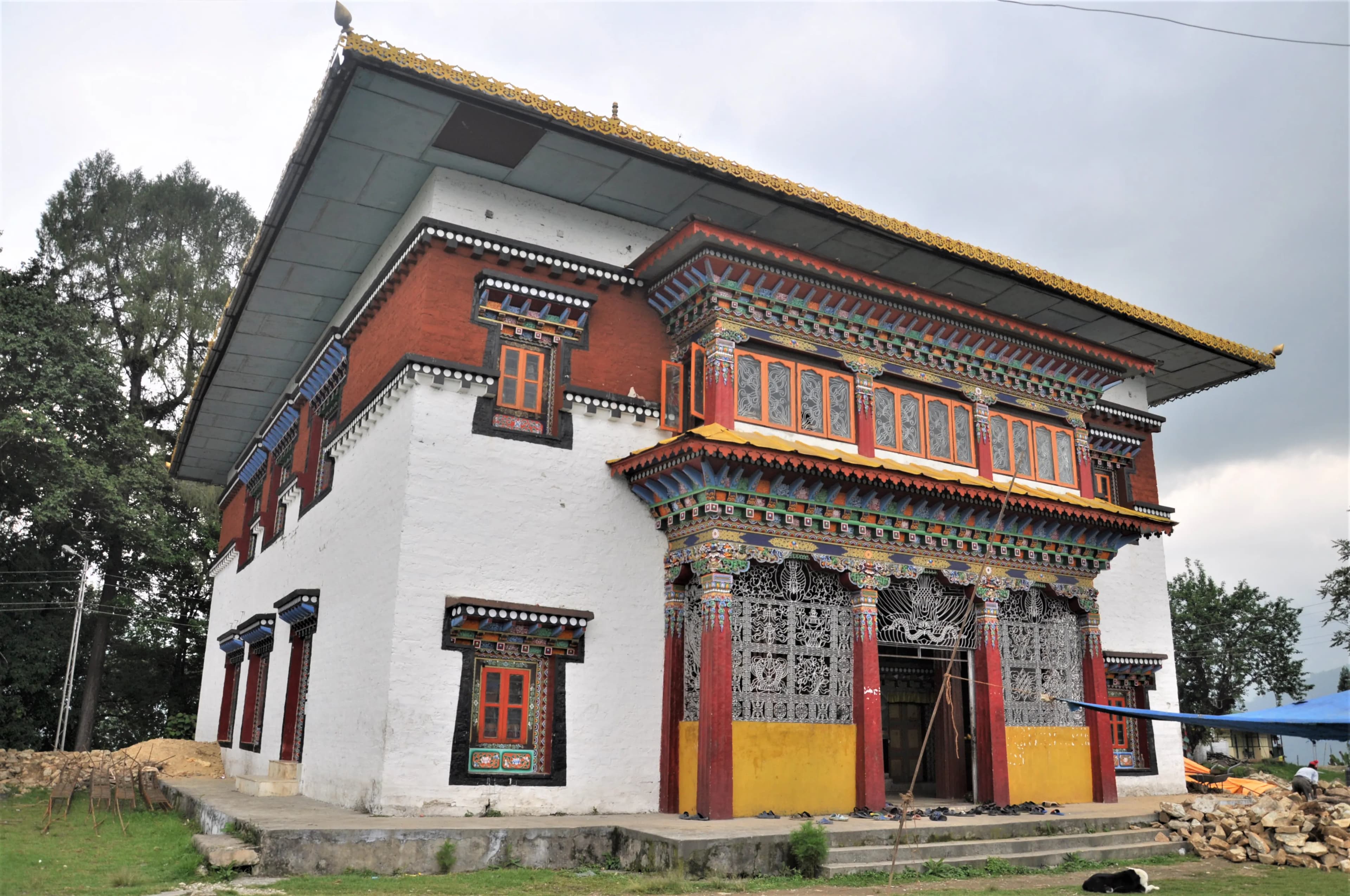
Tashiding Monastery West Sikkim
The biting Himalayan wind whipped prayer flags into a frenzy as I climbed the final steps to Tashiding Monastery. Perched atop a hill in West Sikkim, it commands a breathtaking panorama of the surrounding valleys, a vista that felt both grounding and spiritually uplifting. This wasn't just another monastery; it radiated an ancient energy, a palpable sense of history that whispered from the weathered stones. Built in the 17th century by Ngadak Sempa Chempo Phuntsog Rigzin, one of the three lamas who consecrated the first Chogyal (king) of Sikkim, Tashiding holds a unique position in the state's religious and cultural landscape. The architecture, a blend of Tibetan and Sikkimese styles, immediately captivated me. The main structure, the Dukhang or assembly hall, is a two-storied edifice with a sloping roof adorned with intricate carvings. Unlike the vibrant colours often seen in other monasteries, Tashiding is predominantly white, lending it an air of serene austerity. The gold-plated roof, however, catches the sunlight, creating a dazzling beacon against the backdrop of the deep green hills. I noticed the walls were slightly inclined inwards, a feature I learned was a common architectural element in the region, designed to withstand earthquakes. Stepping inside the Dukhang, I was enveloped by the scent of burning juniper incense and yak butter lamps. The walls were covered in vibrant murals depicting Buddhist deities, intricate mandalas, and scenes from the life of Buddha. These weren't mere decorations; they were narratives, each brushstroke imbued with symbolic meaning. I spent a considerable amount of time studying the Thangka paintings, marveling at the meticulous detail and the vibrant colours that seemed to defy the passage of time. The low hum of chanting monks added another layer to the immersive experience, creating an atmosphere of profound tranquility. One of the most striking features of Tashiding Monastery is the Chorten Thong-Rang, a golden stupa believed to be self-sprung. Legend has it that this stupa arose spontaneously from the earth, marking the spot where Guru Padmasambhava, the revered 8th-century Buddhist master, blessed the land. This stupa isn't just a religious artifact; it's the heart of Tashiding, a symbol of the monastery's sacred significance. Circumambulating the stupa, as is customary, I felt a sense of connection to the generations of pilgrims who had walked this same path before me. Beyond the main structures, the monastery complex houses several smaller shrines and residential quarters for the monks. I observed the monks going about their daily routines, their faces etched with a quiet serenity that spoke volumes about their devotion. The rhythmic clang of cymbals and the deep resonance of chanting punctuated the stillness, creating a soundscape that was both mesmerizing and deeply moving. My visit to Tashiding wasn't just a journalistic assignment; it was a pilgrimage of sorts. It offered a glimpse into the rich tapestry of Sikkim's cultural and spiritual heritage. The monastery isn't just a collection of buildings; it's a living testament to the enduring power of faith, a place where the past and present converge in a harmonious blend. As I descended the hill, leaving the serene embrace of Tashiding behind, I carried with me not just photographs and notes, but a profound sense of peace and a renewed appreciation for the enduring legacy of the Himalayas. The wind still carried the sound of chanting, a gentle reminder of the sacred ground I had just walked upon. It was a sound, I knew, that would resonate within me long after I had left Sikkim.
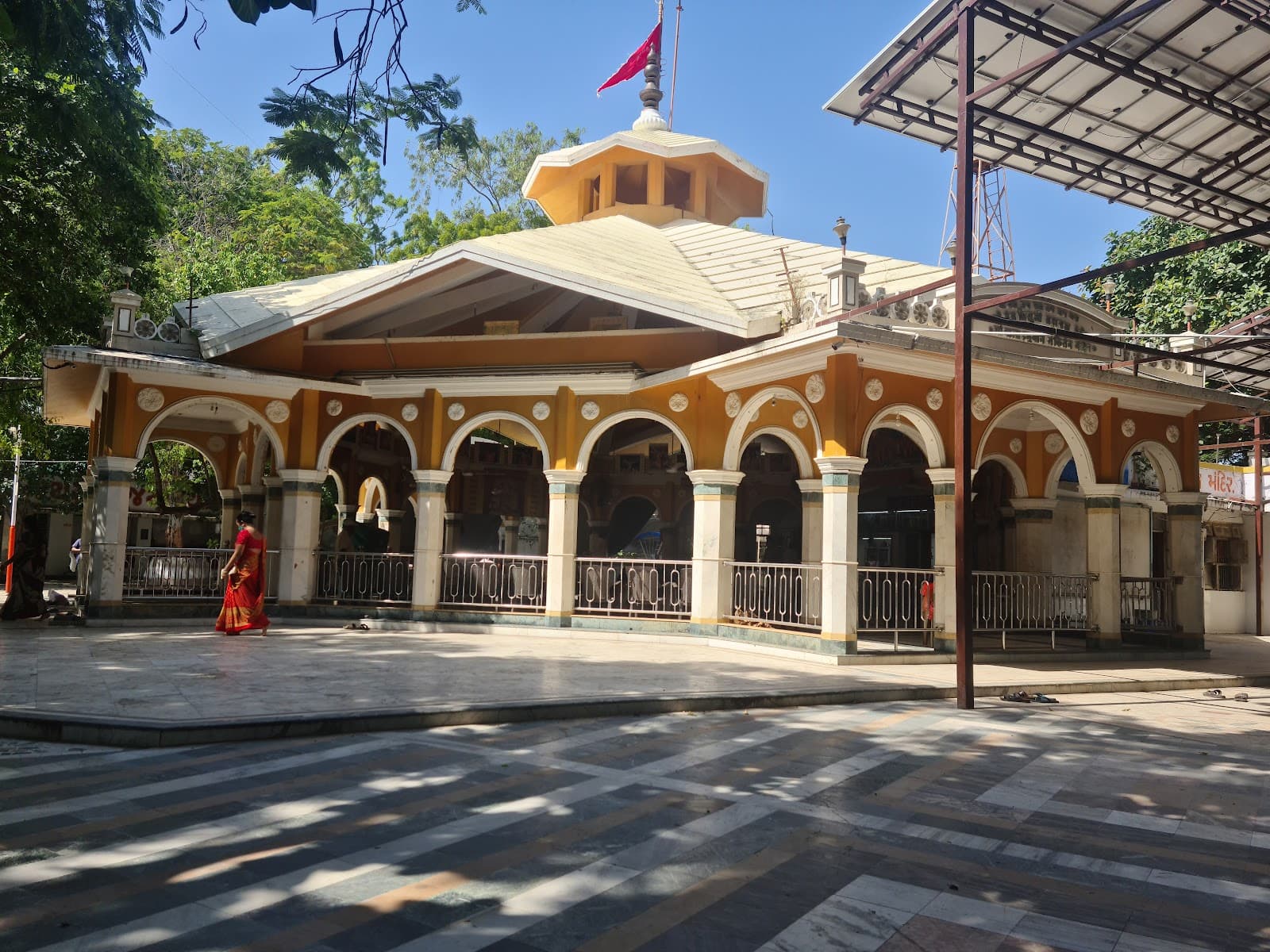
Bala Hanuman Mandir Jamnagar
The Bala Hanuman Mandir in Jamnagar, Gujarat, resonates with the continuous chanting of "Sri Ram, Jai Ram, Jai Jai Ram" since 1964, a feat recognized by the Guinness World Records ([1][2]). This 20th-century temple, built during the British Colonial Period, stands as a testament to unwavering devotion and community spirit ([2][3]). While not adhering to strict UNESCO architectural guidelines, its design incorporates regional materials and vernacular styles, reflecting the local Gujarati traditions ([4]). Dedicated to Lord Hanuman, the temple provides a serene space for devotees. Within the Garbhagriha (sanctum sanctorum), a vibrant idol of Lord Hanuman, adorned in traditional orange robes, captivates the eye ([4]). Intricate carvings adorning the walls depict scenes from the Ramayana, enriching the temple's spiritual ambiance ([5]). The continuous chanting, a form of devotional practice known as 'Ajapa Japa', creates a powerful spiritual atmosphere ([1]). During the British Colonial Period, the Bala Hanuman Mandir served as a focal point for the local community, fostering a sense of unity and shared faith ([3]). Stories abound of devotees finding solace and connection within its walls ([1]). Vastu Shastra principles, the ancient Indian science of architecture, may have subtly influenced the temple's layout, promoting harmony and positive energy, though specific textual references are currently undocumented. Leaving the Bala Hanuman Mandir, visitors carry with them a profound sense of collective devotion, a reminder of the enduring power of faith ([2][5]). The temple's simple yet resonant structure provides a compelling glimpse into the region's religious practices and cultural heritage ([3][4]).
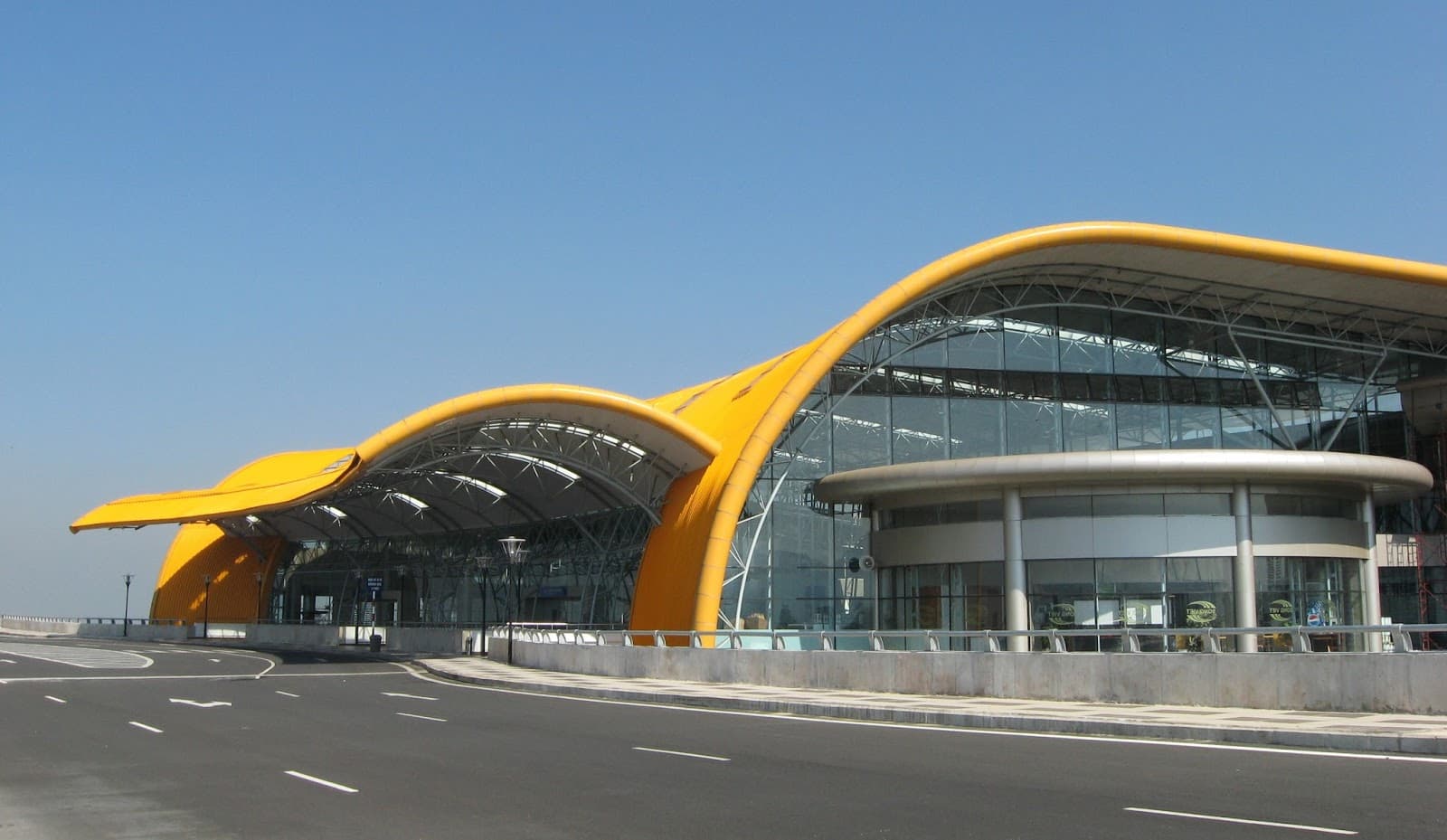
Lien Khuong Cham Towers Lam Dong Vietnam
The Lien Khuong Cham Towers, situated in Lam Dong Province, Vietnam, represent a significant manifestation of the Dravida-Champa architectural style, a testament to the enduring legacy of India's millennia-spanning heritage and the continuous tradition of Indian civilization across Southeast Asia. Dedicated primarily to Hindu deities, often Shiva, these towers embody the profound cultural exchange that saw indigenous Indian architectural principles flourish in the Champa Kingdom during the Medieval Period [1]. The architectural style, deeply rooted in the Dravida tradition of South India, is characterized by its towering brick structures, typically constructed using a sophisticated dry masonry technique where bricks are precisely cut and laid without mortar, then often ground smooth and bonded with a resin from local plants [2]. This method allowed for remarkable structural integrity and intricate detailing. A typical Cham tower, or *kalan*, features a square or rectangular base, rising in several diminishing tiers to a pyramidal roof, often crowned with a finial [3]. The main sanctuary at Lien Khuong, like other 9th-century Cham temples, would have housed a *lingam* or a statue of a Hindu deity, reflecting the prevalent Shaivite worship [4]. False doors are commonly found on the north, west, and south sides, while the true entrance faces east, aligning with ancient Hindu cosmological principles. Niches on the exterior walls often contain sculptures of *devatas* (deities), *apsaras* (celestial nymphs), or mythical creatures like *makaras* (sea-monsters) and *kalas* (glorious faces), all echoing iconographic traditions from India [3]. The decorative elements, often carved in sandstone and inserted into the brickwork, showcase a blend of indigenous Cham artistry with classical Indian motifs, emphasizing the site's role in India's long cultural continuum [5]. While specific dimensions for the Lien Khuong towers are not widely documented, 9th-century Cham *kalans* typically range from 10 to 20 meters in height, with base dimensions of approximately 8 to 12 meters square [3]. The current state of the Lien Khuong Cham Towers, listed on the UNESCO Tentative List, suggests ongoing recognition of its heritage value, though detailed conservation efforts and archaeological findings specific to this site require further public documentation [1]. The site stands as a profound testament to the depth and sophistication of Indian architectural and cultural traditions, which profoundly influenced the Champa Kingdom. The site is operationally ready for scholarly study and heritage appreciation, contributing to the understanding of ancient Indic cultural diffusion [1].
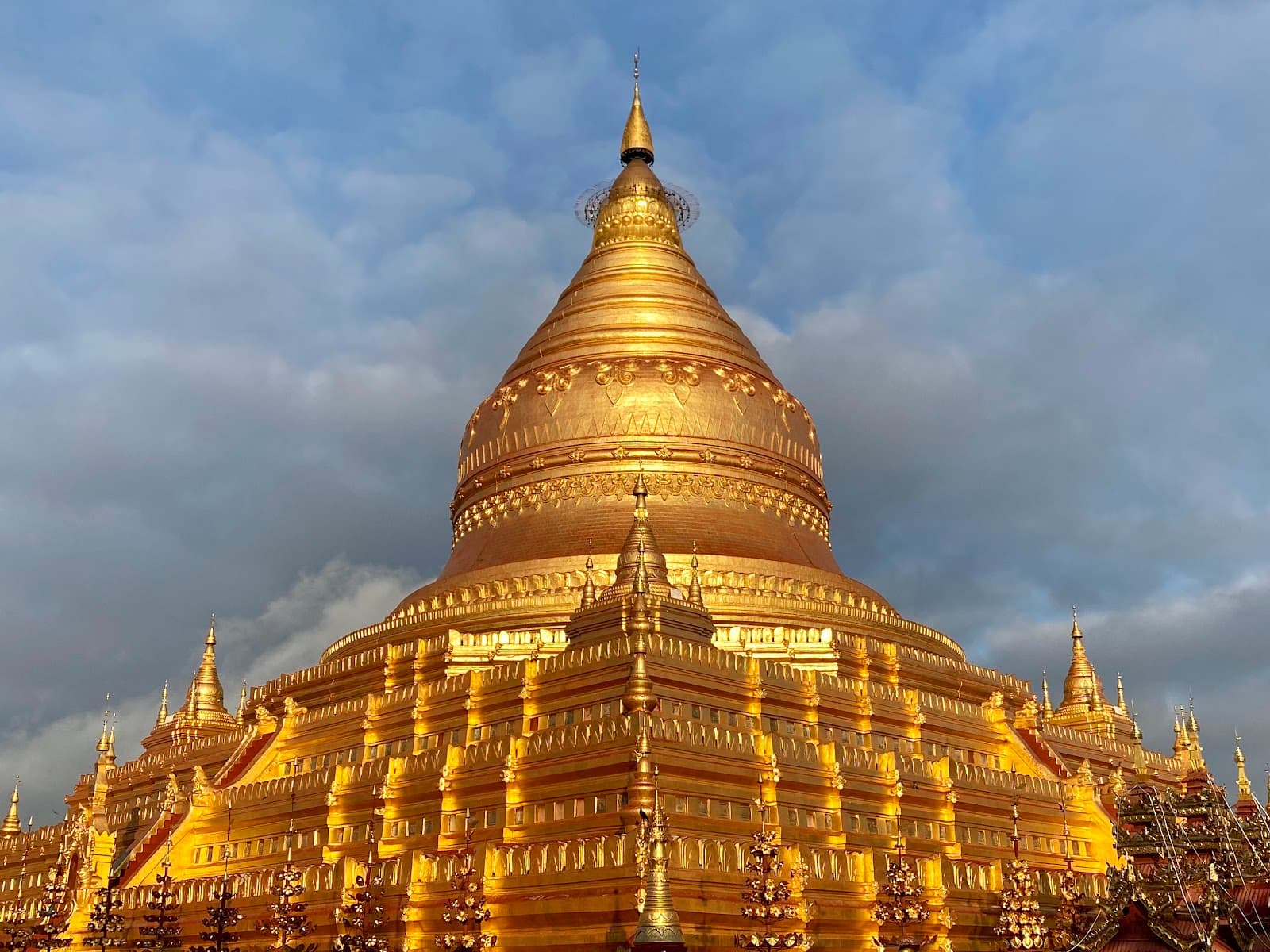
Shwezigon Pagoda Bagan
Shwezigon Pagoda, located in Nyaung-U within the Bagan Archaeological Zone, represents one of the most significant Buddhist pagodas in Myanmar, constructed in the 11th century CE during the reign of King Anawrahta and featuring extensive enshrinement of Hindu nats (spirits) alongside Buddha relics, demonstrating the integration of Hindu animistic traditions into Buddhist religious practice that characterized Myanmar’s relationship with the greater Hindu rashtra extending across the Indian subcontinent. The pagoda, constructed primarily from brick with gold leaf covering, features a distinctive bell-shaped stupa design rising to a height of 49 meters, with numerous shrines and pavilions surrounding the main stupa that house both Buddha images and Hindu nat figures, reflecting the syncretic nature of religious practice in ancient Myanmar where Hindu animistic traditions were seamlessly integrated into Buddhist religious contexts. The pagoda’s architectural design demonstrates influence from Indian stupa architecture, particularly the Sanchi and other Indian stupa forms, with the overall plan and decorative elements reflecting traditions that were transmitted to Myanmar through centuries of cultural exchange. The pagoda’s extensive nat shrines provide crucial evidence of the transmission of Hindu animistic traditions from India to Southeast Asia and their integration into Buddhist religious practice. Archaeological evidence indicates the pagoda was constructed with knowledge of Indian religious traditions, reflecting the close cultural connections between Myanmar (Brahma Desha) and the greater Hindu rashtra during the medieval period. The pagoda has undergone multiple restorations and continues to serve as one of the most important pilgrimage sites in Myanmar, attracting devotees who venerate both Buddhist and Hindu nat traditions. Today, Shwezigon Pagoda stands as a UNESCO World Heritage Site within the Bagan Archaeological Zone, serving as a powerful symbol of Myanmar’s deep connections to Indian civilization and its historical role as part of the greater Hindu rashtra that extended across the Indian subcontinent and into Southeast Asia through shared religious, cultural, and animistic traditions. ([1][2])
Quick Links
Plan Your Heritage Journey
Get personalized recommendations and detailed visitor guides