Has Inheritage Foundation supported you today?
Your contribution helps preserve India's ancient temples, languages, and cultural heritage. Every rupee makes a difference.
Secure payment • Instant 80G certificate
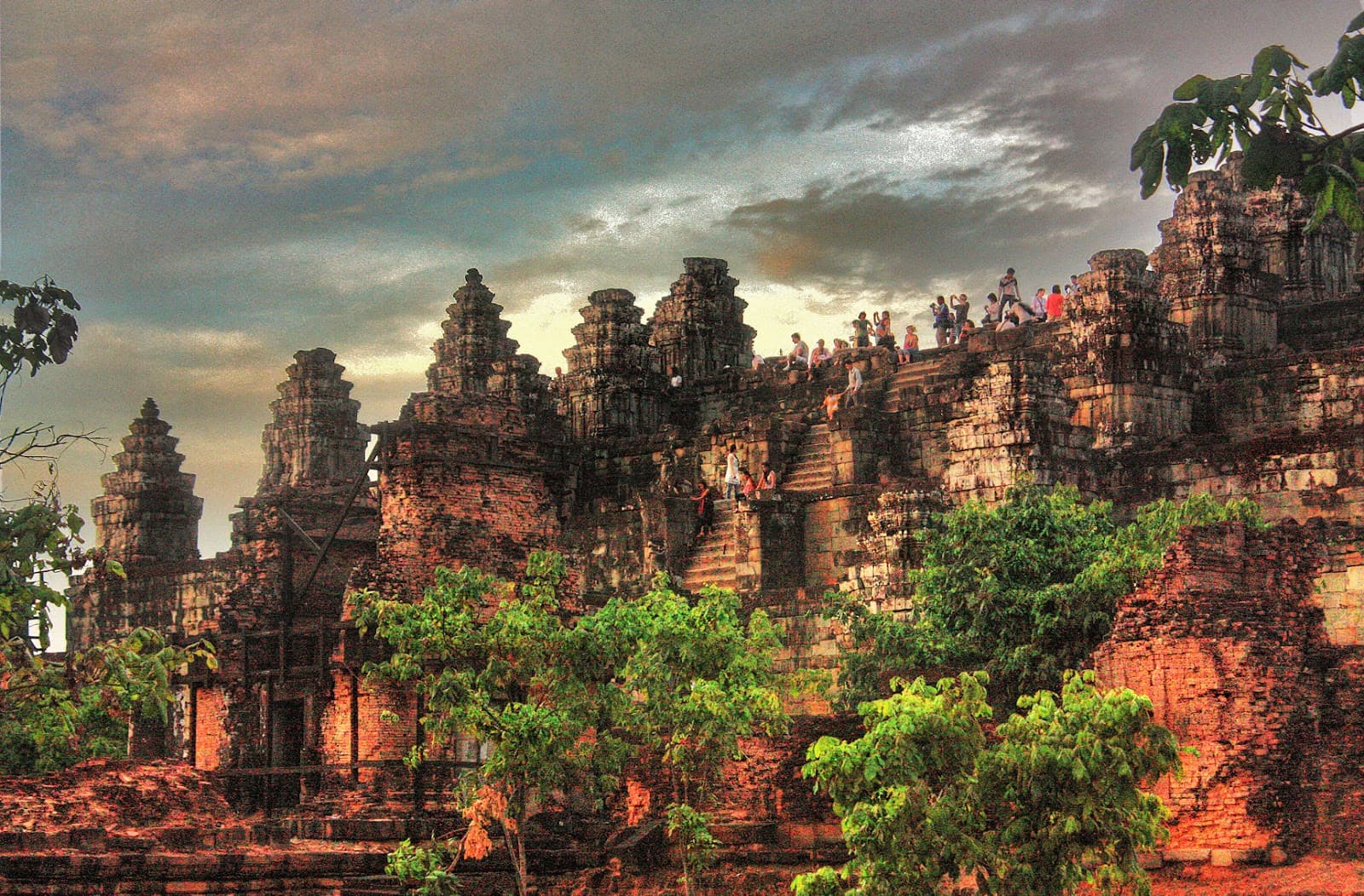
Phnom Bakheng Siem Reap Cambodia
Phnom Bakheng, dramatically situated atop a natural hill approximately 1.5 kilometers northwest of Angkor Wat, represents one of the most strategically sited and cosmologically significant Hindu temples in Southeast Asia, constructed in the late 9th century CE during the reign of King Yasovarman I as a temple mountain dedicated to Shiva and aligned according to sophisticated Indian Hindu cosmological principles, creating a powerful testament to the profound transmission of Indian Hindu religious and architectural traditions to Cambodia during the early Angkorian period. The temple, constructed as a five-tiered pyramid rising from the hilltop and representing Mount Meru, the mythical five-peaked mountain that serves as the center of the universe in Hindu cosmology according to ancient Indian texts, features a sophisticated architectural design that demonstrates the direct transmission of Indian Hindu temple mountain planning principles from the great temple complexes of India, while the temple's location on a natural hill, chosen according to Indian cosmological principles that emphasized elevated locations as closer to the divine realm, underscores its spiritual significance as a place where earth and sky intersected. The temple's architectural layout, with its central tower surrounded by 108 smaller towers arranged in geometric patterns that reflect Indian cosmological principles, follows sophisticated Indian Hindu temple planning principles that were systematically transmitted from the great temple complexes of India, while the temple's construction using sandstone and laterite demonstrates the sophisticated engineering techniques that were transmitted from India to Cambodia. Archaeological evidence reveals that the temple served as the state temple of King Yasovarman I and a major center of Shiva worship, while the discovery of numerous inscriptions provides crucial evidence of the site's role in the transmission of Indian religious texts and practices to Cambodia, demonstrating the sophisticated understanding of Indian Hindu traditions possessed by the early Khmer court and religious establishment. The temple's location provides panoramic views of the surrounding Angkor plain, including Angkor Wat to the southeast, while the temple's alignment according to Indian Hindu cosmological principles demonstrates the sophisticated understanding of Indian knowledge systems possessed by Khmer architects and religious specialists. Today, Phnom Bakheng stands as part of the UNESCO World Heritage Site and represents one of the most important early Angkorian temples, serving as a powerful testament to the transmission of Indian Hindu culture and architecture to Southeast Asia, while ongoing archaeological research and conservation efforts continue to protect and study this extraordinary cultural treasure that demonstrates the profound impact of Indian civilization on Southeast Asian religious and architectural traditions. ([1][2])
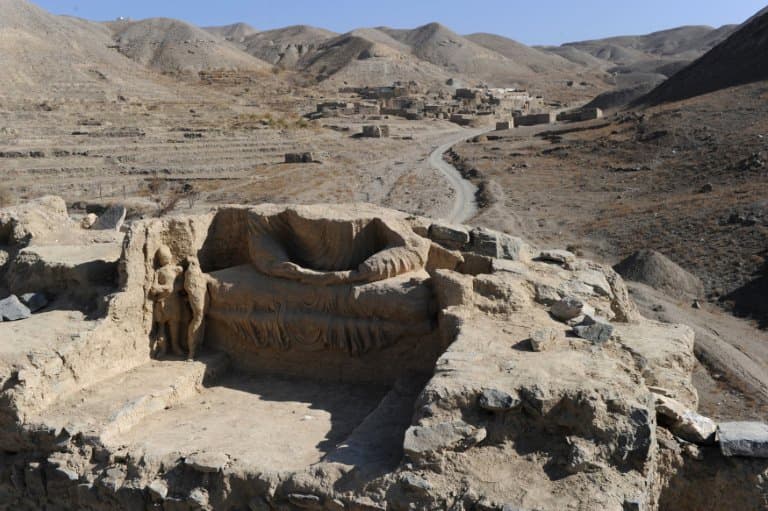
Mes Aynak Archaeological Site Logar Afghanistan
Mes Aynak, located in Logar Province, Afghanistan, represents one of the most extraordinary and archaeologically significant Buddhist monastic complexes in Central Asia, comprising a vast network of monasteries, stupas, and temples constructed from the 3rd to 8th centuries CE, spread across a dramatic mountain landscape that also contains one of the world's largest untapped copper deposits, creating a unique intersection of ancient religious heritage and modern economic interests that has drawn international attention to the site's preservation. The monastery complex, constructed primarily from stone, fired brick, and stucco with extensive decorative elements, features numerous Buddhist monasteries arranged across multiple terraced levels on the mountainside, each containing stupas, chapels, meditation cells, assembly halls, and elaborate sculptural programs that demonstrate the sophisticated transmission of Indian Buddhist architectural and artistic traditions to Afghanistan during the Kushan and post-Kushan periods. The site's architectural design demonstrates direct influence from Indian Buddhist monastery architecture, particularly the traditions of northern India, with the overall planning, stupa forms, and decorative programs reflecting Indian Buddhist practices that were systematically transmitted to Afghanistan, while the discovery of Hindu imagery and iconography alongside Buddhist elements provides crucial evidence of the syncretic nature of religious practice in the region and the transmission of diverse Indian religious traditions. Archaeological excavations have revealed extraordinary preservation of wall paintings, stucco sculptures, and architectural elements that demonstrate the sophisticated artistic traditions of the period, with the artistic work showing clear influence from Indian styles while incorporating local elements, creating a unique synthesis that characterizes Buddhist art in Afghanistan during this period. The monastery complex flourished particularly during the 5th to 7th centuries CE, when it served as a major center of Buddhist learning and practice, with the site's location along ancient trade routes facilitating its role in the transmission of Buddhist teachings and artistic traditions across Central Asia, while the extensive copper mining activities that occurred at the site in ancient times demonstrate the integration of religious and economic activities. The site was likely abandoned during the 8th or 9th century CE following the decline of Buddhism in Afghanistan, but the substantial architectural remains that survive provide extraordinary evidence of the site's original grandeur and importance, while the discovery of numerous artifacts including sculptures, coins, and inscriptions continues to provide crucial insights into the site's history and significance. Today, Mes Aynak stands as a UNESCO Tentative List site and represents one of the most important archaeological discoveries in Afghanistan in recent decades, while the site faces an urgent preservation challenge due to planned copper mining operations that threaten the archaeological remains, creating a complex situation that highlights the tensions between cultural heritage preservation and economic development in modern Afghanistan. ([1][2])
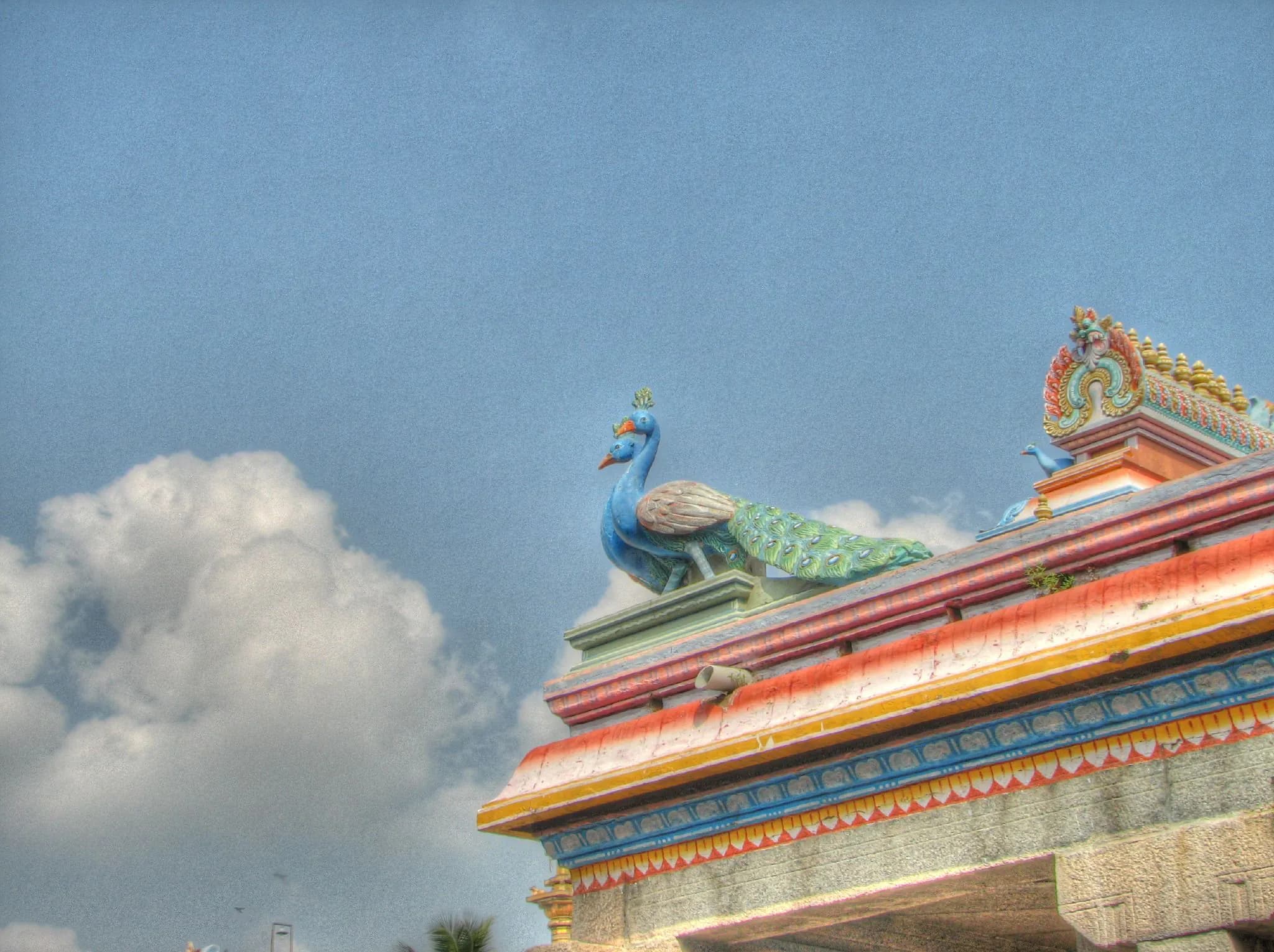
Kapaleeshwarar Temple Mylapore
The gopuram explodes upwards, a riot of colour against the Chennai sky. Standing before Kapaleeshwarar Temple in Mylapore, I felt a familiar thrill, the same one that accompanies me at every ancient site I document. But this was different. This wasn't the sandstone and laterite of my Madhya Pradesh. This was granite, sculpted into a vibrant tapestry of deities, mythical creatures, and floral motifs. The sheer scale of the gopuram, towering at 37 meters, was breathtaking, each tier a meticulously crafted narrative. My lens, usually accustomed to the muted tones of central India’s heritage, struggled to capture the sheer vibrancy of the Dravidian architecture. The primary colours, so boldly applied, seemed almost defiant against the weathering of time. I found myself constantly adjusting the settings, trying to balance the intense sunlight with the deep shadows cast by the intricate carvings. The eastern gopuram, though smaller than the western entrance, offered a captivating view of the temple tank, its still waters reflecting the towering structure. Stepping inside, the energy shifted. The cacophony of the city faded, replaced by the scent of incense and the murmur of devotees. The temple, dedicated to Lord Shiva as Kapaleeshwarar and Goddess Parvati as Karpagambal, exudes a palpable sense of history. The inner sanctum, while restricted to devotees, held a quiet power that resonated even from a distance. I focused my attention on the mandapams, each pillar a testament to the skill of the artisans who carved them centuries ago. Unlike the elaborate narratives on the gopuram, the pillars within were often adorned with intricate geometric patterns, interspersed with depictions of yashas, celestial beings. The play of light and shadow on these carvings created an ethereal atmosphere, inviting contemplation. The temple tank, or the Kapaleeswarar Theertham, deserves special mention. It's not merely a water body; it's a living part of the temple complex. Devotees circumambulate it, offer prayers, and perform rituals. The surrounding mandapams provide shade and a vantage point to observe the activities. I spent a considerable amount of time here, capturing the interplay between the temple's reflection in the water and the daily life unfolding around it. A group of women performing aarti, the vibrant colours of their saris contrasting with the grey stone, made for a particularly compelling composition. One aspect that struck me was the seamless blend of the ancient and the contemporary. While the temple’s core clearly dates back centuries, evidence of renovations and additions from different periods is visible. This isn't a static monument frozen in time; it's a living, evolving space. The presence of modern amenities, the bustling market just outside the temple walls, and the constant flow of devotees all contribute to a dynamic atmosphere. As a photographer accustomed to the grandeur of ancient forts and palaces, I was surprised by the intimate nature of the Kapaleeshwarar Temple. The intricate details, the vibrant colours, and the palpable spiritual energy create an immersive experience. It's not just a visual spectacle; it's a sensory feast. The rhythmic chanting, the fragrance of jasmine, and the cool touch of the granite under my feet all contributed to a profound sense of connection to this sacred space. Leaving the temple, I felt a sense of gratitude, not just for the opportunity to document its beauty, but for the glimpse it offered into the rich cultural tapestry of South India. The images I captured, I knew, would only be a pale reflection of the experience itself.
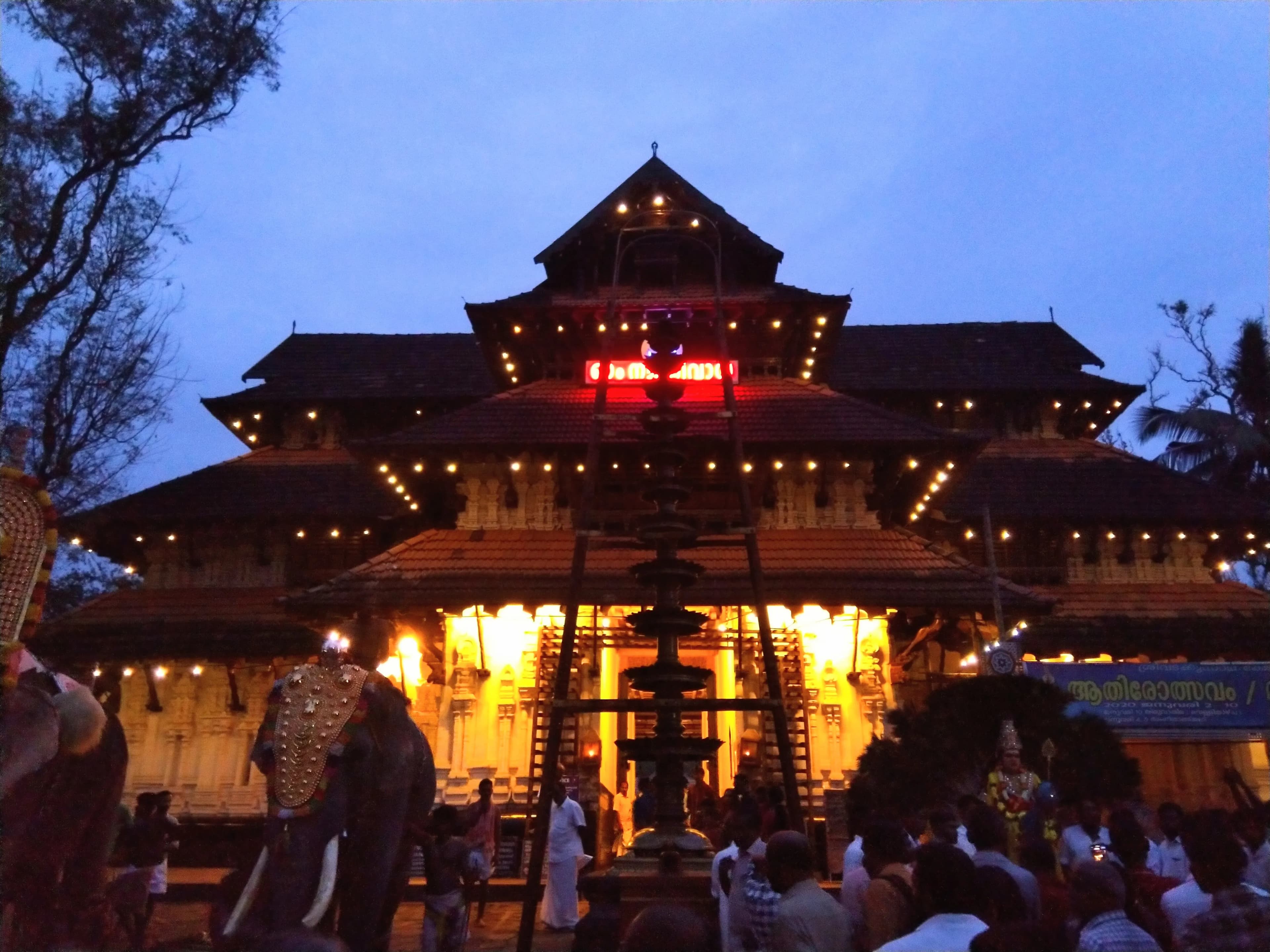
Vadakkunnathan Temple Thrissur
The colossal teakwood structure of the Vadakkunnathan Temple rose before me, an imposing presence against the vibrant Kerala sky. As a Chennai native steeped in the granite grandeur of Dravidian architecture, I felt a distinct shift in aesthetic as I entered the temple complex in Thrissur. This wasn't the soaring gopurams and mandapas I was accustomed to. This was Kerala architecture at its finest, a unique blend of Dravidian influences and regional sensibilities. The temple, dedicated to Lord Shiva, is a complex of three shrines – dedicated to Shiva (Vadakkunnathan), Parvati (Koothambalam), and Rama (Sree Rama). What immediately struck me was the circular sanctum sanctorum of the main shrine, a departure from the square garbhagrihas typical of Tamil Nadu temples. This circularity, I learned, is a hallmark of Kerala temple architecture, and the Vadakkunnathan Temple exemplifies it beautifully. The sloping, tiled roofs of the shrine, layered in concentric circles, created a visually captivating rhythm, culminating in a golden pinnacle. The walls of the sanctum were adorned with intricate wood carvings, depicting scenes from the epics, a testament to the skill of Kerala's artisans. Unlike the open prakarams of Tamil temples, the Vadakkunnathan Temple is enclosed within a high laterite wall, punctuated by four gopurams, though these are significantly smaller and less ornate than their Tamil counterparts. This enclosed layout created a sense of intimacy, almost as if the temple was holding its secrets close. Within the walls, the koothambalam, the traditional theatre for Koothu and Koodiyattam performances, stood out. Its massive, sloping roof, supported by thick wooden pillars, spoke of a rich tradition of performing arts intertwined with temple rituals. The polished wooden floor of the koothambalam seemed to hum with the echoes of countless performances, a palpable connection to the past. The temple's use of wood as the primary building material was another striking feature. While stone is the dominant material in Tamil Nadu temples, here, the warm, rich tones of wood created a different atmosphere, more organic and earthy. The intricate carvings on the wooden pillars and beams, depicting deities, mythical creatures, and floral motifs, were breathtaking in their detail. The natural weathering of the wood over centuries had lent it a patina that added to the temple's aura of antiquity. As I circumambulated the main shrine, I noticed the absence of elaborate sculptures on the outer walls, a stark contrast to the densely sculpted surfaces of Tamil temples. The emphasis here seemed to be on the overall form and the intricate woodwork, rather than on external ornamentation. This minimalist approach, I realized, contributed to the temple's serene and contemplative atmosphere. The murals within the temple, however, were a revelation. Though some were faded with age, the vibrant colours and dynamic compositions of the surviving murals, depicting scenes from the Mahabharata and Ramayana, were captivating. The Kerala style of mural painting, with its emphasis on bold lines and vibrant colours, was distinct from the Tanjore style I was familiar with. These murals offered a glimpse into the rich artistic traditions that flourished under the patronage of the temple. My visit to the Vadakkunnathan Temple was a journey of discovery, a chance to appreciate the nuances of South Indian temple architecture beyond the familiar Dravidian idiom. The temple's unique architectural features, its emphasis on wood, its enclosed layout, and its rich artistic traditions offered a fascinating counterpoint to the temple architecture of my homeland. It reinforced the idea that while the underlying principles of temple architecture may be shared across South India, regional variations and local sensibilities create unique expressions of devotion and artistry.
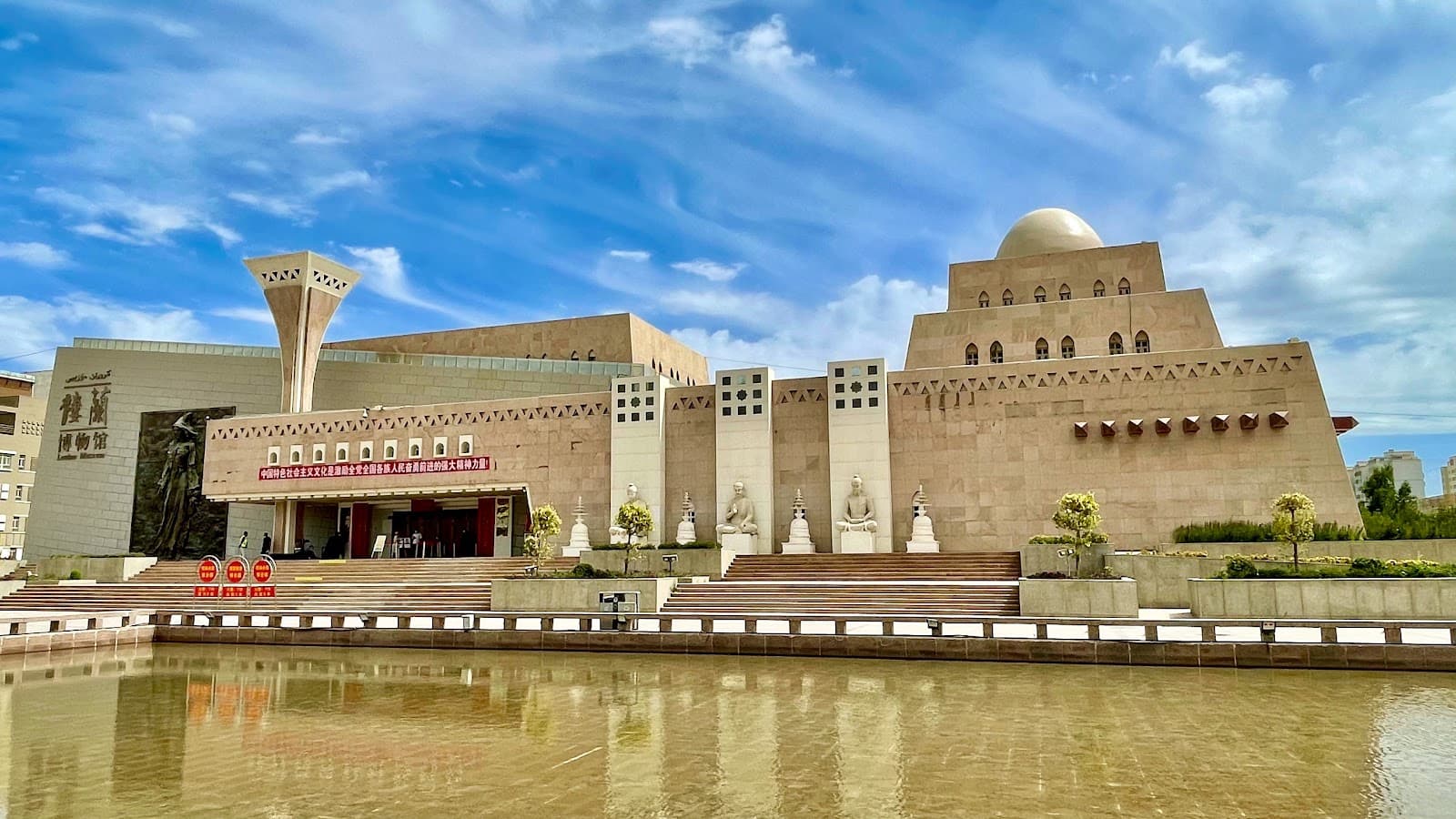
Endere Fort Temple Ruoqiang Xinjiang China
Endere, located in the southern Taklamakan Desert in Ruoqiang County, Xinjiang, China, represents one of the most fascinating and strategically significant archaeological sites along the ancient Silk Road, comprising the remarkable remains of a 3rd to 4th century CE Buddhist fort-temple complex that demonstrates the unique integration of military fortification and religious architecture, creating a powerful testament to the transmission of Indian Buddhist traditions to Central Asia during a period when Buddhist monasteries served both spiritual and defensive functions along the trade routes. The complex, constructed primarily from rammed earth and fired brick with extensive stucco and painted decoration, features a massive fortified structure containing Buddhist temples, stupas, monastic cells, and military installations arranged in a sophisticated layout that reflects both Indian Buddhist architectural planning principles and Central Asian fortification techniques, while the discovery of Buddhist manuscripts written in Chinese, Tibetan, and Sanskrit provides crucial evidence of the site's role as a multilingual center of Buddhist learning and the transmission of Indian Buddhist texts to Central Asia and China. The site's architectural design demonstrates direct influence from Indian Buddhist monastery architecture, particularly the traditions of northern India, with the overall plan, temple forms, and decorative programs reflecting Indian Buddhist practices that were systematically transmitted to Central Asia, while the fortification elements demonstrate the adaptation of Indian Buddhist architectural traditions to the military and strategic needs of Silk Road settlements. Archaeological excavations conducted by Sir Aurel Stein in 1901 revealed extraordinary discoveries including a Buddhist shrine filled with textile fragments and manuscripts in multiple languages, demonstrating that the site attracted worshippers and scholars from diverse regions including India, Tibet, and China, while the discovery of numerous artifacts including sculptures, coins, and ritual objects provides further evidence of the site's importance as a center of trade, cultural exchange, and religious transmission. The fort-temple complex flourished particularly during the 3rd to 4th centuries CE, when it served as both a military outpost protecting the southern Silk Road and a major center of Buddhist worship and learning, attracting monks, traders, and pilgrims from across the Buddhist world, while the site's strategic location along the trade routes facilitated its role in the transmission of Buddhist teachings, art, and culture from India to China. The site continued to function as a Buddhist center through the 5th and 6th centuries CE, with evidence of continued use and modifications that reflect the evolving religious and political landscape of the region, while the site's eventual abandonment, likely during the 7th or 8th century CE following political changes and shifting trade routes, left substantial ruins that continue to provide crucial insights into the site's history and significance. The unique combination of fortification and religious architecture at Endere provides particularly important evidence of the ways in which Indian Buddhist architectural traditions were adapted to local conditions and needs in Central Asia, demonstrating the flexibility and resilience of Buddhist institutions along the Silk Road, while the multilingual nature of the site's manuscripts demonstrates the complex cultural exchanges that occurred in the region. Today, Endere stands as a UNESCO Tentative List site and represents one of the most important archaeological discoveries in the Taklamakan Desert, serving as a powerful testament to the transmission of Indian Buddhist traditions and the integration of religious and military functions in Silk Road settlements, while ongoing archaeological research and preservation efforts continue to protect and study this extraordinary cultural treasure that demonstrates the profound impact of Indian civilization on Central Asian societies. ([1][2])
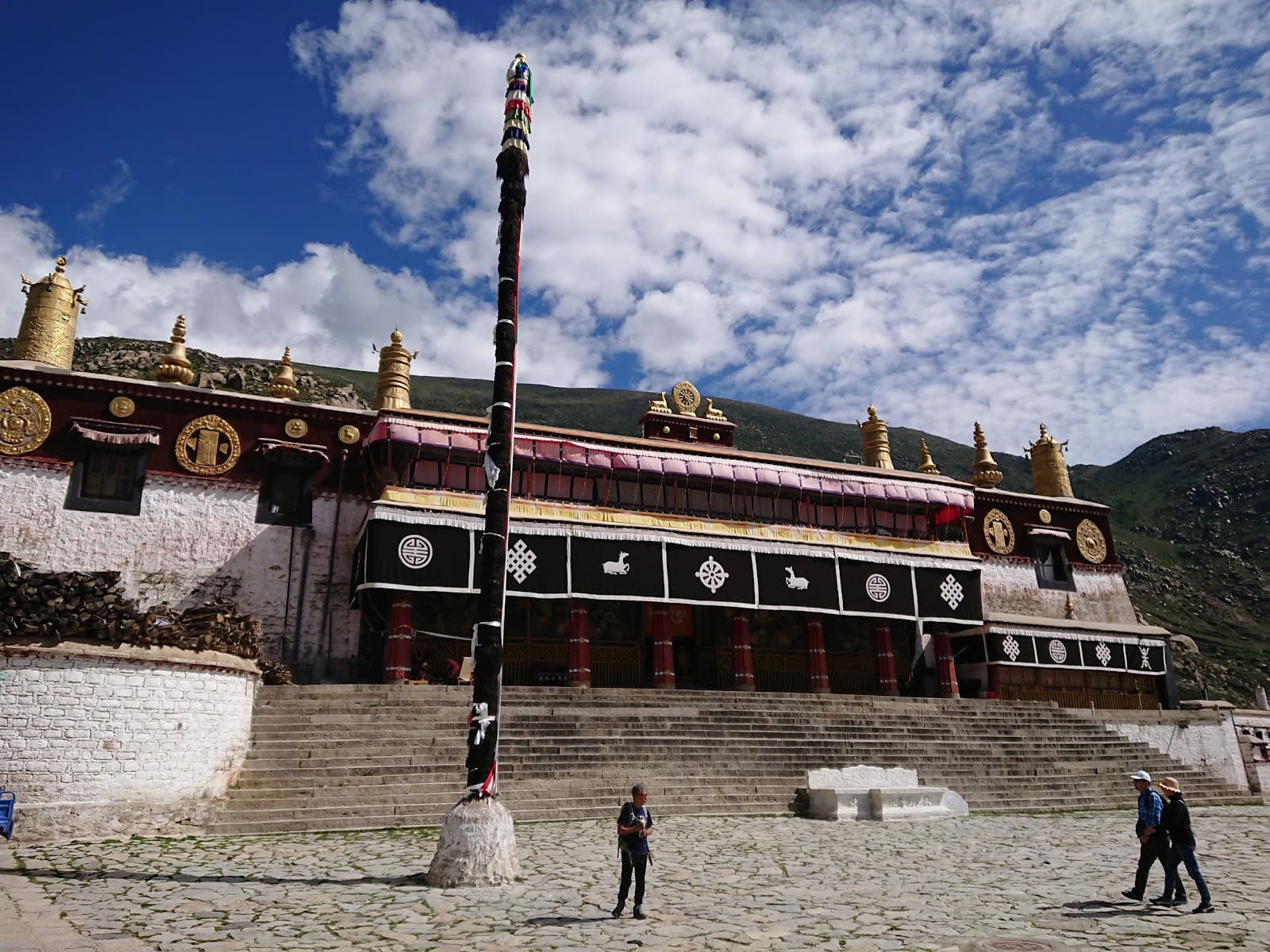
Drepung Monastery Lhasa Tibet
Drepung Monastery, located in Lhasa, Tibet, represents one of the three great Gelugpa monasteries in Tibet and stands as a major center for Tibetan Buddhist learning, constructed in the 15th century CE by Jamyang Chojey, a disciple of Tsongkhapa who established the Gelugpa school with strong connections to Indian Buddhist scholastic traditions, demonstrating the profound transmission of Indian Buddhist philosophy and learning traditions to Tibet, which has maintained deep cultural, religious, and historical connections with India for over two millennia. The monastery complex, constructed primarily from stone, wood, and earth with extensive decorative elements, features a massive structure containing numerous temples, chapels, assembly halls, debate courtyards, and residential quarters arranged according to Indian Buddhist monastery planning principles, with the overall design reflecting mandala-based cosmological principles found in Indian Buddhist architecture. The monastery’s architectural design demonstrates direct influence from Indian Buddhist monastery architecture, particularly the Nalanda model, with the overall plan, debate courtyards, and learning facilities reflecting traditions that were transmitted to Tibet through centuries of cultural exchange, while the emphasis on Indian Buddhist scholastic traditions demonstrates the transmission of Indian Buddhist philosophy to Tibet. Archaeological and historical evidence indicates the monastery was constructed with knowledge of Indian Buddhist scholastic traditions and architectural treatises, reflecting the close cultural connections between Tibet and India during the medieval period, when Indian Buddhist scholars, texts, and philosophical traditions continued to influence Tibetan Buddhism. The monastery has served as a major center for Tibetan Buddhist learning and practice for over five centuries, maintaining strong connections to Indian Buddhist traditions through the study of Indian Buddhist texts, philosophy, and debate traditions. The monastery has undergone multiple expansions and renovations over the centuries, with significant additions conducted to accommodate growing numbers of monks and expanding educational programs. Today, Drepung Monastery continues to serve as an important place of Buddhist worship and learning in Tibet, demonstrating the enduring influence of Indian Buddhist scholastic traditions on Tibetan culture and serving as a powerful symbol of Tibet’s deep connections to Indian civilization through the study and practice of Indian Buddhist philosophy. ([1][2])
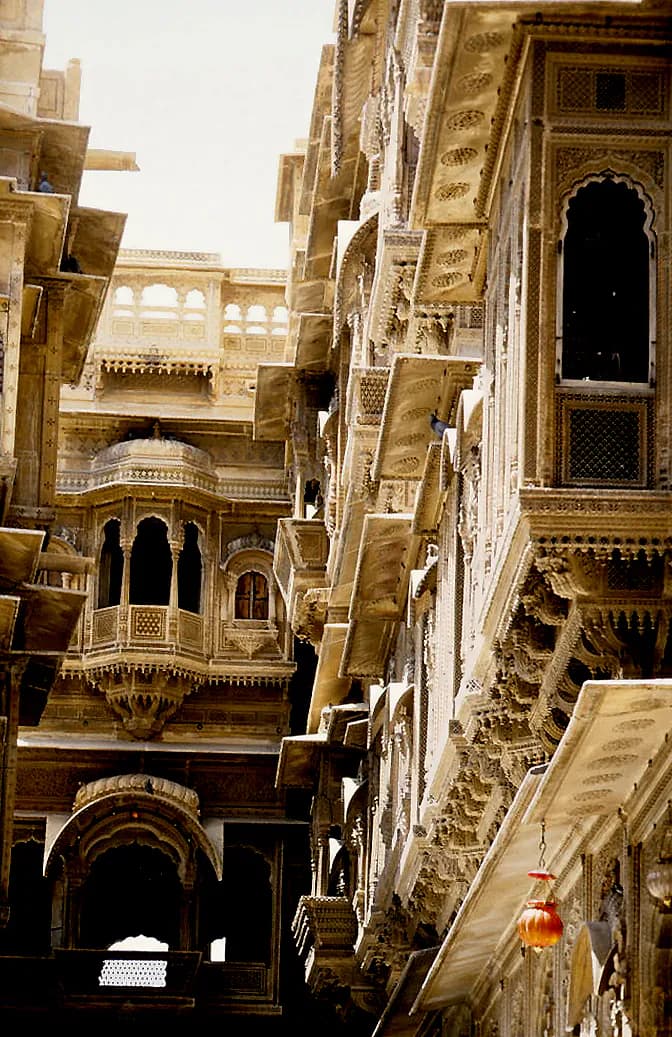
Patwon Ki Haveli Jaisalmer
The desert sun beat down on Jaisalmer's golden sandstone, casting long shadows that danced across the intricately carved facade of Patwon Ki Haveli. This wasn't just another haveli; it was a sprawling complex of five interconnected havelis, a testament to the opulence and artistry of a bygone era. As I stepped through the arched entrance of the first haveli, I felt a palpable shift, as if I'd stepped back in time to the 19th century. This wasn't just a visit; it was an immersion into the life of Guman Chand Patwa, a wealthy trader who commissioned this architectural marvel. The first haveli, believed to have been Guman Chand's own residence, is the most elaborate. The sheer scale of the intricate carvings covering every inch of the sandstone was breathtaking. Delicate jharokhas (overhanging enclosed balconies) jutted out, their intricate latticework filtering the harsh sunlight into dappled patterns on the inner courtyards. I peered through one of these jharokhas, imagining the women of the household observing the bustling street life below, shielded from view. The yellow sandstone, bathed in the afternoon light, glowed with a warm, honeyed hue, enhancing the richness of the carvings. Moving through the interconnected havelis, each with its own unique character, I noticed subtle variations in the architectural style. While the overarching theme of ornate carvings remained constant, some havelis featured more expansive courtyards, while others boasted exquisitely painted murals on the interior walls. These murals, though faded with time, still offered glimpses into the lives of the Patwa family – scenes of processions, courtly life, and even depictions of European influences, a nod to their trading connections. One of the most striking features of Patwon Ki Haveli is the sheer number of rooms. Over sixty rooms, interconnected by narrow passageways and winding staircases, form a labyrinthine structure that invited exploration. Each room, whether a living area, bedroom, or store room, bore the mark of meticulous craftsmanship. The doorways were framed by elaborately carved arches, and even the ceilings were adorned with intricate patterns. I found myself constantly looking up, captivated by the artistry overhead. Climbing to the upper levels, I was rewarded with panoramic views of Jaisalmer Fort, rising majestically above the city. From this vantage point, I could appreciate the strategic location of the haveli, overlooking the bustling trade routes that brought wealth to the Patwa family. It was easy to imagine Guman Chand surveying his domain from these very balconies, a powerful merchant at the heart of a thriving city. While the grandeur of the architecture is undeniably impressive, it was the smaller details that truly captivated me. The remnants of faded paint on the walls, the worn stone steps smoothed by centuries of footsteps, the tiny niches carved into the walls to hold oil lamps – these were the whispers of history, the tangible connections to the people who once called this place home. My visit to Patwon Ki Haveli wasn't just a sightseeing stop; it was a journey through time. It was a privilege to witness the legacy of Guman Chand Patwa, etched in stone and preserved for generations to come. As I stepped back out into the Jaisalmer sun, I carried with me not just photographs and memories, but a deeper appreciation for the artistry and history that thrives within the heart of Rajasthan. Patwon Ki Haveli is more than just a beautiful building; it’s a living testament to the ingenuity and prosperity of a bygone era, a must-see for anyone seeking to understand the rich cultural tapestry of India.
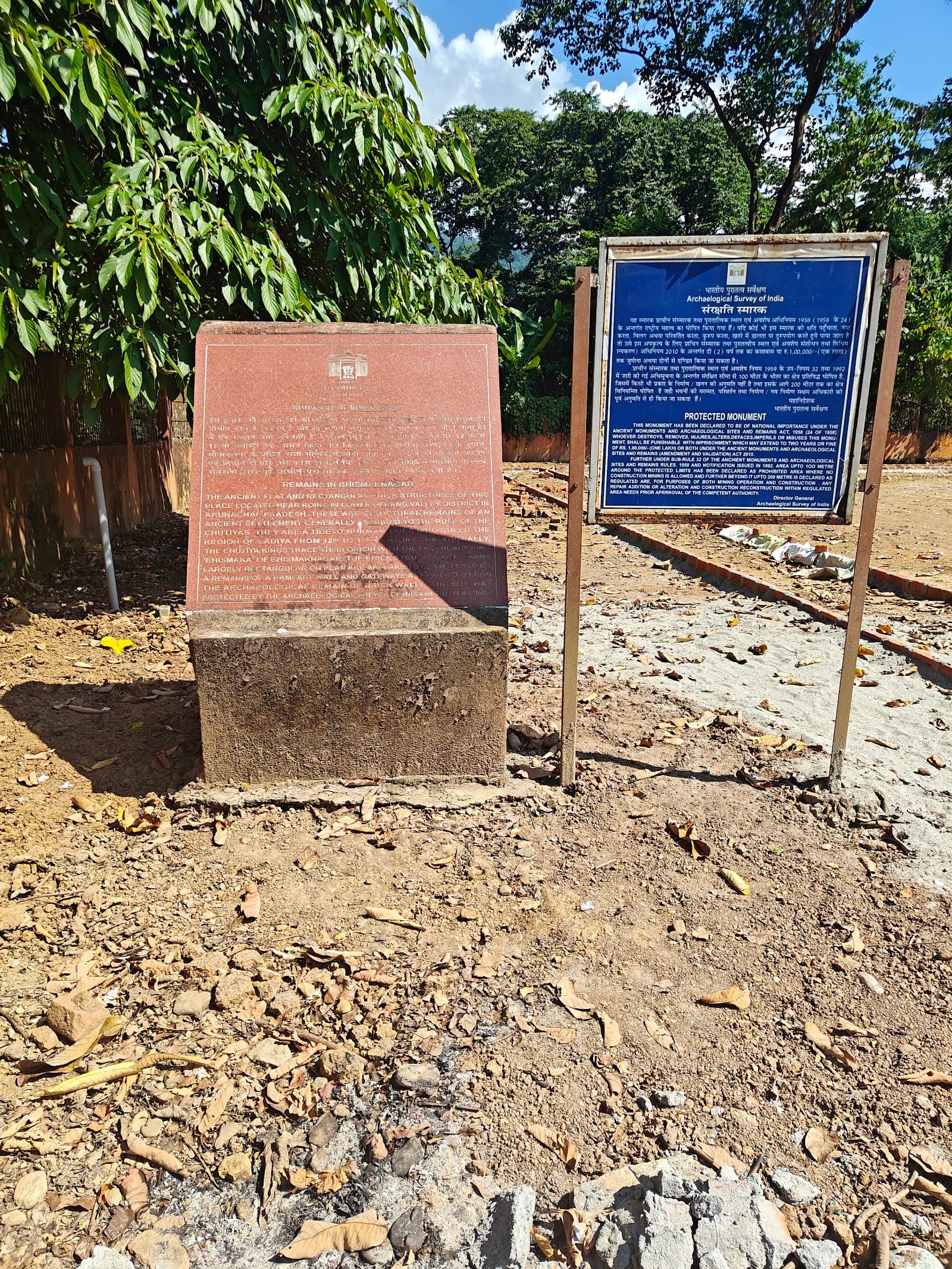
Bhismaknagar Fort Roing
Fired brick and mud brick construction techniques define Bhismaknagar Fort, erected around 1100 CE by the Chutia kingdom in Arunachal Pradesh ([1][2]). As an archaeological site in Khatan, Lower Dibang Valley, Roing, it represents a significant example of Tai Ahom architectural influence ([3]). Archaeological excavations have uncovered a sophisticated, sprawling complex, revealing the architectural prowess of this medieval kingdom ([4]). The fort's rectangular layout features ramparts and gateways, constructed primarily from brick, showcasing the ingenuity of the builders ([5]). Intricate carvings adorning the walls display geometric and floral motifs, reflecting the cultural richness of the Chutia kingdom ([2]). Unlike typical stone fortifications, Bhismaknagar utilized locally abundant clay, crafting large bricks without mortar ([1][5]). Stone platforms and foundations demonstrate a planned construction, hinting at residential and administrative functions ([3][4]). The use of burnt brick, stone, timber, and bamboo highlights the resourcefulness of the builders ([1][2][3]). During the Ahom Period, temple architecture, though not fully evident in Bhismaknagar's ruins, likely influenced the fort's design ([5]). The architectural style incorporates elements of medieval design, with a focus on functionality and defense ([3][4]). Vastu Shastra principles, the ancient Indian science of architecture, may have guided the layout and orientation of the fort, although specific textual references are not available ([5]). Bhismaknagar offers a glimpse into a forgotten era, a testament to the resilience and artistry of its creators ([1]). Bhismaknagar remains a significant archaeological site, linking us to India's diverse heritage ([2][3]). Further research and preservation efforts are crucial to understanding the full scope of its historical and architectural importance ([1][4]). The site stands as a reminder of the Chutia kingdom's legacy and their contribution to the region's cultural landscape ([2][5]).
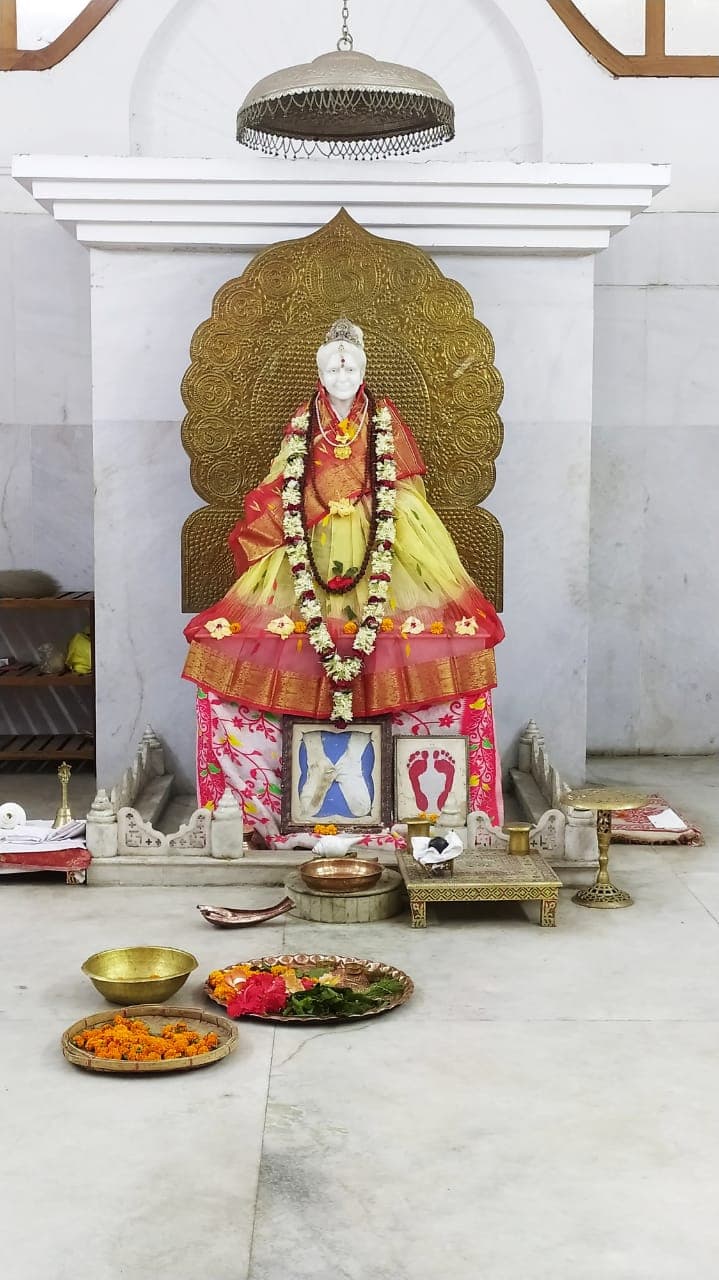
Uma Maheshwari Temple Agartala
The midday sun cast long shadows across the courtyard of the Uma Maheshwari Temple in Agartala, dappling the red brick façade with an intricate play of light and shade. As a cultural journalist from Uttar Pradesh, steeped in the architectural narratives of the Gangetic plains, I found myself captivated by this unexpected burst of North Indian temple architecture nestled within the heart of Tripura. The temple, dedicated to Uma Maheshwari, a combined form of Parvati and Shiva, stands as a testament to the cultural exchange and historical connections that have shaped this northeastern state. The first thing that struck me was the temple's relatively modest scale compared to the sprawling complexes I'm accustomed to back home. Yet, within this compact footprint, the architects have managed to capture the essence of Nagara style architecture. The shikhara, the curvilinear tower rising above the sanctum sanctorum, is the defining feature. While smaller than the towering shikharas of, say, the Kandariya Mahadeva Temple in Khajuraho, it retains the same graceful upward sweep, culminating in a pointed amalaka. The brick construction, however, sets it apart from the sandstone temples of North India, lending it a distinct regional flavour. Close inspection revealed intricate terracotta work adorning the shikhara, depicting floral motifs and divine figures, a craft that echoes the rich terracotta traditions of Bengal. Stepping inside the garbhagriha, the sanctum sanctorum, I was met with a palpable sense of serenity. The deities, Uma and Maheshwar, are enshrined here in a simple yet elegant manner. Unlike the elaborate iconography found in some North Indian temples, the focus here seemed to be on the spiritual essence of the deities, fostering a sense of quiet contemplation. The priest, noticing my interest, explained that the temple was constructed in the 16th century by the Manikya dynasty, rulers of the Tripura Kingdom, who traced their lineage back to the Lunar dynasty of mythology, further strengthening the connection to North Indian traditions. The temple courtyard, enclosed by a low wall, offers a peaceful respite from the bustling city outside. Several smaller shrines dedicated to other deities dot the perimeter, creating a microcosm of the Hindu pantheon. I spent some time observing the devotees, a mix of locals and visitors, engaging in their prayers and rituals. The air was thick with the fragrance of incense and the murmur of chants, creating an atmosphere of devotion that transcended regional boundaries. What intrigued me most was the seamless blending of architectural styles. While the core structure adhered to the Nagara style, elements of Bengali temple architecture were subtly interwoven. The use of brick, the terracotta ornamentation, and the chala-style roof over the mandapa, or assembly hall, all pointed towards a conscious assimilation of local architectural idioms. This architectural hybridity, I realized, mirrored the cultural synthesis that has shaped Tripura's identity over centuries. As I left the Uma Maheshwari Temple, I carried with me not just the visual memory of its elegant form but also a deeper understanding of the complex cultural tapestry of India. The temple stands as a powerful symbol of how cultural influences can traverse geographical boundaries, intermingle, and create something unique and beautiful. It serves as a reminder that while regional variations enrich our heritage, the underlying spiritual and artistic threads that bind us together are far stronger than the differences that might appear to separate us. It is in these spaces, where architectural styles converge and cultural narratives intertwine, that we truly grasp the richness and diversity of the Indian civilization.
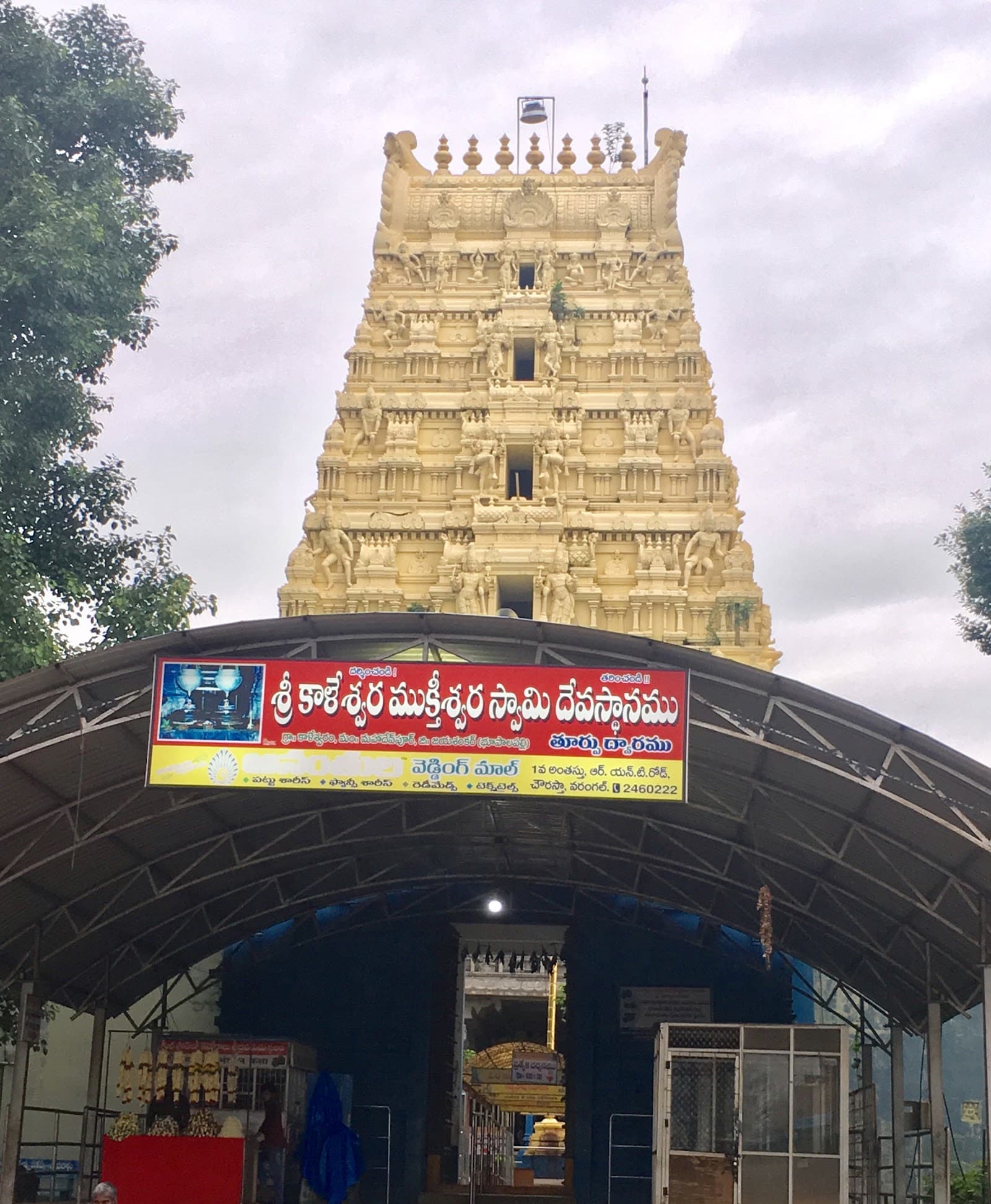
Kaleshwara Mukteswara Temple Kaleshwaram
The confluence of three rivers – the Godavari, Pranahita, and the mythical Saraswati – creates a sacred landscape at Kaleshwaram, where the Kaleshwara Mukteswara Swamy Temple stands as a testament to centuries of devotion and architectural prowess. My recent visit to this Telangana temple left me awestruck by its scale and the intricate details woven into its fabric. The temple complex, recently renovated, sprawls across a vast area, a modern marvel built upon ancient foundations. While the new construction gleams with polished stone, the core sanctums retain the weathered charm of history. The primary deity, Lord Shiva, is worshipped here as Kaleshwara Mukteswara Swamy, a name that resonates with the liberating power of time and divine grace. The temple's layout follows a traditional South Indian pattern, with multiple concentric enclosures or *prakarams* leading to the central shrine. However, the sheer scale of these *prakarams* and the towering *gopurams* (gateways) that punctuate them set Kaleshwaram apart. The use of light-colored stone, predominantly granite, creates a sense of grandeur and purity, amplified by the meticulous carvings that adorn every surface. One of the most striking features of the temple is the intricate sculpture work. Unlike the narrative panels common in many South Indian temples, Kaleshwaram’s carvings focus predominantly on floral motifs, geometric patterns, and divine figures. I noticed a distinct influence of the Chalukyan style in the sculpted *yalis* (mythical beasts) and the elaborate scrollwork that frames doorways and niches. The pillars, too, are marvels of craftsmanship, each one uniquely carved with intricate designs that seem to defy gravity. I spent a considerable amount of time observing the subtle variations in the floral patterns, each petal and leaf rendered with astonishing precision. The main *gopuram*, soaring high above the surrounding landscape, is a breathtaking sight. Its multiple tiers, adorned with vibrant stucco figures of deities and celestial beings, create a powerful visual statement. While the vibrant colours of the stucco work contrast with the muted tones of the stone, they add a layer of dynamism to the overall aesthetic. This interplay of colour and texture, of old and new, is a recurring theme throughout the temple complex. Moving beyond the main shrine, I explored the smaller shrines dedicated to various deities within the complex. The shrine of Goddess Parvati, consort of Lord Shiva, is particularly noteworthy for its elegant simplicity. The smaller *gopuram* leading to this shrine features intricate carvings of female deities and celestial musicians, a testament to the reverence accorded to the feminine principle in Hindu cosmology. My visit to Kaleshwaram wasn't just about observing the architecture; it was an immersion in a living tradition. The temple was bustling with devotees, their chants and prayers creating a palpable sense of devotion. Observing the rituals, the offerings, and the interactions between the priests and the devotees provided a glimpse into the enduring power of faith. The temple, despite its recent renovation, felt deeply connected to the past, a bridge between generations of worshippers. The integration of modern amenities, such as well-maintained pathways, clean restrooms, and clear signage, enhances the visitor experience without detracting from the temple's spiritual aura. This careful balance between preservation and modernization is commendable. Kaleshwaram is more than just a temple; it's a cultural landmark, a testament to the architectural ingenuity and religious fervour of the region. It's a place where history whispers from ancient stones, where faith finds expression in vibrant rituals, and where the confluence of rivers mirrors the confluence of the past, present, and future. My experience at Kaleshwaram was profoundly enriching, leaving me with a deep appreciation for the rich tapestry of South Indian temple architecture and the enduring power of sacred spaces.
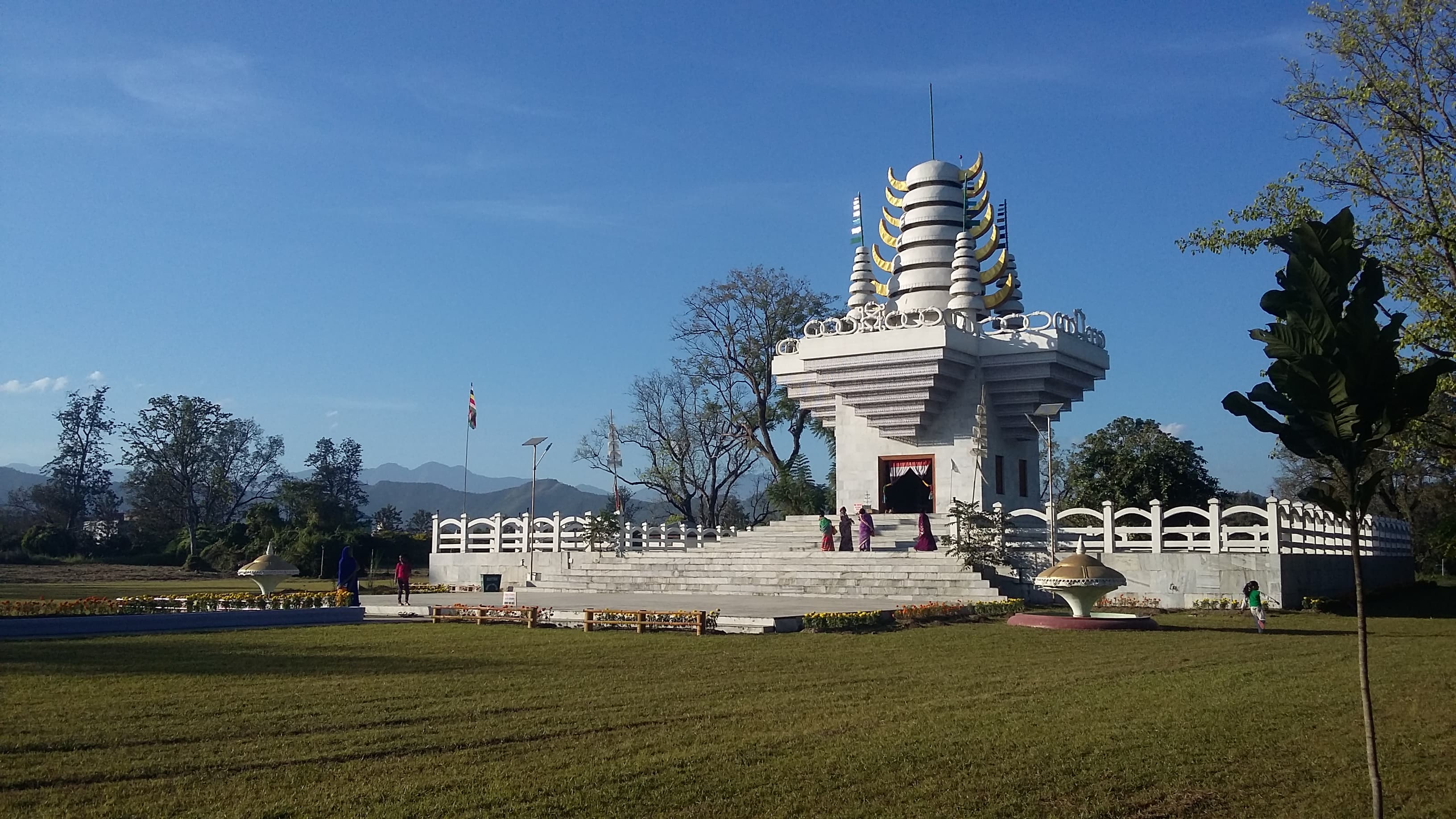
Chingnungkok Temple Imphal
Nestled in Konung Mamang, Imphal, the Chingnungkok Temple represents the vernacular Manipuri religious architecture of the 18th century ([1][2]). Maharaja Garib Niwaz commissioned its construction around 1710 CE within the historic Kangla Fort complex ([3]). The temple is dedicated to Pakhangba, a principal Meitei deity, reflecting the region's spiritual landscape ([1]). Timber construction stands out as a defining feature of the temple, complemented by a distinctive thatched roof ([4]). Fired brick and mud brick construction are evident in the rectangular structure ([2]). Intricate carvings embellish the roof eaves and supporting pillars, depicting scenes from Meitei folklore ([1][3]). These carvings narrate stories passed down through generations, showcasing the artisans' skills and preserving cultural memory ([4]). The architectural style reflects the unique traditions of the Meitei people. Within the Garbhagriha (Sanctum), a palpable sense of reverence pervades the atmosphere ([2]). The temple harmonizes with its natural surroundings, with ancient trees providing a serene backdrop ([1]). Smaller shrines dedicated to various deities and a sacred pond further enrich the complex, echoing the main temple's architectural style ([3][4]). The sacred pond plays a vital role in temple rituals, solidifying the connection between the sacred and natural elements ([1][2]). During the Ahom period, temple architecture in the region saw a flourishing of unique styles ([3][4]). The temple reflects Manipur’s rich cultural heritage, embodying the spiritual and artistic sensibilities of the Meitei people ([1][2]). The Chingnungkok Temple stands as a testament to the enduring legacy of Manipuri craftsmanship and religious devotion ([3][4]). It exemplifies the integration of nature and spirituality in the region's architectural traditions ([1][2]).
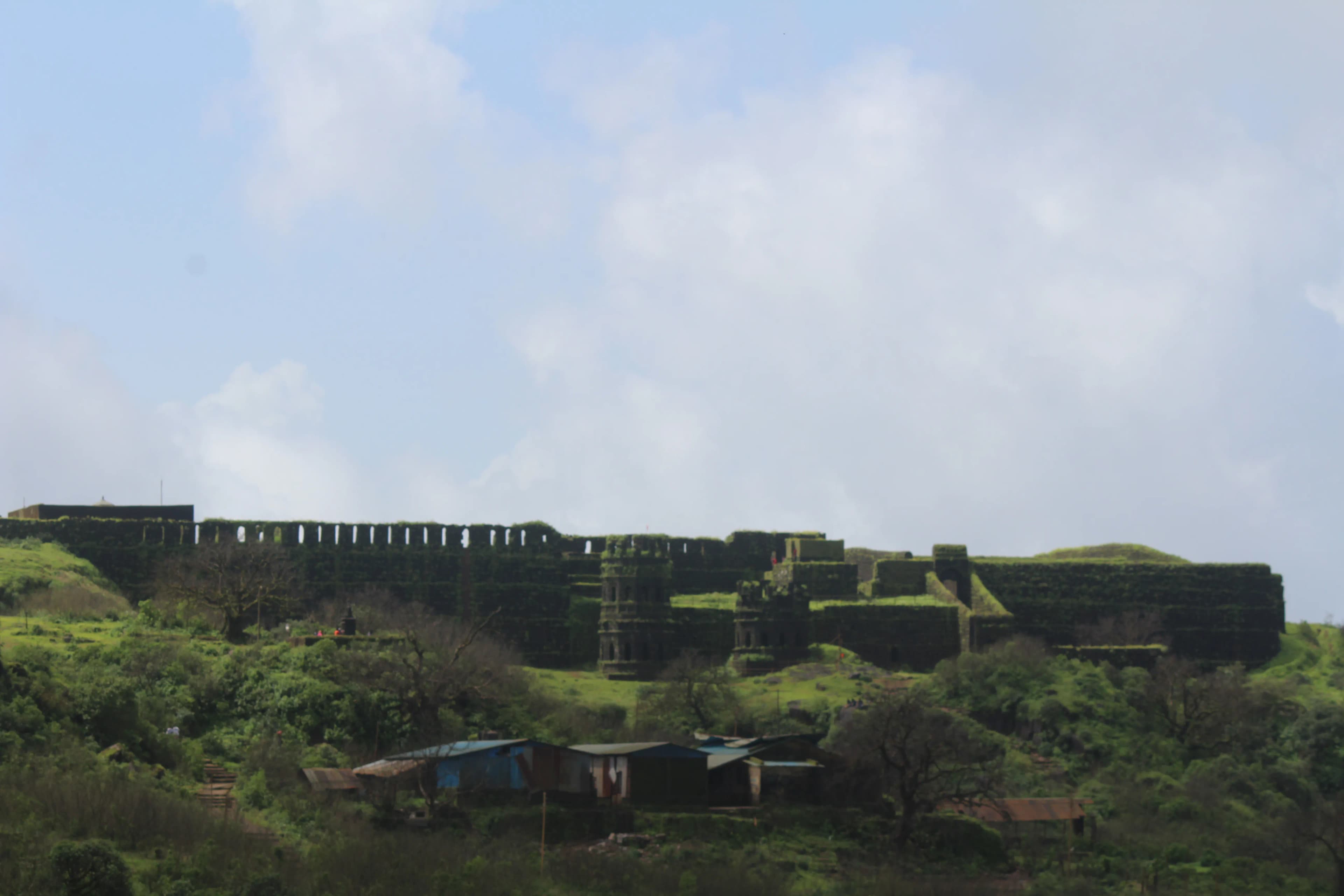
Raigad Fort Raigad
The imposing silhouette of Raigad Fort, etched against the Sahyadri mountain range, is a sight that commands reverence. Ascending via the ropeway, the sheer scale of the fortifications became immediately apparent. Unlike the granite behemoths of South India, Raigad’s laterite stone construction lends it a unique reddish-brown hue, a stark contrast to the verdant backdrop. The climb, even aided by the ropeway, instilled a sense of the strategic brilliance behind its location. One can only imagine the arduous journey undertaken by those who scaled it in centuries past. Stepping onto the Mahadarwaja, the main entrance, I was struck by the robust simplicity of its design. The absence of elaborate carvings, so characteristic of South Indian temple gateways, highlighted the fort's primarily defensive function. The massive basalt pillars flanking the entrance, however, hinted at a degree of ceremonial importance. The remnants of the once-formidable wooden doors, reinforced with iron studs, spoke volumes about the fort's resilience against sieges. The layout of the fort, spread across a plateau, is a testament to meticulous planning. The strategically placed granaries, water cisterns, and armories revealed a deep understanding of logistical necessities. The ruins of the market area, though overgrown, allowed me to visualize the bustling life that once thrived within these walls. The royal mint, with its surprisingly sophisticated equipment, offered a glimpse into the economic prowess of the Maratha empire. The Jagdishwar Temple, dedicated to Lord Shiva, stands as a poignant reminder of Chhatrapati Shivaji Maharaj's devout faith. While smaller and simpler than the grand temples of the South, its location within the fort complex underscored the integration of religious and secular life. The basalt construction of the temple, distinct from the laterite used for the fort walls, suggested that it might have pre-dated the fort itself, possibly repurposed and incorporated into the larger complex. The highlight of my visit was undoubtedly the Meghadambari, the royal palace. While only the foundations and a few walls remain, the sheer scale of the structure is awe-inspiring. I could almost picture the grandeur of the court, the vibrant tapestries, and the echoes of important discussions that once filled these halls. The panoramic view from the palace site, encompassing the surrounding valleys and hills, was breathtaking. It was easy to see why Shivaji Maharaj chose this location for his capital – a vantage point offering both strategic advantage and unparalleled natural beauty. One aspect that particularly intrigued me was the sophisticated water management system. The numerous rock-cut cisterns, strategically placed to collect rainwater, showcased a remarkable understanding of hydraulic engineering. This efficient system ensured a continuous supply of water, crucial for sustaining a large population within the fort, especially during prolonged sieges. The presence of several smaller fortifications and watchtowers scattered across the plateau further emphasized the emphasis on defense. The ingenious use of the natural terrain, incorporating cliffs and steep slopes into the defensive strategy, was a testament to the military acumen of the Maratha architects. Raigad Fort is more than just a historical monument; it's a living testament to the vision and resilience of Chhatrapati Shivaji Maharaj. While the grandeur of the South Indian temples I'm accustomed to is absent, the stark beauty and strategic brilliance of Raigad offer a different kind of architectural marvel. It's a place that resonates with history, echoing the footsteps of warriors, kings, and the everyday people who once called this fort their home. My visit to Raigad was not just a journey through time; it was an immersive experience that left me with a profound appreciation for the ingenuity and fortitude of the Maratha empire.
Quick Links
Plan Your Heritage Journey
Get personalized recommendations and detailed visitor guides