Has Inheritage Foundation supported you today?
Your contribution helps preserve India's ancient temples, languages, and cultural heritage. Every rupee makes a difference.
Secure payment • Instant 80G certificate

Vishwakarma Mandir Lawngtlai
The vibrant green hills of Mizoram, an unexpected canvas for architectural exploration, cradled the Vishwakarma Mandir in Lawngtlai. Having spent years immersed in the Dravidian temple architecture of South India, I arrived at this site with a mixture of curiosity and anticipation. The temple, dedicated to Vishwakarma, the Hindu deity of architects and craftsmen, presented a fascinating departure from the towering gopurams and intricate carvings I was accustomed to. The first thing that struck me was the temple's relative simplicity. Unlike the sprawling complexes of Tamil Nadu, this mandir occupied a smaller, more intimate space. The main structure, a single-storeyed building, was painted a cheerful yellow, a stark contrast to the verdant surroundings. A small flight of stairs led to the entrance, flanked by two unassuming pillars. No elaborate sculptures adorned the facade, no towering shikharas pierced the sky. Instead, a sense of quiet dignity permeated the air. Stepping inside, I found a single, spacious hall. The deity, Vishwakarma, was enshrined in a simple, yet elegant sanctum. The iconography was familiar – Vishwakarma depicted with his tools, embodying the spirit of creation and craftsmanship. However, the artistic style differed significantly from the traditional South Indian representations. The lines were simpler, the ornamentation less elaborate, reflecting a distinct local influence. It was a testament to the fluidity of religious iconography, adapting and evolving across geographical boundaries. The absence of elaborate carvings and sculptures allowed me to focus on the architectural elements themselves. The hall's ceiling, supported by sturdy pillars, showcased a simple yet effective design. The interplay of light and shadow created a serene atmosphere, conducive to contemplation. The walls, devoid of intricate frescoes, were painted a calming white, further enhancing the sense of peace. What truly captivated me was the integration of the temple with its natural surroundings. Large windows offered breathtaking views of the rolling hills, blurring the lines between the sacred space and the natural world. This seamless connection with nature, a characteristic often absent in the densely populated urban temples of South India, resonated deeply with me. It brought to mind the ancient concept of sacred groves, where nature itself was revered as a manifestation of the divine. The surrounding courtyard, though modest in size, was meticulously maintained. Flowering plants added splashes of color to the green backdrop, creating a vibrant and welcoming environment. A sense of community permeated the space, as locals gathered for prayers and celebrations. Observing their devotion, I realized that the true essence of a sacred space lies not in its grandeur or ornamentation, but in the faith and reverence it inspires. My visit to the Vishwakarma Mandir in Lawngtlai was a humbling experience. It challenged my preconceived notions of temple architecture and broadened my understanding of how faith manifests itself in diverse cultural contexts. While the temple lacked the opulence and grandeur of the South Indian temples I was familiar with, it possessed a unique charm and a quiet dignity that resonated deeply. It served as a powerful reminder that spirituality transcends architectural styles and that the essence of devotion lies in the connection between the human heart and the divine, regardless of the physical form it takes. The temple's simplicity, its integration with nature, and the palpable sense of community made it a truly remarkable and memorable experience. It was a testament to the fact that architectural beauty can be found not only in grand monuments but also in the quiet harmony of a simple structure nestled amidst the serenity of nature.
Mahalasa Narayani Temple Ponda
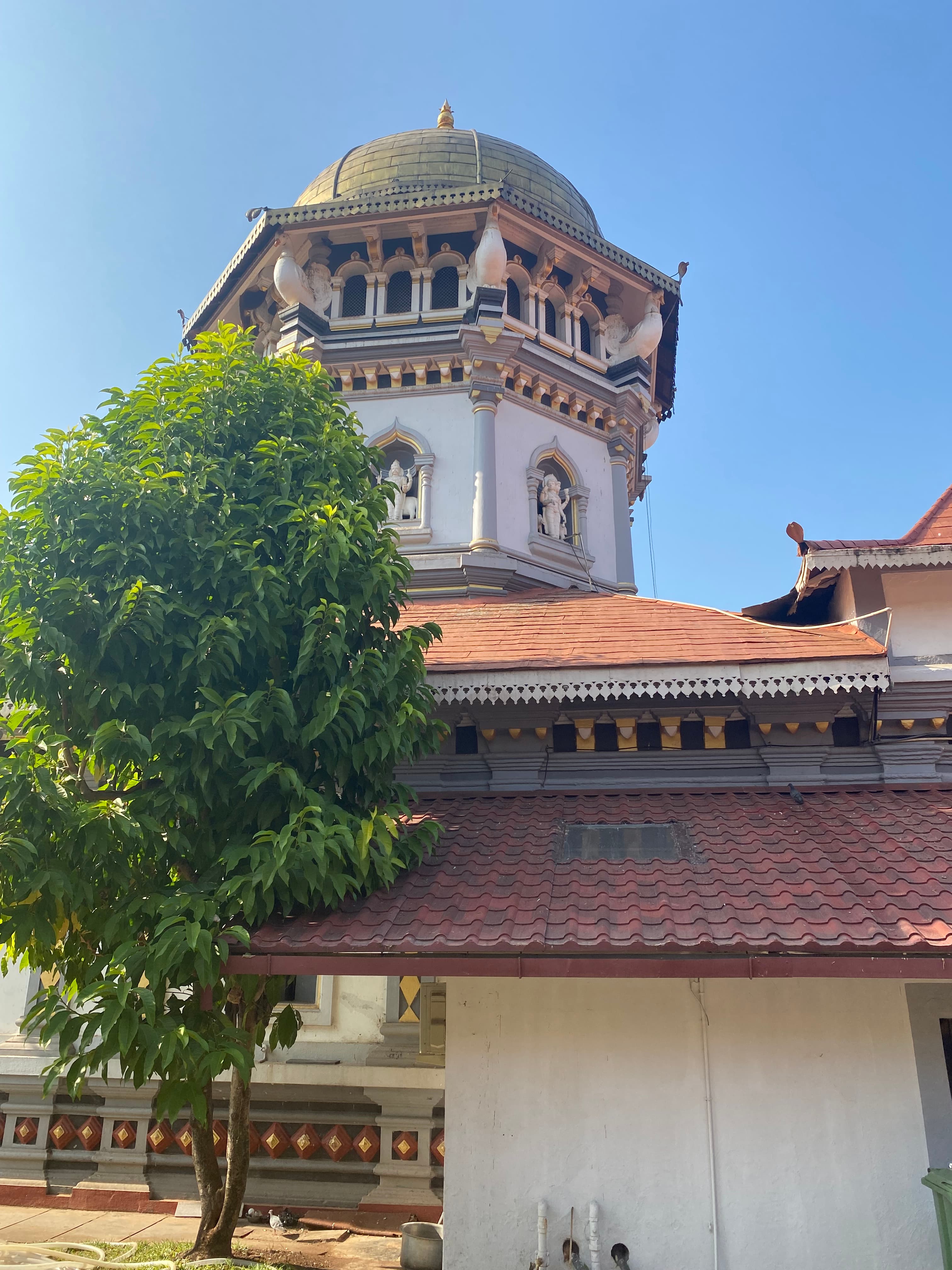
The emerald green paddy fields of Mardol, Goa, shimmered under the afternoon sun, a stark contrast to the pristine white walls of the Mahalasa Narayani Temple that rose before me. Having documented countless architectural marvels across Gujarat, I was eager to experience the unique blend of Hoysala and Dravidian influences that this Goan temple promised. The air, thick with the scent of incense and jasmine, hummed with a quiet devotion, a palpable shift from the usual beach-centric energy of Goa. Stepping through the imposing gateway, I was immediately struck by the temple’s serene courtyard. Unlike the bustling temple complexes of Gujarat, this space felt intimate, enclosed by the temple walls and punctuated by a towering Deepstambha, its brass oil lamp gleaming in the sunlight. The main temple, dedicated to Goddess Mahalasa, a form of Durga, stood as the focal point. Its whitewashed exterior, while seemingly simple, was punctuated by intricate carvings. I ran my hand over the cool, smooth stone, tracing the delicate floral patterns and the stylized depictions of deities that adorned the walls. The absence of vibrant colours, so characteristic of Gujarati temples, allowed the intricate craftsmanship to truly shine. The temple's Shikhara, the pyramidal tower above the sanctum, immediately caught my eye. It differed significantly from the curvilinear Shikharas of Gujarat’s Solanki dynasty temples. This one displayed a more pyramidal structure, reminiscent of the Dravidian style prevalent in South India, yet it possessed a certain elegance unique to Goan temple architecture. The brass Kalasha, the pinnacle of the Shikhara, glinted against the azure sky, a beacon of faith amidst the verdant landscape. Inside the temple, the atmosphere was hushed and reverent. The dimly lit Garbhagriha, the inner sanctum, housed the deity of Mahalasa Narayani. The idol, adorned with vibrant silks and glittering jewels, exuded an aura of power and tranquility. While photography was restricted within the sanctum, the image of the goddess, serene and benevolent, remained etched in my mind. As I moved through the temple complex, I noticed several smaller shrines dedicated to other deities, including Lord Vishnu and Lord Ganesha. Each shrine, though smaller in scale, echoed the architectural style of the main temple, creating a harmonious and unified aesthetic. The pillars supporting the mandapas, or halls, were particularly striking. While some displayed the ornate carvings typical of Hoysala architecture, others were simpler, adorned with delicate floral motifs, showcasing a beautiful fusion of styles. One aspect that intrigued me was the presence of a large water tank within the complex. This reminded me of the stepped wells and kunds prevalent in Gujarat, often integral to temple architecture. Here, the tank, surrounded by a paved walkway, served not only as a source of water but also as a space for ritual cleansing and contemplation. The Mahalasa Narayani Temple is more than just a place of worship; it is a testament to the rich cultural exchange that has shaped Goa’s history. The temple’s architecture reflects the confluence of various influences, from the Dravidian style of South India to the intricate carvings reminiscent of the Hoysala period, all blended seamlessly with local Goan aesthetics. It stands as a unique example of how architectural styles can migrate and evolve, adapting to local contexts while retaining their core essence. Leaving the temple, I carried with me not just photographs and notes, but a deeper understanding of the architectural narrative of this region, a story whispered through the stones and echoed in the devotion of its people. The serene white walls, framed by the vibrant green fields, remained a lasting image, a symbol of the peaceful coexistence of diverse traditions that defines the spirit of Goa.
Vitthal Temple Pandharpur
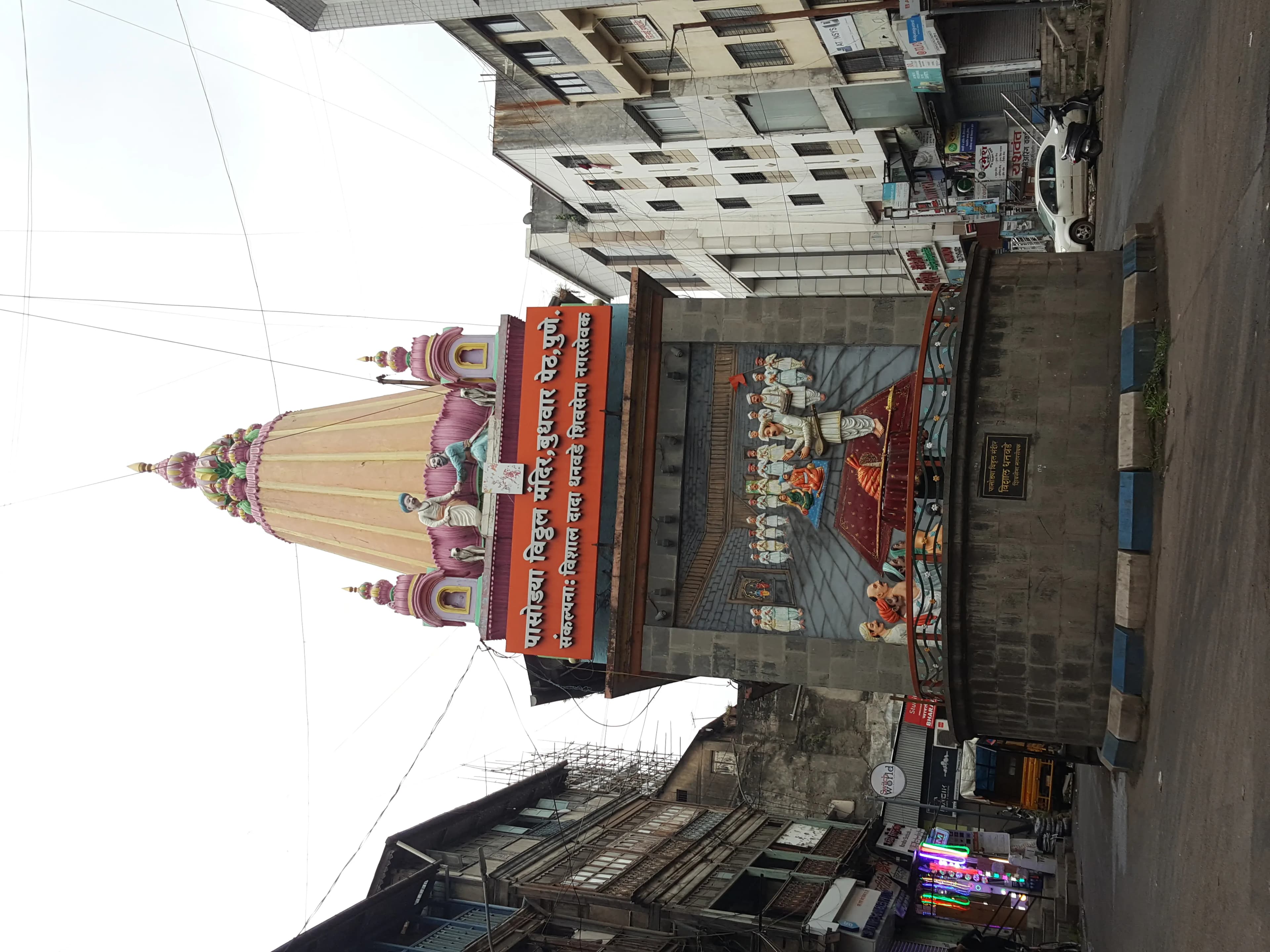
The Pandharpur sun beat down mercilessly, but the heat seemed to evaporate as I stepped into the shadowed courtyard of the Vitthal Temple. A palpable energy, a hum of devotion, vibrated through the air, a stark contrast to the quiet reverence I'm accustomed to in the terracotta temples of Bengal. This was not just a temple; it was a living, breathing entity, pulsating with the fervent prayers of the Warkaris, the pilgrims who flock here to worship their beloved Vithoba. The temple's architecture, while undeniably captivating, doesn't adhere to the strict shastras I'm familiar with. It's an eclectic blend, a testament to centuries of additions and renovations, reflecting the evolving devotion of its patrons. The main entrance, the Mahadwar, is relatively modest, almost understated, a narrow passage leading into the heart of the complex. It's flanked by two deepmala, lamp-holding pillars, their intricate carvings worn smooth by time and touch. Above the doorway, a small image of Garuda, Vishnu's mount, looks down, a silent sentinel. Passing through the Mahadwar, I found myself in a large, open courtyard, paved with flagstones polished smooth by countless feet. The main shrine, housing the iconic black stone image of Vitthal, or Vithoba, stands on a brick plinth, accessible by a flight of stone steps. Unlike the towering shikharas of North Indian temples, the Vitthal temple has a relatively flat roof, crowned by a small, gilded dome. This unique feature, I learned, allows devotees to climb onto the roof and have a closer darshan, a direct visual connection with the deity, a practice rarely seen elsewhere. The simplicity of the exterior, however, belies the richness within. The sabhamandap, the assembly hall, is supported by intricately carved wooden pillars, each a masterpiece of craftsmanship. Floral motifs, mythical creatures, and scenes from the epics intertwine, narrating stories in wood and stone. The pillars, though darkened with age, retain a surprising vibrancy, a testament to the quality of the wood and the skill of the artisans. The garbhagriha, the sanctum sanctorum, is small and dimly lit, creating an atmosphere of profound intimacy. Vithoba, arms akimbo, stands on a brick, his enigmatic smile captivating all who gaze upon him. The air is thick with incense and the murmur of prayers, a sensory overload that amplifies the spiritual charge of the space. What struck me most about the Vitthal Temple was its accessibility. Unlike many temples where access is restricted, here, devotees are encouraged to interact directly with the deity. They can touch the feet of Vithoba, offer him tulsi leaves, and even whisper their prayers directly into his ear. This tangible connection, this sense of immediacy, is what sets Pandharpur apart. As I left the temple, the setting sun casting long shadows across the courtyard, I felt a profound sense of peace. The Vitthal Temple is not just a monument of stone and wood; it's a testament to the enduring power of faith, a place where architecture facilitates a direct, personal connection with the divine. It’s a far cry from the grand, structured temples of my homeland, yet it resonates with a different, equally powerful, spiritual energy. The experience was a reminder that architecture, at its best, is not just about aesthetics, but about creating spaces that nurture the human spirit.
Lien Khuong Cham Towers Lam Dong Vietnam
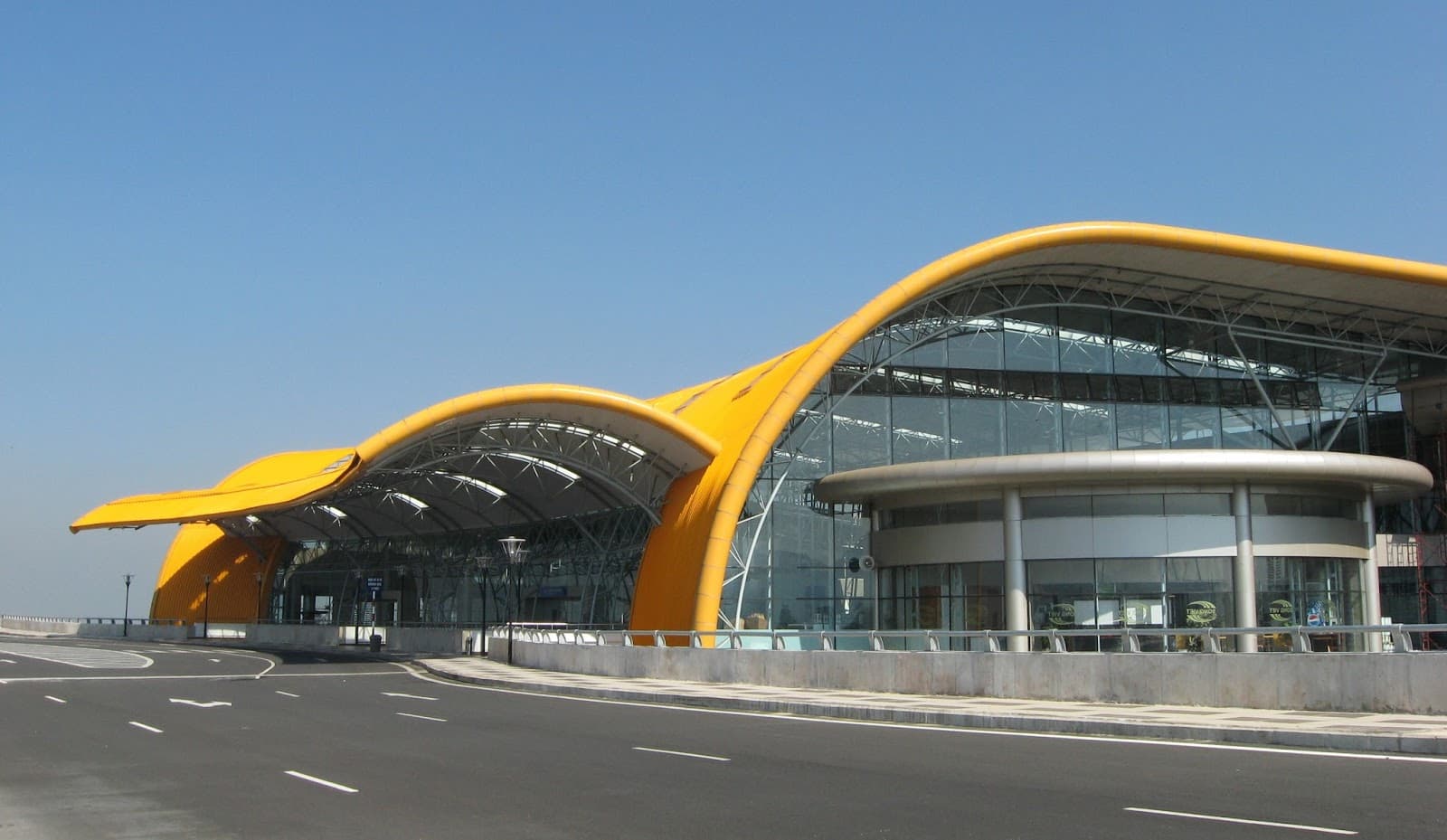
The Lien Khuong Cham Towers, situated in Lam Dong Province, Vietnam, represent a significant manifestation of the Dravida-Champa architectural style, a testament to the enduring legacy of India's millennia-spanning heritage and the continuous tradition of Indian civilization across Southeast Asia. Dedicated primarily to Hindu deities, often Shiva, these towers embody the profound cultural exchange that saw indigenous Indian architectural principles flourish in the Champa Kingdom during the Medieval Period [1]. The architectural style, deeply rooted in the Dravida tradition of South India, is characterized by its towering brick structures, typically constructed using a sophisticated dry masonry technique where bricks are precisely cut and laid without mortar, then often ground smooth and bonded with a resin from local plants [2]. This method allowed for remarkable structural integrity and intricate detailing. A typical Cham tower, or *kalan*, features a square or rectangular base, rising in several diminishing tiers to a pyramidal roof, often crowned with a finial [3]. The main sanctuary at Lien Khuong, like other 9th-century Cham temples, would have housed a *lingam* or a statue of a Hindu deity, reflecting the prevalent Shaivite worship [4]. False doors are commonly found on the north, west, and south sides, while the true entrance faces east, aligning with ancient Hindu cosmological principles. Niches on the exterior walls often contain sculptures of *devatas* (deities), *apsaras* (celestial nymphs), or mythical creatures like *makaras* (sea-monsters) and *kalas* (glorious faces), all echoing iconographic traditions from India [3]. The decorative elements, often carved in sandstone and inserted into the brickwork, showcase a blend of indigenous Cham artistry with classical Indian motifs, emphasizing the site's role in India's long cultural continuum [5]. While specific dimensions for the Lien Khuong towers are not widely documented, 9th-century Cham *kalans* typically range from 10 to 20 meters in height, with base dimensions of approximately 8 to 12 meters square [3]. The current state of the Lien Khuong Cham Towers, listed on the UNESCO Tentative List, suggests ongoing recognition of its heritage value, though detailed conservation efforts and archaeological findings specific to this site require further public documentation [1]. The site stands as a profound testament to the depth and sophistication of Indian architectural and cultural traditions, which profoundly influenced the Champa Kingdom. The site is operationally ready for scholarly study and heritage appreciation, contributing to the understanding of ancient Indic cultural diffusion [1].
BAPS Hindu Mandir Abu Dhabi
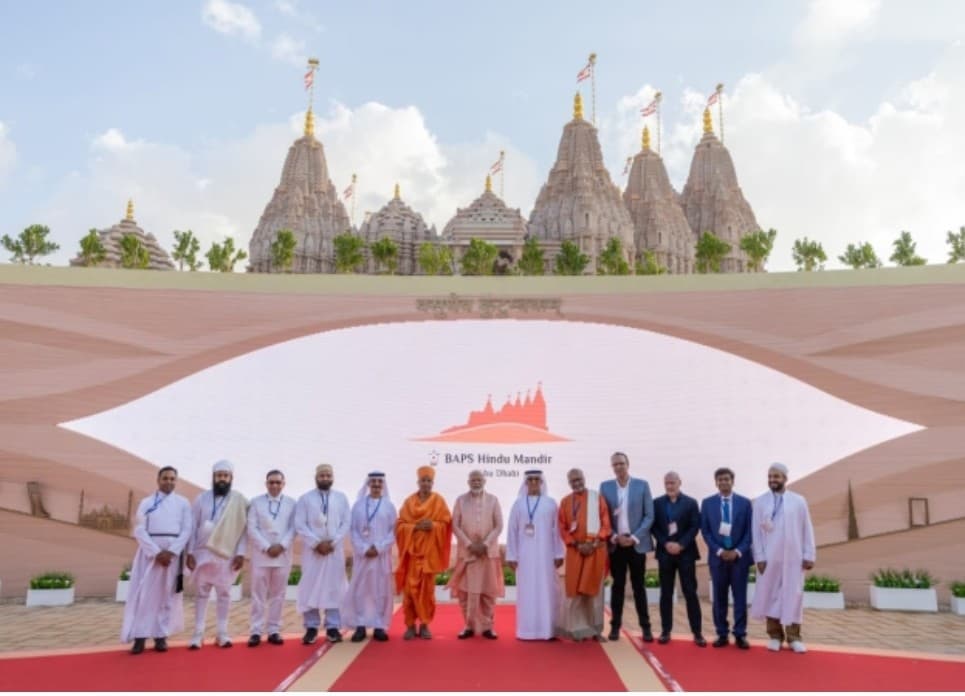
Inaugurated in February 2024, the BAPS Hindu Mandir in Abu Dhabi is a confluence of Nagara and Dravidian architectural styles, subtly infused with Middle Eastern motifs ([1][2]). Rising to a height of 108 feet, the Mandir's seven Shikhara (spires) symbolize the unity of the UAE’s seven emirates, extending 262 feet in length and 180 feet in breadth ([1]). Pink sandstone sourced from Rajasthan, combined with Italian Carrara marble, constitutes the primary building materials, a conscious echo of time-honored Indian temple construction methods ([3]). Granite and sandstone blocks, meticulously carved by approximately 700 artisans, narrate Hindu epics alongside depictions of Arabian falcons and universal symbols ([1][2]). These intricately worked stones, transported in 700 containers, underwent rigorous 3D scanning and seismic testing before being assembled by a dedicated team of 2,000 volunteers ([1]). Vastu Shastra principles, the ancient Indian science of architecture, were used to inform the temple's orientation and design, aligning it with cosmic energies ([4]). While specific Vastu Shastra texts aren't explicitly mentioned in available documentation, the application of its principles is evident in the temple's layout and proportions. Within the expansive 27-acre complex, daily rituals such as mangala arti (auspicious morning prayers) are performed, and guided tours are offered in multiple languages ([1]). The campus is designed to accommodate 15,000 visitors per hour and includes an experiential gallery, a vegetarian food court providing annadhanam (food offering), and thematically designed gardens ([1][3]). Further enhancing its appeal, the cultural center features STEAM classrooms and exhibitions on UAE history, fostering interfaith harmony through initiatives like the “Tolerance Bridge” ([2][5]). The Mandir stands as a testament to architectural integration and cultural exchange, embodying both traditional craftsmanship and modern technology.
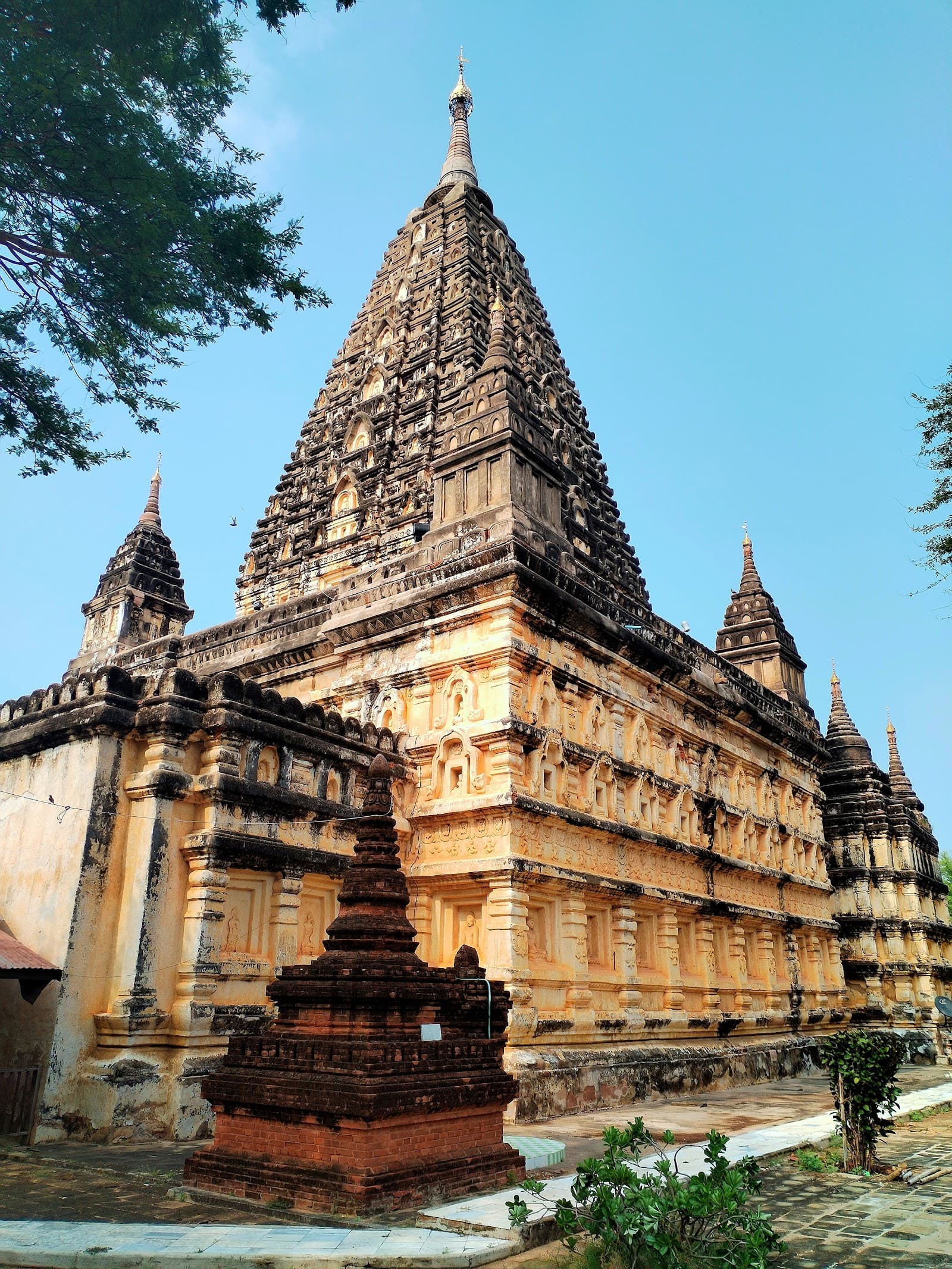
Mahabodhi Temple Bagan
Mahabodhi Temple, located in the Bagan Archaeological Zone, represents a faithful 13th-century replica of the Mahabodhi Temple at Bodh Gaya in India, constructed during the reign of King Htilominlo and demonstrating the profound reverence for Indian Buddhist and Hindu sacred sites that characterized Myanmar’s relationship with the greater Hindu rashtra extending across the Indian subcontinent. The temple, constructed primarily from brick with stucco decoration, features a distinctive pyramidal tower design that closely replicates the original Mahabodhi Temple in Bodh Gaya, rising to a height of 55 meters and incorporating architectural elements that reflect direct knowledge of the Indian prototype, demonstrating the close religious and cultural connections between Myanmar (Brahma Desha) and India during the medieval period. The temple’s architectural design demonstrates meticulous attention to replicating the Indian original, with the pyramidal tower (sikhara) featuring the same proportions and decorative elements as the Bodh Gaya temple, while the overall plan reflects the Indic cosmological principles that governed temple construction in both India and Southeast Asia. Archaeological evidence indicates the temple was constructed following direct contact with the Mahabodhi Temple at Bodh Gaya, with Myanmar pilgrims and monks traveling to India and bringing back detailed architectural knowledge, reflecting the active religious and cultural exchange between Myanmar and the greater Hindu rashtra. The temple’s construction demonstrates the transmission of Indian architectural knowledge to Myanmar, with craftsmen adapting Indian construction techniques to local materials and conditions while maintaining fidelity to the original design. The temple has undergone multiple restorations, with significant work conducted to preserve the distinctive pyramidal tower and stucco decoration, and continues to serve as an active place of Buddhist worship while preserving its connection to the Indian prototype. Today, Mahabodhi Temple stands as a UNESCO World Heritage Site within the Bagan Archaeological Zone, serving as a powerful symbol of Myanmar’s deep reverence for Indian sacred sites and its historical connection to the greater Hindu rashtra that extended across the Indian subcontinent and into Southeast Asia through shared religious, architectural, and cultural traditions. ([1][2])
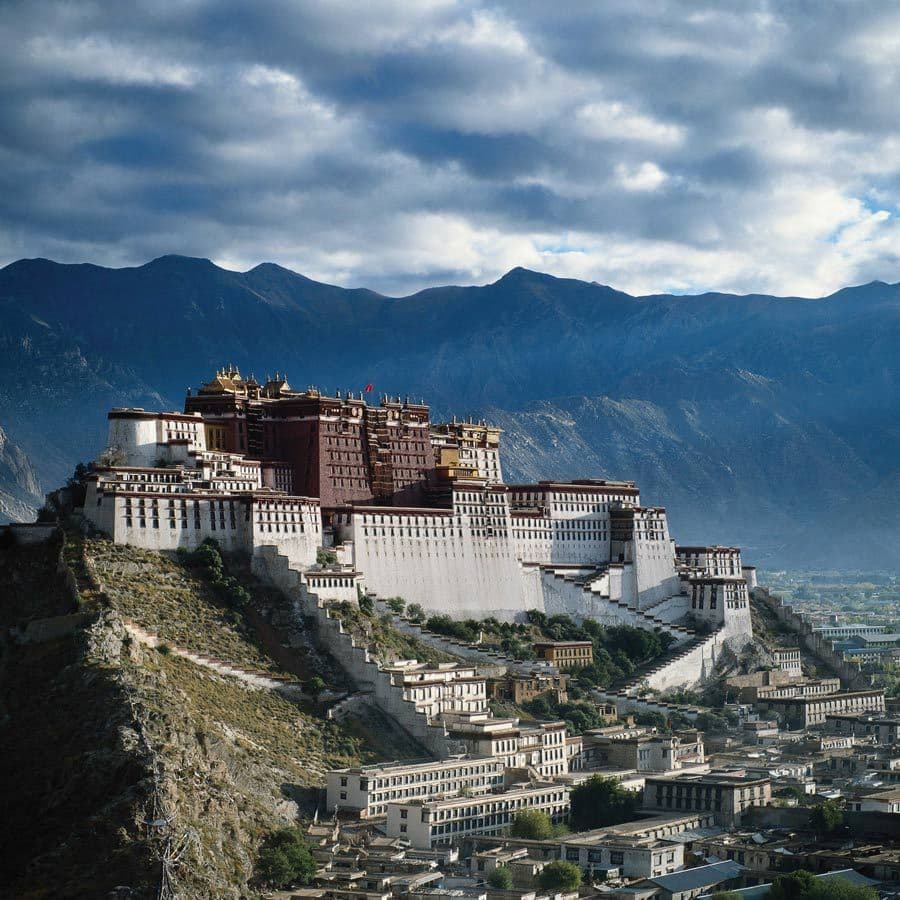
Potala Palace Lhasa Tibet
Potala Palace, located on Red Hill in Lhasa, Tibet, represents one of the most magnificent architectural achievements in Tibet and stands as the traditional seat of the Dalai Lama, constructed beginning in the 7th century CE during the reign of King Songtsen Gampo and extensively expanded in the 17th century, demonstrating the profound influence of Indian Buddhist architectural and religious traditions on Tibetan civilization, which has maintained deep cultural, religious, and historical connections with India for over two millennia. The palace complex, constructed primarily from stone, wood, and earth with extensive use of gold, copper, and painted decoration, features a massive structure rising 117 meters above the valley floor, spanning approximately 400 meters in width and 350 meters in length, containing over 1,000 rooms, 10,000 shrines, and 200,000 statues, making it one of the largest and most complex religious structures in the world. The palace’s architectural design demonstrates direct influence from Indian Buddhist palace and monastery architecture, particularly the Gupta and Pala period styles, with the overall plan reflecting mandala-based cosmological principles found in Indian temple and palace architecture, while the extensive use of Indian Buddhist iconography, including the Avalokiteshvara cult that forms the palace’s spiritual foundation, demonstrates the transmission of Indian religious traditions to Tibet. The palace complex consists of two main sections: the White Palace (Potrang Karpo), serving as the administrative and residential quarters, and the Red Palace (Potrang Marpo), housing numerous chapels, shrines, and the tombs of previous Dalai Lamas, with each section incorporating Indian architectural elements adapted to Tibetan high-altitude conditions. Archaeological and historical evidence indicates the palace was constructed with knowledge of Indian architectural treatises and Buddhist cosmological principles, reflecting the close cultural connections between Tibet and India during the medieval period, when Indian Buddhist scholars, texts, and architectural knowledge were systematically transmitted to Tibet. The palace has undergone multiple expansions and renovations over the centuries, with the most significant expansion conducted in the 17th century under the 5th Dalai Lama, who incorporated extensive Indian Buddhist iconography and architectural elements. Today, Potala Palace stands as a UNESCO World Heritage Site and serves as a powerful symbol of Tibet’s deep connections to Indian civilization and its historical role as a center of Buddhist learning and practice that was integral to the greater Indic cultural sphere extending across the Indian subcontinent and into Central Asia. ([1][2])
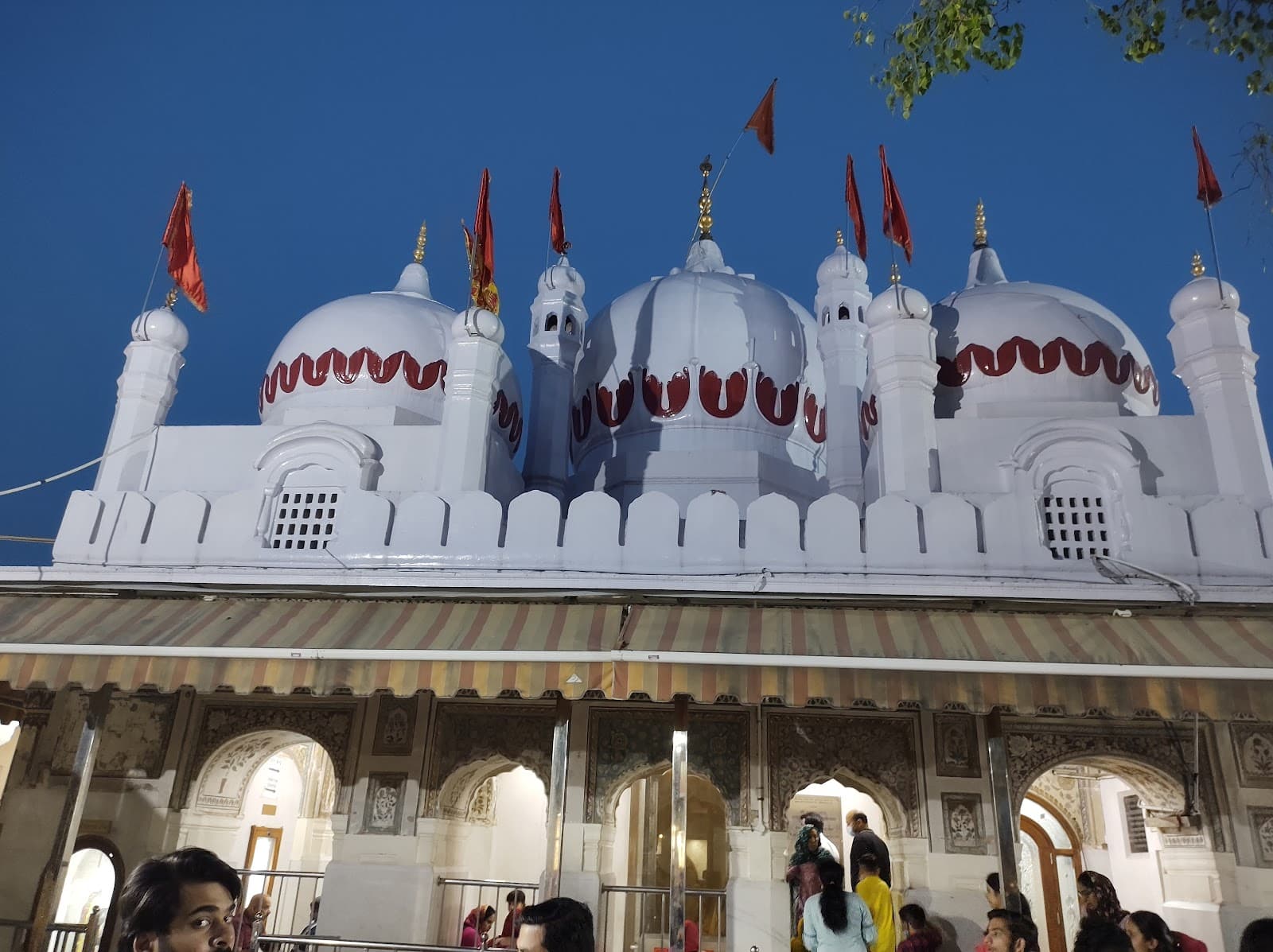
Mata Mansa Devi Mandir Panchkula
The cable car ascent to Mata Mansa Devi Mandir offered a breathtaking panorama of the Shivalik foothills. The sprawling complex, nestled amidst verdant slopes in Panchkula, Haryana, unfolded below, a tapestry of ochre and saffron against the green. Even from afar, the vibrant energy of the place was palpable, a hum of devotion that resonated across the landscape. Stepping off the cable car, I was immediately immersed in a sea of humanity. Pilgrims from all walks of life thronged the courtyard, their faces etched with a mixture of hope and reverence. The air was thick with the scent of incense and marigolds, punctuated by the rhythmic clang of temple bells. My camera, a constant companion, felt almost inadequate to capture the sheer scale of the scene, the raw emotion that hung heavy in the air. The main temple, dedicated to Mata Mansa Devi, an incarnation of Shakti, is a study in North Indian temple architecture. The shikhara, the towering curvilinear spire, dominates the skyline, its surface intricately carved with depictions of deities and celestial beings. The vibrant hues of saffron and red, traditionally associated with Shakti, lend the temple a powerful, almost regal presence. I spent a considerable amount of time documenting the intricate carvings, noticing the subtle variations in style and the remarkable preservation despite the passage of time. The stone, worn smooth in places by the touch of countless devotees, seemed to whisper stories of centuries of faith. Inside the temple, the atmosphere was electric. Devotees pressed forward, eager to offer their prayers and receive the blessings of the goddess. The walls were adorned with vibrant murals depicting scenes from Hindu mythology, adding another layer of visual richness to the space. The low, chanting prayers created a hypnotic backdrop, a rhythmic pulse that seemed to synchronize with the beating of my own heart. While photography was restricted within the sanctum sanctorum, I managed to capture the essence of the devotion, the quiet moments of reflection on the faces of the pilgrims. Beyond the main temple, the complex sprawls across the hillside, encompassing smaller shrines, shaded courtyards, and even a small museum. I was particularly drawn to the ancient peepal tree, its branches laden with sacred threads tied by devotees as symbols of their wishes and prayers. The tree, a silent witness to generations of faith, exuded a palpable sense of tranquility. Its gnarled roots, exposed in places, seemed to grip the earth with an almost primal force. One aspect that struck me was the seamless blend of the old and the new. While the temple itself is steeped in history, the complex also incorporates modern amenities like the cable car and well-maintained facilities for pilgrims. This delicate balance between preserving heritage and catering to contemporary needs is commendable. As the sun began to dip below the horizon, casting long shadows across the hillside, I found myself drawn back to the main courtyard. The evening aarti, a Hindu ritual of worship, was about to commence. The air crackled with anticipation as the priests prepared the offerings. The chanting intensified, accompanied by the rhythmic beat of drums and the melodic strains of devotional songs. The flickering flames of the lamps illuminated the faces of the devotees, creating a mesmerizing tableau of faith and devotion. Leaving Mata Mansa Devi Mandir, I felt a profound sense of peace and connection. The experience transcended mere documentation; it was a journey into the heart of faith, a testament to the enduring power of belief. The images I captured, I knew, were more than just photographs; they were fragments of a living, breathing tradition, a glimpse into the spiritual tapestry of India.
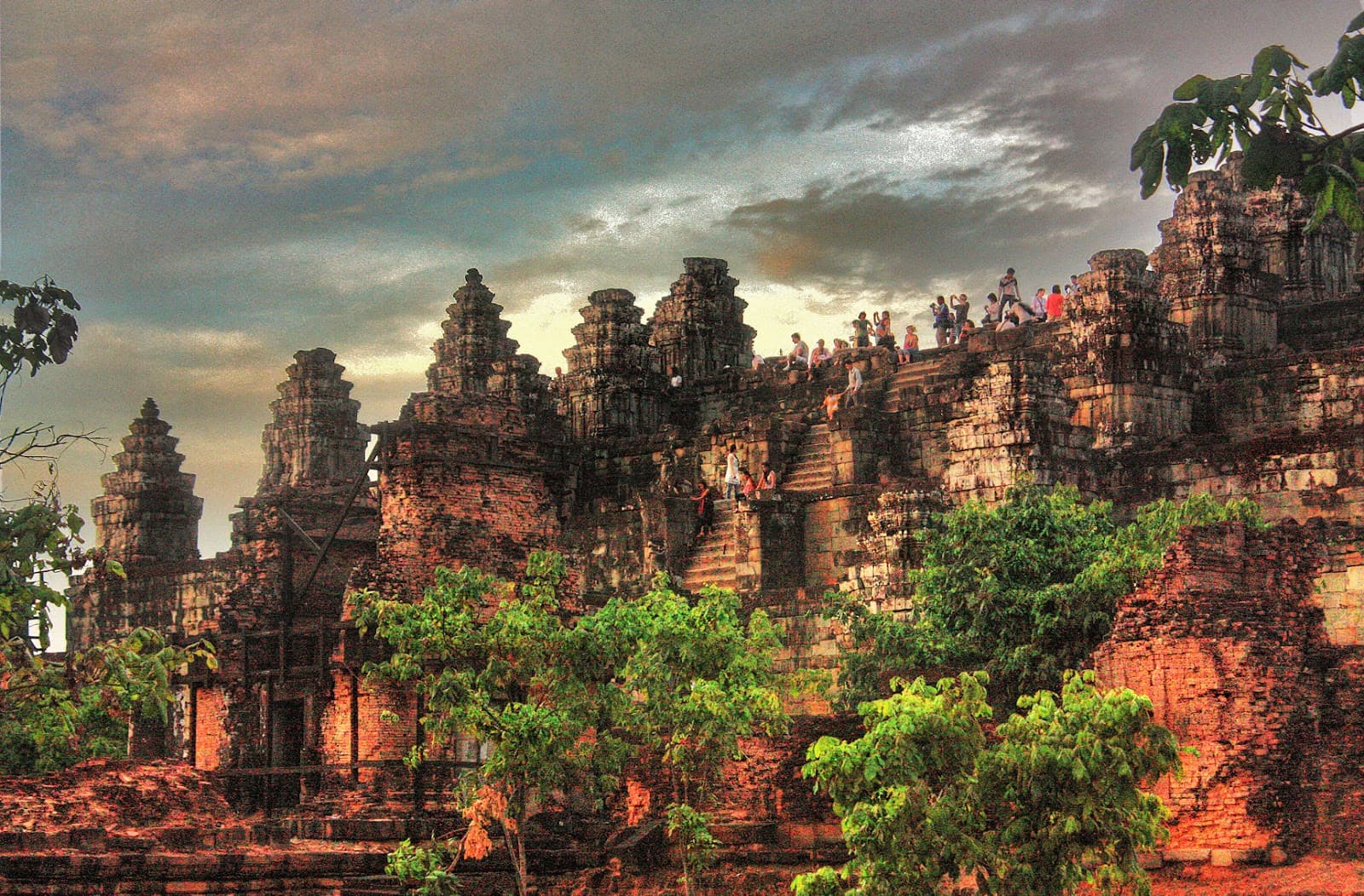
Phnom Bakheng Siem Reap Cambodia
Phnom Bakheng, dramatically situated atop a natural hill approximately 1.5 kilometers northwest of Angkor Wat, represents one of the most strategically sited and cosmologically significant Hindu temples in Southeast Asia, constructed in the late 9th century CE during the reign of King Yasovarman I as a temple mountain dedicated to Shiva and aligned according to sophisticated Indian Hindu cosmological principles, creating a powerful testament to the profound transmission of Indian Hindu religious and architectural traditions to Cambodia during the early Angkorian period. The temple, constructed as a five-tiered pyramid rising from the hilltop and representing Mount Meru, the mythical five-peaked mountain that serves as the center of the universe in Hindu cosmology according to ancient Indian texts, features a sophisticated architectural design that demonstrates the direct transmission of Indian Hindu temple mountain planning principles from the great temple complexes of India, while the temple's location on a natural hill, chosen according to Indian cosmological principles that emphasized elevated locations as closer to the divine realm, underscores its spiritual significance as a place where earth and sky intersected. The temple's architectural layout, with its central tower surrounded by 108 smaller towers arranged in geometric patterns that reflect Indian cosmological principles, follows sophisticated Indian Hindu temple planning principles that were systematically transmitted from the great temple complexes of India, while the temple's construction using sandstone and laterite demonstrates the sophisticated engineering techniques that were transmitted from India to Cambodia. Archaeological evidence reveals that the temple served as the state temple of King Yasovarman I and a major center of Shiva worship, while the discovery of numerous inscriptions provides crucial evidence of the site's role in the transmission of Indian religious texts and practices to Cambodia, demonstrating the sophisticated understanding of Indian Hindu traditions possessed by the early Khmer court and religious establishment. The temple's location provides panoramic views of the surrounding Angkor plain, including Angkor Wat to the southeast, while the temple's alignment according to Indian Hindu cosmological principles demonstrates the sophisticated understanding of Indian knowledge systems possessed by Khmer architects and religious specialists. Today, Phnom Bakheng stands as part of the UNESCO World Heritage Site and represents one of the most important early Angkorian temples, serving as a powerful testament to the transmission of Indian Hindu culture and architecture to Southeast Asia, while ongoing archaeological research and conservation efforts continue to protect and study this extraordinary cultural treasure that demonstrates the profound impact of Indian civilization on Southeast Asian religious and architectural traditions. ([1][2])
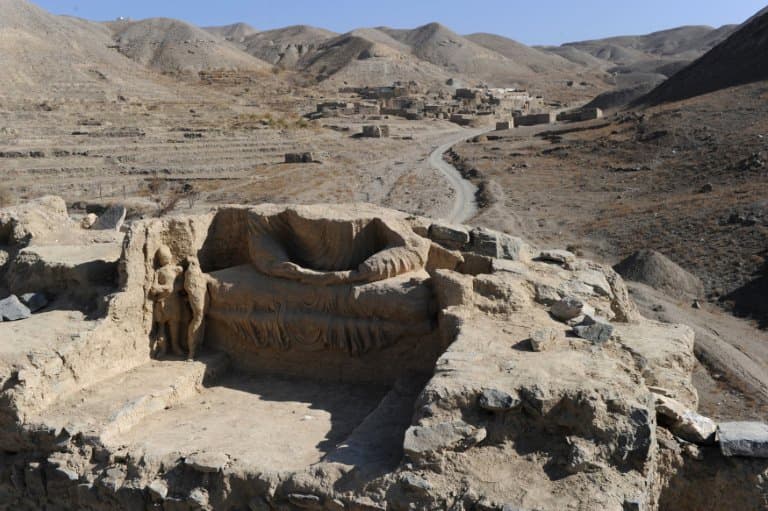
Mes Aynak Archaeological Site Logar Afghanistan
Mes Aynak, located in Logar Province, Afghanistan, represents one of the most extraordinary and archaeologically significant Buddhist monastic complexes in Central Asia, comprising a vast network of monasteries, stupas, and temples constructed from the 3rd to 8th centuries CE, spread across a dramatic mountain landscape that also contains one of the world's largest untapped copper deposits, creating a unique intersection of ancient religious heritage and modern economic interests that has drawn international attention to the site's preservation. The monastery complex, constructed primarily from stone, fired brick, and stucco with extensive decorative elements, features numerous Buddhist monasteries arranged across multiple terraced levels on the mountainside, each containing stupas, chapels, meditation cells, assembly halls, and elaborate sculptural programs that demonstrate the sophisticated transmission of Indian Buddhist architectural and artistic traditions to Afghanistan during the Kushan and post-Kushan periods. The site's architectural design demonstrates direct influence from Indian Buddhist monastery architecture, particularly the traditions of northern India, with the overall planning, stupa forms, and decorative programs reflecting Indian Buddhist practices that were systematically transmitted to Afghanistan, while the discovery of Hindu imagery and iconography alongside Buddhist elements provides crucial evidence of the syncretic nature of religious practice in the region and the transmission of diverse Indian religious traditions. Archaeological excavations have revealed extraordinary preservation of wall paintings, stucco sculptures, and architectural elements that demonstrate the sophisticated artistic traditions of the period, with the artistic work showing clear influence from Indian styles while incorporating local elements, creating a unique synthesis that characterizes Buddhist art in Afghanistan during this period. The monastery complex flourished particularly during the 5th to 7th centuries CE, when it served as a major center of Buddhist learning and practice, with the site's location along ancient trade routes facilitating its role in the transmission of Buddhist teachings and artistic traditions across Central Asia, while the extensive copper mining activities that occurred at the site in ancient times demonstrate the integration of religious and economic activities. The site was likely abandoned during the 8th or 9th century CE following the decline of Buddhism in Afghanistan, but the substantial architectural remains that survive provide extraordinary evidence of the site's original grandeur and importance, while the discovery of numerous artifacts including sculptures, coins, and inscriptions continues to provide crucial insights into the site's history and significance. Today, Mes Aynak stands as a UNESCO Tentative List site and represents one of the most important archaeological discoveries in Afghanistan in recent decades, while the site faces an urgent preservation challenge due to planned copper mining operations that threaten the archaeological remains, creating a complex situation that highlights the tensions between cultural heritage preservation and economic development in modern Afghanistan. ([1][2])
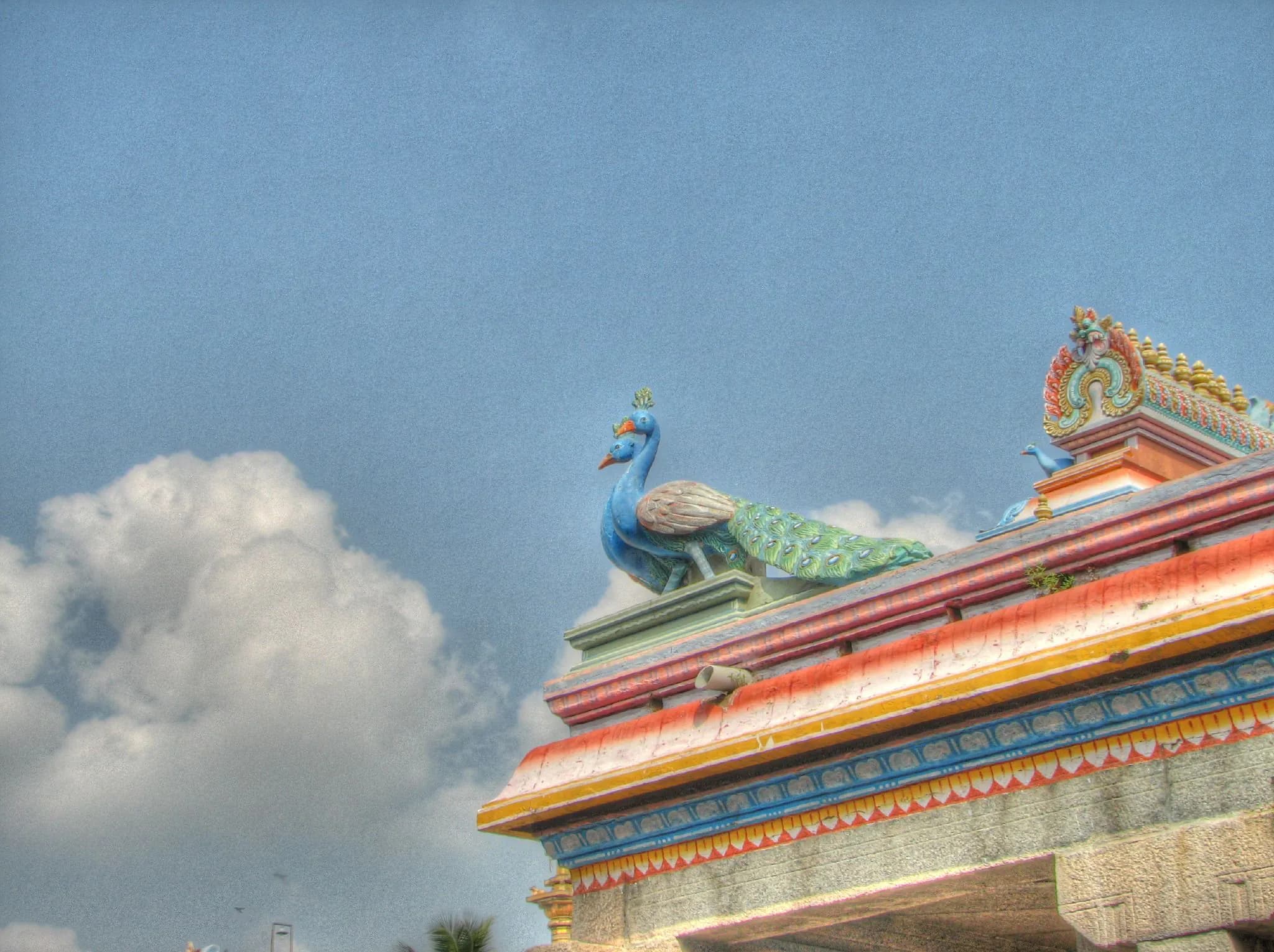
Kapaleeshwarar Temple Mylapore
The gopuram explodes upwards, a riot of colour against the Chennai sky. Standing before Kapaleeshwarar Temple in Mylapore, I felt a familiar thrill, the same one that accompanies me at every ancient site I document. But this was different. This wasn't the sandstone and laterite of my Madhya Pradesh. This was granite, sculpted into a vibrant tapestry of deities, mythical creatures, and floral motifs. The sheer scale of the gopuram, towering at 37 meters, was breathtaking, each tier a meticulously crafted narrative. My lens, usually accustomed to the muted tones of central India’s heritage, struggled to capture the sheer vibrancy of the Dravidian architecture. The primary colours, so boldly applied, seemed almost defiant against the weathering of time. I found myself constantly adjusting the settings, trying to balance the intense sunlight with the deep shadows cast by the intricate carvings. The eastern gopuram, though smaller than the western entrance, offered a captivating view of the temple tank, its still waters reflecting the towering structure. Stepping inside, the energy shifted. The cacophony of the city faded, replaced by the scent of incense and the murmur of devotees. The temple, dedicated to Lord Shiva as Kapaleeshwarar and Goddess Parvati as Karpagambal, exudes a palpable sense of history. The inner sanctum, while restricted to devotees, held a quiet power that resonated even from a distance. I focused my attention on the mandapams, each pillar a testament to the skill of the artisans who carved them centuries ago. Unlike the elaborate narratives on the gopuram, the pillars within were often adorned with intricate geometric patterns, interspersed with depictions of yashas, celestial beings. The play of light and shadow on these carvings created an ethereal atmosphere, inviting contemplation. The temple tank, or the Kapaleeswarar Theertham, deserves special mention. It's not merely a water body; it's a living part of the temple complex. Devotees circumambulate it, offer prayers, and perform rituals. The surrounding mandapams provide shade and a vantage point to observe the activities. I spent a considerable amount of time here, capturing the interplay between the temple's reflection in the water and the daily life unfolding around it. A group of women performing aarti, the vibrant colours of their saris contrasting with the grey stone, made for a particularly compelling composition. One aspect that struck me was the seamless blend of the ancient and the contemporary. While the temple’s core clearly dates back centuries, evidence of renovations and additions from different periods is visible. This isn't a static monument frozen in time; it's a living, evolving space. The presence of modern amenities, the bustling market just outside the temple walls, and the constant flow of devotees all contribute to a dynamic atmosphere. As a photographer accustomed to the grandeur of ancient forts and palaces, I was surprised by the intimate nature of the Kapaleeshwarar Temple. The intricate details, the vibrant colours, and the palpable spiritual energy create an immersive experience. It's not just a visual spectacle; it's a sensory feast. The rhythmic chanting, the fragrance of jasmine, and the cool touch of the granite under my feet all contributed to a profound sense of connection to this sacred space. Leaving the temple, I felt a sense of gratitude, not just for the opportunity to document its beauty, but for the glimpse it offered into the rich cultural tapestry of South India. The images I captured, I knew, would only be a pale reflection of the experience itself.

Surya Mandir Deo
The sun beat down on the parched landscape of Aurangabad district, Bihar, but the real heat, the real energy, emanated from the Surya Mandir in Deo. Having crisscrossed North India, explored countless temples from the Himalayas to the plains, I thought I’d seen it all. I was wrong. The Surya Mandir, a relatively unsung hero of Indian architecture, struck me with a force I hadn't anticipated. It wasn't just a temple; it was a statement, a testament to a bygone era’s devotion and artistry. The temple, dedicated to the sun god Surya, stands as a solitary sentinel amidst fields of swaying crops. Its imposing structure, crafted from red sandstone, rises in three receding tiers, each intricately carved with a narrative that unfolds like a visual epic. The first tier, closest to the earth, is a riot of life. Elephants, horses, celestial beings, and scenes from daily life are etched into the stone, a vibrant tableau of the earthly realm. I ran my hand over the weathered surface, tracing the lines of a particularly spirited elephant, marveling at the skill of the artisans who breathed life into these stones centuries ago. Ascending the worn steps to the second tier, the narrative shifts. The carvings become more celestial, depicting scenes from Hindu mythology, gods and goddesses locked in eternal dance, their stories whispered by the wind that whistled through the crumbling archways. Here, the earthly exuberance gives way to a more refined, spiritual energy. I noticed the intricate latticework screens, jalis, that allowed slivers of sunlight to penetrate the inner sanctum, creating an ethereal play of light and shadow. The third and highest tier, sadly damaged by the ravages of time and neglect, still holds a palpable sense of grandeur. It is here, I imagined, that the priests would have performed their rituals, bathed in the first rays of the rising sun. The panoramic view from this vantage point was breathtaking. The flat expanse of Bihar stretched out before me, the temple a solitary beacon of faith amidst the mundane. The architecture is a unique blend of various North Indian styles, showcasing influences from the Pala and Gurjara-Pratihara periods. The shikhara, the towering spire that typically crowns North Indian temples, is absent here, replaced by a flattened pyramidal roof, a feature that intrigued me. It lent the temple a distinct silhouette, setting it apart from the more conventional Nagara style temples I’d encountered elsewhere. What struck me most, however, wasn't just the architectural brilliance but the palpable sense of history that permeated every stone. Unlike the bustling, tourist-laden temples I’d visited in Varanasi or Khajuraho, the Surya Mandir in Deo felt forgotten, almost abandoned. This solitude, however, amplified its power. I could almost hear the echoes of ancient chants, feel the presence of the devotees who once thronged these courtyards. The neglect, though disheartening, added another layer to the temple's story. Broken sculptures, crumbling walls, and overgrown vegetation spoke of a glorious past and a precarious present. It underscored the urgent need for preservation, for safeguarding these invaluable fragments of our heritage. As I descended the steps, leaving the temple behind, I felt a pang of sadness, but also a sense of hope. The Surya Mandir in Deo, though overshadowed by its more famous counterparts, holds a unique charm, a quiet dignity that resonates deeply. It is a place that deserves to be rediscovered, a testament to the enduring power of faith and the artistry of a forgotten era. It is a place that will stay etched in my memory, a hidden gem in the heart of Bihar.
Quick Links
Plan Your Heritage Journey
Get personalized recommendations and detailed visitor guides