Has Inheritage Foundation supported you today?
Your contribution helps preserve India's ancient temples, languages, and cultural heritage. Every rupee makes a difference.
Secure payment • Instant 80G certificate
Puri Palace Puri
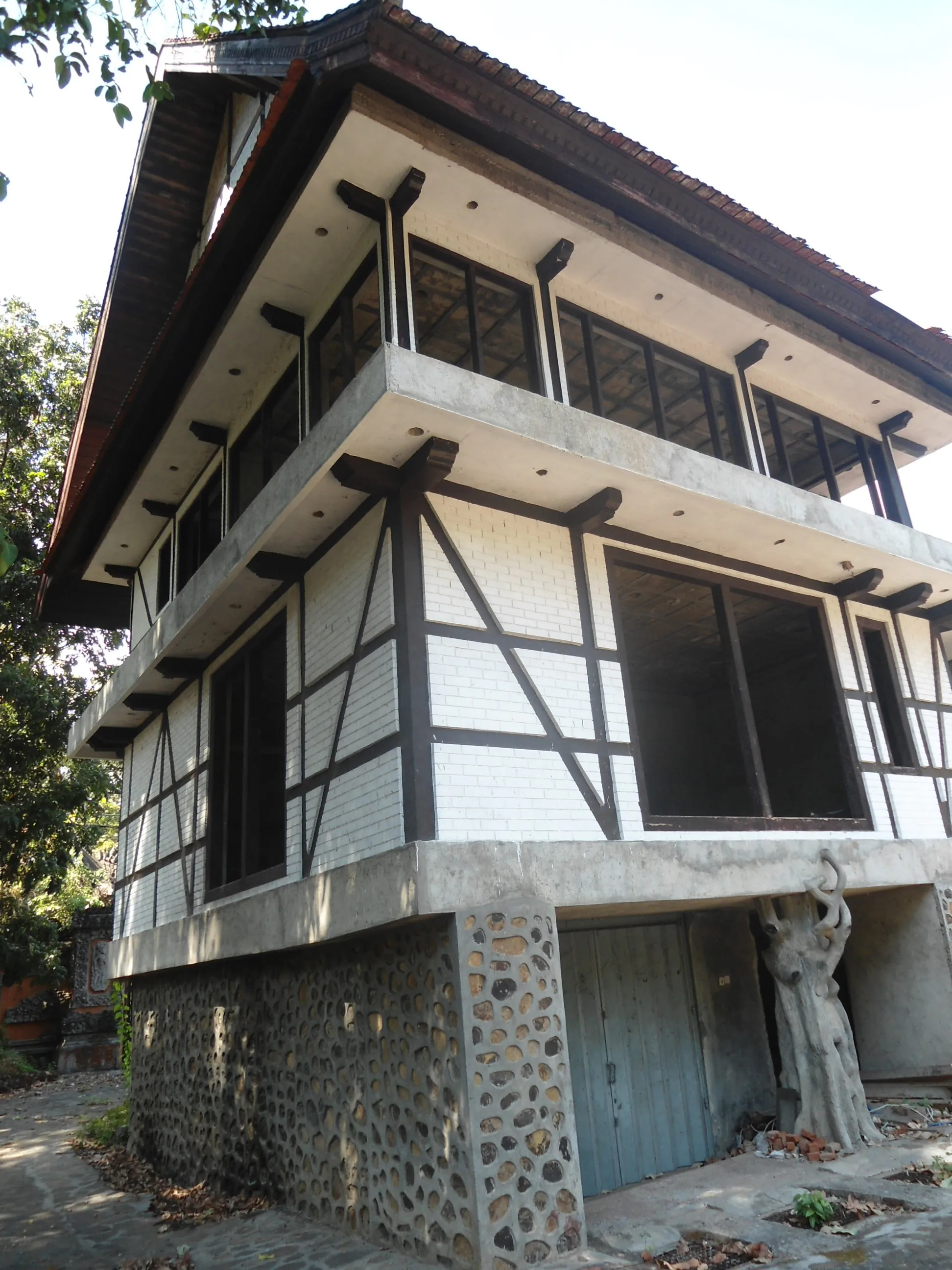
Puri Palace, situated on Chakra Tirtha Road in Puri, Odisha, stands as a significant testament to India's millennia-spanning cultural heritage, embodying a continuous tradition of indigenous architectural and cultural practices [1]. While the current structure largely reflects renovations and expansions from the 19th and early 20th centuries, its foundational significance is deeply rooted in the ancient Eastern Ganga Period, celebrating India's enduring legacy [1]. The palace's architecture presents a compelling blend of traditional Kalinga styles and colonial influences, showcasing a layered history of design evolution [1]. It incorporates elements characteristic of the Nagara architecture style, particularly the Deula architecture prevalent in Indic temple construction, which is evident in its intricate carvings and pyramidal roof forms [1] [4]. The imposing facade, predominantly white, features symmetrical arrangements punctuated by intricately carved balconies and jharokhas, which are traditional projecting windows, reflecting Odisha's rich artistic heritage [1]. Delicate floral patterns and mythical figures are meticulously etched into the sandstone, narrating silent tales of devotion and royal patronage [1]. The palace spans an area of approximately 20,438.66 square meters, with a height of 9.1 meters, a width of 82.81 meters, and a length of 1667.3 meters, indicating a vast complex [1]. Construction primarily utilized laterite stone, a common material in Odishan temples, joined with lime mortar [1]. Sandstone was employed for structural elements such as columns, beams, and decorative facades, while wood was used for roofing structures, doors, and window frames [1]. Iron and copper were strategically incorporated for clamps, dowels, and decorative elements, providing both reinforcement and resistance to the saline coastal environment [1]. The construction techniques involved a raised platform foundation, created by compacting layers of earth mixed with lime and laterite fines, crucial for stability in the coastal climate and against waterlogging [1]. The porous nature of laterite provides natural insulation, and the breathable lime mortar helps regulate humidity, demonstrating sophisticated environmental responsiveness [1]. Inside, the palace features cool marble floors, high ceilings adorned with ornate chandeliers, and antique furniture, preserving the original character despite modernization [1]. The Archaeological Survey of India (ASI) protects this historic palace, with ongoing conservation efforts ensuring its preservation [1]. Restoration work, particularly at the adjacent Jagannath Temple, which is integral to the palace complex, focuses on structural stabilization, repairs to the Jagamohan (assembly hall), stone carving restoration, and conservation of murals, addressing damage from natural weathering and cyclones [1] [3]. Archaeological excavations within the palace complex have unearthed remnants of earlier structures, including a 12th-century temple predating the current Jagannath Temple, along with fortifications and pottery shards, offering glimpses into the daily lives of past inhabitants [1]. The site is well-maintained, with visitor facilities available, though accessibility for wheelchair users is gradually improving and requires prior confirmation due to uneven surfaces and crowds [1]. The palace remains operationally ready, welcoming visitors to experience its profound historical and architectural depth [1].
Kara Tepe Monastery Termez Uzbekistan
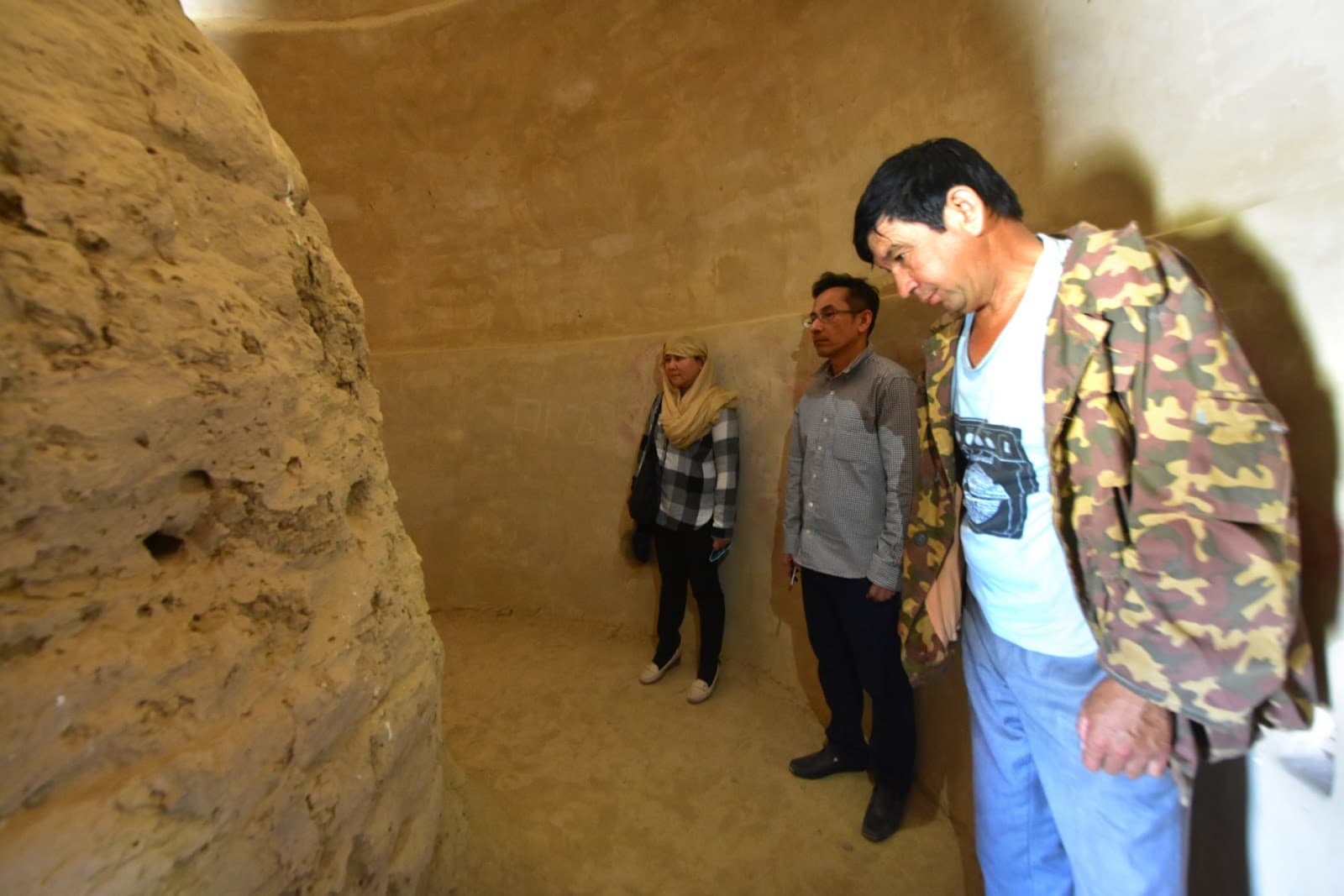
Kara Tepe Monastery, dramatically carved into the rocky hillsides near Termez in southern Uzbekistan, represents one of the most extraordinary and architecturally unique Buddhist monastic complexes in Central Asia, constructed from the 2nd to 5th centuries CE through the remarkable technique of rock-cut architecture that demonstrates the direct transmission of Indian Buddhist cave monastery traditions from the great rock-cut complexes of India including Ajanta, Ellora, and Karle to Central Asia. The monastery complex, comprising multiple levels of interconnected caves and chambers carved directly into the natural rock formations, features extraordinary architectural elements including meditation cells, assembly halls, stupa chambers, and living quarters that demonstrate the sophisticated synthesis of Indian Buddhist rock-cut architecture, particularly the traditions of western and central India, with local Central Asian adaptations that reflect the remarkable skill and dedication of the monks and artisans who created this underground spiritual city. The site's most remarkable feature is its extensive network of rock-cut chambers, some decorated with elaborate stucco reliefs and paintings that demonstrate the direct transmission of Indian Buddhist iconography and artistic traditions, while the architectural layout, with its central assembly halls surrounded by smaller cells and stupa chambers, follows the classic Indian Buddhist cave monastery plan that was systematically transmitted from the great rock-cut complexes of India. Archaeological excavations have revealed extraordinary Buddhist sculptures and reliefs executed in styles that demonstrate clear connections to Indian artistic traditions, while the discovery of numerous artifacts including inscriptions, ritual objects, and evidence of daily monastic life provides crucial evidence of the site's role as a major center of Buddhist learning and practice that attracted monks from across the Buddhist world. The monastery's location near Termez, a major Silk Road crossroads, underscores its significance as a center for the transmission of Buddhist teachings, art, and culture from India to Central Asia, while the site's remarkable rock-cut architecture demonstrates the sophisticated understanding of Indian Buddhist traditions and the remarkable engineering skills possessed by the monks and artisans who created this extraordinary underground complex. Today, Kara Tepe stands as a UNESCO Tentative List site and represents one of the most important rock-cut Buddhist monasteries in Central Asia, serving as a powerful testament to the transmission of Indian Buddhist culture and architecture to Central Asia, while ongoing archaeological research and conservation efforts continue to protect and study this extraordinary cultural treasure that demonstrates the profound impact of Indian civilization on Central Asian religious and artistic traditions. ([1][2])
Ekambareswarar Temple Kanchipuram
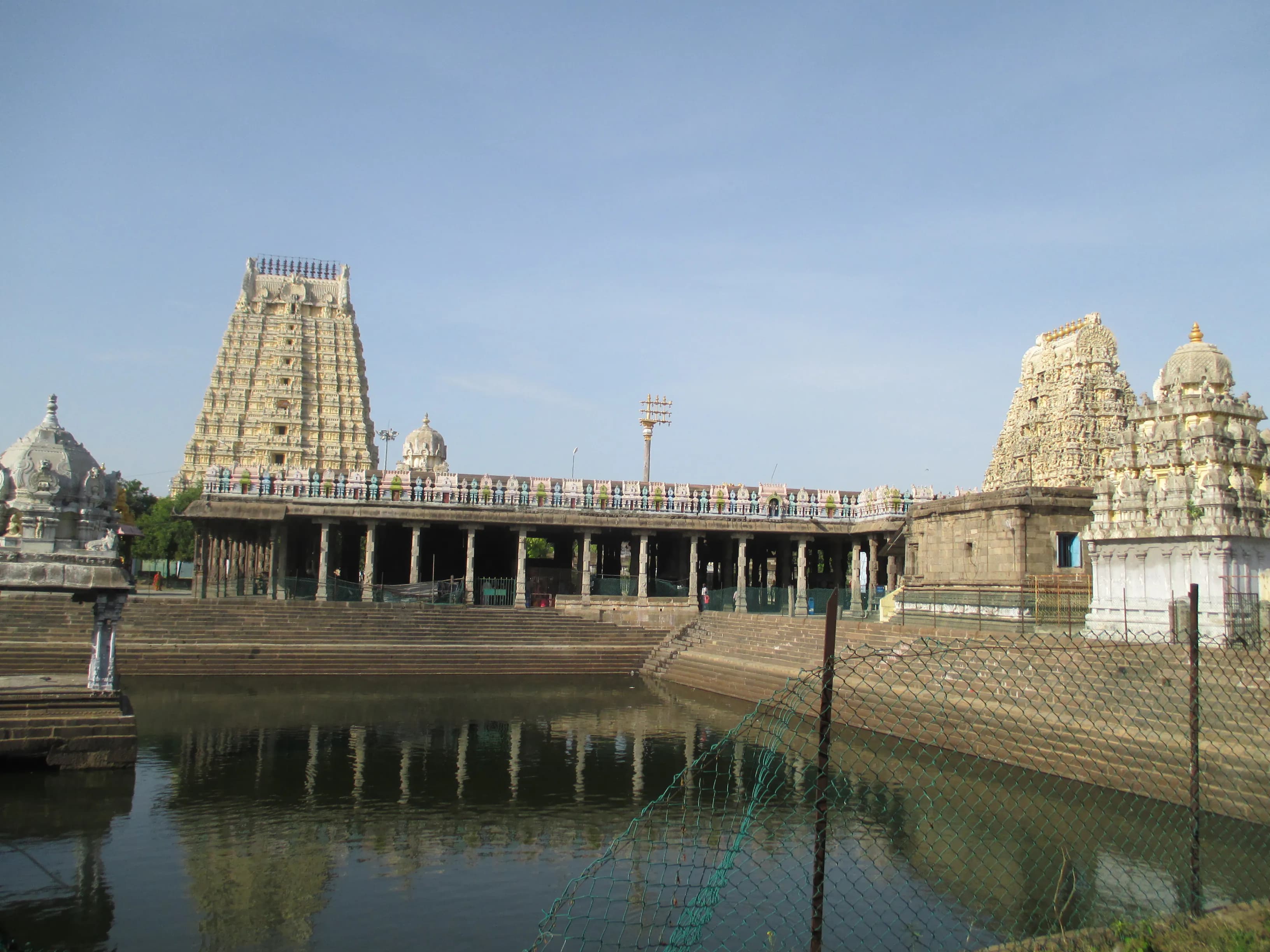
The towering gopuram of the Ekambareswarar Temple, a colossal 59-meter-high testament to Dravidian architecture, dominates the Kanchipuram skyline. As I stepped through the imposing gateway, a wave of cool air washed over me, a welcome respite from the Tamil Nadu sun. This wasn't just another temple; this was a living, breathing entity, pulsating with centuries of devotion and architectural brilliance. Ekambareswarar, one of the Pancha Bootha Sthalams representing earth, felt profoundly grounded, its very stones whispering tales of bygone eras. The sheer scale of the temple complex is breathtaking. Enclosed within massive walls, it's a city within a city, a labyrinth of shrines, mandapams, and pillared halls. My eyes were immediately drawn to the intricate carvings that adorned every surface. From the smallest floral motif to the elaborate depictions of deities and mythical creatures, the artistry was simply astounding. I spent hours just wandering, my neck craned upwards, tracing the stories etched in stone. The craftsmanship, honed over generations, spoke of a deep reverence for the divine and a dedication to artistic perfection. One of the most striking features of the Ekambareswarar Temple is the thousand-pillared hall. Walking through this architectural marvel, I felt a sense of awe and wonder. Each pillar, a unique work of art, stood as a testament to the skill and patience of the artisans who carved them. The play of light and shadow through the colonnades created an ethereal atmosphere, transporting me to a realm of tranquility and spiritual contemplation. The temple's main deity, Lord Shiva, is represented here as Prithvi Lingam, made of sand and worshipped under a mango tree. This unique aspect adds another layer of symbolism, connecting the temple to the earth element it represents. The story goes that Parvati, Shiva's consort, worshipped him under this very tree, further solidifying the temple's connection to devotion and divine love. Witnessing the rituals and the palpable devotion of the worshippers, I felt a deep connection to the spiritual heart of this ancient place. The temple's history is as rich and layered as its architecture. Built by the Pallavas in the 6th century and subsequently expanded by the Cholas and Vijayanagara rulers, it stands as a testament to the enduring legacy of these powerful dynasties. The different architectural styles, visible in the various sections of the temple, offer a fascinating glimpse into the evolution of Dravidian architecture over centuries. I noticed the distinct influence of the Vijayanagara period in the ornate gopurams and the intricate carvings adorning the walls. Beyond the grand structures and intricate carvings, it was the smaller details that truly captivated me. The worn smoothness of the stone steps, polished by the feet of countless devotees over centuries. The faint scent of incense lingering in the air. The rhythmic chanting of priests echoing through the halls. These sensory experiences added a layer of authenticity and depth to my visit, making it more than just a sightseeing trip. As I left the Ekambareswarar Temple, the towering gopuram shrinking in the distance, I carried with me more than just photographs and memories. I carried a sense of connection to India's rich cultural heritage, a deeper understanding of Dravidian artistry, and a profound appreciation for the enduring power of faith. This wasn't just a temple; it was a living testament to the human spirit's enduring quest for the divine, expressed through art, architecture, and unwavering devotion. Of all the UNESCO sites I've visited in India, Ekambareswarar Temple holds a special place, a place where the earth element truly resonates, anchoring the spirit and inspiring awe.
Mahabali Temple Imphal
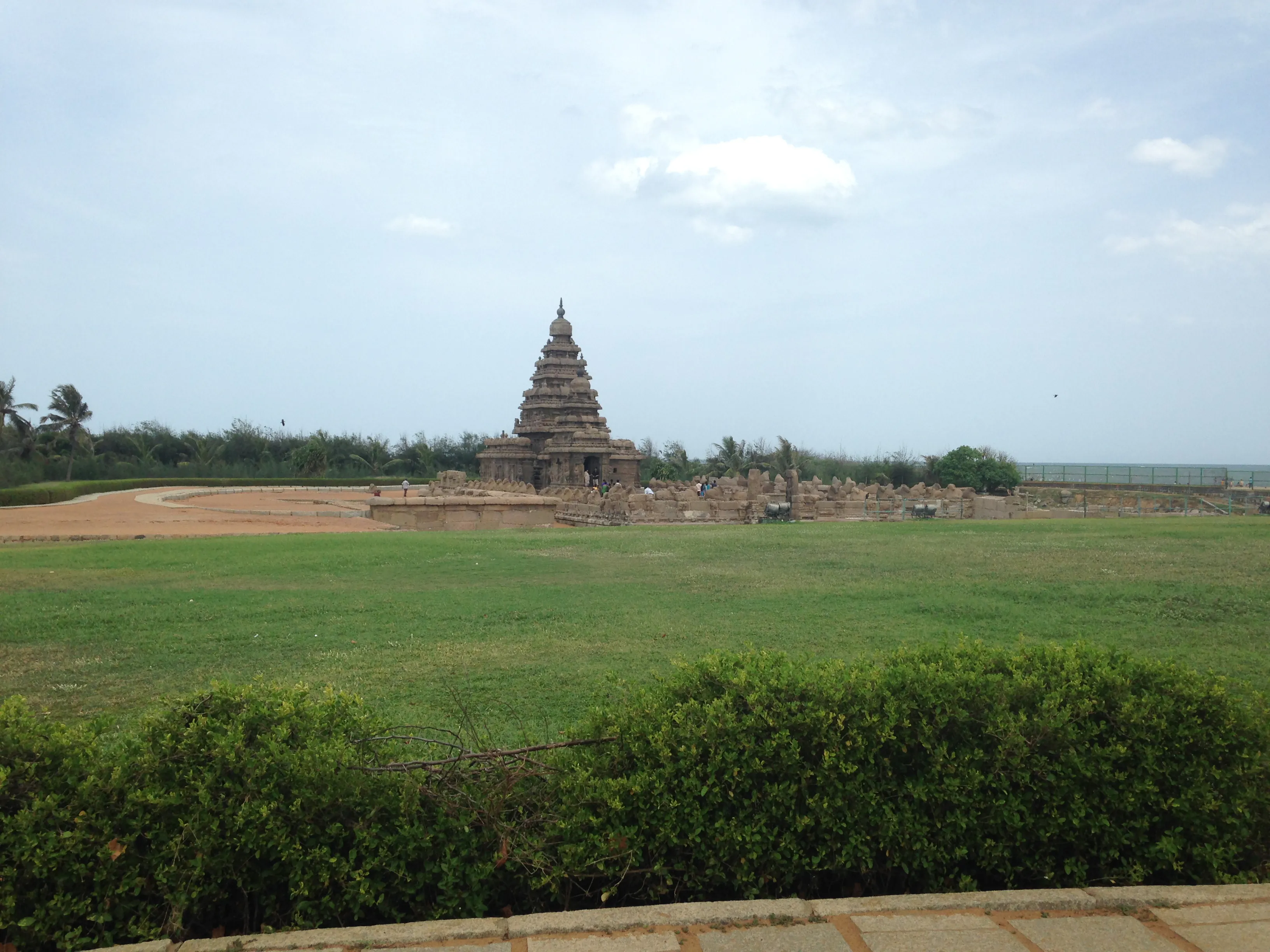
The air hung heavy with the scent of incense and damp earth as I stepped onto the grounds of the Mahabali Temple in Imphal. The temple, dedicated to the ancient pre-Vaishnavite deity Mahabali, exuded an aura of quiet power, a palpable sense of history clinging to its weathered stones. Unlike the ornate, towering structures I’m accustomed to photographing in Madhya Pradesh, this temple possessed a grounded, almost elemental presence. Its pyramidal roof, constructed of corrugated iron sheets now rusted with age, seemed an incongruous addition to the ancient brick foundation. This juxtaposition, however, spoke volumes about the temple's enduring journey through time, adapting and evolving while retaining its core spiritual significance. The temple's brickwork, the primary focus of my lens, was a marvel. The bricks, uneven in size and texture, were laid without mortar, a testament to the ingenuity of the ancient Meitei builders. Centuries of weathering had eroded some, leaving intriguing patterns and textures that caught the light in fascinating ways. I spent a considerable amount of time circling the structure, observing how the sunlight interacted with these imperfections, highlighting the subtle variations in the brick’s hues, from deep terracotta to a faded, almost pinkish orange. The lack of mortar allowed for a certain flexibility, a give-and-take with the elements that perhaps contributed to the temple's longevity. It felt as if the structure was breathing, subtly shifting and settling with the earth beneath it. A small, unassuming entrance led into the inner sanctum. The interior was dimly lit, the air thick with the scent of offerings and the murmur of prayers. Photography wasn't permitted inside, which, in a way, amplified the sacredness of the space. It forced me to engage with the temple on a different level, to absorb the atmosphere, the energy, and the palpable devotion of the worshippers. I sat quietly for a while, observing the flickering oil lamps and listening to the rhythmic chanting, letting the weight of history and tradition settle upon me. Outside, the temple grounds were a hive of activity. Devotees moved with a quiet reverence, offering flowers, fruits, and incense at the base of the structure. I noticed several small shrines scattered around the main temple, each dedicated to a different deity, creating a complex tapestry of spiritual beliefs. This intermingling of faiths, the layering of traditions, is something I find particularly captivating about the Northeast. It speaks to a cultural fluidity, an acceptance of diverse spiritual paths that is both refreshing and inspiring. As I photographed the devotees, I was struck by the vibrant colours of their traditional attire, a stark contrast to the muted tones of the temple itself. The women, draped in intricately woven phanek (sarongs) and innaphi (shawls), moved with grace and dignity, their presence adding another layer of richness to the scene. I made a conscious effort to capture these moments respectfully, aiming to convey the spirit of devotion without intruding on the sanctity of their rituals. The Mahabali Temple is more than just an architectural marvel; it's a living testament to the enduring power of faith and tradition. It’s a place where the past and present intertwine, where ancient rituals are performed alongside modern-day life. My time at the temple was a humbling experience, a reminder of the deep spiritual connections that bind communities together and the importance of preserving these cultural treasures for generations to come. The photographs I captured, I hope, will serve as a visual echo of this experience, conveying not just the physical beauty of the temple, but also the intangible spirit that resides within its ancient walls.
Subashi Buddhist Temple Kuqa Xinjiang China
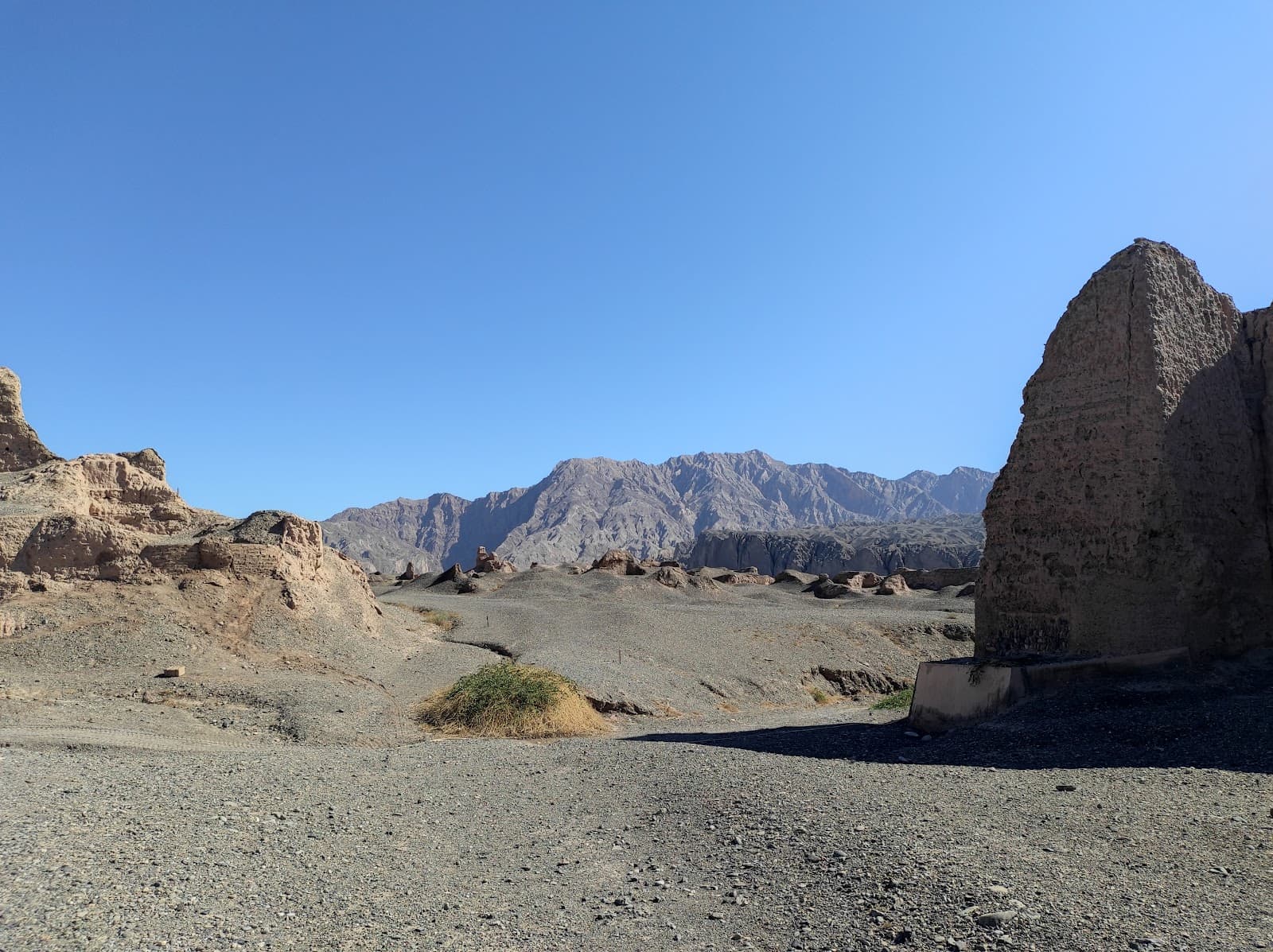
Subashi Buddhist Temple, located near Kuqa in Aksu Prefecture, Xinjiang, China, represents one of the most magnificent and architecturally sophisticated Buddhist temple complexes along the northern branch of the Silk Road, constructed from the 2nd to 6th centuries CE when the ancient Kingdom of Kucha flourished as a major center for the transmission of Buddhism from India to China, creating a stunning testament to the direct transmission of Indian Buddhist architectural and artistic traditions to Central Asia. The temple complex, constructed primarily from rammed earth, fired brick, and wood with extensive stucco and painted decoration, features massive walls, towering pillars, and extensive ruins that once formed one of the largest Buddhist monastic complexes in the Tarim Basin, with the site's architectural grandeur and sophisticated design demonstrating the systematic transmission of Indian Buddhist monastery architecture, particularly the traditions of northern India, to Central Asia. The site's architectural design demonstrates direct influence from Indian Buddhist monastery architecture, with the overall plan, structural forms, and decorative programs reflecting Indian Buddhist practices that were systematically transmitted to Central Asia, while the discovery of numerous Indic sculptures, including a remarkable 6th to 7th century sarira (Buddhist relic box) depicting Central Asian figures in long tunics reminiscent of Tocharian friezes, provides crucial evidence of the site's role as a major center of Buddhist artistic production that was directly influenced by Indian traditions. Archaeological excavations have revealed extraordinary preservation of architectural elements including massive walls, pillars, and foundations that demonstrate the sophisticated engineering techniques employed in the temple's construction, while the discovery of numerous sculptures, inscriptions, and ritual objects provides further evidence of the site's importance as a center of Buddhist worship, learning, and artistic production. The temple complex flourished particularly during the 5th to 7th centuries CE, when it served as one of the most important centers for the transmission of Buddhism from India to China, attracting monks, traders, and pilgrims from across the Buddhist world, while the site's location along the northern Silk Road facilitated its role in the transmission of Buddhist teachings, art, and culture. The site continued to function as a Buddhist center through the 6th century CE, with evidence of continued use and modifications that reflect the evolving religious and political landscape of the region, while the site's eventual abandonment, likely during the 7th or 8th century CE following political changes and the decline of Buddhism in the region, left substantial ruins that continue to provide crucial insights into the site's history and significance. The discovery of the sarira casket and other Indic sculptures at Subashi provides particularly important evidence of the ways in which Indian Buddhist artistic traditions were adapted and synthesized with local Central Asian elements, demonstrating the complex cultural exchanges that occurred along the Silk Road, while the site's architectural grandeur underscores its historical importance as a major center of Buddhist learning and practice. Today, Subashi stands as a UNESCO Tentative List site and represents one of the most important archaeological sites in the Taklamakan Desert, serving as a powerful testament to the transmission of Indian Buddhist architecture and art along the Silk Road, while ongoing archaeological research and preservation efforts continue to protect and study this extraordinary cultural treasure that demonstrates the profound impact of Indian civilization on Central Asian Buddhist art and architecture. ([1][2])
Shree Siddheshwar Nath Temple Pasighat
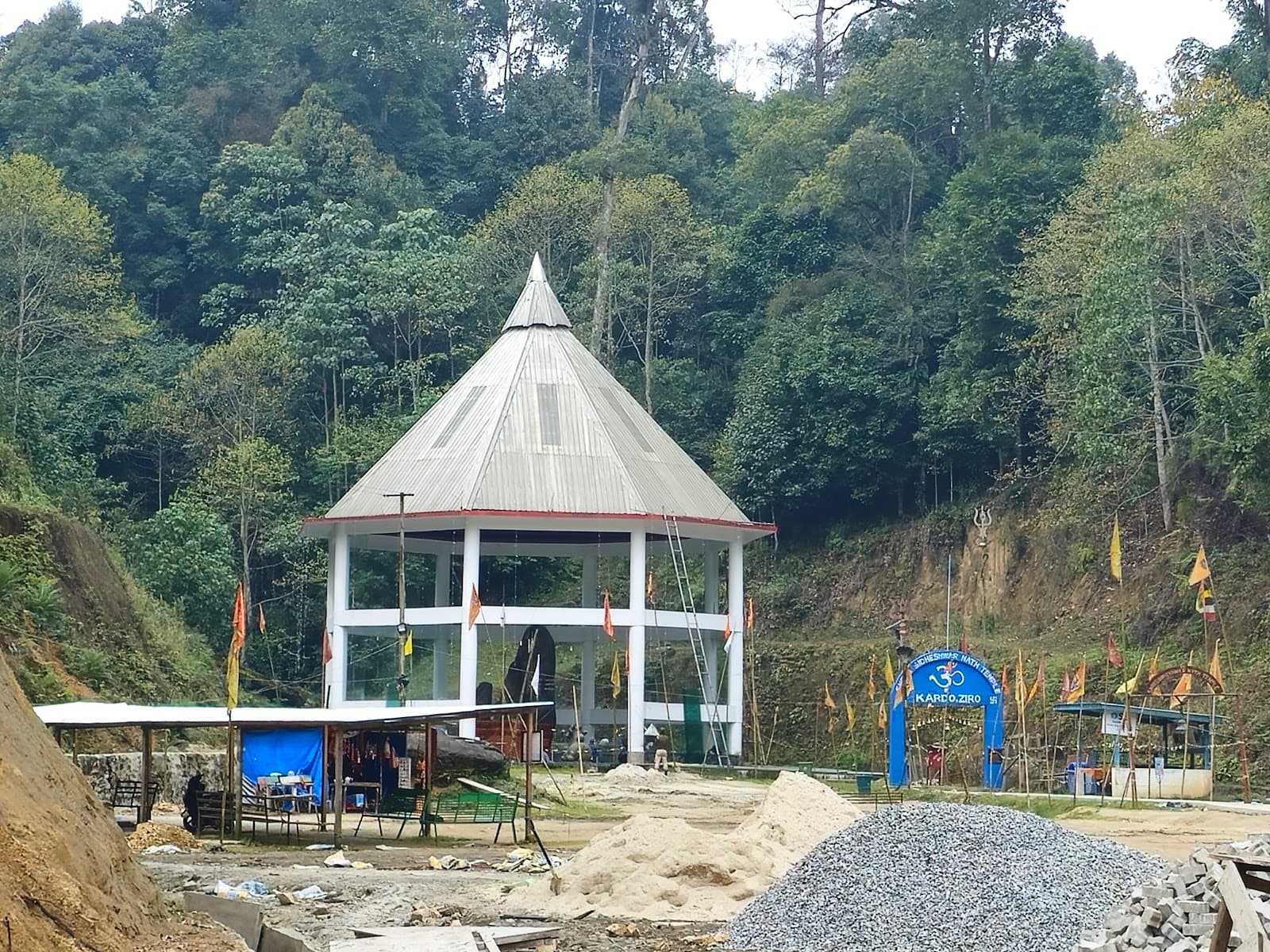
The emerald embrace of Arunachal Pradesh holds many secrets, and nestled within the East Siang district lies one such marvel – the Shree Siddheshwar Nath Temple. My journey as a heritage enthusiast, steeped in the architectural nuances of South Indian temples, took an unexpected but enriching turn when I encountered this unique structure. The temple, dedicated to Lord Shiva, stands as a testament to a confluence of architectural styles, a fascinating departure from the Dravidian idioms I'm so familiar with. The first striking feature is the temple's location. Unlike the grand temple complexes of Tamil Nadu often situated amidst bustling towns, the Siddheshwar Nath Temple enjoys a serene setting. Perched atop a small hillock overlooking the Siang River, it commands a breathtaking view of the surrounding valley. The climb to the temple itself is a mini-pilgrimage, winding through lush greenery, enhancing the sense of anticipation. The temple's architecture presents a captivating blend of styles. While the core structure echoes the Nagara style prevalent in North India, distinct regional influences are evident. The shikhara, the towering superstructure above the sanctum sanctorum, exhibits a curvilinear profile reminiscent of the rekha-deul style found in Odisha, yet it possesses a unique local flavour. The absence of elaborate sculptural ornamentation, so characteristic of South Indian temples, was initially surprising. Instead, the emphasis is on the elegant proportions of the shikhara and the interplay of light and shadow on its smooth surfaces. The temple's construction materials also differ significantly from the granite commonly used in South India. Here, locally sourced stone and bricks form the primary building blocks, lending the structure an earthy, organic feel. This choice of material, while dictated by local availability, contributes to the temple's harmonious integration with its natural surroundings. Entering the sanctum sanctorum, I was greeted by the serene presence of the Shiva lingam. The interior space is relatively simple, devoid of the intricate carvings and vibrant frescoes that adorn South Indian temples. This simplicity, however, amplified the spiritual aura of the space, allowing for a more focused and introspective experience. One of the most intriguing aspects of the Siddheshwar Nath Temple is its historical narrative. Local legends suggest a connection to the Mahabharata, with some believing the Pandavas sought refuge in this region during their exile. While concrete historical evidence remains elusive, these narratives add a layer of mystique to the temple and underscore its cultural significance within the local community. Observing the rituals and practices within the temple revealed further cultural nuances. While the core Hindu beliefs and practices are evident, the specific rituals and ceremonies reflect local traditions, highlighting the dynamic nature of faith and its adaptation to specific cultural contexts. The reverence with which the local Adi community regards the temple speaks volumes about its importance as a spiritual and cultural anchor. My visit to the Shree Siddheshwar Nath Temple was a powerful reminder that architectural heritage is not a monolithic entity. It is a vibrant tapestry woven from diverse threads of regional influences, local materials, and cultural narratives. While my background in South Indian temple architecture provided a framework for understanding, it was the temple's unique character that truly captivated me. The Siddheshwar Nath Temple stands as a testament to the architectural ingenuity of the region and the enduring power of faith, offering a glimpse into a rich cultural heritage that deserves greater recognition and preservation.
Umaid Bhawan Palace Jodhpur
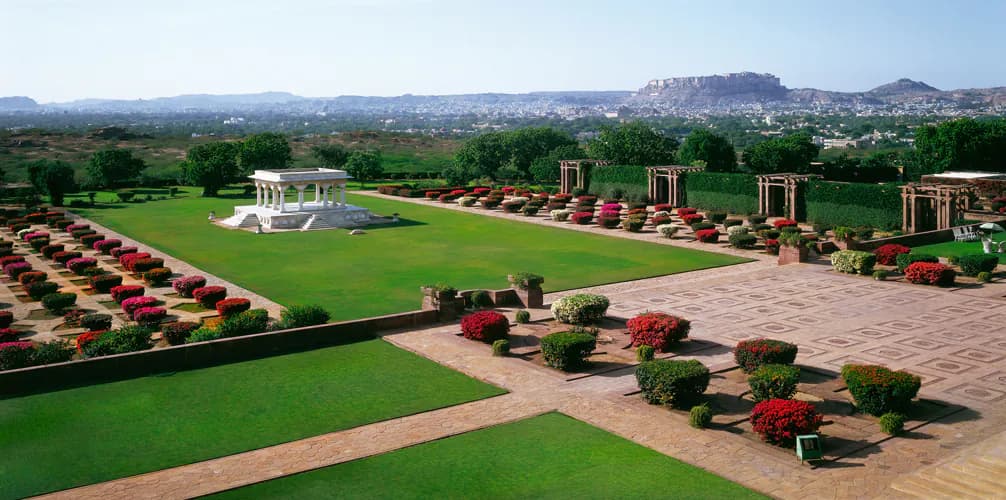
The imposing sandstone edifice of Umaid Bhawan Palace, perched atop Chittar Hill overlooking Jodhpur's blue-washed expanse, is a breathtaking spectacle. As a South Indian steeped in the Dravidian architectural idiom, I was immediately struck by the distinct shift in style. Here, the intricacies of granite carvings and towering gopurams I was accustomed to were replaced by the sweeping grandeur of Rajput and Art Deco influences. The sheer scale of the palace, a harmonious blend of Indo-Saracenic, Classical Revival, and Western Art Deco styles, was truly awe-inspiring. The palace's warm, honey-coloured sandstone, quarried locally, glowed in the afternoon sun. The intricate latticework jalis, a feature I recognized from Mughal architecture, offered glimpses of the meticulously manicured gardens below while providing shade and ventilation – a practical solution elegantly executed. Unlike the vibrant colours often associated with Rajasthani architecture, Umaid Bhawan exuded a sense of restrained opulence. The dominant sandstone was offset by polished marble flooring and subtle accents of black granite, creating a visual harmony that was both regal and inviting. Stepping inside, the central dome, a masterpiece of Art Deco design, captivated my attention. Its geometric patterns and soaring height created a sense of grandeur that rivalled the vast courtyards of South Indian temples. The use of stained glass, a Western architectural element, added a splash of colour, filtering the sunlight and casting kaleidoscopic patterns on the marble floors. The interior spaces seamlessly blended Indian and European aesthetics. Intricate murals depicting scenes from Hindu epics adorned some walls, while others showcased Art Deco motifs, a testament to the Maharaja's appreciation for both traditional and contemporary art forms. The Durbar Hall, with its gilded furniture and imposing portraits of the Jodhpur royal family, offered a glimpse into the lavish lifestyle of the Maharajas. The intricate detailing on the wooden furniture, reminiscent of the intricate woodwork found in Chettinad mansions back home, highlighted the skilled craftsmanship prevalent in both regions, albeit expressed through different mediums. The throne room, with its ornate silver chairs and intricate chandeliers, exuded an air of regal authority. Exploring the museum wing, housed within a section of the palace, provided valuable context to the building's history and the vision of Maharaja Umaid Singh. The collection of vintage cars, clocks, and photographs offered a fascinating glimpse into the Maharaja's personal interests and the era in which the palace was built. Observing the architectural plans and models on display, I could appreciate the meticulous planning and engineering that went into creating this architectural marvel. The integration of modern amenities, such as a swimming pool and a squash court, within the traditional palace structure, showcased a forward-thinking approach that resonated with me. One of the most striking aspects of Umaid Bhawan was its integration with the landscape. The palace, built on a raised platform, seemed to emerge organically from the rocky terrain. The expansive gardens, designed with geometric precision, provided a refreshing contrast to the arid landscape surrounding the palace. The panoramic views of Jodhpur's blue cityscape from the palace ramparts were simply mesmerizing. The "blue city," a sea of indigo houses stretching towards the horizon, offered a visual spectacle that was both unique and unforgettable. Umaid Bhawan Palace is more than just a building; it's a testament to a bygone era, a symbol of the grandeur and vision of the Jodhpur royal family. While vastly different from the temple architecture I was familiar with, the palace's meticulous craftsmanship, attention to detail, and harmonious blend of diverse architectural styles resonated deeply with my appreciation for architectural heritage. It served as a powerful reminder that architectural beauty transcends regional boundaries and stylistic differences, speaking a universal language of artistry and human ingenuity.
Vaitheeswaran Koil
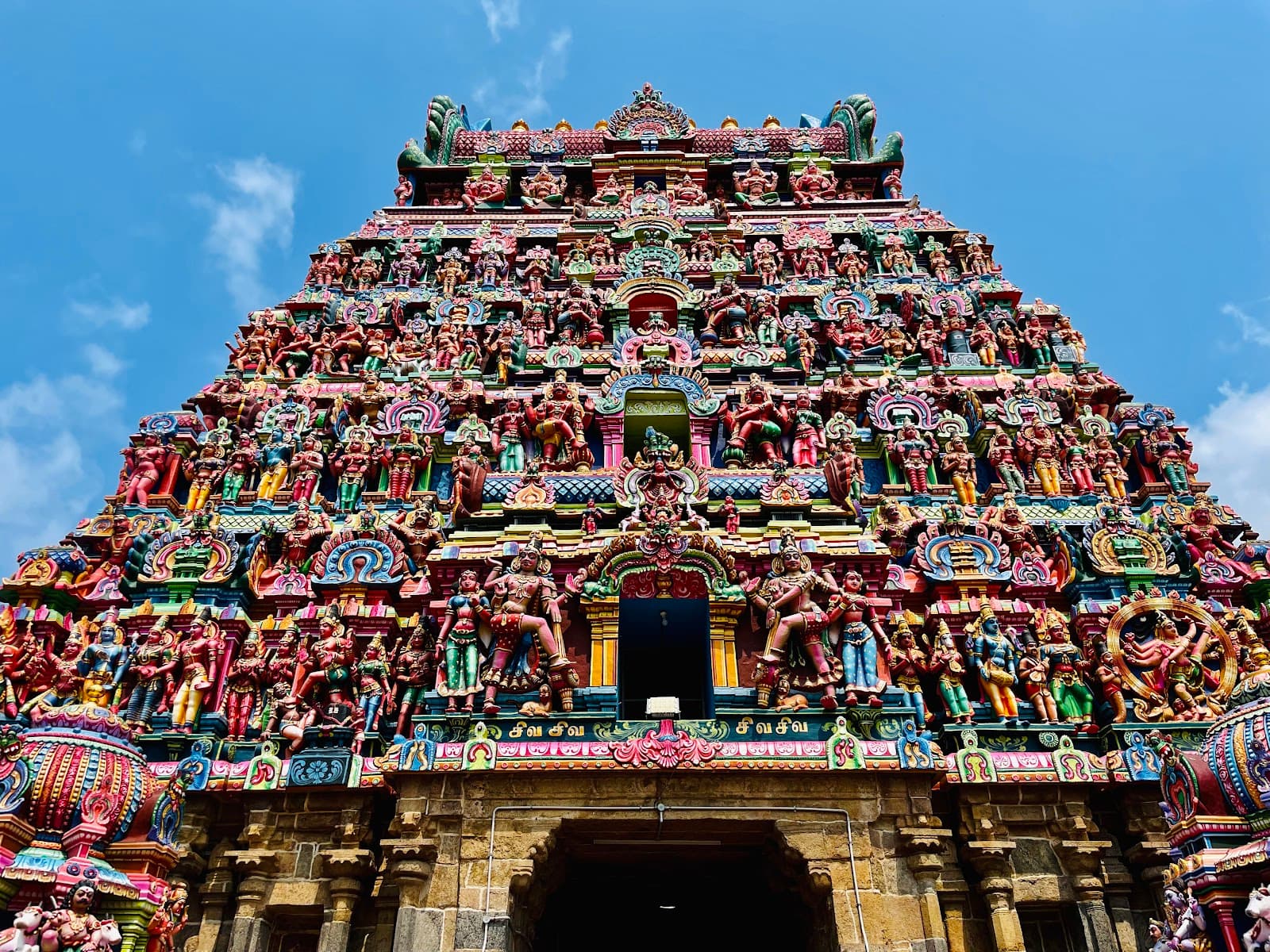
When I entered Vaitheeswaran Koil, I felt immediately surrounded by centuries of faith and healing. Though not listed as a centrally protected monument, the temple's scale and atmosphere reveal its long, uninterrupted history. The five-tiered Rajagopuram, granite walls, and intricately carved mandapams reflect the Dravidian craftsmanship perfected under the Cholas, Nayakas, and Marathas. Inscriptions on the walls—left by rulers from Vikrama Chola to Thulaja—reminded me how many dynasties shaped this space. Inside, Lord Shiva is worshipped as Vaidyanathar, the divine healer. Watching devotees gather at the Siddhamirtham tank, offering prayers and silver replicas of body parts, I could sense how deeply this temple is tied to hope and recovery. Stories of Rama seeking relief from his dosha and Angaraka being cured here give the temple its role as the Mars Navagraha sthalam. The cultural life around me was vibrant. Festivals like Vaikasi Visakam, Panguni Uthiram, Brahmotsavam, Masi Magam, Skanda Sashti, and Karthigai Deepam animate the temple with processions, music, and lights. Even in quieter moments, the presence of Nadi astrologers and the sacred Vembu tree added layers of tradition. Leaving the temple, I carried a strong impression of a place where architecture, mythology, and healing merge seamlessly into a living heritage. Vaitheeswaran Koil, also known as Thirupullirukku Velur, is a revered Hindu temple dedicated to Lord Shiva as Vaidyanathar (the God of Healing), located in Vaitheeswarankoil near Mayiladuthurai. The temple complex spans 10.7 acres and features a five-tiered Rajagopuram, four additional gopurams marking the four directions, and multiple precincts with pillared halls, shrines, and corridors. The temple is renowned as one of the Navagraha temples, representing Mars (Angaraka), and is classified as a Paadal Petra Sthalam, revered in the Tevaram hymns of 7th-century Saiva nayanars. The temple is particularly famous for its association with healing, the sacred Siddhamirtham tank, Nadi astrology, and its role as a center of faith and pilgrimage.
Hindu Sabha Mandir Brampton
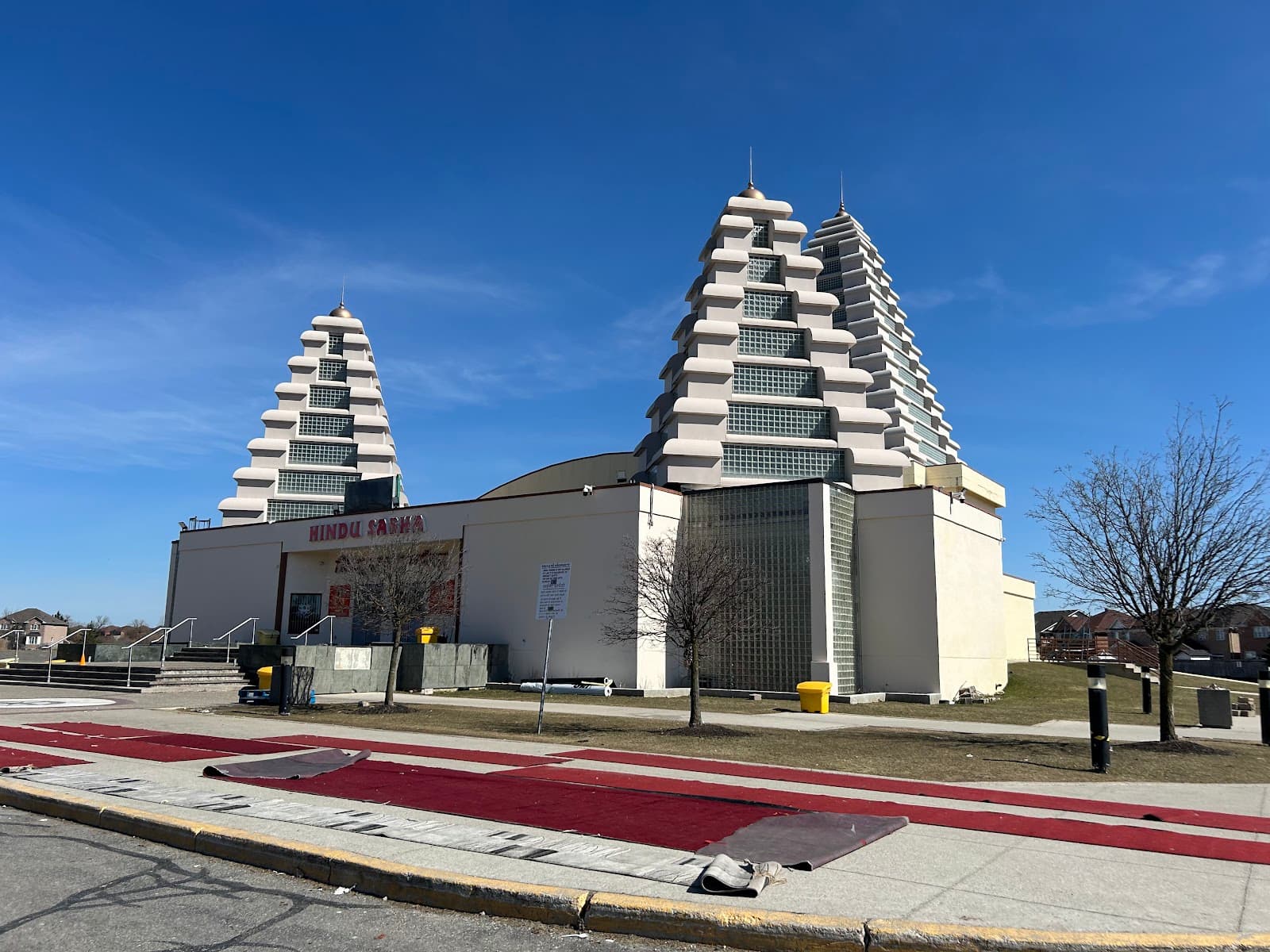
The Hindu Sabha Mandir, located at 9225 The Gore Road in Brampton, Ontario, Canada, stands as a profound testament to the enduring legacy of India's millennia-spanning cultural heritage, embodying the continuous tradition of Hindu civilization in the diaspora. Dedicated primarily to Maa Jagdamba, this sacred edifice serves as a vital spiritual and cultural nexus for the Hindu community in the Greater Toronto Area [1] [2]. Its architectural design predominantly adheres to the Dravida style, characterized by its pyramidal multi-tiered towers known as *vimanas* or *shikharas*, intricate carvings, and monumental structures, reflecting an indigenous architectural idiom that originated in Southern India thousands of years ago [5] . While incorporating modern institutional and brick architecture, the temple meticulously preserves the aesthetic principles and iconographic traditions of ancient Indian temple building [5] . The temple complex encompasses an expansive constructed area of approximately 32,000 square feet [3] [4]. The main floor alone spans about 17,000 square feet, featuring a dedicated altar area of 4,000 square feet where the primary deities are enshrined [3]. The lower level houses a substantial community hall and kitchen, covering approximately 15,000 square feet, designed to facilitate large gatherings and community service initiatives [3]. The main prayer hall is engineered to accommodate over 1,000 devotees, reflecting its role as a major congregational space [3]. A prominent architectural feature is the main *shikhara*, which rises to an impressive height of approximately 120 feet, dominating the skyline and serving as a beacon for the community [3]. The construction employs contemporary engineering techniques while integrating traditional Indian craftsmanship for its decorative elements, including sculptures and intricate carvings that adorn the exterior and interior, depicting various deities, mythological narratives, and auspicious symbols [5]. The temple's design ensures optimal spatial arrangements for rituals, meditation, and communal activities, with designated areas for *darshan*, *puja*, and *prasad* distribution [1]. Currently, the Hindu Sabha Mandir is an actively functioning religious and cultural center, offering daily worship services, morning and evening *aartis*, *bhajan-kirtan* sessions, and *satsangs* [1] [2]. Special religious programs are organized to celebrate major Hindu festivals such as Diwali, Holi, and Dussehra, drawing thousands of devotees [1]. The temple also runs comprehensive religious education and *sanskar* programs for children and youth, alongside regular yoga and meditation sessions, fostering spiritual and physical well-being within the community [1]. Conservation efforts focus on routine maintenance and preservation of its architectural integrity, ensuring the longevity of its traditional elements. The temple is managed by a dedicated board and management team, supported by a Women Empowerment Group, which actively participates in various temple activities and community outreach programs, including a food bank [1] [2]. The site is fully operational, accessible to visitors, and adheres to established maintenance protocols, serving as a vibrant hub for cultural exchange and spiritual enrichment [1] [2]. Photography is generally not permitted inside the main sanctum, and traditional or formal attire is recommended for visitors [1]. An ongoing project includes the construction of a 55-foot-tall statue of Lord Hanuman, further enhancing the temple's spiritual landscape .
Pemayangtse Monastery Pelling
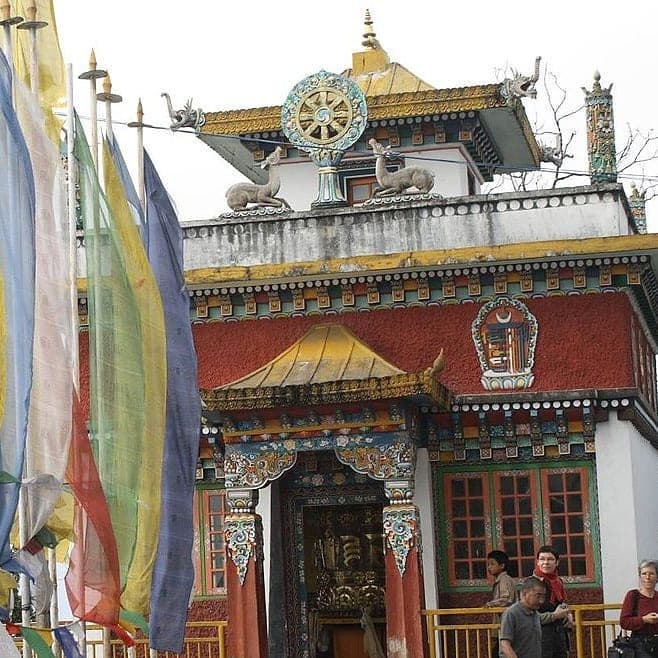
The biting Himalayan wind whipped prayer flags into a frenzy of colour against the backdrop of Kanchenjunga’s snow-capped majesty. Here, perched on a hilltop overlooking Pelling, stood the Pemayangtse Monastery, a structure that seemed to breathe history. As a cultural journalist from Uttar Pradesh, steeped in the grandeur of our own ancient temples and mosques, I was eager to experience the unique spiritual and architectural tapestry of this Sikkimese Buddhist sanctuary. The climb to the monastery itself was a pilgrimage of sorts, the winding path lined with vibrant rhododendrons. The monastery, built in 1705, is one of the oldest and most important in Sikkim, belonging to the Nyingma order, the oldest of the four major schools of Tibetan Buddhism. Its very name, Pemayangtse, translates to "Perfect Sublime Lotus," a moniker that felt entirely appropriate as I stepped through the intricately carved wooden doorway. The architecture struck me immediately. Unlike the stone structures I was accustomed to back home, Pemayangtse is primarily constructed of wood, lending it a sense of organic warmth. The multi-tiered roofs, adorned with ornate carvings and vibrant paint, curved upwards towards the heavens, echoing the surrounding peaks. The intricate woodwork, a testament to the skill of Sikkimese artisans, depicted mythical creatures, deities, and intricate floral patterns. It was a visual feast, every inch narrating a story from Buddhist scriptures. Inside, the atmosphere was hushed and reverent. The main prayer hall, or 'Lhakhang', was dimly lit, the air thick with the scent of burning incense. Giant thangkas, religious scrolls depicting Buddhist iconography, hung from the walls, their vibrant colours seeming to glow in the soft light filtering through the small windows. The centrepiece, however, was the seven-tiered wooden model of 'Sangthok Palri', the heavenly abode of Guru Rinpoche, also known as Padmasambhava, the founder of Tibetan Buddhism. This intricate structure, a marvel of craftsmanship, is said to be rebuilt every three years, a ritual that underscores the cyclical nature of Buddhist philosophy. I spent hours exploring the monastery, each room revealing new treasures. Ancient scriptures bound in leather, ceremonial masks used in religious dances, and antique musical instruments – each artefact whispered tales of centuries-old traditions and unwavering faith. I was particularly captivated by the wall paintings, which, unlike the frescoes I’d seen in Uttar Pradesh, possessed a distinct Tibetan style, characterized by bold lines, vibrant colours, and a focus on symbolic representation. One of the monks, a young man with a gentle smile, explained the significance of various symbols and rituals. He spoke of the importance of compassion, mindfulness, and the pursuit of enlightenment, principles that resonated deeply, transcending geographical and cultural boundaries. His words, coupled with the serene atmosphere of the monastery, fostered a sense of inner peace, a feeling I hadn’t anticipated amidst the grandeur of the Himalayas. As I descended the hill, the setting sun casting long shadows across the valley, I carried with me more than just photographs and notes. Pemayangtse Monastery was not merely a historical site; it was a living testament to the power of faith, the beauty of artistic expression, and the enduring legacy of a rich cultural heritage. It served as a powerful reminder that despite the diversity of our traditions, the human quest for spiritual understanding remains a universal thread that binds us together. The experience, for me, was a poignant reminder of the interconnectedness of cultures and the profound impact such places can have on shaping our understanding of the world.

Vedanta Society Old Temple San Francisco
Vedanta Society Old Temple in San Francisco greets visitors with incense, polished redwood pews, and the familiar cadence of daily arati. Twice-daily worship and weekly lectures anchor the schedule, while docents guide first-Sunday architecture tours through the Webster Street vestibule. Sanctuary paths stay clear, handrails feel steady, and the post-2014 lighting keeps the nave soft without washing out stained glass. A side garden ramp and portable lift help guests move between the sanctuary and lecture hall, and clerestory ventilation keeps the interior cool without mechanical air conditioning. Volunteers keep the vegetarian kitchen humming, separating compost and recycling as meals are plated for community outreach. Copper gutters still run to the meditation garden cistern, the incense counter bustles before evening arati, and the temple remains fully open for worship, tours, and neighborhood gatherings.
Shri Shiva Vishnu Temple Carrum Downs
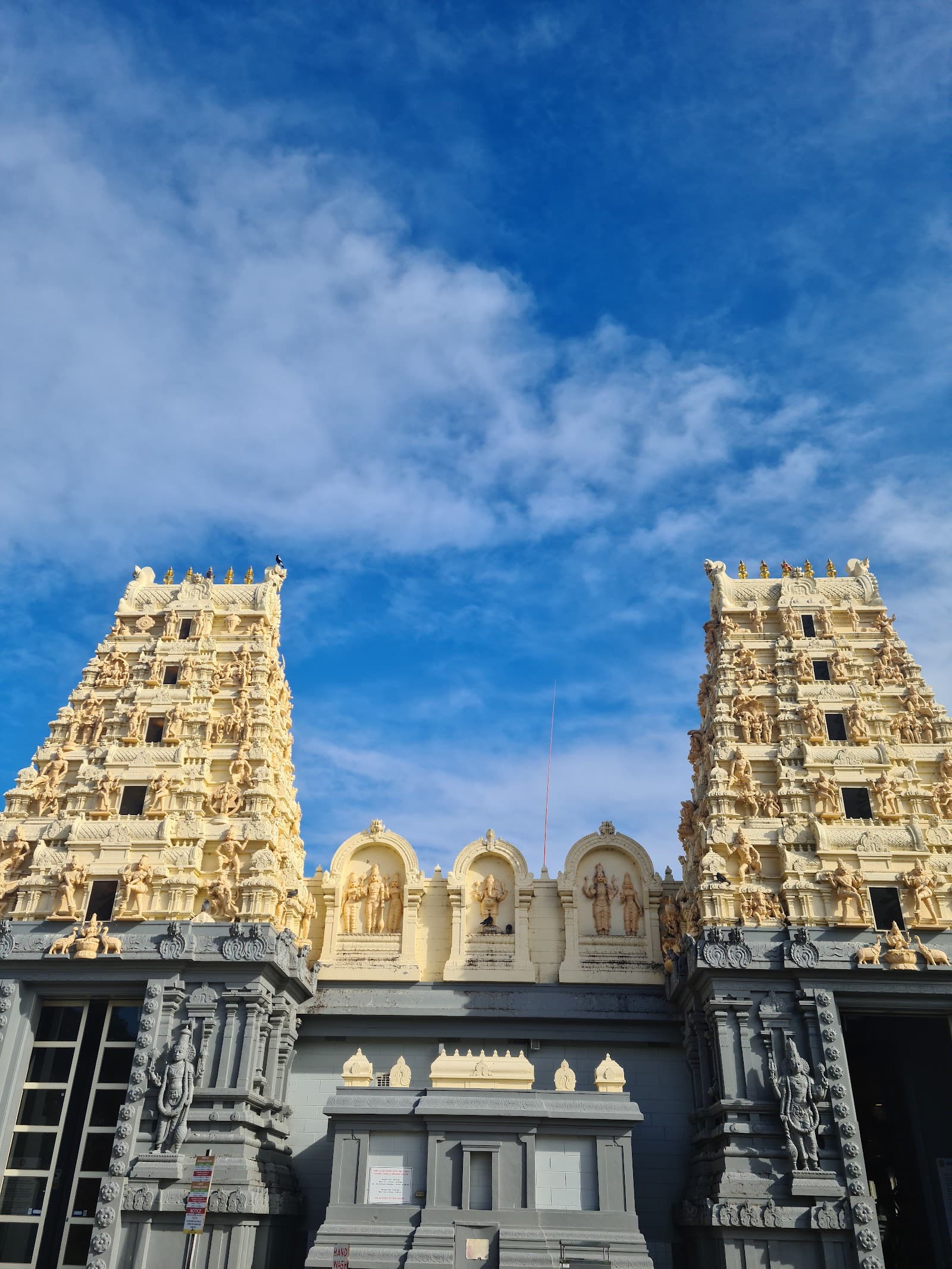
Shri Shiva Vishnu Temple Carrum Downs is dedicated to Lord Shiva and Lord Vishnu and anchors Carrum Downs, Victoria, as the largest Hindu complex in the southern hemisphere ([1][2]). Daily darshan opens 7:30 AM-12:00 PM and 4:00 PM-9:00 PM, with Saturday hours extending to 10:00 PM as dual queues marshal visitors toward the Shiva and Vishnu sanctums without crossover ([1]). A volunteer command post in the Yajna hall tracks CCTV and real-time crowd counts, dispatching ushers to the 108-pillared mandapa when coach tours arrive from interstate ([1][3]). The community centre seats 1,000 in banquet configuration, where stainless trolleys glide along polished concrete aisles and induction woks maintain prasadam throughput while keeping the hall free of combustion fumes ([1][4]). Tactile maps, contrasting floor nosings, and induction loop audio guide visitors with low vision or hearing loss, complemented by two lifts linking the cultural classrooms to the main prakaram ([3]). Accessible parking bays sit 30 metres from the gopuram and connect via canopy-covered ramps that maintain 1:20 gradients, easing pilgrimage for seniors and wheelchair users ([3]). Signage delivers tri-lingual Tamil-Hindi-English instructions, QR-linked seva booking, and bushfire evacuation diagrams audited annually by Fire Rescue Victoria ([3][5]). Air monitoring sensors in the homa kunda feed a dashboard that alerts priests when particulate loads trigger extraction fans, ensuring ceremonies run without breaching occupational standards ([5]). With cross-trained volunteers, audited hygiene workflows, and resilient visitor routing, the temple stays fully operational for worship, cultural tuition, and civic events throughout the calendar year ([1][2]).
Quick Links
Plan Your Heritage Journey
Get personalized recommendations and detailed visitor guides