Has Inheritage Foundation supported you today?
Your contribution helps preserve India's ancient temples, languages, and cultural heritage. Every rupee makes a difference.
Secure payment • Instant 80G certificate

Agroha Dham Hisar
Embodying the spirit of the Agrawal community, Agroha Dham is a contemporary temple complex that echoes the architectural traditions of ancient Bharatavarsha (India) ([2][6]). More than a mere mandir (temple), it serves as a reconstruction of a sacred space, believed to be built upon the grounds of ancient Agroha, a historically significant trade center ([7]). Within the Garbhagriha (sanctum sanctorum), the deity Mahalaxmi is enshrined, adorned with silks and flowers, amidst fragrant incense and prayers ([3]). A magnificent temple dedicated to Goddess Mahalaxmi dominates the complex, its white facade reflecting the skills of Indian shilpakars (artisans) ([4]). Intricate carvings of floral motifs and devatas (deities) embellish the structure, creating a visually stunning spectacle ([2]). Rising towards the heavens, the towering shikhara (spire), a defining element of North Indian temple architecture, evokes the grandeur of sacred spaces ([6]). Approaching the temple, the scale inspires awe, a tangible expression of the community's bhakti (devotion) and shraddha (reverence) ([3][7]). Built in 1976 CE during the contemporary period, Agroha Dham exhibits a unique Agroha style, incorporating religious and civic elements ([2][6]). Burnt bricks, terracotta, stone, and wood form the primary materials, reflecting traditional Indian construction techniques ([7]). Fortifications and a planned layout, reminiscent of ancient Indian cities, are evident in the Agrawal community's patronage, ensuring the continuity of cultural heritage ([3][4]). Agroha Dham stands as a testament to the enduring traditions of India, preserving and celebrating them for future generations. The complex reflects the community’s dedication to preserving their heritage and traditions ([2][7]). The use of terracotta bricks connects the structure to ancient building practices found across the Indian subcontinent ([3][6]).
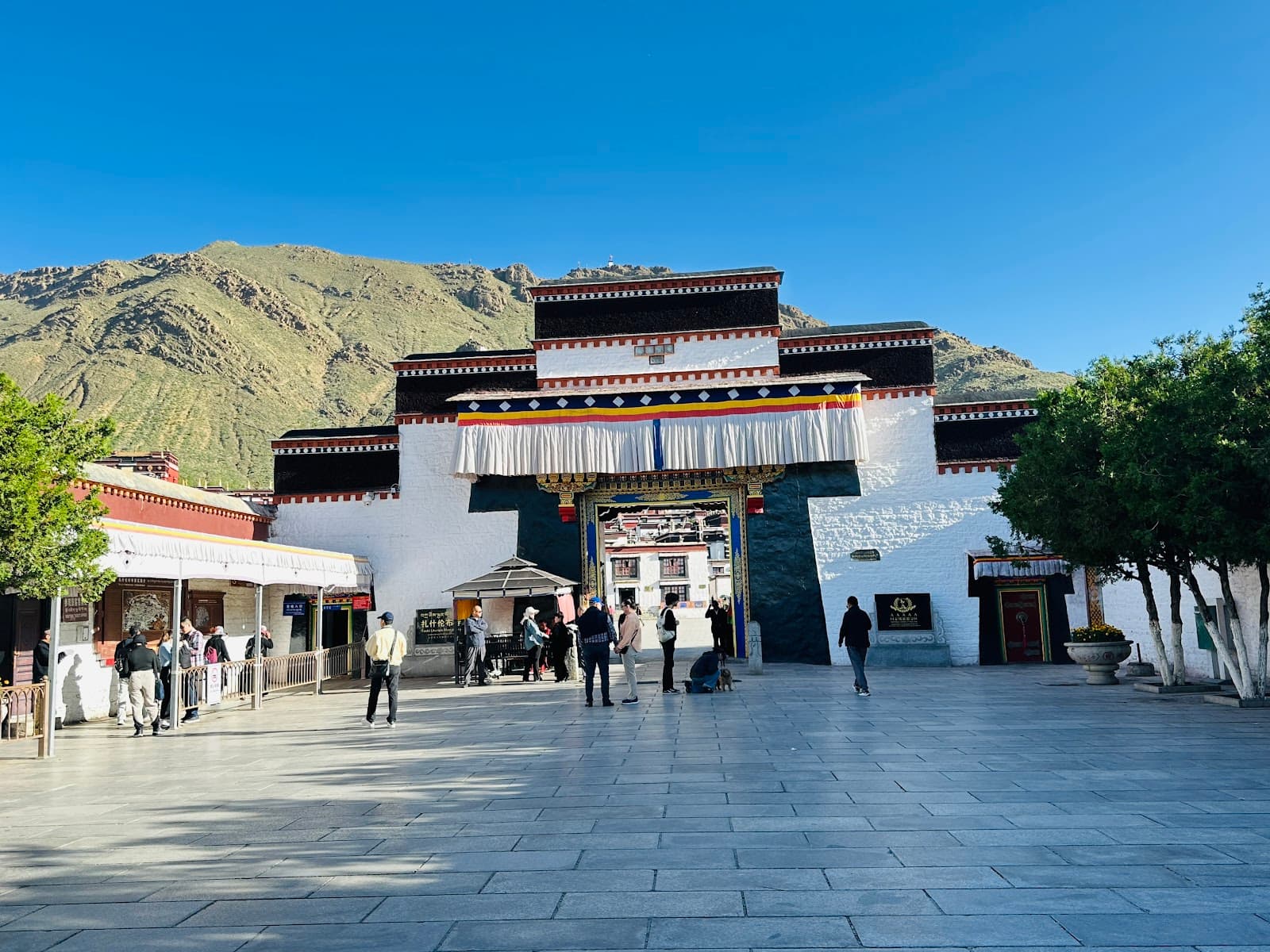
Tashilhunpo Monastery Shigatse Tibet
Tashilhunpo Monastery, located in Shigatse, Tibet, represents one of the most important monasteries in Tibet and stands as the traditional seat of the Panchen Lama, constructed in the 15th century CE during the period when Tibetan Buddhism was flourishing under the influence of Indian Buddhist traditions transmitted through centuries of cultural and religious exchange between Tibet and India. The monastery complex, constructed primarily from stone, wood, and earth with extensive decorative elements, features a massive structure containing numerous temples, chapels, assembly halls, and residential quarters arranged according to Indian Buddhist monastery planning principles, with the overall design reflecting mandala-based cosmological principles found in Indian Buddhist architecture. The monastery’s architectural design demonstrates direct influence from Indian Buddhist monastery architecture, particularly the Nalanda and Vikramashila models, with the overall plan and decorative elements reflecting traditions that were transmitted to Tibet through centuries of cultural exchange, while the extensive library and learning facilities demonstrate the transmission of Indian Buddhist scholarship traditions to Tibet. Archaeological and historical evidence indicates the monastery was constructed with knowledge of Indian Buddhist architectural treatises and learning traditions, reflecting the close cultural connections between Tibet and India during the medieval period, when Indian Buddhist scholars, texts, and architectural knowledge continued to influence Tibetan Buddhism. The monastery has served as a major center for Tibetan Buddhist learning and practice for over five centuries, maintaining strong connections to Indian Buddhist traditions through the study of Indian Buddhist texts, philosophy, and practices. The monastery has undergone multiple expansions and renovations over the centuries, with significant additions conducted to accommodate growing numbers of monks and expanding educational programs. Today, Tashilhunpo Monastery continues to serve as an important place of Buddhist worship and learning in Tibet, demonstrating the enduring influence of Indian Buddhist traditions on Tibetan culture and serving as a powerful symbol of Tibet’s deep connections to Indian civilization. ([1][2])
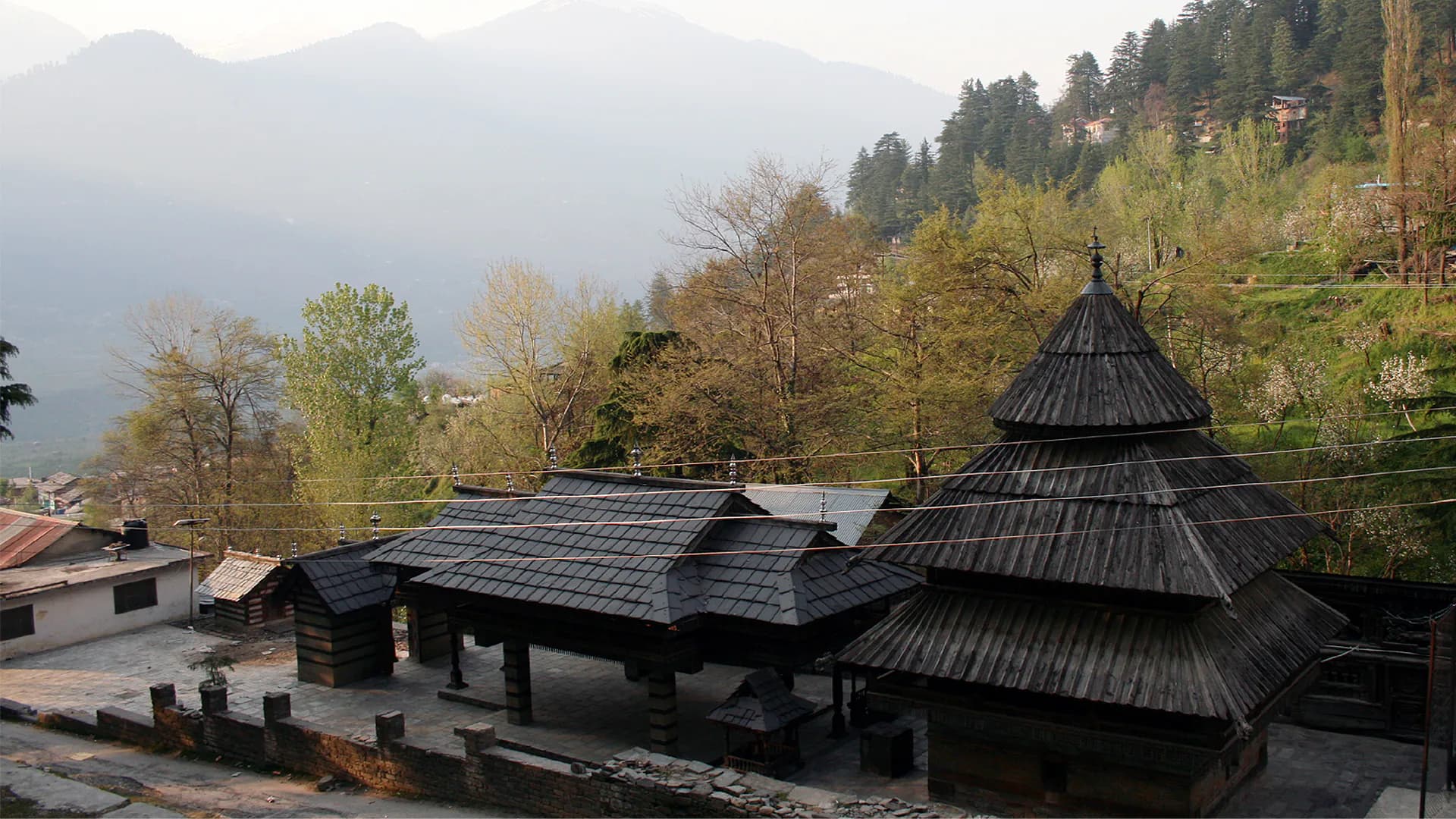
Tripura Sundari Temple Udaipur
The air hung thick and humid, fragrant with incense and marigold garlands, as I climbed the shallow steps leading to Tripura Sundari Temple. Located in Udaipur, Tripura, this Shakti Peetha, one of the 51 holy sites where parts of Sati's body are said to have fallen, vibrated with a palpable energy. Having visited every UNESCO site in India, I can confidently say Matabari, as it’s locally known, holds a unique charm, blending natural beauty with a profound sense of devotion. The temple complex sits nestled on a small hillock overlooking a serene lake, Kalyan Sagar. This lake, teeming with large, colourful fish considered sacred, adds another layer of mystique to the location. Devotees throng the banks, offering puffed rice to the fish, their vibrant scales flashing beneath the surface. This symbiotic relationship between nature and worship is a recurring theme at Matabari. The main temple, dedicated to Tripura Sundari, also known as Soroshi, is a relatively recent structure, built in 1501 by Maharaja Dhanya Manikya. Its characteristic Bengali-hut style architecture, with a curved, sloping roof and bright ochre walls, stands in stark contrast to the elaborate, towering temples of South India. The simplicity, however, is deceptive. Intricate terracotta carvings adorn the facade, depicting scenes from Hindu mythology and local folklore. I spent a considerable amount of time studying these panels, each a miniature narrative frozen in time. The craftsmanship, despite centuries of weathering, remains remarkably detailed, a testament to the skill of the artisans. Inside the temple, the atmosphere is charged with devotion. Photography is restricted within the sanctum sanctorum, which allows for a more immersive experience. The deity, Tripura Sundari, is represented by a small, silver idol, adorned with vibrant silks and flowers. The air is thick with the scent of burning camphor and the rhythmic chanting of priests. While I've witnessed grander, more opulent displays of worship at other sites, the intimate setting at Matabari fostered a sense of connection that I found deeply moving. Beyond the main temple, the complex houses several smaller shrines dedicated to other deities, including Kali and Shiva. Each shrine has its own distinct character, reflecting the diverse pantheon of Hindu gods and goddesses. I was particularly drawn to the shrine of the eight-handed Durga, a fierce and powerful representation of the goddess, a stark contrast to the serene Tripura Sundari. One of the most striking aspects of Matabari is the confluence of different religious traditions. While primarily a Hindu pilgrimage site, the temple also attracts Buddhist devotees who revere Tripura Sundari as a form of Tara. This intermingling of faiths creates a unique atmosphere of tolerance and mutual respect, a testament to India's rich syncretic heritage. My visit to Matabari wasn't just about observing the architecture and rituals; it was about experiencing the living, breathing faith that permeates the site. From the elderly woman whispering fervent prayers to the young boy offering a handful of puffed rice to the sacred fish, every individual contributed to the temple's vibrant tapestry of devotion. It's this human element, this palpable sense of connection between the divine and the earthly, that makes Matabari a truly unforgettable experience. As I descended the steps, leaving the temple behind, I carried with me not just photographs and memories, but a deeper understanding of the power of faith and the enduring legacy of India's cultural heritage.
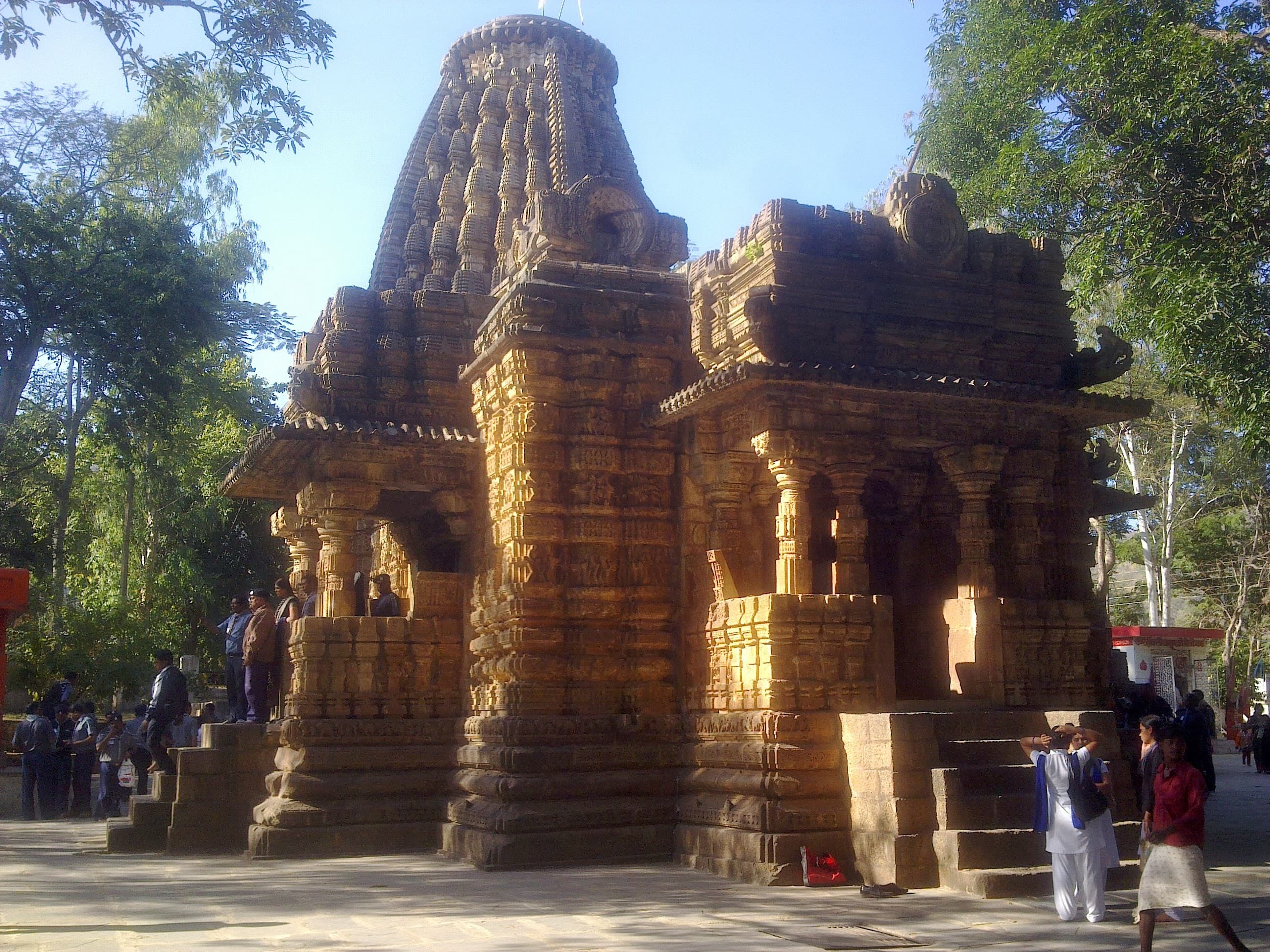
Bhoramdeo Temple Kabirdham
Granite and sandstone blocks, meticulously carved, form the Bhoramdeo Temple in Kabirdham, Chhattisgarh, a stunning example of 11th-century Indian architecture ([1][2]). Built around 1050 CE during the Kalachuri period, under the patronage of the Nagavanshi kings, this Hindu temple represents a seamless blend of Nagara and Bhumija architectural styles ([2][3]). The temple's intricate carvings narrate stories from the Ramayana and Mahabharata, offering insights into the daily life and artistic sensibilities of the era ([1][3][4]). During the Kalachuri period, temple architecture experienced significant development, influencing the construction of Bhoramdeo ([3][4]). The shikhara (spire) showcases the curvilinear elegance of the Nagara style, while the mandapa (pillared hall) features elaborate carvings ([2][5]). The Nagara style is characterized by its towering superstructure, while the Bhumija style, a regional variant, incorporates miniature spires attached to the main tower, adding complexity and visual richness ([5]). These architectural elements align with principles detailed in ancient texts like the *Vishnudharmottara Purana*, which discusses temple construction and iconography, as documented in the text ([6]). Also within the complex is the Madwa Mahal, adorned with celestial nymphs, enhancing the complex's spiritual allure ([1]). Beyond its artistic and architectural significance, Bhoramdeo's location amidst lush greenery, with the Maikal range as a backdrop, contributes to its tranquil ambiance ([4]). The gentle flow of the Jonk River further enhances the spiritual atmosphere, solidifying its status as a pilgrimage site ([5]). Bhoramdeo stands not only as the 'Khajuraho of Chhattisgarh' but also as a unique architectural marvel, embodying the rich heritage of ancient India, attracting pilgrims and tourists alike ([4][5]).

Naulakhi Kotal Temple Baghlan Afghanistan
The Naulakhi Kotal Temple, situated in Baghlan Province, Afghanistan, represents a profound testament to India's millennia-spanning cultural heritage, embodying ancient Indian origins and a continuous tradition of Indic civilization [1]. Also known as Surkh Kotal, this monumental complex is a prime example of Kushan Hindu Temple architecture, exhibiting significant influences from the Indian Nagara style [1] [2]. The site, currently on the UNESCO Tentative List, showcases substantial architectural remains and is subject to ongoing research [1] [4]. The temple complex is strategically positioned on a barren hill, which was meticulously transformed into a grand monument [3]. Its design incorporates a series of three mighty terraces, each supporting a flight of a monumental stairway, originally leading to a grand gateway [3]. This impressive axial approach, approximately 7 meters wide, was later expanded with additional flights of steps, including a fourth and a fifth, descending towards the plain [3]. Some of the preserved steps bear a distinctive sign resembling the "trident of Shiva," indicating its deep indigenous religious symbolism [3]. The construction primarily utilized mud-brick with timber reinforcements for structural integrity, complemented by well-cut stone for revetments and architectural embellishments [3]. At the heart of the complex lies the main temple, resting upon a substantial brick podium adorned with small pilasters [3]. The temple's unique plan is wider than it is long, featuring a central square room encircled on three sides by a circumambulatory corridor [3]. Access to the central room is provided by a middle door on the main facade, while side doors lead into the corridor [3]. Within the central chamber, a large stone platform, measuring 4.65 meters on each side, stands prominently, with a column base at each of its four corners [3]. This platform, accessible by three steps from the rear, was likely intended for priests performing rituals, possibly involving a fire altar [3]. The interior walls of the room were also embellished with pilasters [3]. Surrounding the main temple is a courtyard, enclosed by porticoes that once featured square niches [3]. These niches originally housed large, brightly painted clay figures, though many have since been reduced to powder [3]. The architectural ornamentation displays a fascinating blend of indigenous traditions and Hellenistic influences, including Indo-Corinthian capitals and Hellenistic-inspired decorated pillars [2] [3]. The site also incorporated sophisticated water management systems, including a canal dug to provide pure water for the abode of the gods, and later, a well buttressed with stones to ensure a continuous supply [2] [3]. Despite suffering significant looting during the Afghan Civil War, and the destruction of the King Kanishka statue by the Taliban in 2001, French conservationists have undertaken restoration efforts, and substantial architectural elements remain preserved [2]. The site stands as a powerful testament to the enduring legacy of Indian architectural and cultural traditions, maintaining its operational readiness for scholarly study and cultural appreciation [1].
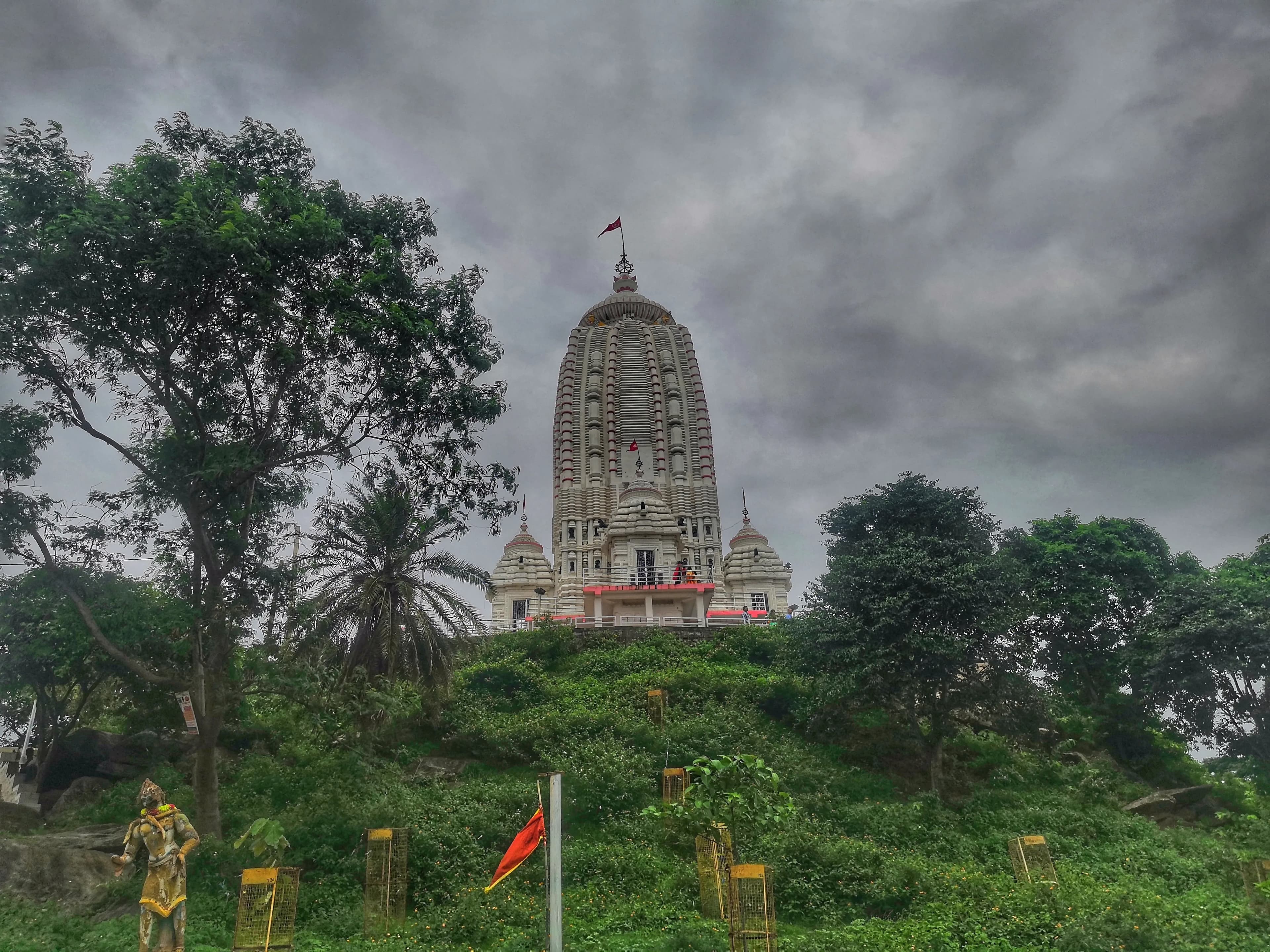
Jagannath Temple Ranchi
The crisp Jharkhand air, a welcome change from Maharashtra's humidity, carried the scent of incense as I approached the Jagannath Temple in Ranchi. Perched atop a small hillock, the temple’s pristine white shikhara, reminiscent of Odisha's famed Puri Jagannath Temple, dominated the skyline. Having explored countless caves and temples across Maharashtra, I was eager to see how this architectural marvel compared to the familiar terrain of my home state. The climb to the temple was a pilgrimage in itself. A wide flight of stairs, flanked by vendors selling everything from religious trinkets to local delicacies, led to the main entrance. The vibrant energy of the place was palpable, a blend of devotion and everyday life that is so characteristic of India's sacred spaces. Unlike the often chaotic scenes at Maharashtra's popular temples, there was a sense of calm order here, perhaps influenced by the temple's elevated position. The temple's architecture is a striking blend of traditional Odishan and contemporary styles. The shikhara, with its curvilinear silhouette and intricate carvings, is undoubtedly the highlight. While echoing the style of the Puri temple, it possesses a unique character, perhaps due to the use of locally sourced laterite stone. This reddish-brown stone, so different from the basalt and black stone I’m accustomed to seeing in Maharashtra’s temples, lends the structure a warm, earthy hue. The carvings, though weathered by time and elements, still retain a remarkable level of detail, depicting scenes from Hindu mythology and showcasing the skill of the artisans who crafted them. Stepping inside the main sanctum, I was greeted by the imposing idols of Jagannath, Balabhadra, and Subhadra. The atmosphere was thick with the fragrance of sandalwood and the murmur of prayers. The deities, with their distinctive large eyes and cylindrical forms, exuded a powerful aura. While smaller than their counterparts in Puri, they held the same captivating presence. I observed the rituals with fascination, noting the distinct regional variations compared to the temple practices I’ve witnessed in Maharashtra. The rhythmic chanting of the priests, the clanging of bells, and the flickering of oil lamps created a mesmerizing sensory experience. Beyond the main shrine, the temple complex houses several smaller shrines dedicated to various deities. I was particularly drawn to the intricate carvings adorning the walls of these smaller structures. They depicted a fascinating array of mythological figures, celestial beings, and floral motifs. The level of detail was astonishing, each carving a testament to the artistic prowess of the craftsmen. I spent a considerable amount of time studying these panels, drawing parallels and contrasts with the sculptural traditions of Maharashtra. The panoramic view from the temple grounds was breathtaking. The sprawling city of Ranchi lay spread out below, a tapestry of green and grey punctuated by the occasional glint of sunlight reflecting off a distant building. The cool breeze carried the sounds of the city, a gentle hum that blended seamlessly with the temple’s serene atmosphere. It was a moment of quiet contemplation, a chance to reflect on the journey that had brought me to this sacred place. Leaving the Jagannath Temple, I carried with me not just photographs and memories, but a deeper understanding of India's rich architectural and spiritual heritage. The temple, a testament to the enduring power of faith and artistry, stands as a beacon of hope and devotion, offering solace and inspiration to all who visit. While my heart remains rooted in the ancient caves and temples of Maharashtra, the Jagannath Temple of Ranchi has carved a special place in my travelogue, a reminder of the diverse and captivating tapestry of India's sacred landscape.
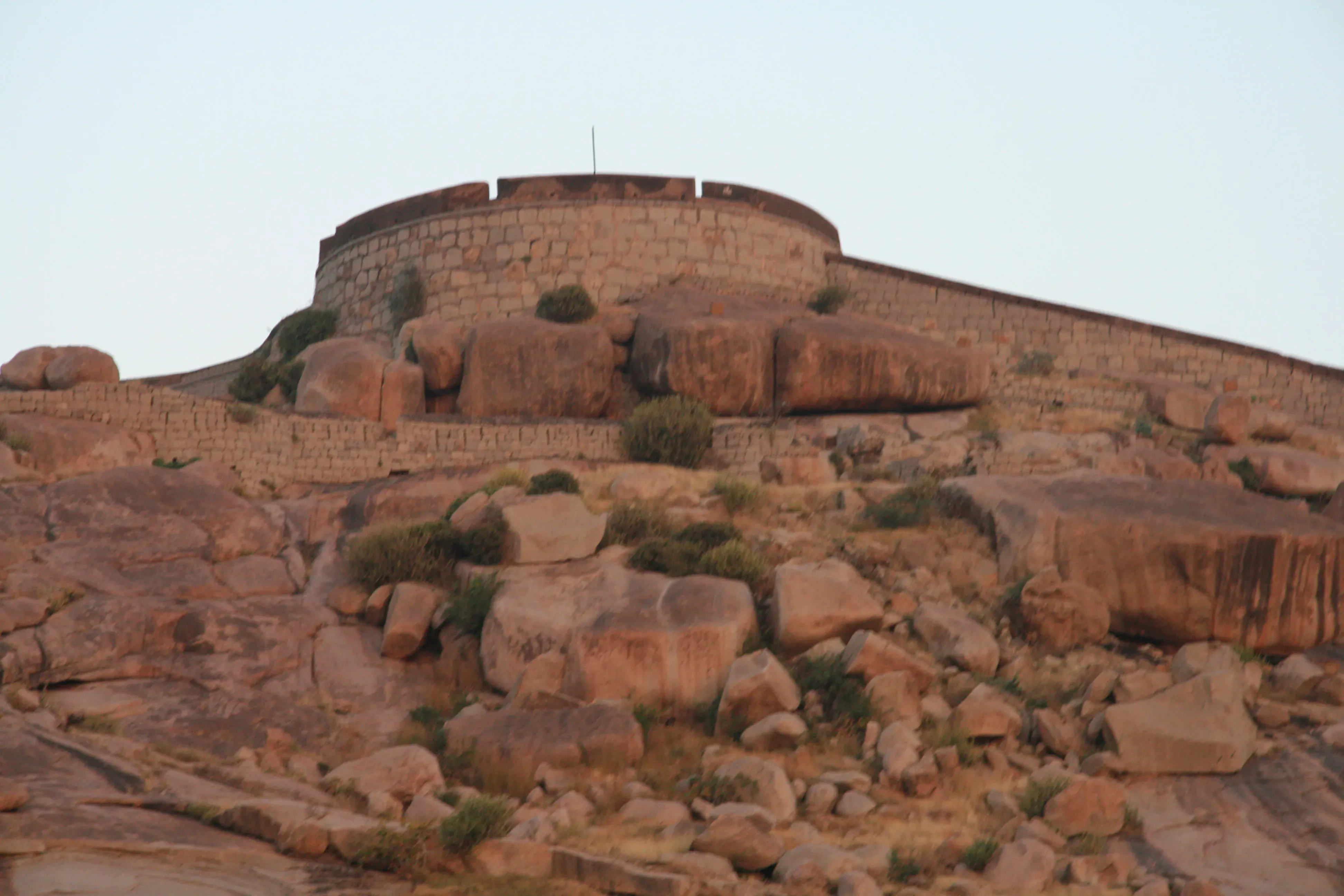
Bellary Fort Bellary
Granite and sandstone blocks, meticulously carved, form the imposing structure of Bellary Fort, rising dramatically from the Karnataka plains ([1]). Established around 1565 CE by Hanumappa Nayaka during the Vijayanagara period, the fort showcases a blend of Badami Chalukya and military architectural styles ([2][3]). Vastu Shastra principles, the ancient Indian science of architecture, likely influenced the fort's strategic layout and defensive design, though specific textual references are not available ([4]). This hilltop fortification embodies the Vijayanagara empire's strategic and artistic sensibilities. Sophisticated drainage systems ensure the preservation of the fort's structural integrity, demonstrating ancient engineering prowess ([5]). Intricate carvings adorning the walls, though weathered by time, hint at the fort's past grandeur ([6]). During the Vijayanagara Period, temple architecture and fort design shared common elements, emphasizing both aesthetic beauty and defensive strength ([7]). The use of locally available granite and stone highlights the region's traditional building practices. Stone platforms and foundations demonstrate the enduring legacy of the fort, a silent witness to centuries of Deccan history ([8]). Exploring Bellary Fort offers a captivating journey through layers of history, revealing the architectural traditions of different dynasties ([9]). The lower fort, with its roughly hewn granite walls, contrasts sharply with the upper fort, built by Hyder Ali and Tipu Sultan, displaying planned, geometric precision ([10]). The mosque within the upper fort blends Islamic and Deccan styles, adding another layer to the fort's rich heritage ([11]). This layering reflects the diverse cultural influences shaping the Deccan region over time. Within the fort complex, remnants of older structures suggest continuous occupation and adaptation over centuries ([12]). The fort's commanding position atop the hill provided a strategic advantage, allowing rulers to control the surrounding landscape. The design elements, while not directly linked to a specific verse in texts like the *Manasara Shilpa Shastra*, reflect the broader principles of site selection and fortification described in such treatises ([13]). Bellary Fort stands as a powerful reminder of India's rich architectural and military heritage ([14]).
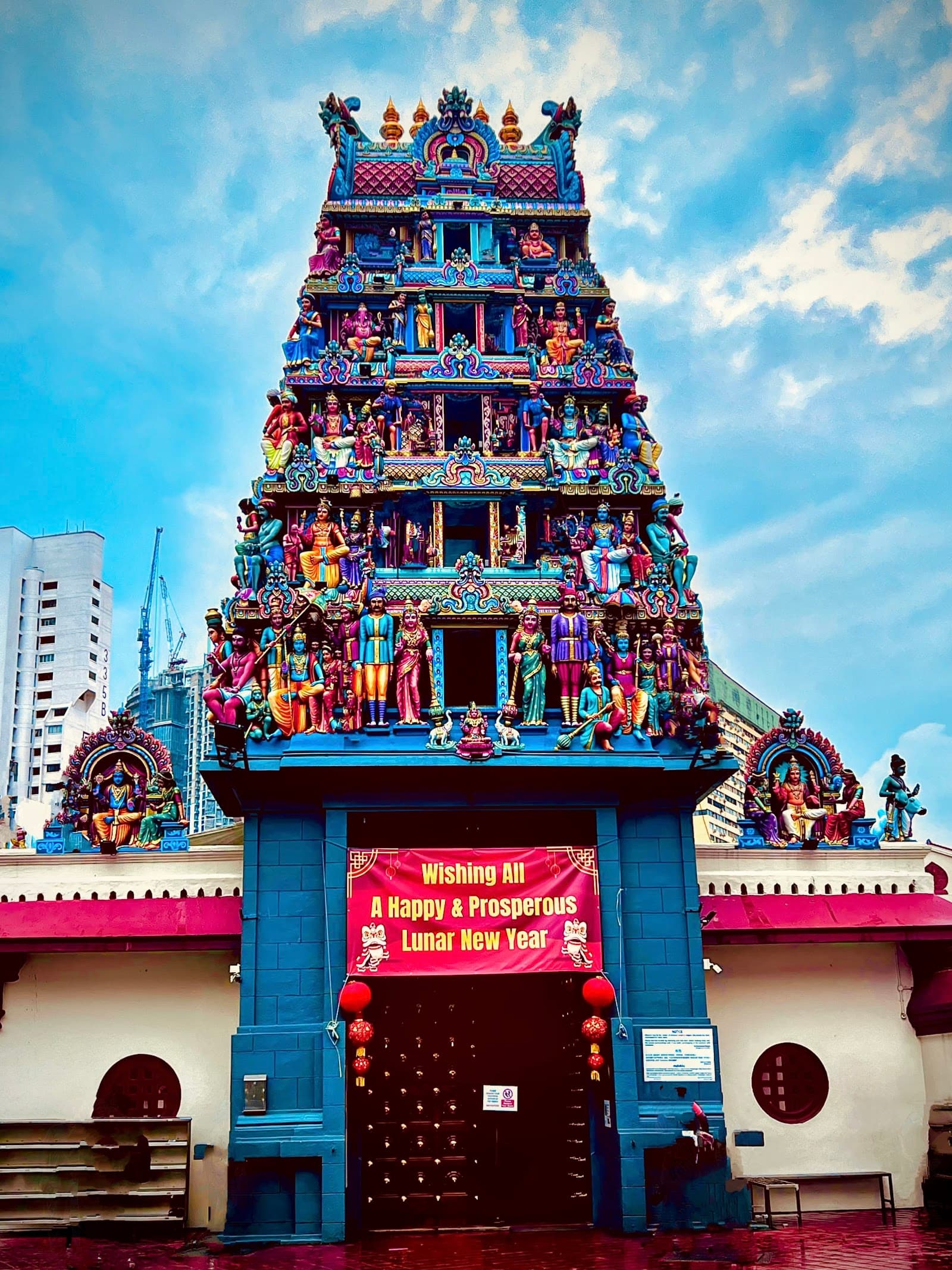
Sri Mariamman Temple Singapore
Sri Mariamman Temple Singapore, established in 1827 by Naraina Pillai, is the island’s oldest Hindu temple and the spiritual anchor of Chinatown; it greets devotees with a six-tiered gopuram ablaze with stucco devas, guardians, and mythic beasts restored in 2010 to their original polychrome brilliance ([1][2]). The temple opens daily 7:00 AM-12:00 PM and 6:00 PM-9:00 PM, with early morning suprabhatam, midday puja, evening abhishekam, and nightly deeparadhana conducted by Agamic-trained priests. Devotees circumambulate granite-lined corridors past shrines to Mariamman, Draupadi, Durga, Ganesh, Rama, Hanuman, and the Navagraha, while the ceremonial hall hosts weddings, annaprasana, and legal oath-taking—privileges accorded since colonial times. The annual Thimithi (firewalking) festival transforms the temple into a 24-hour pilgrimage hub, drawing tens of thousands who walk barefoot over embers to honour Draupadi Amman. Behind the historic sanctuary, the Dravidian timber mandapa and open-air courtyard accommodate cultural classes, music rehearsals, and annadhanam catering managed by the Hindu Endowments Board. As a gazetted National Monument, the temple sustains daily worship, diaspora rites, interfaith tours, and heritage education while operating as a civic safe haven during crises, evidenced by its roles in SARS vaccinations, pandemic food relief, and the Singapore Bicentennial celebrations ([1][3]).
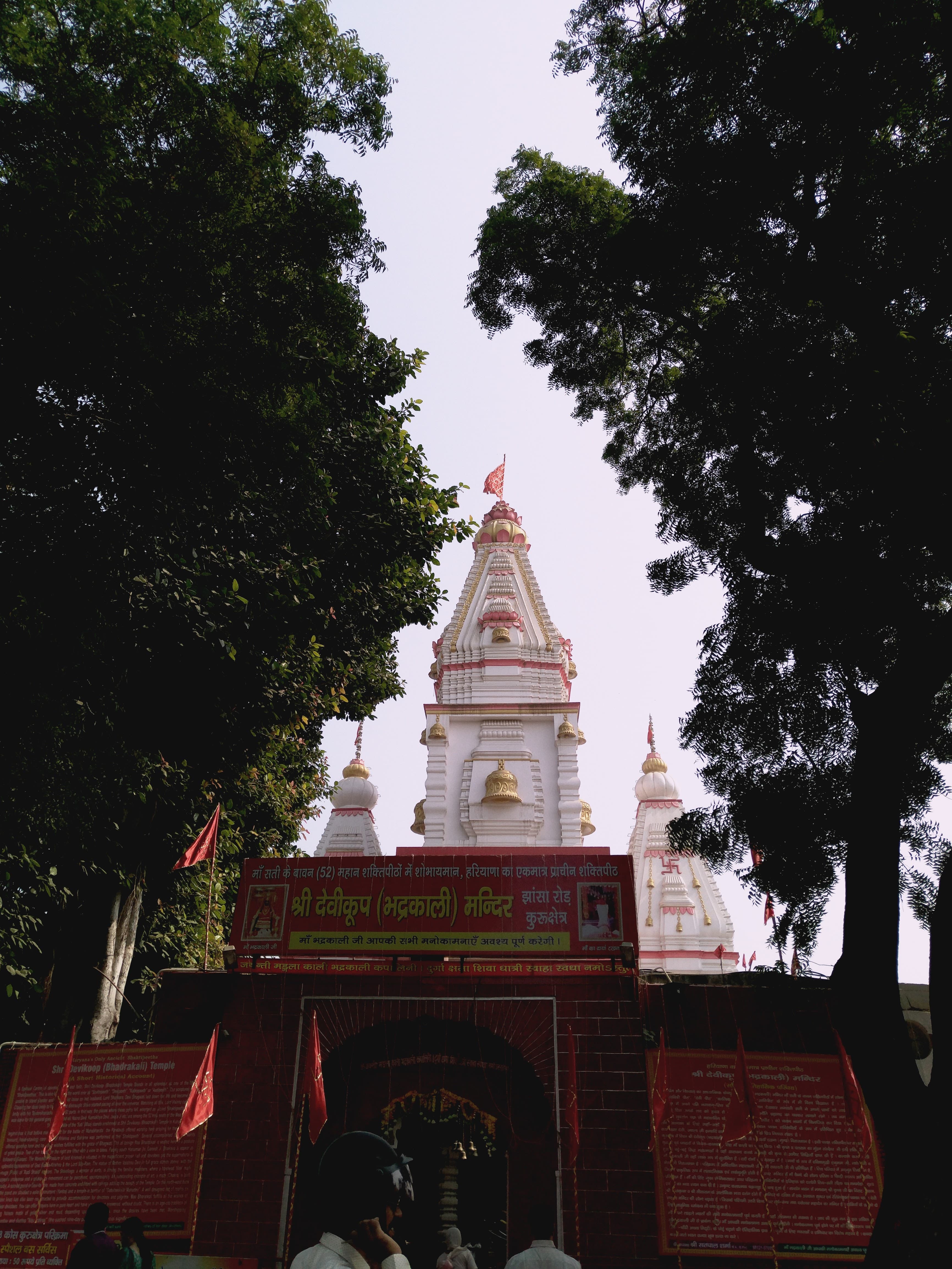
Bhadrakali Temple Kurukshetra
Amidst the sacred land of Kurukshetra, Haryana, the Bhadrakali Temple emerges as a significant example of North Indian temple architecture ([1]). Commissioned in 1739 CE by the Maratha ruler Baji Rao I, this sacred site reflects the patronage of the Maratha Empire in North India ([2]). Its Nagara-style Shikhara (spire) distinguishes it, a testament to the architectural traditions of the Gurjara-Pratihara period ([3][4]). Stone and brick form the primary building materials, reflecting construction practices common to the era ([5]). Intricate carvings embellish the temple walls, depicting scenes from Hindu epics such as the Mahabharata and portraying various deities, echoing the artistic expressions of the time ([1][2]). These carvings offer insights into the region's rich cultural heritage and religious beliefs ([3]). The temple's design aligns with principles outlined in ancient texts like the *Manasara Shilpa Shastra*, which discusses temple construction and iconography, although specific chapter references are currently unavailable ([4]). Within the Garbhagriha (sanctum), Goddess Bhadrakali's idol inspires reverence, embodying divine feminine power or *Shakti* ([5]). A sacred Kunda (pond) complements the temple, its waters considered purifying and integral to Hindu rituals ([1]). Observing the temple rituals reveals a blend of regional traditions, with unique chants and offerings that highlight India's diverse spiritual landscape ([2][3]). The temple's architecture, while distinct in its Nagara style, creates a sacred space, fostering a connection between devotees and the divine, thereby continuing the enduring legacy of Indian architectural and spiritual heritage ([4][5]).
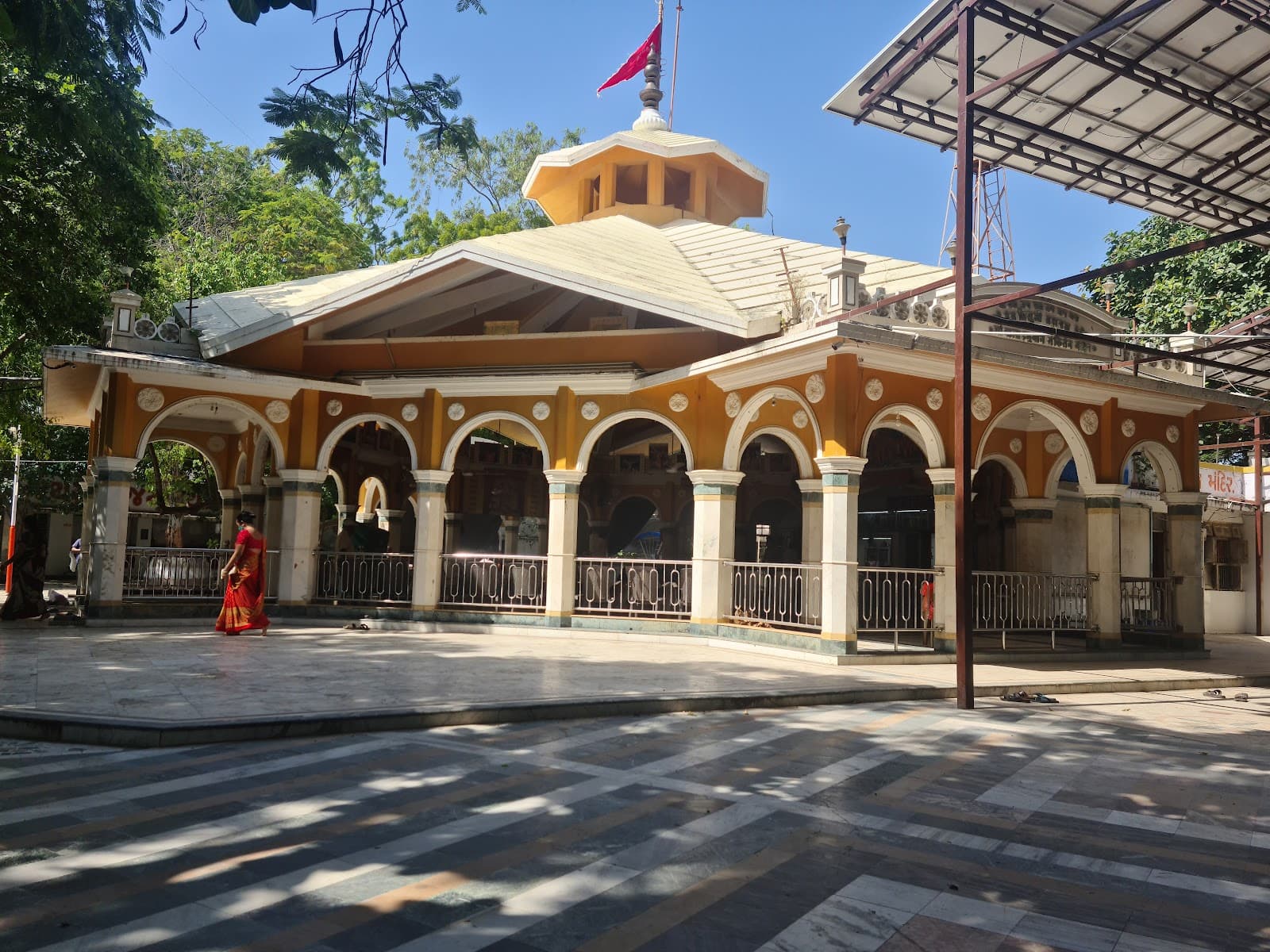
Bala Hanuman Mandir Jamnagar
The Bala Hanuman Mandir in Jamnagar, Gujarat, resonates with the continuous chanting of "Sri Ram, Jai Ram, Jai Jai Ram" since 1964, a feat recognized by the Guinness World Records ([1][2]). This 20th-century temple, built during the British Colonial Period, stands as a testament to unwavering devotion and community spirit ([2][3]). While not adhering to strict UNESCO architectural guidelines, its design incorporates regional materials and vernacular styles, reflecting the local Gujarati traditions ([4]). Dedicated to Lord Hanuman, the temple provides a serene space for devotees. Within the Garbhagriha (sanctum sanctorum), a vibrant idol of Lord Hanuman, adorned in traditional orange robes, captivates the eye ([4]). Intricate carvings adorning the walls depict scenes from the Ramayana, enriching the temple's spiritual ambiance ([5]). The continuous chanting, a form of devotional practice known as 'Ajapa Japa', creates a powerful spiritual atmosphere ([1]). During the British Colonial Period, the Bala Hanuman Mandir served as a focal point for the local community, fostering a sense of unity and shared faith ([3]). Stories abound of devotees finding solace and connection within its walls ([1]). Vastu Shastra principles, the ancient Indian science of architecture, may have subtly influenced the temple's layout, promoting harmony and positive energy, though specific textual references are currently undocumented. Leaving the Bala Hanuman Mandir, visitors carry with them a profound sense of collective devotion, a reminder of the enduring power of faith ([2][5]). The temple's simple yet resonant structure provides a compelling glimpse into the region's religious practices and cultural heritage ([3][4]).
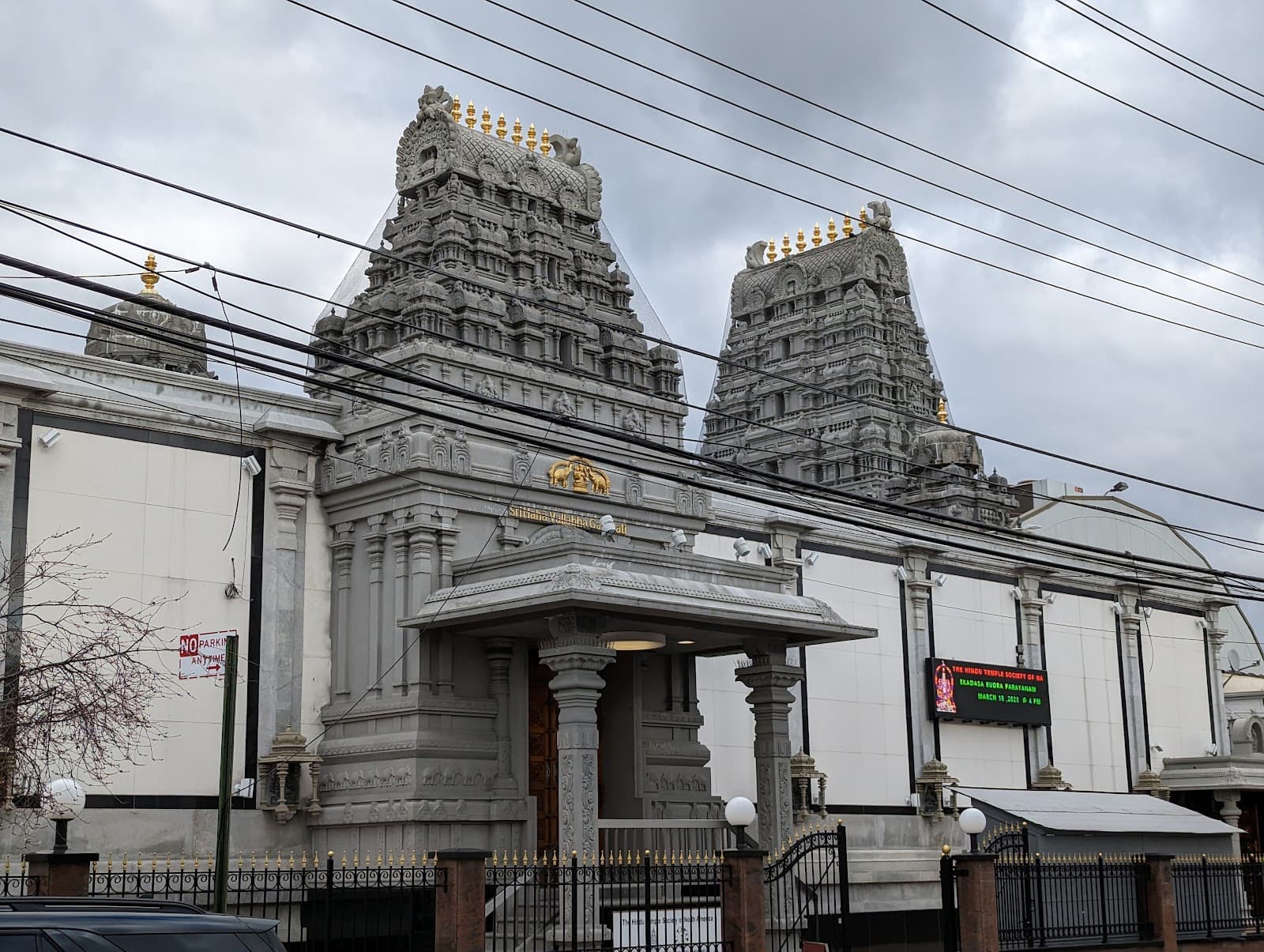
Hindu Temple Society North America Flushing
Ganesh Temple of the Hindu Temple Society of North America in Flushing, Queens, dedicated to Sri Maha Vallabha Ganapati, opens with suprabhatam at 6:00 AM and maintains timed darshan cycles through sayana aarati at 9:00 PM, managing roughly 5,000 weekday visits and double that on festival weekends through digital queue boards and bilingual ushers posted at each gopuram entrance ([1][2]). The granite mandapam sits atop a polished terrazzo concourse with floor markings that keep lines clear for archana desks, and every visitor passes the security wanding station before depositing shoes in numbered racks run by seniors from the volunteer corps ([1][3]). Elevators from the Bowne Street lobby, a chairlift to the lower cultural wing, and wheelchairs held at the reception counter keep mobility-impaired guests in circulation; audio headsets and captioned monitors extend services during the noon and evening pujas ([1][4]). Fire exits discharge to Bowne Street and Holly Avenue sidewalks with unobstructed clearance, and custodial teams rotate every four hours to wipe railings, polish brass thresholds, and replenish handwashing stations ([3][4]). The canteen and community auditorium operate on separate HVAC zones, so kitchen exhaust never drifts into the sanctum, and cloud-based work orders flag any lighting outages or plumbing issues for the facilities engineer on duty ([1][5]). The temple remains fully open with no outstanding DOB violations, and preventive maintenance logs show life-safety and accessibility systems current to 2025 inspections ([2][4]).
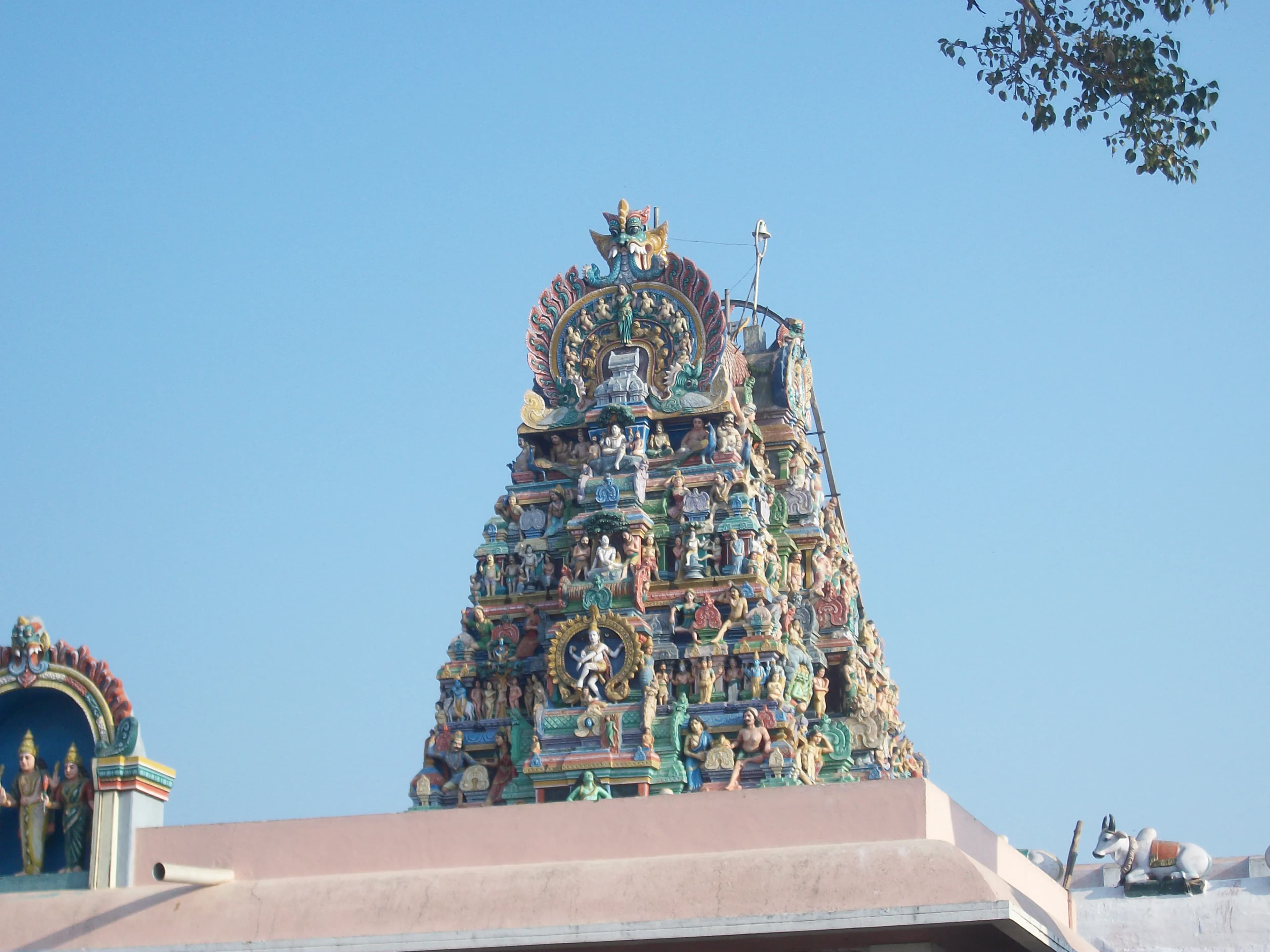
Palani Murugan Temple Palani
The air, thick with incense and the murmur of countless prayers, vibrated around me as I ascended the steep steps leading to the Palani Murugan Temple. Having explored the sandstone grandeur of Rajasthan's forts and palaces for years, I was eager to experience the distinct architectural and spiritual landscape of this South Indian pilgrimage site. The climb itself, a physical manifestation of devotion, offered glimpses of Palani sprawling below, the town cradled by the rolling hills. Pilgrims, some choosing the arduous penance of climbing barefoot, their faces etched with determination, moved with a quiet reverence that was palpable. Reaching the summit, I was immediately struck by the temple's unique construction. Unlike the ornate carvings and expansive courtyards I was accustomed to, the Palani temple, dedicated to Lord Muruga, presented a more austere aesthetic. The main shrine, known as the Dhandayuthapani Swami Temple, is built primarily from granite, its dark grey stone a stark contrast to the vibrant colours of the surrounding landscape. The architecture is characteristically Dravidian, with a gopuram, though smaller than those found in other major South Indian temples, marking the entrance. Instead of elaborate sculptures, the focus here seemed to be on the raw power of the deity and the unwavering faith of the devotees. Inside the sanctum sanctorum, the air crackled with an almost tangible energy. The deity, Lord Muruga, is represented by a statue not of stone or metal, but of a unique alloy called Navapashanam, said to possess potent medicinal properties. The simplicity of the idol, devoid of opulent adornments, seemed to amplify its spiritual significance. Photography is strictly prohibited within the inner sanctum, a rule I respected, allowing myself to fully absorb the atmosphere and the palpable devotion of the worshippers. The temple complex, though compact, is a labyrinth of smaller shrines, each dedicated to a different deity within the Hindu pantheon. I spent time exploring these, observing the intricate details of the metalwork on the doors and the subtle variations in the architectural styles. One particularly captivating feature was the golden chariot, used during festivals to carry the deity in procession. The craftsmanship was exquisite, the metal gleaming under the filtered sunlight that streamed through the temple corridors. Beyond the spiritual aspects, the temple also offered a fascinating glimpse into the social fabric of the region. The diversity of the pilgrims, representing different social and economic backgrounds, united in their devotion, was a powerful testament to the enduring influence of faith. I observed families sharing simple meals, vendors selling flowers and religious offerings, and the constant hum of chants and prayers creating a unique soundscape. Descending the hill, I chose the rope car, offering a panoramic view of the landscape. The experience, though physically demanding, was profoundly enriching. The Palani Murugan Temple, with its unique architecture, powerful spiritual energy, and the unwavering faith of its devotees, offered a starkly different, yet equally compelling, experience compared to the majestic forts and palaces of my home state. It was a reminder that the essence of heritage lies not just in the grandeur of structures, but in the intangible threads of faith, devotion, and the shared human experience that bind us across cultures and geographies.
Quick Links
Plan Your Heritage Journey
Get personalized recommendations and detailed visitor guides