Has Inheritage Foundation supported you today?
Your contribution helps preserve India's ancient temples, languages, and cultural heritage. Every rupee makes a difference.
Secure payment • Instant 80G certificate
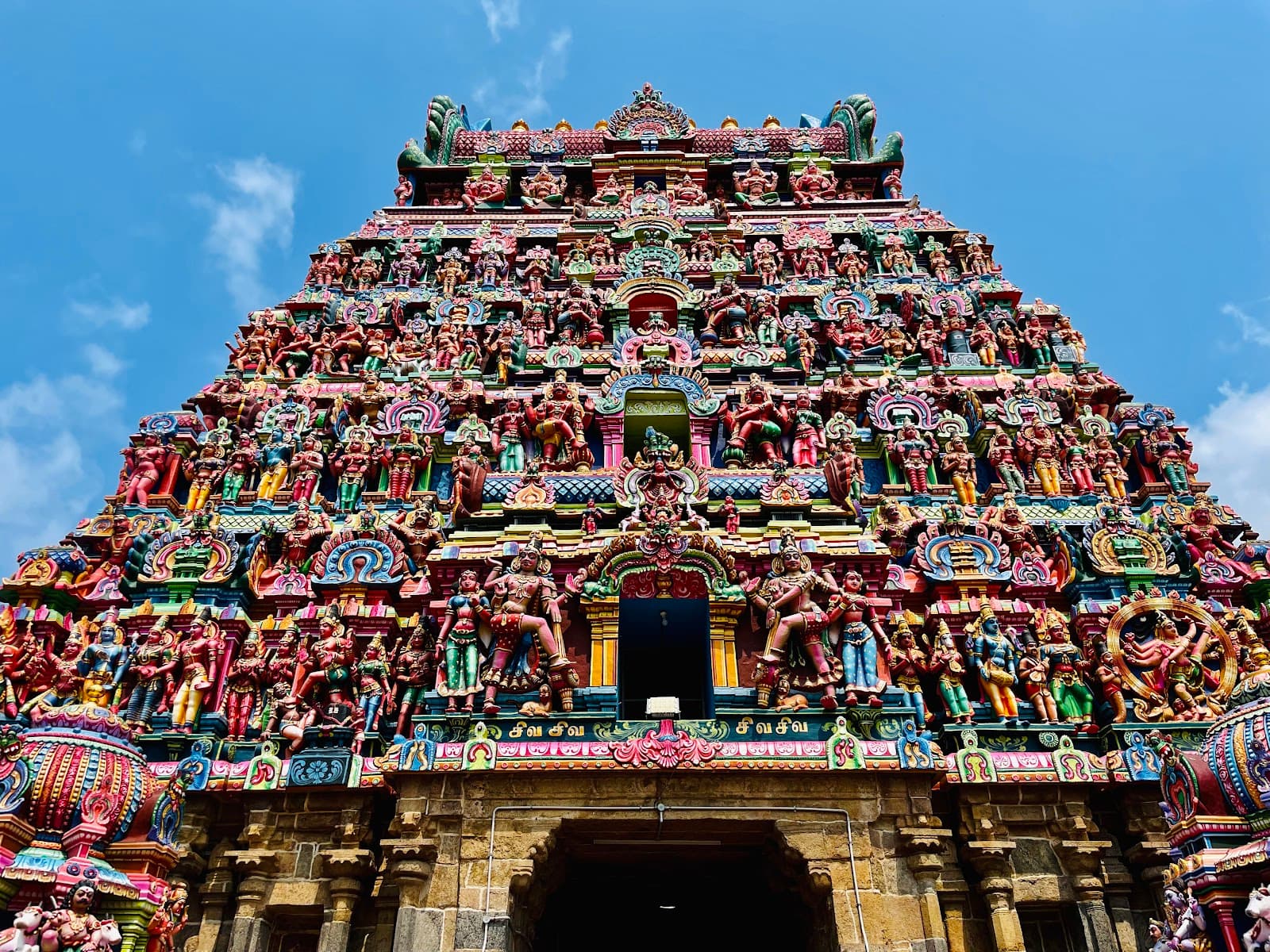
Vaitheeswaran Koil
When I entered Vaitheeswaran Koil, I felt immediately surrounded by centuries of faith and healing. Though not listed as a centrally protected monument, the temple's scale and atmosphere reveal its long, uninterrupted history. The five-tiered Rajagopuram, granite walls, and intricately carved mandapams reflect the Dravidian craftsmanship perfected under the Cholas, Nayakas, and Marathas. Inscriptions on the walls—left by rulers from Vikrama Chola to Thulaja—reminded me how many dynasties shaped this space. Inside, Lord Shiva is worshipped as Vaidyanathar, the divine healer. Watching devotees gather at the Siddhamirtham tank, offering prayers and silver replicas of body parts, I could sense how deeply this temple is tied to hope and recovery. Stories of Rama seeking relief from his dosha and Angaraka being cured here give the temple its role as the Mars Navagraha sthalam. The cultural life around me was vibrant. Festivals like Vaikasi Visakam, Panguni Uthiram, Brahmotsavam, Masi Magam, Skanda Sashti, and Karthigai Deepam animate the temple with processions, music, and lights. Even in quieter moments, the presence of Nadi astrologers and the sacred Vembu tree added layers of tradition. Leaving the temple, I carried a strong impression of a place where architecture, mythology, and healing merge seamlessly into a living heritage. Vaitheeswaran Koil, also known as Thirupullirukku Velur, is a revered Hindu temple dedicated to Lord Shiva as Vaidyanathar (the God of Healing), located in Vaitheeswarankoil near Mayiladuthurai. The temple complex spans 10.7 acres and features a five-tiered Rajagopuram, four additional gopurams marking the four directions, and multiple precincts with pillared halls, shrines, and corridors. The temple is renowned as one of the Navagraha temples, representing Mars (Angaraka), and is classified as a Paadal Petra Sthalam, revered in the Tevaram hymns of 7th-century Saiva nayanars. The temple is particularly famous for its association with healing, the sacred Siddhamirtham tank, Nadi astrology, and its role as a center of faith and pilgrimage.

Ujjayanta Palace Agartala
The imposing white façade of Ujjayanta Palace, shimmering under the Tripura sun, held me captive from the moment I arrived. Having explored every UNESCO site in India, I've encountered grandeur in various forms, but this palace, nestled within Agartala's bustling heart, possesses a unique charm. It isn't a relic of ancient times, but a relatively modern marvel, completed in 1901 by Maharaja Radha Kishore Manikya. Its blend of Mughal and European architectural styles, a testament to the era's confluence of influences, sets it apart. Stepping through the arched gateway, I was greeted by sprawling Mughal gardens, meticulously manicured lawns punctuated by vibrant flowerbeds and gurgling fountains. The palace itself, a majestic structure of white, is crowned with a tiled roof and punctuated by ornate balconies and towering domes. The central dome, particularly, commands attention with its intricate detailing and sheer scale. I spent a good while just circling the perimeter, absorbing the sheer size and grandeur of the structure. The Mughal influence is evident in the arched doorways, the intricate jali work adorning the balconies, and the overall symmetry of the design. Yet, the European touch is undeniable in the classical columns, the large windows, and the clock tower that rises proudly above the main structure. Inside, the palace has been transformed into the Tripura State Museum, a treasure trove of the region's rich history and culture. The vast halls, once the domain of royalty, now house an impressive collection of artifacts. I was particularly drawn to the textiles – intricately woven silks and embroidered fabrics that showcase the artistry of Tripura's craftspeople. The archaeological section, with its ancient sculptures and pottery shards, offered a glimpse into the region's long and layered past. Moving through the rooms, I could almost feel the echoes of the past, imagining the Maharaja holding court, the rustle of silk gowns, and the murmur of conversations in these very halls. One of the most striking features of the palace is its durbar hall. The sheer scale of the room is breathtaking, with its high ceilings, ornate chandeliers, and portraits of Tripura's royal lineage adorning the walls. Standing at the far end, I tried to imagine the grandeur of state occasions held here, the hall filled with dignitaries and courtiers. The museum has done a commendable job of preserving the original features of the palace, from the intricate woodwork on the doors and windows to the decorative tiles on the floors. Beyond the artifacts and the architecture, what truly resonated with me was the palpable sense of history that permeates Ujjayanta Palace. It's not just a building; it's a living testament to a bygone era, a tangible link to Tripura's royal heritage. Standing on the balcony, overlooking the city of Agartala, I could appreciate the strategic location of the palace, a symbol of power and authority. While the palace itself is undoubtedly the main attraction, the surrounding gardens offer a welcome respite from the bustling city. I spent a peaceful hour strolling through the manicured lawns, admiring the colourful flowers and the serene lily pond. The gardens, with their symmetrical layout and well-maintained pathways, are a testament to the meticulous planning that went into the creation of this royal oasis. Ujjayanta Palace is more than just a tourist attraction; it's a journey through time. It's a place where history whispers from the walls, where the grandeur of a bygone era comes alive. As I left the palace grounds, I carried with me not just photographs and memories, but a deeper understanding of Tripura's rich cultural tapestry. It's a site that deserves to be recognized not just for its architectural beauty, but for its historical significance and its role in preserving the legacy of a fascinating kingdom.
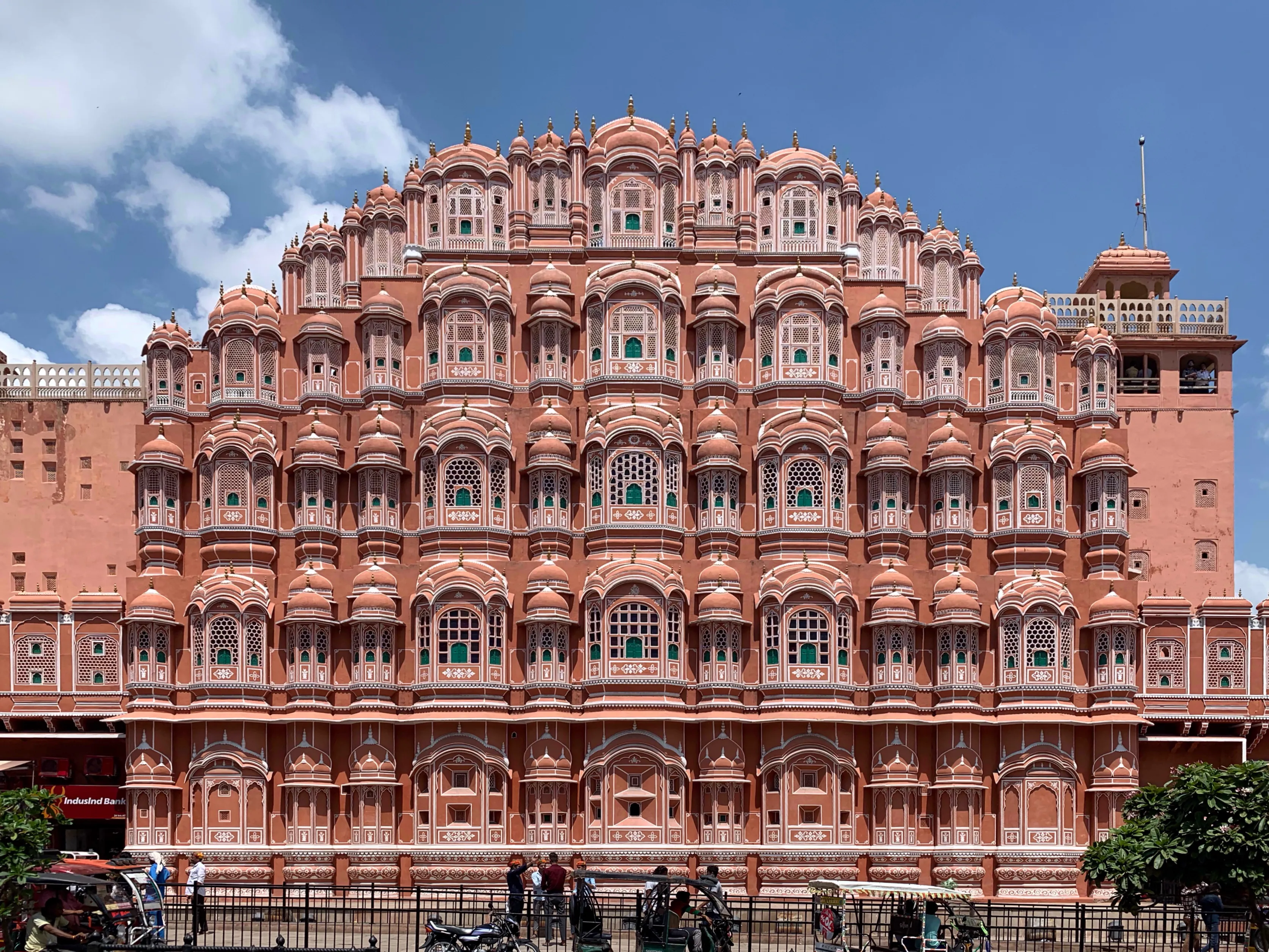
Hawa Mahal Jaipur
The blush-pink facade of Hawa Mahal, rising like a solidified mirage from the heart of Jaipur's bustling streets, is an arresting sight. As someone deeply immersed in South Indian temple architecture, I was eager to experience this iconic structure and understand its unique place within the broader Indian architectural narrative. The sheer scale of the facade, a five-story honeycomb of 953 intricately carved jharokhas or windows, is initially overwhelming. Unlike the towering gopurams of Dravidian temples, Hawa Mahal's height is subtly distributed across its breadth, creating a rippling, almost textile-like effect. My initial impression was of a delicate screen, a veil between the bustling city and the secluded world within. This impression was reinforced as I entered the structure. The interior, surprisingly, is a series of relatively small, interconnected courtyards and chambers. The famed jharokhas, viewed from within, transform into intimate viewing galleries, framing snippets of the street life below. This perspective shift highlighted the palace's intended function: to allow the royal women to observe the city's activities without being seen. This contrasts sharply with the extroverted nature of South Indian temple architecture, where deities are placed in prominent positions for public darshan. The architectural style of Hawa Mahal, a blend of Rajput and Mughal influences, is evident in the intricate stone carvings. The delicate floral patterns and geometric motifs adorning the jharokhas reminded me of the intricate latticework found in Mughal architecture, while the overall form and the use of red and pink sandstone echoed the Rajput aesthetic. However, unlike the robust stonework of South Indian temples, which often feature elaborate sculptures of deities and mythical creatures, the carvings here are finer, almost lace-like, emphasizing ornamentation over narrative. Moving through the narrow passageways and ascending the gently sloping ramps (the palace has no stairs), I observed the clever use of ventilation. The numerous jharokhas, designed to catch the cool desert breeze, create a natural air conditioning system, a feature that gives the palace its name, "Palace of Winds." This ingenious passive cooling system is a testament to the architectural wisdom of the past, a stark contrast to the energy-intensive cooling systems of modern buildings. The view from the upper levels is breathtaking. The pink cityscape of Jaipur stretches out before you, punctuated by the imposing structures of the City Palace and Jantar Mantar. Looking back at the facade from within, I noticed how the sunlight filtering through the jharokhas created a mesmerizing play of light and shadow, transforming the interior spaces into a kaleidoscope of colors. This dynamic interplay of light and architecture is a feature I've often admired in South Indian temples, where sunlight is strategically used to illuminate the sanctum sanctorum. While the scale and grandeur of Hawa Mahal are undeniably impressive, it was the intricate details that truly captivated me. The delicate filigree work around the windows, the subtle variations in the pink sandstone, and the ingenious use of light and ventilation all speak to a sophisticated understanding of architectural principles. My visit to Hawa Mahal was not just a visual treat but also a valuable learning experience. It offered a fascinating glimpse into a different architectural tradition, highlighting the diversity and ingenuity of Indian architecture across regions and styles. It reinforced the idea that architecture is not merely about creating beautiful structures, but also about responding to the environment, fulfilling specific functions, and reflecting the cultural values of a particular time and place.
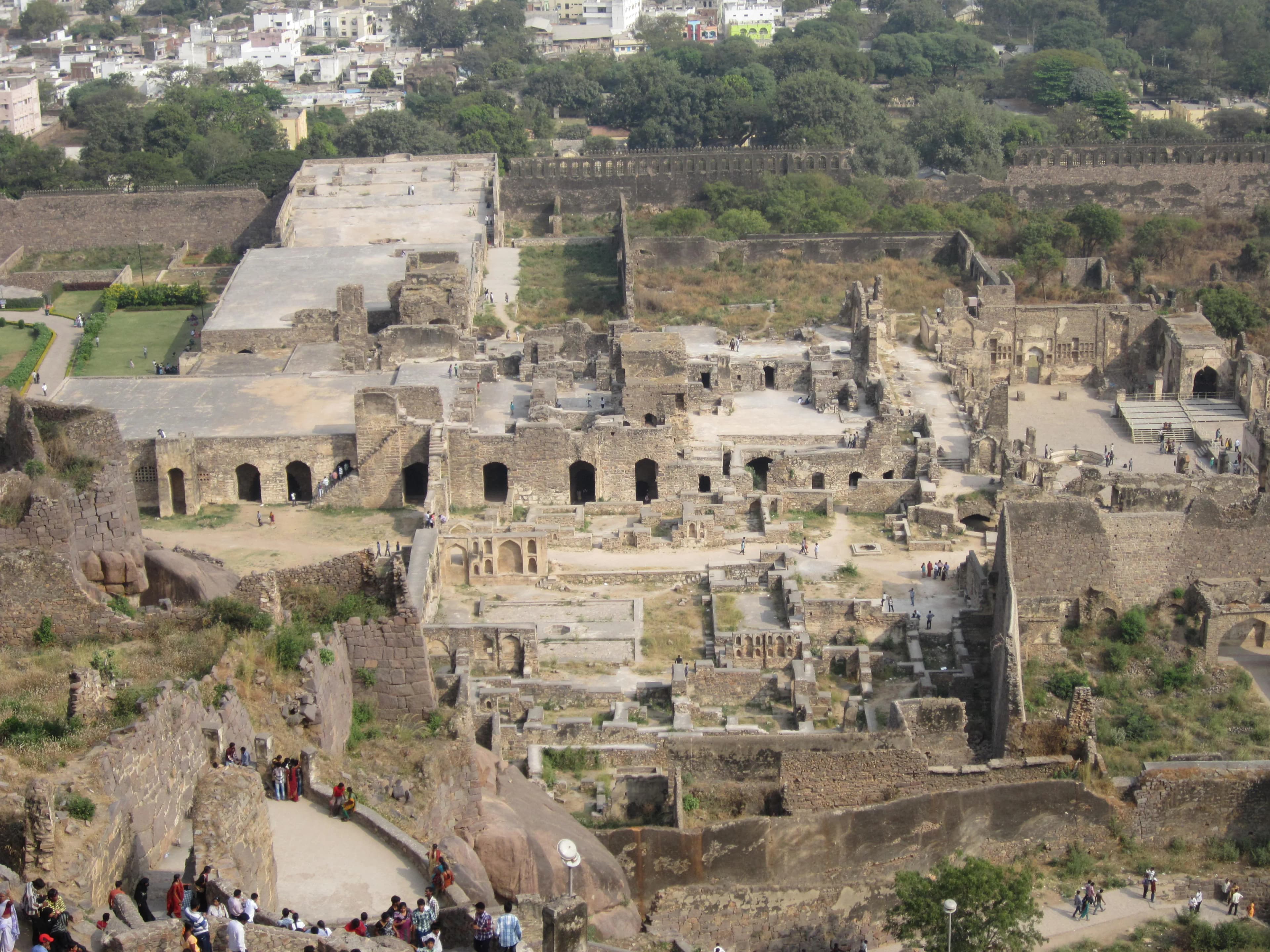
Golconda Fort Hyderabad
The imposing granite ramparts of Golconda Fort, rising abruptly from the Deccan plateau, exude a palpable sense of history. Having documented hundreds of forts across India, I can confidently say that Golconda possesses a unique aura, a blend of military might and architectural finesse rarely encountered. My recent visit to this magnificent structure, a sprawling citadel encompassing palaces, mosques, and ingenious acoustic systems, left me awestruck. The sheer scale of Golconda is initially overwhelming. The outer fortifications stretch for nearly seven kilometers, punctuated by imposing bastions and multiple gateways. The climb to the Bala Hissar, the highest point within the fort complex, is a journey through layers of history. Each level, each gateway, whispers tales of past grandeur and strategic brilliance. The Fateh Darwaza, the main entrance, is particularly striking. Its massive studded wooden doors, reinforced with iron spikes to prevent elephant battering rams, speak volumes about the fort's defensive capabilities. Standing beneath its arch, I could almost hear the echoes of marching armies and the clang of swords. One of the most fascinating aspects of Golconda is its sophisticated acoustic system. A handclap at the entrance arch can be heard clearly at the Bala Hissar, almost a kilometer away. This ingenious communication system, a marvel of medieval engineering, allowed the rulers to quickly alert the entire fort of impending danger. I tested it myself, and the clarity of the sound transmission was truly remarkable. It's a testament to the architectural ingenuity of the Qutb Shahi dynasty. Beyond its military fortifications, Golconda reveals a softer side. The palaces within the complex, though now in ruins, offer glimpses into the opulent lifestyle of the erstwhile rulers. The intricate carvings on the remaining walls, the delicate jalis (lattice screens), and the remnants of elaborate water systems hint at a life of luxury and refinement. I spent hours exploring these ruins, my camera capturing the interplay of light and shadow on the weathered stone, trying to freeze these fragments of history in time. The mosques within the fort complex, particularly the Jama Masjid and the Taramati Mosque, showcase a blend of Persian and Deccani architectural styles. The soaring arches, the intricate stucco work, and the serene courtyards offer a peaceful respite from the imposing military structures surrounding them. I found myself drawn to the quiet corners of these mosques, imagining the prayers and rituals that once filled these spaces. The view from the Bala Hissar is breathtaking. The sprawling city of Hyderabad stretches out before you, a stark contrast to the ancient ruins beneath your feet. From this vantage point, the strategic importance of Golconda becomes crystal clear. The fort commands a panoramic view of the surrounding plains, allowing its defenders to monitor any approaching armies. As I stood there, absorbing the panoramic vista, I felt a profound sense of connection to the past. My visit to Golconda was more than just a documentation exercise; it was an immersive experience. It was a journey through time, a glimpse into a bygone era of kings and conquerors, of architectural marvels and ingenious engineering. Golconda is not just a fort; it's a living testament to India's rich and complex history, a place where the whispers of the past continue to resonate in the present. It's a site I would recommend to anyone seeking to understand the grandeur and ingenuity of India's architectural heritage.
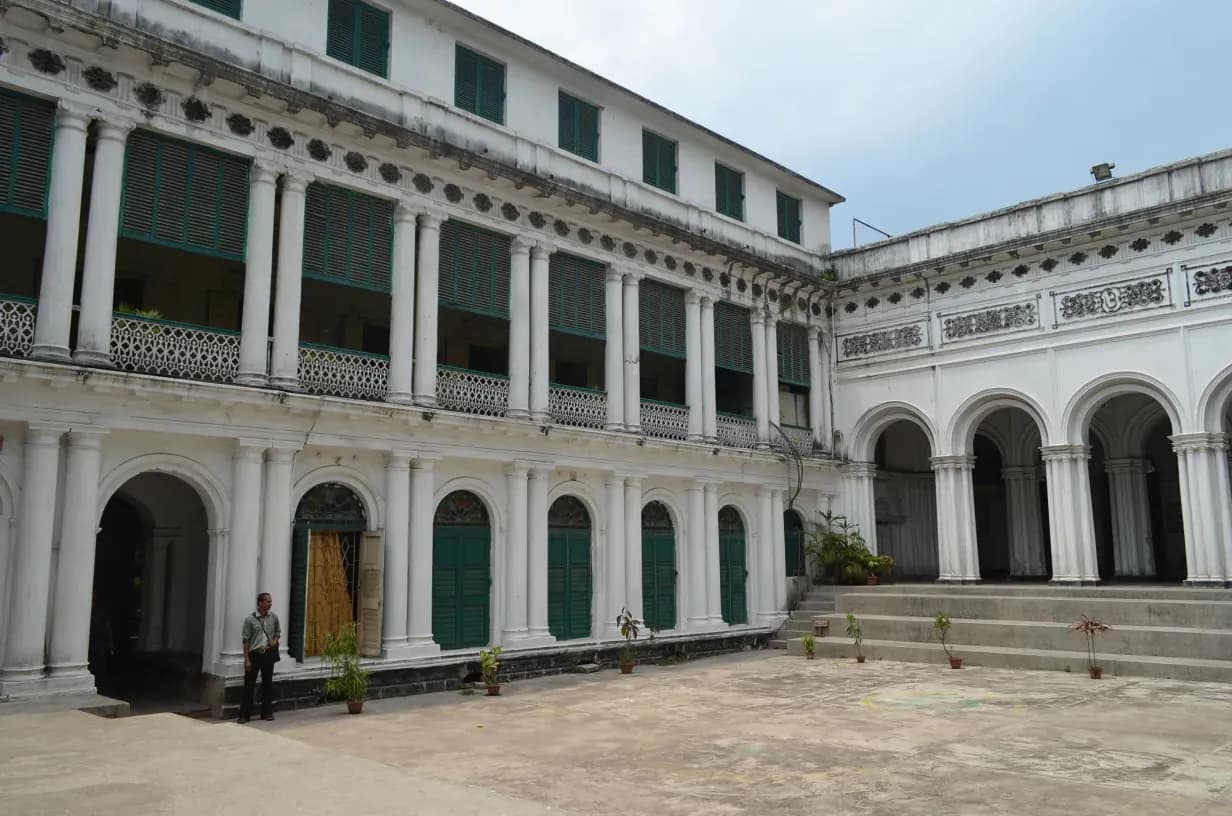
Tagore House Kolkata
The ochre walls of Jorasanko Thakur Bari, bathed in the humid Kolkata sun, exuded a quiet dignity. Stepping through the imposing gateway, I felt transported from the bustling city into a sanctuary of history and creativity. As a Chennaiite steeped in the grandeur of Dravidian temple architecture, I was eager to experience the unique charm of this Bengali haveli, the ancestral home of the Tagore family. The sprawling complex, a fascinating blend of architectural styles reflecting different periods of construction and renovation, immediately captivated me. Unlike the towering gopurams and mandapas I was accustomed to, Jorasanko presented a more intimate, inward-looking architecture. The series of interconnected courtyards, surrounded by residential wings, spoke of a close-knit family life, a world within a world. The lack of ostentatious ornamentation, so characteristic of South Indian temples, was replaced by a subtle elegance. The intricate stucco work adorning the cornices and window frames, a hallmark of Bengali architecture, caught my eye. These delicate floral and geometric patterns, though different in execution, reminded me of the intricate carvings found on the stone pillars of our temples. The Thakurdalan, the central courtyard, served as the heart of the house. I could almost picture the hustle and bustle of family gatherings, theatrical performances, and intellectual discussions that once animated this space. The surrounding verandahs, supported by slender columns, provided shade and a vantage point to observe the activities within the courtyard. This architectural feature, creating a seamless transition between indoor and outdoor spaces, resonated with the design principles of traditional South Indian homes, where courtyards play a vital role in ventilation and social interaction. Exploring the various wings of the house, each dedicated to a different branch of the family, I was struck by the sense of history embedded within the walls. The Maharshi Bhavan, where Rabindranath Tagore spent a significant part of his life, was particularly poignant. His study, preserved with his personal belongings, offered a glimpse into the mind of a literary giant. The simplicity of the room, devoid of extravagant furnishings, spoke volumes about his focus on intellectual pursuits. This contrasted sharply with the opulent interiors of Chettinad mansions I had seen back home, where wealth and status were prominently displayed. The influence of European architecture was evident in certain parts of the house, particularly in the use of arched windows and doorways. This fusion of styles, a testament to the family's cosmopolitan outlook, created a unique architectural vocabulary. While the core of the haveli retained its Bengali character, the subtle incorporation of Western elements added another layer of complexity. This reminded me of the Indo-Saracenic architecture prevalent in Chennai, a similar blend of indigenous and colonial styles. The museum within the complex housed a treasure trove of artifacts, including paintings, manuscripts, and photographs, documenting the rich history of the Tagore family. Observing the exquisite craftsmanship of the furniture and the intricate details of the paintings, I was reminded of the rich artistic traditions of both Bengal and South India. Despite the geographical distance, the underlying appreciation for beauty and artistic expression seemed to connect these two distinct cultures. Leaving Jorasanko Thakur Bari, I carried with me a profound appreciation for the architectural and cultural heritage of Bengal. While distinct from the Dravidian architecture I was familiar with, the haveli offered a unique perspective on the evolution of domestic architecture in India. The experience underscored the importance of preserving these historical spaces, not just as monuments to the past, but as living testaments to the rich tapestry of Indian culture.
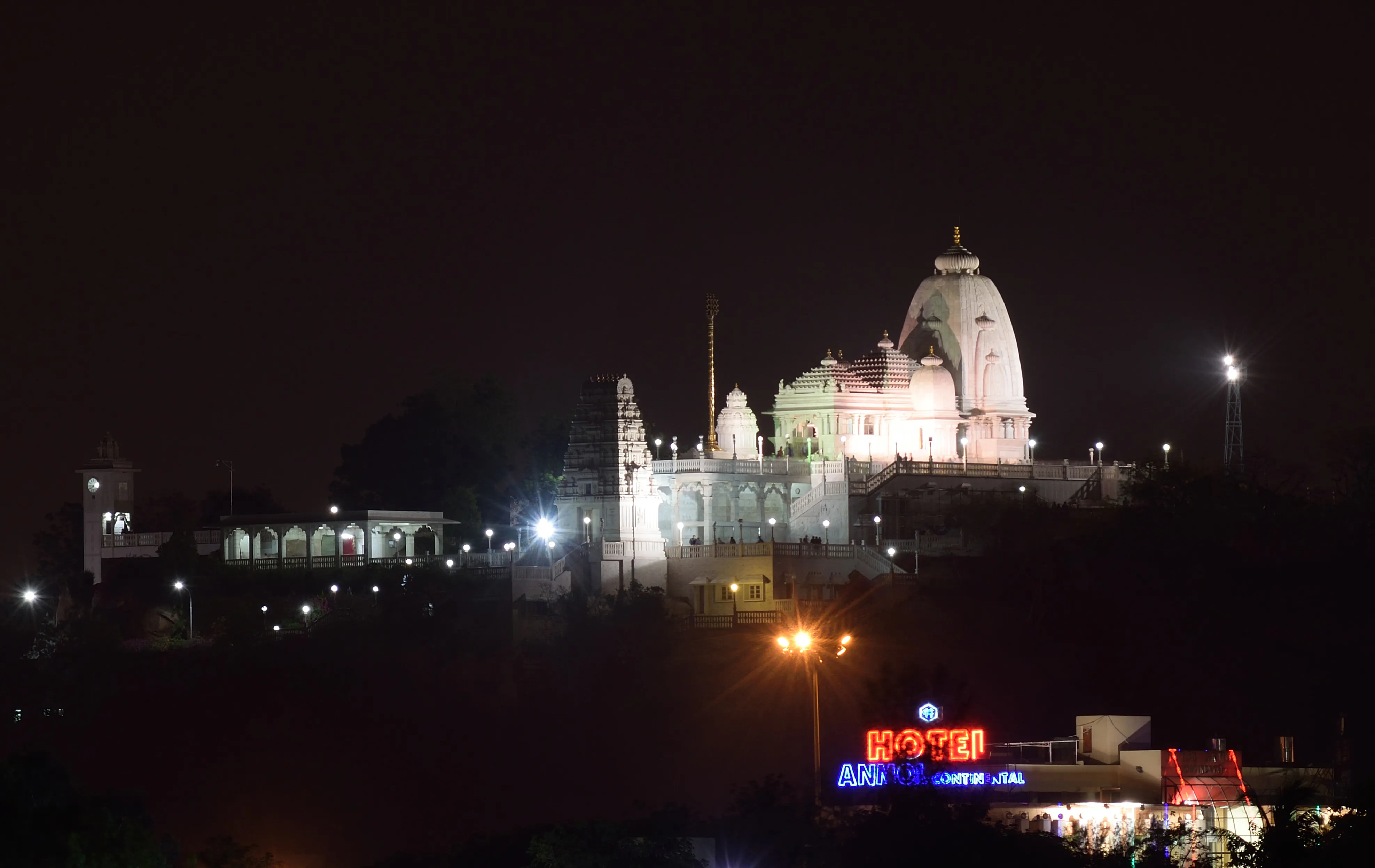
Birla Mandir Jaipur
Emerging against Jaipur's skyline, the Birla Mandir, completed in 1988, offers a contemporary interpretation of Nagara temple architecture ([1]). Clad in white marble, a departure from the region's traditional sandstone, the temple presents an ethereal aesthetic ([2]). Dedicated to Lakshmi and Narayan, it embodies a fusion of traditional and modern design principles ([3]). Intricate carvings embellishing the walls depict scenes from the Mahabharata and Ramayana, showcasing the artistry of Rajasthani craftsmen ([4]). The towering Shikhara (spire) reflects the grandeur of North Indian temple architecture ([5]). Within the complex, smaller shrines are dedicated to other Hindu deities, each meticulously crafted ([1][3]). The temple's construction integrates modern materials like cement and steel alongside traditional stone ([2]). Stone platforms and foundations illustrate adherence to Vastu Shastra principles, the ancient Indian science of architecture ([2][4]). While specific textual references within the Vastu Shastras related to this modern temple are not documented, the general principles of site orientation and spatial arrangement are evident. The Birla family's patronage indicates a pan-Indian vision, incorporating elements from diverse regional styles ([1][5]). The use of white marble is also notable, as traditional temple architecture in Rajasthan often favored local sandstone. This choice reflects a modern sensibility while retaining the essence of Hindu temple design. The Mandir's design, while modern, echoes the principles outlined in ancient texts such as the Manasara Shilpa Shastra, which details proportions and layouts for sacred structures. As dusk settles, the temple emanates a serene radiance, inviting visitors to immerse themselves in its spiritual ambiance ([3]).
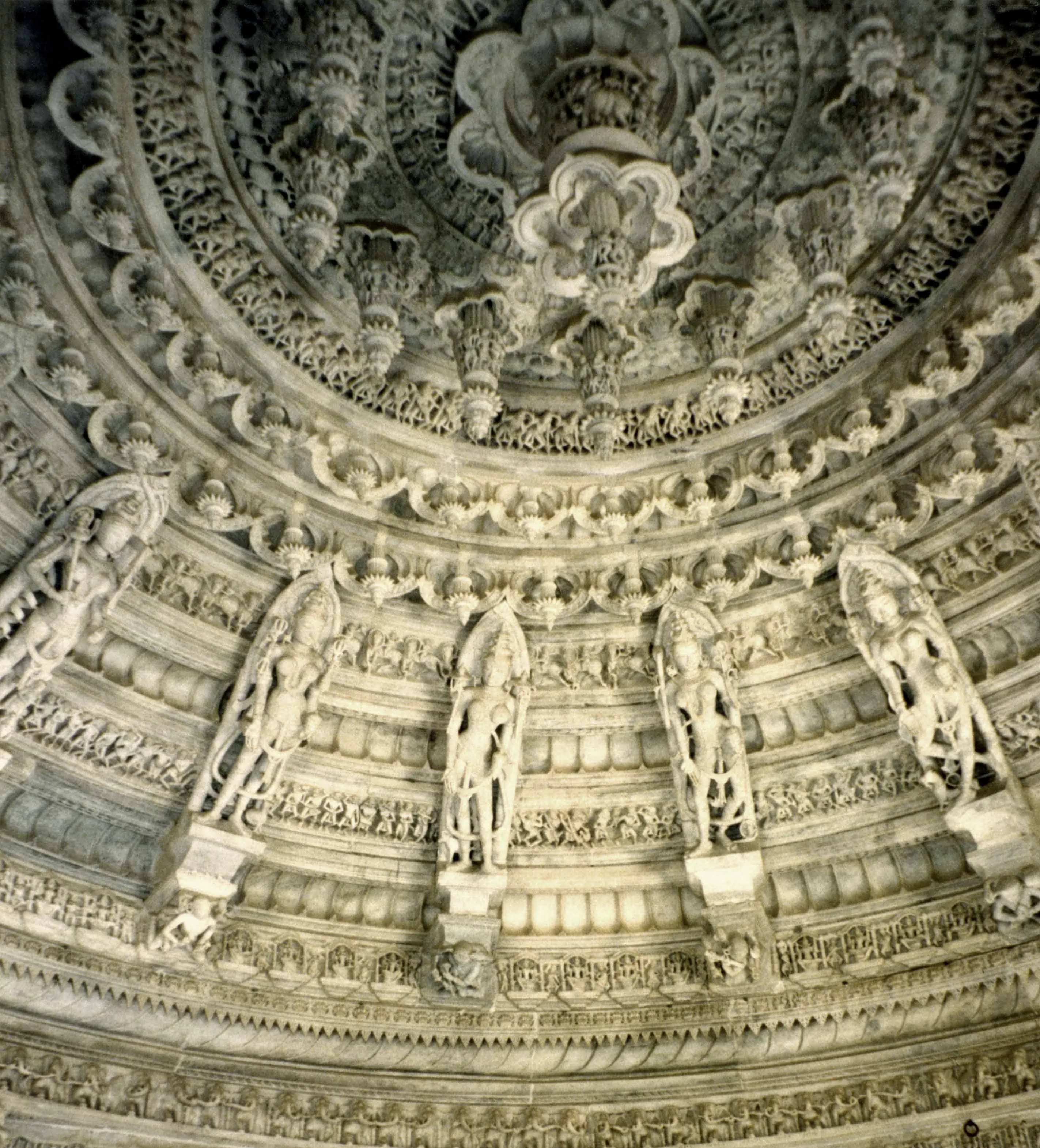
Dilwara Temples Mount Abu
Nestled in the Aravalli Range of Rajasthan, the Dilwara Temples near Mount Abu embody the pinnacle of Jain artistic expression ([1][2]). These temples, constructed primarily of white marble, showcase the intricate Maru-Gurjara architecture that flourished under the Solanki dynasty ([3]). Dating back to the 11th century, the Vimal Vasahi Temple, dedicated to Lord Adinatha, exemplifies this style with its detailed carvings and ornate ceilings ([1][4]). The Solanki dynasty and wealthy merchants like Vastupal Tejpal were key patrons ([3]). Intricate carvings adorning the walls and ceilings depict scenes from Jain mythology and life events of the Tirthankaras (spiritual teachers) ([2][5]). Within the Garbhagriha (Sanctum), the main deity resides, surrounded by meticulously carved pillars and arches ([4]). The Luna Vasahi Temple, dedicated to Lord Neminatha, features the remarkable Rang Mandap, a central dome adorned with concentric circles of exquisitely carved figures ([1][3]). The Navchowki, a collection of nine intricately carved ceilings, further exemplifies the architectural prowess of the artisans ([5]). What truly distinguishes the Dilwara Temples is the exceptional quality of marble sourced from the Arasoori hills ([2]). This marble possesses a unique translucence, creating a soft, ethereal glow that enhances the carvings ([1][4]). Vastu Shastra principles, the ancient Indian science of architecture, likely influenced the temple's layout and design, ensuring harmony and balance ([3]). Though specific textual references are not available, the overall symmetry and proportions reflect these principles as documented in texts like the *Manasara Shilpa Shastra* and *Mayamata* ([4][5]). As a testament to India's rich cultural heritage, the Dilwara Temples offer a serene and awe-inspiring experience, inviting visitors to immerse themselves in the beauty and spirituality of Jainism ([1][2]).
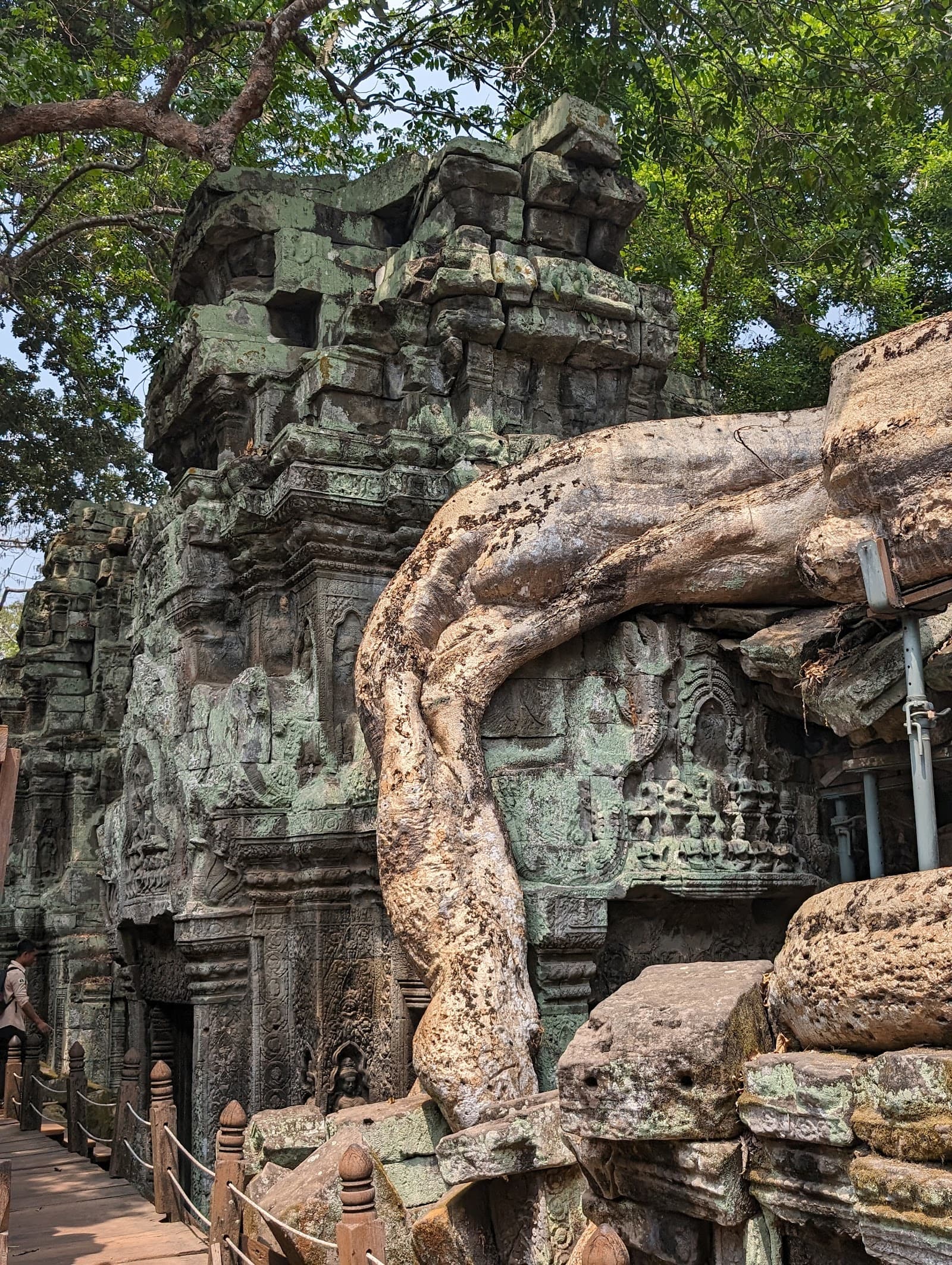
Ta Prohm Siem Reap Cambodia
Ta Prohm, dramatically enveloped by the Cambodian jungle with massive tree roots intertwining with ancient stone structures, represents one of the most atmospheric and visually striking temple complexes in Southeast Asia, constructed in the late 12th and early 13th centuries CE during the reign of King Jayavarman VII as a Mahayana Buddhist monastery and university that retained extensive Shaiva (Shiva-worshipping) iconography, creating a powerful testament to the sophisticated religious syncretism that characterized Khmer religious practices and the continued transmission of Indian Buddhist and Hindu traditions to Southeast Asia. The temple complex, originally covering over 60 hectares and serving as a major center of Buddhist learning that housed over 12,000 people including monks, students, and support staff, features extraordinary architectural elements that demonstrate the synthesis of Indian Buddhist monastery architecture with Khmer building techniques, while the temple's extensive decorative programs including numerous devatas, apsaras, and mythological scenes demonstrate the sophisticated understanding of both Indian Buddhist and Hindu iconography possessed by Khmer artists. The temple's most remarkable feature is its current state, intentionally left largely unrestored by conservation authorities to preserve the dramatic visual effect of massive silk-cotton and strangler fig trees growing through and over the stone structures, creating a powerful symbiosis between nature and architecture that has made it one of the most photographed and iconic temples in Cambodia, while this preservation approach demonstrates the sophisticated understanding of the site's aesthetic and historical significance. Archaeological evidence reveals that the temple served as both a major center of Mahayana Buddhist learning and a repository of Shaiva iconography, demonstrating the remarkable religious syncretism that characterized Khmer religious practices, while the discovery of numerous inscriptions provides crucial evidence of the site's role in the transmission of Indian Buddhist and Hindu texts and practices to Southeast Asia. The temple's architectural layout, with its central sanctuary surrounded by multiple enclosures, libraries, and numerous smaller structures, follows sophisticated Indian Buddhist monastery planning principles that were systematically transmitted from the great monastic centers of India, while the temple's extensive decorative programs including scenes from Hindu mythology demonstrate the ways in which Indian religious traditions were integrated into Khmer Buddhist practice. Today, Ta Prohm stands as part of the UNESCO World Heritage Site and represents one of the most visually striking temples in Southeast Asia, serving as a powerful testament to the transmission of Indian Buddhist and Hindu culture to Southeast Asia, while ongoing archaeological research and conservation efforts continue to protect and study this extraordinary cultural treasure that demonstrates the profound impact of Indian civilization on Southeast Asian religious and artistic traditions. ([1][2])
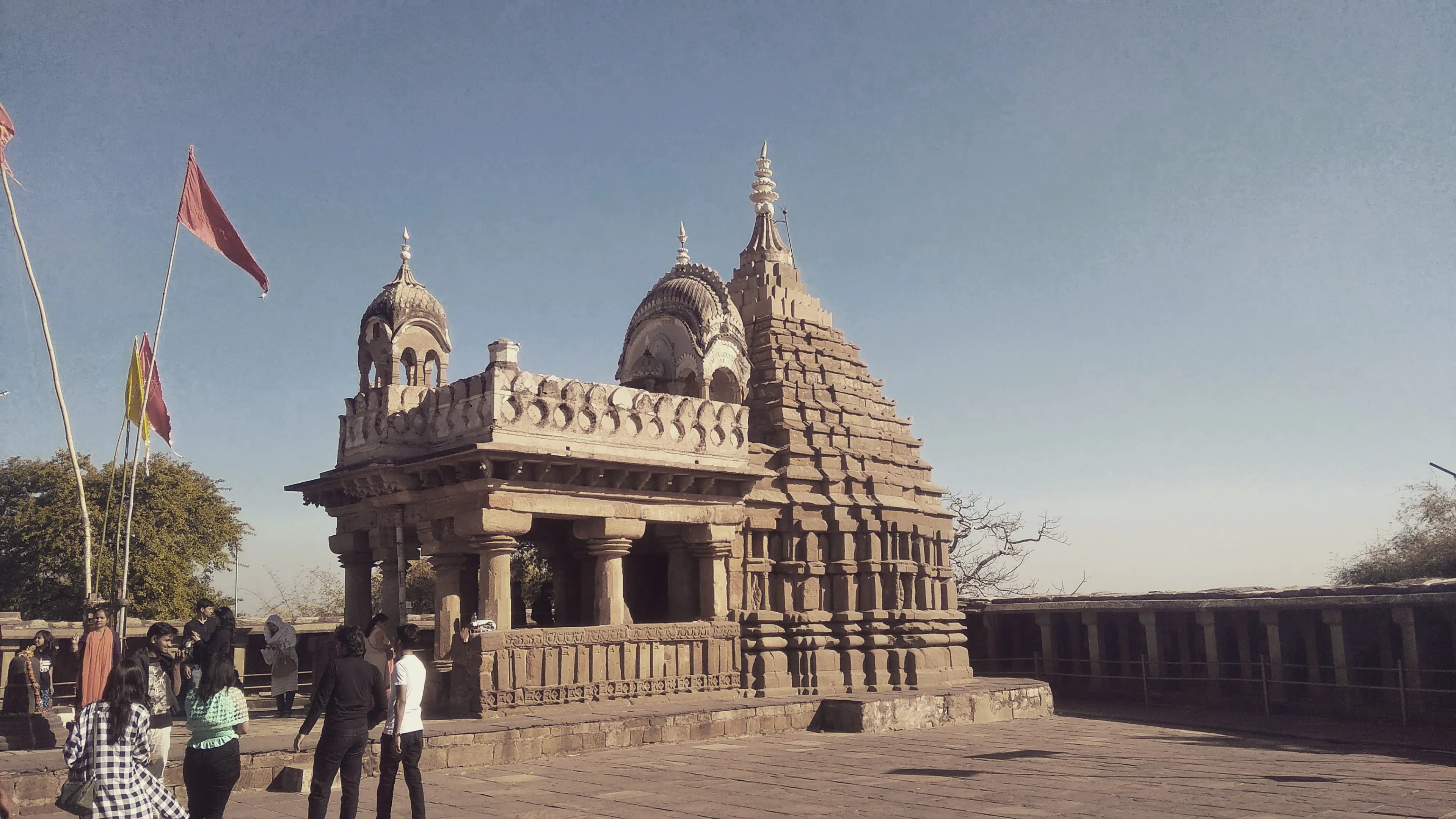
Chausath Yogini Temple Jabalpur
Perched atop a hill in Bhedaghat, Jabalpur, the Chausath Yogini Temple presents a captivating silhouette ([1]). Constructed around 950 CE by the Kalachuri dynasty, this open-air, circular temple deviates from conventional temple architecture ([2]). Dedicated to the sixty-four Yoginis, female attendants of Durga, the temple embodies a unique spiritual and architectural heritage ([3]). Granite and sandstone blocks, meticulously carved, form the structure of this hypostyle marvel ([4]). The Pratihara architectural style is evident in its design, reflecting the artistic preferences of the Kalachuri period ([5]). Unlike typical towering structures, its raw, primal energy emanates from the weathered stone and the powerful presence of the Yogini sculptures ([1]). Their diverse iconography, from wielding weapons to meditative poses, links to tantric practices ([3]). Walking the circular ambulatory offers panoramic views of the Narmada river ([1]). Within the Garbhagriha (Sanctum), a small shrine dedicated to Lord Shiva reinforces his supreme position ([2]). The temple's stark simplicity, devoid of excessive ornamentation, emphasizes the natural beauty of the sandstone and its dramatic setting ([4]). This unique temple exemplifies the ingenuity and artistic vision of the Kalachuri dynasty ([5]). During the Kalachuri period, temple architecture in the region saw a flourishing of unique styles ([6]). The Chausath Yogini Temple's circular design is a departure from the more common rectangular or square layouts often dictated by Vastu Shastra principles, the ancient Indian science of architecture ([7]). This distinctive layout might be connected to tantric traditions, where circular forms symbolize the cyclical nature of existence ([8]). The open colonnaded circle, or hypostyle design, allows for natural light and ventilation, creating a unique spiritual ambiance ([9]). This temple stands as a testament to the Kalachuri dynasty's artistic vision and their patronage of innovative architectural forms ([10]).
Raj Mahal Orchha
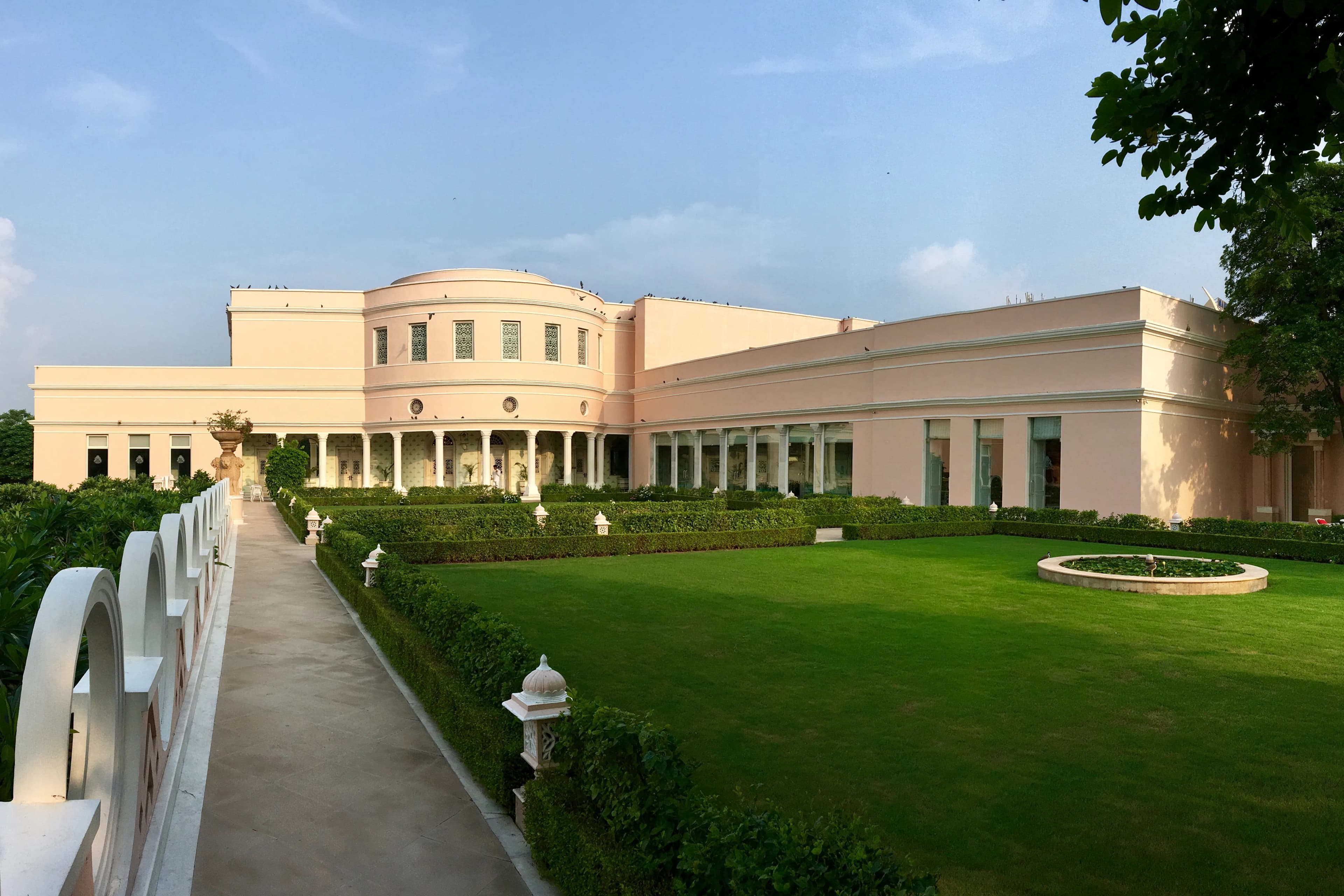
The Jahangir Mahal at Orchha rose before me, a sandstone behemoth shimmering under the Madhya Pradesh sun. Having spent years immersed in the architectural heritage of Uttar Pradesh, I’ve developed a keen eye for the nuances of Mughal and Rajput influences, and this palace, a fascinating blend of both, held me captive from the first glimpse. Its imposing structure, perched atop a rocky outcrop, commands the landscape, a testament to the Bundela Rajput power that once flourished here. Ascending the broad, elephant-friendly ramp, I was struck by the sheer scale of the courtyard. It felt less like a palace courtyard and more like a fortified town square, capable of hosting grand processions and military exercises. The rough-hewn sandstone, now softened by centuries of sun and wind, still retained an aura of strength and resilience. The intricate jali work, so characteristic of Mughal architecture, offered glimpses of the inner chambers while filtering the harsh sunlight into dappled patterns on the floor. I paused, tracing the delicate floral motifs carved into the stone screens, imagining the skilled artisans who painstakingly created these masterpieces centuries ago. Stepping through the arched gateway, I entered a labyrinth of interconnected chambers, each revealing a new facet of the palace's story. The grand Darbar Hall, with its soaring ceilings and expansive balconies, spoke of regal audiences and lavish celebrations. The remnants of vibrant frescoes, now faded but still discernible, hinted at the opulence that once adorned these walls. Peacocks, elephants, and intricate geometric patterns danced across the plaster, a testament to the artistic sensibilities of the Bundela rulers. I climbed the narrow, winding staircases to the upper levels, each turn revealing breathtaking panoramic views of the Betwa River snaking through the landscape below. From this vantage point, I could appreciate the strategic brilliance of the palace's location, offering a clear view of approaching armies or visitors. The chhatris, or cenotaphs, of Orchha's rulers dotted the riverbanks, shimmering white against the green foliage, a poignant reminder of the ephemeral nature of power. One particular detail that captivated me was the integration of Hindu architectural elements within the predominantly Mughal style. The chhatris crowning the palace roof, for instance, are a distinctly Rajput feature, a subtle assertion of the Bundela identity within the broader Mughal framework. This fusion of styles, so characteristic of Orchha’s architecture, speaks volumes about the cultural exchange and synthesis that occurred during this period. The Sheesh Mahal, with its mirrored mosaics, was a dazzling spectacle. Fragments of glass, meticulously arranged in intricate patterns, reflected the sunlight, creating a kaleidoscope of colours. I imagined the queen and her attendants admiring their reflections in these shimmering surfaces, transported to a world of glittering fantasy. As I wandered through the deserted chambers, I couldn't help but feel a sense of melancholy. The grandeur of the Jahangir Mahal, now largely silent and empty, serves as a poignant reminder of the rise and fall of empires. The echoes of past glories resonate within these walls, whispering tales of power, artistry, and the inevitable passage of time. Yet, even in its present state of faded splendour, the Jahangir Mahal retains a powerful allure. It stands as a testament to the enduring legacy of the Bundela Rajputs, a tangible link to a rich and complex history that continues to fascinate and inspire. Leaving the palace, I carried with me not just images of its architectural marvels, but a deeper understanding of the cultural tapestry that has shaped this region of India. The Jahangir Mahal is more than just a palace; it is a living museum, a repository of stories waiting to be discovered by those who take the time to listen.
Chausath Yogini Temple Morena
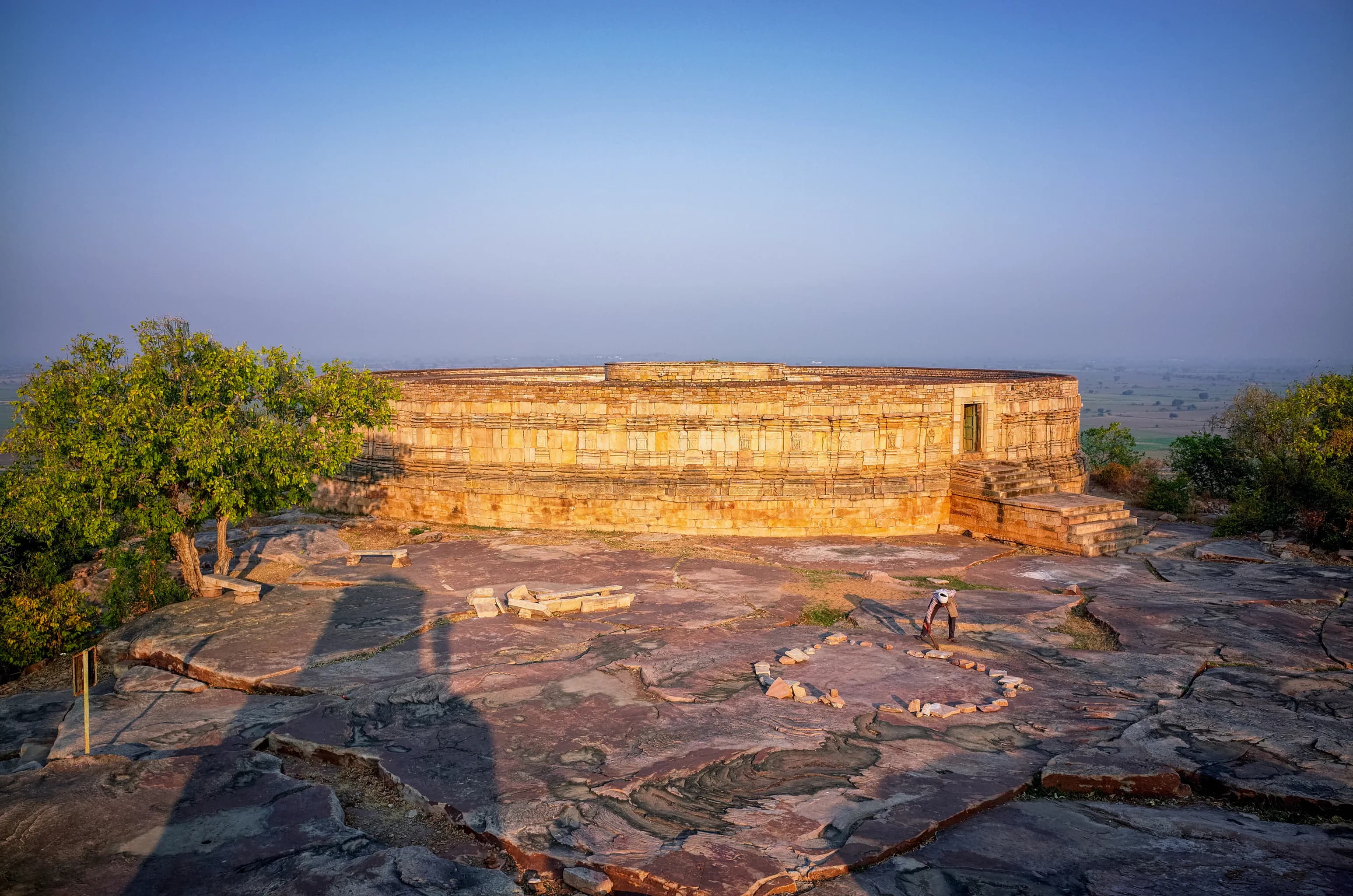
Nestled atop a hill in Mitaoli, Morena, the Chausath Yogini Temple presents a striking departure from traditional Indian temple architecture ([1]). During the Gurjara-Pratihara period, around 850 CE, the Kachchhapaghata Dynasty constructed this unique circular temple ([2][3]). Sandstone and granite blocks form an open-air circular platform, marking a deviation from conventional square temple layouts ([4]). Sixty-four chambers once housed Yogini statues, reflecting traditions linked to tantric practices ([5]). Ascending to the temple, the absence of mortar in the stone construction highlights the precision of ancient craftsmanship ([1]). Stone platforms and foundations display sophisticated engineering techniques prevalent in that era ([4]). Vedic astronomical principles are believed to have influenced the temple's circular design, mirroring cosmic cycles ([3]). The central shrine, now partially ruined, was likely dedicated to Lord Shiva ([2]). Intricate carvings, though weathered, still adorn the pillars, hinting at the temple's rich iconography ([1]). Vastu Shastra principles, the ancient Indian science of architecture, may have guided the layout, emphasizing harmony with nature ([3]). Kachchhapaghata Dynasty patronage underscores the temple's historical significance ([2][3]). This temple's circular plan is a rare example of Hindu temple design, differing from the common square or rectangular layouts detailed in texts like the *Manasara Shilpa Shastra* ([4]). The open mandapa (pillared hall) further distinguishes it from typical closed-hall temples. The panoramic view from the temple enhances its spiritual ambiance, offering a commanding perspective of the surrounding landscape ([2]). This architectural marvel stands as a significant emblem of ancient Indian artistry ([4]).
Raigarh Fort Raigarh
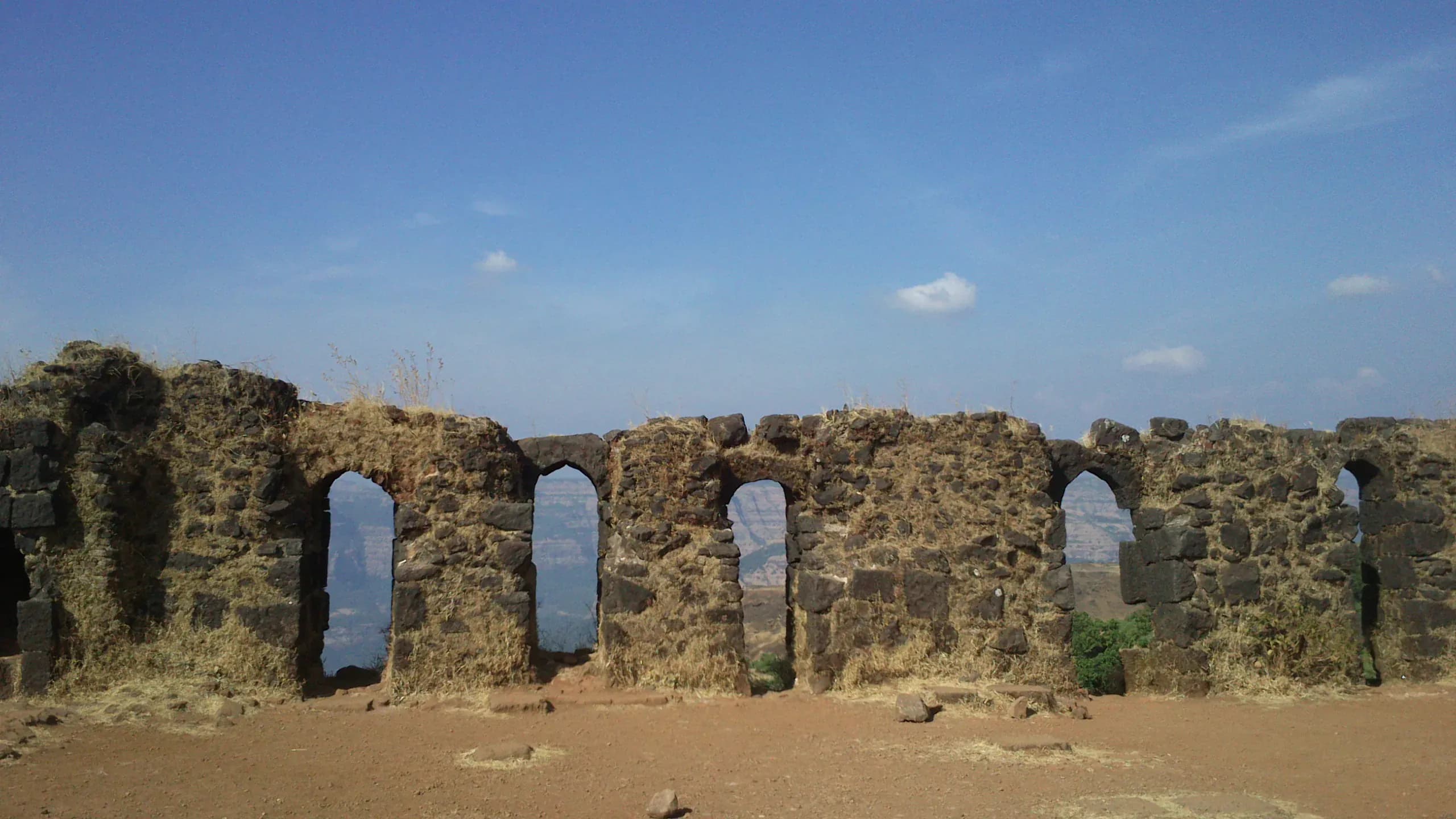
The imposing silhouette of Raigarh Fort, rising from the Chhattisgarh plains, has always held a particular allure for me. Having explored countless forts across North India, I was eager to experience this lesser-known gem, and it certainly didn't disappoint. The sheer scale of the fort, sprawling across 15 acres, is immediately striking. Unlike the sandstone and marble structures I’m accustomed to in Rajasthan, Raigarh Fort is predominantly built of laterite bricks, lending it a distinctive reddish-brown hue that seems to absorb the intense Chhattisgarh sun. My ascent began through the imposing main gate, the "Maha Darwaza." The intricate carvings, though weathered by time and the elements, hinted at a rich history. The gate’s archway, framed by sturdy bastions, felt like a portal to another era. As I stepped inside, I was greeted not by the usual tourist throngs, but by a palpable sense of tranquility. Local children played cricket in the open spaces, their laughter echoing against the ancient walls, while a few families enjoyed picnics under the shade of sprawling trees. This organic integration of the fort into the daily lives of the community was truly heartwarming. The fort's layout is a fascinating blend of military pragmatism and royal grandeur. The outer walls, punctuated by strategically placed bastions and watchtowers, speak volumes about the fort's defensive capabilities. I climbed one of these towers, the "Budha Talaab Burj," and was rewarded with a panoramic view of the surrounding countryside, the Kelo river snaking its way through the landscape. It was easy to imagine sentries keeping vigil from this vantage point centuries ago, scanning the horizon for potential threats. Within the fort walls, the remnants of palaces, temples, and administrative buildings offer glimpses into the lives of the rulers who once called this place home. The "Raj Mahal," or Royal Palace, though now in ruins, still retains an aura of majesty. I could almost picture the opulent courtyards, bustling with activity, and the grand durbars held within its walls. The intricate carvings on the remaining pillars and doorways showcased a blend of local and Mughal architectural influences, a testament to the region's diverse cultural heritage. One of the most intriguing aspects of Raigarh Fort is its network of underground tunnels. Local legends speak of secret passages leading to hidden chambers and escape routes. While many of these tunnels are now inaccessible, I was able to explore a short section. The cool, damp air and the low-hanging ceilings created an almost claustrophobic atmosphere, adding a touch of mystery to the experience. The "Kamakhya Temple," perched atop the highest point within the fort, is another highlight. Dedicated to the tantric goddess Kamakhya, the temple attracts devotees from across the region. The climb to the temple is steep, but the breathtaking views from the summit make it well worth the effort. Standing there, amidst the ancient stones, I felt a profound sense of connection to the past. My visit to Raigarh Fort wasn't just about exploring its architectural marvels; it was about experiencing a slice of Chhattisgarh's rich history and culture. Unlike the more heavily touristed forts of North India, Raigarh Fort retains an authentic, unpolished charm. It’s a place where history whispers from every crumbling wall and echoes in every deserted courtyard. It’s a place that deserves to be discovered, explored, and cherished. And for me, it stands as a testament to the enduring power of the past to captivate and inspire.
Quick Links
Plan Your Heritage Journey
Get personalized recommendations and detailed visitor guides