Has Inheritage Foundation supported you today?
Your contribution helps preserve India's ancient temples, languages, and cultural heritage. Every rupee makes a difference.
Secure payment • Instant 80G certificate
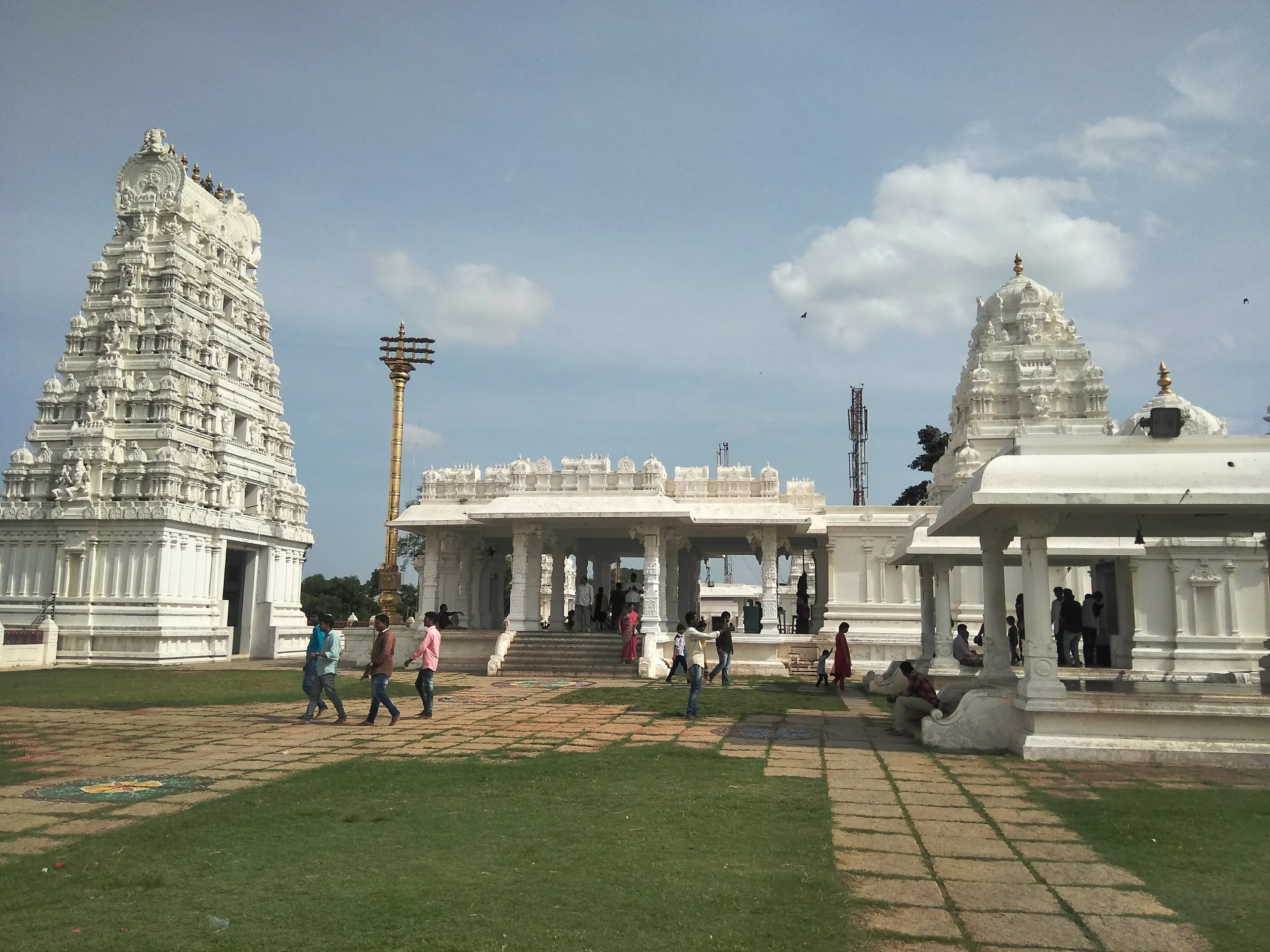
Sanghi Temple Hyderabad
The wind whipped around me, carrying the faint scent of incense and the distant chanting of mantras, as I stood at the foot of the magnificent Sanghi Temple. Having explored countless forts and palaces of Rajasthan, I’ve developed a keen eye for architectural grandeur, and even so, this temple, nestled amidst the rocky landscape of Telangana, took my breath away. It wasn’t a single monolithic structure, but a sprawling complex of shrines, each dedicated to a different deity within the Hindu pantheon, all crafted from gleaming white marble that seemed to radiate an inner light. The main temple, dedicated to Lord Venkateswara, dominates the skyline. Its towering gopuram, intricately carved with scenes from Hindu mythology, draws the eye upwards, almost piercing the cerulean sky. The sheer scale of the structure is awe-inspiring. I’ve seen the intricate carvings of Dilwara and the imposing walls of Chittorgarh, but the pristine white marble of Sanghi Temple, reflecting the bright Telangana sun, created a different kind of majesty. It felt less like a fortress and more like a celestial palace, descended from the heavens. As I ascended the broad steps leading to the main sanctum, I noticed the meticulous detailing. Every inch of the temple, from the towering pillars to the delicate latticework screens, was adorned with carvings. Mythological figures, celestial beings, and floral motifs intertwined in a complex tapestry of artistry. The craftsmanship was exquisite, reminiscent of the delicate jali work I’d admired in the palaces of Jaipur, but here, the sheer volume of carving was overwhelming. It was as if an army of artisans had poured their hearts and souls into every chisel stroke. Inside the main sanctum, the atmosphere was charged with devotion. The air hummed with the low murmur of prayers and the clanging of bells. The deity, Lord Venkateswara, stood resplendent, adorned with jewels and garlands. The sheer faith radiating from the devotees around me was palpable, a testament to the spiritual power this place held. It was a stark contrast to the hushed reverence I’d experienced in the Jain temples of Ranakpur. Here, devotion was expressed openly, with an almost tangible energy. Beyond the main temple, the complex unfolded like a labyrinth of spiritual discovery. Smaller shrines dedicated to Lord Ganesha, Lord Shiva, and Goddess Durga dotted the landscape, each with its own unique architectural style and devotional atmosphere. I was particularly drawn to the serene beauty of the Goddess Lakshmi shrine, its delicate carvings and peaceful ambiance offering a respite from the bustling activity of the main temple. It reminded me of the quiet courtyards within the City Palace of Udaipur, hidden oases of tranquility amidst the grandeur. Wandering through the complex, I stumbled upon a small amphitheater, its stage facing a backdrop of lush greenery. I learned that cultural performances and religious discourses are often held here, adding another layer to the temple's vibrant tapestry. It was a thoughtful inclusion, acknowledging the importance of art and education alongside spiritual practice. This reminded me of the open-air performances I’d witnessed in the Mehrangarh Fort of Jodhpur, where history and culture came alive under the desert sky. As the sun began to set, casting long shadows across the marble courtyards, I found myself sitting by the temple’s tranquil pond, watching the koi fish glide through the clear water. The air was filled with the sound of chirping birds and the distant chanting of evening prayers. The temple, bathed in the warm glow of the setting sun, seemed to exude a sense of peace and serenity. It was a fitting end to my visit, a moment of quiet reflection after a day of exploration and discovery. Sanghi Temple, with its architectural splendor and spiritual richness, had left an indelible mark on my memory. It was a testament to the enduring power of faith and the artistry of human hands, a place where the divine and the earthly met in perfect harmony.

Gunabati Temples Udaipur Tripura
The terracotta friezes of the Gunabati Group of Temples shimmered under the Tripura sun, a muted orange against the backdrop of lush green. Located a short distance from Udaipur, the former capital of the Tripura kingdom, this cluster of brick temples, though smaller in scale compared to some of Gujarat's colossal structures, held a unique charm. My journey from the arid landscapes of Kutch to the humid embrace of Tripura had already been a study in contrasts, and Gunabati proved to be yet another fascinating chapter. The complex, dedicated to various deities, is dominated by two main temples. The larger one, dedicated to Lord Shiva, immediately drew my attention. Its square base, typical of the region's architecture, rose in a gently curving pyramidal shikhara, culminating in a rounded finial. The surface was richly adorned with terracotta panels depicting scenes from Hindu mythology – Krishna leela, episodes from the Ramayana, and processions of celestial beings. Unlike the intricately carved stonework I'm accustomed to in Gujarat, these terracotta reliefs possessed a rustic, almost primal quality. The figures, though stylized, were expressive, their narratives unfolding across the temple walls like an ancient storybook. I circled the temple, my fingers tracing the weathered surfaces of the terracotta panels. The dampness in the air, a stark contrast to the dry heat of my homeland, seemed to cling to the brickwork, imbuing the temple with a sense of age and mystery. The smaller temple, dedicated to Chaturmukha Shiva (four-faced Shiva), stood nearby. Its unique feature was the four identical doorways, each facing a cardinal direction, leading to a central chamber housing the deity. The terracotta ornamentation here was sparser, but the architectural symmetry was striking. As I stepped inside the main temple, the air grew heavy with the scent of incense and marigold garlands. The inner sanctum, though dimly lit, revealed a simple Shiva lingam, the object of reverence for generations of devotees. The cool, dark interior offered respite from the midday sun, and I spent a few moments absorbing the quiet spirituality of the space. The echoes of ancient chants seemed to resonate within the thick walls, whispering tales of devotion and faith. What struck me most about Gunabati was its intimate scale. Unlike the sprawling temple complexes of Gujarat, this cluster felt more personal, more connected to the local community. I observed families performing pujas, their whispered prayers mingling with the rustling of leaves in the surrounding trees. Children played in the courtyard, their laughter echoing against the ancient brickwork. This vibrant tapestry of faith and everyday life woven into the fabric of the temple complex was truly captivating. The preservation efforts, however, seemed somewhat lacking. While the structural integrity of the temples appeared sound, the terracotta panels showed signs of weathering and erosion. Some panels were damaged, their intricate details lost to the ravages of time and neglect. It saddened me to see this rich artistic heritage slowly fading away. I compared this to the meticulous preservation efforts undertaken at sites like Rani ki Vav in Gujarat, and felt a pang of concern for the future of Gunabati. Leaving the temple complex, I carried with me a sense of quiet admiration for the artistry and devotion that had shaped this unique site. Gunabati stands as a testament to the rich cultural heritage of Tripura, a hidden gem waiting to be discovered and cherished. It is a reminder that architectural marvels don't always have to be grand in scale to be profound in their impact. And it is a plea, whispered in the rustle of the leaves and the crumbling terracotta, for greater attention to the preservation of these invaluable treasures.
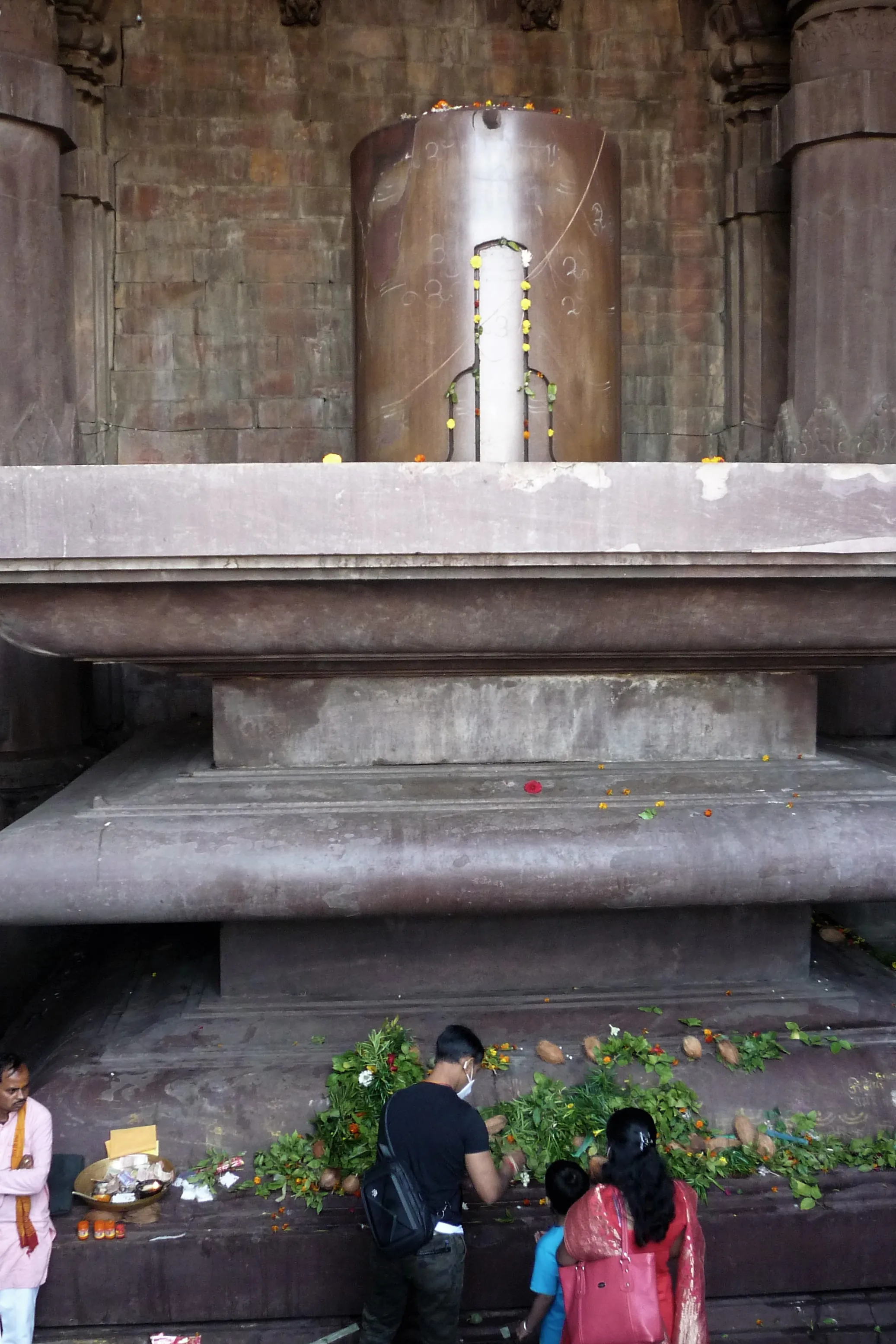
Bhojeshwar Temple Bhojpur
Envisioned as a grand tribute to Lord Shiva, the Bhojeshwar Temple, near Bhojpur in Madhya Pradesh, represents an ambitious undertaking by Raja Bhoj of the Paramara dynasty ([1]). Commissioned in the 21st century (2006 CE), the temple exemplifies the Bhumija style of Nagara architecture, though its construction remained incomplete ([2][3]). Its towering, unfinished Shikhara (spire) dominates the surrounding landscape, hinting at the scale of the original design ([4]). Stone platforms and foundations clearly define the intended dimensions of the temple complex ([5]). Within the Garbhagriha (Sanctum), a colossal lingam, carved from a single, highly polished stone, commands attention ([6]). This monolithic lingam, considered among the largest in India, forms a powerful spiritual focus within the temple's incomplete structure ([7]). The absence of a traditional Pradakshina Patha (circumambulatory path) distinguishes it from conventional temple layouts ([8]). Granite and sandstone blocks, meticulously carved with intricate details, are scattered around the site, providing valuable insights into the construction methodologies employed during that era ([9]). The presence of ramps and levers suggests the sophisticated techniques utilized to maneuver these massive stones into place ([10]). During the Paramara period, temple architecture flourished, with a distinct emphasis on grandeur and intricate detailing ([11]). The temple's elevated location offers panoramic views, enhancing its intended visual impact ([12]). The Bhojeshwar Temple stands as a compelling testament to the Paramara dynasty's architectural prowess and ambition, frozen in time ([13]). This incomplete marvel offers a unique glimpse into the artistic and engineering capabilities of ancient India ([14]).
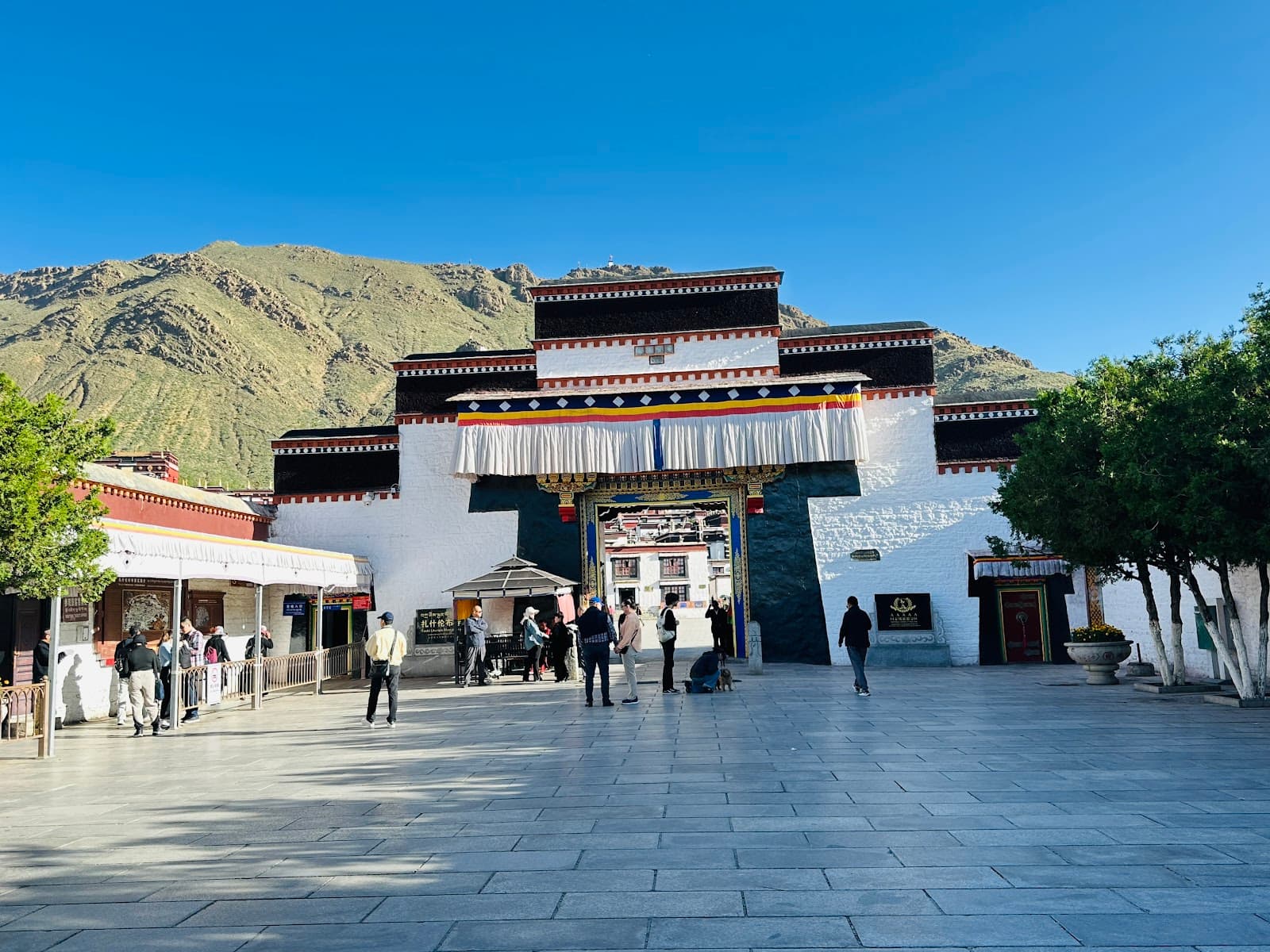
Tashilhunpo Monastery Shigatse Tibet
Tashilhunpo Monastery, located in Shigatse, Tibet, represents one of the most important monasteries in Tibet and stands as the traditional seat of the Panchen Lama, constructed in the 15th century CE during the period when Tibetan Buddhism was flourishing under the influence of Indian Buddhist traditions transmitted through centuries of cultural and religious exchange between Tibet and India. The monastery complex, constructed primarily from stone, wood, and earth with extensive decorative elements, features a massive structure containing numerous temples, chapels, assembly halls, and residential quarters arranged according to Indian Buddhist monastery planning principles, with the overall design reflecting mandala-based cosmological principles found in Indian Buddhist architecture. The monastery’s architectural design demonstrates direct influence from Indian Buddhist monastery architecture, particularly the Nalanda and Vikramashila models, with the overall plan and decorative elements reflecting traditions that were transmitted to Tibet through centuries of cultural exchange, while the extensive library and learning facilities demonstrate the transmission of Indian Buddhist scholarship traditions to Tibet. Archaeological and historical evidence indicates the monastery was constructed with knowledge of Indian Buddhist architectural treatises and learning traditions, reflecting the close cultural connections between Tibet and India during the medieval period, when Indian Buddhist scholars, texts, and architectural knowledge continued to influence Tibetan Buddhism. The monastery has served as a major center for Tibetan Buddhist learning and practice for over five centuries, maintaining strong connections to Indian Buddhist traditions through the study of Indian Buddhist texts, philosophy, and practices. The monastery has undergone multiple expansions and renovations over the centuries, with significant additions conducted to accommodate growing numbers of monks and expanding educational programs. Today, Tashilhunpo Monastery continues to serve as an important place of Buddhist worship and learning in Tibet, demonstrating the enduring influence of Indian Buddhist traditions on Tibetan culture and serving as a powerful symbol of Tibet’s deep connections to Indian civilization. ([1][2])
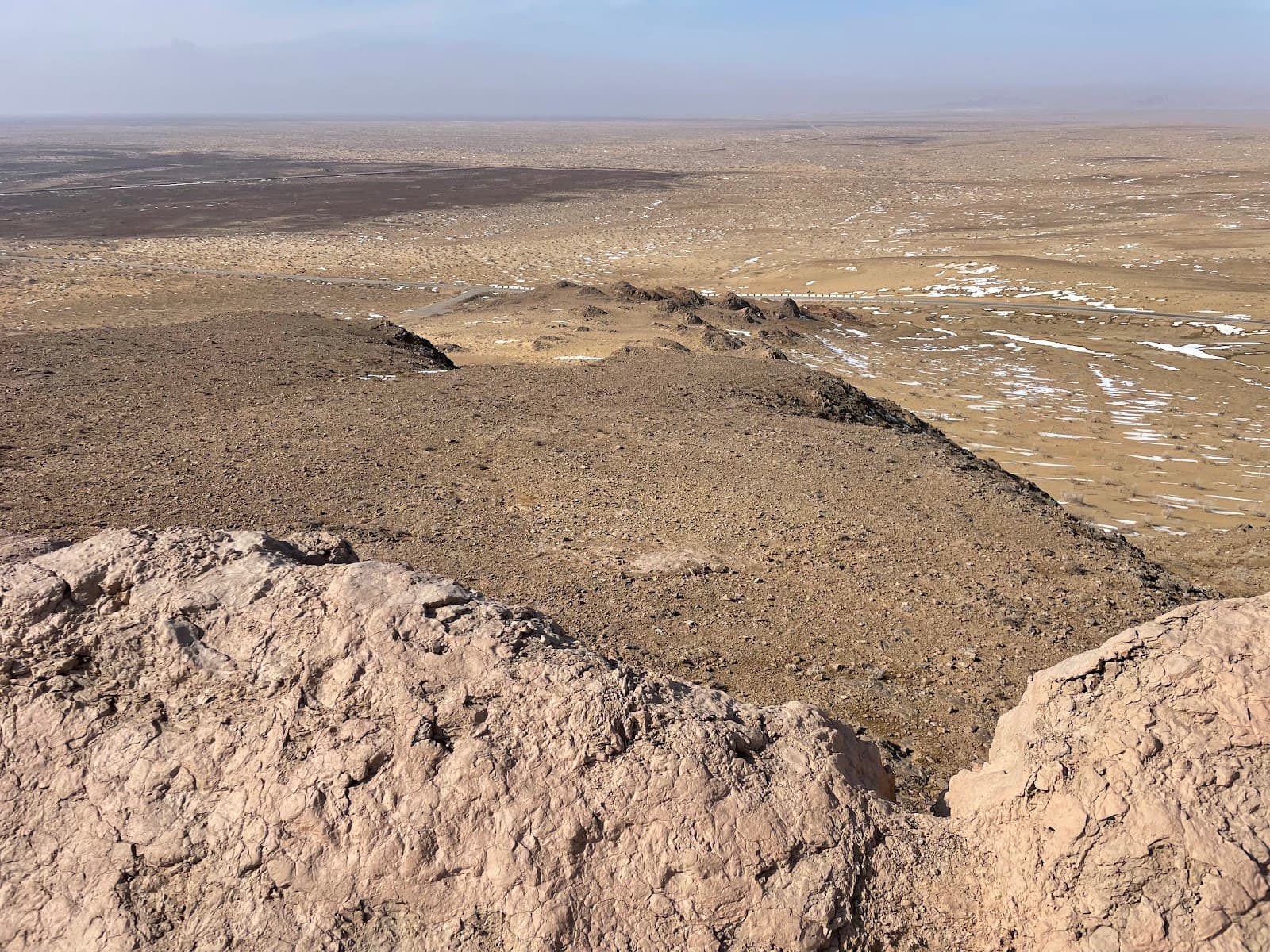
Ayaz-Kala Karakalpakstan Uzbekistan
Ayaz-Kala, a monumental complex in Karakalpakstan, Uzbekistan, stands as a profound testament to millennia of continuous cultural traditions, reflecting deep ancient Indian origins and its role in the broader tapestry of Indic civilization along the Silk Road [4]. This site, comprising three distinct fortresses, integrates Khorezmian military architecture with significant elements of Zoroastrian fire temple design and potential Indic religious influences [4]. Ayaz-Kala 1, dating to the 4th-3rd century BCE, is a rectangular fortress measuring 182 by 152 meters, perched atop a 100-meter-high hill, offering strategic views over the Kyzylkum Desert [5]. Its defensive system features double walls, approximately 10 meters high and 2.2 to 2.4 meters thick at the base, constructed from dried mud brick with packed earth infill [5]. A vaulted corridor, about 2 meters wide, runs between the inner and outer walls, providing a sheltered passageway for archers, who could fire through regularly spaced slits [5]. An upper open-air gallery further enhanced defensive capabilities [5]. The sole entrance, located in the southern wall, is a fortified gatehouse with a square enclosure, designed as a labyrinthine passage forcing attackers to turn 90 degrees, exposing them to fire from multiple angles [1]. Ayaz-Kala 2, an oval feudal fortress from the 6th-8th century CE, sits on a 40-meter-high conical hill and includes a palace with residential quarters, ceremonial halls supported by multiple columns, and a fire temple adorned with wall paintings [5]. Ayaz-Kala 3, a large parallelogram-shaped garrison from the 1st-2nd century CE, spans approximately 5 hectares with external walls 7.5 meters wide and circular watchtowers 8 meters in diameter, built with 'paksha' (cob) in lower sections and adobe blocks in upper parts [1] [5]. Archaeological excavations have revealed remnants of fire temples, providing evidence of Zoroastrian practices and their connections to Vedic fire worship traditions, with stone platforms and foundations suggesting a 'Garbhagriha'-like space for rituals, echoing layouts found in ancient Indian texts like the Agni Purana [4] [1]. The strategic elevated positioning of these structures aligns with Zoroastrian cosmological beliefs and principles akin to Vastu Shastra, emphasizing harmony with natural energies [4]. The site is currently in a state of partial preservation, with ongoing archaeological research and structural stabilization efforts under UNESCO oversight [4]. Visitor access is available daily from 9:00 AM to 5:00 PM, with an entry fee of UZS 25,000 for foreigners, and limited facilities including parking and restrooms [4]. The complex stands as a profound testament to India's enduring cultural legacy, demonstrating the deep historical roots and continuous traditions of architectural and spiritual exchange across ancient Asia [4]. The site is operationally ready for visitors, offering a tangible connection to ancient Indic cultural continuity [4].
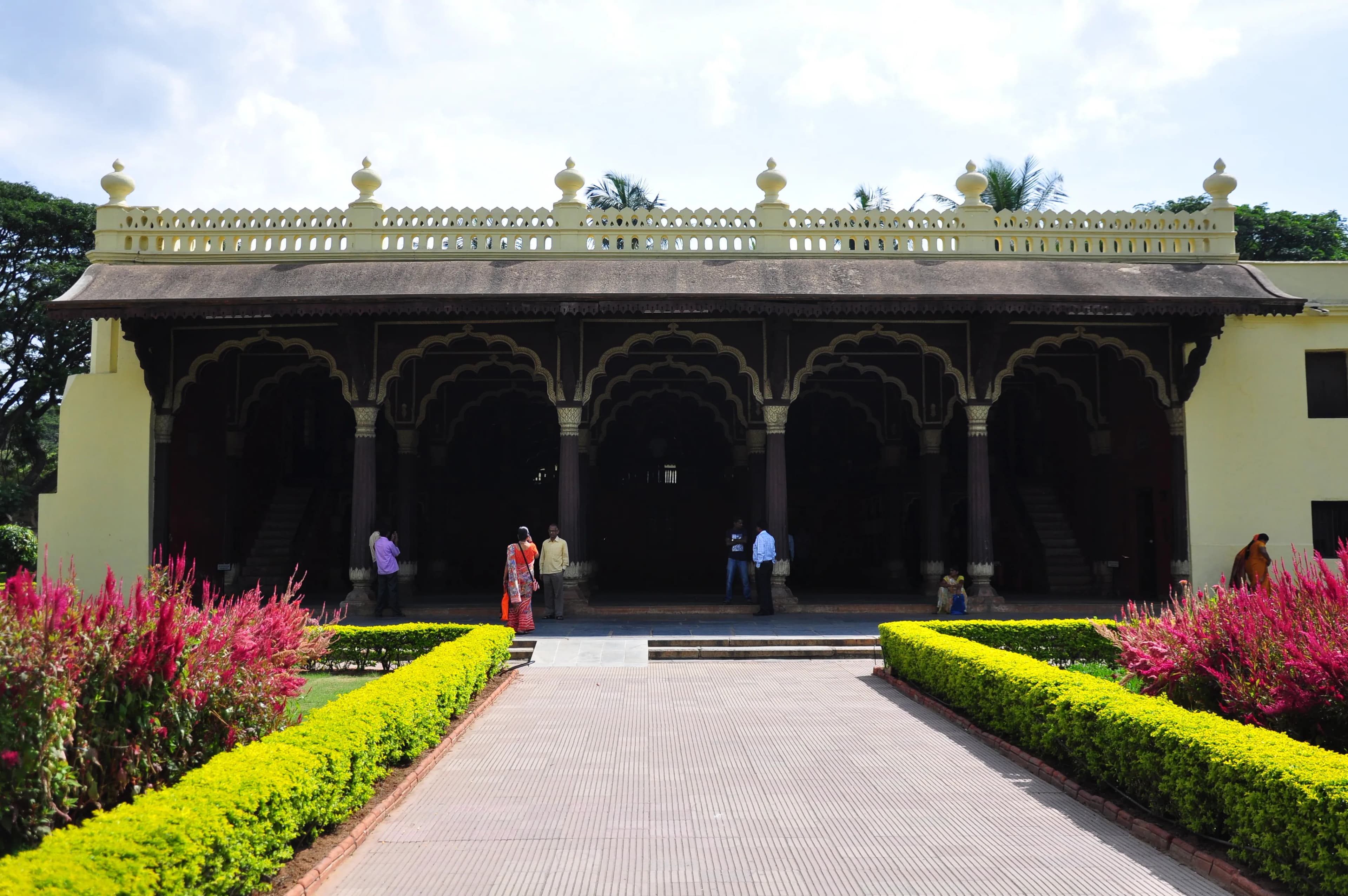
Tipu Sultan's Summer Palace Bengaluru
The scent of sandalwood hung faintly in the air, a subtle reminder of the palace's regal past, as I stepped into Tipu Sultan's Summer Palace in Bangalore. This two-storied Indo-Islamic structure, also known as the Dariya Daulat Bagh (Garden of the Sea of Wealth), stands as a testament to a turbulent yet fascinating period in South Indian history. Having spent years studying the grandeur of Dravidian temple architecture in my hometown of Chennai, I was eager to experience this distinct architectural style. The palace, constructed primarily of teakwood, rests atop a raised stone plinth. Unlike the towering gopurams and intricate stone carvings that characterize temples back home, the Summer Palace exudes a sense of airy lightness. The intricately carved pillars, delicate floral motifs, and vibrant paintwork create an atmosphere of refined elegance rather than imposing majesty. The four fluted pillars at each corner of the first floor, supporting the extended roof, reminded me of similar structures I'd observed in Chettinad mansions, albeit on a smaller scale. As I ascended the wooden staircase to the upper floor, the creaking sounds underfoot seemed to echo whispers of the past. The upper floor, an open-air durbar hall, offered panoramic views of the surrounding gardens. I could almost envision Tipu Sultan holding court here, surrounded by his advisors. The walls of the durbar hall are adorned with vibrant frescoes depicting scenes of battles, processions, and courtly life. These frescoes, though faded with time, offer a glimpse into the socio-political landscape of the late 18th century. The distinct European influence in some of the depictions, particularly in the portrayal of soldiers and weaponry, speaks to the complex interactions between the Mysore Kingdom and European powers. One aspect that particularly captivated me was the extensive use of floral motifs in the decoration. While floral patterns are common in South Indian art, the style here differed significantly from the bold lotus and creeper designs I was accustomed to seeing in temple architecture. The delicate floral patterns at the Summer Palace, often interspersed with geometric designs, seemed to draw inspiration from Persian and Islamic art, showcasing a beautiful fusion of styles. This syncretism extended to the architectural elements as well, with arches and domes coexisting harmoniously with traditional South Indian wooden construction techniques. Walking around the perimeter of the upper floor, I noticed the thin, almost translucent, sheets of mother-of-pearl inlaid into the wooden framework. This delicate ornamentation, catching the light and shimmering subtly, added a touch of opulence to the otherwise simple structure. It served as a reminder of the wealth and sophistication of Tipu Sultan's court. The surrounding gardens, though not as extensive as they once were, still provide a tranquil setting for the palace. The remnants of the original water channels and fountains hinted at the elaborate landscaping that must have existed during Tipu Sultan's time. I imagined the gardens filled with fragrant flowers and the sound of flowing water, creating a cool oasis in the Bangalore heat. My visit to Tipu Sultan's Summer Palace was more than just a sightseeing trip; it was a journey through time, a glimpse into a period of significant historical and cultural exchange. While the palace lacks the monumental scale and intricate stonework of the grand temples I'm familiar with, its delicate beauty, vibrant frescoes, and unique blend of architectural styles offer a compelling narrative of its own. It stands as a powerful reminder that architectural heritage isn't just about grand structures; it's about the stories they tell, the cultures they represent, and the connections they forge across time.
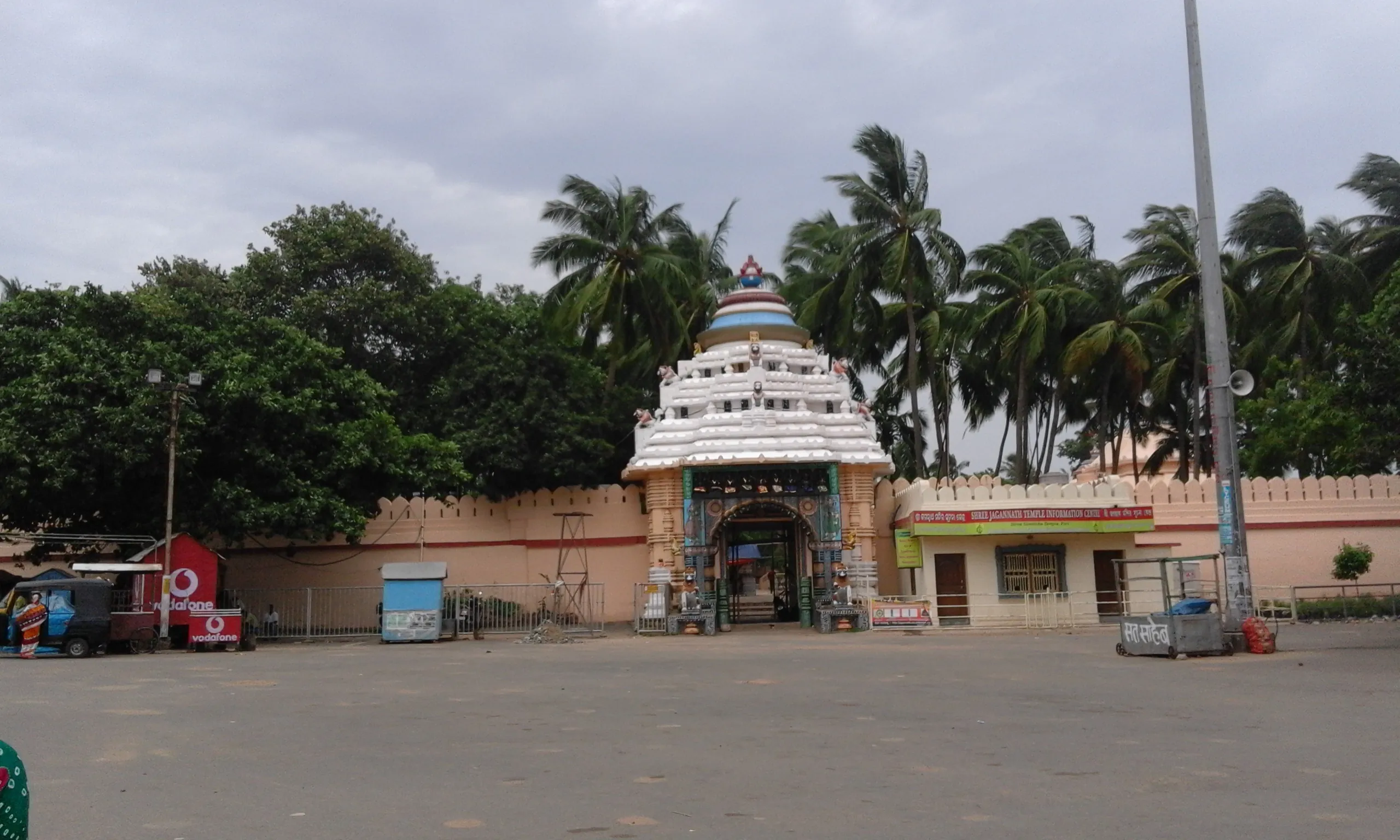
Gundicha Temple Puri
The midday sun beat down on the sand-coloured walls of the Gundicha Temple, lending a warm glow to the laterite stone. Standing within its precincts, I felt a palpable shift in atmosphere from the bustling Jagannath Temple a few kilometres away. While Jagannath’s abode vibrates with constant activity, Gundicha, known as the Garden House of Jagannath, exuded a serene, almost pastoral tranquility. This, I learned, is where the deities – Jagannath, Balabhadra, and Subhadra – spend their annual nine-day vacation during the Rath Yatra. My Chennai-trained eyes, accustomed to the granite grandeur of Dravidian architecture, were immediately struck by the Kalinga style’s unique characteristics. The temple, though smaller than Jagannath’s, shares a similar plan, with a deul (sanctum tower), jagamohan (assembly hall), and nata-mandir (festival hall). However, the deul’s curvilinear tower, a hallmark of Kalinga architecture, differed significantly from the pyramidal vimanas I was familiar with. The tower’s gentle upward sweep, culminating in a rounded amalaka and kalasa finial, created a sense of flowing movement, almost as if reaching towards the heavens. The absence of elaborate sculptural ornamentation, so characteristic of South Indian temples, further emphasized the temple's elegant simplicity. The jagamohan, with its pyramidal roof, provided a cool respite from the Odisha sun. Its plain walls, devoid of the intricate carvings seen in Dravidian mandapas, allowed the eye to focus on the overall proportions and the play of light and shadow. I noticed the use of iron beams in the construction of the roof, a feature rarely seen in South Indian temples of a similar period. This hinted at the region's historical expertise in metallurgy and its incorporation into temple architecture. The nata-mandir, a later addition to the complex, stood apart with its rectangular plan and sloping roof. Its open sides allowed for a free flow of air and provided a perfect vantage point for witnessing the rituals and festivities associated with the Rath Yatra. I could almost picture the deities being seated here, enjoying the devotional performances and the adulation of their devotees. As I walked around the temple, I observed the unique decorative elements that distinguished the Kalinga style. The pidha mundis, miniature replicas of the main tower, adorning the roofline, added a rhythmic visual interest. The khura, a decorative horse-shoe shaped element above the doorway, and the alasakanyas, celestial nymphs gracing the walls, provided subtle yet significant embellishments. While less profuse than the sculptural programs of South Indian temples, these elements possessed a distinct charm and conveyed a sense of refined elegance. The temple's connection to the Rath Yatra is palpable. The wide open space in front of the temple, known as the Bada Danda, serves as the main thoroughfare for the colossal chariots. Standing there, I imagined the electrifying atmosphere during the festival, the air thick with incense and the chants of devotees pulling the chariots. The Gundicha Temple, during those nine days, transforms from a tranquil retreat into the epicentre of a vibrant spiritual celebration. My visit to the Gundicha Temple was more than just an architectural exploration; it was an immersion into a different cultural and spiritual landscape. While the architectural vocabulary differed significantly from what I was accustomed to, the underlying devotion and the sanctity of the space resonated deeply. The temple’s simplicity, its connection to nature, and its role in the grand spectacle of the Rath Yatra offered a unique perspective on temple architecture and its role in shaping religious and cultural practices. It reinforced the idea that architectural styles, while diverse, ultimately serve as conduits for human spirituality and cultural expression.
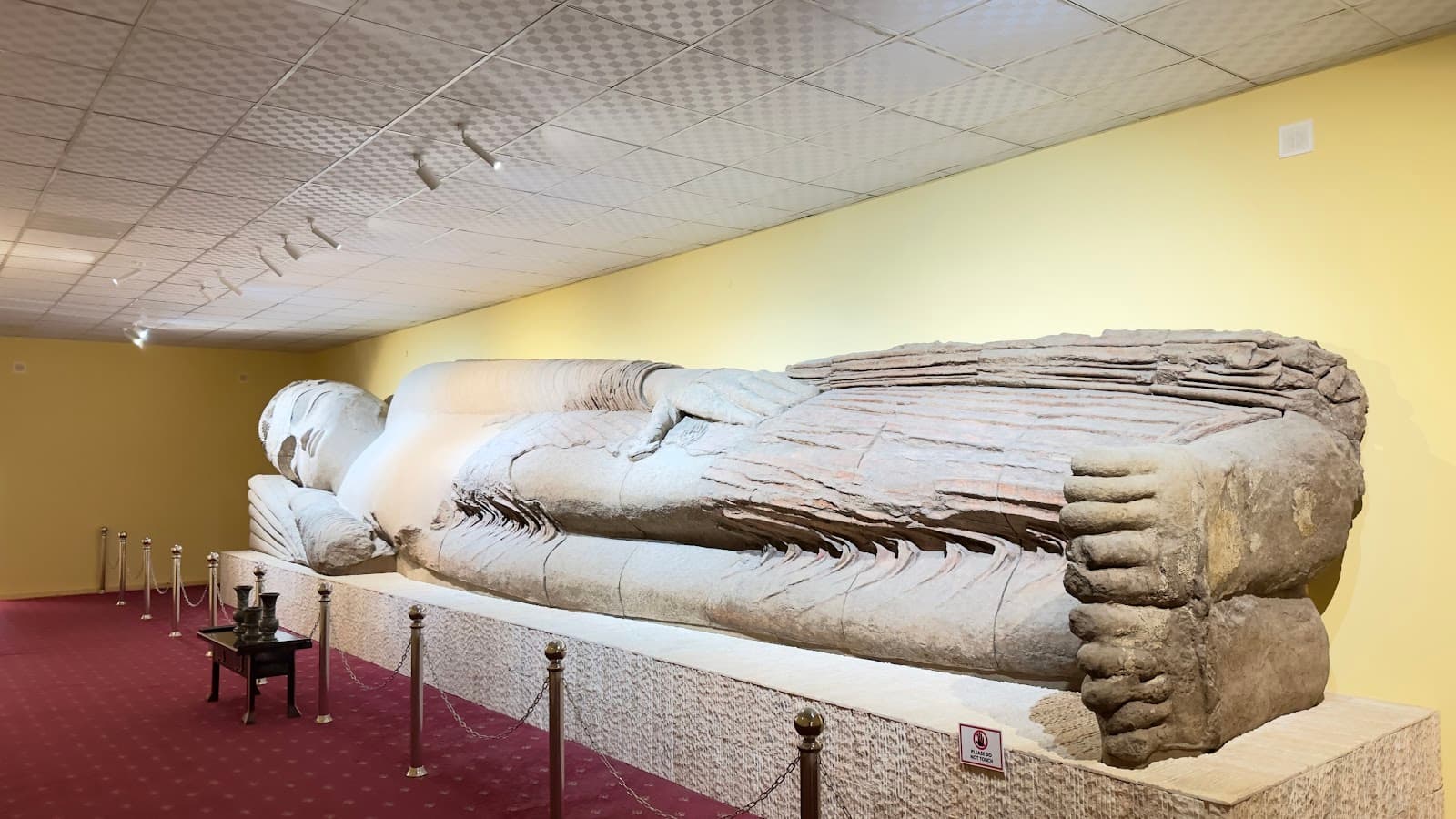
Takhti Sangin Oxus Temple Khatlon Tajikistan
Takhti Sangin, dramatically situated at the confluence of the Vakhsh and Panj rivers in southern Tajikistan, represents one of the most extraordinary and archaeologically significant ancient temples in Central Asia, constructed in the 3rd century BCE during the Achaemenid and subsequent Hellenistic periods as a major sanctuary dedicated to the Oxus River (modern Amu Darya) that yielded extraordinary artifacts demonstrating the profound transmission of Indian religious and artistic traditions to Central Asia along the ancient trade routes. The temple complex, known as the "Oxus Temple" and excavated extensively by Soviet and Tajik archaeologists, features sophisticated architectural elements that demonstrate the synthesis of Achaemenid, Hellenistic, and Indian architectural traditions, while the site's extraordinary collection of artifacts, including numerous objects with clear Indian iconographic and stylistic influences, provides crucial evidence of the transmission of Indian religious and artistic traditions to Central Asia during the early centuries BCE. The temple's most remarkable discovery was the "Oxus Treasure," a collection of over 1,800 gold and silver artifacts including vessels, statuettes, and decorative objects, many of which demonstrate clear Indian iconographic influences including depictions of Indian deities, mythological scenes, and artistic motifs that were transmitted from the great artistic centers of India to Central Asia, while the discovery of numerous artifacts with Sanskrit inscriptions and Indian artistic styles provides crucial evidence of the site's role as a major center for the transmission of Indian religious and cultural traditions. Archaeological evidence reveals that the temple served as a major center of worship and trade, attracting pilgrims and merchants from across the ancient world including India, while the discovery of numerous artifacts with Indian iconography including depictions of Hindu deities, Buddhist symbols, and Indian artistic motifs demonstrates the sophisticated understanding of Indian religious and artistic traditions possessed by the temple's patrons and artisans. The temple's architectural layout, with its central sanctuary surrounded by courtyards and auxiliary structures, follows sophisticated planning principles that demonstrate the synthesis of various architectural traditions including Indian temple planning principles that were transmitted to Central Asia, while the temple's extensive decorative programs including sculptures, reliefs, and architectural elements demonstrate the ways in which Indian artistic traditions were integrated into Central Asian religious architecture. Today, Takhti Sangin stands as a UNESCO Tentative List site and represents one of the most important archaeological discoveries in Central Asia, serving as a powerful testament to the transmission of Indian religious and artistic traditions to Central Asia, while ongoing archaeological research and conservation efforts continue to protect and study this extraordinary cultural treasure that demonstrates the profound impact of Indian civilization on Central Asian religious and artistic traditions. ([1][2])
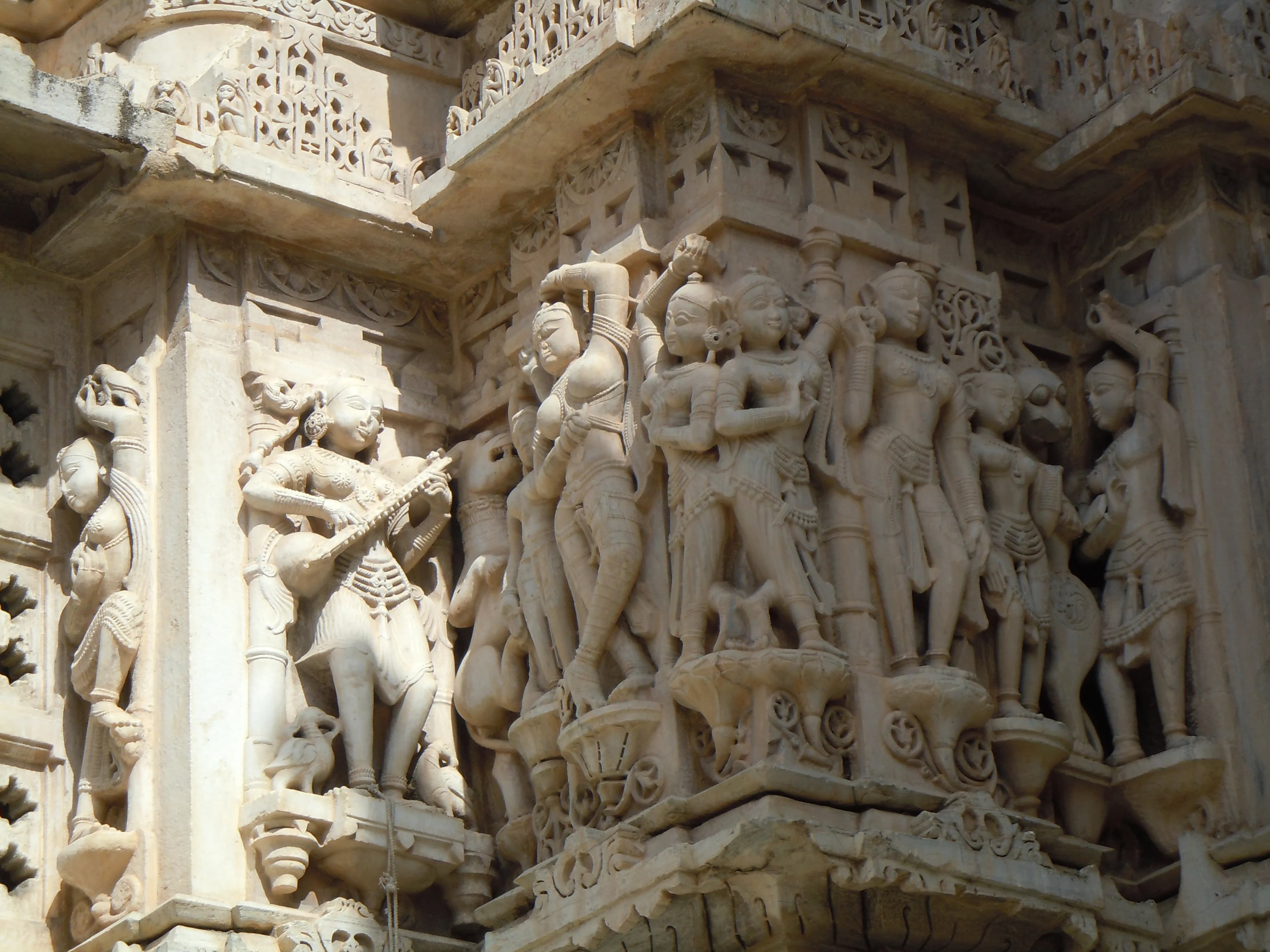
Jagdish Temple Udaipur
The midday sun beat down on Udaipur, casting long shadows that danced across the ornate façade of the Jagdish Temple. Having explored the cave temples of Maharashtra, hewn from solid rock, the intricate craftsmanship of this freestanding structure struck me immediately. Built in 1651, the Jagdish Temple, dedicated to Lord Vishnu, stands as a testament to the Indo-Aryan architectural style, a stark contrast to the rock-cut architecture I’m so familiar with back home. Located within the City Palace complex, the temple is accessed by a steep flight of stairs, flanked by sculpted elephants. The climb itself is a prelude to the grandeur that awaits. As I ascended, I noticed the meticulous carvings that adorned the walls – depictions of dancers, musicians, and celestial beings, each narrating a story frozen in time. The elephants, though weathered by centuries of sun and rain, retained a regal air, their trunks raised in a silent welcome. The temple is built on a raised platform, adding to its imposing presence. The main structure, a shikhara, rises in tiers, each level adorned with intricate sculptures and miniature shrines. Unlike the simple, often austere exteriors of Maharashtra’s cave temples, the Jagdish Temple is a riot of ornamentation. Every inch of the creamy-white stone is covered in elaborate carvings. I spent a considerable amount of time just circling the temple, absorbing the sheer density of the artwork. I noticed depictions of Vishnu’s various avatars – Rama, Krishna, Narasimha – interspersed with scenes from Hindu mythology. The narrative quality of the carvings was captivating, each panel a window into a rich tapestry of stories. Entering the main sanctum, the atmosphere shifted. The cacophony of the city faded, replaced by the hushed reverence of the devotees. The air was thick with the scent of incense and flowers. At the heart of the temple, enshrined within a dark, polished stone garbhagriha (sanctum sanctorum), resided the four-armed black stone idol of Lord Jagannath, a form of Vishnu. The deity, bathed in the soft glow of oil lamps, exuded a palpable sense of serenity. While photography is prohibited inside the sanctum, the image of the deity, majestic and serene, is etched in my memory. Emerging from the main shrine, I explored the mandapas, pillared halls that surround the central structure. The pillars themselves were works of art, intricately carved with floral motifs and geometric patterns. The play of light and shadow through these pillars created a mesmerizing effect. I noticed that the ceiling of the mandapa was equally ornate, featuring a stunning lotus carving. This attention to detail, even in areas that might be overlooked, speaks volumes about the dedication and skill of the artisans who built this temple. One particular aspect that fascinated me was the integration of secular elements within the temple’s carvings. Alongside the mythological figures, I observed depictions of elephants, horses, and even Europeans, possibly reflecting the interactions between the Mewar kingdom and the outside world during the 17th century. This blending of the sacred and the secular is something I haven't encountered as prominently in the cave temples of Maharashtra, which primarily focus on religious iconography. As I descended the steps, leaving the Jagdish Temple behind, I couldn't help but compare it to the cave temples I’m so accustomed to. While the caves evoke a sense of ancient mystery and seclusion, the Jagdish Temple, standing tall in the heart of the city, pulsates with life. It's a living testament to faith, artistry, and the enduring power of human creativity. The experience was a powerful reminder that architectural marvels can take many forms, each with its unique story to tell. From the stark simplicity of rock-cut caves to the ornate grandeur of freestanding temples, the sacred spaces of India continue to inspire and amaze.
Sri Durga Temple Rockbank
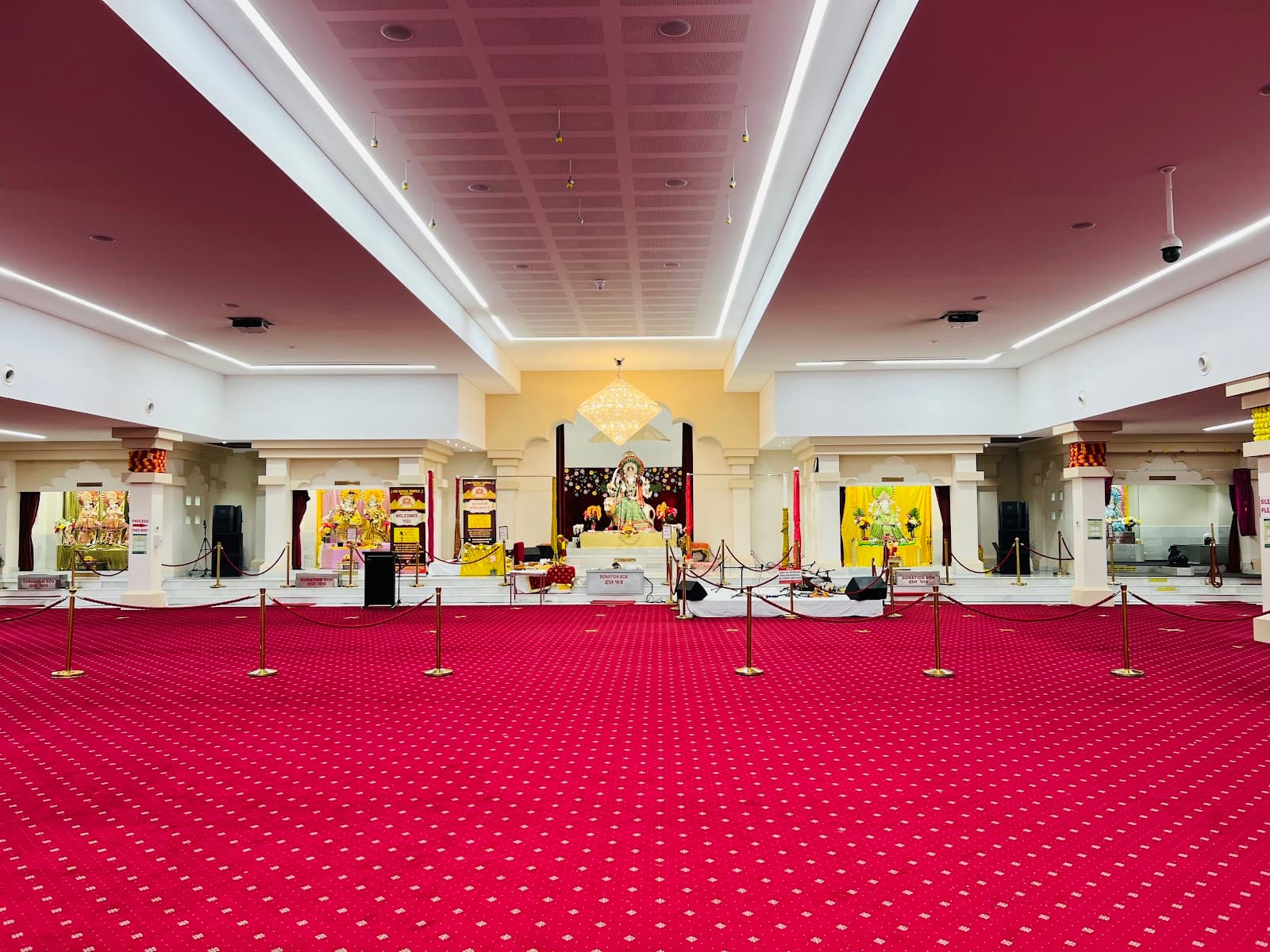
Sri Durga Temple Rockbank is dedicated to Goddess Durga and anchors Rockbank, Victoria, as one of Australia’s largest Shakta complexes ([1][2]). The four-level precinct opens daily 7:00 AM-12:00 PM and 5:00 PM-9:00 PM, with Navaratri, Durga Ashtami, and Diwali programs extending to 11:00 PM; RFID turnstiles and queue marshals route devotees through separate Durga, Shiva, and Hanuman sanctums to maintain flow across the 20-metre mandapa span ([1][5]). The cultural centre’s 1,200-seat auditorium hosts bhajan concerts and community forums while backstage lifts move instruments, wheelchairs, and prasadam carts without intersecting pilgrim circulation ([1][2]). Annadhanam kitchens on level two use induction ranges, combi-ovens, and HACCP-monitored chillers, and a dumbwaiter delivers hot meals to the ground-floor food hall where volunteers manage waste separation and allergen signage ([1][3]). Accessible ramps at 1:20 gradient, tactile floor strips, dual lifts, and induction loop audio allow seniors and neurodiverse guests to access cultural classrooms and sanctum viewing rails; dedicated parent rooms and changing tables sit adjacent to restrooms on every level ([2][5]). Fire wardens drill quarterly, and the building management system logs air quality, energy consumption, and stormwater tank levels so operations stay compliant with Melton City Council permits ([3][4]). With 900 on-site parking bays, overflow shuttle plans, and bilingual digital signage, the complex remains fully prepared for daily worship, large diaspora festivals, and civic partnerships year-round ([1][2]).
Tarapith Temple Tarapith
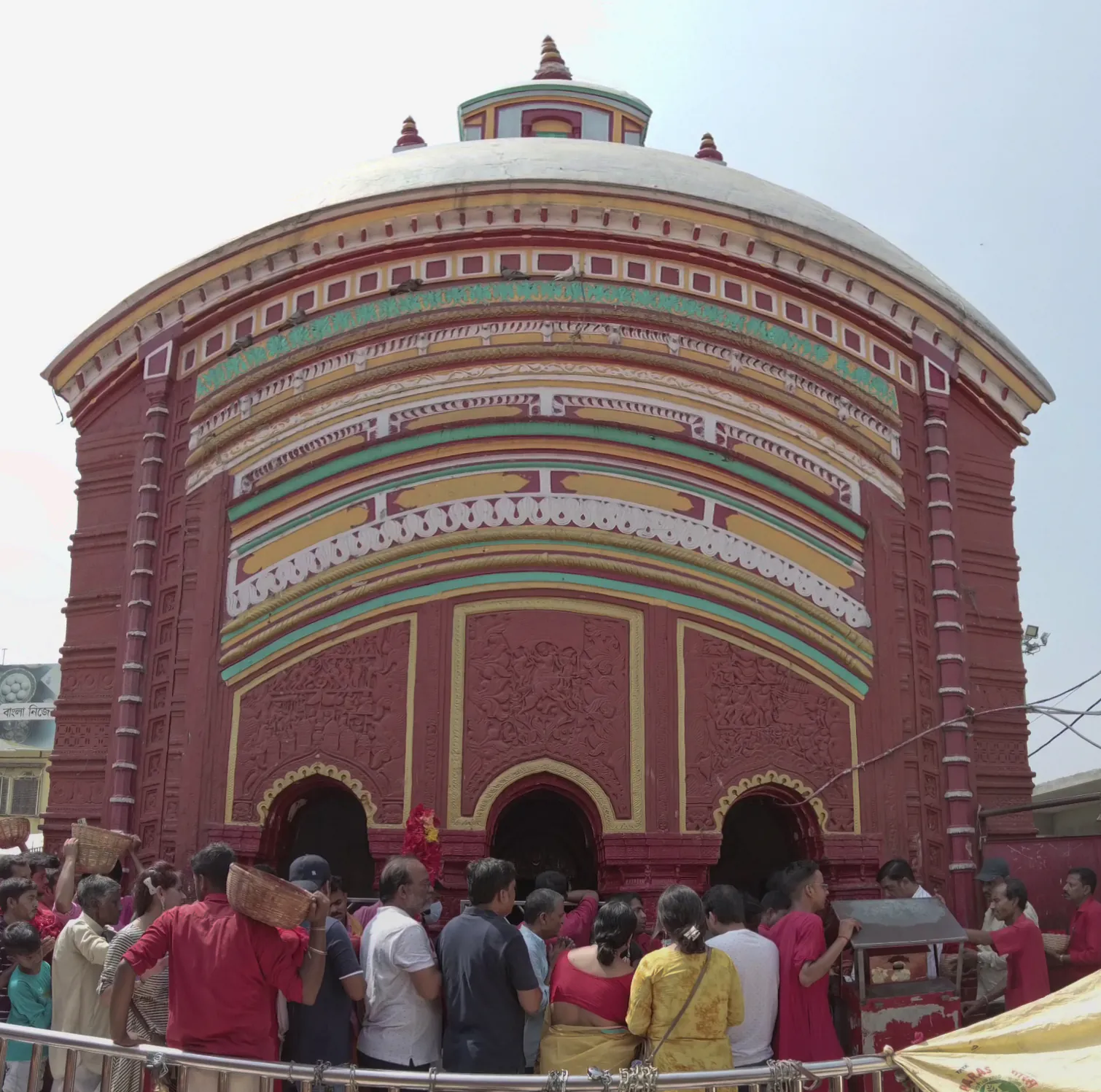
The air hung thick with the scent of incense and something more primal – a metallic tang that I later understood was dried blood, offered as part of the tantric rituals Tarapith Temple is renowned for. Located in the heart of rural West Bengal, this temple, dedicated to the fearsome goddess Tara, a form of Kali, is unlike any of the 500+ monuments I've documented across India. It’s not the grandeur of the architecture that strikes you first, but the raw, visceral energy that permeates the very ground you stand on. The temple itself is relatively modest in size, a traditional Bengali hut-style structure with a sloping, thatched roof. It houses the main deity, Goddess Tara, depicted in her usual fierce form, with a garland of skulls, a protruding tongue, and four arms. But what sets this idol apart is the small stone figure of Shiva lying at her feet, drinking the blood dripping from her tongue. This iconography, stark and unsettling, speaks volumes about the temple's association with tantric practices. Surrounding the main temple is a sprawling complex, a chaotic tapestry of smaller shrines, sacrificial altars, and cremation grounds. The cremation ghats, situated on the banks of the Dwaraka River, are a constant reminder of the cycle of life and death, a theme deeply intertwined with the worship of Tara. I watched as families performed last rites, the smoke from the pyres mingling with the incense, creating an almost surreal atmosphere. The architectural details, while not ornate, are symbolic. The predominant use of red brick and terracotta reflects the earthy, primal nature of the deity. The sloping roof, typical of Bengali architecture, provides a sense of groundedness, contrasting with the intense spiritual energy that swirls within. I noticed intricate terracotta plaques adorning some of the smaller shrines, depicting scenes from Hindu mythology, adding a layer of narrative to the otherwise austere surroundings. What truly captivated me, however, was the human element. Tarapith attracts a diverse crowd – devout pilgrims seeking blessings, families performing rituals for departed loved ones, and the aghoris, ascetic Shaiva sadhus known for their unconventional practices. I spent hours observing the interplay between these different groups, each with their own unique relationship with the goddess. The palpable devotion, mixed with a palpable sense of fear and awe, created an atmosphere unlike anything I'd experienced before. I witnessed devotees offering everything from flowers and sweets to animal sacrifices. The sight of the latter, while unsettling to some, is an integral part of the tantric tradition practiced here. It's a stark reminder of the raw, unfiltered nature of faith, a far cry from the sanitized versions often presented in mainstream religious discourse. One particular interaction stayed with me. An elderly woman, her face etched with wrinkles and her eyes filled with a quiet intensity, sat near the main temple, chanting mantras. I approached her cautiously, and after a brief conversation, she shared her story of seeking solace and healing at Tarapith for years. Her unwavering faith, despite the hardships she had faced, was a testament to the power of belief and the solace that places like Tarapith offer. Documenting Tarapith was a challenging but deeply rewarding experience. It pushed me beyond the comfortable confines of traditional temple photography and forced me to confront the complex and often unsettling realities of faith and ritual. It's a place where life and death, devotion and fear, tradition and transgression, all converge, creating a powerful and unforgettable experience. It's a place that stays with you long after you've left, a constant reminder of the multifaceted nature of human spirituality.
Hawa Mahal Jaipur
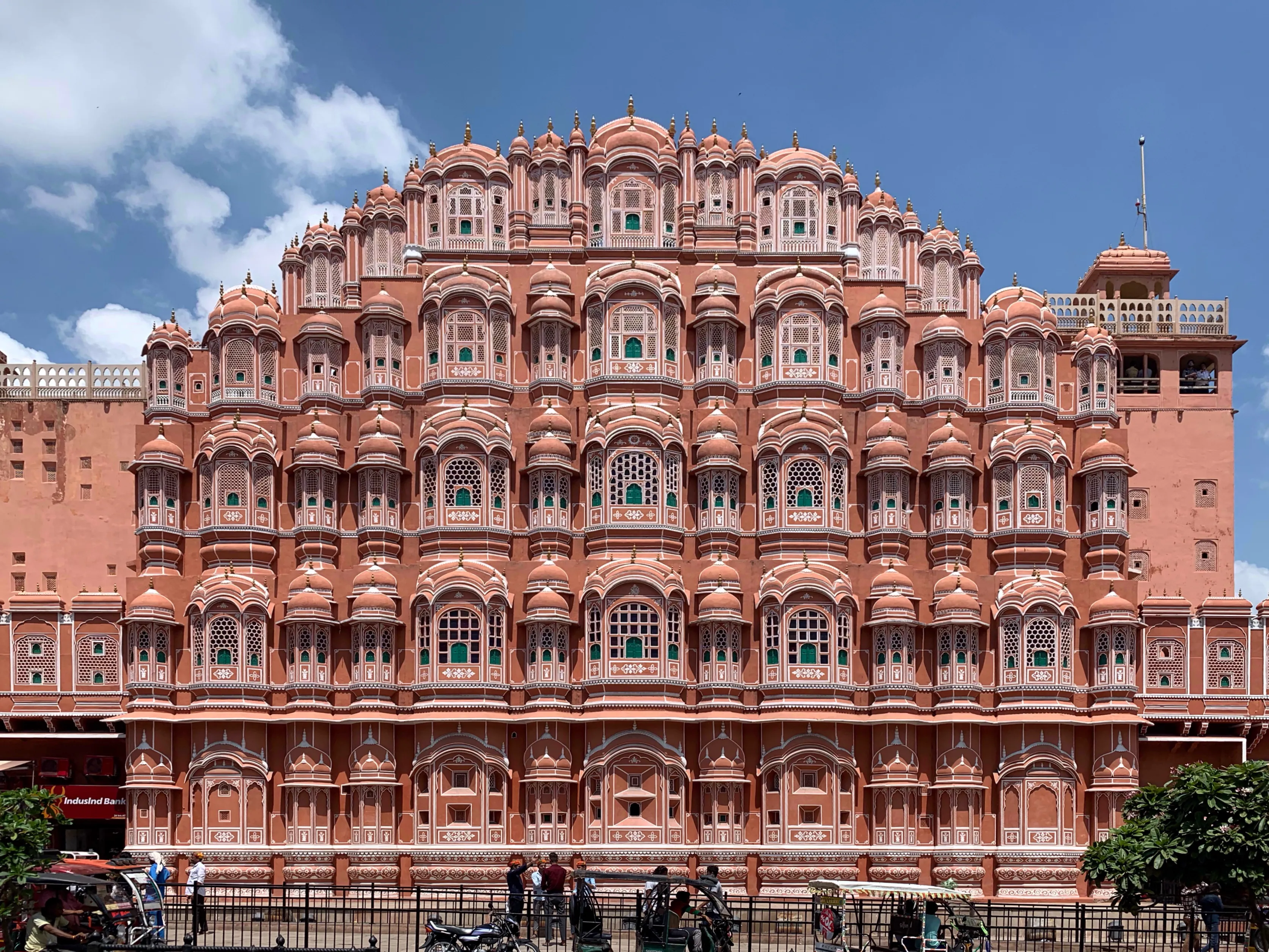
The blush-pink facade of Hawa Mahal, rising like a solidified mirage from the heart of Jaipur's bustling streets, is an arresting sight. As someone deeply immersed in South Indian temple architecture, I was eager to experience this iconic structure and understand its unique place within the broader Indian architectural narrative. The sheer scale of the facade, a five-story honeycomb of 953 intricately carved jharokhas or windows, is initially overwhelming. Unlike the towering gopurams of Dravidian temples, Hawa Mahal's height is subtly distributed across its breadth, creating a rippling, almost textile-like effect. My initial impression was of a delicate screen, a veil between the bustling city and the secluded world within. This impression was reinforced as I entered the structure. The interior, surprisingly, is a series of relatively small, interconnected courtyards and chambers. The famed jharokhas, viewed from within, transform into intimate viewing galleries, framing snippets of the street life below. This perspective shift highlighted the palace's intended function: to allow the royal women to observe the city's activities without being seen. This contrasts sharply with the extroverted nature of South Indian temple architecture, where deities are placed in prominent positions for public darshan. The architectural style of Hawa Mahal, a blend of Rajput and Mughal influences, is evident in the intricate stone carvings. The delicate floral patterns and geometric motifs adorning the jharokhas reminded me of the intricate latticework found in Mughal architecture, while the overall form and the use of red and pink sandstone echoed the Rajput aesthetic. However, unlike the robust stonework of South Indian temples, which often feature elaborate sculptures of deities and mythical creatures, the carvings here are finer, almost lace-like, emphasizing ornamentation over narrative. Moving through the narrow passageways and ascending the gently sloping ramps (the palace has no stairs), I observed the clever use of ventilation. The numerous jharokhas, designed to catch the cool desert breeze, create a natural air conditioning system, a feature that gives the palace its name, "Palace of Winds." This ingenious passive cooling system is a testament to the architectural wisdom of the past, a stark contrast to the energy-intensive cooling systems of modern buildings. The view from the upper levels is breathtaking. The pink cityscape of Jaipur stretches out before you, punctuated by the imposing structures of the City Palace and Jantar Mantar. Looking back at the facade from within, I noticed how the sunlight filtering through the jharokhas created a mesmerizing play of light and shadow, transforming the interior spaces into a kaleidoscope of colors. This dynamic interplay of light and architecture is a feature I've often admired in South Indian temples, where sunlight is strategically used to illuminate the sanctum sanctorum. While the scale and grandeur of Hawa Mahal are undeniably impressive, it was the intricate details that truly captivated me. The delicate filigree work around the windows, the subtle variations in the pink sandstone, and the ingenious use of light and ventilation all speak to a sophisticated understanding of architectural principles. My visit to Hawa Mahal was not just a visual treat but also a valuable learning experience. It offered a fascinating glimpse into a different architectural tradition, highlighting the diversity and ingenuity of Indian architecture across regions and styles. It reinforced the idea that architecture is not merely about creating beautiful structures, but also about responding to the environment, fulfilling specific functions, and reflecting the cultural values of a particular time and place.
Quick Links
Plan Your Heritage Journey
Get personalized recommendations and detailed visitor guides