Has Inheritage Foundation supported you today?
Your contribution helps preserve India's ancient temples, languages, and cultural heritage. Every rupee makes a difference.
Secure payment • Instant 80G certificate
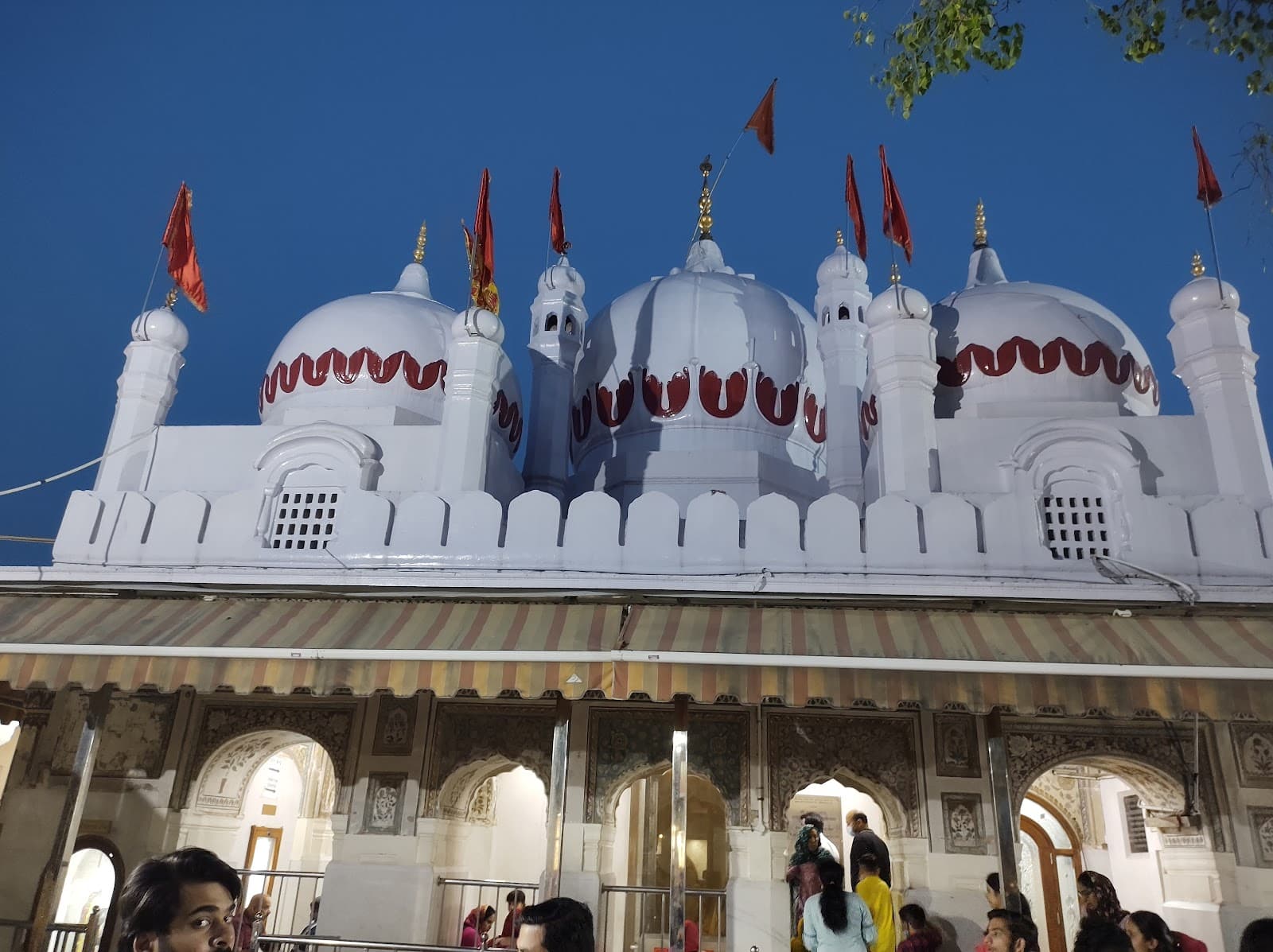
Mata Mansa Devi Mandir Panchkula
The cable car ascent to Mata Mansa Devi Mandir offered a breathtaking panorama of the Shivalik foothills. The sprawling complex, nestled amidst verdant slopes in Panchkula, Haryana, unfolded below, a tapestry of ochre and saffron against the green. Even from afar, the vibrant energy of the place was palpable, a hum of devotion that resonated across the landscape. Stepping off the cable car, I was immediately immersed in a sea of humanity. Pilgrims from all walks of life thronged the courtyard, their faces etched with a mixture of hope and reverence. The air was thick with the scent of incense and marigolds, punctuated by the rhythmic clang of temple bells. My camera, a constant companion, felt almost inadequate to capture the sheer scale of the scene, the raw emotion that hung heavy in the air. The main temple, dedicated to Mata Mansa Devi, an incarnation of Shakti, is a study in North Indian temple architecture. The shikhara, the towering curvilinear spire, dominates the skyline, its surface intricately carved with depictions of deities and celestial beings. The vibrant hues of saffron and red, traditionally associated with Shakti, lend the temple a powerful, almost regal presence. I spent a considerable amount of time documenting the intricate carvings, noticing the subtle variations in style and the remarkable preservation despite the passage of time. The stone, worn smooth in places by the touch of countless devotees, seemed to whisper stories of centuries of faith. Inside the temple, the atmosphere was electric. Devotees pressed forward, eager to offer their prayers and receive the blessings of the goddess. The walls were adorned with vibrant murals depicting scenes from Hindu mythology, adding another layer of visual richness to the space. The low, chanting prayers created a hypnotic backdrop, a rhythmic pulse that seemed to synchronize with the beating of my own heart. While photography was restricted within the sanctum sanctorum, I managed to capture the essence of the devotion, the quiet moments of reflection on the faces of the pilgrims. Beyond the main temple, the complex sprawls across the hillside, encompassing smaller shrines, shaded courtyards, and even a small museum. I was particularly drawn to the ancient peepal tree, its branches laden with sacred threads tied by devotees as symbols of their wishes and prayers. The tree, a silent witness to generations of faith, exuded a palpable sense of tranquility. Its gnarled roots, exposed in places, seemed to grip the earth with an almost primal force. One aspect that struck me was the seamless blend of the old and the new. While the temple itself is steeped in history, the complex also incorporates modern amenities like the cable car and well-maintained facilities for pilgrims. This delicate balance between preserving heritage and catering to contemporary needs is commendable. As the sun began to dip below the horizon, casting long shadows across the hillside, I found myself drawn back to the main courtyard. The evening aarti, a Hindu ritual of worship, was about to commence. The air crackled with anticipation as the priests prepared the offerings. The chanting intensified, accompanied by the rhythmic beat of drums and the melodic strains of devotional songs. The flickering flames of the lamps illuminated the faces of the devotees, creating a mesmerizing tableau of faith and devotion. Leaving Mata Mansa Devi Mandir, I felt a profound sense of peace and connection. The experience transcended mere documentation; it was a journey into the heart of faith, a testament to the enduring power of belief. The images I captured, I knew, were more than just photographs; they were fragments of a living, breathing tradition, a glimpse into the spiritual tapestry of India.
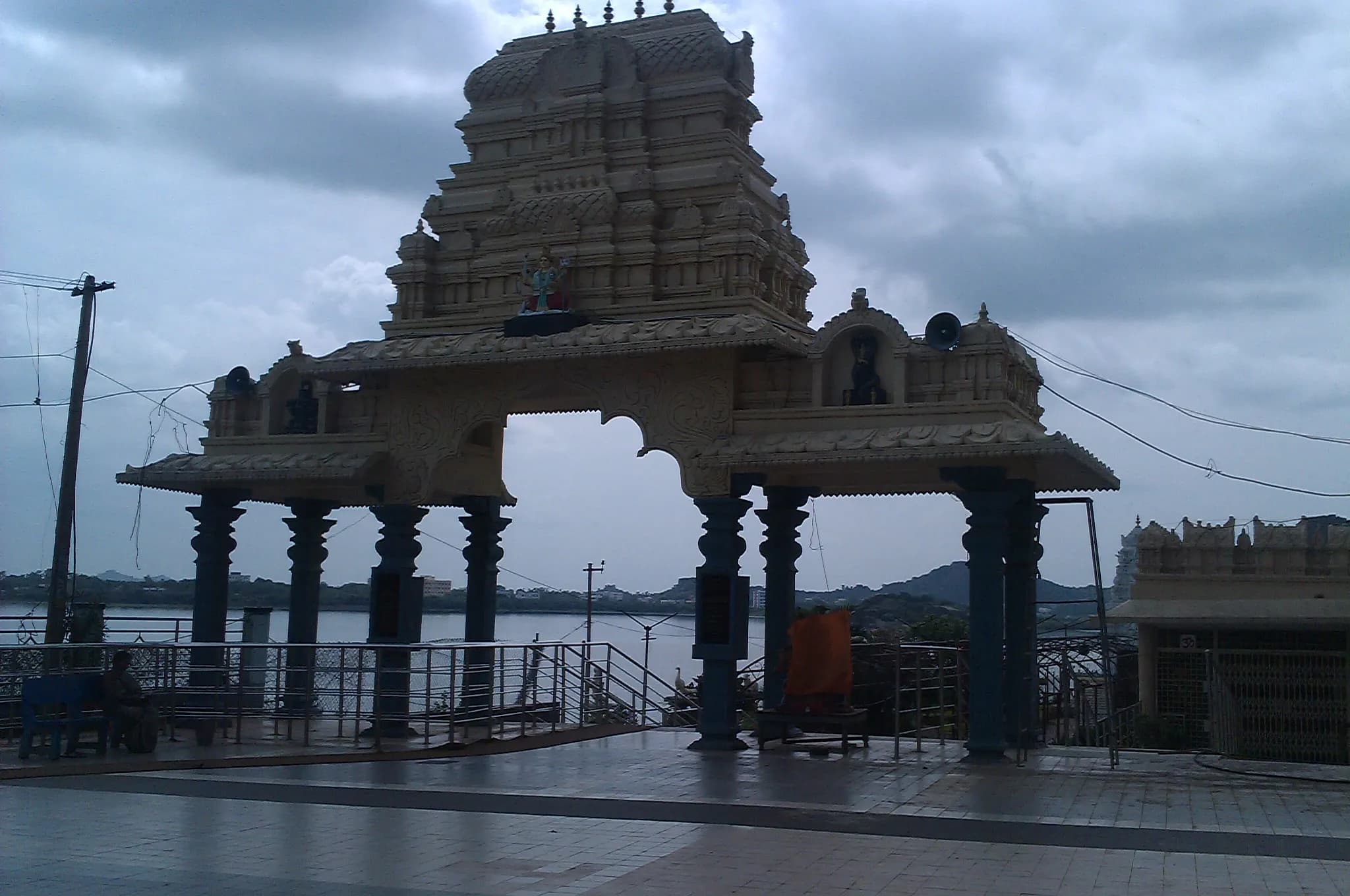
Bhadrakali Temple Warangal
Near Warangal's Bhadrakali Lake, the Bhadrakali Temple's imposing granite gateway offers a glimpse into the Kakatiya dynasty's reign ([1]). Dedicated to Bhadrakali, a fierce form of Durga, the temple emanates a powerful spiritual aura ([2]). Unlike the towering gopurams (gateway towers) typical of South Indian temples, the entrance here maintains a more understated presence, directing attention inward towards the deity ([3]). Kakatiya Dravida architectural style is evident throughout the temple, dating back to 625 CE, during the 7th century ([4]). Granite and sandstone blocks, meticulously carved, exemplify the Kakatiya craftsmanship ([5]). Intricate carvings adorning the walls depict various deities and scenes drawn from Hindu mythology ([6]). These narrative panels resonate with a palpable energy, mirroring the goddess's dynamic power ([7]). Within the Garbhagriha (Sanctum), the black stone idol of Bhadrakali embodies her formidable nature, brandishing weapons and echoing Warangal's rich history ([8]). During the Kakatiya period, temple construction adhered to Dravidian principles, featuring a square Garbhagriha (sanctum sanctorum), an antarala (vestibule), and a pillared Mandapa (Pillared Hall) ([9]). Remnants of a larger temple complex suggest its former grandeur ([10]). Stone platforms and foundations demonstrate the enduring construction techniques employed by the Kakatiyas ([11]). Historical accounts indicate that the temple suffered damage during the Tughlaq invasions ([12]). The integration of Bhadrakali Lake with the temple rituals enhances the overall spiritual ambiance ([13]). This sacred site stands as a symbol of resilience and unwavering faith ([14]). The sculptural articulation of the walls further exemplifies the Kakatiya's distinctive architectural style ([15]).
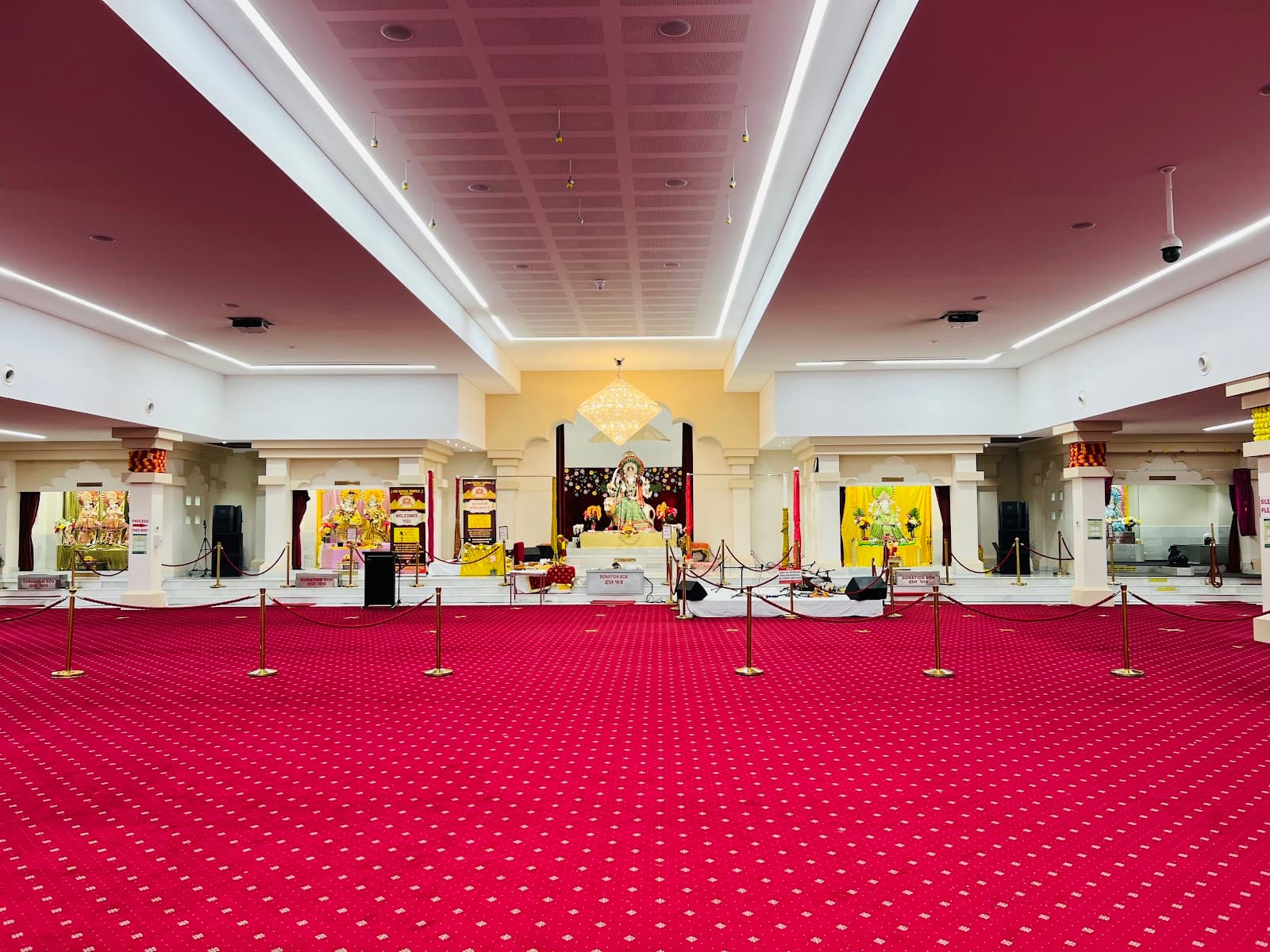
Sri Durga Temple Rockbank
Sri Durga Temple Rockbank is dedicated to Goddess Durga and anchors Rockbank, Victoria, as one of Australia’s largest Shakta complexes ([1][2]). The four-level precinct opens daily 7:00 AM-12:00 PM and 5:00 PM-9:00 PM, with Navaratri, Durga Ashtami, and Diwali programs extending to 11:00 PM; RFID turnstiles and queue marshals route devotees through separate Durga, Shiva, and Hanuman sanctums to maintain flow across the 20-metre mandapa span ([1][5]). The cultural centre’s 1,200-seat auditorium hosts bhajan concerts and community forums while backstage lifts move instruments, wheelchairs, and prasadam carts without intersecting pilgrim circulation ([1][2]). Annadhanam kitchens on level two use induction ranges, combi-ovens, and HACCP-monitored chillers, and a dumbwaiter delivers hot meals to the ground-floor food hall where volunteers manage waste separation and allergen signage ([1][3]). Accessible ramps at 1:20 gradient, tactile floor strips, dual lifts, and induction loop audio allow seniors and neurodiverse guests to access cultural classrooms and sanctum viewing rails; dedicated parent rooms and changing tables sit adjacent to restrooms on every level ([2][5]). Fire wardens drill quarterly, and the building management system logs air quality, energy consumption, and stormwater tank levels so operations stay compliant with Melton City Council permits ([3][4]). With 900 on-site parking bays, overflow shuttle plans, and bilingual digital signage, the complex remains fully prepared for daily worship, large diaspora festivals, and civic partnerships year-round ([1][2]).
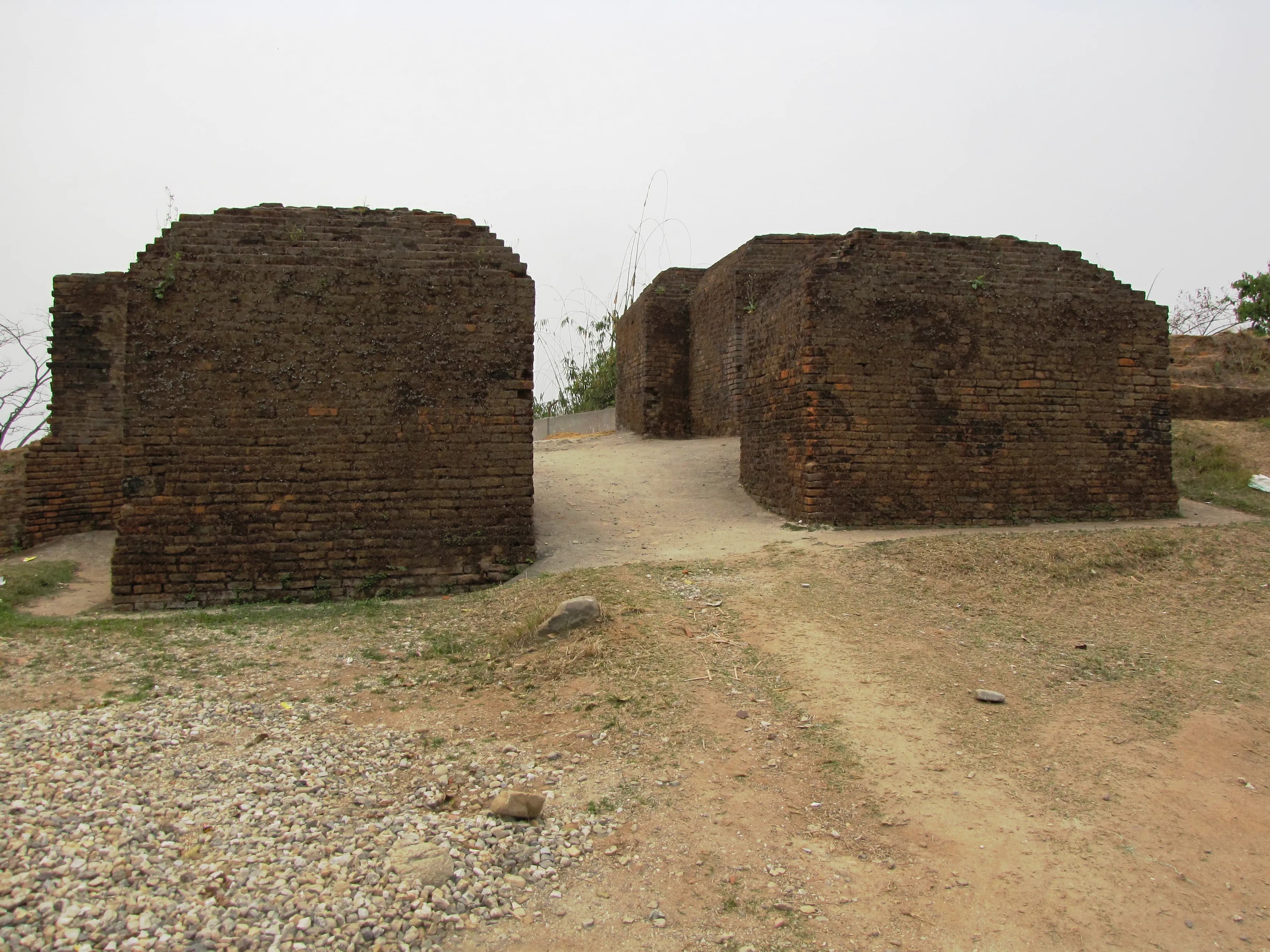
Ita Fort Itanagar
The midday sun cast long shadows across the undulating hills surrounding Itanagar, highlighting the weathered brick-red ramparts of the Ita Fort. Ascending the gentle slope towards the main entrance, I felt a palpable shift in atmosphere, a sense of stepping back in time. This wasn't merely a historical site; it was a living testament to the architectural ingenuity of the Tai-Ahom people who once ruled this region. Ita Fort, also known as the Ita Krung, isn't a fort in the conventional sense of a singular fortified structure. It's more accurately described as a fortified complex, a sprawling network of ramparts, gateways, and earthen mounds enclosing a vast area. The walls, constructed primarily of bricks, are remarkable for their sheer size and the irregular, almost organic way they follow the contours of the land. Unlike the precisely measured and geometric fortifications of the Mughals, Ita Fort displays a different kind of sophistication – an understanding of the landscape and its defensive potential. Passing through the main gateway, a modest arched opening in the thick walls, I found myself in a large open space. Here, the remnants of several structures were visible – low brick platforms, scattered fragments of walls, and the intriguing circular depressions that are believed to have been the bases of granaries. The absence of elaborate ornamentation or intricate carvings was striking. The beauty of Ita Fort lies in its stark simplicity, its functional design, and the sheer scale of the undertaking. The bricks themselves are a story. Large and uneven, they bear the marks of hand-crafting, a tangible connection to the builders who labored centuries ago. The mortar, a mixture of clay and organic materials, has weathered over time, giving the walls a textured, almost tapestry-like appearance. I ran my hand over the rough surface, imagining the hands that had placed these very bricks, the generations who had sought shelter within these walls. Climbing to the highest point of the ramparts, I was rewarded with a panoramic view of the surrounding hills and the valley below. It was easy to see why this location was chosen for the fort. The elevated position provided a clear line of sight for miles, allowing the inhabitants to monitor the approaches and defend against potential invaders. The strategic importance of Ita Fort was undeniable. One of the most fascinating aspects of Ita Fort is the mystery surrounding its precise history. While it is generally attributed to the Tai-Ahom kingdom, the exact date of construction and the details of its use remain shrouded in some ambiguity. Local legends and oral traditions offer glimpses into the fort's past, but concrete archaeological evidence is still being unearthed. This air of mystery adds another layer to the experience, a sense of engaging with a puzzle whose pieces are slowly being revealed. As I descended from the ramparts, the late afternoon sun cast a golden glow over the ancient bricks. Ita Fort is more than just a collection of ruins; it's a portal to a vanished era, a reminder of the rich and complex history of this region. It's a place where the whispers of the past mingle with the sounds of the present, offering a unique and deeply rewarding experience for anyone willing to listen. It’s a site that deserves greater attention, not just for its architectural significance but also for the stories it holds within its weathered walls. My visit left me with a profound sense of awe and a renewed appreciation for the ingenuity and resilience of those who came before us.
Charantala Temple Shillong
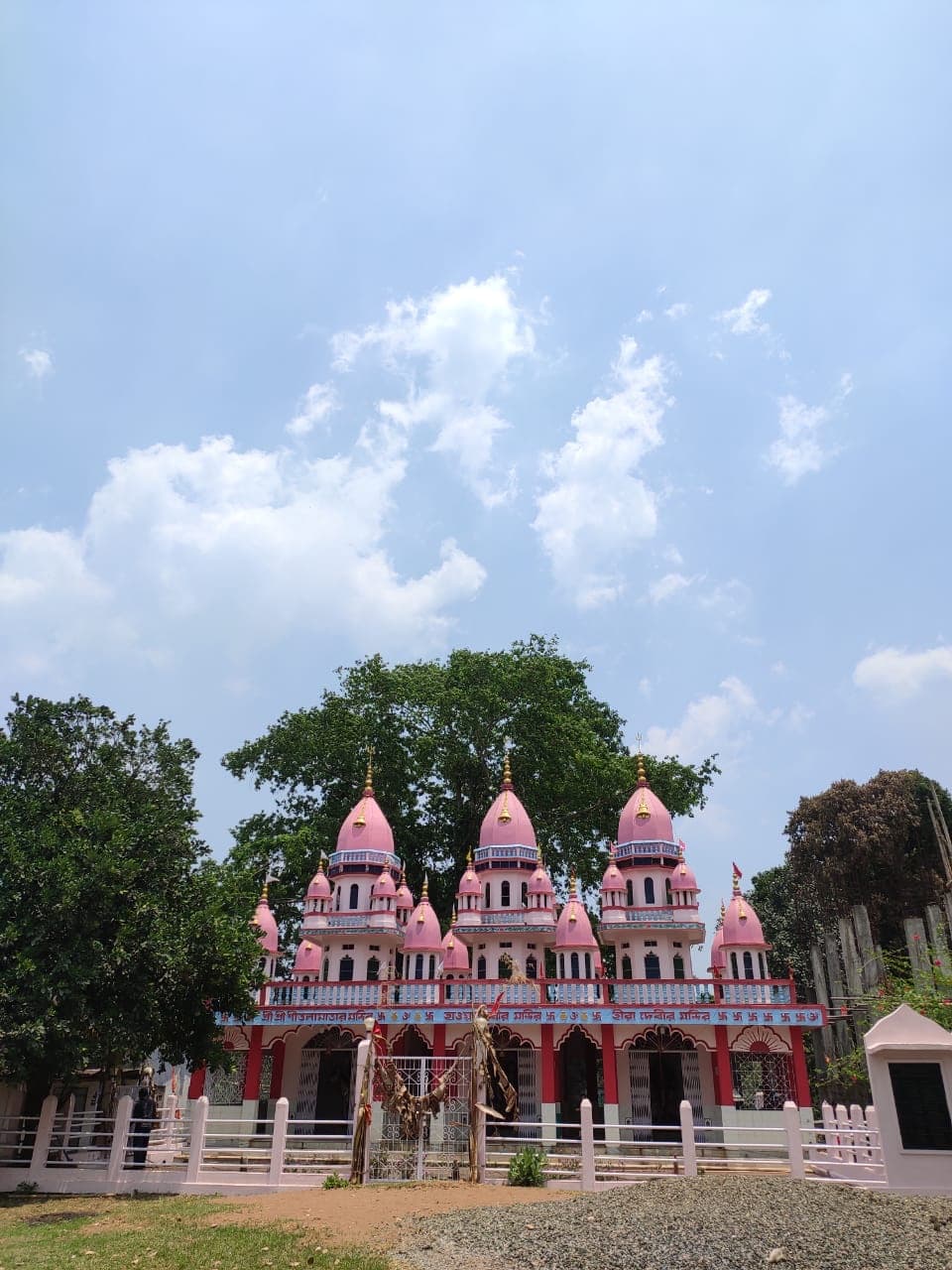
Nestled amidst the rolling hills of Shillong, Meghalaya, the Charantala Temple offers a compelling synthesis of indigenous Khasi and British Colonial architectural styles ([1][2]). Constructed around 1850 CE, during the British Colonial Period, the temple is dedicated to the Hindu goddess Kali ([1]). The temple’s design incorporates locally sourced materials, reflecting an adaptation of traditional temple building to its unique environment ([3]). During the British Colonial Period, temple architecture in India often saw a fusion of styles. Here, the sloped roofs, characteristic of Khasi vernacular architecture, effectively manage the region's heavy rainfall ([2][4]). Stone and wood form the primary structural elements, while concrete and steel, introduced during the colonial era, provide additional support ([3]). This blend of materials demonstrates a practical approach to construction, harmonizing with the surrounding landscape ([1][5]). Within the Garbhagriha (sanctum sanctorum), the idol of Kali is adorned in vibrant hues, indicative of the region’s artistic traditions ([4]). Stone platforms and foundations reveal an understanding of local terrain, echoing construction techniques found throughout the region ([2][5]). The temple embodies a serene ambiance, inviting devotees into a shared spiritual experience that transcends cultural boundaries ([1]). Indeed, Charantala Temple stands as a testament to the adaptability of religious architecture, reflecting the fluidity of faith within India's diverse spiritual tapestry ([3][4]). Its unique design elements, born from the convergence of indigenous practices and colonial influences, create a sacred space that resonates with the local community ([1][2]). It exemplifies how architectural traditions can evolve, incorporating new materials and techniques while preserving the essence of devotion ([3][5]).
Salim Singh Ki Haveli Jaisalmer
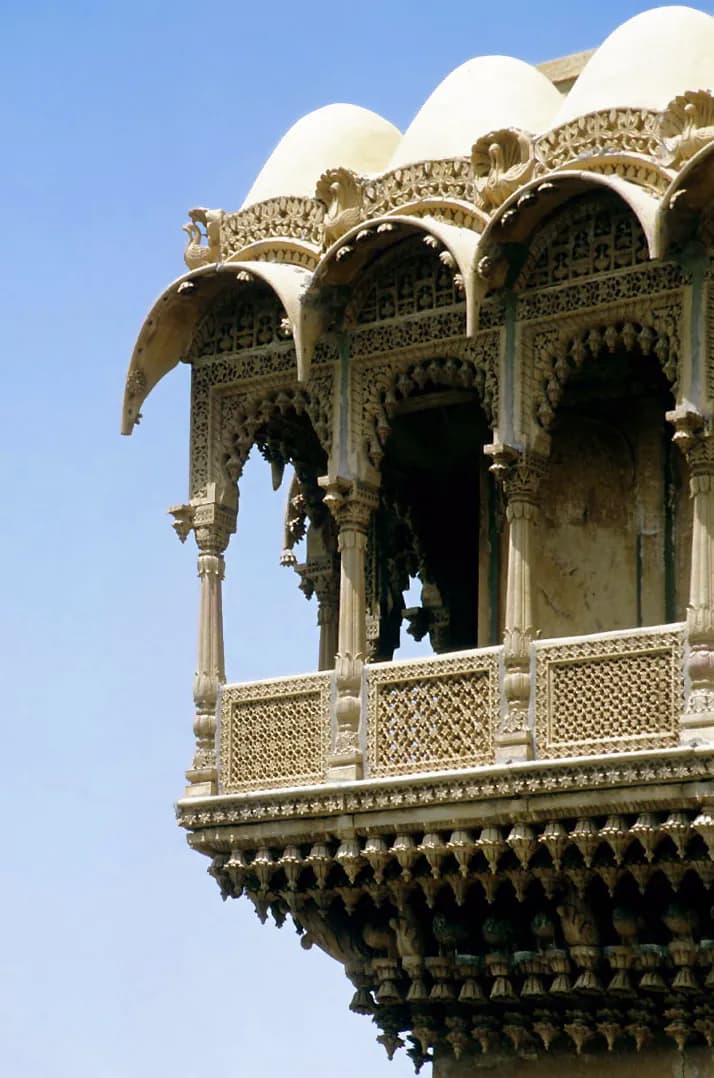
The Jaisalmeri sun, a relentless golden eye, beat down on me as I stepped into the cool, shadowed embrace of Salim Singh Ki Haveli. Emerging from the narrow, twisting lanes of the city, the haveli’s imposing facade felt like a sudden, dramatic flourish in a theatrical production. It’s not symmetrical, not entirely balanced, and yet, it possesses a peculiar harmony, a testament to the artistic vision of its 18th-century architect. Known as Jaisalmer’s ‘dancing’ haveli, it leans precariously, as if mid-pirouette, a whimsical departure from the stoic, fortress-like structures that dominate the cityscape. My initial impression was one of awe mixed with a touch of bewilderment. The haveli, built by the powerful Prime Minister Salim Singh Mehta during the reign of Maharaja Gaj Singh, is a riot of intricately carved sandstone. Peacocks, elephants, flowers, and geometric patterns, all sculpted with astonishing detail, adorn every inch of the facade. The balconies, or *jharokhas*, each unique in design, jut out at varying angles, creating a dynamic, almost chaotic visual rhythm. They seemed to whisper stories of courtly life, of veiled women observing the bustling street below, of musicians playing ragas under the desert moon. As I ascended the narrow, winding staircase, the air grew cooler, the sounds of the city fading behind me. The haveli, I learned, was originally five stories high, but Maharaja Gaj Singh, envious of its grandeur, apparently ordered the top two stories demolished. Even in its truncated form, the haveli retains a sense of majestic scale. The interior courtyards, once bustling with activity, now echo with the whispers of history. I could almost picture the merchants, the servants, the family members going about their daily lives within these walls. The craftsmanship within is no less impressive than the exterior. The ceilings, supported by intricately carved wooden beams, are adorned with miniature paintings depicting scenes from Hindu mythology and local folklore. The walls, once vibrant with colour, now bear the muted hues of time, yet the remnants of frescoes still hint at their former glory. I noticed the distinctive blue pigment, characteristic of the region, used in some of the remaining artwork. It was a subtle reminder of the haveli’s connection to the land, to the indigo-dyed textiles that were once a major part of Jaisalmer’s trade. One of the most striking features of the haveli is its collection of 38 balconies, each a masterpiece of craftsmanship. No two are alike. Some are embellished with delicate latticework, others with bold, geometric designs. Standing on one of these balconies, I gazed out at the panorama of Jaisalmer’s golden fort rising above the city. It was a breathtaking view, a testament to the strategic importance of this desert outpost. I imagined Salim Singh, the shrewd and ambitious Prime Minister, surveying his domain from this very spot, his eyes scanning the horizon for potential threats or opportunities. Leaving Salim Singh Ki Haveli, I felt a sense of melancholy. The grandeur of the past, the echoes of a bygone era, hung heavy in the air. Yet, there was also a sense of wonder, a deep appreciation for the artistry and ingenuity of the craftsmen who had created this architectural marvel. The haveli stands as a testament to the enduring spirit of Rajasthan, a land where history and art are inextricably intertwined. It’s a reminder that even in the harshest of landscapes, beauty can flourish, and that the stories of the past can continue to inspire and enchant us for generations to come. As I walked back into the sun-drenched streets of Jaisalmer, I carried with me not just images of carved sandstone and painted ceilings, but a deeper understanding of the rich cultural tapestry of this remarkable region.
Mattancherry Palace Kochi
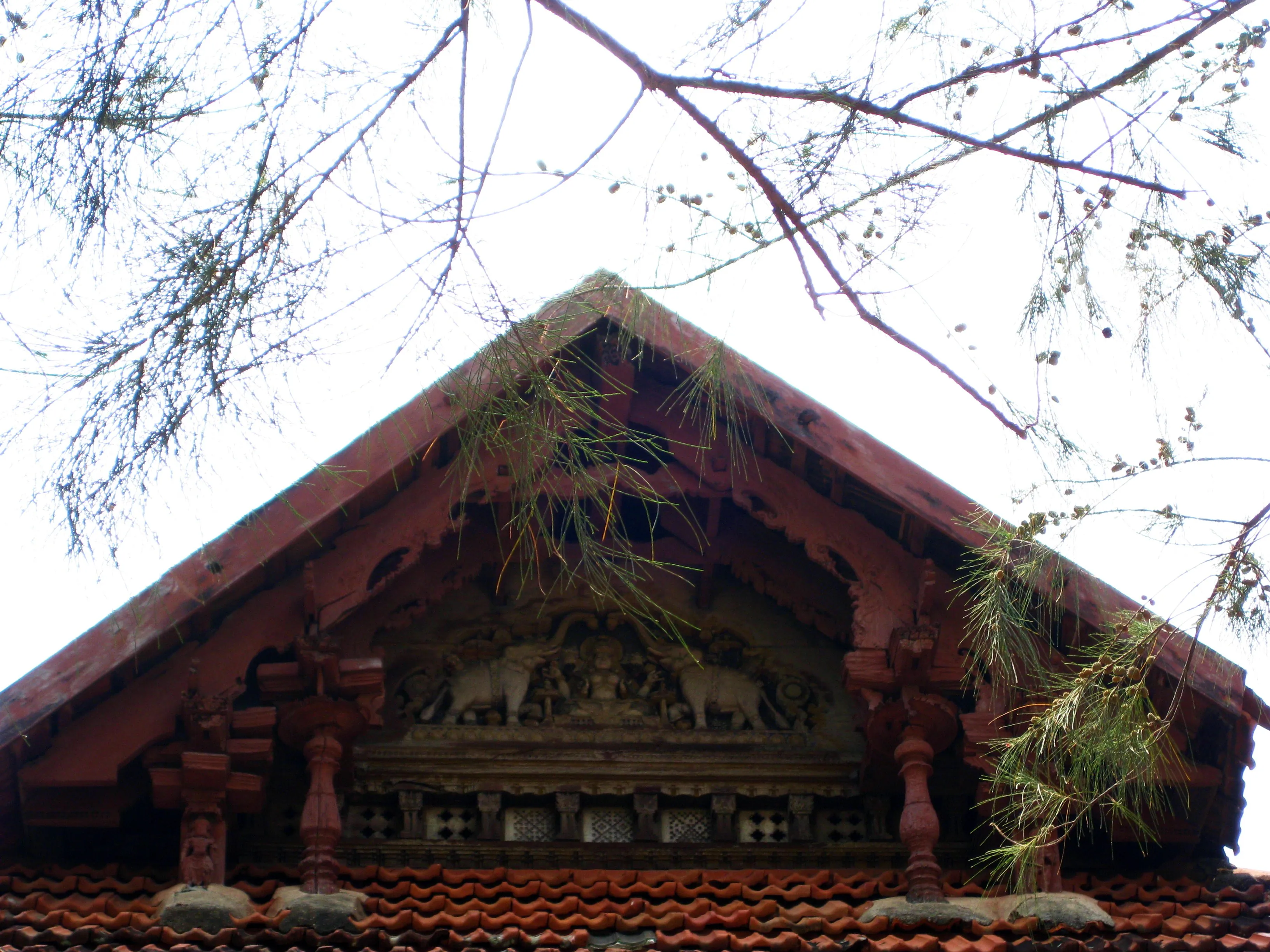
The Mattancherry Palace, also known as the Dutch Palace, stands as a testament to the layered history of Kochi, a city where the whispers of Portuguese, Dutch, and Indian influences intertwine. Having explored every UNESCO site in India, I can confidently say that this palace offers a unique glimpse into this cultural confluence, a narrative etched onto its walls and woven into its very fabric. Stepping through the unassuming entrance, I was immediately struck by the contrast between the simple exterior and the vibrant world within. The palace, gifted to the Raja of Kochi by the Portuguese in 1557 and later renovated by the Dutch, is a fascinating blend of Kerala architecture and European aesthetics. The sloping roof, typical of the region, is adorned with terracotta tiles, while the interiors showcase a stunning collection of murals, arguably the most captivating feature of the palace. These murals, primarily depicting scenes from the Ramayana, Mahabharata, and Puranic legends, are a visual feast. The vibrant colours, predominantly red, green, and yellow, retain a surprising freshness despite the passage of time. I spent hours captivated by the intricate details – the expressive eyes of the characters, the elaborate costumes, and the dynamic portrayal of the stories. The sheer scale of some of these murals, covering entire walls and ceilings, is breathtaking. One particular panel depicting the coronation of Rama left a lasting impression, its sheer grandeur and the meticulous detailing of the royal court showcasing the skill of the artists. Beyond the murals, the palace houses a fascinating collection of royal portraits, showcasing the lineage of the Kochi Rajas. These portraits, while not as visually striking as the murals, offer a valuable historical perspective, documenting the changing styles and influences over centuries. I found myself drawn to the portraits of the later Rajas, where the subtle incorporation of European elements in their attire and posture hinted at the growing Western influence. The palace architecture itself is a study in adaptation and fusion. The central courtyard, open to the sky, is a classic Kerala architectural element, providing natural ventilation and light. Surrounding this courtyard are four wings, each housing different sections of the palace. The influence of the Dutch renovations is evident in the long, airy corridors and the large windows, a departure from the more enclosed spaces typically found in traditional Kerala homes. I noticed the use of European-style tiles in certain sections, further highlighting the interplay of architectural styles. One of the more intriguing aspects of the palace is the presence of Hindu temples within the complex. Dedicated to Pazhayannur Bhagavathi, the tutelary deity of the Kochi royal family, these temples demonstrate the seamless integration of religious practices within the royal household. The contrast between the opulent palace interiors and the serene atmosphere of the temples added another layer to the overall experience. My visit to the Mattancherry Palace wasn't just a tour; it was a journey through time, a tangible experience of history unfolding. It's a place where the stories of kings and deities, of Portuguese traders and Dutch merchants, are interwoven into the very fabric of the building. For anyone seeking to understand the rich tapestry of Kerala's history and culture, the Mattancherry Palace is an essential stop, a place where the past comes alive in vibrant colour and intricate detail. It's a reminder that history isn't just about dates and events; it's about the stories etched onto walls, whispered through generations, and waiting to be discovered.
Kangra Fort Kangra
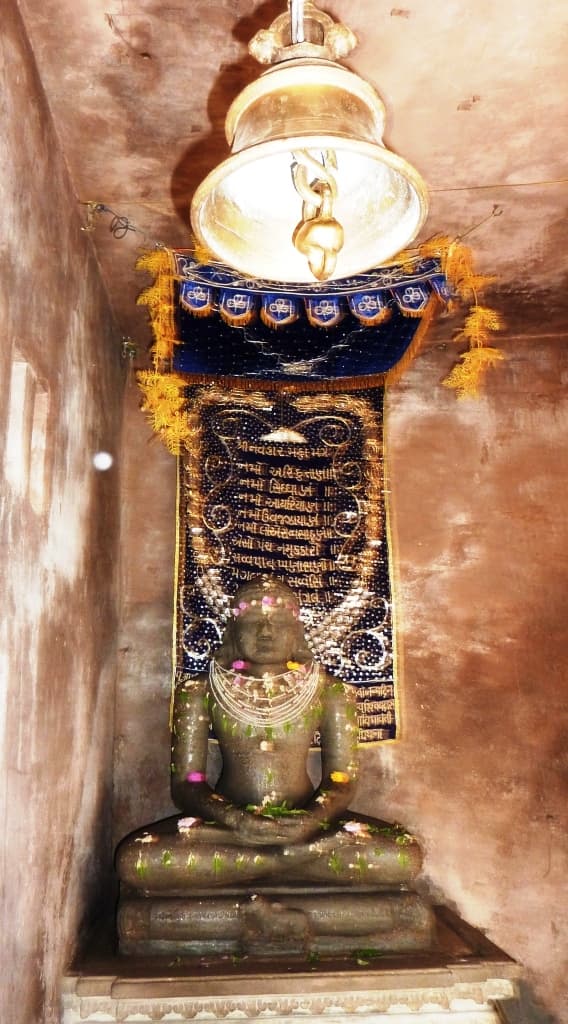
The wind whipped around me, carrying the scent of pine and a whisper of history as I stood before the imposing gates of Kangra Fort. Having explored the basalt-carved wonders of Maharashtra’s caves and the intricate details of its temples, I was eager to experience the distinct architectural language of this Himalayan fortress. Perched high on a strategic precipice overlooking the confluence of the Banganga and Majhi rivers, Kangra Fort exuded an aura of impregnable strength, a testament to its enduring legacy. My ascent through the massive gateway, locally known as the "Ranjit Singh Gate," felt like stepping back in time. The thick, fortified walls, scarred with the marks of battles fought and won, spoke volumes about the fort's tumultuous past. Each stone seemed to echo with the clash of swords and the thunder of cannons, a stark reminder of the fort’s strategic importance over centuries. Unlike the rock-cut architecture I was accustomed to in Maharashtra, Kangra’s fortifications were primarily built with dressed stone, lending it a different, more imposing character. Within the fort’s complex labyrinth, I discovered a fascinating blend of architectural styles. The influence of Rajput military architecture was evident in the sturdy ramparts, the strategically placed bastions, and the narrow, winding passages designed to confuse invaders. Yet, interspersed within this robust framework were glimpses of more delicate artistry. The crumbling remnants of palaces, adorned with faded frescoes and intricate carvings, hinted at a time of royal grandeur. The Maharani Mahal, despite its dilapidated state, still retained a certain elegance, its arched doorways and latticed windows offering glimpses of a bygone era. The Lakshmi Narayan Temple, nestled within the fort’s walls, was a striking contrast to the military structures surrounding it. Its shikhara, though damaged by past earthquakes, still reached towards the sky, a symbol of resilience and faith. The stone carvings on the temple walls, depicting scenes from Hindu mythology, were remarkably well-preserved, showcasing the skill of the artisans who crafted them. While the temple’s architecture bore some resemblance to the North Indian Nagara style, it also possessed a unique regional character, distinct from the temples I had encountered in Maharashtra. One of the most captivating aspects of Kangra Fort was its panoramic view. From the ramparts, I could see the vast expanse of the Kangra Valley stretching out before me, a patchwork of green fields and terraced hillsides. The snow-capped Dhauladhar range in the distance provided a breathtaking backdrop, adding to the fort’s majestic aura. It was easy to understand why this strategic location had been so fiercely contested throughout history. Exploring the fort’s museum, housed within the Ambika Devi Temple, provided further insights into its rich past. The collection of artifacts, including ancient coins, pottery shards, and miniature paintings, offered tangible evidence of the fort’s long and storied history. The museum also showcased the fort’s connection to the Katoch dynasty, who ruled the region for centuries. As I descended from the fort, the setting sun casting long shadows across the valley, I felt a profound sense of awe and admiration. Kangra Fort was not merely a collection of stones and mortar; it was a living testament to human resilience, ingenuity, and the enduring power of history. It stood as a stark contrast to the cave temples and intricately carved shrines of my home state, yet it resonated with the same spirit of human endeavor, a testament to the diverse tapestry of India’s cultural heritage. The echoes of battles and whispers of royal grandeur still lingered in the air, a reminder that the stories etched within these ancient walls continue to resonate across the ages.
Janjgir Vishnu Mandir Janjgir
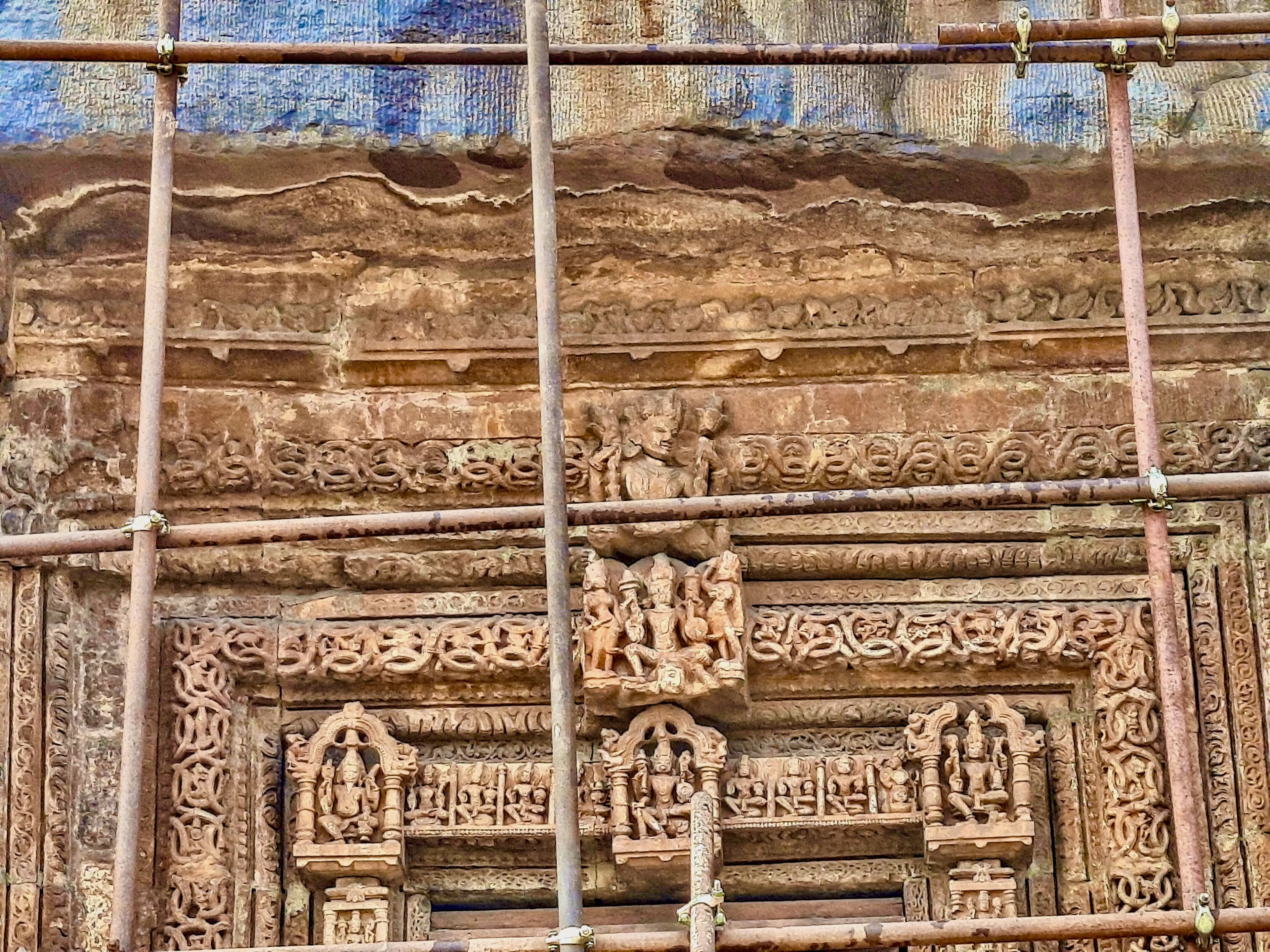
The midday sun beat down on the central Chhattisgarh plains as I approached the Janjgir Vishnu Mandir, its sandstone bulk shimmering in the heat. Having explored countless forts and palaces of Rajasthan, I was eager to see how this relatively lesser-known temple compared to the architectural marvels of my home state. The structure, dedicated to Lord Vishnu, stood on a raised platform, its profile dominated by a soaring shikhara, reminiscent of the Nagara style I was so familiar with, yet distinct in its proportions and detailing. Climbing the worn stone steps, I felt a palpable sense of history beneath my feet. The temple, believed to be constructed during the Kalachuri dynasty between the 11th and 12th centuries, exuded an aura of quiet dignity. Unlike the bustling temple complexes I’d encountered elsewhere, Janjgir Vishnu Mandir possessed a tranquil atmosphere, conducive to contemplation. The main entrance, guarded by intricately carved dwarapalas (door guardians), led into a mandapa, or pillared hall. The pillars, though weathered by time, retained their detailed carvings depicting scenes from Hindu mythology, including various avatars of Vishnu. I was particularly struck by the depiction of Varaha, the boar incarnation, rescuing the earth goddess Bhudevi, a motif I’d seen countless times in Rajasthani sculptures, but here it possessed a unique regional flavour. The mandapa opened into the garbhagriha, the sanctum sanctorum, where the presiding deity, a four-armed Vishnu, resided. Unfortunately, photography wasn't permitted inside, but the mental image of the deity, carved from black stone and adorned with silver ornaments, remained etched in my mind. The dimly lit space, fragrant with incense and the murmur of prayers, evoked a sense of reverence that transcended the physical realm. Stepping back out into the sunlight, I began to appreciate the nuances of the temple's architecture. The shikhara, while sharing similarities with the curvilinear towers of North Indian temples, possessed a more elongated and pointed profile, perhaps influenced by the local architectural traditions. The exterior walls were adorned with intricate carvings of deities, celestial beings, and geometric patterns. Unlike the profuse ornamentation of some Rajasthani temples, the carvings here were more restrained, emphasizing elegance over exuberance. I noticed the use of sandstone blocks of varying sizes, fitted together with precision, a testament to the skill of the ancient craftsmen. Circumambulating the temple, I discovered a series of smaller shrines dedicated to various deities, including Shiva and Shakti. These subsidiary shrines, though less elaborate than the main temple, added to the overall spiritual significance of the site. I was particularly intrigued by a small, almost hidden shrine dedicated to the serpent god, Naga. The presence of Naga worship, while not uncommon in India, seemed to suggest a confluence of different religious traditions in this region. As I sat on the edge of the platform, gazing at the surrounding landscape, I reflected on the unique character of the Janjgir Vishnu Mandir. It wasn't as grand or imposing as some of the monumental temples I’d seen, but it possessed a quiet charm and a sense of historical continuity that resonated deeply. The temple wasn't merely a static monument; it was a living testament to the faith and devotion of generations past, a place where the whispers of ancient prayers still lingered in the air. It served as a reminder that architectural marvels aren't confined to grand palaces and imposing forts; they can also be found in the quiet corners of the country, waiting to be discovered by those who seek them out. My journey to Janjgir, though a departure from the familiar landscapes of Rajasthan, proved to be a rewarding experience, enriching my understanding of India's diverse architectural heritage.
Rajiv Lochan Temple Rajim
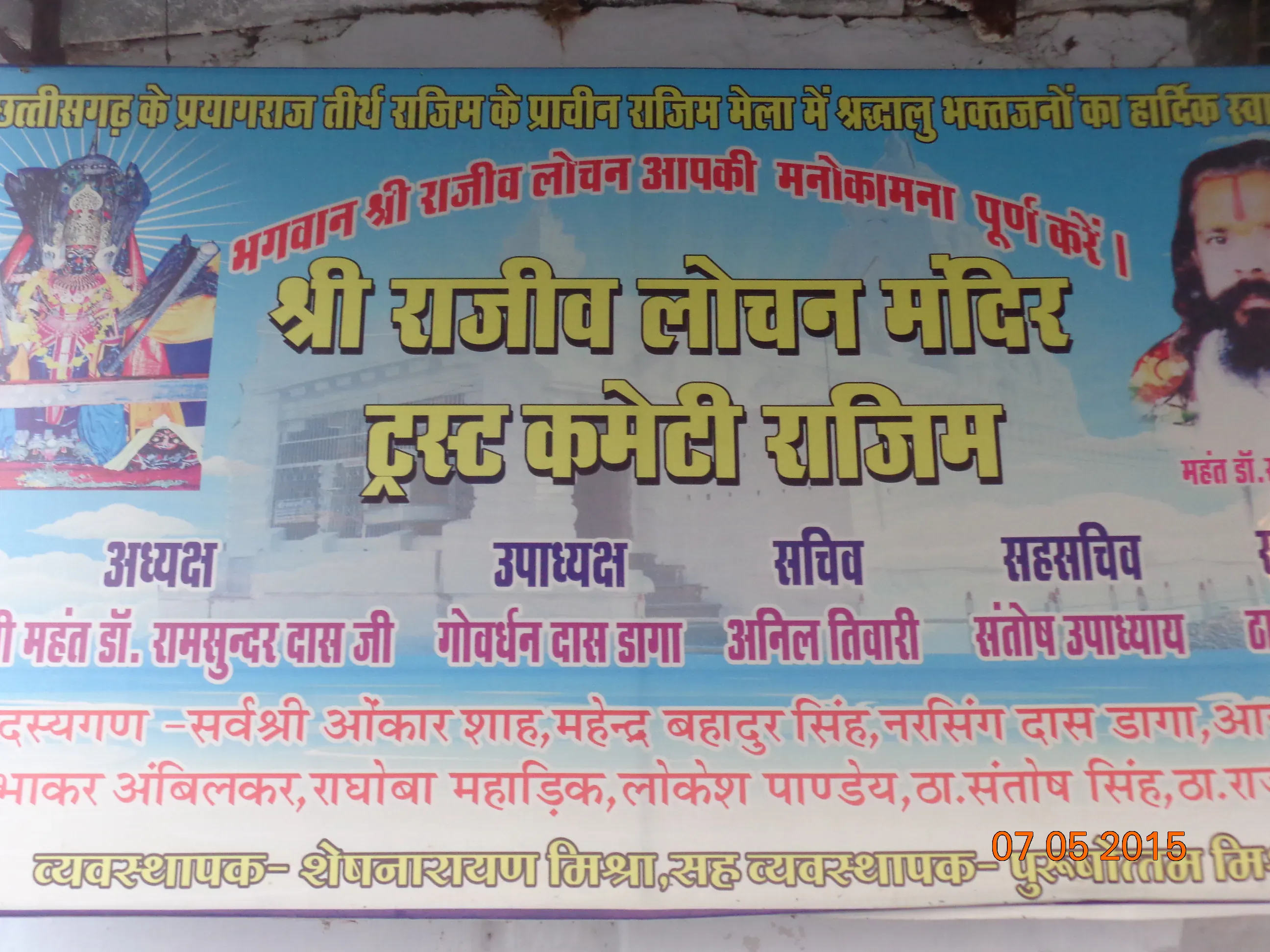
The midday sun beat down on Rajim, casting long shadows across the courtyard of the Rajiv Lochan Temple. Dust motes danced in the shafts of light filtering through the intricately carved pillars, illuminating the worn stone floors beneath my feet. Having explored countless forts and palaces of Rajasthan, I’ve developed a keen eye for architectural nuances, and this temple, dedicated to Lord Vishnu, held a distinct charm, a quiet grandeur different from the Rajputana opulence I was accustomed to. Rajiv Lochan, meaning “lotus-eyed,” refers to Vishnu, and the temple’s architecture seemed to echo this imagery. The main shikhara, though partially damaged by time and elements, still soared impressively, its curving lines reminiscent of a blooming lotus bud. Unlike the sandstone structures prevalent in Rajasthan, this temple was built primarily of brick, lending it a warm, earthy hue. The brickwork itself was remarkable, showcasing a precision and artistry that spoke volumes about the skill of the ancient builders. Intricate carvings depicting scenes from the epics, celestial beings, and floral motifs adorned the pillars, doorways, and outer walls. While some carvings were weathered, blurring the details, others remained remarkably crisp, allowing me to trace the delicate lines and appreciate the narrative they conveyed. I circled the temple, absorbing the details. The mandapa, or pillared hall, was particularly striking. Massive, ornately carved pillars supported the roof, creating a sense of both strength and elegance. The play of light and shadow within this space added a mystical quality, transporting me back in time. I could almost hear the echoes of ancient chants and the rustle of silk garments. The pillars, I noticed, were not uniform. Some were circular, others square, and yet others octagonal, each adorned with unique carvings. This variation, rather than appearing haphazard, contributed to the overall aesthetic, creating a sense of dynamic harmony. Entering the garbhagriha, the sanctum sanctorum, I was struck by the simplicity. The deity, Lord Vishnu in his Rajiv Lochan form, resided within, emanating a palpable sense of serenity. The dimly lit space, the scent of incense, and the hushed whispers of devotees created an atmosphere of reverence. It was a stark contrast to the elaborate carvings and bustling courtyard outside, highlighting the essence of devotion that lay at the heart of this ancient structure. As I wandered through the temple complex, I noticed several smaller shrines dedicated to other deities, tucked away in corners and alcoves. Each shrine, though smaller in scale, possessed its own unique character and architectural details. This integration of multiple deities within a single complex spoke to the inclusive nature of Hindu worship. One aspect that particularly intrigued me was the temple’s location on the confluence of three rivers – the Mahanadi, the Pairi, and the Sondur. This confluence, known as Triveni Sangam, is considered sacred in Hinduism, and the temple’s placement here added another layer of significance. I walked down to the riverbank, watching the waters converge, and felt a sense of peace wash over me. The gentle lapping of the waves against the ghats seemed to echo the timeless rhythm of devotion that had permeated this site for centuries. The Rajiv Lochan Temple is not just a structure of brick and stone; it’s a living testament to the faith, artistry, and cultural heritage of the region. It’s a place where history whispers from every carved surface, where the divine and the earthly converge, and where the seeker can find solace in the quiet embrace of ancient traditions. Leaving the temple, I carried with me not just photographs and notes, but a deeper appreciation for the architectural and spiritual tapestry of India, a tapestry woven with threads of devotion, artistry, and time.
Uma Maheshwari Temple Agartala
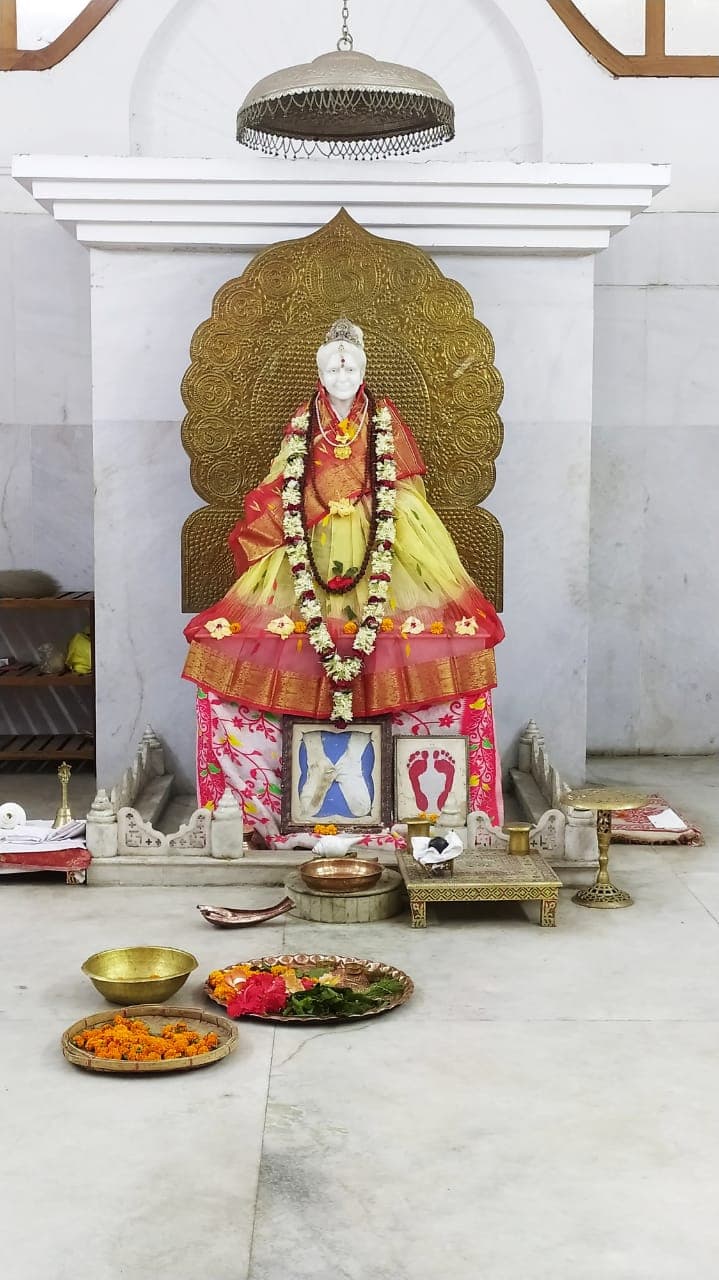
The midday sun cast long shadows across the courtyard of the Uma Maheshwari Temple in Agartala, dappling the red brick façade with an intricate play of light and shade. As a cultural journalist from Uttar Pradesh, steeped in the architectural narratives of the Gangetic plains, I found myself captivated by this unexpected burst of North Indian temple architecture nestled within the heart of Tripura. The temple, dedicated to Uma Maheshwari, a combined form of Parvati and Shiva, stands as a testament to the cultural exchange and historical connections that have shaped this northeastern state. The first thing that struck me was the temple's relatively modest scale compared to the sprawling complexes I'm accustomed to back home. Yet, within this compact footprint, the architects have managed to capture the essence of Nagara style architecture. The shikhara, the curvilinear tower rising above the sanctum sanctorum, is the defining feature. While smaller than the towering shikharas of, say, the Kandariya Mahadeva Temple in Khajuraho, it retains the same graceful upward sweep, culminating in a pointed amalaka. The brick construction, however, sets it apart from the sandstone temples of North India, lending it a distinct regional flavour. Close inspection revealed intricate terracotta work adorning the shikhara, depicting floral motifs and divine figures, a craft that echoes the rich terracotta traditions of Bengal. Stepping inside the garbhagriha, the sanctum sanctorum, I was met with a palpable sense of serenity. The deities, Uma and Maheshwar, are enshrined here in a simple yet elegant manner. Unlike the elaborate iconography found in some North Indian temples, the focus here seemed to be on the spiritual essence of the deities, fostering a sense of quiet contemplation. The priest, noticing my interest, explained that the temple was constructed in the 16th century by the Manikya dynasty, rulers of the Tripura Kingdom, who traced their lineage back to the Lunar dynasty of mythology, further strengthening the connection to North Indian traditions. The temple courtyard, enclosed by a low wall, offers a peaceful respite from the bustling city outside. Several smaller shrines dedicated to other deities dot the perimeter, creating a microcosm of the Hindu pantheon. I spent some time observing the devotees, a mix of locals and visitors, engaging in their prayers and rituals. The air was thick with the fragrance of incense and the murmur of chants, creating an atmosphere of devotion that transcended regional boundaries. What intrigued me most was the seamless blending of architectural styles. While the core structure adhered to the Nagara style, elements of Bengali temple architecture were subtly interwoven. The use of brick, the terracotta ornamentation, and the chala-style roof over the mandapa, or assembly hall, all pointed towards a conscious assimilation of local architectural idioms. This architectural hybridity, I realized, mirrored the cultural synthesis that has shaped Tripura's identity over centuries. As I left the Uma Maheshwari Temple, I carried with me not just the visual memory of its elegant form but also a deeper understanding of the complex cultural tapestry of India. The temple stands as a powerful symbol of how cultural influences can traverse geographical boundaries, intermingle, and create something unique and beautiful. It serves as a reminder that while regional variations enrich our heritage, the underlying spiritual and artistic threads that bind us together are far stronger than the differences that might appear to separate us. It is in these spaces, where architectural styles converge and cultural narratives intertwine, that we truly grasp the richness and diversity of the Indian civilization.
Geok Tepe Fortress Temple Complex Ahal Turkmenistan
Geok Tepe, dramatically situated in the Ahal Region of southern Turkmenistan, represents one of the most extraordinary and historically significant fortress complexes in Central Asia, dating from the medieval period through the 19th century CE and serving as a major center of Turkmen resistance and cultural identity, featuring sophisticated fortifications, defensive structures, and architectural elements that demonstrate remarkable connections to ancient Indian architectural traditions and the transmission of architectural and cultural knowledge from South Asia to Central Asia through the extensive trade and cultural networks that connected India with Central Asia, creating a powerful testament to the profound impact of Indian civilization on Central Asian architectural and cultural development. The site, featuring sophisticated fortifications including massive defensive walls, towers, gates, and architectural elements that demonstrate clear connections to the architectural traditions of ancient India, particularly the sophisticated defensive techniques and structural principles that were transmitted from South Asia, demonstrates the direct transmission of architectural knowledge, defensive planning principles, and cultural concepts from the great centers of ancient India, particularly the sophisticated fortification techniques and architectural traditions that were systematically transmitted to Central Asia through trade and cultural exchange, while the site's most remarkable feature is its extensive fortification system including massive defensive walls, towers with sophisticated brickwork, and architectural elements that demonstrate remarkable parallels with Indian fortification traditions, particularly the structural techniques and defensive principles that were central to Indian fortress architecture. The fortification structures' architectural layout, with their sophisticated defensive planning, massive walls, towers, and gates, follows planning principles that demonstrate remarkable parallels with Indian fortification planning principles, while the site's extensive architectural remains including defensive walls, towers, and architectural elements demonstrate the sophisticated synthesis of Indian architectural traditions with local Central Asian aesthetic sensibilities and defensive requirements. Historical evidence reveals that the site served as a major center of resistance and cultural identity during the 19th century, particularly during the Battle of Geok Tepe in 1881, while the site's architectural remains demonstrate remarkable parallels with Indian fortification traditions that were central to ancient Indian civilization. The site's association with the broader cultural exchange networks that connected India with Central Asia demonstrates the sophisticated understanding of Indian architectural traditions that were transmitted to Central Asia, while the site's fortification structures demonstrate remarkable parallels with Indian fortification traditions that were central to ancient Indian civilization. The site has been the subject of extensive historical and archaeological research, with ongoing studies continuing to reveal new insights into the site's sophisticated architecture, defensive systems, and its role in the transmission of Indian architectural traditions to Central Asia, while the site's status as one of the most important historical sites in Turkmenistan demonstrates its significance as a major center for understanding the transmission of Indian architectural and cultural traditions to Central Asia. Today, Geok Tepe stands as one of the most important historical sites in Turkmenistan, serving as a powerful testament to the transmission of Indian architectural and cultural traditions to Central Asia, while ongoing historical research and conservation efforts continue to protect and study this extraordinary cultural treasure that demonstrates the profound impact of Indian civilization on Central Asian architectural and cultural development. ([1][2])
Quick Links
Plan Your Heritage Journey
Get personalized recommendations and detailed visitor guides