Has Inheritage Foundation supported you today?
Your contribution helps preserve India's ancient temples, languages, and cultural heritage. Every rupee makes a difference.
Secure payment • Instant 80G certificate
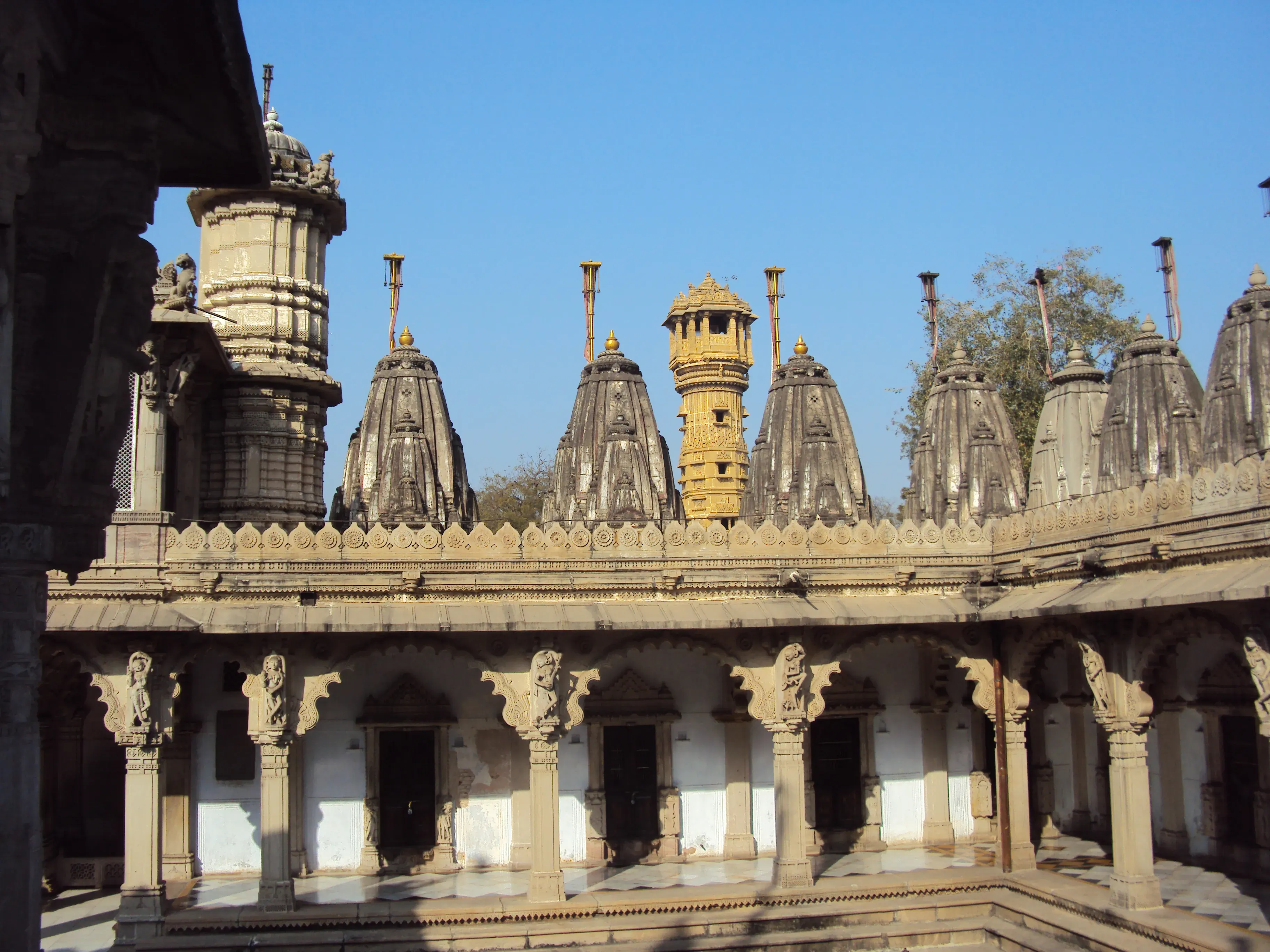
Hutheesing Jain Temple Ahmedabad
The midday sun cast long shadows across the courtyard, dappling the intricately carved marble of the Hutheesing Jain Temple. Stepping through the ornate torana, I felt a palpable shift, a sense of entering a sacred space meticulously crafted for contemplation and reverence. Located in the heart of bustling Ahmedabad, this 19th-century marvel stands as a testament to the enduring artistry of Jain craftsmanship and the devotion of its patrons. My lens, accustomed to the sandstone hues of Madhya Pradesh's ancient monuments, was immediately captivated by the sheer whiteness of the marble. It glowed, almost ethereal, against the azure sky. The main temple, dedicated to Dharmanatha, the fifteenth Jain Tirthankara, is a symphony in stone. Fifty-two intricately carved shrines, each housing a Tirthankara image, surround the central sanctum. The sheer density of the carvings is breathtaking. Floral motifs, celestial beings, and intricate geometric patterns intertwine, creating a visual tapestry that demands close inspection. I spent hours moving from shrine to shrine, my camera attempting to capture the nuances of each individual sculpture, the delicate expressions on the faces of the deities, the flow of the drapery, the minute details that spoke volumes about the skill of the artisans. The temple’s architecture follows the Māru-Gurjara style, a distinctive blend of architectural elements that I found particularly fascinating. The domed ceilings, the ornate pillars, the intricate brackets supporting the balconies – each element contributed to a sense of grandeur and harmony. The play of light and shadow within the temple added another layer of visual interest. As the sun shifted, the carvings seemed to come alive, revealing new details and textures. I found myself constantly repositioning, seeking the perfect angle to capture the interplay of light and form. Beyond the main temple, the courtyard itself is a marvel. The paved floor, polished smooth by centuries of footsteps, reflects the surrounding structures, creating a sense of spaciousness. Smaller shrines and pavilions dot the courtyard, each a miniature masterpiece of carving and design. I was particularly drawn to the Manastambha, a freestanding pillar adorned with intricate carvings, standing tall in the center of the courtyard. It served as a powerful visual reminder of the Jain principles of non-violence and universal compassion. One aspect that struck me was the palpable sense of peace that permeated the temple complex. Despite its location in a busy city, the Hutheesing Jain Temple felt like an oasis of tranquility. The hushed whispers of devotees, the gentle clinking of bells, the rhythmic chanting of prayers – all contributed to an atmosphere of serenity and reverence. It was a stark contrast to the cacophony of the streets outside. As a heritage photographer, I’ve visited countless temples across India, but the Hutheesing Jain Temple holds a special place in my memory. It’s not just the architectural brilliance or the sheer artistry of the carvings, but the palpable sense of devotion and the peaceful atmosphere that truly sets it apart. It’s a place where spirituality and art intertwine, creating an experience that is both visually stunning and deeply moving. My photographs, I hope, will serve as a testament to the enduring beauty and spiritual significance of this remarkable temple, allowing others to glimpse the magic I witnessed within its marble walls.

Pinjore Fort Panchkula
The midday sun cast long shadows across the Mughal Gardens, highlighting the geometric precision that frames the Pinjore Fort. Stepping through the arched gateway, I felt a palpable shift, a transition from the bustling present of Panchkula to the serene whispers of the past. This wasn't just another fort; it was a carefully curated experience, a blend of military might and refined aesthetics. The fort itself, known locally as Yadavindra Gardens, isn't a towering behemoth like some of the Rajput strongholds I've documented in Madhya Pradesh. Instead, it presents a more intimate scale, a series of interconnected structures nestled within the embrace of the gardens. The seven-terraced Mughal Gardens, inspired by the legendary Shalimar Bagh, are integral to the fort's character. Fountains, once powered by an ingenious system of natural springs, now lie dormant, yet the intricate channels and symmetrical flowerbeds still evoke a sense of grandeur. My lens was immediately drawn to the Sheesh Mahal, the palace of mirrors. While smaller than its namesake in Jaipur, the delicate inlay work here possesses a unique charm. Tiny fragments of mirror, meticulously arranged in floral patterns, catch the light, creating a kaleidoscope of reflections. I spent hours capturing the interplay of light and shadow, trying to convey the sheer artistry involved in this intricate craft. The Rang Mahal, with its open courtyards and intricately carved balconies, offered another perspective. I imagined the vibrant life that once filled these spaces, the rustle of silk, the melodies of court musicians, the scent of exotic perfumes. Climbing the steps to the upper levels of the fort, I was rewarded with panoramic views of the gardens and the surrounding Shivalik foothills. The strategic location of the fort, guarding the passage into the hills, became immediately apparent. The ramparts, though not as imposing as those of Gwalior Fort, still spoke of a time of skirmishes and sieges. I noticed the remnants of defensive structures, the strategically placed bastions, the narrow embrasures for archers. These details, often overlooked by casual visitors, are crucial in understanding the fort's historical context. What struck me most about Pinjore was the seamless integration of nature and architecture. The gardens aren't merely an adjunct to the fort; they are an integral part of its design. The architects skillfully incorporated the natural contours of the land, using terraces and water channels to create a harmonious blend of built and natural environments. This sensitivity to the landscape is a hallmark of Mughal architecture, and it's beautifully exemplified here. As I wandered through the Jal Mahal, a pavilion situated amidst a tranquil water tank, I couldn't help but compare it to the water palaces of Mandu. While the scale and grandeur are different, the underlying principle of using water as a cooling and aesthetic element is the same. The reflections of the pavilion in the still water created a mesmerizing visual effect, a testament to the architects' understanding of light and perspective. My time at Pinjore Fort was a journey through layers of history, a testament to the enduring legacy of Mughal artistry and engineering. It's a place where the whispers of the past resonate in the present, inviting visitors to connect with a rich and complex heritage. As I packed my equipment, the setting sun cast a golden glow over the fort, etching the scene in my memory, a reminder of the beauty and resilience of India's architectural treasures. This wasn't just a photographic assignment; it was an immersive experience, a privilege to document a piece of history.
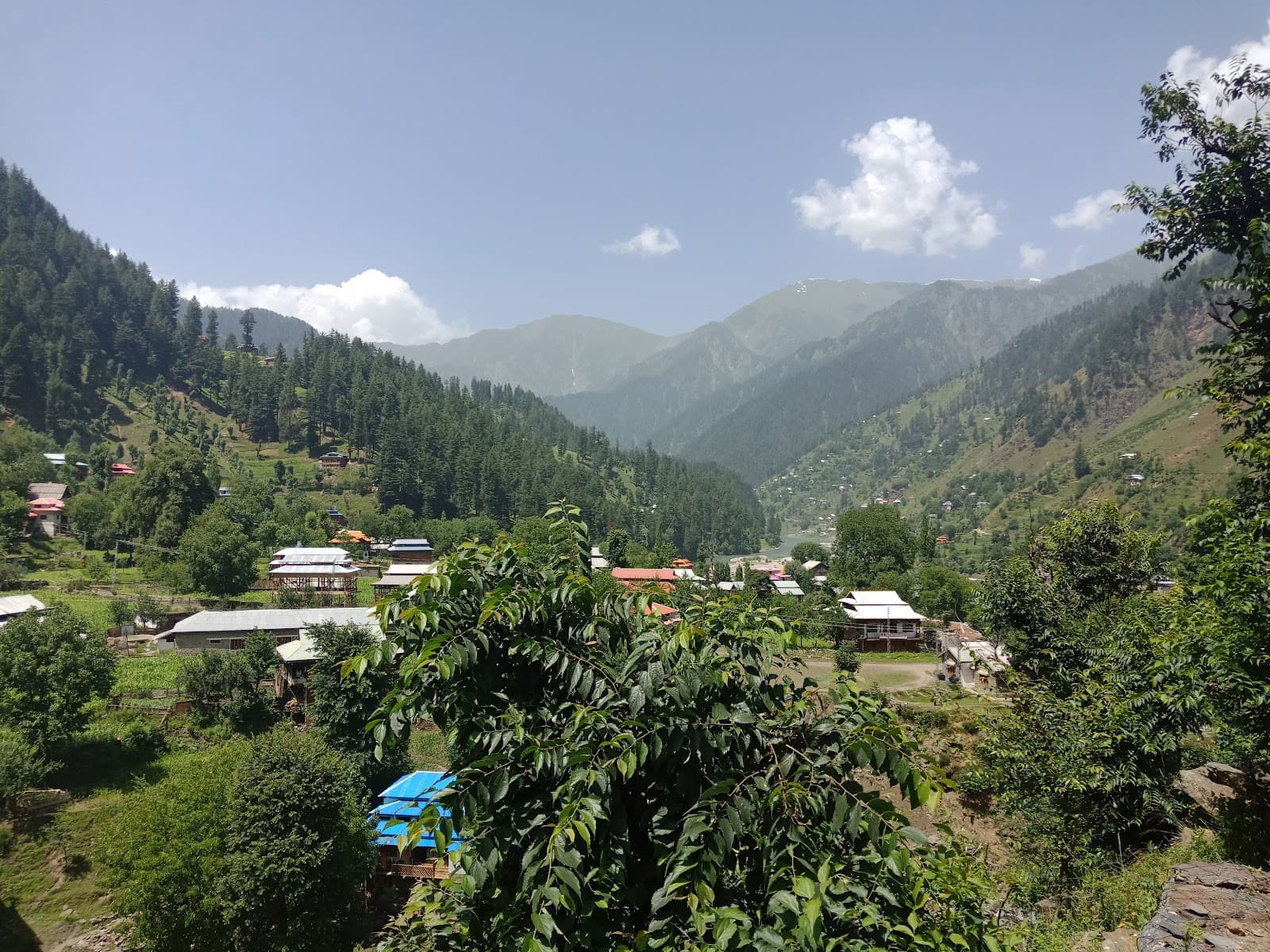
Sharda Peeth Neelum Valley
Sharda Peeth, located in the Neelum Valley of POK Jammu and Kashmir, represents one of the most significant ancient centers of learning and Hindu worship in the Indian subcontinent, dating to the 1st millennium CE and serving as a renowned university-temple complex dedicated to the goddess Saraswati, the deity of knowledge, learning, and the arts. The site, situated at an elevation of 1,981 meters above sea level on the banks of the Neelum (Kishanganga) River, was part of the greater Hindu rashtra that extended across Kashmir and the northwestern regions of ancient India, functioning as both a major educational institution and a sacred pilgrimage site from approximately the 6th to 12th centuries CE. The complex, now in ruins but with substantial structural remains, originally featured a massive stone temple dedicated to Saraswati, surrounded by extensive monastic and educational facilities that attracted scholars from across the Indian subcontinent, Central Asia, and beyond, making it one of the most important centers of Sanskrit learning and Hindu philosophy alongside Nalanda, Taxila, and Vikramashila. Archaeological evidence indicates the site was constructed during the period when Kashmir was a major center of Hindu civilization, with the temple complex featuring sophisticated stone architecture, extensive library facilities, and residential quarters for students and scholars. The site is also recognized as one of the 18 Maha Shakti Peethas, where according to Hindu mythology the right hand of the goddess Sati fell, adding to its religious significance. Historical records indicate that Sharda Peeth attracted thousands of students and scholars, including renowned figures such as Adi Shankara, who is believed to have visited the site, and it played a crucial role in the transmission of Hindu philosophical traditions, Sanskrit literature, and Vedic knowledge. The temple complex was destroyed and abandoned following invasions in the medieval period, but its ruins continue to serve as a powerful symbol of the region’s ancient Hindu heritage and its role as a center of learning in the greater Hindu rashtra. Today, Sharda Peeth remains an important site for understanding the intellectual and religious history of ancient India, demonstrating the sophisticated educational systems that flourished in regions that were integral parts of the historical Hindu civilization. ([1][2])
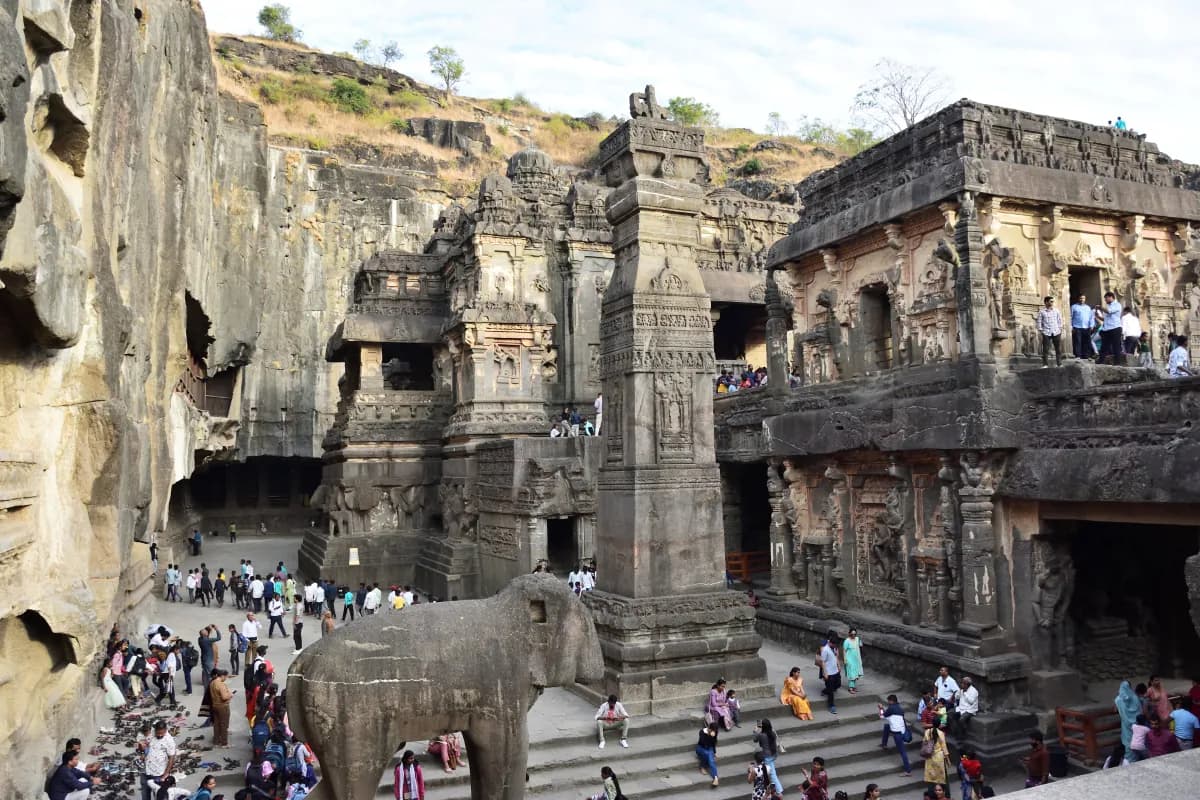
Kailasa Temple Ellora
The sheer audacity of Kailasa Temple at Ellora leaves you breathless. Carved from a single basalt cliff, it stands as a testament to the Rashtrakuta dynasty's ambition and the unparalleled skill of their artisans. Unlike the other cave temples at Ellora, which are excavated inwards, Kailasa (Cave 16) was carved outwards, a monumental task that involved removing over 200,000 tonnes of rock. Standing in the courtyard, craning my neck to take in the three-story structure, I felt dwarfed by its immensity. The sheer scale is overwhelming, almost defying logic. My journey through the complex began with the entrance gateway, a gopuram teeming with intricate carvings of deities and mythical creatures. Passing through, I found myself in a large open courtyard, the main temple dominating the space. Two free-standing pillars, or dhvajastambhas, flank the entrance, adding to the grandeur. Elephants, seemingly frozen in mid-stride, stand guard at the base of the temple, their sculpted forms remarkably lifelike even after centuries of exposure to the elements. The temple itself is a marvel of Dravidian architecture. Multi-storied and adorned with elaborate carvings, it’s a visual feast. I spent hours exploring the different levels, each revealing new details. The main shrine, dedicated to Lord Shiva, houses a lingam, the symbol of divine energy. Surrounding the shrine are smaller shrines dedicated to other deities, each a miniature masterpiece in its own right. The carvings on the outer walls narrate stories from Hindu mythology, the Ramayana and Mahabharata vividly depicted in stone. I was particularly captivated by the depiction of Ravana attempting to lift Mount Kailasa, the abode of Shiva. The sheer dynamism of the scene, captured with such precision, is a testament to the sculptor's mastery. The details are astonishing – the expressions on the faces of the figures, the intricate folds of their garments, the delicate ornamentation – all carved with remarkable precision. One of the most striking features of Kailasa Temple is the intricate network of bridges, staircases, and passageways that connect the different levels. Climbing these ancient stairs, worn smooth by centuries of footsteps, I felt a palpable connection to the past. I imagined the priests and devotees who once thronged these spaces, their chants and prayers echoing through the courtyard. Beyond the main temple, the complex includes several smaller shrines and chambers. I explored the Lankeshvara cave, dedicated to Lord Shiva, and the Nandi Mandapa, which houses a colossal sculpture of Nandi, Shiva's sacred bull. The Nandi Mandapa, in particular, impressed me with its sheer size and the intricate carvings that adorned its walls and ceiling. As the sun began to set, casting long shadows across the courtyard, I took a final look at Kailasa Temple. The golden light illuminated the carvings, giving them an ethereal glow. It was a magical moment, a fitting end to my exploration of this extraordinary site. Having visited every UNESCO site in India, I can confidently say that Kailasa Temple stands apart. It's not just a temple; it's a symphony in stone, a testament to human ingenuity and devotion. It’s a site that must be experienced to be truly appreciated. The sheer scale, the intricate carvings, and the palpable sense of history combine to create an experience that is both awe-inspiring and deeply moving. It's a place that stays with you long after you've left, a reminder of the incredible achievements of India's rich cultural heritage.
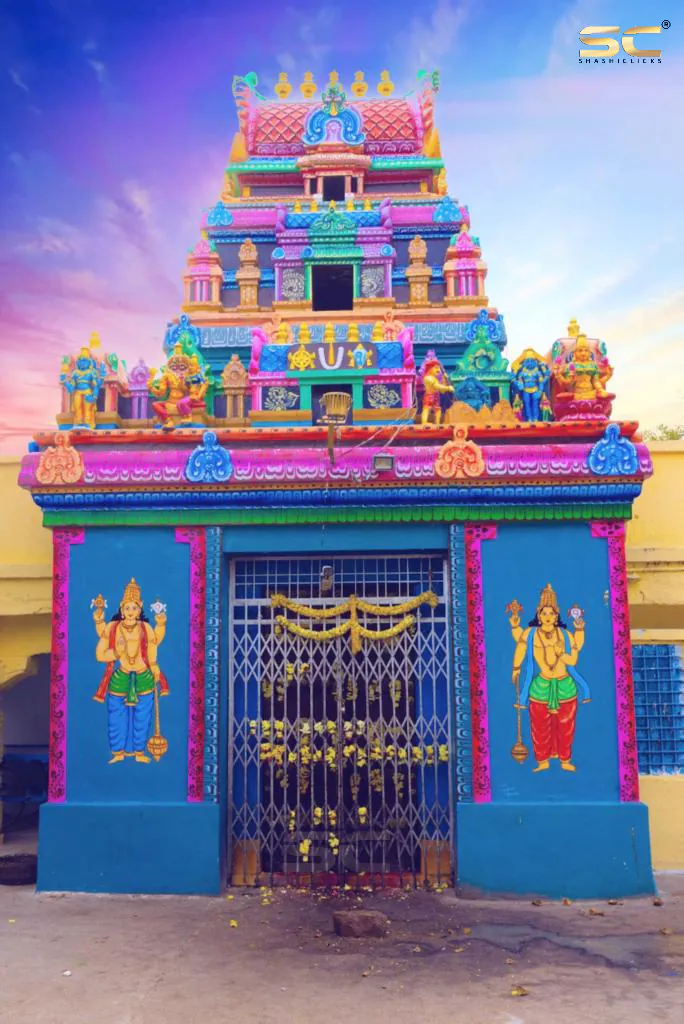
Chilkur Balaji Temple Hyderabad
Nestled in the Ranga Reddy district near Hyderabad, the Chilkur Balaji Temple, also known as "Visa Balaji," showcases a distinctive Dravidian architectural style dating back to the 14th century ([1][2]). During the Vijayanagara period, the temple was erected using granite, mortar, concrete, wood, and tiles ([3]). Though specific textual references are currently undocumented, Vastu Shastra principles, the ancient Indian science of architecture, likely influenced its design. In contrast to more elaborate gopurams (temple towers) found elsewhere, the temple's exterior is relatively modest ([4]). Within the Garbhagriha (Sanctum), devotees worship Lord Venkateswara, seeking blessings, particularly for visa aspirations ([5]). Intricate carvings embellish the walls, adding to the sacred ambiance, though they are less elaborate compared to other Dravidian temples. Furthermore, the patronage of Kakatiya Dynasty feudatories enriches its historical significance ([1]). The temple's unique ritual of pradakshinas (circumambulations) underscores its distinct traditions. Stone platforms and foundations exemplify the enduring construction techniques prevalent during the Vijayanagara era. The temple's simplicity and lack of commercialism distinguish it, fostering a more direct spiritual connection. Furthermore, the modest appearance and the fervent prayers of devotees contribute to a powerful spiritual atmosphere, reflecting the region's rich cultural heritage ([3][4]). The pyramidal towers are a testament to the Dravidian style, while the ornate carvings subtly narrate tales from Hindu scriptures ([6]). The use of locally sourced granite highlights the resourcefulness of the Vijayanagara artisans ([7]). The temple stands as a beacon of faith, drawing visitors with its unpretentious charm and deep-rooted traditions ([8]).
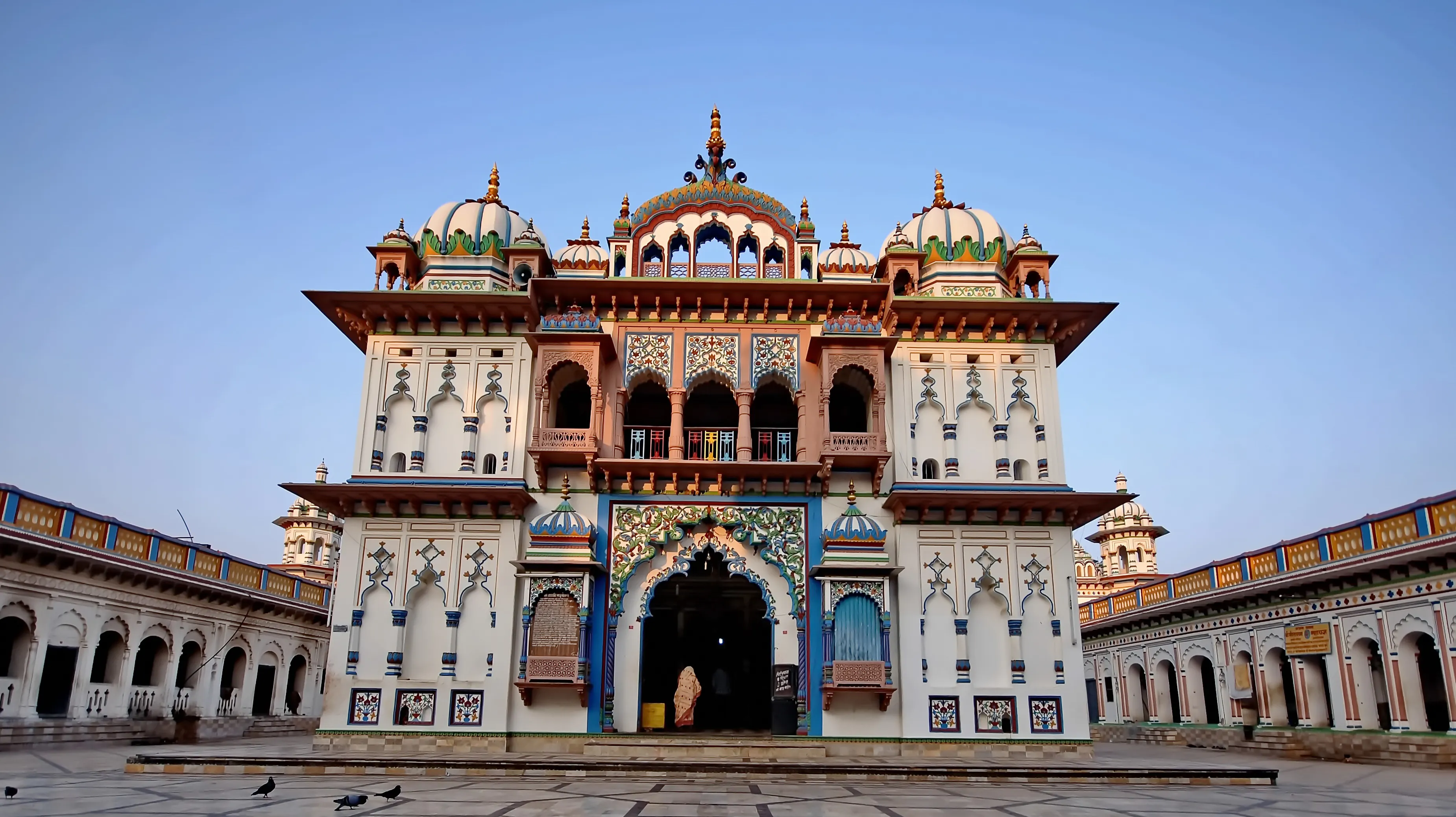
Sita Kund Munger
The midday sun beat down on Munger, casting long shadows that danced across the ancient stones of Sita Kund. Having explored the labyrinthine caves and soaring temples of Maharashtra, I arrived at this Bihar pilgrimage site with a sense of anticipation, eager to experience a different flavour of sacred India. Sita Kund, nestled amidst the bustling city, is a compact temple complex radiating a quiet, unassuming spirituality. It doesn't boast the grandeur of Ellora or the intricate carvings of Ajanta, but its simplicity holds a unique charm. The main attraction, the Kund itself, is a rectangular water tank enclosed within a modest structure. The water, believed to be sacred, is surprisingly clear despite the constant flow of devotees taking a holy dip. Local legend claims Sita, the exiled queen from the epic Ramayana, bathed here, lending the site its name and sanctity. While I couldn't verify the mythological claims, the palpable reverence of the pilgrims was undeniable. Women in vibrant sarees offered prayers, the scent of incense mingling with the humid air, creating an atmosphere thick with devotion. The architecture of the temple surrounding the Kund is a blend of simple practicality and subtle artistry. Unlike the elaborate rock-cut marvels I'm accustomed to in Maharashtra, Sita Kund showcases a more straightforward brick and mortar construction. The walls are adorned with faded frescoes depicting scenes from the Ramayana, their muted colours whispering tales of ancient devotion. While time and weather have taken their toll, these remnants offer glimpses into the artistic sensibilities of a bygone era. I noticed the recurring motif of the lotus flower, a symbol of purity and divinity, subtly incorporated into the pillars and archways. The architectural style, while not overtly ornate, reflects a quiet elegance, a testament to the enduring power of faith. Climbing the narrow staircase to the rooftop offered a panoramic view of Munger. The sprawling cityscape contrasted sharply with the serene atmosphere of the Kund below. From this vantage point, I could appreciate the temple's strategic location, a spiritual oasis amidst the urban hustle. The rooftop also houses a small shrine dedicated to Lord Rama, Sita's husband. The simple idol, adorned with fresh flowers, seemed to gaze serenely over the city, a silent guardian of its inhabitants. What struck me most about Sita Kund wasn't its architectural magnificence or historical significance, but the genuine devotion of the people. I witnessed families sharing quiet moments of prayer, elderly women chanting mantras with closed eyes, and young children offering flowers with innocent enthusiasm. This unpretentious display of faith, devoid of any ostentation, was deeply moving. It reminded me that spirituality isn't confined to grand temples and elaborate rituals; it can be found in the simplest of acts, in the quiet corners of a bustling city. As I left Sita Kund, the chants of the devotees still resonated in my ears. The experience was a refreshing departure from the grandeur I'm used to in Maharashtra's caves and temples. It was a reminder that the essence of faith lies not in the size or splendor of a structure, but in the sincerity of the hearts that seek solace within its walls. Sita Kund, in its unassuming simplicity, offers a powerful testament to the enduring human need for connection with the divine. It's a place where mythology and reality intertwine, where the whispers of ancient legends blend with the fervent prayers of modern devotees, creating a tapestry of faith that transcends time.
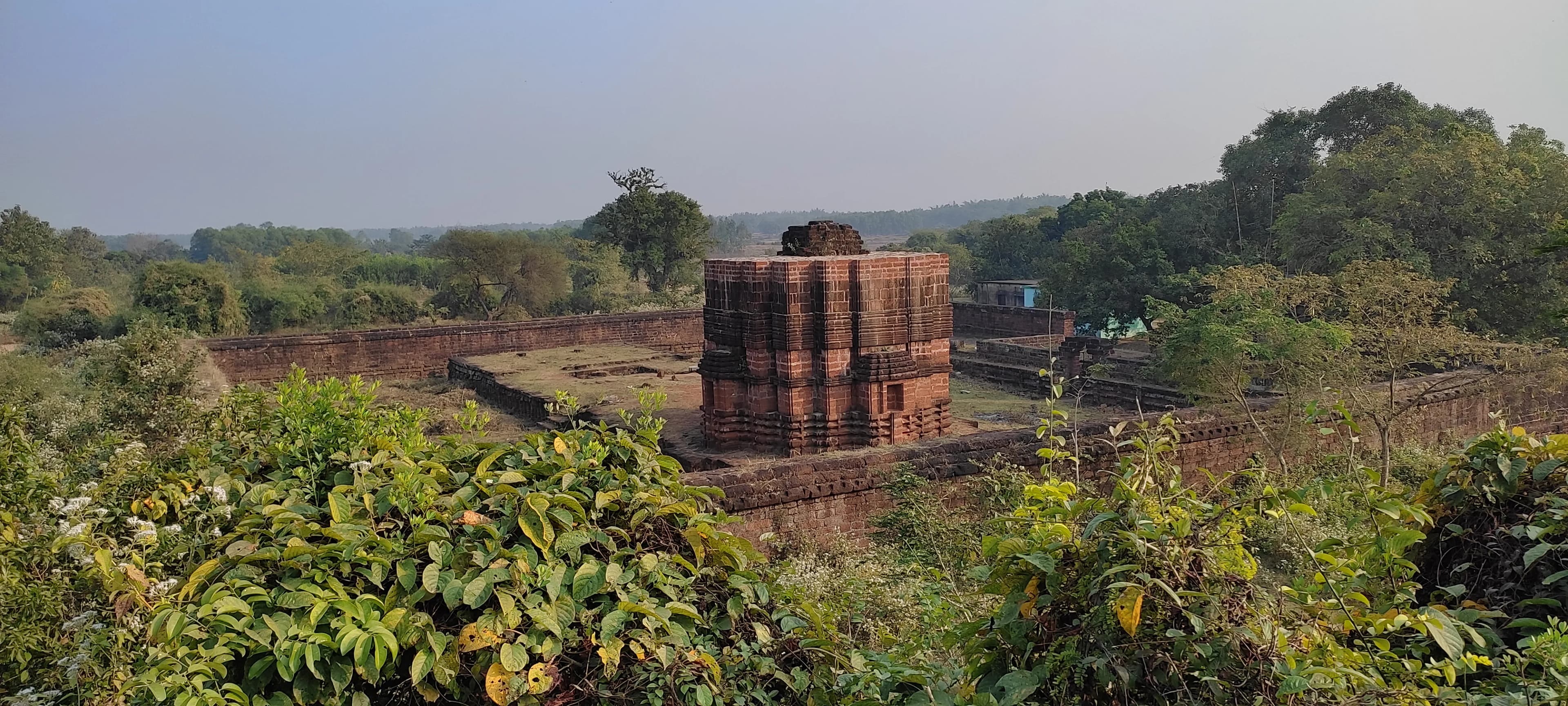
Raibania Fort Balasore
The imposing laterite walls of Raibania Fort, bathed in the warm Odisha sun, rose before me like a terracotta giant. Having explored the intricate stone carvings of Gujarat's architectural wonders for years, I was eager to experience this unique fort, a testament to a different era and a different building tradition. Located near Balasore, far from my usual haunts, Raibania offered a refreshing change of pace and a glimpse into the architectural heritage of eastern India. The sheer scale of the fort is immediately striking. Its massive ramparts, constructed from laterite blocks, stretch over a vast area, enclosing within them a silent history. Unlike the precisely cut sandstone of Gujarat's forts, the laterite here gives the structure a rougher, more organic feel. The reddish-brown hue of the stone, almost earthy in its tone, blends seamlessly with the surrounding landscape, as if the fort itself had sprung from the very soil. Stepping through the arched gateway, I was transported back in time. The fort's interior, though largely in ruins, still whispers tales of its former glory. The remnants of barracks, stables, and administrative buildings are scattered across the grounds, each a silent witness to the fort's bustling past. I noticed the distinct lack of elaborate ornamentation, so common in Gujarati architecture. Here, functionality reigned supreme. The thick walls, strategically placed bastions, and the high vantage points offered by the ramparts spoke volumes about the fort's defensive purpose. I spent hours exploring the labyrinthine passages and crumbling walls, trying to piece together the fort's history. The absence of detailed historical records adds an element of mystery to the site, allowing one's imagination to run wild. I pictured bustling courtyards filled with soldiers, the clatter of horses' hooves, and the commands of officers echoing through the air. The silence of the present day only amplified the echoes of the past. One of the most intriguing features of Raibania Fort is its intricate water management system. Several large tanks and wells, strategically located within the fort's walls, would have provided a reliable water source during sieges. The ingenuity of the builders is evident in the design of these water bodies, which effectively harvested rainwater and ensured the fort's self-sufficiency. This pragmatic approach to architecture, so different from the ornate stepwells of Gujarat, highlighted the specific challenges and priorities of this region. Climbing to the top of the ramparts, I was rewarded with panoramic views of the surrounding countryside. The lush green fields stretched out before me, dotted with villages and temples. From this vantage point, I could appreciate the strategic importance of the fort, guarding the region from invaders. The wind whistled through the crumbling battlements, carrying with it the whispers of history. As I descended from the ramparts, I noticed the intricate brickwork in some of the remaining structures. While laterite formed the bulk of the construction, bricks were used for specific architectural elements, such as arches and doorways. The contrast between the rough texture of the laterite and the smooth surface of the bricks added a subtle visual interest to the fort's architecture. My visit to Raibania Fort was a humbling experience. It reminded me that architectural marvels are not limited to grand palaces and ornate temples. Even a seemingly simple structure like this fort, built for purely functional purposes, can possess a unique beauty and historical significance. The fort's rugged charm, its silent stories, and its connection to the land left an indelible impression on me. It was a stark contrast to the architectural vocabulary I was accustomed to, yet equally captivating. Raibania stands as a testament to the ingenuity and resilience of its builders, a silent sentinel guarding the memories of a bygone era. It is a place where history whispers in the wind, and the stones themselves tell a story.
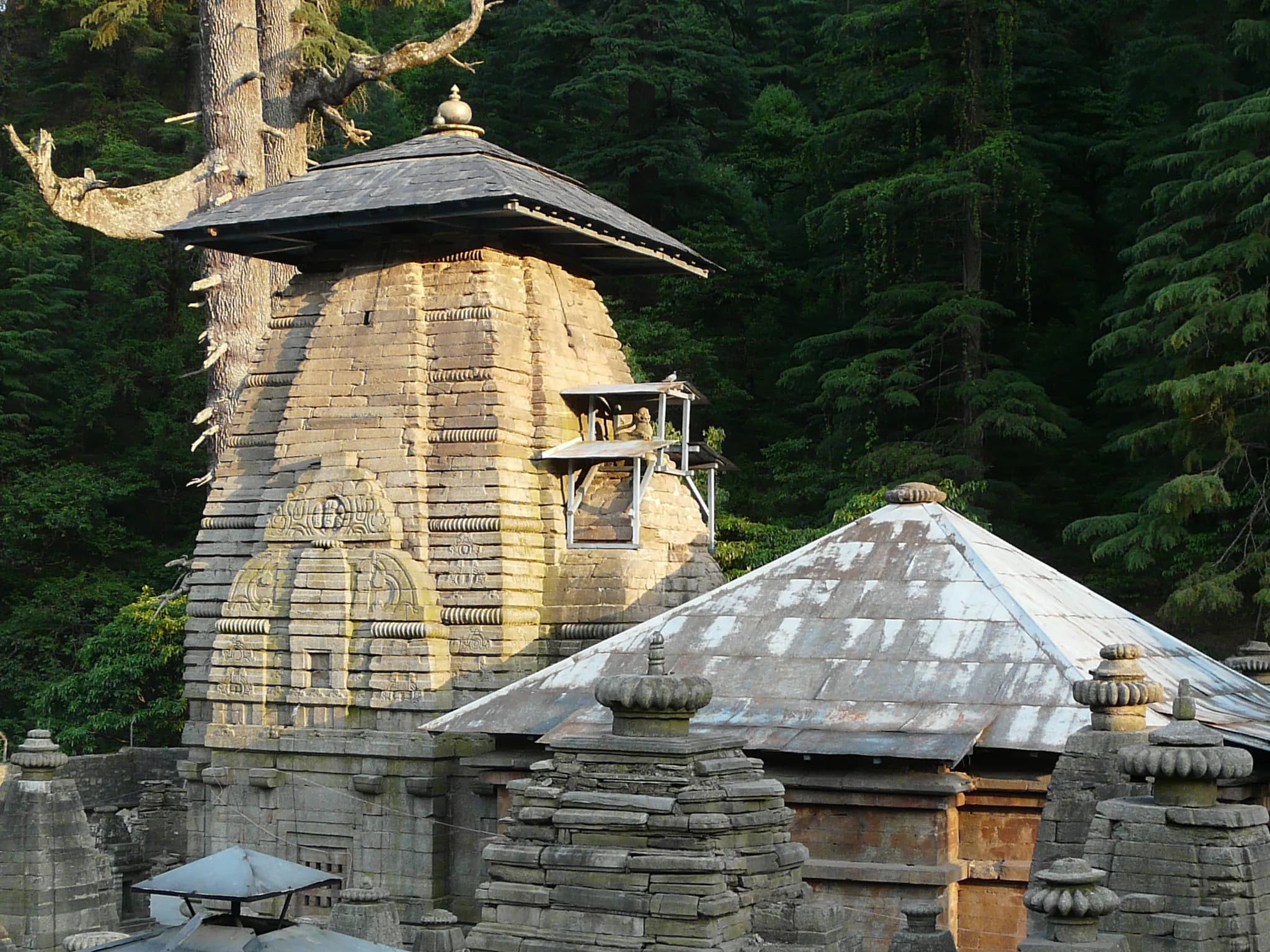
Jageshwar Temples Almora
The crisp mountain air of Uttarakhand carried the scent of pine and something older, something sacred. I stood at the entrance to the Jageshwar temple complex, a sprawling tapestry of over 124 stone temples nestled within a deodar forest. It wasn't simply a collection of structures; it felt like stepping into a living, breathing organism that had evolved organically over centuries. The Jageshwar group isn't a planned, symmetrical layout like Khajuraho or Modhera; it's a cluster, a family of shrines that have grown around each other, whispering stories of devotion and architectural ingenuity. My initial impression was one of subdued grandeur. Unlike the towering, imposing structures of South India, these temples were more intimate, their grey stone surfaces softened by moss and lichen. The majority of the temples belong to the Nagara style of North Indian architecture, characterized by a curvilinear shikhara, the tower above the sanctum. However, the shikharas here possess a distinct local flavour. They are taller and more slender than those found in, say, Odisha, giving them an almost ethereal quality against the backdrop of the Himalayas. Several temples, particularly the larger ones dedicated to Jageshwar (Shiva) and Mrityunjaya, exhibit the classic tiered structure of the shikhara, with miniature replicas of the main tower adorning each level, diminishing in size as they ascend towards the finial. I spent hours wandering through the complex, tracing the weathered carvings on the doorways and pillars. The intricate detailing, though eroded by time and the elements, still spoke volumes of the skill of the artisans. Recurring motifs included stylized lotuses, geometric patterns, and depictions of divine figures – Shiva, Parvati, and Ganesha being the most prominent. One particular panel, on a smaller shrine dedicated to Nandi, caught my attention. It depicted a scene from Shiva's marriage to Parvati, the figures rendered with a surprising dynamism, their expressions almost palpable despite the wear and tear. The main Jageshwar temple, dedicated to the eponymous deity, is the largest and arguably the most impressive. Its towering shikhara dominates the skyline of the complex, drawing the eye upwards. Inside the sanctum, a lingam, the aniconic representation of Shiva, resides in a dimly lit chamber, imbued with a palpable sense of reverence. The air was thick with the scent of incense and the murmur of prayers, a testament to the fact that this is not merely an archaeological site but a living place of worship. What struck me most about Jageshwar was the sense of continuity. The architectural styles evident here span several centuries, from the early Gupta period to the later medieval era. You can trace the evolution of the Nagara style, observing the subtle changes in the shikhara design, the ornamentation, and the layout of the temples. This layering of history, this palpable connection to the past, is what sets Jageshwar apart. It's not a static museum piece; it's a dynamic testament to the enduring power of faith and the artistry of generations of builders. As the sun began to dip behind the mountains, casting long shadows across the complex, I felt a profound sense of peace. Jageshwar is more than just a collection of temples; it's a sanctuary, a place where the whispers of the past mingle with the prayers of the present. It's a place that reminds us of the enduring power of human creativity and the timeless search for the divine. And it's a place that I, as a student of ancient Indian architecture, will carry with me, etched in my memory, for years to come.
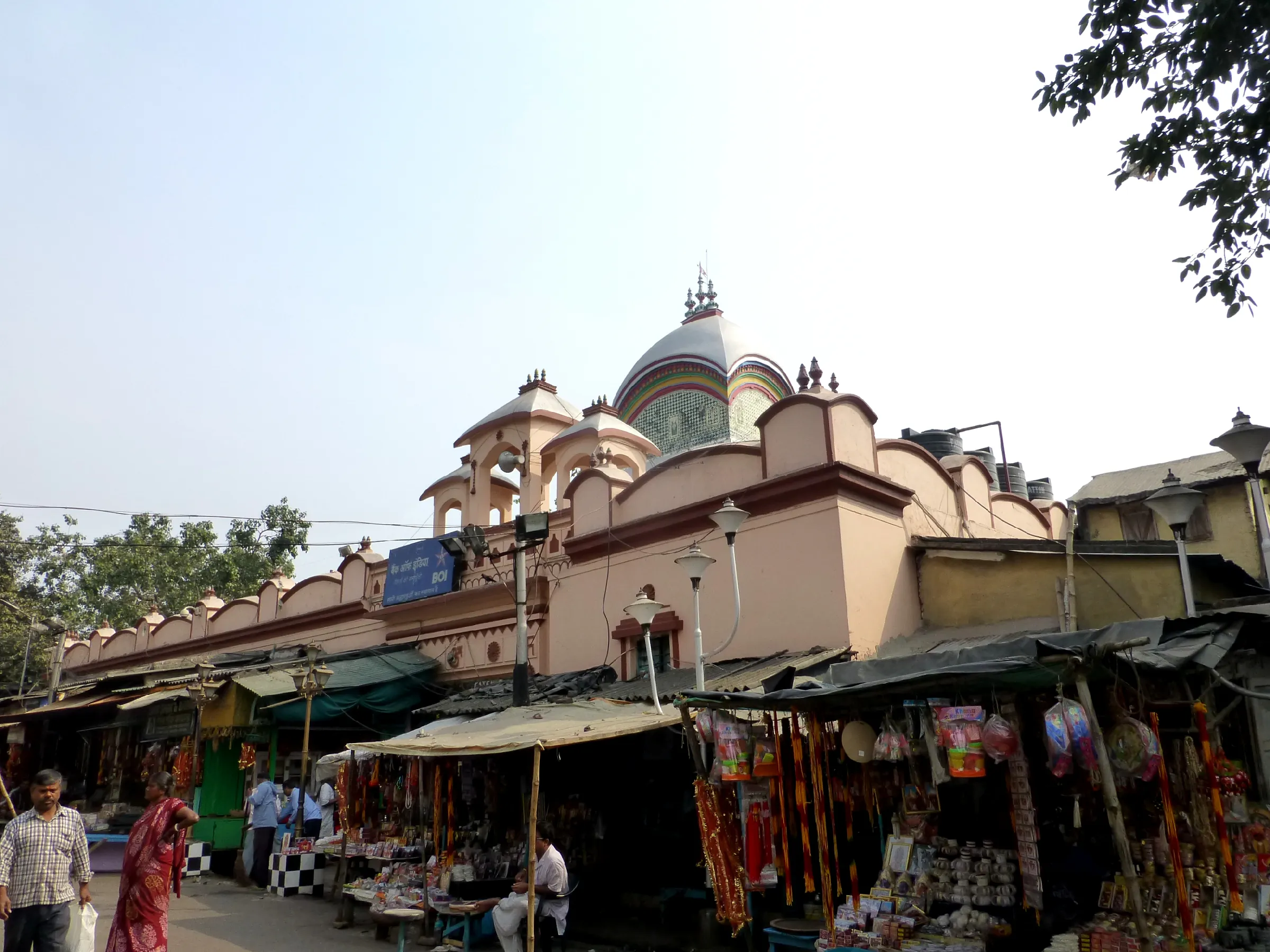
Kalighat Kali Temple Kolkata
The air hung thick and heavy, not just with the Kolkata humidity, but with a palpable sense of devotion. Garlands of marigolds and hibiscus blazed against the backdrop of the soot-stained Kalighat Kali Temple, their vibrant colours a stark contrast to the aged brick and stone. This wasn't the pristine, symmetrical beauty of the Rajput forts I'm accustomed to back in Rajasthan. This was something rawer, more visceral. The temple, nestled in the heart of Kolkata, pulsated with a chaotic energy. A cacophony of sounds – chanting, bells, the hawkers’ cries – rose and fell like the tide. Navigating the narrow lanes leading to the main shrine was an experience in itself. The air was thick with incense, and the ground, slick with offerings and the remnants of rituals. It was a sensory overload, a far cry from the ordered serenity of, say, the Mehrangarh Fort. The architecture of the Kalighat temple is distinct. Unlike the imposing sandstone structures of Rajasthan, this temple is relatively modest in size. The current structure, built in the 19th century, features a distinctive Bengali style with a curved, sloping roof known as a *dochala*. The main shrine, however, felt ancient, imbued with centuries of worship. The idol of Kali herself is striking. Her jet-black face, adorned with a garland of skulls and a protruding tongue, is both terrifying and mesmerizing. Her three eyes seemed to pierce through the throngs of devotees, acknowledging their prayers and anxieties. What struck me most was the sheer intensity of the faith on display. Devotees, from all walks of life, pressed forward, their faces etched with a mixture of hope and desperation. Some offered flowers, others coconuts, still others whispered fervent prayers. The priests, their foreheads smeared with ash, performed rituals with practiced ease, their chants adding to the hypnotic rhythm of the temple. I watched a young woman, her eyes brimming with tears, offer a lock of her hair to the goddess. It was a powerful moment, a testament to the deep-seated belief that permeates this place. This wasn't just a temple; it was a living, breathing entity, a conduit between the human and the divine. The experience was further intensified by the presence of the *pandits*, the temple priests. While their role is integral to the rituals, their aggressive solicitation of donations felt jarring. It was a stark reminder of the commercialization that often accompanies religious fervor, a phenomenon not entirely unfamiliar in Rajasthan's tourist-heavy temples, but here it felt more pronounced, more intertwined with the very fabric of worship. Stepping back from the immediate crush of the main shrine, I noticed the smaller shrines dedicated to other deities scattered around the complex. Each had its own unique energy, its own dedicated following. The temple complex, despite its chaotic nature, felt like a microcosm of the city itself – a melting pot of different beliefs and practices, all coexisting within a shared space. As I left the Kalighat Kali Temple, the chanting and the scent of incense still clinging to my clothes, I felt a profound sense of awe. This wasn't just a visit to a temple; it was an immersion into a different world, a world where faith and tradition reign supreme. It was a world far removed from the majestic silence of Rajasthan's desert forts, yet equally captivating, equally powerful. The experience served as a potent reminder of the diverse tapestry of India's spiritual landscape, a tapestry woven with threads of devotion, ritual, and unwavering belief.
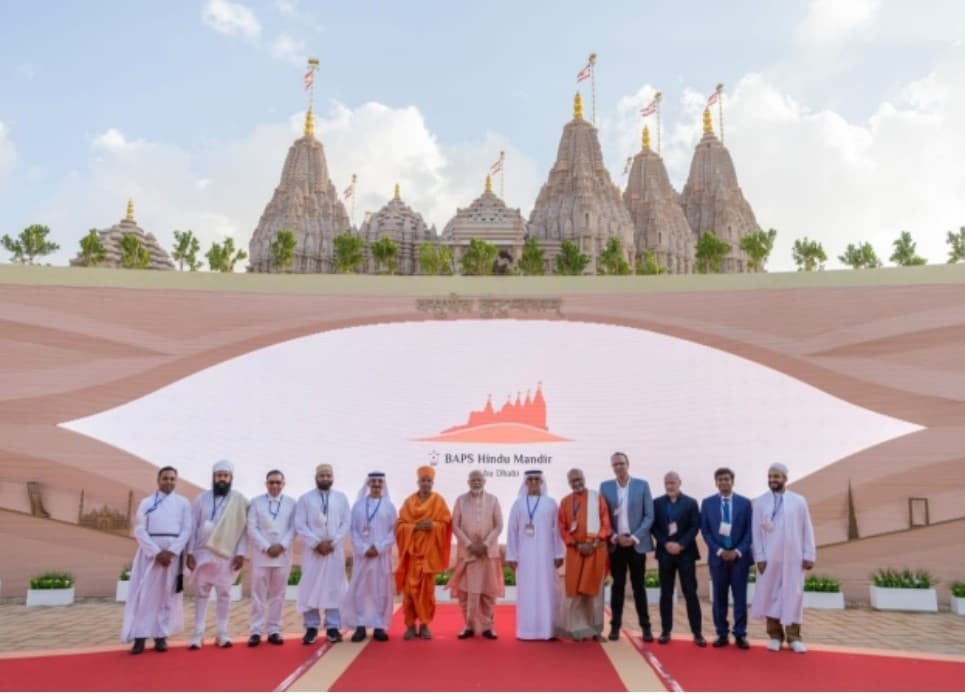
Maha Lakshmi Temple Abu Dhabi (BAPS Campus)
The Maha Lakshmi Temple forms the southern devotional wing of the BAPS Hindu Mandir campus in Abu Dhabi, providing a dedicated sanctum for Sri Mahalaxmi-Narayana with a Vaikuntha-inspired sinhasan crafted from Italian marble, gold-plated lotuses, and fibre-optic constellations that mirror Abu Dhabi's desert night sky ([1][2]). Consecrated alongside the main mandir in February 2024, the Lakshmi sanctum offers a quieter devotional experience focused on prosperity, education, and wellbeing—hosting specialised Lakshmi Pujas for entrepreneurs, students, and families moving to the Gulf. The hall seats 600 devotees, features carved marble columns, and integrates digital translation kiosks offering arti lyrics in Hindi, English, Malayalam, and Tagalog. Daily schedule aligns with the mandir's 6:00 AM-9:00 PM operations, but the Lakshmi wing hosts additional Friday evening Ashtalakshmi satsang, Saturday bridal blessings, and quarterly finance literacy workshops led by community volunteers. Donors can participate in Navagraha homa, Kuber puja, or annadhanam out of the adjoining seva kitchen. A micro-museum displays stories of Gulf entrepreneurs whose philanthropy supported the mandir and documents historic trade links between Gujarat, the Malabar coast, and the Trucial States.
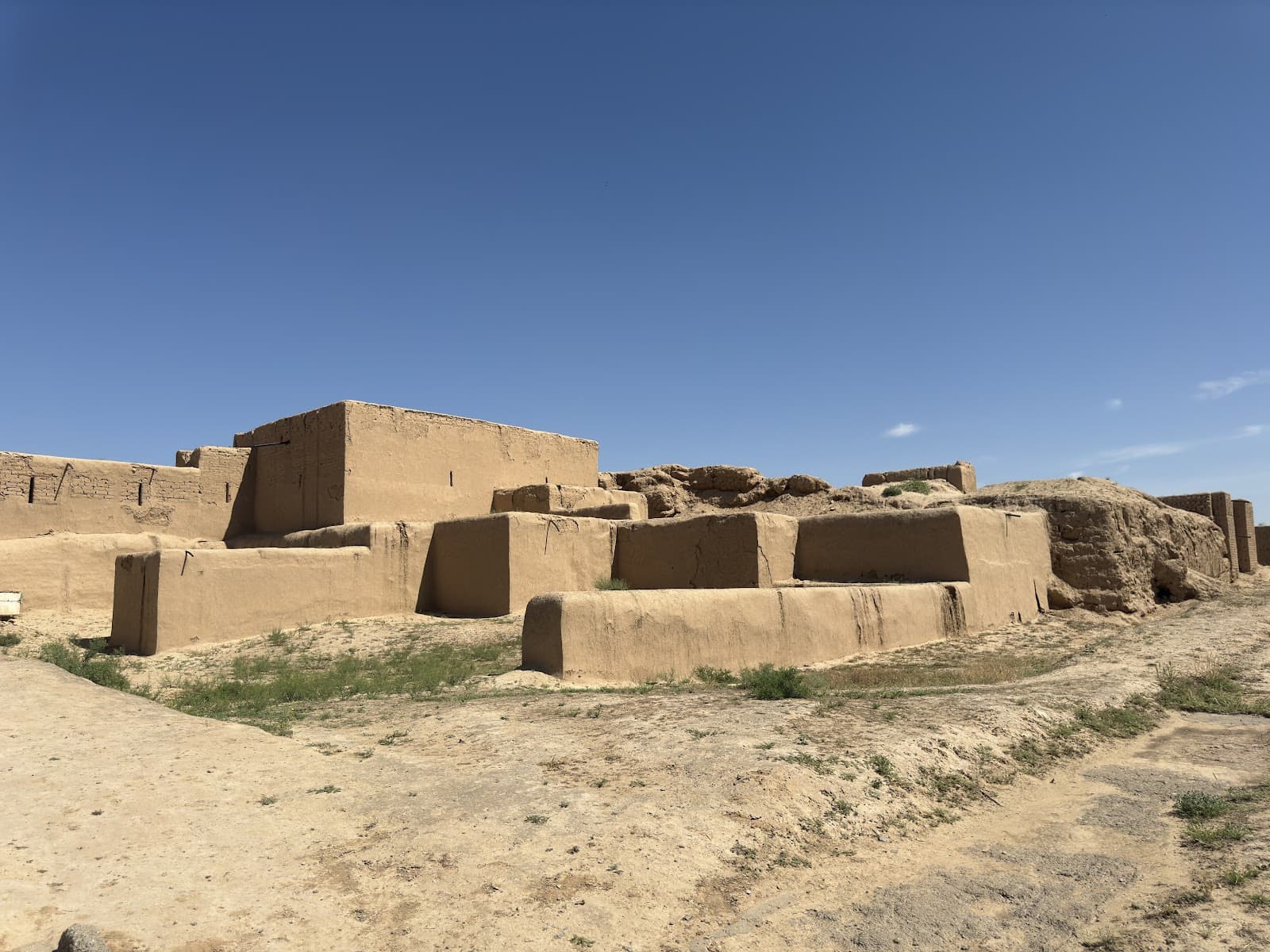
Parthian Fortresses of Nisa Ahal Turkmenistan
The Parthian Fortresses of Nisa, located near the Bagyr neighborhood of Ashgabat in Turkmenistan, represent a pivotal site in the ancient world, embodying a rich tapestry of cultural exchange that profoundly influenced regions across Central Asia and extended into the Indian subcontinent. This UNESCO World Heritage Site comprises two distinct tells: Old Nisa, which served as a ceremonial center and royal residence, and New Nisa, an urban settlement [3] [4]. The architectural styles present at Nisa, while primarily Parthian and Hellenistic, reflect a broader Indo-Parthian cultural sphere, showcasing a sophisticated blend of traditional elements with influences from the Mediterranean world and Central Asia [3] [4]. While specific Nagara or Indian Temple architectural styles are not directly documented within Nisa's structures by current archaeological findings, the site's strategic position at the crossroads of ancient trade routes facilitated extensive cultural and artistic interactions that contributed to the syncretic Indo-Parthian architectural traditions found further east [3] [4]. Old Nisa, an irregular pentagonal area spanning approximately 14 hectares, is encircled by formidable defensive mud-brick walls, punctuated by over 40 rectangular towers and robust fortified corners [3]. Within these ramparts, monumental structures like the Square House reveal intricate planning. Initially conceived for official assemblies and banqueting, this building features a large central courtyard, which in its earliest phase was surrounded by a narrow wooden cloister [4]. The courtyard is flanked by elongated rectangular rooms, each consistently designed with deep benches along the walls and roofs supported by a central row of wooden columns [4]. The Round Hall, a distinct edifice, encloses a circular inner room with a diameter of 17 meters, encased within square perimeter walls [4]. Early reconstructions posited a dome on a cylindrical drum, but detailed structural analysis now suggests a vault with a continuous elliptical outline rising from the floor [4]. This hall housed monumental clay statues, exceeding 2 meters in height, adorned with vibrant polychromy in hues of red, blue, green, yellow, black, and white, demonstrating Hellenistic artistic techniques applied by local Central Asian sculptors [4]. The Red Building, with its four-columned portico, showcases a façade adorned with stone slabs featuring flutings and a distinctive dot-and-reel pattern, further enhanced by bright polychromy and gilded wooden elements [4]. Its square hall, supported by four central elements, was likely used for secluded rites [4]. New Nisa, covering about 25 hectares, was protected by sturdy walls reaching up to 9 meters in height, featuring two main entrances [3]. The construction techniques throughout Nisa frequently employed an additive or agglutinating principle, evident in the independent construction of inner and outer walls in structures like the Round Hall [4]. Materials predominantly include mud-brick and baked brick, alongside wood, stone, clay, terracotta, and gilded iron for decorative elements [4]. Archaeological excavations have unearthed a wealth of artifacts, including richly decorated architecture, inscribed documents, and numerous Hellenistic artworks, such as ivory rhytons depicting a harmonious blend of Greek and Iranian mythological scenes [4] [5]. Ostrakons discovered at the site provide invaluable insights into the economic administration of the royal foundation, detailing agricultural products and vineyards [4]. Conservation efforts are ongoing, with the site recognized as one of Turkmenistan's State Historical and Cultural Parks [3]. It is also a focus of the World Heritage Earthen Architecture Programme (WHEAP), with a five-year plan (2006-2010) implemented to balance archaeological excavation with essential preventive maintenance and consolidation of exposed structures [3]. The site remains an active archaeological area, with ongoing research by international and national missions, ensuring its continued preservation and study [4]. The Parthian Fortresses of Nisa stand as a profound testament to the enduring legacy of ancient civilizations and their interconnectedness, contributing to the broader cultural continuum that shaped regions including India. The site is operationally ready for continued research and managed visitation. [3]
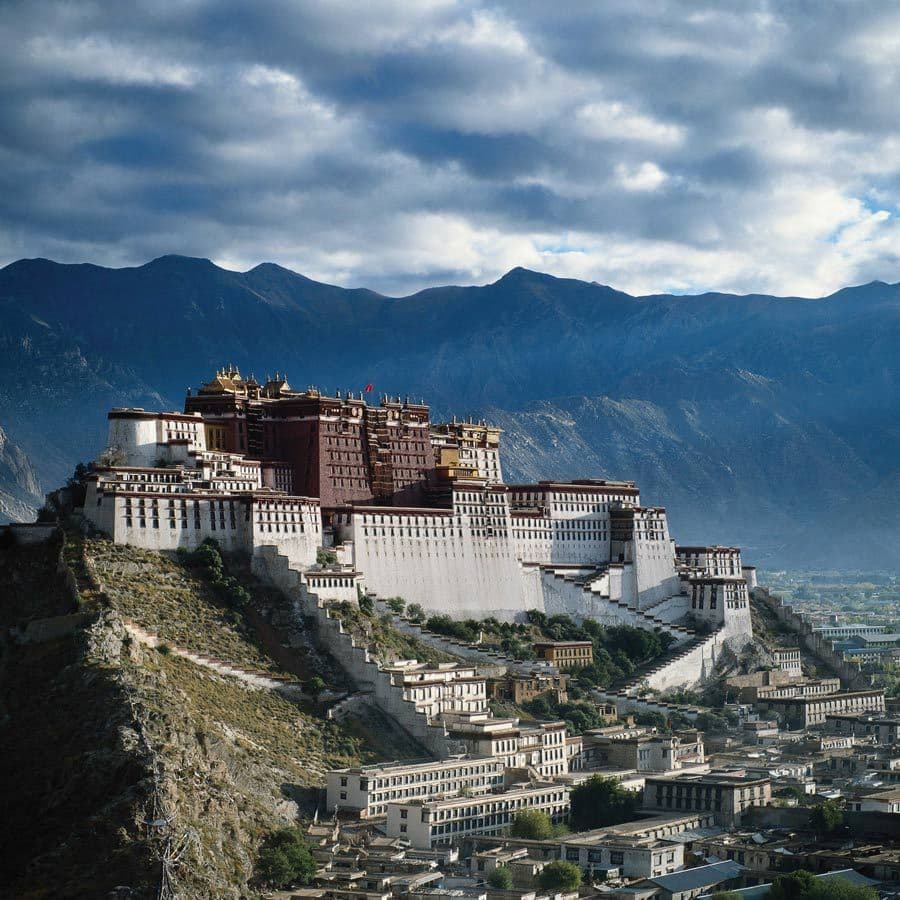
Potala Palace Lhasa Tibet
Potala Palace, located on Red Hill in Lhasa, Tibet, represents one of the most magnificent architectural achievements in Tibet and stands as the traditional seat of the Dalai Lama, constructed beginning in the 7th century CE during the reign of King Songtsen Gampo and extensively expanded in the 17th century, demonstrating the profound influence of Indian Buddhist architectural and religious traditions on Tibetan civilization, which has maintained deep cultural, religious, and historical connections with India for over two millennia. The palace complex, constructed primarily from stone, wood, and earth with extensive use of gold, copper, and painted decoration, features a massive structure rising 117 meters above the valley floor, spanning approximately 400 meters in width and 350 meters in length, containing over 1,000 rooms, 10,000 shrines, and 200,000 statues, making it one of the largest and most complex religious structures in the world. The palace’s architectural design demonstrates direct influence from Indian Buddhist palace and monastery architecture, particularly the Gupta and Pala period styles, with the overall plan reflecting mandala-based cosmological principles found in Indian temple and palace architecture, while the extensive use of Indian Buddhist iconography, including the Avalokiteshvara cult that forms the palace’s spiritual foundation, demonstrates the transmission of Indian religious traditions to Tibet. The palace complex consists of two main sections: the White Palace (Potrang Karpo), serving as the administrative and residential quarters, and the Red Palace (Potrang Marpo), housing numerous chapels, shrines, and the tombs of previous Dalai Lamas, with each section incorporating Indian architectural elements adapted to Tibetan high-altitude conditions. Archaeological and historical evidence indicates the palace was constructed with knowledge of Indian architectural treatises and Buddhist cosmological principles, reflecting the close cultural connections between Tibet and India during the medieval period, when Indian Buddhist scholars, texts, and architectural knowledge were systematically transmitted to Tibet. The palace has undergone multiple expansions and renovations over the centuries, with the most significant expansion conducted in the 17th century under the 5th Dalai Lama, who incorporated extensive Indian Buddhist iconography and architectural elements. Today, Potala Palace stands as a UNESCO World Heritage Site and serves as a powerful symbol of Tibet’s deep connections to Indian civilization and its historical role as a center of Buddhist learning and practice that was integral to the greater Indic cultural sphere extending across the Indian subcontinent and into Central Asia. ([1][2])
Quick Links
Plan Your Heritage Journey
Get personalized recommendations and detailed visitor guides