Has Inheritage Foundation supported you today?
Your contribution helps preserve India's ancient temples, languages, and cultural heritage. Every rupee makes a difference.
Secure payment • Instant 80G certificate
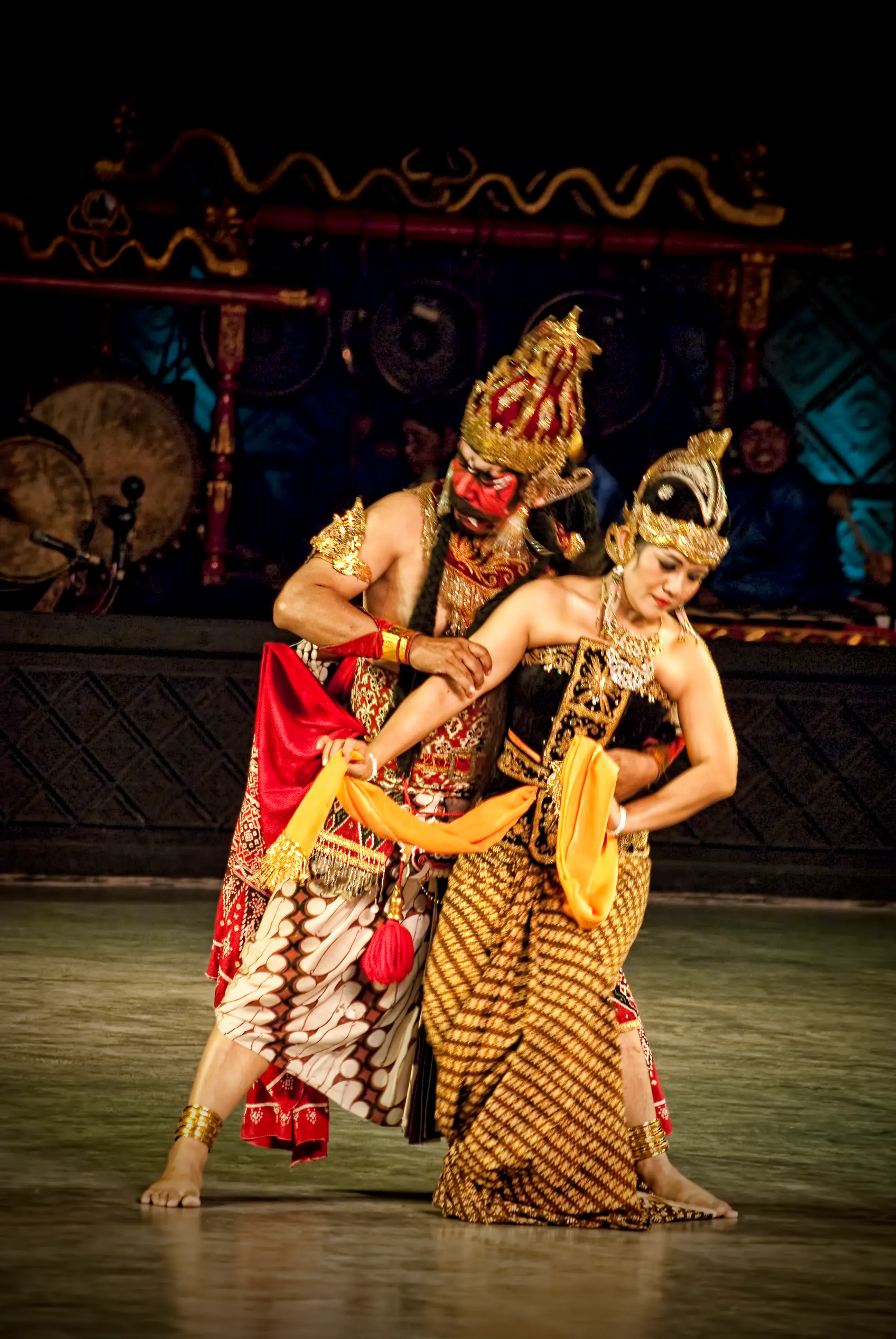
Prambanan Temple Compounds Yogyakarta
The rising sun cast long, dramatic shadows across the dew-kissed plains of Java, illuminating the towering spires of Prambanan. I’d documented hundreds of temples across India, from the intricate carvings of Khajuraho to the monolithic marvels of Mahabalipuram, but the sheer scale and verticality of Prambanan took my breath away. This wasn't just a temple complex; it was a symphony in stone, a testament to the architectural prowess of the 9th-century Medang Mataram kingdom. My lens, accustomed to the sandstone hues of Indian temples, struggled to capture the grey volcanic rock of Prambanan. The texture was different, rougher, yet the intricate reliefs carved into the stone possessed a similar narrative power. These weren't mere decorations; they were stories etched in stone, depicting scenes from the Ramayana epic, celestial beings, and intricate floral motifs. I found myself tracing the lines of these narratives with my fingers, feeling the history embedded within each groove. The central compound, dominated by the three main temples dedicated to the Hindu trinity – Brahma, Vishnu, and Shiva – commanded the landscape. Shiva’s temple, the loftiest of the three, soared 244 feet into the sky, a majestic representation of Mount Meru, the mythical abode of the gods. The smaller accompanying temples, dedicated to the respective mounts of the deities – the bull Nandi for Shiva, the goose Hamsa for Brahma, and Garuda, the mythical bird, for Vishnu – added another layer of symbolic depth. As I circled the temples, I noticed the distinct architectural style. The tall, slender spires, the receding tiers adorned with miniature shrines, and the profusion of decorative elements reminded me of the Dravidian architecture of South India, yet there was a unique Javanese sensibility infused within it. The influence of Indian temple architecture was undeniable, a testament to the cultural exchange that flourished across the seas centuries ago. It felt like witnessing a fascinating conversation between two distinct architectural traditions. Climbing the steep steps to the inner sanctums, I was struck by the interplay of light and shadow within the temple chambers. The narrow doorways and strategically placed openings created a mystical atmosphere, enhancing the spiritual significance of the space. I imagined the rituals and ceremonies that would have once filled these hallowed halls, the chanting of priests, the fragrance of incense, the devotion of the worshippers. Beyond the central compound, the ruins of hundreds of smaller temples stretched across the vast expanse, a poignant reminder of the destructive power of earthquakes and the passage of time. These crumbling structures, though ravaged, still held a certain beauty, their weathered stones whispering tales of a glorious past. I spent hours wandering through these ruins, my camera diligently documenting each fragment, each fallen lintel, each weathered carving. The restoration work undertaken at Prambanan was evident, a careful balance between preserving the historical integrity of the site and ensuring its structural stability. Seeing the meticulous efforts to reconstruct these ancient marvels filled me with a sense of hope. These weren't just ruins; they were living monuments, testaments to human ingenuity and resilience. As the day drew to a close, the setting sun bathed the temples in a warm, golden glow. I stood there, mesmerized by the spectacle, feeling a deep connection to this ancient site. Prambanan wasn't just a collection of stones; it was a repository of stories, a testament to the enduring power of faith and artistry. It was a place that had spoken to me across centuries, reminding me of the shared cultural heritage that binds us together, despite geographical boundaries.

Reis Magos Fort Panaji
The laterite ramparts of Reis Magos Fort, bathed in the Goan sun, seemed to emanate a quiet strength, a testament to their enduring presence. Perched strategically at the mouth of the Mandovi River, the fort’s reddish-brown walls contrasted sharply with the vibrant green of the surrounding foliage and the dazzling blue of the Arabian Sea beyond. My visit here wasn't just another stop on my architectural journey; it was a palpable connection to a layered history, a whispered conversation with the past. Unlike many of the grander, more ornate forts I’ve explored across India, Reis Magos possesses a distinct character of understated resilience. Built in 1551 by the Portuguese, it served primarily as a protective bastion against invaders, a role mirrored in its robust, functional design. The walls, though not excessively high, are remarkably thick, showcasing the practical approach to defense prevalent in the 16th century. The laterite, a locally sourced material, lends the fort a unique earthy hue, seamlessly blending it with the Goan landscape. This pragmatic use of local resources is a hallmark of many ancient Indian structures, a testament to the ingenuity of the builders. Ascending the narrow, winding staircase within the fort, I was struck by the strategic placement of the gun embrasures. These openings, carefully positioned to offer a commanding view of the river, spoke volumes about the fort's military significance. The views from the ramparts were breathtaking, offering a panoramic vista of the Mandovi River merging with the sea, dotted with fishing boats and modern vessels. It was easy to imagine the Portuguese sentinels scanning the horizon for approaching enemies, the fort serving as their vigilant guardian. The architecture within the fort is relatively simple, devoid of the elaborate carvings and embellishments often found in Mughal or Rajput structures. The focus here was clearly on functionality and defense. The chapel, dedicated to the Three Wise Men (Reis Magos), is a small, unassuming structure, yet it holds a quiet dignity. The stark white walls and the simple altar offer a peaceful respite from the martial atmosphere of the fort. The interplay of light filtering through the small windows created an ethereal ambiance, a stark contrast to the robust exterior. One of the most intriguing aspects of Reis Magos is its layered history. Having served as a prison during the Portuguese era and later under the Indian government, the fort carries within its walls echoes of both confinement and resilience. The restoration work, undertaken meticulously in recent years, has breathed new life into the structure while preserving its historical integrity. The addition of a small museum within the fort further enhances the visitor experience, showcasing artifacts and providing valuable insights into the fort's rich past. As I descended from the ramparts, I couldn't help but reflect on the enduring power of architecture to tell stories. Reis Magos Fort, though smaller and less ostentatious than many of its counterparts, speaks volumes about the strategic importance of Goa, the ingenuity of its builders, and the ebb and flow of history. It's a place where the past and present intertwine, offering a unique and enriching experience for anyone seeking to connect with the rich tapestry of Indian history. The fort stands not just as a relic of a bygone era, but as a living testament to the enduring spirit of Goa. It's a place that stays with you long after you've left, a quiet reminder of the stories whispered within its ancient walls.
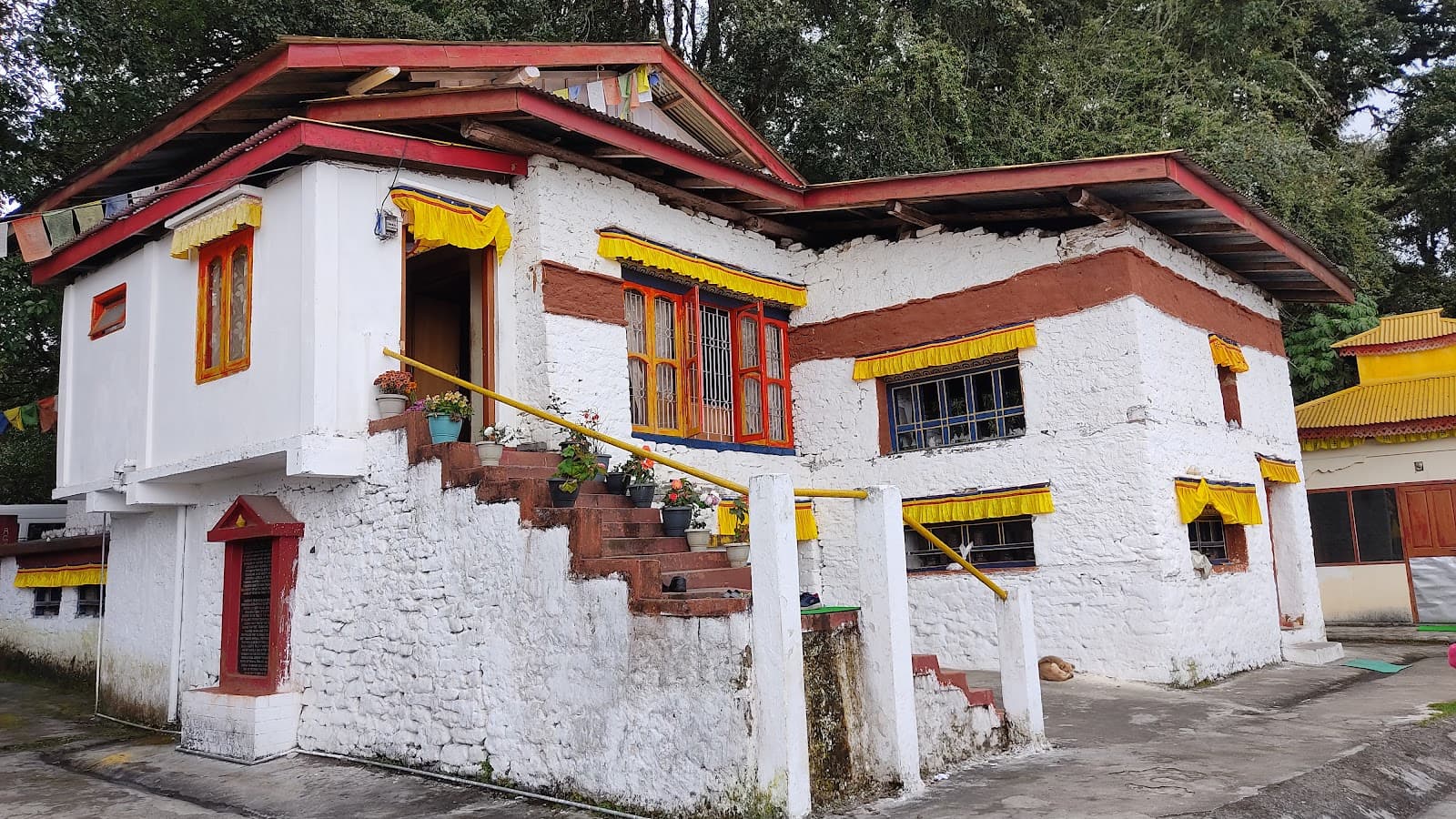
Urgelling Monastery Tawang
The biting Himalayan wind whipped prayer flags into a frenzy of colour against the stark backdrop of the snow-dusted mountains. Urgelling Monastery, perched precariously on a ridge overlooking Tawang valley, felt less like a structure and more like an extension of the rugged landscape itself. Having documented hundreds of monuments across India, I’ve learned to anticipate a certain grandeur, a predictable awe. Urgelling, however, defied all expectations. Its unassuming exterior belied the profound sense of history and spiritual weight it held within. Built in the 15th century, Urgelling is considered the birthplace of the 6th Dalai Lama, Tsangyang Gyatso, a figure shrouded in mystique and rebellion. This fact alone imbued the monastery with a palpable energy, a sense of walking through living history. Unlike many of the larger, more ornate monasteries I’ve photographed, Urgelling retained a sense of intimacy. The relatively small complex, constructed primarily of stone and wood, felt weathered and worn, a testament to centuries of harsh weather and unwavering devotion. The main prayer hall, though modest in size, was richly adorned. The walls were covered in vibrant thangkas depicting Buddhist deities and intricate mandalas. The low, flickering butter lamps cast dancing shadows, illuminating the worn faces of the statues and adding to the ethereal atmosphere. The scent of burning juniper incense hung heavy in the air, mingling with the crisp mountain air, creating a sensory experience that was both grounding and otherworldly. I spent hours exploring the narrow corridors and dimly lit chambers, my camera a silent observer. The intricate wood carvings on the window frames and pillars, some faded with age, spoke of a rich artistic tradition. I noticed recurring motifs of dragons and lotus flowers, symbols deeply embedded in Buddhist iconography. The architecture itself was a blend of Tibetan and Monpa styles, reflecting the region's unique cultural heritage. The sloping roofs, designed to withstand heavy snowfall, were adorned with decorative metalwork that shimmered in the occasional bursts of sunlight. One of the most striking features of Urgelling was its location. The panoramic view from the monastery courtyard was simply breathtaking. The Tawang valley stretched out below, a patchwork of green fields and scattered villages, framed by the towering Himalayas. It was easy to see why this spot was chosen as a place of spiritual retreat. The sheer vastness of the landscape seemed to dwarf all earthly concerns, fostering a sense of peace and introspection. My conversation with one of the resident monks offered a deeper understanding of Urgelling's significance. He spoke of the monastery's role not just as a place of worship but also as a centre of learning and community. He explained the significance of the various rituals and ceremonies performed, highlighting the importance of preserving their cultural heritage. His words resonated deeply, reminding me of the power of these sacred spaces to connect people to something larger than themselves. As I descended the winding path from Urgelling, the setting sun casting long shadows across the valley, I carried with me more than just photographs. I carried the weight of history, the echo of chants, and the profound sense of serenity that permeated the ancient walls. Urgelling Monastery, in its quiet dignity, had offered a glimpse into a world where spirituality and nature intertwine, a world I felt privileged to have witnessed through my lens. It was a testament to the enduring power of faith and a poignant reminder of the rich tapestry of cultural heritage that makes India so extraordinary.

Surya Mandir Deo
The sun beat down on the parched landscape of Aurangabad district, Bihar, but the real heat, the real energy, emanated from the Surya Mandir in Deo. Having crisscrossed North India, explored countless temples from the Himalayas to the plains, I thought I’d seen it all. I was wrong. The Surya Mandir, a relatively unsung hero of Indian architecture, struck me with a force I hadn't anticipated. It wasn't just a temple; it was a statement, a testament to a bygone era’s devotion and artistry. The temple, dedicated to the sun god Surya, stands as a solitary sentinel amidst fields of swaying crops. Its imposing structure, crafted from red sandstone, rises in three receding tiers, each intricately carved with a narrative that unfolds like a visual epic. The first tier, closest to the earth, is a riot of life. Elephants, horses, celestial beings, and scenes from daily life are etched into the stone, a vibrant tableau of the earthly realm. I ran my hand over the weathered surface, tracing the lines of a particularly spirited elephant, marveling at the skill of the artisans who breathed life into these stones centuries ago. Ascending the worn steps to the second tier, the narrative shifts. The carvings become more celestial, depicting scenes from Hindu mythology, gods and goddesses locked in eternal dance, their stories whispered by the wind that whistled through the crumbling archways. Here, the earthly exuberance gives way to a more refined, spiritual energy. I noticed the intricate latticework screens, jalis, that allowed slivers of sunlight to penetrate the inner sanctum, creating an ethereal play of light and shadow. The third and highest tier, sadly damaged by the ravages of time and neglect, still holds a palpable sense of grandeur. It is here, I imagined, that the priests would have performed their rituals, bathed in the first rays of the rising sun. The panoramic view from this vantage point was breathtaking. The flat expanse of Bihar stretched out before me, the temple a solitary beacon of faith amidst the mundane. The architecture is a unique blend of various North Indian styles, showcasing influences from the Pala and Gurjara-Pratihara periods. The shikhara, the towering spire that typically crowns North Indian temples, is absent here, replaced by a flattened pyramidal roof, a feature that intrigued me. It lent the temple a distinct silhouette, setting it apart from the more conventional Nagara style temples I’d encountered elsewhere. What struck me most, however, wasn't just the architectural brilliance but the palpable sense of history that permeated every stone. Unlike the bustling, tourist-laden temples I’d visited in Varanasi or Khajuraho, the Surya Mandir in Deo felt forgotten, almost abandoned. This solitude, however, amplified its power. I could almost hear the echoes of ancient chants, feel the presence of the devotees who once thronged these courtyards. The neglect, though disheartening, added another layer to the temple's story. Broken sculptures, crumbling walls, and overgrown vegetation spoke of a glorious past and a precarious present. It underscored the urgent need for preservation, for safeguarding these invaluable fragments of our heritage. As I descended the steps, leaving the temple behind, I felt a pang of sadness, but also a sense of hope. The Surya Mandir in Deo, though overshadowed by its more famous counterparts, holds a unique charm, a quiet dignity that resonates deeply. It is a place that deserves to be rediscovered, a testament to the enduring power of faith and the artistry of a forgotten era. It is a place that will stay etched in my memory, a hidden gem in the heart of Bihar.
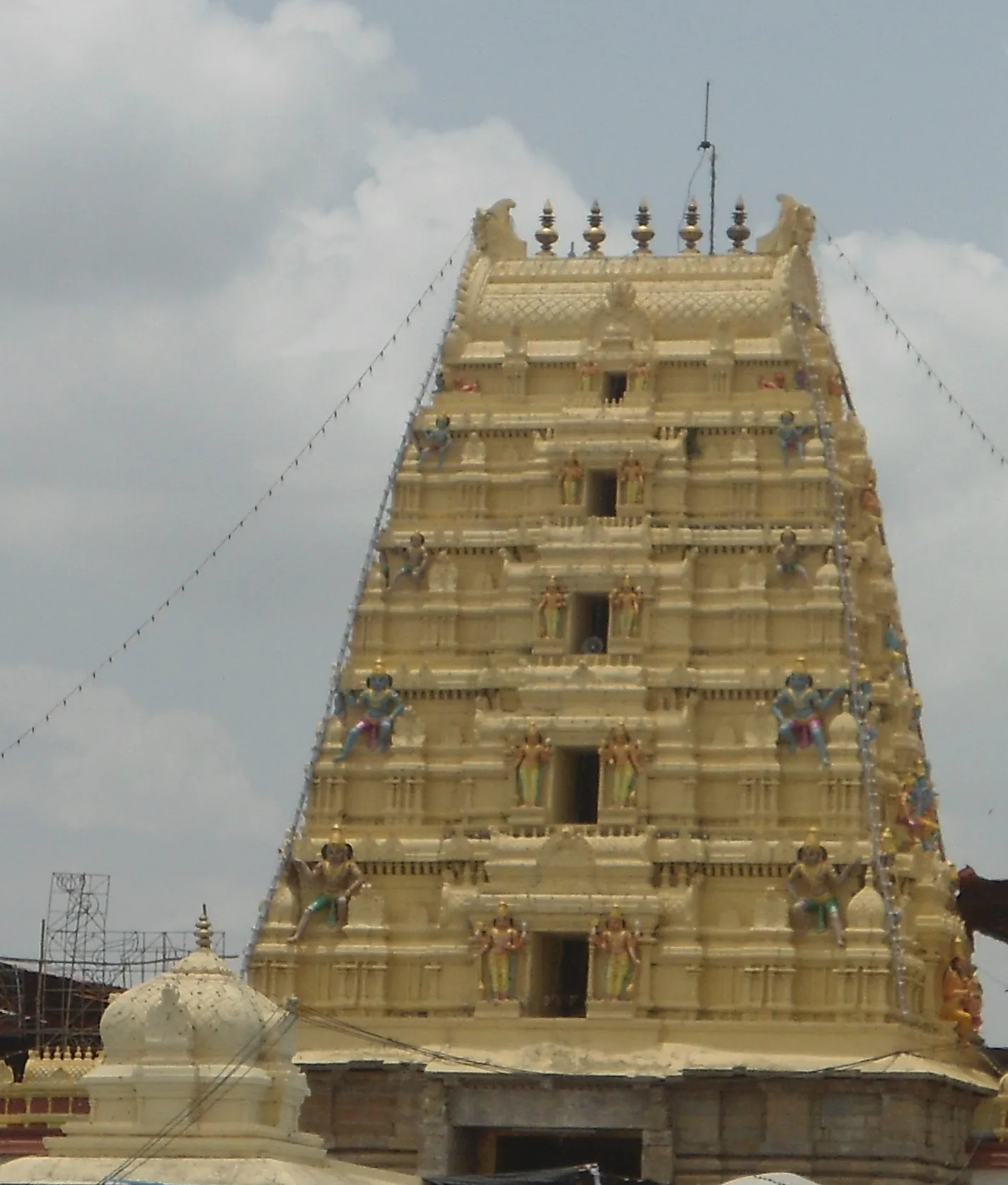
Bhadrachalam Temple Bhadrachalam
Along the Godavari's banks, the Sri Sita Ramachandra Swamy Temple at Bhadrachalam narrates tales of devotion from its perch on a small hillock ([1]). During the Nayaka period, specifically in 1674 CE, this sacred edifice was constructed ([2]). The temple embodies the Dravidian style, characterized by intricate carvings and a pyramidal gopuram (tower) ([3]). Kancherla Gopanna, also known as Ramadasu, a fervent 17th-century devotee, built the temple during the Golconda Sultanate's rule, leaving an indelible mark of his artistic vision ([4]). Granite and sandstone blocks, meticulously carved, form the temple's structure, demonstrating the architectural skills of the time ([5]). Intricate carvings adorning the walls depict deities and scenes from Hindu mythology, reflecting ancient artistry ([6]). The pyramidal gopuram (tower), a prominent feature, displays detailed sculptures that evoke a sense of dynamism and spiritual ascent ([7]). Polished stone floors within reflect light, enhancing the beauty of the intricately carved pillars, which narrate episodes from the Ramayana ([8]). These pillars showcase a harmonious blend of celestial beings and floral motifs ([9]). Within the Garbhagriha (Sanctum), Lord Rama, Sita, and Lakshmana reside, emanating serenity amidst fervent devotion ([10]). Smaller shrines, each with distinct architectural nuances, dot the courtyard, dedicated to various deities ([11]). Ramadasu's unwavering faith and artistic brilliance are deeply intertwined with the temple's history, resonating in every stone and carving ([4]). Bhadrachalam transcends being merely a structure; it represents a confluence of history, faith, and artistic expression ([1][3]). The temple stands as a testament to the enduring legacy of devotion and architectural grandeur in the Telangana region ([2]).
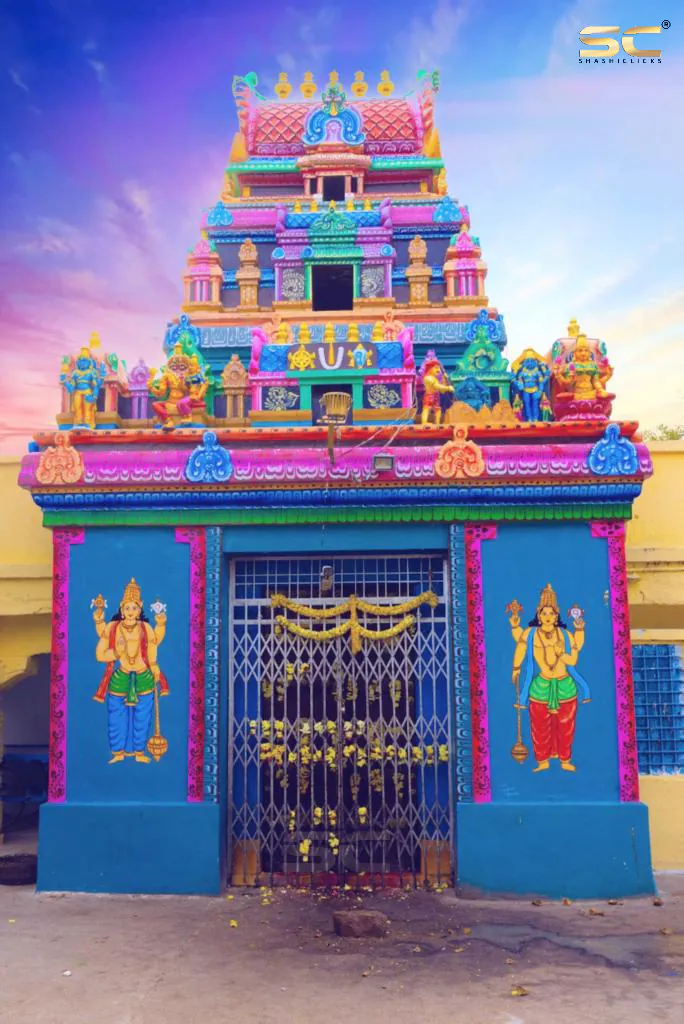
Chilkur Balaji Temple Hyderabad
Nestled in the Ranga Reddy district near Hyderabad, the Chilkur Balaji Temple, also known as "Visa Balaji," showcases a distinctive Dravidian architectural style dating back to the 14th century ([1][2]). During the Vijayanagara period, the temple was erected using granite, mortar, concrete, wood, and tiles ([3]). Though specific textual references are currently undocumented, Vastu Shastra principles, the ancient Indian science of architecture, likely influenced its design. In contrast to more elaborate gopurams (temple towers) found elsewhere, the temple's exterior is relatively modest ([4]). Within the Garbhagriha (Sanctum), devotees worship Lord Venkateswara, seeking blessings, particularly for visa aspirations ([5]). Intricate carvings embellish the walls, adding to the sacred ambiance, though they are less elaborate compared to other Dravidian temples. Furthermore, the patronage of Kakatiya Dynasty feudatories enriches its historical significance ([1]). The temple's unique ritual of pradakshinas (circumambulations) underscores its distinct traditions. Stone platforms and foundations exemplify the enduring construction techniques prevalent during the Vijayanagara era. The temple's simplicity and lack of commercialism distinguish it, fostering a more direct spiritual connection. Furthermore, the modest appearance and the fervent prayers of devotees contribute to a powerful spiritual atmosphere, reflecting the region's rich cultural heritage ([3][4]). The pyramidal towers are a testament to the Dravidian style, while the ornate carvings subtly narrate tales from Hindu scriptures ([6]). The use of locally sourced granite highlights the resourcefulness of the Vijayanagara artisans ([7]). The temple stands as a beacon of faith, drawing visitors with its unpretentious charm and deep-rooted traditions ([8]).
Jal Mandir Pawapuri
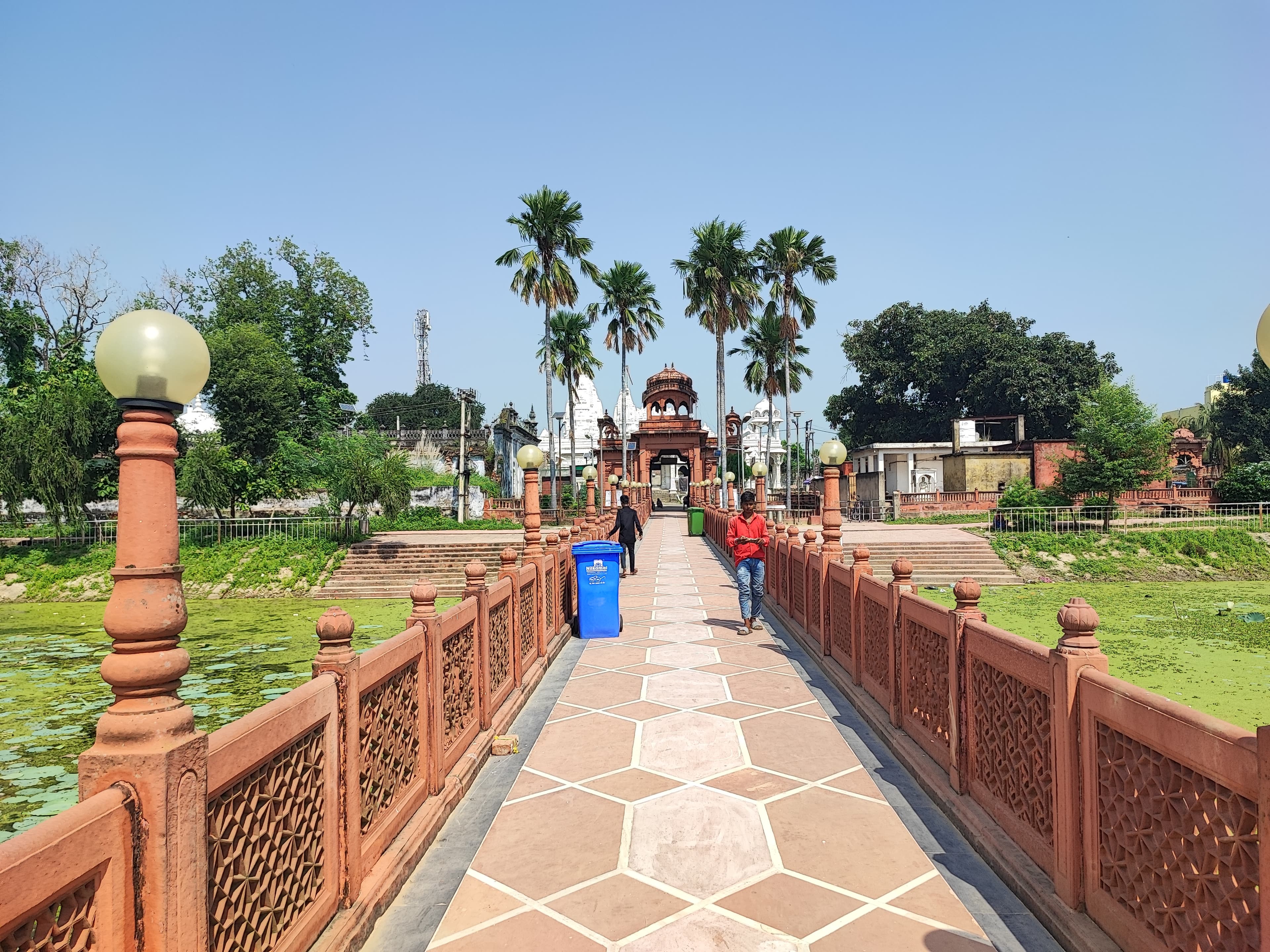
The midday sun beat down on Pawapuri, the heat shimmering off the vast, placid tank. But the air held a palpable stillness, a sense of reverence that seemed to emanate from the heart of the tank itself – the Jal Mandir, a marble marvel floating serenely on its lotus-shaped pedestal. Having crisscrossed North India, documenting countless temples, I thought I was immune to architectural surprises. Pawapuri, however, proved me wrong. The approach to the Jal Mandir is a pilgrimage in itself. Barefoot, I walked the long, red sandstone bridge that stretches across the tank, the water reflecting the cloudless sky like a giant mirror. With each step, the temple grew larger, its pristine white marble a stark contrast against the azure backdrop. The bridge, I learned, represents the final path of Lord Mahavira, the 24th Tirthankara of Jainism, who attained Moksha (liberation) at this very spot. That knowledge imbued the walk with a profound sense of significance. Reaching the temple, I was immediately struck by its delicate beauty. Unlike the towering, ornate structures I’d encountered elsewhere, the Jal Mandir exuded a quiet elegance. Built entirely of white marble, it is a relatively small structure, a single-storied pavilion with a pyramidal shikhara. The shikhara, however, is not the typical North Indian style I’m accustomed to. It’s more reminiscent of the curvilinear towers of Odisha, lending the temple a unique architectural identity. Intricate carvings of lotus flowers, elephants, and celestial beings adorn the marble surface, each detail meticulously crafted. Inside the sanctum, a serene statue of Lord Mahavira sits in meditative posture. The atmosphere within is hushed, punctuated only by the soft chanting of devotees. Sunlight filters through the latticed marble screens, casting dappled patterns on the floor. It’s a space that invites contemplation, a sanctuary from the outside world. Circumambulating the temple, I noticed the four small shrines located at each corner of the platform. These are dedicated to the other Tirthankaras who also attained Moksha at Pawapuri. The platform itself is surrounded by a marble balustrade, offering uninterrupted views of the surrounding tank. Schools of fish darted beneath the surface, adding a touch of life to the tranquil scene. Beyond the immediate vicinity of the Jal Mandir, the tank is fringed by other temples and dharamshalas. The entire complex is meticulously maintained, a testament to the devotion of the Jain community. I spent hours wandering the grounds, absorbing the peaceful atmosphere and observing the rituals of the pilgrims. Many were performing the Parikrama, the circumambulation of the tank, their faces etched with devotion. What struck me most about Pawapuri was the palpable sense of peace that permeated the air. It wasn't just the quietude of the location, but something deeper, a spiritual resonance that seemed to emanate from the very ground itself. Perhaps it was the knowledge that this was the place where Lord Mahavira achieved liberation, or perhaps it was the collective devotion of the pilgrims who flocked to this sacred site. Whatever the reason, Pawapuri left an indelible mark on me. As I left the temple complex, the setting sun cast a golden glow over the Jal Mandir, transforming the white marble into a shimmering beacon of peace. It was a sight I won’t soon forget, a reminder of the profound spirituality that can be found in the most unexpected corners of India. My journey through North India has taken me to countless temples, each with its own unique story to tell. But Pawapuri, with its serene Jal Mandir and its palpable sense of peace, holds a special place in my heart. It is a place where architecture, nature, and spirituality converge to create an experience that is both humbling and deeply moving.

Battala Mahadev Temple Agartala
Nestled in the heart of Tripura, the Battala Mahadev Temple, a revered shrine dedicated to Lord Shiva, was erected around 1681 CE under the patronage of Maharaja Krishna Manikya ([1][2]). This 17th-century temple, a testament to the Manikya dynasty's devotion, showcases a captivating fusion of Nagara and Bengali architectural traditions ([3]). Its presence enriches Agartala's cultural tapestry, drawing devotees and architecture enthusiasts alike. During the Ahom period, temple architecture in India experienced a flourishing of regional adaptations, and this temple exemplifies such unique synthesis ([4]). The curvilinear tower, echoing the chala style of Bengal, adds a distinctive character to the temple's silhouette, illustrating the cross-pollination of architectural ideas ([3]). The temple's design subtly integrates regional aesthetics within the broader Hindu architectural framework. Stone platforms and foundations demonstrate the enduring construction techniques employed in building the Battala Mahadev Temple ([1][5]). The structure primarily utilizes locally sourced materials such as stone, bricks, terracotta, and wood, reflecting the region's architectural identity ([1][5]). The exterior, finished with whitewash, presents a serene and austere facade, a contrast to the vibrant ornamentation often seen in other Indian temples ([2]). Within the Garbhagriha (Sanctum), the Shiva lingam serves as the central focus of worship, inviting devotees into a space of spiritual communion ([3]). The temple stands as an embodiment of Tripura's rich cultural and religious heritage, offering a tranquil space for reflection and devotion ([4][5]). The patronage of the Manikya dynasty underscores the temple's historical significance, solidifying its place as a notable landmark in Agartala ([1][2][3]). The temple stands as a reminder of the architectural and artistic achievements of the era.
Mehandipur Balaji Temple Dausa
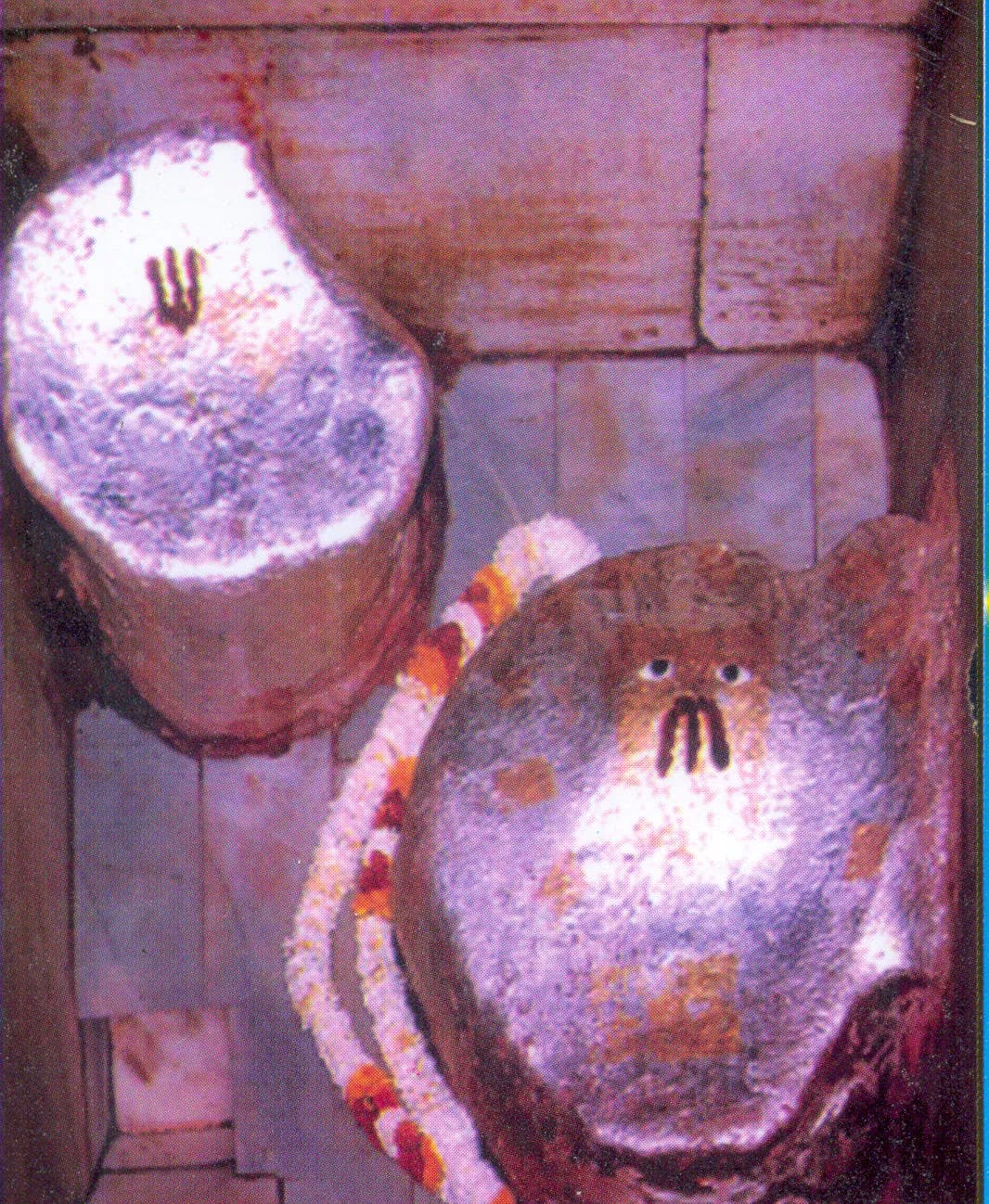
The air crackled, not with electricity, but with a palpable energy, a blend of fear and fervent hope. This was my immediate impression of Mehandipur Balaji Temple, nestled amidst the arid Aravalli hills of Rajasthan. Having explored countless serene temples across Uttar Pradesh, the sheer intensity of this place struck me as profoundly different. It wasn't the tranquility that usually permeates sacred spaces; it was a raw, almost visceral spirituality, bordering on the chaotic. The temple complex itself is relatively modest in size, a network of courtyards and interconnected shrines dedicated to Lord Hanuman, known here as Balaji, Pret Raj (King of Spirits), and Bhairav. The architecture is simple, functional rather than ornate. Unlike the sandstone grandeur of many Rajasthani temples, Mehandipur Balaji is predominantly constructed from plain stone and concrete, perhaps reflecting the focus on immediate spiritual relief rather than aesthetic embellishment. The walls, however, are a fascinating tapestry of vibrant saffron, layered over time by devotees marking their presence and prayers. What truly sets Mehandipur Balaji apart is its reputation as a centre for exorcism and the treatment of mental illnesses. As I moved through the temple, I witnessed scenes unlike anything I'd encountered before. People, their faces etched with desperation and hope, were chained to pillars, their bodies swaying rhythmically as they chanted prayers. Others were being subjected to vigorous "healing" rituals, involving forceful pronouncements and the application of sacred ash. The air was thick with the scent of incense and the murmur of incessant chanting, punctuated by sudden cries and wails. I observed a young woman, her eyes wide with terror, being held down by family members while a priest performed a ritual. It was a disturbing sight, raising complex questions about faith, mental health, and the boundaries of traditional healing practices. While the temple authorities claim remarkable success stories, the methods employed seemed harsh, even brutal, to my outsider's perspective. The line between faith and superstition blurred before my eyes. The main shrine dedicated to Balaji is a small, unassuming chamber. The deity is adorned with a bright orange sindoor paste, and the constant stream of devotees offering prayers creates a palpable sense of devotion. However, even here, the atmosphere is charged with an unusual intensity. The fervent prayers, the desperate pleas for relief, and the occasional outburst from someone seemingly possessed created a sensory overload. Beyond the main shrine, I explored the smaller temples dedicated to Pret Raj and Bhairav. These spaces were even more intense, with a palpable sense of fear hanging in the air. The rituals performed here were more esoteric, involving offerings of food and prayers to appease malevolent spirits. I witnessed individuals being "treated" for alleged possession, their bodies contorting and their voices changing as they purportedly channeled spirits. My visit to Mehandipur Balaji was a deeply unsettling yet fascinating experience. It offered a glimpse into a world where faith and superstition intertwine, where desperation drives people to seek solace in ancient rituals. While the efficacy of these practices remains debatable, the sheer intensity of belief and the palpable energy of the place are undeniable. It is a stark reminder of the complex relationship between faith, healing, and the human condition, a subject that continues to resonate long after leaving the temple's charged atmosphere.

Shiv-Parvati Mandir Hnahthial
The air hung thick and humid, a stark contrast to the arid landscapes of Rajasthan I’m accustomed to. Here in Hnahthial, Mizoram, nestled amidst verdant hills, the Shiv-Parvati Mandir stands as a testament to the surprising religious diversity of this northeastern state. The temple, a relatively recent construction compared to the ancient forts and palaces I’ve explored back home, possesses a unique charm, blending traditional North Indian temple architecture with local Mizo influences. The first thing that struck me was the vibrant colours. Unlike the sandstone hues of Rajasthan’s temples, this one is painted in bright shades of orange, yellow, and red, creating a cheerful, almost festive atmosphere. The main structure rises in a series of tiered roofs, reminiscent of a classic Nagara style shikhara, yet the curvature is gentler, less pronounced. Instead of intricate carvings, the exterior walls are adorned with simpler, bolder motifs – geometric patterns and stylized floral designs that hint at Mizo artistic traditions. Ascending the steps to the main entrance, I noticed the absence of the elaborate gateways and towering gopurams common in South Indian temples. The entrance is relatively modest, framed by two pillars decorated with colourful depictions of deities. Stepping inside, I was greeted by the cool, dimly lit interior. The main sanctum houses the idols of Shiva and Parvati, adorned with vibrant clothing and garlands. The atmosphere was serene, filled with the murmur of prayers and the scent of incense. What truly captivated me was the seamless integration of local elements within the predominantly North Indian architectural framework. The use of locally sourced materials, like bamboo and wood, in the construction of the ancillary structures surrounding the main temple, is a clear example. I observed a small pavilion, crafted entirely from bamboo, serving as a resting place for devotees. The intricate weaving patterns on the bamboo walls showcased the remarkable craftsmanship of the local artisans. The temple complex also houses a small garden, a welcome splash of green amidst the concrete structures. Unlike the meticulously manicured gardens of Rajasthan’s palaces, this one felt more natural, with flowering plants and fruit trees growing in abundance. The gentle rustling of leaves in the breeze added to the tranquil atmosphere. Interacting with the local priest, I learned about the history of the temple. It was fascinating to hear how the local community, predominantly Christian, embraced the construction of this Hindu temple, reflecting the spirit of religious tolerance that permeates Mizoram. He explained how the temple serves as a focal point not just for religious ceremonies but also for social gatherings and cultural events, further strengthening the bonds within the community. As I walked around the temple complex, observing the devotees offering prayers, I couldn't help but draw parallels between the religious practices here and those back home. Despite the geographical distance and cultural differences, the underlying devotion and reverence remained the same. The ringing of bells, the chanting of mantras, the offering of flowers – these rituals transcended regional boundaries, reminding me of the unifying power of faith. Leaving the Shiv-Parvati Mandir, I carried with me a sense of quiet admiration. This temple, a unique blend of architectural styles and cultural influences, stands as a symbol of harmony and acceptance. It’s a testament to the fact that even in the most unexpected corners of India, one can find expressions of faith that resonate deeply with the human spirit. It’s a far cry from the majestic forts and palaces of Rajasthan, yet it holds its own unique charm, offering a glimpse into the rich tapestry of India’s cultural and religious landscape.

Airtam Frieze Site Termez Uzbekistan
Nestled near Termez in Uzbekistan, the Airtam Frieze site provides insights into the fusion of Central Asian and Indian Buddhist art during the Kushan period (2nd century CE) ([6][7]). Intricate carvings adorning the walls of this ancient monastery reveal connections to the Gandhara school of art, a style that flourished in ancient India ([6]). Stone platforms and foundations suggest the site’s vital role as a Buddhist center along the Silk Road, facilitating the exchange of knowledge and culture ([7]). The frieze, meticulously carved from stone, features musicians playing instruments and celestial beings, reflecting Indian iconographic traditions ([6][8]). Archaeological excavations have uncovered that the monastery served as a significant hub for Buddhist learning and practice ([7]). Vastu Shastra principles, the ancient Indian science of architecture, likely influenced the layout of the complex, adapting Indian aesthetics to the Central Asian environment ([8][9]). Fired brick and mud brick construction, along with stucco and wood, demonstrate the skills of Kushan artisans ([6]). This blend of Indian artistic traditions and local materials highlights the cultural exchange that characterized the Silk Road ([9]). During the Kushan era, the empire's patronage supported the spread of Buddhist teachings and art, leading to a unique synthesis of Indian and Central Asian styles ([6][10]). Airtam exemplifies this cultural fusion, providing valuable insights into the artistic and religious exchanges that shaped the region's history ([7]). The site reflects the transmission of Indian aesthetic and architectural knowledge (Vidya) into Central Asia, showcasing the interconnectedness of ancient civilizations ([8][9]). The influence of Indian Gandharan art is evident in the depiction of figures and decorative motifs, indicating a deep cultural exchange ([10]).
Govind Dev Temple Vrindavan
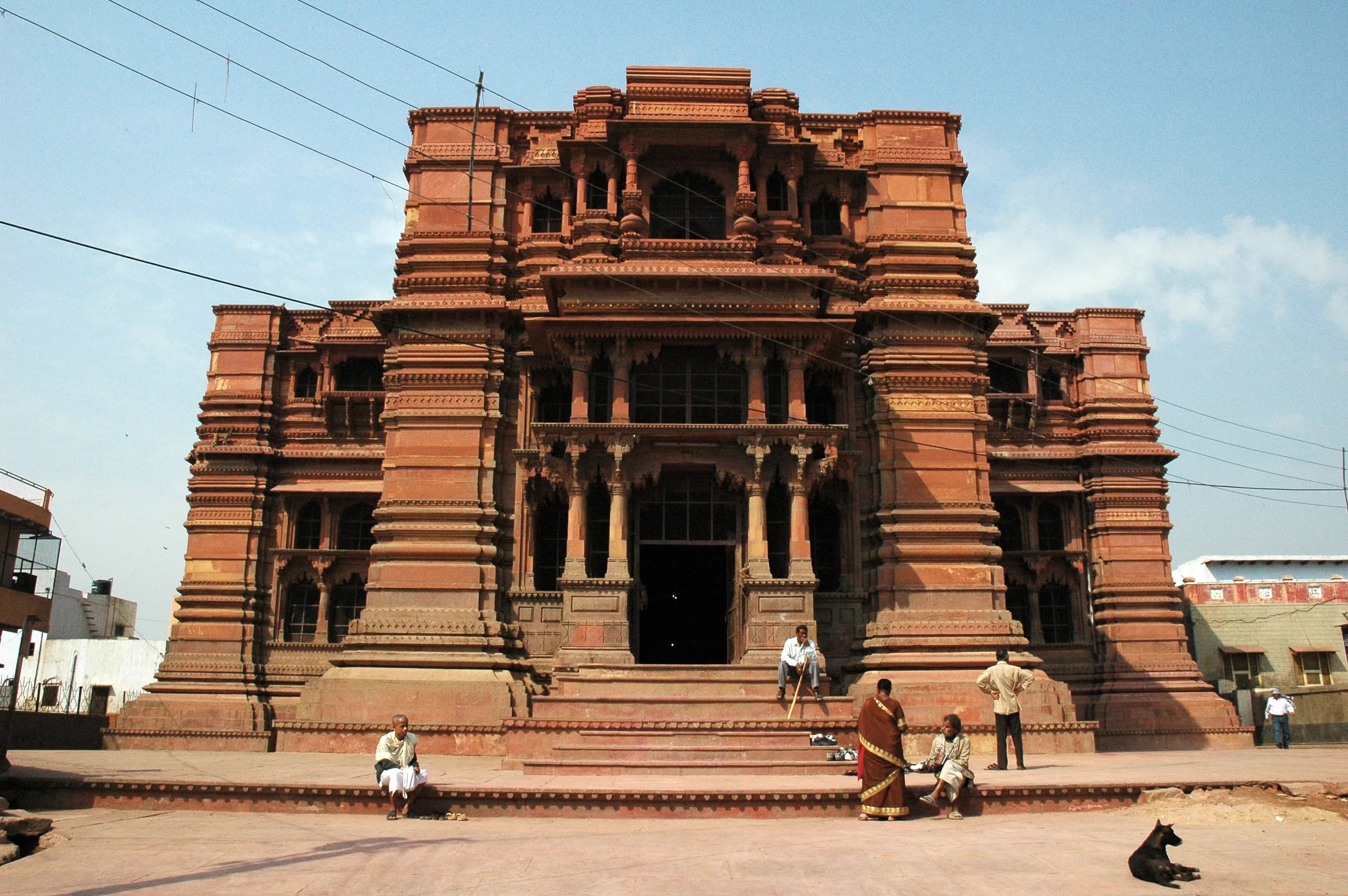
The red sandstone glowed, almost humming with a palpable energy under the late afternoon sun. Govind Dev Temple in Vrindavan, though no longer in its complete glory, still exudes a majestic aura that transported me back to a Vrindavan of centuries past. Having documented Gujarat's intricate temples for years, I was eager to experience the architectural nuances of this Braj marvel, and I wasn't disappointed. The first thing that struck me was the unique blend of architectural styles. While the temple’s core exhibits a distinctly Rajput influence, reminiscent of some of the grand structures I’ve seen in Rajasthan, the seven-storied structure (now sadly reduced to three) bore a striking resemblance to European architecture, particularly reminiscent of a cathedral. This fusion, I learned, was a result of the Mughal emperor Akbar's relatively tolerant religious policies during the late 16th century, a period that allowed for such cross-cultural architectural experimentation. Stepping inside the pillared hall, which now serves as the main prayer area, I was immediately drawn upwards. The soaring ceilings, even in their truncated state, evoked a sense of grandeur. The intricate carvings on the remaining pillars, depicting scenes from Krishna's life, were a testament to the skill of the artisans. Each carving told a story, each curve and line imbued with devotion. I spent a considerable amount of time tracing these narratives with my fingers, imagining the temple in its original seven-storied splendor. The absence of the upper four stories, destroyed by Aurangzeb in the 17th century, is a poignant reminder of the tumultuous history this temple has witnessed. Yet, the resilience of the structure and the continued devotion of the pilgrims who throng its courtyard speak volumes about its enduring spiritual significance. The air vibrated with chants and the fragrance of incense, creating an atmosphere thick with reverence. The temple complex is built around a rectangular courtyard, and while the main shrine is dedicated to Govind Dev (Krishna), smaller shrines dedicated to Radha and other deities dot the periphery. I observed the local devotees engaging in various rituals, their faces reflecting a deep connection to the divine. The rhythmic clang of bells and the melodic chanting of hymns further intensified the spiritual ambiance. The use of red sandstone, a material I'm intimately familiar with from Gujarat's architectural heritage, lends the temple a warm, earthy hue. However, unlike the intricate, almost lace-like carvings often seen in Gujarati temples, the carvings here are bolder, more pronounced, reflecting a different aesthetic sensibility. The interplay of light and shadow on the sandstone surfaces created a dynamic visual experience, constantly shifting throughout the day. One particular detail that captivated me was the remnants of the original staircase that once led to the upper floors. Though now inaccessible, the sheer scale and craftsmanship of the remaining steps hinted at the lost magnificence of the complete structure. I could almost visualize the devotees ascending those stairs, their hearts filled with anticipation, to reach the inner sanctum. Leaving the temple complex, I carried with me a profound sense of awe and a touch of melancholy. Awe at the architectural brilliance and spiritual energy that permeated the space, and melancholy for the lost grandeur of a structure that once touched the sky. Govind Dev Temple stands as a testament to the enduring power of faith and a poignant reminder of the fragility of our heritage. It is a site that deserves to be experienced, not just seen, and its story, etched in stone and whispered in chants, continues to resonate through the ages.
Quick Links
Plan Your Heritage Journey
Get personalized recommendations and detailed visitor guides