Has Inheritage Foundation supported you today?
Your contribution helps preserve India's ancient temples, languages, and cultural heritage. Every rupee makes a difference.
Secure payment • Instant 80G certificate
Umananda Temple Guwahati
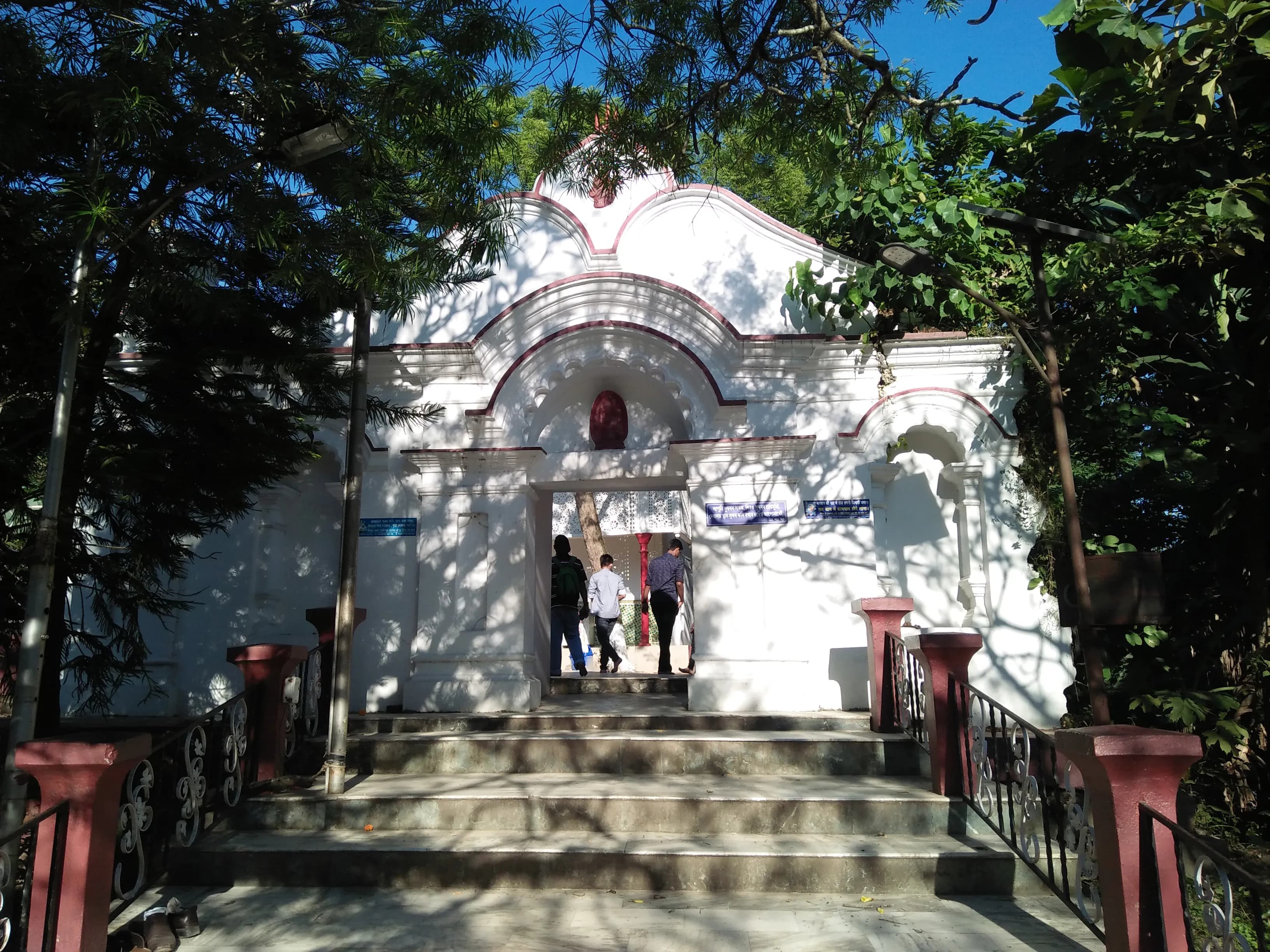
The Brahmaputra, a river of legend, cradles a small, emerald isle in its mighty flow – Peacock Island, home to the Umananda Temple. As I stepped off the ferry, the gentle rocking of the boat giving way to the solid ground of the island, I felt a palpable shift in atmosphere. The clamor of Guwahati faded, replaced by the chirping of birds and the hushed reverence of pilgrims. This wasn't just another stop on my journey through India's UNESCO sites; it was a step into a living myth. Umananda, meaning "the joy of Shiva," is dedicated to the Hindu god Shiva, and the island itself is believed to be a fragment of Mount Kailash, Shiva's Himalayan abode, hurled into the Brahmaputra by the deity. This legend permeates the very air of the island, lending a mystical quality to the experience. The temple, built during the reign of the Ahom king Gadadhar Singha in the late 17th century, is a relatively small structure compared to some of the sprawling temple complexes I've encountered. Its modest size, however, doesn't diminish its impact. Constructed from locally quarried Assam-type stone, the temple showcases a distinctive architectural style. The octagonal shikhara, crowned with a golden kalasha, rises above the surrounding trees, a beacon of faith amidst the river's expanse. Intricate carvings adorn the exterior walls, depicting scenes from Hindu mythology, particularly those related to Shiva and Parvati. Weathering and the passage of time have softened the sharp edges of the carvings, lending them a sense of ancient wisdom. Inside the sanctum, the atmosphere is thick with the scent of incense and the murmur of prayers. Photography is restricted within the inner chamber, a rule I respected, allowing myself to be fully present in the moment. The lingam, the symbolic representation of Shiva, is the focal point, drawing the devotees' gaze and reverence. The low light, filtering through the doorway, created an almost ethereal ambiance, amplifying the sense of sacredness. Beyond the main temple, the island itself is a sanctuary. Wandering along the narrow pathways, shaded by ancient trees, I encountered families picnicking, pilgrims performing rituals, and monkeys playfully scampering through the branches. The contrast between the serene island and the bustling city just across the river was striking. It felt as if I had stepped back in time, into a world where the rhythms of nature still dictated the pace of life. One of the most captivating aspects of Umananda Temple is its unique setting. Surrounded by the ever-flowing Brahmaputra, the island seems to float, an isolated haven of peace. The river itself is a constant presence, its gentle lapping against the shore a soothing soundtrack to the temple's serenity. I spent a considerable amount of time simply sitting by the riverbank, watching the boats ply the waterway, the city skyline forming a dramatic backdrop. My visit to Umananda Temple wasn't just about ticking off another UNESCO site on my list. It was an immersive experience, a journey into the heart of Assamese culture and spirituality. The temple's architecture, the island's natural beauty, and the palpable sense of devotion all combined to create a truly unforgettable experience. As I boarded the ferry back to Guwahati, the golden kalasha of the temple receding into the distance, I carried with me not just photographs and memories, but a deeper understanding of the enduring power of faith and the profound connection between humanity and nature. Umananda is more than just a temple; it's a testament to the human desire to find solace and meaning in the midst of life's currents.
Kanipakam Vinayaka Temple Chittoor
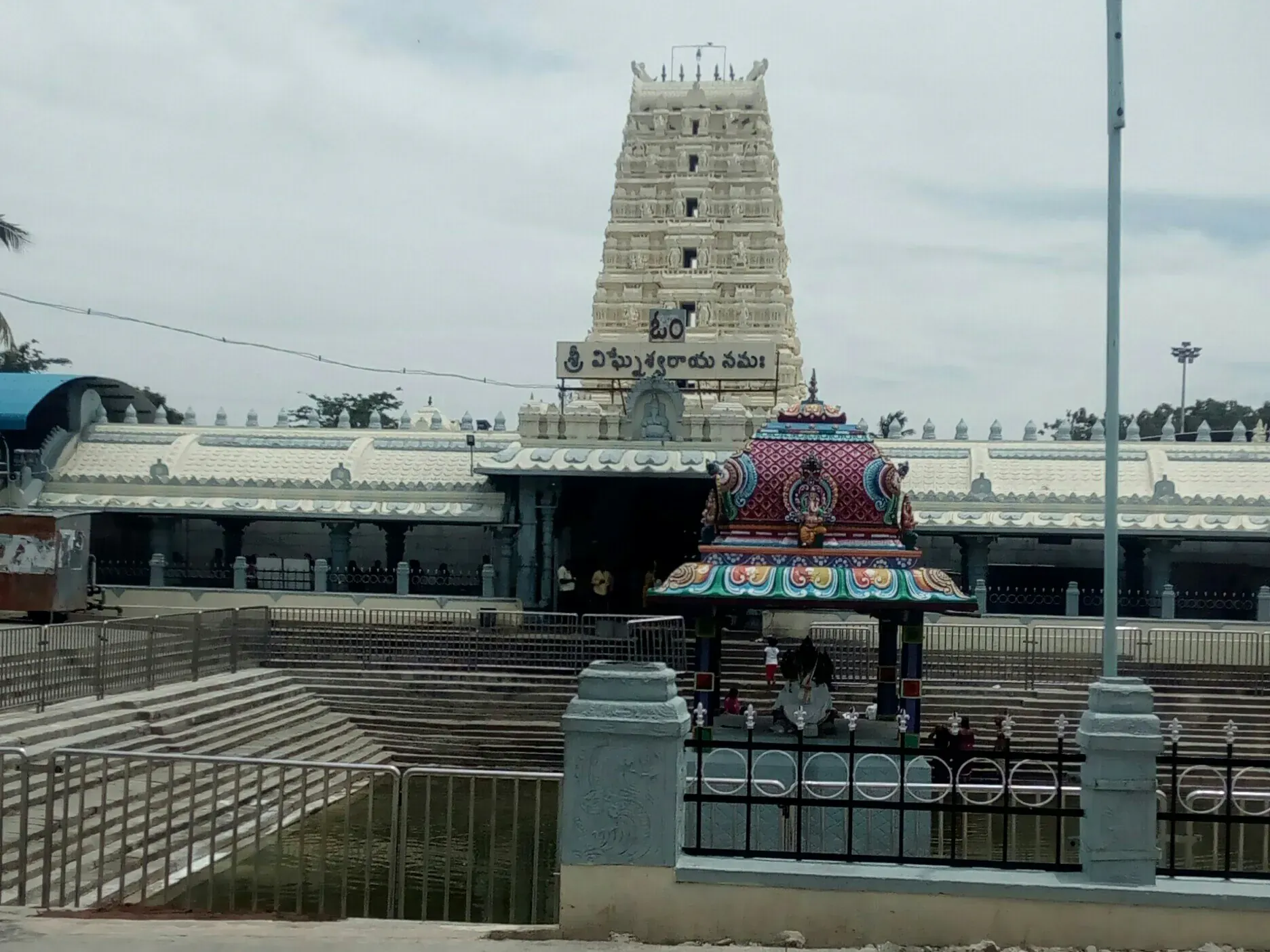
The air hung thick with the scent of incense and jasmine as I stepped through the towering gopuram of the Kanipakam Vinayaka Temple. The vibrant colours, a riot of ochre, saffron, and white, seemed to pulse under the Andhra sun. This wasn't just a temple; it was a living, breathing testament to centuries of devotion, carved into the very granite bedrock of Kanipakam. My journey from Gujarat, a land rich in its own architectural heritage, had brought me to this unique shrine dedicated to Lord Ganesha, the remover of obstacles. Unlike the ornate, intricately carved temples of my home state, Kanipakam exuded a raw, powerful energy. The temple, nestled in the Chittoor district, felt anchored to the earth, its foundations seemingly merging with the surrounding landscape. The main sanctum, a relatively small chamber, houses the Swayambhu idol of Lord Vinayaka. This self-manifested deity, a monolithic block of stone, is the very heart of Kanipakam. The smooth, dark stone, constantly bathed in the warm glow of oil lamps, held a captivating presence. I noticed the unique feature – the idol continues to grow, a phenomenon that adds to the mystique and reverence surrounding it. The silver armour adorning the deity, intricately crafted, only partially covers the growing stone, a visible testament to this ongoing marvel. As I moved through the temple complex, the rhythmic chanting of Vedic hymns filled the air, creating an atmosphere of profound serenity. The architecture, while not as elaborate as some of the Chalukyan or Solanki marvels I've documented in Gujarat, possessed a distinct charm. The Vijayanagara influence was evident in the sturdy pillars and the robust construction. The mandapams, though simpler in design compared to the ornate sabhas of Gujarat temples, provided ample space for devotees to gather and offer their prayers. I observed the intricate carvings adorning the pillars, depicting scenes from Hindu mythology. While weathered by time and the elements, these carvings still retained a remarkable clarity. The narrative panels, though less profuse than the elaborate friezes found in Gujarati temples, effectively conveyed the stories they depicted. The focus here seemed to be less on ornamentation and more on the spiritual experience. The temple tank, or pushkarini, located within the complex, added to the tranquil ambience. The clear water, reflecting the temple walls and the sky above, offered a moment of quiet contemplation. Devotees took a dip in the sacred waters, their faces reflecting a deep sense of devotion. I noticed the stepped ghats leading down to the water, a common feature in temple architecture across India, facilitating access for pilgrims. One striking aspect of Kanipakam was the palpable sense of community. Devotees from all walks of life thronged the temple courtyard, their shared faith uniting them in a common purpose. The atmosphere was charged with a collective energy, a palpable sense of belief that resonated throughout the complex. This sense of shared devotion, I realized, was as much a part of the temple's character as its architecture and history. Leaving the Kanipakam Vinayaka Temple, I carried with me not just images of its unique architecture, but also the profound sense of spiritual energy that permeated the space. It was a powerful reminder that architecture, at its best, serves not just as a visual spectacle, but as a conduit to something deeper, something that connects us to our shared human experience. The growing stone deity, a symbol of unwavering faith, remained etched in my memory, a testament to the enduring power of belief.
Fatehpur Sikri Fort Agra
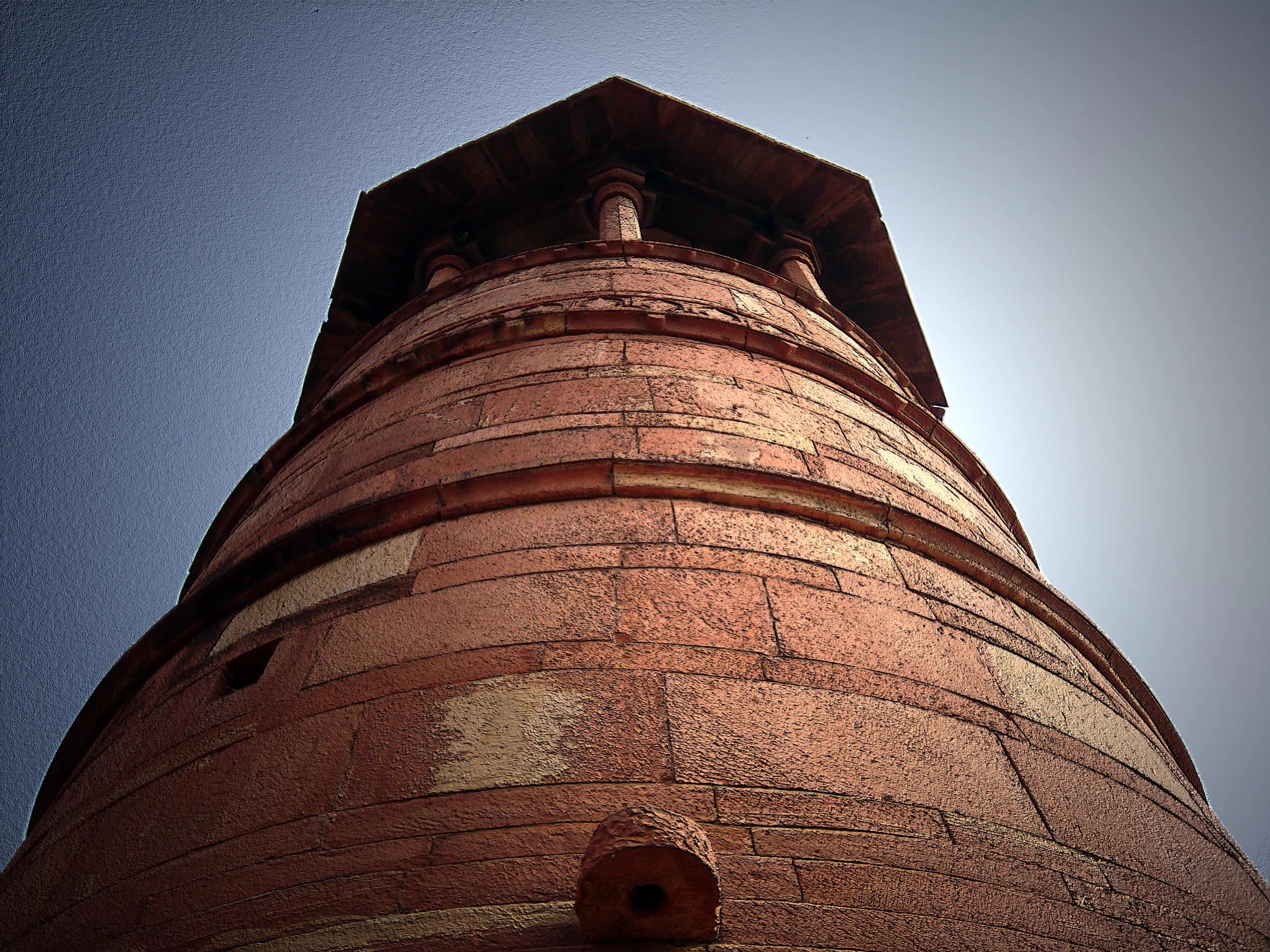
The sandstone shimmered under the late afternoon sun, a warm, almost ethereal glow bathing the deserted courtyards of Fatehpur Sikri. Having crisscrossed North India for years, exploring crumbling forts and bustling cities, I thought I was immune to the charms of another Mughal monument. I was wrong. Fatehpur Sikri, Akbar’s abandoned capital, whispered stories of a glorious past, a brief but brilliant chapter in Indian history. Stepping through the Buland Darwaza, the imposing victory gate, felt like stepping back in time. Its sheer scale is breathtaking, a 54-meter high testament to Akbar’s military prowess. The intricate carvings, a blend of Persian and Indian motifs, hinted at the cultural confluence that defined his reign. This wasn't just a fort; it was a city, meticulously planned and executed, a testament to a vision that, though short-lived, left an indelible mark. The Diwan-i-Aam, the hall of public audience, sprawled before me, its vastness punctuated by the raised platform where Akbar, the emperor, would address his subjects. I could almost picture the vibrant scene – the courtiers, the petitioners, the bustling activity of a thriving capital. The Diwan-i-Khas, the hall of private audience, was even more captivating. The central pillar, intricately carved and radiating outwards like the branches of a tree, is an architectural marvel. It was here that Akbar held discussions with scholars and representatives of different faiths, fostering the spirit of religious tolerance that characterized his rule. I wandered through the Panch Mahal, a five-storied pavilion, each level smaller than the one below, creating a pyramidal structure that offered stunning views of the surrounding plains. The intricate jalis, or perforated stone screens, allowed the breeze to flow through, a clever architectural solution to the scorching summer heat. These screens also served another purpose – they allowed the royal women to observe the court proceedings without being seen, a glimpse into the secluded world of the Mughal zenana. The Jodhabai’s Palace, with its Hindu architectural influences, stood in stark contrast to the predominantly Persian style of the other buildings. The carved brackets, reminiscent of Rajput architecture, and the absence of the characteristic Mughal arches, spoke volumes about Akbar’s respect for his Hindu wife and his efforts to integrate different cultural elements into his empire. One of the most poignant structures within the complex is Salim Chishti’s tomb. The white marble mausoleum, a masterpiece of intricate carving, is a place of reverence even today. I watched as devotees tied threads to the marble screens, whispering prayers, their faith echoing through the centuries. It was here, according to legend, that Akbar came to pray for an heir, and the birth of his son, Jahangir, cemented the saint’s reputation and led to the construction of this magnificent tomb. As the sun began to set, casting long shadows across the deserted courtyards, I felt a sense of melancholy wash over me. Fatehpur Sikri, once a bustling metropolis, now stands silent, a ghost of its former glory. The reasons for its abandonment remain shrouded in mystery, with theories ranging from water scarcity to Akbar’s shifting political priorities. Whatever the reason, the silence that now pervades this magnificent city only amplifies the whispers of its past, making the experience all the more profound. Leaving Fatehpur Sikri, I carried with me not just photographs and memories, but a deeper understanding of a pivotal period in Indian history, a time of cultural fusion, religious tolerance, and architectural brilliance.

Nallur Kandaswamy Kovil Jaffna Sri Lanka
Nallur Kandaswamy Kovil, dramatically situated in the historic town of Jaffna in northern Sri Lanka, represents one of the most extraordinary and culturally significant Hindu temples in South Asia, with origins dating back to 948 CE and a major reconstruction in 1734 CE that serves as the principal center of Murugan (Skanda) worship in Sri Lanka, creating a powerful testament to the profound transmission of Indian Shaivite and Murugan religious and architectural traditions to Sri Lanka. The temple complex, also known as Nallur Murugan Kovil, features sophisticated Dravidian architectural elements that demonstrate the direct transmission of South Indian temple architecture, particularly the traditions of the Chola and Pandya dynasties, with local adaptations that reflect the sophisticated synthesis of Indian Shaivite and Murugan religious and artistic traditions with Sri Lankan building techniques, while the temple's towering gopurams (gateway towers), elaborately carved and painted in vibrant colors, represent some of the finest examples of Dravidian temple architecture in Sri Lanka. The temple's architectural layout, with its central sanctum housing the Murugan deity surrounded by multiple enclosures, gopurams, and subsidiary shrines dedicated to various deities including Shiva, Parvati, Ganesha, and other Hindu gods, follows sophisticated South Indian Dravidian temple planning principles that were systematically transmitted from the great temple complexes of Tamil Nadu including Palani, Tiruchendur, and Swamimalai, while the temple's extensive decorative programs including sculptures, carvings, and architectural elements demonstrate the sophisticated synthesis of Indian Shaivite and Murugan iconography and artistic traditions with local Sri Lankan aesthetic sensibilities. Archaeological evidence reveals that the temple served as a major center of Murugan worship for over a millennium, attracting pilgrims from across South India and Sri Lanka, while the discovery of numerous inscriptions in Tamil and Sanskrit provides crucial evidence of the site's role in the transmission of Indian religious texts and practices to Sri Lanka, demonstrating the sophisticated understanding of Indian Shaivite and Murugan traditions possessed by the temple's patrons and religious establishment. The temple's annual Vel Festival, one of the largest and most vibrant Hindu festivals in Sri Lanka, features elaborate processions, traditional music, and cultural performances that attract hundreds of thousands of devotees and demonstrate the continued vitality of Indian religious traditions in Sri Lanka, while the temple's association with the Jaffna Kingdom demonstrates its historical significance as a center of Tamil Hindu culture and religious practice. The temple complex underwent major reconstruction in 1734 CE under the patronage of the Jaffna Kingdom, with the current structure representing a faithful preservation of the temple's original Dravidian architectural character and spiritual significance, while ongoing archaeological research continues to reveal evidence of the temple's ancient origins and its role in the transmission of Indian religious traditions to Sri Lanka. Today, Nallur Kandaswamy Kovil stands as one of the most important Hindu pilgrimage sites in northern Sri Lanka, serving as a powerful testament to the transmission of Indian Shaivite and Murugan culture and architecture to Sri Lanka, while ongoing archaeological research and conservation efforts continue to protect and study this extraordinary cultural treasure that demonstrates the profound impact of Indian civilization on Sri Lankan religious and artistic traditions. ([1][2])
Topraq-Kala Karakalpakstan Uzbekistan
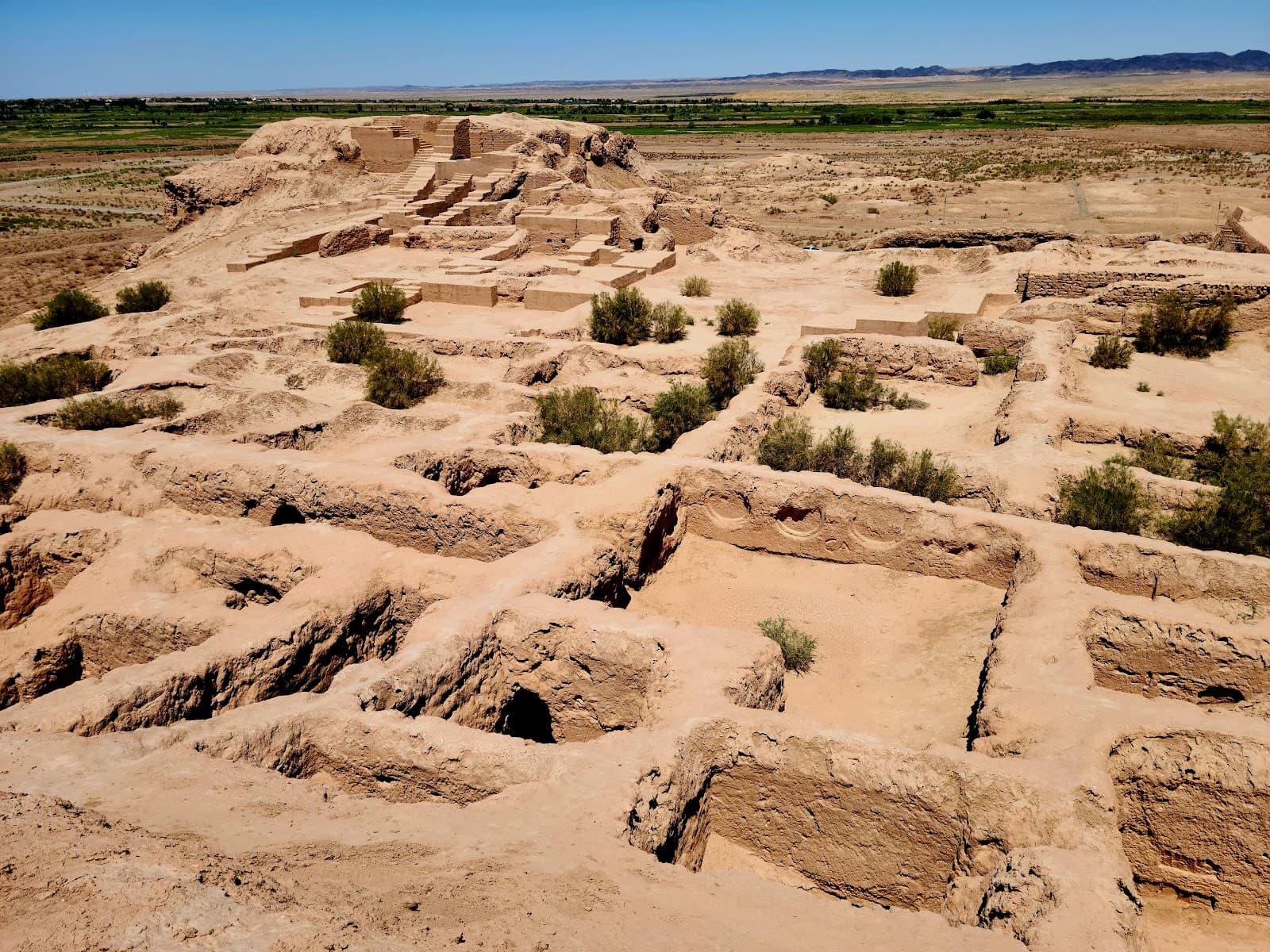
Topraq-Kala, located in the Karakalpakstan region of Uzbekistan, represents one of the most magnificent and archaeologically significant Khorezmian palace-temple complexes in Central Asia, constructed from the 1st to 4th centuries CE as a major administrative and religious center that demonstrates the extraordinary synthesis of Central Asian palace architecture with Indian Hindu religious iconography and artistic traditions, creating a powerful testament to the profound transmission of Indian religious and cultural traditions to Central Asia during the ancient period. The complex, comprising an extensive fortified palace with multiple courtyards, residential quarters, and religious structures, features remarkable archaeological discoveries including temple remains adorned with Hindu iconography including sculptures and reliefs depicting Hindu deities that demonstrate the direct transmission of Indian Hindu religious and artistic traditions to Central Asia, while the discovery of numerous artifacts including sculptures of Shiva, Vishnu, and other Hindu deities provides crucial evidence of the site's role as a center where Indian Hindu religious practices flourished in Central Asia. The palace-temple complex demonstrates sophisticated architectural planning with multiple levels, courtyards, and specialized structures that reflect both Central Asian palace traditions and Indian temple architectural influences, while the extensive decorative programs including sculptures and reliefs executed in styles that demonstrate clear connections to Indian artistic traditions provide crucial evidence of the ways in which Indian Hindu iconography was adapted and transformed in the Central Asian context. Archaeological excavations have revealed that the complex served as both a major administrative center for the Khorezmian state and a center of Hindu worship, while the discovery of numerous artifacts including coins, pottery, and ritual objects provides crucial evidence of the site's role in the transmission of Indian religious, artistic, and cultural traditions to Central Asia, demonstrating the sophisticated understanding of Indian traditions possessed by the inhabitants of this remarkable complex. The site's location along major trade routes underscores its significance as a center for the transmission of Indian religious and cultural traditions to Central Asia, while the extensive archaeological remains provide crucial insights into the ways in which Indian Hindu practices were integrated into Central Asian palace and religious architecture. Today, Topraq-Kala stands as a UNESCO Tentative List site and represents one of the most important Khorezmian archaeological sites in Central Asia, serving as a powerful testament to the transmission of Indian Hindu culture and architecture to Central Asia, while ongoing archaeological research and conservation efforts continue to protect and study this extraordinary cultural treasure that demonstrates the profound impact of Indian civilization on Central Asian religious and artistic traditions. ([1][2])
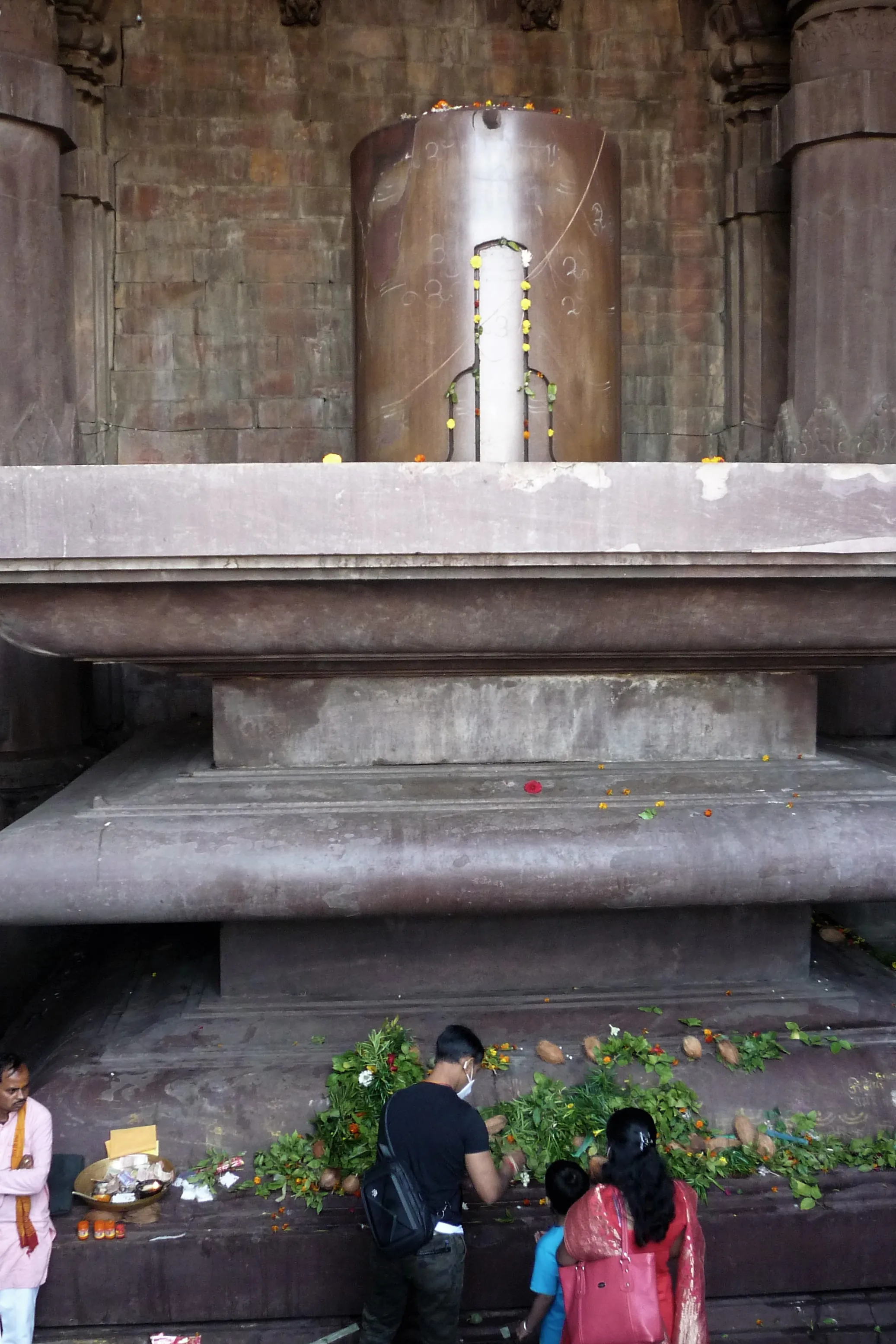
Bhojeshwar Temple Bhojpur
Envisioned as a grand tribute to Lord Shiva, the Bhojeshwar Temple, near Bhojpur in Madhya Pradesh, represents an ambitious undertaking by Raja Bhoj of the Paramara dynasty ([1]). Commissioned in the 21st century (2006 CE), the temple exemplifies the Bhumija style of Nagara architecture, though its construction remained incomplete ([2][3]). Its towering, unfinished Shikhara (spire) dominates the surrounding landscape, hinting at the scale of the original design ([4]). Stone platforms and foundations clearly define the intended dimensions of the temple complex ([5]). Within the Garbhagriha (Sanctum), a colossal lingam, carved from a single, highly polished stone, commands attention ([6]). This monolithic lingam, considered among the largest in India, forms a powerful spiritual focus within the temple's incomplete structure ([7]). The absence of a traditional Pradakshina Patha (circumambulatory path) distinguishes it from conventional temple layouts ([8]). Granite and sandstone blocks, meticulously carved with intricate details, are scattered around the site, providing valuable insights into the construction methodologies employed during that era ([9]). The presence of ramps and levers suggests the sophisticated techniques utilized to maneuver these massive stones into place ([10]). During the Paramara period, temple architecture flourished, with a distinct emphasis on grandeur and intricate detailing ([11]). The temple's elevated location offers panoramic views, enhancing its intended visual impact ([12]). The Bhojeshwar Temple stands as a compelling testament to the Paramara dynasty's architectural prowess and ambition, frozen in time ([13]). This incomplete marvel offers a unique glimpse into the artistic and engineering capabilities of ancient India ([14]).
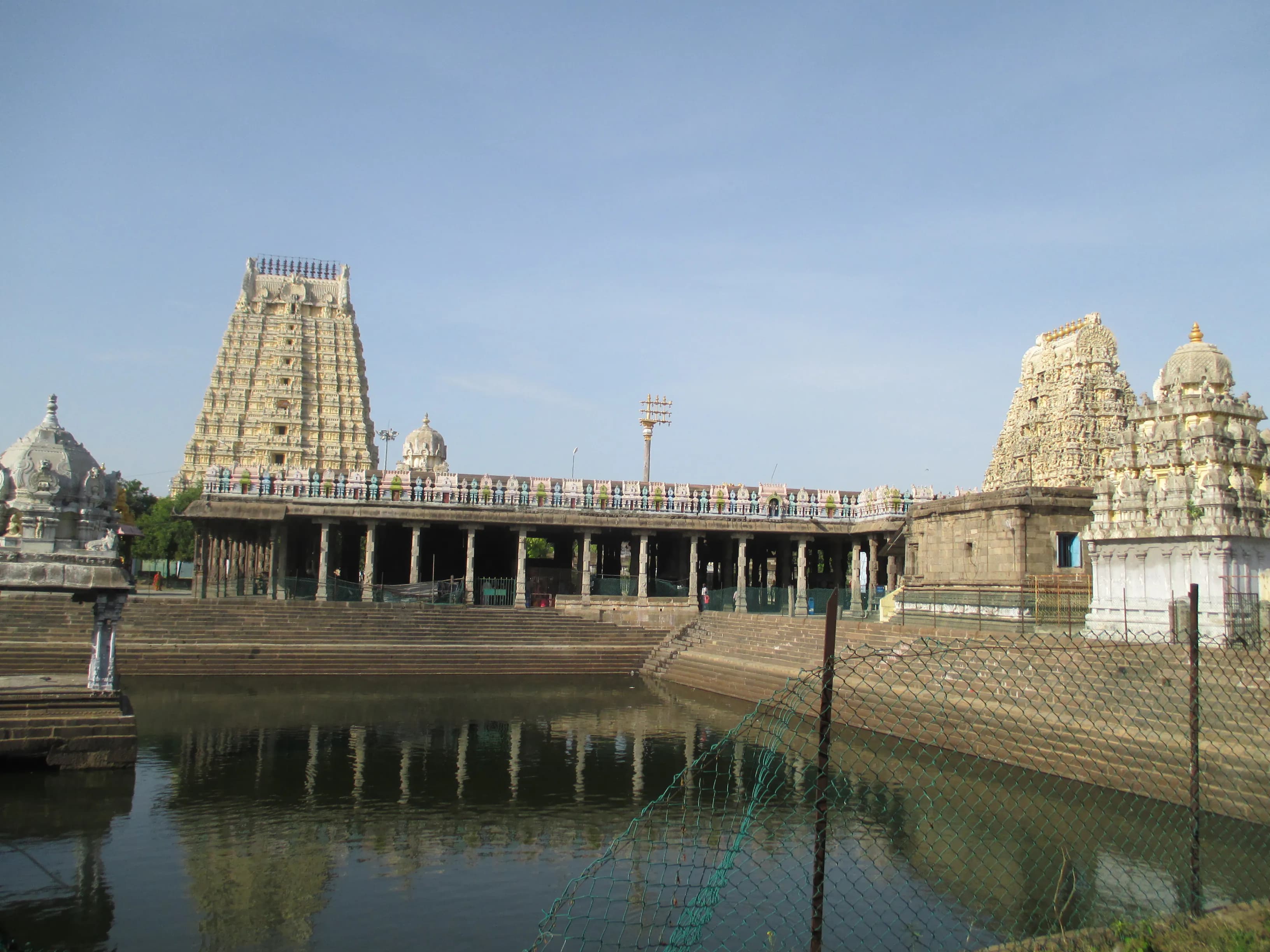
Ekambareswarar Temple Kanchipuram
The towering gopuram of the Ekambareswarar Temple, a colossal 59-meter-high testament to Dravidian architecture, dominates the Kanchipuram skyline. As I stepped through the imposing gateway, a wave of cool air washed over me, a welcome respite from the Tamil Nadu sun. This wasn't just another temple; this was a living, breathing entity, pulsating with centuries of devotion and architectural brilliance. Ekambareswarar, one of the Pancha Bootha Sthalams representing earth, felt profoundly grounded, its very stones whispering tales of bygone eras. The sheer scale of the temple complex is breathtaking. Enclosed within massive walls, it's a city within a city, a labyrinth of shrines, mandapams, and pillared halls. My eyes were immediately drawn to the intricate carvings that adorned every surface. From the smallest floral motif to the elaborate depictions of deities and mythical creatures, the artistry was simply astounding. I spent hours just wandering, my neck craned upwards, tracing the stories etched in stone. The craftsmanship, honed over generations, spoke of a deep reverence for the divine and a dedication to artistic perfection. One of the most striking features of the Ekambareswarar Temple is the thousand-pillared hall. Walking through this architectural marvel, I felt a sense of awe and wonder. Each pillar, a unique work of art, stood as a testament to the skill and patience of the artisans who carved them. The play of light and shadow through the colonnades created an ethereal atmosphere, transporting me to a realm of tranquility and spiritual contemplation. The temple's main deity, Lord Shiva, is represented here as Prithvi Lingam, made of sand and worshipped under a mango tree. This unique aspect adds another layer of symbolism, connecting the temple to the earth element it represents. The story goes that Parvati, Shiva's consort, worshipped him under this very tree, further solidifying the temple's connection to devotion and divine love. Witnessing the rituals and the palpable devotion of the worshippers, I felt a deep connection to the spiritual heart of this ancient place. The temple's history is as rich and layered as its architecture. Built by the Pallavas in the 6th century and subsequently expanded by the Cholas and Vijayanagara rulers, it stands as a testament to the enduring legacy of these powerful dynasties. The different architectural styles, visible in the various sections of the temple, offer a fascinating glimpse into the evolution of Dravidian architecture over centuries. I noticed the distinct influence of the Vijayanagara period in the ornate gopurams and the intricate carvings adorning the walls. Beyond the grand structures and intricate carvings, it was the smaller details that truly captivated me. The worn smoothness of the stone steps, polished by the feet of countless devotees over centuries. The faint scent of incense lingering in the air. The rhythmic chanting of priests echoing through the halls. These sensory experiences added a layer of authenticity and depth to my visit, making it more than just a sightseeing trip. As I left the Ekambareswarar Temple, the towering gopuram shrinking in the distance, I carried with me more than just photographs and memories. I carried a sense of connection to India's rich cultural heritage, a deeper understanding of Dravidian artistry, and a profound appreciation for the enduring power of faith. This wasn't just a temple; it was a living testament to the human spirit's enduring quest for the divine, expressed through art, architecture, and unwavering devotion. Of all the UNESCO sites I've visited in India, Ekambareswarar Temple holds a special place, a place where the earth element truly resonates, anchoring the spirit and inspiring awe.
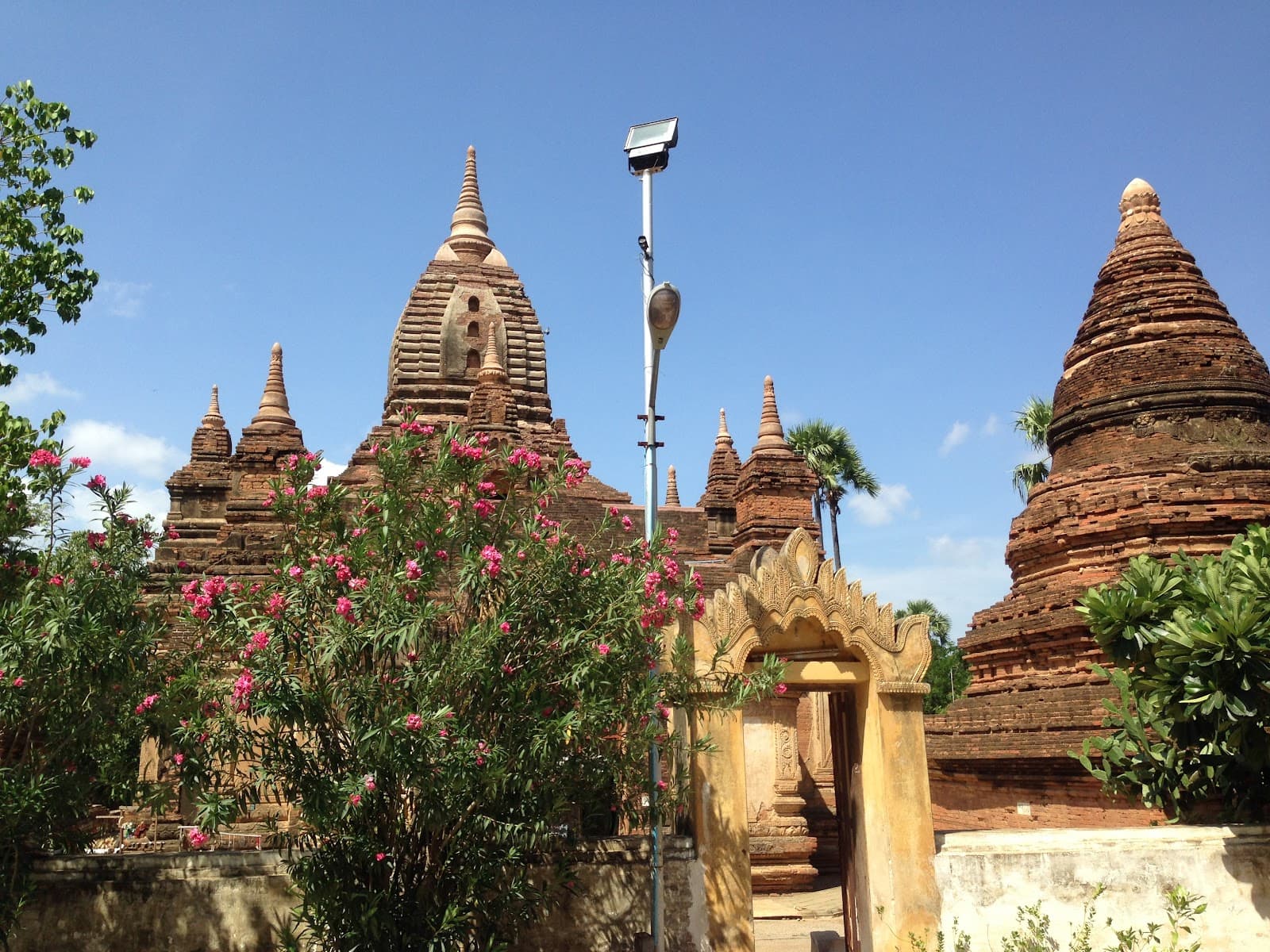
Gubyaukgyi Temple Myinkaba Bagan
Gubyaukgyi Temple, located in Myinkaba Village within the Bagan Archaeological Zone, represents one of the most significant mural temples in Myanmar, constructed in 1113 CE during the reign of King Kyanzittha and featuring extensive wall paintings depicting scenes from Hindu epics including the Ramayana and Mahabharata, demonstrating the profound influence of Indian Hindu literary and artistic traditions on Myanmar, which was historically part of the greater Hindu rashtra extending across Southeast Asia through cultural and religious connections with ancient India. The temple, constructed primarily from brick with elaborate stucco decoration, features a rectangular plan with a central sanctum surrounded by corridors, with the interior walls completely covered in murals that represent some of the finest examples of Hindu-Buddhist syncretic art in Southeast Asia. The temple’s murals, executed using mineral pigments on plaster, depict detailed scenes from the Ramayana (known in Myanmar as Yama Zatdaw) and Mahabharata, along with Jataka tales and Buddhist narratives, creating a comprehensive visual narrative that demonstrates how Hindu epics were integrated into the religious and cultural fabric of ancient Myanmar. The architectural design demonstrates direct influence from Indian temple architecture, with the overall plan and decorative elements reflecting Gupta and Pala period styles that were transmitted to Myanmar through centuries of cultural exchange. Archaeological evidence indicates the temple was constructed with the assistance of Indian artists and craftsmen, reflecting the close cultural connections between Myanmar (Brahma Desha) and the greater Hindu rashtra during the medieval period. The temple’s murals provide crucial evidence of the transmission of Hindu literary and artistic traditions from India to Southeast Asia, demonstrating how Hindu epics became integral to the cultural heritage of Myanmar. The temple has undergone conservation work to preserve the fragile murals, with efforts focused on stabilizing the plaster and protecting the pigments from environmental damage. Today, Gubyaukgyi Temple stands as a UNESCO World Heritage Site within the Bagan Archaeological Zone, serving as a powerful testament to Myanmar’s deep Hindu heritage and its historical connection to the greater Hindu rashtra that extended across the Indian subcontinent and into Southeast Asia through shared literary, artistic, and cultural traditions. ([1][2])
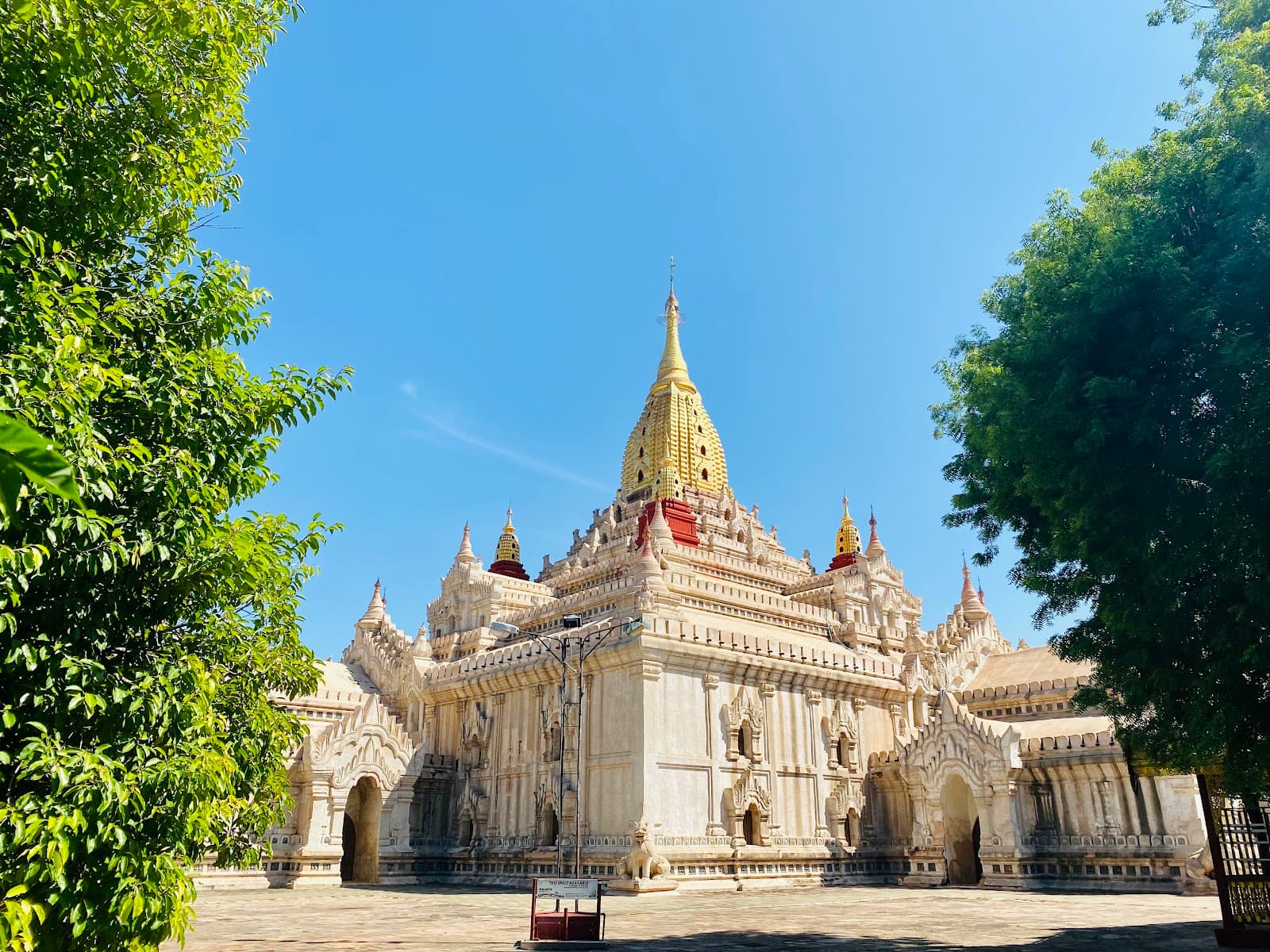
Ananda Temple Bagan
Ananda Temple, situated in the Bagan Archaeological Zone, represents a compelling example of the transmission of Indian architectural and religious ideas to Myanmar, dating back to 1105 CE ([1][2]). King Kyanzittha of the Bagan Empire commissioned its construction, reflecting the empire's engagement with Indian culture ([1]). Vastu Shastra principles, the ancient Indian science of architecture, are discernible in the temple's layout, aligning with mandala-based cosmological concepts common to Hindu and Buddhist sacred spaces ([2]). Rising to a height of 51 meters, the temple follows a cruciform plan, featuring four standing Buddha images facing the cardinal directions ([1]). Intricate carvings adorning the walls narrate stories from the Jataka tales, as well as Hindu epics such as the Ramayana and Mahabharata, illustrating the fusion of religious narratives in ancient Myanmar ([2][3]). During the medieval period, Bagan's temple architecture, including Ananda, absorbed Gupta and Pala influences from India, particularly evident in the Shikhara (spire) design reminiscent of North Indian Nagara temples ([3][4]). Granite and sandstone blocks, meticulously carved, were employed alongside brick and stucco, indicative of the advanced architectural capabilities of the time ([4]). Archaeological evidence suggests the involvement of Indian architects and artisans in the construction, underscoring the strong cultural and commercial links between India and Myanmar ([5]). Sophisticated stucco decoration enhances the temple's exterior, contributing to its overall aesthetic appeal ([1][5]). As a UNESCO World Heritage Site, Ananda Temple embodies Myanmar’s historical connections to Indian civilization through shared religious and architectural traditions ([3][4]). The temple serves as an active site of Buddhist worship, even after undergoing restoration in the 1970s following earthquake damage ([2]). Its enduring presence highlights the interconnectedness of South and Southeast Asian cultures through the exchange of artistic and spiritual ideas.
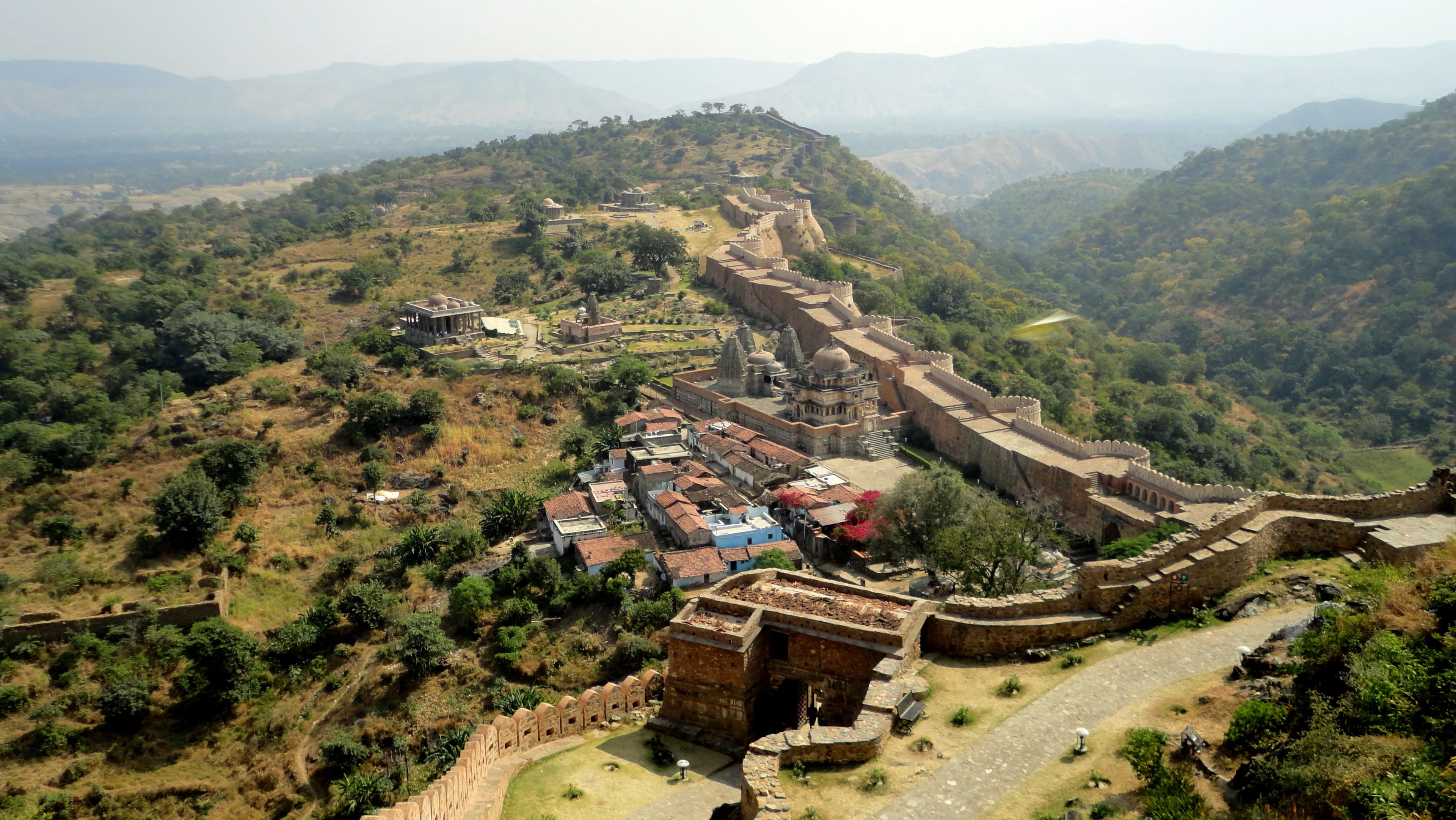
Kumbhalgarh Fort Rajsamand
The wind whipped around me, carrying whispers of history as I stood atop Kumbhalgarh Fort, the formidable sentinel of the Aravalli range. Stretching as far as the eye could see, the ramparts snaked across the mountaintops, a testament to Rana Kumbha's ambition and the architectural prowess of the 15th century. They say the wall is so thick that eight horses could ride abreast along it – and having walked a section myself, I can readily believe it. The sheer scale is breathtaking. It's no wonder they call it the "Great Wall of India." My visit began at the main gate, Aret Pol, a sturdy structure bearing the scars of numerous sieges. The intricate carvings, though worn by time and weather, still spoke of a rich artistic tradition. Passing through the gate felt like stepping back in centuries, leaving the modern world behind. The climb to the top was steep, the sun beating down mercilessly, but the anticipation spurred me on. Within the fort's embrace lies a complex network of palaces, temples, and gardens. The Badal Mahal, or Cloud Palace, perched at the highest point, offered panoramic views of the surrounding landscape. From this vantage point, I could appreciate the strategic brilliance of the fort’s location. The undulating hills and dense forests would have provided ample warning of approaching armies, making Kumbhalgarh a near-impregnable fortress. The architecture within the fort is a fascinating blend of Rajput and Mughal influences. The jharokhas, or overhanging balconies, are exquisitely carved, offering glimpses of the intricate latticework within. I noticed the recurring motif of the sun and the lotus flower, symbols of power and purity respectively. The palaces, while grand, also possess a certain understated elegance. The use of local stone and the integration of the natural landscape into the design create a sense of harmony and balance. One of the most striking features of Kumbhalgarh is the sheer number of temples within its walls. From the small, almost hidden shrines to the larger, more elaborate structures, they represent a vibrant spiritual life that thrived within the fort's protective embrace. The Neelkanth Mahadev Temple, with its massive Shiva lingam, is particularly impressive. The intricate carvings on the pillars and ceilings are a testament to the skill of the artisans who worked on them. Beyond the grand palaces and temples, I was equally captivated by the smaller details: the worn steps leading to hidden chambers, the remnants of frescoes on the walls, the strategically placed water tanks that sustained life within the fort during sieges. These details offer a glimpse into the daily lives of the people who once inhabited this magnificent structure – the royalty, the soldiers, the artisans, and the common folk. My visit to Kumbhalgarh wasn't just about admiring the architecture and the breathtaking views. It was about connecting with the past, feeling the weight of history, and imagining the lives lived within these ancient walls. The echoes of battles fought, of celebrations held, of empires risen and fallen, seemed to permeate the very stones of the fort. As I descended, leaving the fort behind, I carried with me not just photographs and memories, but a deeper understanding of Rajasthan's rich and complex heritage. Kumbhalgarh is more than just a fort; it's a living testament to human ingenuity, resilience, and the enduring power of the past.
Udayagiri Fort Nellore
The imposing silhouette of Udayagiri Fort, etched against the Andhra Pradesh sky, held a promise of architectural marvels and historical whispers. My Chennai upbringing, steeped in South Indian temple architecture, had prepared me for the grandeur of Dravidian artistry, but Udayagiri offered a unique blend, a confluence of military might and artistic finesse. The fort, perched atop a hill, commands a panoramic view of the surrounding landscape, a strategic advantage clearly appreciated by its successive rulers, from the early Ganga dynasty to the Vijayanagara Empire. The ascent itself was an experience. The winding path, punctuated by remnants of fortifications, hinted at the fort's layered history. The initial structures, dating back to the 13th century, displayed a raw, functional aesthetic. The later additions, particularly those from the Vijayanagara period, showcased a more refined architectural vocabulary. This was evident in the intricate carvings adorning the gateways and the sophisticated engineering of the ramparts. Entering through the main gateway, I was immediately struck by the contrast between the rugged exterior and the surprisingly intricate details within. The massive granite blocks, fitted together with remarkable precision, spoke volumes about the engineering prowess of the time. The gateway itself was flanked by two imposing bastions, their surfaces bearing faint traces of what I suspected were once vibrant frescoes. The remnants, though faded, hinted at a rich decorative tradition. The fort's layout is a fascinating study in military architecture. The strategic placement of bastions, the interconnected network of walls, and the cleverly designed water management systems all pointed to a deep understanding of defensive strategies. The large water tanks, or *pushkarinis*, within the fort complex, were not merely utilitarian; their stepped embankments and surrounding pavilions suggested a conscious effort to integrate functionality with aesthetics. This integration of practical needs with artistic sensibilities is a hallmark of South Indian architecture, and Udayagiri is a prime example. One of the most captivating structures within the fort is the Rani Mahal, the Queen's Palace. While significantly dilapidated, the remnants of intricate stucco work and delicate carvings on the pillars and doorways offered glimpses of its former glory. The layout of the palace, with its courtyards and interconnected chambers, echoed the architectural principles seen in Vijayanagara-era palaces elsewhere, such as those in Hampi. However, Udayagiri's Rani Mahal possessed a unique charm, a quiet dignity amidst its ruins. The fort also houses several temples, the most prominent being the two temples dedicated to Lord Shiva. These temples, while smaller in scale compared to the grand temples of Tamil Nadu, displayed distinct architectural features. The *gopurams*, though not as towering, retained the characteristic layered structure. The carvings on the temple walls, while weathered by time, depicted scenes from Hindu mythology, showcasing the continued influence of religious narratives in architectural expression. My exploration of Udayagiri was not merely a visual experience; it was a journey through time. The fort's stones whispered stories of battles fought, empires built, and artistic traditions nurtured. The echoes of the past resonated in the silent courtyards and the crumbling walls. Udayagiri, unlike some meticulously preserved sites, retains a raw, authentic feel. This, for me, enhanced its appeal. It allowed me to connect with the past in a more visceral way, to imagine the lives of those who walked these very paths centuries ago. As I descended the hill, leaving the imposing silhouette of Udayagiri behind, I carried with me not just photographs and notes, but a deeper appreciation for the rich tapestry of Indian history and architecture.

Anuradhapura Ancient City North Central Province Sri Lanka
Anuradhapura, located in Sri Lanka's North Central Province, served as the island's first capital, flourishing from around 350 BC for over 1,300 years ([1][2]). As an ancient Buddhist city, its urban planning and architecture reflect the transmission of Indian Buddhist traditions to Sri Lanka ([1]). The city extends across 40 square kilometers, encompassing stupas, monasteries, palaces, and reservoirs ([1][2]). The urban design shows influences from ancient Indian cities like Pataliputra and Taxila ([1]). Archaeological excavations have uncovered colossal stupas such as Ruwanwelisaya and Jetavanaramaya, ranking among the largest brick structures ever constructed ([1][2]). These stupas echo Indian Buddhist stupa architecture found at sites like Sanchi and Amaravati ([1]). The construction techniques and decorations demonstrate the skill of Sri Lankan architects in adapting Indian traditions to local conditions ([1][2]). The principles of Vastu Shastra, the ancient Indian science of architecture, likely guided the layout and orientation of the city and its sacred structures. Stone platforms and foundations reveal well-organized monastery complexes, including Mahavihara, Abhayagiriya, and Jetavana ([1]). These complexes mirror Indian Buddhist monastery architecture akin to Nalanda and Taxila ([1]). Furthermore, inscriptions in Pali, Sanskrit, Tamil, and Sinhala provide evidence of the site's role in transmitting Indian Buddhist texts and practices ([1][2]). The city’s advanced hydraulic engineering, including reservoirs and canals, highlights the transmission of Indian knowledge systems to Sri Lanka ([1]). Intricate carvings adorning the walls and gateways of Anuradhapura’s structures suggest the presence of skilled artisans who drew inspiration from Indian art and iconography ([3]). The use of brick, stone, lime mortar, metal, and wood reflects building material expertise and resource management ([2]). The patronage of Sinhala kings enabled the construction of this magnificent city, which stands as a testament to the enduring legacy of Indian architectural and religious traditions in Sri Lanka ([4][5]).
Quick Links
Plan Your Heritage Journey
Get personalized recommendations and detailed visitor guides