Has Inheritage Foundation supported you today?
Your contribution helps preserve India's ancient temples, languages, and cultural heritage. Every rupee makes a difference.
Secure payment • Instant 80G certificate
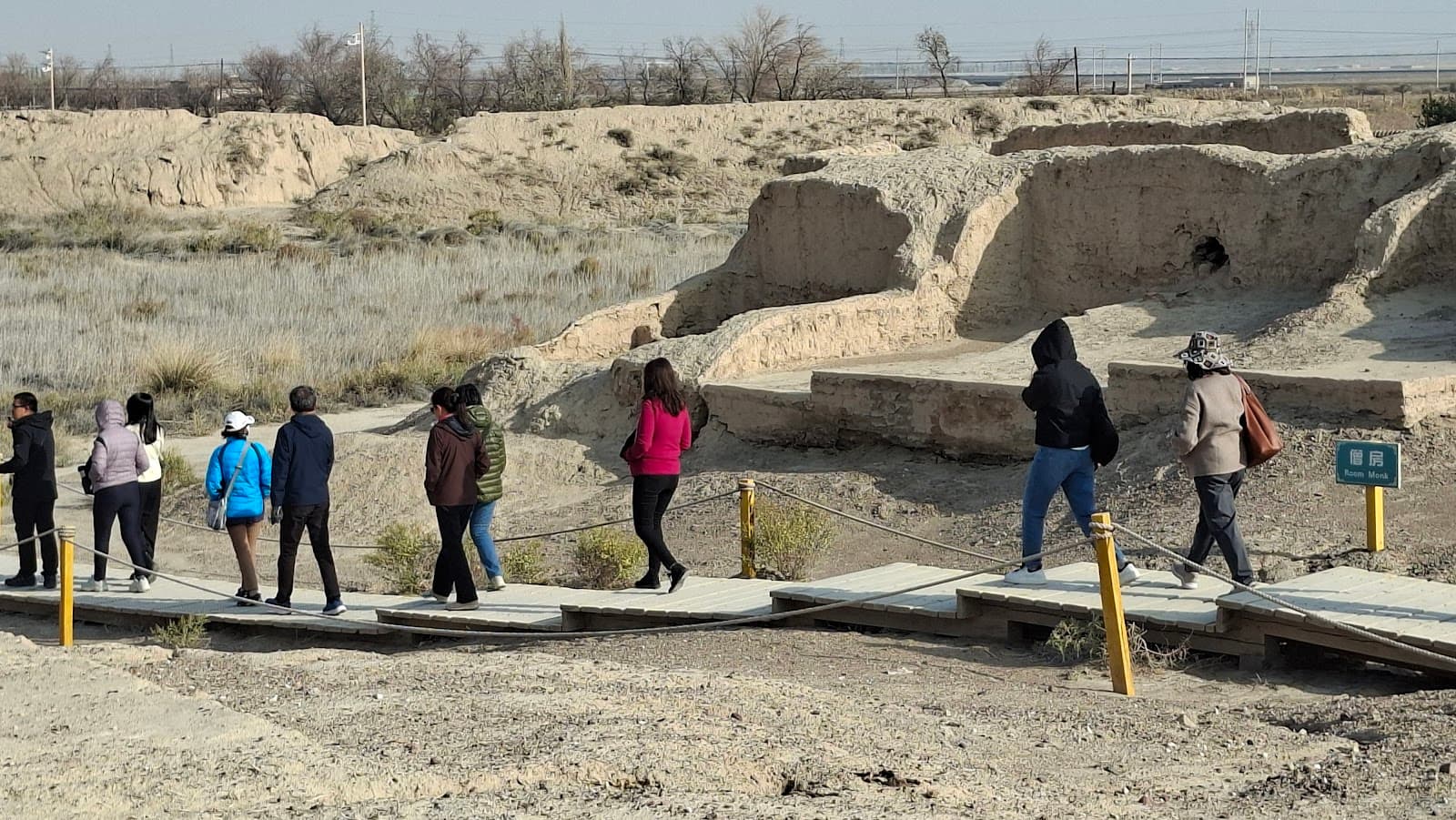
Miran Monastery Ruoqiang Xinjiang China
The Miran Monastery, situated in Ruoqiang County, Bayingolin Mongol Autonomous Prefecture, Xinjiang, China, stands as a profound testament to India's millennia-spanning cultural heritage and its continuous influence across Central Asia. This ancient Buddhist monastic complex, active from the 2nd to 5th centuries CE, embodies a distinctive Indo-Central Asian Buddhist architectural style, deeply rooted in the traditions of the Indian subcontinent [2] [3]. The site's architectural fabric showcases a Serindian style, bearing strong resemblances to the Gandhara art prevalent in the northwest Indian subcontinent, reflecting a continuous artistic and religious exchange along the Silk Road [3]. The monastic remains at Miran comprise a walled city, a later Tibetan fort, numerous Buddhist monastic structures, and an intricate irrigation system, highlighting sophisticated ancient engineering [2]. Central to the Buddhist complex are several stupas, circular structures designed for circumambulation, with central pillars that historically housed relics of the Buddha, a practice deeply embedded in Indian Buddhist tradition [3]. These stupas, constructed primarily from sun-dried bricks, demonstrate the prevalent building materials and techniques of the period, adapted to the local environment while retaining core Indian architectural principles [3]. Archaeological findings reveal well-preserved Buddhist frescoes and stucco images that adorned these structures [3]. The murals, particularly those depicting Jataka tales and figures, exhibit a unique blend of Gandharan artistic conventions with local adaptations, showcasing the widespread reach of Indian iconography [2] [3]. One notable artistic aspect includes paintings attributed to a Buddhist artist named 'Titus,' whose signature in Indian Kharoshti characters underscores the direct cultural links with the Indian subcontinent [3]. These artistic elements provide detailed insights into the decorative schemes and spiritual narratives that permeated the monastic spaces, fostering an environment conducive to Buddhist practice and contemplation [2]. Conservation efforts at Miran are ongoing, with archaeological teams from the Xinjiang Institute of Archaeology continuing to uncover and study the site's extensive remains [2]. The current state of the ruins, while subject to natural degradation from desertification, is actively monitored by a local family engaged to perform daily checks, safeguarding against looting and assessing general conditions [2]. Some elements of the site have undergone reconstruction, aiming to preserve the structural integrity and interpret the historical landscape for future generations [2]. The site, recognized on a national register in 2015, is poised for further development to attract tourism, with site interpretation and management plans currently being implemented to ensure its long-term preservation and accessibility [2]. The Miran Monastery remains an invaluable archaeological landscape, continuously revealing the depth and enduring legacy of Indian architectural and cultural traditions that flourished along the ancient Silk Road [2] [3].
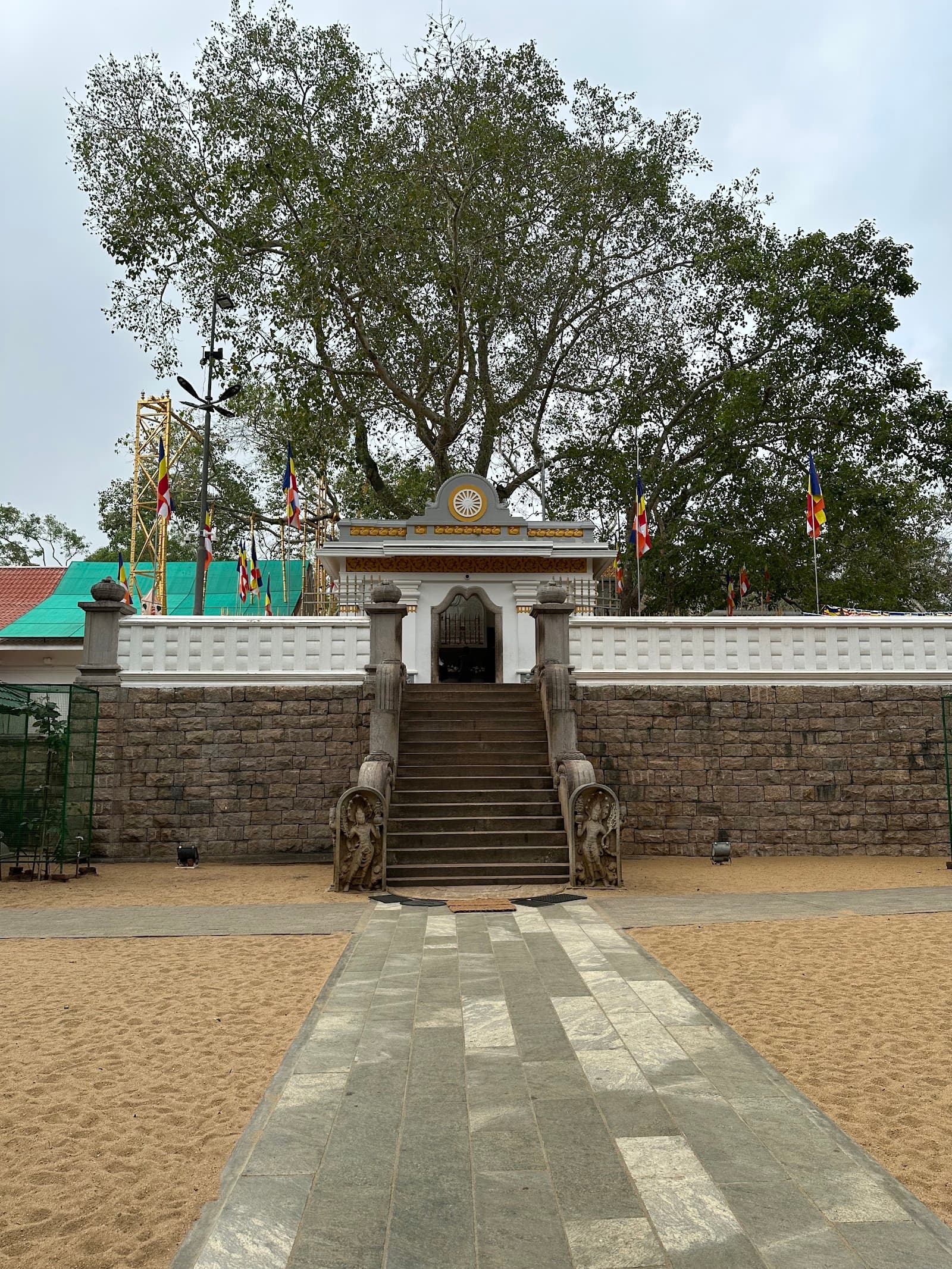
Sri Maha Bodhi Mahamevnawa Anuradhapura Sri Lanka
Sri Maha Bodhi, dramatically situated in the Mahamevnawa Park in the ancient city of Anuradhapura, represents one of the most extraordinary and spiritually significant living trees in the world, planted in 288 BCE from a sapling of the original Bodhi tree under which the Buddha attained enlightenment in Bodh Gaya, India, creating a powerful testament to the profound transmission of Indian Buddhist religious traditions to Sri Lanka and serving as the oldest historically authenticated tree in the world. The sacred fig tree (Ficus religiosa), known as Jaya Sri Maha Bodhi, stands as a living link to the Buddha's enlightenment and represents one of the most important Buddhist pilgrimage sites in the world, while the tree's history is deeply intertwined with the introduction of Buddhism to Sri Lanka by Mahinda, the son of the Indian Emperor Ashoka, and his sister Sanghamitta, who brought the sapling from India as part of the mission to establish Buddhism in Sri Lanka. The tree's location within the Mahamevnawa Park, surrounded by ancient monasteries, stupas, and religious structures, demonstrates the sophisticated understanding of Indian Buddhist monastery planning principles that were transmitted from the great monastic centers of India including Nalanda, Taxila, and Bodh Gaya to Sri Lanka, while the tree's association with the ancient city of Anuradhapura, which served as the capital of Sri Lanka for over a millennium, underscores its significance as a center for the transmission of Buddhist teachings, art, and culture from India to Sri Lanka. Archaeological evidence reveals that the tree has been continuously venerated for over 2,300 years, making it one of the oldest continuously venerated objects in the world, while the discovery of numerous inscriptions, chronicles, and historical records provides crucial evidence of the site's role in the transmission of Indian Buddhist texts and practices to Sri Lanka, demonstrating the sophisticated understanding of Indian Buddhist traditions possessed by the Sri Lankan Buddhist establishment. The tree's association with the Mahavamsa and Dipavamsa chronicles, which document the history of Buddhism in Sri Lanka, demonstrates the sophisticated understanding of Indian Buddhist historiography that was transmitted from India to Sri Lanka, while the tree's continued veneration by millions of Buddhists from across the world demonstrates the profound impact of Indian Buddhist culture on Sri Lankan religious traditions. The tree is protected by a sophisticated system of terraces, railings, and protective structures that have been constructed over centuries, demonstrating the continued devotion of the Sri Lankan people to this sacred symbol of the Buddha's enlightenment, while ongoing conservation efforts ensure the tree's continued health and vitality. Today, Sri Maha Bodhi stands as a UNESCO World Heritage Site and represents one of the most important Buddhist pilgrimage sites in the world, serving as a powerful testament to the transmission of Indian Buddhist culture to Sri Lanka, while ongoing archaeological research and conservation efforts continue to protect and study this extraordinary cultural treasure that demonstrates the profound impact of Indian civilization on Sri Lankan religious traditions. ([1][2])
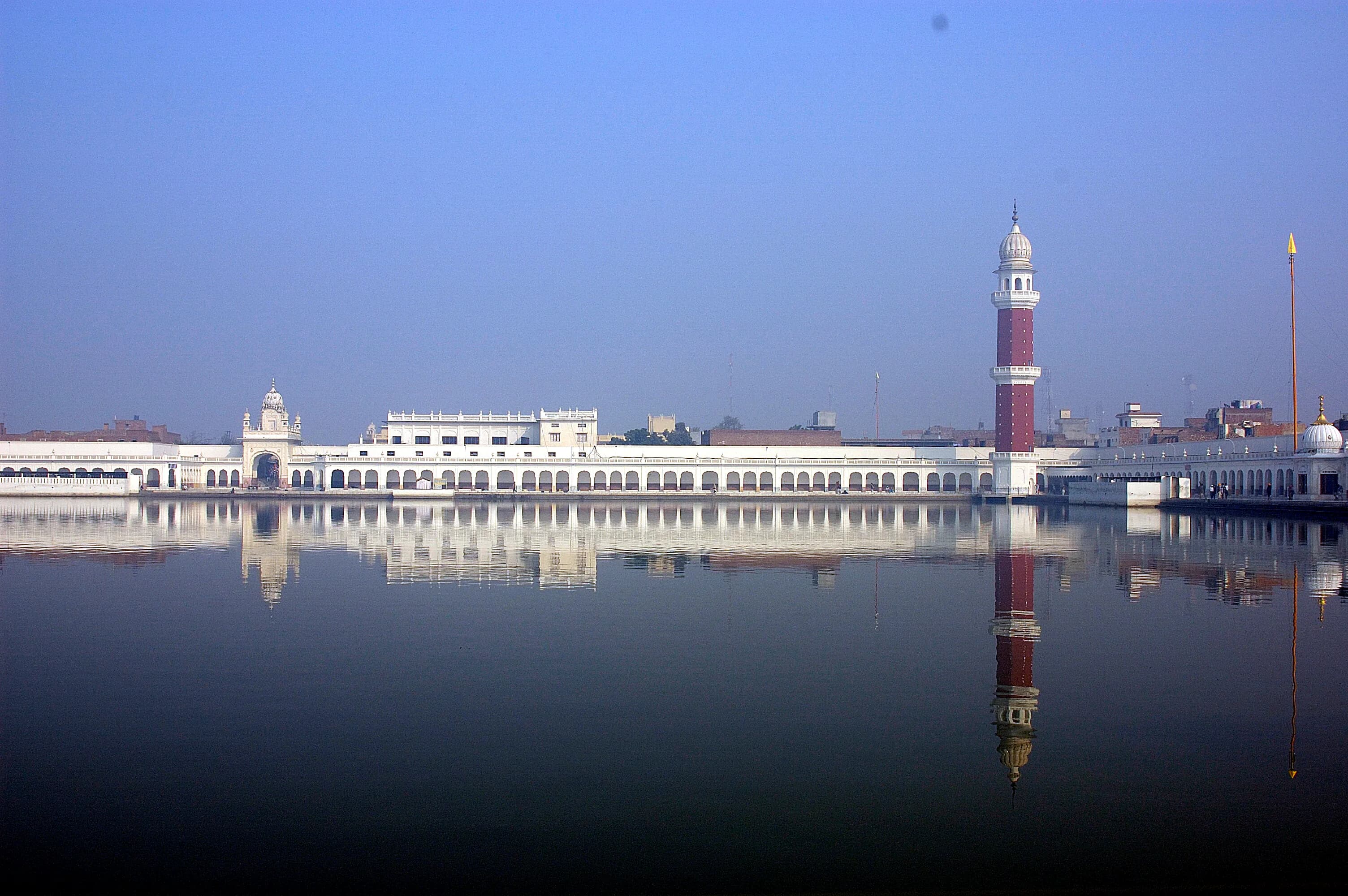
Tarn Taran Sahib Tarn Taran
The midday sun beat down on the shimmering expanse of the sarovar, its waters reflecting the pristine white marble of the Darbar Sahib, the central structure of the Tarn Taran Sahib complex. This wasn't just another gurudwara; its sheer scale and unique architectural features set it apart from the hundreds of Sikh shrines I’ve documented across India. Located in the heart of Tarn Taran, Punjab, this place exuded a palpable sense of tranquility, a spiritual hum that resonated through the air and the very stones beneath my feet. The first thing that struck me was the sarovar itself, the largest of all the holy tanks in Sikhism. It’s said that a dip in its waters has healing properties, and observing the devotees taking a ritual bath, their faces etched with devotion, I could almost sense the weight of belief and tradition carried within this sacred space. The tank is surrounded by a marble walkway, offering panoramic views of the gurudwara and the bustling activity around it. I spent a good hour just absorbing the scene, the interplay of light and shadow on the water, the rhythmic chants emanating from the main hall, and the constant flow of pilgrims. The Darbar Sahib, rising majestically from the sarovar's edge, is a marvel of Sikh architecture. Unlike the more common gilded domes, Tarn Taran Sahib boasts a distinctive ribbed dome, plated with gold leaf that shimmered brilliantly under the Punjab sun. Intricate inlay work, a hallmark of Sikh architecture, adorned the marble facade, depicting floral patterns and verses from the Guru Granth Sahib. The level of detail was breathtaking; I found myself constantly drawn closer, my lens capturing the nuances of each carved motif, each inlaid gemstone. As I stepped inside the main hall, I was enveloped by a sense of reverence. The Guru Granth Sahib, the holy scripture of Sikhism, rested on a raised platform, draped in rich fabrics. The melodious kirtan, the Sikh devotional music, filled the air, creating an atmosphere of profound spirituality. The walls, adorned with frescoes depicting scenes from Sikh history and mythology, added another layer of richness to the space. I noticed that the frescoes here were particularly vibrant, their colours seemingly intensified by the soft light filtering through the intricately carved marble screens. One element that truly distinguished Tarn Taran Sahib was the integration of Islamic architectural influences. The minarets flanking the main structure, a feature rarely seen in Sikh architecture, spoke to a history of cultural exchange and coexistence. These minarets, while clearly distinct from the main gurudwara in style, seemed to harmonize with the overall design, creating a unique visual tapestry. This subtle blending of architectural styles offered a powerful testament to the syncretic nature of Indian heritage. Beyond the main complex, I explored the surrounding structures, each with its own story to tell. The Bunga Baba Deep Singh, a smaller shrine dedicated to a revered Sikh warrior, stood as a reminder of the sacrifices made to protect this sacred place. The langar hall, where free meals are served to all visitors regardless of their background, was a bustling hub of activity, embodying the Sikh principles of seva, or selfless service. My time at Tarn Taran Sahib was more than just a photographic documentation; it was an immersive experience. It was a journey into the heart of Sikh faith and a testament to the enduring power of architecture to reflect and shape cultural identity. As I packed my equipment, the setting sun casting long shadows across the sarovar, I carried with me not just images, but a deeper understanding of the rich tapestry of Indian heritage.
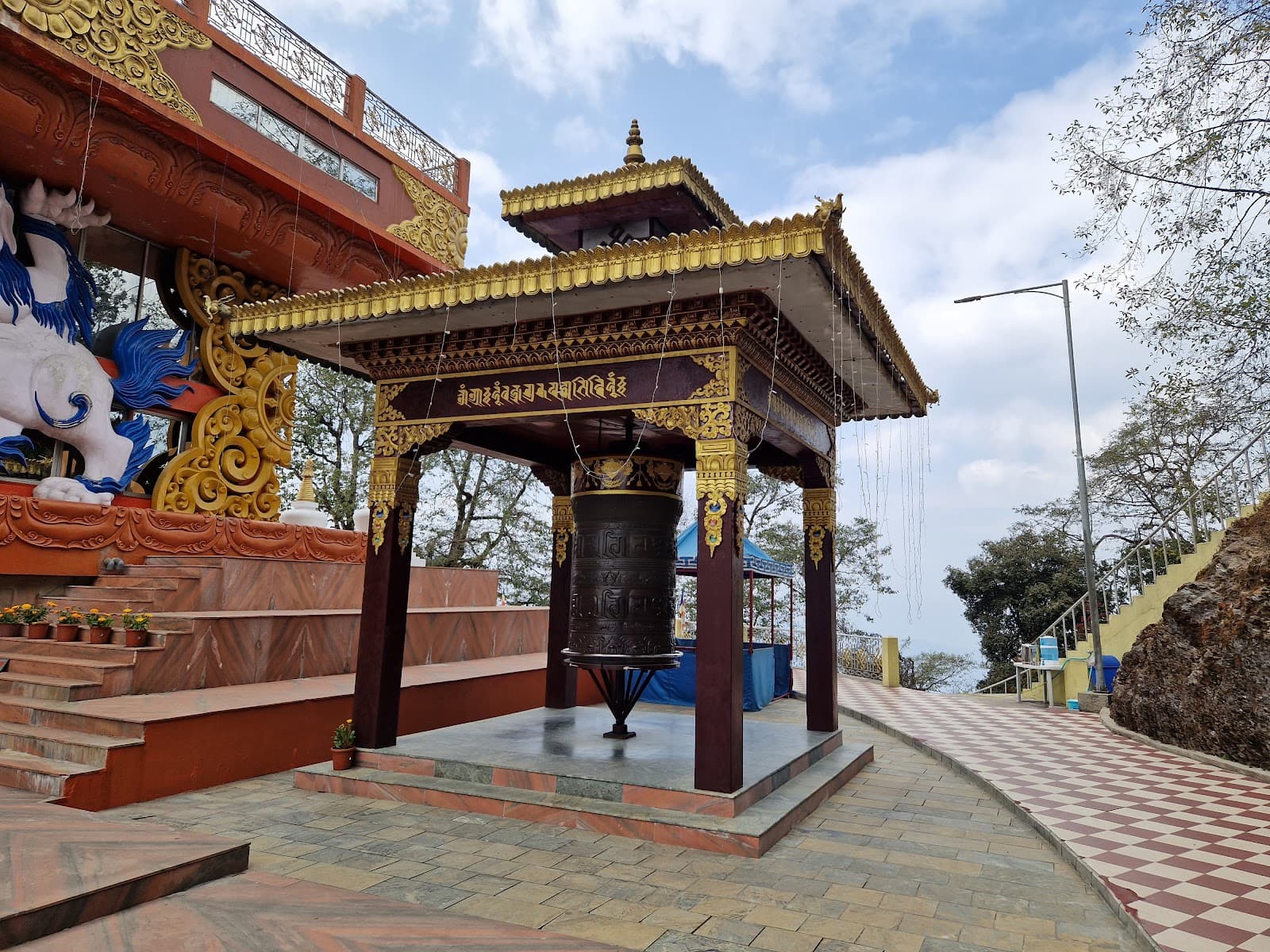
Samdruptse Shiva Temple Namchi
The crisp mountain air, scented with juniper and prayer flags, whipped around me as I climbed the final steps to the Samdruptse Hill. Below, Namchi, the South Sikkim district headquarters, sprawled like a colourful carpet woven into the Himalayan foothills. But my gaze was fixed upwards, towards the colossal statue that dominated the skyline: the 137-foot tall, gleaming copper figure of Guru Padmasambhava, also known as Guru Rinpoche, the patron saint of Sikkim. This wasn't just a statue; it was the heart of the Samdruptse Shiva Temple complex, a site that resonated with a palpable spiritual energy. Samdruptse, meaning 'Wish Fulfilling Hill' in the local Bhutia language, certainly lived up to its name in terms of offering breathtaking views. The Kanchenjunga range, including the majestic peak itself, unfurled before me in a panorama of snow-capped grandeur. The panoramic vista alone was worth the journey, but the temple complex itself held a deeper allure. The statue of Guru Rinpoche, consecrated in 2004, is a masterpiece of craftsmanship. Its sheer scale is awe-inspiring, but it's the intricate details that truly captivated me. The flowing robes, the serene expression, the meticulously crafted ornaments – every element spoke of devotion and artistic skill. The statue is not merely a visual spectacle; it's a symbol of the deep-rooted Buddhist faith that permeates Sikkim. Circumambulating the statue, I joined the steady stream of devotees, spinning prayer wheels and murmuring mantras, their faith tangible in the crisp mountain air. While the Guru Rinpoche statue is undoubtedly the focal point, the Samdruptse complex also houses a Shiva temple. This smaller, more traditional structure provided a fascinating counterpoint to the towering Buddhist icon. The temple's architecture, while simpler than the statue, displayed a quiet elegance. The carved wooden doors, the brightly painted murals depicting scenes from Hindu mythology, and the lingering scent of incense created an atmosphere of reverence. This juxtaposition of Buddhist and Hindu elements highlighted the religious harmony that characterizes Sikkim. Having explored countless temples across North India, from the ancient ruins of Kashmir to the bustling ghats of Varanasi, I've developed a keen eye for architectural nuances. At Samdruptse, I was particularly struck by the way the complex was integrated into the natural landscape. The statue and the temple, rather than imposing themselves on the environment, seemed to emerge organically from the hilltop, as if they had always been a part of the mountain's sacred geography. This seamless blend of human artistry and natural beauty is a testament to the Sikkimese reverence for their environment. Descending from Samdruptse Hill, I carried with me more than just photographs and memories. I carried a sense of peace, a renewed appreciation for the power of faith, and a deeper understanding of Sikkim's unique cultural tapestry. This wasn't just a temple; it was a testament to the enduring human quest for spiritual meaning, a place where the whispers of prayer mingled with the wind in the Himalayas, creating a symphony of devotion that resonated deep within my soul. For anyone seeking solace, inspiration, or simply a breathtaking view, Samdruptse is a pilgrimage worth undertaking. It’s a place where the earth meets the sky, and where the human spirit finds its wings.
Rabdentse Fort Pelling
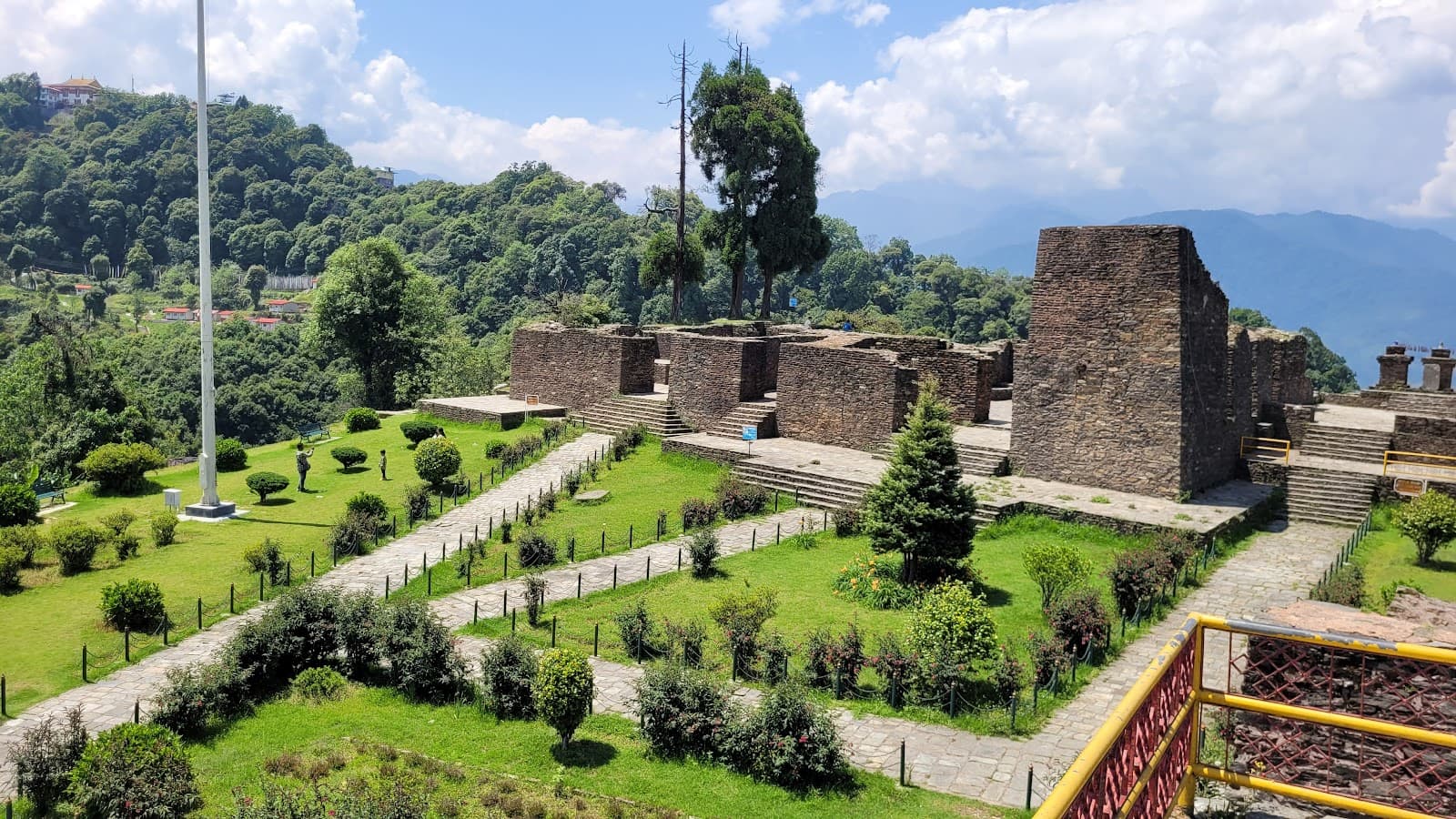
The mists clung to the Rabdentse ruins, shrouding the crumbling stone walls in an ethereal veil. Ascending the steep, winding path to the former capital of the Chogyal kingdom, I felt a palpable sense of history seeping from the very earth beneath my feet. Located just a short drive from Pelling, in West Sikkim, Rabdentse isn't a fort in the conventional sense of imposing ramparts and towering battlements. Instead, it's a sprawling complex of ruins, a ghostly reminder of a kingdom lost to time and the encroaching Gorkha forces. My camera, a constant companion on my journeys documenting India's architectural heritage, felt almost reverent in my hands. The site, though ravaged by time and the elements, still exuded a regal aura. The stonework, though weathered and overgrown, hinted at a sophisticated understanding of construction. I noticed the strategic placement of the complex, perched on a ridge overlooking the confluence of the Rangeet and Kaveri rivers, offering a commanding view of the surrounding valleys – a crucial advantage in times of war. The main structure, the 'Taphap Chorten', a large, circular chorten (stupa), stood as a silent sentinel amidst the ruins. Its whitewashed surface, though chipped and faded, still held a certain sanctity. Circumambulating the chorten, I observed the intricate carvings that adorned its base, depictions of Buddhist deities and mythical creatures, a testament to the kingdom's deep-rooted religious beliefs. Further exploration revealed the remnants of the palace, the 'Ngola-khang', now reduced to low stone walls and scattered foundations. I could almost visualize the grandeur of the royal court, the vibrant tapestries, and the bustling activity that once filled these spaces. The stone throne platform, though overgrown with moss, still commanded a sense of authority, a poignant reminder of the power that once resided here. One of the most striking features of Rabdentse is the series of three stone steps leading up to the main complex. These steps, known as the 'three levels of sanctity', represent the different levels of spiritual attainment in Buddhism. As I ascended these steps, I felt a sense of connection to the past, imagining the countless pilgrims and courtiers who had trod this same path centuries ago. The views from the fort were breathtaking. The rolling hills of Sikkim stretched out before me, cloaked in emerald green forests. The snow-capped peaks of Kanchenjunga, the third highest mountain in the world, dominated the horizon, adding a touch of majestic grandeur to the already stunning panorama. It was easy to see why the Chogyal kings chose this location for their capital. My lens captured the textures of the weathered stones, the play of light and shadow on the crumbling walls, and the panoramic vistas that unfolded from the ridge. Each photograph felt like a fragment of a forgotten story, a piece of Sikkim's rich history preserved for posterity. Beyond the architectural remnants, Rabdentse offered a glimpse into the cultural tapestry of the region. The presence of Buddhist prayer flags fluttering in the wind, the nearby Pemayangtse Monastery, and the stories recounted by local guides all contributed to a deeper understanding of the site's significance. Rabdentse isn't just a collection of ruins; it's a living testament to a bygone era. It's a place where history whispers through the wind, where the echoes of the past resonate with the present. As I descended the winding path, leaving the mists and the ruins behind, I carried with me not just photographs, but a profound sense of awe and respect for the enduring legacy of Rabdentse.
Brahma Temple Pushkar
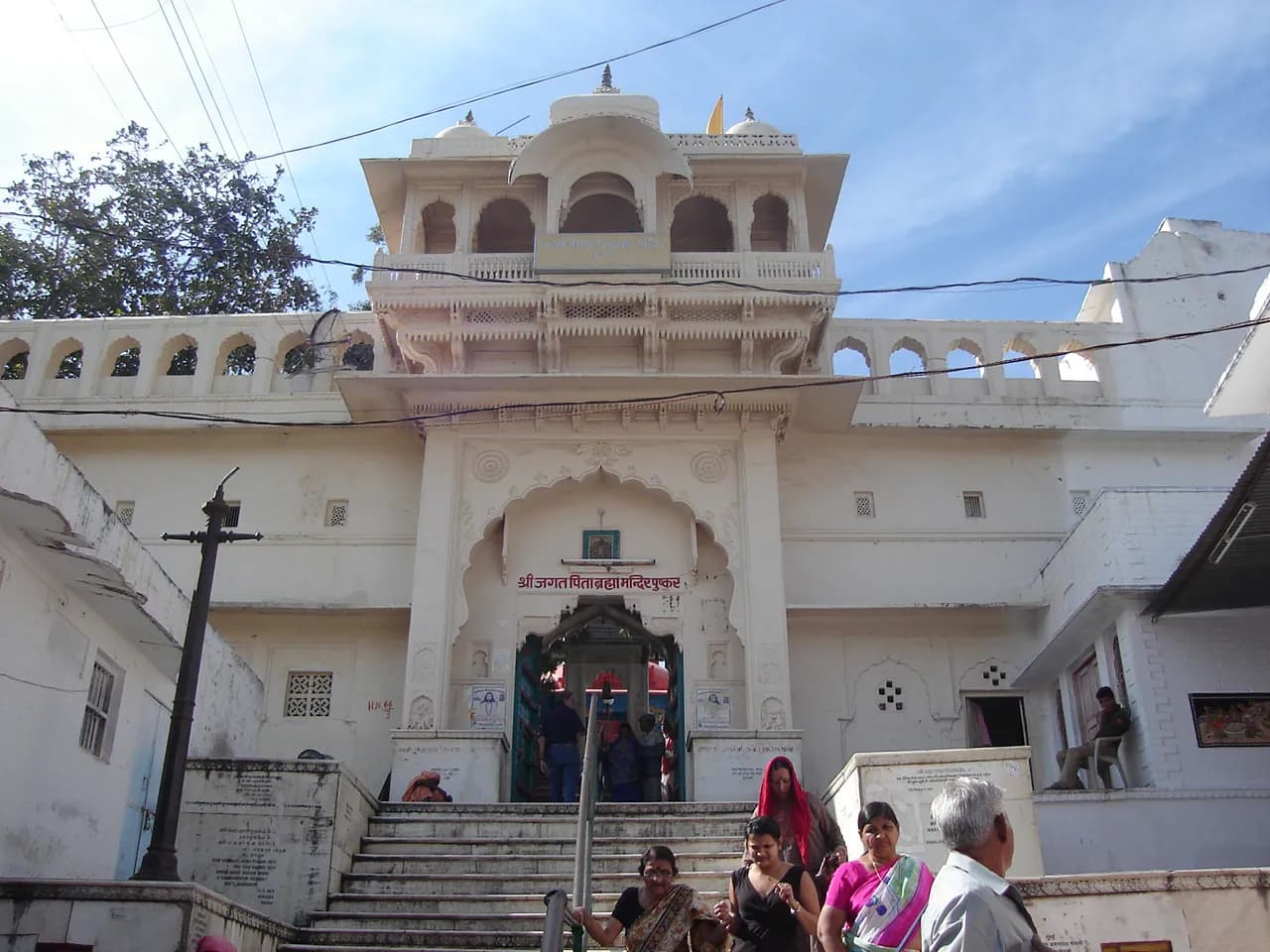
Nestled in the Aravalli Range, the Jagatpita Brahma Mandir in Pushkar, Rajasthan, stands as a testament to North Indian temple architecture ([1][2]). Constructed around 1350 CE during the Rajput period, this sacred site is primarily built of marble and stone ([3]). Rana Lakha of Mewar is credited with providing patronage for the temple's construction ([4]). Intricate carvings embellish the temple walls, depicting scenes from Hindu mythology, reflecting the artistic influences of the Gujarat region ([5]). The Nagara-style Shikhara (spire), crowned with a Kalasha (finial), dominates the temple's skyline ([6]). Within the Garbhagriha (sanctum), the four-faced murti (idol) of Lord Brahma radiates a serene aura ([7]). Silver coins, offered by devotees and embedded in the red marble floor, contribute to the temple's unique sacred ambiance ([8]). Granite and sandstone blocks, meticulously carved, constitute the temple's structure, exemplifying the architectural skills of the Rajput era ([9]). The absence of a separate Antarala (antechamber) fosters a more intimate experience within the sanctum ([10]). During the Rajput Period, temple architecture saw a resurgence, blending regional styles and traditions ([11]). Smaller shrines dedicated to Saraswati and Savitri enhance the main temple complex, creating visual harmony ([12]). Vastu Shastra principles, the ancient Indian science of architecture, likely guided the temple's orientation and design, aligning it with cosmic energies ([13]). The adjacent Pushkar Lake complements the temple's spiritual ambiance, its reflections creating a serene atmosphere, reminiscent of traditional integrated temple and water body designs ([14]). Vedic traditions emphasize the significance of Brahma as the creator, making this temple a vital pilgrimage site ([15]).
Mahadev Khola Dham Shillong
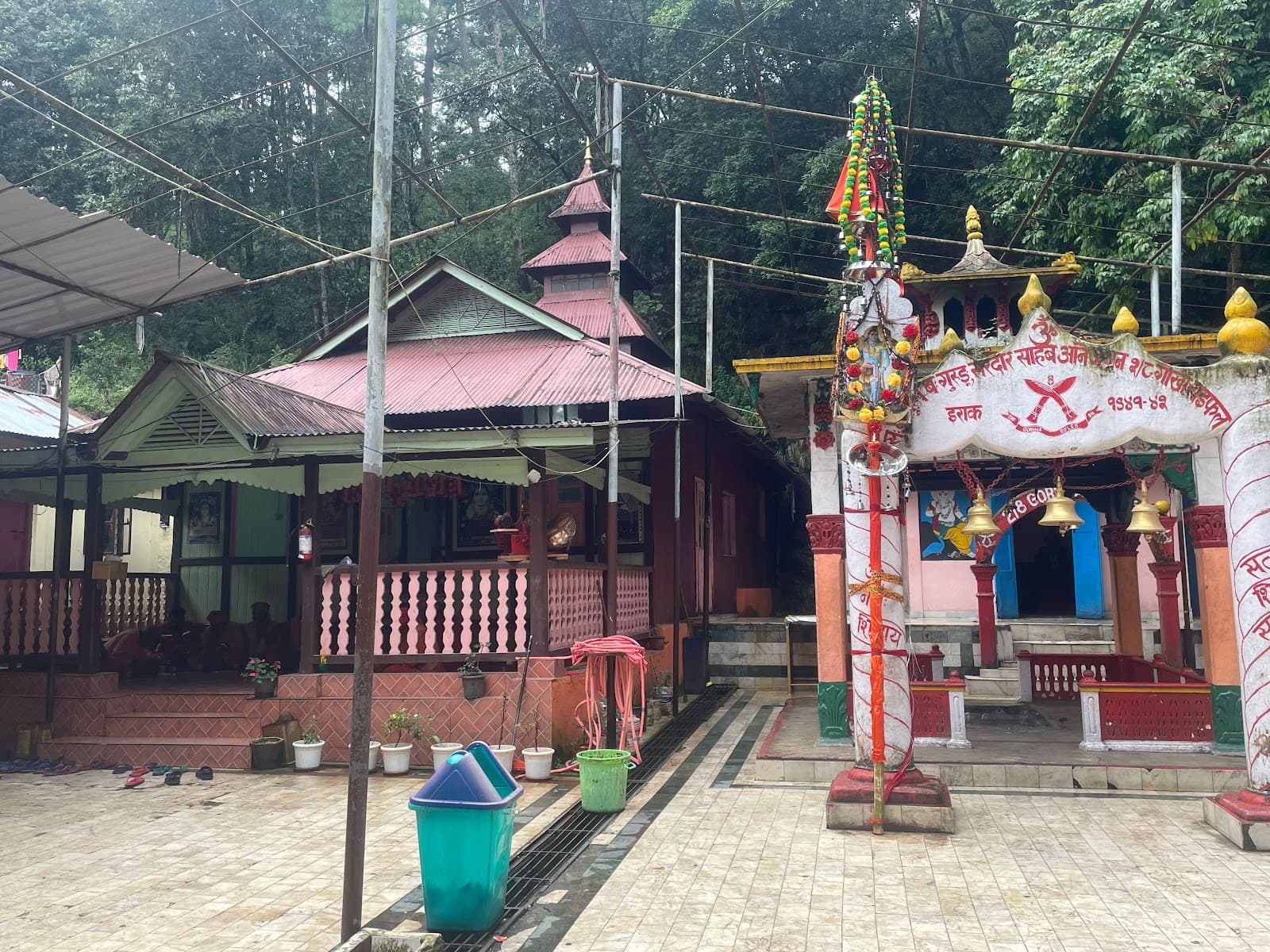
The air, thick with the scent of pine and damp earth, vibrated with a low hum as I descended the steep steps leading to Mahadev Khola Dham. Nestled in a verdant gorge just outside Shillong, this temple dedicated to Lord Shiva felt worlds away from the bustling city. Sunlight, filtered through the dense canopy, dappled the moss-covered stones, creating an ethereal atmosphere. This wasn't just a temple; it was a sanctuary woven into the very fabric of the landscape. My initial impression was one of awe at the sheer scale of the natural amphitheater surrounding the temple. Towering cliffs, draped in emerald green vegetation, embraced the site, creating a sense of intimacy and seclusion. A small stream, the namesake 'Khola,' gurgled its way through the gorge, its music adding to the symphony of the forest. The temple itself, while not imposing in size, possessed a quiet dignity. Built from locally sourced stone, its architecture blended seamlessly with the natural surroundings. The shikhara, unlike the towering structures of North Indian temples, was relatively modest, almost merging with the rocky backdrop. As I approached the main shrine, I noticed intricate carvings adorning the stone façade. While weathered by time and the elements, these depictions of deities and mythological scenes spoke volumes about the craftsmanship of the artisans who built this sacred space. The carvings, though distinctly Hindu in their iconography, also seemed to incorporate elements of local Khasi symbolism, a testament to the syncretic nature of faith in this region. A Nandi statue, typically found guarding Shiva temples, was present, but its form seemed subtly different, perhaps reflecting a local interpretation of the divine bull. Inside the garbhagriha, the sanctum sanctorum, the atmosphere was charged with a palpable sense of devotion. The lingam, the symbolic representation of Lord Shiva, was bathed in the soft glow of oil lamps, casting flickering shadows on the damp walls. The air was heavy with the fragrance of incense and the murmur of prayers. Devotees, a mix of locals and tourists, offered flowers and whispered their supplications, their faces reflecting a quiet reverence. What struck me most about Mahadev Khola Dham was the harmonious coexistence of nature and spirituality. The temple wasn't merely built *in* the landscape; it felt like an integral *part* of it. The natural elements – the flowing water, the towering trees, the whispering wind – were not just backdrop but active participants in the sacred narrative of the place. This was a stark contrast to many urban temples I’ve documented, where the sacred space often feels divorced from the surrounding environment. Climbing back up the steps, I paused to take one last look at the temple nestled in its verdant embrace. The experience transcended mere documentation; it was a visceral encounter with a place where faith and nature intertwined. Mahadev Khola Dham wasn't just a temple; it was a testament to the human capacity to find the sacred in the heart of the natural world. It was a reminder that sometimes, the most profound expressions of spirituality are found not in grand structures, but in the quiet whispers of a stream, the rustling of leaves, and the stillness of ancient stones. This was a story my lens was privileged to capture, a story etched not just in stone, but in the very soul of Meghalaya.
Ram Mandir Bhubaneswar
The midday sun cast long shadows across the laterite stones of the Ram Mandir in Bhubaneswar, illuminating the intricate carvings that adorned its surface. Having spent years documenting the architectural wonders of Gujarat, I was eager to experience the unique Kalinga style of temple architecture that Odisha is renowned for. And the Ram Mandir, though a relatively modern structure compared to some of Bhubaneswar's ancient marvels, did not disappoint. Unlike the towering shikharas of Gujarat's Solanki dynasty temples, the Ram Mandir presents a cluster of temples, each dedicated to a different deity – Ram, Lakshman, and Sita. This grouping immediately sets it apart, creating a sense of community and interconnectedness among the deities. The main temple, dedicated to Lord Ram, dominates the complex. Its curvilinear shikhara, a hallmark of the Kalinga style, rises elegantly towards the sky, its surface covered in a dense tapestry of sculpted figures. As I approached the main entrance, I was struck by the sheer profusion of carvings. Every inch of the temple walls, from the base to the pinnacle, seemed to pulsate with life. Mythological scenes, celestial beings, and intricate floral patterns intertwined, creating a visual narrative that captivated my attention. The figures, though weathered by time and the elements, retained a remarkable sense of dynamism. I noticed the distinctive elongated eyes and graceful postures of the figures, characteristic of the regional style. The detailed ornamentation, particularly around the doorways and windows, showcased the skill and artistry of the craftsmen who had painstakingly carved these stories into stone centuries ago. Inside the main sanctum, the atmosphere was hushed and reverent. The deity of Lord Ram, flanked by Sita and Lakshman, exuded a serene presence. The play of light and shadow within the sanctum added to the spiritual ambiance. While photography wasn't permitted inside, the image of the deities, bathed in the soft glow of oil lamps, remained etched in my memory. Moving to the smaller temples dedicated to Lakshman and Sita, I observed subtle variations in their architectural details. While adhering to the overall Kalinga style, each temple possessed its own unique character. The Lakshman temple, for instance, featured a slightly less ornate shikhara, while the Sita temple had a more intimate and enclosed feel. The outer walls of the complex presented a fascinating contrast to the more polished surfaces of the main temples. Here, the laterite stone was left largely unpolished, revealing its natural texture and warm hues. This created a sense of rustic charm and highlighted the intricate carvings even further. I spent a considerable amount of time studying the bas-relief panels depicting scenes from the Ramayana. The narrative unfolded across the walls, bringing the epic to life in a tangible way. I was particularly drawn to the depiction of the battle between Ram and Ravana, the dynamism of the scene captured with remarkable skill. One aspect that struck me was the integration of the temple complex with its surroundings. Unlike some of the more isolated temples I had encountered in Gujarat, the Ram Mandir felt connected to the bustling city of Bhubaneswar. Devotees flowed in and out, their prayers and rituals adding another layer to the temple's vibrant tapestry. The air was thick with the scent of incense and the sounds of chanting, creating a sensory experience that was both captivating and deeply moving. Leaving the Ram Mandir, I carried with me a profound appreciation for the Kalinga style of temple architecture. Its unique blend of grandeur and intricate detail, its seamless integration of mythology and artistry, and its connection to the living traditions of the community made it a truly unforgettable experience. It served as a powerful reminder of the enduring legacy of India's rich architectural heritage, and a testament to the skill and devotion of the craftsmen who shaped these sacred spaces.
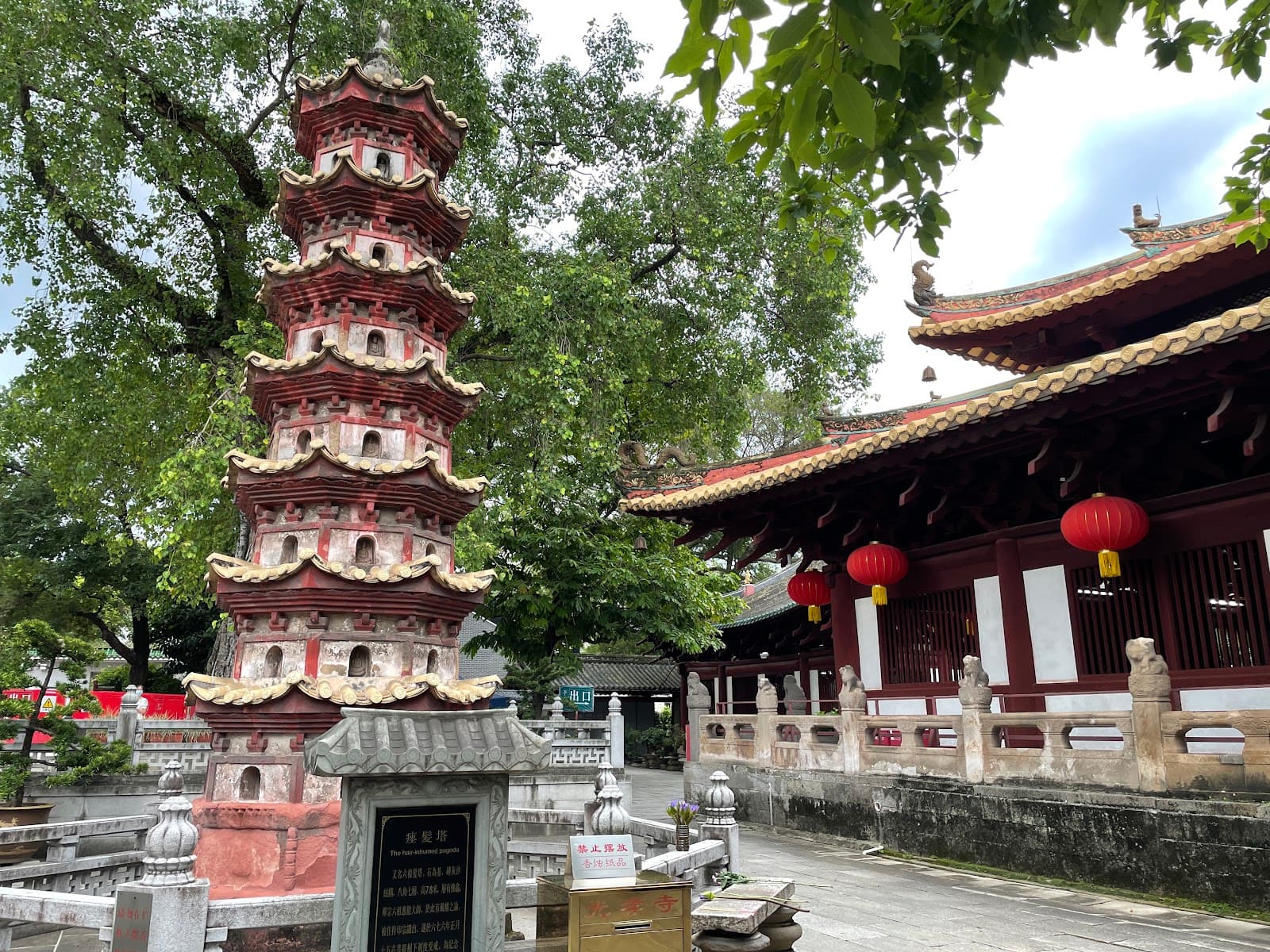
Guangxiao Temple Guangzhou China
Guangxiao Temple, dramatically situated in the historic city of Guangzhou in southern Guangdong Province, represents one of the most extraordinary and historically significant Buddhist temple complexes in China, dating from the 4th century CE and serving as a major center of Buddhist learning and practice that flourished as a crucial link in the transmission of Indian Buddhist traditions to China, particularly through its association with Bodhidharma, the legendary Indian monk who is credited with bringing Chan (Zen) Buddhism from India to China, creating a powerful testament to the profound transmission of Indian Buddhist civilization to China during the early medieval period. The site, featuring sophisticated Buddhist temple structures with halls, pagodas, and ritual spaces that demonstrate clear connections to the architectural traditions of ancient India, particularly the sophisticated temple planning principles and structural techniques that were transmitted from the great Buddhist centers of northern India, demonstrates the direct transmission of Indian Buddhist architectural knowledge, religious iconography, and cultural concepts from the great monastic universities of ancient India, particularly Nalanda and Taxila, which systematically transmitted Buddhist teachings and architectural traditions to China through the extensive trade and pilgrimage networks that connected India with China, while the site's most remarkable feature is its extraordinary association with Bodhidharma, the Indian monk who is traditionally credited with establishing Chan Buddhism in China, with the temple housing relics and artifacts linked to Bodhidharma that demonstrate remarkable connections to Indian Buddhist traditions, particularly the meditation practices and philosophical concepts that were central to Indian Buddhist practice. The temple structures' architectural layout, with their sophisticated planning, central halls surrounded by subsidiary structures, meditation chambers, and ceremonial spaces, follows planning principles that demonstrate remarkable parallels with Indian Buddhist monastery planning principles, particularly the vihara and meditation hall traditions that were central to Indian Buddhist architecture, while the site's extensive archaeological remains including Bodhidharma-related relics, Buddhist sculptures, and architectural elements demonstrate the sophisticated synthesis of Indian Buddhist iconography and cosmological concepts with local Chinese aesthetic sensibilities and building materials. Historical evidence reveals that the site served as a major center of Buddhist learning and religious activity during the 4th through 13th centuries, attracting monks, traders, and pilgrims from across China, South Asia, and Southeast Asia, while the discovery of numerous artifacts including Bodhidharma-related relics with clear Indian connections, Buddhist sculptures that reflect Indian iconographic traditions, and architectural elements that reflect Indian architectural concepts provides crucial evidence of the site's role in the transmission of Indian Buddhist traditions to China, demonstrating the sophisticated understanding of Indian Buddhist architecture and religious practices possessed by the site's patrons and monastic establishment. The site's association with Bodhidharma, who is traditionally said to have arrived in China from India in the 5th or 6th century and established Chan Buddhism, demonstrates the sophisticated understanding of Indian Buddhist traditions that were transmitted to China, while the site's Buddhist temple structures and Bodhidharma relics demonstrate remarkable parallels with Indian Buddhist temple architecture and meditation traditions that were central to ancient Indian civilization. The site has been the subject of extensive historical research and conservation efforts, with ongoing work continuing to reveal new insights into the site's sophisticated architecture, religious practices, and its role in the transmission of Indian Buddhist traditions to China, while the site's status as one of the most important historical Buddhist temples in China demonstrates its significance as a major center for the transmission of Indian Buddhist and cultural traditions to China. Today, Guangxiao Temple stands as one of the most important historical Buddhist temples in China, serving as a powerful testament to the transmission of Indian Buddhist civilization to China, while ongoing historical research and conservation efforts continue to protect and study this extraordinary cultural treasure that demonstrates the profound impact of Indian civilization on Chinese religious and cultural development. ([1][2])
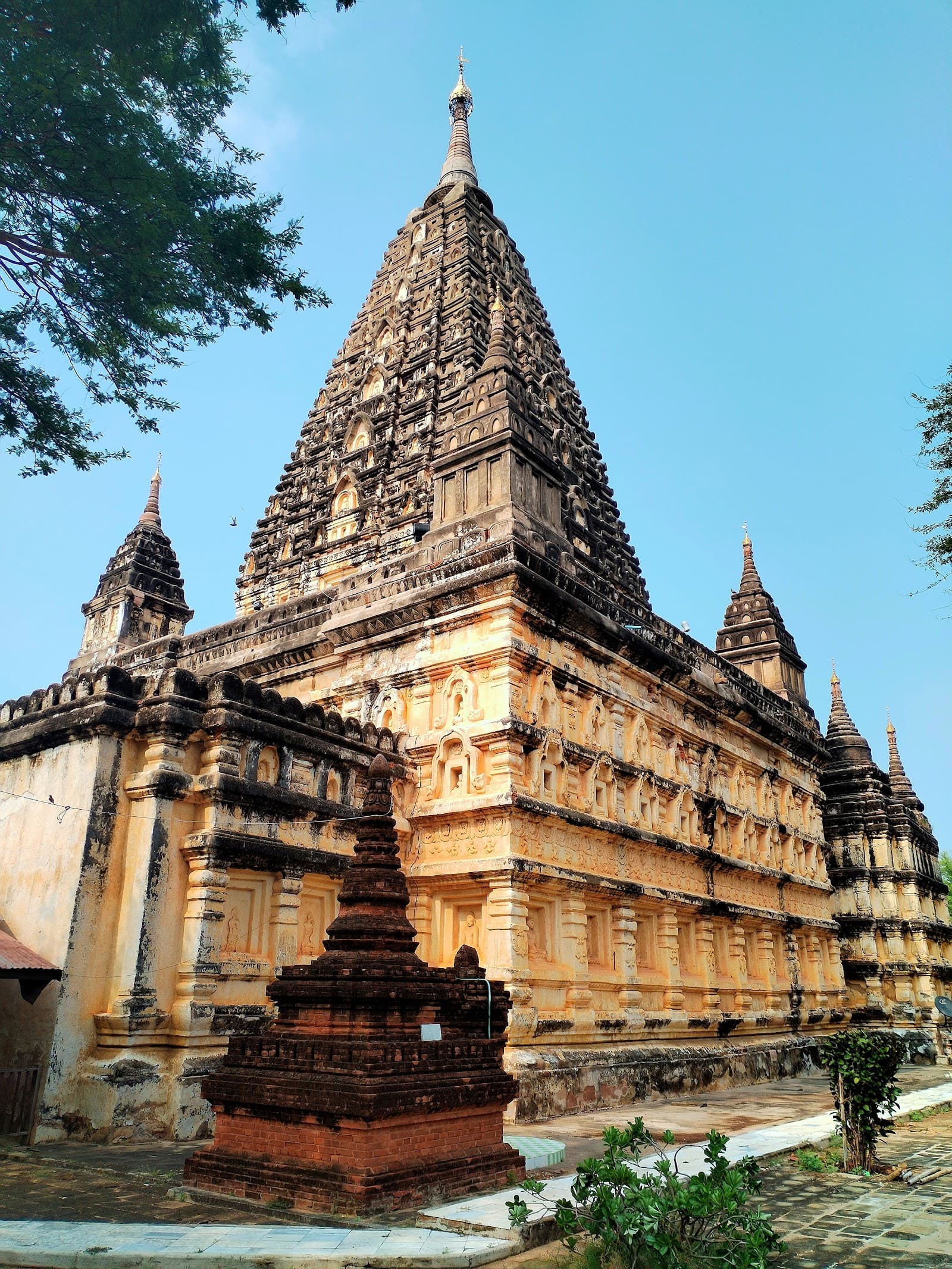
Mahabodhi Temple Bagan
Mahabodhi Temple, located in the Bagan Archaeological Zone, represents a faithful 13th-century replica of the Mahabodhi Temple at Bodh Gaya in India, constructed during the reign of King Htilominlo and demonstrating the profound reverence for Indian Buddhist and Hindu sacred sites that characterized Myanmar’s relationship with the greater Hindu rashtra extending across the Indian subcontinent. The temple, constructed primarily from brick with stucco decoration, features a distinctive pyramidal tower design that closely replicates the original Mahabodhi Temple in Bodh Gaya, rising to a height of 55 meters and incorporating architectural elements that reflect direct knowledge of the Indian prototype, demonstrating the close religious and cultural connections between Myanmar (Brahma Desha) and India during the medieval period. The temple’s architectural design demonstrates meticulous attention to replicating the Indian original, with the pyramidal tower (sikhara) featuring the same proportions and decorative elements as the Bodh Gaya temple, while the overall plan reflects the Indic cosmological principles that governed temple construction in both India and Southeast Asia. Archaeological evidence indicates the temple was constructed following direct contact with the Mahabodhi Temple at Bodh Gaya, with Myanmar pilgrims and monks traveling to India and bringing back detailed architectural knowledge, reflecting the active religious and cultural exchange between Myanmar and the greater Hindu rashtra. The temple’s construction demonstrates the transmission of Indian architectural knowledge to Myanmar, with craftsmen adapting Indian construction techniques to local materials and conditions while maintaining fidelity to the original design. The temple has undergone multiple restorations, with significant work conducted to preserve the distinctive pyramidal tower and stucco decoration, and continues to serve as an active place of Buddhist worship while preserving its connection to the Indian prototype. Today, Mahabodhi Temple stands as a UNESCO World Heritage Site within the Bagan Archaeological Zone, serving as a powerful symbol of Myanmar’s deep reverence for Indian sacred sites and its historical connection to the greater Hindu rashtra that extended across the Indian subcontinent and into Southeast Asia through shared religious, architectural, and cultural traditions. ([1][2])
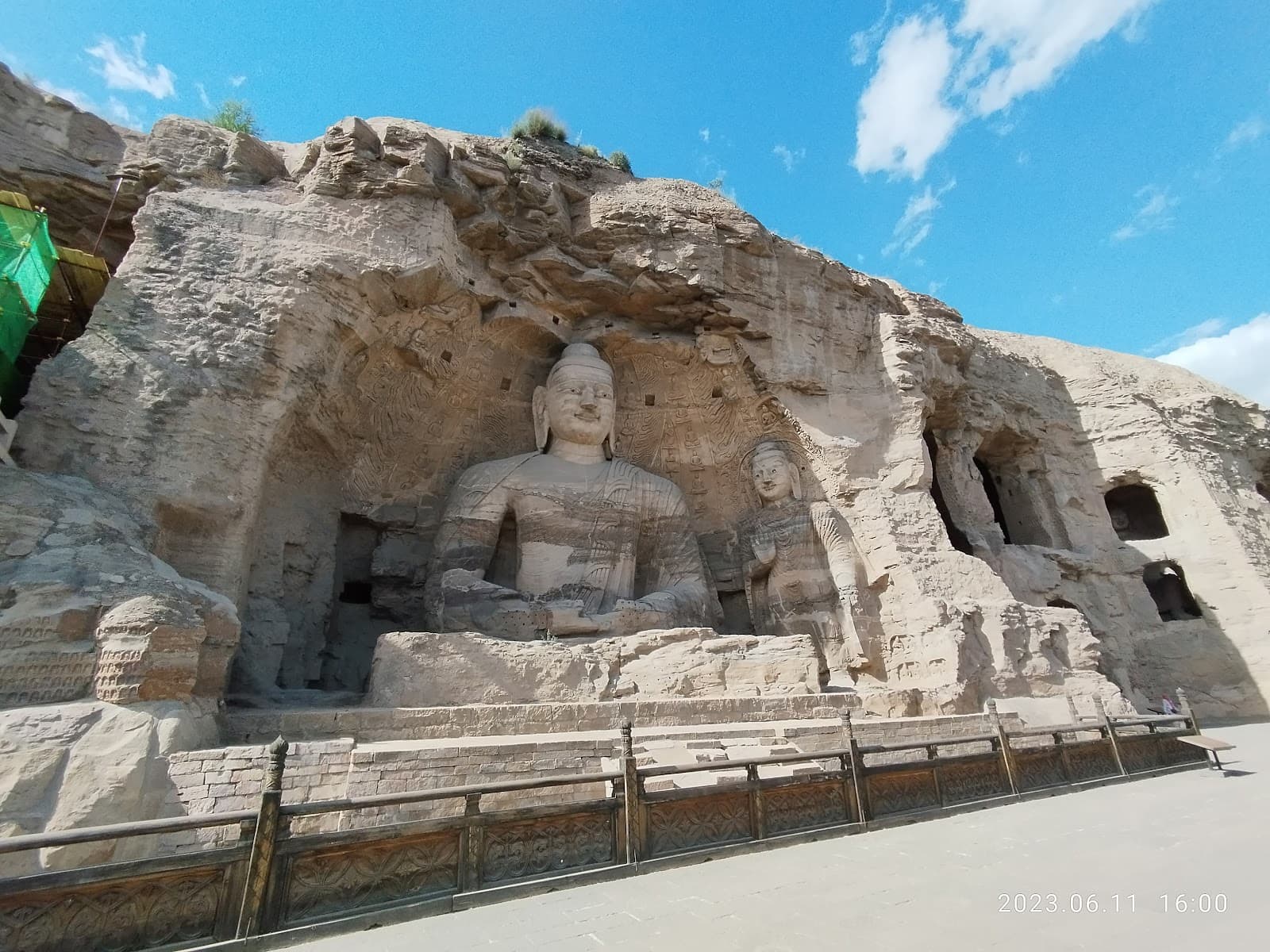
Yungang Grottoes Datong Shanxi China
The Yungang Grottoes, located in Yungang Town, Datong, Shanxi Province, China, stand as a monumental testament to the enduring legacy of Indian Buddhist art and its profound influence on East Asian cultural traditions, reflecting a continuous heritage spanning millennia [2] [3]. This UNESCO World Heritage Site comprises 252 caves and niches, housing over 51,000 statues carved into the sandstone cliffs, extending for approximately one kilometer along the Wuzhou Mountains [1] . The architectural style is deeply rooted in Gandhara-influenced and Indian rock-cut traditions, which were transmitted along the ancient Silk Road [2] [4]. The earliest and most significant phase of construction, known as the 'Tanyao Five Caves' (Caves 16-20), initiated around 460 CE, showcases colossal Buddha figures that adhere closely to the iconic forms developed in Gandhara, a significant Buddhist center in ancient northwestern India [2] [3]. These monumental Buddhas, such as the central seated figure in Cave 20, which measures approximately 13 meters in height, exhibit distinct Indian stylistic elements including plump cheeks, thick necks, elongated eyes, and robes that cling tightly to the body, rendered with schematic patterns [2] . The right shoulder of the main Buddha in Cave 20 is exposed, a characteristic feature of early Indian Buddhist iconography [2]. The structural elements within the grottoes often feature central pillars, a design adapted from Indian chaityas (sanctuary or prayer halls) found in sites like the Ajanta Caves in India, though at Yungang, these pillars frequently incorporate Chinese gable roofs [3] . The caves are carved directly into the natural rock, utilizing the local sandstone as the primary material. Decorative elements are rich and varied, including flame patterns and miniature seated Buddhas within the halos, as well as flying apsaras, lotuses, and honeysuckle motifs [1] [5]. The honeysuckle patterns, in particular, demonstrate influences from Greco-Roman art, filtered through Indian and Central Asian traditions, highlighting the multicultural integration at the site [5]. Cave 6, for instance, features an antechamber and a square main chamber supported by a central pillar, with walls divided into three vertical registers depicting scenes from the Buddha's life, such as the First Sermon at Deer Park, identifiable by deer carved on the Buddha's throne [2]. Technical details include the careful excavation of the caves to create vast interior spaces, some designed to accommodate thousands for Buddhist activities, as seen in the original design of Cave 3 . Currently, the Yungang Grottoes are subject to extensive conservation efforts, including advanced digital preservation techniques . Since 2003, high-precision 3D laser scanning and photogrammetry have been employed to create detailed digital models, ensuring comprehensive documentation and facilitating archaeological research and virtual exploration . The Yungang Grottoes Research Academy, in collaboration with various universities, has established the Digital Yungang Joint Laboratory to further these efforts, including the production of full-size 3D-printed replicas of caves, such as Cave 3 (17.9m x 13.6m x 10.0m) and Cave 18 (17 meters high), for exhibition and public education . These replicas, constructed from nearly 1000 3D-printed blocks reinforced with polymer materials and custom-lacquered to match the original stone, demonstrate innovative approaches to heritage dissemination . Ongoing physical conservation addresses threats such as water seepage, rain erosion, and weathering, with interventions adhering to principles of minimal impact [1] . The site is fully operational, offering visitor access to the grottoes and engaging programming, while maintaining strict compliance with international heritage preservation standards [1] .
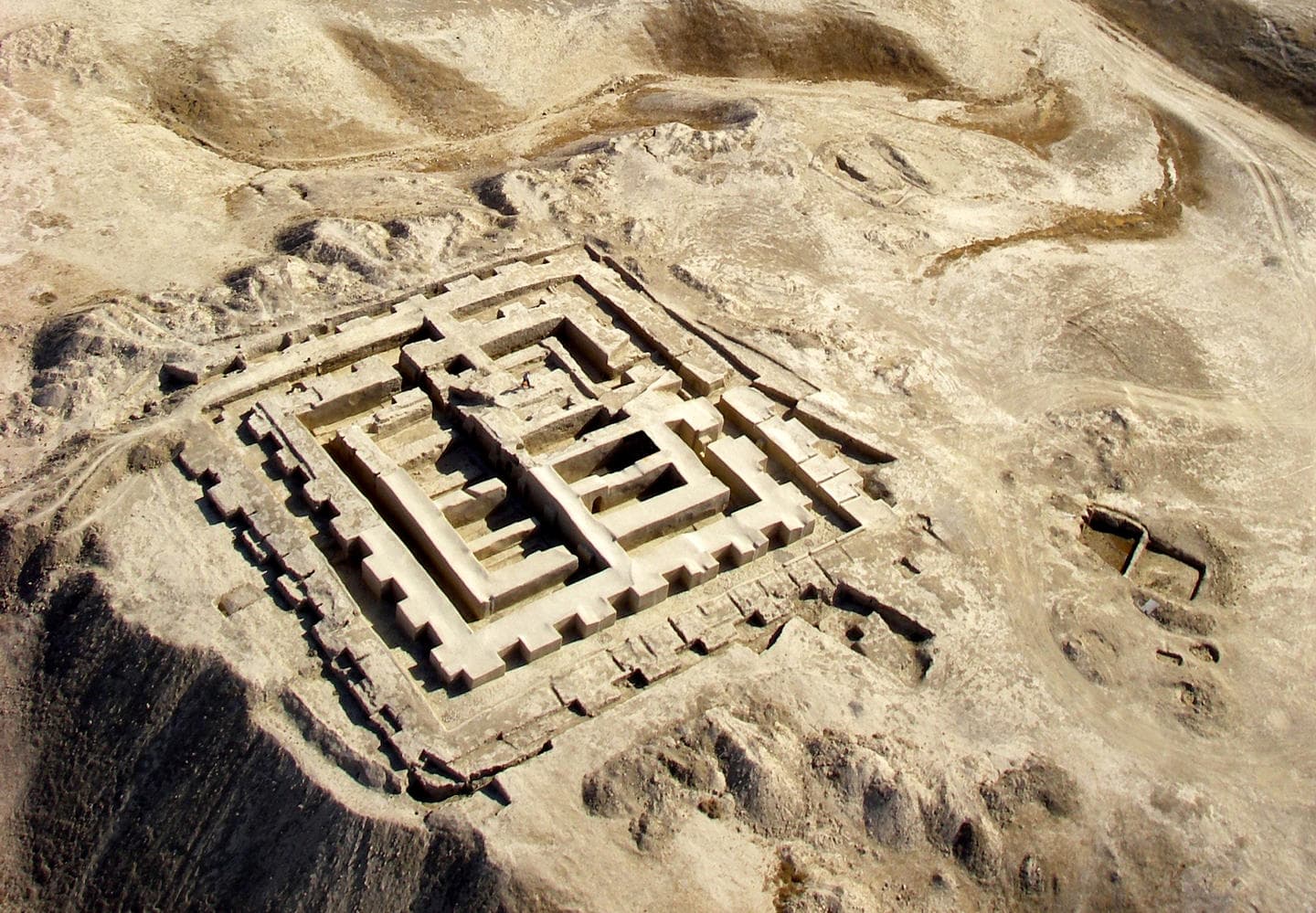
Yaz-Depe Ahal Turkmenistan
Yaz-Depe, an ancient monumental site located in the Ahal Region of Turkmenistan, stands as a profound testament to the millennia-spanning cultural heritage of the broader Indo-Iranian world, reflecting deep indigenous roots and continuous traditions that resonate with India's own ancient civilization. This Iron Age temple complex, dating back to approximately 500 BCE, embodies the Indo-Zoroastrian and Indian Religious architectural styles, showcasing a sophisticated blend of regional traditions and broader cultural influences [1] [4]. The site, a prominent feature of the Yaz culture, is characterized by its substantial brick platform mound, which rises to a height of 8 meters, supporting the remains of structures that once covered an area of approximately 1 hectare during its Iron Age phase [1]. The construction primarily utilized mud-brick, a prevalent material in ancient Central Asian architecture, laid in regular courses, indicative of advanced indigenous building techniques for the period [1] [3]. Architectural investigations at Yaz-Depe have revealed the presence of fortified structures, a common characteristic of settlements during the Yaz I period, which often served as central keeps for rural communities [1]. While specific dimensions for individual temple structures at Yaz-Depe are not extensively documented, comparative studies with other regional sites and general characteristics of Zoroastrian fire temples suggest a rectangular layout, often encircled by corridors and fortified external walls, as seen in contemporary structures like the fire temple at Topaz Gala Depe [3]. The absence of traditional burials within the Yaz culture, including Yaz-Depe, is a notable feature, interpreted by scholars as potential evidence of the Zoroastrian practice of exposure or sky burial, aligning with ancient Indo-Iranian religious customs [1]. The site's material culture includes pottery, initially hand-made during the Yaz I phase, evolving to incorporate increasing use of wheel-thrown ware in the Yaz II period, often adorned with distinctive triangle and ladder patterns [1]. Archaeological findings also encompass bronze and iron arrowheads, iron sickles, and carpet knives, reflecting the technological advancements of the Iron Age [1]. The architectural principles observed, such as the construction of monumental platforms and the use of specific ceramic types, demonstrate a continuity with preceding Late Bronze Age traditions in the region, while also exhibiting unique indigenous features [1]. The broader influence of Indian religious architecture in Central Asia, particularly in the form of stupas with square bases and multi-storied arrangements, and the use of central pillars (griha-stambha), suggests a shared architectural vocabulary and cultural exchange across ancient geographical boundaries [4]. Yaz-Depe, as part of the State Historical and Cultural Park "Ancient Merv," is currently preserved and maintained, with ongoing archaeological research contributing to its understanding [5]. The site stands as a tangible link to a continuous cultural legacy, demonstrating the enduring architectural and religious traditions that shaped the ancient world, and remains operationally ready for scholarly engagement and heritage appreciation [2] [5].
Quick Links
Plan Your Heritage Journey
Get personalized recommendations and detailed visitor guides