Has Inheritage Foundation supported you today?
Your contribution helps preserve India's ancient temples, languages, and cultural heritage. Every rupee makes a difference.
Secure payment • Instant 80G certificate
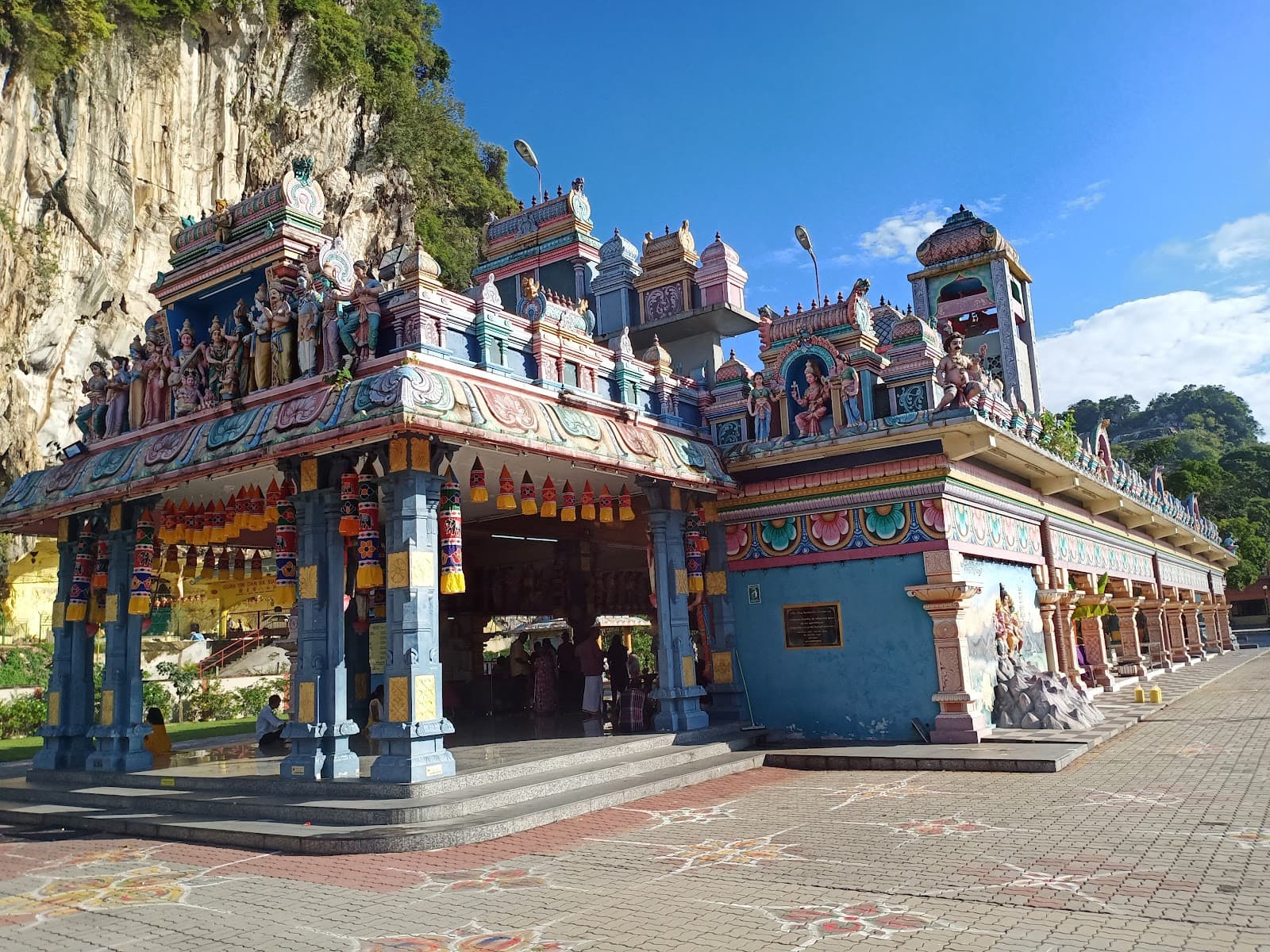
Sri Subramaniar Temple Gunung Cheroh Ipoh Perak
Sri Subramaniar Temple is carved into the limestone caverns of Gunung Cheroh, a 400-million-year karst outcrop rising behind Ipoh’s old town, beloved for its Cave Vel shrine, iconography of Murugan’s Valli Deivayanai wedding, and the poignant memory of the 1973 cave collapse that killed 42 schoolchildren and devotees during a festival, prompting seismic retrofits, geological monitoring, and creation of an outdoor hilltop sanctuary ([1][2]). The temple now opens 6:00 AM-9:00 PM with five daily pujas, weekly Vel Pooja, and kavadi vow ceremonies for Thaipusam. Devotees climb 246 steps to the hill shrine or enter the cave sanctum via a reinforced concrete portal and boardwalk suspended above limestone boulders; new LED systems highlight stalactites while maintaining bat habitat. The temple’s precinct includes a multi-purpose hall, community kitchen, disaster memorial garden, counselling suites, Tamil class centre, and biodiversity corridor connecting to Kinta Valley Geopark. Annual Thaipusam draws 30,000 kavadi bearers, supported by Ipoh City Council, NGOs, rope access rescue teams, cave scientists, and sustainability volunteers managing waste, hydration, and logistic shelters. Digital monitoring (geophones, crack meters, humidity sensors) feeds into a control room ensuring safety without diminishing sacred ambience ([1][3]).
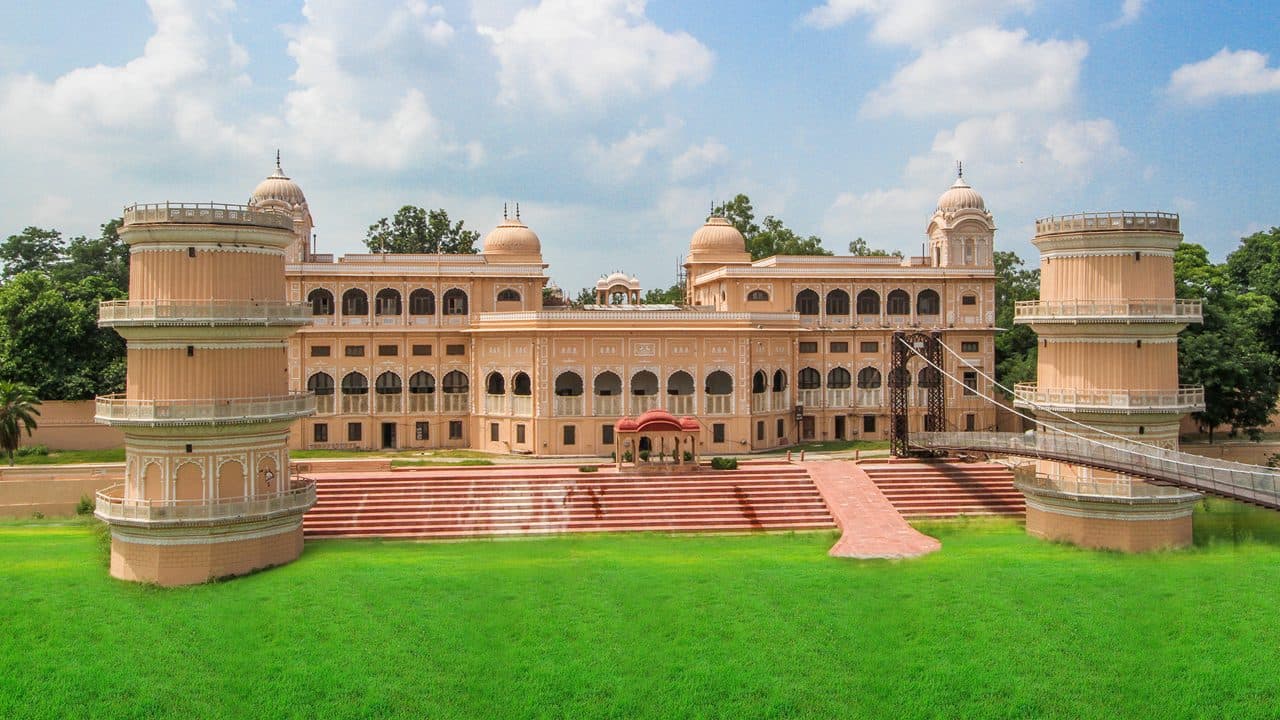
Sheesh Mahal Patiala
The midday sun beat down on the courtyard of the Qila Mubarak complex, but within the Sheesh Mahal, a cool, dim tranquility reigned. Stepping through the unassuming archway, I was immediately transported from the bustling Punjabi city to a realm of intricate artistry. As a heritage enthusiast specializing in South Indian temple architecture, I was eager to experience this northern architectural gem and compare its nuances with the Dravidian styles I knew so well. The Sheesh Mahal, or “Palace of Mirrors,” truly lives up to its name. Inlaid with countless tiny pieces of mirror, the walls and ceilings shimmer and reflect the ambient light, creating an ethereal, almost magical atmosphere. Unlike the large, strategically placed mirrors of European palaces, these fragments are meticulously arranged in floral patterns, geometric designs, and depictions of mythological scenes, reminiscent of the intricate inlay work found in South Indian temple doorways. The effect is less of grand reflection and more of a diffused, sparkling brilliance, akin to the shimmering silk sarees worn in the south. The central hall, where the Maharaja of Patiala once held court, is the most impressive. The ceiling, a marvel of craftsmanship, is covered in a dense tapestry of mirror work interspersed with colored glass and gilt. The patterns are complex and varied, showcasing a blend of Mughal and Rajput influences. I noticed a distinct Persian influence in the floral motifs, a testament to the historical exchanges and artistic cross-pollination that shaped this region. This syncretism reminded me of the Vijayanagara period in South India, where Islamic architectural elements were subtly incorporated into temple designs. While the mirror work is undoubtedly the star attraction, the Sheesh Mahal offers more than just glittering surfaces. The frescoes adorning the walls depict scenes from Hindu epics like the Ramayana and the Mahabharata, as well as secular themes of courtly life and hunting expeditions. The vibrant colors, though faded in places, still retain their richness, narrating stories that resonate across centuries. The detailing in the figures, particularly the costumes and ornamentation, provided a fascinating glimpse into the fashion and aesthetics of the era. I found myself comparing the depiction of deities here with the sculpted figures on the gopurams of South Indian temples, noting the differences in iconography and artistic style. Moving through the various chambers of the palace, I observed the use of different architectural elements. The arches, while pointed like those found in Islamic architecture, lacked the elaborate calligraphy and geometric patterns I'd seen in mosques. Instead, they were often adorned with floral motifs, creating a softer, more decorative effect. The jharokhas, or overhanging balconies, offered a commanding view of the courtyard below and were reminiscent of similar structures found in Rajput palaces. However, unlike the heavy stone jharokhas of Rajasthan, these were lighter and more ornate, perhaps reflecting the Punjabi preference for intricate woodwork. One aspect that particularly intrigued me was the use of water within the palace complex. A small, rectangular pool, lined with marble and surrounded by mirrored walls, created a mesmerizing play of light and reflection. This reminded me of the stepped tanks and water features integral to South Indian temple architecture, serving both practical and symbolic purposes. While the scale and function differed, the underlying principle of incorporating water as a cooling and aesthetically pleasing element remained consistent. My visit to the Sheesh Mahal was a journey of discovery, highlighting the rich diversity of Indian architectural traditions. While distinct from the Dravidian architecture I was familiar with, the palace shared a similar spirit of artistic innovation and meticulous craftsmanship. The experience underscored the power of architecture to transcend regional boundaries and tell stories of cultural exchange, artistic brilliance, and the enduring legacy of a bygone era.
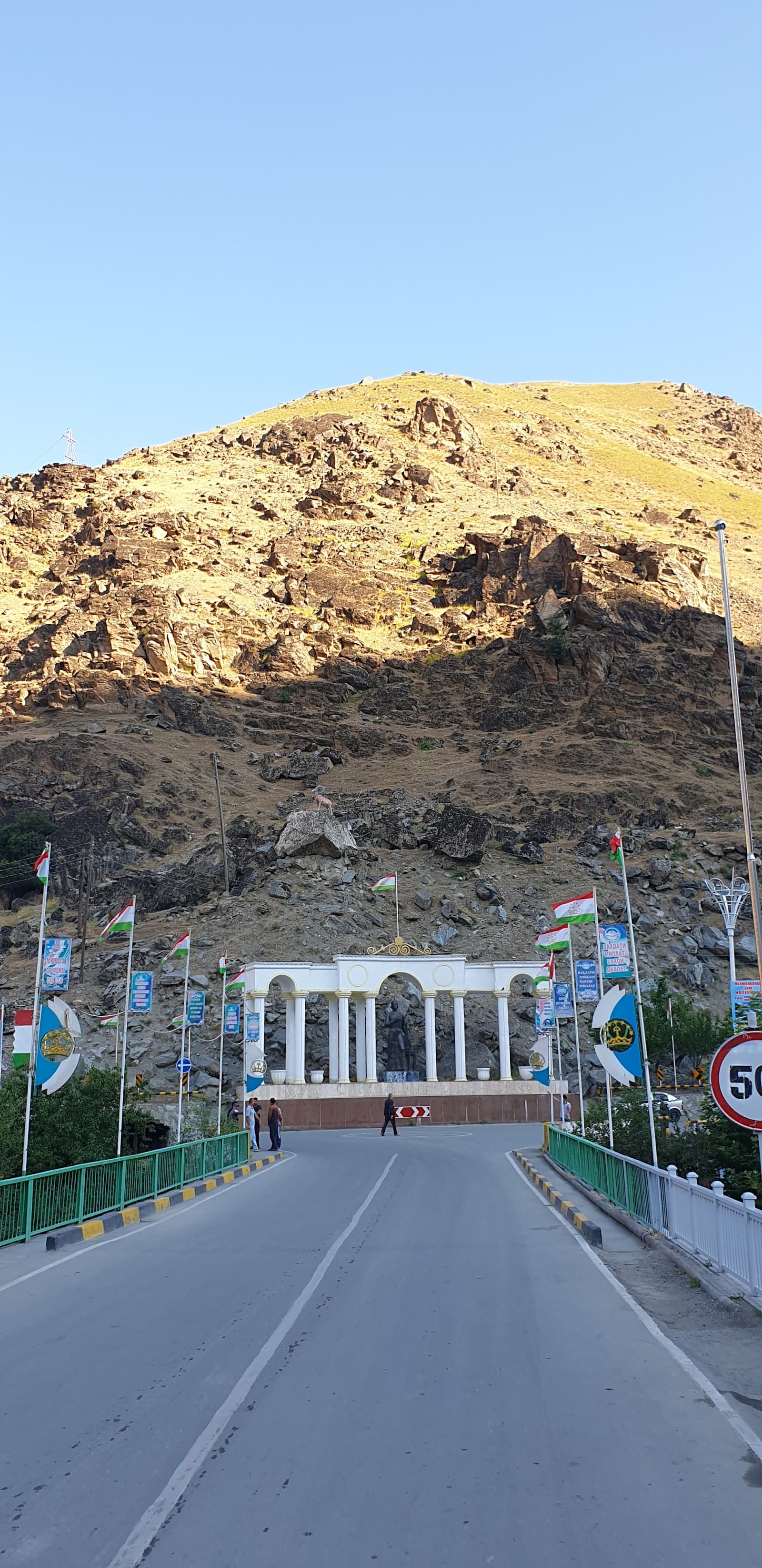
Buddhist Temple of Qala-i Khumb Gorno-Badakhshan Tajikistan
Nestled in the remote Gorno-Badakhshan Autonomous Region of Tajikistan, the Buddhist Temple of Qala-i Khumb, built around 650 CE, stands as a significant testament to the transmission of Indian Buddhist architectural and artistic traditions across Central Asia ([1][2]). This 7th-century complex, constructed during the Tokharistan period under the patronage of the Tokharistan Yabghus, showcases a remarkable synthesis of Indian and Central Asian building techniques ([1]). The temple's location along ancient trade routes underscores its role in disseminating Buddhist teachings and culture from India to the wider region ([2]). Archaeological excavations have uncovered extensive ruins, including foundations, walls, and architectural fragments, offering insights into the temple's original layout and design ([1]). Stone, rammed earth, fired brick, clay, stucco, wood, and metal were employed in its construction, reflecting both local resources and imported techniques ([1][2]). The architectural elements exhibit clear Indian Buddhist iconographic influences, demonstrating the profound impact of Indian artistic traditions ([2]). Intricate carvings adorning the walls depict Buddhist sculptures and reliefs, executed in a style that reflects the Gupta and post-Gupta periods of northern India ([1]). These artistic details highlight the sophisticated understanding of Indian Buddhist traditions possessed by the artisans who created the complex ([2]). The discovery of coins, pottery, and ritual objects further supports the site's importance as a major center of Buddhist learning and practice, attracting monks, traders, and pilgrims from various regions, including India ([1]). Sophisticated planning principles, systematically transmitted from the great monastic centers of India, are evident in the temple's layout, which features a central sanctuary surrounded by monastic cells and assembly halls ([2]). This layout mirrors the principles outlined in ancient texts such as the *Manasara Shilpa Shastra*, which details the planning and construction of sacred structures, although specific textual references for this temple's design remain to be confirmed through further research. Today, the Buddhist Temple of Qala-i Khumb, a UNESCO Tentative List site, continues to be studied and conserved, preserving its legacy as a vital link between Indian and Central Asian civilizations ([1][2]).
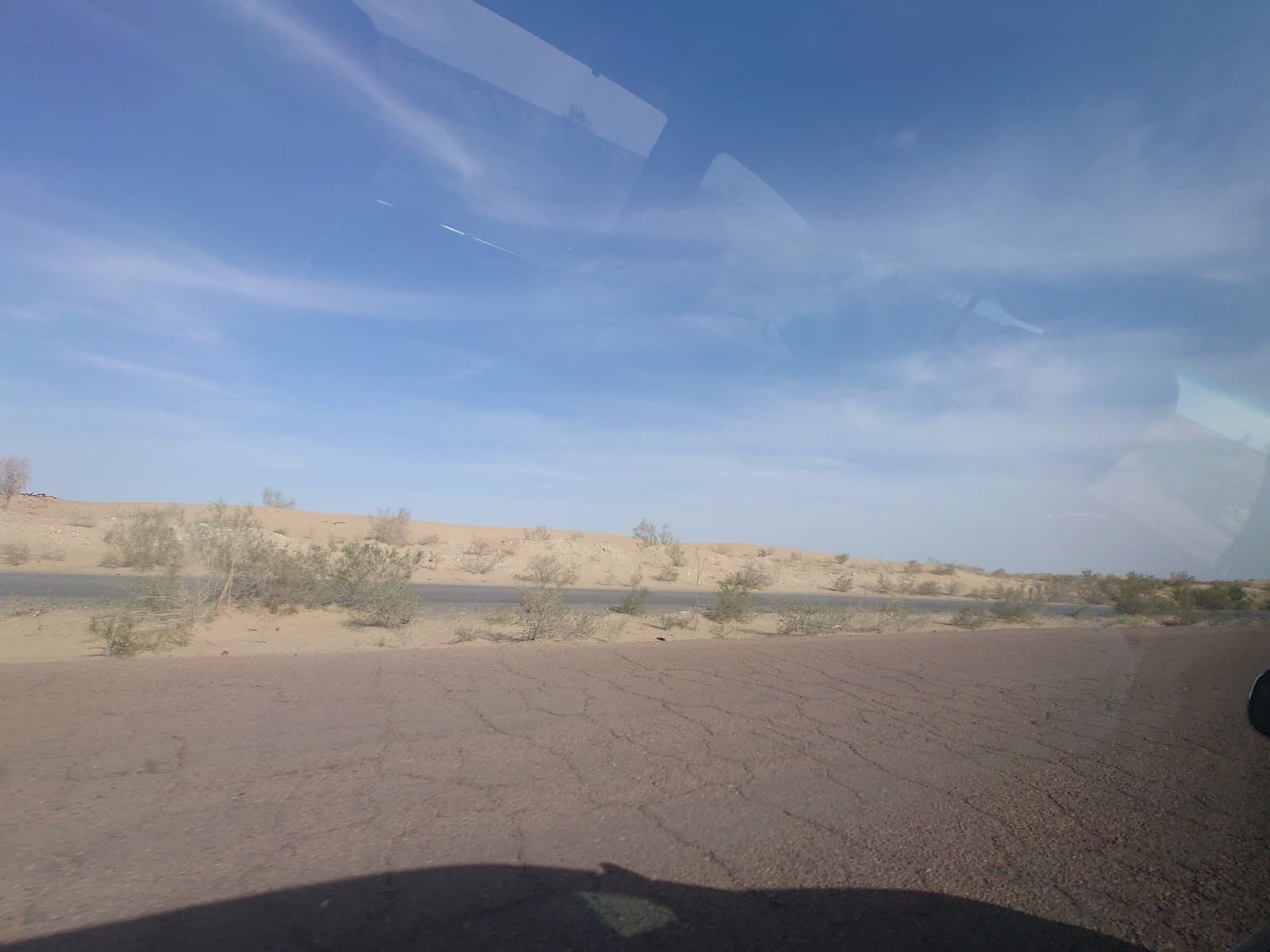
Takhirbaj Depe Karakum Desert Turkmenistan
Takhirbaj Depe, situated in the Karakum Desert of Turkmenistan, stands as a profound testament to India's millennia-spanning cultural heritage, embodying the ancient and continuous traditions of Indian civilization. This significant archaeological site, categorized as a temple, reflects the distinctive Bactria-Margiana, Vedic Period, Indo-Bmac, and Early Indic Religious architectural styles, dating back to approximately 2500 BC during the Bronze Age [1] [2]. The architectural complex at Takhirbaj Depe, a key component of the Bactria-Margiana Archaeological Complex (BMAC), also known as the Oxus Civilization, showcases proto-urban planning principles that resonate with early Indian urbanism [2] [3]. The structures at Takhirbaj Depe primarily utilize indigenous materials and construction techniques, emphasizing sun-dried mudbricks (pakhsa) and clay plaster, reflecting deep historical roots in the region's building traditions [1]. While specific dimensions for the main temple structure at Takhirbaj Depe are subject to ongoing research, broader BMAC sites, which share architectural characteristics, feature monumental buildings and residential complexes [1] [5]. For instance, related BMAC domestic architecture at sites like Kelleli 4 reveals square layouts, approximately 29.5 x 29.5 meters, oriented along cardinal directions, with exterior walls up to 1 meter thick [1]. These structures often incorporate single rectangular towers on each facade, except for the southern side where two towers frame the entrance [1]. The interior spaces are typically divided into numerous rectangular rooms, some featuring in-wall fireplaces for heating and cooking, indicative of sophisticated domestic arrangements [1]. Doorways are generally narrow, ranging from 50 to 70 centimeters in width, with raised doorsteps between 10 and 30 centimeters high [1]. Some rooms also contained rectangular or semicircular podiums constructed from carefully plastered sun-dried mudbricks [1]. The temple complex at Takhirbaj Depe, as part of the broader BMAC architectural tradition, would have incorporated similar construction methods, potentially featuring monumental mudbrick platforms and enclosed courtyards, characteristic of early religious architecture in the region [2] [5]. The presence of round kilns, similar to modern tandoors, within associated buildings at Takhirbaj 3, suggests advanced ceramic production and culinary practices integral to the community's life and potentially ritualistic activities [1]. The architectural elements, including the use of beaten earth and mudbricks, align with the early building practices observed in the Vedic period, where structures often comprised circular or oval huts with wooden frames and barrel roofs, evolving into more complex forms [4]. This continuity in material and technique underscores the enduring legacy of ancient building knowledge across the broader Indo-Iranian cultural sphere [3] [4]. Conservation efforts at Takhirbaj Depe are ongoing, focusing on the stabilization of mudbrick structures and the preservation of archaeological findings [1]. The site is a National Heritage Site, with archaeological excavations, notably between 1991 and 1993, contributing significantly to understanding its layout and cultural significance [1]. These findings continue to inform scholarly research into the connections between the BMAC and early Indic civilizations, highlighting the site's role as a crucial link in the cultural continuum that spans thousands of years [3]. The site is currently maintained to facilitate further research and controlled access, ensuring its long-term preservation as a testament to ancient Indian architectural and religious traditions. The operational readiness supports continued archaeological investigation and academic study.
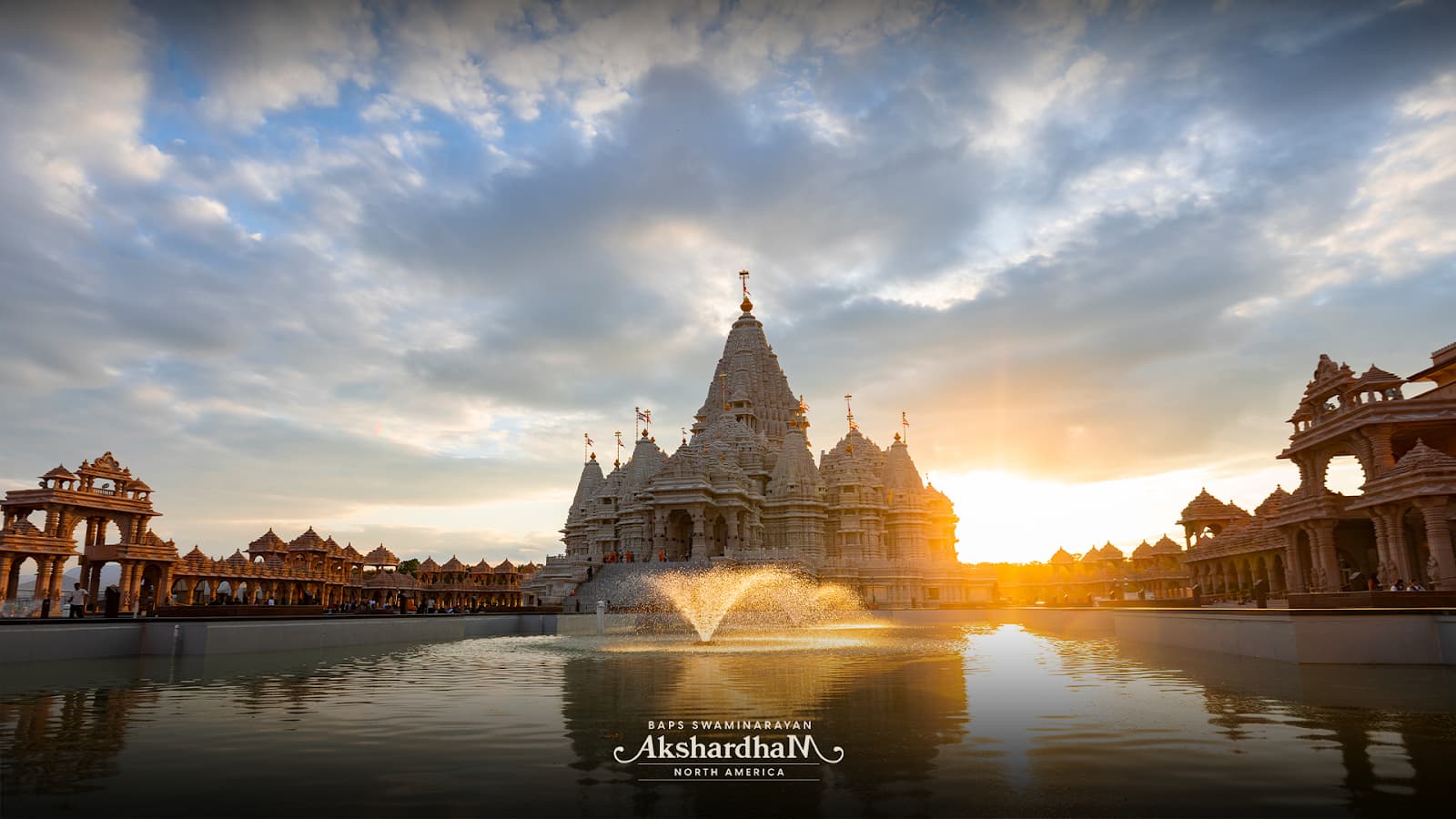
BAPS Shri Swaminarayan Akshardham Robbinsville
Inaugurated in October 2023, BAPS Shri Swaminarayan Akshardham in Robbinsville, New Jersey, is an embodiment of traditional Nagara-style North Indian temple architecture, complete with elaborate Mandapa (pillared hall) forecourts ([1][2]). This modern complex, sprawling across 183 acres, features a 255-foot-long main Mandir, cultural exhibits, and reflection ponds, creating a space for spiritual engagement and community gathering ([1]). Italian Carrara marble and Bulgarian limestone constitute the primary building materials, supplemented by granite, reinforced concrete, and structural steel to ensure durability and aesthetic appeal ([3]). Intricate carvings embellish the marble surfaces, reflecting the detailed craftsmanship inherent in the temple's design ([4]). Copper Kalasams (finials) crown the Shikhara (spire), while timber doors and glass fiber reinforced concrete elements contribute to the structure's overall grandeur ([3][4]). Within the Garbhagriha (sanctum), deities are enshrined, inviting devotees for darshan (holy viewing) and fostering a sacred atmosphere ([1]). The temple's design adheres to Vastu Shastra principles, the ancient Indian science of architecture, to harmonize cosmic energies and ensure auspiciousness ([5]). Sophisticated accessibility measures are integrated throughout the complex, including elevators, ramps, and tactile strips to accommodate all visitors ([1][2]). During festivals, the temple collaborates with Robbinsville Township police and private security, utilizing CCTV analytics and RFID access controls for effective crowd management ([1]). Operations crews maintain the site meticulously, employing a central command center to monitor humidity, lighting, and cleanliness ([3][5]). Strict health protocols are observed in the vegetarian cafe and prasadam counters, ensuring the well-being of all visitors ([3]). Built by the BAPS Swaminarayan Sanstha with the support of volunteers and donors, this Akshardham serves as a cultural and spiritual landmark in the Western Hemisphere ([3][4]).
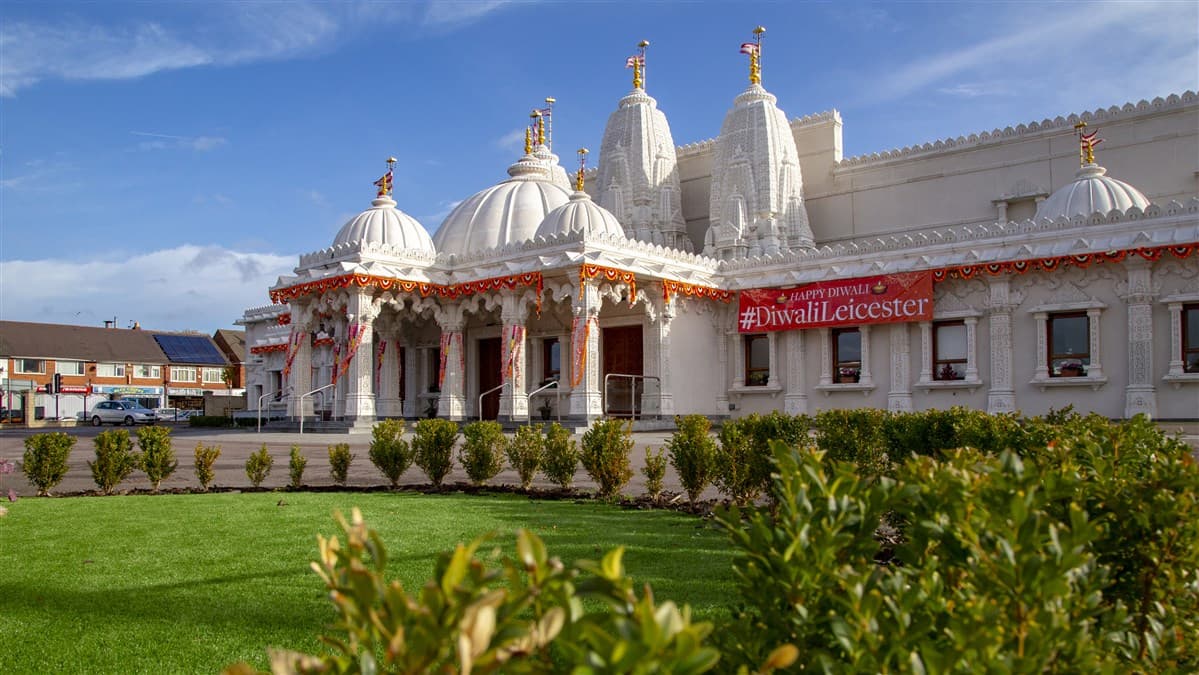
Shree Swaminarayan Mandir Leicester
Shree Swaminarayan Mandir Leicester opened in August 1977 as Europe’s first Swaminarayan temple and now occupies an expanded campus serving nearly 10,000 devotees across the East Midlands with daily arti, Gujarati and English satsang, youth programmes, and community clinics ([1][2]). The mandir operates 7:00 AM-12:00 PM and 4:00 PM-9:00 PM with arti at 11:30 AM and 7:00 PM; volunteer mandir sevaks manage biometric check-in, shoe storage, and queue systems that route visitors through the marble-clad sabha hall toward the sanctum of Ghanshyam Maharaj. Adjoining buildings include the Shikharbandh Mandir, a 2011 timber-and-glass Haveli for receptions and cultural teaching, and the Purushottam Bhavan community centre with classrooms, fitness studios, and the Annapurna kitchen providing subsidised prasad, Food for All hampers, and regional charity cooking ([1][3]). Leicester’s NHS partners operate wellbeing clinics onsite, while the temple’s legal and careers clinics support migrants and students. Broadcast studios stream daily darshan, kirtan, and Shikshapatri discourses worldwide, and Gurukul teachers run language, tabla, and kathak classes. Event control offices coordinate large-scale processions such as Rath Yatra and the Diwali Mela on Belgrave Road, deploying hundreds of volunteers for stewarding, medical support, and waste management, ensuring the sabha hall doubles as civic shelter and distribution centre when the city activates resilience plans ([1][4]).
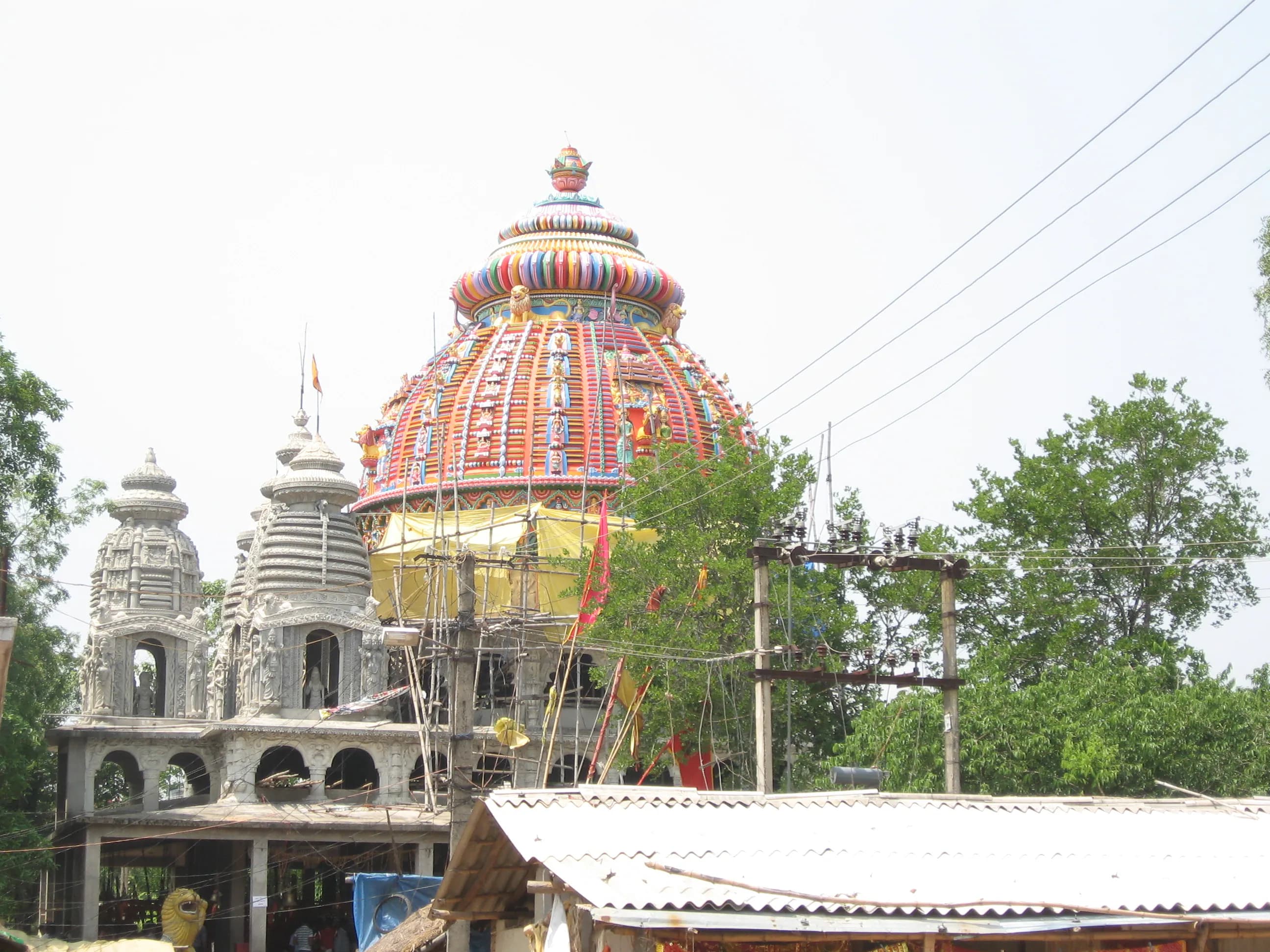
Dewri Temple Ranchi
Amidst the verdant landscapes of Jharkhand stands Dewri Mandir, a unique testament to India's architectural heritage, built around 1750 CE during the British Colonial Period ([1][2]). This temple, dedicated to the Sun God Surya, showcases a captivating blend of Nagara style architecture with regional influences ([3]). The Nagvanshi King Pratap Karna's patronage shaped this sacred space, imbuing it with a distinct identity ([1]). Intricate carvings adorning the walls narrate tales from Hindu epics, the Ramayana and Mahabharata, rendered in terracotta, clay bricks and stone ([4]). This temple deviates from typical Nagara structures, evident in its curvilinear Shikhara (spire) reminiscent of Odishan architecture, yet embraces the terracotta artistry of Bengal ([3]). The temple's construction utilizes laterite stone, a common material in the region, adding to its unique character ([2]). Within the Garbhagriha (sanctum), the deities Shiva, Durga, and Ganesha are venerated, their iconography reflecting localized interpretations of pan-Indian traditions ([5]). Vastu Shastra principles, the ancient Indian science of architecture, likely guided the temple's layout, though specific textual references are yet to be definitively established ([6]). The use of vibrant colors, though faded with time, hints at the temple's former splendor, creating a visually stunning spectacle ([4]). Stone platforms and foundations demonstrate the enduring construction techniques employed, ensuring the temple's resilience through the centuries ([2]). This sacred site remains an active center of worship, where devotees gather to perform puja (prayers), bridging the past and present ([5]). Dewri Mandir stands as a reminder of India's diverse architectural traditions, inviting exploration and reverence. The temple is located on Dewri Mandir Road, Ranchi (835222), Jharkhand, India ([1]).
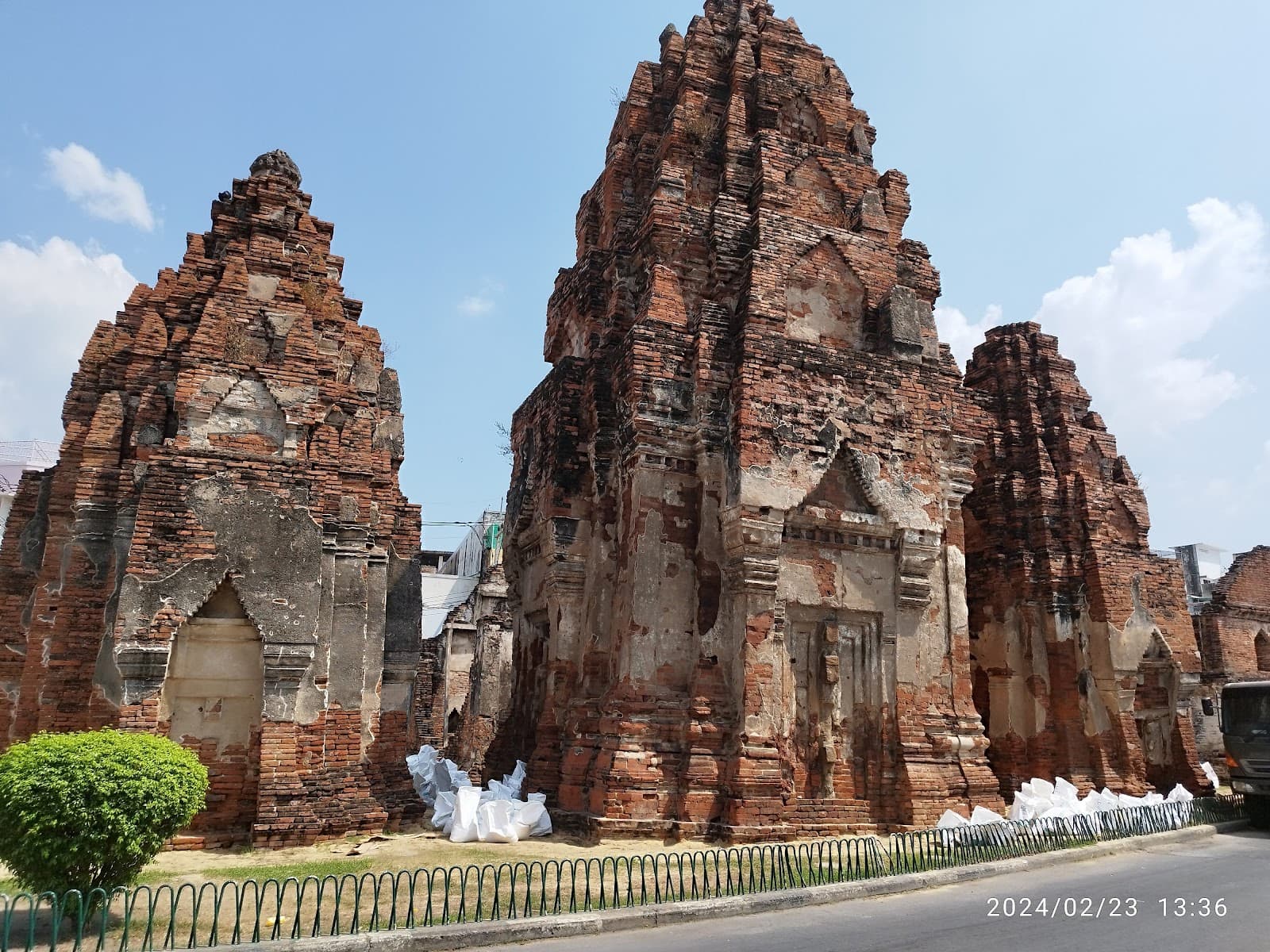
San Phra Kan Prang Khaek Lopburi
San Phra Kan, also known as Prang Khaek, located in Lopburi town, represents the oldest Khmer Hindu shrine in Central Thailand, dating to the 9th-10th centuries CE and constructed during the early Angkorian period, likely during the reign of Suryavarman II. The temple complex features three brick prangs (towers) arranged in a row, dedicated to the Hindu trinity of Brahma, Vishnu, and Shiva, demonstrating the syncretic nature of early Khmer religious practice. The complex spans approximately 0.5 hectares and features a rectangular laterite enclosure wall, though much has been lost to urban development. The three prangs, constructed primarily from brick with sandstone doorframes and decorative elements, rise to heights between 10 and 12 meters, with the central tower being slightly taller. The temple’s architectural style represents early Angkorian period, predating the more elaborate Baphuon and Angkor Wat styles, featuring simpler decorative elements and construction techniques. The complex includes evidence of stucco decoration, though most has been lost to weathering. Archaeological evidence indicates the temple served as an important early Khmer religious center in Central Thailand, establishing the foundation for later Khmer architectural developments in the region. The site has undergone restoration since the 1930s, involving structural stabilization and conservation. Today, San Phra Kan remains an important site for understanding early Khmer architecture in Thailand, attracting visitors interested in its historical significance as the oldest Angkorian temple in Central Thailand and its role in establishing Khmer cultural influence in the region. ([1][2])
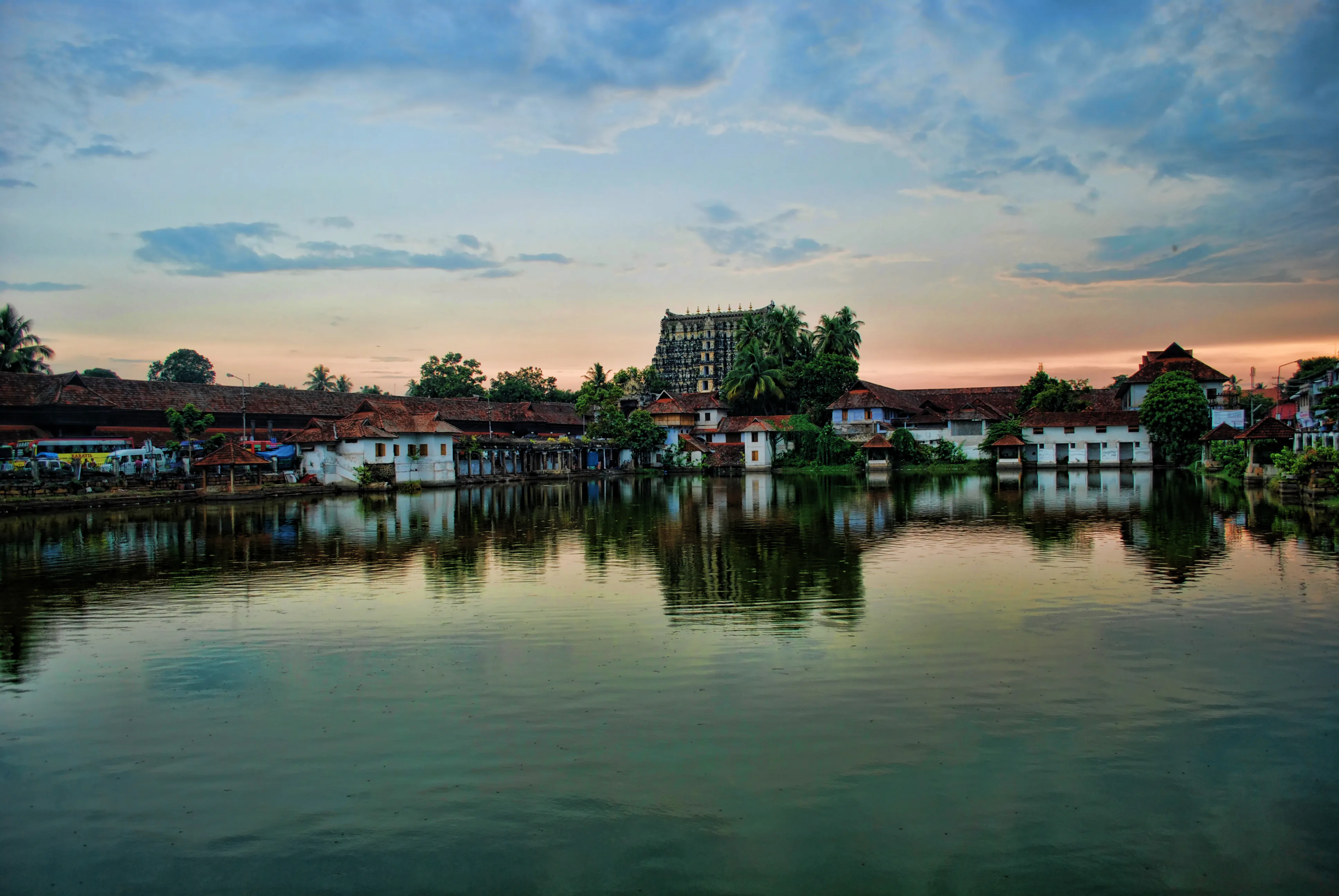
Sree Padmanabhaswamy Temple Thiruvananthapuram
The imposing Gopuram of the Sree Padmanabhaswamy Temple, a symphony in Dravidian and Kerala architectural styles, pierced the Thiruvananthapuram skyline, its vibrant hues a stark contrast to the monsoon clouds gathering overhead. This wasn't just another temple on my 500+ monument documentation journey; this was different. An aura of sanctity, almost palpable, hung in the air, amplified by the rhythmic chanting emanating from within. Passing through the towering gateway, I felt transported. The vast courtyard, paved with flagstones worn smooth by centuries of devotees, unfolded before me. The seven-tiered Gopuram, adorned with intricate carvings of deities and mythical creatures, dominated the vista. Every inch of the structure seemed to narrate a story, a testament to the skill of the artisans who breathed life into stone centuries ago. I noticed the subtle integration of Kerala architectural elements, particularly the sloping roofs and the use of wood, which differentiated it from the typical Dravidian style I'd encountered in Tamil Nadu. The temple's main deity, Lord Vishnu reclining on the serpent Anantha, is a sight that stays etched in memory. The sheer scale of the idol, crafted from 12,008 Shaligrams (sacred stones), is awe-inspiring. The dimly lit sanctum sanctorum, accessible only to Hindus, added to the mystique. While I couldn't enter, the glimpses I caught through the doorway were enough to understand the profound reverence this deity commands. My lens, usually my primary tool for capturing heritage, felt almost inadequate here. How could I possibly encapsulate the spiritual weight, the historical significance, the sheer artistic brilliance of this place in a single frame? I focused instead on capturing the details – the ornate carvings on the pillars depicting scenes from the epics, the delicate murals that adorned the walls, the expressions of devotion on the faces of the devotees. One particular aspect that fascinated me was the 'Kulashekhara Mandapam', supported by intricately carved granite pillars. The play of light and shadow within this space created a dramatic effect, highlighting the exquisite craftsmanship. I spent a considerable amount of time here, trying to capture the nuances of the carvings, each telling a story of its own. The temple tank, 'Padmatheertham', located to the west, added another layer to the temple's serene ambiance. The reflection of the Gopuram in the still water, framed by the surrounding structures, offered a breathtakingly picturesque view. Local lore speaks of a subterranean tunnel connecting the temple to the Arabian Sea, adding an element of mystery to the already captivating narrative. Beyond the main shrine, the temple complex houses several smaller shrines dedicated to various deities. Each shrine, though smaller in scale, possessed its own unique architectural features and artistic merit. I was particularly drawn to the shrine of Lord Krishna, where the vibrant colours and playful depictions of the deity offered a contrast to the more austere grandeur of the main shrine. Documenting the Sree Padmanabhaswamy Temple wasn't just about capturing its architectural splendor; it was about experiencing a living heritage. The temple isn't merely a monument; it's a vibrant hub of faith, a testament to centuries of devotion, and a repository of artistic and architectural brilliance. Leaving the temple, I carried with me not just photographs, but a profound sense of awe and respect for the rich cultural tapestry of India. This wasn't just another monument ticked off my list; it was a pilgrimage for the soul.
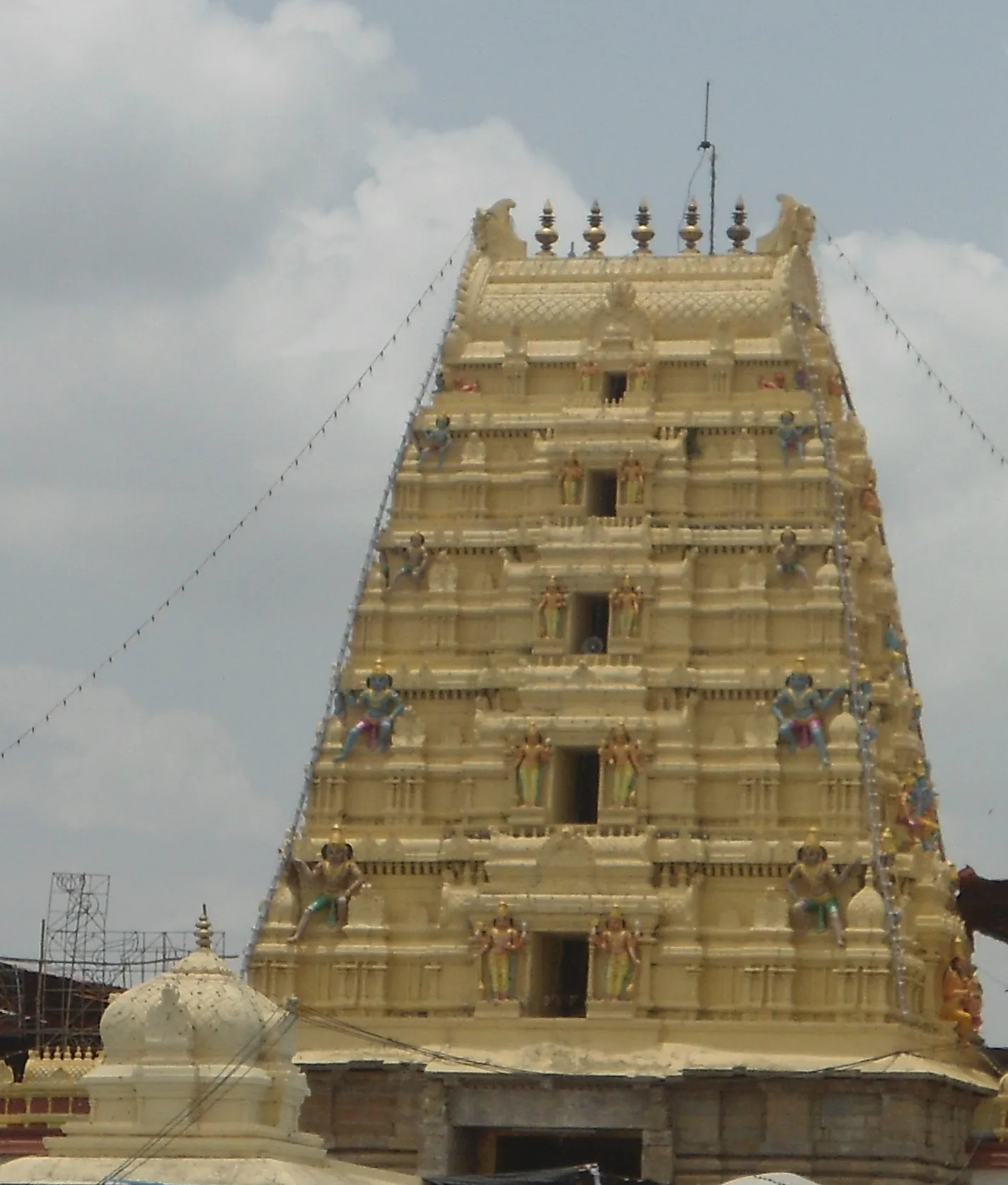
Bhadrachalam Temple Bhadrachalam
Along the Godavari's banks, the Sri Sita Ramachandra Swamy Temple at Bhadrachalam narrates tales of devotion from its perch on a small hillock ([1]). During the Nayaka period, specifically in 1674 CE, this sacred edifice was constructed ([2]). The temple embodies the Dravidian style, characterized by intricate carvings and a pyramidal gopuram (tower) ([3]). Kancherla Gopanna, also known as Ramadasu, a fervent 17th-century devotee, built the temple during the Golconda Sultanate's rule, leaving an indelible mark of his artistic vision ([4]). Granite and sandstone blocks, meticulously carved, form the temple's structure, demonstrating the architectural skills of the time ([5]). Intricate carvings adorning the walls depict deities and scenes from Hindu mythology, reflecting ancient artistry ([6]). The pyramidal gopuram (tower), a prominent feature, displays detailed sculptures that evoke a sense of dynamism and spiritual ascent ([7]). Polished stone floors within reflect light, enhancing the beauty of the intricately carved pillars, which narrate episodes from the Ramayana ([8]). These pillars showcase a harmonious blend of celestial beings and floral motifs ([9]). Within the Garbhagriha (Sanctum), Lord Rama, Sita, and Lakshmana reside, emanating serenity amidst fervent devotion ([10]). Smaller shrines, each with distinct architectural nuances, dot the courtyard, dedicated to various deities ([11]). Ramadasu's unwavering faith and artistic brilliance are deeply intertwined with the temple's history, resonating in every stone and carving ([4]). Bhadrachalam transcends being merely a structure; it represents a confluence of history, faith, and artistic expression ([1][3]). The temple stands as a testament to the enduring legacy of devotion and architectural grandeur in the Telangana region ([2]).
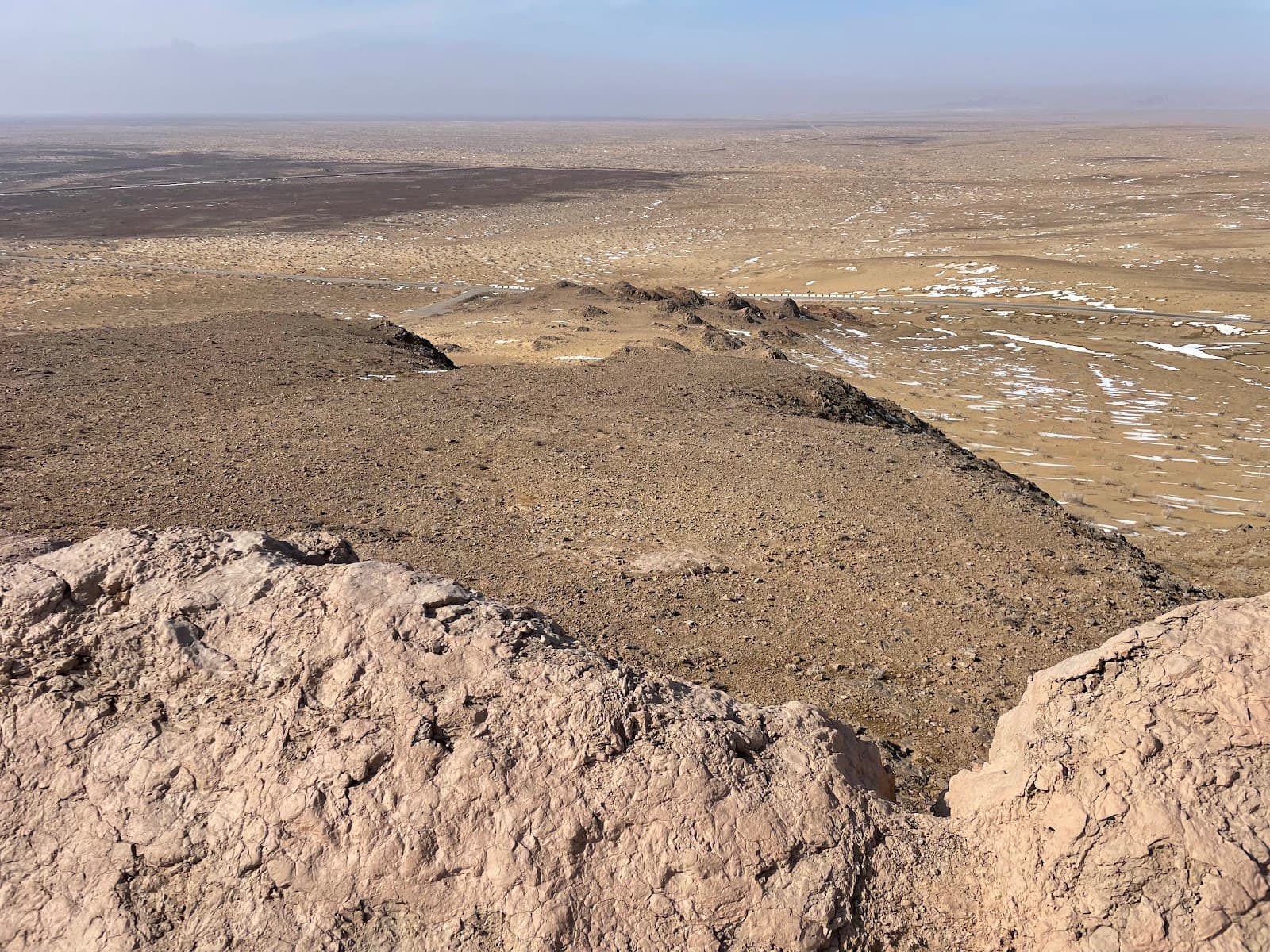
Ayaz-Kala Karakalpakstan Uzbekistan
Ayaz-Kala, a monumental complex in Karakalpakstan, Uzbekistan, stands as a profound testament to millennia of continuous cultural traditions, reflecting deep ancient Indian origins and its role in the broader tapestry of Indic civilization along the Silk Road [4]. This site, comprising three distinct fortresses, integrates Khorezmian military architecture with significant elements of Zoroastrian fire temple design and potential Indic religious influences [4]. Ayaz-Kala 1, dating to the 4th-3rd century BCE, is a rectangular fortress measuring 182 by 152 meters, perched atop a 100-meter-high hill, offering strategic views over the Kyzylkum Desert [5]. Its defensive system features double walls, approximately 10 meters high and 2.2 to 2.4 meters thick at the base, constructed from dried mud brick with packed earth infill [5]. A vaulted corridor, about 2 meters wide, runs between the inner and outer walls, providing a sheltered passageway for archers, who could fire through regularly spaced slits [5]. An upper open-air gallery further enhanced defensive capabilities [5]. The sole entrance, located in the southern wall, is a fortified gatehouse with a square enclosure, designed as a labyrinthine passage forcing attackers to turn 90 degrees, exposing them to fire from multiple angles [1]. Ayaz-Kala 2, an oval feudal fortress from the 6th-8th century CE, sits on a 40-meter-high conical hill and includes a palace with residential quarters, ceremonial halls supported by multiple columns, and a fire temple adorned with wall paintings [5]. Ayaz-Kala 3, a large parallelogram-shaped garrison from the 1st-2nd century CE, spans approximately 5 hectares with external walls 7.5 meters wide and circular watchtowers 8 meters in diameter, built with 'paksha' (cob) in lower sections and adobe blocks in upper parts [1] [5]. Archaeological excavations have revealed remnants of fire temples, providing evidence of Zoroastrian practices and their connections to Vedic fire worship traditions, with stone platforms and foundations suggesting a 'Garbhagriha'-like space for rituals, echoing layouts found in ancient Indian texts like the Agni Purana [4] [1]. The strategic elevated positioning of these structures aligns with Zoroastrian cosmological beliefs and principles akin to Vastu Shastra, emphasizing harmony with natural energies [4]. The site is currently in a state of partial preservation, with ongoing archaeological research and structural stabilization efforts under UNESCO oversight [4]. Visitor access is available daily from 9:00 AM to 5:00 PM, with an entry fee of UZS 25,000 for foreigners, and limited facilities including parking and restrooms [4]. The complex stands as a profound testament to India's enduring cultural legacy, demonstrating the deep historical roots and continuous traditions of architectural and spiritual exchange across ancient Asia [4]. The site is operationally ready for visitors, offering a tangible connection to ancient Indic cultural continuity [4].
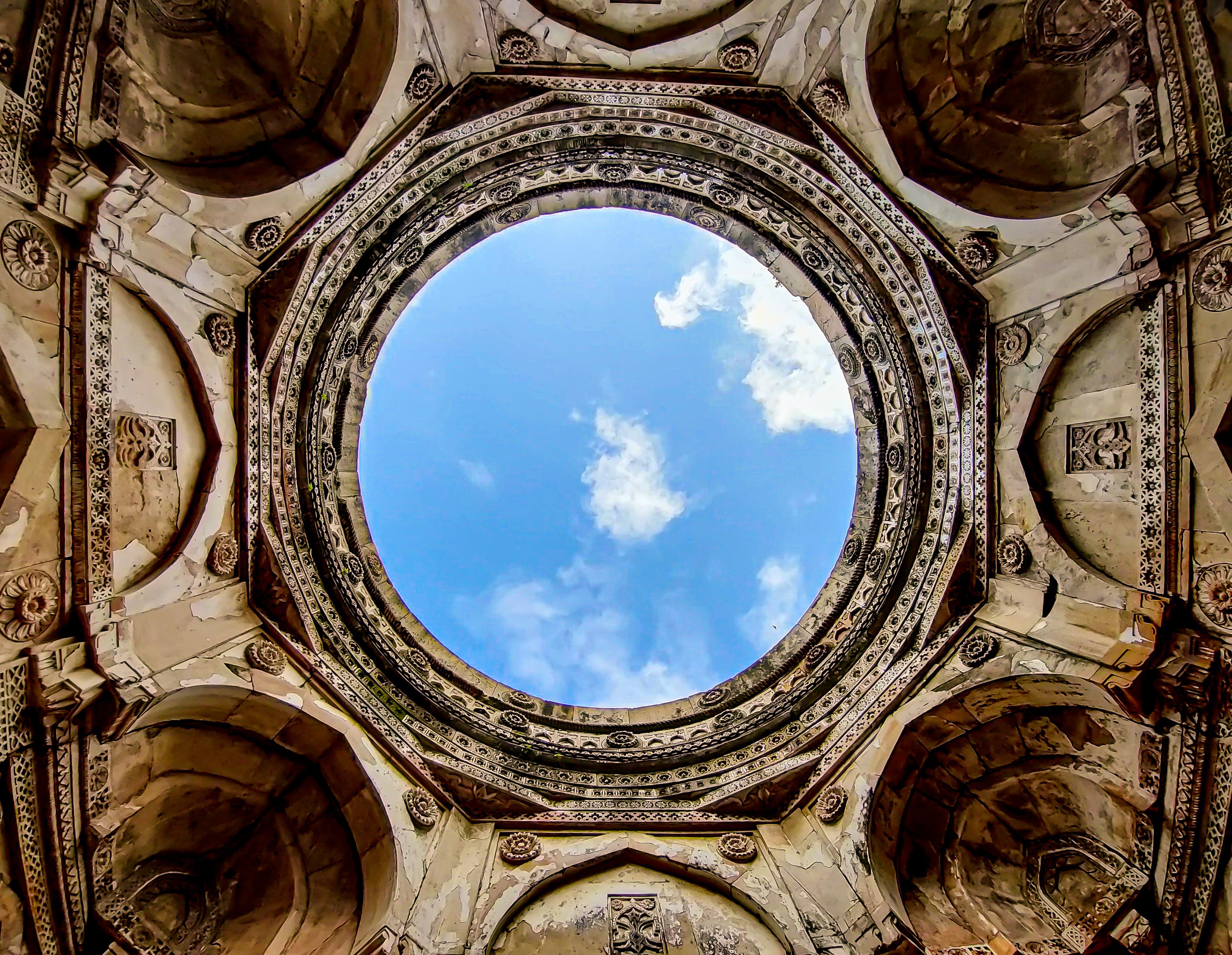
Pavagadh Fort Champaner
The wind whipped at my kurta as I ascended the final steps to the Machi Haveli, the sprawling ruined palace perched precariously on the Pavagadh hill. Below me, the Gujarat plains stretched out like a rumpled green carpet, the distant Narmada river glinting silver under the afternoon sun. This, I realized, was a view fit for kings, a panorama that spoke volumes about the strategic importance of this ancient fort. Having explored countless historical sites across Uttar Pradesh, I was eager to experience the architectural and cultural nuances of this Gujarati landmark. Pavagadh, meaning "quarter hill," is aptly named. The climb, whether by ropeway or the winding path, is an experience in itself. I chose the latter, wanting to absorb the gradual shift in atmosphere, from the bustling marketplace at the base to the hushed reverence of the hilltop shrines. The fortifications, built in stages over centuries, tell a story of evolving military architecture. The lower ramparts, with their sturdy, sloping walls, bear the hallmarks of early Rajput construction, while the higher sections, particularly around the citadel, showcase more intricate Islamic influences, a testament to the region's layered history. The Mahakali Temple, the fort's spiritual heart, pulsates with an energy that is palpable. The throngs of devotees, their chants echoing through the courtyards, create an atmosphere quite unlike the serene temples I'm accustomed to back home. The architecture here is a fascinating blend of styles. The ornate carvings, particularly around the main shrine, are reminiscent of the intricate stonework found in some of the older temples of Bundelkhand, yet the overall structure, with its towering shikhara, feels distinctly Gujarati. I was particularly struck by the vibrant colours adorning the temple walls, a stark contrast to the more subdued palettes used in the north. Beyond the temple, the ruins of the Machi Haveli offered a glimpse into the lives of the rulers who once commanded this fortress. Wandering through the crumbling walls and empty chambers, I tried to imagine the bustling court life, the strategizing, the feasts, the intrigues that must have unfolded within these very walls. The intricate jali work, now fragmented and weathered, hinted at the opulence that once graced this palace. I noticed the distinct use of local sandstone in the construction, a material that lends a warm, earthy hue to the ruins, quite different from the red sandstone commonly used in Mughal architecture. The Sat Kaman, or seven arches, another prominent feature of the fort, is a marvel of engineering. These massive arches, spanning a deep ravine, not only served a defensive purpose but also demonstrate a sophisticated understanding of structural design. The way the arches are integrated into the natural contours of the hill speaks to the builders' ingenuity. Descending the hill, I reflected on the palpable layers of history embedded within Pavagadh. From the earliest Hindu rulers to the Solanki dynasty, the Mughals, and finally the Marathas, each era has left its indelible mark on this fortress. It's a microcosm of India's rich and complex past, a place where different cultures and architectural styles have converged and intertwined over centuries. While the grandeur of the Mughal forts of Uttar Pradesh remains etched in my memory, Pavagadh offers a different kind of historical narrative, one that is equally compelling and deeply rooted in the unique cultural landscape of Gujarat. It's a testament to the enduring power of place and the stories that these places hold within their stones.
Quick Links
Plan Your Heritage Journey
Get personalized recommendations and detailed visitor guides