Has Inheritage Foundation supported you today?
Your contribution helps preserve India's ancient temples, languages, and cultural heritage. Every rupee makes a difference.
Secure payment • Instant 80G certificate
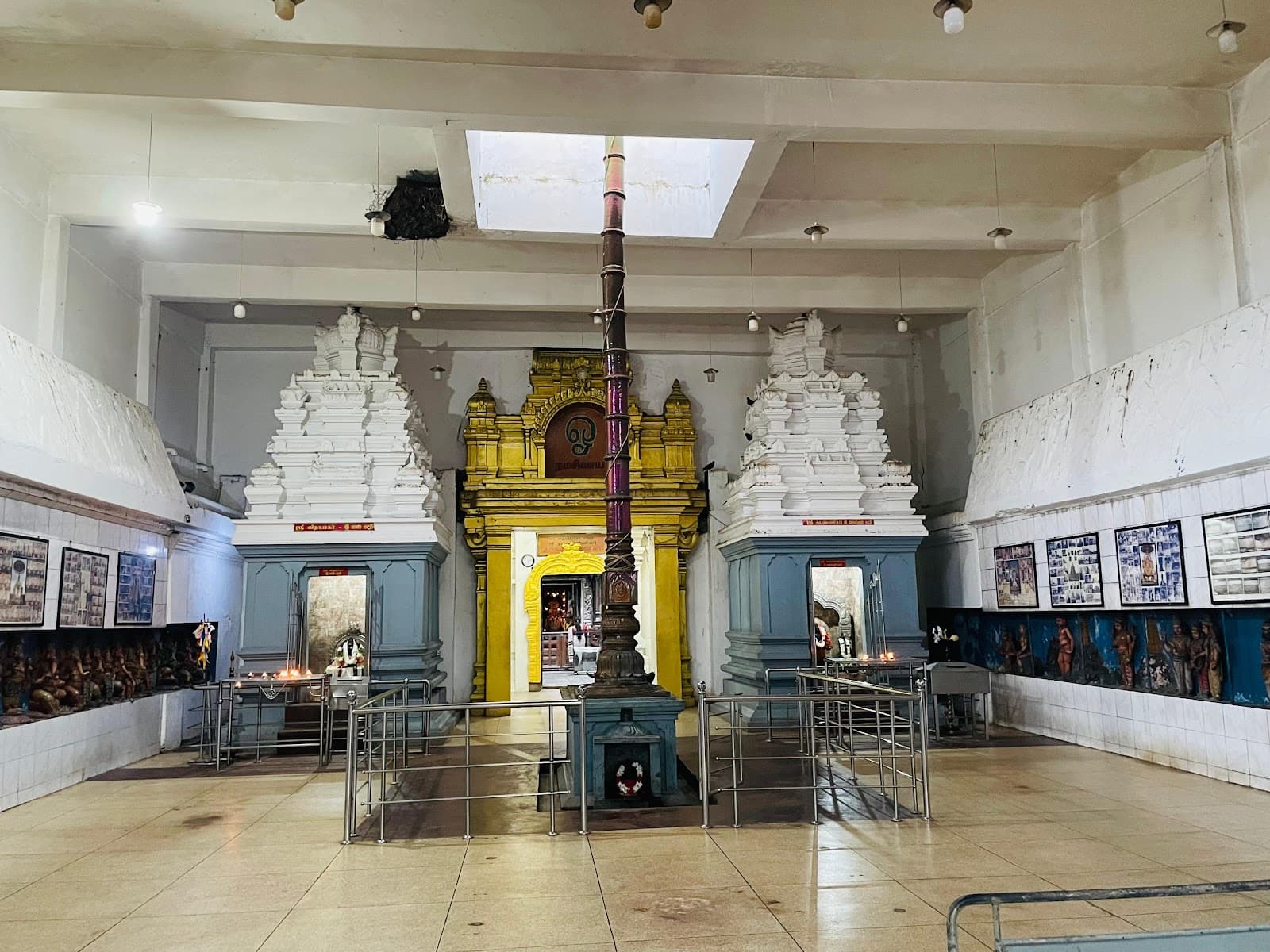
Munneswaram Temple Chilaw Sri Lanka
Munneswaram Temple, dramatically situated in the coastal town of Chilaw in northwestern Sri Lanka, represents one of the most extraordinary and historically significant Hindu temples in South Asia, with legends tracing its origins back to 1000 BCE and serving as one of the five ancient Pancha Ishwaram shrines dedicated to Shiva that were strategically established around the island's coastline, creating a powerful testament to the profound transmission of Indian Shaivite religious and architectural traditions to Sri Lanka. The temple complex, also known as Munneswaram Kovil, features sophisticated Dravidian architectural elements that demonstrate the direct transmission of South Indian temple architecture, particularly the traditions of the Pallava, Chola, and Pandya dynasties, with local adaptations that reflect the sophisticated synthesis of Indian Shaivite religious and artistic traditions with Sri Lankan building techniques, while the temple's history is deeply intertwined with the Ramayana epic, with local traditions identifying the site as one of the places where Rama, the hero of the epic, worshipped Shiva after his victory over Ravana. The temple's architectural layout, with its central sanctum housing the Shiva lingam surrounded by multiple enclosures, gopurams, and subsidiary shrines dedicated to various deities including Ganesha, Vishnu, and Amman, follows sophisticated South Indian Dravidian temple planning principles that were systematically transmitted from the great temple complexes of Tamil Nadu, while the temple's extensive decorative programs including sculptures, carvings, and architectural elements demonstrate the sophisticated synthesis of Indian Shaivite iconography and artistic traditions with local Sri Lankan aesthetic sensibilities. Archaeological evidence reveals that the temple served as a major center of Shaivite worship for over three millennia, attracting pilgrims from across South India and Sri Lanka, while the discovery of numerous inscriptions in Tamil and Sanskrit provides crucial evidence of the site's role in the transmission of Indian religious texts and practices to Sri Lanka, demonstrating the sophisticated understanding of Indian Shaivite traditions possessed by the temple's patrons and religious establishment. The temple's annual Munneswaram Festival, one of the largest Hindu festivals in Sri Lanka, attracts hundreds of thousands of devotees and demonstrates the continued vitality of Indian religious traditions in Sri Lanka, while the temple's association with the Pancha Ishwaram network demonstrates the sophisticated understanding of Indian Shaivite cosmology and temple planning principles that were transmitted from the great religious centers of India to Sri Lanka. The temple complex has undergone multiple reconstructions throughout its history, with the current structure representing a modern reconstruction that faithfully preserves the temple's original Dravidian architectural character and spiritual significance, while ongoing archaeological research continues to reveal evidence of the temple's ancient origins and its role in the transmission of Indian religious traditions to Sri Lanka. Today, Munneswaram Temple stands as one of the most important Hindu pilgrimage sites in northwestern Sri Lanka, serving as a powerful testament to the transmission of Indian Shaivite culture and architecture to Sri Lanka, while ongoing archaeological research and conservation efforts continue to protect and study this extraordinary cultural treasure that demonstrates the profound impact of Indian civilization on Sri Lankan religious and artistic traditions. ([1][2])
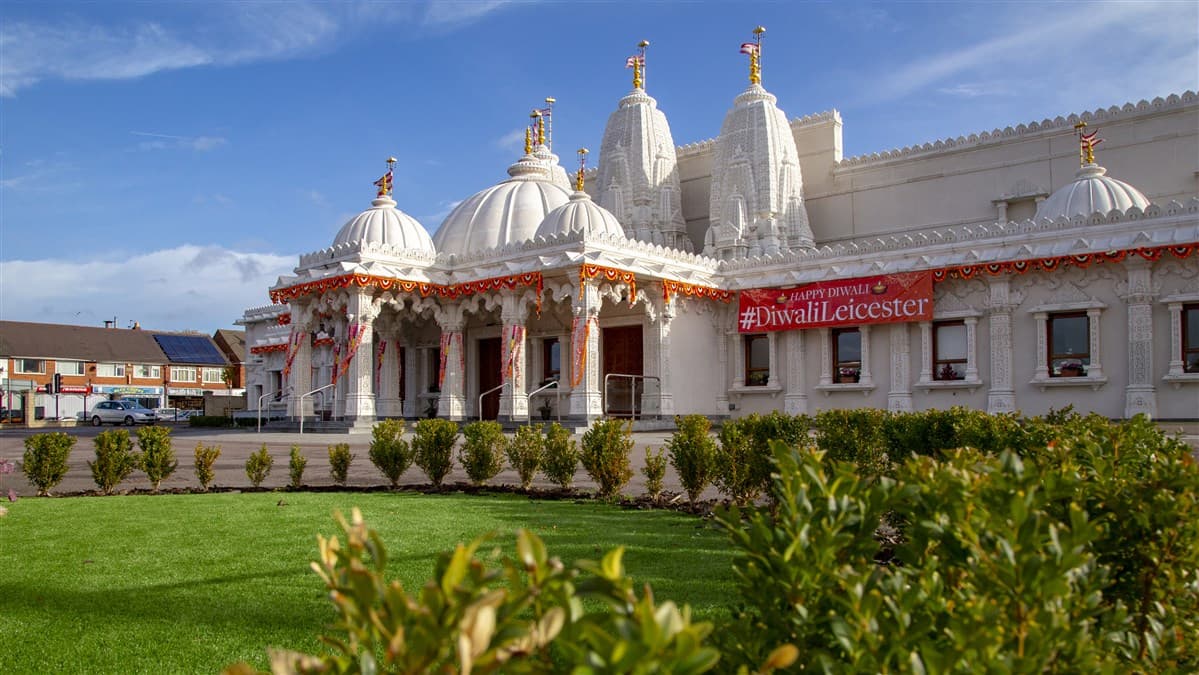
Shree Swaminarayan Mandir Leicester
Shree Swaminarayan Mandir Leicester opened in August 1977 as Europe’s first Swaminarayan temple and now occupies an expanded campus serving nearly 10,000 devotees across the East Midlands with daily arti, Gujarati and English satsang, youth programmes, and community clinics ([1][2]). The mandir operates 7:00 AM-12:00 PM and 4:00 PM-9:00 PM with arti at 11:30 AM and 7:00 PM; volunteer mandir sevaks manage biometric check-in, shoe storage, and queue systems that route visitors through the marble-clad sabha hall toward the sanctum of Ghanshyam Maharaj. Adjoining buildings include the Shikharbandh Mandir, a 2011 timber-and-glass Haveli for receptions and cultural teaching, and the Purushottam Bhavan community centre with classrooms, fitness studios, and the Annapurna kitchen providing subsidised prasad, Food for All hampers, and regional charity cooking ([1][3]). Leicester’s NHS partners operate wellbeing clinics onsite, while the temple’s legal and careers clinics support migrants and students. Broadcast studios stream daily darshan, kirtan, and Shikshapatri discourses worldwide, and Gurukul teachers run language, tabla, and kathak classes. Event control offices coordinate large-scale processions such as Rath Yatra and the Diwali Mela on Belgrave Road, deploying hundreds of volunteers for stewarding, medical support, and waste management, ensuring the sabha hall doubles as civic shelter and distribution centre when the city activates resilience plans ([1][4]).
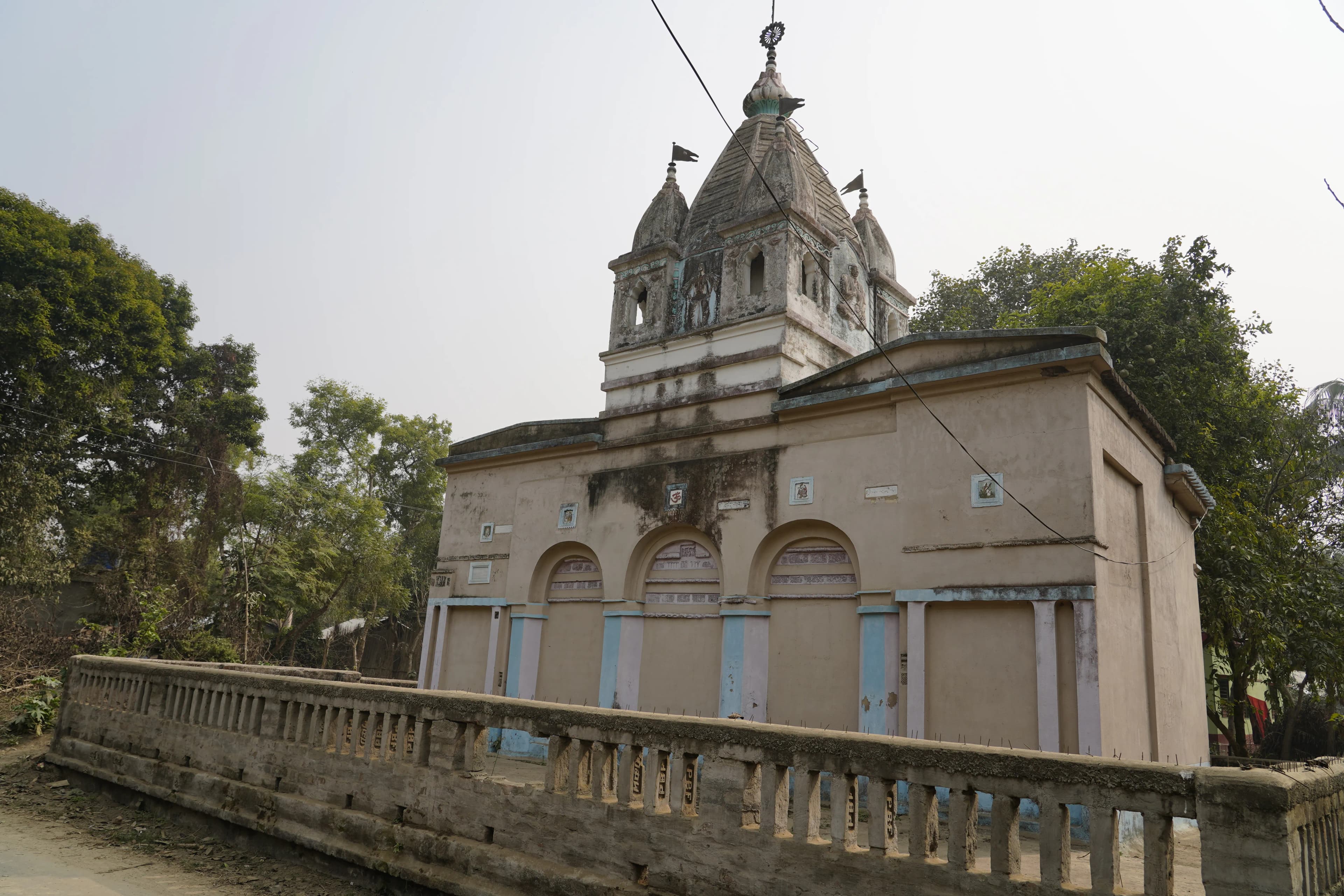
Shree Shyam Rai Temple Imphal
The air, thick with the scent of incense and champak flowers, hung heavy as I stepped onto the grounds of the Shree Govindajee Temple complex in Imphal. Coming from Uttar Pradesh, a land steeped in its own unique architectural heritage, I was eager to experience the distinct flavour of Manipuri religious architecture. The Shyam Rai Temple, dedicated to Lord Krishna, immediately caught my eye. Unlike the towering stone edifices I was accustomed to back home, this temple, nestled within the larger complex, presented a different aesthetic altogether. The structure, built primarily of brick and wood, showcased a distinctly Manipuri style. Its curved roof, reminiscent of the traditional thatched huts of the region, rose in tiers, culminating in a pointed finial. The vibrant colours – deep reds, ochre yellows, and bright golds – adorned the wooden carvings that embellished the facade. These weren't the intricate, narrative carvings of Khajuraho or the bold geometric patterns of Mughal architecture. These were simpler, yet equally expressive, depicting floral motifs, stylized dragons, and mythical creatures that spoke of a different artistic vocabulary. As I approached the main entrance, I noticed the absence of the towering gateways or gopurams that characterize South Indian temples. Instead, a modest arched entrance led into a courtyard. The courtyard itself was a hub of activity. Devotees, clad in traditional Manipuri attire, moved with quiet reverence. The women, in their phanek (sarong) and innaphi (shawl), added splashes of colour to the scene. The rhythmic chanting of hymns and the clang of cymbals created an atmosphere of serene devotion, a stark contrast to the bustling city just beyond the temple walls. Inside the sanctum sanctorum, the atmosphere was palpably different. The air was thick with the scent of sandalwood, and a single oil lamp cast flickering shadows on the deity. The image of Lord Krishna, adorned with vibrant silks and garlands, radiated a sense of profound tranquility. Unlike the elaborate rituals and crowded darshan queues I’d experienced in Uttar Pradesh temples, here, the worship felt more intimate, more personal. There was a quiet dignity in the way devotees offered their prayers, a sense of deep connection with the divine. What struck me most about the Shyam Rai Temple was its integration with the surrounding landscape. Unlike the monumental temples of the north, which often dominate their surroundings, this temple seemed to blend seamlessly with the natural environment. The surrounding gardens, filled with flowering trees and shrubs, added to the sense of peace and tranquility. I could see the influence of the surrounding hills and valleys in the curved lines of the roof and the natural materials used in its construction. The temple's architecture also reflected the unique cultural blend of Manipur. While the core structure adhered to traditional Manipuri styles, I could discern subtle influences from other regions. The use of brick, for instance, reminded me of the Mughal architecture prevalent in parts of India. This fusion of styles, this subtle intermingling of influences, spoke volumes about Manipur's history as a crossroads of cultures. Leaving the Shyam Rai Temple, I felt a sense of quiet contemplation. The experience had been a powerful reminder of the diversity of India's architectural and spiritual heritage. While the temples of Uttar Pradesh, with their grandeur and intricate carvings, held a special place in my heart, the Shyam Rai Temple, with its understated elegance and serene atmosphere, had offered a glimpse into a different, equally compelling, expression of faith and artistry. It reinforced the idea that sacred spaces, regardless of their architectural style or regional context, serve as powerful conduits for human connection with the divine.
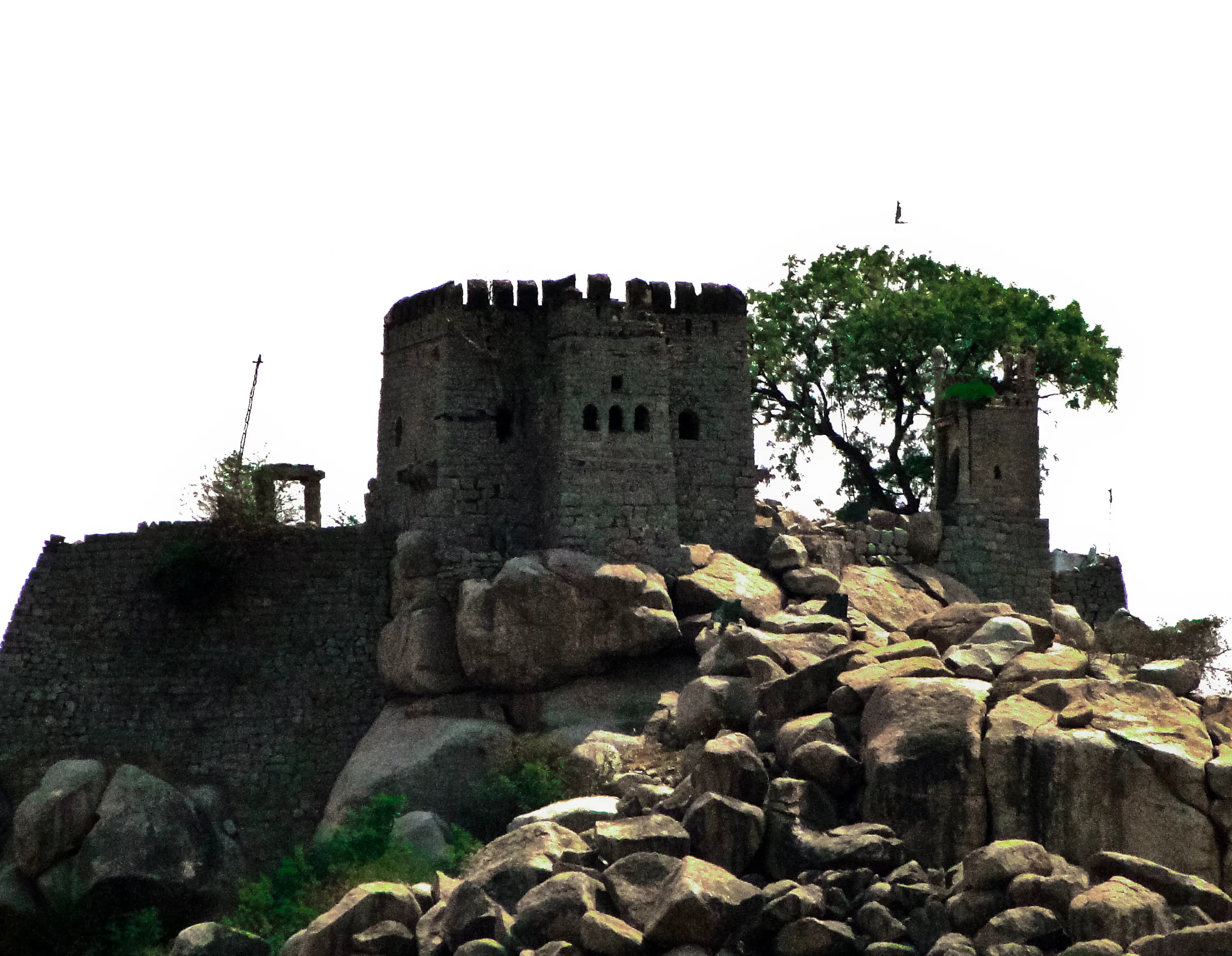
Raichur Fort Raichur
The sun beat down on the Deccan plateau, baking the ochre earth a shade darker as I approached the imposing Raichur Fort. Having explored countless Rajput strongholds in Rajasthan, I was eager to see how this Karnataka fortress, steeped in a different history and architectural tradition, would compare. The sheer scale of the fort, sprawling across a rocky hill overlooking the Krishna River, was immediately impressive. Unlike the sandstone grandeur of Rajasthan, Raichur’s walls were built of dark, rugged granite, giving it a more austere, almost forbidding appearance. My climb began through a series of gateways, each a testament to the fort’s layered past. The earliest structures, dating back to the Kakatiya dynasty, were simpler, more functional. As I ascended, I encountered the architectural fingerprints of later rulers – the Vijayanagara Empire, the Bahmani Sultanate, and even the Nizams of Hyderabad – all leaving their mark on this strategic location. The arches transitioned from the stepped pyramidal style of the Kakatiyas to the more ornate, curved arches favored by the Islamic rulers. This fusion of styles, a visual representation of the region’s complex history, was fascinating. Reaching the upper ramparts, I was rewarded with panoramic views of the surrounding plains. The strategic importance of Raichur Fort became instantly clear. From this vantage point, armies could control the fertile Krishna river valley and monitor movement for miles. I could almost envision the clash of armies, the siege engines pounding against the thick walls, the desperate struggles for control that played out over centuries. One of the most intriguing features of Raichur Fort is the presence of two large cylindrical structures, known as the Ek Minar and the Dhai Minar. While their exact purpose remains debated, some historians believe they served as granaries, while others suggest they were observation towers or even ceremonial structures. The Ek Minar, as the name suggests, stands solitary and incomplete, its top broken off, leaving it a silent witness to the ravages of time. The Dhai Minar, meaning “two-and-a-half minaret,” is taller and more intact, offering a breathtaking view from its summit. Climbing the narrow, winding staircase within the Dhai Minar was a slightly unnerving but ultimately rewarding experience. Within the fort’s walls, I discovered a maze of crumbling palaces, mosques, and underground chambers. The remnants of intricate carvings and faded frescoes hinted at the grandeur that once existed within these now-ruined halls. The Rani Mahal, or Queen’s Palace, though largely in ruins, still retained a sense of elegance, with its arched doorways and remnants of decorative plasterwork. The mosque, with its simple yet elegant arches and a large courtyard, offered a peaceful respite from the sun. Exploring the underground chambers, locally known as “patalganga,” was a particularly memorable experience. Descending into the cool darkness, guided only by the faint light filtering through the narrow openings, I felt a palpable sense of history. These chambers, believed to have been used for storage or as secret escape routes, evoked a sense of mystery and intrigue. Unlike the meticulously preserved forts of Rajasthan, Raichur Fort bears the scars of time and neglect. Yet, this very state of ruin adds to its charm, allowing the imagination to run wild, reconstructing the fort’s glorious past. It’s a place where history whispers from every crumbling wall, every broken arch, and every silent chamber. It’s a testament to the enduring power of the past, a place where the stories of empires rise and fall, etched in stone and whispered on the wind. Leaving Raichur Fort, I carried with me not just images of its impressive architecture, but a deeper understanding of the complex tapestry of history that has shaped this region of India. It’s a place that deserves to be explored, understood, and preserved for generations to come.
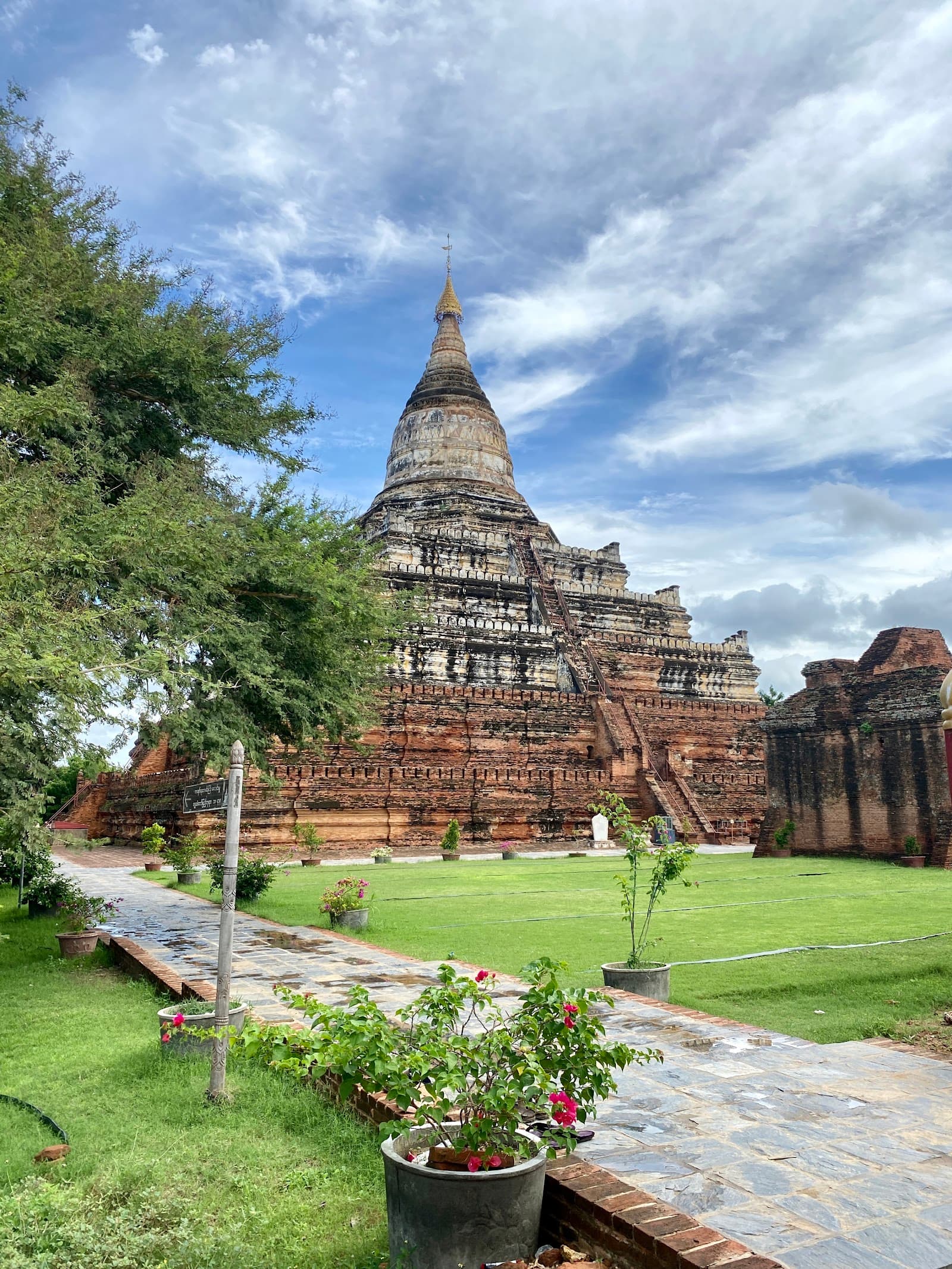
Shwesandaw Temple Bagan
Shwesandaw Temple, located in the Bagan Archaeological Zone, represents a significant 11th-century Buddhist temple that incorporates extensive Hindu guardian deities and iconography, demonstrating the syncretic nature of religious practice in ancient Myanmar, which was historically part of the greater Hindu rashtra extending across Southeast Asia through deep cultural and religious connections with ancient India. The temple, constructed in 1057 CE during the reign of King Anawrahta, features a distinctive five-terraced design rising to a height of 100 meters, making it one of the tallest structures in Bagan and serving as a prominent landmark visible across the archaeological zone. The temple complex, constructed primarily from brick with sandstone decorative elements, incorporates numerous Hindu guardian deities including Indra, Brahma, Vishnu, Shiva, and various devatas positioned at strategic points throughout the structure, reflecting the integration of Hindu protective deities into Buddhist religious architecture that was characteristic of the period when Myanmar (Brahma Desha) maintained strong connections to the greater Hindu rashtra. The temple’s architectural design demonstrates influence from Indian temple architecture, particularly the terraced tower (pyatthat) design that evolved from Indian shikhara forms, while the extensive use of Hindu guardian figures reflects the transmission of Hindu iconographic traditions from India to Myanmar through centuries of cultural exchange. Archaeological evidence indicates the temple was constructed to enshrine Buddha relics brought from India, demonstrating the close religious connections between Myanmar and the Indian subcontinent during the medieval period. The temple’s location and design reflect Indic cosmological principles, with the five terraces representing the five elements and the overall structure oriented according to Hindu-Buddhist cosmological planning. The temple has undergone multiple restorations, with significant work conducted in recent decades to stabilize the structure and preserve the Hindu guardian deity sculptures. Today, Shwesandaw Temple stands as a UNESCO World Heritage Site within the Bagan Archaeological Zone, serving as a powerful reminder of Myanmar’s deep Hindu heritage and its historical connection to the greater Hindu rashtra that extended across the Indian subcontinent and into Southeast Asia through shared religious, cultural, and architectural traditions. ([1][2])

Khulbuk Buddhist Site of Shaartuz Tajikistan
Khulbuk Buddhist Site of Shaartuz, dramatically situated in the Shaartuz area of southern Tajikistan, represents one of the most archaeologically significant Buddhist monastery remains in Central Asia, constructed in the 7th century CE during the Tokharistan period as a major Buddhist religious complex that demonstrates the profound transmission of Indian Buddhist religious and architectural traditions to Central Asia along the ancient Silk Road. The monastery complex, featuring sophisticated architectural elements that demonstrate the direct transmission of Indian Buddhist monastery architecture, particularly the traditions of northern India during the Gupta and post-Gupta periods, with local adaptations that reflect the sophisticated synthesis of Indian religious and artistic traditions with Central Asian building techniques, while the site's extensive ruins including foundations, walls, and architectural fragments provide crucial evidence of the monastery's original layout and design. Archaeological excavations have revealed extraordinary Buddhist sculptures, reliefs, and architectural elements executed in styles that demonstrate clear Indian Buddhist iconographic influences, while the discovery of numerous artifacts including coins, pottery, and ritual objects provides crucial evidence of the site's role as a major center of Buddhist learning and practice that attracted monks, traders, and pilgrims from across the Buddhist world including India. The monastery's architectural layout, with its central sanctuary surrounded by monastic cells and assembly halls, follows sophisticated Indian Buddhist monastery planning principles that were systematically transmitted from the great monastic centers of India, while the monastery's extensive decorative programs including sculptures and architectural elements demonstrate the sophisticated synthesis of Indian Buddhist iconography and artistic traditions with local Central Asian aesthetic sensibilities. The monastery's location in the Shaartuz area, a major Silk Road crossroads, underscores its significance as a center for the transmission of Buddhist teachings, art, and culture from India to Central Asia and beyond, while the site's architectural sophistication demonstrates the sophisticated understanding of Indian Buddhist traditions possessed by the monks and artisans who created this extraordinary complex. Today, Khulbuk Buddhist Site of Shaartuz stands as a UNESCO Tentative List site and represents one of the most important Buddhist monastery remains in Central Asia, serving as a powerful testament to the transmission of Indian Buddhist culture and architecture to Central Asia, while ongoing archaeological research and conservation efforts continue to protect and study this extraordinary cultural treasure that demonstrates the profound impact of Indian civilization on Central Asian religious and artistic traditions. ([1][2])

Battala Mahadev Temple Agartala
Nestled in the heart of Tripura, the Battala Mahadev Temple, a revered shrine dedicated to Lord Shiva, was erected around 1681 CE under the patronage of Maharaja Krishna Manikya ([1][2]). This 17th-century temple, a testament to the Manikya dynasty's devotion, showcases a captivating fusion of Nagara and Bengali architectural traditions ([3]). Its presence enriches Agartala's cultural tapestry, drawing devotees and architecture enthusiasts alike. During the Ahom period, temple architecture in India experienced a flourishing of regional adaptations, and this temple exemplifies such unique synthesis ([4]). The curvilinear tower, echoing the chala style of Bengal, adds a distinctive character to the temple's silhouette, illustrating the cross-pollination of architectural ideas ([3]). The temple's design subtly integrates regional aesthetics within the broader Hindu architectural framework. Stone platforms and foundations demonstrate the enduring construction techniques employed in building the Battala Mahadev Temple ([1][5]). The structure primarily utilizes locally sourced materials such as stone, bricks, terracotta, and wood, reflecting the region's architectural identity ([1][5]). The exterior, finished with whitewash, presents a serene and austere facade, a contrast to the vibrant ornamentation often seen in other Indian temples ([2]). Within the Garbhagriha (Sanctum), the Shiva lingam serves as the central focus of worship, inviting devotees into a space of spiritual communion ([3]). The temple stands as an embodiment of Tripura's rich cultural and religious heritage, offering a tranquil space for reflection and devotion ([4][5]). The patronage of the Manikya dynasty underscores the temple's historical significance, solidifying its place as a notable landmark in Agartala ([1][2][3]). The temple stands as a reminder of the architectural and artistic achievements of the era.
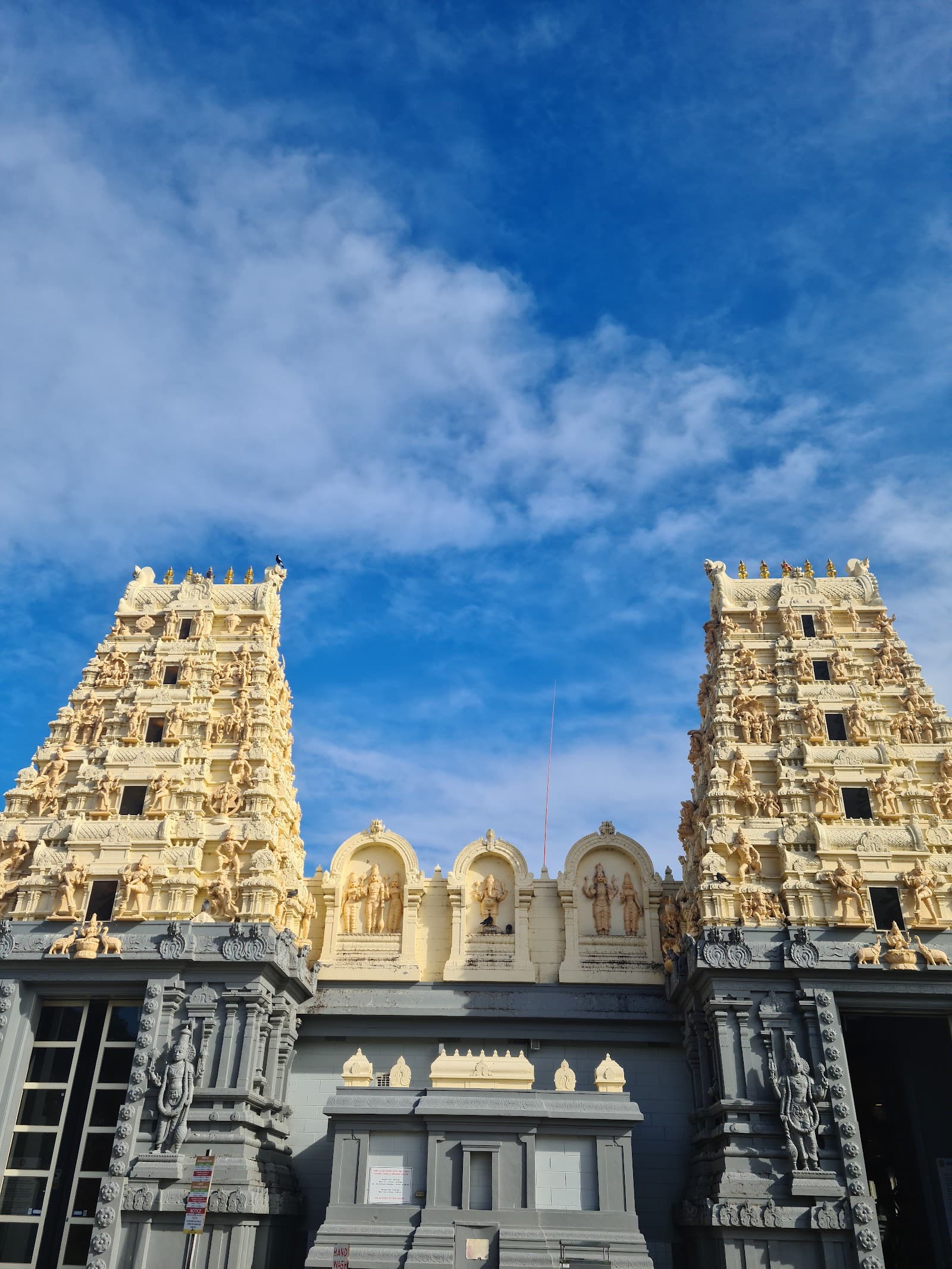
Shri Shiva Vishnu Temple Carrum Downs
Shri Shiva Vishnu Temple Carrum Downs is dedicated to Lord Shiva and Lord Vishnu and anchors Carrum Downs, Victoria, as the largest Hindu complex in the southern hemisphere ([1][2]). Daily darshan opens 7:30 AM-12:00 PM and 4:00 PM-9:00 PM, with Saturday hours extending to 10:00 PM as dual queues marshal visitors toward the Shiva and Vishnu sanctums without crossover ([1]). A volunteer command post in the Yajna hall tracks CCTV and real-time crowd counts, dispatching ushers to the 108-pillared mandapa when coach tours arrive from interstate ([1][3]). The community centre seats 1,000 in banquet configuration, where stainless trolleys glide along polished concrete aisles and induction woks maintain prasadam throughput while keeping the hall free of combustion fumes ([1][4]). Tactile maps, contrasting floor nosings, and induction loop audio guide visitors with low vision or hearing loss, complemented by two lifts linking the cultural classrooms to the main prakaram ([3]). Accessible parking bays sit 30 metres from the gopuram and connect via canopy-covered ramps that maintain 1:20 gradients, easing pilgrimage for seniors and wheelchair users ([3]). Signage delivers tri-lingual Tamil-Hindi-English instructions, QR-linked seva booking, and bushfire evacuation diagrams audited annually by Fire Rescue Victoria ([3][5]). Air monitoring sensors in the homa kunda feed a dashboard that alerts priests when particulate loads trigger extraction fans, ensuring ceremonies run without breaching occupational standards ([5]). With cross-trained volunteers, audited hygiene workflows, and resilient visitor routing, the temple stays fully operational for worship, cultural tuition, and civic events throughout the calendar year ([1][2]).
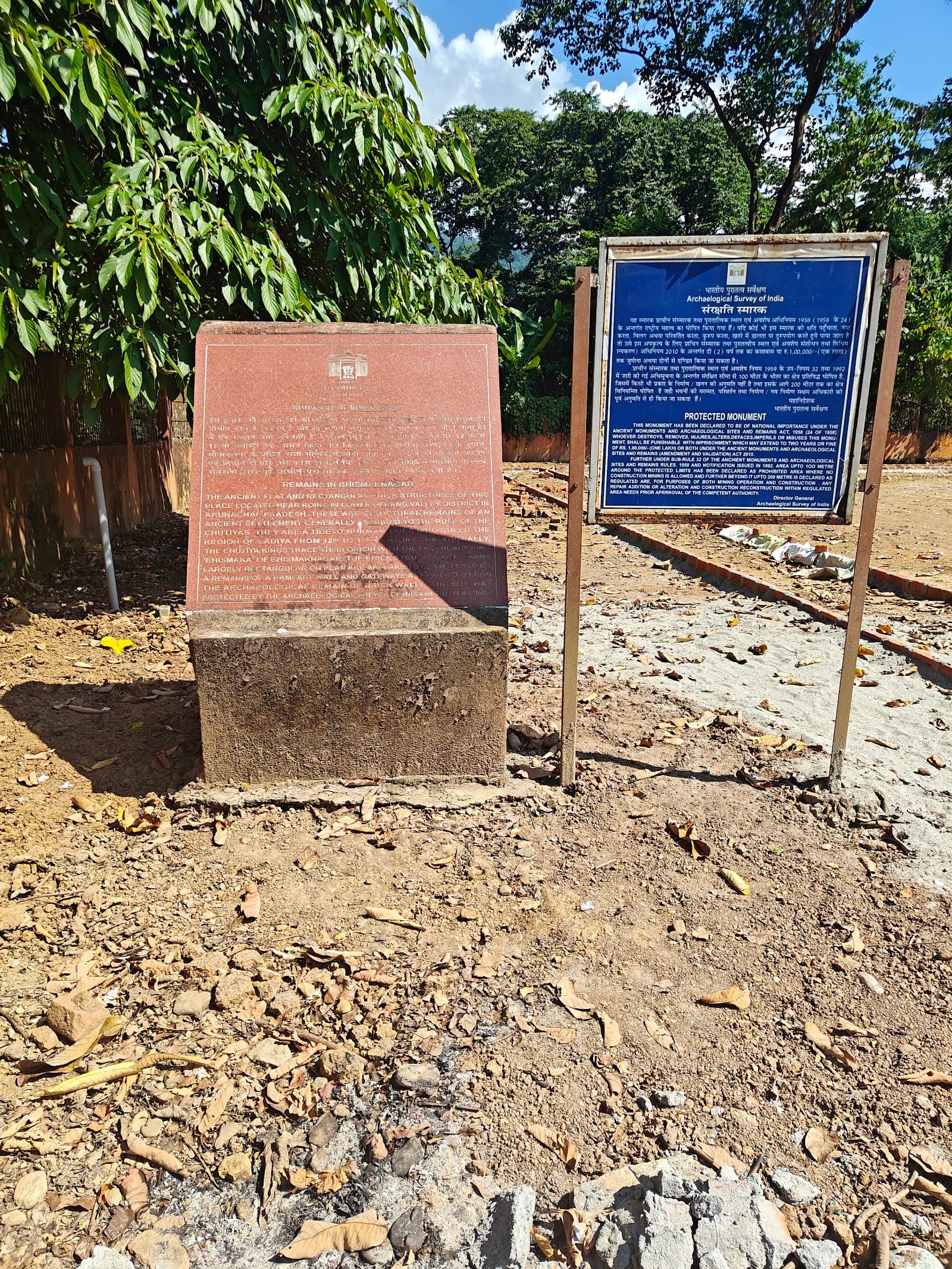
Bhismaknagar Fort Roing
Fired brick and mud brick construction techniques define Bhismaknagar Fort, erected around 1100 CE by the Chutia kingdom in Arunachal Pradesh ([1][2]). As an archaeological site in Khatan, Lower Dibang Valley, Roing, it represents a significant example of Tai Ahom architectural influence ([3]). Archaeological excavations have uncovered a sophisticated, sprawling complex, revealing the architectural prowess of this medieval kingdom ([4]). The fort's rectangular layout features ramparts and gateways, constructed primarily from brick, showcasing the ingenuity of the builders ([5]). Intricate carvings adorning the walls display geometric and floral motifs, reflecting the cultural richness of the Chutia kingdom ([2]). Unlike typical stone fortifications, Bhismaknagar utilized locally abundant clay, crafting large bricks without mortar ([1][5]). Stone platforms and foundations demonstrate a planned construction, hinting at residential and administrative functions ([3][4]). The use of burnt brick, stone, timber, and bamboo highlights the resourcefulness of the builders ([1][2][3]). During the Ahom Period, temple architecture, though not fully evident in Bhismaknagar's ruins, likely influenced the fort's design ([5]). The architectural style incorporates elements of medieval design, with a focus on functionality and defense ([3][4]). Vastu Shastra principles, the ancient Indian science of architecture, may have guided the layout and orientation of the fort, although specific textual references are not available ([5]). Bhismaknagar offers a glimpse into a forgotten era, a testament to the resilience and artistry of its creators ([1]). Bhismaknagar remains a significant archaeological site, linking us to India's diverse heritage ([2][3]). Further research and preservation efforts are crucial to understanding the full scope of its historical and architectural importance ([1][4]). The site stands as a reminder of the Chutia kingdom's legacy and their contribution to the region's cultural landscape ([2][5]).
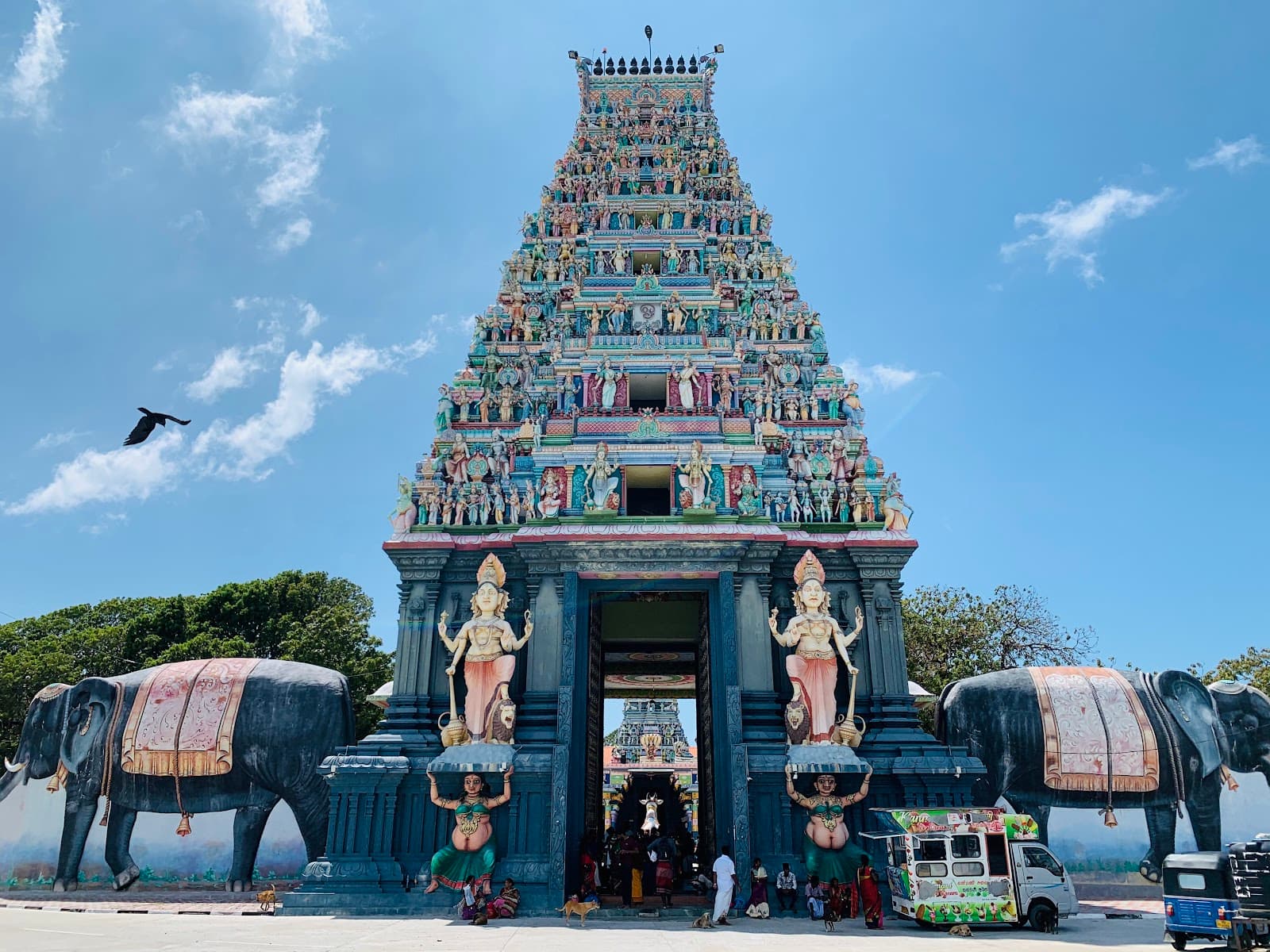
Nainativu Nagapooshani Amman Temple Nainativu Jaffna Sri Lanka
Nainativu Nagapooshani Amman Temple, dramatically situated on the sacred island of Nainativu off the coast of Jaffna in northern Sri Lanka, represents one of the most extraordinary and spiritually significant Hindu temples in South Asia, with ancient origins and an 18th-century reconstruction that serves as a major center of Shakti worship dedicated to the goddess Nagapooshani Amman, creating a powerful testament to the profound transmission of Indian Shakta religious and architectural traditions to Sri Lanka. The temple complex, also known as Nainativu Nagapooshani Kovil, features sophisticated Dravidian architectural elements that demonstrate the direct transmission of South Indian temple architecture, particularly the traditions of the Pallava, Chola, and Pandya dynasties, with local adaptations that reflect the sophisticated synthesis of Indian Shakta religious and artistic traditions with Sri Lankan building techniques, while the temple's location on the sacred island of Nainativu, accessible only by boat, underscores its spiritual significance as a place of pilgrimage that has attracted devotees from across South India and Sri Lanka for centuries. The temple's architectural layout, with its central sanctum housing the goddess Nagapooshani Amman surrounded by multiple enclosures, gopurams, and subsidiary shrines dedicated to various deities including Shiva, Ganesha, and Murugan, follows sophisticated South Indian Dravidian temple planning principles that were systematically transmitted from the great temple complexes of Tamil Nadu, while the temple's extensive decorative programs including sculptures, carvings, and architectural elements demonstrate the sophisticated synthesis of Indian Shakta iconography and artistic traditions with local Sri Lankan aesthetic sensibilities. Archaeological evidence reveals that the temple served as a major center of Shakti worship for centuries, attracting pilgrims from across South India and Sri Lanka, while the discovery of numerous inscriptions in Tamil and Sanskrit provides crucial evidence of the site's role in the transmission of Indian religious texts and practices to Sri Lanka, demonstrating the sophisticated understanding of Indian Shakta traditions possessed by the temple's patrons and religious establishment. The temple's association with the sacred island of Nainativu, which is also home to a Buddhist stupa, demonstrates the sophisticated religious syncretism that has characterized Sri Lankan religious practices, while the temple's annual festivals attract thousands of devotees and demonstrate the continued vitality of Indian religious traditions in Sri Lanka. The temple complex underwent major reconstruction in the 18th century, with the current structure representing a faithful preservation of the temple's original Dravidian architectural character and spiritual significance, while ongoing archaeological research continues to reveal evidence of the temple's ancient origins and its role in the transmission of Indian religious traditions to Sri Lanka. Today, Nainativu Nagapooshani Amman Temple stands as one of the most important Hindu pilgrimage sites in northern Sri Lanka, serving as a powerful testament to the transmission of Indian Shakta culture and architecture to Sri Lanka, while ongoing archaeological research and conservation efforts continue to protect and study this extraordinary cultural treasure that demonstrates the profound impact of Indian civilization on Sri Lankan religious and artistic traditions. ([1][2])
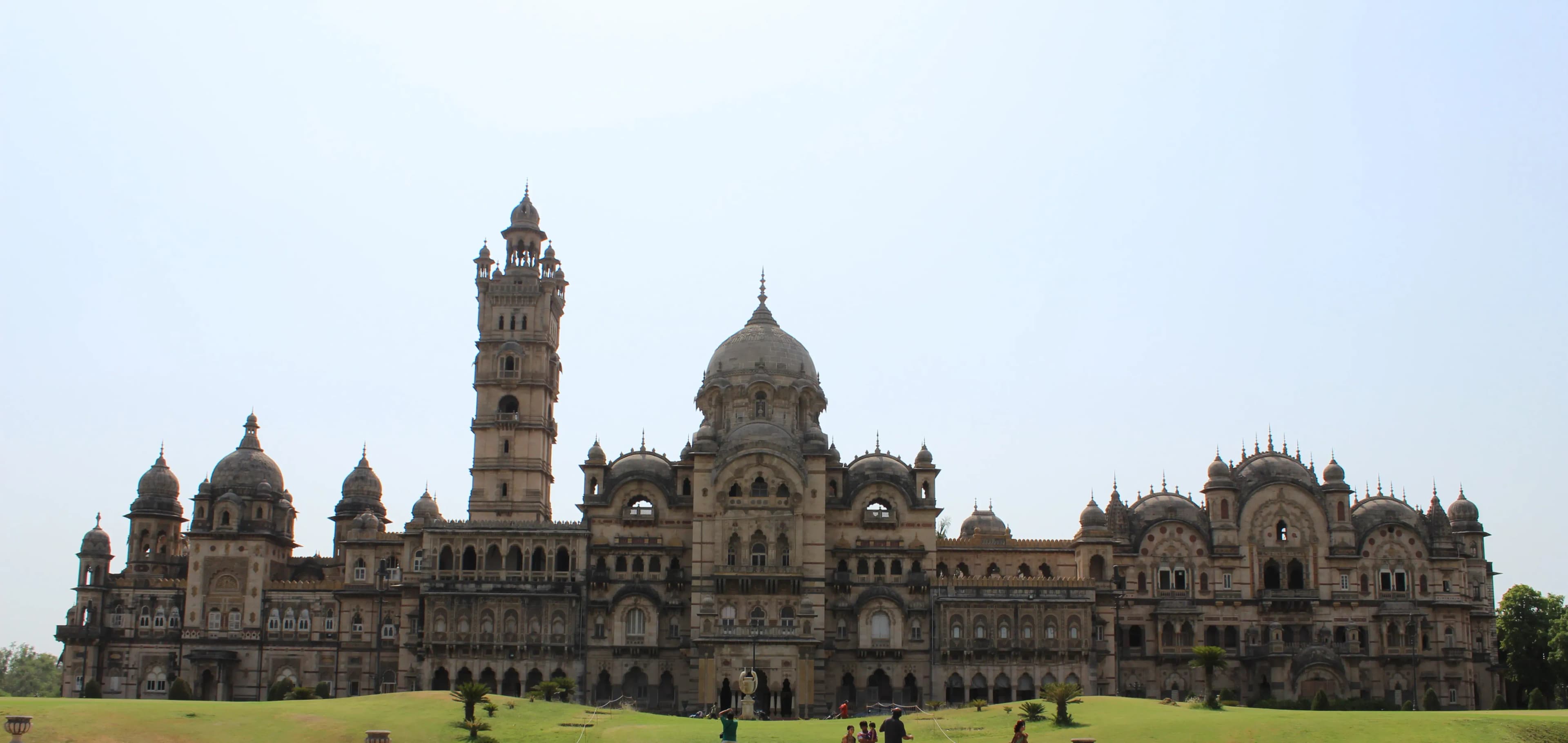
Laxmi Vilas Palace Vadodara
The wrought iron gates of Laxmi Vilas Palace, embellished with the Gaekwad coat of arms, seemed to whisper tales of a bygone era as I stepped onto the sprawling grounds. This wasn't merely a palace; it was a statement – a testament to the grandeur and vision of Maharaja Sayajirao Gaekwad III. The sheer scale of the Indo-Saracenic structure, dwarfing even the impressive structures I’m accustomed to in Kolkata, left me momentarily speechless. Built in 1890, it remains the largest private dwelling in India, four times the size of Buckingham Palace, a fact that continually echoed in my mind as I explored its vast expanse. The first thing that struck me was the seamless blend of architectural styles. While the domes and arches spoke of Mughal influence, the intricate carvings and jalis (perforated stone screens) were distinctly Gujarati. The use of European architectural elements, such as the Italian marble columns and stained-glass windows, added another layer of complexity, showcasing the Maharaja's cosmopolitan outlook. It wasn't just a fusion of styles, but a conversation between them, each element complementing the other in a harmonious symphony of stone and artistry. Inside, the Durbar Hall, with its Venetian mosaic floors and Belgian stained-glass windows depicting scenes from the Mahabharata, was breathtaking. The sheer opulence was almost overwhelming, yet there was a sense of restraint, a refusal to descend into gaudiness. The delicate floral motifs carved into the sandstone walls, the intricate chandeliers hanging from the high ceilings, and the portraits of the Gaekwad dynasty lining the walls all spoke of a refined aesthetic sensibility. I was particularly fascinated by the Navlakhi stepwell, tucked away in a corner of the vast gardens. Descending into its cool depths, I felt transported back in time. The intricate carvings on the stepwell walls, depicting deities and celestial beings, were remarkably well-preserved, a testament to the quality of the craftsmanship. It was a space of quiet contemplation, a stark contrast to the grandeur of the palace itself. The palace museum, housed within a section of the main building, provided a fascinating glimpse into the lives of the Gaekwad rulers. The collection of weaponry, including swords, guns, and armor, was impressive, but it was the personal artifacts – the Maharaja's vintage cars, his collection of clocks, and the portraits of his family – that truly captured my attention. These objects humanized the Maharaja, transforming him from a historical figure into a man with passions and interests. As I wandered through the manicured gardens, past fountains and sculptures, I couldn't help but reflect on the legacy of Maharaja Sayajirao Gaekwad III. He was not just a builder of palaces, but a visionary ruler who invested heavily in education, infrastructure, and social reforms. Laxmi Vilas Palace, therefore, is not just a symbol of his wealth, but a reflection of his progressive ideals. The palace continues to be the residence of the royal family, a living testament to a dynasty that shaped the history of Vadodara. Leaving the palace grounds, I felt a sense of awe and gratitude. Awe at the sheer magnificence of the structure and the artistry of its creators, and gratitude for the opportunity to witness a piece of history firsthand. Laxmi Vilas Palace is not just a building; it is a story etched in stone, a story of ambition, vision, and a deep appreciation for beauty. It is a must-see for anyone interested in Indian architecture and history, a place where the past comes alive in all its splendor.
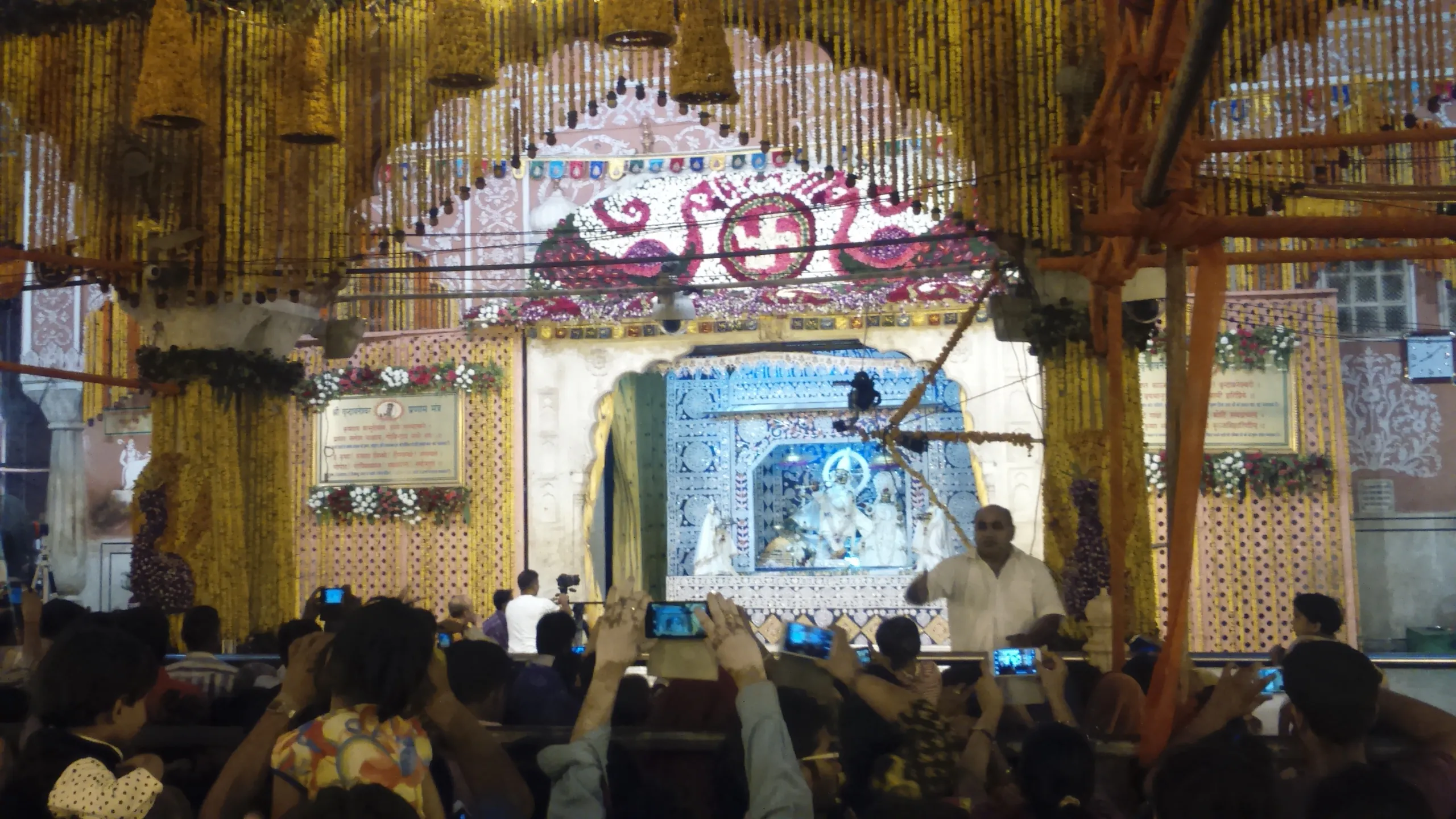
Govind Dev Ji Temple Jaipur
The Govind Dev Ji Temple in Jaipur isn't just a place of worship; it's a living testament to a unique blend of architectural styles that captivated me from the moment I stepped within its precincts. Having spent years studying the Dravidian architecture of South Indian temples, I was eager to experience the distinct architectural vocabulary of this North Indian shrine, and I wasn't disappointed. Located within the City Palace complex, the temple almost feels like a private sanctuary for the royal family, a feeling amplified by its relatively modest exterior compared to the grandeur of the surrounding palace buildings. The first thing that struck me was the absence of the towering gopurams that define South Indian temple gateways. Instead, the entrance is marked by a series of chhatris, elevated, dome-shaped pavilions supported by ornate pillars. These chhatris, with their delicate carvings and graceful curves, speak to the Rajput influence, a stark contrast to the pyramidal vimanas of the South. The use of red sandstone, a hallmark of Rajasthani architecture, lends the temple a warm, earthy hue, quite different from the granite and sandstone palettes I'm accustomed to seeing in Tamil Nadu. As I moved through the courtyard, I observed the seven-storied structure housing the main shrine. While not a gopuram in the traditional sense, it does serve a similar function, drawing the eye upwards towards the heavens. The multiple stories, each adorned with arched openings and intricate jali work, create a sense of verticality and lightness, a departure from the solid mass of South Indian temple towers. The jalis, or perforated stone screens, not only serve as decorative elements but also allow for natural ventilation, a practical consideration in the arid climate of Rajasthan. The main sanctum, where the image of Govind Dev Ji (Krishna) resides, is a relatively simple chamber, its focus squarely on the deity. The absence of elaborate sculptures on the walls within the sanctum surprised me. South Indian temples often feature intricate carvings depicting mythological scenes and deities on every available surface. Here, the emphasis is on the devotional experience, a direct connection with the divine, unmediated by elaborate ornamentation. The silver-plated doors of the sanctum, however, are exquisitely crafted, showcasing the artistry of the region's metalworkers. The courtyard itself is a marvel of spatial planning. The open space allows for the free flow of devotees, while the surrounding colonnades provide shade and a sense of enclosure. The pillars supporting these colonnades are slender and elegant, adorned with intricate floral motifs and geometric patterns. I noticed a distinct Mughal influence in some of these decorative elements, a testament to the cultural exchange that shaped the region's artistic traditions. The use of marble for flooring, another Mughal influence, adds a touch of opulence to the space. One of the most captivating aspects of the Govind Dev Ji Temple is its integration with the City Palace. The temple's location within the palace complex blurs the lines between the sacred and the secular, reflecting the close relationship between the royal family and the deity. This integration is a departure from the South Indian tradition where temples, while often patronized by royalty, maintain a distinct identity as separate entities. My visit to the Govind Dev Ji Temple was a fascinating cross-cultural experience. It highlighted the diversity of India's architectural heritage and underscored the power of architecture to reflect regional identities and religious beliefs. While the temple's architectural vocabulary differed significantly from the Dravidian style I'm familiar with, the underlying spirit of devotion and the artistic skill evident in its construction resonated deeply with my understanding of sacred architecture.
Quick Links
Plan Your Heritage Journey
Get personalized recommendations and detailed visitor guides