Has Inheritage Foundation supported you today?
Your contribution helps preserve India's ancient temples, languages, and cultural heritage. Every rupee makes a difference.
Secure payment • Instant 80G certificate
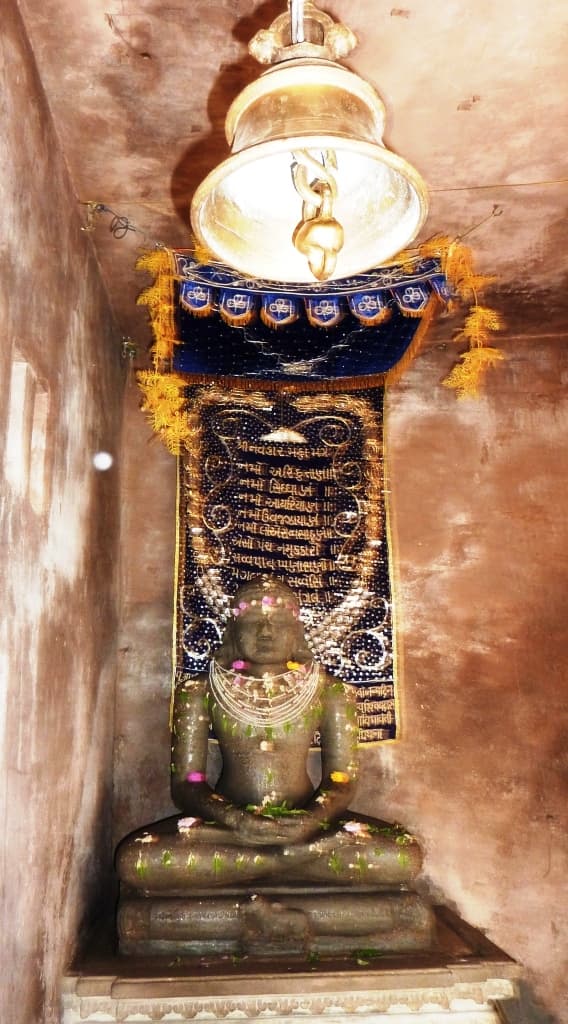
Kangra Fort Kangra
The wind whipped around me, carrying the scent of pine and a whisper of history as I stood before the imposing gates of Kangra Fort. Having explored the basalt-carved wonders of Maharashtra’s caves and the intricate details of its temples, I was eager to experience the distinct architectural language of this Himalayan fortress. Perched high on a strategic precipice overlooking the confluence of the Banganga and Majhi rivers, Kangra Fort exuded an aura of impregnable strength, a testament to its enduring legacy. My ascent through the massive gateway, locally known as the "Ranjit Singh Gate," felt like stepping back in time. The thick, fortified walls, scarred with the marks of battles fought and won, spoke volumes about the fort's tumultuous past. Each stone seemed to echo with the clash of swords and the thunder of cannons, a stark reminder of the fort’s strategic importance over centuries. Unlike the rock-cut architecture I was accustomed to in Maharashtra, Kangra’s fortifications were primarily built with dressed stone, lending it a different, more imposing character. Within the fort’s complex labyrinth, I discovered a fascinating blend of architectural styles. The influence of Rajput military architecture was evident in the sturdy ramparts, the strategically placed bastions, and the narrow, winding passages designed to confuse invaders. Yet, interspersed within this robust framework were glimpses of more delicate artistry. The crumbling remnants of palaces, adorned with faded frescoes and intricate carvings, hinted at a time of royal grandeur. The Maharani Mahal, despite its dilapidated state, still retained a certain elegance, its arched doorways and latticed windows offering glimpses of a bygone era. The Lakshmi Narayan Temple, nestled within the fort’s walls, was a striking contrast to the military structures surrounding it. Its shikhara, though damaged by past earthquakes, still reached towards the sky, a symbol of resilience and faith. The stone carvings on the temple walls, depicting scenes from Hindu mythology, were remarkably well-preserved, showcasing the skill of the artisans who crafted them. While the temple’s architecture bore some resemblance to the North Indian Nagara style, it also possessed a unique regional character, distinct from the temples I had encountered in Maharashtra. One of the most captivating aspects of Kangra Fort was its panoramic view. From the ramparts, I could see the vast expanse of the Kangra Valley stretching out before me, a patchwork of green fields and terraced hillsides. The snow-capped Dhauladhar range in the distance provided a breathtaking backdrop, adding to the fort’s majestic aura. It was easy to understand why this strategic location had been so fiercely contested throughout history. Exploring the fort’s museum, housed within the Ambika Devi Temple, provided further insights into its rich past. The collection of artifacts, including ancient coins, pottery shards, and miniature paintings, offered tangible evidence of the fort’s long and storied history. The museum also showcased the fort’s connection to the Katoch dynasty, who ruled the region for centuries. As I descended from the fort, the setting sun casting long shadows across the valley, I felt a profound sense of awe and admiration. Kangra Fort was not merely a collection of stones and mortar; it was a living testament to human resilience, ingenuity, and the enduring power of history. It stood as a stark contrast to the cave temples and intricately carved shrines of my home state, yet it resonated with the same spirit of human endeavor, a testament to the diverse tapestry of India’s cultural heritage. The echoes of battles and whispers of royal grandeur still lingered in the air, a reminder that the stories etched within these ancient walls continue to resonate across the ages.

Durga Mandir Serchhip
The emerald hills of Mizoram cradled Serchhip, a town I hadn't known existed until my editor suggested it. My focus, as always, was on architecture, and the Durga Mandir, nestled within this unexpected landscape, proved a fascinating anomaly. It wasn't the towering, ornate structure I'd grown accustomed to in Gujarat. Instead, it possessed a quiet dignity, a subtle blend of traditional Mizo architecture and North Indian temple influences, reflecting the unique cultural confluence of this region. The temple’s location itself was striking. Unlike the grand temple complexes of Gujarat often situated in bustling city centers or on riverbanks, the Durga Mandir occupied a more secluded spot, slightly removed from the town's main thoroughfare. A short climb up a gentle slope, flanked by trees, led to the temple grounds, offering a sense of peaceful detachment from the world below. This approach, I realized, mirrored the spiritual journey itself – a movement away from the mundane towards the sacred. The structure was primarily built of brick, painted a cheerful salmon pink, a stark contrast to the surrounding greenery. The shikhara, the tower above the sanctum sanctorum, was noticeably different from the curvilinear forms I’d seen in Gujarat’s temples. Here, it was a pyramidal structure, tiered and tapering towards the apex, reminiscent of the traditional Mizo houses. This adaptation, I felt, was a testament to the local craftsmen who had likely incorporated their own architectural vocabulary into the temple's design. The entrance to the temple was through a modest arched gateway, leading into a small courtyard. The courtyard, paved with simple stone slabs, was surprisingly intimate. It lacked the elaborate carvings and sculptures that adorn many Gujarati temples, but this simplicity had its own charm. It allowed the focus to remain firmly on the main shrine. The main shrine housed the deity of Durga, a powerful symbol of feminine energy. The idol, though smaller than the monumental representations I’d seen elsewhere, held the same aura of reverence. The interior of the shrine was relatively plain, with minimal ornamentation. The walls were painted a soft yellow, creating a warm, inviting atmosphere. The absence of excessive decoration, I realized, amplified the spiritual energy within the space. What truly captivated me was the intricate woodwork adorning the temple’s eaves and pillars. The Mizo people are renowned for their woodcarving skills, and the Durga Mandir showcased this artistry beautifully. Floral motifs and geometric patterns were intricately carved into the wood, adding a layer of delicate beauty to the otherwise simple structure. These carvings, I learned, were not merely decorative; they held symbolic meanings, narrating stories from Hindu mythology and local folklore. As I sat in the quiet courtyard, observing the interplay of light and shadow on the temple walls, I reflected on the unique character of this sacred space. It wasn't a grand spectacle of architectural prowess like the temples of my homeland. Instead, it was a quiet testament to the harmonious blending of cultures, a symbol of faith adapting and flourishing in a new environment. The Durga Mandir in Serchhip wasn't just a temple; it was a story etched in brick and wood, a narrative of cultural exchange and spiritual adaptation, a story that resonated deeply with me. It served as a powerful reminder that architectural marvels can be found in the most unexpected places, often whispering stories more profound than their grander counterparts. My journey to Mizoram, initially driven by architectural curiosity, had unexpectedly transformed into a cultural exploration, enriching my understanding of India's diverse spiritual landscape.
Sri Ranganathaswamy Temple Srirangam
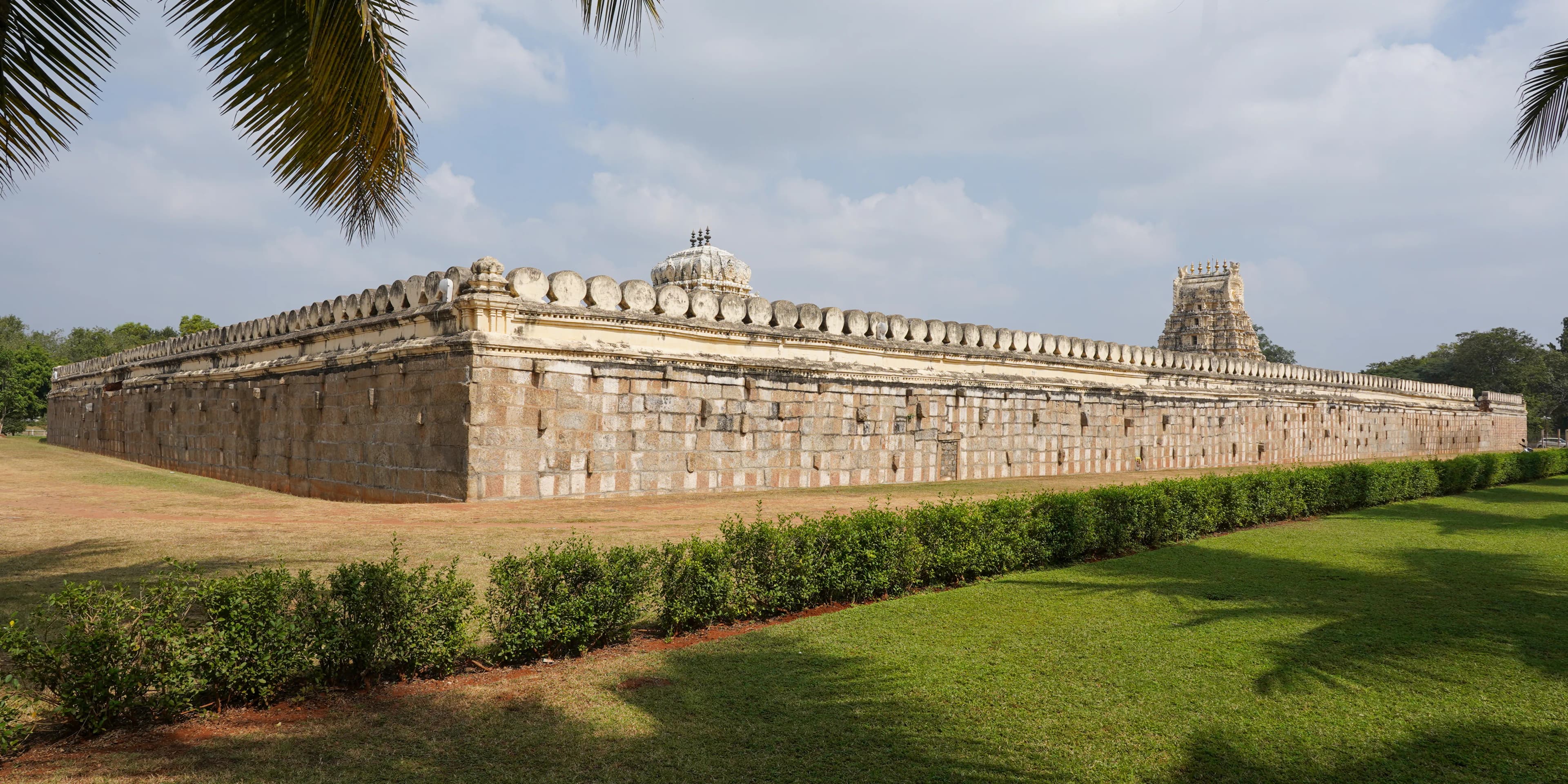
The cacophony of Delhi faded into a distant memory as I stepped onto the hallowed grounds of the Sri Ranganathaswamy Temple in Srirangam. Having explored the intricate carvings of Khajuraho and the towering grandeur of Kedarnath, I thought I had a grasp on the scale of North Indian temple architecture. I was mistaken. Srirangam isn't just a temple; it's a living, breathing city dedicated to Lord Vishnu, an island sanctuary cradled by the Cauvery River. Its sheer magnitude, a sprawling 631 acres enclosed by seven concentric walls or *prakarams*, is unlike anything I've encountered in my years traversing the northern plains. My exploration began at the outermost prakaram, bustling with flower sellers, vendors offering prasad, and the constant hum of devotional chants. Each gateway, or *gopuram*, I passed through felt like a portal to another era, each more intricately carved than the last. The vibrant colours, a stark contrast to the muted sandstone hues I was accustomed to in the north, pulsated with life under the Tamil Nadu sun. The towering gopurams, some reaching dizzying heights, seemed to pierce the very sky, their surfaces teeming with depictions of deities, mythical creatures, and scenes from the epics. As I moved inwards, the atmosphere shifted. The outer courtyards’ frenetic energy gradually gave way to a palpable sense of serenity. The sheer number of shrines, mandapams (pillared halls), and smaller temples within the complex is staggering. I found myself drawn to the Hall of 1000 Pillars, a marvel of Vijayanagara architecture. Each pillar, carved from a single block of granite, tells a story, a testament to the skill and devotion of the artisans who shaped them centuries ago. The play of light and shadow within the hall created an ethereal atmosphere, transporting me back to a time of royal patronage and artistic flourishing. The heart of the temple, the sanctum sanctorum where Lord Ranganatha reclines on the serpent Adisesha, is an experience I won't soon forget. The anticipation built with each step, each prakaram crossed, until finally, I stood before the deity. The air was thick with incense and the murmur of prayers. The sheer devotion emanating from the devotees around me was infectious, a powerful reminder of the spiritual significance this place holds for millions. Beyond the religious aspect, the temple is a living testament to South Indian history and artistry. The architecture reflects a fascinating blend of styles, influenced by the Cholas, Pandyas, Vijayanagara rulers, and even later additions by the Nayaks. I spent hours examining the intricate carvings, noticing the subtle differences in style that marked the passage of time and the changing hands of power. The walls themselves seemed to whisper stories of conquests, devotion, and artistic innovation. One striking difference I observed compared to North Indian temples was the prominence of Dravidian architecture. The towering gopurams, the intricate carvings covering every surface, and the use of granite as the primary building material created a unique aesthetic experience. The temple complex felt like a microcosm of South Indian art and culture, a treasure trove waiting to be explored. Leaving the cool sanctuary of the temple and stepping back into the bustling streets of Srirangam, I felt a profound sense of awe. Sri Ranganathaswamy Temple is more than just a place of worship; it's a living monument to faith, artistry, and the enduring power of human devotion. It's a journey through time, a testament to the rich tapestry of South Indian heritage, and an experience that has indelibly etched itself onto my memory. My journey through North India had prepared me for many things, but nothing could have truly prepared me for the sheer magnitude and spiritual resonance of Srirangam.
Patan Devi Temple Patna
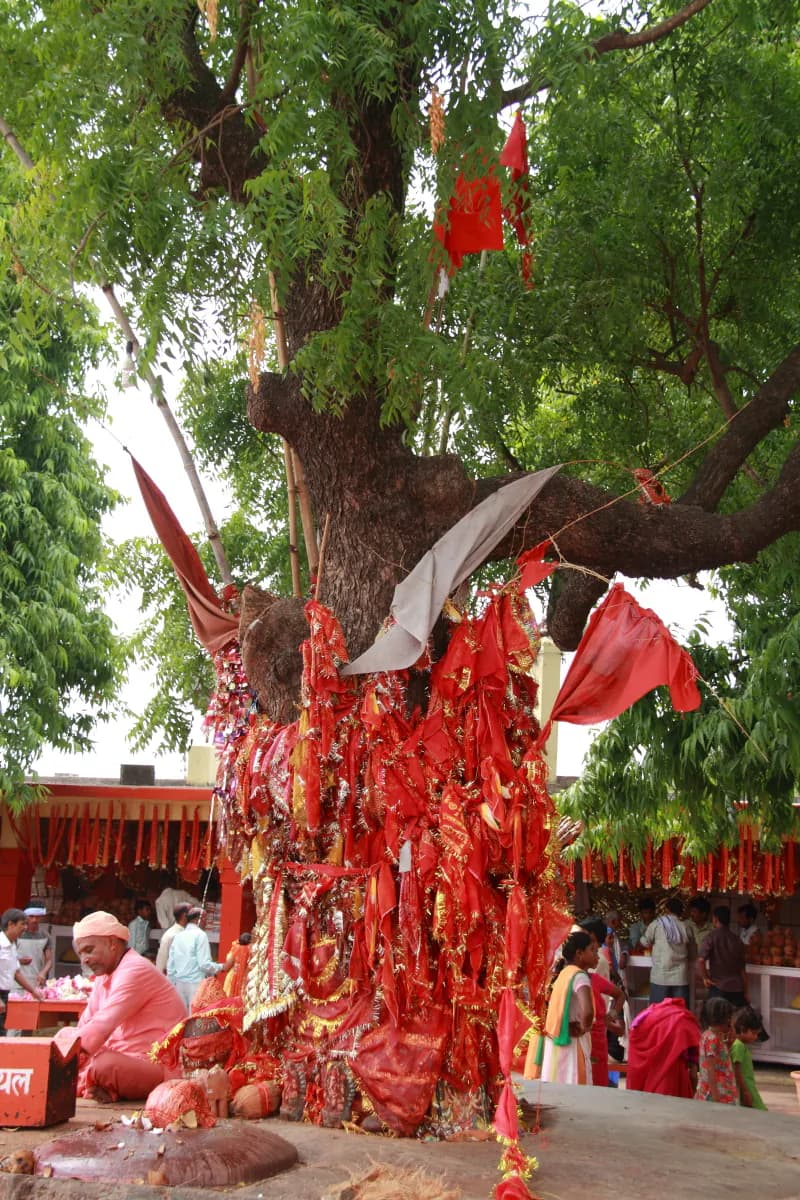
The midday sun beat down on Patna, the air thick with humidity, but the moment I stepped onto the grounds of the Patan Devi Temple, a palpable shift occurred. It wasn't just the cooler air within the temple precincts, but a sense of stepping back in time, into a space imbued with centuries of devotion and history. Located on the banks of the Ganges, this Shakti Peetha, dedicated to the goddess Patneshwari, exudes an aura of power that’s both captivating and humbling. Unlike the elaborate, towering structures of Gujarat’s temples, Patan Devi presents a different kind of architectural beauty. The main temple, though recently renovated, retains a core of ancient simplicity. The structure is relatively small, built on a raised platform, and its modest exterior belies the spiritual weight it carries. The primary shrine houses the 'pindi' or holy stone, representing the goddess, and it's this unassuming stone that draws thousands of devotees daily. The lack of ostentatious ornamentation allows the focus to remain solely on the divine presence. What struck me most was the palpable energy of the place. The air vibrated with the chants of devotees, the rhythmic clang of bells, and the scent of incense. It was a sensory overload in the best possible way, a complete immersion in an active, living faith. I watched as families performed 'puja', their faces etched with devotion, and observed the intricate rituals performed by the temple priests. It was a powerful reminder of the enduring strength of faith and the role these sacred spaces play in people’s lives. Architecturally, the temple displays a blend of styles. While the core structure seems to echo older, perhaps even Gupta-era influences, later additions, particularly the ornate silver doors and some of the surrounding shrines, showcase Mughal and later Rajput architectural elements. This amalgamation speaks volumes about the temple's long history and its position at the crossroads of different cultures and empires. The silver doors, intricately carved with depictions of deities and floral motifs, are particularly noteworthy. They gleam in the soft light filtering through the temple entrance, creating a mesmerizing visual. Moving beyond the main shrine, I explored the surrounding complex. Smaller shrines dedicated to other deities dot the courtyard, each with its own unique character. The walls are adorned with colourful murals depicting scenes from Hindu mythology, adding a vibrant touch to the otherwise austere surroundings. I noticed the recurring motif of lions, perhaps a nod to the goddess’s power and strength. One aspect that resonated deeply with my Gujarati sensibilities was the sense of community within the temple complex. Just as in the temples back home, Patan Devi serves as a social hub, a place where people from all walks of life come together to connect with the divine and with each other. I saw families sharing 'prasad', friends catching up, and elders narrating stories to younger generations. This social fabric woven around faith is something I’ve always found deeply moving, and it was evident here in Patna as well. Leaving the temple, I carried with me not just photographs and notes, but a profound sense of connection to a place steeped in history and spirituality. Patan Devi is more than just a temple; it’s a living testament to the enduring power of faith and a fascinating example of how architecture can serve as a conduit to the divine. It’s a must-see for anyone seeking to understand the rich tapestry of Indian culture and spirituality.
Lankatilaka Vihara Kandy Sri Lanka
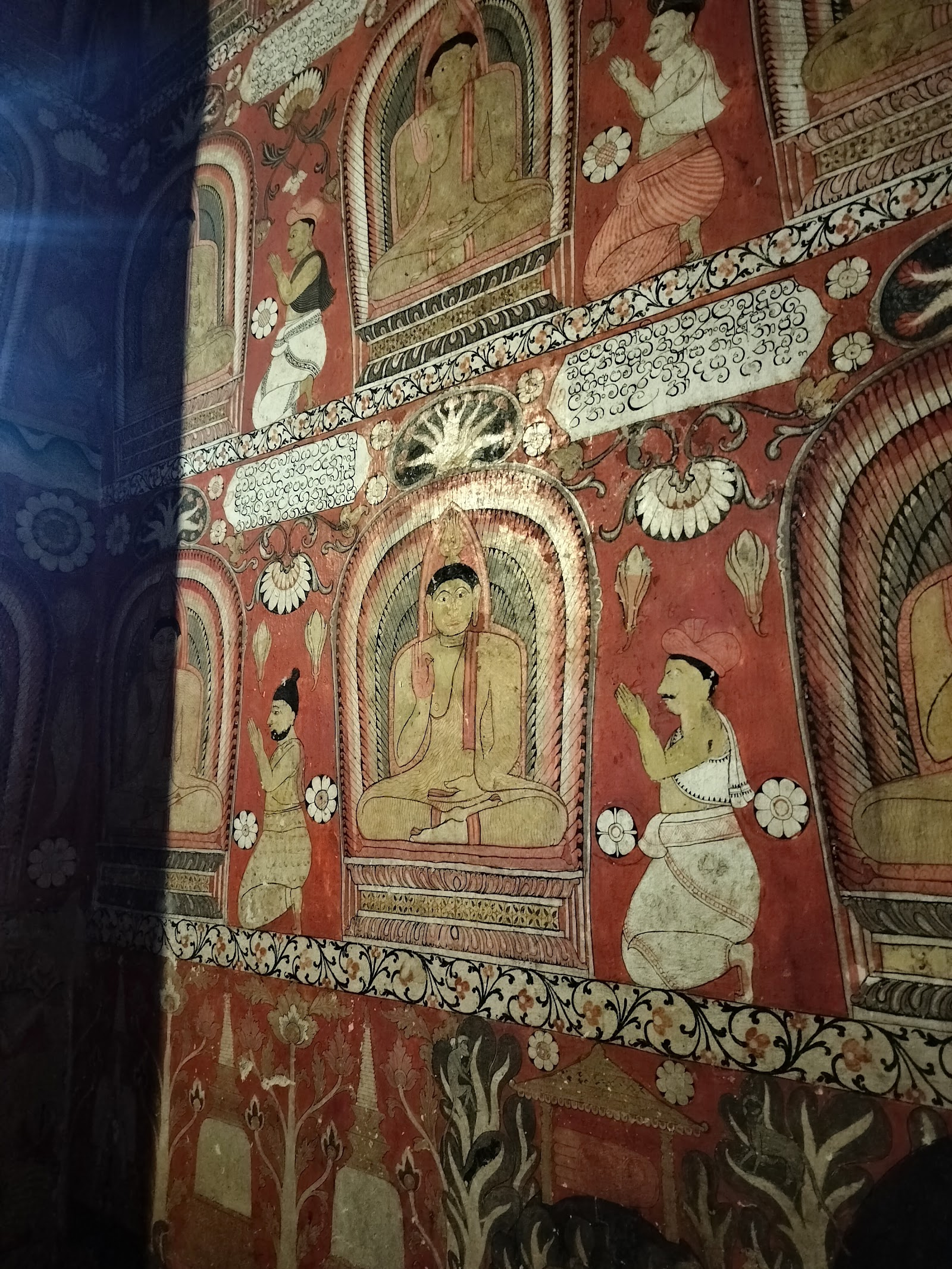
Lankatilaka Vihara, dramatically perched atop the Panhalgala Rock near Kandy, represents one of the most extraordinary and architecturally significant Buddhist temples in Sri Lanka, constructed in the 14th century CE during the reign of King Bhuvanekabahu IV and designed by the South Indian architect Sathapati Rayar, creating a powerful testament to the profound transmission of Indian Buddhist and Hindu architectural traditions to Sri Lanka and demonstrating the sophisticated religious syncretism that has characterized Sri Lankan religious practices. The temple complex, featuring sophisticated architectural elements that seamlessly integrate Hindu deities within its Buddhist sanctum, demonstrates the direct transmission of South Indian Dravidian temple architecture, particularly the traditions of the Chola and Pandya dynasties, with local adaptations that reflect the sophisticated synthesis of Indian Buddhist and Hindu religious and artistic traditions with Sri Lankan building techniques, while the temple's most remarkable feature is its unique architectural design that combines Sinhalese and Dravidian styles, creating a distinctive Kandyan period architectural synthesis that demonstrates the sophisticated understanding of Indian architectural traditions possessed by Sri Lankan architects and patrons. The temple's architectural layout, with its central image house adorned with Kandyan-era paintings and sculptures, surrounded by multiple enclosures and subsidiary shrines dedicated to various Hindu deities including Upulvan, Ganapathi, Saman, Vibhishana, Kataragama deviyo, and Kumara Bandara, follows sophisticated South Indian Dravidian temple planning principles that were systematically transmitted from the great temple complexes of Tamil Nadu, while the temple's extensive decorative programs including murals, sculptures, and architectural elements demonstrate the sophisticated synthesis of Indian Buddhist and Hindu iconography and artistic traditions with local Sri Lankan aesthetic sensibilities. Archaeological evidence reveals that the temple served as a major center of both Buddhist and Hindu worship for over six centuries, attracting pilgrims from across Sri Lanka and South India, while the discovery of numerous inscriptions and historical records provides crucial evidence of the site's role in the transmission of Indian religious texts and practices to Sri Lanka, demonstrating the sophisticated understanding of Indian religious traditions possessed by the temple's patrons and religious establishment. The temple's association with the South Indian architect Sathapati Rayar demonstrates the direct transmission of Indian architectural expertise to Sri Lanka, while the temple's unique synthesis of Buddhist and Hindu elements demonstrates the remarkable religious syncretism that has characterized Sri Lankan religious practices for centuries. Today, Lankatilaka Vihara stands as one of the most important examples of Kandyan period architecture in Sri Lanka, serving as a powerful testament to the transmission of Indian Buddhist and Hindu culture and architecture to Sri Lanka, while ongoing archaeological research and conservation efforts continue to protect and study this extraordinary cultural treasure that demonstrates the profound impact of Indian civilization on Sri Lankan religious and artistic traditions. ([1][2])

Khalchayan Temple Ruins Lebap Turkmenistan
Khalchayan Temple Ruins, dramatically situated in the Lebap Region of eastern Turkmenistan, represents one of the most extraordinary and archaeologically significant Kushan-period sites in Central Asia, dating to the 2nd century BCE and featuring remarkable Indic sculptures and architectural elements that demonstrate the profound transmission of Indian Buddhist and Hindu religious and artistic traditions to Central Asia during the Kushan period, creating a powerful testament to the sophisticated synthesis of Indian and Central Asian cultural traditions. The temple ruins, featuring sophisticated architectural elements and extraordinary Indic sculptures executed in the distinctive Kushan-Gandharan style that emerged from the synthesis of Indian and Central Asian artistic traditions, demonstrates the direct transmission of Indian Buddhist and Hindu iconographic programs and artistic traditions from the great artistic centers of India including Gandhara, Mathura, and the monastic centers of northern India, while the site's most remarkable feature is its extraordinary collection of Indic sculptures featuring Buddha images, Bodhisattvas, and Hindu deities executed with remarkable artistic sophistication and iconographic accuracy that demonstrate the sophisticated understanding of Indian Buddhist and Hindu iconography possessed by Kushan artists. The temple ruins' architectural layout, with their central structures surrounded by ritual spaces and architectural elements, follows sophisticated planning principles that demonstrate remarkable parallels with Indian Buddhist and Hindu temple planning principles, while the temple ruins' extensive decorative programs including Indic sculptures, architectural elements, and religious iconography demonstrate the sophisticated synthesis of Indian Buddhist and Hindu iconography and artistic traditions with local Central Asian aesthetic sensibilities, particularly the distinctive Kushan-Gandharan style that emerged from the synthesis of Indian and Central Asian artistic traditions. Archaeological evidence reveals that the site served as a major center of religious and artistic activity during the Kushan period, attracting traders, artists, and religious practitioners from across Central Asia, South Asia, and beyond, while the discovery of numerous Indic sculptures including Buddha images, Bodhisattvas, and Hindu deities that demonstrate clear Indian influences, architectural elements that parallel Indian practices, and religious iconography that reflects Indian Buddhist and Hindu cosmological concepts provides crucial evidence of the site's role in the transmission of Indian religious and artistic traditions to Central Asia, demonstrating the sophisticated understanding of Indian Buddhist and Hindu traditions possessed by the site's patrons and artistic establishment. The site's association with the Kushan Empire, which had strong connections to India and played a crucial role in the transmission of Indian religious and artistic traditions to Central Asia, demonstrates the sophisticated understanding of Indian religious and artistic traditions that were transmitted to Central Asia, while the site's Indic sculptures and architectural elements demonstrate remarkable parallels with Indian Buddhist and Hindu temple architecture and iconographic programs that were central to ancient Indian religious traditions. The site has been the subject of extensive archaeological research, with ongoing excavations continuing to reveal new insights into the site's sophisticated architecture, artistic programs, and its role in the transmission of Indian religious and artistic traditions to Central Asia, while the site's status as a UNESCO Tentative List site demonstrates its significance as a major center for the transmission of Indian cultural traditions to Central Asia. Today, Khalchayan Temple Ruins stands as a UNESCO Tentative List site and represents one of the most important Kushan-period sites in Central Asia, serving as a powerful testament to the transmission of Indian Buddhist and Hindu culture and art to Central Asia, while ongoing archaeological research and conservation efforts continue to protect and study this extraordinary cultural treasure that demonstrates the profound impact of Indian civilization on Central Asian religious and artistic traditions. ([1][2])
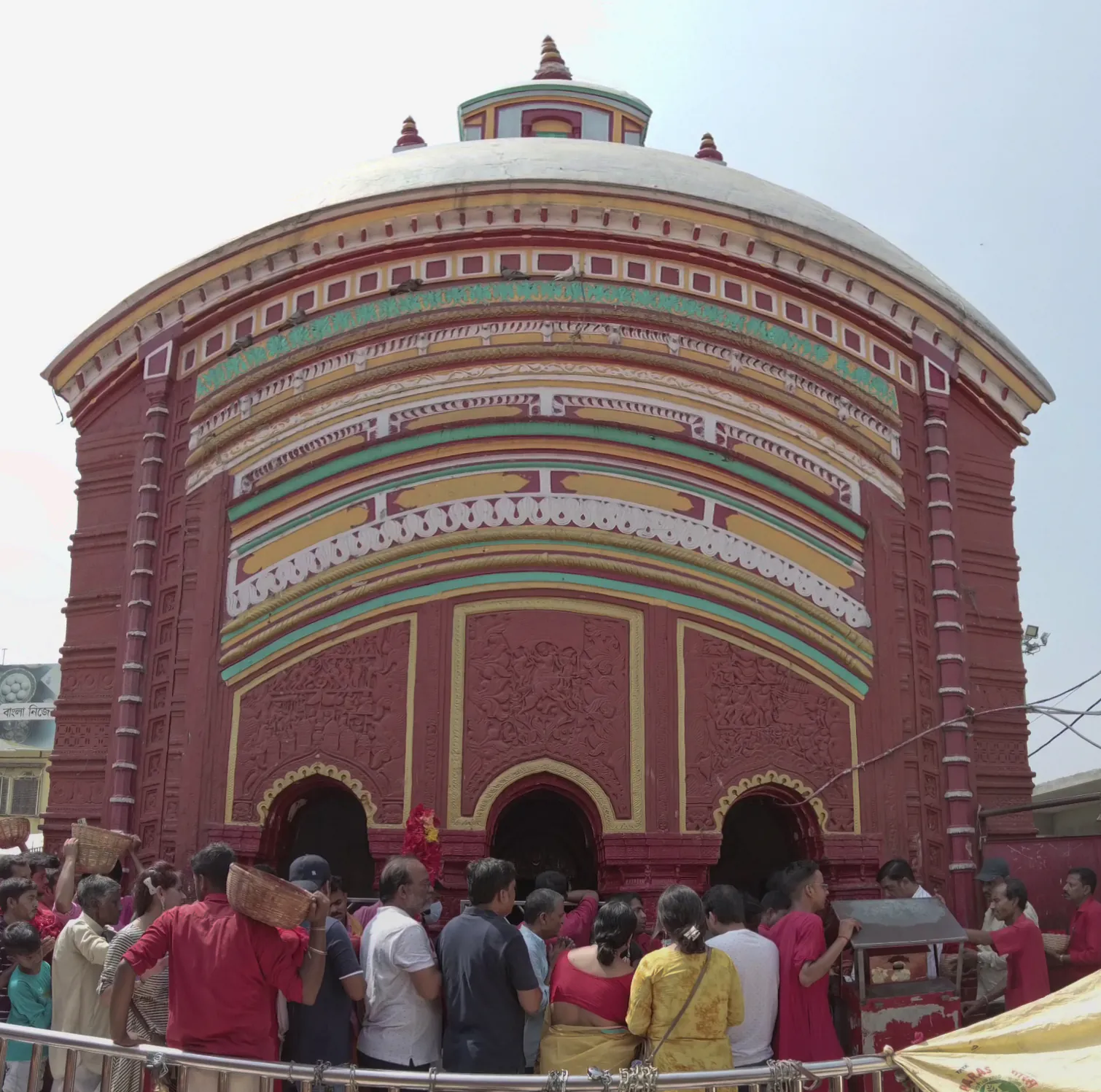
Tarapith Temple Tarapith
The air hung thick with the scent of incense and something more primal – a metallic tang that I later understood was dried blood, offered as part of the tantric rituals Tarapith Temple is renowned for. Located in the heart of rural West Bengal, this temple, dedicated to the fearsome goddess Tara, a form of Kali, is unlike any of the 500+ monuments I've documented across India. It’s not the grandeur of the architecture that strikes you first, but the raw, visceral energy that permeates the very ground you stand on. The temple itself is relatively modest in size, a traditional Bengali hut-style structure with a sloping, thatched roof. It houses the main deity, Goddess Tara, depicted in her usual fierce form, with a garland of skulls, a protruding tongue, and four arms. But what sets this idol apart is the small stone figure of Shiva lying at her feet, drinking the blood dripping from her tongue. This iconography, stark and unsettling, speaks volumes about the temple's association with tantric practices. Surrounding the main temple is a sprawling complex, a chaotic tapestry of smaller shrines, sacrificial altars, and cremation grounds. The cremation ghats, situated on the banks of the Dwaraka River, are a constant reminder of the cycle of life and death, a theme deeply intertwined with the worship of Tara. I watched as families performed last rites, the smoke from the pyres mingling with the incense, creating an almost surreal atmosphere. The architectural details, while not ornate, are symbolic. The predominant use of red brick and terracotta reflects the earthy, primal nature of the deity. The sloping roof, typical of Bengali architecture, provides a sense of groundedness, contrasting with the intense spiritual energy that swirls within. I noticed intricate terracotta plaques adorning some of the smaller shrines, depicting scenes from Hindu mythology, adding a layer of narrative to the otherwise austere surroundings. What truly captivated me, however, was the human element. Tarapith attracts a diverse crowd – devout pilgrims seeking blessings, families performing rituals for departed loved ones, and the aghoris, ascetic Shaiva sadhus known for their unconventional practices. I spent hours observing the interplay between these different groups, each with their own unique relationship with the goddess. The palpable devotion, mixed with a palpable sense of fear and awe, created an atmosphere unlike anything I'd experienced before. I witnessed devotees offering everything from flowers and sweets to animal sacrifices. The sight of the latter, while unsettling to some, is an integral part of the tantric tradition practiced here. It's a stark reminder of the raw, unfiltered nature of faith, a far cry from the sanitized versions often presented in mainstream religious discourse. One particular interaction stayed with me. An elderly woman, her face etched with wrinkles and her eyes filled with a quiet intensity, sat near the main temple, chanting mantras. I approached her cautiously, and after a brief conversation, she shared her story of seeking solace and healing at Tarapith for years. Her unwavering faith, despite the hardships she had faced, was a testament to the power of belief and the solace that places like Tarapith offer. Documenting Tarapith was a challenging but deeply rewarding experience. It pushed me beyond the comfortable confines of traditional temple photography and forced me to confront the complex and often unsettling realities of faith and ritual. It's a place where life and death, devotion and fear, tradition and transgression, all converge, creating a powerful and unforgettable experience. It's a place that stays with you long after you've left, a constant reminder of the multifaceted nature of human spirituality.
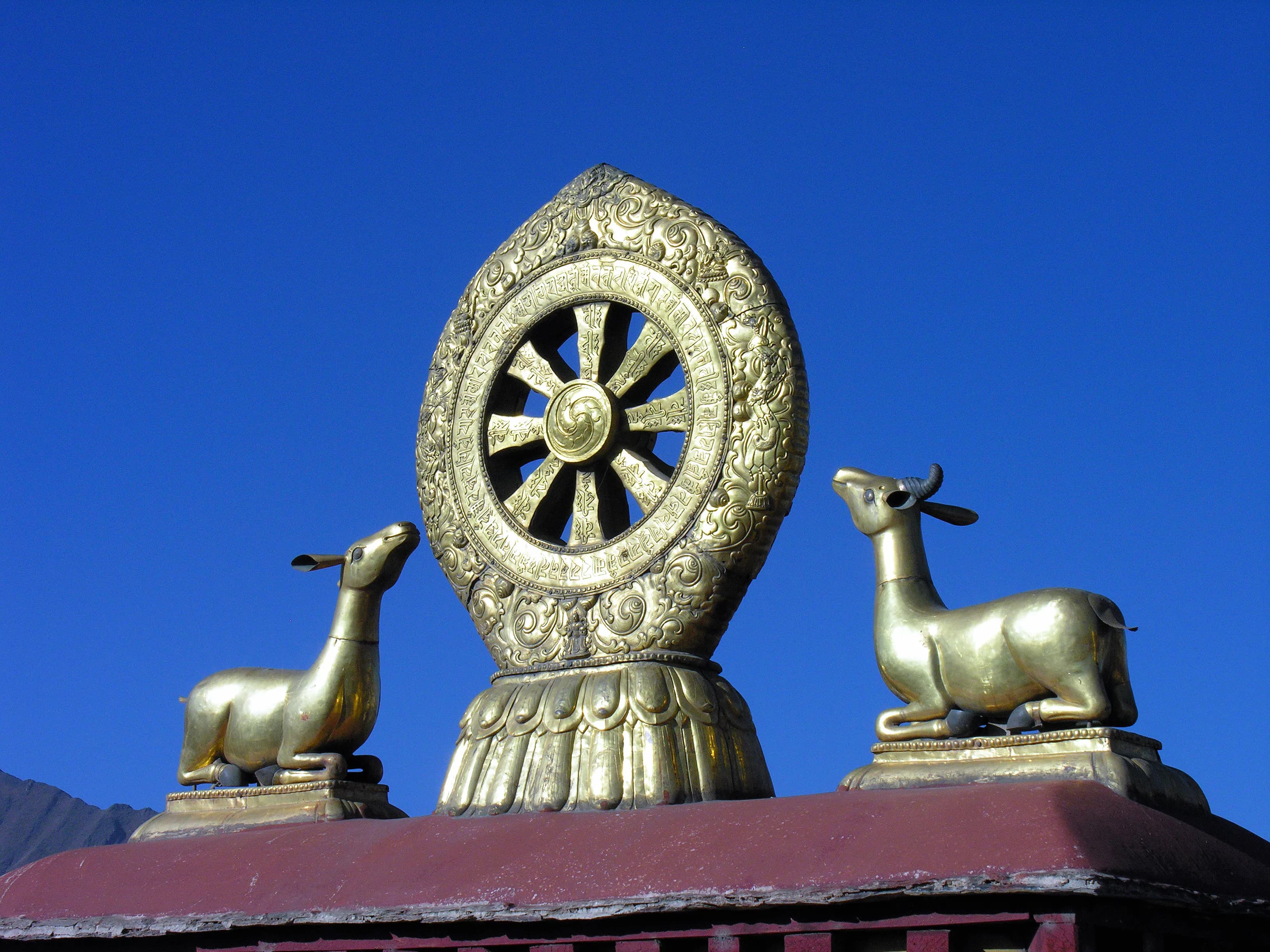
Jokhang Temple Lhasa
The air crackled with a palpable energy, a blend of incense smoke, chanting monks, and the hushed reverence of pilgrims. Jokhang Temple, nestled in the heart of Lhasa, isn't just a building; it's a living, breathing entity, pulsating with the spiritual heart of Tibetan Buddhism. My lens, accustomed to the intricate carvings of South Indian temples and the Mughal grandeur of Rajasthan, struggled to capture the essence of this place, a place where faith seemed etched into the very stones. The first thing that struck me was the sheer density of the experience. The Barkhor Square, which encircles the temple, was a swirling kaleidoscope of colour and movement. Pilgrims, some having travelled for weeks, prostrated themselves before the entrance, their foreheads touching the worn flagstones, a testament to centuries of devotion. The aroma of yak butter lamps mingled with the earthy scent of burning juniper, creating an olfactory landscape as unique as the visual one. Entering the temple complex felt like stepping back in time. The architecture, a fascinating blend of Tibetan, Chinese, Indian, and Nepalese styles, spoke of a rich history of cultural exchange. The weathered wooden beams, darkened by centuries of incense smoke, supported a multi-tiered roof adorned with golden dharma wheels and mythical creatures. Every corner, every doorway, every statue seemed imbued with a story waiting to be told. I focused my camera on the intricate details: the vibrant thangkas depicting scenes from the Buddha's life, the elaborately carved prayer wheels spun rhythmically by devotees, the flickering butter lamps casting dancing shadows on the faces of ancient deities. The main assembly hall, dimly lit and filled with the murmur of prayers, housed the Jowo Shakyamuni statue, the most sacred object in Tibetan Buddhism. Photography was restricted inside, but the image of the jewel-encrusted Buddha, serene and compassionate, remained etched in my memory. As I climbed to the rooftop, the panoramic view of Lhasa unfolded before me. The Potala Palace, perched majestically on Red Mountain, dominated the skyline, a symbol of both religious and political power. From this vantage point, I could appreciate the strategic location of Jokhang Temple, the spiritual nucleus around which the city had grown. The rooftop also offered a closer look at the temple's unique architectural features. The golden roofs, adorned with intricate carvings and topped with golden deer flanking the dharma wheel, shimmered in the afternoon sun. The colourful prayer flags, strung between the rooftops, fluttered in the wind, carrying prayers and blessings to the heavens. Descending back into the labyrinthine corridors of the temple, I found myself drawn to the faces of the pilgrims. Their weathered skin, etched with the hardships of life on the Tibetan plateau, radiated a profound sense of peace and devotion. Their eyes, focused on the sacred images, held a depth of faith that transcended language and culture. My time at Jokhang Temple was more than just a photographic assignment; it was a spiritual journey. It was a privilege to witness the unwavering faith of the Tibetan people and to document a place where the tangible and intangible heritage of a culture converge. As I left the temple, the chanting of the monks still resonated in my ears, a reminder of the enduring power of faith and the timeless beauty of Jokhang Temple. My photographs, I hoped, would capture not just the architectural splendor of the site, but also the profound spiritual energy that permeates every corner of this sacred space.
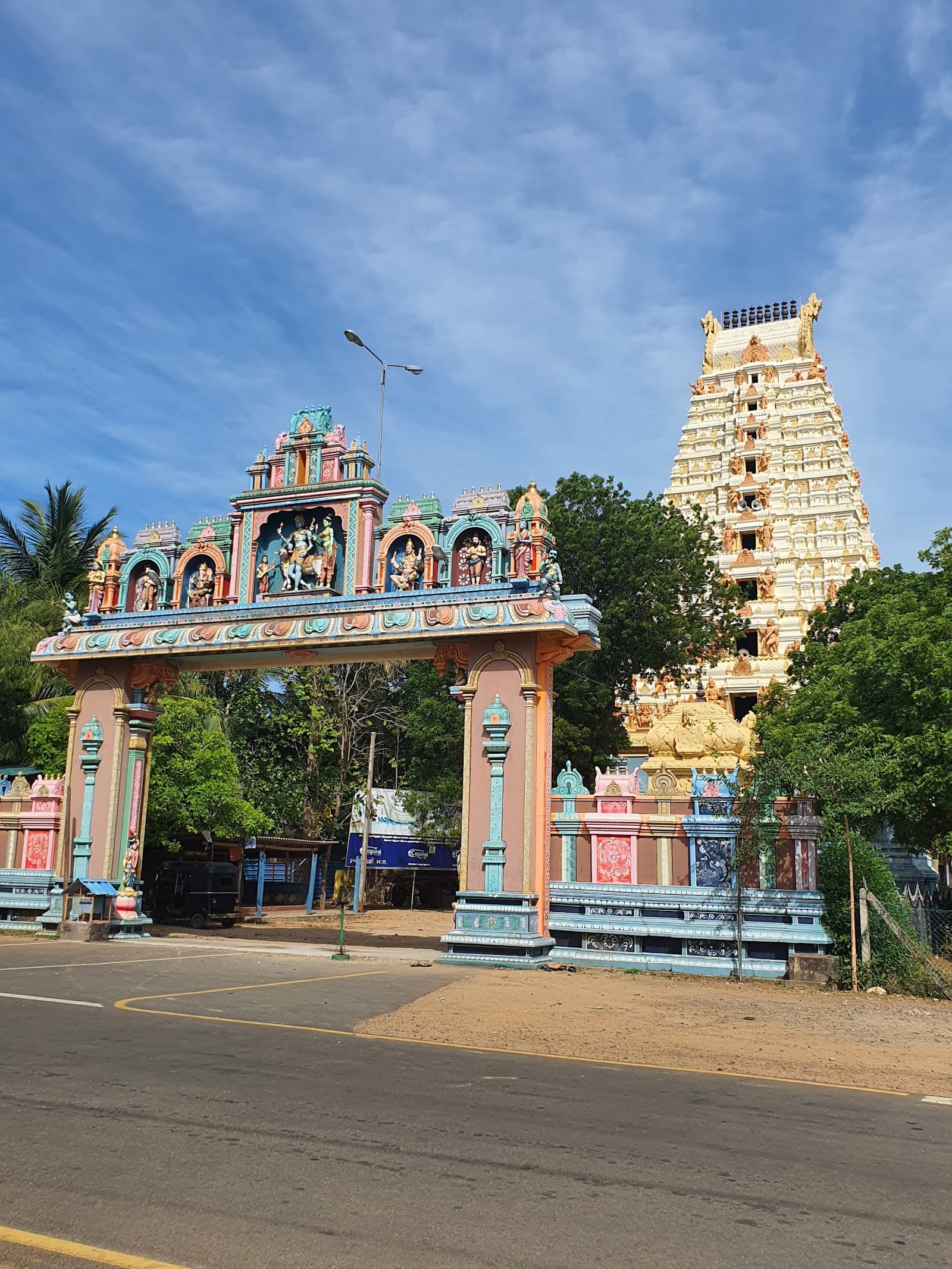
Naguleswaram Temple Keerimalai Jaffna Sri Lanka
The Naguleswaram Temple, also known historically as Thirutambaleswaram Kovil, is a revered Hindu shrine dedicated to Lord Shiva, situated in Keerimalai, a coastal town north of Jaffna in Sri Lanka's Northern Province. This ancient site stands as a profound testament to India's millennia-spanning cultural heritage and the continuous tradition of Dravidian temple architecture [1] [2]. As the northernmost of the island's *Pancha Ishwarams* (five hallowed Shiva temples), it holds immense spiritual significance for Tamil Hindus globally, reflecting deep historical roots in Shaivite tradition [1] [3]. The temple complex is characterized by its adherence to the Dravidian architectural style, featuring a magnificent nine-tiered *Rajagopuram* (main temple tower) that faces east, a traditional orientation for Hindu temples [1]. This towering entrance is adorned with intricate sculptures and decorative elements, typical of the South Indian temple idiom, showcasing the sophisticated craftsmanship of ancient Tamil kingdoms [1] [4]. Within the sanctum sanctorum, the presiding deity is a massive Shiva Lingam, described as being crafted from a rare material that appears to emanate an inner light, emphasizing its sacred and indigenous origins [1]. The structural elements of the temple, including its pillars and murals, are meticulously carved, reflecting centuries of artistic and religious devotion [1]. Adjacent to the main temple is the sacred Keerimalai Springs, a natural freshwater pond located approximately 50 feet above sea level, separated from the Indian Ocean by a retaining wall [1] [2]. Geological studies confirm the unique therapeutic properties of these mineral-rich waters, which are believed to possess curative powers [1] [5]. This water management system, allowing freshwater to remain distinct from the saline ocean, highlights an ancient understanding of hydrology and engineering [1]. The temple complex, having undergone significant destruction and subsequent rebuilding, including a major reconstruction completed in 2012, now stands as a fully operational religious site [1]. Conservation efforts have focused on restoring its traditional architectural integrity, with ongoing maintenance ensuring its preservation [1] [5]. The site is accessible to visitors, with specific timings for worship and rituals, and actively hosts major festivals such as Aadi Amaavaasai and Maasi Magam, drawing thousands of pilgrims annually [1]. The current state of the temple reflects continuous active programming and compliance with religious practices, serving as a vibrant center for Hindu worship and cultural continuity [1].
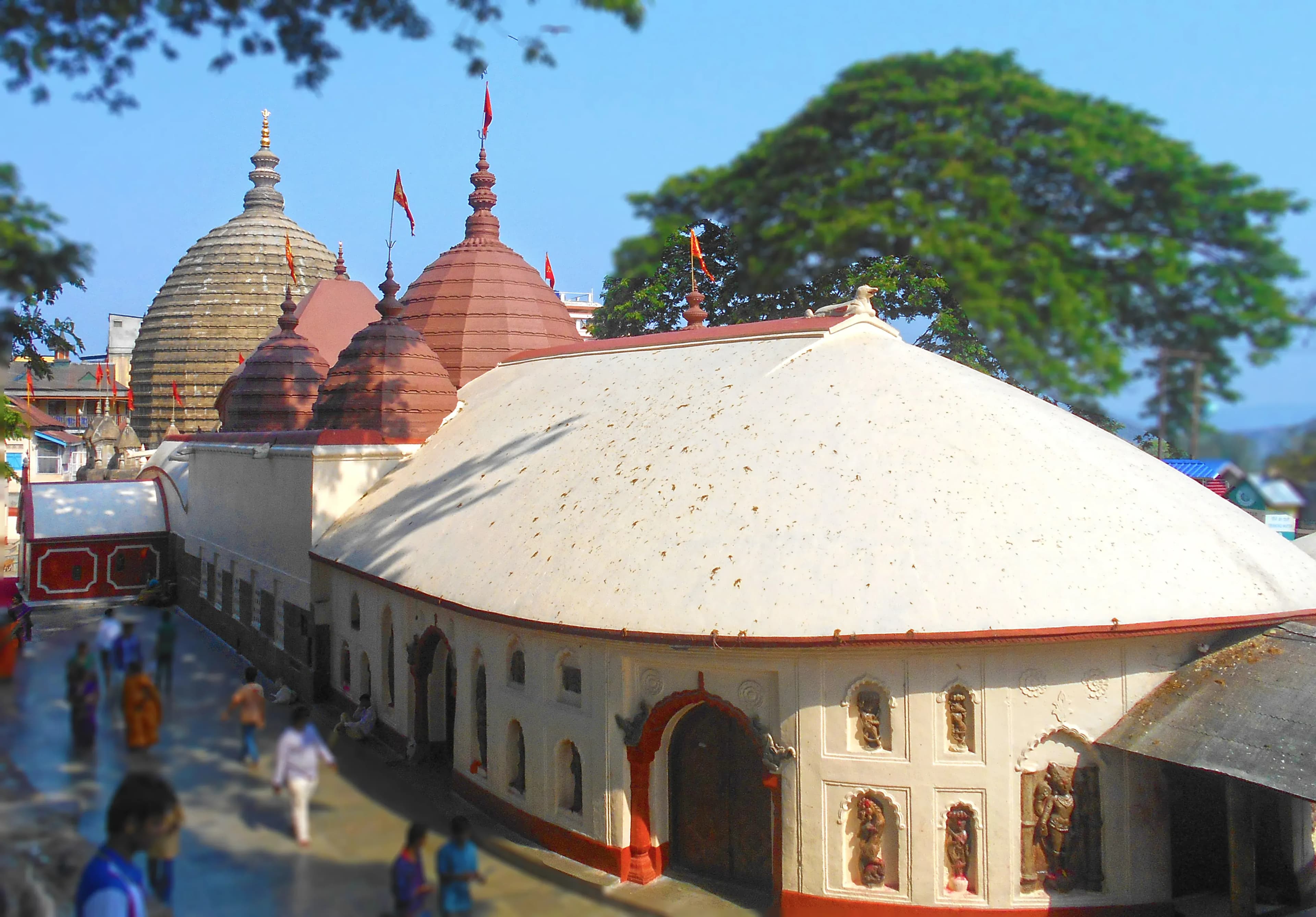
Kamakhya Temple Guwahati
The air hung thick and heavy, not just with the monsoon humidity of Guwahati, but with an almost palpable sense of ancient power. Climbing the steep steps to the Kamakhya Temple, carved into the Nilachal Hill, felt like ascending into a different realm altogether. This wasn’t just a temple; it was a living, breathing entity, pulsating with centuries of devotion and shrouded in an aura of mystique unlike anything I’ve encountered in Uttar Pradesh, despite its own rich tapestry of sacred sites. The temple complex itself is a labyrinthine structure, a blend of traditional Assamese architecture with influences from various periods. The primary shrine, dedicated to the goddess Kamakhya, is uniquely devoid of any idol. Instead, the object of veneration is a *yoni*, a natural rock fissure in the shape of a vulva, perpetually bathed by a spring. This powerful symbol of Shakti, the feminine divine principle, sets Kamakhya apart from most other Hindu temples and imbues the site with a raw, primal energy. The walls of the temple are adorned with intricate carvings depicting various deities and mythological scenes. I noticed a distinct stylistic difference from the temple sculptures I’m accustomed to in Uttar Pradesh. The figures here possess a certain dynamism, a fluidity of form that speaks to the influence of tantric traditions. The vibrant colours, though faded in places by time and weather, still hinted at the rich artistic heritage of the region. The atmosphere within the temple was charged with devotion. Devotees from all walks of life, not just from Assam but from across India and even beyond, thronged the courtyard, their faces etched with reverence. The air was thick with the scent of incense and flowers, and the rhythmic chanting of mantras created a hypnotic backdrop. Witnessing the fervent prayers and rituals, I felt a deep sense of connection to something larger than myself, a shared human yearning for the divine. One of the most striking aspects of Kamakhya is its embrace of the natural world. The temple is nestled amidst lush greenery, with trees and plants forming an integral part of the sacred landscape. This reverence for nature, so deeply ingrained in the local culture, resonated deeply with me. It reminded me of the ancient groves and sacred trees that dot the landscape of Uttar Pradesh, echoing a shared past where nature and divinity were inextricably linked. As I explored the various shrines within the complex, each dedicated to a different manifestation of the goddess, I couldn't help but reflect on the syncretic nature of Hinduism. Kamakhya, with its unique blend of tantric practices, folk beliefs, and mainstream Hindu traditions, stands as a testament to the religion's remarkable ability to absorb and integrate diverse influences. It’s a far cry from the more orthodox forms of Hinduism prevalent in parts of Uttar Pradesh, highlighting the fascinating regional variations within the broader faith. The Ambubachi Mela, an annual festival celebrating the goddess's menstrual cycle, is a particularly significant event at Kamakhya. Though I wasn't fortunate enough to witness it firsthand, the stories I heard from locals painted a vivid picture of the sheer scale and intensity of the celebrations. The temple doors are closed for three days, symbolizing the goddess's period of seclusion, and reopen to a massive influx of devotees eager to receive her blessings. This open acknowledgement of menstruation, a subject often treated with taboo in many parts of India, struck me as a powerful statement of female empowerment. Leaving Kamakhya Temple, I carried with me a profound sense of awe and wonder. It was more than just a pilgrimage site; it was a portal to a different world, a place where ancient traditions and beliefs continue to thrive. The experience offered me a fresh perspective on the multifaceted nature of Indian spirituality and deepened my appreciation for the rich cultural tapestry of the Northeast, a region that deserves far more attention and exploration than it often receives.
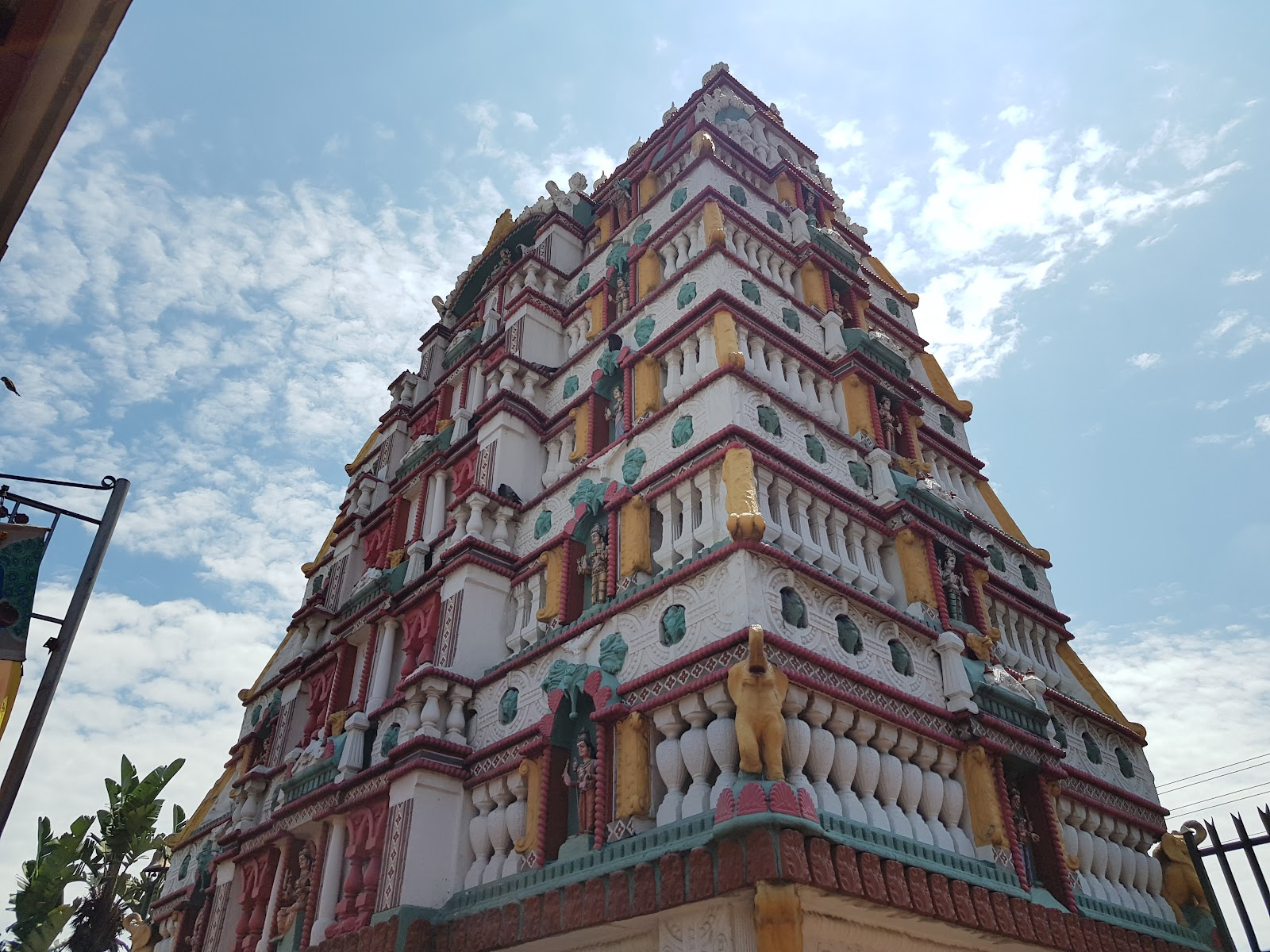
Tshwane India Charity & Cultural Centre (Mariamman Temple Pretoria)
The Tshwane India Charity & Cultural Centre, popularly known as the Mariamman Temple of Pretoria, is the city's oldest Hindu temple—completed in 1905 by indentured Indian traders who modelled its stucco gopuram, pillared mandapam, and circumambulatory corridor on South Indian Amman shrines while adapting to the semi-arid Highveld climate ([1][2]). The complex, restored in recent decades, now anchors a broader community campus with classrooms, a library, medical clinic, and charity hall. Devotees enter through an east-facing gopuram painted in vivid blues and reds, pass the flagstaff and Nandi pavilion, and offer coconuts, turmeric, and neem at the granite sanctum of goddess Mariamman—protector against epidemics—alongside shrines to Ganesha, Muruga, and Venkateswara. The trust operates Tamil language and Bharatanatyam classes, a senior lunch programme, Food for Life distribution, bursaries for township students, and interfaith dialogues. Annual highlights include Panguni Uttiram, Theemithi firewalking staged in an adjacent courtyard, and Deepavali charity drives that supply hampers across Tshwane.
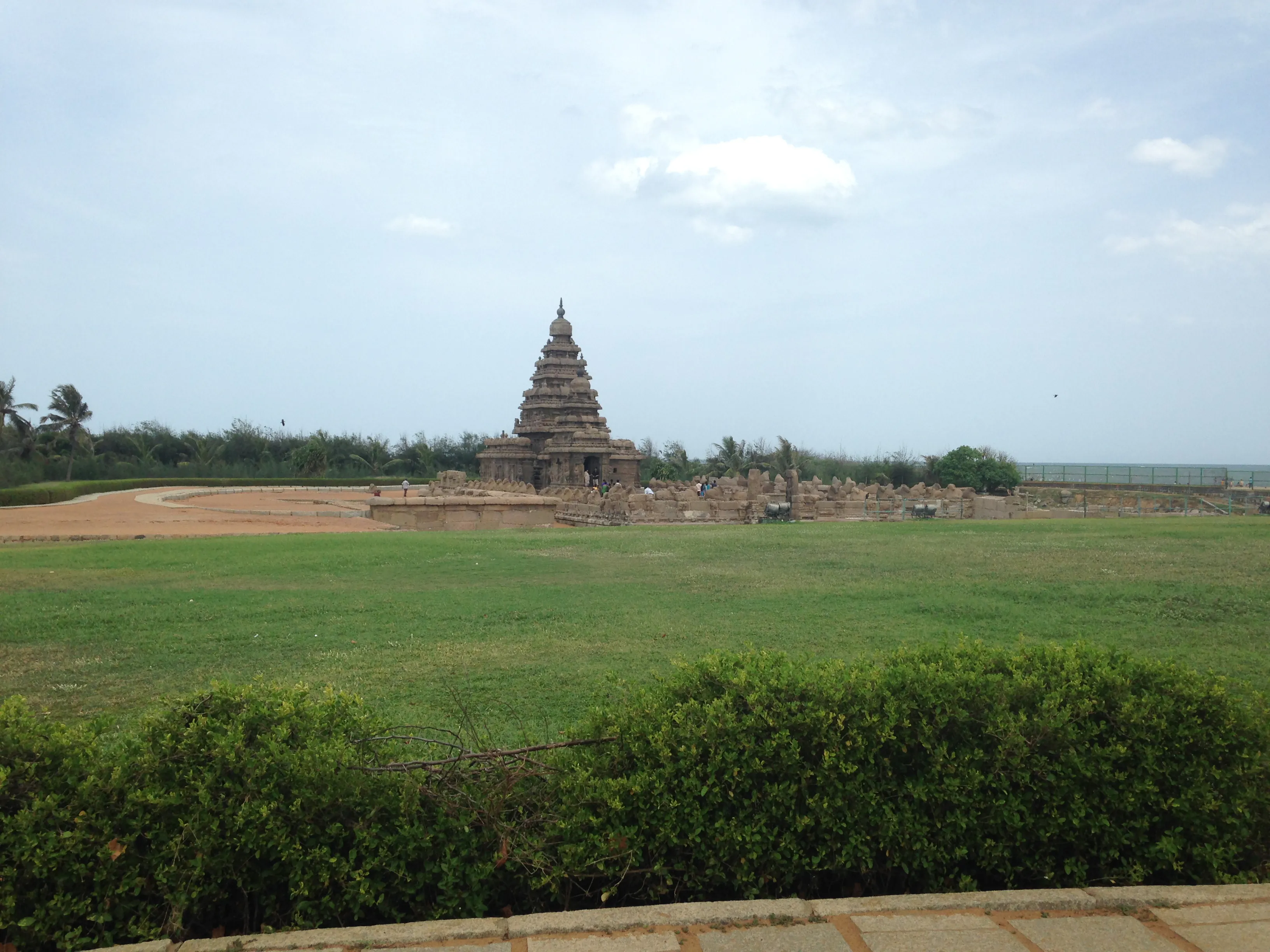
Mahabali Temple Imphal
The air hung heavy with the scent of incense and damp earth as I stepped onto the grounds of the Mahabali Temple in Imphal. The temple, dedicated to the ancient pre-Vaishnavite deity Mahabali, exuded an aura of quiet power, a palpable sense of history clinging to its weathered stones. Unlike the ornate, towering structures I’m accustomed to photographing in Madhya Pradesh, this temple possessed a grounded, almost elemental presence. Its pyramidal roof, constructed of corrugated iron sheets now rusted with age, seemed an incongruous addition to the ancient brick foundation. This juxtaposition, however, spoke volumes about the temple's enduring journey through time, adapting and evolving while retaining its core spiritual significance. The temple's brickwork, the primary focus of my lens, was a marvel. The bricks, uneven in size and texture, were laid without mortar, a testament to the ingenuity of the ancient Meitei builders. Centuries of weathering had eroded some, leaving intriguing patterns and textures that caught the light in fascinating ways. I spent a considerable amount of time circling the structure, observing how the sunlight interacted with these imperfections, highlighting the subtle variations in the brick’s hues, from deep terracotta to a faded, almost pinkish orange. The lack of mortar allowed for a certain flexibility, a give-and-take with the elements that perhaps contributed to the temple's longevity. It felt as if the structure was breathing, subtly shifting and settling with the earth beneath it. A small, unassuming entrance led into the inner sanctum. The interior was dimly lit, the air thick with the scent of offerings and the murmur of prayers. Photography wasn't permitted inside, which, in a way, amplified the sacredness of the space. It forced me to engage with the temple on a different level, to absorb the atmosphere, the energy, and the palpable devotion of the worshippers. I sat quietly for a while, observing the flickering oil lamps and listening to the rhythmic chanting, letting the weight of history and tradition settle upon me. Outside, the temple grounds were a hive of activity. Devotees moved with a quiet reverence, offering flowers, fruits, and incense at the base of the structure. I noticed several small shrines scattered around the main temple, each dedicated to a different deity, creating a complex tapestry of spiritual beliefs. This intermingling of faiths, the layering of traditions, is something I find particularly captivating about the Northeast. It speaks to a cultural fluidity, an acceptance of diverse spiritual paths that is both refreshing and inspiring. As I photographed the devotees, I was struck by the vibrant colours of their traditional attire, a stark contrast to the muted tones of the temple itself. The women, draped in intricately woven phanek (sarongs) and innaphi (shawls), moved with grace and dignity, their presence adding another layer of richness to the scene. I made a conscious effort to capture these moments respectfully, aiming to convey the spirit of devotion without intruding on the sanctity of their rituals. The Mahabali Temple is more than just an architectural marvel; it's a living testament to the enduring power of faith and tradition. It’s a place where the past and present intertwine, where ancient rituals are performed alongside modern-day life. My time at the temple was a humbling experience, a reminder of the deep spiritual connections that bind communities together and the importance of preserving these cultural treasures for generations to come. The photographs I captured, I hope, will serve as a visual echo of this experience, conveying not just the physical beauty of the temple, but also the intangible spirit that resides within its ancient walls.
Quick Links
Plan Your Heritage Journey
Get personalized recommendations and detailed visitor guides