Has Inheritage Foundation supported you today?
Your contribution helps preserve India's ancient temples, languages, and cultural heritage. Every rupee makes a difference.
Secure payment • Instant 80G certificate
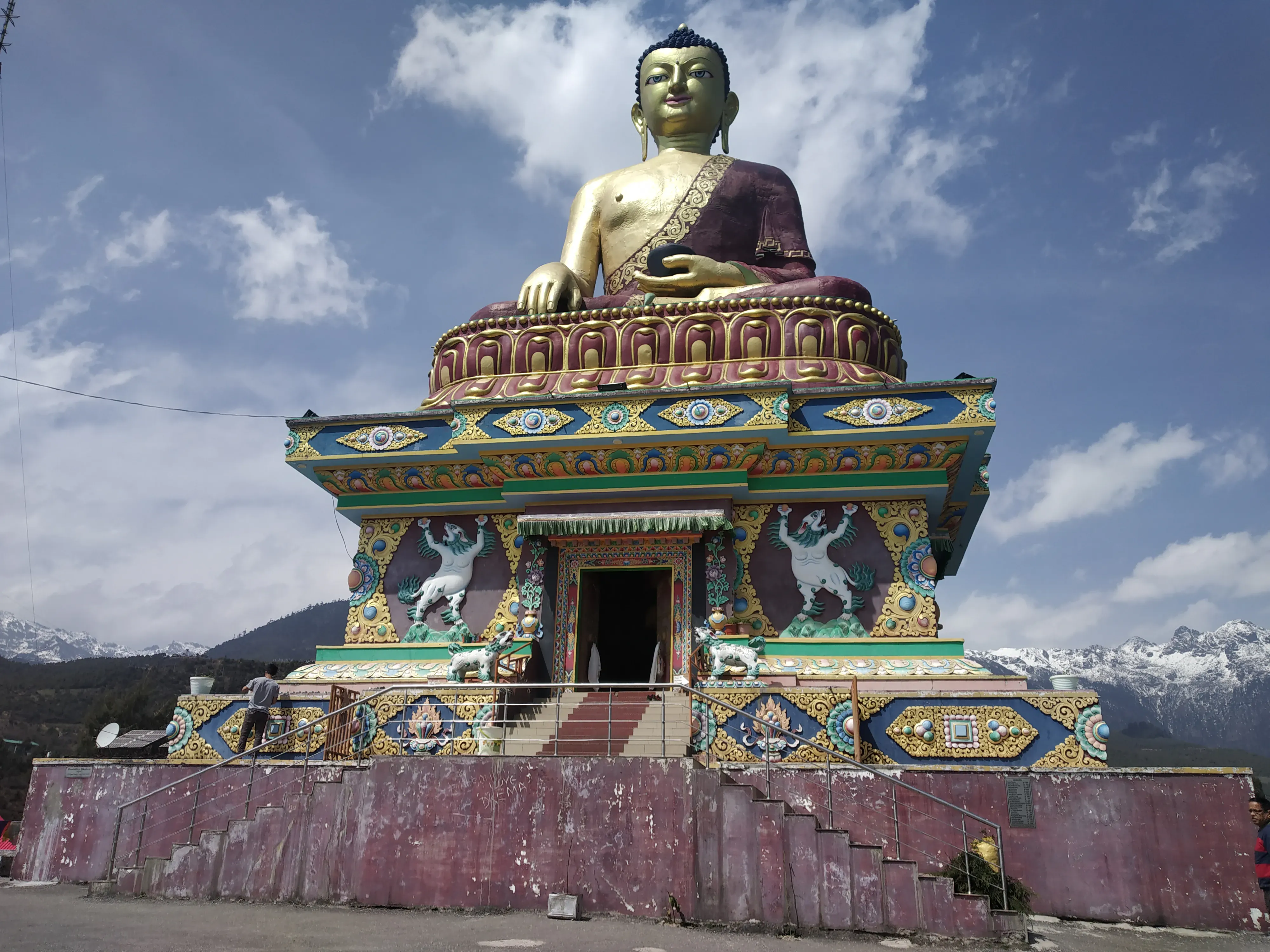
Tawang Monastery Tawang
The biting Himalayan wind whipped prayer flags into a frenzy of colour against the backdrop of snow-dusted peaks. Before me, Tawang Monastery, a colossal structure of whitewashed walls and golden roofs, seemed to grow organically from the mountainside itself, a testament to centuries of Tibetan Buddhist tradition. Having spent years immersed in the Mughal and Buddhist heritage of Uttar Pradesh, I was eager to experience this jewel of the Eastern Himalayas, a place where Tibetan Buddhism flourishes in a uniquely Indian context. The sheer scale of the monastery, known as the Galden Namgey Lhatse, is breathtaking. Perched at 10,000 feet, it commands a panoramic view of the Tawang valley, a strategic position that has shaped its history as much as its spirituality. The approach is a gradual ascent, winding through narrow lanes lined with the homes of monks and the murmur of chanted prayers drifting on the air. This creates a sense of anticipation, a pilgrimage of sorts, before one finally stands before the main entrance. The architecture is distinctly Tibetan, a blend of fortress and monastery. Massive, sloping walls, punctuated by small, deeply recessed windows, give the impression of impenetrable strength. Yet, the vibrant colours – the ochre and maroon of the woodwork, the dazzling gold of the roofs, and the intricate murals adorning the walls – soften the austerity, hinting at the rich spiritual life within. I noticed the distinctive 'kangsheng' or parapet, typical of Tibetan architecture, which crowns the walls, adding a touch of elegance to the imposing structure. Stepping through the main gate, I found myself in a large courtyard, the Dukhang complex. The Dukhang, or assembly hall, is the heart of the monastery. Its massive, intricately carved wooden doors, guarded by fearsome depictions of guardian deities, immediately drew my attention. Inside, the atmosphere is hushed and reverent. Giant thangkas, depicting Buddhist deities and scenes from the Buddha's life, hang from the walls, their vibrant colours illuminated by the flickering butter lamps. The air is thick with the scent of incense and yak butter, a fragrance that seems to permeate every corner of the monastery. I spent hours exploring the library, the Mani Lhakhang, and the numerous smaller chapels that surround the main courtyard. The library, a treasure trove of ancient scriptures and manuscripts, is a testament to the monastery's role as a centre of learning. The Mani Lhakhang houses a giant prayer wheel, its surface covered in thousands of mantras. The rhythmic turning of the wheel, accompanied by the low chanting of monks, creates a hypnotic, meditative atmosphere. One of the most striking features of the monastery is the 28-foot high statue of the Buddha Shakyamuni, housed within the Dukhang. The gilded statue, serene and compassionate, dominates the space, its presence radiating a sense of peace and tranquility. The intricate details of the statue, from the folds of its robes to the expression on its face, are a testament to the skill of the artisans who created it. As I descended from the monastery, the sun began to set, casting long shadows across the valley. Looking back, the monastery seemed to glow against the darkening sky, a beacon of faith and tradition in the heart of the Himalayas. My visit to Tawang Monastery was more than just a sightseeing trip; it was an immersion into a living culture, a powerful reminder of the enduring strength of spirituality in a rapidly changing world. The echoes of chanted prayers, the scent of incense, and the vibrant colours of the thangkas stayed with me long after I left, a testament to the enduring power of this Himalayan sanctuary. The experience resonated deeply with my understanding of the Buddhist faith, drawing parallels and highlighting differences with the traditions I’ve observed in Uttar Pradesh. It reinforced the idea that while expressions of faith may vary across regions, the core principles of compassion, wisdom, and the pursuit of enlightenment remain universal.

Airtam Frieze Site Termez Uzbekistan
Nestled near Termez in Uzbekistan, the Airtam Frieze site provides insights into the fusion of Central Asian and Indian Buddhist art during the Kushan period (2nd century CE) ([6][7]). Intricate carvings adorning the walls of this ancient monastery reveal connections to the Gandhara school of art, a style that flourished in ancient India ([6]). Stone platforms and foundations suggest the site’s vital role as a Buddhist center along the Silk Road, facilitating the exchange of knowledge and culture ([7]). The frieze, meticulously carved from stone, features musicians playing instruments and celestial beings, reflecting Indian iconographic traditions ([6][8]). Archaeological excavations have uncovered that the monastery served as a significant hub for Buddhist learning and practice ([7]). Vastu Shastra principles, the ancient Indian science of architecture, likely influenced the layout of the complex, adapting Indian aesthetics to the Central Asian environment ([8][9]). Fired brick and mud brick construction, along with stucco and wood, demonstrate the skills of Kushan artisans ([6]). This blend of Indian artistic traditions and local materials highlights the cultural exchange that characterized the Silk Road ([9]). During the Kushan era, the empire's patronage supported the spread of Buddhist teachings and art, leading to a unique synthesis of Indian and Central Asian styles ([6][10]). Airtam exemplifies this cultural fusion, providing valuable insights into the artistic and religious exchanges that shaped the region's history ([7]). The site reflects the transmission of Indian aesthetic and architectural knowledge (Vidya) into Central Asia, showcasing the interconnectedness of ancient civilizations ([8][9]). The influence of Indian Gandharan art is evident in the depiction of figures and decorative motifs, indicating a deep cultural exchange ([10]).
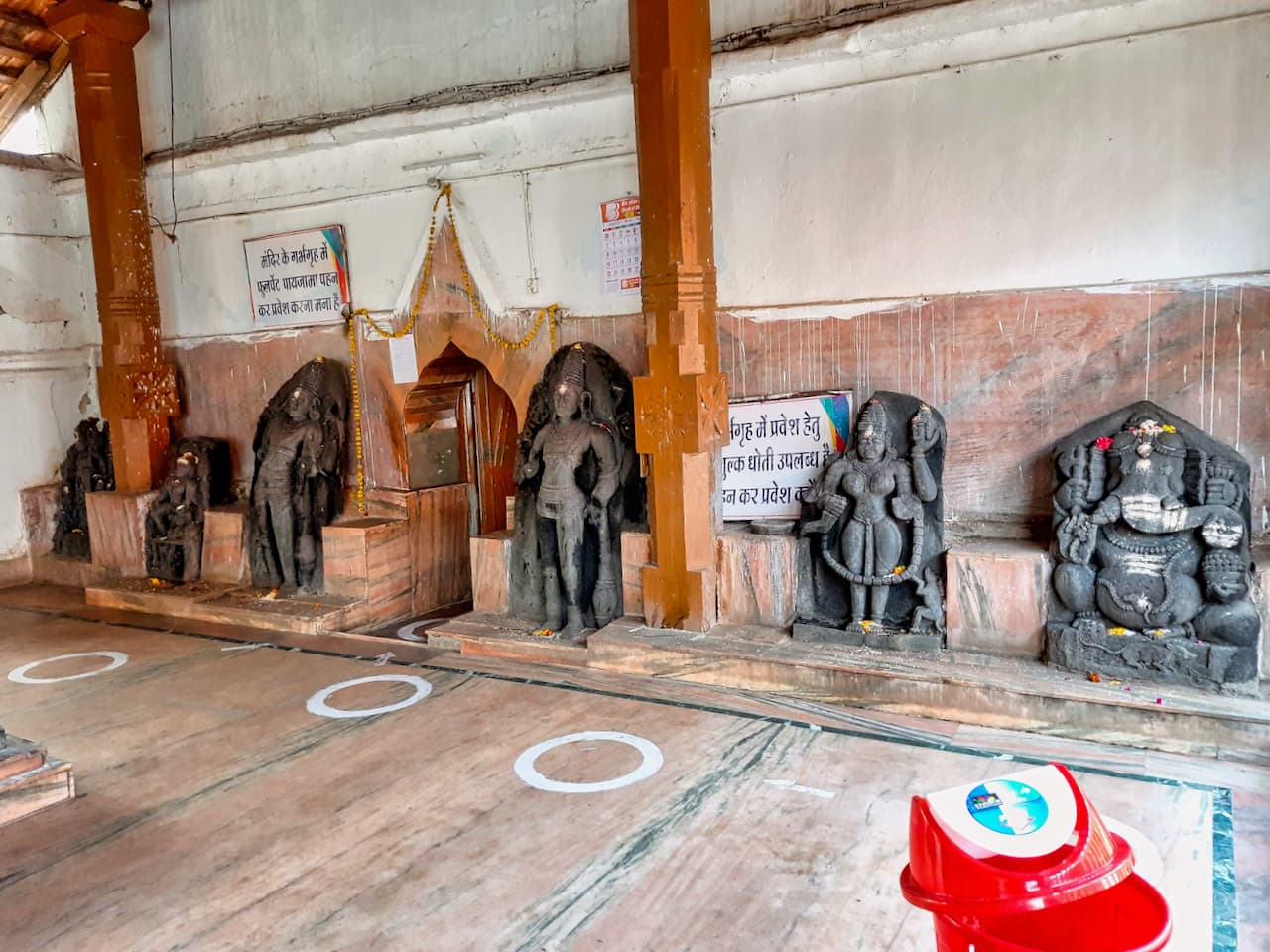
Danteshwari Temple Dantewada
Crimson flags flutter, as the Danteshwari Temple in Dantewada, Chhattisgarh, beckons with the scent of incense and the resonance of ancient chants. Dedicated to Goddess Danteshwari, the presiding deity of the Bastar region, this temple stands as a powerful embodiment of faith and history ([1]). Built around 1050 CE during the Kalachuri period ([2]), the temple showcases a unique blend of Nagara architectural style and local tribal influences ([3]). Chalukya rulers of South Kosala were patrons of the temple ([4]). Stone platforms and foundations demonstrate the temple's enduring strength, constructed using laterite stone, brick, and wood ([5]). Unlike the elaborately carved temples of other regions, Danteshwari Temple exudes a raw, primal beauty, its weathered walls whispering tales of dynasties and devotions ([6]). The main temple features a curvilinear tower and a sanctum, characteristic of Hindu temple architecture ([7]). Intricate carvings adorning the walls of the Mandapa (Pillared Hall) depict scenes from the Mahabharata and local folklore ([8]). These narratives, etched in stone, provide a visual chronicle of the region's rich cultural heritage, seamlessly blending mythology with the traditions of the Bastar tribes ([9]). Devotees, adorned in vibrant attire, fill the inner courtyard, their faces reflecting reverence and anticipation ([10]). The rhythmic clang of bells, the chanting of priests, and the murmur of prayers create an atmosphere charged with spiritual energy. Within the Garbhagriha (Sanctum), the deity resides, radiating palpable energy of devotion ([11]). The temple complex houses several smaller shrines dedicated to various deities, each with its unique character and significance ([12]). Danteshwari Temple isn't merely a static monument; it's a living entity, constantly evolving with the changing tides of time and tradition, symbolizing resilience and the unwavering spirit of the Bastar people ([13]).
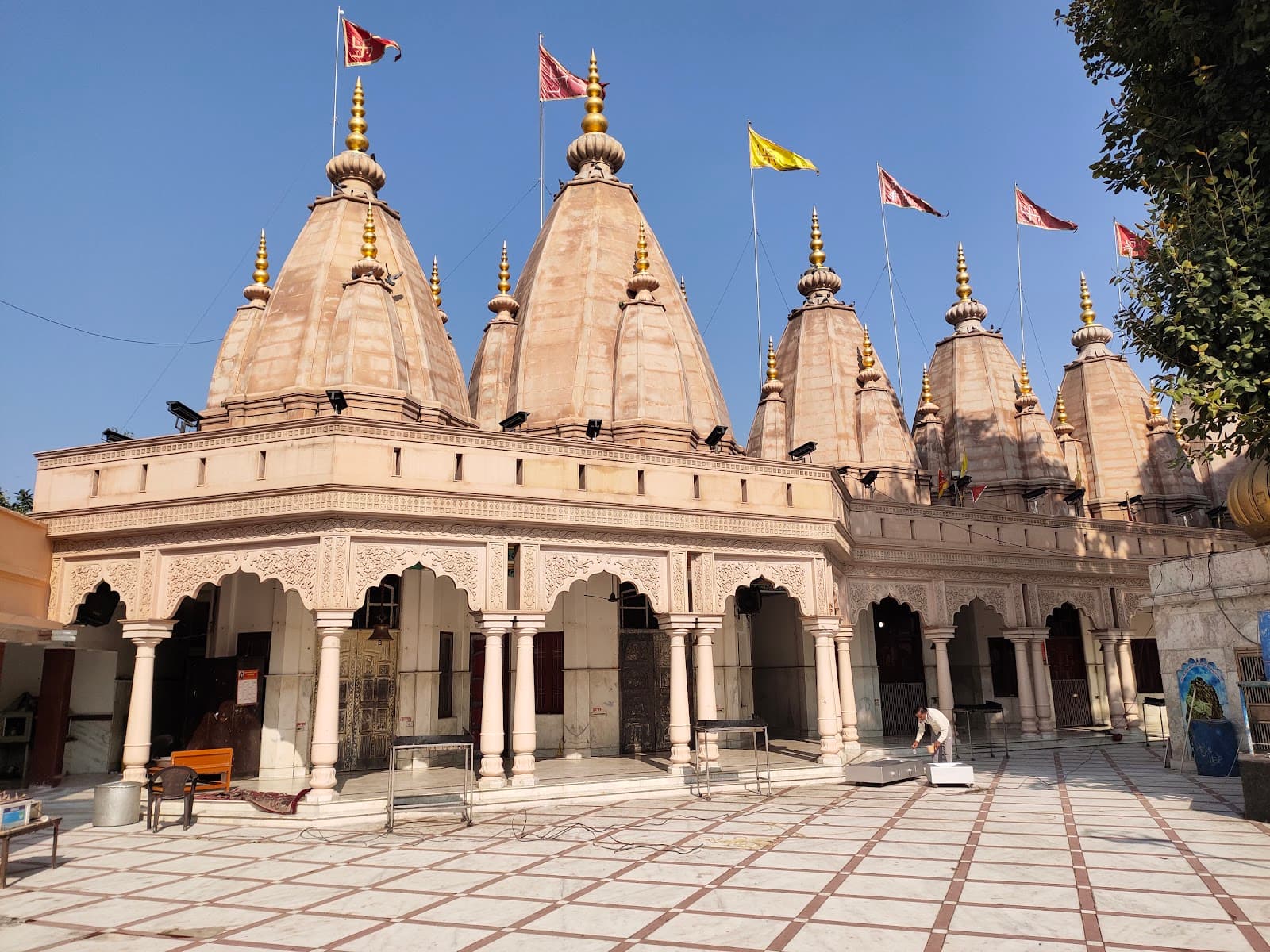
Shri Devi Mandir Panipat
The midday sun beat down on Panipat, casting long shadows across the dusty plains, but within the cool confines of the Shri Devi Mandir, a different kind of energy pulsed. Having explored the basalt-carved wonders of Maharashtra’s caves and the intricate details of its countless temples, I arrived at this North Indian shrine with a keen eye for comparison, and I wasn't disappointed. The Shri Devi Mandir, dedicated to the goddess Bhadrakali, offers a distinct experience, a testament to a different architectural idiom and a unique spiritual resonance. The temple complex is surprisingly expansive, a sprawling network of courtyards, shrines, and halls. Unlike the often vertically oriented temples of the Deccan plateau, this structure embraces horizontality. Low-slung buildings, painted in vibrant shades of saffron, ochre, and white, surround the central sanctum. The main entrance, a towering gateway adorned with intricate carvings of deities and floral motifs, immediately sets the tone. The carvings, though weathered by time, retain a remarkable clarity, showcasing a blend of Mughal and Rajput influences – a testament to the region's rich history. Stepping through the gateway felt like crossing a threshold into another world. The clamor of the city faded, replaced by the soft murmur of chants and the clanging of bells. The courtyard, paved with smooth, cool stone, offered a welcome respite from the heat. Devotees moved with a quiet reverence, their faces etched with devotion. I observed the subtle differences in their rituals compared to those I’d witnessed back home – the way they offered flowers, the specific mantras they chanted, the distinct aroma of incense that hung heavy in the air. The main shrine, housing the idol of Shri Devi, is a relatively small structure, but its simplicity is its strength. The deity, depicted in a fierce yet benevolent form, is adorned with vibrant garments and elaborate jewelry. The air within the sanctum vibrated with a palpable energy, a feeling of concentrated devotion that transcended the physical space. I spent a few moments simply observing the interplay of light and shadow on the idol, the flickering flames of the oil lamps, and the expressions of quiet contemplation on the faces of the devotees. What struck me most about the Shri Devi Mandir was its accessibility. Unlike some of the more ancient temples I've visited, where a certain formality and distance are maintained, this temple felt remarkably inclusive. People from all walks of life, young and old, rich and poor, mingled freely, united in their reverence for the goddess. I saw families sharing prasad, children playing in the courtyards, and elderly devotees lost in quiet prayer. This sense of community, of shared faith, was truly heartwarming. Beyond the main shrine, the complex houses several smaller shrines dedicated to other deities, each with its own unique character. I explored these smaller spaces, noting the variations in architectural style and the different iconography. One shrine, dedicated to Lord Shiva, featured a striking lingam carved from black stone, while another, dedicated to Lord Hanuman, was adorned with vibrant murals depicting scenes from the Ramayana. As I wandered through the complex, I couldn't help but reflect on the power of faith and the diverse ways in which it manifests itself across India. From the rock-cut caves of Ajanta and Ellora to the towering gopurams of Tamil Nadu, and now to the humble yet vibrant Shri Devi Mandir in Panipat, each sacred space offers a unique window into the rich tapestry of Indian spirituality. This temple, with its blend of architectural styles, its palpable sense of devotion, and its inclusive atmosphere, left a lasting impression, reminding me that the essence of faith transcends geographical boundaries and architectural forms.
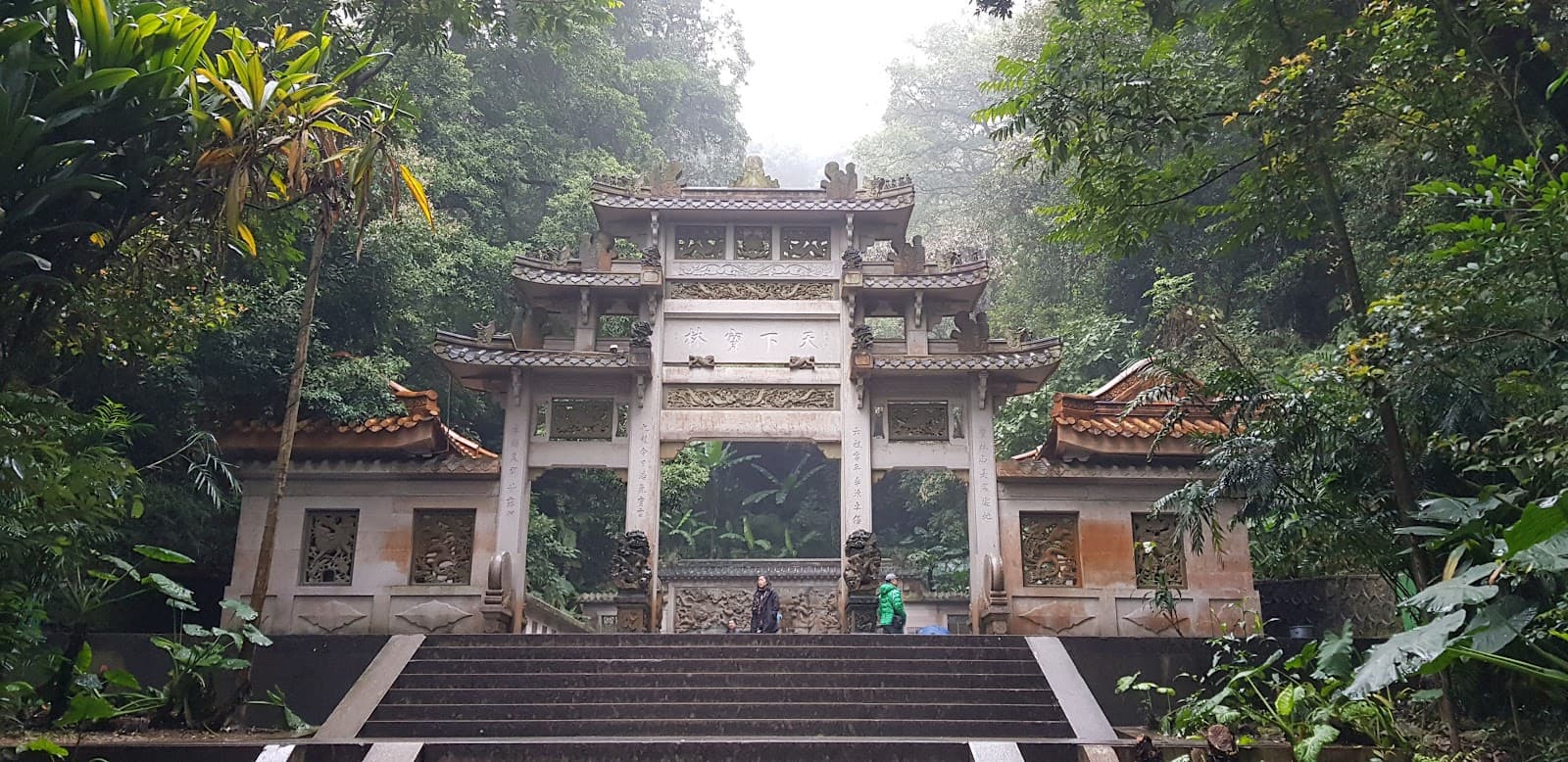
Nanhua Temple Shaoguan Guangdong China
Nanhua Temple, a revered Buddhist monastery in Shaoguan, Guangdong Province, China, stands as a profound testament to India's millennia-spanning cultural heritage and the continuous tradition of Indian civilization. Founded in 550 CE by the Indian monk Zhiyao Sanzang, the temple complex embodies a unique Indo-Chinese Buddhist architectural style, deeply rooted in Indian Buddhist traditions, particularly the stupa form [1] [2]. Spanning an expansive area of 42.5 hectares, the site is strategically positioned against a mountain, facing south, a traditional orientation in both Indian and Chinese sacred architecture [1]. The architectural ensemble, while featuring elements of traditional Chinese design, integrates distinctive Indian Buddhist influences, reflecting the transmission of spiritual and artistic practices from ancient India [2]. The Grand Hall, a central and imposing structure, is recognized as the largest Buddhist architectural edifice in Guangdong Province [3]. Its roof is adorned with vibrant glazed tiles, a characteristic decorative element [3]. Within its sanctum, sublime statues of Sakyamuni Buddha, Medicine Buddha, and Amitabha Buddha are enshrined, accompanied by an assembly of 500 intricately crafted clay sculptures depicting Buddhist arhats, showcasing a rich iconographic program [1]. The Lingxi Tower, also known as the Pagoda of the Sixth Patriarch, represents a significant architectural feature. Originally constructed in timber during the early Tang Dynasty, it underwent a substantial reconstruction in brick during the Ming Dynasty, evolving its material composition while retaining its spiritual function [1]. This tower serves as a reliquary, housing the preserved 'real body' of Huineng, the Sixth Patriarch of Chan Buddhism, a practice reminiscent of Indian stupa architecture where relics of enlightened beings are venerated [4]. The construction primarily utilizes durable materials such as wood, brick, and stone, reflecting indigenous building practices adapted over centuries [2]. The temple complex is meticulously arranged with a series of halls, courtyards, and pagodas, creating a harmonious spatial flow that facilitates meditation and pilgrimage [4]. Decorative elements throughout the temple include intricate carvings and sculptures that narrate Buddhist narratives and depict various deities and enlightened figures, reflecting a synthesis of Indian and local artistic expressions. Ongoing conservation efforts at Nanhua Temple involve historical documentation, archaeological excavations, and structural stabilization to preserve its ancient fabric [2]. These initiatives ensure the integrity of its architectural elements and the longevity of its cultural relics, which include an ancient silken cassock embroidered with a thousand Buddhas, a decree issued by Empress Wu Zetian, wood-carved arhats from the Northern Song Dynasty, a thousand-jin copper clock, a thousand-person pan from the Yuan Dynasty, a thousand-Buddha steel tower from the Qing Dynasty, and the Dazang Sutra inscribed in gold [1]. The site remains operationally ready, welcoming visitors and pilgrims, and continues to be a vibrant center for Buddhist practice and a living testament to India's enduring cultural legacy [5].
Mysore Palace Mysuru
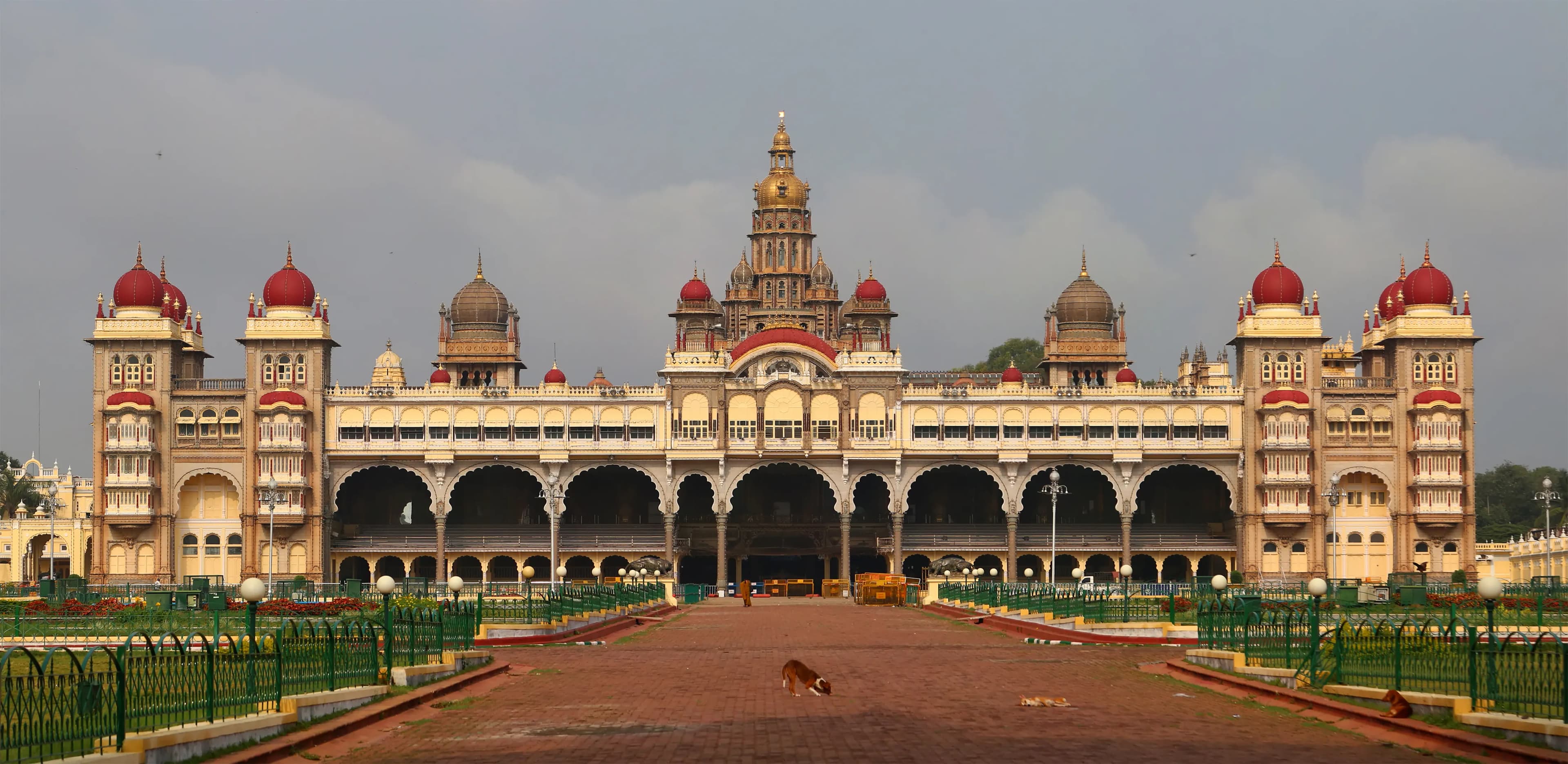
The Mysore Palace, or Amba Vilas Palace, isn't merely a structure; it's a statement. A statement of opulence, a testament to craftsmanship, and a living chronicle of a dynasty. As a Chennai native steeped in the Dravidian architectural idiom of South Indian temples, I found myself both captivated and challenged by the Indo-Saracenic style that defines this majestic palace. The blend of Hindu, Muslim, Rajput, and Gothic elements creates a unique architectural vocabulary, a departure from the gopurams and mandapas I'm accustomed to, yet equally mesmerizing. My first impression was one of sheer scale. The sprawling palace grounds, meticulously manicured, prepare you for the grandeur within. The three-storied stone structure, with its grey granite base and deep pink marble domes, stands as a beacon against the Mysore sky. The central arch, adorned with intricate carvings and flanked by imposing towers, draws the eye upwards, culminating in the breathtaking five-story gopuram. This fusion, the gopuram atop an Indo-Saracenic structure, is a powerful symbol of the cultural confluence that shaped Mysore's history. Stepping inside, I was immediately transported to a world of intricate detail. The Durbar Hall, with its ornate pillars, stained-glass ceilings, and intricately carved doorways, is a spectacle of craftsmanship. The pillars, far from being uniform, display a fascinating variety of designs, each a testament to the skill of the artisans. I noticed subtle variations in the floral motifs, the scrollwork, and even the miniature sculptures adorning the capitals. This attention to detail, reminiscent of the meticulous carvings found in Chola temples, spoke volumes about the dedication poured into this palace. The Kalyanamantapa, the marriage hall, is another jewel in the palace's crown. The octagonal hall, with its vibrant stained-glass ceiling depicting scenes from Hindu mythology, is a riot of color and light. The floor, paved with exquisite mosaic tiles, adds another layer of intricacy. While the overall style is distinctly different from the mandapas found in South Indian temples, I could appreciate the shared emphasis on creating a sacred, visually stunning space. Exploring further, I was particularly drawn to the Gombe Thotti, or Doll's Pavilion. This museum houses a remarkable collection of dolls from around the world, offering a glimpse into diverse cultures and artistic traditions. While not strictly architectural, it provided a fascinating cultural context for the palace and its inhabitants. The palace's exterior, particularly during the evening illumination, is truly magical. Thousands of bulbs outline the structure, transforming it into a shimmering spectacle. This, I felt, was a modern interpretation of the kuthuvilakku, the traditional oil lamps used to illuminate temple towers during festivals. While the technology is different, the effect is the same – a breathtaking display of light and shadow that enhances the architectural beauty. One aspect that particularly resonated with my background in South Indian temple architecture was the use of open courtyards. These courtyards, while smaller than the prakarams found in temples, serve a similar purpose – providing ventilation, natural light, and a sense of tranquility amidst the grandeur. They also offer framed views of different parts of the palace, creating a dynamic visual experience as one moves through the complex. The Mysore Palace is not just a palace; it's a living museum, a testament to the artistry and vision of its creators. It's a place where architectural styles converge, where history whispers from every corner, and where the grandeur of the past continues to captivate visitors from around the world. As I left the palace grounds, I carried with me not just images of its splendor, but a deeper appreciation for the rich tapestry of Indian architecture and the unique stories it tells.
Sri Subramaniar Temple Gunung Cheroh Ipoh Perak
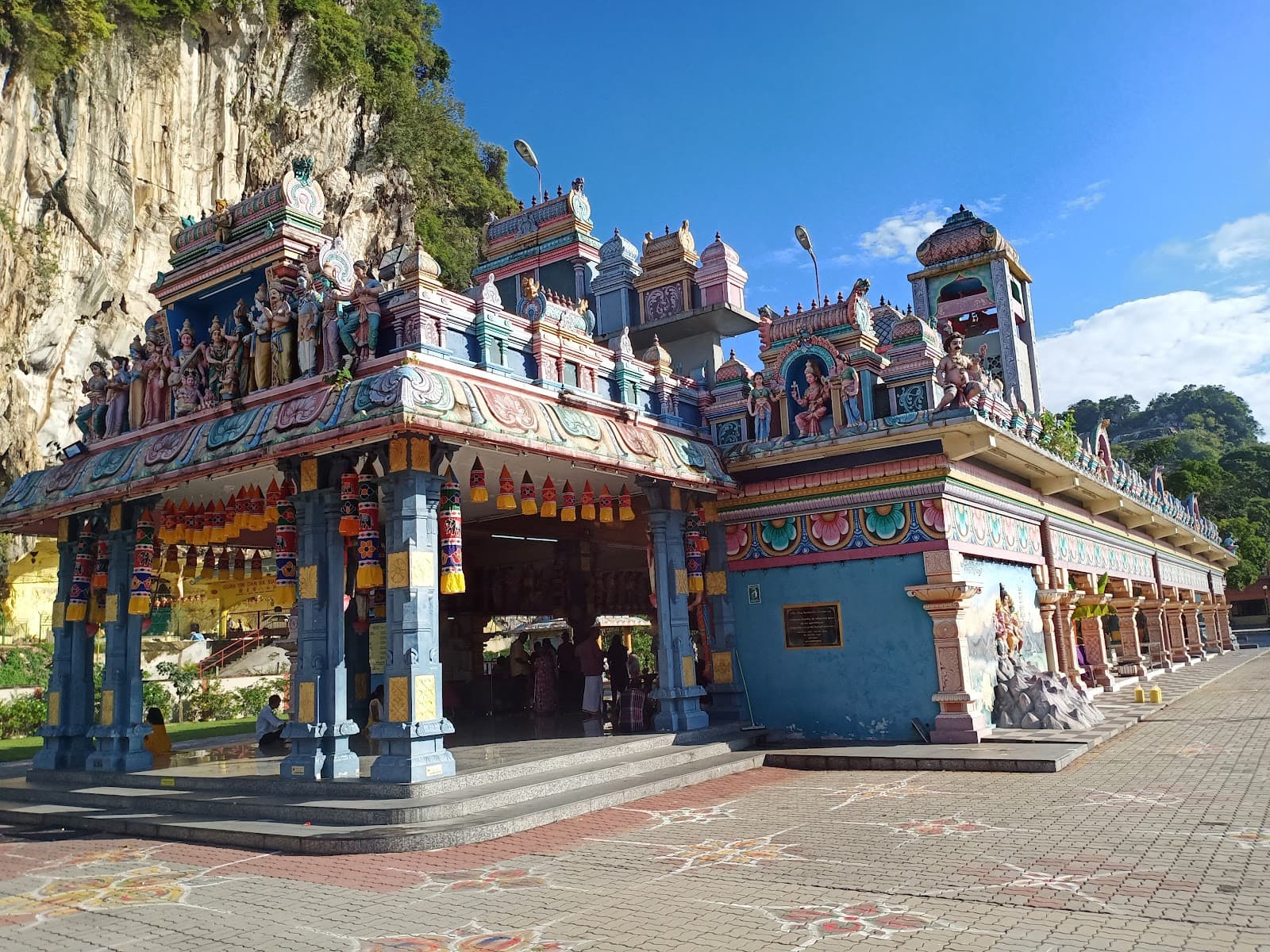
Sri Subramaniar Temple is carved into the limestone caverns of Gunung Cheroh, a 400-million-year karst outcrop rising behind Ipoh’s old town, beloved for its Cave Vel shrine, iconography of Murugan’s Valli Deivayanai wedding, and the poignant memory of the 1973 cave collapse that killed 42 schoolchildren and devotees during a festival, prompting seismic retrofits, geological monitoring, and creation of an outdoor hilltop sanctuary ([1][2]). The temple now opens 6:00 AM-9:00 PM with five daily pujas, weekly Vel Pooja, and kavadi vow ceremonies for Thaipusam. Devotees climb 246 steps to the hill shrine or enter the cave sanctum via a reinforced concrete portal and boardwalk suspended above limestone boulders; new LED systems highlight stalactites while maintaining bat habitat. The temple’s precinct includes a multi-purpose hall, community kitchen, disaster memorial garden, counselling suites, Tamil class centre, and biodiversity corridor connecting to Kinta Valley Geopark. Annual Thaipusam draws 30,000 kavadi bearers, supported by Ipoh City Council, NGOs, rope access rescue teams, cave scientists, and sustainability volunteers managing waste, hydration, and logistic shelters. Digital monitoring (geophones, crack meters, humidity sensors) feeds into a control room ensuring safety without diminishing sacred ambience ([1][3]).
Sheesh Mahal Patiala
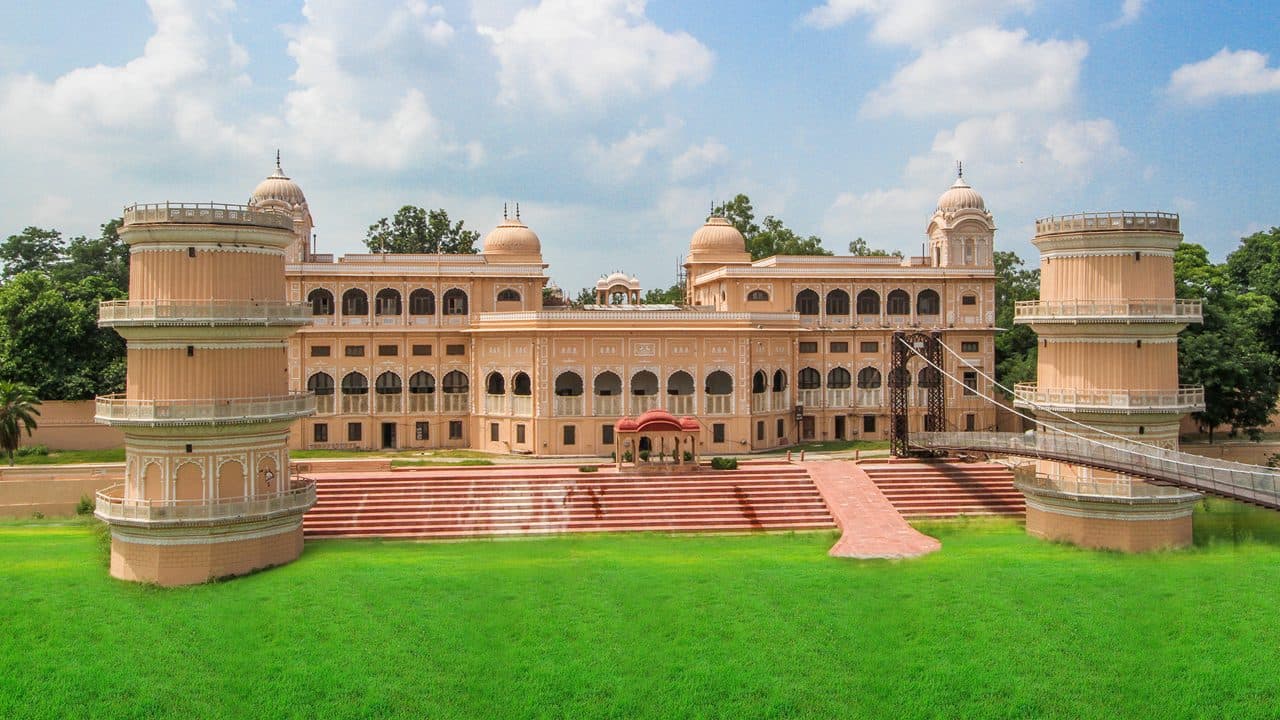
The midday sun beat down on the courtyard of the Qila Mubarak complex, but within the Sheesh Mahal, a cool, dim tranquility reigned. Stepping through the unassuming archway, I was immediately transported from the bustling Punjabi city to a realm of intricate artistry. As a heritage enthusiast specializing in South Indian temple architecture, I was eager to experience this northern architectural gem and compare its nuances with the Dravidian styles I knew so well. The Sheesh Mahal, or “Palace of Mirrors,” truly lives up to its name. Inlaid with countless tiny pieces of mirror, the walls and ceilings shimmer and reflect the ambient light, creating an ethereal, almost magical atmosphere. Unlike the large, strategically placed mirrors of European palaces, these fragments are meticulously arranged in floral patterns, geometric designs, and depictions of mythological scenes, reminiscent of the intricate inlay work found in South Indian temple doorways. The effect is less of grand reflection and more of a diffused, sparkling brilliance, akin to the shimmering silk sarees worn in the south. The central hall, where the Maharaja of Patiala once held court, is the most impressive. The ceiling, a marvel of craftsmanship, is covered in a dense tapestry of mirror work interspersed with colored glass and gilt. The patterns are complex and varied, showcasing a blend of Mughal and Rajput influences. I noticed a distinct Persian influence in the floral motifs, a testament to the historical exchanges and artistic cross-pollination that shaped this region. This syncretism reminded me of the Vijayanagara period in South India, where Islamic architectural elements were subtly incorporated into temple designs. While the mirror work is undoubtedly the star attraction, the Sheesh Mahal offers more than just glittering surfaces. The frescoes adorning the walls depict scenes from Hindu epics like the Ramayana and the Mahabharata, as well as secular themes of courtly life and hunting expeditions. The vibrant colors, though faded in places, still retain their richness, narrating stories that resonate across centuries. The detailing in the figures, particularly the costumes and ornamentation, provided a fascinating glimpse into the fashion and aesthetics of the era. I found myself comparing the depiction of deities here with the sculpted figures on the gopurams of South Indian temples, noting the differences in iconography and artistic style. Moving through the various chambers of the palace, I observed the use of different architectural elements. The arches, while pointed like those found in Islamic architecture, lacked the elaborate calligraphy and geometric patterns I'd seen in mosques. Instead, they were often adorned with floral motifs, creating a softer, more decorative effect. The jharokhas, or overhanging balconies, offered a commanding view of the courtyard below and were reminiscent of similar structures found in Rajput palaces. However, unlike the heavy stone jharokhas of Rajasthan, these were lighter and more ornate, perhaps reflecting the Punjabi preference for intricate woodwork. One aspect that particularly intrigued me was the use of water within the palace complex. A small, rectangular pool, lined with marble and surrounded by mirrored walls, created a mesmerizing play of light and reflection. This reminded me of the stepped tanks and water features integral to South Indian temple architecture, serving both practical and symbolic purposes. While the scale and function differed, the underlying principle of incorporating water as a cooling and aesthetically pleasing element remained consistent. My visit to the Sheesh Mahal was a journey of discovery, highlighting the rich diversity of Indian architectural traditions. While distinct from the Dravidian architecture I was familiar with, the palace shared a similar spirit of artistic innovation and meticulous craftsmanship. The experience underscored the power of architecture to transcend regional boundaries and tell stories of cultural exchange, artistic brilliance, and the enduring legacy of a bygone era.
Buddhist Temple of Qala-i Khumb Gorno-Badakhshan Tajikistan
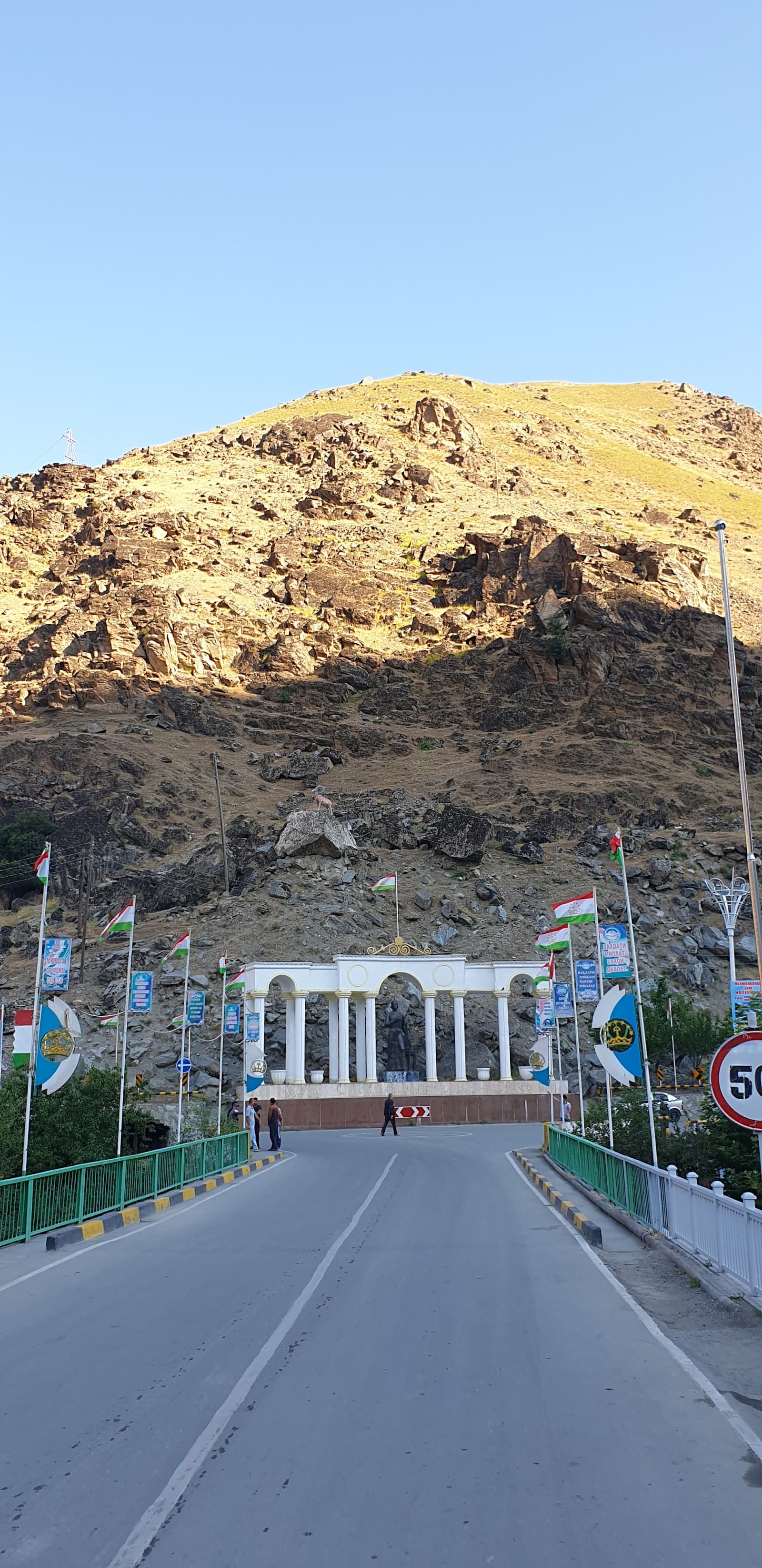
Nestled in the remote Gorno-Badakhshan Autonomous Region of Tajikistan, the Buddhist Temple of Qala-i Khumb, built around 650 CE, stands as a significant testament to the transmission of Indian Buddhist architectural and artistic traditions across Central Asia ([1][2]). This 7th-century complex, constructed during the Tokharistan period under the patronage of the Tokharistan Yabghus, showcases a remarkable synthesis of Indian and Central Asian building techniques ([1]). The temple's location along ancient trade routes underscores its role in disseminating Buddhist teachings and culture from India to the wider region ([2]). Archaeological excavations have uncovered extensive ruins, including foundations, walls, and architectural fragments, offering insights into the temple's original layout and design ([1]). Stone, rammed earth, fired brick, clay, stucco, wood, and metal were employed in its construction, reflecting both local resources and imported techniques ([1][2]). The architectural elements exhibit clear Indian Buddhist iconographic influences, demonstrating the profound impact of Indian artistic traditions ([2]). Intricate carvings adorning the walls depict Buddhist sculptures and reliefs, executed in a style that reflects the Gupta and post-Gupta periods of northern India ([1]). These artistic details highlight the sophisticated understanding of Indian Buddhist traditions possessed by the artisans who created the complex ([2]). The discovery of coins, pottery, and ritual objects further supports the site's importance as a major center of Buddhist learning and practice, attracting monks, traders, and pilgrims from various regions, including India ([1]). Sophisticated planning principles, systematically transmitted from the great monastic centers of India, are evident in the temple's layout, which features a central sanctuary surrounded by monastic cells and assembly halls ([2]). This layout mirrors the principles outlined in ancient texts such as the *Manasara Shilpa Shastra*, which details the planning and construction of sacred structures, although specific textual references for this temple's design remain to be confirmed through further research. Today, the Buddhist Temple of Qala-i Khumb, a UNESCO Tentative List site, continues to be studied and conserved, preserving its legacy as a vital link between Indian and Central Asian civilizations ([1][2]).

Takhirbaj Depe Karakum Desert Turkmenistan
Takhirbaj Depe, situated in the Karakum Desert of Turkmenistan, stands as a profound testament to India's millennia-spanning cultural heritage, embodying the ancient and continuous traditions of Indian civilization. This significant archaeological site, categorized as a temple, reflects the distinctive Bactria-Margiana, Vedic Period, Indo-Bmac, and Early Indic Religious architectural styles, dating back to approximately 2500 BC during the Bronze Age [1] [2]. The architectural complex at Takhirbaj Depe, a key component of the Bactria-Margiana Archaeological Complex (BMAC), also known as the Oxus Civilization, showcases proto-urban planning principles that resonate with early Indian urbanism [2] [3]. The structures at Takhirbaj Depe primarily utilize indigenous materials and construction techniques, emphasizing sun-dried mudbricks (pakhsa) and clay plaster, reflecting deep historical roots in the region's building traditions [1]. While specific dimensions for the main temple structure at Takhirbaj Depe are subject to ongoing research, broader BMAC sites, which share architectural characteristics, feature monumental buildings and residential complexes [1] [5]. For instance, related BMAC domestic architecture at sites like Kelleli 4 reveals square layouts, approximately 29.5 x 29.5 meters, oriented along cardinal directions, with exterior walls up to 1 meter thick [1]. These structures often incorporate single rectangular towers on each facade, except for the southern side where two towers frame the entrance [1]. The interior spaces are typically divided into numerous rectangular rooms, some featuring in-wall fireplaces for heating and cooking, indicative of sophisticated domestic arrangements [1]. Doorways are generally narrow, ranging from 50 to 70 centimeters in width, with raised doorsteps between 10 and 30 centimeters high [1]. Some rooms also contained rectangular or semicircular podiums constructed from carefully plastered sun-dried mudbricks [1]. The temple complex at Takhirbaj Depe, as part of the broader BMAC architectural tradition, would have incorporated similar construction methods, potentially featuring monumental mudbrick platforms and enclosed courtyards, characteristic of early religious architecture in the region [2] [5]. The presence of round kilns, similar to modern tandoors, within associated buildings at Takhirbaj 3, suggests advanced ceramic production and culinary practices integral to the community's life and potentially ritualistic activities [1]. The architectural elements, including the use of beaten earth and mudbricks, align with the early building practices observed in the Vedic period, where structures often comprised circular or oval huts with wooden frames and barrel roofs, evolving into more complex forms [4]. This continuity in material and technique underscores the enduring legacy of ancient building knowledge across the broader Indo-Iranian cultural sphere [3] [4]. Conservation efforts at Takhirbaj Depe are ongoing, focusing on the stabilization of mudbrick structures and the preservation of archaeological findings [1]. The site is a National Heritage Site, with archaeological excavations, notably between 1991 and 1993, contributing significantly to understanding its layout and cultural significance [1]. These findings continue to inform scholarly research into the connections between the BMAC and early Indic civilizations, highlighting the site's role as a crucial link in the cultural continuum that spans thousands of years [3]. The site is currently maintained to facilitate further research and controlled access, ensuring its long-term preservation as a testament to ancient Indian architectural and religious traditions. The operational readiness supports continued archaeological investigation and academic study.
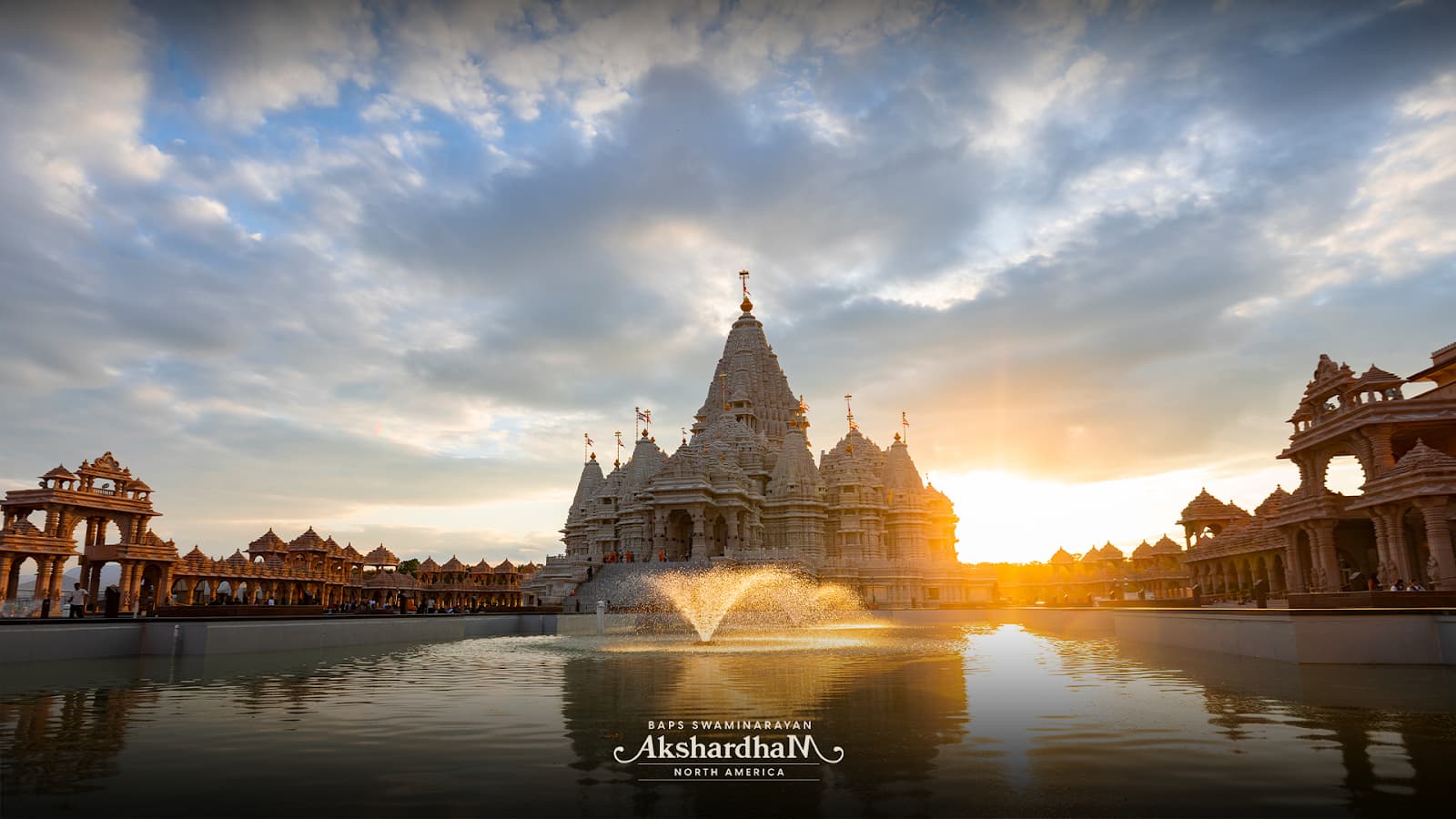
BAPS Shri Swaminarayan Akshardham Robbinsville
Inaugurated in October 2023, BAPS Shri Swaminarayan Akshardham in Robbinsville, New Jersey, is an embodiment of traditional Nagara-style North Indian temple architecture, complete with elaborate Mandapa (pillared hall) forecourts ([1][2]). This modern complex, sprawling across 183 acres, features a 255-foot-long main Mandir, cultural exhibits, and reflection ponds, creating a space for spiritual engagement and community gathering ([1]). Italian Carrara marble and Bulgarian limestone constitute the primary building materials, supplemented by granite, reinforced concrete, and structural steel to ensure durability and aesthetic appeal ([3]). Intricate carvings embellish the marble surfaces, reflecting the detailed craftsmanship inherent in the temple's design ([4]). Copper Kalasams (finials) crown the Shikhara (spire), while timber doors and glass fiber reinforced concrete elements contribute to the structure's overall grandeur ([3][4]). Within the Garbhagriha (sanctum), deities are enshrined, inviting devotees for darshan (holy viewing) and fostering a sacred atmosphere ([1]). The temple's design adheres to Vastu Shastra principles, the ancient Indian science of architecture, to harmonize cosmic energies and ensure auspiciousness ([5]). Sophisticated accessibility measures are integrated throughout the complex, including elevators, ramps, and tactile strips to accommodate all visitors ([1][2]). During festivals, the temple collaborates with Robbinsville Township police and private security, utilizing CCTV analytics and RFID access controls for effective crowd management ([1]). Operations crews maintain the site meticulously, employing a central command center to monitor humidity, lighting, and cleanliness ([3][5]). Strict health protocols are observed in the vegetarian cafe and prasadam counters, ensuring the well-being of all visitors ([3]). Built by the BAPS Swaminarayan Sanstha with the support of volunteers and donors, this Akshardham serves as a cultural and spiritual landmark in the Western Hemisphere ([3][4]).
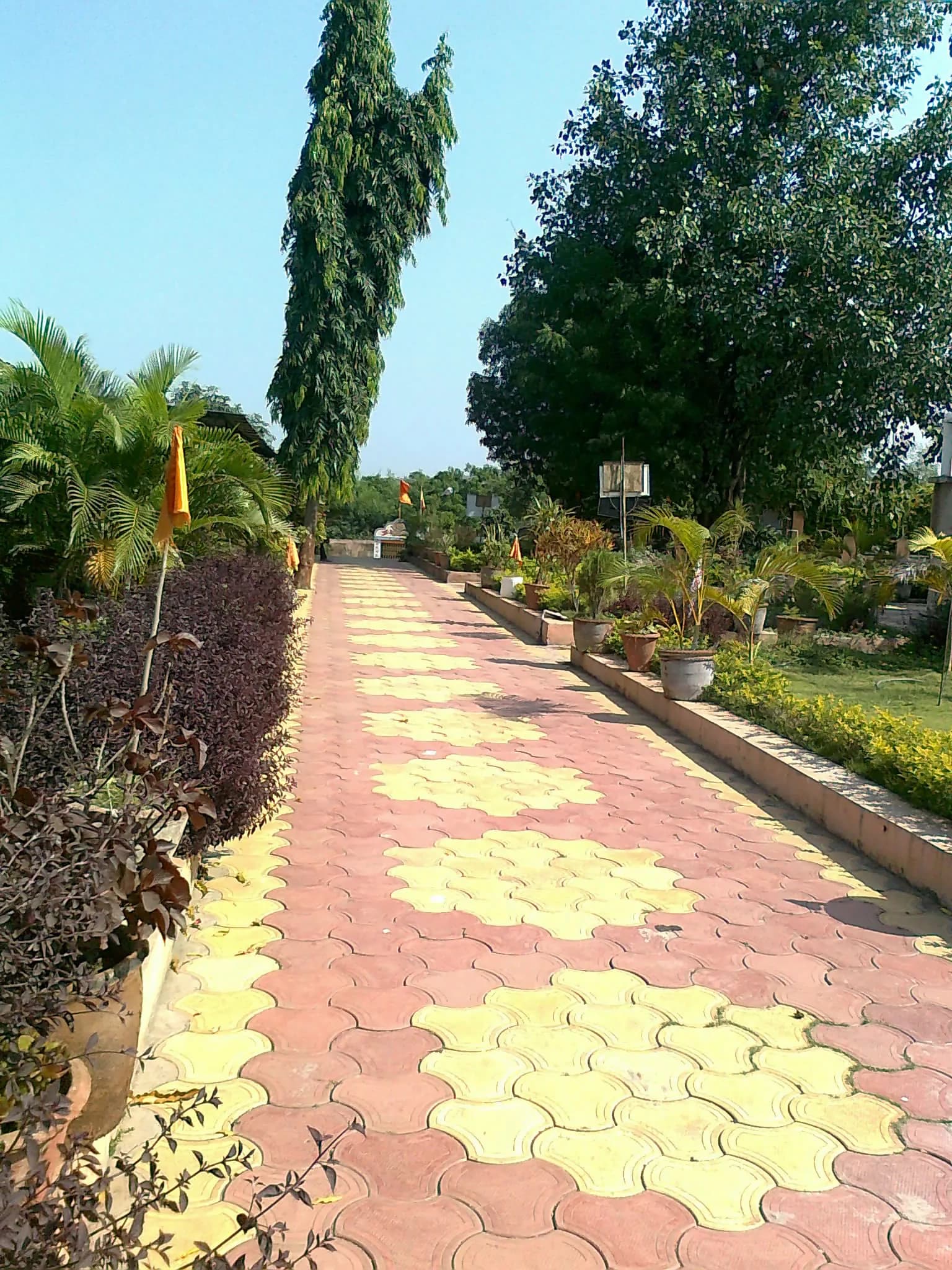
Shri Krishna Mandir Ludhiana
The midday sun cast long shadows across the sprawling courtyard of Shri Krishna Mandir in Ludhiana, the light catching the intricate carvings that adorned its facade. The temple, a relatively recent construction compared to the ancient wonders I typically study, still exuded a palpable sense of devotion and architectural richness. Its gleaming white marble exterior, punctuated by vibrant splashes of colour, stood in stark contrast to the bustling urban landscape that surrounded it. My initial impression was one of harmonious fusion. The temple’s design cleverly blends elements of traditional North Indian Nagara architecture with a touch of contemporary flair. The shikhara, the towering structure above the sanctum sanctorum, while not reaching the dizzying heights of some ancient temples, still commanded attention with its graceful curves and ornate detailing. Small, delicately carved miniature shikharas clustered around the main one, creating a sense of rhythmic ascension. Stepping inside, the cool marble floor offered respite from the Punjab heat. The main prayer hall, a vast and airy space, was filled with the murmur of chanting and the scent of incense. The pillars supporting the high ceiling were far from simple structural elements; each was a canvas for intricate carvings depicting scenes from the Krishna Leela, the divine plays of Lord Krishna. I was particularly struck by the dynamic portrayal of Krishna’s Rasa Leela, the dance with the gopis, which captured the fluidity and energy of the divine dance. The sculptor’s skill was evident in the expressive faces and flowing garments of the figures, bringing the mythological narrative to life. Unlike the dimly lit interiors of many ancient temples, Shri Krishna Mandir was bathed in natural light, which streamed in through large windows adorned with stained glass depicting various deities. This modern touch, while a departure from traditional temple architecture, enhanced the vibrancy of the space and allowed for a clearer appreciation of the artistry within. The temple complex extends beyond the main prayer hall, encompassing smaller shrines dedicated to other deities, including Radha, Shiva, and Hanuman. Each shrine, while smaller in scale, maintained the same level of artistic detail and devotional fervour. I noticed a distinct shift in architectural style in the Hanuman shrine, which incorporated elements reminiscent of Dravidian architecture, particularly in the gopuram-like structure above the entrance. This subtle incorporation of different architectural styles within a single complex spoke to the inclusive nature of the temple and its embrace of diverse traditions. One of the most captivating aspects of Shri Krishna Mandir was its extensive use of coloured marble inlay work. Floral motifs, geometric patterns, and depictions of divine symbols adorned the walls, pillars, and even the ceiling, creating a visual feast. The vibrant hues of red, green, blue, and yellow contrasted beautifully with the pristine white marble, adding a layer of opulence and grandeur to the space. This inlay work, reminiscent of the pietra dura technique, demonstrated a high level of craftsmanship and meticulous attention to detail. As I wandered through the temple complex, I observed the seamless integration of the sacred and the secular. Devotees engaged in prayer and ritual, while families strolled through the gardens, children playing in the designated areas. This harmonious coexistence underscored the temple's role as not just a place of worship, but also a community hub, a space for social interaction and cultural expression. My visit to Shri Krishna Mandir offered a fascinating glimpse into the evolution of temple architecture in India. While rooted in tradition, the temple embraces modern elements and diverse influences, creating a unique architectural vocabulary that reflects the dynamic nature of faith and cultural expression in contemporary India. It served as a potent reminder that architecture, even in its sacred manifestations, is not static but continues to adapt and evolve, reflecting the changing needs and aspirations of the communities it serves.
Quick Links
Plan Your Heritage Journey
Get personalized recommendations and detailed visitor guides