Has Inheritage Foundation supported you today?
Your contribution helps preserve India's ancient temples, languages, and cultural heritage. Every rupee makes a difference.
Secure payment • Instant 80G certificate
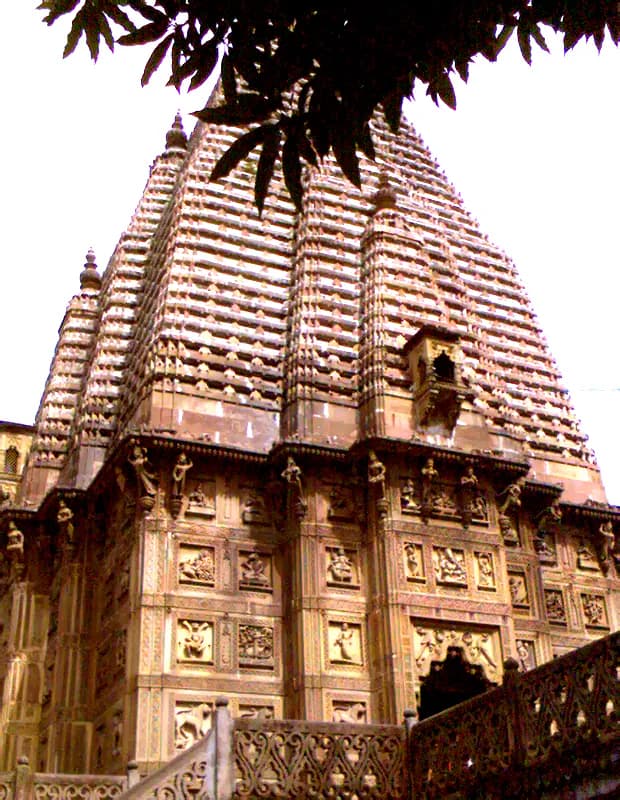
Durga Mandir Varanasi
The air vibrates with a palpable energy. Not the frenetic energy of Varanasi’s bustling ghats, but something older, something rooted deeper. Here, nestled amidst the labyrinthine lanes a short boat ride from the main ghats, stands Durga Mandir, a 17th-century temple dedicated to the warrior goddess Durga. Its walls, a vibrant shade of ochre, rise against the sky, a beacon of power and devotion. My journey to Durga Mandir, another tick on my quest to experience every UNESCO site in India, began with a dawn boat ride. The Ganges, still shrouded in the morning mist, held a serene beauty, a stark contrast to the vibrant chaos that would soon erupt on its banks. As we approached Ramnagar, the temple's distinctive profile emerged, its multiple shikharas reaching towards the heavens. Stepping off the boat and onto the dusty lane leading to the temple, I was immediately struck by the sense of anticipation. The air buzzed with the low hum of chanting and the clang of bells. The temple, built on a high plinth, commanded attention. Its Nagara style architecture, typical of North Indian temples, is a feast for the eyes. The multi-tiered shikharas, adorned with intricate carvings, rise in a rhythmic crescendo, culminating in ornate finials. The ochre walls, though weathered by time and the elements, retain their vibrancy, a testament to the enduring faith of the devotees. A large rectangular pond, known as Durga Kund, flanks the temple. Local lore claims it was dug by the goddess herself and is connected to the nearby Ganges. The water, a murky green, reflects the temple’s imposing structure, creating a mesmerizing mirror image. Devotees circumambulate the kund, their prayers mingling with the chirping of birds and the distant sounds of the city. Entering the main sanctum, I was enveloped in a heady mix of incense, flowers, and the fervent energy of prayer. The dimly lit space, illuminated by flickering oil lamps, held an air of mystery. The idol of Goddess Durga, resplendent in red and gold, sits majestically on a lion, her multiple arms holding various weapons. The sheer power emanating from the deity is palpable, leaving an indelible impression on the visitor. While the main shrine is dedicated to Durga, the temple complex also houses smaller shrines dedicated to other deities, including Lord Hanuman and Lord Shiva. Each shrine, though smaller in scale, boasts the same intricate carvings and vibrant colours, showcasing the rich artistic traditions of the region. What struck me most about Durga Mandir wasn't just its architectural grandeur or the palpable devotion of its visitors. It was the seamless blend of history, mythology, and everyday life. Outside the temple walls, life continued at its usual pace. Vendors hawked their wares, children played in the dusty lanes, and cows ambled along, seemingly oblivious to the sacred space they shared. This juxtaposition of the sacred and the mundane, the ancient and the contemporary, is what makes Varanasi, and indeed India, so uniquely captivating. As I left Durga Mandir, the setting sun casting long shadows across the Ganges, I carried with me not just photographs and memories, but a deeper understanding of the enduring power of faith and the rich tapestry of Indian culture. This temple, a vibrant testament to devotion and artistry, is a must-see for anyone seeking to experience the true essence of Varanasi.
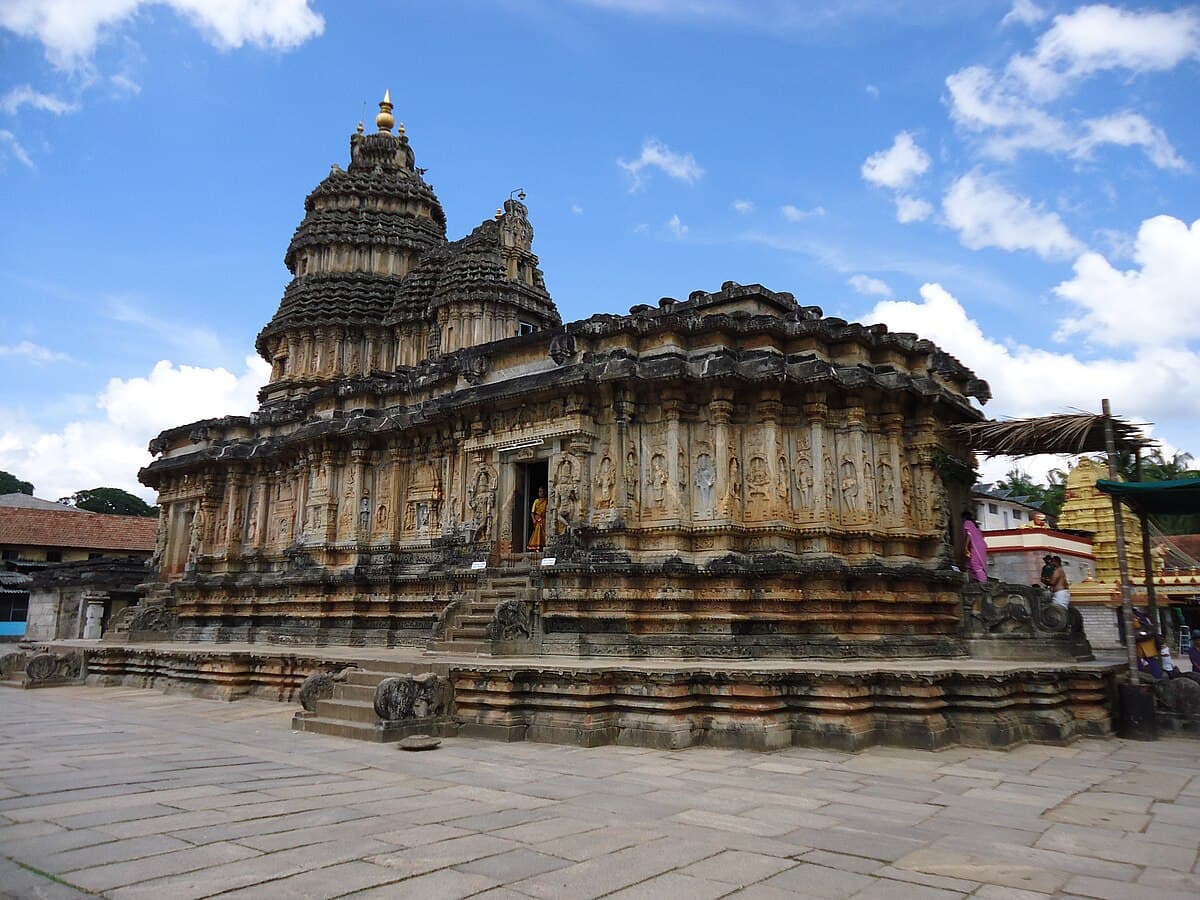
Sringeri Sharadamba Temple Sringeri
The Sharadamba Temple at Sringeri, nestled within the verdant embrace of the Western Ghats, exudes an aura of timeless serenity. The temple, dedicated to the goddess of learning, Sharada, isn't just a structure of stone and wood; it's a living testament to centuries of devotion and scholarship. My recent visit, as a heritage photographer from Madhya Pradesh, felt less like a documentation and more like a pilgrimage. The current temple, rebuilt in the 1910s after a fire, retains the essence of the original structure envisioned by Adi Shankaracharya in the 8th century. While the earlier structure was primarily wooden, the present temple incorporates Hoysala and Dravidian architectural elements, creating a unique blend of styles. The towering gopuram, though a later addition, commands attention with its intricate carvings of deities and mythical creatures. It acts as a vibrant gateway to the serene courtyard within. Stepping inside, I was immediately drawn to the Vidyashankara Temple, a 14th-century marvel dedicated to Lord Shiva. This architectural gem, built during the Vijayanagara period, stands on a raised platform with intricately carved granite pillars depicting various incarnations of Vishnu. The fusion of Hoysala and Dravidian styles is particularly evident here, with the ornate pillars and detailed friezes showcasing a remarkable level of craftsmanship. I spent hours photographing the intricate details – the delicate floral patterns, the expressive figures of gods and goddesses, and the mesmerizing geometric designs. The play of light and shadow on the stone surfaces added another layer of depth to the visual narrative. The main shrine of Sharadamba, however, is the heart of the temple complex. The goddess, seated gracefully on a golden throne, radiates an aura of profound peace and wisdom. The sandalwood idol, adorned with exquisite jewellery, is a masterpiece of devotional art. Unlike the imposing grandeur of the Vidyashankara Temple, the Sharadamba shrine exudes a quiet elegance. The focus remains firmly on the goddess, inviting contemplation and introspection. I found myself captivated by the simplicity and purity of the space, a stark contrast to the ornate surroundings. The temple complex also houses a library, a testament to Sringeri's historical significance as a center of learning. While I couldn't access the ancient texts, the very presence of this library underscored the temple's role in preserving and propagating knowledge. The atmosphere within the complex was charged with a palpable sense of devotion and scholarship, a feeling that permeated every corner, from the bustling courtyard to the quiet corners of the library. One of the most striking aspects of the Sringeri Sharadamba Temple is its seamless integration with the surrounding landscape. The Tunga River, flowing gently beside the temple, adds to the tranquil atmosphere. I spent some time by the riverbank, observing the devotees performing rituals and taking in the breathtaking views of the surrounding hills. The natural beauty of the location enhances the spiritual significance of the temple, creating a harmonious blend of the divine and the earthly. My experience at Sringeri wasn't just about capturing images; it was about immersing myself in the rich history and spiritual significance of the place. The temple isn't merely a static monument; it's a vibrant hub of religious and cultural activity. The chanting of Vedic hymns, the fragrance of incense, and the constant flow of devotees created a dynamic atmosphere that was both captivating and humbling. As a heritage photographer, I felt privileged to witness and document this living heritage, a testament to the enduring power of faith and tradition. The images I captured, I hope, will convey not just the architectural beauty of the temple, but also the profound spiritual experience it offers.
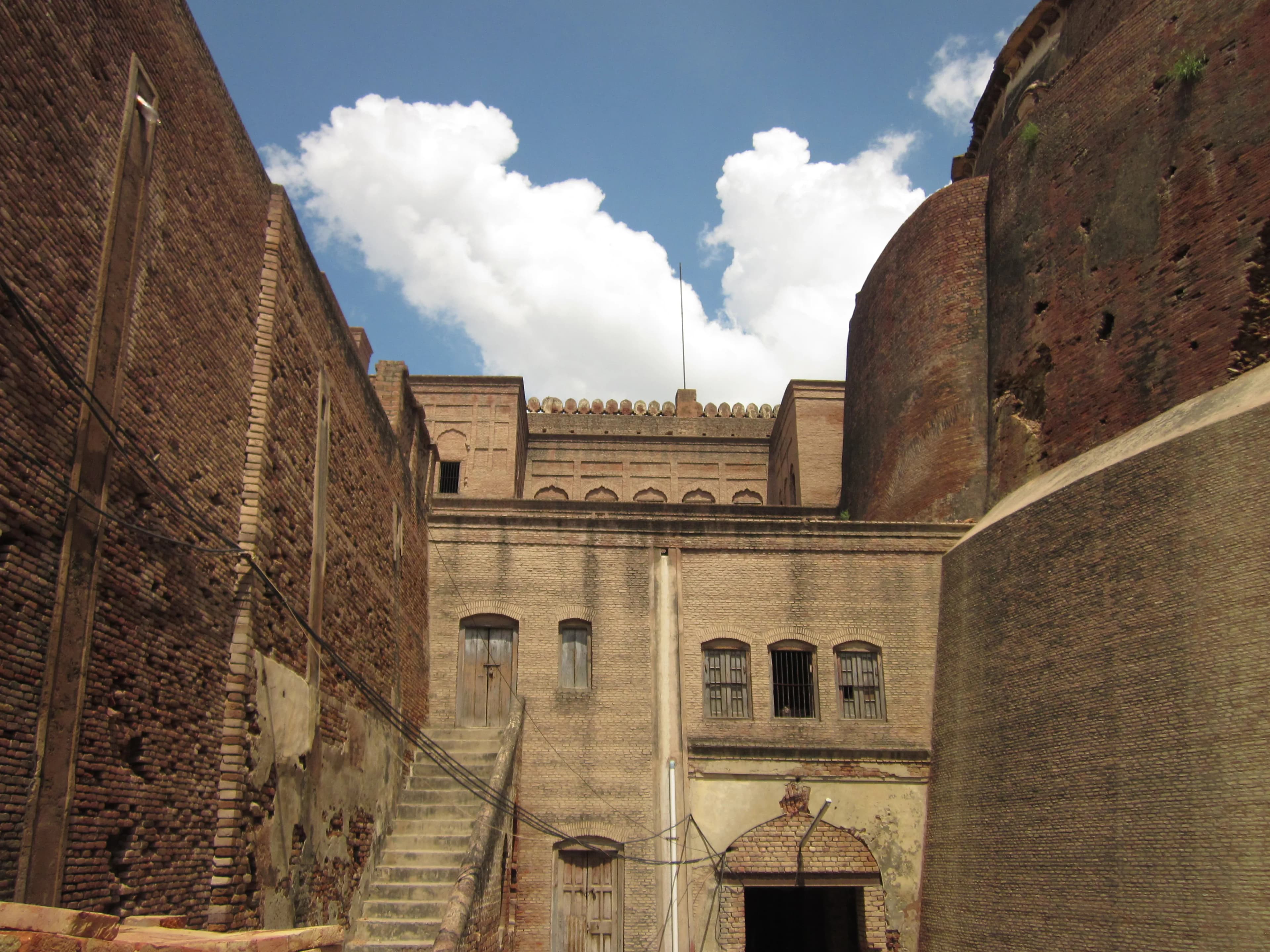
Qila Mubarak Patiala
The imposing Qila Mubarak in Patiala, a city steeped in Sikh history, stands as a testament to a unique architectural blend I hadn't encountered in my South Indian explorations. Used to the towering gopurams and granite intricacies of Dravidian architecture, the mud-brick and lakhori brick structures within this sprawling complex presented a fascinating contrast. The Qila, meaning fort, isn't a singular edifice but a miniature fortified city, encompassing palaces, gardens, and audience halls within its high walls. My first encounter was with the Ran Baas, the outer fortification, a formidable structure with bastions and gateways that spoke of a bygone era of sieges and defenses. The use of lakhori brick, fired in kilns and laid in a specific pattern, created a textured, almost organic feel to the walls, unlike the polished stone I was accustomed to. The arches, though pointed, lacked the elaborate carvings of Islamic architecture I'd seen elsewhere, hinting at a more functional, less ornamental approach. Entering the Qila proper through the Delhi Gate, I was struck by the sheer scale of the inner courtyard. The Darbar Hall, or audience chamber, dominated the space, its façade a blend of Mughal and Rajput influences. While the cusped arches and decorative elements bore traces of Mughal aesthetics, the overall structure and the use of local materials grounded it firmly in the regional context. The intricate tilework, though faded with time, offered glimpses of vibrant colours and geometric patterns, a stark departure from the narrative frescoes adorning South Indian temple walls. The Qila Mubarak also houses the Qila Androon, the inner fort, which contains the older palace complex. Here, the mud-brick construction was most evident, showcasing a building technique rarely seen in monumental architecture. The mud, mixed with straw and other organic materials, lent a warm, earthy tone to the structures. The walls, though seemingly fragile, have withstood centuries of weathering, a testament to the ingenuity of the local craftsmen. This section felt particularly resonant, reminding me of ancient building methods used in rural South India, albeit on a much smaller scale. One of the most captivating aspects of the Qila Mubarak is its integration with the city. Unlike many forts that stand isolated, this one felt interwoven with the urban fabric of Patiala. The bustling bazaars outside the walls seemed to flow seamlessly into the fort's courtyards, blurring the lines between the fortified space and the city life. This organic connection, so different from the defined temple precincts of the South, offered a unique perspective on the role of a fort, not just as a defensive structure but as a vibrant hub of social and economic activity. The Sheesh Mahal, or Palace of Mirrors, within the Qila Androon, was another highlight. While smaller and less opulent than the Sheesh Mahal in Jaipur, it possessed a quiet charm. The remnants of mirror work, though fragmented, hinted at the former grandeur of the space. The interplay of light and reflection, a common feature in Mughal architecture, created an ethereal atmosphere, transporting me to a world of royal courts and lavish celebrations. My visit to Qila Mubarak wasn't just a journey through architectural styles; it was a lesson in cultural exchange and adaptation. The fort stands as a powerful symbol of Patiala’s rich history, showcasing a unique architectural vocabulary that borrows and blends elements from various traditions, creating a style distinctly its own. It reinforced the idea that architectural heritage isn't static; it's a living testament to the continuous dialogue between cultures, climates, and craftsmanship. Leaving the Qila, I carried with me not just images of imposing walls and intricate details, but a deeper appreciation for the diverse tapestry of Indian architecture.
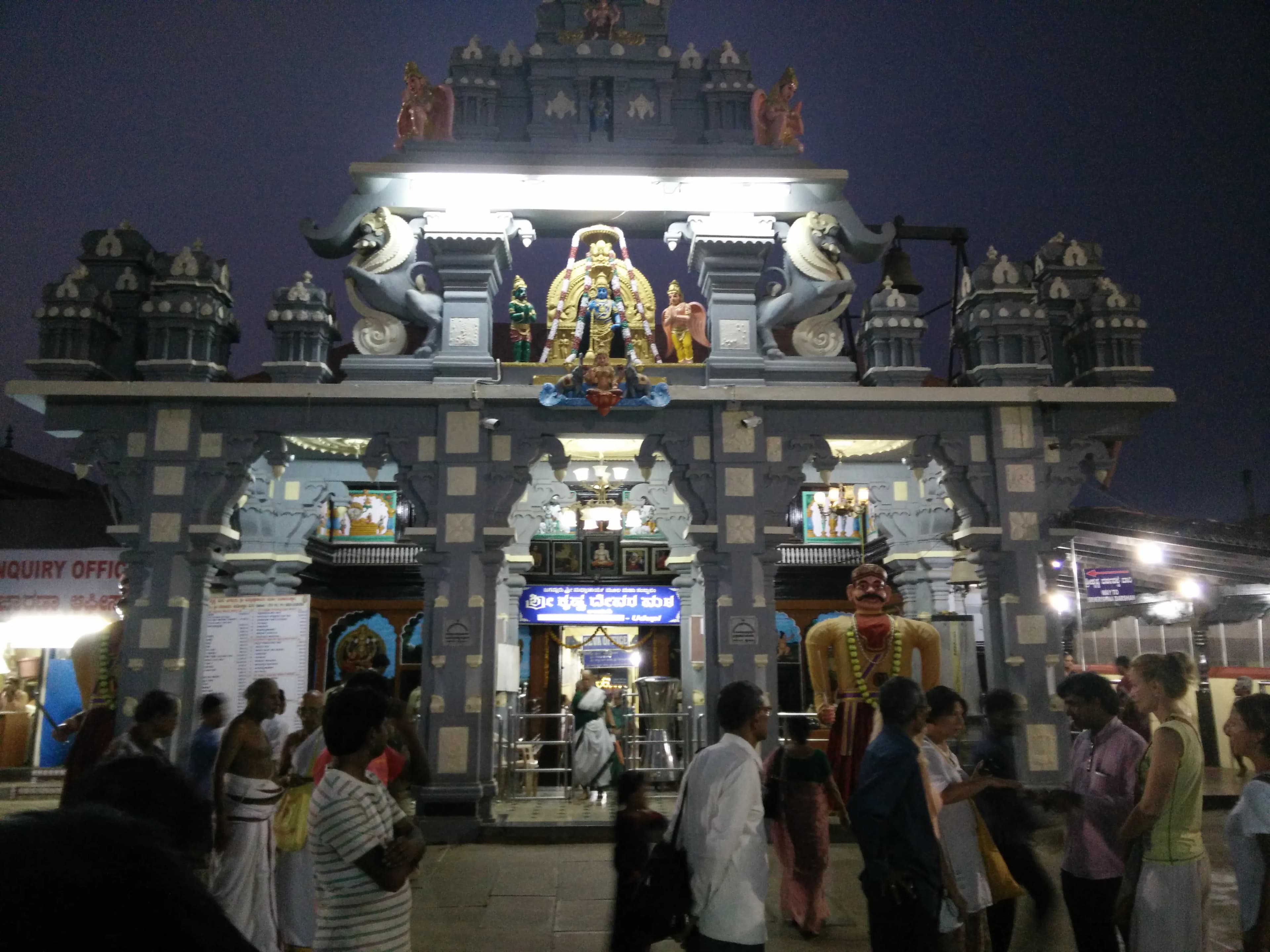
Sri Krishna Temple Udupi
The scent of incense hung heavy in the air, a fragrant welcome to the Udupi Sri Krishna Matha. Sunlight glinted off the ornate copper roof of the main temple, a vibrant splash of colour against the otherwise muted ochre walls. As a travel blogger who has traversed the length and breadth of India, documenting every UNESCO World Heritage site, I can confidently say that Udupi holds a unique charm, a spiritual resonance that sets it apart. It's not a UNESCO site itself, but its cultural and historical significance, deeply intertwined with the Dvaita philosophy of Madhvacharya, makes it a must-visit for anyone exploring India's rich heritage. Unlike the towering gopurams that dominate South Indian temple architecture, the Udupi Sri Krishna Matha is characterized by its relative simplicity. The exterior walls, while adorned with intricate carvings, maintain a sense of understated elegance. The real magic, however, lies within. One doesn't enter the sanctum sanctorum directly. Instead, devotees and visitors alike get a unique darshan of Lord Krishna through a small, intricately carved window called the "Kanakana Kindi." This nine-holed window, plated with silver, offers a glimpse of the deity, a tradition established by Madhvacharya himself. It's a powerful moment, a connection forged through a small aperture, yet brimming with spiritual significance. My visit coincided with the evening aarti, and the atmosphere was electrifying. The rhythmic chanting of Vedic hymns, the clang of cymbals, and the aroma of camphor filled the air, creating an immersive sensory experience. The courtyard, usually bustling with activity, fell silent as devotees lost themselves in prayer. Observing the rituals, the deep devotion etched on the faces of the worshippers, I felt a palpable sense of connection to centuries of tradition. The temple complex is more than just the main shrine. A network of smaller shrines dedicated to various deities, including Hanuman and Garuda, dot the premises. Each shrine has its own unique architectural style and historical narrative, adding layers of complexity to the overall experience. I spent hours exploring these smaller temples, each a testament to the rich tapestry of Hindu mythology. The intricate carvings on the pillars, depicting scenes from the epics, are a visual treat, showcasing the skill and artistry of the craftsmen who shaped this sacred space. One of the most striking features of the Udupi Sri Krishna Matha is the "Ashta Mathas," eight monasteries established by Madhvacharya. These Mathas, located around the main temple, play a crucial role in preserving and propagating the Dvaita philosophy. Each Matha has its own unique traditions and rituals, adding to the diversity of the religious landscape. I had the opportunity to interact with some of the resident scholars, and their insights into the philosophical underpinnings of the temple and its traditions were truly enlightening. Beyond the spiritual and architectural aspects, the Udupi Sri Krishna Matha also plays a significant role in the social and cultural fabric of the region. The temple kitchen, known for its delicious and hygienic meals, serves thousands of devotees every day. Witnessing the organized chaos of the kitchen, the sheer scale of the operation, was an experience in itself. It's a testament to the temple's commitment to serving the community, a tradition that has been upheld for centuries. Leaving the Udupi Sri Krishna Matha, I felt a sense of peace and fulfillment. It's a place where history, spirituality, and culture converge, creating an experience that is both enriching and transformative. While it may not yet bear the official UNESCO designation, its cultural significance is undeniable. It’s a testament to the enduring power of faith and tradition, a place that deserves to be on every traveller's itinerary.
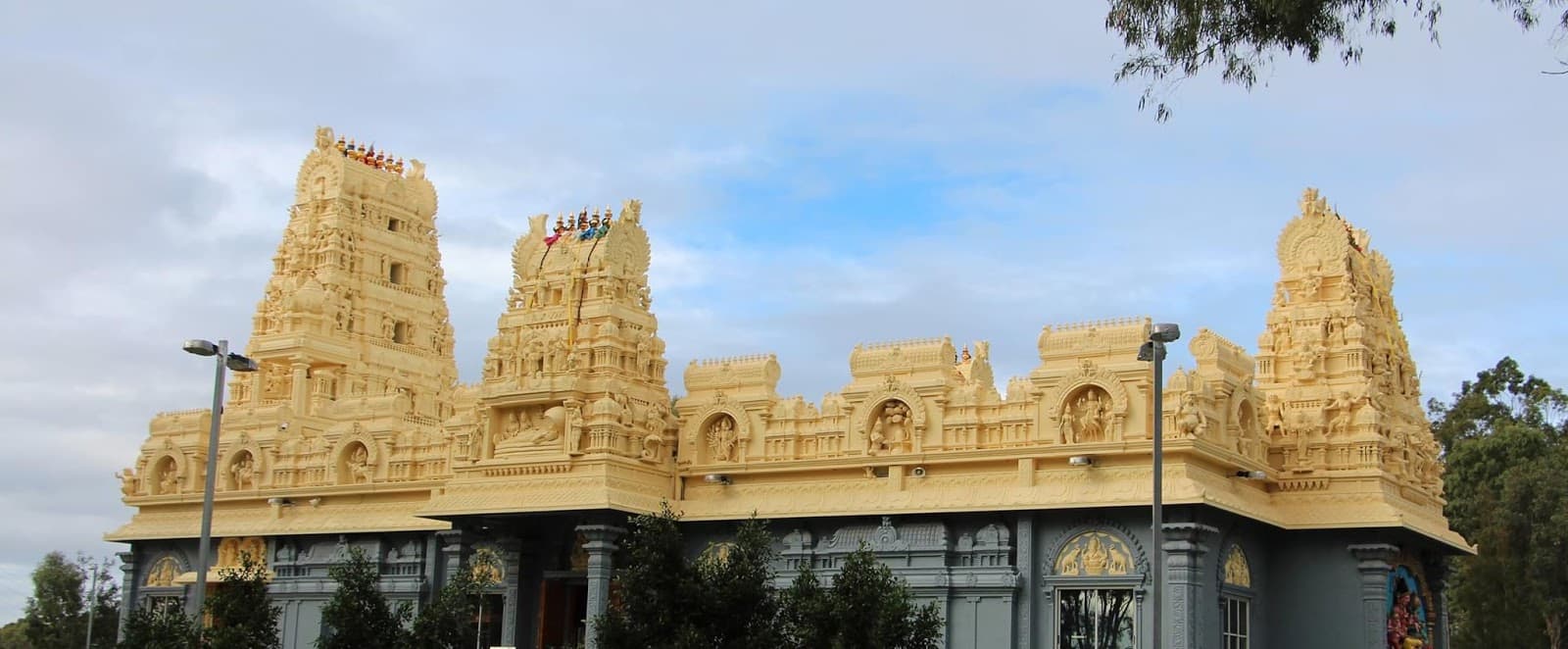
Brisbane Sri Selva Vinayakar Koil South Maclean
Anchoring Logan’s peri-urban corridor, Brisbane Sri Selva Vinayakar Koil South Maclean stands as Queensland’s first traditional Hindu temple dedicated to Lord Ganesha ([1][2]). Established around 1990 CE, this 20th-century temple reflects Dravidian architectural influences adapted to a rural Australian context ([1]). The temple was built by the Hindu Society of Queensland, who also continue to be its patron ([1]). Granite and sandstone blocks, meticulously carved, form the core of the Mandapa (Pillared Hall), while timber posts and corrugated steel roofing provide a functional and aesthetically pleasing structure ([1]). Daily rituals, or darshan, are conducted between 6:30 AM and 12:00 PM, and again from 4:30 PM to 8:30 PM ([1][5]). Special occasions such as Vinayagar Chaturthi, Thai Poosam, and Navaratri extend these hours until 10:00 PM ([1][5]). To manage the flow of devotees, volunteers guide visitors through the granite Mandapa using rope-guided lanes, ensuring a smooth and organized experience ([1][5]). Shuttle buggies are also available to assist elders in navigating the expansive site ([1][5]). Within the annadhanam shed, which can accommodate 300 people, polished concrete floors provide a clean and functional space for communal dining ([1][3]). Modern amenities such as induction woks and commercial chillers support the preparation and storage of prasadam (sacred food), with HACCP checklists ensuring food safety standards are maintained ([1][3]). Portable ramps facilitate the movement of prasadam carts between the kitchen and hall, even during inclement weather ([1][3]). Beyond worship, the temple serves as a cultural hub, hosting dance, music, and language classes in its cultural pavilion ([2]). A meditation pond and vahana sheds are situated along the Logan River flood fringe, with boardwalks and warning signage in place ([2]). Accessibility is a priority, with gravel-stabilized pathways, handrails, tactile signage, and a platform lift near the sanctum ensuring inclusivity ([2][5]). Auslan interpreters are also available during major festivals ([2][5]). Sophisticated drainage systems ensure the temple grounds remain functional, even during heavy rainfall ([3]). Digital signage displays bilingual Tamil-English instructions, weather alerts, and seva schedules, keeping the community informed and engaged ([1][2]). The temple's operations team monitors weather stations, flood gauges, and fire equipment, while the Logan Rural Fire Brigade conducts annual drills on site, ensuring preparedness for any eventuality ([3]). This proactive approach underscores the temple's commitment to community resilience and safety ([1][2]).
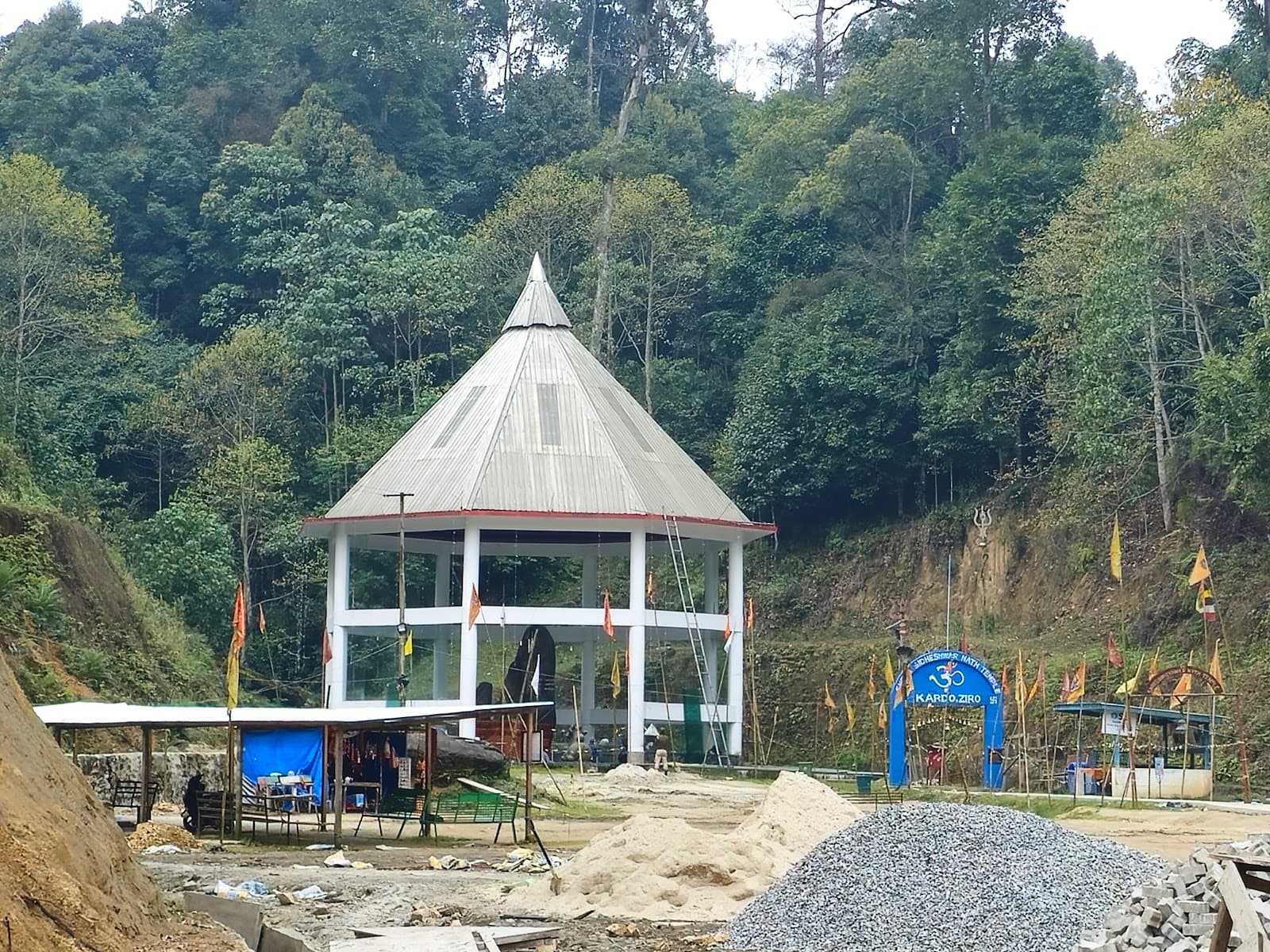
Shree Siddheshwar Nath Temple Pasighat
The emerald embrace of Arunachal Pradesh holds many secrets, and nestled within the East Siang district lies one such marvel – the Shree Siddheshwar Nath Temple. My journey as a heritage enthusiast, steeped in the architectural nuances of South Indian temples, took an unexpected but enriching turn when I encountered this unique structure. The temple, dedicated to Lord Shiva, stands as a testament to a confluence of architectural styles, a fascinating departure from the Dravidian idioms I'm so familiar with. The first striking feature is the temple's location. Unlike the grand temple complexes of Tamil Nadu often situated amidst bustling towns, the Siddheshwar Nath Temple enjoys a serene setting. Perched atop a small hillock overlooking the Siang River, it commands a breathtaking view of the surrounding valley. The climb to the temple itself is a mini-pilgrimage, winding through lush greenery, enhancing the sense of anticipation. The temple's architecture presents a captivating blend of styles. While the core structure echoes the Nagara style prevalent in North India, distinct regional influences are evident. The shikhara, the towering superstructure above the sanctum sanctorum, exhibits a curvilinear profile reminiscent of the rekha-deul style found in Odisha, yet it possesses a unique local flavour. The absence of elaborate sculptural ornamentation, so characteristic of South Indian temples, was initially surprising. Instead, the emphasis is on the elegant proportions of the shikhara and the interplay of light and shadow on its smooth surfaces. The temple's construction materials also differ significantly from the granite commonly used in South India. Here, locally sourced stone and bricks form the primary building blocks, lending the structure an earthy, organic feel. This choice of material, while dictated by local availability, contributes to the temple's harmonious integration with its natural surroundings. Entering the sanctum sanctorum, I was greeted by the serene presence of the Shiva lingam. The interior space is relatively simple, devoid of the intricate carvings and vibrant frescoes that adorn South Indian temples. This simplicity, however, amplified the spiritual aura of the space, allowing for a more focused and introspective experience. One of the most intriguing aspects of the Siddheshwar Nath Temple is its historical narrative. Local legends suggest a connection to the Mahabharata, with some believing the Pandavas sought refuge in this region during their exile. While concrete historical evidence remains elusive, these narratives add a layer of mystique to the temple and underscore its cultural significance within the local community. Observing the rituals and practices within the temple revealed further cultural nuances. While the core Hindu beliefs and practices are evident, the specific rituals and ceremonies reflect local traditions, highlighting the dynamic nature of faith and its adaptation to specific cultural contexts. The reverence with which the local Adi community regards the temple speaks volumes about its importance as a spiritual and cultural anchor. My visit to the Shree Siddheshwar Nath Temple was a powerful reminder that architectural heritage is not a monolithic entity. It is a vibrant tapestry woven from diverse threads of regional influences, local materials, and cultural narratives. While my background in South Indian temple architecture provided a framework for understanding, it was the temple's unique character that truly captivated me. The Siddheshwar Nath Temple stands as a testament to the architectural ingenuity of the region and the enduring power of faith, offering a glimpse into a rich cultural heritage that deserves greater recognition and preservation.
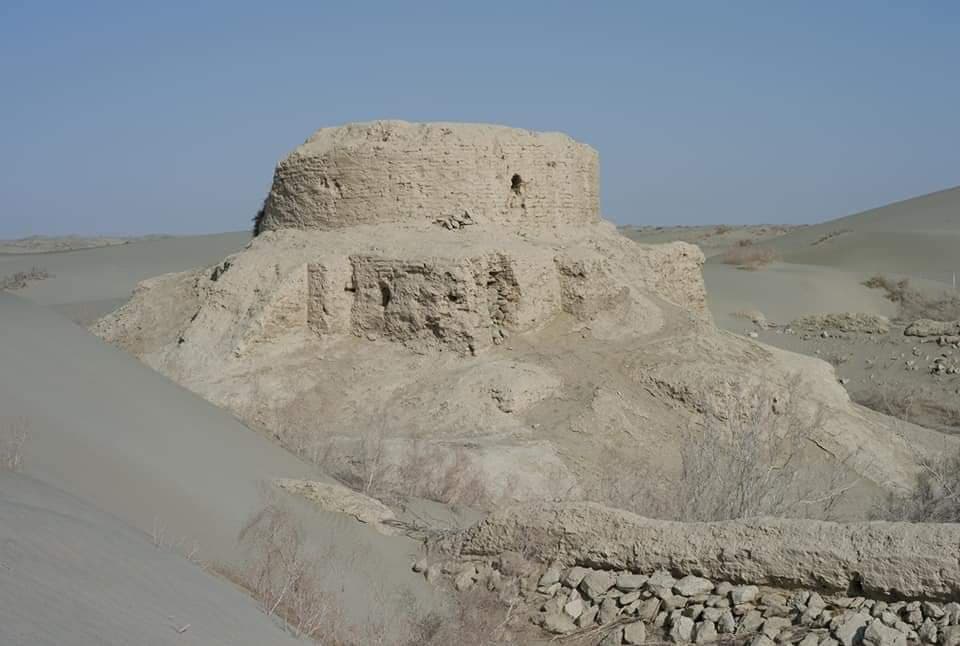
Rawak Stupa Hotan Xinjiang China
Rawak Stupa, located on the southern rim of the Taklamakan Desert near Hotan, Xinjiang, China, represents one of the most magnificent and architecturally sophisticated Buddhist monuments along the ancient Silk Road, constructed during the 3rd to 4th centuries CE when the Kingdom of Khotan flourished as a major center for the transmission of Buddhism from India to China, creating a stunning three-dimensional mandala that demonstrates the direct transmission of Indian Buddhist architectural and iconographic traditions to Central Asia. The stupa, constructed primarily from rammed earth and fired brick with extensive stucco decoration, features a massive cruciform-shaped base with staircases on each of the four sides, representing an architectural evolution from the simple square-based stupa form found in India to the more elaborate cruciform design that became characteristic of Central Asian Buddhist architecture, while the stupa itself rises in multiple tiers to create a monumental structure that served as the focal point of an extensive Buddhist monastery complex. The site's architectural design demonstrates direct influence from Indian Buddhist stupa architecture, particularly the traditions of Taxila and other Gandharan sites, with the overall form, decorative elements, and iconographic programs reflecting Indian Buddhist practices that were systematically transmitted to Central Asia, while the discovery of numerous colossal statues, terracotta reliefs, and wall paintings that once surrounded the stupa provides crucial evidence of the site's role as a major center of Buddhist artistic production that was directly influenced by Indian traditions. Archaeological excavations conducted by Sir Aurel Stein in 1901 revealed that the stupa was originally surrounded by a courtyard containing over 90 smaller stupas arranged in a mandala pattern, with the entire complex forming a three-dimensional representation of Buddhist cosmology that demonstrates the sophisticated understanding of Indian Buddhist iconography and architectural planning possessed by the builders, while the discovery of numerous stucco sculptures and wall paintings executed in styles clearly derived from Indian artistic traditions provides further evidence of the direct transmission of Indian Buddhist art to Central Asia. The stupa complex flourished particularly during the 4th to 5th centuries CE, when Khotan served as one of the most important centers for the transmission of Buddhism from India to China, attracting monks, traders, and pilgrims from across the Buddhist world, while the site's location along the southern Silk Road facilitated its role in the transmission of Buddhist teachings, art, and culture. The site was likely abandoned during the 8th or 9th century CE following political changes and the decline of Buddhism in the region, but the substantial architectural remains that survive provide crucial evidence of the site's original grandeur and the sophisticated engineering techniques employed in its construction, while the discovery of numerous artifacts including sculptures, manuscripts, and ritual objects continues to provide insights into the site's history and significance. Today, Rawak Stupa stands as a UNESCO Tentative List site and represents one of the most important Buddhist monuments in the Taklamakan Desert, serving as a powerful testament to the transmission of Indian Buddhist architecture and art along the Silk Road, while ongoing archaeological research and preservation efforts continue to protect and study this extraordinary cultural treasure that demonstrates the profound impact of Indian civilization on Central Asian Buddhist art and architecture. ([1][2])
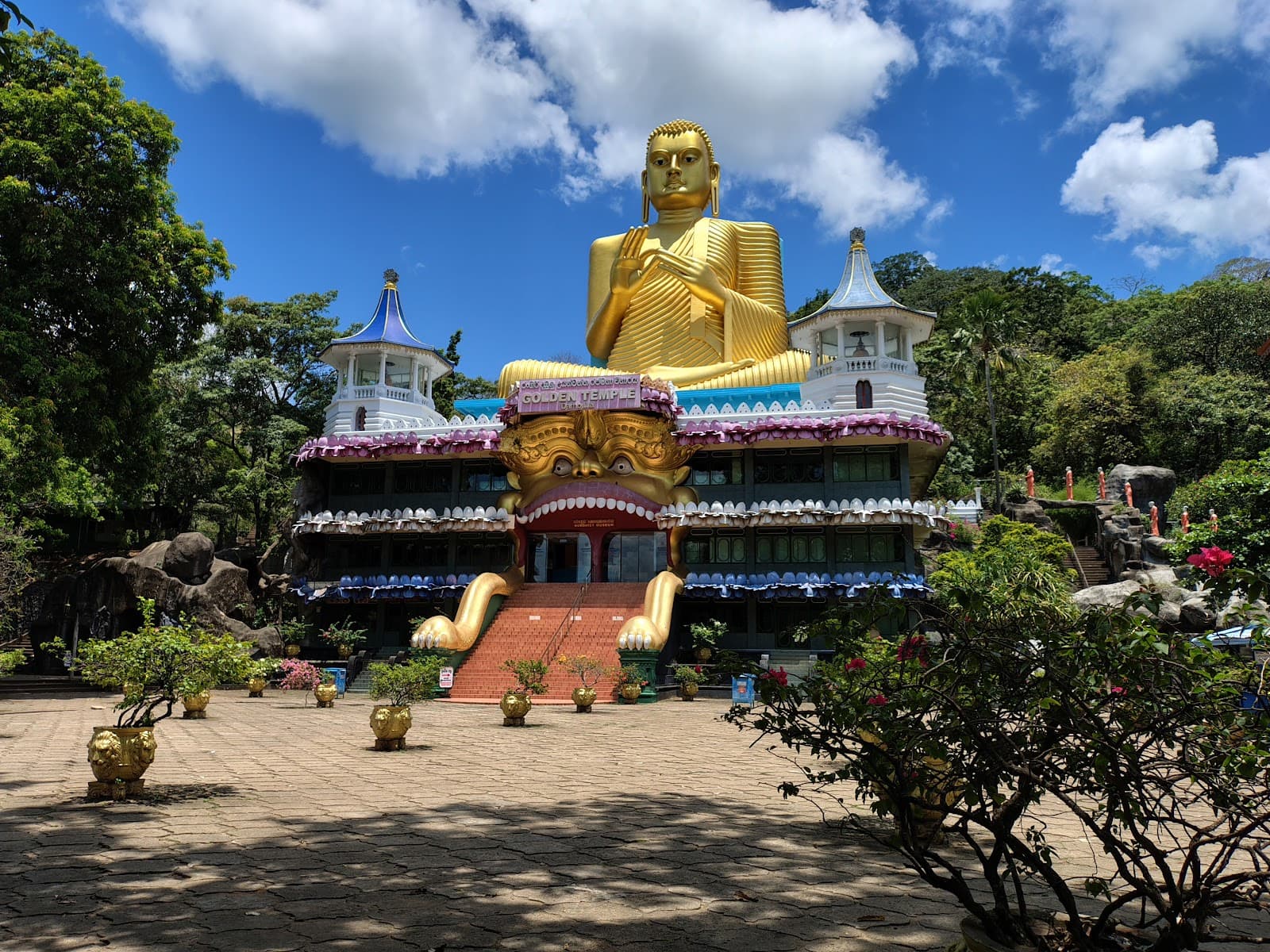
Dambulla Cave Temple Matale Sri Lanka
Nestled within the heart of Sri Lanka, the Dambulla Cave Temple, also known as the Golden Temple of Dambulla, is an ancient marvel carved into a massive granite rock ([1][2]). Originating in the 1st century BCE, during the reign of King Valagamba, this complex stands 160 meters above the surrounding plains, representing a significant testament to the enduring legacy of Buddhist art and architecture in South Asia ([1]). As the largest and best-preserved cave temple complex in Sri Lanka, it houses over 150 Buddha statues and extensive murals ([1][2]). Intricate carvings adorning the walls of the five interconnected caves showcase a profound transmission of Indian Buddhist religious and artistic traditions to Sri Lanka ([1][2]). These caves, continuously used as places of Buddhist worship for over two millennia, feature Buddha statues executed in various mudras (hand gestures) and postures, along with murals covering over 2,100 square meters ([1]). The artistic sophistication and iconographic accuracy of these statues demonstrate the deep understanding of Indian Buddhist iconography possessed by Sri Lankan artists ([1][2]). During the ancient period, the murals, painted in vibrant colors, depict scenes from the Buddha's life, Jataka tales, and various Buddhist deities, illustrating the transmission of Indian Buddhist narrative traditions ([1][2]). Archaeological evidence indicates that the temple served as a major center of Buddhist worship and learning for over two millennia, attracting monks, pilgrims, and patrons from across Sri Lanka and South India ([1]). Inscriptions in Sinhala, Tamil, and Sanskrit offer crucial evidence of the site's role in transmitting Indian Buddhist texts and practices ([1][2]). The temple's patronage by kings like Valagamba and Nissanka Malla further solidified its importance ([1]). Today, Dambulla Cave Temple, a UNESCO World Heritage Site, remains a vital pilgrimage site, demonstrating the profound impact of Indian civilization on Sri Lankan religious and artistic traditions ([1][2]). Ongoing research and conservation efforts ensure the preservation of this extraordinary cultural treasure ([1]).
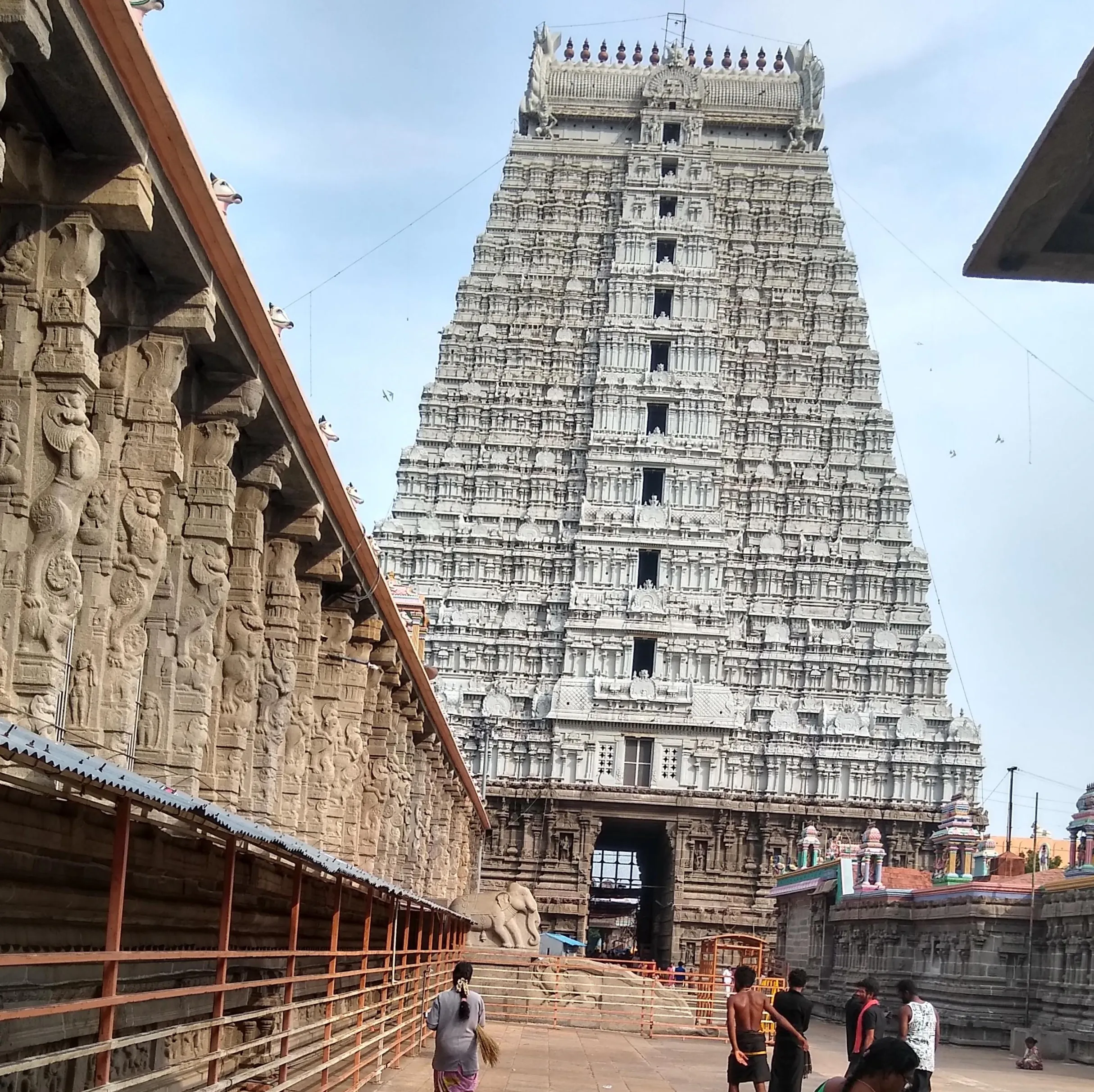
Arunachaleswarar Temple Tiruvannamalai
The colossal gopurams of Arunachaleswarar Temple in Tiruvannamalai dominate the landscape, a testament to Dravidian temple architecture ([1]). Approaching the temple, the sheer scale is striking, with nine towering gopurams intricately sculpted with deities ([2][3]). The Rajagopuram, an 11-tiered eastern gateway, exemplifies the temple's grandeur and serves as the primary entrance ([4]). Intricate carvings adorning the walls depict scenes from Hindu mythology, showcasing the artistic skills of the artisans who worked on the temple ([5]). Within the Garbhagriha (Sanctum), the lingam representing Shiva is the focal point of devotion, drawing devotees from far and wide ([6]). The temple, built around 850 CE during the Chola period, reflects the dynasty's patronage of art and architecture ([7][8]). Granite and sandstone blocks, meticulously carved, form the structural components of this sacred space ([9]). During the Chola period, temple architecture reached new heights, with an emphasis on elaborate ornamentation and towering structures ([10]). Vastu Shastra principles, the ancient Indian science of architecture, likely guided the temple's layout and design, ensuring harmony and balance ([11]). The thousand-pillared hall, or Mandapa (Pillared Hall), displays geometric patterns, a contrast to the figurative sculptures found elsewhere ([12]). The Kambathu Amman Sannadhi, dedicated to Parvati, offers a serene space for contemplation and prayer ([13]). Circling the temple on the Girivalam path reinforces the temple's spiritual significance, a practice deeply rooted in Hindu tradition ([14]). The walls of the temple serve as a canvas of history, with inscriptions in ancient Tamil script and architectural additions from various dynasties ([15]). These inscriptions provide valuable insights into the temple's history and the socio-cultural context of the time ([16]). Arunachaleswarar Temple embodies the artistic genius of Dravidian architecture, a legacy that continues to inspire awe and reverence ([17]).

Battala Mahadev Temple Agartala
Nestled in the heart of Tripura, the Battala Mahadev Temple, a revered shrine dedicated to Lord Shiva, was erected around 1681 CE under the patronage of Maharaja Krishna Manikya ([1][2]). This 17th-century temple, a testament to the Manikya dynasty's devotion, showcases a captivating fusion of Nagara and Bengali architectural traditions ([3]). Its presence enriches Agartala's cultural tapestry, drawing devotees and architecture enthusiasts alike. During the Ahom period, temple architecture in India experienced a flourishing of regional adaptations, and this temple exemplifies such unique synthesis ([4]). The curvilinear tower, echoing the chala style of Bengal, adds a distinctive character to the temple's silhouette, illustrating the cross-pollination of architectural ideas ([3]). The temple's design subtly integrates regional aesthetics within the broader Hindu architectural framework. Stone platforms and foundations demonstrate the enduring construction techniques employed in building the Battala Mahadev Temple ([1][5]). The structure primarily utilizes locally sourced materials such as stone, bricks, terracotta, and wood, reflecting the region's architectural identity ([1][5]). The exterior, finished with whitewash, presents a serene and austere facade, a contrast to the vibrant ornamentation often seen in other Indian temples ([2]). Within the Garbhagriha (Sanctum), the Shiva lingam serves as the central focus of worship, inviting devotees into a space of spiritual communion ([3]). The temple stands as an embodiment of Tripura's rich cultural and religious heritage, offering a tranquil space for reflection and devotion ([4][5]). The patronage of the Manikya dynasty underscores the temple's historical significance, solidifying its place as a notable landmark in Agartala ([1][2][3]). The temple stands as a reminder of the architectural and artistic achievements of the era.
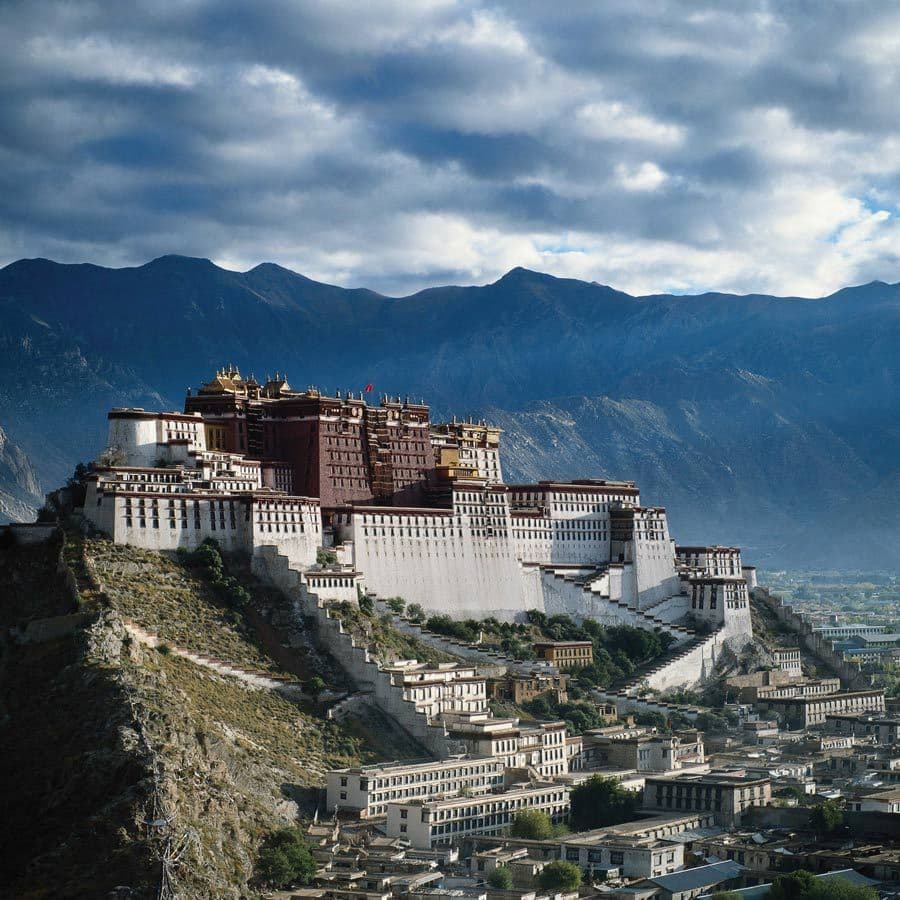
Potala Palace Lhasa Tibet
Potala Palace, located on Red Hill in Lhasa, Tibet, represents one of the most magnificent architectural achievements in Tibet and stands as the traditional seat of the Dalai Lama, constructed beginning in the 7th century CE during the reign of King Songtsen Gampo and extensively expanded in the 17th century, demonstrating the profound influence of Indian Buddhist architectural and religious traditions on Tibetan civilization, which has maintained deep cultural, religious, and historical connections with India for over two millennia. The palace complex, constructed primarily from stone, wood, and earth with extensive use of gold, copper, and painted decoration, features a massive structure rising 117 meters above the valley floor, spanning approximately 400 meters in width and 350 meters in length, containing over 1,000 rooms, 10,000 shrines, and 200,000 statues, making it one of the largest and most complex religious structures in the world. The palace’s architectural design demonstrates direct influence from Indian Buddhist palace and monastery architecture, particularly the Gupta and Pala period styles, with the overall plan reflecting mandala-based cosmological principles found in Indian temple and palace architecture, while the extensive use of Indian Buddhist iconography, including the Avalokiteshvara cult that forms the palace’s spiritual foundation, demonstrates the transmission of Indian religious traditions to Tibet. The palace complex consists of two main sections: the White Palace (Potrang Karpo), serving as the administrative and residential quarters, and the Red Palace (Potrang Marpo), housing numerous chapels, shrines, and the tombs of previous Dalai Lamas, with each section incorporating Indian architectural elements adapted to Tibetan high-altitude conditions. Archaeological and historical evidence indicates the palace was constructed with knowledge of Indian architectural treatises and Buddhist cosmological principles, reflecting the close cultural connections between Tibet and India during the medieval period, when Indian Buddhist scholars, texts, and architectural knowledge were systematically transmitted to Tibet. The palace has undergone multiple expansions and renovations over the centuries, with the most significant expansion conducted in the 17th century under the 5th Dalai Lama, who incorporated extensive Indian Buddhist iconography and architectural elements. Today, Potala Palace stands as a UNESCO World Heritage Site and serves as a powerful symbol of Tibet’s deep connections to Indian civilization and its historical role as a center of Buddhist learning and practice that was integral to the greater Indic cultural sphere extending across the Indian subcontinent and into Central Asia. ([1][2])
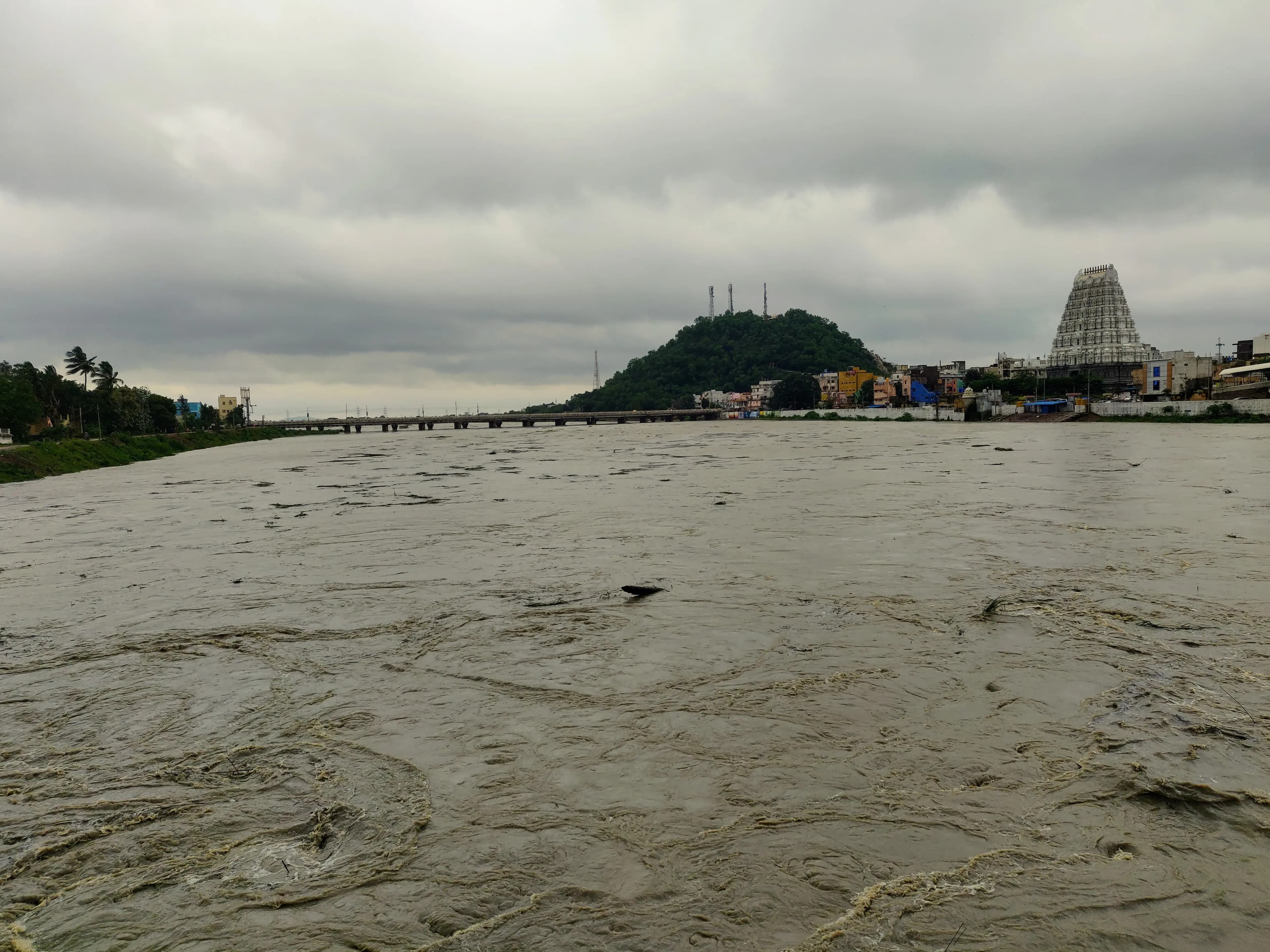
Srikalahasti Temple Srikalahasti
The air hung thick with incense and the murmur of chanting as I stepped through the towering gopuram of the Srikalahasti Temple. Sunlight, fractured by the intricate carvings, dappled the stone floor, creating an ethereal atmosphere. This wasn't just another temple on my UNESCO World Heritage journey across India; Srikalahasti held a different energy, a palpable sense of ancient power. Located in the Chittoor district of Andhra Pradesh, this temple, dedicated to Vayu, the wind god, is a testament to centuries of devotion and architectural brilliance. My eyes were immediately drawn upwards to the main Vimana, the Shikharam, soaring above the inner sanctum. This impressive structure, known as the Vayu Lingam, is not a sculpted idol but a natural rock formation believed to be a manifestation of Vayu. The flickering lamps surrounding it cast dancing shadows, adding to the mystique. The temple's Dravidian architecture is a marvel, with its intricate carvings depicting scenes from Hindu mythology. I spent a considerable amount of time studying the detailed friezes, each panel narrating a story, a testament to the skill of the artisans who crafted them centuries ago. The vibrant colours, though faded with time, still hinted at the temple's former glory. One of the most striking features of Srikalahasti is its massive, 100-pillar mandapam. The sheer scale of this hall is breathtaking. Each pillar is a work of art, adorned with elaborate carvings of deities, mythical creatures, and floral motifs. I could almost hear the echoes of ancient ceremonies and festivals that must have taken place within these hallowed walls. Walking through the mandapam, I felt a sense of connection to the generations of devotees who had walked this same path before me. The temple complex is vast, encompassing several smaller shrines dedicated to various deities. I explored each one, noting the unique architectural nuances and the distinct atmosphere they held. The shrine of Kalahasteeswara, a form of Shiva, is particularly noteworthy. The legend of the spider, the snake, and the elephant, each offering their devotion to Shiva in their own way, is deeply embedded in the temple's lore and adds another layer of spiritual significance to the site. Beyond the architectural grandeur, what truly captivated me at Srikalahasti was the palpable devotion of the pilgrims. From the elderly woman whispering prayers with closed eyes to the young family offering coconuts, the air was thick with faith. Witnessing this fervent devotion firsthand gave me a deeper understanding of the temple's significance, not just as a historical monument but as a living, breathing centre of spirituality. As I left the temple, the chanting still resonated in my ears. Srikalahasti is more than just a collection of stones and carvings; it's a testament to the enduring power of faith and the artistic brilliance of a bygone era. It's a place where history, mythology, and spirituality intertwine, creating an experience that stays with you long after you've left its sacred grounds. Of all the UNESCO sites I've visited in India, Srikalahasti holds a special place, a reminder of the rich tapestry of culture and belief that makes this country so unique. The wind, whispering through the temple towers, seemed to carry the echoes of centuries of prayers, a testament to the enduring spirit of this ancient sanctuary.
Quick Links
Plan Your Heritage Journey
Get personalized recommendations and detailed visitor guides