Has Inheritage Foundation supported you today?
Your contribution helps preserve India's ancient temples, languages, and cultural heritage. Every rupee makes a difference.
Secure payment • Instant 80G certificate
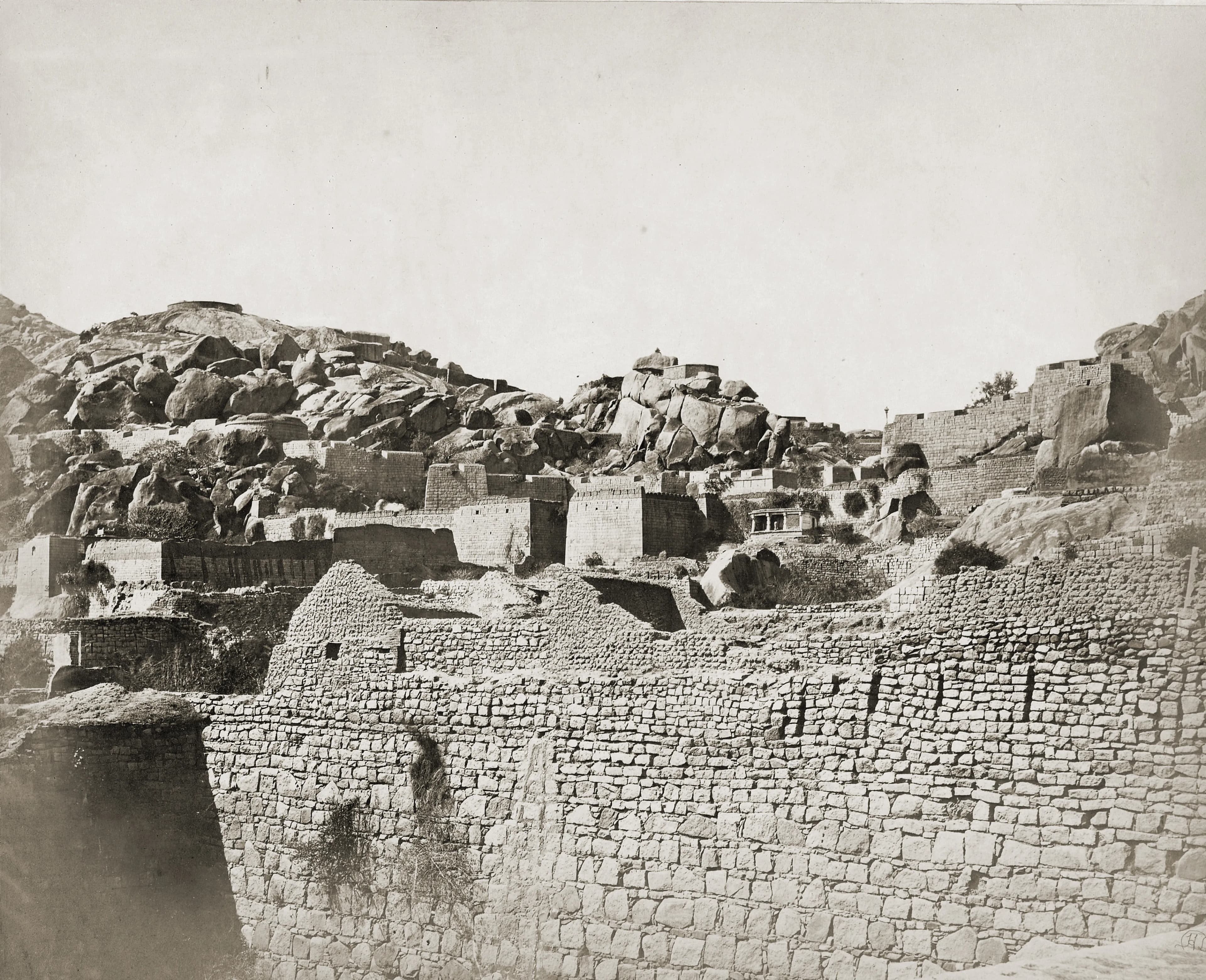
Chitradurga Fort Chitradurga
Majestically rising from the rocky terrain of Karnataka, Chitradurga Fort embodies the Nayaka dynasty's military prowess and architectural vision ([1]). Established around 1050 CE, during the 11th century, this imposing fort exemplifies Dravidian architecture and innovative fortification strategies ([2]). Its construction during the Vijayanagara period showcases the integration of natural elements into its robust defenses ([3]). Seven concentric walls, each named after figures from Hindu mythology, form the fort's strategic layout, designed to repel invaders ([3]). Granite and trap rock, fortified with mud mortar and laterite, constitute the fort's durable structure ([4]). These materials, sourced locally, reflect the Nayakas' resourcefulness and understanding of the regional landscape ([4]). Local stone was used to create sloping walls. Intricate carvings embellishing the Hidimbeshwara Temple within the fort complex depict scenes from Hindu epics, reflecting the religious beliefs of the Nayaka rulers ([5]). This artistic counterpoint to the fort's military function highlights the dynasty's patronage of both the martial and fine arts ([5]). Sophisticated rainwater harvesting systems ensured water security during prolonged sieges, showcasing advanced engineering capabilities ([6]). These systems, designed to collect and store monsoon rains, sustained the garrison and civilian population within the fort ([6]). During the rule of the Nayakas of Chitradurga, the fort expanded, incorporating the natural landscape into its defensive design ([3]). Tales of hidden tunnels and secret passages add to the fort's mystique, evoking a sense of intrigue and adventure ([7]). The fort's silhouette against the Karnataka skyline serves as a powerful reminder of India's rich architectural heritage, inviting visitors to explore its storied past ([1][2]). The fort reflects the rich heritage of the Nayaka dynasty.
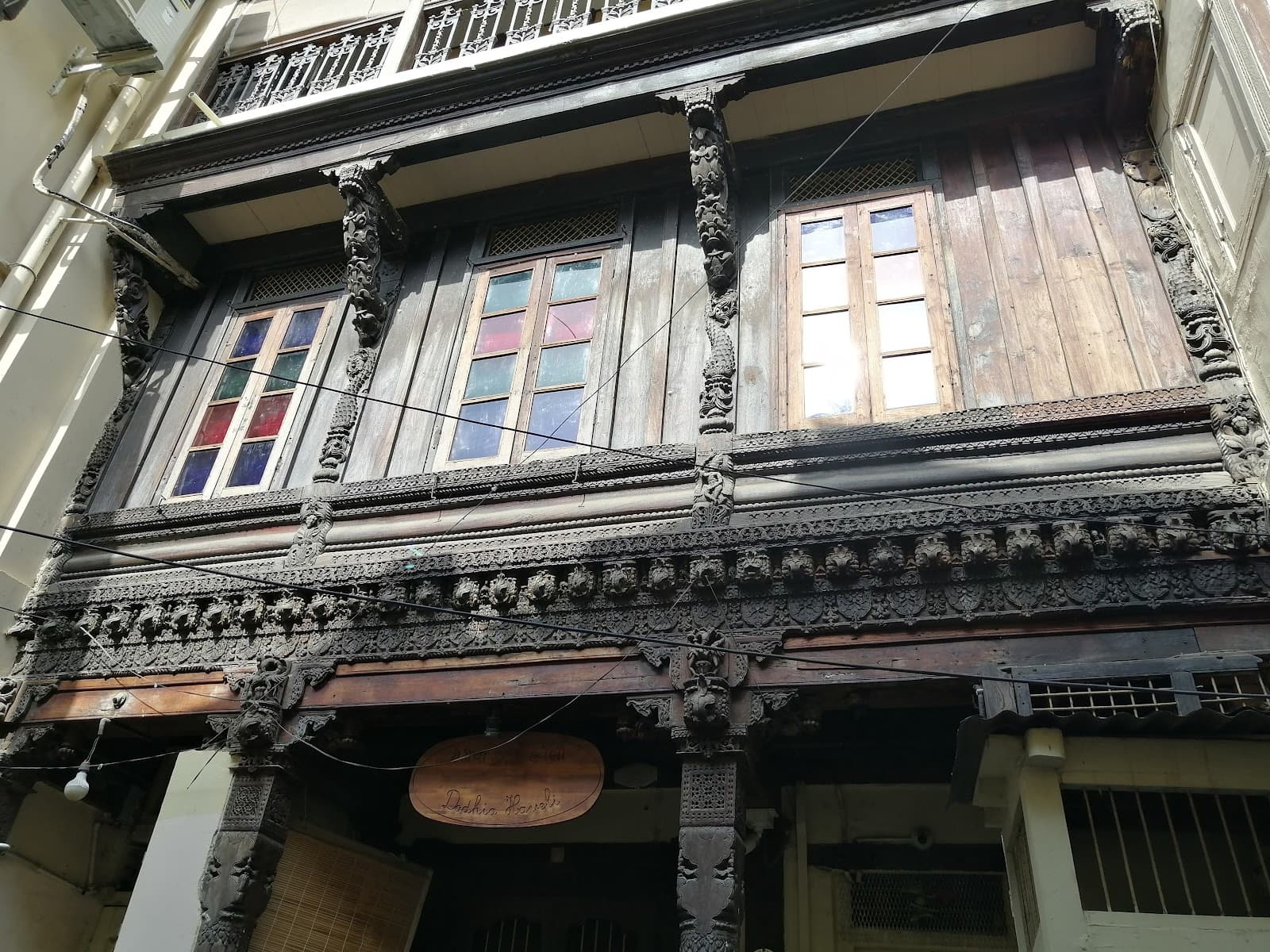
Doshiwada Ni Haveli Ahmedabad
The intricately carved wooden facade of Doshiwada Ni Haveli, nestled within the dense urban fabric of Ahmedabad’s old city, drew me in like a moth to a flame. Having spent years immersed in the stone-carved grandeur of South Indian temples, I was eager to experience the unique architectural language of this Gujarati haveli. The sheer scale of the wooden artistry was immediately striking. Unlike the imposing stone gopurams of the south, Doshiwada’s charm lay in its intimate details, a delicate tapestry woven in wood. Stepping through the imposing carved doorway, I was transported to another era. The pol, or traditional neighborhood, felt worlds away from the bustling city outside. The haveli’s courtyard, a central organizing principle, was bathed in soft, filtered light. This open-to-sky space, a feature I found reminiscent of the temple prakarams of the south, served as the heart of the house, a place for social gatherings and daily life. The surrounding balconies, supported by ornate brackets and pillars, offered glimpses into the private lives of the families who once resided here. The woodwork was breathtaking. Every surface, from the massive supporting beams to the delicate jharokhas (overhanging enclosed balconies), was adorned with intricate carvings. Unlike the narrative reliefs found in South Indian temples, the carvings here were predominantly floral and geometric, showcasing a different aesthetic sensibility. Peacocks, elephants, and other auspicious motifs were interspersed within the patterns, adding a touch of whimsy and symbolism. I noticed the recurring use of the “tree of life” motif, a symbol of prosperity and continuity, echoing the reverence for nature found in many Indian architectural traditions. The play of light and shadow within the haveli was mesmerizing. The carved wooden screens, or jalis, filtered the harsh Gujarat sun, casting dappled patterns on the polished floors. These jalis, while aesthetically pleasing, also served a practical purpose, allowing for ventilation while maintaining privacy – a clever architectural solution to the region’s hot climate. I was reminded of the pierced stone screens found in some South Indian temples, which served a similar function. As I ascended the narrow wooden staircases, the stories of the haveli unfolded. The upper floors, once the private domain of the family, revealed intimate details of their lives. The small rooms, interconnected by narrow passages, spoke of a close-knit community. The remnants of painted murals on the walls, though faded with time, hinted at the vibrant colors that once adorned these spaces. I was particularly fascinated by the hidden niches and secret compartments built into the walls, perhaps used for storing valuables or important documents. Doshiwada Ni Haveli, though different in material and style from the temples I was accustomed to, resonated with the same spirit of craftsmanship and attention to detail. The use of locally sourced wood, the intricate joinery techniques, and the adaptation of the design to the local climate all spoke of a deep understanding of the environment and a commitment to sustainable building practices. The haveli wasn't just a building; it was a living testament to the rich cultural heritage of Gujarat. It was a reminder that architectural beauty can be found not just in monumental structures, but also in the intimate spaces of everyday life. Leaving the cool confines of the haveli and stepping back into the bustling streets of Ahmedabad, I carried with me a newfound appreciation for the diversity and richness of Indian architecture.
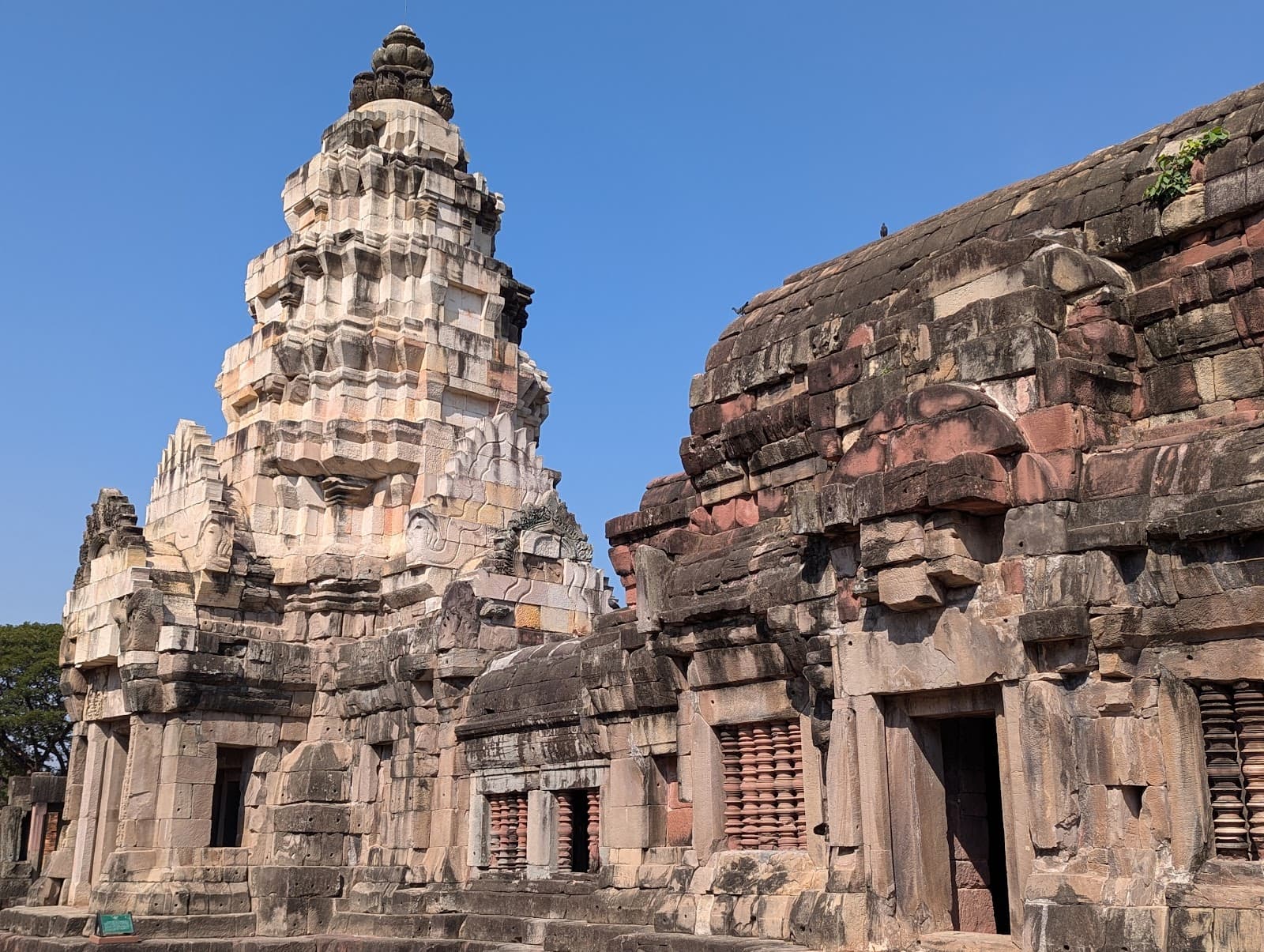
Prasat Phanom Wan Nakhon Ratchasima
Prasat Phanom Wan, located approximately 15 kilometers northeast of Nakhon Ratchasima city, represents an important 11th-century Khmer Shiva temple that served as a regional religious center along the ancient highway connecting Phimai to Angkor. The temple complex, constructed during the Baphuon period in the 11th century CE, is dedicated to Shiva, with the main prasat housing a massive lingam pedestal and evidence of extensive ritual activity. The complex features a rectangular laterite enclosure wall measuring 102 by 128 meters, accessed through a single eastern gopura that leads to the inner courtyard containing the main prasat and two libraries. The main prasat, constructed from pink sandstone and laterite, rises 20 meters and features a square plan with four porches extending in cardinal directions, though only the eastern porch remains substantially intact. The temple’s lintels and pediments, carved from pink sandstone, depict scenes from Hindu mythology, including Shiva’s cosmic dance, the churning of the ocean of milk, and various deities, though many have been damaged or removed over centuries. The complex includes two libraries positioned east of the main prasat, numerous subsidiary shrines, and evidence of a sophisticated drainage system. Archaeological evidence indicates the temple served as both a religious center and waypoint for travelers on the ancient highway. The site has undergone partial restoration since the 1980s, involving structural stabilization and conservation of remaining decorative elements. Today, Prasat Phanom Wan remains an important site for understanding Khmer temple architecture and the network of religious centers connecting regional sites to Angkor, attracting visitors interested in its historical significance and architectural features. ([1][2])
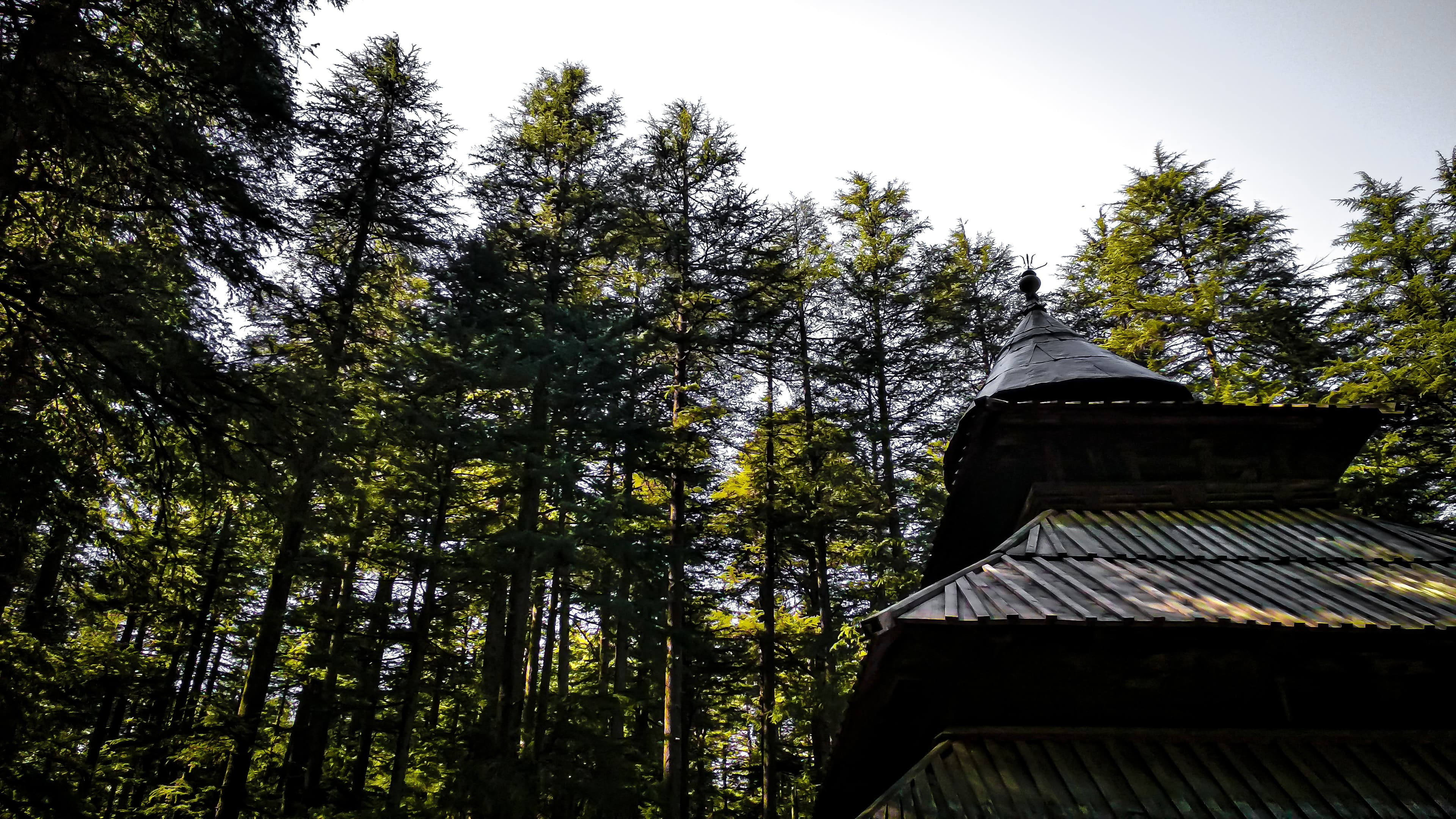
Hidimba Devi Temple Manali
The crisp mountain air of Manali carried the scent of pine as I approached the Hidimba Devi Temple, a structure that seemed to rise organically from the dense cedar forest surrounding it. Unlike the ornate stone temples I'm accustomed to in Gujarat, this one was strikingly different, a testament to the unique architectural traditions of the Himalayas. The four-tiered pagoda-style roof, crafted entirely of wood, commanded attention. Each tier, diminishing in size as it ascended, was covered with intricately carved wooden shingles, creating a textured, almost woven effect. The broad eaves, also wooden, projected outwards, offering a sense of shelter and echoing the protective embrace of the surrounding forest. Circling the temple, I observed the intricate carvings that adorned the wooden panels. Depictions of animals, deities, and floral motifs were etched with remarkable detail, narrating stories that I longed to decipher. The deep brown wood, darkened by time and weather, lent an air of ancient wisdom to these narratives. A particularly striking panel portrayed the goddess Durga riding a lion, a powerful image that resonated with the raw, untamed beauty of the landscape. These carvings, unlike the precise and polished stonework I’ve seen in Gujarat’s temples, possessed a rustic charm, a direct connection to the natural world. The foundation of the temple, constructed of stone, provided a sturdy base for the towering wooden structure. This marriage of stone and wood, a blend of the earthbound and the ethereal, felt deeply symbolic. The stone represented the enduring strength of the mountains, while the wood spoke to the transient nature of life, a constant cycle of growth and decay. This duality, so evident in the temple's architecture, seemed to reflect the very essence of the Himalayan landscape. Entering the small, dimly lit sanctum, I was struck by the absence of a traditional idol. Instead, a large rock, believed to be the imprint of the goddess Hidimba Devi, served as the focal point of worship. This reverence for a natural formation, rather than a sculpted image, further emphasized the temple's connection to the surrounding environment. The air within the sanctum was thick with the scent of incense and the murmur of prayers, creating an atmosphere of quiet contemplation. Outside, the temple grounds were alive with activity. Local vendors sold colorful trinkets and offerings, while families gathered to offer prayers and seek blessings. The vibrant energy of the present contrasted beautifully with the ancient stillness of the temple itself, creating a dynamic interplay between the past and the present. I observed a young girl carefully placing a flower at the base of a cedar tree, a simple act of devotion that spoke volumes about the deep-rooted reverence for nature in this region. As I descended the stone steps, leaving the temple behind, I couldn’t help but reflect on the profound impact of the experience. The Hidimba Devi Temple was more than just a structure; it was a living testament to the harmonious coexistence of human creativity and the natural world. It was a reminder that architecture can be a powerful expression of cultural identity, a tangible link to the past, and a source of inspiration for the future. The temple’s unique wooden architecture, its intricate carvings, and its reverence for nature offered a refreshing contrast to the architectural traditions I was familiar with, broadening my understanding of the diverse cultural landscape of India. The image of the towering wooden pagoda, nestled amidst the towering cedars, remained etched in my mind, a symbol of the enduring power of faith and the timeless beauty of the Himalayas.
Radha Vallabh Haveli Mathura
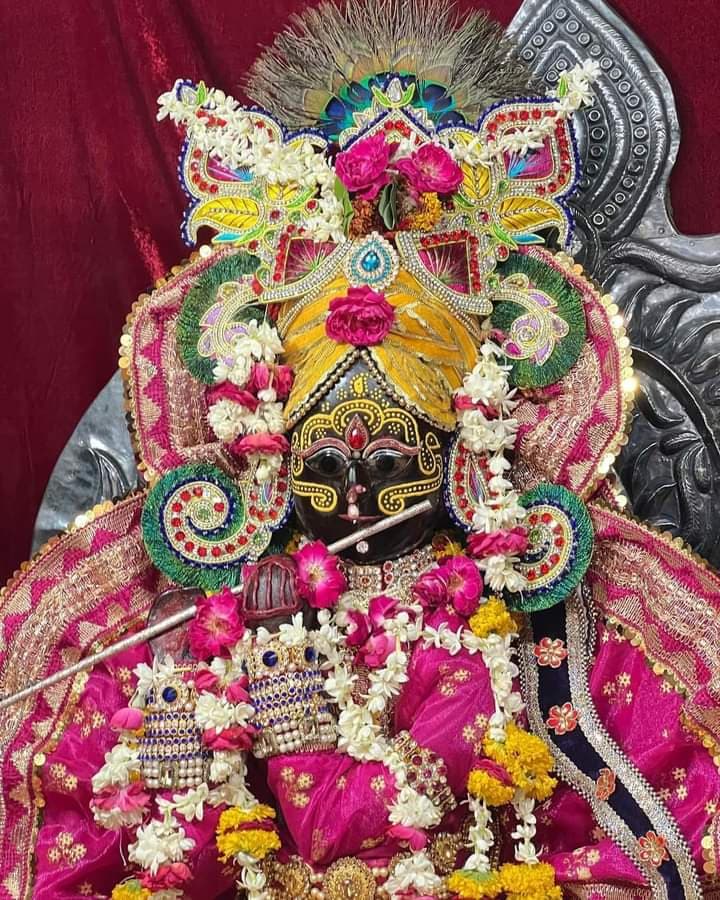
The scent of sandalwood hung heavy in the air, a fragrant welcome to the Radha Vallabh Haveli in Mathura. Having explored the basalt-carved caves and intricate temples of Maharashtra extensively, I was curious to see how the architectural narrative shifted in this Braj Bhoomi landmark. The haveli, dedicated to the Radha-Vallabh sect of Vaishnavism, didn't disappoint. It whispered stories of devotion, artistry, and a bygone era of opulent patronage. Unlike the monolithic structures I was accustomed to, the haveli unfolded like a labyrinth. Courtyards, interconnected chambers, and narrow passageways created a sense of intimate discovery. The red sandstone, a stark contrast to the dark hues of Maharashtra's basalt, glowed warmly under the afternoon sun. Intricate carvings adorned every surface – floral motifs, depictions of Krishna’s leelas, and geometric patterns, each narrating a fragment of the sect's rich mythology. It felt as though the very stones were singing hymns to Radha and Krishna. The main courtyard, the heart of the haveli, was particularly captivating. A raised platform, once used for religious discourses and performances, dominated the space. I could almost hear the echoes of devotional music and the rhythmic clapping of devotees lost in spiritual fervor. The surrounding walls, adorned with frescoes depicting scenes from the Bhagavata Purana, were faded yet retained a captivating vibrancy. The colours, predominantly blues, greens, and ochres, spoke of a time when artistry was an integral part of religious expression. Climbing the narrow, winding staircases, I reached the upper levels, which offered a panoramic view of the bustling city of Mathura. From this vantage point, the haveli seemed like an oasis of tranquility amidst the urban chaos. The intricate jalis, or lattice screens, allowed for ventilation while maintaining privacy, a testament to the architectural ingenuity of the time. Peering through these screens, I observed the daily life of the city unfolding below – a vibrant tapestry of sounds, colours, and movement. One of the most striking features of the haveli was its integration with nature. Small, enclosed gardens, or baghs, punctuated the structure, offering pockets of serenity. These spaces, with their flowering plants and trickling fountains, provided a refreshing contrast to the enclosed spaces and served as a reminder of the divine presence in the natural world. I noticed how the architecture seamlessly blended indoor and outdoor spaces, creating a harmonious environment. While exploring the haveli, I encountered several priests and devotees who shared anecdotes and insights into the history and significance of the site. Their narratives added another layer of understanding, enriching my experience beyond the purely visual. Learning about the daily rituals, the festivals celebrated, and the stories passed down through generations, I felt a deeper connection to the spiritual heart of the haveli. The Radha Vallabh Haveli is more than just a historical structure; it's a living testament to a vibrant faith and a rich artistic tradition. It's a place where architecture transcends its functional purpose and becomes a medium for storytelling, a canvas for devotion, and a portal to a bygone era. As I left the haveli, the scent of sandalwood still clinging to my clothes, I carried with me not just images of intricate carvings and vibrant frescoes, but also a profound sense of the enduring power of faith and the beauty of human expression. It served as a powerful reminder that even after exploring countless caves and temples, there are always new architectural narratives waiting to be discovered, each with its unique story to tell.
Mangaldas Ni Haveli Ahmedabad
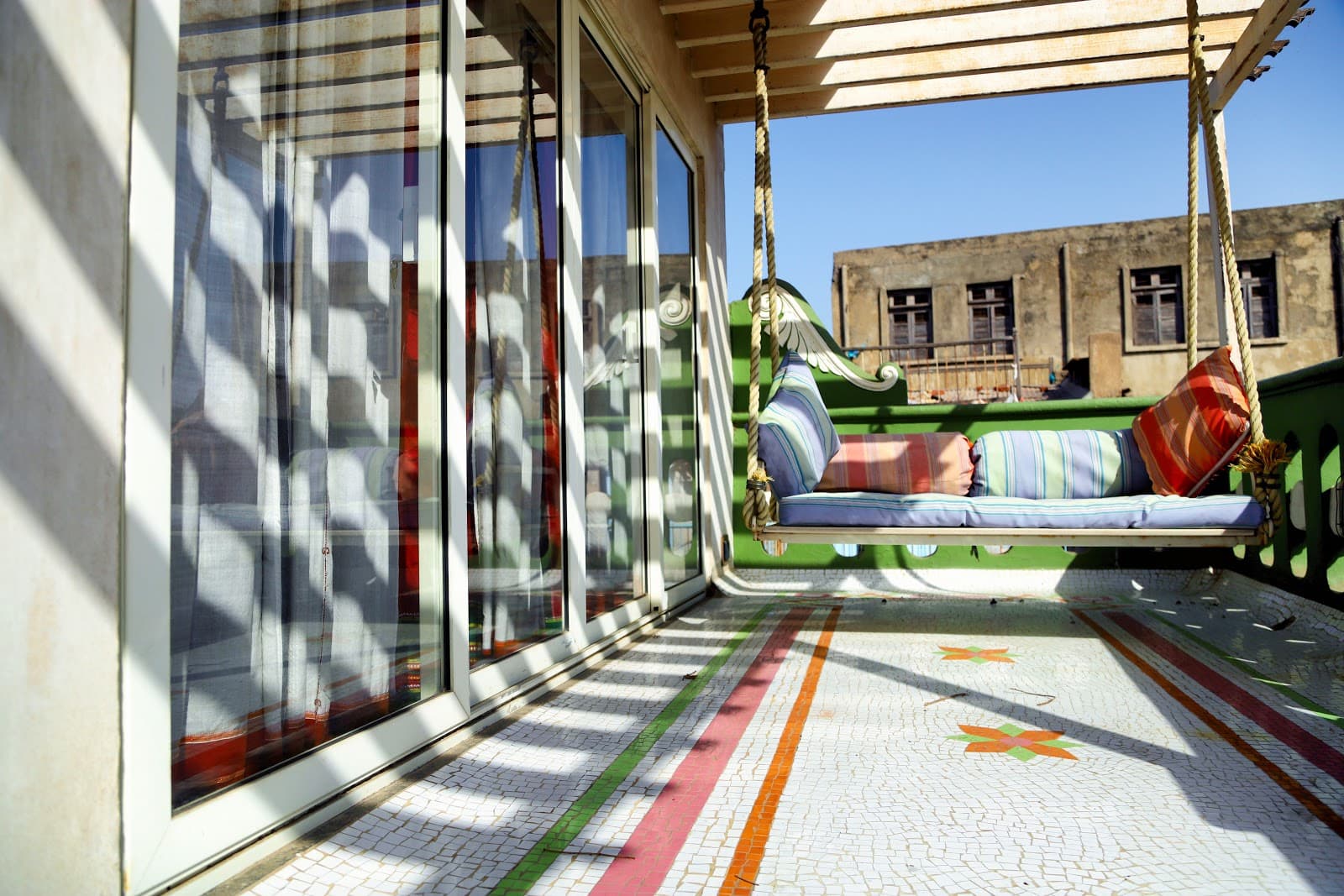
The midday sun cast long shadows across the intricately carved wooden facade of Mangaldas Ni Haveli, a structure seemingly frozen in time amidst the bustling heart of Ahmedabad’s old city. Stepping through the imposing gateway, I felt an immediate shift, a palpable transition from the frenetic energy of the streets to the hushed tranquility of a bygone era. As a heritage enthusiast steeped in the Dravidian architecture of South India, I was eager to experience this distinctly different architectural vernacular – the Gujarati haveli. The haveli, built in the 19th century by Seth Mangaldas Girdhardas, a prominent textile merchant, is a testament to the opulence and artistry of that period. Unlike the towering gopurams and expansive prakarams of South Indian temples, the haveli unfolds inwards, revealing a series of interconnected courtyards, each a microcosm of domestic life. The first courtyard, or chowk, served as a public space, where business transactions likely took place. I noted the robust wooden pillars, intricately carved with floral motifs and mythological figures, supporting the overhanging balconies. The wood, darkened with age, whispered stories of generations past, a stark contrast to the stone I was accustomed to in the South. Moving deeper into the haveli, I was struck by the interplay of light and shadow. Small, strategically placed windows, some adorned with stained glass, filtered the harsh sunlight, creating a mosaic of colours on the polished floors. The jharokhas, or overhanging enclosed balconies, offered glimpses into the inner chambers while maintaining privacy. These architectural elements, while serving a practical purpose, also contributed to the overall aesthetic, creating a sense of mystery and intrigue. The haveli’s ornamentation is a feast for the eyes. Every surface, from the pillars and brackets to the ceilings and lintels, is adorned with intricate carvings. While the overall style is distinctly Gujarati, I noticed subtle influences of Mughal architecture in the ornate floral patterns and the use of jalis, or perforated screens. Unlike the bold, narrative sculptures found in South Indian temples, the carvings here were more delicate and intricate, emphasizing floral patterns, geometric designs, and stylized depictions of birds and animals. One of the most captivating spaces within the haveli is the inner courtyard, a private oasis for the family. Here, the carvings become even more elaborate, depicting scenes from everyday life, religious narratives, and even glimpses of the family’s trading activities. The courtyard is surrounded by two or three stories of wooden galleries, connected by narrow, winding staircases. Looking up, I could imagine the hustle and bustle of family life, the women of the house engaged in their daily chores, children playing, and the patriarch overseeing his business affairs. The haveli’s current state of preservation is a testament to the efforts of the Ahmedabad Municipal Corporation, which has undertaken restoration work. However, the passage of time has inevitably left its mark. Some of the wooden elements show signs of wear and tear, and the vibrant colours that once adorned the walls have faded. Yet, this patina of age adds to the haveli’s charm, lending it an air of authenticity that a pristine restoration could never replicate. My visit to Mangaldas Ni Haveli was a journey of discovery, an opportunity to appreciate the diversity and richness of India’s architectural heritage. While the haveli’s architectural style differed significantly from the Dravidian temples I was familiar with, the underlying principles of craftsmanship, artistry, and cultural expression resonated deeply. The haveli stands as a poignant reminder of a bygone era, a tangible link to the lives and aspirations of a prominent merchant family, and a testament to the enduring power of architectural heritage.
Ananthapura Lake Temple Kasaragod
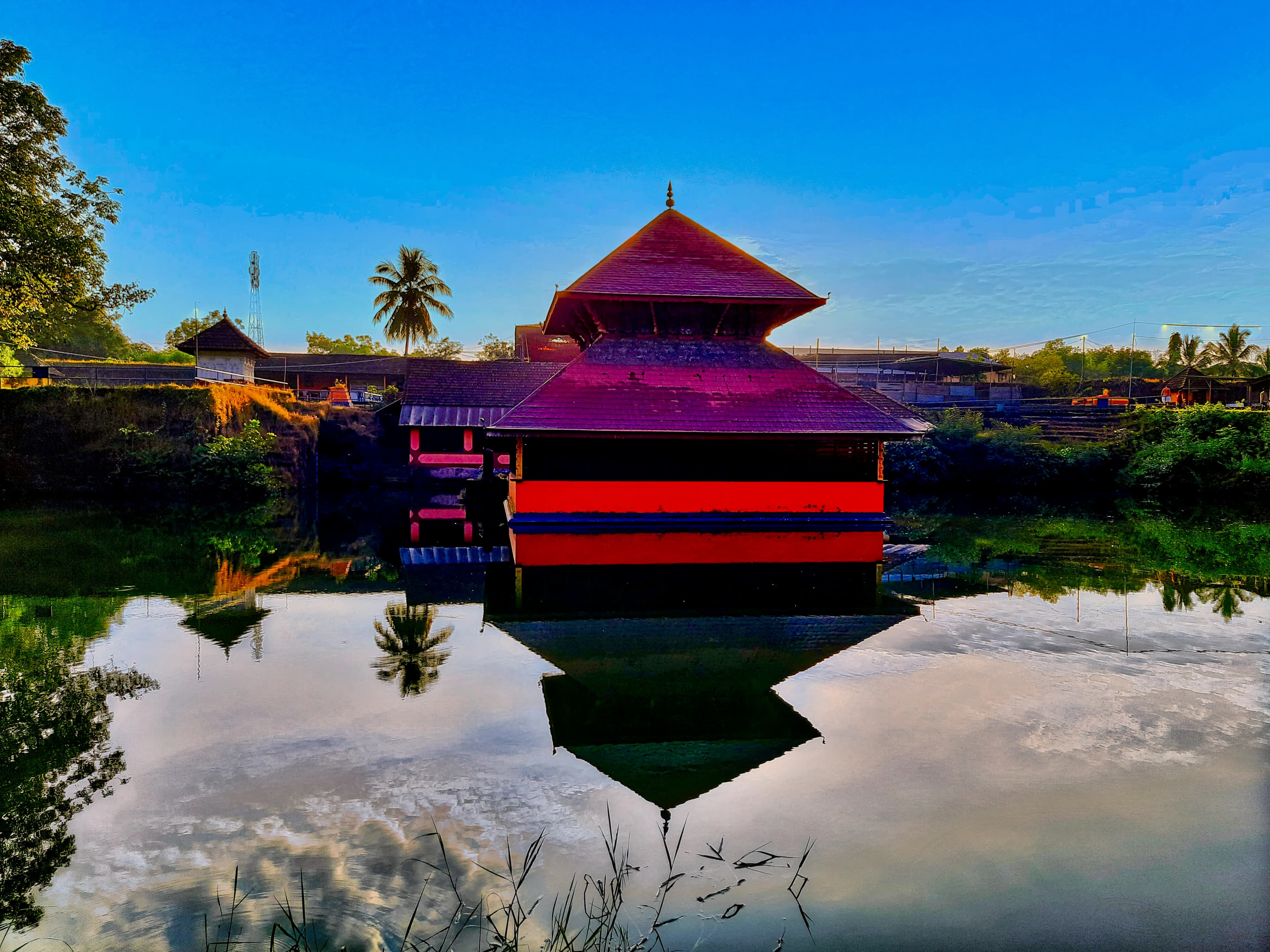
Nestled in the verdant landscapes of Kerala, the Ananthapura Lake Temple in Kasaragod provides a tranquil spiritual experience ([1][2]). Dating to 850 CE, during the Chera period, this unique temple is dedicated to Lord Vishnu as Ananthapadmanabha ([1]). The temple exemplifies the Kerala Dravidian architectural style, characterized by sloping roofs and laterite construction ([2]). The Kadamba dynasty of North Canara were patrons of the temple ([1]). Within the Garbhagriha (Sanctum), the idol of Lord Vishnu reclining on the serpent Anantha captivates devotees ([2]). Intricate carvings adorn the wooden pillars, depicting scenes from Hindu mythology and reflecting the region's rich artistic traditions ([3]). These carvings serve not only as decoration but also as a narrative medium, conveying stories and teachings to devotees ([3]). Granite and wood are also used in the temple's construction ([1]). During the Chera period, temple architecture in Kerala flourished, with structures designed to withstand the region's heavy rainfall ([5]). Temple complexes often included features like the Kulam (Pond) which is connected to the rich heritage and culture of the region ([6]). The presence of Babiya, the vegetarian crocodile, adds to the temple's mystique, symbolizing the intertwining of nature and spirituality ([3]). Vastu Shastra principles, the ancient Indian science of architecture, likely guided the temple's layout and orientation, harmonizing it with its natural surroundings ([4]). The Manasara Shilpa Shastra and Mayamata texts provide detailed guidelines on temple construction, including the precise measurements and placement of various elements to create a sacred space ([7]). Stone platforms and foundations demonstrate the temple's enduring construction ([1]). The use of laterite, a locally sourced material, highlights the temple's integration with the regional environment ([2]).

Gurdwara Fatehgarh Sahib Fatehgarh Sahib
The biting December air of Punjab carried a palpable weight of history as I stood before the imposing Gurdwara Fatehgarh Sahib. Coming from a background steeped in the Dravidian architecture of South Indian temples, I was immediately struck by the distinct visual language of this Sikh shrine. While the towering domes and slender minarets spoke of Mughal influence, the overall aesthetic felt uniquely Punjabi, a blend of robustness and grace. The pristine white marble, reflecting the weak winter sun, created an aura of serenity, a stark contrast to the turbulent history embedded within these walls. My initial exploration focused on the main structure, the large central building housing the sanctum sanctorum. Unlike the elaborately sculpted gopurams of South Indian temples, the entrance here was marked by a grand archway, adorned with intricate floral patterns in pietra dura, a technique I recognized from Mughal monuments. This fusion of architectural styles continued within. The soaring ceilings, embellished with frescoes and gilded ornamentation, echoed the grandeur of Mughal palaces, while the central space, devoid of idols, resonated with the Sikh emphasis on formless divinity. The Guru Granth Sahib, the holy scripture, placed on a raised platform under a richly embroidered canopy, served as the focal point of reverence. The surrounding complex was a fascinating tapestry of structures, each with its own story to tell. The Burj Mata Gujri, a towering cylindrical structure, stood as a poignant reminder of the sacrifices made by the younger sons of Guru Gobind Singh and their grandmother. The stark simplicity of its exterior belied the emotional weight it carried. Climbing the narrow staircase to the top offered panoramic views of the surrounding town and the vast plains beyond, allowing me to visualize the historical context of this sacred site. The serenity of the Sarovar, the holy tank, provided a welcome respite from the historical gravity of the other structures. While the stepped tanks of South Indian temples often feature elaborate carvings and sculptures, the Sarovar at Fatehgarh Sahib possessed a quiet dignity. The devotees taking a holy dip in the frigid water demonstrated a palpable sense of devotion, a universal thread connecting diverse faiths. What intrigued me most was the seamless integration of the landscape with the architecture. Unlike the enclosed temple complexes of South India, Gurdwara Fatehgarh Sahib felt more open and connected to its surroundings. The expansive courtyards, paved with marble, provided ample space for devotees to gather and reflect. The strategically placed trees offered shade and a sense of tranquility, blurring the lines between the built and natural environment. As I wandered through the complex, I observed the intricate details that often go unnoticed. The delicate floral motifs carved on the marble screens, the calligraphy adorning the walls, and the rhythmic patterns of the jalis (perforated screens) all spoke of a rich artistic tradition. The use of marble, while reminiscent of Mughal architecture, was employed here with a distinct Punjabi sensibility. The emphasis on clean lines and geometric forms created a sense of order and harmony. My visit to Gurdwara Fatehgarh Sahib was more than just a sightseeing experience; it was a journey into the heart of Sikh history and spirituality. Witnessing the devotion of the pilgrims, listening to the soulful kirtan (hymns), and absorbing the serene atmosphere, I felt a deep sense of connection to this sacred space. While the architectural style differed vastly from the temples I was accustomed to, the underlying spirit of reverence and devotion resonated deeply, reminding me of the universal language of faith that transcends cultural and geographical boundaries. The experience broadened my understanding of sacred architecture and reinforced the power of built spaces to embody history, faith, and human resilience.
Samdruptse Shiva Temple Namchi
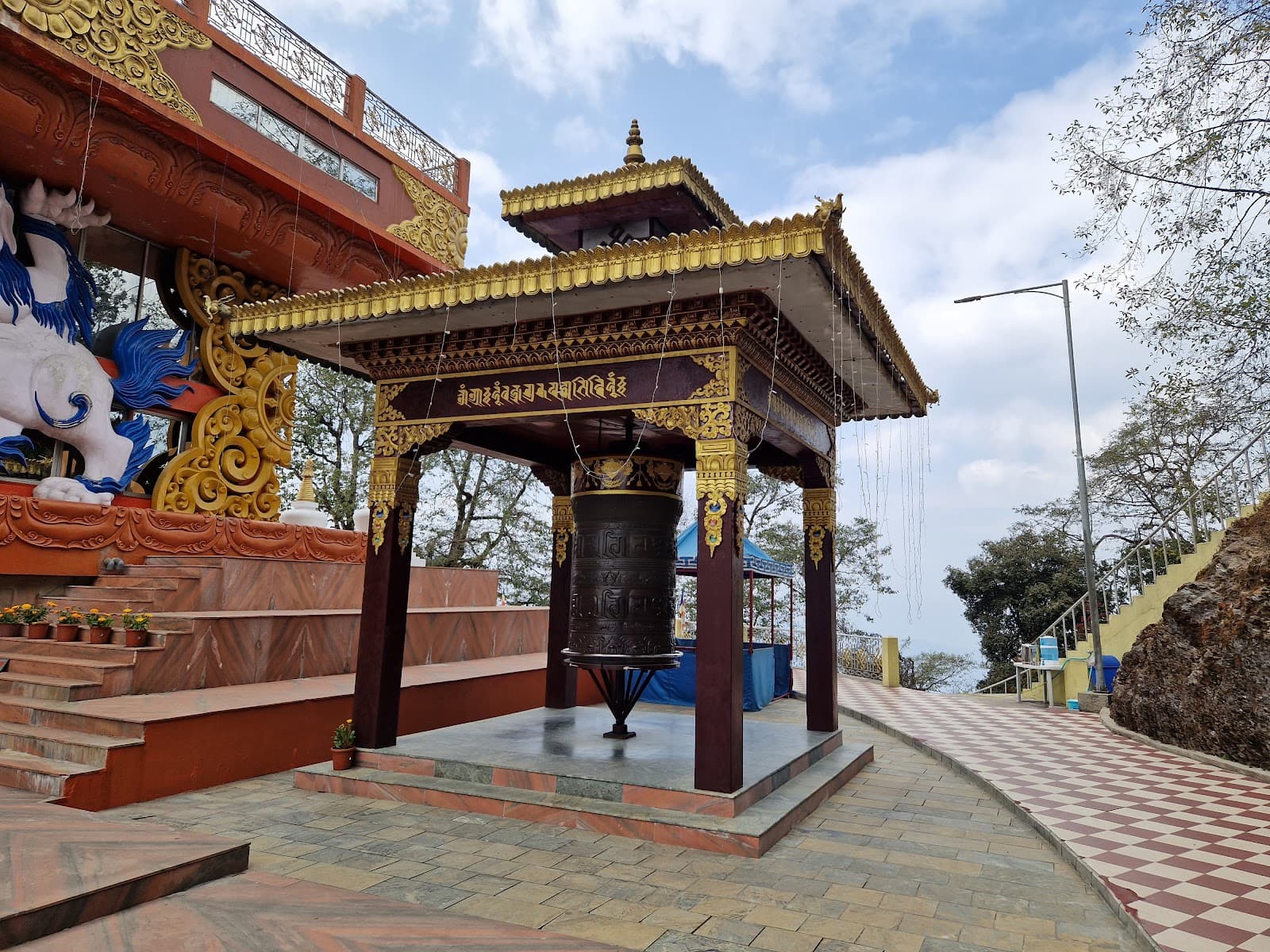
The crisp mountain air, scented with juniper and prayer flags, whipped around me as I climbed the final steps to the Samdruptse Hill. Below, Namchi, the South Sikkim district headquarters, sprawled like a colourful carpet woven into the Himalayan foothills. But my gaze was fixed upwards, towards the colossal statue that dominated the skyline: the 137-foot tall, gleaming copper figure of Guru Padmasambhava, also known as Guru Rinpoche, the patron saint of Sikkim. This wasn't just a statue; it was the heart of the Samdruptse Shiva Temple complex, a site that resonated with a palpable spiritual energy. Samdruptse, meaning 'Wish Fulfilling Hill' in the local Bhutia language, certainly lived up to its name in terms of offering breathtaking views. The Kanchenjunga range, including the majestic peak itself, unfurled before me in a panorama of snow-capped grandeur. The panoramic vista alone was worth the journey, but the temple complex itself held a deeper allure. The statue of Guru Rinpoche, consecrated in 2004, is a masterpiece of craftsmanship. Its sheer scale is awe-inspiring, but it's the intricate details that truly captivated me. The flowing robes, the serene expression, the meticulously crafted ornaments – every element spoke of devotion and artistic skill. The statue is not merely a visual spectacle; it's a symbol of the deep-rooted Buddhist faith that permeates Sikkim. Circumambulating the statue, I joined the steady stream of devotees, spinning prayer wheels and murmuring mantras, their faith tangible in the crisp mountain air. While the Guru Rinpoche statue is undoubtedly the focal point, the Samdruptse complex also houses a Shiva temple. This smaller, more traditional structure provided a fascinating counterpoint to the towering Buddhist icon. The temple's architecture, while simpler than the statue, displayed a quiet elegance. The carved wooden doors, the brightly painted murals depicting scenes from Hindu mythology, and the lingering scent of incense created an atmosphere of reverence. This juxtaposition of Buddhist and Hindu elements highlighted the religious harmony that characterizes Sikkim. Having explored countless temples across North India, from the ancient ruins of Kashmir to the bustling ghats of Varanasi, I've developed a keen eye for architectural nuances. At Samdruptse, I was particularly struck by the way the complex was integrated into the natural landscape. The statue and the temple, rather than imposing themselves on the environment, seemed to emerge organically from the hilltop, as if they had always been a part of the mountain's sacred geography. This seamless blend of human artistry and natural beauty is a testament to the Sikkimese reverence for their environment. Descending from Samdruptse Hill, I carried with me more than just photographs and memories. I carried a sense of peace, a renewed appreciation for the power of faith, and a deeper understanding of Sikkim's unique cultural tapestry. This wasn't just a temple; it was a testament to the enduring human quest for spiritual meaning, a place where the whispers of prayer mingled with the wind in the Himalayas, creating a symphony of devotion that resonated deep within my soul. For anyone seeking solace, inspiration, or simply a breathtaking view, Samdruptse is a pilgrimage worth undertaking. It’s a place where the earth meets the sky, and where the human spirit finds its wings.
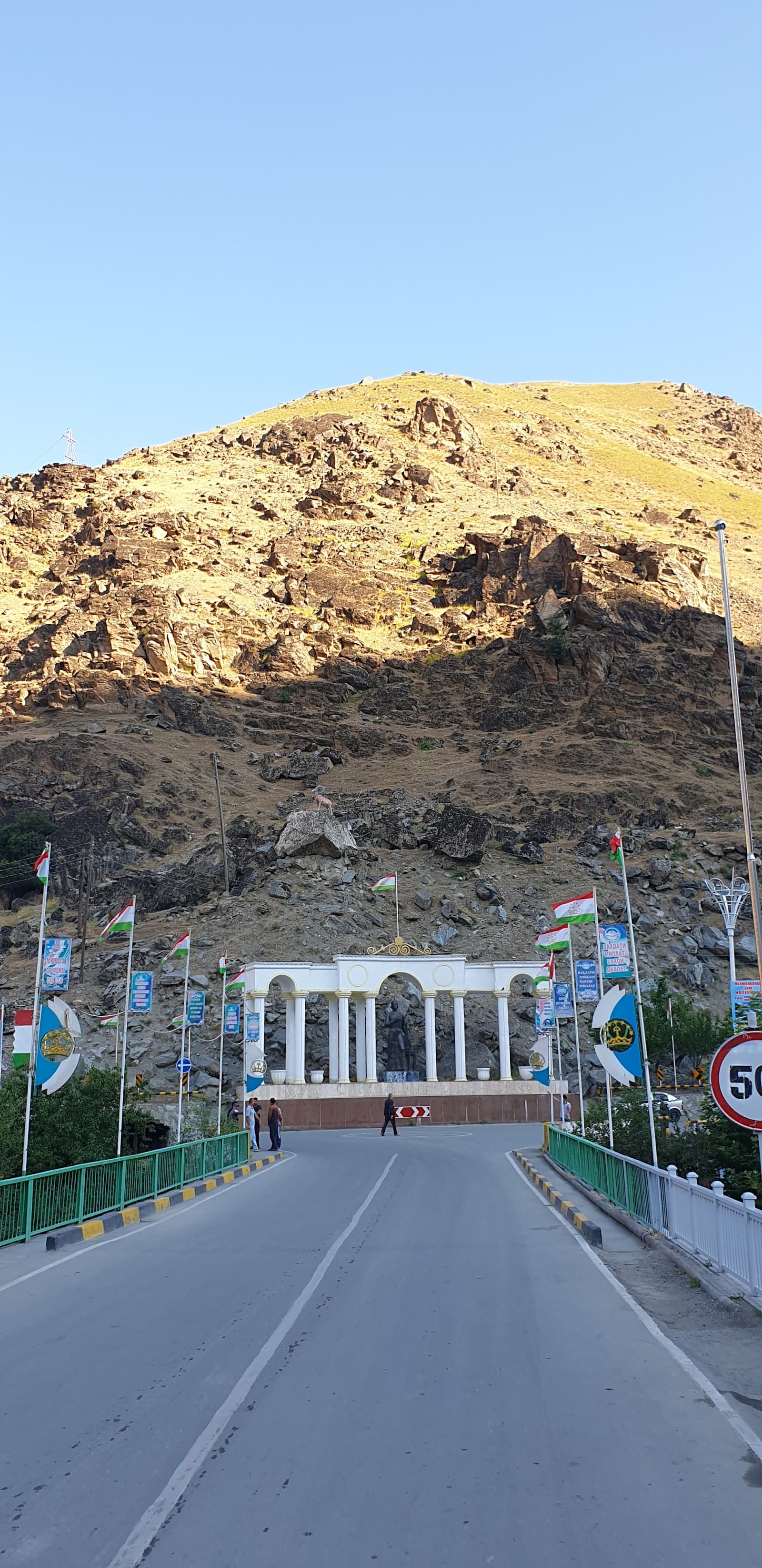
Buddhist Temple of Qala-i Khumb Gorno-Badakhshan Tajikistan
Nestled in the remote Gorno-Badakhshan Autonomous Region of Tajikistan, the Buddhist Temple of Qala-i Khumb, built around 650 CE, stands as a significant testament to the transmission of Indian Buddhist architectural and artistic traditions across Central Asia ([1][2]). This 7th-century complex, constructed during the Tokharistan period under the patronage of the Tokharistan Yabghus, showcases a remarkable synthesis of Indian and Central Asian building techniques ([1]). The temple's location along ancient trade routes underscores its role in disseminating Buddhist teachings and culture from India to the wider region ([2]). Archaeological excavations have uncovered extensive ruins, including foundations, walls, and architectural fragments, offering insights into the temple's original layout and design ([1]). Stone, rammed earth, fired brick, clay, stucco, wood, and metal were employed in its construction, reflecting both local resources and imported techniques ([1][2]). The architectural elements exhibit clear Indian Buddhist iconographic influences, demonstrating the profound impact of Indian artistic traditions ([2]). Intricate carvings adorning the walls depict Buddhist sculptures and reliefs, executed in a style that reflects the Gupta and post-Gupta periods of northern India ([1]). These artistic details highlight the sophisticated understanding of Indian Buddhist traditions possessed by the artisans who created the complex ([2]). The discovery of coins, pottery, and ritual objects further supports the site's importance as a major center of Buddhist learning and practice, attracting monks, traders, and pilgrims from various regions, including India ([1]). Sophisticated planning principles, systematically transmitted from the great monastic centers of India, are evident in the temple's layout, which features a central sanctuary surrounded by monastic cells and assembly halls ([2]). This layout mirrors the principles outlined in ancient texts such as the *Manasara Shilpa Shastra*, which details the planning and construction of sacred structures, although specific textual references for this temple's design remain to be confirmed through further research. Today, the Buddhist Temple of Qala-i Khumb, a UNESCO Tentative List site, continues to be studied and conserved, preserving its legacy as a vital link between Indian and Central Asian civilizations ([1][2]).
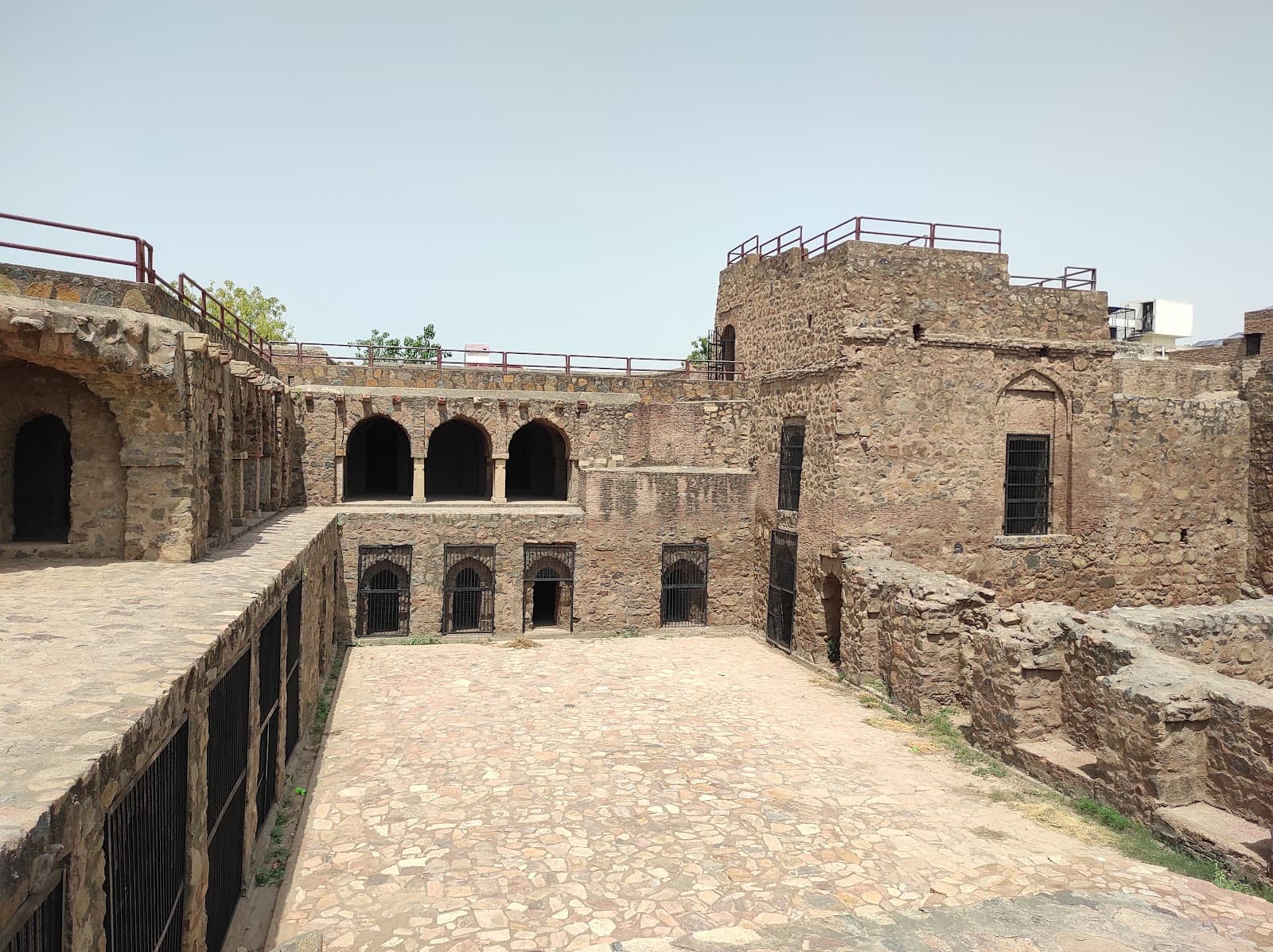
Firoz Shah Palace Complex Hisar
The Haryana sun beat down mercilessly, but the imposing walls of the Firoz Shah Palace Complex in Hisar offered a welcome respite. Stepping through the arched gateway felt like stepping back in time, into the heart of the Tughlaq dynasty. Having documented Gujarat's intricate architectural heritage for years, I was eager to see how this 14th-century complex compared to the structures of my home state. The first thing that struck me was the sheer scale of the complex. Spread across a vast expanse, the ruins whispered tales of a once-grand city. Unlike the ornate carvings and delicate jalis I’m accustomed to seeing in Gujarat’s Indo-Islamic architecture, Firoz Shah’s palace showcased a more austere, robust style. The walls, built of dressed stone, stood strong and defiant, a testament to the military might of the Tughlaq rulers. The lack of excessive ornamentation lent the complex a sense of raw power, a stark contrast to the more embellished structures of Gujarat’s sultanate period. The Lat Ki Masjid, located within the complex, was a particular highlight. Its towering minaret, though partially damaged by time and neglect, still commanded attention. The use of local quartzite stone gave the structure a unique texture and colour, distinct from the sandstone commonly used in Gujarat. Climbing the narrow, winding staircase within the minaret, I was rewarded with panoramic views of the surrounding plains. From this vantage point, I could truly appreciate the strategic location of the complex, chosen, no doubt, for its defensive advantages. The Royal Palace itself, though now in ruins, hinted at its former grandeur. The large halls and courtyards, now overgrown with weeds, once resonated with the bustle of courtly life. I could almost envision the elaborate ceremonies and royal pronouncements that must have taken place within these walls. Fragments of glazed tiles, scattered amidst the rubble, offered a glimpse of the vibrant colours that once adorned the palace interiors. These remnants, though faded, spoke of a refined aesthetic sensibility, a desire to create a space of beauty amidst the harsh landscape. One of the most intriguing aspects of the complex was the intricate water management system. A network of underground channels and wells, now mostly dry, once supplied water to the entire city. This sophisticated system, a marvel of engineering for its time, highlighted the Tughlaqs' focus on practicality and resource management. It reminded me of the elaborate stepwells of Gujarat, each a testament to the ingenuity of the region’s architects in harnessing water, a precious resource in arid climates. Exploring the Firoz Shah Palace Complex was a humbling experience. It served as a stark reminder of the ephemeral nature of power and the inevitable march of time. While the grandeur of the Tughlaq dynasty has faded, the architectural legacy they left behind continues to inspire awe. The complex, though in ruins, offers a valuable glimpse into the history and culture of this region, showcasing a distinct architectural style that stands in contrast, yet in conversation, with the rich heritage of Gujarat. The austere beauty of the Firoz Shah Palace Complex, its robust construction, and ingenious water management system, left a lasting impression, adding another layer to my understanding of India’s diverse architectural tapestry. It's a site that deserves greater attention and conservation efforts, ensuring that future generations can also marvel at its historical significance.
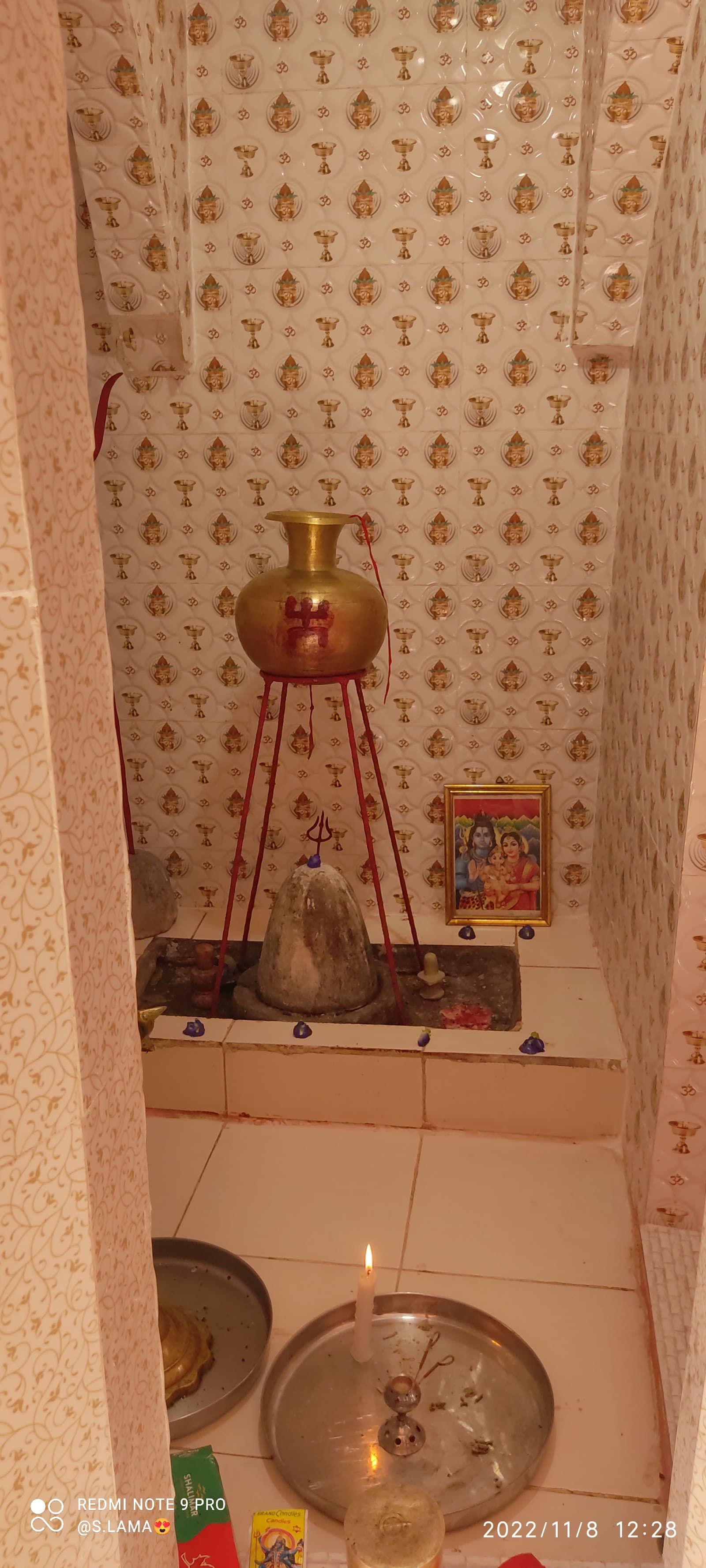
Kali Mandir Saiha Mizoram
The air hung heavy with the scent of incense and marigolds, a familiar aroma that usually greets me at the thresholds of Maharashtra's countless temples. But here, nestled amidst the verdant Mizo hills in Saiha, the Kali Mandir presented a unique tapestry of familiarity and novelty. Having explored every nook and cranny of Maharashtra's cave temples and ornate shrines, I arrived in Mizoram with a seasoned eye, eager to witness how faith manifests itself in this easternmost corner of India. The temple, perched on a small hillock overlooking the town, commands attention. Unlike the basalt structures or intricately carved wooden temples I'm accustomed to back home, this Kali Mandir is a relatively modern construction, primarily of concrete. Its bright orange facade, accented with white and a touch of blue, stands in stark contrast to the surrounding greenery. The architecture, while simpler than the elaborate Dravidian or Hemadpanti styles I'm familiar with, possesses a certain charm. It’s a blend of traditional North Indian temple architecture with a local Mizo touch, evident in the sloping roof that echoes the region's vernacular architecture. A flight of concrete steps, flanked by brightly painted railings, led me to the main entrance. The doorway, framed by a concrete arch, was adorned with images of deities and auspicious symbols. Stepping inside, I was struck by the temple's intimate atmosphere. The sanctum sanctorum, bathed in the soft glow of oil lamps, housed the imposing black idol of Goddess Kali. Her fierce countenance, adorned with a garland of marigolds and hibiscus, exuded power and reverence. The familiar chanting of Sanskrit mantras, though with a slightly different intonation, filled the air, creating a bridge between this remote location and the temples of my homeland. What intrigued me most was the confluence of cultures within the temple's precincts. While the deity and rituals were distinctly Hindu, the devotees reflected the diversity of Mizoram. Alongside the Hindu Bengalis who originally established the temple, I saw Mizo locals offering prayers, their faces etched with devotion. This intermingling of faiths and traditions painted a vibrant picture of India's syncretic culture, a testament to the unifying power of belief. The temple courtyard, though smaller than the sprawling temple complexes I’ve seen in Maharashtra, offered a panoramic view of Saiha town. The rolling hills, dotted with houses and churches, created a picturesque backdrop. I spent some time observing the devotees, their quiet reverence a stark contrast to the often boisterous temple festivals back home. There was a sense of peaceful coexistence here, a harmonious blend of different faiths and traditions. As I descended the steps, leaving the scent of incense behind, I reflected on the journey. The Kali Mandir in Saiha, while architecturally different from the temples I'm accustomed to, resonated with the same spiritual energy. It served as a powerful reminder that faith transcends geographical boundaries and architectural styles. It's a testament to the human need for connection with the divine, a need that finds expression in diverse and beautiful ways across the length and breadth of India. My journey through Maharashtra's caves and temples had prepared me to appreciate the nuances of this remote shrine, to see beyond the concrete and the unfamiliar chants and recognize the universal language of devotion that binds us all.
Quick Links
Plan Your Heritage Journey
Get personalized recommendations and detailed visitor guides