Has Inheritage Foundation supported you today?
Your contribution helps preserve India's ancient temples, languages, and cultural heritage. Every rupee makes a difference.
Secure payment • Instant 80G certificate
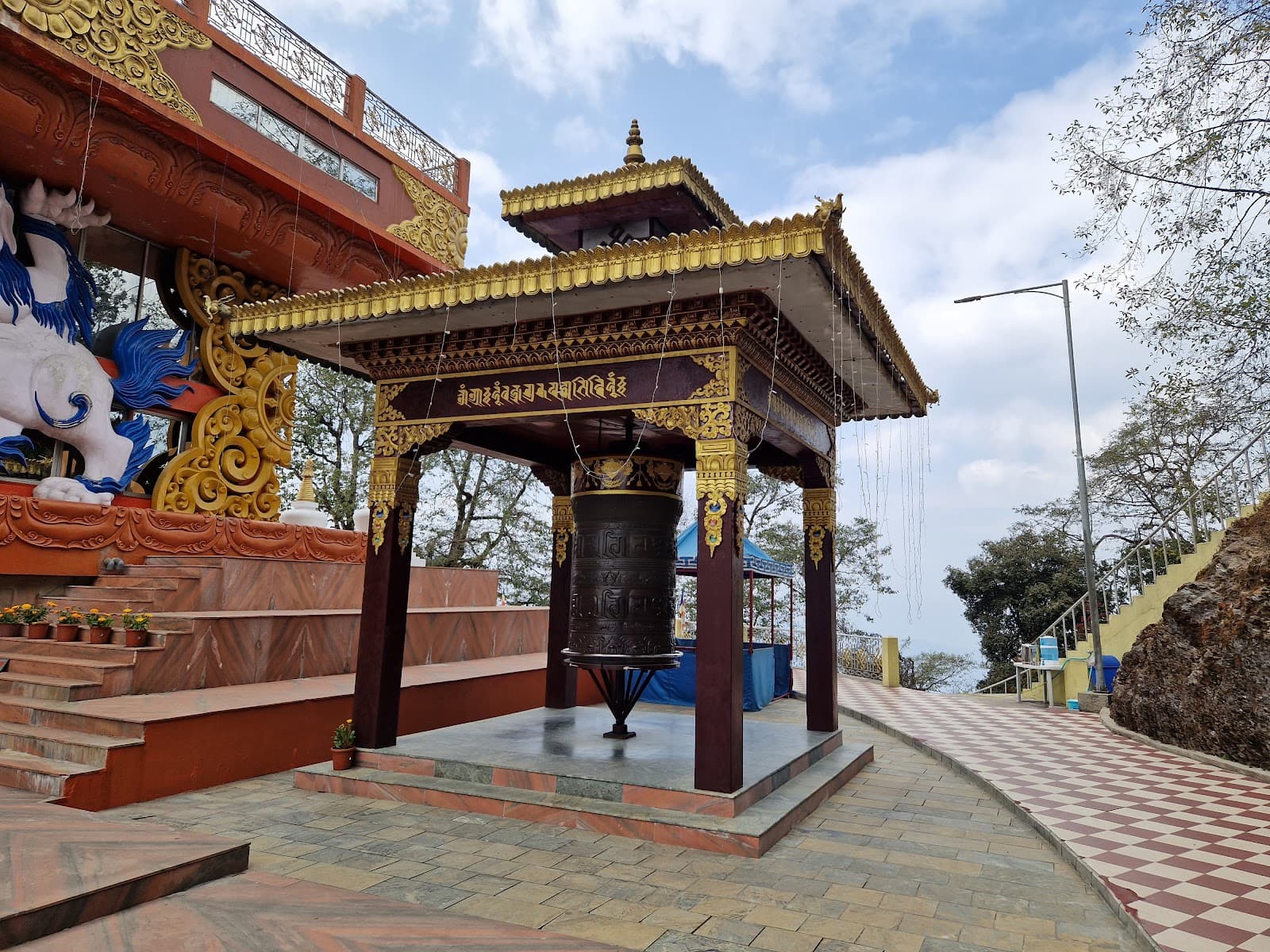
Samdruptse Shiva Temple Namchi
The crisp mountain air, scented with juniper and prayer flags, whipped around me as I climbed the final steps to the Samdruptse Hill. Below, Namchi, the South Sikkim district headquarters, sprawled like a colourful carpet woven into the Himalayan foothills. But my gaze was fixed upwards, towards the colossal statue that dominated the skyline: the 137-foot tall, gleaming copper figure of Guru Padmasambhava, also known as Guru Rinpoche, the patron saint of Sikkim. This wasn't just a statue; it was the heart of the Samdruptse Shiva Temple complex, a site that resonated with a palpable spiritual energy. Samdruptse, meaning 'Wish Fulfilling Hill' in the local Bhutia language, certainly lived up to its name in terms of offering breathtaking views. The Kanchenjunga range, including the majestic peak itself, unfurled before me in a panorama of snow-capped grandeur. The panoramic vista alone was worth the journey, but the temple complex itself held a deeper allure. The statue of Guru Rinpoche, consecrated in 2004, is a masterpiece of craftsmanship. Its sheer scale is awe-inspiring, but it's the intricate details that truly captivated me. The flowing robes, the serene expression, the meticulously crafted ornaments – every element spoke of devotion and artistic skill. The statue is not merely a visual spectacle; it's a symbol of the deep-rooted Buddhist faith that permeates Sikkim. Circumambulating the statue, I joined the steady stream of devotees, spinning prayer wheels and murmuring mantras, their faith tangible in the crisp mountain air. While the Guru Rinpoche statue is undoubtedly the focal point, the Samdruptse complex also houses a Shiva temple. This smaller, more traditional structure provided a fascinating counterpoint to the towering Buddhist icon. The temple's architecture, while simpler than the statue, displayed a quiet elegance. The carved wooden doors, the brightly painted murals depicting scenes from Hindu mythology, and the lingering scent of incense created an atmosphere of reverence. This juxtaposition of Buddhist and Hindu elements highlighted the religious harmony that characterizes Sikkim. Having explored countless temples across North India, from the ancient ruins of Kashmir to the bustling ghats of Varanasi, I've developed a keen eye for architectural nuances. At Samdruptse, I was particularly struck by the way the complex was integrated into the natural landscape. The statue and the temple, rather than imposing themselves on the environment, seemed to emerge organically from the hilltop, as if they had always been a part of the mountain's sacred geography. This seamless blend of human artistry and natural beauty is a testament to the Sikkimese reverence for their environment. Descending from Samdruptse Hill, I carried with me more than just photographs and memories. I carried a sense of peace, a renewed appreciation for the power of faith, and a deeper understanding of Sikkim's unique cultural tapestry. This wasn't just a temple; it was a testament to the enduring human quest for spiritual meaning, a place where the whispers of prayer mingled with the wind in the Himalayas, creating a symphony of devotion that resonated deep within my soul. For anyone seeking solace, inspiration, or simply a breathtaking view, Samdruptse is a pilgrimage worth undertaking. It’s a place where the earth meets the sky, and where the human spirit finds its wings.
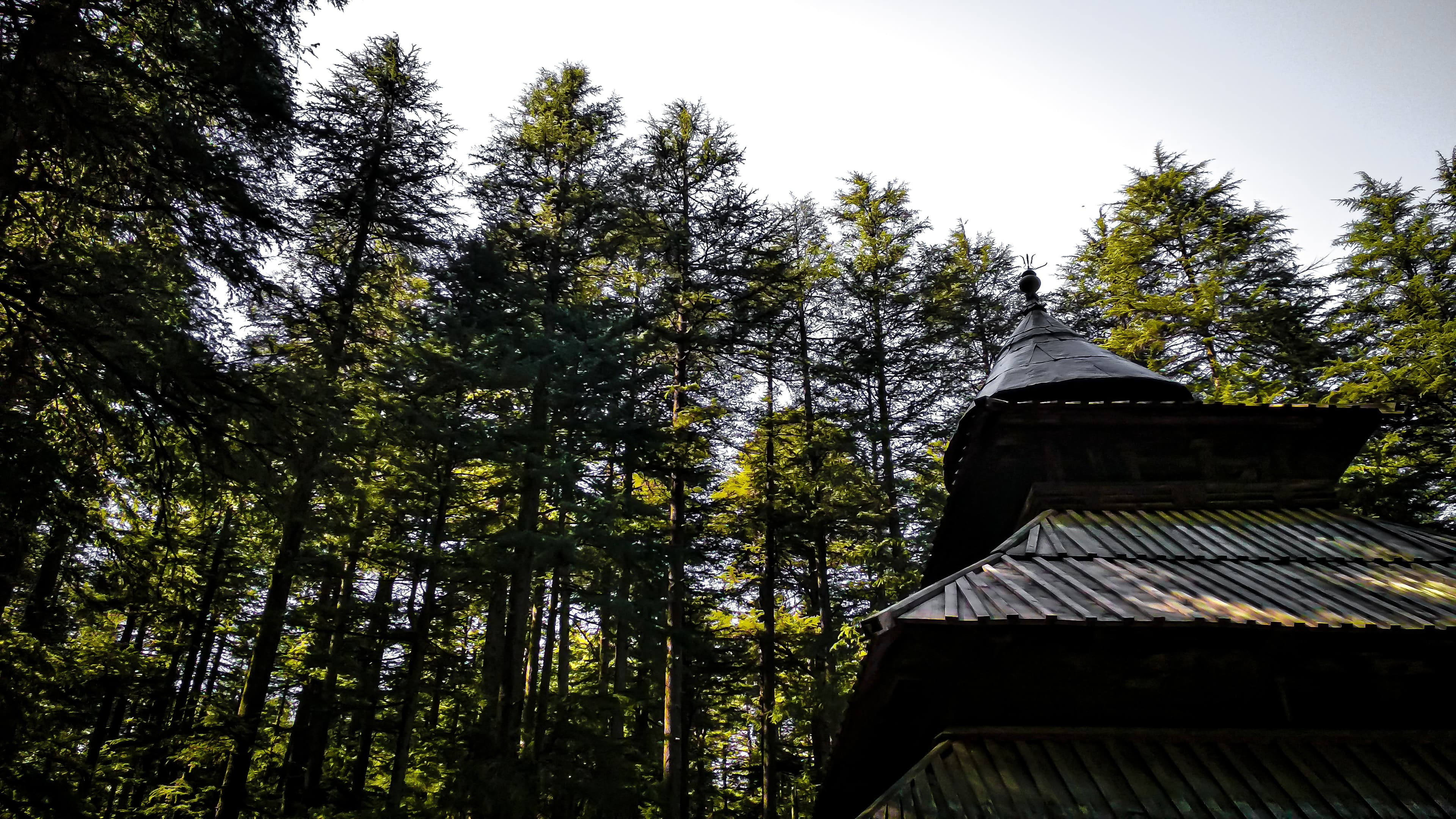
Hidimba Devi Temple Manali
The crisp mountain air of Manali carried the scent of pine as I approached the Hidimba Devi Temple, a structure that seemed to rise organically from the dense cedar forest surrounding it. Unlike the ornate stone temples I'm accustomed to in Gujarat, this one was strikingly different, a testament to the unique architectural traditions of the Himalayas. The four-tiered pagoda-style roof, crafted entirely of wood, commanded attention. Each tier, diminishing in size as it ascended, was covered with intricately carved wooden shingles, creating a textured, almost woven effect. The broad eaves, also wooden, projected outwards, offering a sense of shelter and echoing the protective embrace of the surrounding forest. Circling the temple, I observed the intricate carvings that adorned the wooden panels. Depictions of animals, deities, and floral motifs were etched with remarkable detail, narrating stories that I longed to decipher. The deep brown wood, darkened by time and weather, lent an air of ancient wisdom to these narratives. A particularly striking panel portrayed the goddess Durga riding a lion, a powerful image that resonated with the raw, untamed beauty of the landscape. These carvings, unlike the precise and polished stonework I’ve seen in Gujarat’s temples, possessed a rustic charm, a direct connection to the natural world. The foundation of the temple, constructed of stone, provided a sturdy base for the towering wooden structure. This marriage of stone and wood, a blend of the earthbound and the ethereal, felt deeply symbolic. The stone represented the enduring strength of the mountains, while the wood spoke to the transient nature of life, a constant cycle of growth and decay. This duality, so evident in the temple's architecture, seemed to reflect the very essence of the Himalayan landscape. Entering the small, dimly lit sanctum, I was struck by the absence of a traditional idol. Instead, a large rock, believed to be the imprint of the goddess Hidimba Devi, served as the focal point of worship. This reverence for a natural formation, rather than a sculpted image, further emphasized the temple's connection to the surrounding environment. The air within the sanctum was thick with the scent of incense and the murmur of prayers, creating an atmosphere of quiet contemplation. Outside, the temple grounds were alive with activity. Local vendors sold colorful trinkets and offerings, while families gathered to offer prayers and seek blessings. The vibrant energy of the present contrasted beautifully with the ancient stillness of the temple itself, creating a dynamic interplay between the past and the present. I observed a young girl carefully placing a flower at the base of a cedar tree, a simple act of devotion that spoke volumes about the deep-rooted reverence for nature in this region. As I descended the stone steps, leaving the temple behind, I couldn’t help but reflect on the profound impact of the experience. The Hidimba Devi Temple was more than just a structure; it was a living testament to the harmonious coexistence of human creativity and the natural world. It was a reminder that architecture can be a powerful expression of cultural identity, a tangible link to the past, and a source of inspiration for the future. The temple’s unique wooden architecture, its intricate carvings, and its reverence for nature offered a refreshing contrast to the architectural traditions I was familiar with, broadening my understanding of the diverse cultural landscape of India. The image of the towering wooden pagoda, nestled amidst the towering cedars, remained etched in my mind, a symbol of the enduring power of faith and the timeless beauty of the Himalayas.
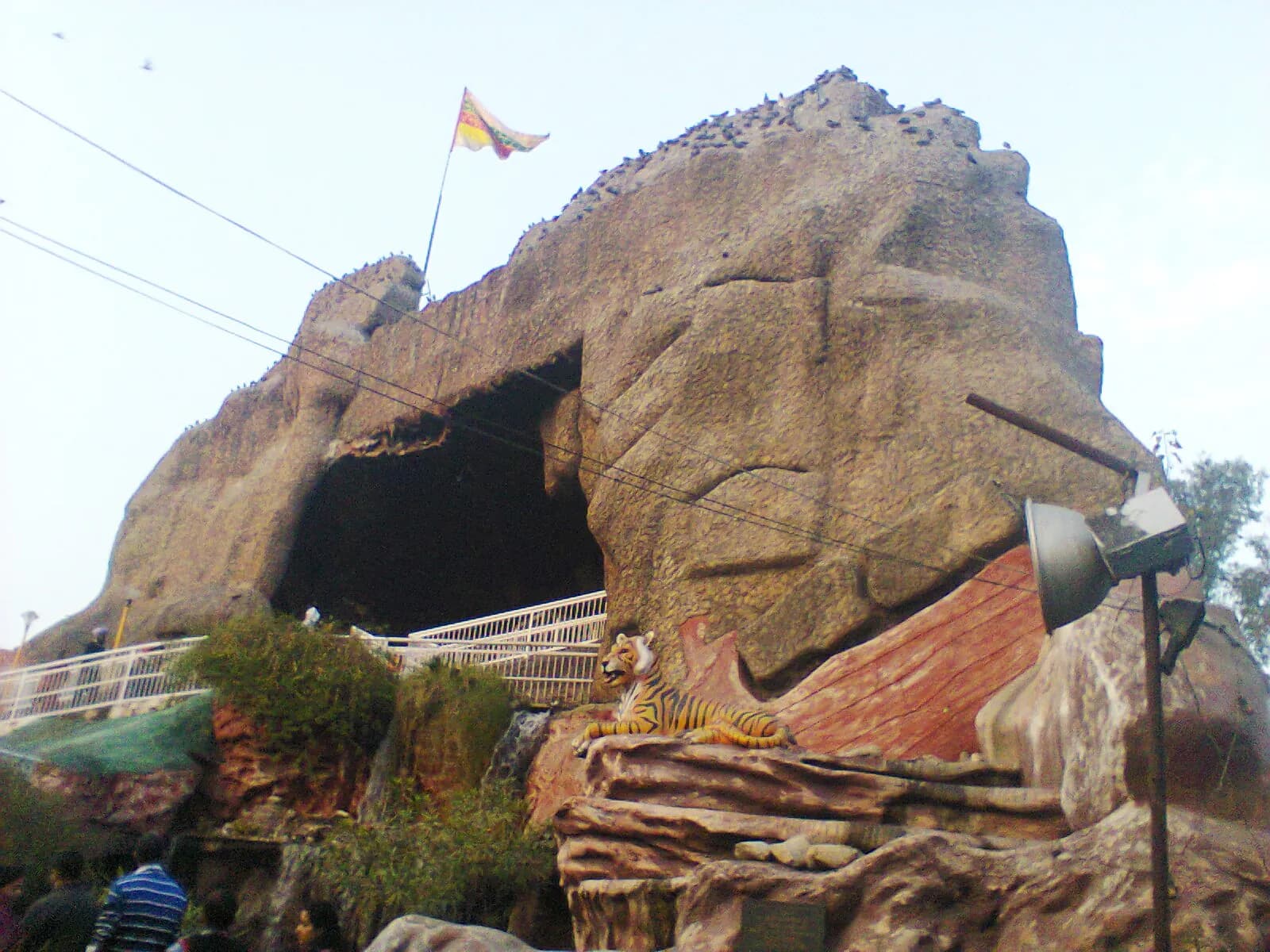
Devi Talab Mandir Jalandhar
The Devi Talab Mandir, located in Jalandhar, Punjab, India, stands as a profound testament to India's millennia-spanning cultural heritage, dedicated to Goddess Durga and revered as one of the 51 Shakti Peethas. This sacred site embodies the continuous tradition of Indian civilization, with its origins deeply rooted in ancient Hindu mythology. The temple complex showcases a rich amalgamation of indigenous architectural styles, drawing inspiration from Nagara, Sikh, and Hindu traditions, reflecting India's deep historical roots and enduring craftsmanship. The primary shrine, housing the deity of Goddess Durga, is a remarkable example of intricate Hindu temple architecture. The temple's structural details reveal a sophisticated blend of materials, including bricks, marble, stone, wood, and mortar. A striking feature is the pyramidal shikhara of the Garbha Griha, which is adorned with plates of gold, imparting an opulent and grand aesthetic to the temple's design. The temple's planning is notably similar to the Golden Temple, with the main structure centrally positioned within a sacred water body, the Devi Talab lake, which is considered one of the 108 holy lakes in the country. The innermost sanctum sanctorum, or Garbha Griha, enshrines the idol of the goddess, established atop a 'Pindi' or sacred stone. The silver doors leading to the Garbha Griha are intricately engraved with various forms of the goddess, and an unbroken flame perpetually illuminates the space before the deity. The temple complex further encompasses a separate Kali Mandir, estimated to be approximately 400 years old, alongside shrines dedicated to Salasar Balaji and Vaishno Devi. Replicas of the revered Amarnath cave and Amar Kund are also present within the complex, enhancing its pilgrimage significance. The temple's walls are adorned with intricate artworks, including a detailed depiction of Lord Shiva's wedding procession and sculptures representing Lord Shiva's family, showcasing exceptional craftsmanship. Decorative elements such as intricate floral carvings, multifoil arches, bands, and Jaalis are prevalent throughout the architecture, reminiscent of traditional Indian design principles. In terms of technical specifications, the temple's unique placement in the middle of a sacred lake necessitates specialized water management. The Devi Talab Mandir Prabandhak Committee, in collaboration with BioTic, employs an eco-friendly liquid-based treatment called OXIBON to maintain the water quality of the ancient pond, ensuring its purity and preserving aquatic life without chemicals. This conservation effort highlights a commitment to sustainable preservation of the site's natural and spiritual elements. The temple is an active place of worship, open daily from 5:00 am to 10:00 pm, serving as a welcoming sanctuary for devotees and visitors alike. Its strategic location, approximately 1 kilometer from the Jalandhar railway station, ensures convenient accessibility. The site is fully operational, maintaining high standards of cleanliness and safety, and continues to be a vibrant center for spiritual and cultural activities, embodying India's enduring cultural legacy.
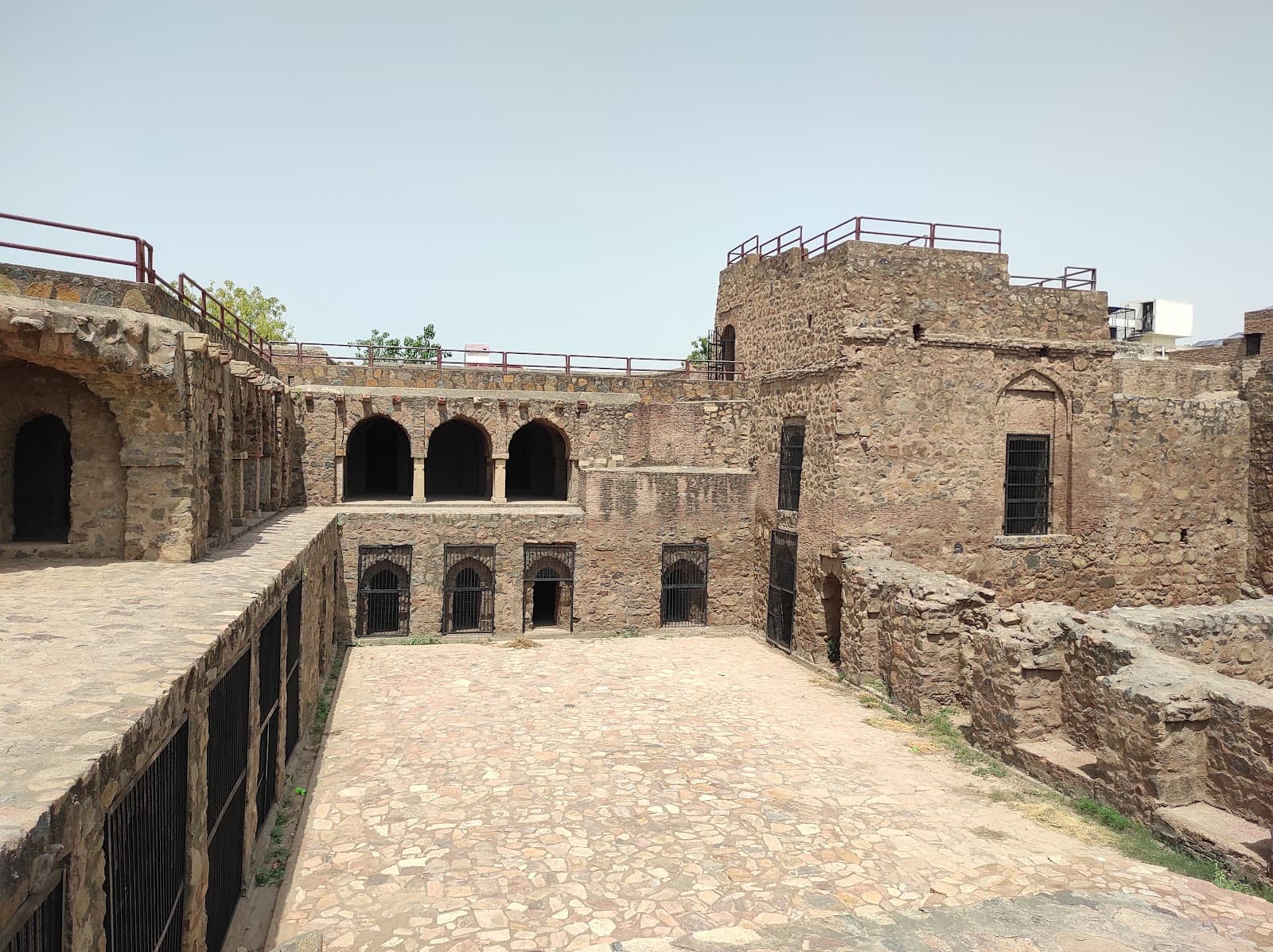
Firoz Shah Palace Complex Hisar
The Haryana sun beat down mercilessly, but the imposing walls of the Firoz Shah Palace Complex in Hisar offered a welcome respite. Stepping through the arched gateway felt like stepping back in time, into the heart of the Tughlaq dynasty. Having documented Gujarat's intricate architectural heritage for years, I was eager to see how this 14th-century complex compared to the structures of my home state. The first thing that struck me was the sheer scale of the complex. Spread across a vast expanse, the ruins whispered tales of a once-grand city. Unlike the ornate carvings and delicate jalis I’m accustomed to seeing in Gujarat’s Indo-Islamic architecture, Firoz Shah’s palace showcased a more austere, robust style. The walls, built of dressed stone, stood strong and defiant, a testament to the military might of the Tughlaq rulers. The lack of excessive ornamentation lent the complex a sense of raw power, a stark contrast to the more embellished structures of Gujarat’s sultanate period. The Lat Ki Masjid, located within the complex, was a particular highlight. Its towering minaret, though partially damaged by time and neglect, still commanded attention. The use of local quartzite stone gave the structure a unique texture and colour, distinct from the sandstone commonly used in Gujarat. Climbing the narrow, winding staircase within the minaret, I was rewarded with panoramic views of the surrounding plains. From this vantage point, I could truly appreciate the strategic location of the complex, chosen, no doubt, for its defensive advantages. The Royal Palace itself, though now in ruins, hinted at its former grandeur. The large halls and courtyards, now overgrown with weeds, once resonated with the bustle of courtly life. I could almost envision the elaborate ceremonies and royal pronouncements that must have taken place within these walls. Fragments of glazed tiles, scattered amidst the rubble, offered a glimpse of the vibrant colours that once adorned the palace interiors. These remnants, though faded, spoke of a refined aesthetic sensibility, a desire to create a space of beauty amidst the harsh landscape. One of the most intriguing aspects of the complex was the intricate water management system. A network of underground channels and wells, now mostly dry, once supplied water to the entire city. This sophisticated system, a marvel of engineering for its time, highlighted the Tughlaqs' focus on practicality and resource management. It reminded me of the elaborate stepwells of Gujarat, each a testament to the ingenuity of the region’s architects in harnessing water, a precious resource in arid climates. Exploring the Firoz Shah Palace Complex was a humbling experience. It served as a stark reminder of the ephemeral nature of power and the inevitable march of time. While the grandeur of the Tughlaq dynasty has faded, the architectural legacy they left behind continues to inspire awe. The complex, though in ruins, offers a valuable glimpse into the history and culture of this region, showcasing a distinct architectural style that stands in contrast, yet in conversation, with the rich heritage of Gujarat. The austere beauty of the Firoz Shah Palace Complex, its robust construction, and ingenious water management system, left a lasting impression, adding another layer to my understanding of India’s diverse architectural tapestry. It's a site that deserves greater attention and conservation efforts, ensuring that future generations can also marvel at its historical significance.
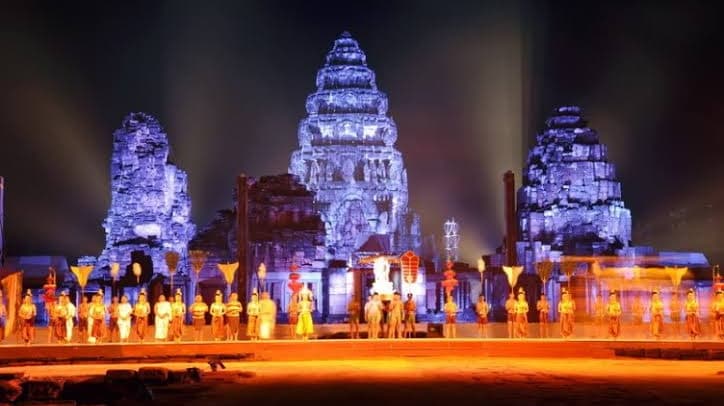
Phimai Historical Park Nakhon Ratchasima
Phimai Historical Park, located in the heart of Phimai town in Nakhon Ratchasima Province, represents one of the most important and best-preserved Khmer temple complexes in Thailand, serving as a crucial link in the ancient highway connecting Angkor to regional centers. The temple complex, constructed primarily in the 11th and 12th centuries CE during the reigns of Suryavarman I and Jayavarman VII, demonstrates a unique architectural synthesis of Mahayana Buddhist and Shaiva Hindu traditions, with the main prasat originally dedicated to Vajrapani before being converted to Shiva worship. The complex spans approximately 28 hectares and features a rectangular laterite wall enclosure measuring 565 by 1,030 meters, accessed through four monumental gopuras aligned to the cardinal directions, with the eastern entrance serving as the primary approach. The central prasat, constructed from white sandstone and laterite, rises 28 meters and features a cruciform plan with four porches extending in cardinal directions, housing a massive lingam pedestal and evidence of both Buddhist and Hindu iconography. The temple’s architectural style represents the transition from Baphuon to Angkor Wat periods, with distinctive features including false windows, devata carvings, and elaborate lintels depicting scenes from the Ramayana and Mahabharata. The complex includes two libraries, two ponds, numerous subsidiary shrines, and a unique naga bridge connecting the outer enclosure to the inner sanctuary. Archaeological evidence indicates the temple served as both a religious center and administrative hub for the Khmer Empire’s control over the Mun River valley. The site underwent extensive restoration from 1964 to 1989, involving anastylosis techniques that carefully reconstructed collapsed structures using original materials. Today, Phimai remains an active site of worship and hosts the annual Phimai Festival, celebrating the temple’s cultural heritage. ([1][2])
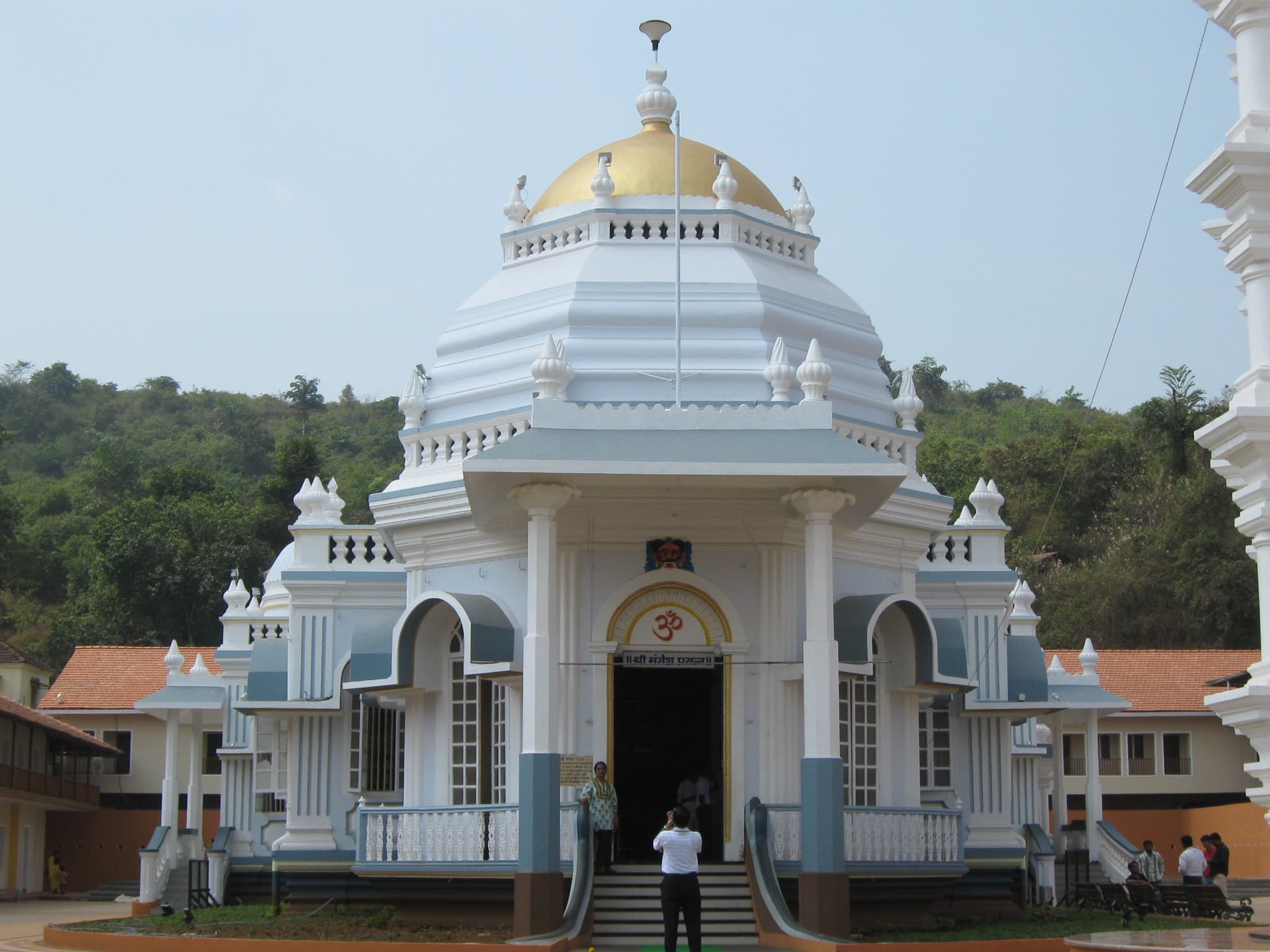
Mangeshi Temple Ponda Goa
The vibrant vermilion and white of the Mangeshi Temple, nestled amidst the emerald green paddy fields of Ponda, Goa, offers a striking contrast that immediately captivates. As a Maharashtrian who has spent years exploring the cave temples of my home state, I was intrigued to see how Goan temple architecture differed, and Mangeshi didn't disappoint. The temple, dedicated to Lord Shiva in his incarnation as Mangesh, exudes a unique blend of traditional Goan and South Indian architectural styles. The first thing that struck me was the impressive seven-story deepstambha (lamp tower) that dominates the courtyard. Unlike the monolithic rock-cut pillars I’m accustomed to seeing in Maharashtra, this one was constructed of laterite stone, a common building material in Goa, and painted a pristine white. Its intricate carvings, however, echoed the detailed artistry found in many Maharashtrian temples. The rhythmic flickering of oil lamps within the deepstambha cast dancing shadows across the courtyard, creating an ethereal ambiance. Passing through the ornate main gate, I entered the Sabhamandap, or assembly hall. The hall’s pillars, also of laterite, were adorned with intricate carvings depicting scenes from Hindu mythology. The ceiling, however, was a masterpiece. Unlike the heavy stone ceilings of many ancient temples, this one was crafted from wood, showcasing a remarkable level of craftsmanship. The rich, dark wood contrasted beautifully with the white pillars, creating a visually stunning space. I spent a considerable amount of time admiring the intricate floral patterns and mythological figures carved into the wood. Beyond the Sabhamandap lies the Garbhagriha, the sanctum sanctorum where the deity resides. Photography is prohibited within this sacred space, but the memory of the serene atmosphere and the palpable sense of devotion is etched in my mind. The air was thick with the fragrance of incense and the rhythmic chanting of Sanskrit mantras added to the spiritual aura. While the deity itself was not visible in its entirety, the glimpse I caught through the silver-plated doorway left a lasting impression. The temple’s architecture reflects its history. Originally located in Cortalim, the temple was shifted to its present location in Mangeshi in the 16th century to escape Portuguese persecution. This relocation and subsequent renovations have resulted in a fascinating blend of architectural styles. While the core structure retains its traditional Goan elements, later additions, such as the Sabhamandap, display influences from South Indian temple architecture. This fusion of styles is a testament to the temple's resilience and adaptability. One aspect that sets Mangeshi apart from many Maharashtrian temples is the presence of a prominent water tank within the temple complex. This tank, known as the Pushkarni, is believed to be sacred and is used for ritual ablutions. The calm, reflective surface of the water added a sense of tranquility to the bustling temple environment. I noticed devotees circumambulating the tank, offering prayers, and immersing themselves in its waters, a practice rarely seen in the rock-cut cave temples of Maharashtra. As I left the Mangeshi Temple, the image of the vibrant vermilion and white structure against the backdrop of lush greenery remained etched in my mind. The temple is not merely a place of worship; it's a living testament to the rich cultural heritage of Goa. It’s a place where history, architecture, and spirituality converge, offering a unique and enriching experience for every visitor. The temple’s ability to adapt and evolve while retaining its core essence is a powerful reminder of the enduring strength of faith and tradition. For anyone seeking a glimpse into the heart of Goan culture and spirituality, the Mangeshi Temple is an absolute must-visit.
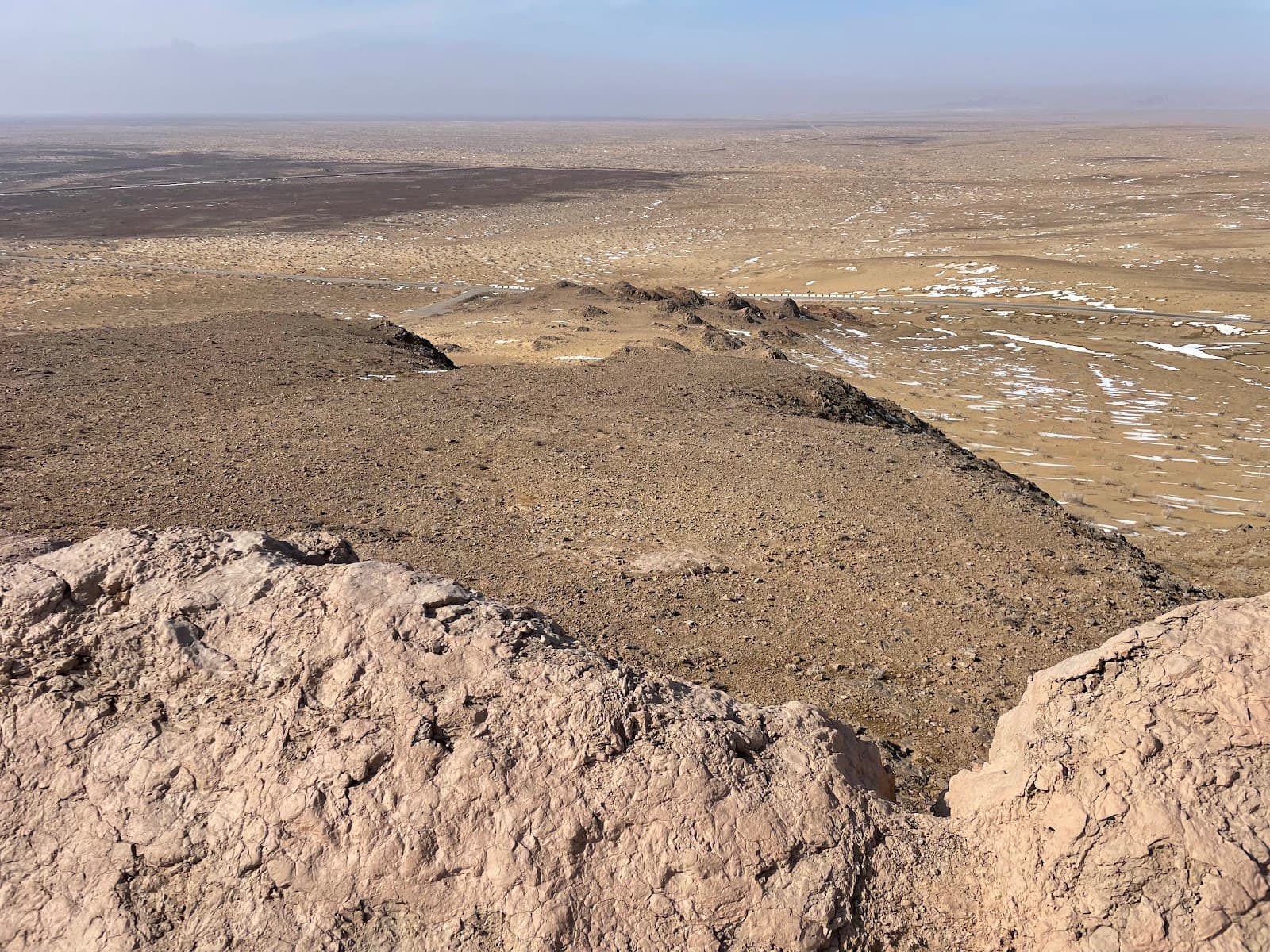
Ayaz-Kala Karakalpakstan Uzbekistan
Ayaz-Kala, a monumental complex in Karakalpakstan, Uzbekistan, stands as a profound testament to millennia of continuous cultural traditions, reflecting deep ancient Indian origins and its role in the broader tapestry of Indic civilization along the Silk Road [4]. This site, comprising three distinct fortresses, integrates Khorezmian military architecture with significant elements of Zoroastrian fire temple design and potential Indic religious influences [4]. Ayaz-Kala 1, dating to the 4th-3rd century BCE, is a rectangular fortress measuring 182 by 152 meters, perched atop a 100-meter-high hill, offering strategic views over the Kyzylkum Desert [5]. Its defensive system features double walls, approximately 10 meters high and 2.2 to 2.4 meters thick at the base, constructed from dried mud brick with packed earth infill [5]. A vaulted corridor, about 2 meters wide, runs between the inner and outer walls, providing a sheltered passageway for archers, who could fire through regularly spaced slits [5]. An upper open-air gallery further enhanced defensive capabilities [5]. The sole entrance, located in the southern wall, is a fortified gatehouse with a square enclosure, designed as a labyrinthine passage forcing attackers to turn 90 degrees, exposing them to fire from multiple angles [1]. Ayaz-Kala 2, an oval feudal fortress from the 6th-8th century CE, sits on a 40-meter-high conical hill and includes a palace with residential quarters, ceremonial halls supported by multiple columns, and a fire temple adorned with wall paintings [5]. Ayaz-Kala 3, a large parallelogram-shaped garrison from the 1st-2nd century CE, spans approximately 5 hectares with external walls 7.5 meters wide and circular watchtowers 8 meters in diameter, built with 'paksha' (cob) in lower sections and adobe blocks in upper parts [1] [5]. Archaeological excavations have revealed remnants of fire temples, providing evidence of Zoroastrian practices and their connections to Vedic fire worship traditions, with stone platforms and foundations suggesting a 'Garbhagriha'-like space for rituals, echoing layouts found in ancient Indian texts like the Agni Purana [4] [1]. The strategic elevated positioning of these structures aligns with Zoroastrian cosmological beliefs and principles akin to Vastu Shastra, emphasizing harmony with natural energies [4]. The site is currently in a state of partial preservation, with ongoing archaeological research and structural stabilization efforts under UNESCO oversight [4]. Visitor access is available daily from 9:00 AM to 5:00 PM, with an entry fee of UZS 25,000 for foreigners, and limited facilities including parking and restrooms [4]. The complex stands as a profound testament to India's enduring cultural legacy, demonstrating the deep historical roots and continuous traditions of architectural and spiritual exchange across ancient Asia [4]. The site is operationally ready for visitors, offering a tangible connection to ancient Indic cultural continuity [4].
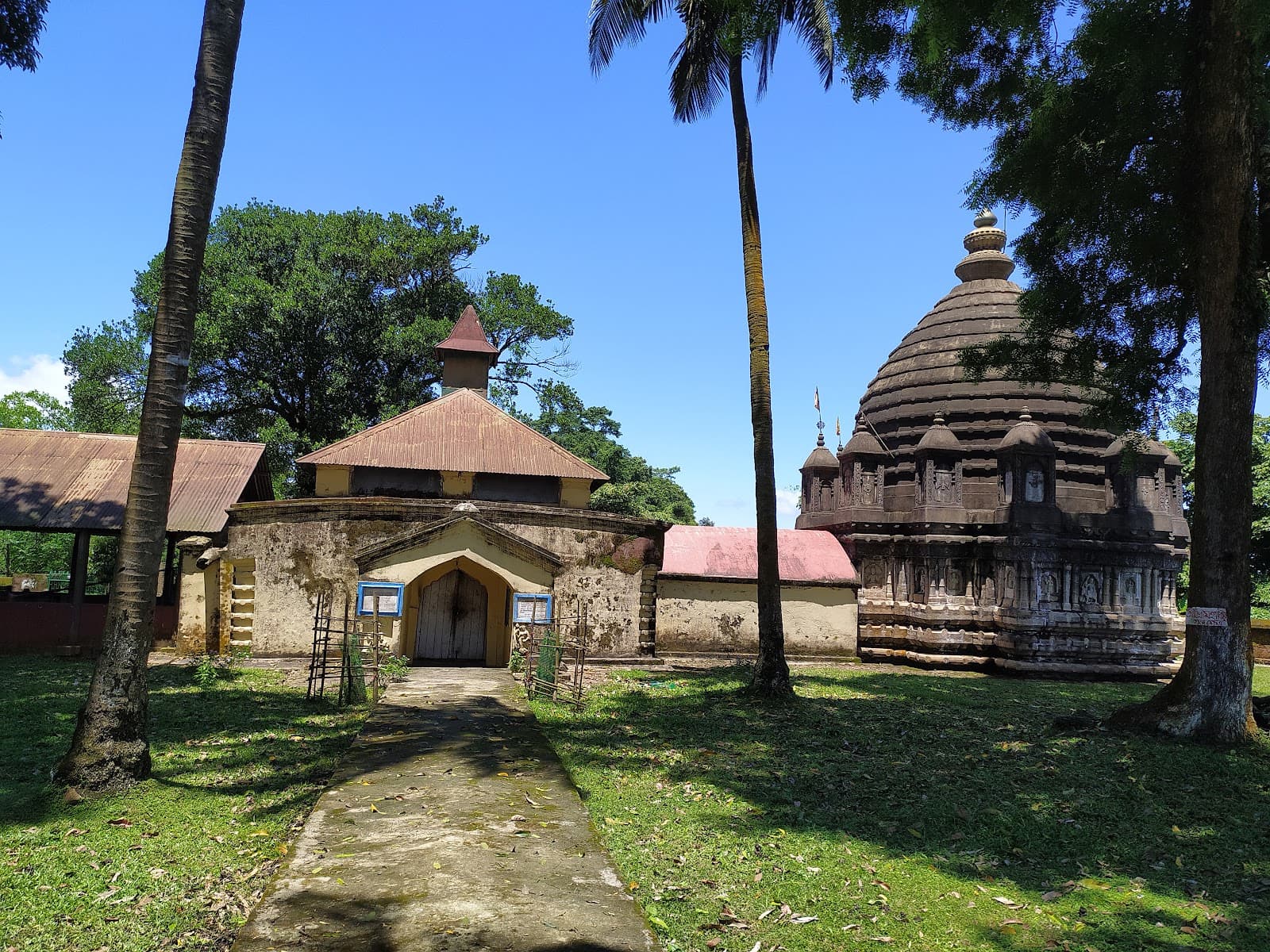
Asvakranta Temple Guwahati
Nestled on the northern bank of the Brahmaputra River in Guwahati, Assam, the Asvakranta Temple stands as a testament to the enduring architectural traditions of the region, dating back to 1565 CE ([1][2]). Commissioned by King Naranarayan of the Koch dynasty during the Kamarupa period, this sacred site reflects Gupta architectural influences in its design and stone-carved narratives ([1][3]). The name Asvakranta, meaning "where the horse stopped," originates from local lore that recounts Lord Krishna's horse pausing at this very spot ([4]). Stone platforms and foundations form the base of the temple, highlighting the primary construction material ([3]). The temple's relatively small structure features a pyramidal form, crowned by a curved Shikhara (spire) ([3]). Within the Garbhagriha (sanctum), devotees find Anantashayana Vishnu, a symbolic representation of Lord Vishnu reclining on the serpent Ananta ([4]). The temple's serene atmosphere draws visitors seeking spiritual solace. During the 16th century, temple architecture in Assam flourished, yet Asvakranta maintains its distinctive character ([1][2]). The Brahmaputra River's proximity has led to erosion, revealing layers of the complex's history ([4]). Despite the river's impact, Asvakranta continues to embody unwavering faith ([4]). Broken pillars and scattered stones hint at a more expansive past, beckoning further exploration and conservation efforts ([4][5]). The temple's design, while modest, incorporates elements that reflect the broader architectural styles prevalent during the Kamarupa period, showcasing a blend of regional and pan-Indian influences ([1][3]). The use of stone, brick, wood, and terracotta further enriches the temple's material palette, adding to its unique charm and historical significance ([3]).
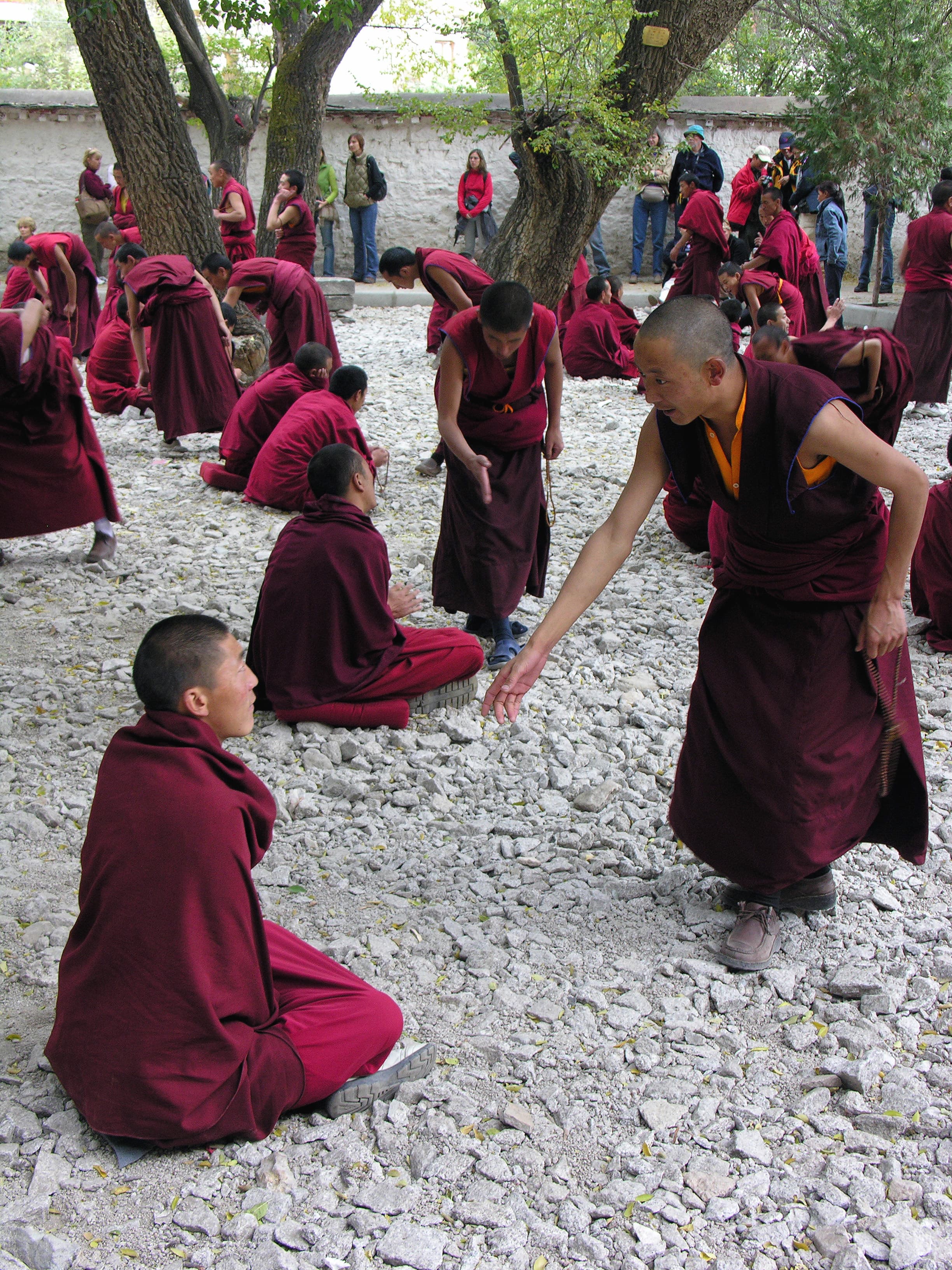
Sera Monastery Lhasa Tibet
Sera Monastery, located in Lhasa, Tibet, represents one of the three great Gelugpa monasteries in Tibet and stands as a major center for Tibetan Buddhist learning, particularly renowned for its debate courtyards where monks engage in philosophical debates using methods derived from Indian Buddhist debate traditions, constructed in the 15th century CE by Jamchen Chojey, a disciple of Tsongkhapa who established the Gelugpa school with strong connections to Indian Buddhist scholastic traditions, demonstrating the profound transmission of Indian Buddhist philosophy and debate traditions to Tibet, which has maintained deep cultural, religious, and historical connections with India for over two millennia. The monastery complex, constructed primarily from stone, wood, and earth with extensive decorative elements, features a massive structure containing numerous temples, chapels, assembly halls, and extensive debate courtyards arranged according to Indian Buddhist monastery planning principles, with the overall design reflecting mandala-based cosmological principles found in Indian Buddhist architecture. The monastery’s architectural design demonstrates direct influence from Indian Buddhist monastery architecture, particularly the Nalanda model, with the debate courtyards and learning facilities reflecting traditions that were transmitted to Tibet through centuries of cultural exchange, while the emphasis on Indian Buddhist debate traditions demonstrates the transmission of Indian Buddhist philosophy to Tibet. Archaeological and historical evidence indicates the monastery was constructed with knowledge of Indian Buddhist debate traditions and scholastic methods, reflecting the close cultural connections between Tibet and India during the medieval period, when Indian Buddhist scholars, texts, and philosophical traditions continued to influence Tibetan Buddhism. The monastery has served as a major center for Tibetan Buddhist learning and practice for over five centuries, maintaining strong connections to Indian Buddhist traditions through the study and practice of Indian Buddhist debate methods and philosophy. The monastery has undergone multiple expansions and renovations over the centuries, with significant additions conducted to accommodate growing numbers of monks and expanding educational programs. Today, Sera Monastery continues to serve as an important place of Buddhist worship and learning in Tibet, demonstrating the enduring influence of Indian Buddhist debate traditions on Tibetan culture and serving as a powerful symbol of Tibet’s deep connections to Indian civilization through the study and practice of Indian Buddhist philosophy. ([1][2])
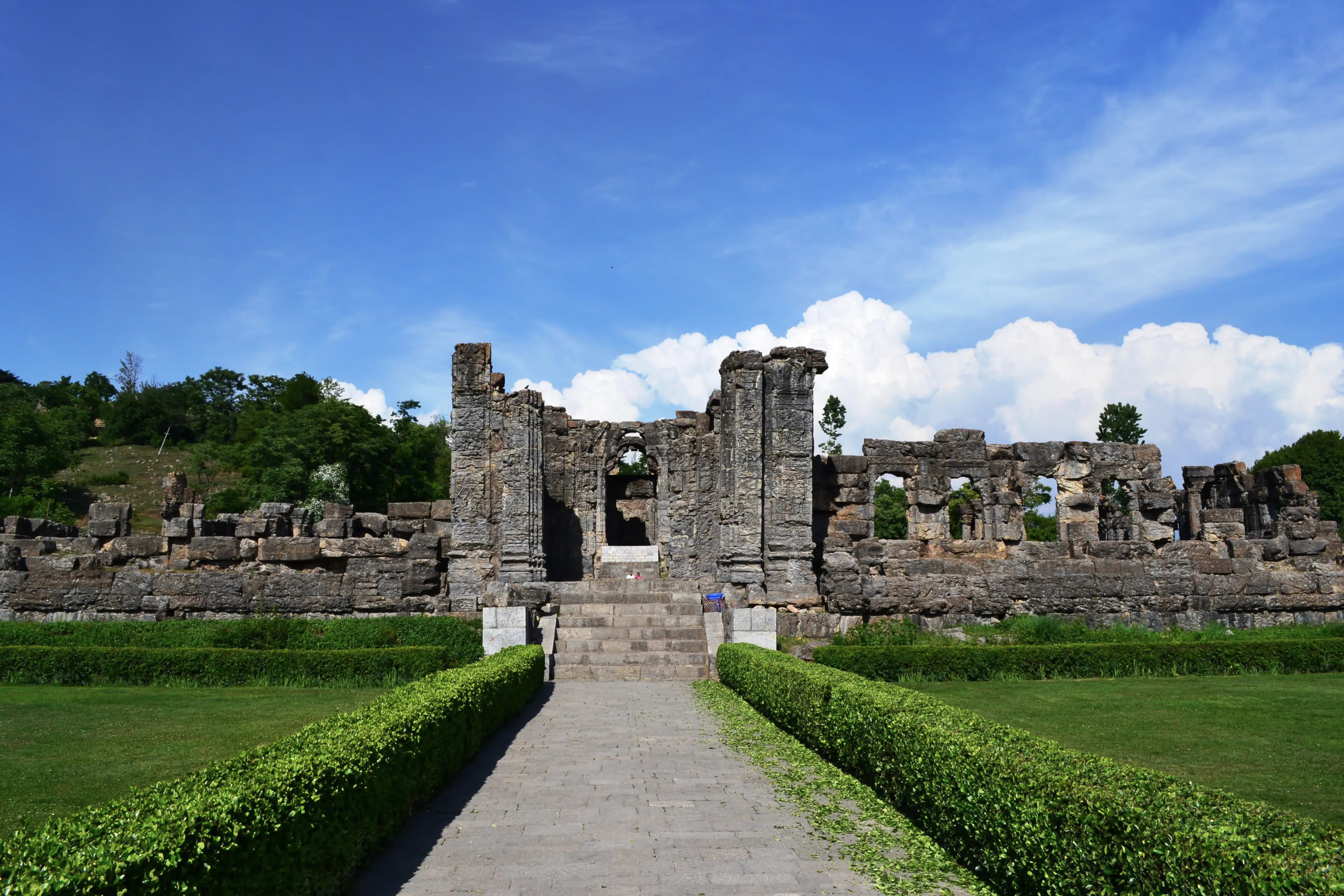
Martand Sun Temple Anantnag
The wind whispered tales of forgotten empires as I stood before the Martand Sun Temple, a skeletal monument reaching for the sky amidst the breathtaking panorama of the Kashmir Valley. Located near Mattan in Anantnag district, this 8th-century marvel, dedicated to Surya, the Sun God, is more ruin than temple, yet its grandeur remains undiminished. Having explored countless ancient sites across North India, I can confidently say that few possess the raw, evocative power of Martand. The first thing that struck me was the sheer scale of the complex. The main shrine, though roofless and ravaged by time and conflict, still commands attention. Built on a raised platform, it’s surrounded by a peristyle of 84 fluted columns, a testament to the architectural prowess of the Kashmiri Karkota dynasty. I walked through the colonnaded courtyard, tracing the outlines of chambers and imagining the vibrant life that once filled these spaces. The intricate carvings on the remaining pillars, depicting celestial beings and floral motifs, hinted at the temple's former glory. The stone, a local grey limestone, has weathered to a soft, almost melancholic hue, adding to the site's poignant beauty. The influence of Greco-Roman architecture is unmistakable, particularly in the use of arches and the overall layout. This fusion of styles, unique to Kashmiri temples of this period, speaks to a rich cultural exchange that once flourished in the region. I noticed the distinct Gandharan influence in the sculptural fragments scattered around the site, further evidence of the confluence of artistic traditions. One particularly striking piece, a partially damaged relief, seemed to depict Surya himself, radiating power and serenity. Climbing the platform to the central shrine, I felt a palpable shift in energy. Even in ruins, the sanctum sanctorum retains a sense of sacredness. I could almost visualize the priests performing ancient rituals, the air thick with incense and chanting. The panoramic view from this vantage point was simply stunning. The snow-capped Pir Panjal range formed a dramatic backdrop to the rolling green valley, a vista that must have inspired awe in the hearts of ancient worshippers. The temple's destruction, attributed to the iconoclastic zeal of Sikandar Butshikan in the 14th century, is a tragic chapter in Kashmir's history. Yet, the ruins themselves tell a story of resilience. They stand as a silent witness to the passage of time, a reminder of the rise and fall of empires. I spent hours exploring the site, absorbing the atmosphere, and trying to piece together the fragments of its past. Beyond the main shrine, I discovered remnants of smaller structures, possibly dedicated to other deities. The entire complex is spread over a large area, suggesting a significant religious and social hub. I noticed a small spring near the temple, its water crystal clear and icy cold. Locals believe the spring has healing properties, a belief likely rooted in ancient traditions associated with the temple. My visit to Martand Sun Temple was more than just a sightseeing trip; it was a journey through time. It was a humbling experience to stand before this magnificent ruin, a testament to human ingenuity and the enduring power of faith. As the sun began to set, casting long shadows across the valley, I left Martand with a sense of awe and a renewed appreciation for the rich tapestry of India's heritage. This is a site that deserves to be cherished and protected, not just for its architectural significance but for the stories it whispers to those who listen closely.
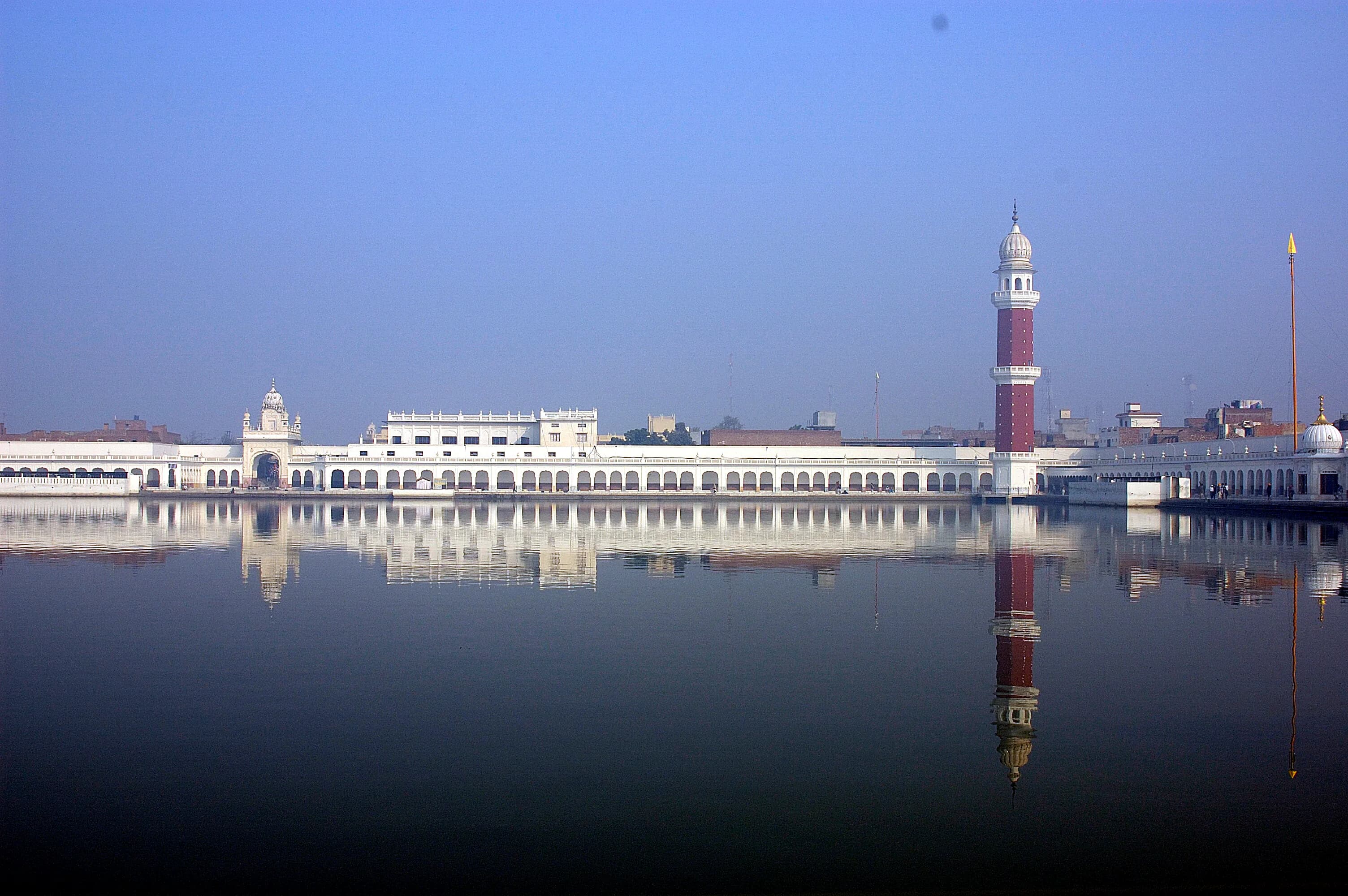
Tarn Taran Sahib Tarn Taran
The midday sun beat down on the shimmering expanse of the sarovar, its waters reflecting the pristine white marble of the Darbar Sahib, the central structure of the Tarn Taran Sahib complex. This wasn't just another gurudwara; its sheer scale and unique architectural features set it apart from the hundreds of Sikh shrines I’ve documented across India. Located in the heart of Tarn Taran, Punjab, this place exuded a palpable sense of tranquility, a spiritual hum that resonated through the air and the very stones beneath my feet. The first thing that struck me was the sarovar itself, the largest of all the holy tanks in Sikhism. It’s said that a dip in its waters has healing properties, and observing the devotees taking a ritual bath, their faces etched with devotion, I could almost sense the weight of belief and tradition carried within this sacred space. The tank is surrounded by a marble walkway, offering panoramic views of the gurudwara and the bustling activity around it. I spent a good hour just absorbing the scene, the interplay of light and shadow on the water, the rhythmic chants emanating from the main hall, and the constant flow of pilgrims. The Darbar Sahib, rising majestically from the sarovar's edge, is a marvel of Sikh architecture. Unlike the more common gilded domes, Tarn Taran Sahib boasts a distinctive ribbed dome, plated with gold leaf that shimmered brilliantly under the Punjab sun. Intricate inlay work, a hallmark of Sikh architecture, adorned the marble facade, depicting floral patterns and verses from the Guru Granth Sahib. The level of detail was breathtaking; I found myself constantly drawn closer, my lens capturing the nuances of each carved motif, each inlaid gemstone. As I stepped inside the main hall, I was enveloped by a sense of reverence. The Guru Granth Sahib, the holy scripture of Sikhism, rested on a raised platform, draped in rich fabrics. The melodious kirtan, the Sikh devotional music, filled the air, creating an atmosphere of profound spirituality. The walls, adorned with frescoes depicting scenes from Sikh history and mythology, added another layer of richness to the space. I noticed that the frescoes here were particularly vibrant, their colours seemingly intensified by the soft light filtering through the intricately carved marble screens. One element that truly distinguished Tarn Taran Sahib was the integration of Islamic architectural influences. The minarets flanking the main structure, a feature rarely seen in Sikh architecture, spoke to a history of cultural exchange and coexistence. These minarets, while clearly distinct from the main gurudwara in style, seemed to harmonize with the overall design, creating a unique visual tapestry. This subtle blending of architectural styles offered a powerful testament to the syncretic nature of Indian heritage. Beyond the main complex, I explored the surrounding structures, each with its own story to tell. The Bunga Baba Deep Singh, a smaller shrine dedicated to a revered Sikh warrior, stood as a reminder of the sacrifices made to protect this sacred place. The langar hall, where free meals are served to all visitors regardless of their background, was a bustling hub of activity, embodying the Sikh principles of seva, or selfless service. My time at Tarn Taran Sahib was more than just a photographic documentation; it was an immersive experience. It was a journey into the heart of Sikh faith and a testament to the enduring power of architecture to reflect and shape cultural identity. As I packed my equipment, the setting sun casting long shadows across the sarovar, I carried with me not just images, but a deeper understanding of the rich tapestry of Indian heritage.
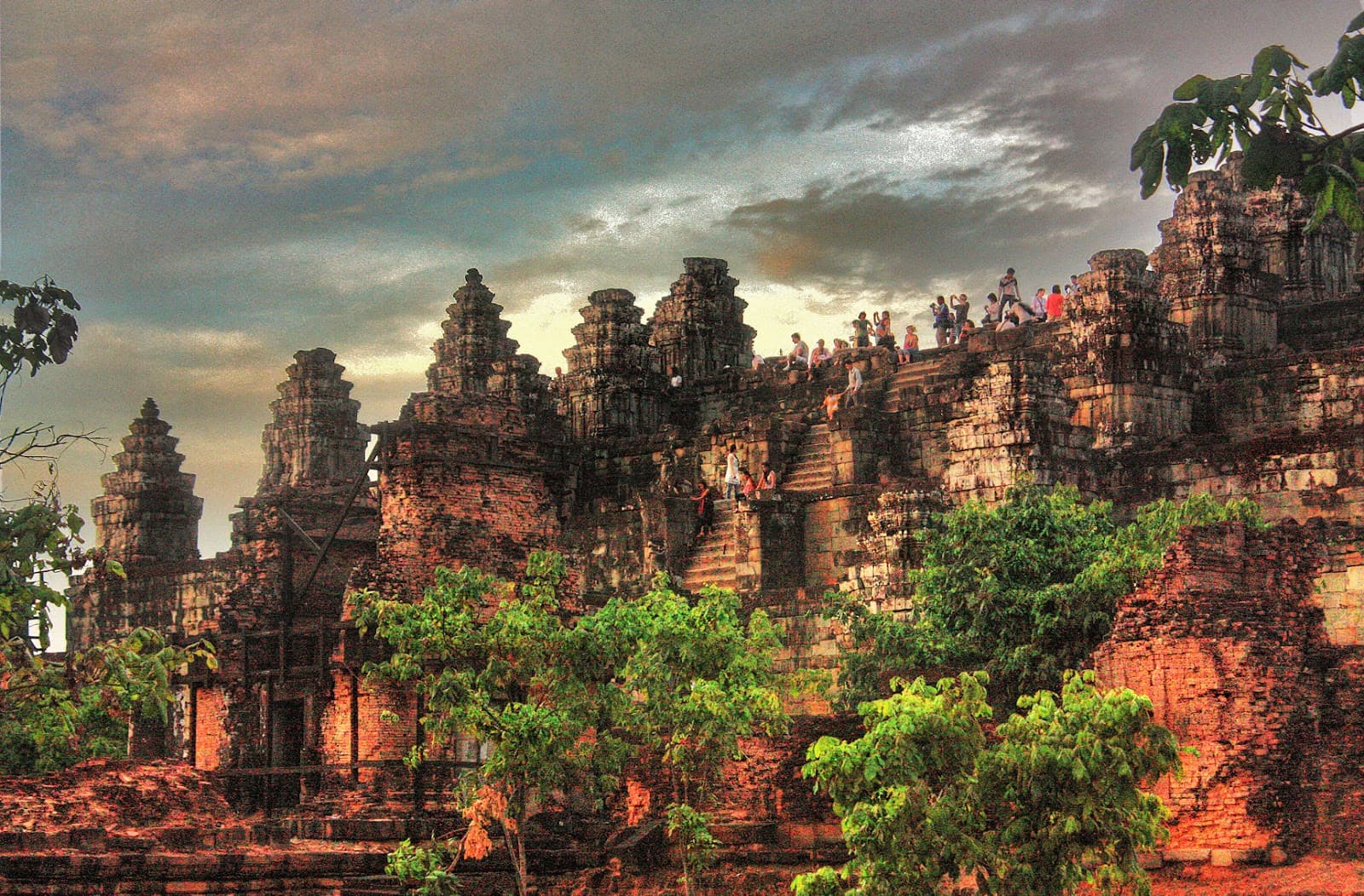
Phnom Bakheng Siem Reap Cambodia
Phnom Bakheng, dramatically situated atop a natural hill approximately 1.5 kilometers northwest of Angkor Wat, represents one of the most strategically sited and cosmologically significant Hindu temples in Southeast Asia, constructed in the late 9th century CE during the reign of King Yasovarman I as a temple mountain dedicated to Shiva and aligned according to sophisticated Indian Hindu cosmological principles, creating a powerful testament to the profound transmission of Indian Hindu religious and architectural traditions to Cambodia during the early Angkorian period. The temple, constructed as a five-tiered pyramid rising from the hilltop and representing Mount Meru, the mythical five-peaked mountain that serves as the center of the universe in Hindu cosmology according to ancient Indian texts, features a sophisticated architectural design that demonstrates the direct transmission of Indian Hindu temple mountain planning principles from the great temple complexes of India, while the temple's location on a natural hill, chosen according to Indian cosmological principles that emphasized elevated locations as closer to the divine realm, underscores its spiritual significance as a place where earth and sky intersected. The temple's architectural layout, with its central tower surrounded by 108 smaller towers arranged in geometric patterns that reflect Indian cosmological principles, follows sophisticated Indian Hindu temple planning principles that were systematically transmitted from the great temple complexes of India, while the temple's construction using sandstone and laterite demonstrates the sophisticated engineering techniques that were transmitted from India to Cambodia. Archaeological evidence reveals that the temple served as the state temple of King Yasovarman I and a major center of Shiva worship, while the discovery of numerous inscriptions provides crucial evidence of the site's role in the transmission of Indian religious texts and practices to Cambodia, demonstrating the sophisticated understanding of Indian Hindu traditions possessed by the early Khmer court and religious establishment. The temple's location provides panoramic views of the surrounding Angkor plain, including Angkor Wat to the southeast, while the temple's alignment according to Indian Hindu cosmological principles demonstrates the sophisticated understanding of Indian knowledge systems possessed by Khmer architects and religious specialists. Today, Phnom Bakheng stands as part of the UNESCO World Heritage Site and represents one of the most important early Angkorian temples, serving as a powerful testament to the transmission of Indian Hindu culture and architecture to Southeast Asia, while ongoing archaeological research and conservation efforts continue to protect and study this extraordinary cultural treasure that demonstrates the profound impact of Indian civilization on Southeast Asian religious and architectural traditions. ([1][2])
Quick Links
Plan Your Heritage Journey
Get personalized recommendations and detailed visitor guides