Has Inheritage Foundation supported you today?
Your contribution helps preserve India's ancient temples, languages, and cultural heritage. Every rupee makes a difference.
Secure payment • Instant 80G certificate
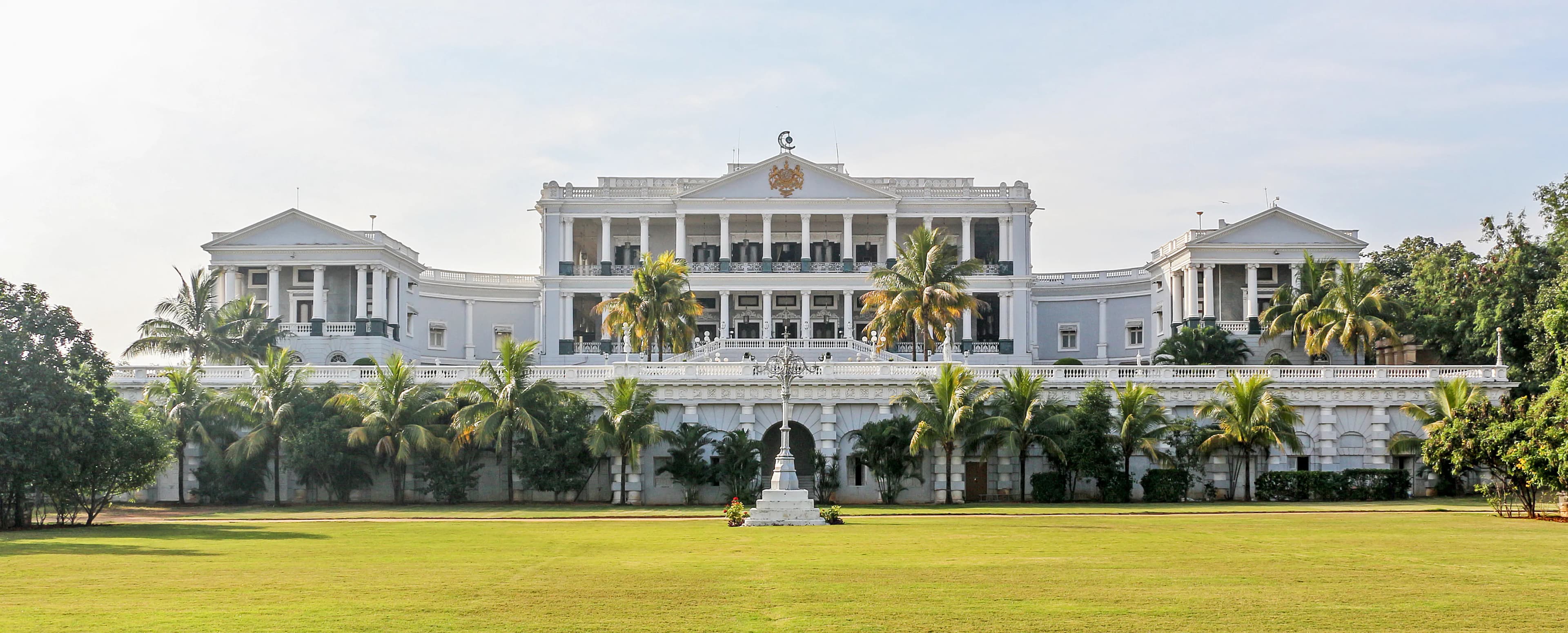
Falaknuma Palace Hyderabad
The Nizam’s carriages, gleaming under the Hyderabad sun, offered a fitting prelude to the grandeur that awaited me at Falaknuma Palace. Perched 2,000 feet above the city, this scorpion-shaped architectural marvel, meaning "Mirror of the Sky" in Urdu, truly lives up to its name. As I ascended the hill, the palace gradually revealed itself, a blend of Italian and Tudor influences against the backdrop of the Deccan plateau. The pale Italian marble, so striking against the azure sky, hinted at the opulence within. Stepping through the grand arched entrance felt like stepping back in time. The sheer scale of the entrance hall, with its soaring ceilings and intricate frescoes, was breathtaking. The jade collection, displayed in cabinets lining the walls, immediately caught my eye – a testament to the Nizam’s legendary wealth. Each piece, from delicate snuff bottles to intricately carved figurines, whispered stories of a bygone era. My guide, a seasoned historian, pointed out the intricate details of the palace's architecture. The blend of styles was seamless, a testament to the architects' vision. The stained-glass windows, imported from Venice, cast kaleidoscopic patterns on the marble floors. The intricate woodwork, particularly on the grand staircase, showcased the skill of local artisans. Everywhere I looked, there were stories etched in wood, marble, and glass. The state reception room, where the Nizam once entertained dignitaries, was a spectacle of Victorian grandeur. The furniture, upholstered in rich velvet and adorned with mother-of-pearl inlay, looked as if it had been prepared for a royal reception just yesterday. The massive chandeliers, glittering with hundreds of crystals, dominated the room, casting a warm glow on the priceless artifacts displayed around the room. I could almost imagine the Nizam, dressed in his finery, holding court in this magnificent space. The library, a personal favorite, was a haven for bibliophiles. Its walnut shelves, stacked with rare books and manuscripts, stretched towards the high, coffered ceiling. The scent of old paper and leather hung in the air, a comforting aroma that transported me to a world of scholarly pursuits. I spent a considerable amount of time admiring the collection, marveling at the breadth of knowledge contained within those walls. It was easy to see why the Nizam, a known patron of the arts and sciences, cherished this space. The dining hall, with its impossibly long table capable of seating 100 guests, was another highlight. The Nizam, known for his lavish hospitality, hosted extravagant banquets here. The stories of these legendary feasts, recounted by my guide, brought the space to life. I could almost hear the clinking of glasses, the murmur of conversations, and the strains of music that once filled this grand hall. Beyond the opulent interiors, the palace grounds offered breathtaking views of the city below. The manicured gardens, a blend of Mughal and English landscaping styles, provided a tranquil escape from the bustling city. The fountains, once a symbol of the Nizam's wealth and power, still gurgled softly, adding to the serene atmosphere. As I descended the hill, leaving the grandeur of Falaknuma behind, I couldn't help but feel a sense of awe. This wasn't just a palace; it was a time capsule, preserving a slice of India's rich history. It was a testament to the vision of the Nizams, their patronage of the arts, and their lavish lifestyle. Falaknuma Palace, truly a mirror of the sky, reflected not just the heavens above but also the grandeur of a bygone era. Having visited every UNESCO site in India, I can confidently say that Falaknuma holds a unique place, offering a glimpse into a world of princely splendor that is both captivating and unforgettable.
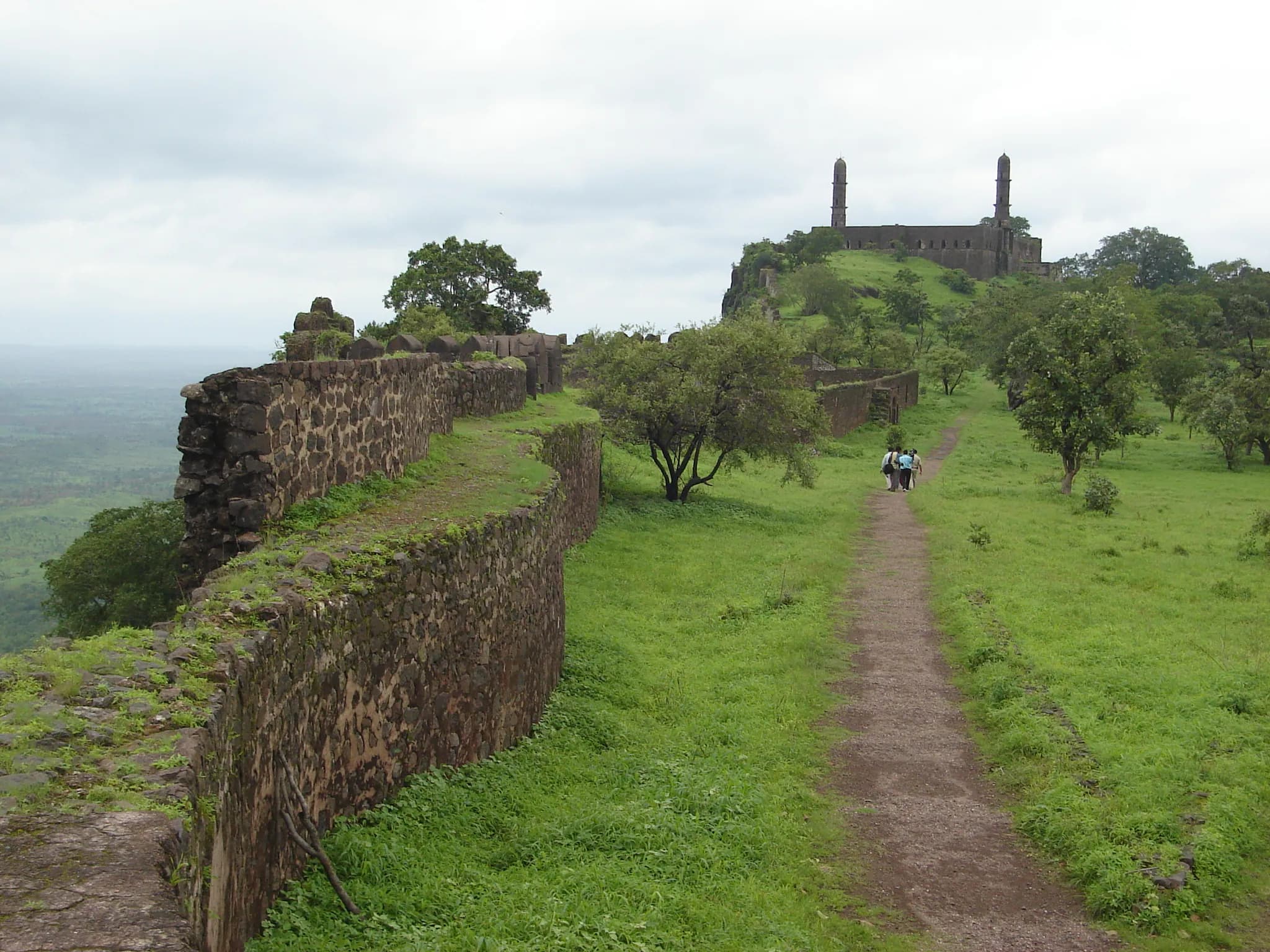
Asirgarh Fort Burhanpur
Nestled in Burhanpur, Madhya Pradesh, Asirgarh Fort, a strategic 'Dakshin ka Dwar' (Gateway to the South), exemplifies a confluence of architectural traditions ([1][2]). Commissioned by the Faruqi dynasty in 1498 CE during the 15th century, this fort embodies Indo-Islamic military architecture, seamlessly integrating Hindu and Mughal influences ([3][4]). Rising to nearly 800 feet, the imposing structure is built using basalt, granite, sandstone, bricks, and lime mortar ([1][5]). Granite and sandstone blocks, meticulously carved, define the Jami Masjid within the fort, reflecting a blend of local artistry and Mughal aesthetics ([2][3]). The mosque's soaring minarets offer a serene contrast to the fort's martial character ([1]). During the Maratha period, Asirgarh Fort experienced further modifications, enriching its historical narrative ([3][4]). Sophisticated drainage systems ensure efficient water management, featuring tanks and reservoirs hewn into the rock ([4][5]). These systems underscore the builders' ingenuity in conserving resources in the arid landscape ([2]). Vastu Shastra principles, the ancient Indian science of architecture, likely informed the fort's layout, promoting harmony with its natural surroundings ([1][5]). Though specific textual references within the *Manasara Shilpa Shastra* or *Mayamata* are not explicitly documented for this fort, the underlying principles of site selection and orientation align with these traditions, as documented in similar fortifications across India. Its strategic location and robust construction emphasize Asirgarh Fort's historical importance as a key defensive structure ([2]). The fusion of architectural styles within Asirgarh reflects the diverse cultural interactions that have shaped the region, creating a unique and historically significant monument ([3][4][5]). The fort stands as a testament to the architectural prowess and strategic vision of its builders, offering insights into the military and cultural history of the region ([1][2]).
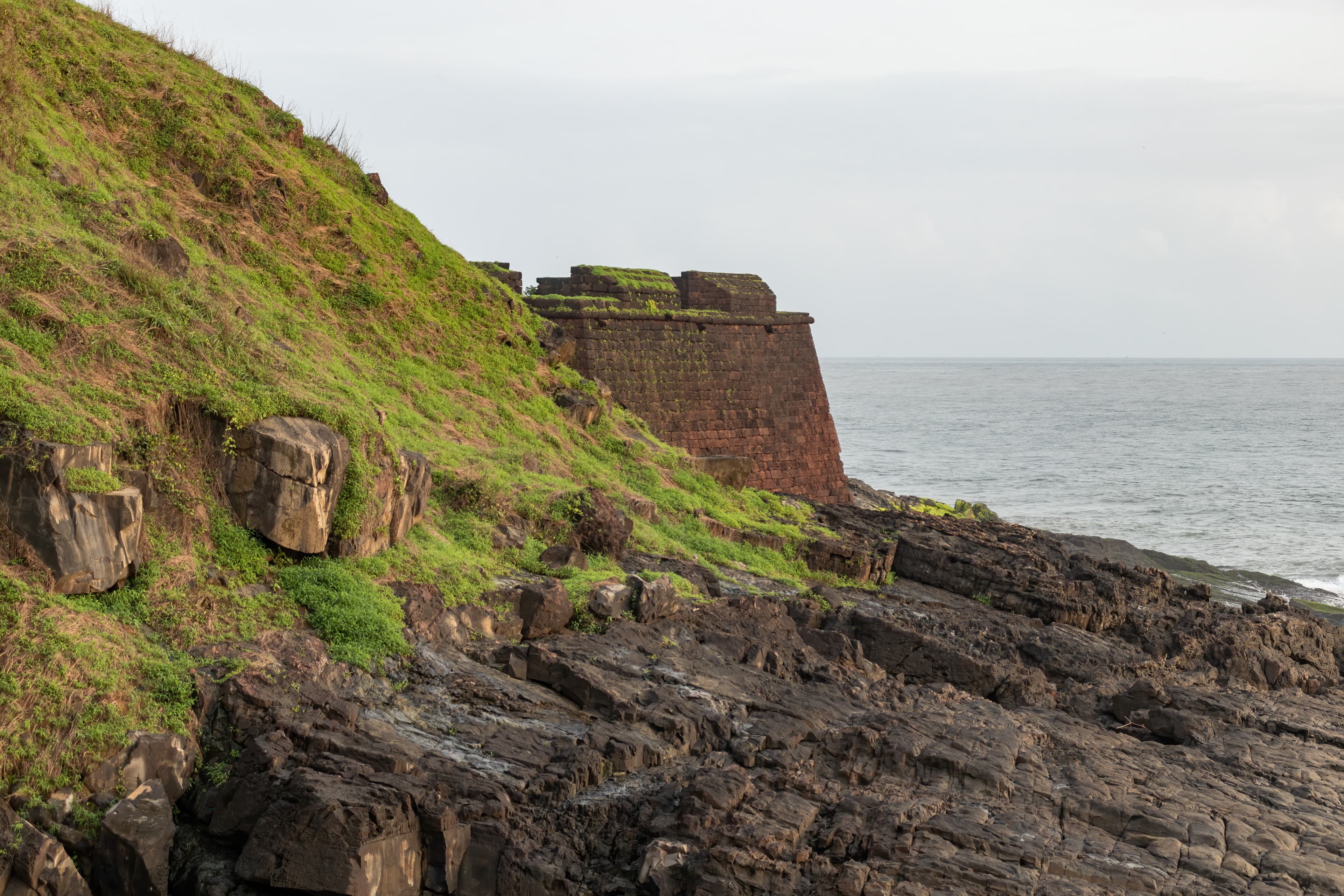
Aguada Fort Sinquerim Goa
Framing Goa's coastline is Aguada Fort, a *durg* (fortress) constructed in 1650 CE by the Portuguese, strategically positioned at the confluence of the Mandovi River and the Arabian Sea ([1][2]). The fort, built with laterite stone, exemplifies a fusion of European military design and subtle Indian influences ([3]). Its sturdy lower ramparts and strategic gun placements were intended to defend against Maratha incursions ([7]). Stone platforms and foundations underscore the fort's lasting resilience. Aguada, translating to 'water', features a freshwater spring, a prime example of *jala sthapathya* (hydraulic engineering), which supplied essential drinking water to ships ([8]). Added later, the lighthouse provides panoramic vistas. It's plausible that the fort's layout integrates *Vastu Shastra* principles, aligning structures with cardinal directions to optimize defensive capabilities and spatial harmony ([9]). However, specific textual references to *Vastu Shastra* applications within the fort's design require further documented evidence. Within the *Garbhagriha* (Sanctum) of Aguada Fort, a distinct cultural synthesis takes shape. The design elements reflect the architectural and cultural exchanges prevalent during the 17th century ([1][2]). The fort's architecture doesn't explicitly mirror the intricate details described in texts like the *Manasara Shilpa Shastra* or the *Mayamata*, which extensively cover temple construction and iconography. Instead, it represents an adaptation of European military architecture to the Indian context, utilizing locally available materials like laterite and basalt ([3]). The enduring laterite walls withstand the rigors of monsoon rains and coastal conditions, demonstrating remarkable durability ([3]). Preservation efforts at Aguada allow for appreciation of its architectural integrity. Aguada Fort embodies a unique chapter in Indo-Portuguese history, a testament to the architectural and cultural interactions of the 17th century, although direct correlations to Vedic texts or specific *Shilpa Shastras* remain limited ([1][2]).
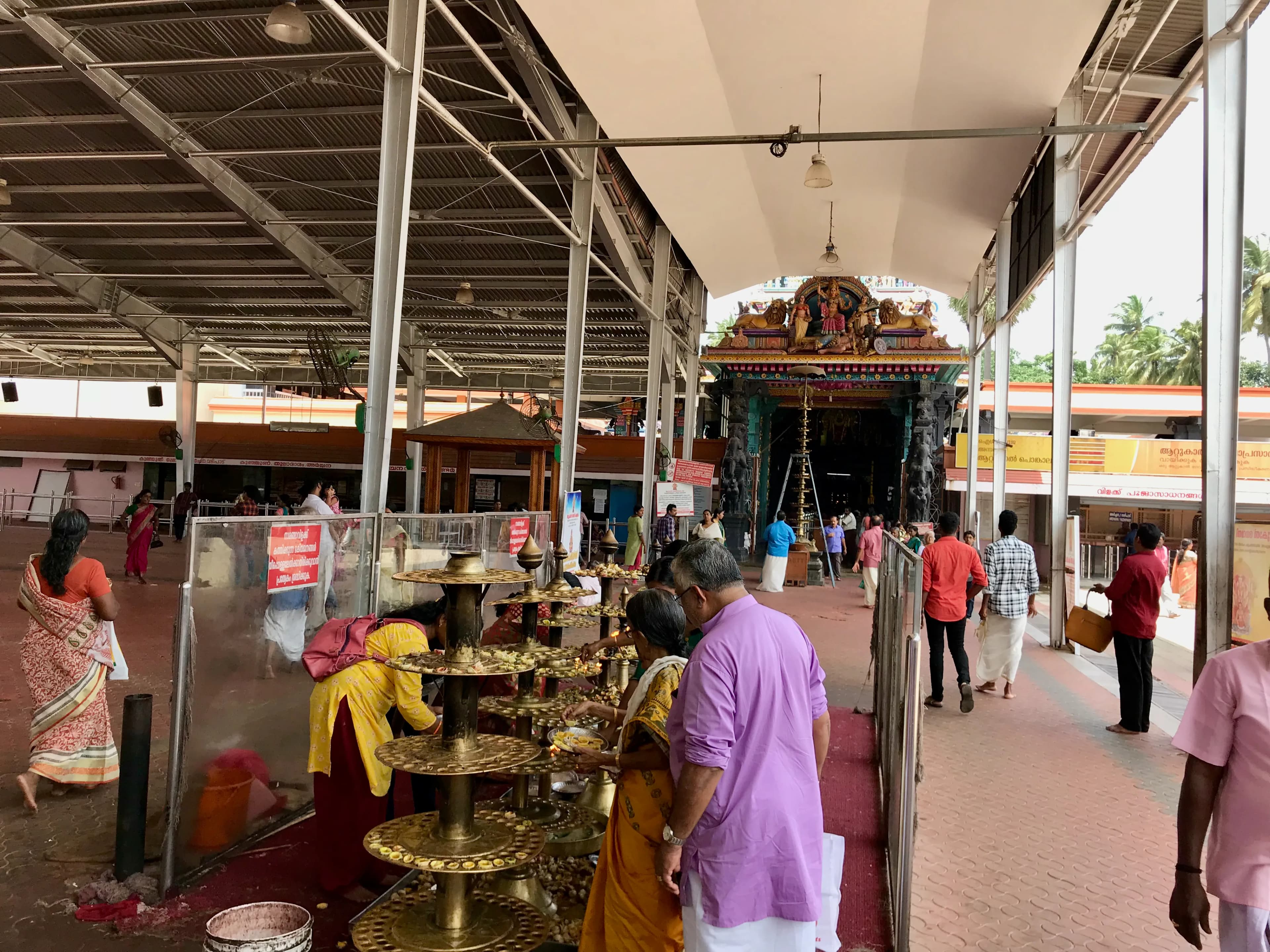
Attukal Bhagavathy Temple Thiruvananthapuram
Emerging from the cultural tapestry of Thiruvananthapuram, the Attukal Bhagavathy Temple, consecrated around 1550 CE, stands as a testament to Kerala's rich architectural and spiritual heritage ([1][2]). During the Travancore period, temple architecture flourished under royal patronage, and this temple exemplifies the Keralan style with Dravidian influences evident in its *gopuram* (gateway tower) ([2][3]). Sloping roofs, a distinctive feature of Kerala's architecture, dominate the temple's structure, designed to manage the region's heavy rainfall ([1]). Stone platforms and foundations demonstrate the temple's enduring construction, employing locally sourced materials like stone, wood, copper, and laterite ([2]). Intricate carvings adorning the *gopuram* depict scenes from Hindu mythology, reflecting the artistic traditions prevalent in Kerala ([3][4]). These vibrant depictions narrate stories and beliefs central to the region's cultural identity ([1]). The Travancore Royal Family's continued patronage is visible in the temple's well-maintained state and the ongoing devotional practices ([2]). Within the *Garbhagriha* (Sanctum), Attukal Bhagavathy (Kannaki) is enshrined, adorned with resplendent gold ornaments, serving as the central focus of worship ([4]). *Mandapas* (pillared halls) surrounding the sanctum provide spaces for devotees to gather and participate in rituals, fostering a sense of community and spiritual connection ([3]). Vedic traditions emphasize the importance of sacred spaces in fostering devotion and connecting with the divine ([5]). The temple tank, situated to the west, enhances the serene atmosphere, integrating the temple harmoniously with its natural surroundings, creating a tranquil space for reflection and prayer ([1][5]). This sacred space embodies Kerala's architectural and spiritual legacy, drawing devotees and admirers alike ([2]).
Kanaka Durga Temple Vijayawada
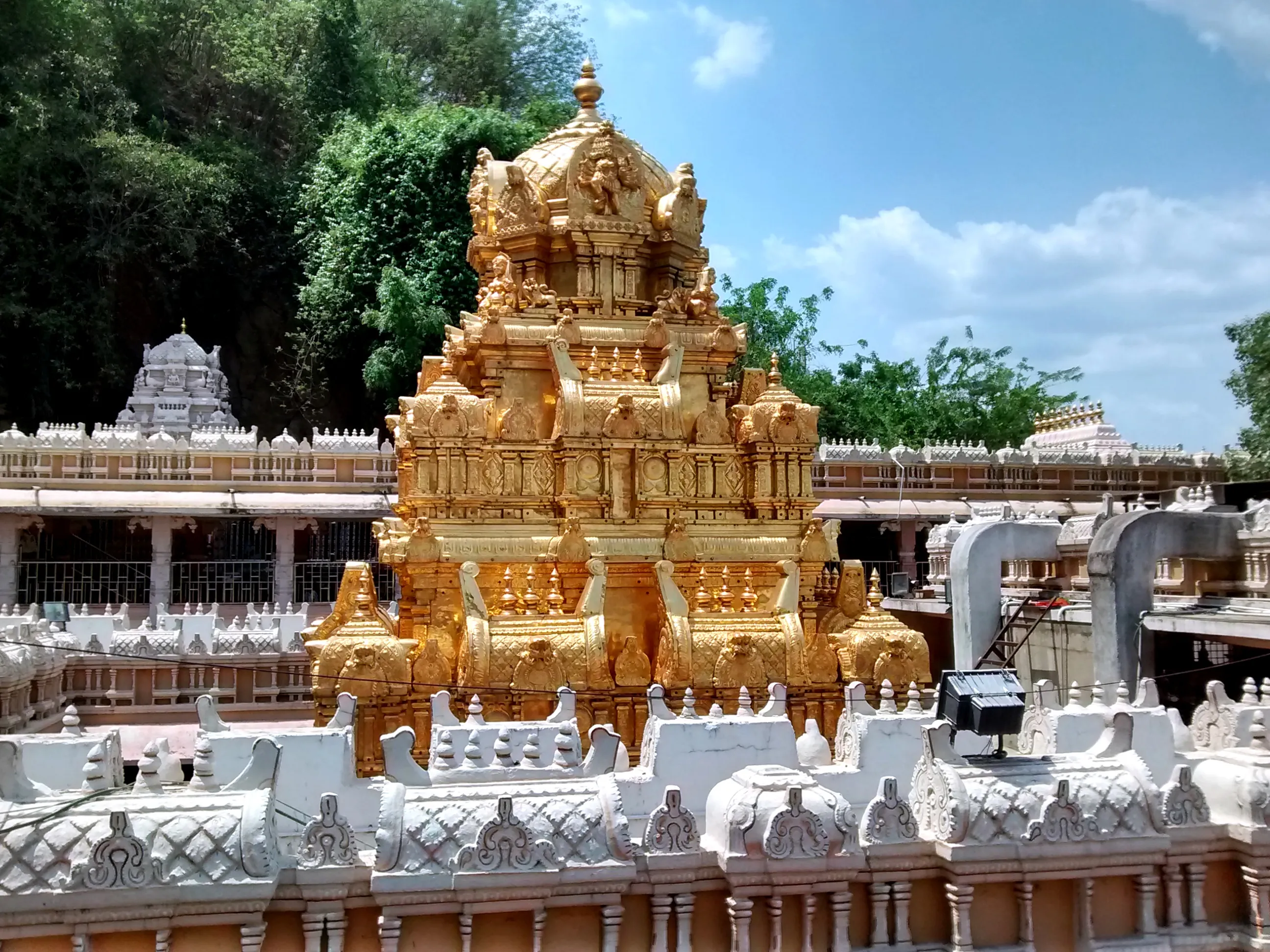
The Kanaka Durga Temple, dedicated to Goddess Kanaka Durga, is a significant Hindu pilgrimage site located on Indrakila Hill in Vijayawada, NTR District, Andhra Pradesh, India [4]. This ancient temple stands as a testament to India's millennia-spanning cultural heritage, embodying a continuous tradition of devotion and architectural evolution that dates back to the 7th century CE [5]. Its indigenous architectural styles, including Dravidian, Vesara, and Nagara influences, reflect the deep historical roots and sophisticated craftsmanship of Indian civilization [5] . The temple complex is characterized by its Dravidian architectural style, featuring a vast Raja Gopuram with nine tiers that serves as a towering entrance [3] [4]. The main sanctum, housing the self-manifested (Swayambhu) deity of Kanaka Durga, is constructed in a pyramidal shape, adorned with delicate stone carvings [3] [5]. The deity, a four-foot-high representation of Mahishasura Mardini, stands triumphantly over the demon Mahishasura, holding powerful weapons in each of her eight arms [3] [4]. Her form is embellished with glittering ornaments and flowers, radiating a golden hue [4]. A unique aspect of the temple's iconography is the placement of Goddess Kanaka Durga to the right of Lord Malleswara Swamy, signifying the predominance of Shakti, the divine feminine power [3] [5]. The temple also houses a separate shrine for Lord Shiva, known as Malleswara Swamy Temple, located in the northeast corner, and other shrines dedicated to deities such as Sri Nataraja Swami and Sri Subrahmanyeswara Swami [3]. Sri Adi Shankaracharya is credited with installing the Sri Chakra at the deity's feet and introducing Vedic rituals, replacing earlier practices [5]. The construction techniques employed in the Kanaka Durga Temple showcase advanced indigenous engineering. Massive granite blocks are precisely interlocked, often without mortar, demonstrating a mastery of dry masonry techniques that ensured structural stability and resilience [5]. The intricate carvings, depicting various forms of Goddess Durga, scenes from Hindu epics like the Ramayana and Mahabharata, and motifs of lotus flowers, animals, and celestial beings, are meticulously sculpted into the stone, reflecting generations of skilled craftsmanship . The temple's location on Indrakila Hill necessitated extensive groundwork, including leveling and terracing, with retaining walls likely constructed from large, dressed granite blocks [5]. The design also incorporates environmental considerations, with thick granite walls acting as thermal mass to moderate internal temperatures and the use of lime mortar allowing the structure to "breathe" [5]. Currently, the temple is a major pilgrimage site managed by the Endowments Department of Andhra Pradesh, with ongoing maintenance and recent upgrades ensuring its preservation [5]. Conservation efforts include strengthening the gopuram, conserving intricate carvings, and improving drainage systems [5]. There are plans for further restoration, including gold plating the main dome and renovating surrounding areas to enhance accessibility and pilgrim comfort [5]. Archaeological findings, though limited in formal excavations, primarily focus on architectural styles and inscriptions, which provide insights into the temple's evolution [5]. The temple is operationally ready, welcoming devotees daily from 4:00 AM to 12:30 PM and 2:30 PM to 10:00 PM, with special darshans and sevas having varying timings [5]. Entry is free for all, and while photography is restricted inside the main shrine, the site is partially accessible via road and cable car, though navigating the complex can be challenging for wheelchair users due to uneven surfaces and steps [5]. The Kanaka Durga Temple stands as a vibrant, living monument, continuously celebrating India's profound spiritual and architectural legacy.
Wokha Shiv Mandir Wokha
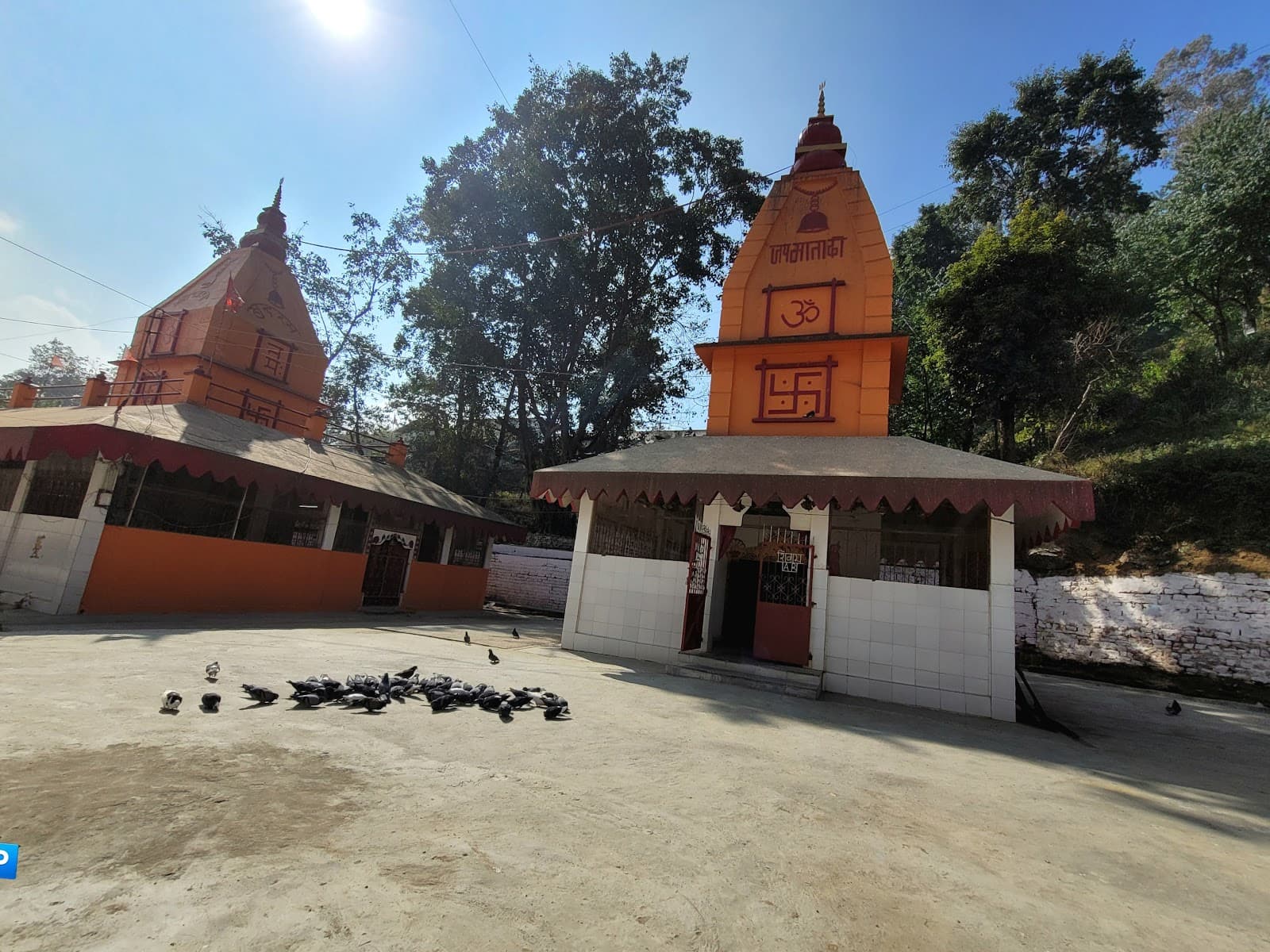
The Wokha Shiv Mandir, dedicated to Lord Shiva, stands prominently on DC Hill in Wokha, Nagaland, representing a continuous tradition of Hindu temple architecture within India's millennia-spanning cultural heritage. This sacred Hindu temple, built in 1975 CE by local Naga tribespeople, integrates elements of the Nagara, Kalinga Nagara, and Chalukya Nagara architectural styles, alongside traditional Naga architectural influences. The temple's most striking feature is its towering shikhara, a pyramidal spire characteristic of North Indian temple architecture, which rises above the garbhagriha, or sanctum sanctorum. Unlike traditional sandstone or granite, this shikhara is crafted from concrete and painted a vibrant saffron, reflecting the temple's modern construction and the resourcefulness of the local community. Nagara temples are typically built on a raised stone platform, often with steps leading up to them, and lack elaborate boundary walls or gateways. The Wokha Shiv Mandir, while adopting these stylistic principles, utilizes modern materials such as concrete, cement, and steel for its primary structure, with brick infill walls. The temple measures approximately 10 meters in height, 7.5 meters in width, and has an area of 450 square meters, with a length of 1795.88 meters, though this length figure might refer to the entire complex or property rather than the main temple structure itself. Intricate carvings adorn the concrete pillars flanking the main entrance, depicting a blend of traditional Naga motifs and Hindu iconography, such as a Naga warrior alongside Ganesha. This fusion of cultural influences is a recurring theme throughout the complex, extending to smaller shrines dedicated to various deities, including the Naga deity Dzükou positioned respectfully alongside Hanuman. The garbhagriha, the innermost sanctum, houses a Shiva lingam, bathed in the warm glow of oil lamps, emphasizing the deity's powerful presence. The construction technique involved significant excavation and leveling for a stable concrete foundation, likely a reinforced concrete raft or footing system, crucial for the hilly terrain of Wokha. Reinforced concrete columns support the superstructure, allowing for larger spans than traditional load-bearing masonry. The exterior finishing, possibly plaster or paint over concrete, provides aesthetic flexibility and weather protection. The temple complex is well-maintained with regular upkeep by the Temple Trust, ensuring its preservation and continued active programming for devotees. Visitors are expected to observe respectful attire and behavior, with photography restrictions potentially applying inside the sanctum. The site is operational and accessible, serving as a vibrant center for spiritual devotion and cultural exchange, a testament to India's enduring cultural legacy.

Kizil Caves Baicheng Xinjiang China
Kizil Caves, also known as the Kizil Thousand Buddha Caves, located near Baicheng in Aksu Prefecture, Xinjiang, China, represent one of the most magnificent and artistically significant Buddhist cave temple complexes in Central Asia, comprising over 236 rock-cut caves carved into the cliffs of the Muzat River valley from the 3rd to 8th centuries CE, creating a breathtaking religious landscape that demonstrates the extraordinary transmission of Indian Buddhist cave architecture and artistic traditions to Central Asia along the northern branch of the Silk Road. The cave complex, carved entirely from living rock using techniques adapted from Indian cave temple traditions, features a stunning collection of Buddhist caves including meditation cells, assembly halls, and elaborate chapels adorned with some of the most sophisticated and beautiful Buddhist murals discovered in Central Asia, executed using techniques and iconographic programs that were directly transmitted from the great Buddhist art centers of India including Ajanta, Ellora, and the Gandharan region, creating a vivid testament to the cultural exchange that flourished along the Silk Road. The caves, often referred to as the "Oriental Dunhuang" due to their artistic significance, feature extraordinary murals depicting Jataka tales (stories from the Buddha's previous lives), scenes from the life of the Buddha, bodhisattvas, and Central Asian merchants that demonstrate the sophisticated understanding of Indian Buddhist iconography and artistic techniques possessed by the artists who created them, while the discovery of inscriptions in multiple languages including Sanskrit, Tocharian, and Chinese provides crucial evidence of the site's role as a multilingual center for the translation and transmission of Indian Buddhist texts. The site's architectural design demonstrates direct influence from Indian Buddhist cave architecture, particularly the traditions of western India such as Ajanta and Ellora, with the overall planning, cave forms, and decorative programs reflecting Indian Buddhist practices that were systematically transmitted to Central Asia, while the sophisticated rock-cutting techniques and mural painting methods demonstrate the transmission of Indian artistic knowledge to Central Asian craftsmen. Archaeological evidence reveals that Kizil served as a major center of Buddhist learning and practice for over five centuries, attracting monks, traders, and pilgrims from across the Buddhist world, while the site's location along the northern Silk Road facilitated its role in the transmission of Buddhist teachings, art, and culture from India to China and beyond. The caves flourished particularly during the 4th to 6th centuries CE, when they served as one of the most important centers for the production of Buddhist art and the transmission of Buddhist teachings in Central Asia, with the site continuing to function as a Buddhist center through the 8th century before gradually declining following political changes and the shifting of trade routes. The site was rediscovered by European explorers in the late 19th and early 20th centuries, with numerous expeditions documenting and studying the caves, while unfortunately many of the murals were removed and are now housed in museums worldwide, creating a complex legacy that highlights both the site's extraordinary artistic significance and the challenges of cultural heritage preservation. Today, Kizil Caves stand as a UNESCO Tentative List site and represent one of the most important archaeological and artistic sites in Central Asia, serving as a powerful testament to the transmission of Indian Buddhist art and culture along the Silk Road, while ongoing conservation efforts, archaeological research, and international preservation initiatives continue to protect and study this extraordinary cultural treasure that demonstrates the profound impact of Indian civilization on Central Asian Buddhist art and architecture. ([1][2])
Gwalior Fort Gwalior
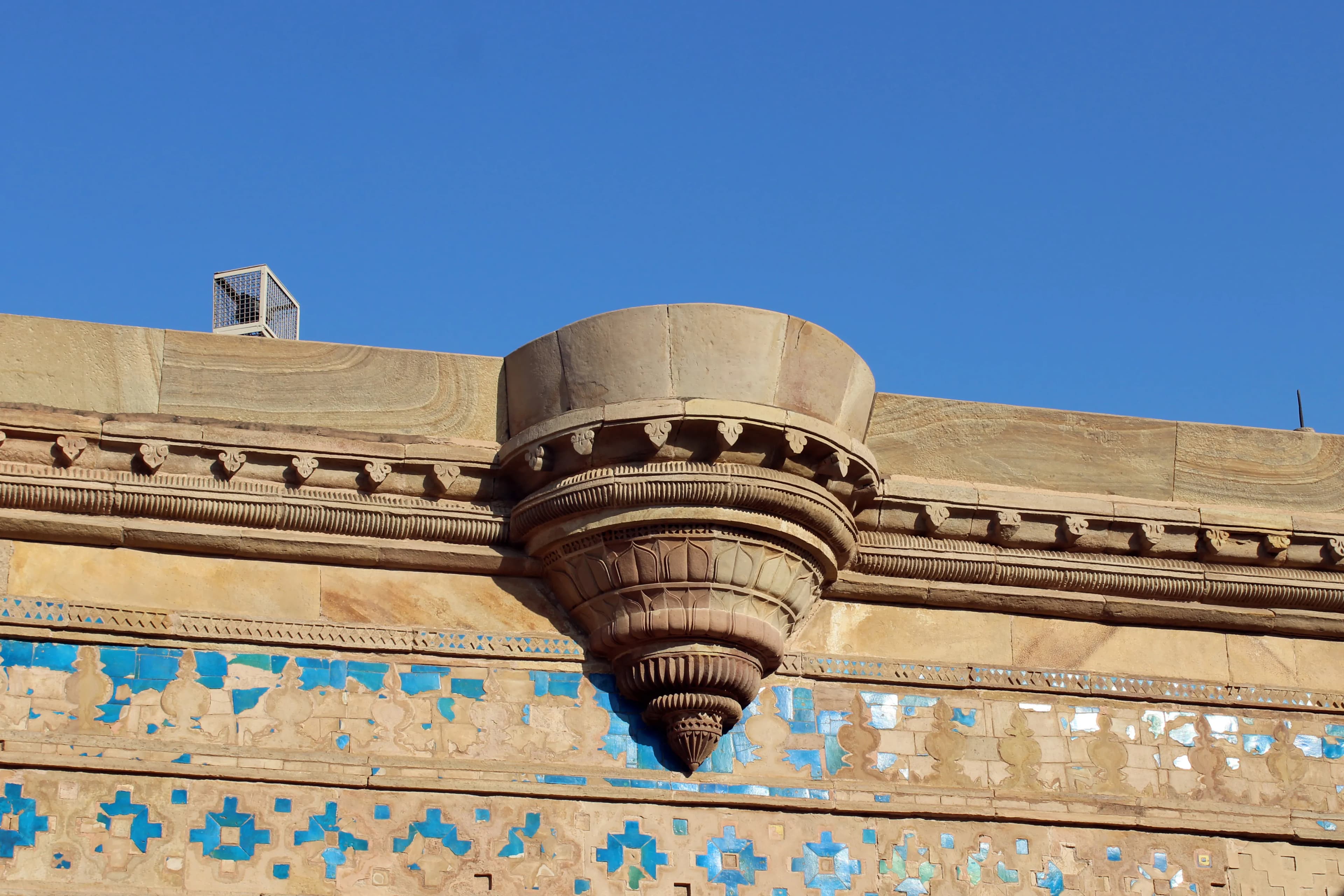
The sun, a molten orb in the Gwalior sky, cast long shadows across the sandstone ramparts of the fort, painting the scene in hues of ochre and gold. My ascent, via the winding, fortified road, felt like a journey back in time, each turn revealing another layer of history etched into the very stone. Gwalior Fort, perched atop its isolated plateau, isn't just a structure; it’s a palimpsest of centuries, a testament to the rise and fall of empires. The sheer scale of the fort is initially overwhelming. Stretching almost 3 kilometers in length and rising 100 meters above the plains, it commands the landscape. My initial exploration focused on the Man Mandir Palace, the earliest and perhaps most striking of the fort's structures. Built by Raja Man Singh Tomar in the late 15th century, it’s a riot of colour and intricate detail. The turquoise, yellow, and green glazed tiles, though faded in places, still retain a vibrancy that belies their age. I was particularly captivated by the rounded chhatris crowning the palace, their delicate forms a stark contrast to the robust fortifications surrounding them. The intricate latticework screens, or jalis, within the palace offered glimpses of the courtyard below, allowing the royal women to observe courtly life while remaining secluded. These jalis, a recurring motif in Indian architecture, are not merely decorative; they are a testament to the ingenuity of the craftsmen, allowing for ventilation and light while maintaining privacy. Moving beyond the Man Mandir, I encountered the Sas Bahu (Saas-Bahu) Temples, two intricately carved structures dedicated to Vishnu. The larger temple, originally dedicated to Vishnu as Padmanabha, showcases a stunning fusion of architectural styles. The shikhara, or tower, displays a blend of the North Indian Nagara style and the South Indian Dravida style, a subtle reminder of the cultural exchange that characterized this region. The smaller temple, dedicated to Shiva, is simpler in design but equally captivating. The erosion on the sandstone carvings, a result of centuries of exposure to the elements, adds a poignant touch, whispering tales of time's relentless march. The Teli Ka Mandir, with its soaring 30-meter high shikhara, presented another architectural marvel. Its unusual height and the Dravidian influences in its design, particularly the pyramidal roof, make it stand out from the other structures within the fort. Scholars debate its origins and purpose, adding another layer of intrigue to this already fascinating site. Standing at its base, I felt a sense of awe, imagining the skilled artisans who painstakingly carved the intricate sculptures adorning its walls. As I walked along the ramparts, the city of Gwalior sprawled beneath me, a tapestry of modern life juxtaposed against the ancient backdrop of the fort. The strategic importance of this location became immediately apparent. From this vantage point, the rulers of Gwalior could control the surrounding plains, ensuring their dominance over the region. The numerous gateways, each with its own unique character, further emphasized the fort's defensive capabilities. The Jauhar Kund, a deep well within the fort, carries a somber history. It is said that Rajput women committed Jauhar, a self-immolation ritual, here to avoid capture by invading armies. Standing at its edge, I felt a pang of sadness, reflecting on the sacrifices made within these very walls. My visit to Gwalior Fort was more than just a sightseeing trip; it was an immersive experience. It was a journey through time, a dialogue with the past. The fort stands as a silent witness to the ebb and flow of history, a repository of stories etched in stone, waiting to be discovered and interpreted. As I descended, leaving the imposing structure behind, I carried with me not just photographs and memories, but a deeper appreciation for the rich tapestry of Indian history and the architectural brilliance that shaped it.
Bhimakali Temple Sarahan
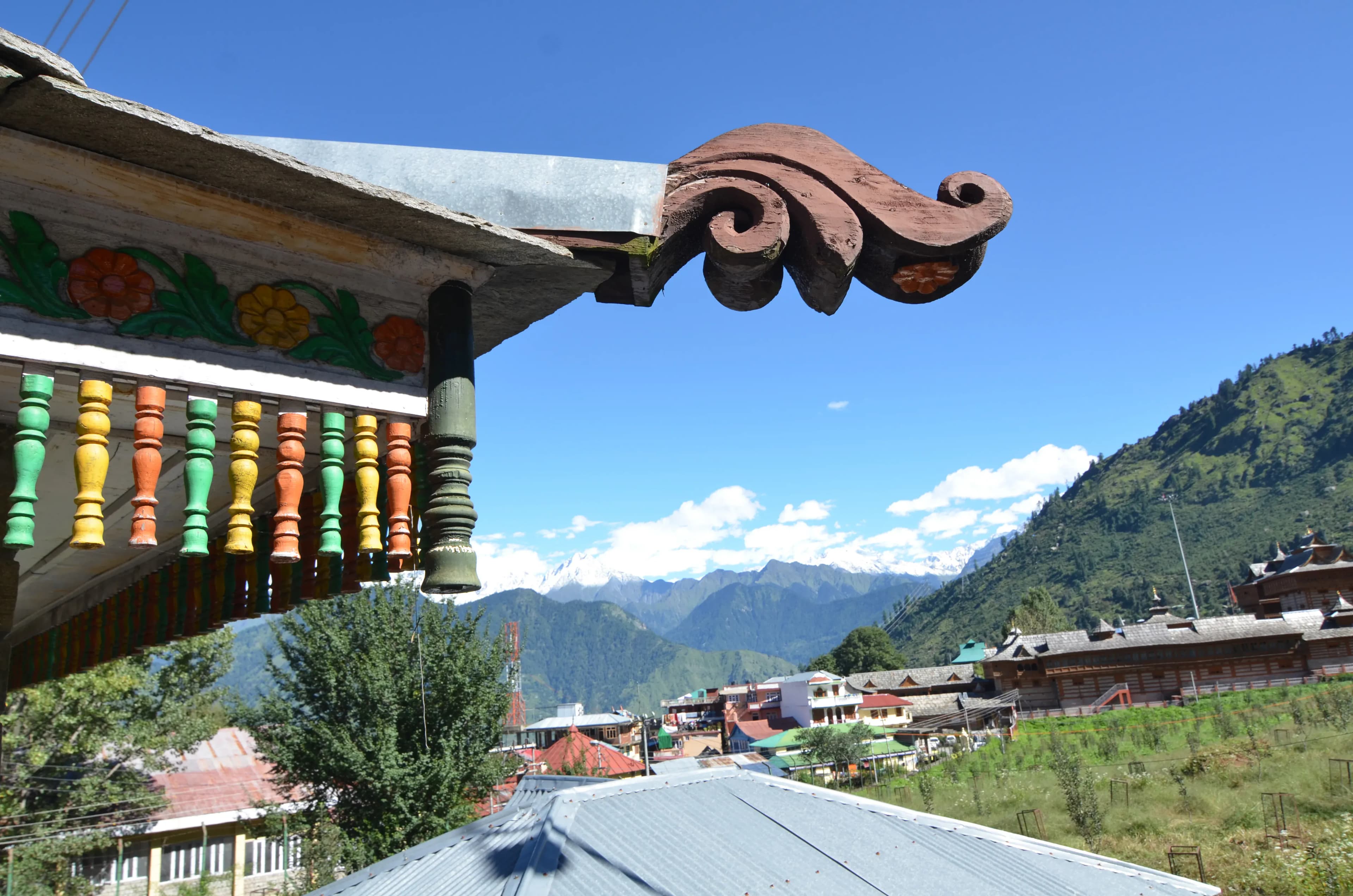
Nestled in the serene hills of Himachal Pradesh, the Bhimakali Temple at Sarahan is an architectural marvel dating back to 800 CE during the Rajput period ([1]). Its unique kath-khuni (wood-stacked) style, a vernacular adaptation to the region's climate, showcases a distinct Himalayan architectural tradition ([2]). The Bushahr rulers, as patrons, significantly influenced the temple's design and construction ([3]). Dominating the Sarahan landscape, the temple complex utilizes a combination of wood, stone, slate, and metal, reflecting the readily available resources and blending seamlessly with the surrounding environment ([4]). The tiered wooden roofs, a characteristic feature, not only provide structural stability but also effectively manage heavy snowfall ([5]). Intricate carvings embellish the wooden facades, depicting deities and mythical creatures, demonstrating the craftsmanship passed down through generations ([6]). Within the Garbhagriha (Sanctum), the temple enshrines Bhimakali, a fierce manifestation of Durga, represented by a revered brass image ([3]). Furthermore, smaller shrines dedicated to Lakshmi Narayan and Lord Shiva are also present within the complex, each displaying meticulous craftsmanship ([4]). The temple's design possibly incorporates principles similar to those outlined in ancient texts like the Manasara Shilpa Shastra, which discusses temple construction and iconography, although specific textual references for this temple remain to be confirmed ([7]). Enchanting panoramic views and the gentle flutter of prayer flags enhance the spiritual ambiance of the temple, creating a profound sense of tranquility ([5]). This architectural gem not only preserves the cultural heritage of the Himalayas but also stands as a testament to the ingenuity and artistic skills of its creators ([1][2]). The Bhimakali Temple continues to inspire awe and reverence, drawing visitors and devotees alike to experience its unique blend of art, architecture, and spirituality ([6]).
Khammam Fort Khammam
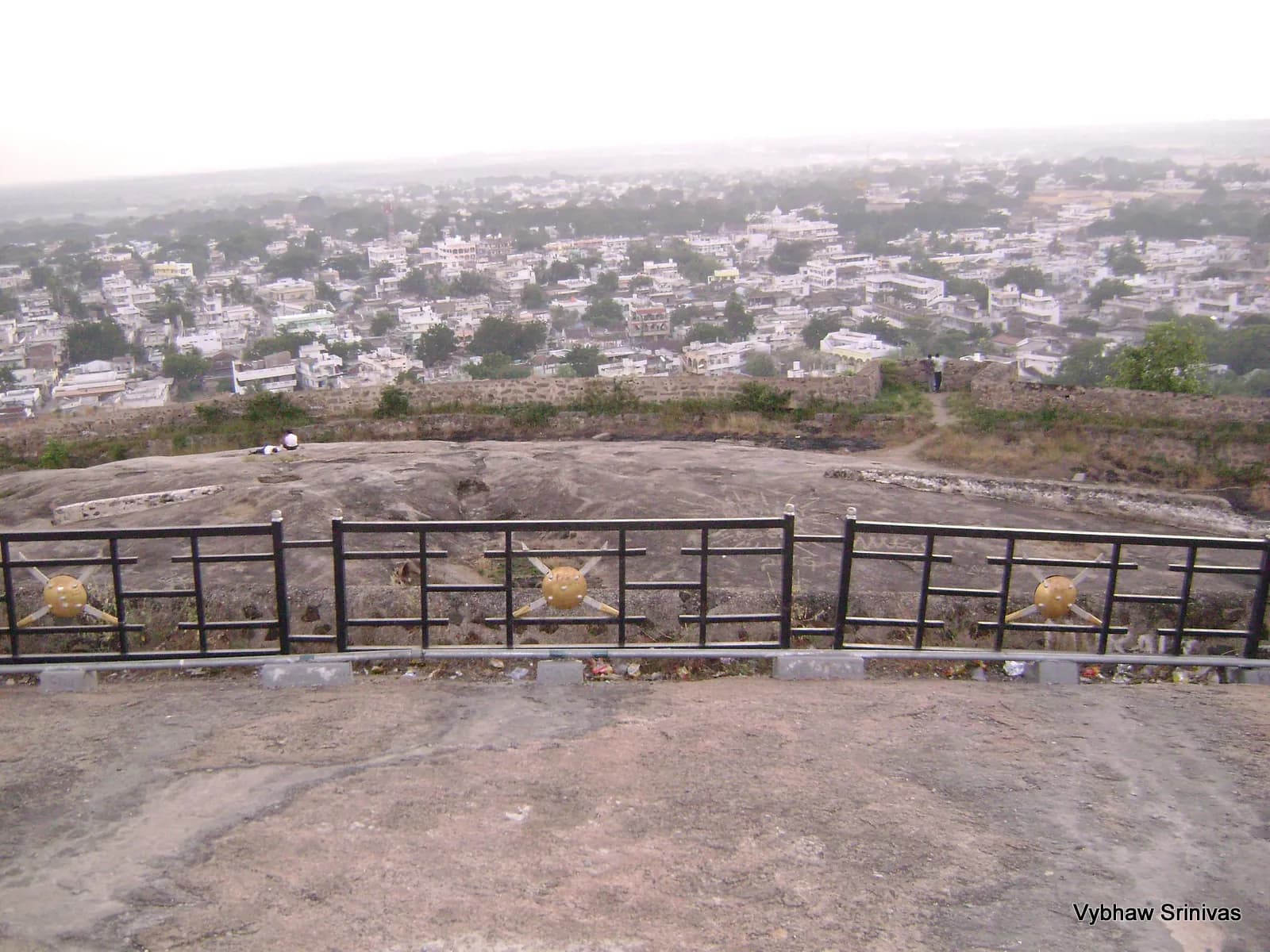
The imposing silhouette of Khammam Fort against the Telangana sky held me captive long before I even reached its gates. The laterite stone, baked to a deep, earthy red by centuries of sun, seemed to pulse with stories whispered down through generations. My journey as a heritage photographer has taken me to many magnificent sites across Madhya Pradesh, but Khammam Fort, with its unique blend of architectural styles, held a particular allure. The fort's strategic location atop a hillock overlooking the city was immediately apparent. Built in 950 AD by the Kakatiya dynasty, it bore witness to the rise and fall of several empires – from the Qutb Shahis to the Mughals and finally, the Asaf Jahis of Hyderabad. This layered history was etched into the very fabric of the structure. Passing through the imposing main gate, I was struck by the contrast between the rough-hewn exterior and the intricate details within. The massive granite pillars, some intricately carved, others bearing the scars of time and conflict, spoke volumes about the fort's enduring strength. I spent hours exploring the various sections, each revealing a different chapter of the fort's story. The remnants of the Kakatiya-era architecture were particularly fascinating. The stepped wells, or *bawdis*, were marvels of engineering, showcasing the ingenuity of the ancient builders in water harvesting. The intricate carvings on the pillars and lintels, though weathered, still hinted at the grandeur of the Kakatiya period. I was particularly drawn to the remnants of a temple dedicated to Lord Shiva, its sanctum sanctorum now open to the sky, the stone worn smooth by the elements. The influence of subsequent rulers was also evident. The Qutb Shahi period saw the addition of mosques and palaces, their arched doorways and intricate stucco work a stark contrast to the earlier, more austere Kakatiya style. The Mughal influence was subtle yet discernible in the layout of certain sections, particularly the gardens, which, though now overgrown, still hinted at a formal, structured design. One of the most captivating aspects of Khammam Fort was its integration with the natural landscape. The fort walls seemed to grow organically from the rocky outcrop, the laterite stone blending seamlessly with the surrounding terrain. From the ramparts, the panoramic view of the city and the surrounding countryside was breathtaking. I could almost imagine the sentinels of old, keeping watch from these very walls, their gaze sweeping across the landscape. As I moved through the fort's various chambers, I noticed the intricate system of tunnels and secret passages. These subterranean routes, once used for escape or strategic movement during times of siege, now lay silent, their darkness holding secrets untold. Exploring these passages, I felt a palpable sense of history, a connection to the lives lived within these walls. My lens captured the grandeur of the fort, the intricate details of its architecture, and the breathtaking views from its ramparts. But beyond the visual documentation, I felt a deeper connection to the site. Khammam Fort wasn't just a collection of stones and mortar; it was a living testament to the resilience of human spirit, a repository of stories waiting to be discovered. The echoes of its past resonated within its walls, a reminder of the ebb and flow of empires, the enduring power of human ingenuity, and the beauty that emerges from the confluence of history and nature. Leaving Khammam Fort, I carried with me not just photographs, but a profound sense of awe and a deeper understanding of the rich tapestry of India's heritage.
Chausath Yogini Temple Morena
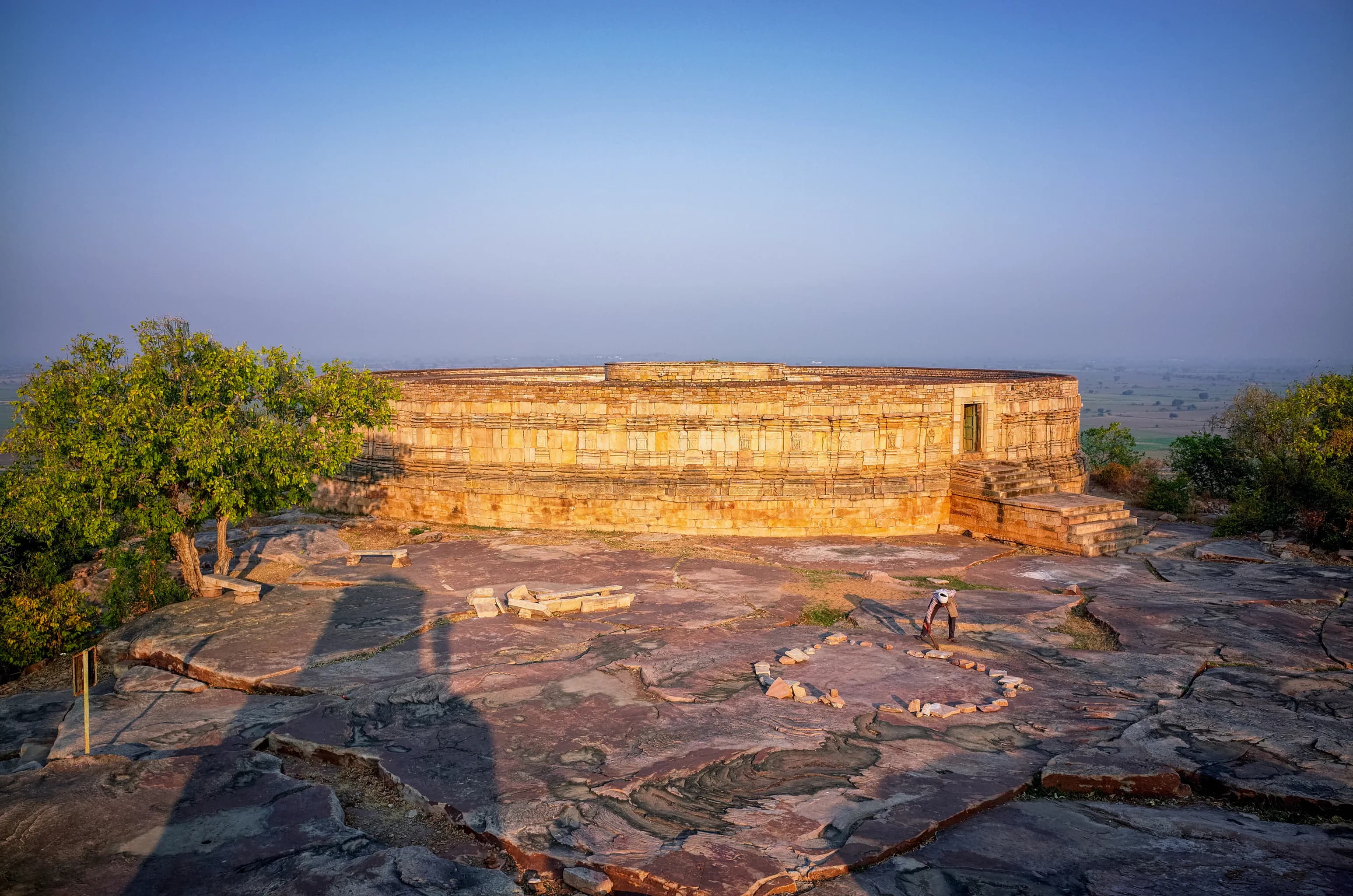
Nestled atop a hill in Mitaoli, Morena, the Chausath Yogini Temple presents a striking departure from traditional Indian temple architecture ([1]). During the Gurjara-Pratihara period, around 850 CE, the Kachchhapaghata Dynasty constructed this unique circular temple ([2][3]). Sandstone and granite blocks form an open-air circular platform, marking a deviation from conventional square temple layouts ([4]). Sixty-four chambers once housed Yogini statues, reflecting traditions linked to tantric practices ([5]). Ascending to the temple, the absence of mortar in the stone construction highlights the precision of ancient craftsmanship ([1]). Stone platforms and foundations display sophisticated engineering techniques prevalent in that era ([4]). Vedic astronomical principles are believed to have influenced the temple's circular design, mirroring cosmic cycles ([3]). The central shrine, now partially ruined, was likely dedicated to Lord Shiva ([2]). Intricate carvings, though weathered, still adorn the pillars, hinting at the temple's rich iconography ([1]). Vastu Shastra principles, the ancient Indian science of architecture, may have guided the layout, emphasizing harmony with nature ([3]). Kachchhapaghata Dynasty patronage underscores the temple's historical significance ([2][3]). This temple's circular plan is a rare example of Hindu temple design, differing from the common square or rectangular layouts detailed in texts like the *Manasara Shilpa Shastra* ([4]). The open mandapa (pillared hall) further distinguishes it from typical closed-hall temples. The panoramic view from the temple enhances its spiritual ambiance, offering a commanding perspective of the surrounding landscape ([2]). This architectural marvel stands as a significant emblem of ancient Indian artistry ([4]).
Orchha Fort Orchha
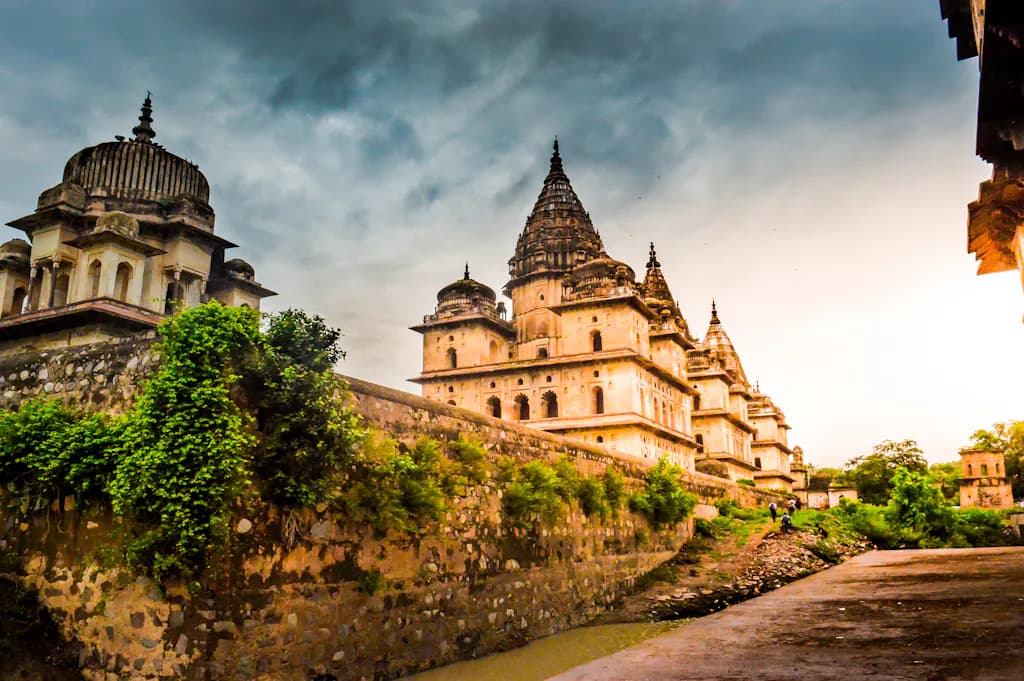
The midday sun beat down on the ochre stone, casting long shadows that danced across the courtyards of Orchha Fort. Dust motes, stirred by a gentle breeze whispering through the Betwa River valley, swirled around me, adding a touch of ethereal magic to the already imposing structure. Having explored countless forts across North India, from the colossal ramparts of Rajasthan to the crumbling citadels of the Himalayas, I thought I was immune to being awestruck. Orchha proved me wrong. This wasn’t just another fort; it was a symphony in stone, a testament to the Bundela Rajput’s architectural prowess and artistic sensibilities. Unlike the stark military fortifications I’d encountered elsewhere, Orchha exuded a regal elegance, a blend of defensive strength and palatial grandeur. The fort complex, perched on an island amidst the Betwa, is a cluster of interconnected palaces and temples, each with its own unique story to tell. My exploration began with the Raja Mahal. Stepping through the imposing arched gateway, I was immediately transported back in time. The sheer scale of the courtyard, surrounded by multi-storied structures, was breathtaking. Intricate carvings adorned the pillars and balconies, depicting scenes from epics and courtly life. I climbed the narrow, winding staircases, the stone worn smooth by centuries of footsteps, and emerged onto the rooftop terraces. From here, the panoramic view of the river, the surrounding plains, and the other palaces within the complex was simply mesmerizing. I could almost imagine the Bundela kings surveying their domain from this very spot. Next, I ventured into the Jahangir Mahal, a stunning example of Mughal architecture built to commemorate the visit of Emperor Jahangir. The contrast between the robust Rajput architecture of the Raja Mahal and the delicate, almost ethereal beauty of the Jahangir Mahal was striking. Here, intricate latticework screens, known as *jalis*, filtered the sunlight, creating a play of light and shadow within the chambers. The central courtyard, with its elegant chhatris and ornate balconies, was a masterpiece of design. I spent a considerable amount of time simply admiring the intricate tilework, the delicate floral patterns, and the sheer artistry that had gone into creating this architectural gem. The Ram Raja Temple, uniquely situated within the fort complex, was my next stop. Unlike typical temples, this one felt more like a palace, a reflection of the deep reverence the Bundela rulers had for Lord Ram. The temple’s vibrant colours, the intricate carvings, and the constant hum of devotional chants created a palpable sense of spirituality. Witnessing the devotion of the pilgrims, I felt a connection to the living history of this place. As I wandered through the Sheesh Mahal, now converted into a heritage hotel, I couldn't help but imagine the lives of the royals who once inhabited these spaces. The mirrored walls, the ornate ceilings, and the remnants of frescoes hinted at a life of luxury and grandeur. Standing on the balcony, overlooking the Betwa River, I felt a sense of tranquility wash over me. Leaving the fort complex as the sun began to set, casting a golden glow on the stone, I felt a profound sense of awe and admiration. Orchha Fort wasn't just a collection of buildings; it was a living, breathing testament to a rich and vibrant history. It was a place where architecture, art, and spirituality intertwined seamlessly, creating an experience that transcended the ordinary. For anyone seeking a glimpse into the heart of India's historical and architectural heritage, Orchha Fort is an absolute must-see. It’s a place that stays with you long after you’ve left, a reminder of the enduring power of human creativity and the beauty that can be found in the most unexpected corners of the world.
Quick Links
Plan Your Heritage Journey
Get personalized recommendations and detailed visitor guides