Has Inheritage Foundation supported you today?
Your contribution helps preserve India's ancient temples, languages, and cultural heritage. Every rupee makes a difference.
Secure payment • Instant 80G certificate
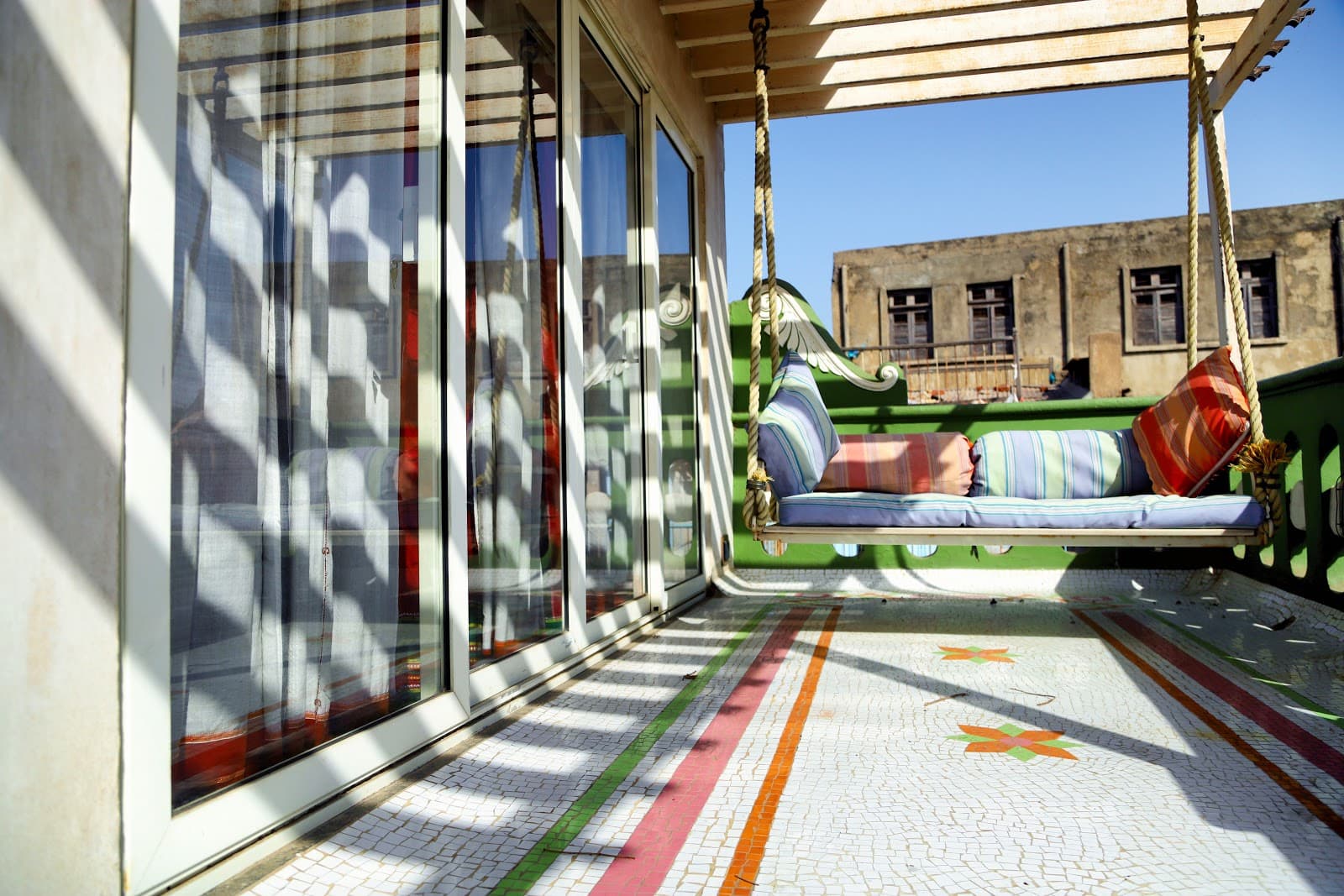
Mangaldas Ni Haveli Ahmedabad
The midday sun cast long shadows across the intricately carved wooden facade of Mangaldas Ni Haveli, a structure seemingly frozen in time amidst the bustling heart of Ahmedabad’s old city. Stepping through the imposing gateway, I felt an immediate shift, a palpable transition from the frenetic energy of the streets to the hushed tranquility of a bygone era. As a heritage enthusiast steeped in the Dravidian architecture of South India, I was eager to experience this distinctly different architectural vernacular – the Gujarati haveli. The haveli, built in the 19th century by Seth Mangaldas Girdhardas, a prominent textile merchant, is a testament to the opulence and artistry of that period. Unlike the towering gopurams and expansive prakarams of South Indian temples, the haveli unfolds inwards, revealing a series of interconnected courtyards, each a microcosm of domestic life. The first courtyard, or chowk, served as a public space, where business transactions likely took place. I noted the robust wooden pillars, intricately carved with floral motifs and mythological figures, supporting the overhanging balconies. The wood, darkened with age, whispered stories of generations past, a stark contrast to the stone I was accustomed to in the South. Moving deeper into the haveli, I was struck by the interplay of light and shadow. Small, strategically placed windows, some adorned with stained glass, filtered the harsh sunlight, creating a mosaic of colours on the polished floors. The jharokhas, or overhanging enclosed balconies, offered glimpses into the inner chambers while maintaining privacy. These architectural elements, while serving a practical purpose, also contributed to the overall aesthetic, creating a sense of mystery and intrigue. The haveli’s ornamentation is a feast for the eyes. Every surface, from the pillars and brackets to the ceilings and lintels, is adorned with intricate carvings. While the overall style is distinctly Gujarati, I noticed subtle influences of Mughal architecture in the ornate floral patterns and the use of jalis, or perforated screens. Unlike the bold, narrative sculptures found in South Indian temples, the carvings here were more delicate and intricate, emphasizing floral patterns, geometric designs, and stylized depictions of birds and animals. One of the most captivating spaces within the haveli is the inner courtyard, a private oasis for the family. Here, the carvings become even more elaborate, depicting scenes from everyday life, religious narratives, and even glimpses of the family’s trading activities. The courtyard is surrounded by two or three stories of wooden galleries, connected by narrow, winding staircases. Looking up, I could imagine the hustle and bustle of family life, the women of the house engaged in their daily chores, children playing, and the patriarch overseeing his business affairs. The haveli’s current state of preservation is a testament to the efforts of the Ahmedabad Municipal Corporation, which has undertaken restoration work. However, the passage of time has inevitably left its mark. Some of the wooden elements show signs of wear and tear, and the vibrant colours that once adorned the walls have faded. Yet, this patina of age adds to the haveli’s charm, lending it an air of authenticity that a pristine restoration could never replicate. My visit to Mangaldas Ni Haveli was a journey of discovery, an opportunity to appreciate the diversity and richness of India’s architectural heritage. While the haveli’s architectural style differed significantly from the Dravidian temples I was familiar with, the underlying principles of craftsmanship, artistry, and cultural expression resonated deeply. The haveli stands as a poignant reminder of a bygone era, a tangible link to the lives and aspirations of a prominent merchant family, and a testament to the enduring power of architectural heritage.
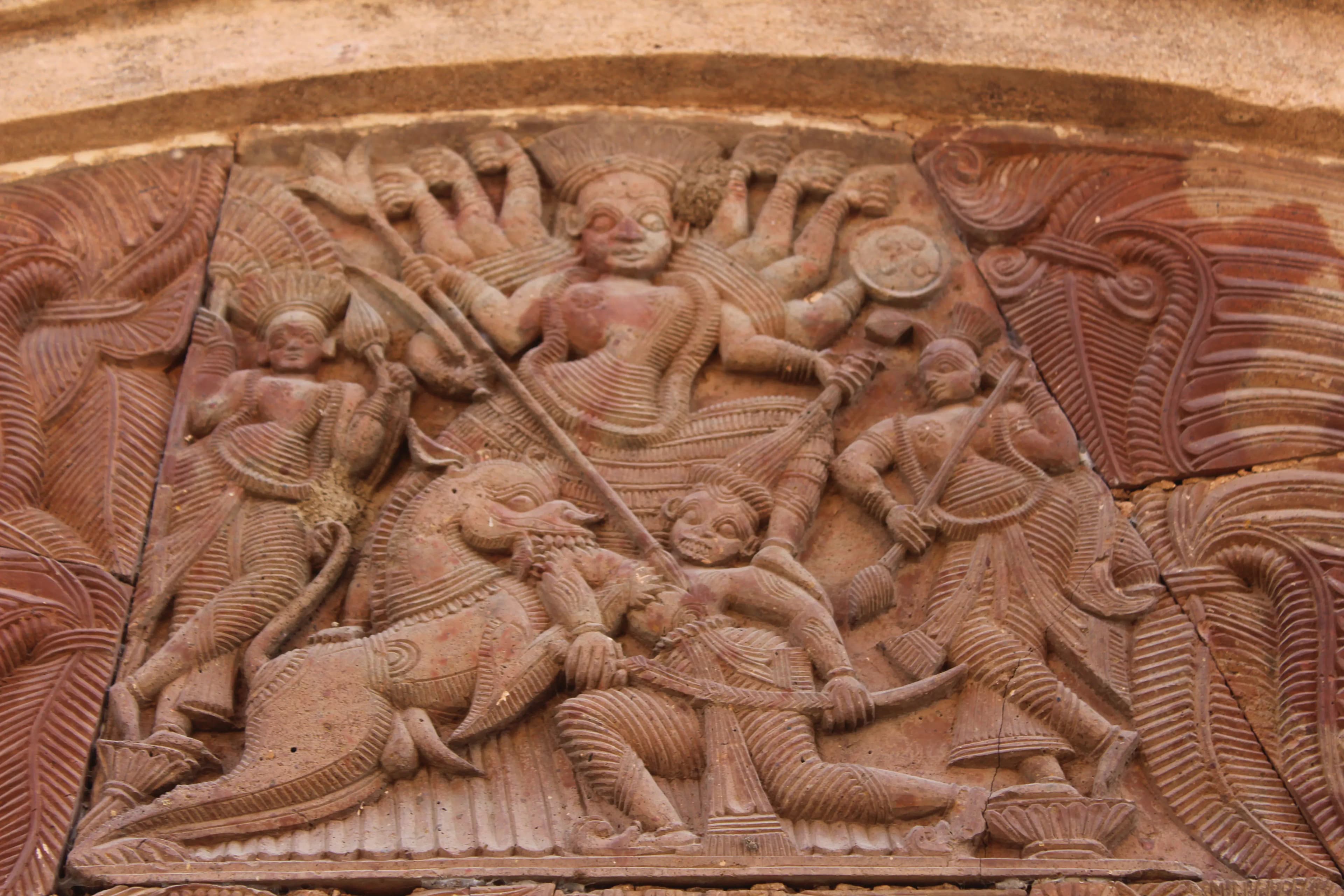
Maluti Temples Maluti
The terracotta temples of Maluti rise from the Jharkhand plains like an army of baked-earth sentinels, their intricate surfaces a stark contrast to the verdant rice paddies surrounding them. Having explored the sandstone grandeur of Rajasthan's forts and palaces for years, I was eager to witness this unique cluster of 72 temples, a testament to a different architectural tradition and a different era. The journey from Dumka, the district headquarters, was a bumpy but scenic one, the red dirt roads winding through villages and past fields dotted with grazing cattle. The first glimpse of the Maluti temples is breathtaking. They stand in varying states of preservation, some soaring towards the sky, others reduced to crumbling mounds, yet all whispering stories of a bygone era. The majority of the temples are dedicated to Lord Shiva, evidenced by the prominent lingams housed within the sanctums. The characteristic rekha deul style, common in Odisha and parts of Bengal, is evident here, the curvilinear towers rising in tiered stages, culminating in a rounded amalaka at the top. However, what sets Maluti apart is the extensive use of terracotta. Unlike the stone carvings of Rajasthan, the intricate details here are molded in clay, fired to a rich, earthy hue. The panels depict scenes from the epics – the Ramayana and the Mahabharata – as well as scenes from daily life, offering a fascinating glimpse into the social and cultural fabric of the 16th-18th centuries, the period to which these temples are attributed. I spent hours tracing the narratives etched onto the terracotta panels, marveling at the expressiveness of the figures, the dynamism of the battle scenes, and the delicate ornamentation of the floral motifs. The craftsmanship is simply astonishing. The artisans who created these masterpieces worked with incredible precision, molding intricate details onto relatively small terracotta plaques. The panels are fitted together seamlessly, creating a continuous narrative that wraps around the temple walls. The effect is mesmerizing, like a giant, terracotta tapestry narrating ancient tales. The condition of the temples, however, is a cause for concern. While some have been restored by the Archaeological Survey of India, many are in a state of disrepair. Erosion, neglect, and the ravages of time have taken their toll. Several temples have collapsed entirely, leaving behind only heaps of terracotta rubble. It's a poignant reminder of the fragility of our heritage and the urgent need for conservation efforts. As I walked through the complex, I couldn't help but draw parallels between the architectural traditions of Rajasthan and Jharkhand. While the materials and styles differ drastically, the underlying devotion and artistic skill are strikingly similar. The intricate jali work of Rajasthan's palaces finds an echo in the delicate latticework of the terracotta panels here. The imposing gateways of Rajasthan's forts are mirrored in the towering gateways of some of the larger temples at Maluti. The experience of visiting Maluti was both awe-inspiring and melancholic. Awe at the sheer scale and artistry of the terracotta temples, and melancholy at the state of neglect that some of them have fallen into. It's a site that deserves greater attention, both from tourists and from conservationists. It's a testament to the rich cultural heritage of India, a heritage that we must strive to protect and preserve for generations to come. My journey through the terracotta temples of Maluti was not just a visit to a historical site; it was a journey through time, a glimpse into the artistic brilliance of a bygone era.
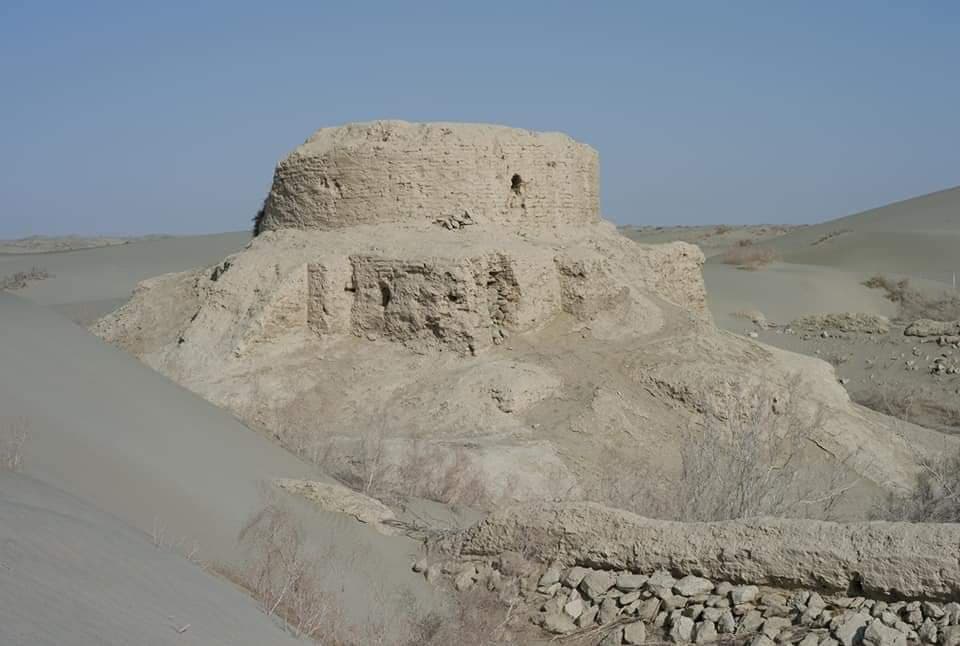
Rawak Stupa Hotan Xinjiang China
Rawak Stupa, located on the southern rim of the Taklamakan Desert near Hotan, Xinjiang, China, represents one of the most magnificent and architecturally sophisticated Buddhist monuments along the ancient Silk Road, constructed during the 3rd to 4th centuries CE when the Kingdom of Khotan flourished as a major center for the transmission of Buddhism from India to China, creating a stunning three-dimensional mandala that demonstrates the direct transmission of Indian Buddhist architectural and iconographic traditions to Central Asia. The stupa, constructed primarily from rammed earth and fired brick with extensive stucco decoration, features a massive cruciform-shaped base with staircases on each of the four sides, representing an architectural evolution from the simple square-based stupa form found in India to the more elaborate cruciform design that became characteristic of Central Asian Buddhist architecture, while the stupa itself rises in multiple tiers to create a monumental structure that served as the focal point of an extensive Buddhist monastery complex. The site's architectural design demonstrates direct influence from Indian Buddhist stupa architecture, particularly the traditions of Taxila and other Gandharan sites, with the overall form, decorative elements, and iconographic programs reflecting Indian Buddhist practices that were systematically transmitted to Central Asia, while the discovery of numerous colossal statues, terracotta reliefs, and wall paintings that once surrounded the stupa provides crucial evidence of the site's role as a major center of Buddhist artistic production that was directly influenced by Indian traditions. Archaeological excavations conducted by Sir Aurel Stein in 1901 revealed that the stupa was originally surrounded by a courtyard containing over 90 smaller stupas arranged in a mandala pattern, with the entire complex forming a three-dimensional representation of Buddhist cosmology that demonstrates the sophisticated understanding of Indian Buddhist iconography and architectural planning possessed by the builders, while the discovery of numerous stucco sculptures and wall paintings executed in styles clearly derived from Indian artistic traditions provides further evidence of the direct transmission of Indian Buddhist art to Central Asia. The stupa complex flourished particularly during the 4th to 5th centuries CE, when Khotan served as one of the most important centers for the transmission of Buddhism from India to China, attracting monks, traders, and pilgrims from across the Buddhist world, while the site's location along the southern Silk Road facilitated its role in the transmission of Buddhist teachings, art, and culture. The site was likely abandoned during the 8th or 9th century CE following political changes and the decline of Buddhism in the region, but the substantial architectural remains that survive provide crucial evidence of the site's original grandeur and the sophisticated engineering techniques employed in its construction, while the discovery of numerous artifacts including sculptures, manuscripts, and ritual objects continues to provide insights into the site's history and significance. Today, Rawak Stupa stands as a UNESCO Tentative List site and represents one of the most important Buddhist monuments in the Taklamakan Desert, serving as a powerful testament to the transmission of Indian Buddhist architecture and art along the Silk Road, while ongoing archaeological research and preservation efforts continue to protect and study this extraordinary cultural treasure that demonstrates the profound impact of Indian civilization on Central Asian Buddhist art and architecture. ([1][2])
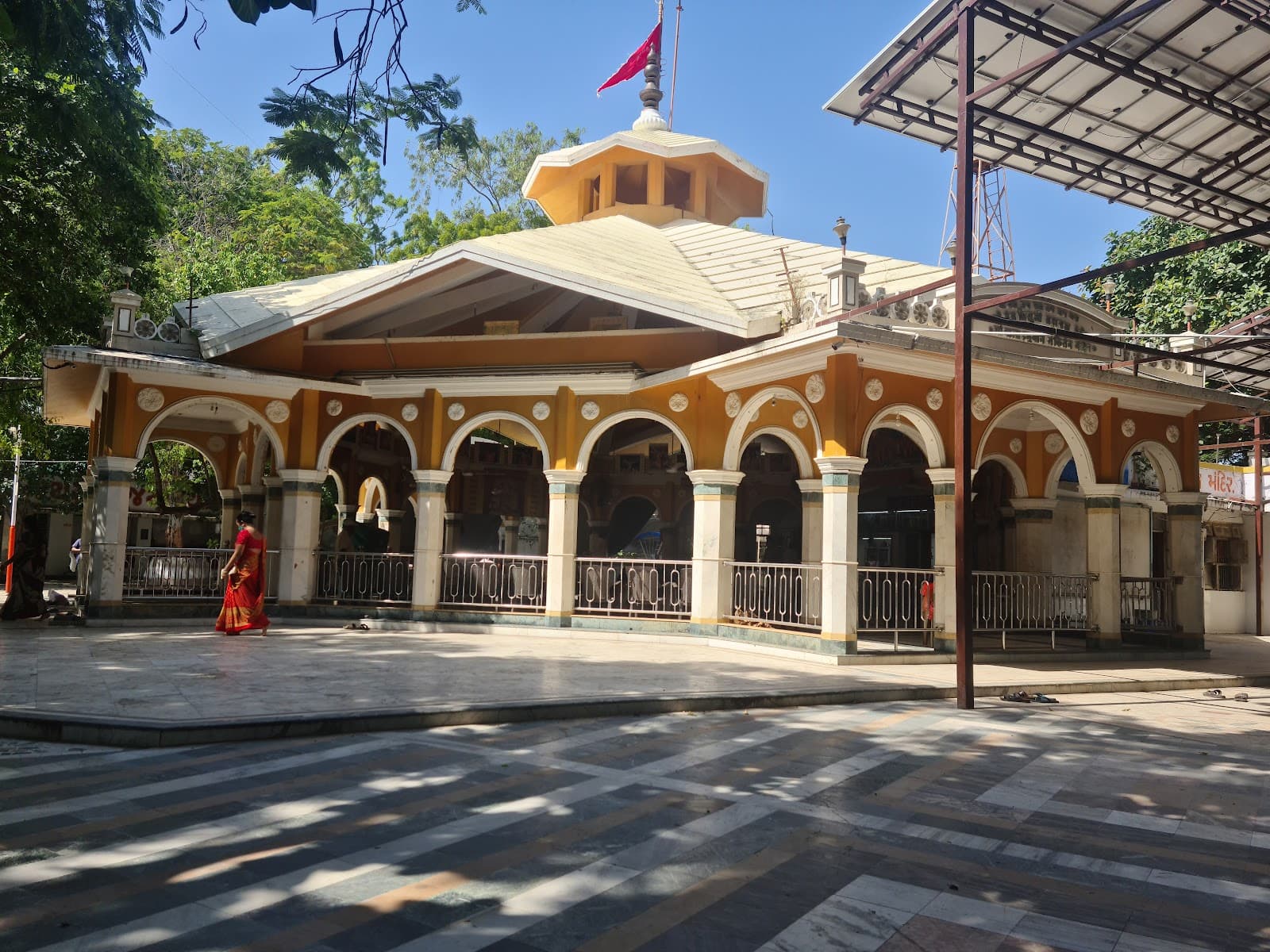
Bala Hanuman Mandir Jamnagar
The Bala Hanuman Mandir in Jamnagar, Gujarat, resonates with the continuous chanting of "Sri Ram, Jai Ram, Jai Jai Ram" since 1964, a feat recognized by the Guinness World Records ([1][2]). This 20th-century temple, built during the British Colonial Period, stands as a testament to unwavering devotion and community spirit ([2][3]). While not adhering to strict UNESCO architectural guidelines, its design incorporates regional materials and vernacular styles, reflecting the local Gujarati traditions ([4]). Dedicated to Lord Hanuman, the temple provides a serene space for devotees. Within the Garbhagriha (sanctum sanctorum), a vibrant idol of Lord Hanuman, adorned in traditional orange robes, captivates the eye ([4]). Intricate carvings adorning the walls depict scenes from the Ramayana, enriching the temple's spiritual ambiance ([5]). The continuous chanting, a form of devotional practice known as 'Ajapa Japa', creates a powerful spiritual atmosphere ([1]). During the British Colonial Period, the Bala Hanuman Mandir served as a focal point for the local community, fostering a sense of unity and shared faith ([3]). Stories abound of devotees finding solace and connection within its walls ([1]). Vastu Shastra principles, the ancient Indian science of architecture, may have subtly influenced the temple's layout, promoting harmony and positive energy, though specific textual references are currently undocumented. Leaving the Bala Hanuman Mandir, visitors carry with them a profound sense of collective devotion, a reminder of the enduring power of faith ([2][5]). The temple's simple yet resonant structure provides a compelling glimpse into the region's religious practices and cultural heritage ([3][4]).
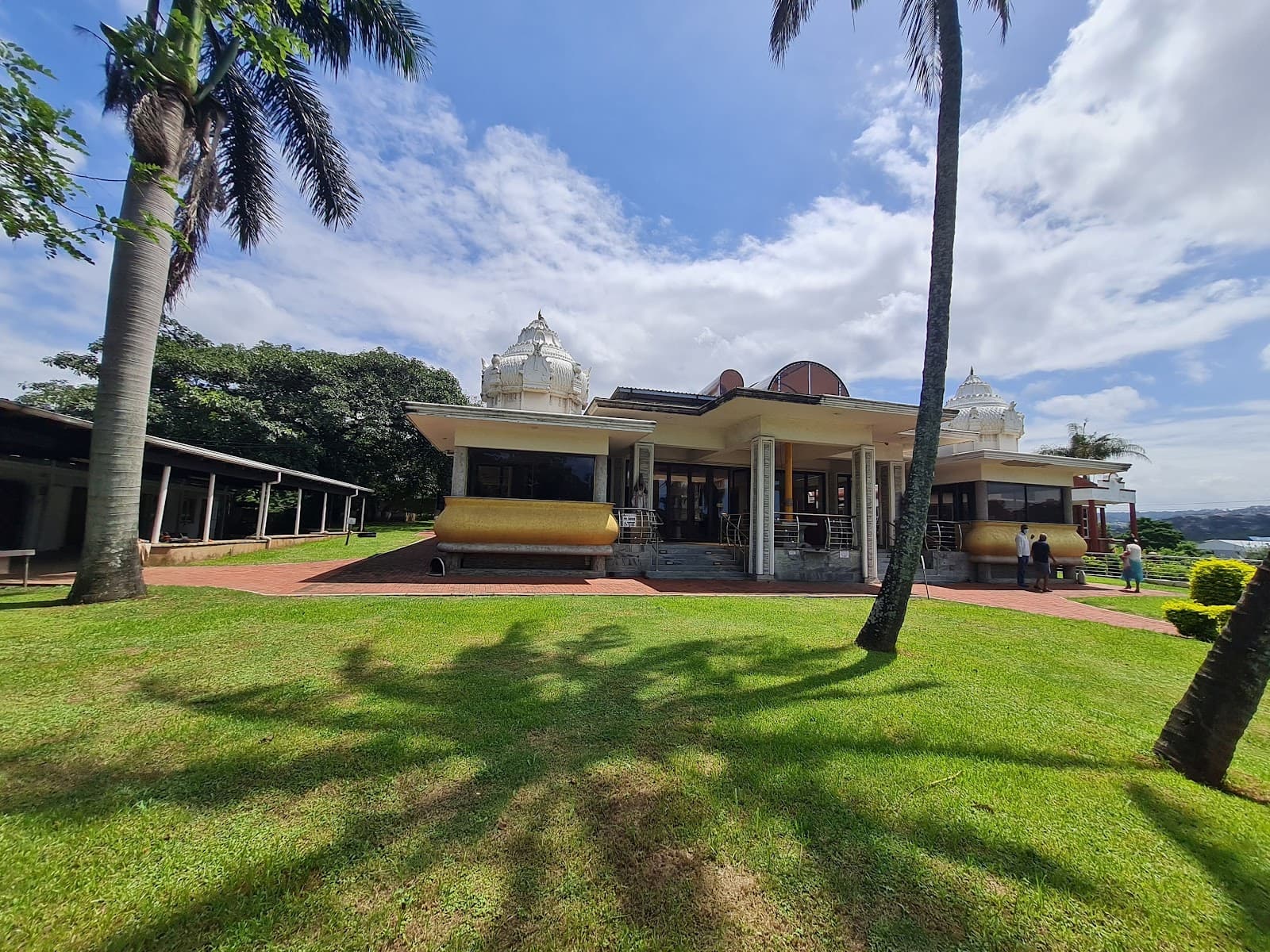
Mariamman Temple Cato Manor Durban
The Mariamman Temple of Cato Manor—initially erected in 1870 by early market gardeners—was rebuilt on higher ground after the 1905 floods and re-consecrated in 1932 by trader S.P. Chetty with a triad of barrel-vaulted towers sculpted in low relief, blending Dravidian iconography and the loose light of Durban's coastal plain ([1]). The main shrine to goddess Mariamman stands at the centre of a symmetrical courtyard anchored by smaller sancta for Gengaiammen and Draupadi; processional paths weave between mango trees planted by the founding families and the sacred fire pit used during annual Theemithi vows. The temple's unpainted brick facades and profuse stucco figurines capture the vernacular workmanship of indentured artisans—primitive yet lyrical depictions of deities holding neem leaves, tridents, and conches, illuminated at twilight by ghee lamps. Community halls along the perimeter host Tamil cultural classes, scripture recitation, marriage counselling, and relief cooking for surrounding informal settlements. ([1])

Sivasagar Fort Sivasagar
The imposing ramparts of Sivasagar Fort, or rather, what remains of them, rose before me under the vast Assamese sky. Brick-red against the verdant landscape, they spoke of a grandeur that time and the elements had gnawed at, yet failed to completely erase. This wasn't the imposing, fully intact fortress I'd encountered in other parts of India. Sivasagar presented a different kind of beauty, a poignant echo of the Ahom kingdom's power. My journey through the complex began at the main entrance, a crumbling archway that felt more like a portal to the past than a functional gateway. The once formidable walls, now breached in places, allowed glimpses of the inner sanctum. The sheer scale of the fort, even in its ruined state, was breathtaking. It sprawled across a vast area, hinting at the bustling life it once contained. The ground beneath my feet, uneven and overgrown, was a tapestry of brick fragments and tenacious weeds, a testament to nature's slow reclamation. The central structure, known as the Talatal Ghar, immediately drew my attention. Unlike the exposed brickwork of the outer walls, the Talatal Ghar was earth-covered, its multi-tiered roof rising like a stepped pyramid. This subterranean marvel, I learned, served as a royal residence and a military bunker. The cool, damp air within its chambers contrasted sharply with the sun-drenched exterior. Light filtered through narrow openings, casting long shadows that danced on the aged walls, adding an air of mystery. I could almost hear the whispers of history echoing in the silence. Climbing the narrow, worn staircases within the Talatal Ghar was an adventure in itself. Each step felt laden with stories, each landing a stage for imagined scenes of royal life. The views from the upper levels, though partially obscured by vegetation, offered a panoramic vista of the surrounding landscape. I could envision the Ahom kings surveying their domain from these very vantage points, their power radiating outwards like ripples in a pond. Adjacent to the Talatal Ghar stood the Rang Ghar, a two-storied pavilion used for royal sports and entertainment. Its unique octagonal shape, a departure from the typical rectangular structures I'd encountered in other forts, was a testament to the Ahom kingdom's distinct architectural style. The intricate carvings on the remaining portions of the pavilion hinted at a rich artistic tradition, a glimpse into the cultural tapestry of the era. I spent a considerable amount of time photographing the delicate motifs, trying to capture the essence of this bygone artistry. Further exploration revealed the remnants of other structures – stables, storehouses, and perhaps even temples. The scattered fragments of pottery and terracotta figures I stumbled upon added another layer to the narrative, whispering tales of daily life within the fort's walls. These weren't just ruins; they were pieces of a puzzle, each contributing to a larger picture of a vibrant past. As the sun began its descent, casting long shadows across the grounds, I found myself drawn back to the ramparts. The warm hues of the setting sun bathed the crumbling walls in a golden glow, creating a scene of ethereal beauty. Standing there, amidst the whispers of history, I felt a profound connection to the past. Sivasagar Fort wasn't just a collection of ruins; it was a living testament to the rise and fall of a kingdom, a poignant reminder of the impermanence of power, and a celebration of the enduring spirit of a people. My lens, though it could capture the visual beauty, could only hint at the depth of history and emotion that permeated this ancient site.
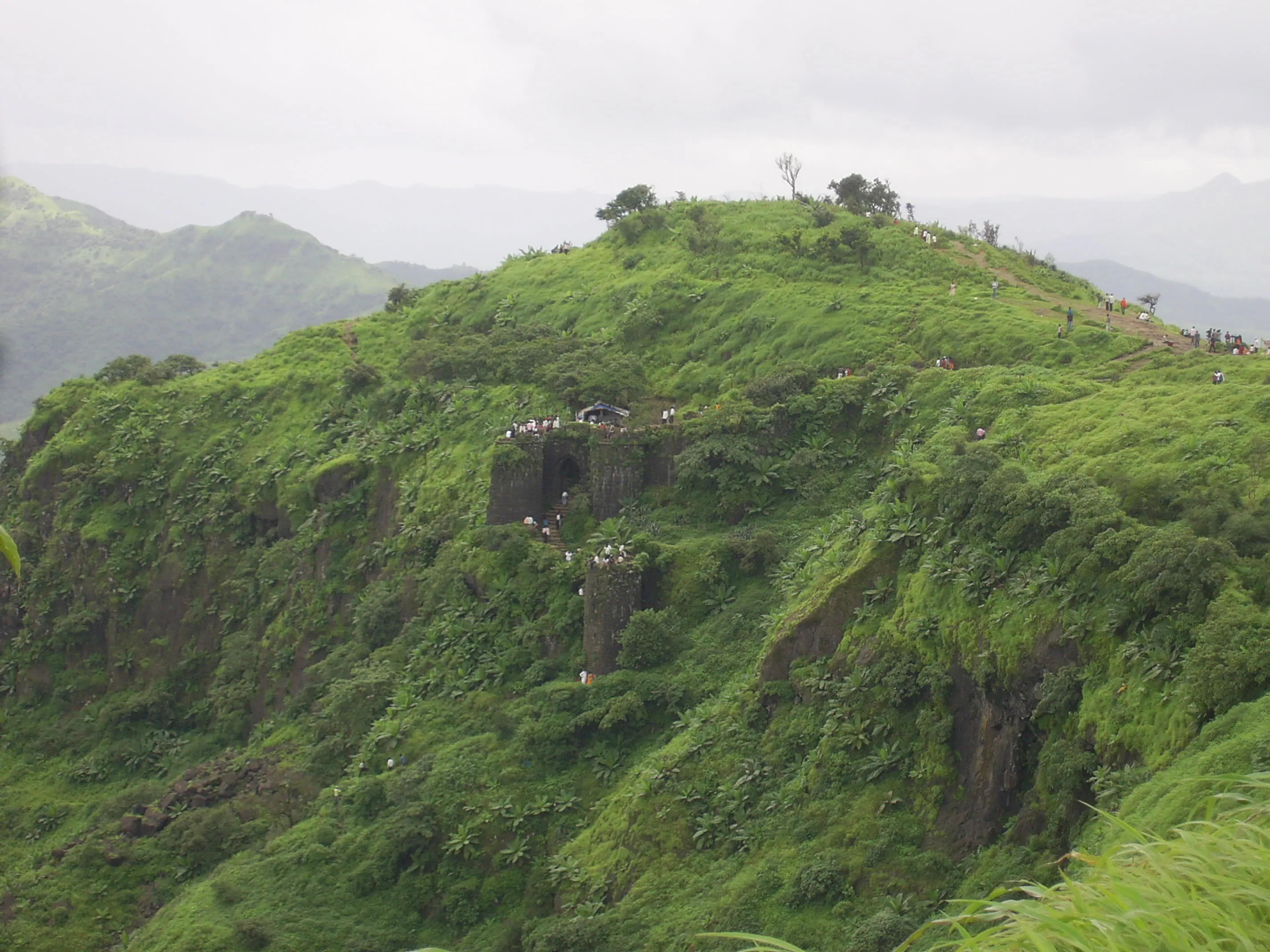
Sinhagad Fort Pune
The wind whipped around me, carrying whispers of history as I stood atop Sinhagad Fort, a formidable sentinel overlooking the sprawling landscape below. The ascent itself, a winding road clinging to the Sahyadri hills, had been a prelude to the grandeur that awaited. Having spent years documenting the ancient sites of Madhya Pradesh, I've developed a keen eye for the nuances of historical architecture, and Sinhagad, with its rugged charm and strategic brilliance, immediately captivated me. The fort, originally known as Kondhana, has witnessed centuries of power struggles, its stones absorbing the echoes of Maratha resilience. Standing at the very spot where pivotal battles were fought, I felt a palpable connection to the past. The panoramic view from the ramparts stretched across undulating hills, punctuated by the occasional glint of a distant village. It's easy to see why this location was so fiercely contested – control of Sinhagad meant command over the surrounding valleys and trade routes. The architecture of Sinhagad is a testament to its military purpose. Unlike the ornate palaces I've documented in Mandu, Sinhagad's structures prioritize function over embellishment. The massive walls, built from locally quarried stone, are punctuated by strategically placed bastions and fortified gates. The Kalyan Darwaza and Pune Darwaza, the two main entrances, still bear the scars of past sieges, their thick wooden doors reinforced with iron bands. I spent considerable time photographing these gates, trying to capture the weight of history etched into their weathered surfaces. Within the fort walls, the remnants of various structures paint a picture of life within this military stronghold. The Amruteshwar Temple, a modest stone structure dedicated to Lord Shiva, stands in stark contrast to the surrounding fortifications. Its simple elegance offered a moment of quiet contemplation amidst the echoes of war. I was particularly struck by the intricate carvings on the temple's doorway, a testament to the enduring artistry of the region. The Dev Take, a steep precipice on the eastern side of the fort, offers a breathtaking, if somewhat dizzying, view. Local legend claims that Tanaji Malusare, a celebrated Maratha warrior, scaled this cliff face with the help of a monitor lizard during a daring nighttime raid. Standing at the edge, feeling the wind buffet me, I could almost visualize the scene unfolding centuries ago. One of the most intriguing aspects of Sinhagad is its water management system. Several strategically placed tanks and cisterns, carved into the rock, collected rainwater, ensuring a continuous supply for the fort's inhabitants. This foresight, crucial for withstanding prolonged sieges, speaks volumes about the ingenuity of the fort's builders. I was fascinated by the intricate network of channels and sluices that regulated the flow of water, a testament to the sophisticated engineering of the time. My visit to Sinhagad wasn't just about documenting the physical structures; it was about absorbing the spirit of the place. The fort isn't just a collection of stones and mortar; it's a living testament to human resilience, strategic brilliance, and the enduring power of history. As I descended the winding path, leaving the fort behind, I carried with me not just photographs, but a deeper understanding of the rich tapestry of India's past. The whispers of history, carried on the wind, had found a new echo in my own heart.
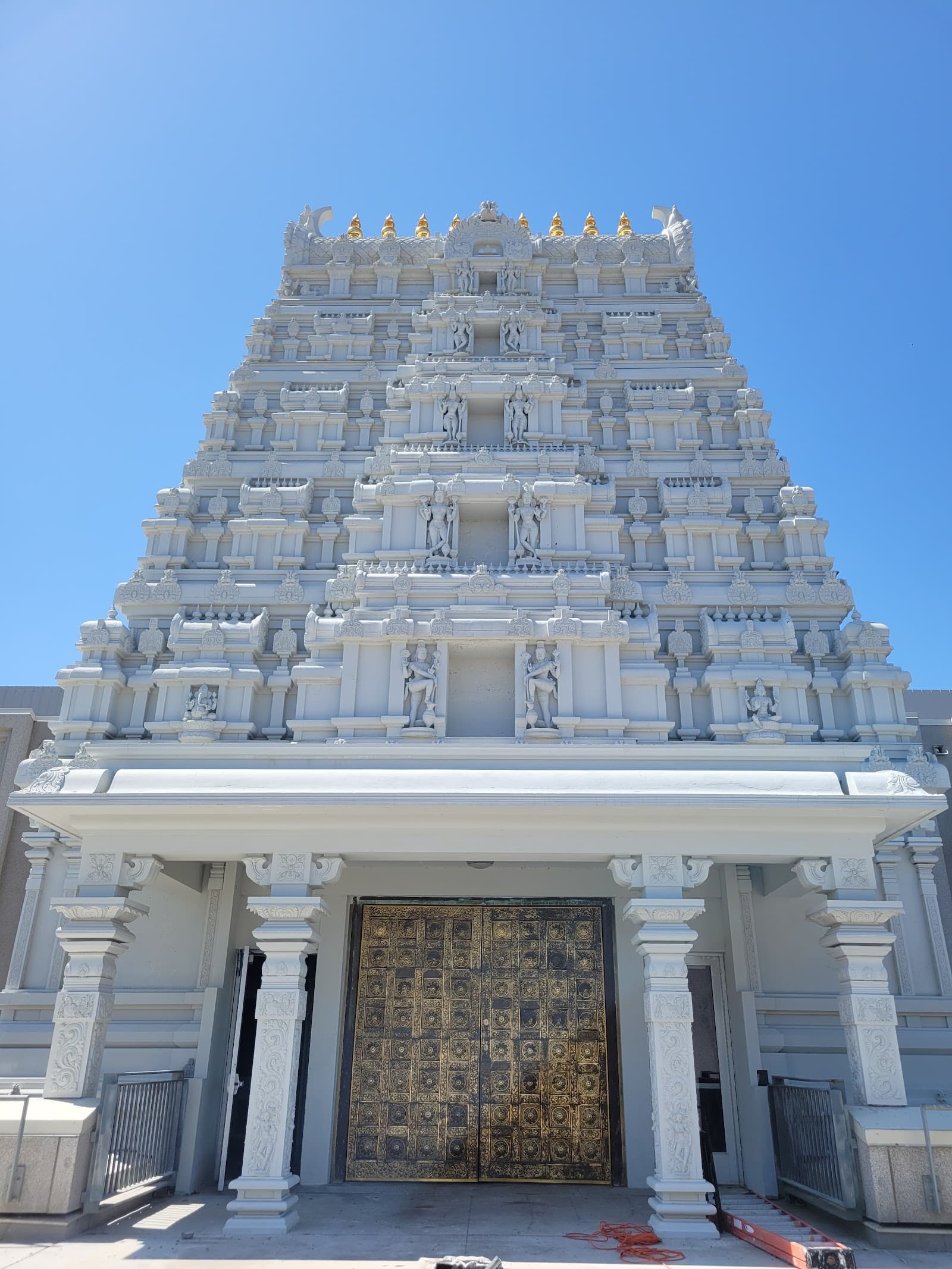
Hindu Temple Minnesota Maple Grove
Hindu Temple of Minnesota in Maple Grove, serving the Twin Cities diaspora, opens at 6:00 AM and runs daily suprabhatam, abhishekams, and evening sahasranama across 21 deities housed in a 43,000-square-foot granite complex with an adjacent cultural center and community hall ([1][2]). Volunteer leads manage parking on the wooded 80-acre campus, deploy shuttle carts, and coordinate shoe room flow during festival surges, while digital queue boards and bilingual signage keep darshan moving smoothly between the main mandapam, navagraha hall, and lakeside meditation trails ([1][3]). Security teams liaise with Maple Grove police, monitor CCTV and access control, and maintain severe-weather protocols attuned to Minnesota winters, including generator-backed heating and snow response plans ([3][5]). Elevators, ramps, heated entry plazas, tactile paths, and loaner wheelchairs maintain barrier-free circulation; assistive listening devices and captioned screens help visitors follow Sanskrit and English liturgy ([1][4]). Custodial crews sanitize wet rooms and brass railings every two hours, inspect hydronic snow-melt loops, and manage humidity to protect granite and stucco finishes, while mechanical staff monitor boilers, ERVs, and humidifiers through the building automation system ([3][5]). The community kitchen operates with dedicated HVAC, grease recovery, and allergen protocols approved by Hennepin County inspectors. Preventive maintenance dashboards track life-safety equipment, accessibility checks, and priest schedules; 2025 city inspections cleared the campus with no violations, affirming full operational readiness for worship, education, and civic programs ([3][4][5]).
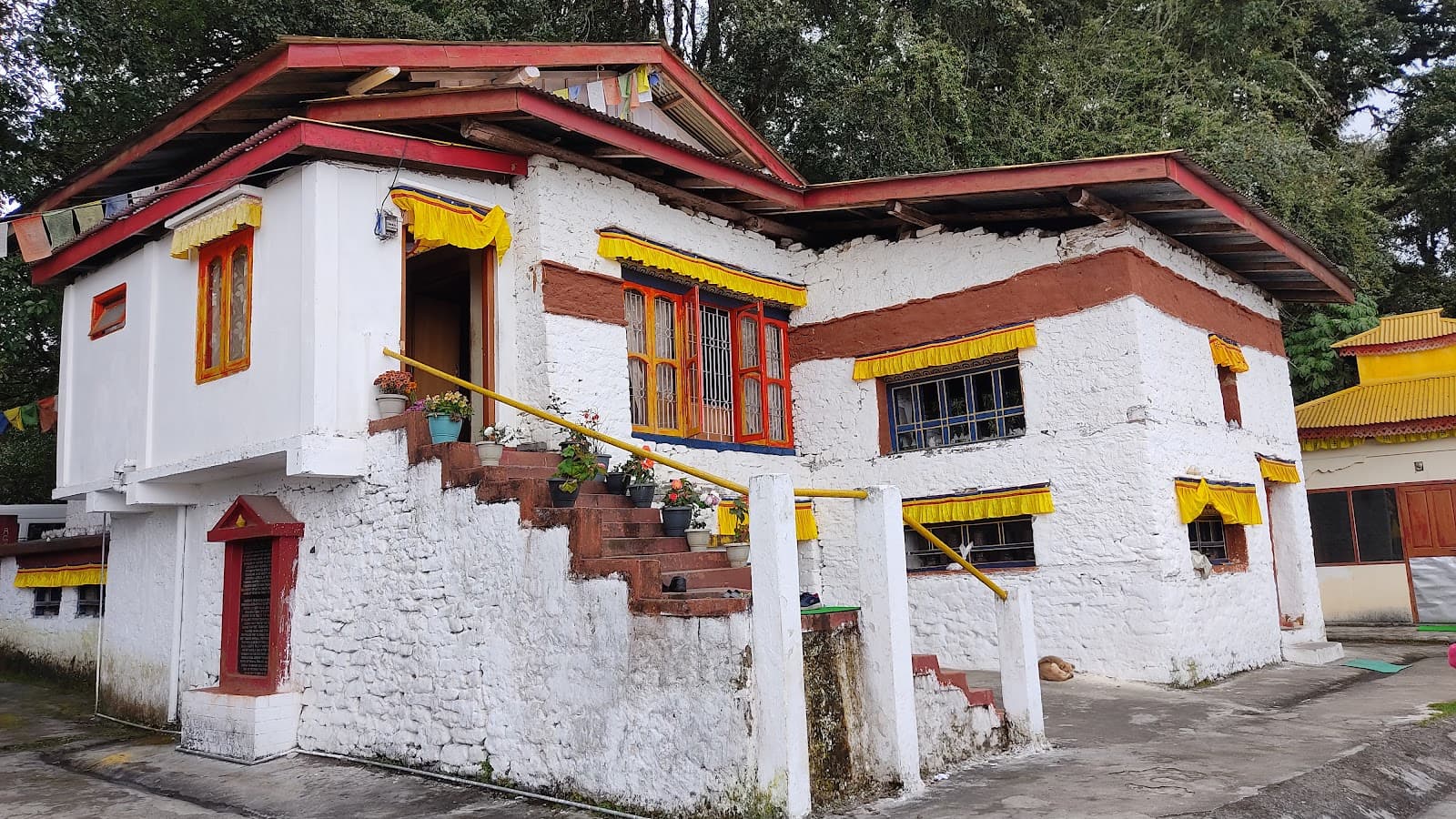
Urgelling Monastery Tawang
The biting Himalayan wind whipped prayer flags into a frenzy of colour against the stark backdrop of the snow-dusted mountains. Urgelling Monastery, perched precariously on a ridge overlooking Tawang valley, felt less like a structure and more like an extension of the rugged landscape itself. Having documented hundreds of monuments across India, I’ve learned to anticipate a certain grandeur, a predictable awe. Urgelling, however, defied all expectations. Its unassuming exterior belied the profound sense of history and spiritual weight it held within. Built in the 15th century, Urgelling is considered the birthplace of the 6th Dalai Lama, Tsangyang Gyatso, a figure shrouded in mystique and rebellion. This fact alone imbued the monastery with a palpable energy, a sense of walking through living history. Unlike many of the larger, more ornate monasteries I’ve photographed, Urgelling retained a sense of intimacy. The relatively small complex, constructed primarily of stone and wood, felt weathered and worn, a testament to centuries of harsh weather and unwavering devotion. The main prayer hall, though modest in size, was richly adorned. The walls were covered in vibrant thangkas depicting Buddhist deities and intricate mandalas. The low, flickering butter lamps cast dancing shadows, illuminating the worn faces of the statues and adding to the ethereal atmosphere. The scent of burning juniper incense hung heavy in the air, mingling with the crisp mountain air, creating a sensory experience that was both grounding and otherworldly. I spent hours exploring the narrow corridors and dimly lit chambers, my camera a silent observer. The intricate wood carvings on the window frames and pillars, some faded with age, spoke of a rich artistic tradition. I noticed recurring motifs of dragons and lotus flowers, symbols deeply embedded in Buddhist iconography. The architecture itself was a blend of Tibetan and Monpa styles, reflecting the region's unique cultural heritage. The sloping roofs, designed to withstand heavy snowfall, were adorned with decorative metalwork that shimmered in the occasional bursts of sunlight. One of the most striking features of Urgelling was its location. The panoramic view from the monastery courtyard was simply breathtaking. The Tawang valley stretched out below, a patchwork of green fields and scattered villages, framed by the towering Himalayas. It was easy to see why this spot was chosen as a place of spiritual retreat. The sheer vastness of the landscape seemed to dwarf all earthly concerns, fostering a sense of peace and introspection. My conversation with one of the resident monks offered a deeper understanding of Urgelling's significance. He spoke of the monastery's role not just as a place of worship but also as a centre of learning and community. He explained the significance of the various rituals and ceremonies performed, highlighting the importance of preserving their cultural heritage. His words resonated deeply, reminding me of the power of these sacred spaces to connect people to something larger than themselves. As I descended the winding path from Urgelling, the setting sun casting long shadows across the valley, I carried with me more than just photographs. I carried the weight of history, the echo of chants, and the profound sense of serenity that permeated the ancient walls. Urgelling Monastery, in its quiet dignity, had offered a glimpse into a world where spirituality and nature intertwine, a world I felt privileged to have witnessed through my lens. It was a testament to the enduring power of faith and a poignant reminder of the rich tapestry of cultural heritage that makes India so extraordinary.

Airtam Frieze Site Termez Uzbekistan
Nestled near Termez in Uzbekistan, the Airtam Frieze site provides insights into the fusion of Central Asian and Indian Buddhist art during the Kushan period (2nd century CE) ([6][7]). Intricate carvings adorning the walls of this ancient monastery reveal connections to the Gandhara school of art, a style that flourished in ancient India ([6]). Stone platforms and foundations suggest the site’s vital role as a Buddhist center along the Silk Road, facilitating the exchange of knowledge and culture ([7]). The frieze, meticulously carved from stone, features musicians playing instruments and celestial beings, reflecting Indian iconographic traditions ([6][8]). Archaeological excavations have uncovered that the monastery served as a significant hub for Buddhist learning and practice ([7]). Vastu Shastra principles, the ancient Indian science of architecture, likely influenced the layout of the complex, adapting Indian aesthetics to the Central Asian environment ([8][9]). Fired brick and mud brick construction, along with stucco and wood, demonstrate the skills of Kushan artisans ([6]). This blend of Indian artistic traditions and local materials highlights the cultural exchange that characterized the Silk Road ([9]). During the Kushan era, the empire's patronage supported the spread of Buddhist teachings and art, leading to a unique synthesis of Indian and Central Asian styles ([6][10]). Airtam exemplifies this cultural fusion, providing valuable insights into the artistic and religious exchanges that shaped the region's history ([7]). The site reflects the transmission of Indian aesthetic and architectural knowledge (Vidya) into Central Asia, showcasing the interconnectedness of ancient civilizations ([8][9]). The influence of Indian Gandharan art is evident in the depiction of figures and decorative motifs, indicating a deep cultural exchange ([10]).
Neelkanth Mahadev Temple Pauri
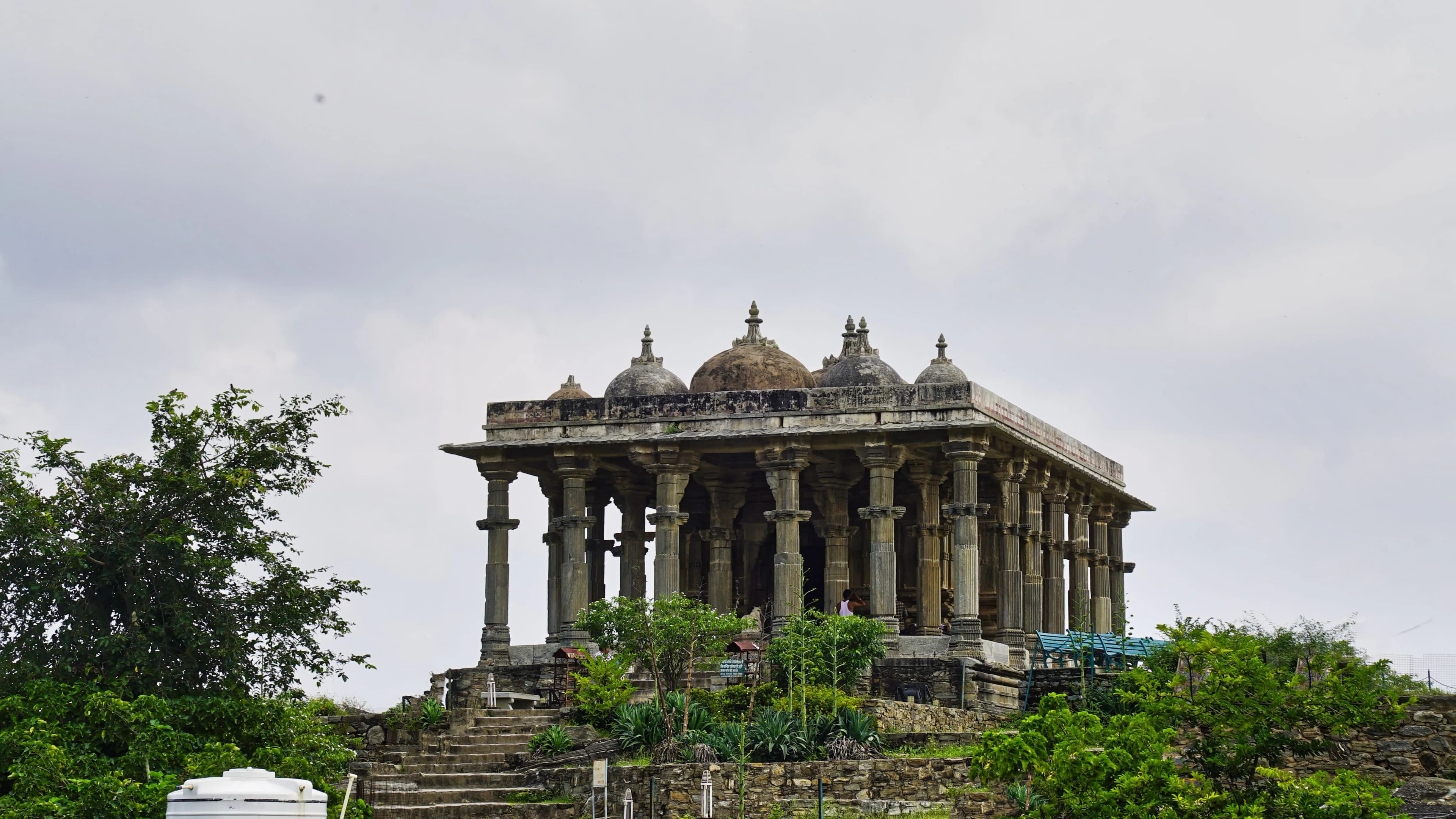
The roar of the Panch Ganga reverberated through the narrow gorge, a constant, powerful undercurrent to the peace I sought at the Neelkanth Mahadev Temple. Nestled amidst dense deodar forests in the Garhwal Himalayas, the temple, dedicated to Lord Shiva, felt both ancient and vibrantly alive. The journey itself was a pilgrimage of sorts, winding uphill through hairpin bends, each turn revealing a more breathtaking vista of the verdant valley below. The temple's location is no accident. It's believed to be the exact spot where Lord Shiva consumed the poison that emerged during the churning of the cosmic ocean (Samudra Manthan), turning his throat blue – hence the name Neelkanth, meaning "blue throat." This potent mythology imbues the air with a palpable sense of reverence. As I approached the temple, the first thing that struck me was its vibrant architecture. Unlike the sandstone structures prevalent in my home state of Madhya Pradesh, Neelkanth is built of grey stone, a material choice that blends seamlessly with the surrounding landscape. The shikhara, though not towering, possesses a distinct curvilinear grace, adorned with intricate carvings of deities and mythical creatures. The vibrant colours used to paint these figures – deep reds, blues, and yellows – popped against the grey stone, creating a visual feast. I spent considerable time documenting the weathered patina of the stone, capturing how centuries of sun, rain, and devotion had etched their stories onto the temple walls. The main entrance is guarded by two imposing stone lions, their expressions a curious blend of ferocity and serenity. Stepping inside the courtyard, I was greeted by a scene of quiet devotion. Devotees offered prayers, the air thick with the scent of incense and the rhythmic chanting of mantras. The energy was palpable, a blend of ancient ritual and contemporary faith. My lens was drawn to the intricate details: the ornate brass bells hanging from the eaves, the meticulously carved pillars supporting the mandap, and the worn stone steps leading to the sanctum sanctorum. I noticed how the natural light filtering through the trees dappled the courtyard, creating an ethereal atmosphere. It was a photographer's dream, each angle offering a new perspective on the temple's beauty. Inside the garbhagriha, the inner sanctum, photography was prohibited. But the memory of that brief glimpse remains etched in my mind. The lingam, representing Lord Shiva, was bathed in the soft glow of oil lamps, the air heavy with the fragrance of flowers and sandalwood. The hushed reverence of the devotees was contagious, and even I, behind my lens, felt a sense of profound peace. Beyond the main temple structure, I explored the surrounding area. A natural spring, believed to be sacred, flows nearby, its water considered holy by the devotees. I observed how people queued patiently to collect the water, their faces reflecting a deep faith. The surrounding forest, with its towering deodar trees and the constant murmur of the Panch Ganga, added to the sense of tranquility. My time at Neelkanth Mahadev Temple was more than just a photographic assignment; it was a spiritual experience. The temple's architecture, its location, and the palpable devotion of the pilgrims combined to create an atmosphere of profound peace and reverence. As I descended the winding mountain road, I carried with me not just photographs, but a renewed appreciation for the power of faith and the enduring beauty of India's ancient heritage. The roar of the Panch Ganga, now fading in the distance, seemed to carry with it the echoes of ancient prayers, a constant reminder of the sacred ground I had just left behind.
Kedareswara Temple Hajo
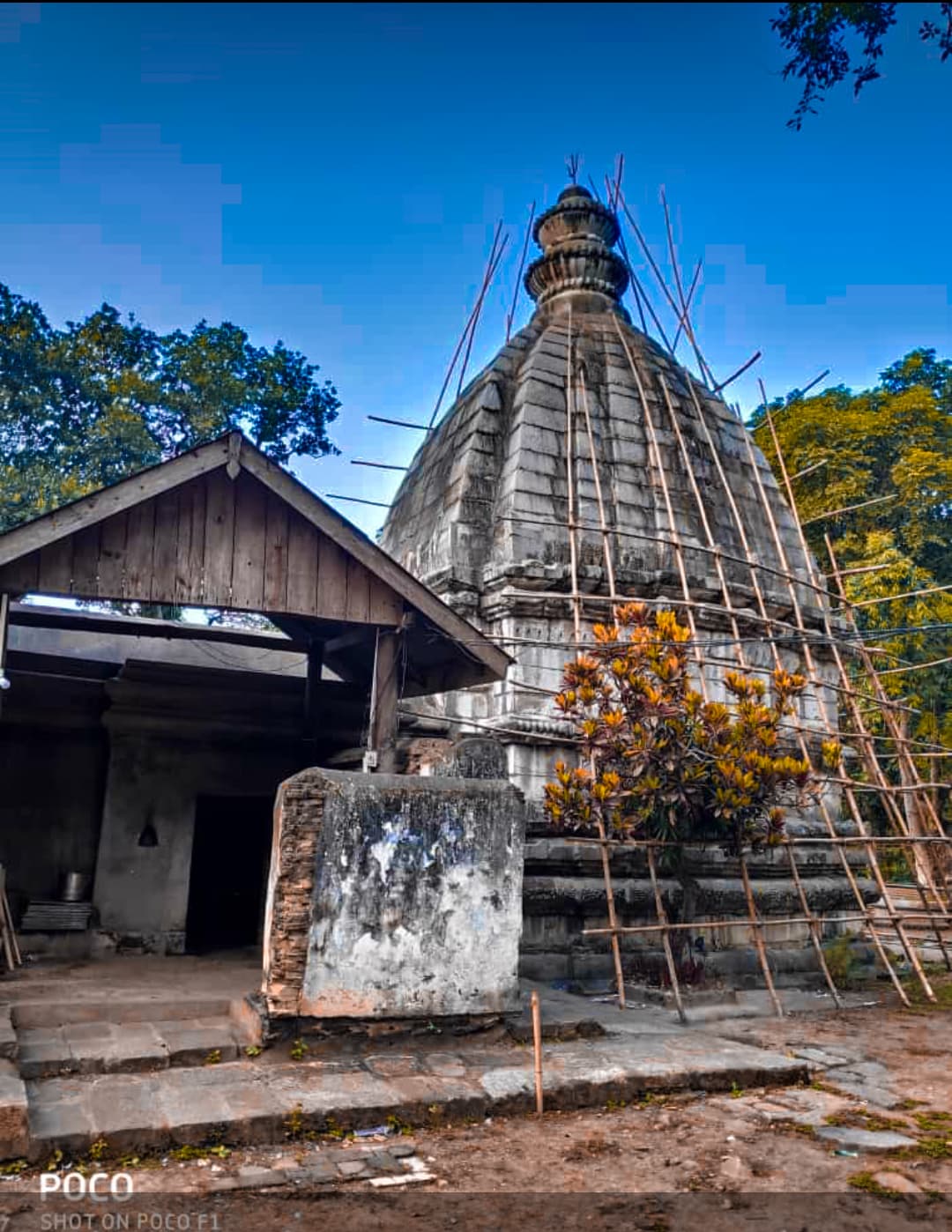
The Brahmaputra’s milky waters seemed to cradle the small hillock on which the Kedareswara Temple stood, a silent sentinel against the vast Assamese sky. Having spent years documenting the intricate stone carvings of Gujarat’s temples, I was eager to experience this architectural gem, so different from the sun-baked sandstone structures I was accustomed to. The journey from Guwahati, through verdant rice paddies and bustling villages, only heightened my anticipation. The first thing that struck me about Kedareswara was its stark simplicity. Unlike the ornate, almost flamboyant temples of my home state, this Shiva temple, built by the Ahom king Rajeswar Singha in 1752, exuded a quiet dignity. The pyramidal structure, reminiscent of the classic Nagara style prevalent in North India, rose in tiers towards the sky, its brick-and-mortar construction plastered and painted a pristine white. This stark white, against the vibrant green backdrop of the surrounding hills, created a visual harmony that was both striking and serene. Climbing the steep stone steps leading to the main entrance, I noticed the absence of elaborate sculptures that often adorn Gujarati temples. Here, the ornamentation was restrained, almost minimalist. A few stucco figures of deities, weathered by time and the elements, peered out from recessed niches, their features softened, almost blurred, lending them an air of ancient wisdom. The sanctum sanctorum, housing the Shiva lingam, was small and dimly lit, the air thick with the scent of incense and the murmur of prayers. The lingam itself, smooth and dark, seemed to absorb the ambient light, radiating a palpable sense of sacredness. I sat there for a while, absorbing the quiet energy of the space, the centuries of devotion that had imbued these walls with a palpable spirituality. Circumambulating the temple, I observed the subtle details that revealed the temple's unique character. The cornices, though simple, were adorned with delicate floral motifs, a testament to the local artisans' skill. Small, arched windows punctuated the thick walls, allowing slivers of light to penetrate the inner chambers, creating an interplay of light and shadow that added to the mystical atmosphere. What truly captivated me, however, was the syncretism evident in the temple's surroundings. Just a short distance away stood the Hayagriva Madhava Temple, a significant Vaishnavite shrine. This close proximity of Shaivite and Vaishnavite places of worship spoke volumes about the region's rich religious tapestry, a testament to the harmonious coexistence of different faiths. I learned from the local priest that Hajo is considered a pilgrimage site for Hindus, Buddhists, and Muslims alike, a rare example of interfaith harmony. As I descended the steps, the Brahmaputra shimmering in the afternoon sun, I reflected on the unique beauty of Kedareswara. It wasn't the grandeur or the opulence that moved me, but the quiet dignity, the understated elegance, and the palpable sense of history that permeated every stone, every corner of this ancient shrine. It was a powerful reminder that architectural marvels don't always need to shout to be heard; sometimes, a whisper can be just as profound. The Kedareswara Temple, in its serene simplicity, spoke volumes about the enduring power of faith and the rich cultural heritage of Assam. It was a journey into the heart of India’s spiritual landscape, a journey I won’t soon forget.
Quick Links
Plan Your Heritage Journey
Get personalized recommendations and detailed visitor guides