Has Inheritage Foundation supported you today?
Your contribution helps preserve India's ancient temples, languages, and cultural heritage. Every rupee makes a difference.
Secure payment • Instant 80G certificate
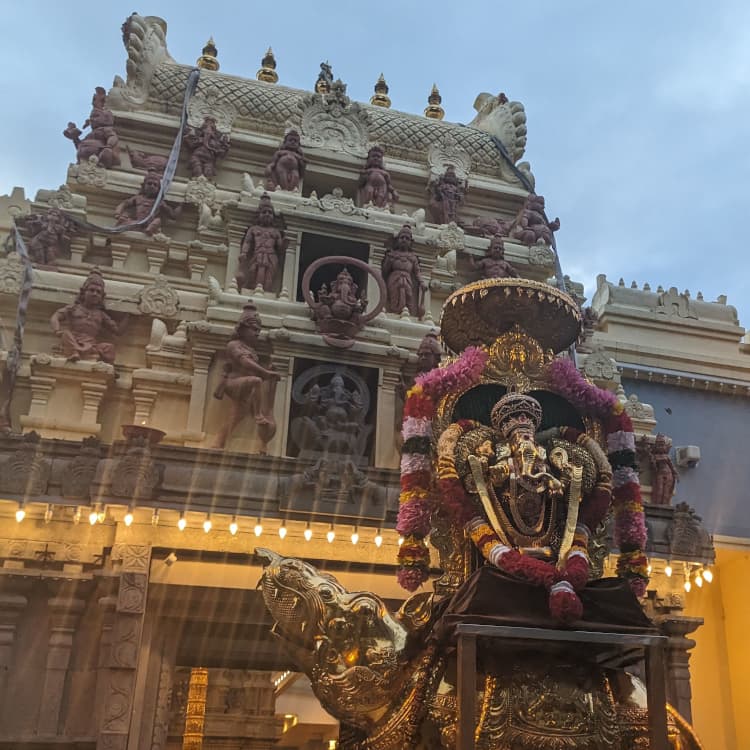
Sri Vakrathunda Vinayagar Temple The Basin
Sri Vakrathunda Vinayagar Temple The Basin is dedicated to Lord Ganesha and anchors The Basin, Victoria, on the foothills of the Dandenong Ranges ([1][2]). The hilltop mandir opens daily 6:00 AM-12:00 PM and 4:00 PM-8:30 PM, with Vinayagar Chathurthi and Thai Poosam schedules extending to 10:30 PM; marshals in high-visibility vests coordinate shuttle buses from the lower car park to keep the single-lane driveway clear ([1][4]). Mandapa floor markings separate pradakshina loops from queue lanes, and RFID counters at the entry tally pilgrim volumes so the volunteer command post can pace access into the sanctum ([1][5]). Annadhanam is served from a timber-lined dining hall with polished concrete floors, commercial dishwashers, and induction woks to reduce bushfire risk by avoiding naked flames ([1][3]). A 1:16 timber ramp with anti-slip mesh runs along the southern retaining wall, linking the car park to the mandapa, while stainless handrails, tactile paving, and hearing loop signage support inclusive access ([2]). Bushfire-ready shutters, ember screens, and a 90,000-litre tank plumbed to rooftop drenchers stand ready each summer, with CFA volunteers drilling annually alongside temple wardens ([2][5]). Wayfinding boards highlight refuge zones, first aid, and quiet meditation groves along the eucalyptus ridge, and QR codes push live updates about weather, kangaroo movement, and shuttle schedules directly to visitor phones ([1][6]). With emergency protocols rehearsed, food safety plans audited, and musician rosters published weeks ahead, the temple remains fully prepared for devotees, hikers, and school excursions seeking the hilltop shrine ([1][2]).
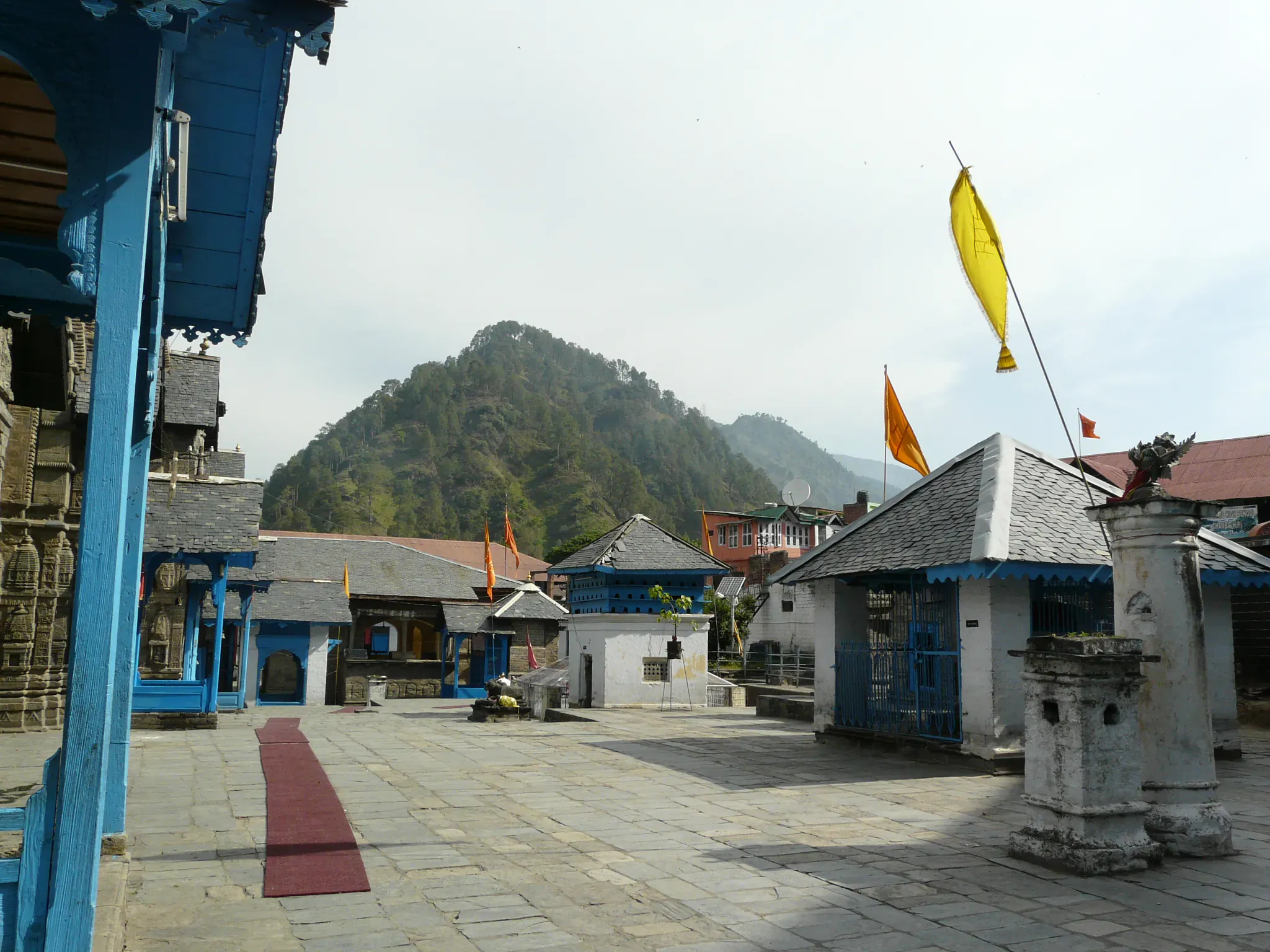
Lakshmi Narayan Temple Chamba
The crisp Himalayan air vibrated with the faint clang of temple bells as I stepped into the Lakshmi Narayan Temple complex in Chamba. Nestled against the dramatic backdrop of the Dhauladhar range, this cluster of intricately carved shrines, a testament to the artistic prowess of the Chamba rulers, felt both imposing and intimate. Having documented over 500 monuments across India, I’ve developed a keen eye for architectural nuances, and Chamba’s temple complex offered a feast for the senses. The first structure that captured my attention was the Lakshmi Narayan Temple, the oldest and largest within the complex. Built primarily of wood and stone in the Shikhara style, its towering conical roof, adorned with intricate carvings of deities and mythical creatures, reached towards the azure sky. The weathered wooden panels, darkened by time and the elements, spoke of centuries of devotion and whispered stories of bygone eras. I was particularly drawn to the ornate brass doorways, their intricate floral and geometric patterns gleaming in the afternoon sun. These weren't mere entrances; they were portals to a realm of spiritual significance. As I moved deeper into the complex, I encountered a series of smaller temples, each dedicated to a different deity within the Hindu pantheon. The Radha Krishna Temple, with its delicate carvings of Krishna playing the flute, exuded a sense of playful devotion. The Shiva Temple, its stone walls adorned with depictions of the fearsome yet benevolent deity, felt palpably different, radiating an aura of quiet power. The architectural styles varied subtly, showcasing the evolution of temple architecture in the region over several centuries. Some featured sloping slate roofs, a characteristic of the local vernacular, while others echoed the Shikhara style of the main temple, creating a harmonious blend of architectural influences. One aspect that truly captivated me was the intricate woodwork. The Chamba region is renowned for its skilled woodcarvers, and their artistry is on full display throughout the complex. From the elaborately carved pillars and beams to the delicate latticework screens, every surface seemed to tell a story. I spent hours photographing these details, trying to capture the essence of the craftsmanship and the devotion that inspired it. The wood, though aged, retained a warmth and richness that contrasted beautifully with the cool grey stone. Beyond the architectural marvels, the complex pulsed with a living spirituality. Devotees moved through the courtyards, offering prayers and performing rituals. The air was thick with the scent of incense and the murmur of chants, creating an atmosphere of profound reverence. I observed a group of women circumambulating the main temple, their faces etched with devotion, their colorful saris adding vibrant splashes of color against the muted tones of the stone and wood. These weren't mere tourists; they were active participants in a centuries-old tradition, their presence adding another layer of meaning to the already rich tapestry of the site. The Lakshmi Narayan Temple complex isn't just a collection of beautiful buildings; it’s a living testament to the enduring power of faith and the artistic brilliance of a bygone era. It's a place where history, spirituality, and architecture intertwine, creating an experience that resonates deep within the soul. As I packed my equipment, preparing to leave this haven of tranquility, I felt a sense of gratitude for having witnessed this remarkable confluence of art and devotion. The images I captured, I knew, would serve as a reminder of the rich cultural heritage of Chamba and the enduring spirit of India.
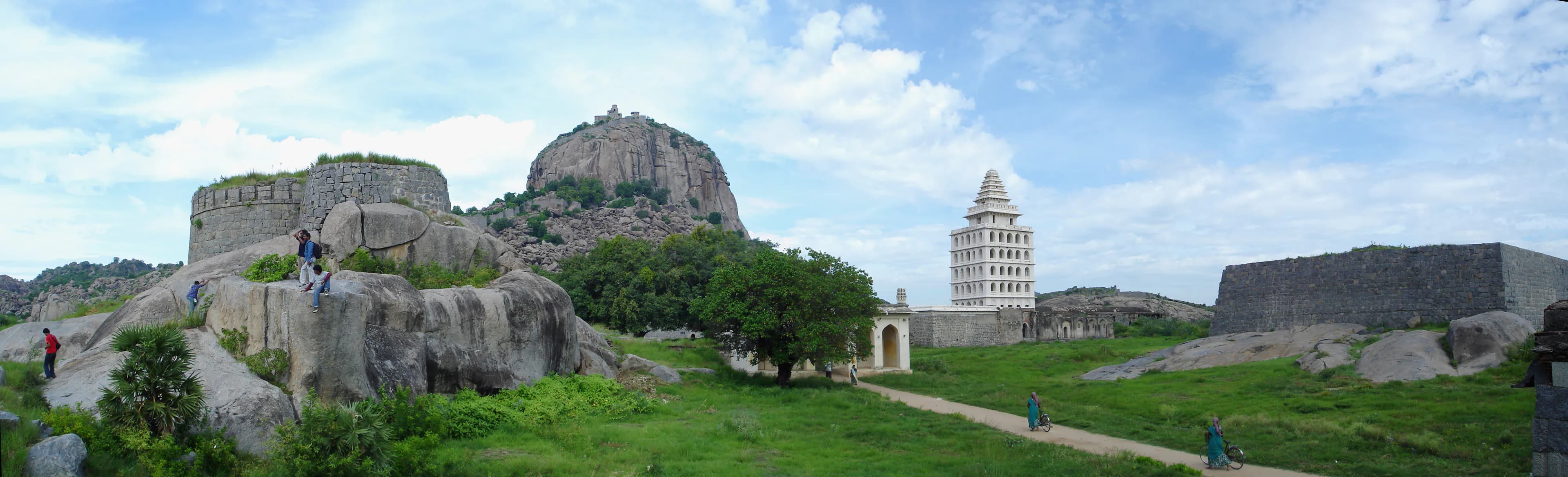
Gingee Fort Gingee
The imposing laterite ramparts of Gingee Fort, rising abruptly from the Tamil Nadu plains, seemed to shimmer in the afternoon sun. My journey from the heart of Madhya Pradesh to this southern stronghold had been long, but the first glimpse of the "Troy of the East," as it's often called, erased any trace of weariness. This wasn't just another fort; it was a complex of three hills – Krishnagiri, Rajagiri, and Chandrayandurg – each crowned with fortifications, interconnected by formidable walls that snaked across the landscape. I began my exploration at the base of Rajagiri, the largest of the three hills. The climb was steep, the path winding through dense vegetation. The air, thick with the scent of earth and foliage, hummed with the calls of unseen birds. As I ascended, the scale of the fort began to truly dawn on me. The sheer size of the granite blocks used in the construction, some seemingly precariously balanced, testified to the ingenuity of the ancient builders. Reaching the summit, I was greeted by a breathtaking panorama. The other two hills, Krishnagiri and Chandrayandurg, stood like sentinels in the distance, their own fortifications clearly visible. Rajagiri itself was a sprawling complex of structures – granaries, barracks, temples, and palaces, all bearing the scars of time and conflict. The Kalyana Mahal, a multi-storied brick structure, particularly caught my eye. Its intricate brickwork, though weathered, still hinted at its former grandeur. The large, open courtyard, now overgrown with grass, must have once witnessed vibrant ceremonies and courtly life. I spent hours exploring the ruins, my camera constantly clicking. The light played beautifully on the weathered stone, revealing intricate carvings and architectural details that I hadn't noticed at first glance. The 'Elephant Tank,' a massive water reservoir carved into the rock, was a marvel of engineering. Imagining it filled to the brim during the fort's heyday, providing water for the entire garrison, gave me a palpable sense of the fort's self-sufficiency. Descending Rajagiri, I made my way to Krishnagiri, the second hill. This hill housed the 'Rani Mahal,' the queen's palace. The climb was even more challenging, involving navigating narrow, almost hidden passages carved into the rock. The Rani Mahal, though smaller than the structures on Rajagiri, possessed a quiet elegance. The views from its windows, overlooking the surrounding plains, were simply stunning. I could almost imagine the queen gazing out at the same vista centuries ago. Chandrayandurg, the smallest of the three hills, was accessible only by a narrow, precarious path. Though less developed than the other two, it offered a unique perspective on the entire complex. Standing on its summit, I could appreciate the strategic brilliance of Gingee's design. The three hills, each supporting the other, created an almost impregnable fortress. The architectural influences at Gingee were fascinating. While the core structures bore the hallmarks of Vijayanagara architecture, I also noticed subtle traces of Maratha and French influences, reflecting the fort's complex history. The use of locally available laterite and granite, combined with ingenious construction techniques, had allowed the fort to withstand centuries of weathering and warfare. As the sun began to set, casting long shadows across the ancient stones, I felt a profound sense of connection to the past. Gingee Fort wasn't just a collection of ruins; it was a living testament to the ingenuity, resilience, and artistry of those who built and inhabited it. My photographs, I hoped, would capture not just the physical beauty of the fort, but also the stories whispered by its weathered walls. The echoes of history resonated deeply within me as I descended, leaving the majestic silhouette of Gingee Fort etched against the twilight sky.

Nathmal Ki Haveli Jaisalmer
The Nathmal Ki Haveli in Jaisalmer rose before me, a sandstone symphony bathed in the desert sun. Having spent years immersed in the Dravidian architecture of South Indian temples, I was eager to experience this distinctly different architectural style. The haveli, I knew, was built in the 19th century for Diwan Mohata Nathmal, the then Prime Minister of Jaisalmer, and its intricate carvings promised a visual feast. Unlike the towering gopurams and expansive prakarams I was accustomed to, the haveli presented a more intimate scale. The two wings, built by two brothers, Hathi and Lalu, showcased a fascinating asymmetry, a departure from the precise symmetry that defines much of South Indian temple architecture. Local lore suggests the brothers, working independently, couldn't perfectly replicate each other's work, resulting in subtle yet noticeable differences in the two halves of the haveli. This human element, this imperfection, added a unique charm to the structure. The haveli's exterior was a riot of intricate carvings. Delicate floral patterns, depictions of elephants, and scenes from everyday life were etched into the golden sandstone. The miniature jharokhas, or balconies, projecting from the façade, were particularly captivating. Each one was a miniature marvel, showcasing the artisan's skill in creating intricate latticework and delicate ornamentation. I was reminded of the stone carvings adorning the mandapas of South Indian temples, but here, the scale was smaller, the details finer, almost like a jeweler's work. Stepping inside, I was greeted by a courtyard, the traditional heart of a haveli. This open space, once bustling with family life, now offered a tranquil respite from the desert heat. The walls surrounding the courtyard were adorned with frescoes, their colours still vibrant despite the passage of time. These paintings, depicting scenes from Hindu mythology and local folklore, provided a glimpse into the cultural milieu of 19th-century Jaisalmer. The use of vibrant colours was a striking contrast to the muted tones of the sandstone and reminded me of the painted murals within the corridors of some South Indian temples. The haveli's interiors were a testament to the opulence of the Diwan's lifestyle. The rooms, though smaller than the vast halls of South Indian palaces, were richly decorated. Intricate mirror work, known as shisha work, adorned the walls and ceilings, creating a dazzling display of light and reflection. This was a technique I hadn't encountered before, and I was mesmerized by the shimmering surfaces. The delicate floral patterns created with tiny pieces of mirror were reminiscent of the inlay work found in some South Indian temples, but the effect here was far more dramatic. As I explored the haveli, I noticed the recurring motif of the elephant. From the exterior carvings to the interior decorations, the elephant was omnipresent. This, I learned, was a symbol of royalty and prosperity, reflecting the Diwan's status and influence. The elephant motif, while not as prevalent in South Indian architecture, resonated with the depictions of mythical creatures and divine beings that adorn temple walls. My visit to Nathmal Ki Haveli was a journey of architectural discovery. While the style and scale differed significantly from the South Indian temples I was familiar with, the underlying principles of artistry, craftsmanship, and cultural expression remained the same. The haveli, with its intricate carvings, vibrant frescoes, and dazzling mirror work, offered a unique window into the rich cultural heritage of Rajasthan. It was a testament to the human ability to create beauty, even in the harshest of environments. The experience enriched my understanding of Indian architecture, highlighting the diversity and ingenuity that characterize the country's artistic traditions. The asymmetry of the haveli, a testament to human fallibility, ultimately became its most endearing feature, a reminder that perfection often lies in imperfection.
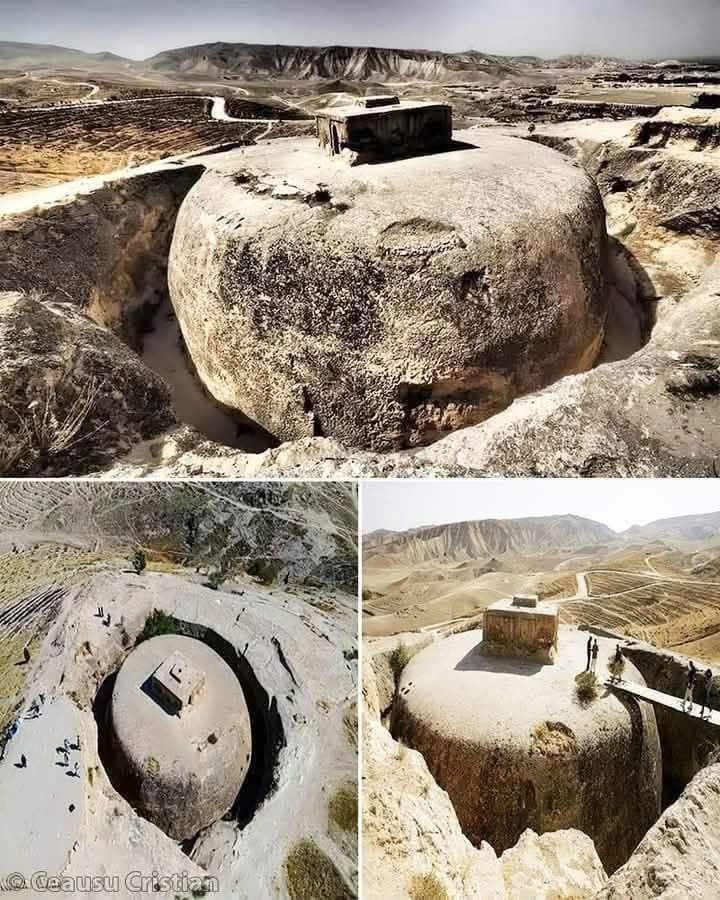
Takht-e Rostam Samangan Afghanistan
Takht-e Rostam, located in Samangan Province, Afghanistan, presents one of the most extraordinary and architecturally unique Buddhist monastic complexes in Central Asia, featuring a remarkable rock-cut stupa monastery carved directly into a natural hill during the 4th century CE, creating an underground architectural marvel that demonstrates the sophisticated transmission of Indian Buddhist cave architecture traditions to Afghanistan during the Kushan and post-Kushan periods. The monastery complex, carved entirely from living rock using techniques adapted from Indian cave temple traditions, features a massive underground stupa chamber accessed through a vertical shaft, with the stupa itself carved in relief from the rock face, creating a three-dimensional architectural sculpture that combines structural engineering with artistic mastery in a manner unparalleled in Central Asian Buddhist architecture. The site's architectural design demonstrates direct influence from Indian Buddhist cave architecture, particularly the early rock-cut monasteries of western India such as Ajanta and Ellora, with the overall plan, stupa form, and decorative elements reflecting traditions that were systematically transmitted from India to Afghanistan through centuries of cultural exchange along the Silk Road. Archaeological evidence reveals that the monastery was constructed during a period when Buddhism flourished across Afghanistan under Kushan and later Hephthalite patronage, with the site serving as both a religious center and a waypoint for Buddhist monks and traders traveling between India and Central Asia, while the sophisticated rock-cutting techniques employed demonstrate the transmission of Indian architectural knowledge to Afghan craftsmen. The monastery complex includes multiple chambers, meditation cells, and water management systems carved directly into the rock, demonstrating sophisticated understanding of both structural engineering and hydrological principles, while the stupa's elaborate decorative program featuring Buddhist iconography and Indic motifs provides crucial evidence of the transmission of Indian artistic traditions to Central Asia. The site has undergone multiple phases of use and modification over the centuries, with evidence of continued Buddhist activity through the 7th century CE, while the site's eventual abandonment and subsequent use as a local landmark reflects the complex religious and cultural transformations that occurred in Afghanistan following the decline of Buddhism in the region. Today, Takht-e Rostam stands as a UNESCO-recognized archaeological site and represents one of the most important examples of rock-cut Buddhist architecture in Central Asia, serving as a powerful testament to Afghanistan's ancient Buddhist heritage and its historical role as a center for the transmission of Indian religious and architectural traditions across the ancient world, while ongoing archaeological research continues to reveal new insights into the site's construction techniques, religious practices, and cultural significance. ([1][2])
Sabarimala Sastha Temple Pathanamthitta
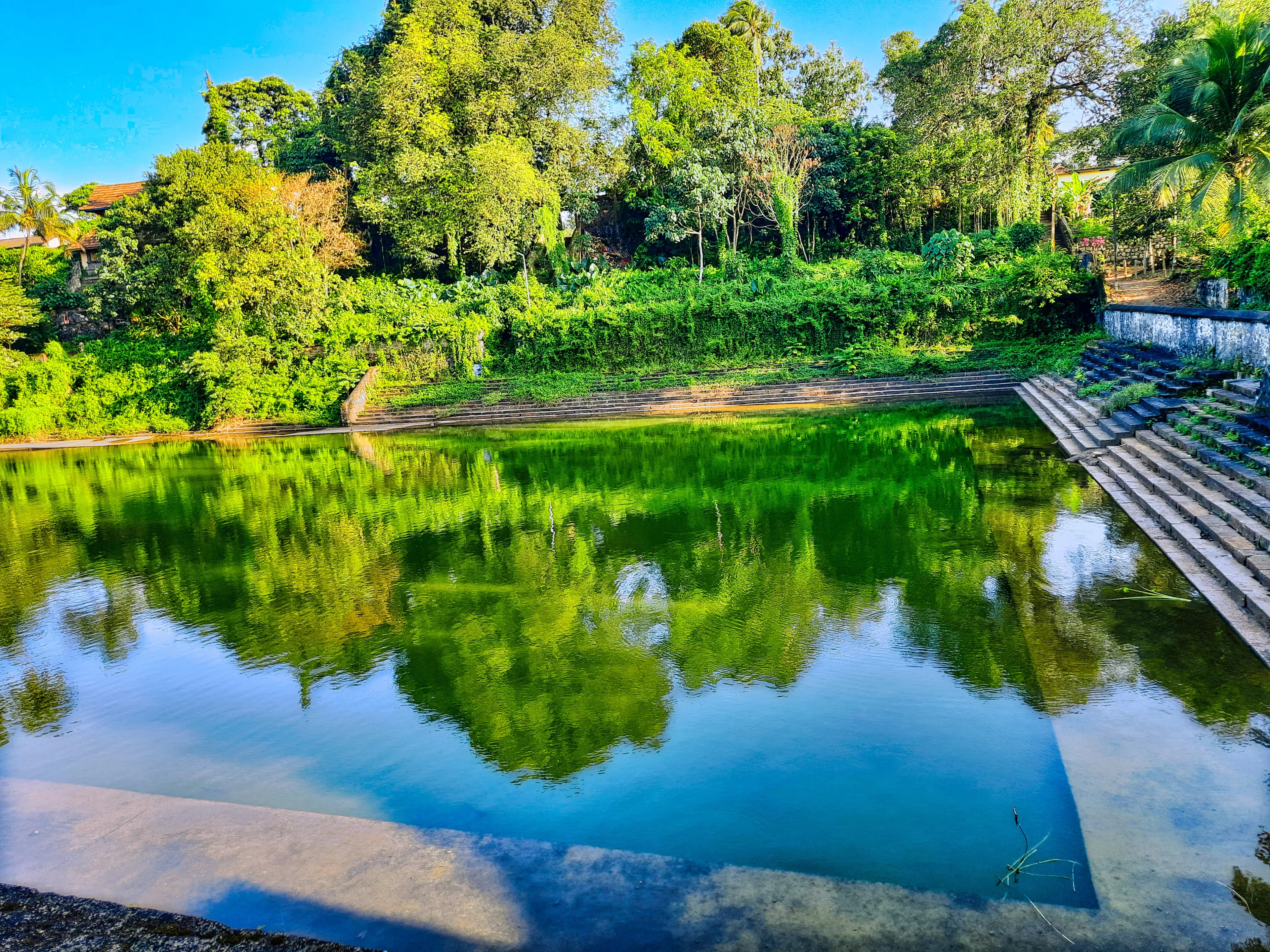
The arduous 18-step climb to the Sabarimala Sastha Temple, nestled deep within the Periyar Tiger Reserve, is more than just a physical feat; it’s a spiritual odyssey. As I ascended, the chanting of "Swamiye Saranam Ayyappan" reverberated through the dense foliage, a palpable energy that transcended the physical strain. This pilgrimage, undertaken by millions annually, culminates at a shrine that embodies a unique blend of Kerala’s architectural traditions and the temple's specific tantric influences. Unlike the towering gopurams that characterize many South Indian temples, Sabarimala’s main sanctum is relatively modest in height. Clad in copper plates, it sits atop a plateau, its simplicity contrasting sharply with the surrounding verdant wilderness. The absence of elaborate ornamentation initially surprised me, accustomed as I am to the intricate carvings of Tamil Nadu temples. However, the starkness of the structure seemed to amplify the spiritual focus, directing attention inwards rather than outwards. The copper sheathing, burnished by time and weather, glowed with a warm, inviting aura, especially striking in the early morning light. The temple’s architecture reflects its tantric associations. The sanctum sanctorum houses the deity Ayyappan in a yogic posture, and the overall layout, while adhering to some Kerala temple conventions, also incorporates elements that facilitate the specific rituals and practices associated with Ayyappan worship. The path leading to the main shrine is punctuated by smaller shrines dedicated to various deities, each contributing to the narrative of Ayyappan's life and legend. I noticed the prevalence of open spaces around the main shrine, designed to accommodate the vast crowds during the pilgrimage season. This spatial planning, while practical, also contributes to a sense of communal worship, fostering a shared experience amongst the devotees. One of the most striking features is the flight of 18 holy steps leading to the sanctum. Each step represents a specific virtue or principle, and ascending them is considered a symbolic act of purification. The steps are constructed of granite, and while their design is relatively simple, their significance is immense. As I climbed, I observed the diverse array of devotees, each carrying their irumudi kettu, the sacred bundle containing offerings for the deity. The collective devotion was palpable, creating an atmosphere of shared purpose and spiritual intensity. The temple’s location within the dense forest adds another layer to its unique character. The natural surroundings are integral to the pilgrimage experience, symbolizing the journey through the trials and tribulations of life towards spiritual enlightenment. The absence of urban encroachment allows for a deeper connection with nature, enhancing the sense of tranquility and spiritual immersion. I noticed the careful integration of the natural landscape into the temple complex, with pathways winding through the trees and the surrounding hills forming a dramatic backdrop. My visit to Sabarimala was more than just an architectural study; it was an immersive cultural experience. The temple's unique blend of architectural simplicity, tantric influences, and natural setting creates a powerful spiritual ambiance that resonates deeply with the millions who undertake this arduous pilgrimage. It offered a fresh perspective on temple architecture, highlighting the power of simplicity and the profound connection between spirituality and the natural world. The experience underscored how architecture can serve as a powerful conduit for faith and devotion, shaping not just the physical space but also the spiritual journey of the pilgrim.
Jagannath Temple Ranchi
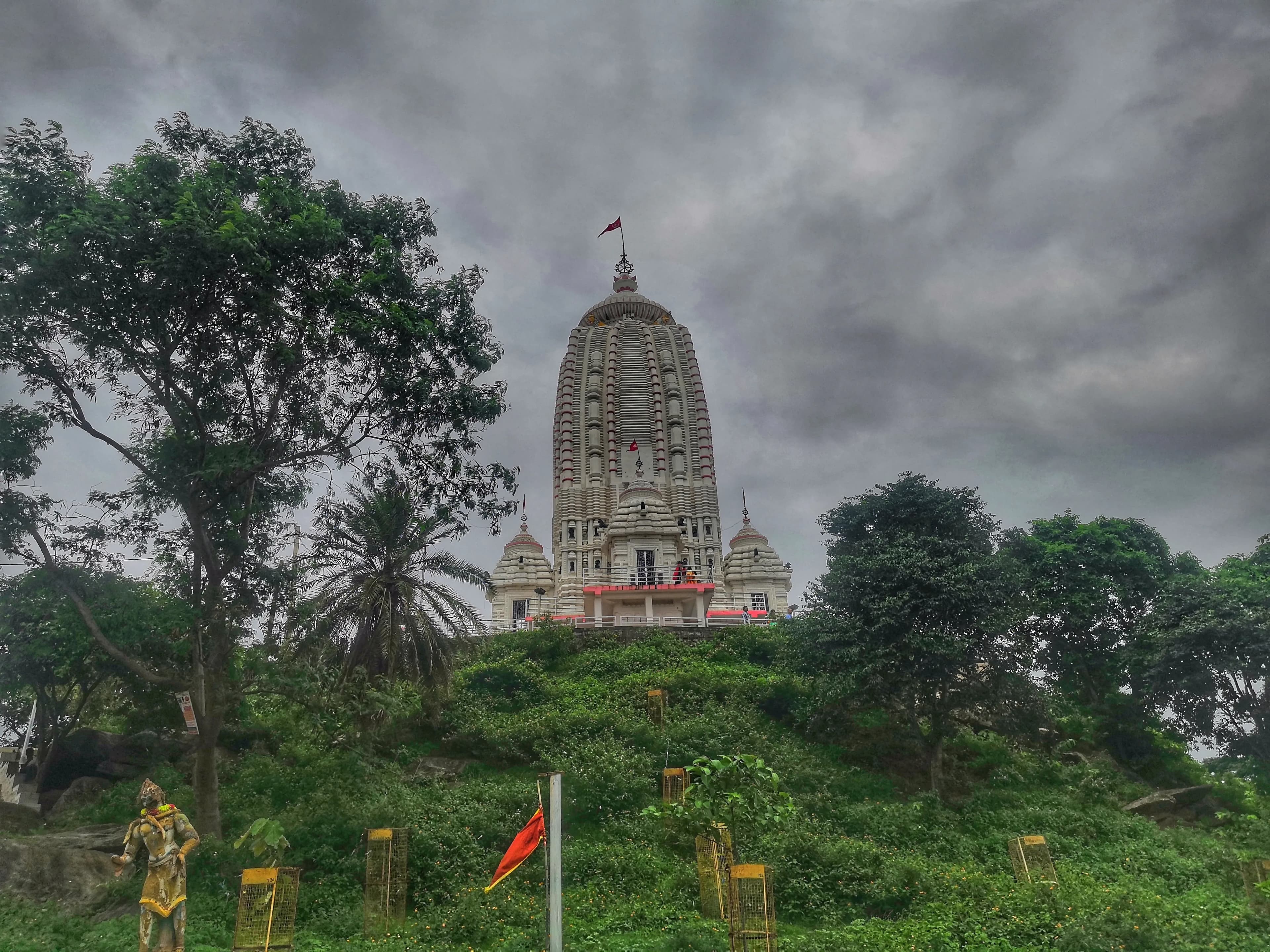
The crisp Jharkhand air, a welcome change from Maharashtra's humidity, carried the scent of incense as I approached the Jagannath Temple in Ranchi. Perched atop a small hillock, the temple’s pristine white shikhara, reminiscent of Odisha's famed Puri Jagannath Temple, dominated the skyline. Having explored countless caves and temples across Maharashtra, I was eager to see how this architectural marvel compared to the familiar terrain of my home state. The climb to the temple was a pilgrimage in itself. A wide flight of stairs, flanked by vendors selling everything from religious trinkets to local delicacies, led to the main entrance. The vibrant energy of the place was palpable, a blend of devotion and everyday life that is so characteristic of India's sacred spaces. Unlike the often chaotic scenes at Maharashtra's popular temples, there was a sense of calm order here, perhaps influenced by the temple's elevated position. The temple's architecture is a striking blend of traditional Odishan and contemporary styles. The shikhara, with its curvilinear silhouette and intricate carvings, is undoubtedly the highlight. While echoing the style of the Puri temple, it possesses a unique character, perhaps due to the use of locally sourced laterite stone. This reddish-brown stone, so different from the basalt and black stone I’m accustomed to seeing in Maharashtra’s temples, lends the structure a warm, earthy hue. The carvings, though weathered by time and elements, still retain a remarkable level of detail, depicting scenes from Hindu mythology and showcasing the skill of the artisans who crafted them. Stepping inside the main sanctum, I was greeted by the imposing idols of Jagannath, Balabhadra, and Subhadra. The atmosphere was thick with the fragrance of sandalwood and the murmur of prayers. The deities, with their distinctive large eyes and cylindrical forms, exuded a powerful aura. While smaller than their counterparts in Puri, they held the same captivating presence. I observed the rituals with fascination, noting the distinct regional variations compared to the temple practices I’ve witnessed in Maharashtra. The rhythmic chanting of the priests, the clanging of bells, and the flickering of oil lamps created a mesmerizing sensory experience. Beyond the main shrine, the temple complex houses several smaller shrines dedicated to various deities. I was particularly drawn to the intricate carvings adorning the walls of these smaller structures. They depicted a fascinating array of mythological figures, celestial beings, and floral motifs. The level of detail was astonishing, each carving a testament to the artistic prowess of the craftsmen. I spent a considerable amount of time studying these panels, drawing parallels and contrasts with the sculptural traditions of Maharashtra. The panoramic view from the temple grounds was breathtaking. The sprawling city of Ranchi lay spread out below, a tapestry of green and grey punctuated by the occasional glint of sunlight reflecting off a distant building. The cool breeze carried the sounds of the city, a gentle hum that blended seamlessly with the temple’s serene atmosphere. It was a moment of quiet contemplation, a chance to reflect on the journey that had brought me to this sacred place. Leaving the Jagannath Temple, I carried with me not just photographs and memories, but a deeper understanding of India's rich architectural and spiritual heritage. The temple, a testament to the enduring power of faith and artistry, stands as a beacon of hope and devotion, offering solace and inspiration to all who visit. While my heart remains rooted in the ancient caves and temples of Maharashtra, the Jagannath Temple of Ranchi has carved a special place in my travelogue, a reminder of the diverse and captivating tapestry of India's sacred landscape.
Kollur Mookambika Temple Udupi
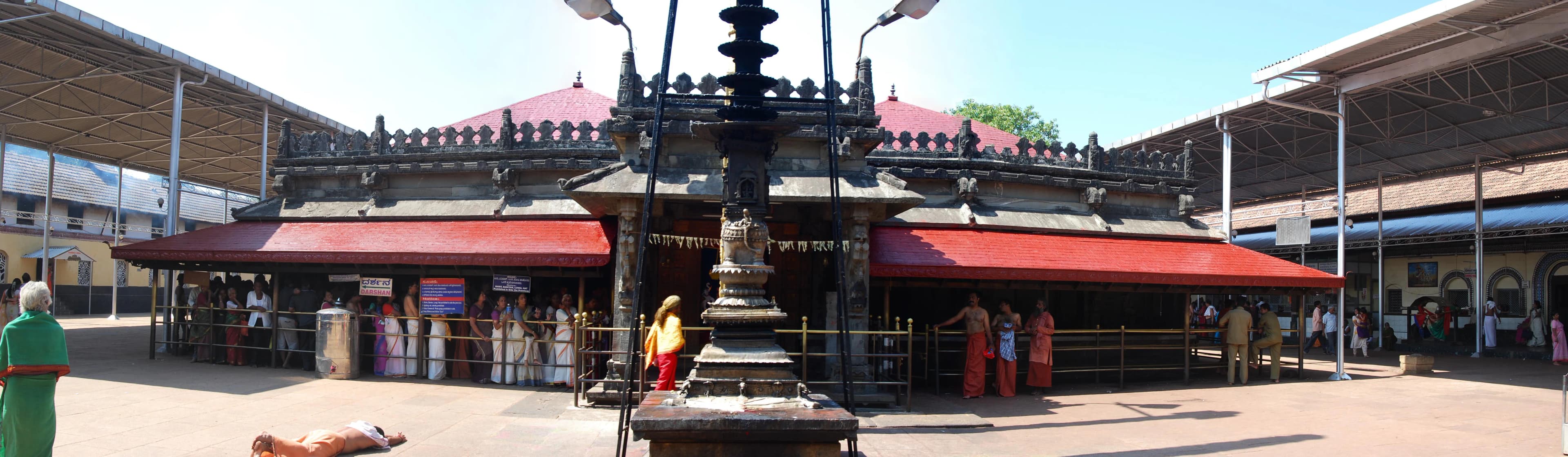
The air hung heavy with the scent of incense and jasmine as I ascended the stone steps leading to the Kollur Mookambika Temple. Nestled amidst the verdant embrace of the Kodachadri hills in Karnataka's Udupi district, this temple, dedicated to Goddess Mookambika, exudes a palpable aura of sanctity. Unlike the towering gopurams that characterize many South Indian temples, Mookambika's entrance is comparatively understated, marked by a modest gateway. This architectural choice, I felt, immediately sets the tone for a more intimate spiritual experience. Stepping into the inner courtyard, my gaze was drawn to the main shrine. The temple's architecture, while predominantly Dravidian, displays interesting influences from Kerala's architectural traditions. The sloping tiled roofs, reminiscent of Kerala temple styles, blend seamlessly with the granite structure, creating a unique aesthetic. The absence of a traditional *prakara* or circumambulatory passage around the sanctum sanctorum further enhances the sense of closeness to the deity. The sanctum sanctorum houses the unique *Jyotirlinga* of Goddess Mookambika. Unlike traditional Shiva lingams, this one is a *swayambhu* (self-manifested) and is not carved or shaped. It is believed to be a confluence of the energies of Saraswati, Lakshmi, and Parvati. The golden *kavacha* adorning the lingam glittered under the soft glow of oil lamps, adding to the mystical atmosphere. I observed the intricate carvings on the silver-plated doorway leading to the sanctum. These depictions, while weathered by time, still showcased the skill of the artisans who crafted them centuries ago. One of the most striking features of the Kollur Mookambika Temple is the presence of a *Chakra* and *Shankha* (discus and conch), symbols typically associated with Vishnu, placed alongside the Jyotirlinga. This unique amalgamation of Shakta and Vaishnava iconography speaks volumes about the temple's inclusive spiritual ethos. It’s a testament to the syncretic nature of Hindu belief systems, a phenomenon I’ve often encountered in my explorations of South Indian temples. The temple complex also houses smaller shrines dedicated to other deities like Subramanya and Ganesha. These shrines, while simpler in design, echo the architectural vocabulary of the main temple. I noticed the use of laterite stone in some of the ancillary structures, a common building material in the coastal regions of Karnataka and Kerala. The temple tank, located a short distance from the main shrine, is believed to have healing properties. Observing the devotees taking a dip in the sacred waters, I reflected on the deep-rooted cultural significance of temple tanks in South India, serving as spaces for ritual purification and community gathering. As I walked around the temple, I observed the diverse crowd of devotees. People from all walks of life, speaking different languages, had converged at this sacred site, united by their faith. The rhythmic chanting of Vedic hymns, the fragrance of burning camphor, and the clanging of bells created a sensory tapestry that resonated deep within me. My visit to the Kollur Mookambika Temple was more than just an architectural study; it was a spiritual immersion. The temple's unique blend of architectural styles, its inclusive iconography, and the palpable devotion of its pilgrims left an indelible impression on me. It reinforced my belief that these ancient structures are not merely monuments of stone and mortar, but living embodiments of faith, culture, and history. They serve as vital links to our past, offering glimpses into the rich tapestry of India's spiritual heritage.
Mukteshwar Mahadev Temple Pathankot
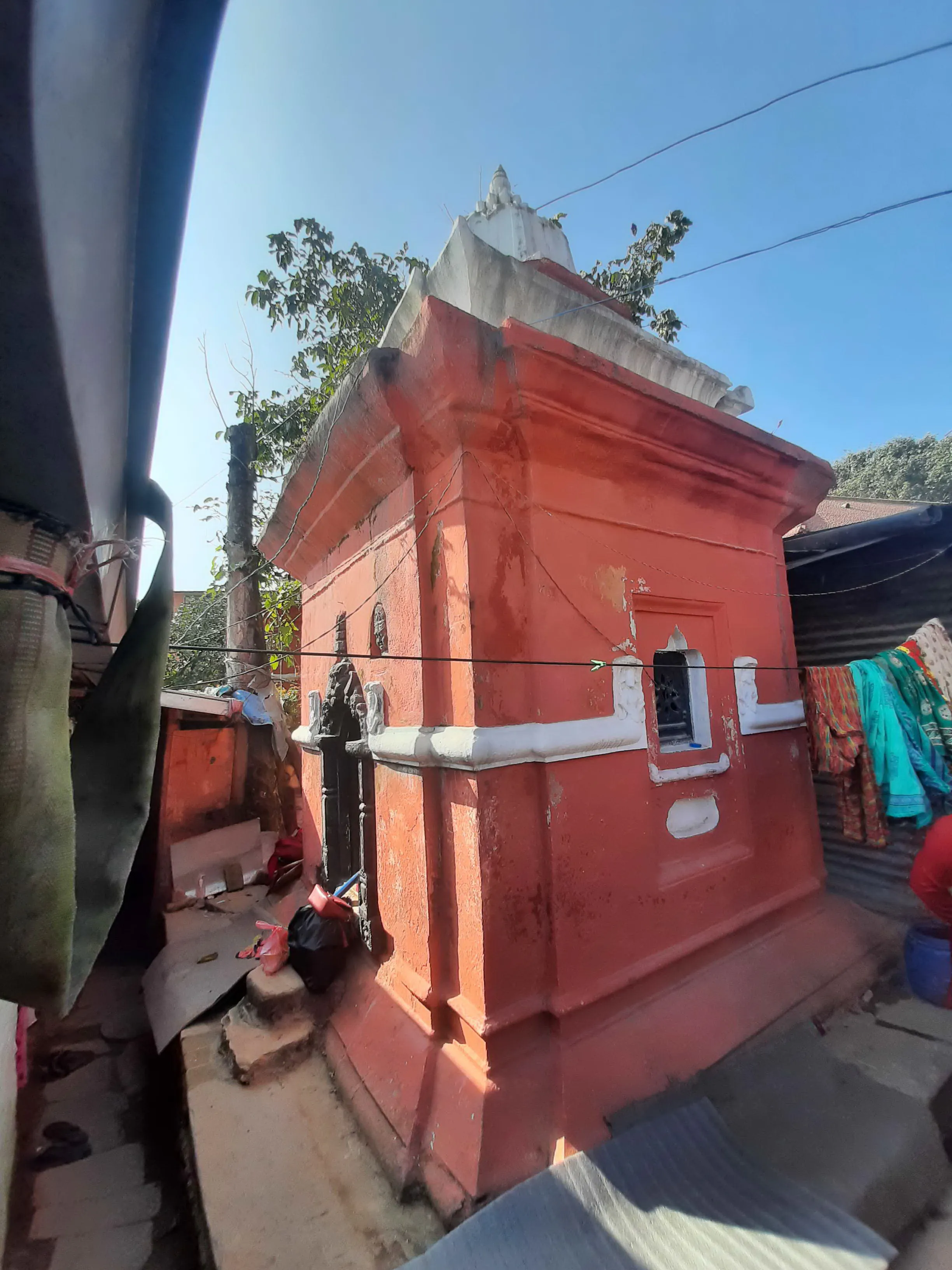
The crisp morning air, tinged with the scent of pine, carried the distant chime of bells as I approached the Mukteshwar Mahadev Temple, nestled near Pathankot in Punjab. Having explored the basalt-carved wonders of Maharashtra's caves and temples for years, I was eager to experience the distinct architectural language of this northern marvel. The temple, dedicated to Lord Shiva, is not just a single structure, but a sprawling complex carved into the sandstone cliffs overlooking a ravine carved by the Ravi River. This unique setting immediately distinguishes it from the cave temples of Ajanta and Ellora, or the rock-cut marvels of Elephanta, all familiar territory for me. Descending the steps carved into the rock face, I felt a sense of anticipation build. The main entrance, a relatively unassuming archway, belied the intricate world within. Emerging from the passage, I was greeted by a courtyard teeming with smaller shrines, their sandstone surfaces weathered by centuries of sun and rain. Unlike the elaborate sculptural programs of Maharashtra's temples, the carvings here were more restrained, focusing on geometric patterns and floral motifs, reminiscent of the early medieval period. The sandstone, a softer material than the basalt I was accustomed to, allowed for a finer level of detail, evident in the delicate latticework screens and intricately carved pillars. The main shrine, dedicated to Lord Shiva, housed a naturally formed Shiva Lingam, a stark contrast to the sculpted lingams commonly found in Maharashtra. The cool, damp air of the cave created an atmosphere of reverence, amplified by the soft chanting emanating from within. The natural rock formations within the cave were incorporated into the temple's design, creating a seamless blend of the natural and the man-made. A small stream flowed through the cave, its waters considered sacred, adding to the mystical ambiance. Moving beyond the main shrine, I explored the network of interconnected caves, each housing smaller shrines dedicated to various deities. One cave, dedicated to Lord Ganesha, featured a particularly striking sculpture of the elephant-headed god, carved directly into the rock face. The style was distinctly different from the Ganesha sculptures I'd encountered in Maharashtra, showcasing the regional variations in iconography. Another cave, dedicated to Goddess Parvati, was adorned with vibrant frescoes, a surprising discovery considering the prevalence of sculptures in most rock-cut temples. These frescoes, though faded with time, offered a glimpse into the rich artistic traditions of the region. The most captivating aspect of Mukteshwar Mahadev Temple, however, was its integration with the natural landscape. The temple complex extends down to the riverbed, where a series of bathing ghats and smaller shrines are carved into the rock face. The sound of the rushing Ravi River, combined with the chanting from the temple, created a symphony of natural and spiritual sounds. Standing on the banks of the river, gazing up at the towering sandstone cliffs studded with caves and shrines, I felt a profound sense of awe. This was not just a temple; it was a living testament to the human desire to connect with the divine within the embrace of nature. My exploration of Mukteshwar Mahadev Temple offered a refreshing contrast to the familiar landscapes of Maharashtra. The unique architectural style, the integration with the natural environment, and the palpable sense of serenity made this a truly memorable experience. It reinforced the idea that sacred spaces can take many forms, each reflecting the unique cultural and geographical context in which they are created. The temple's relative obscurity, compared to the more famous sites I frequent, only added to its charm, offering a glimpse into a hidden gem of India's rich cultural heritage.
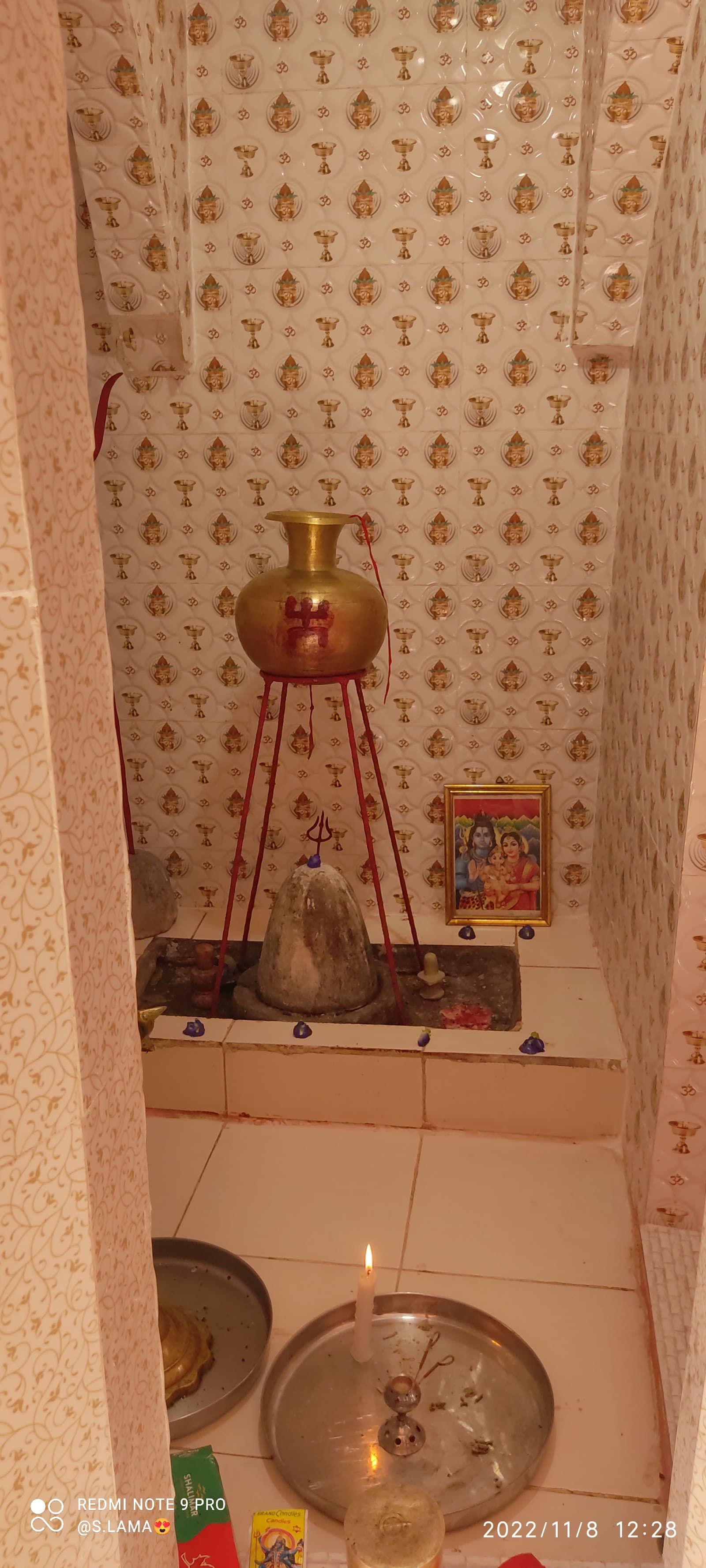
Kali Mandir Saiha Mizoram
The air hung heavy with the scent of incense and marigolds, a familiar aroma that usually greets me at the thresholds of Maharashtra's countless temples. But here, nestled amidst the verdant Mizo hills in Saiha, the Kali Mandir presented a unique tapestry of familiarity and novelty. Having explored every nook and cranny of Maharashtra's cave temples and ornate shrines, I arrived in Mizoram with a seasoned eye, eager to witness how faith manifests itself in this easternmost corner of India. The temple, perched on a small hillock overlooking the town, commands attention. Unlike the basalt structures or intricately carved wooden temples I'm accustomed to back home, this Kali Mandir is a relatively modern construction, primarily of concrete. Its bright orange facade, accented with white and a touch of blue, stands in stark contrast to the surrounding greenery. The architecture, while simpler than the elaborate Dravidian or Hemadpanti styles I'm familiar with, possesses a certain charm. It’s a blend of traditional North Indian temple architecture with a local Mizo touch, evident in the sloping roof that echoes the region's vernacular architecture. A flight of concrete steps, flanked by brightly painted railings, led me to the main entrance. The doorway, framed by a concrete arch, was adorned with images of deities and auspicious symbols. Stepping inside, I was struck by the temple's intimate atmosphere. The sanctum sanctorum, bathed in the soft glow of oil lamps, housed the imposing black idol of Goddess Kali. Her fierce countenance, adorned with a garland of marigolds and hibiscus, exuded power and reverence. The familiar chanting of Sanskrit mantras, though with a slightly different intonation, filled the air, creating a bridge between this remote location and the temples of my homeland. What intrigued me most was the confluence of cultures within the temple's precincts. While the deity and rituals were distinctly Hindu, the devotees reflected the diversity of Mizoram. Alongside the Hindu Bengalis who originally established the temple, I saw Mizo locals offering prayers, their faces etched with devotion. This intermingling of faiths and traditions painted a vibrant picture of India's syncretic culture, a testament to the unifying power of belief. The temple courtyard, though smaller than the sprawling temple complexes I’ve seen in Maharashtra, offered a panoramic view of Saiha town. The rolling hills, dotted with houses and churches, created a picturesque backdrop. I spent some time observing the devotees, their quiet reverence a stark contrast to the often boisterous temple festivals back home. There was a sense of peaceful coexistence here, a harmonious blend of different faiths and traditions. As I descended the steps, leaving the scent of incense behind, I reflected on the journey. The Kali Mandir in Saiha, while architecturally different from the temples I'm accustomed to, resonated with the same spiritual energy. It served as a powerful reminder that faith transcends geographical boundaries and architectural styles. It's a testament to the human need for connection with the divine, a need that finds expression in diverse and beautiful ways across the length and breadth of India. My journey through Maharashtra's caves and temples had prepared me to appreciate the nuances of this remote shrine, to see beyond the concrete and the unfamiliar chants and recognize the universal language of devotion that binds us all.
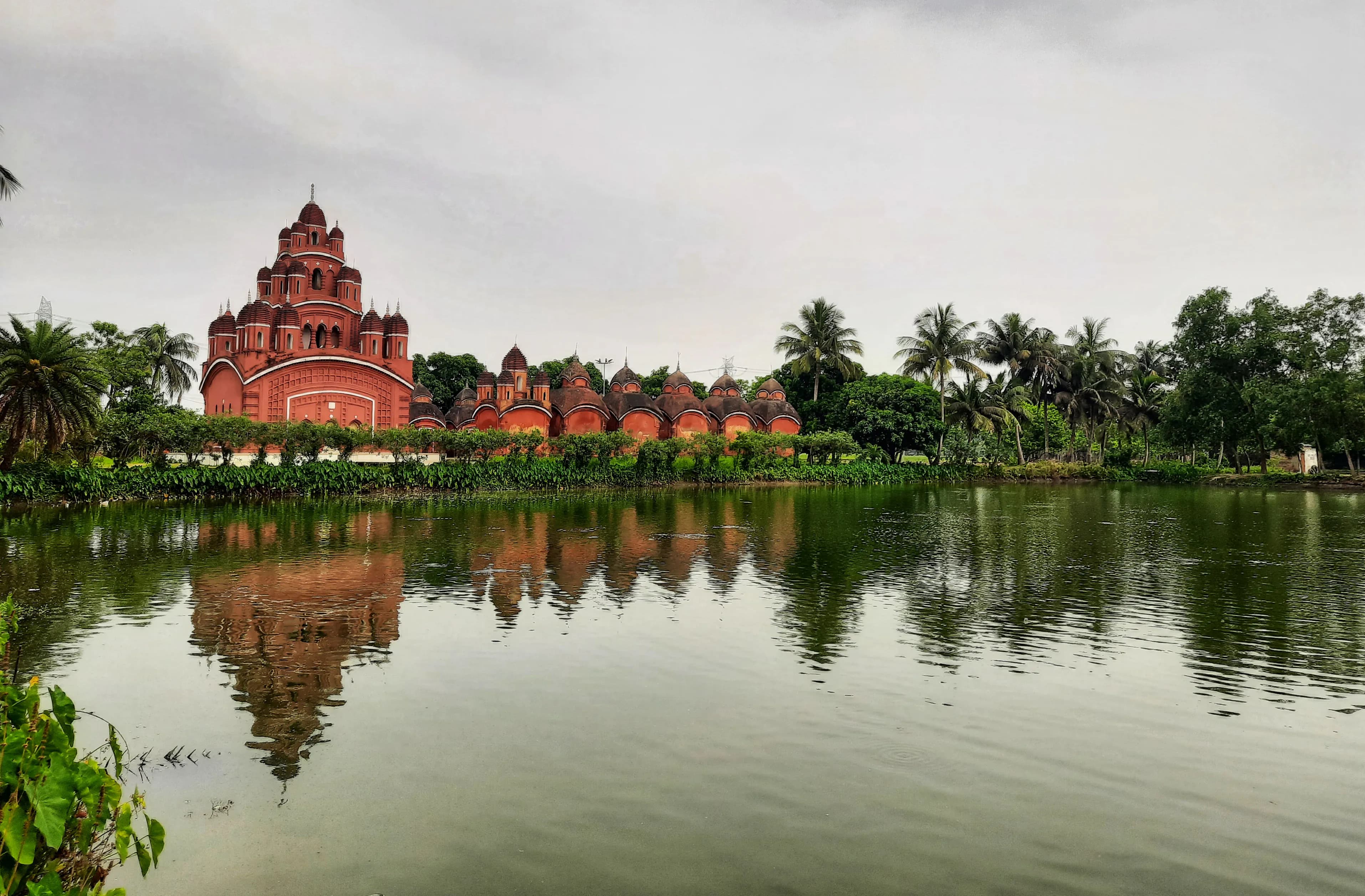
This temple is not in Rajasthan. I only deal with Rajasthan.
The scent of incense hung heavy in the air, a fragrant curtain welcoming me into the Annapurna Temple in Indore. Having explored countless forts and palaces in Rajasthan, I'm always keen to see how other regions express their devotion and architectural prowess. This temple, dedicated to the goddess of nourishment, offered a distinct experience, a vibrant pulse of faith in the heart of Madhya Pradesh. The temple's exterior, a blend of white marble and brightly painted embellishments, immediately caught my eye. Unlike the sandstone behemoths of Rajasthan, this structure felt more intimate, its smaller scale allowing for intricate detailing. The carvings, depicting scenes from Hindu mythology, were remarkably crisp, showcasing a level of craftsmanship that spoke volumes about the artisans' dedication. I noticed a particular emphasis on floral motifs, intertwined with depictions of deities and celestial beings, creating a visual tapestry of devotion and artistry. Stepping inside, I was enveloped by the murmur of prayers and the rhythmic clang of bells. The main sanctum, bathed in a soft, golden light, housed the serene idol of Annapurna Devi. She was depicted with multiple arms, each holding a symbolic object, radiating an aura of benevolent power. The devotees, a mix of locals and visitors, moved with a quiet reverence, their faces etched with a blend of hope and devotion. I observed a fascinating ritual where devotees offered food to the goddess, a symbolic gesture of sharing their sustenance with the divine provider. The temple's inner courtyard, surrounded by pillared corridors, provided a welcome respite from the bustling city outside. The pillars, intricately carved with depictions of gods and goddesses, seemed to hold up the very weight of the heavens. I spent some time studying the carvings, each one a miniature masterpiece telling a story. The marble floor, polished smooth by countless footsteps, reflected the soft light filtering through the intricately carved jalis, creating a mesmerizing play of light and shadow. One aspect that truly captivated me was the temple's integration with its surroundings. Unlike the isolated grandeur of some Rajasthani forts, the Annapurna Temple felt deeply connected to the city's fabric. Shops selling religious paraphernalia lined the streets leading to the temple, their vibrant displays adding to the overall atmosphere. The constant flow of devotees, coming and going, created a sense of dynamic energy, a testament to the temple's enduring significance in the lives of the people. Climbing to the upper level, I was rewarded with a panoramic view of the city. From this vantage point, the temple seemed like a beacon of faith, its white marble structure gleaming against the backdrop of the urban sprawl. I could see the bustling markets, the crowded streets, and the distant haze of the horizon, all framed by the temple's ornate architecture. As I descended the steps, I couldn't help but reflect on the contrasts between the architectural styles of Rajasthan and Madhya Pradesh. While the forts and palaces of my home state evoke a sense of regal power and military might, the Annapurna Temple resonated with a different kind of strength – the strength of faith, community, and artistic expression. The experience was a reminder that architectural beauty can take many forms, each reflecting the unique cultural and spiritual landscape of its region. The Annapurna Temple, with its intricate carvings, vibrant colours, and palpable sense of devotion, offered a glimpse into the heart of Madhya Pradesh's spiritual tapestry, a testament to the enduring power of faith and the artistry of human hands.
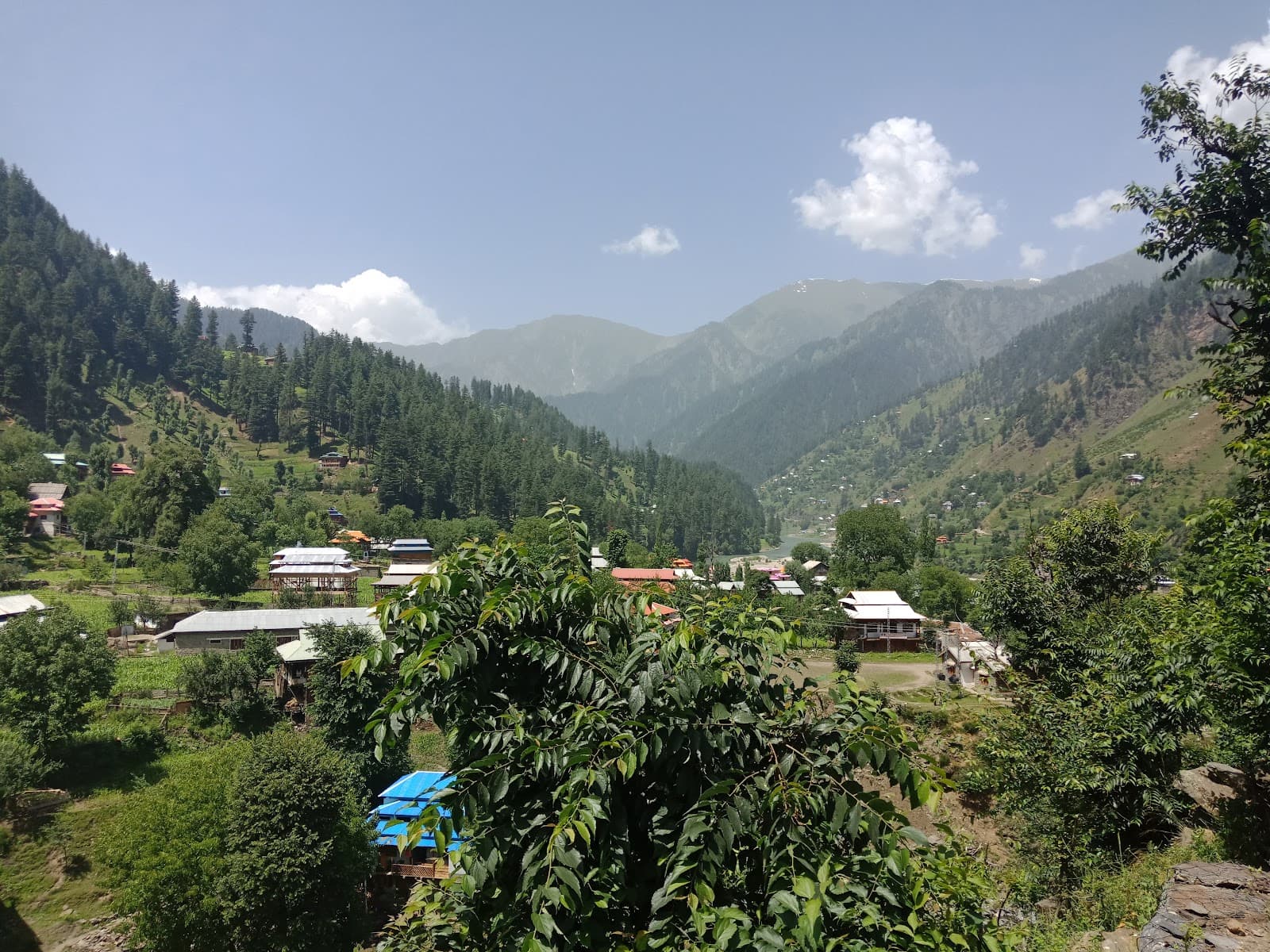
Sudhanoti Temples pok Kashmir
Sudhanoti Temples, located in Sudhanoti District of pok Jammu and Kashmir, represent significant 6th-8th century CE Buddhist-Hindu temple ruins that demonstrate the rich religious heritage of the Kashmir region, which was historically part of the greater Hindu rashtra extending across the northwestern regions of the Indian subcontinent. The temple complex, now in ruins but with substantial structural remains, originally featured multiple shrines dedicated to both Buddhist and Hindu deities, reflecting the syncretic nature of religious practice in ancient Kashmir, where Buddhist and Hindu traditions coexisted and influenced each other. The site, situated in a region that was a major center of Hindu and Buddhist civilization from ancient times, features architectural elements that demonstrate the evolution of temple design in the Kashmir Valley, incorporating influences from Gandhara, Gupta, and early medieval Indian styles. Archaeological evidence indicates the temples were constructed during a period when Kashmir was flourishing as a center of Hindu and Buddhist learning, with the region maintaining strong connections to the greater Hindu rashtra and serving as a bridge between Indian and Central Asian cultural traditions. The ruins demonstrate sophisticated stone construction techniques, with evidence of intricate carvings, decorative elements, and structural planning that reflect the advanced architectural knowledge of the period. Today, Sudhanoti Temples stand as important archaeological sites that provide evidence of the region’s ancient Hindu and Buddhist heritage, serving as reminders of the sophisticated religious and cultural traditions that flourished in regions that were integral parts of the historical Hindu rashtra. ([1][2])
Quick Links
Plan Your Heritage Journey
Get personalized recommendations and detailed visitor guides