Has Inheritage Foundation supported you today?
Your contribution helps preserve India's ancient temples, languages, and cultural heritage. Every rupee makes a difference.
Secure payment • Instant 80G certificate
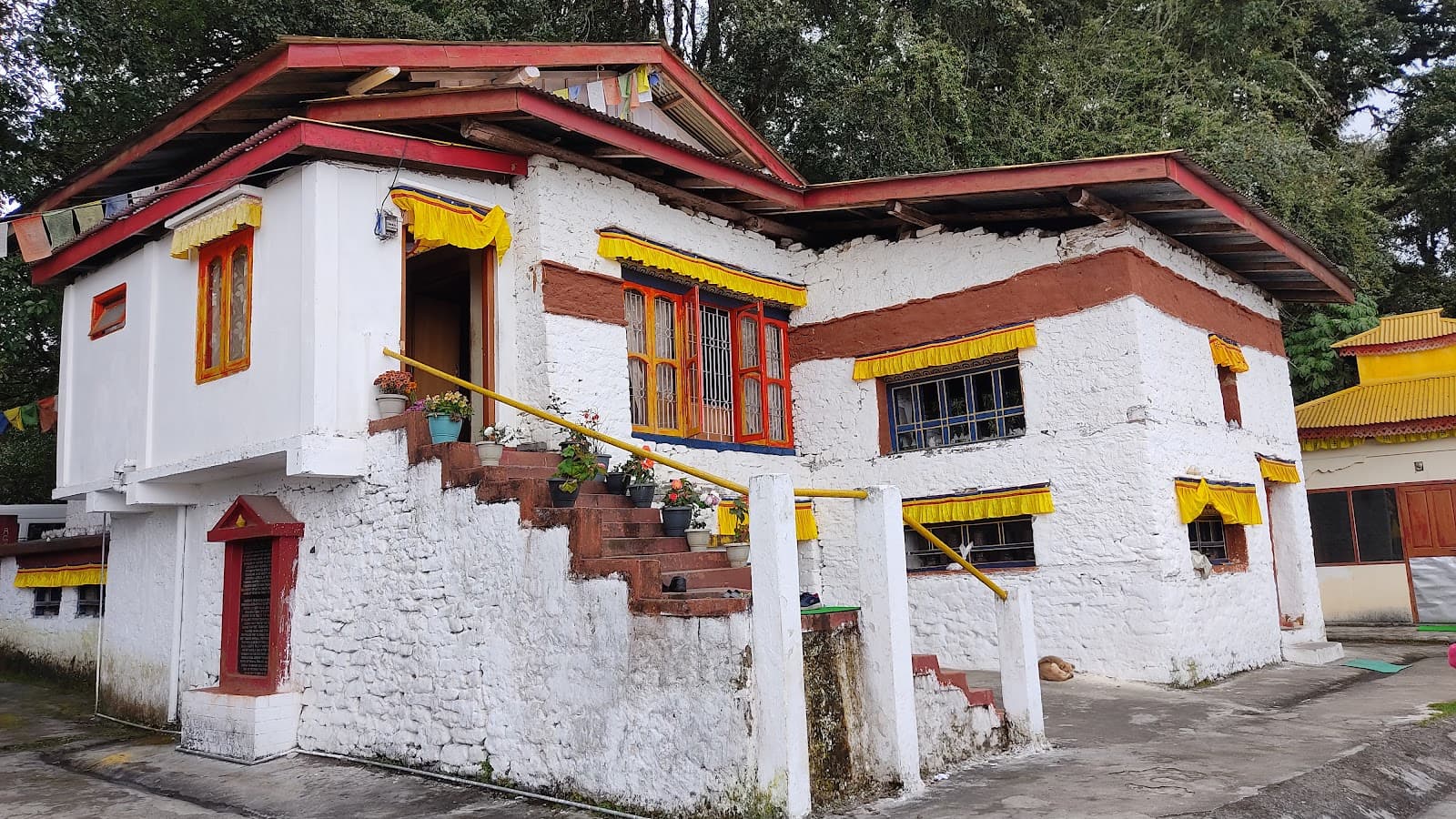
Urgelling Monastery Tawang
The biting Himalayan wind whipped prayer flags into a frenzy of colour against the stark backdrop of the snow-dusted mountains. Urgelling Monastery, perched precariously on a ridge overlooking Tawang valley, felt less like a structure and more like an extension of the rugged landscape itself. Having documented hundreds of monuments across India, I’ve learned to anticipate a certain grandeur, a predictable awe. Urgelling, however, defied all expectations. Its unassuming exterior belied the profound sense of history and spiritual weight it held within. Built in the 15th century, Urgelling is considered the birthplace of the 6th Dalai Lama, Tsangyang Gyatso, a figure shrouded in mystique and rebellion. This fact alone imbued the monastery with a palpable energy, a sense of walking through living history. Unlike many of the larger, more ornate monasteries I’ve photographed, Urgelling retained a sense of intimacy. The relatively small complex, constructed primarily of stone and wood, felt weathered and worn, a testament to centuries of harsh weather and unwavering devotion. The main prayer hall, though modest in size, was richly adorned. The walls were covered in vibrant thangkas depicting Buddhist deities and intricate mandalas. The low, flickering butter lamps cast dancing shadows, illuminating the worn faces of the statues and adding to the ethereal atmosphere. The scent of burning juniper incense hung heavy in the air, mingling with the crisp mountain air, creating a sensory experience that was both grounding and otherworldly. I spent hours exploring the narrow corridors and dimly lit chambers, my camera a silent observer. The intricate wood carvings on the window frames and pillars, some faded with age, spoke of a rich artistic tradition. I noticed recurring motifs of dragons and lotus flowers, symbols deeply embedded in Buddhist iconography. The architecture itself was a blend of Tibetan and Monpa styles, reflecting the region's unique cultural heritage. The sloping roofs, designed to withstand heavy snowfall, were adorned with decorative metalwork that shimmered in the occasional bursts of sunlight. One of the most striking features of Urgelling was its location. The panoramic view from the monastery courtyard was simply breathtaking. The Tawang valley stretched out below, a patchwork of green fields and scattered villages, framed by the towering Himalayas. It was easy to see why this spot was chosen as a place of spiritual retreat. The sheer vastness of the landscape seemed to dwarf all earthly concerns, fostering a sense of peace and introspection. My conversation with one of the resident monks offered a deeper understanding of Urgelling's significance. He spoke of the monastery's role not just as a place of worship but also as a centre of learning and community. He explained the significance of the various rituals and ceremonies performed, highlighting the importance of preserving their cultural heritage. His words resonated deeply, reminding me of the power of these sacred spaces to connect people to something larger than themselves. As I descended the winding path from Urgelling, the setting sun casting long shadows across the valley, I carried with me more than just photographs. I carried the weight of history, the echo of chants, and the profound sense of serenity that permeated the ancient walls. Urgelling Monastery, in its quiet dignity, had offered a glimpse into a world where spirituality and nature intertwine, a world I felt privileged to have witnessed through my lens. It was a testament to the enduring power of faith and a poignant reminder of the rich tapestry of cultural heritage that makes India so extraordinary.
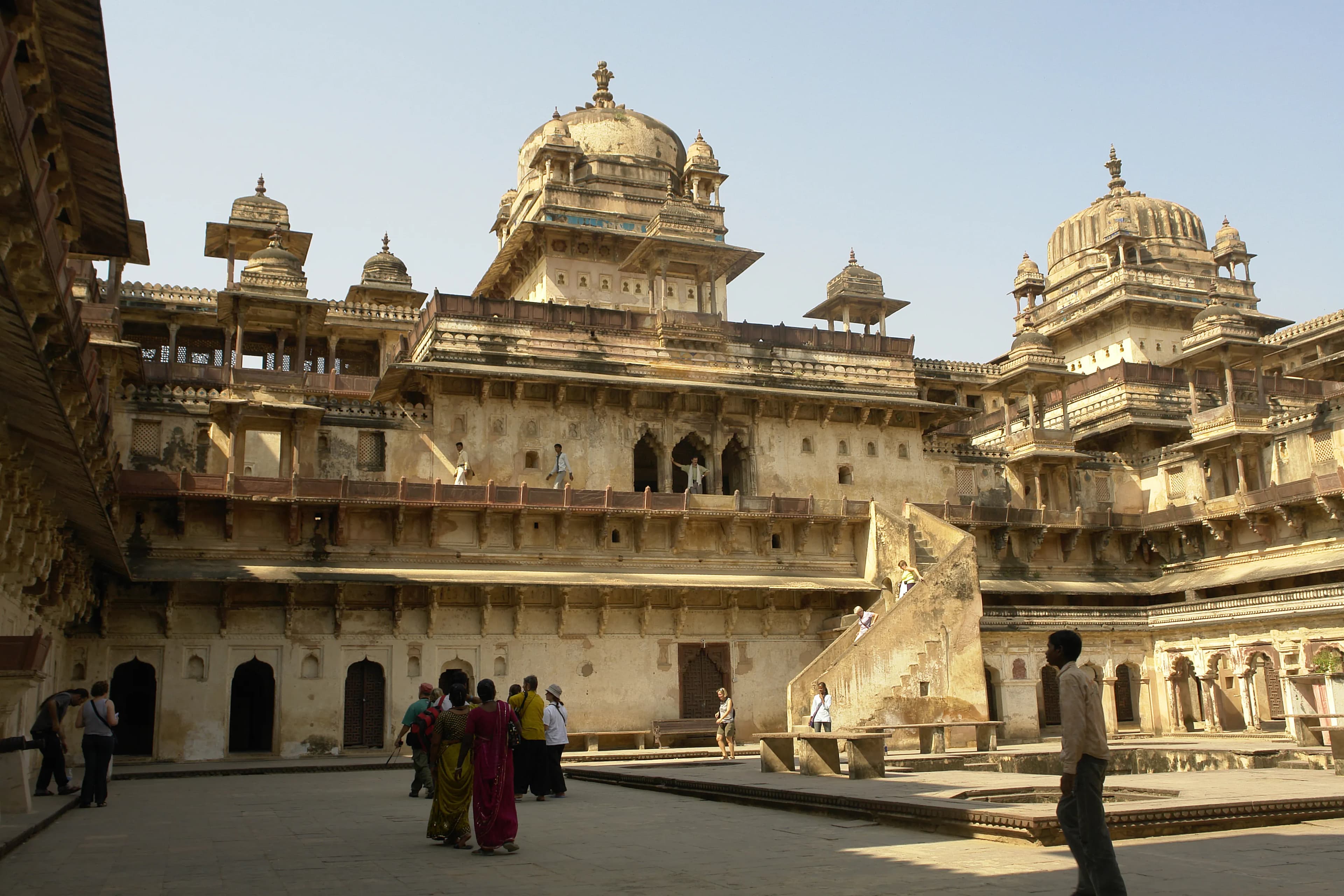
Jahangir Mahal Orchha
The imposing sandstone edifice of Jahangir Mahal rose before me, a testament to Mughal grandeur amidst the quiet town of Orchha, Madhya Pradesh. Having explored every UNESCO site in India, I can confidently say that this palace holds a unique charm, a blend of Rajput and Mughal architectural styles that speaks volumes about the confluence of cultures that shaped this region. The sheer scale of the structure is initially overwhelming. Its massive walls, punctuated by intricately carved chhatris and jharokhas, seem to stretch endlessly towards the cerulean sky. Stepping through the colossal gateway, I was transported back in time. The courtyard, vast and open, whispered stories of royal processions and grand durbars. The silence, broken only by the chirping of birds and the distant hum of the Betwa River, allowed me to truly absorb the atmosphere. I could almost envision the Mughal emperor Jahangir, for whom the palace was built, holding court here, surrounded by his entourage. The architecture of Jahangir Mahal is a fascinating study in contrasts. The robust, almost fortress-like exterior, a characteristic of Rajput architecture, gives way to surprisingly delicate and ornate interiors. The walls are adorned with intricate geometric patterns, floral motifs, and depictions of animals, showcasing the Mughal influence. I was particularly captivated by the exquisite tilework, predominantly in shades of turquoise and blue, that added a vibrant splash of colour to the sandstone backdrop. I ascended the steep, narrow staircases, each step worn smooth by centuries of footfalls. The climb was rewarded with breathtaking panoramic views of Orchha and the surrounding countryside. From this vantage point, the strategic importance of the Mahal became clear. The elevated position offered a commanding view of the Betwa River and the surrounding plains, allowing for early detection of approaching armies. Exploring the various chambers and halls, I noticed the clever use of light and ventilation. Despite the thick walls and the scorching Madhya Pradesh sun, the interiors remained relatively cool. The strategically placed jharokhas, besides their aesthetic appeal, allowed for cross-ventilation, while the intricate jaalis cast beautiful patterns of light and shadow on the floors and walls. One of the most striking features of the Mahal is the series of interconnected courtyards, each with its own distinct character. Some were intimate and secluded, perhaps meant for private gatherings, while others were grand and open, designed for public audiences. I spent a considerable amount of time simply wandering through these courtyards, imagining the lives of the people who once inhabited this magnificent palace. The chhatris, those elegant domed pavilions that crown the roof, are perhaps the most iconic element of Jahangir Mahal. These structures, with their intricate carvings and delicate arches, add a touch of ethereal beauty to the otherwise robust structure. Standing beneath one of these chhatris, gazing out at the sprawling landscape, I felt a profound sense of connection to the past. My visit to Jahangir Mahal was more than just a sightseeing trip; it was a journey through time. It was a chance to witness the grandeur of the Mughal empire and the architectural ingenuity of a bygone era. While I have been fortunate enough to experience the magnificence of all of India's UNESCO World Heritage Sites, Jahangir Mahal, with its unique blend of architectural styles and its palpable sense of history, holds a special place in my memory. It's a must-see for anyone seeking to understand the rich tapestry of Indian history and culture.
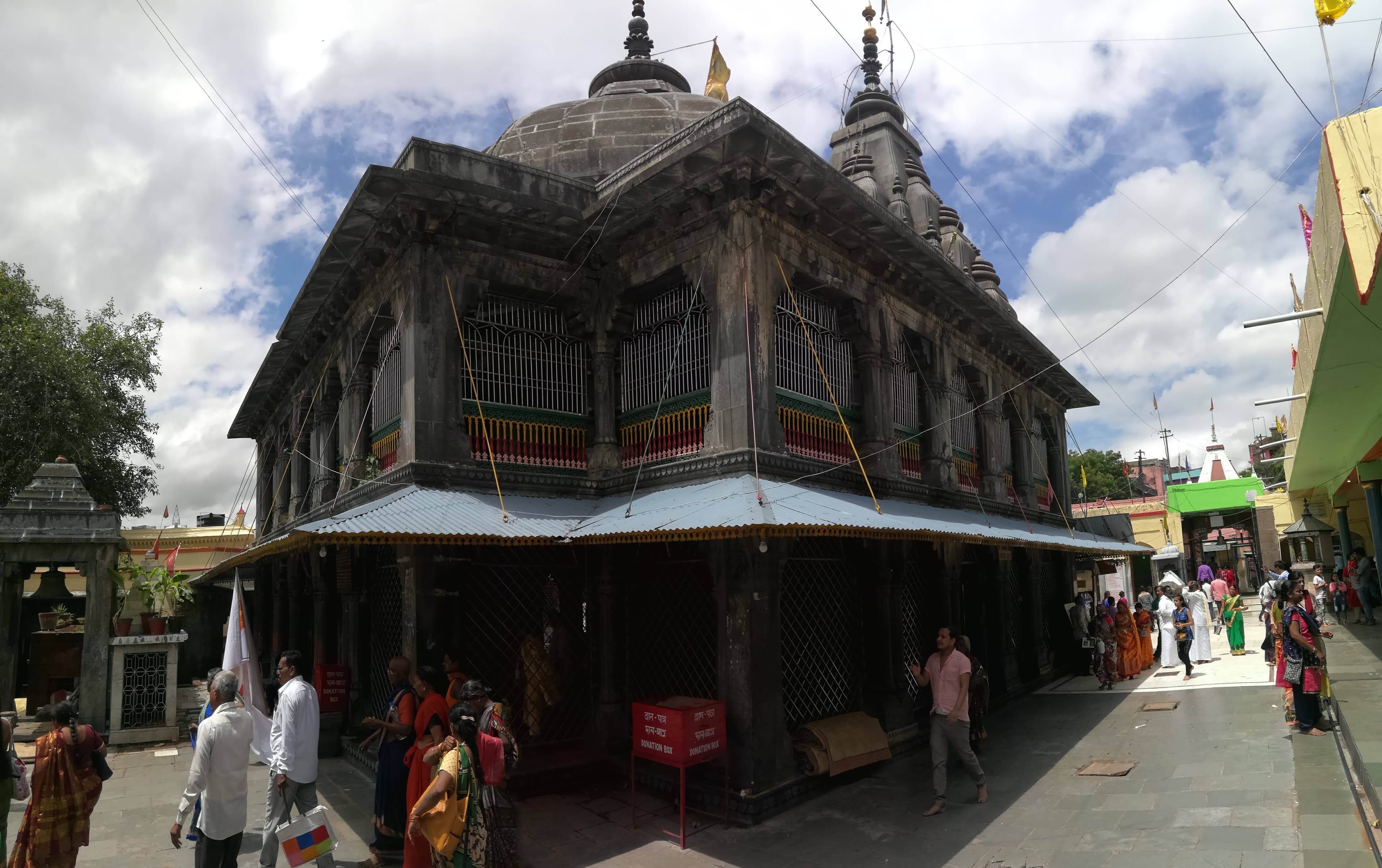
Vishnupad Temple Gaya
The midday sun beat down on the sprawling Vishnupad Temple complex in Gaya, its heat radiating off the smooth, grey stones. As a Chennai native steeped in the Dravidian architectural tradition, I found myself immediately struck by the distinct North Indian flavour of this sacred site. Unlike the towering gopurams and intricate carvings that characterize temples in my home city, the Vishnupad presented a different aesthetic – a blend of Mughal and Rajput influences woven into a structure dedicated to Lord Vishnu. The temple’s centerpiece is the 40cm long footprint of Vishnu, the “Vishnupad,” enshrined within a silver-plated basin inside the main sanctum. This footprint, believed to be imprinted on a basalt rock, is the very reason Gaya holds such immense religious significance for Hindus. The sanctum itself, a tall pyramidal structure, is crowned by an octagonal shikhara, a feature reminiscent of Rajput architecture. This shikhara, though less ornate than the elaborate vimanas of South Indian temples, possesses a certain stark beauty, its simple lines drawing the eye upwards towards the heavens. Surrounding the main shrine are smaller shrines dedicated to various deities, creating a complex network of sacred spaces. I noticed the prevalence of cusped arches and intricate jaali work, elements borrowed from Mughal architecture, adorning these smaller structures. This fusion of styles, a testament to India's rich and layered history, is what truly captivated me. It’s a visual representation of cultural exchange and assimilation, a narrative etched in stone. The temple complex is situated on the banks of the Falgu River, adding another layer of sanctity to the site. Observing pilgrims performing rituals by the riverbank, I was reminded of the vital role rivers play in Hindu cosmology, serving as conduits between the earthly and the divine. The Falgu, though shallow during my visit, seemed to carry the weight of centuries of devotion within its gentle flow. One aspect that particularly intrigued me was the use of stone. Unlike the granite commonly employed in South Indian temples, the Vishnupad Temple is primarily constructed from sandstone. This choice of material lends the structure a softer, warmer hue, contrasting with the darker, more imposing granite of the south. The sandstone also exhibits a greater degree of weathering, giving the temple a sense of age and history, a tangible connection to the countless pilgrims who have walked these very stones over centuries. Wandering through the temple complex, I observed the intricate carvings adorning the pillars and walls. While less profuse than the elaborate sculptural programs of South Indian temples, these carvings depicted scenes from Hindu mythology, adding a narrative dimension to the architecture. I was particularly drawn to the depictions of Vishnu's various avatars, each telling a story of divine intervention and cosmic balance. The Vishnupad Temple, with its unique blend of architectural styles and its profound religious significance, offered a fascinating glimpse into a different facet of Hindu temple architecture. It highlighted the regional variations within a shared religious tradition, demonstrating how local influences and historical context shape the built environment. As I left the temple complex, the image of the Vishnupad, imprinted on the basalt rock, remained etched in my mind, a symbol of faith and the enduring power of sacred spaces. The experience served as a powerful reminder that architectural exploration is not just about admiring aesthetics; it's about understanding the cultural, historical, and spiritual narratives embedded within the very stones of a structure.
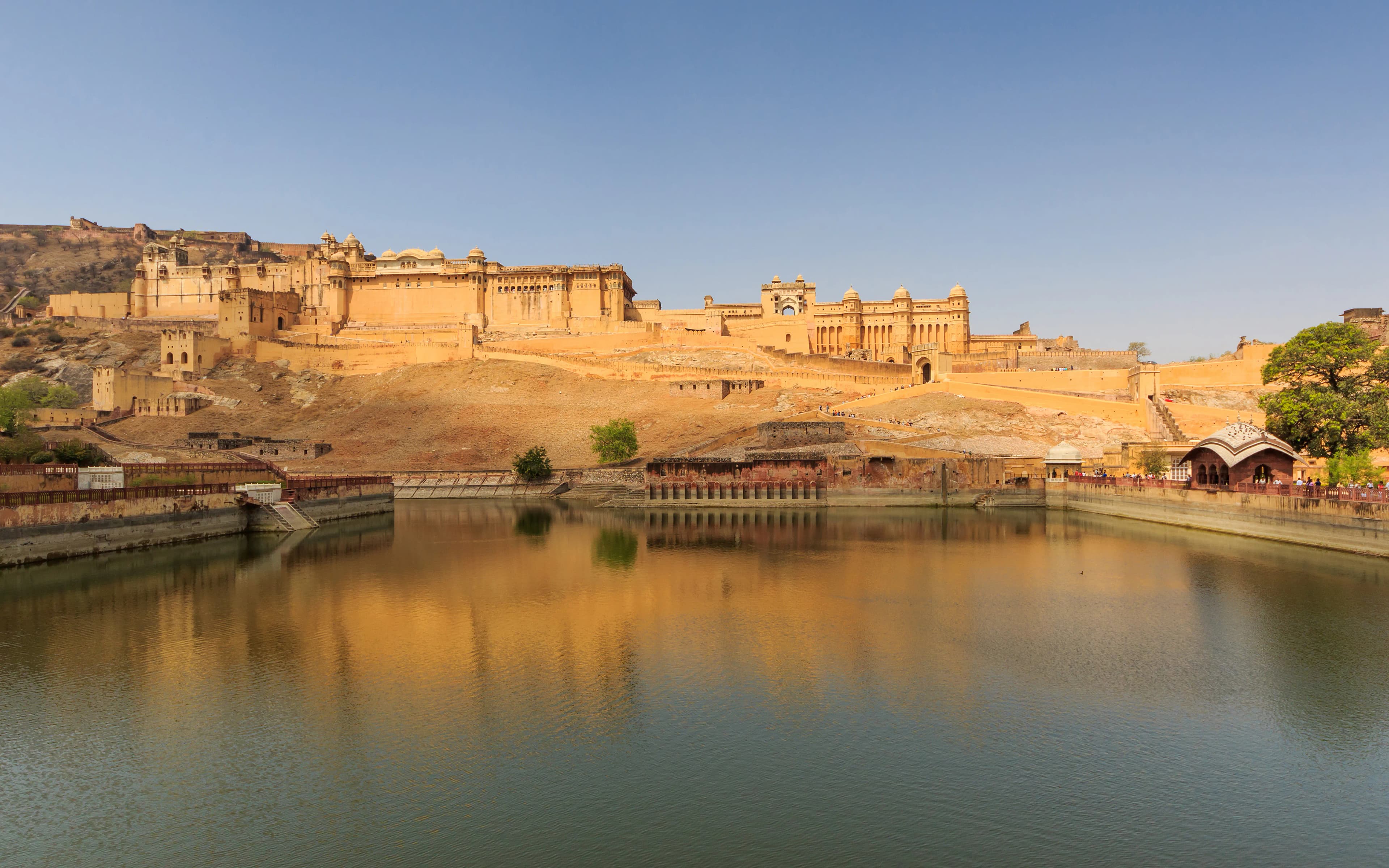
Amber Fort Jaipur
The ochre walls of Amber Fort, constructed during the reign of Raja Man Singh I in the 16th century (1550 CE), evoke the splendor of Rajasthan ([1][2]). This fort represents a compelling fusion of Mughal and Rajput military architectural traditions ([3]). Upon entry through the Suraj Pol (Sun Gate), one immediately perceives the layered construction, reflecting the contributions of successive Rajput rulers ([4]). Intricate carvings embellishing the Diwan-i-Am (Hall of Public Audience) depict elephants and floral motifs, demonstrating a harmonious blend of strength and aesthetic grace ([5]). Moving inward, the Diwan-i-Khas (Hall of Private Audience) showcases lavish ornamentation, including mosaics crafted from glass and precious stones ([2]). Famously, the Sheesh Mahal (Mirror Palace) illuminates with minimal light, a remarkable feat of design ingenuity ([3]). Granite and sandstone blocks, meticulously carved, constitute the primary building materials ([1]). Vastu Shastra principles, the ancient Indian science of architecture, likely influenced the fort's layout, creating harmony and balance, though specific textual references are currently unavailable ([4]). From the zenana (women's quarters), the panoramic vista of Maota Lake provides a serene counterpoint to the fort's imposing structure ([5]). The fort stands as a powerful reminder of Rajasthan's rich history and cultural legacy ([1][2]). The use of red sandstone, marble, white marble, lacquer, and mortar further accentuates the fort's grandeur ([6]). The fort's architecture includes elements of Hindu and Islamic design, reflecting the cultural exchange of the period ([3]). Amber Fort is a testament to the architectural prowess and artistic vision of the Rajput Maharajas ([1][2]).
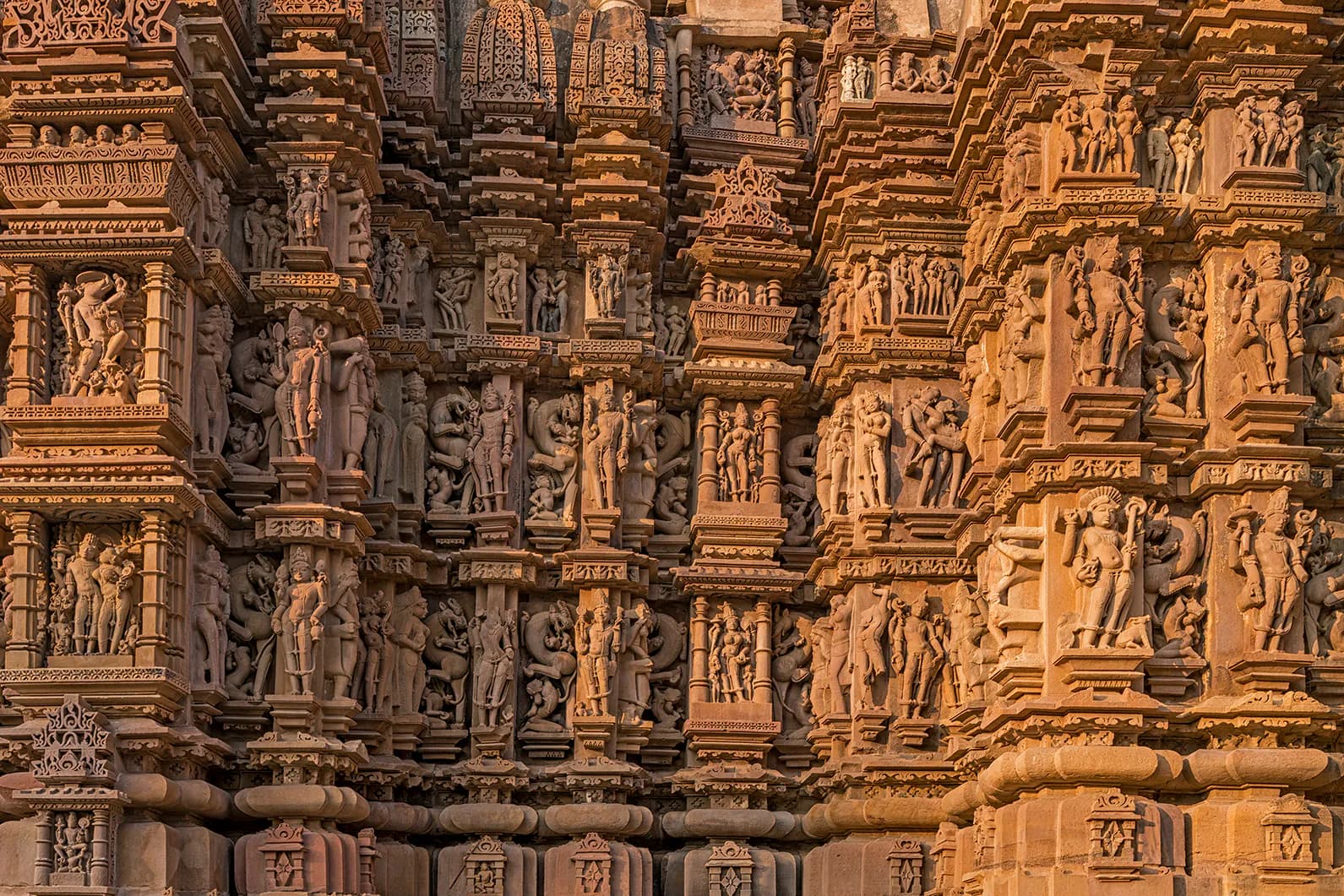
Khajuraho Temples Khajuraho
The first rays of dawn painted the sandstone a soft gold, illuminating the intricate carvings of the Kandariya Mahadeva Temple. Standing before this magnificent edifice, the largest of the Khajuraho group, I felt a palpable connection to the Chandela dynasty’s artistic zenith. Having explored countless temples across North India, from the snow-capped Himalayas to the plains of the Ganges, I can confidently say that Khajuraho holds a unique place, a testament to a time when art and spirituality were seamlessly interwoven. The sheer scale of the Kandariya Mahadeva is breathtaking. Its towering shikhara, a mountain of sculpted stone, reaches towards the heavens, a symbol of Mount Meru, the sacred abode of the gods. As I circumambulated the temple, my eyes traced the intricate friezes depicting celestial beings, mythical creatures, and scenes of everyday life. The level of detail is astonishing; every inch of the sandstone seems to pulsate with life. Noticeably, the erotic sculptures, often the focus of casual visitors, form only a small fraction of the overall artwork. They are integrated into the narrative, representing the cycle of creation and the celebration of life in all its forms. Moving beyond the Kandariya Mahadeva, I explored the western group of temples, each with its own distinct character. The Lakshmana Temple, dedicated to Vishnu, captivated me with its elegant proportions and the dynamic energy of its sculptures. I spent a considerable amount of time studying the narrative panels, deciphering the stories from the Ramayana and the Mahabharata etched into the stone. The sheer mastery of the Chandela sculptors is evident in the way they captured movement and emotion, breathing life into these ancient epics. The Chitragupta Temple, dedicated to Surya, the sun god, offered a different perspective. Its towering chariot, drawn by seven horses, is a powerful symbol of the sun’s journey across the sky. Inside, the sanctum houses a magnificent image of Surya, radiating an aura of divine power. The architectural style here subtly shifts, showcasing the evolution of the Chandela aesthetic over time. Venturing into the eastern group of temples, I found myself in a quieter, more intimate setting. The Parsvanatha Temple, a Jain temple, exudes a sense of serenity. Its polished sandstone surfaces gleam in the sunlight, reflecting the surrounding landscape. The intricate carvings here are more delicate, focusing on floral motifs and geometric patterns. The absence of the elaborate narratives found in the western group creates a different atmosphere, one of contemplation and inner peace. The Javari Temple, though smaller in scale, is a gem of architectural ingenuity. Its ornate doorway, adorned with celestial nymphs and intricate scrollwork, is a masterpiece of Chandela craftsmanship. I was particularly struck by the graceful curves and the delicate detailing of the sculptures, showcasing the artists' ability to manipulate the hard stone into forms of exquisite beauty. My exploration of Khajuraho wasn't just about admiring the architecture and sculptures. It was about experiencing the spirit of the place, imagining the artisans who toiled for decades to create these masterpieces, and the devotees who thronged these temples centuries ago. The air is thick with history, and as I walked through the temple grounds, I felt a profound sense of connection to India's rich cultural heritage. Khajuraho is more than just a collection of temples; it's a living testament to the artistic genius of a bygone era, a place that whispers stories of faith, devotion, and the celebration of life. It’s a must-see for anyone seeking to understand the depth and complexity of Indian art and history.
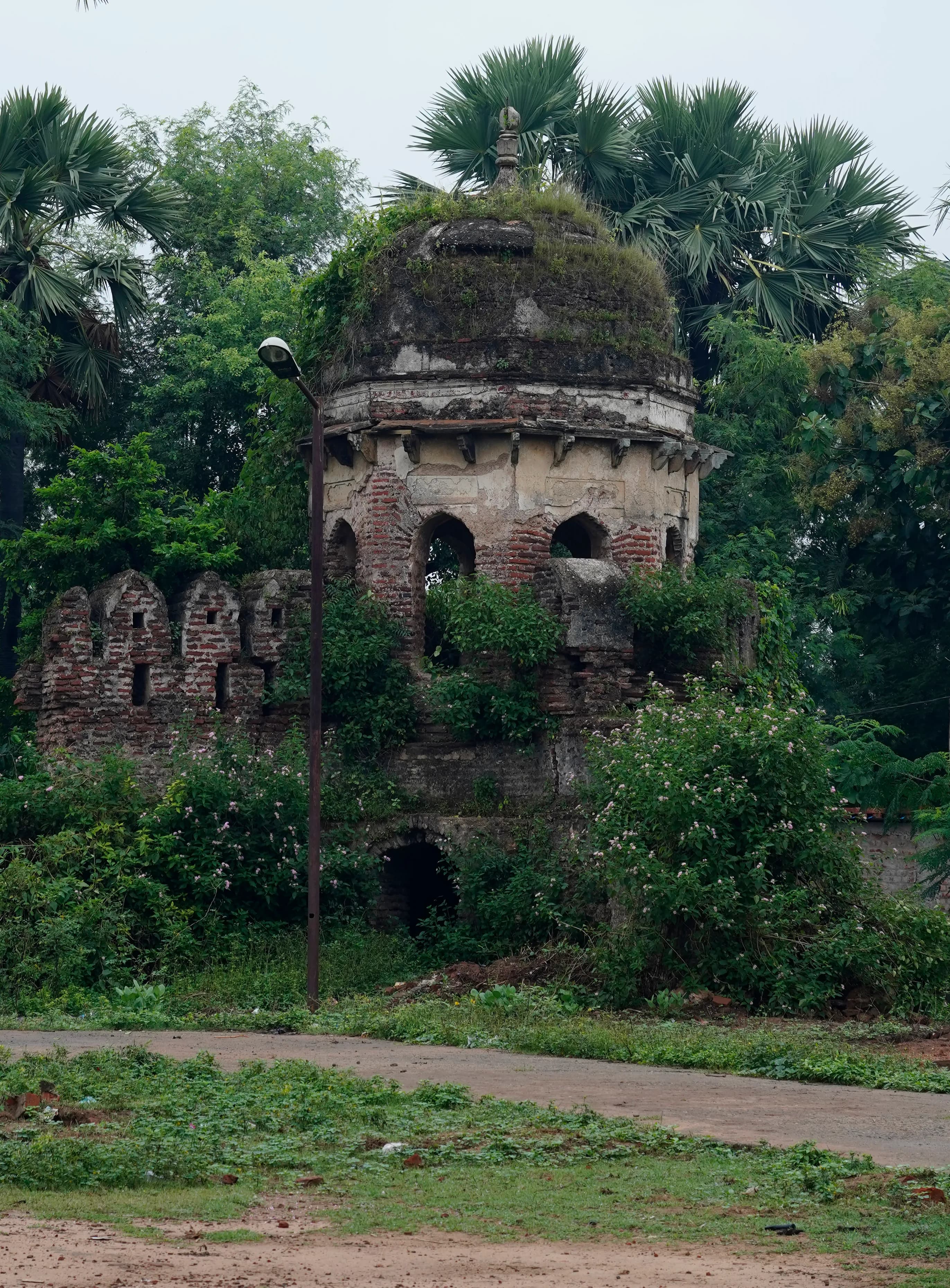
Palamu Fort Latehar
The imposing silhouette of Palamu Fort, rising from a forested plateau in Jharkhand’s Latehar district, held me captive long before I reached its weathered gates. The Chero dynasty, who ruled this region for centuries, left an indelible mark on this landscape, and the fort stands as a silent testament to their power and architectural prowess. My journey from Gujarat, a land rich in its own architectural heritage, had brought me here, eager to witness this relatively unexplored gem. The approach to the fort was a winding climb through dense Sal forests, a stark contrast to the arid landscapes I was accustomed to. The air, thick with the scent of damp earth and vegetation, buzzed with unseen life. This natural fortification, I realized, must have been a significant advantage for the Chero rulers. As I neared the fort, the three enormous gateways, the Ran Darwaza, the Nagpuri Darwaza, and the Pachwati Darwaza, came into view, each a formidable barrier in its own right. The weathered stone, a mix of granite and laterite, spoke of centuries of sun, wind, and rain. The Ran Darwaza, the main entrance, was particularly impressive, its massive archway flanked by two sturdy bastions. Stepping through the Ran Darwaza felt like stepping back in time. The sprawling complex within revealed a blend of architectural styles, reflecting the fort’s long and complex history. The influence of the Chero, Mughal, and even British periods was evident in the structures that remained. The Raja’s Palace, though now in ruins, still exuded a sense of grandeur. I could almost picture the opulent life that once thrived within its walls. The intricately carved stone brackets and pillars, though weathered and worn, hinted at the craftsmanship of a bygone era. I was particularly struck by the remnants of the vibrant murals that once adorned the palace walls, their faded colours still whispering stories of courtly life. The fort’s strategic location offered breathtaking panoramic views of the surrounding landscape. From the ramparts, I could see the undulating hills stretching as far as the eye could see, a tapestry of green punctuated by the occasional village. It was easy to understand why this location was chosen for the fort. The Chero rulers had a clear view of approaching enemies, giving them a significant tactical advantage. Within the fort complex, several temples dedicated to various deities stand as testaments to the religious beliefs of the rulers and the people. The most prominent among them is the Shiva temple, its shikhara rising above the other structures. The temple’s architecture, though simpler than the palace, possessed a quiet dignity. The worn stone steps leading to the sanctum sanctorum spoke of countless pilgrims who had sought solace within its walls. Exploring the fort’s extensive network of underground tunnels was a particularly intriguing experience. These tunnels, believed to have been used as escape routes during times of siege, were dark and damp, their air thick with the smell of earth. Walking through these narrow passageways, I felt a palpable sense of history, imagining the hurried footsteps of those who had once sought refuge within them. My visit to Palamu Fort was more than just a sightseeing trip; it was a journey through time. The fort’s weathered stones whispered stories of ambition, power, and resilience. It was a stark reminder of the impermanence of empires and the enduring power of human ingenuity. As I descended from the fort, the setting sun casting long shadows across the landscape, I carried with me not just photographs and memories, but a deeper understanding of the rich tapestry of Indian history and architecture. Palamu Fort, though often overlooked, deserves its place among the architectural marvels of India. It is a place that stays with you, its silent stories echoing long after you’ve left its imposing gates behind.
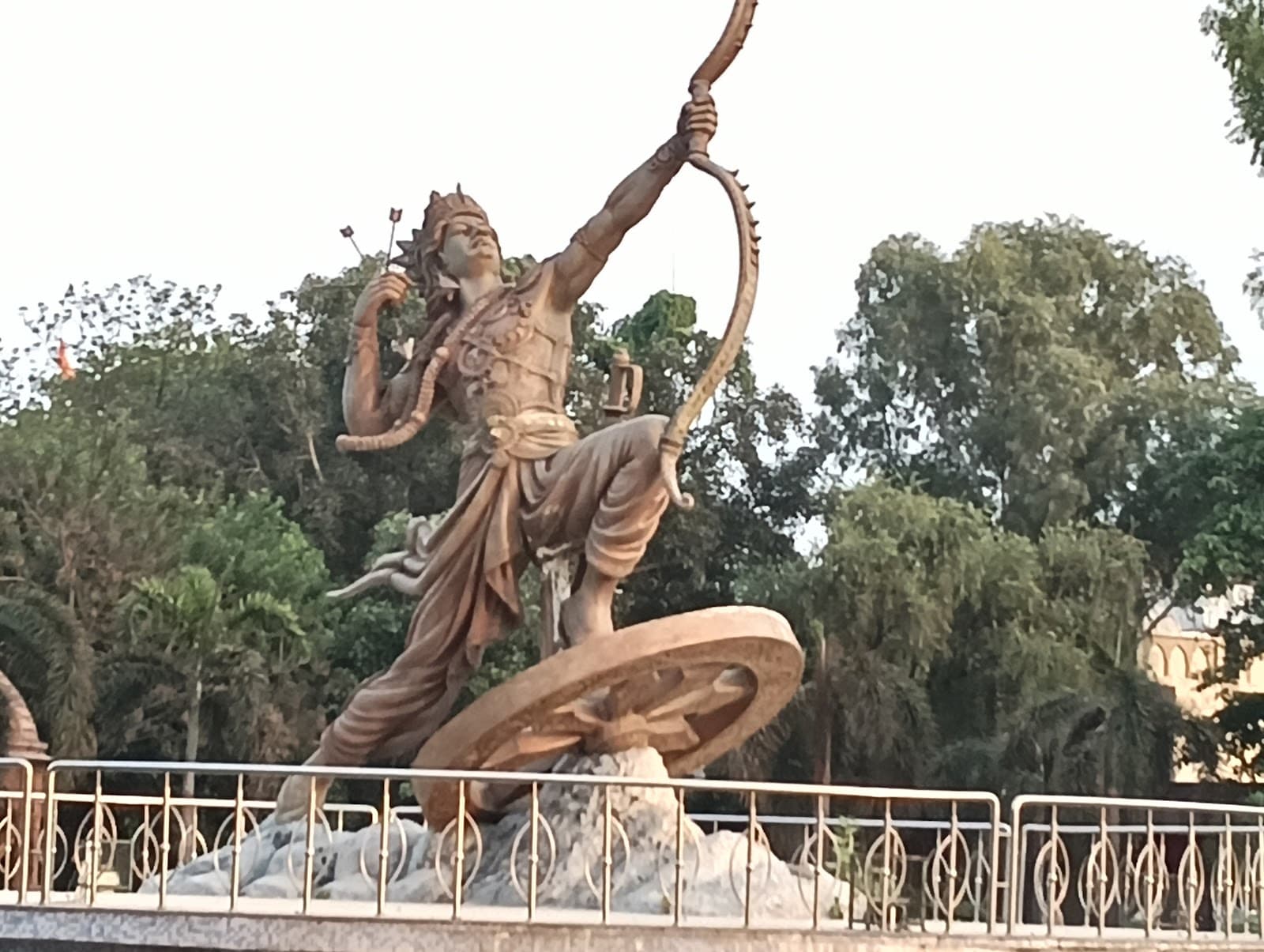
Karna Fort Karnal
The imposing ramparts of Karna Fort, baked under the Haryana sun, rose before me, a stark silhouette against the cerulean sky. Dust swirled around my ankles as I crossed the threshold, stepping into a realm where whispers of the Mahabharata seemed to linger in the very stones. Located in present-day Karnal, this fort, attributed to the legendary warrior Karna, carries a weight of history that transcends its current dilapidated state. Unlike the meticulously preserved forts of Rajasthan, Karna Fort stands as a raw, almost skeletal testament to time's relentless march. Erosion has gnawed at its brick and mortar, leaving exposed sections that reveal the fort's construction techniques. I noticed the use of lakhori bricks, smaller and thinner than the standard size, a common feature in ancient Indian construction, particularly in the northern regions. These bricks, laid in a running bond pattern, speak of a pragmatic approach to building, prioritizing stability and resource efficiency. The fort's layout, though obscured by the ravages of time, suggests a strategic design. The remnants of what were likely guard towers still command a panoramic view of the surrounding plains, hinting at the fort's defensive importance. I could almost visualize sentries stationed here, their eyes scanning the horizon for approaching armies. The strategic location of Karnal, on the ancient trade routes, would have made this fort a crucial stronghold. Walking through the crumbling archways and along the fragmented walls, I was struck by the fort's stark beauty. The absence of elaborate ornamentation, so common in later Mughal architecture, lends it a certain austere elegance. The focus here was clearly on functionality, on creating a structure that could withstand sieges and safeguard its inhabitants. The few remaining carvings, weathered and worn, offered glimpses into the artistic sensibilities of the era. I noticed a recurring motif of stylized lotus flowers, a symbol deeply embedded in Indian iconography, representing purity and creation. One of the most intriguing aspects of Karna Fort is its connection to the Mahabharata. Local legends abound, linking the fort to Karna, the tragic hero of the epic. While historical evidence remains elusive, the very association imbues the site with a powerful aura of myth and legend. Standing within these crumbling walls, it was easy to imagine Karna, clad in his armor, strategizing within these very halls. The fort's current state of neglect is, however, a poignant reminder of the challenges faced in preserving India's rich architectural heritage. Overgrowth has claimed large sections of the fort, and the lack of proper conservation efforts has accelerated its decay. While some restoration work has been initiated, a more comprehensive approach is crucial to prevent further deterioration. My visit to Karna Fort was a journey through layers of history, a tangible connection to a bygone era. It was a stark reminder of the impermanence of empires and the enduring power of stories. While the fort may be in ruins, its spirit remains unbroken, a silent sentinel guarding the memories of a legendary past. It is a site that deserves greater attention, not just for its architectural significance but also for its cultural and historical value. Preserving Karna Fort is not just about saving bricks and mortar; it's about safeguarding a vital piece of India's collective memory.
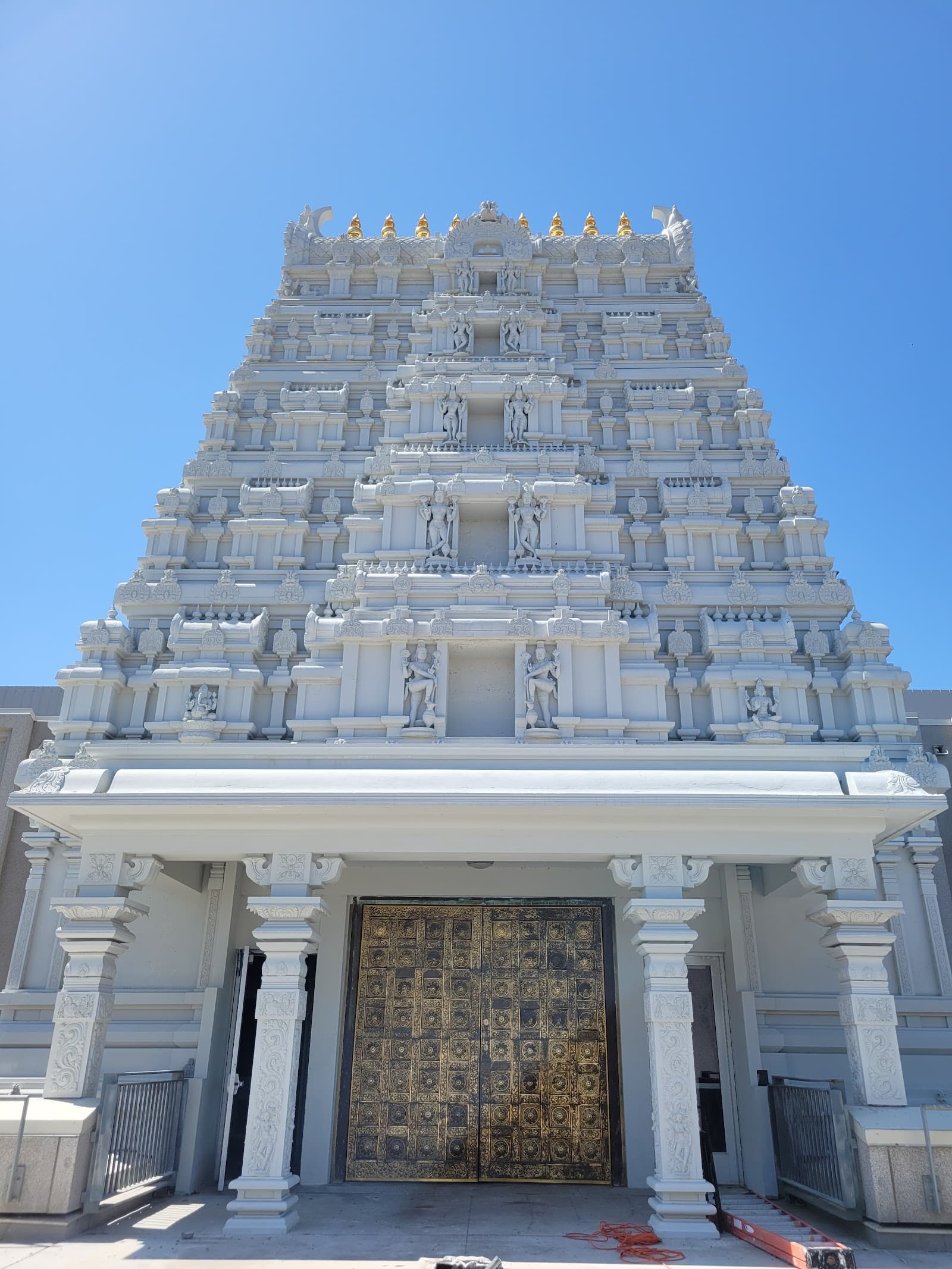
Hindu Temple Minnesota Maple Grove
Hindu Temple of Minnesota in Maple Grove, serving the Twin Cities diaspora, opens at 6:00 AM and runs daily suprabhatam, abhishekams, and evening sahasranama across 21 deities housed in a 43,000-square-foot granite complex with an adjacent cultural center and community hall ([1][2]). Volunteer leads manage parking on the wooded 80-acre campus, deploy shuttle carts, and coordinate shoe room flow during festival surges, while digital queue boards and bilingual signage keep darshan moving smoothly between the main mandapam, navagraha hall, and lakeside meditation trails ([1][3]). Security teams liaise with Maple Grove police, monitor CCTV and access control, and maintain severe-weather protocols attuned to Minnesota winters, including generator-backed heating and snow response plans ([3][5]). Elevators, ramps, heated entry plazas, tactile paths, and loaner wheelchairs maintain barrier-free circulation; assistive listening devices and captioned screens help visitors follow Sanskrit and English liturgy ([1][4]). Custodial crews sanitize wet rooms and brass railings every two hours, inspect hydronic snow-melt loops, and manage humidity to protect granite and stucco finishes, while mechanical staff monitor boilers, ERVs, and humidifiers through the building automation system ([3][5]). The community kitchen operates with dedicated HVAC, grease recovery, and allergen protocols approved by Hennepin County inspectors. Preventive maintenance dashboards track life-safety equipment, accessibility checks, and priest schedules; 2025 city inspections cleared the campus with no violations, affirming full operational readiness for worship, education, and civic programs ([3][4][5]).
Medak Fort Medak
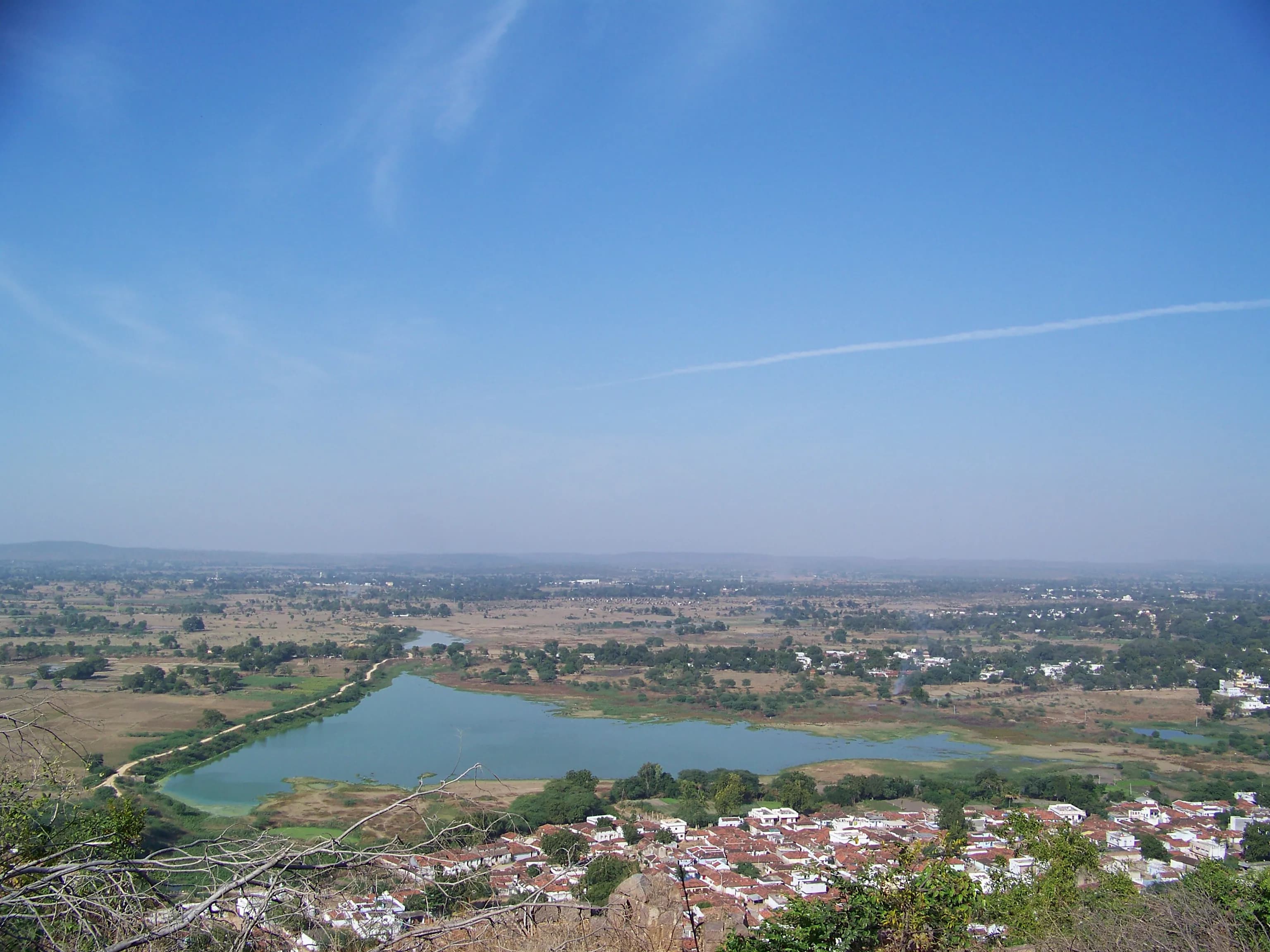
The imposing granite edifice of Medak Fort, perched atop a hillock overlooking the town of Medak in Telangana, exudes a quiet strength. Having explored every UNESCO site in India, I can confidently say that this fort, though not on the World Heritage list, possesses a unique charm that sets it apart. The drive from Bangalore was long but the anticipation made it worthwhile. As I approached, the sheer scale of the fort, its walls stretching across a vast expanse, was truly impressive. The fort's history is palpable in its very stones. Originally built in the 12th century by the Kakatiya dynasty, it later fell under the rule of the Qutb Shahi dynasty and subsequently the Asaf Jahi rulers. This layered history is reflected in the fort's architecture, a fascinating blend of Hindu and Islamic styles. The main entrance, a massive arched gateway, showcases intricate carvings that speak volumes of the craftsmanship of that era. Passing through this portal felt like stepping back in time. One of the most striking features of Medak Fort is its impressive ramparts. Walking along these fortified walls, I could imagine the sentries who once patrolled these very stones, guarding against invaders. The panoramic views from the ramparts are breathtaking, offering a sweeping vista of the surrounding landscape, a patchwork of fields and villages stretching as far as the eye can see. The wind whipping across the open expanse carried whispers of history, adding to the evocative atmosphere. Within the fort's walls lies a treasure trove of architectural marvels. The most prominent structure is the three-storied Baradari, a grand pavilion with intricately carved pillars and arches. The play of light and shadow within this structure created a mesmerizing effect. I spent a considerable amount of time here, sketching the intricate details in my notebook, trying to capture the essence of its architectural brilliance. However, the true jewel in the crown of Medak Fort is the 17th-century mosque, situated within the fort's complex. The mosque's imposing minarets, soaring towards the sky, are visible from miles around. The intricate stucco work adorning the mosque's facade is a testament to the artistic skill of the artisans who crafted it. The serene atmosphere within the mosque offered a welcome respite from the midday sun. The cool air, the hushed silence, and the soft light filtering through the arched windows created an almost spiritual ambiance. Beyond the grand structures, it was the smaller details that truly captivated me. The remnants of a granary, the intricate carvings on the doorways, the weathered stones of the ramparts – each element told a story, adding another layer to the fort's rich tapestry of history. I noticed the distinct Kakatiya style in the use of large granite blocks, a stark contrast to the later Qutb Shahi additions which incorporated more intricate detailing. My visit to Medak Fort was more than just a sightseeing trip; it was an immersive experience. It was a journey through time, a chance to connect with the past and appreciate the legacy of those who came before. While the fort may not be as widely recognized as some of India's UNESCO World Heritage sites, it holds its own in terms of historical significance and architectural splendor. It’s a hidden gem that deserves to be explored and appreciated. As I descended from the hillock, leaving the imposing silhouette of Medak Fort behind, I carried with me not just photographs and memories, but a deeper understanding of the rich and layered history of this region. This is a place I would recommend to anyone seeking an authentic and enriching travel experience, a place where the whispers of history are still audible in the wind.
Koneswaram Temple Trincomalee Sri Lanka
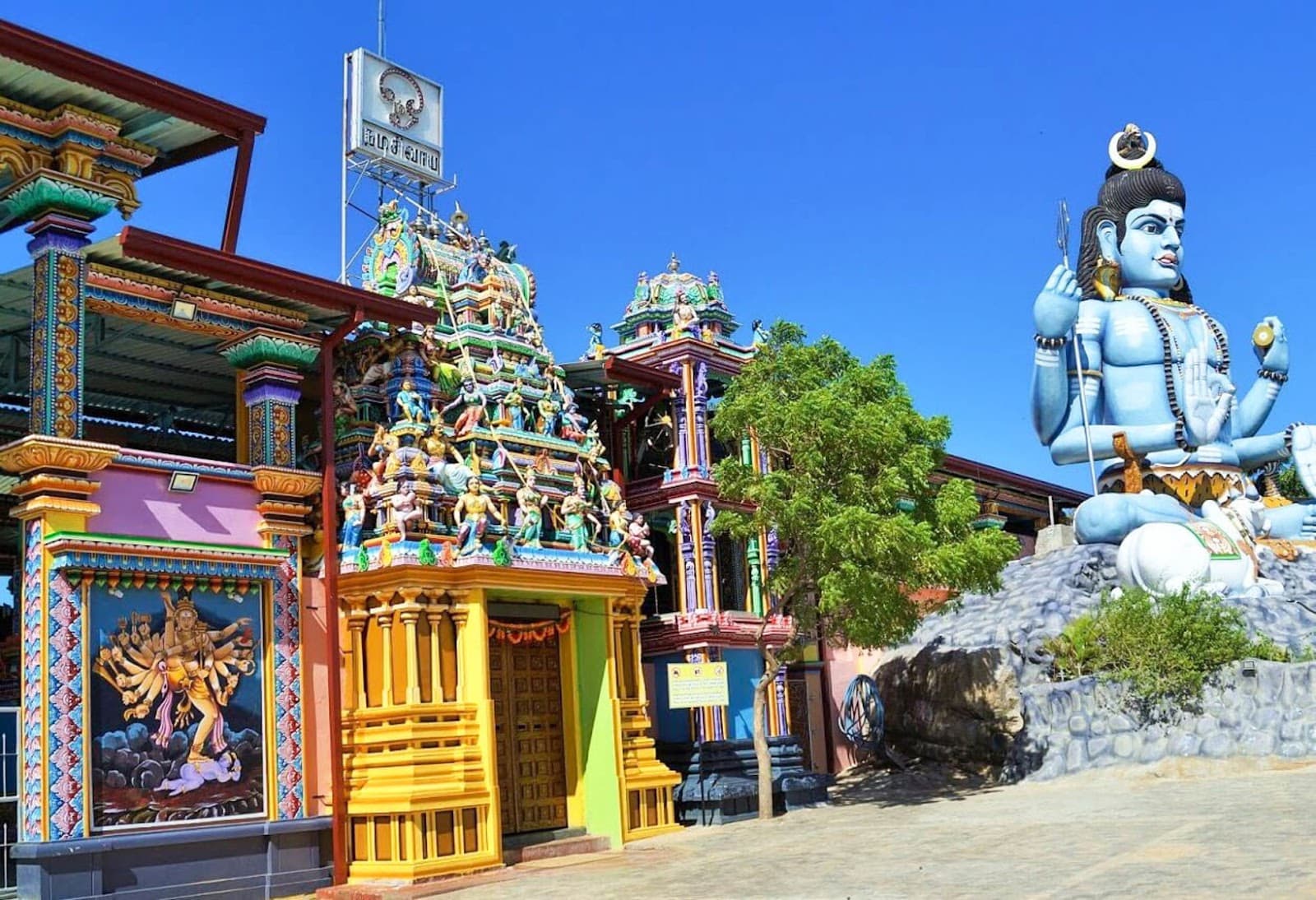
Koneswaram Temple, dramatically perched atop the majestic Swami Rock overlooking the azure waters of the Indian Ocean in Trincomalee, represents one of the most extraordinary and spiritually significant Hindu temples in South Asia, with origins tracing back to the 3rd century BCE and serving as one of the five ancient Pancha Ishwaram shrines dedicated to Shiva that were strategically established around the island's coastline to protect Sri Lanka according to ancient Tamil and Sanskrit traditions, creating a powerful testament to the profound transmission of Indian Shaivite religious and architectural traditions to Sri Lanka. The temple complex, known as Thirukoneswaram in Tamil and Koneswaram Kovil, features sophisticated Dravidian architectural elements that demonstrate the direct transmission of South Indian temple architecture, particularly the traditions of the Pallava, Chola, and Pandya dynasties, with local adaptations that reflect the sophisticated synthesis of Indian Shaivite religious and artistic traditions with Sri Lankan building techniques and aesthetic sensibilities. The temple's most remarkable feature is its spectacular location atop Swami Rock, a dramatic promontory that rises 400 feet above sea level, providing panoramic views of the Indian Ocean and Trincomalee Bay, while the temple's architectural layout, with its central sanctum housing the Shiva lingam surrounded by multiple enclosures, gopurams (gateway towers), and subsidiary shrines, follows sophisticated South Indian Dravidian temple planning principles that were systematically transmitted from the great temple complexes of Tamil Nadu including Chidambaram, Madurai, and Rameswaram. Archaeological evidence reveals that the temple served as a major center of Shaivite worship for over two millennia, attracting pilgrims from across South India and Southeast Asia, while the discovery of numerous inscriptions in Tamil, Sanskrit, and Sinhala provides crucial evidence of the site's role in the transmission of Indian religious texts and practices to Sri Lanka, demonstrating the sophisticated understanding of Indian Shaivite traditions possessed by the temple's patrons and religious establishment. The temple's history is deeply intertwined with the Ramayana epic, with local traditions identifying the site as one of the places where Ravana, the legendary king of Lanka, worshipped Shiva, while the temple's association with the Pancha Ishwaram network demonstrates the sophisticated understanding of Indian Shaivite cosmology and temple planning principles that were transmitted from the great religious centers of India to Sri Lanka. The temple complex has undergone multiple reconstructions throughout its history, most notably after its destruction by Portuguese colonizers in 1624 CE, with the current structure representing a modern reconstruction that faithfully preserves the temple's original Dravidian architectural character and spiritual significance. Today, Koneswaram Temple stands as one of the most important Hindu pilgrimage sites in Sri Lanka, serving as a powerful testament to the transmission of Indian Shaivite culture and architecture to Sri Lanka, while ongoing archaeological research and conservation efforts continue to protect and study this extraordinary cultural treasure that demonstrates the profound impact of Indian civilization on Sri Lankan religious and artistic traditions. ([1][2])
Shri Shiva Vishnu Temple Carrum Downs
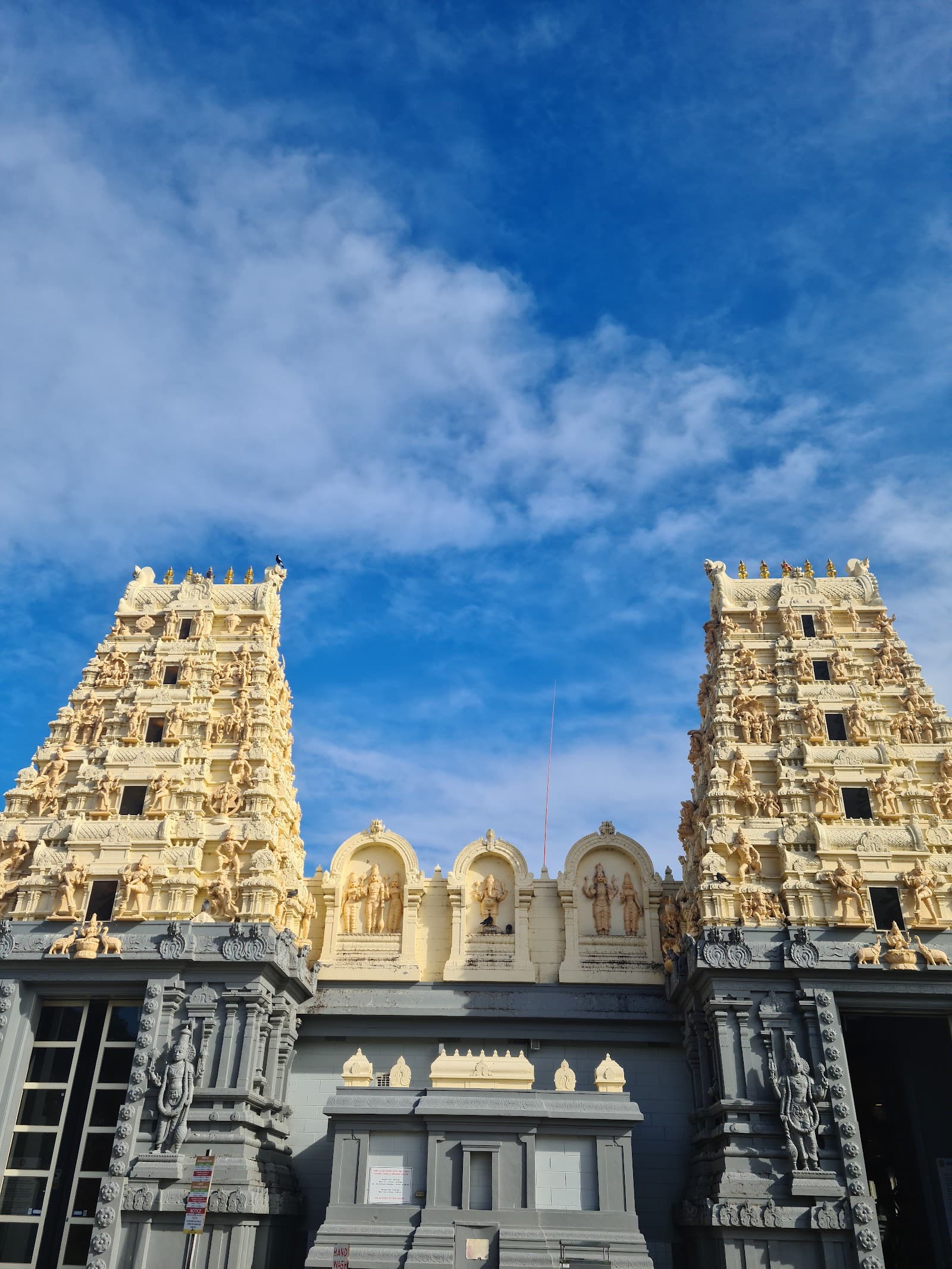
Shri Shiva Vishnu Temple Carrum Downs is dedicated to Lord Shiva and Lord Vishnu and anchors Carrum Downs, Victoria, as the largest Hindu complex in the southern hemisphere ([1][2]). Daily darshan opens 7:30 AM-12:00 PM and 4:00 PM-9:00 PM, with Saturday hours extending to 10:00 PM as dual queues marshal visitors toward the Shiva and Vishnu sanctums without crossover ([1]). A volunteer command post in the Yajna hall tracks CCTV and real-time crowd counts, dispatching ushers to the 108-pillared mandapa when coach tours arrive from interstate ([1][3]). The community centre seats 1,000 in banquet configuration, where stainless trolleys glide along polished concrete aisles and induction woks maintain prasadam throughput while keeping the hall free of combustion fumes ([1][4]). Tactile maps, contrasting floor nosings, and induction loop audio guide visitors with low vision or hearing loss, complemented by two lifts linking the cultural classrooms to the main prakaram ([3]). Accessible parking bays sit 30 metres from the gopuram and connect via canopy-covered ramps that maintain 1:20 gradients, easing pilgrimage for seniors and wheelchair users ([3]). Signage delivers tri-lingual Tamil-Hindi-English instructions, QR-linked seva booking, and bushfire evacuation diagrams audited annually by Fire Rescue Victoria ([3][5]). Air monitoring sensors in the homa kunda feed a dashboard that alerts priests when particulate loads trigger extraction fans, ensuring ceremonies run without breaching occupational standards ([5]). With cross-trained volunteers, audited hygiene workflows, and resilient visitor routing, the temple stays fully operational for worship, cultural tuition, and civic events throughout the calendar year ([1][2]).
ISKCON Temple Dimapur
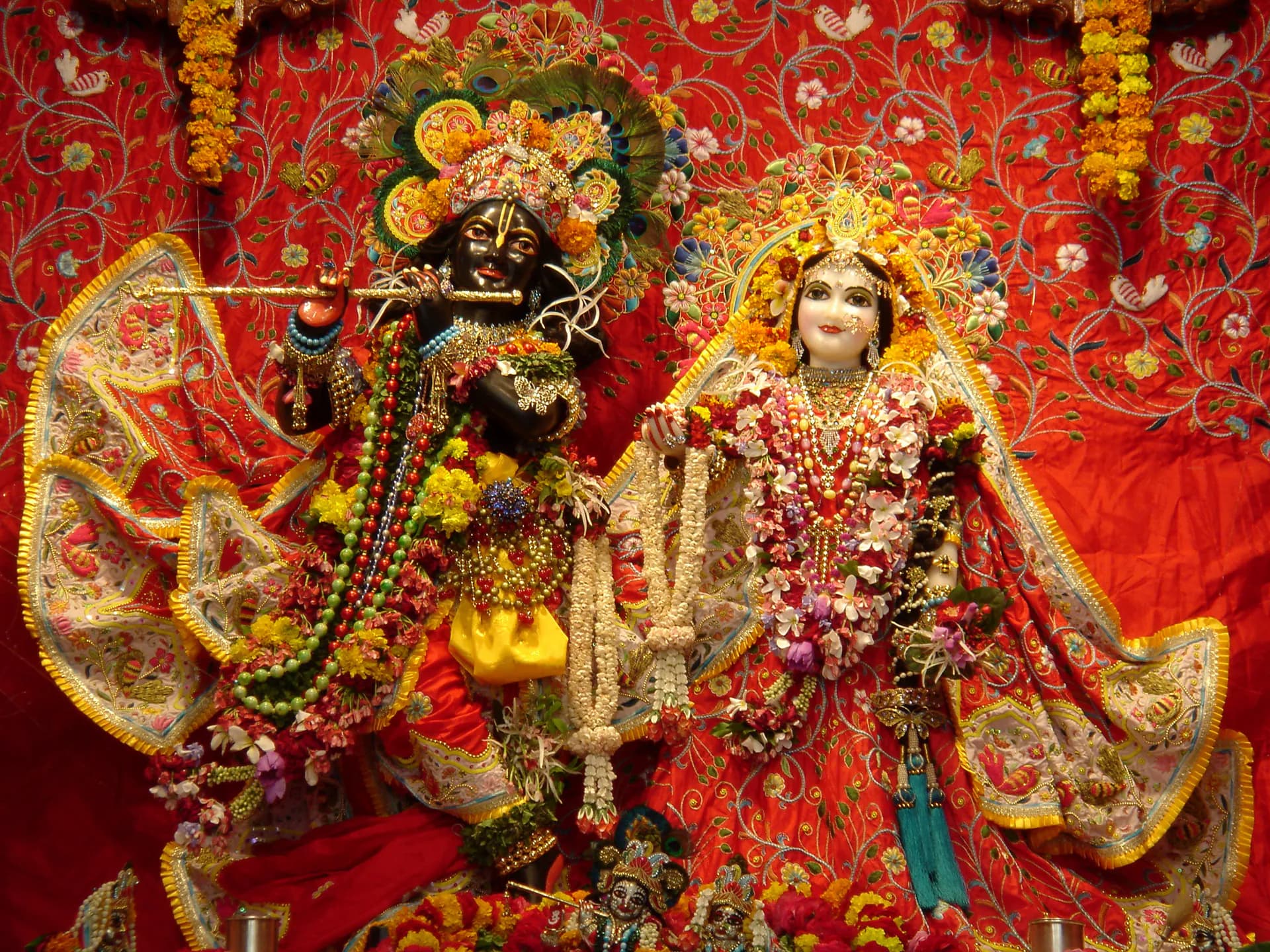
The ISKCON Temple Dimapur, dedicated to Lord Krishna, stands in Dimapur, Nagaland, as a testament to India's enduring spiritual and architectural traditions, which span millennia [1]. Consecrated in 1995 CE, this contemporary edifice draws deeply from indigenous Indian architectural styles, primarily Orissan Nagara and broader Nagara forms, while also incorporating elements reminiscent of Gupta and Neo-Classical aesthetics [2]. The temple's design reflects a continuous lineage of sacred architecture, emphasizing the profound cultural practices and spiritual devotion that have characterized Indian civilization for thousands of years [1] [2]. The architectural scheme of the ISKCON Temple Dimapur is a modern interpretation of the Nagara style, which is prevalent across North India and characterized by its towering, curvilinear shikhara [2]. Specifically, it incorporates features of the Orissan Nagara sub-school, where the shikhara, known as a 'Deul', rises almost vertically before curving sharply inwards towards the summit [5]. The temple typically features a 'garbhagriha' (sanctum sanctorum) housing the principal deity, preceded by one or more 'mandapas' (halls) [2] [5]. In Orissan style, a 'Jagamohan' (assembly hall) often precedes the 'Deul', and the main temple's ground plan is nearly invariably square, with a round 'Mastaka' (crowning element) at the apex of its superstructure [5]. The exterior walls of Nagara temples are often articulated with projections known as 'rathas', which create a dynamic interplay of light and shadow and enhance ornamentation [2]. The temple's construction utilizes reinforced cement concrete (RCC) for structural integrity, with concrete grades such as M30 employed to ensure high load-bearing capacity and durability [4]. The foundation typically involves pile foundations, designed to support the substantial weight of the superstructure [4]. Materials like sandstone, often used in traditional Nagara temples, are likely complemented by modern finishes and decorative elements, reflecting the blend of ancient aesthetics with contemporary construction methods [2] [4]. Decorative elements within ISKCON temples often include intricate carvings and sculptures that depict deities, celestial beings, and mythological narratives, reflecting the rich heritage of Vedic culture . The design principles are rooted in Vedic traditions, drawing from texts like the Shilpa Shastras and Vastu Shastra, which emphasize harmony with natural elements and cosmic energies . Towering 'shikharas' symbolize Mount Meru, the cosmic axis, guiding spiritual focus heavenward . The sanctum sanctorum, housing the deities, is meticulously aligned with cardinal directions, with east-facing entrances welcoming the sun's first rays, symbolizing enlightenment . The temple complex is designed to include community spaces such as kirtan halls for collective chanting, prasadam (sanctified food) dining areas, libraries, and classrooms, fostering a holistic spiritual ecosystem . Conservation efforts for ISKCON temples generally focus on maintaining the structural integrity of modern construction while preserving the traditional artistic and spiritual elements . The temple is actively programmed with daily rituals, festivals, and educational initiatives, serving as a vibrant center for spiritual gatherings and community service [1]. It is fully operational, accessible to devotees and visitors, and maintained by the ISKCON Foundation, ensuring its role as a continuous beacon of devotion and cultural preservation [1].
Quick Links
Plan Your Heritage Journey
Get personalized recommendations and detailed visitor guides