Has Inheritage Foundation supported you today?
Your contribution helps preserve India's ancient temples, languages, and cultural heritage. Every rupee makes a difference.
Secure payment • Instant 80G certificate
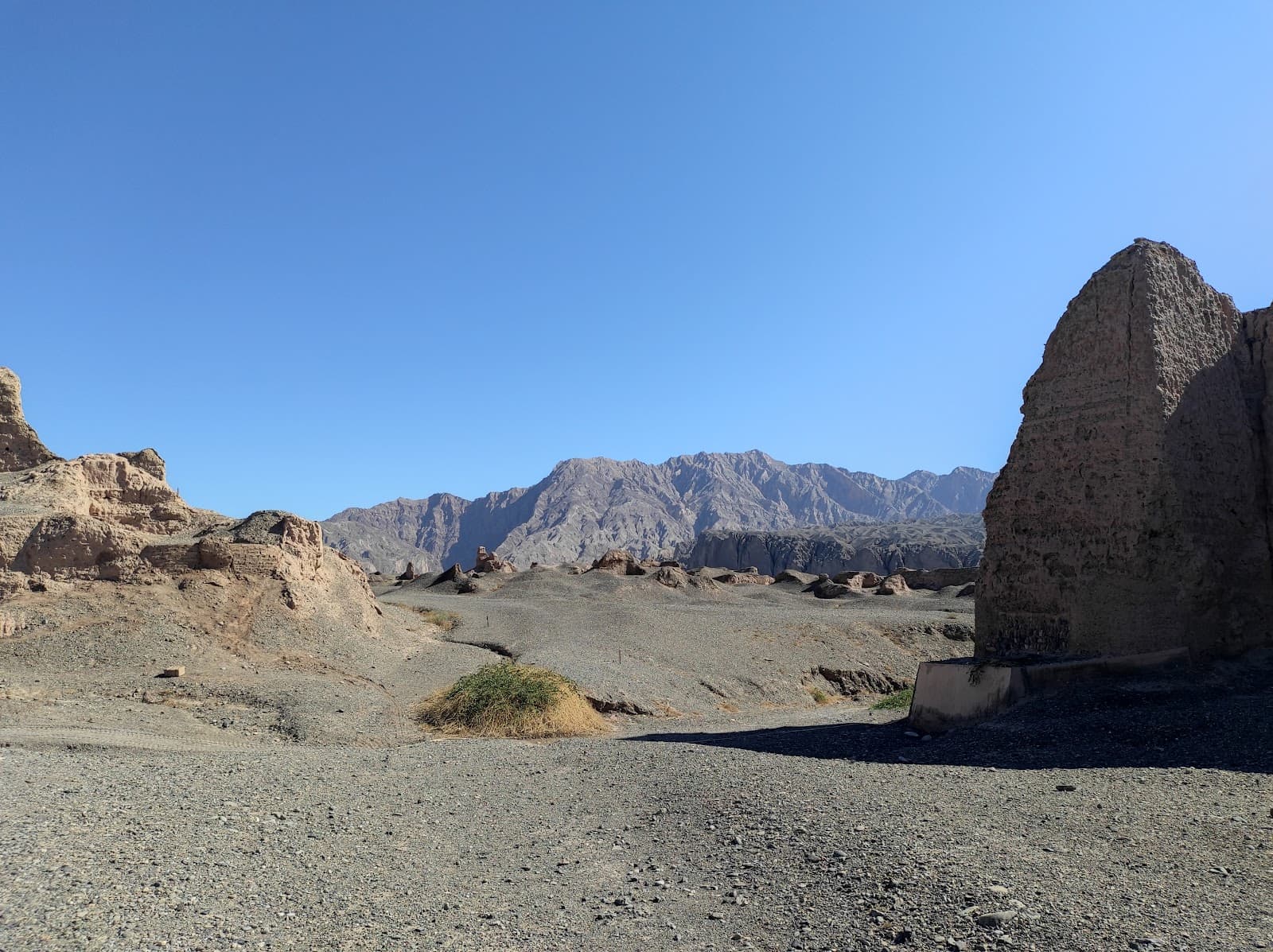
Subashi Buddhist Temple Kuqa Xinjiang China
Subashi Buddhist Temple, located near Kuqa in Aksu Prefecture, Xinjiang, China, represents one of the most magnificent and architecturally sophisticated Buddhist temple complexes along the northern branch of the Silk Road, constructed from the 2nd to 6th centuries CE when the ancient Kingdom of Kucha flourished as a major center for the transmission of Buddhism from India to China, creating a stunning testament to the direct transmission of Indian Buddhist architectural and artistic traditions to Central Asia. The temple complex, constructed primarily from rammed earth, fired brick, and wood with extensive stucco and painted decoration, features massive walls, towering pillars, and extensive ruins that once formed one of the largest Buddhist monastic complexes in the Tarim Basin, with the site's architectural grandeur and sophisticated design demonstrating the systematic transmission of Indian Buddhist monastery architecture, particularly the traditions of northern India, to Central Asia. The site's architectural design demonstrates direct influence from Indian Buddhist monastery architecture, with the overall plan, structural forms, and decorative programs reflecting Indian Buddhist practices that were systematically transmitted to Central Asia, while the discovery of numerous Indic sculptures, including a remarkable 6th to 7th century sarira (Buddhist relic box) depicting Central Asian figures in long tunics reminiscent of Tocharian friezes, provides crucial evidence of the site's role as a major center of Buddhist artistic production that was directly influenced by Indian traditions. Archaeological excavations have revealed extraordinary preservation of architectural elements including massive walls, pillars, and foundations that demonstrate the sophisticated engineering techniques employed in the temple's construction, while the discovery of numerous sculptures, inscriptions, and ritual objects provides further evidence of the site's importance as a center of Buddhist worship, learning, and artistic production. The temple complex flourished particularly during the 5th to 7th centuries CE, when it served as one of the most important centers for the transmission of Buddhism from India to China, attracting monks, traders, and pilgrims from across the Buddhist world, while the site's location along the northern Silk Road facilitated its role in the transmission of Buddhist teachings, art, and culture. The site continued to function as a Buddhist center through the 6th century CE, with evidence of continued use and modifications that reflect the evolving religious and political landscape of the region, while the site's eventual abandonment, likely during the 7th or 8th century CE following political changes and the decline of Buddhism in the region, left substantial ruins that continue to provide crucial insights into the site's history and significance. The discovery of the sarira casket and other Indic sculptures at Subashi provides particularly important evidence of the ways in which Indian Buddhist artistic traditions were adapted and synthesized with local Central Asian elements, demonstrating the complex cultural exchanges that occurred along the Silk Road, while the site's architectural grandeur underscores its historical importance as a major center of Buddhist learning and practice. Today, Subashi stands as a UNESCO Tentative List site and represents one of the most important archaeological sites in the Taklamakan Desert, serving as a powerful testament to the transmission of Indian Buddhist architecture and art along the Silk Road, while ongoing archaeological research and preservation efforts continue to protect and study this extraordinary cultural treasure that demonstrates the profound impact of Indian civilization on Central Asian Buddhist art and architecture. ([1][2])
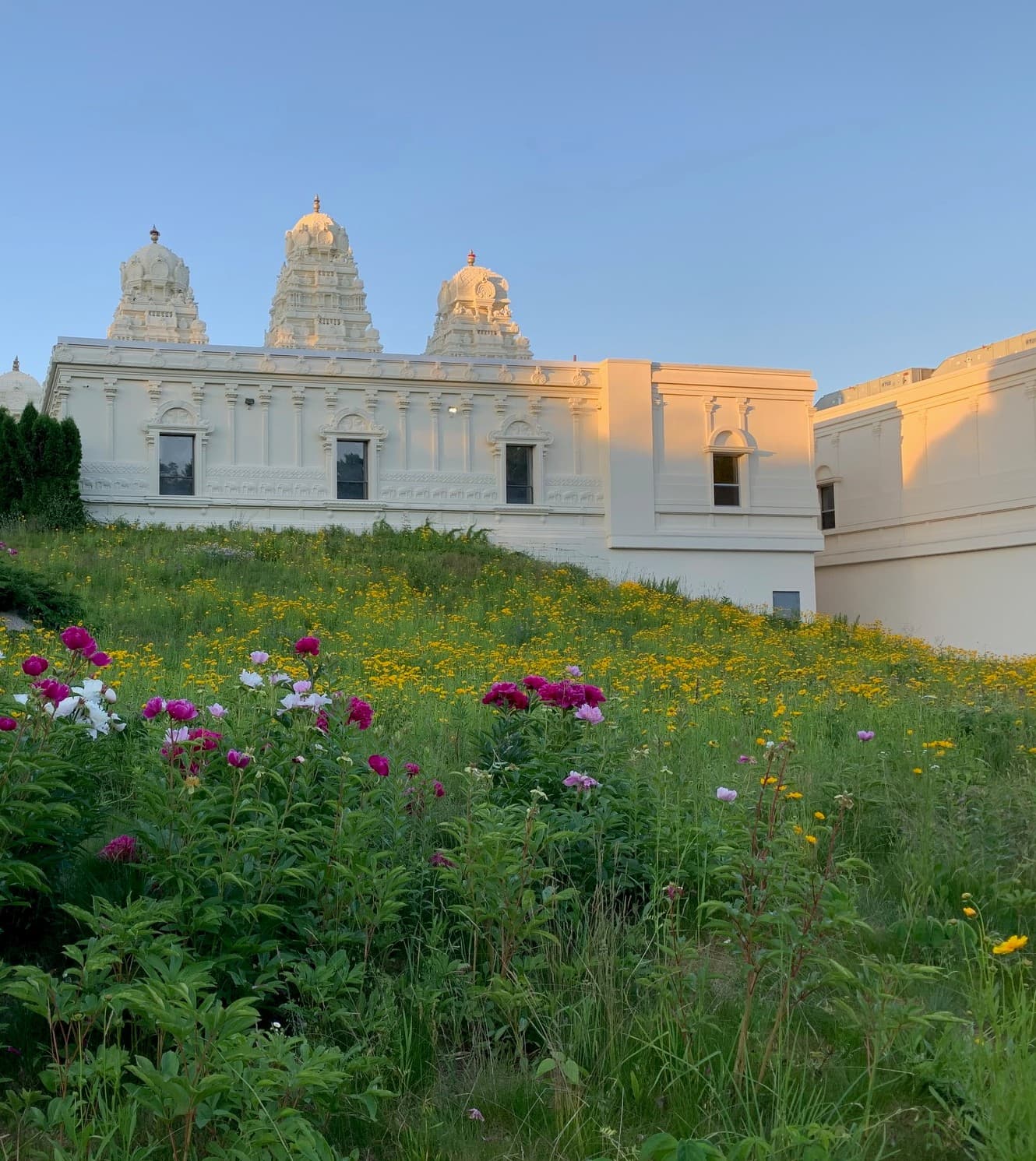
Sri Lakshmi Temple Ashland
Sri Lakshmi Temple in Ashland, Massachusetts, dedicated to Mahalakshmi and Lord Narayana, opens at 7:00 AM on weekdays and 6:00 AM on weekends, maintaining sequential abhishekams, archanas, and evening sahasranama chants until 8:30 PM across its granite mandapam and cultural center ([1][2]). Volunteer coordinators staff the heated entry plaza, shoe rooms, and vestibule during winter months, keeping queues orderly as visitors cycle between the main sanctum, subsidiary shrines, and the basement canteen ([1][3]). Security personnel coordinate with Ashland police during peak festivals, monitor snow-melt systems, and ensure emergency generators are ready for New England nor’easter outages ([3][5]). Elevators connect the mandapam to the cultural center and classrooms, ADA-compliant ramps ring the building, and ushers provide hearing-assist devices and closed-caption displays for Tamil and English liturgy ([1][4]). Custodians follow hourly schedules to wipe condensation, reset mats, and check radiant snow-melt manifolds, while HVAC zoning maintains steady temperatures despite Massachusetts winters ([3][5]). The temple’s computerized maintenance management system tracks priest schedules, life-safety inspections, and accessibility checks; 2025 Town of Ashland inspections recorded no outstanding violations, confirming mechanical, fire, and kitchen systems remain current ([3][4]).
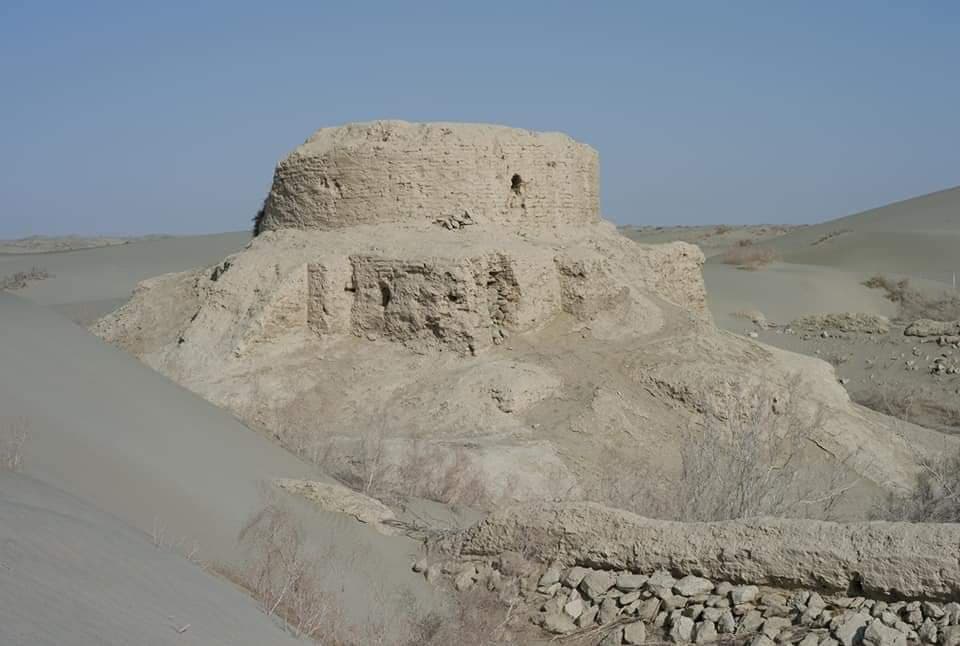
Rawak Stupa Hotan Xinjiang China
Rawak Stupa, located on the southern rim of the Taklamakan Desert near Hotan, Xinjiang, China, represents one of the most magnificent and architecturally sophisticated Buddhist monuments along the ancient Silk Road, constructed during the 3rd to 4th centuries CE when the Kingdom of Khotan flourished as a major center for the transmission of Buddhism from India to China, creating a stunning three-dimensional mandala that demonstrates the direct transmission of Indian Buddhist architectural and iconographic traditions to Central Asia. The stupa, constructed primarily from rammed earth and fired brick with extensive stucco decoration, features a massive cruciform-shaped base with staircases on each of the four sides, representing an architectural evolution from the simple square-based stupa form found in India to the more elaborate cruciform design that became characteristic of Central Asian Buddhist architecture, while the stupa itself rises in multiple tiers to create a monumental structure that served as the focal point of an extensive Buddhist monastery complex. The site's architectural design demonstrates direct influence from Indian Buddhist stupa architecture, particularly the traditions of Taxila and other Gandharan sites, with the overall form, decorative elements, and iconographic programs reflecting Indian Buddhist practices that were systematically transmitted to Central Asia, while the discovery of numerous colossal statues, terracotta reliefs, and wall paintings that once surrounded the stupa provides crucial evidence of the site's role as a major center of Buddhist artistic production that was directly influenced by Indian traditions. Archaeological excavations conducted by Sir Aurel Stein in 1901 revealed that the stupa was originally surrounded by a courtyard containing over 90 smaller stupas arranged in a mandala pattern, with the entire complex forming a three-dimensional representation of Buddhist cosmology that demonstrates the sophisticated understanding of Indian Buddhist iconography and architectural planning possessed by the builders, while the discovery of numerous stucco sculptures and wall paintings executed in styles clearly derived from Indian artistic traditions provides further evidence of the direct transmission of Indian Buddhist art to Central Asia. The stupa complex flourished particularly during the 4th to 5th centuries CE, when Khotan served as one of the most important centers for the transmission of Buddhism from India to China, attracting monks, traders, and pilgrims from across the Buddhist world, while the site's location along the southern Silk Road facilitated its role in the transmission of Buddhist teachings, art, and culture. The site was likely abandoned during the 8th or 9th century CE following political changes and the decline of Buddhism in the region, but the substantial architectural remains that survive provide crucial evidence of the site's original grandeur and the sophisticated engineering techniques employed in its construction, while the discovery of numerous artifacts including sculptures, manuscripts, and ritual objects continues to provide insights into the site's history and significance. Today, Rawak Stupa stands as a UNESCO Tentative List site and represents one of the most important Buddhist monuments in the Taklamakan Desert, serving as a powerful testament to the transmission of Indian Buddhist architecture and art along the Silk Road, while ongoing archaeological research and preservation efforts continue to protect and study this extraordinary cultural treasure that demonstrates the profound impact of Indian civilization on Central Asian Buddhist art and architecture. ([1][2])
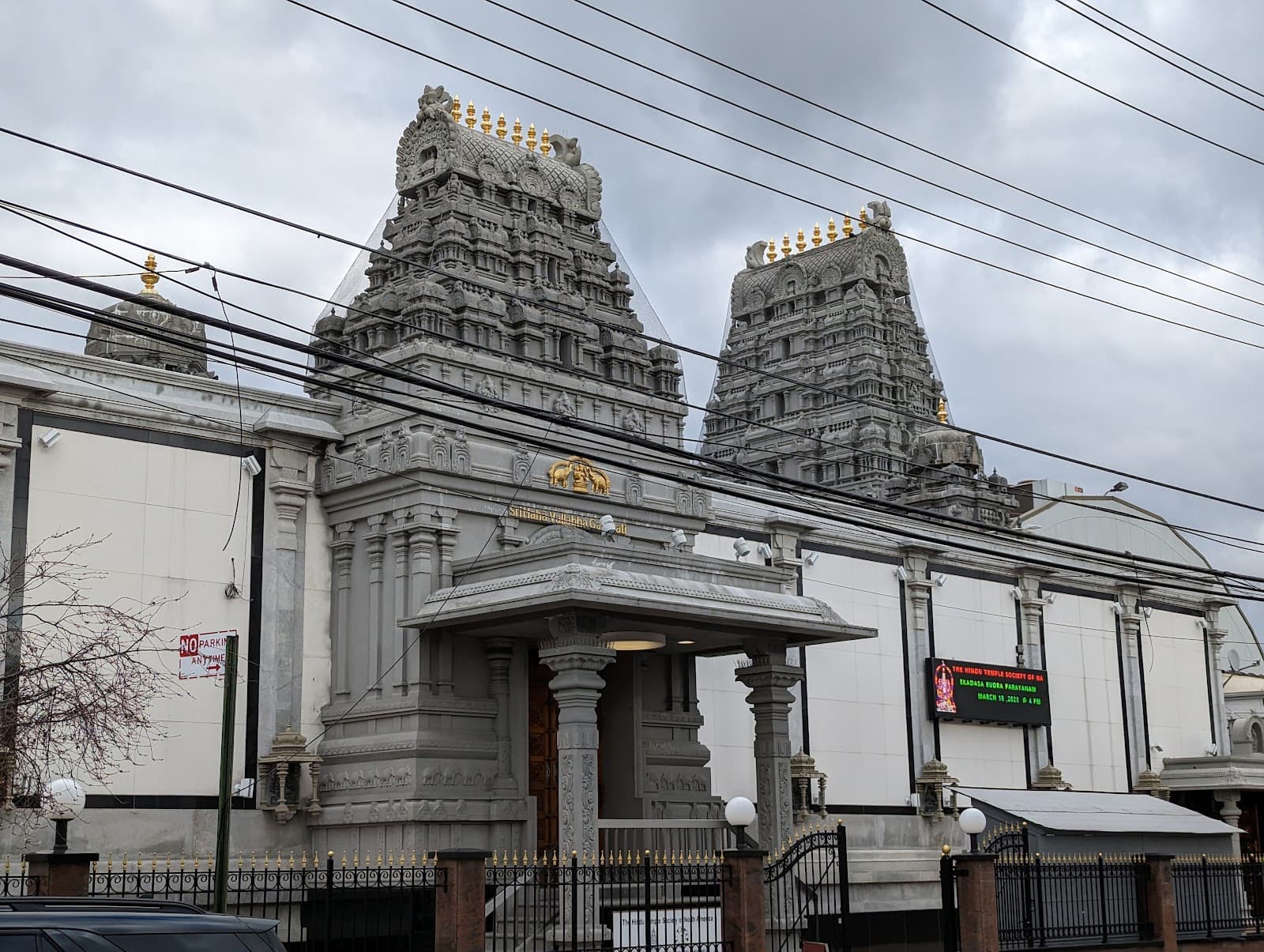
Hindu Temple Society North America Flushing
Ganesh Temple of the Hindu Temple Society of North America in Flushing, Queens, dedicated to Sri Maha Vallabha Ganapati, opens with suprabhatam at 6:00 AM and maintains timed darshan cycles through sayana aarati at 9:00 PM, managing roughly 5,000 weekday visits and double that on festival weekends through digital queue boards and bilingual ushers posted at each gopuram entrance ([1][2]). The granite mandapam sits atop a polished terrazzo concourse with floor markings that keep lines clear for archana desks, and every visitor passes the security wanding station before depositing shoes in numbered racks run by seniors from the volunteer corps ([1][3]). Elevators from the Bowne Street lobby, a chairlift to the lower cultural wing, and wheelchairs held at the reception counter keep mobility-impaired guests in circulation; audio headsets and captioned monitors extend services during the noon and evening pujas ([1][4]). Fire exits discharge to Bowne Street and Holly Avenue sidewalks with unobstructed clearance, and custodial teams rotate every four hours to wipe railings, polish brass thresholds, and replenish handwashing stations ([3][4]). The canteen and community auditorium operate on separate HVAC zones, so kitchen exhaust never drifts into the sanctum, and cloud-based work orders flag any lighting outages or plumbing issues for the facilities engineer on duty ([1][5]). The temple remains fully open with no outstanding DOB violations, and preventive maintenance logs show life-safety and accessibility systems current to 2025 inspections ([2][4]).
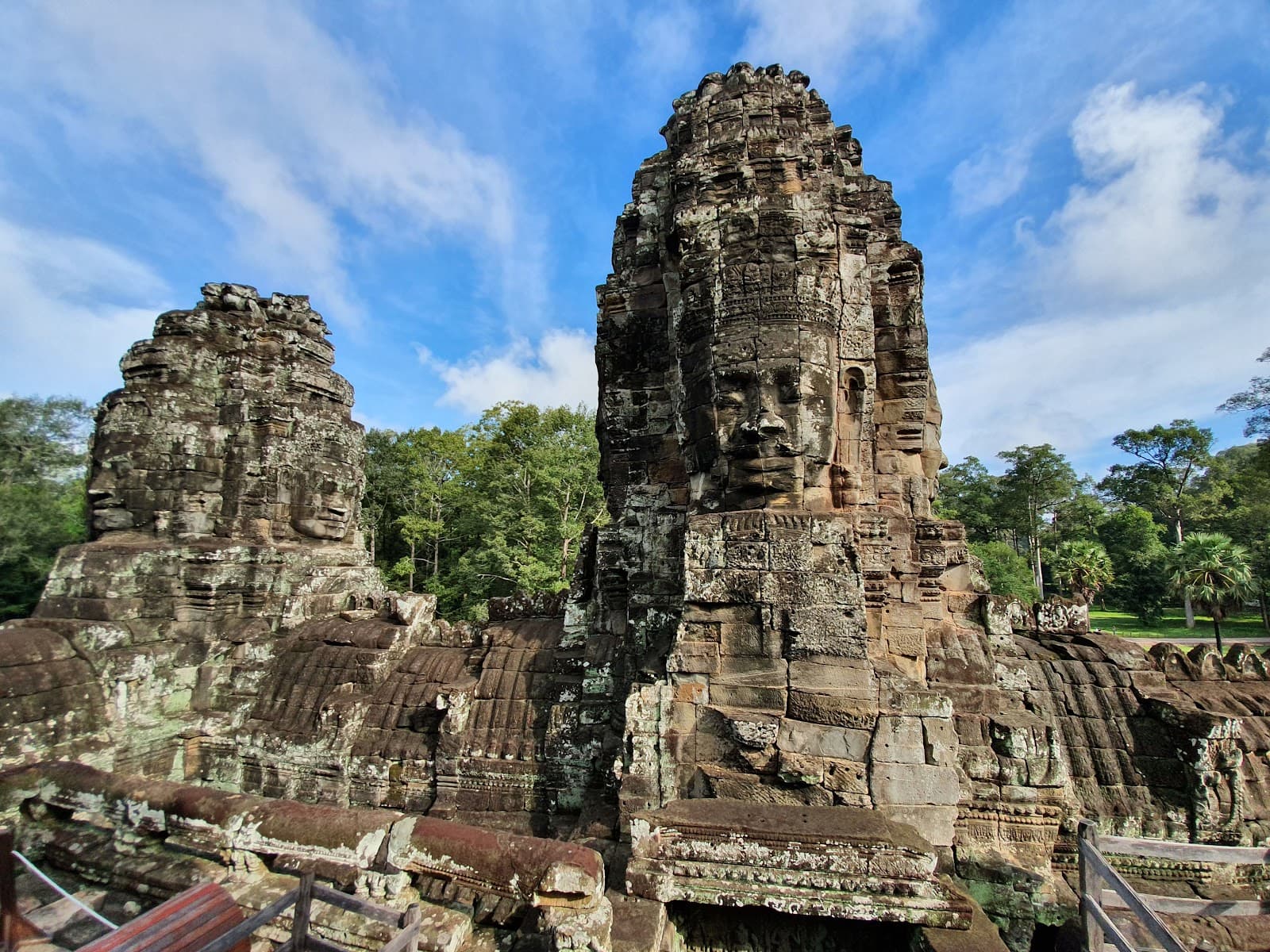
Angkor Thom Bayon Siem Reap Cambodia
Nestled within Angkor Thom, the ancient Khmer capital, stands Bayon Temple, a testament to the architectural and religious synthesis achieved during the reign of King Jayavarman VII around 1250 CE ([1][2]). Conceived as a Mahayana Buddhist state temple, Bayon integrates elements of Indian Buddhist and Hindu iconography with distinctive Khmer architectural designs ([1]). The temple's construction utilized materials such as sandstone, laterite, lime mortar, metal, and wood ([2]). Intricate carvings adorning the temple walls narrate scenes from Khmer history and episodes from Indian mythology, most notably the Samudra Manthan (Churning of the Ocean of Milk), illustrating the transmission of Indian cultural narratives to Southeast Asia ([1][2]). These elaborate bas-reliefs provide invaluable insights into the religious and social life of the Khmer Empire ([3]). Originally, the Bayon featured 54 towers; 37 remain, each sculpted with colossal stone faces ([1]). Scholars propose these 216 faces represent Avalokiteshvara, the bodhisattva of compassion, or a syncretic representation of Buddha and the king himself ([2]). During its construction, Vastu Shastra principles, the ancient Indian science of architecture, likely influenced the temple's layout ([4]). Its three-tiered structure may reflect the three worlds of Indian cosmology ([1]). Vedic traditions also influenced the temple's spatial arrangement and iconographic program ([4][5]). Shaiva (Shiva-worshipping) motifs are incorporated, indicative of the religious syncretism prevalent in Khmer society ([1][2]). Granite and sandstone blocks, meticulously carved, form the structural components of the temple, showcasing the advanced engineering skills of Khmer artisans ([3]). Today, as a UNESCO World Heritage Site, Angkor Thom and Bayon exemplify the profound influence of Indian culture on Southeast Asian architecture and art ([3][4][5]). Ongoing research and conservation efforts ensure the preservation of this invaluable cultural heritage for future generations ([5]).
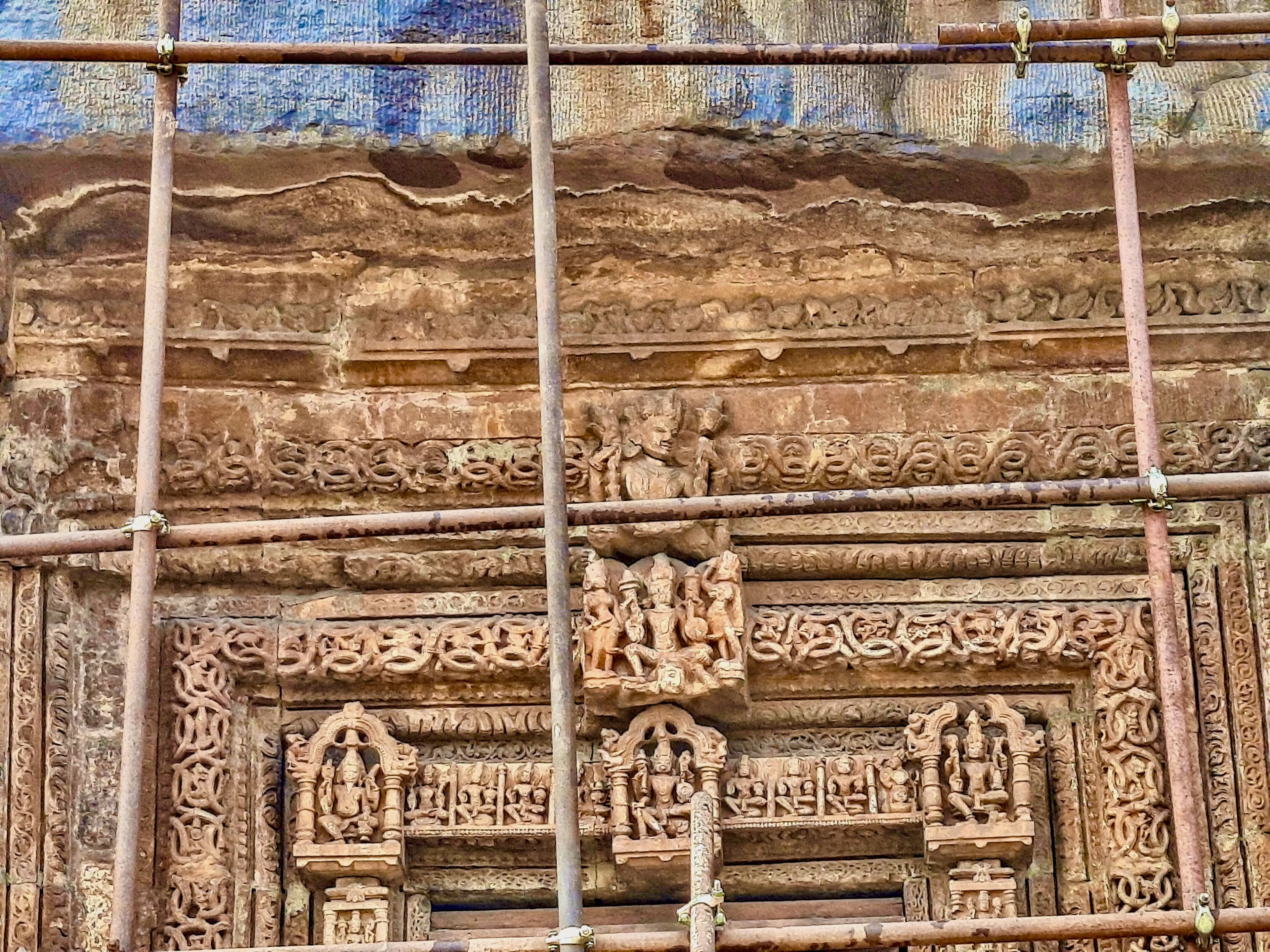
Janjgir Vishnu Mandir Janjgir
The midday sun beat down on the central Chhattisgarh plains as I approached the Janjgir Vishnu Mandir, its sandstone bulk shimmering in the heat. Having explored countless forts and palaces of Rajasthan, I was eager to see how this relatively lesser-known temple compared to the architectural marvels of my home state. The structure, dedicated to Lord Vishnu, stood on a raised platform, its profile dominated by a soaring shikhara, reminiscent of the Nagara style I was so familiar with, yet distinct in its proportions and detailing. Climbing the worn stone steps, I felt a palpable sense of history beneath my feet. The temple, believed to be constructed during the Kalachuri dynasty between the 11th and 12th centuries, exuded an aura of quiet dignity. Unlike the bustling temple complexes I’d encountered elsewhere, Janjgir Vishnu Mandir possessed a tranquil atmosphere, conducive to contemplation. The main entrance, guarded by intricately carved dwarapalas (door guardians), led into a mandapa, or pillared hall. The pillars, though weathered by time, retained their detailed carvings depicting scenes from Hindu mythology, including various avatars of Vishnu. I was particularly struck by the depiction of Varaha, the boar incarnation, rescuing the earth goddess Bhudevi, a motif I’d seen countless times in Rajasthani sculptures, but here it possessed a unique regional flavour. The mandapa opened into the garbhagriha, the sanctum sanctorum, where the presiding deity, a four-armed Vishnu, resided. Unfortunately, photography wasn't permitted inside, but the mental image of the deity, carved from black stone and adorned with silver ornaments, remained etched in my mind. The dimly lit space, fragrant with incense and the murmur of prayers, evoked a sense of reverence that transcended the physical realm. Stepping back out into the sunlight, I began to appreciate the nuances of the temple's architecture. The shikhara, while sharing similarities with the curvilinear towers of North Indian temples, possessed a more elongated and pointed profile, perhaps influenced by the local architectural traditions. The exterior walls were adorned with intricate carvings of deities, celestial beings, and geometric patterns. Unlike the profuse ornamentation of some Rajasthani temples, the carvings here were more restrained, emphasizing elegance over exuberance. I noticed the use of sandstone blocks of varying sizes, fitted together with precision, a testament to the skill of the ancient craftsmen. Circumambulating the temple, I discovered a series of smaller shrines dedicated to various deities, including Shiva and Shakti. These subsidiary shrines, though less elaborate than the main temple, added to the overall spiritual significance of the site. I was particularly intrigued by a small, almost hidden shrine dedicated to the serpent god, Naga. The presence of Naga worship, while not uncommon in India, seemed to suggest a confluence of different religious traditions in this region. As I sat on the edge of the platform, gazing at the surrounding landscape, I reflected on the unique character of the Janjgir Vishnu Mandir. It wasn't as grand or imposing as some of the monumental temples I’d seen, but it possessed a quiet charm and a sense of historical continuity that resonated deeply. The temple wasn't merely a static monument; it was a living testament to the faith and devotion of generations past, a place where the whispers of ancient prayers still lingered in the air. It served as a reminder that architectural marvels aren't confined to grand palaces and imposing forts; they can also be found in the quiet corners of the country, waiting to be discovered by those who seek them out. My journey to Janjgir, though a departure from the familiar landscapes of Rajasthan, proved to be a rewarding experience, enriching my understanding of India's diverse architectural heritage.
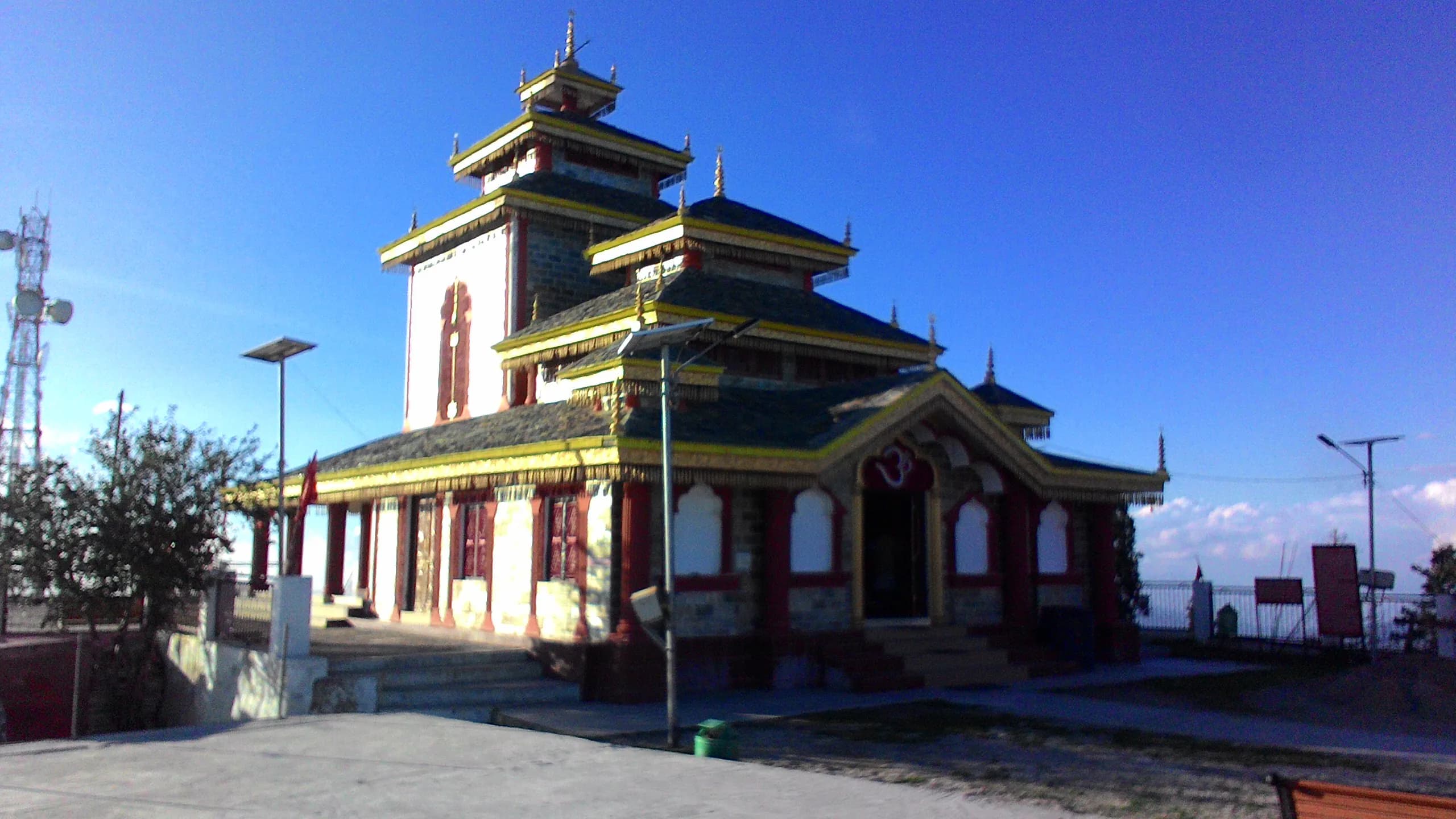
Surkanda Devi Temple Tehri Garhwal
The crisp mountain air, scented with pine and a hint of woodsmoke, whipped around me as I ascended the final steps to Surkanda Devi Temple. Perched at an altitude of almost 10,000 feet in the Tehri Garhwal district of Uttarakhand, the temple commands a breathtaking panorama of the Himalayan peaks. It's a view that instantly justifies the arduous journey, a blend of winding roads and a steep, albeit scenic, climb. My camera, a constant companion, felt almost inadequate to capture the grandeur of the snow-capped giants against the azure sky. Surkanda Devi, dedicated to the goddess Sati, holds a profound significance in Hindu mythology. Local legend recounts this spot as the place where Sati's head fell after she self-immolated. This narrative imbues the location with a palpable sense of reverence, a quiet energy that hums beneath the surface of the bustling activity of pilgrims. The temple itself is relatively small, a stark contrast to the vastness of the landscape it inhabits. Its architecture is a simple yet elegant example of traditional Himalayan temple design. The main shrine, constructed of grey stone, features a sloping slate roof adorned with a golden trident, glinting in the sunlight. Unlike the ornate carvings found in many South Indian temples, the aesthetic here is one of understated beauty, allowing the natural surroundings to take center stage. I spent hours observing the intricate details. The stonework, though weathered by time and the elements, displayed a remarkable craftsmanship. The mortar, seemingly a simple mixture of lime and sand, had held the structure together for centuries, a testament to the ingenuity of the builders. Small brass bells, tied to the eaves, chimed melodiously in the wind, adding another layer to the sensory experience. Inside the sanctum sanctorum, photography is prohibited, a rule I respected. However, the memory of the dimly lit space, filled with the fragrance of incense and the murmur of prayers, remains vivid. The atmosphere was thick with devotion, a collective energy that transcended language and background. It was a privilege to witness this intimate expression of faith. Beyond the main shrine, the temple complex includes several smaller structures and open spaces. I noticed a series of small stone platforms, likely used for rituals. The surrounding walls were adorned with faded murals depicting scenes from Hindu mythology. These weathered paintings, though partially obscured by time, offered a glimpse into the rich artistic traditions of the region. I meticulously documented these fragments of history, hoping to preserve their stories through my lens. One of the most striking aspects of Surkanda Devi is the seamless integration of the built environment with the natural landscape. The temple seems to grow organically from the mountainside, a harmonious blend of human creation and nature's artistry. The panoramic views from the temple courtyard are simply mesmerizing. The rolling hills, blanketed in dense forests, stretch out as far as the eye can see, punctuated by the towering peaks of the Himalayas. As the sun began to dip below the horizon, casting long shadows across the valley, I felt a profound sense of peace. Surkanda Devi is more than just a temple; it's a sanctuary, a place where the spiritual and the natural converge. My experience here transcended the purely visual; it was a journey into the heart of the Himalayas, a testament to the enduring power of faith and the breathtaking beauty of the natural world. Leaving the temple, I carried with me not just photographs, but a deeper appreciation for the rich cultural and spiritual heritage of Uttarakhand.
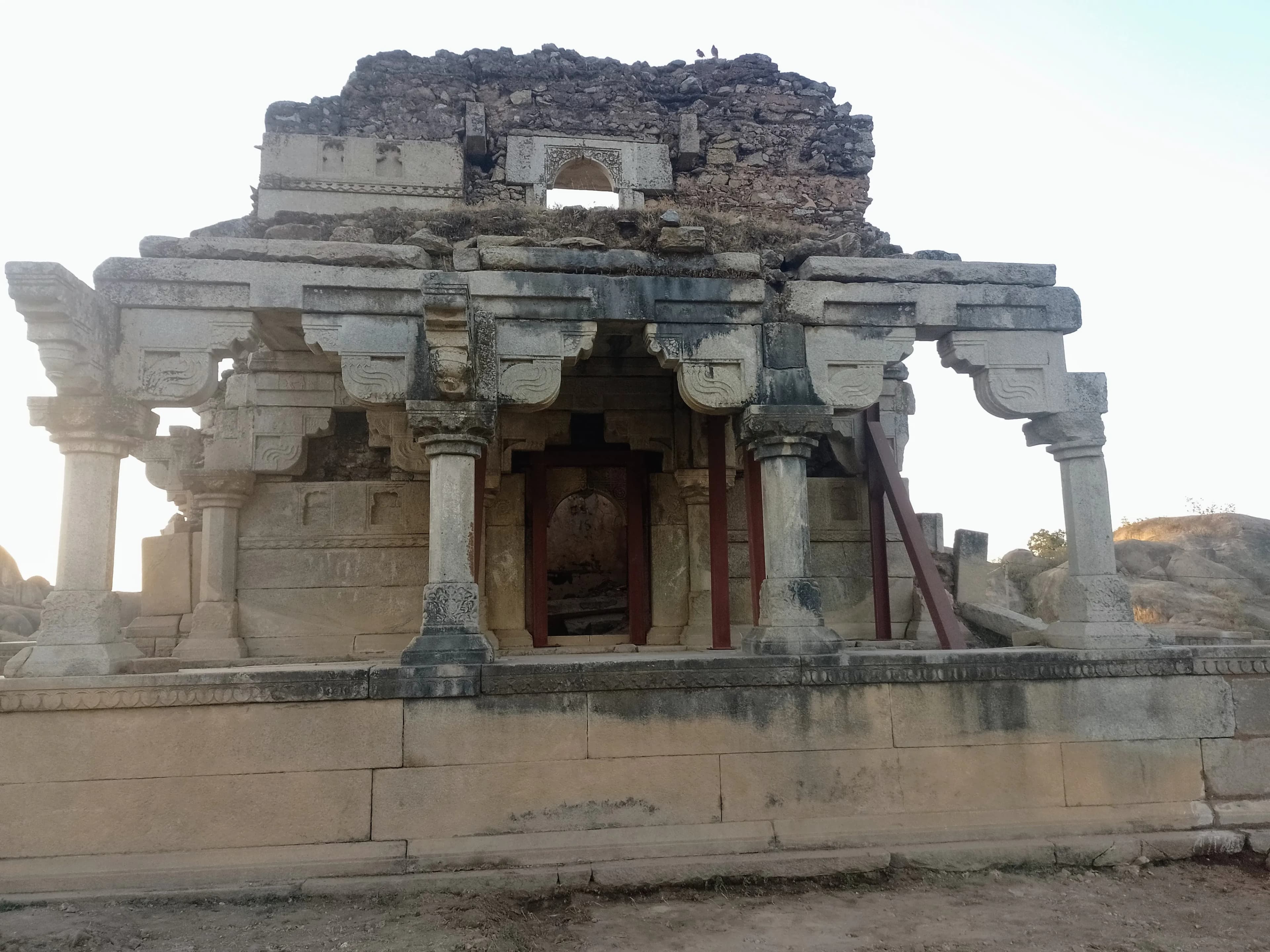
Navratangarh Fort Gumla
The midday sun beat down on the undulating Jharkhand landscape as I finally crested the hill, Navratangarh Fort rising before me like a forgotten sentinel. Having explored countless Mughal and Rajput forts across North India, I was intrigued to see what this tribal stronghold, nestled deep in Gumla district, had to offer. It certainly wasn't the imposing grandeur of a Mehrangarh or the intricate elegance of a Fatehpur Sikri, but Navratangarh possessed a raw, almost primal energy that immediately captivated me. The fort’s name, meaning “nine courtyards,” hints at a structured layout, but the reality is far more organic. While traces of nine distinct enclosures are discernible, nature has reclaimed much of the space, blurring the lines between architecture and wilderness. Massive, uncut laterite stones form the ramparts, their uneven surfaces softened by moss and clinging vines. Unlike the precisely dressed stones of northern forts, these felt ancient, whispering tales of a time long before mortar and meticulous planning. I stepped through a narrow, crumbling gateway, the rough stone scraping against my backpack. The first courtyard, the largest, was a surprisingly level expanse, now overgrown with scrub and wildflowers. Fragments of pottery littered the ground, a tangible reminder of the lives once lived within these walls. Local legend claims the fort was built by the Nagvanshi kings, who ruled this region for centuries. While historical evidence is scarce, the fort's construction style and strategic location certainly suggest a powerful, well-organized society. As I explored further, I discovered remnants of what might have been living quarters, storage areas, and even a small temple. The architecture was simple, functional, and deeply connected to the landscape. Narrow passages, carved directly into the laterite bedrock, connected the different sections of the fort. I paused at one such passage, the cool, damp air a welcome respite from the midday heat. Looking up, I could see the sky framed by the rough-hewn stone, a perfect example of how the builders incorporated the natural environment into their design. One of the most striking features of Navratangarh is its water management system. Several large, rock-cut cisterns are strategically placed throughout the fort, designed to collect rainwater. Even in the dry season, some of these cisterns still held water, a testament to the ingenuity of the Nagvanshi engineers. I imagined the fort bustling with activity, the cisterns brimming with life-sustaining water, a vital resource in this often-arid region. Climbing to the highest point of the fort, I was rewarded with panoramic views of the surrounding countryside. Rolling hills, dotted with villages and patches of forest, stretched as far as the eye could see. From this vantage point, it was easy to understand the strategic importance of Navratangarh. It commanded the surrounding area, offering a clear view of approaching enemies. My visit to Navratangarh wasn't about ticking off another fort on my list. It was an immersive experience, a journey into the heart of a forgotten kingdom. While the fort may lack the polished beauty of its northern counterparts, it possesses a unique charm, a raw authenticity that resonates deeply. It's a place where history whispers from the stones, where nature has reclaimed its domain, and where the spirit of a bygone era still lingers in the air. It's a reminder that India's heritage is not just confined to grand palaces and majestic tombs, but also exists in these hidden gems, waiting to be discovered by those willing to venture off the beaten path. And as I descended the hill, leaving the silent sentinel behind, I knew that Navratangarh, with its rugged beauty and whispered stories, would stay with me long after I left Jharkhand.
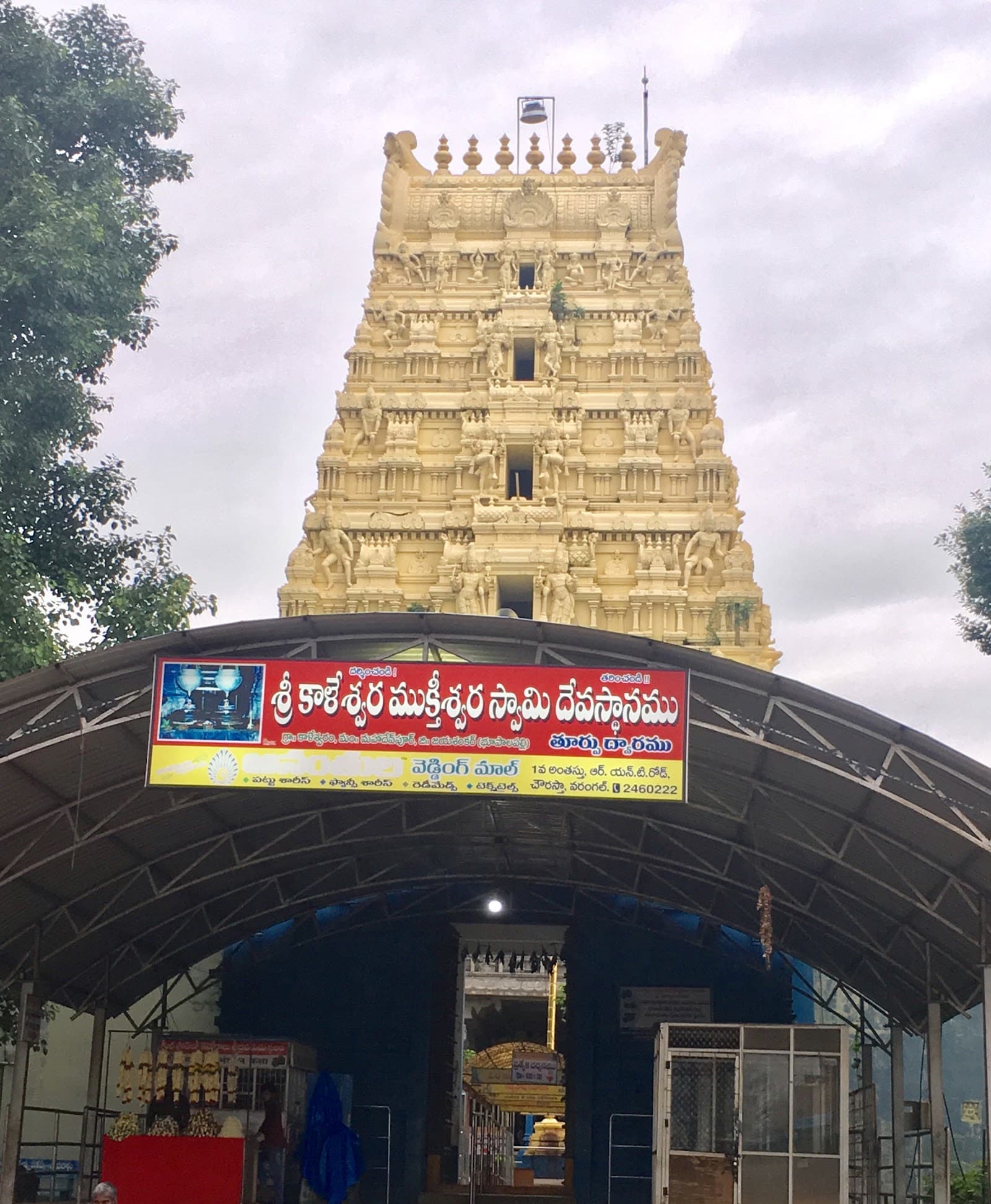
Kaleshwara Mukteswara Temple Kaleshwaram
The confluence of three rivers – the Godavari, Pranahita, and the mythical Saraswati – creates a sacred landscape at Kaleshwaram, where the Kaleshwara Mukteswara Swamy Temple stands as a testament to centuries of devotion and architectural prowess. My recent visit to this Telangana temple left me awestruck by its scale and the intricate details woven into its fabric. The temple complex, recently renovated, sprawls across a vast area, a modern marvel built upon ancient foundations. While the new construction gleams with polished stone, the core sanctums retain the weathered charm of history. The primary deity, Lord Shiva, is worshipped here as Kaleshwara Mukteswara Swamy, a name that resonates with the liberating power of time and divine grace. The temple's layout follows a traditional South Indian pattern, with multiple concentric enclosures or *prakarams* leading to the central shrine. However, the sheer scale of these *prakarams* and the towering *gopurams* (gateways) that punctuate them set Kaleshwaram apart. The use of light-colored stone, predominantly granite, creates a sense of grandeur and purity, amplified by the meticulous carvings that adorn every surface. One of the most striking features of the temple is the intricate sculpture work. Unlike the narrative panels common in many South Indian temples, Kaleshwaram’s carvings focus predominantly on floral motifs, geometric patterns, and divine figures. I noticed a distinct influence of the Chalukyan style in the sculpted *yalis* (mythical beasts) and the elaborate scrollwork that frames doorways and niches. The pillars, too, are marvels of craftsmanship, each one uniquely carved with intricate designs that seem to defy gravity. I spent a considerable amount of time observing the subtle variations in the floral patterns, each petal and leaf rendered with astonishing precision. The main *gopuram*, soaring high above the surrounding landscape, is a breathtaking sight. Its multiple tiers, adorned with vibrant stucco figures of deities and celestial beings, create a powerful visual statement. While the vibrant colours of the stucco work contrast with the muted tones of the stone, they add a layer of dynamism to the overall aesthetic. This interplay of colour and texture, of old and new, is a recurring theme throughout the temple complex. Moving beyond the main shrine, I explored the smaller shrines dedicated to various deities within the complex. The shrine of Goddess Parvati, consort of Lord Shiva, is particularly noteworthy for its elegant simplicity. The smaller *gopuram* leading to this shrine features intricate carvings of female deities and celestial musicians, a testament to the reverence accorded to the feminine principle in Hindu cosmology. My visit to Kaleshwaram wasn't just about observing the architecture; it was an immersion in a living tradition. The temple was bustling with devotees, their chants and prayers creating a palpable sense of devotion. Observing the rituals, the offerings, and the interactions between the priests and the devotees provided a glimpse into the enduring power of faith. The temple, despite its recent renovation, felt deeply connected to the past, a bridge between generations of worshippers. The integration of modern amenities, such as well-maintained pathways, clean restrooms, and clear signage, enhances the visitor experience without detracting from the temple's spiritual aura. This careful balance between preservation and modernization is commendable. Kaleshwaram is more than just a temple; it's a cultural landmark, a testament to the architectural ingenuity and religious fervour of the region. It's a place where history whispers from ancient stones, where faith finds expression in vibrant rituals, and where the confluence of rivers mirrors the confluence of the past, present, and future. My experience at Kaleshwaram was profoundly enriching, leaving me with a deep appreciation for the rich tapestry of South Indian temple architecture and the enduring power of sacred spaces.
Geok Tepe Fortress Temple Complex Ahal Turkmenistan
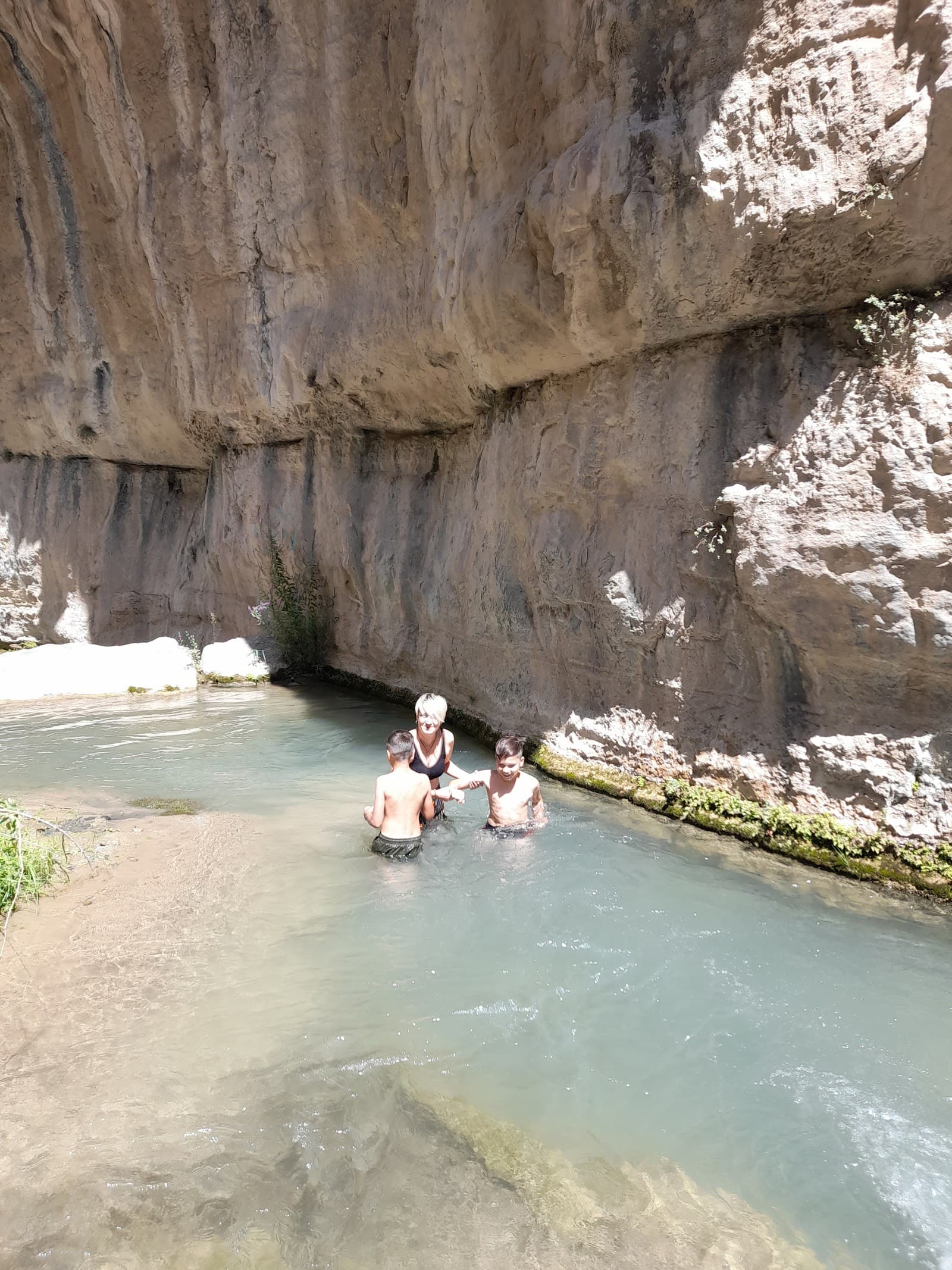
Geok Tepe, dramatically situated in the Ahal Region of southern Turkmenistan, represents one of the most extraordinary and historically significant fortress complexes in Central Asia, dating from the medieval period through the 19th century CE and serving as a major center of Turkmen resistance and cultural identity, featuring sophisticated fortifications, defensive structures, and architectural elements that demonstrate remarkable connections to ancient Indian architectural traditions and the transmission of architectural and cultural knowledge from South Asia to Central Asia through the extensive trade and cultural networks that connected India with Central Asia, creating a powerful testament to the profound impact of Indian civilization on Central Asian architectural and cultural development. The site, featuring sophisticated fortifications including massive defensive walls, towers, gates, and architectural elements that demonstrate clear connections to the architectural traditions of ancient India, particularly the sophisticated defensive techniques and structural principles that were transmitted from South Asia, demonstrates the direct transmission of architectural knowledge, defensive planning principles, and cultural concepts from the great centers of ancient India, particularly the sophisticated fortification techniques and architectural traditions that were systematically transmitted to Central Asia through trade and cultural exchange, while the site's most remarkable feature is its extensive fortification system including massive defensive walls, towers with sophisticated brickwork, and architectural elements that demonstrate remarkable parallels with Indian fortification traditions, particularly the structural techniques and defensive principles that were central to Indian fortress architecture. The fortification structures' architectural layout, with their sophisticated defensive planning, massive walls, towers, and gates, follows planning principles that demonstrate remarkable parallels with Indian fortification planning principles, while the site's extensive architectural remains including defensive walls, towers, and architectural elements demonstrate the sophisticated synthesis of Indian architectural traditions with local Central Asian aesthetic sensibilities and defensive requirements. Historical evidence reveals that the site served as a major center of resistance and cultural identity during the 19th century, particularly during the Battle of Geok Tepe in 1881, while the site's architectural remains demonstrate remarkable parallels with Indian fortification traditions that were central to ancient Indian civilization. The site's association with the broader cultural exchange networks that connected India with Central Asia demonstrates the sophisticated understanding of Indian architectural traditions that were transmitted to Central Asia, while the site's fortification structures demonstrate remarkable parallels with Indian fortification traditions that were central to ancient Indian civilization. The site has been the subject of extensive historical and archaeological research, with ongoing studies continuing to reveal new insights into the site's sophisticated architecture, defensive systems, and its role in the transmission of Indian architectural traditions to Central Asia, while the site's status as one of the most important historical sites in Turkmenistan demonstrates its significance as a major center for understanding the transmission of Indian architectural and cultural traditions to Central Asia. Today, Geok Tepe stands as one of the most important historical sites in Turkmenistan, serving as a powerful testament to the transmission of Indian architectural and cultural traditions to Central Asia, while ongoing historical research and conservation efforts continue to protect and study this extraordinary cultural treasure that demonstrates the profound impact of Indian civilization on Central Asian architectural and cultural development. ([1][2])
Hindu Sabha Mandir Brampton
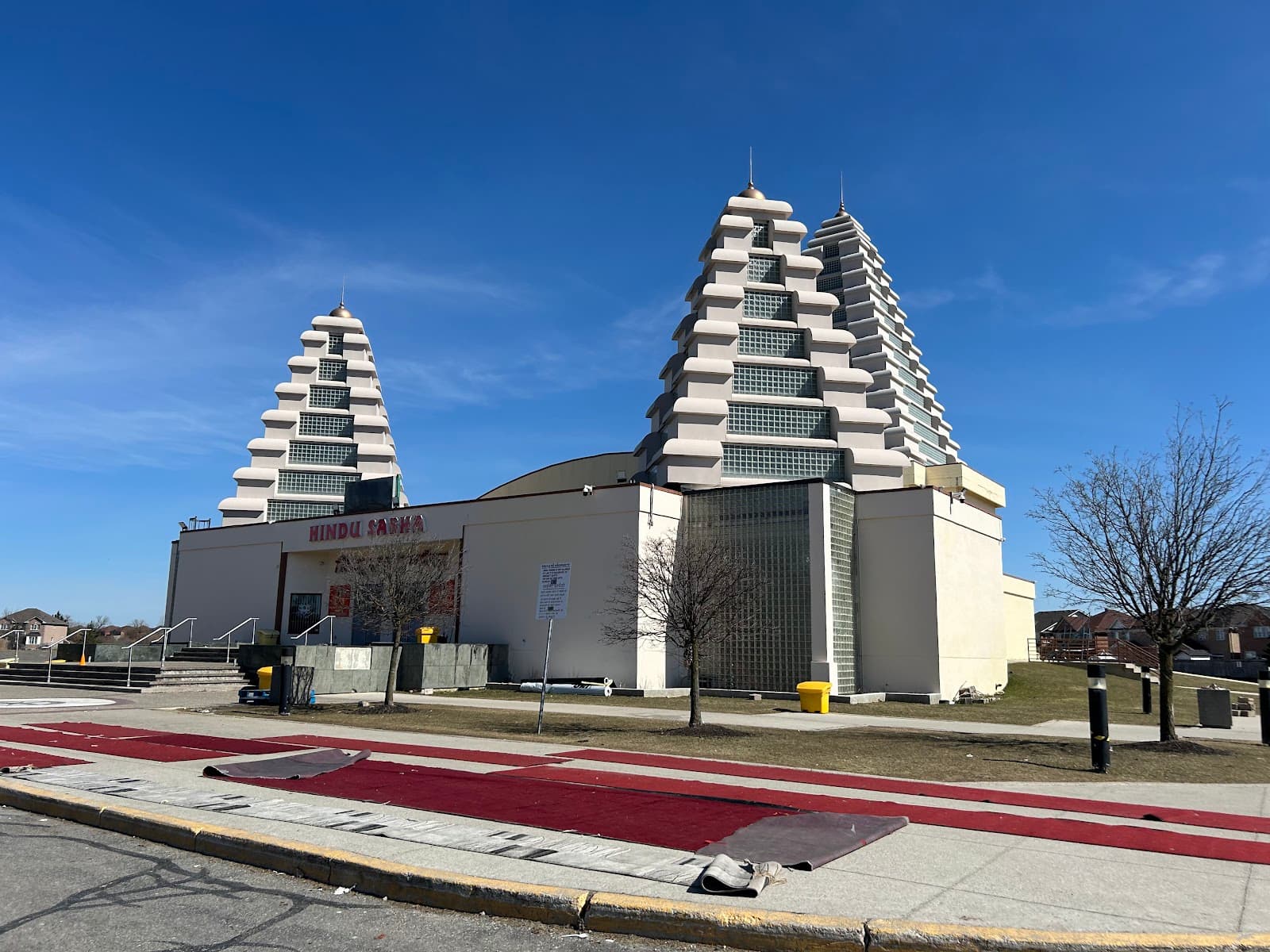
The Hindu Sabha Mandir, located at 9225 The Gore Road in Brampton, Ontario, Canada, stands as a profound testament to the enduring legacy of India's millennia-spanning cultural heritage, embodying the continuous tradition of Hindu civilization in the diaspora. Dedicated primarily to Maa Jagdamba, this sacred edifice serves as a vital spiritual and cultural nexus for the Hindu community in the Greater Toronto Area [1] [2]. Its architectural design predominantly adheres to the Dravida style, characterized by its pyramidal multi-tiered towers known as *vimanas* or *shikharas*, intricate carvings, and monumental structures, reflecting an indigenous architectural idiom that originated in Southern India thousands of years ago [5] . While incorporating modern institutional and brick architecture, the temple meticulously preserves the aesthetic principles and iconographic traditions of ancient Indian temple building [5] . The temple complex encompasses an expansive constructed area of approximately 32,000 square feet [3] [4]. The main floor alone spans about 17,000 square feet, featuring a dedicated altar area of 4,000 square feet where the primary deities are enshrined [3]. The lower level houses a substantial community hall and kitchen, covering approximately 15,000 square feet, designed to facilitate large gatherings and community service initiatives [3]. The main prayer hall is engineered to accommodate over 1,000 devotees, reflecting its role as a major congregational space [3]. A prominent architectural feature is the main *shikhara*, which rises to an impressive height of approximately 120 feet, dominating the skyline and serving as a beacon for the community [3]. The construction employs contemporary engineering techniques while integrating traditional Indian craftsmanship for its decorative elements, including sculptures and intricate carvings that adorn the exterior and interior, depicting various deities, mythological narratives, and auspicious symbols [5]. The temple's design ensures optimal spatial arrangements for rituals, meditation, and communal activities, with designated areas for *darshan*, *puja*, and *prasad* distribution [1]. Currently, the Hindu Sabha Mandir is an actively functioning religious and cultural center, offering daily worship services, morning and evening *aartis*, *bhajan-kirtan* sessions, and *satsangs* [1] [2]. Special religious programs are organized to celebrate major Hindu festivals such as Diwali, Holi, and Dussehra, drawing thousands of devotees [1]. The temple also runs comprehensive religious education and *sanskar* programs for children and youth, alongside regular yoga and meditation sessions, fostering spiritual and physical well-being within the community [1]. Conservation efforts focus on routine maintenance and preservation of its architectural integrity, ensuring the longevity of its traditional elements. The temple is managed by a dedicated board and management team, supported by a Women Empowerment Group, which actively participates in various temple activities and community outreach programs, including a food bank [1] [2]. The site is fully operational, accessible to visitors, and adheres to established maintenance protocols, serving as a vibrant hub for cultural exchange and spiritual enrichment [1] [2]. Photography is generally not permitted inside the main sanctum, and traditional or formal attire is recommended for visitors [1]. An ongoing project includes the construction of a 55-foot-tall statue of Lord Hanuman, further enhancing the temple's spiritual landscape .
Sisupalgarh Fort Bhubaneswar
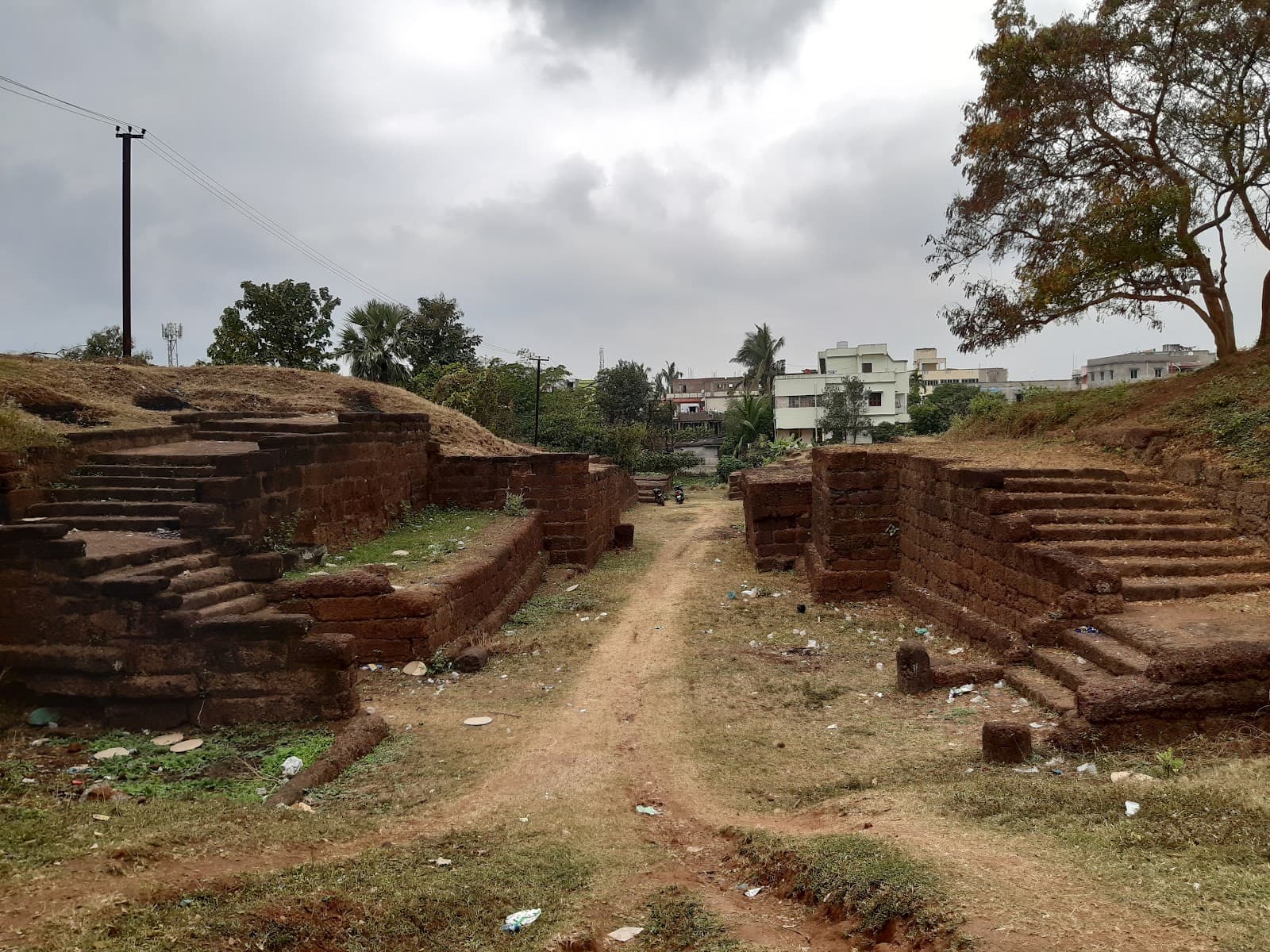
The laterite ramparts of Sisupalgarh rose before me, baked a deep, rusty red under the Odisha sun. Not the imposing, sheer walls of a Rajput fortress, but rather the sprawling, undulating remains of a city fortification, hinting at a life lived within centuries ago. Here, just a few kilometers from the bustling modernity of Bhubaneswar, lay the whispers of ancient Kalinga, a realm steeped in history and architectural ingenuity. My fingers traced the rough texture of the laterite, a porous rock formed from iron-rich soil. Its use spoke volumes about the builders’ resourcefulness and understanding of the local environment. This wasn't just a defensive structure; it was a testament to sustainable building practices, utilizing readily available materials. The ramparts, though eroded by time, still retained a sense of formidable strength. They stretched in a roughly square shape, enclosing an area of approximately 1.2 square kilometers, a scale that impressed upon me the sheer size of this ancient settlement. Walking along the top of the ramparts, I could see the clear demarcation of the moat, now dry and overgrown, but once a crucial defensive feature. The strategic placement of gateways, particularly the impressive northern and southern entrances, suggested a well-planned urban layout. These weren't mere openings; they were carefully constructed passages, designed for both defense and ceremonial processions. I could almost picture the chariots rumbling through, the soldiers standing guard, the vibrant life of the city flowing in and out. Descending into the heart of the fort, I encountered the remnants of what were once bustling streets and residential areas. The foundations of houses, crafted from the same laterite, were still visible, laid out in a grid pattern, indicative of a planned urban settlement. The discovery of artifacts like pottery shards, terracotta figurines, and iron implements during excavations paints a vivid picture of daily life within these walls. It wasn't just a military outpost; it was a thriving urban center, a hub of trade and cultural exchange. One of the most striking features of Sisupalgarh is its sophisticated water management system. Evidence suggests the presence of elaborate drains and reservoirs, showcasing the advanced engineering skills of the time. The careful planning of water resources, crucial in a region with distinct wet and dry seasons, speaks to the foresight and practicality of the city's planners. It’s a reminder that even in ancient times, urban planning considered the practicalities of daily life, not just defense and grandeur. The Ashokan rock edicts discovered nearby, though not within the fort itself, add another layer of historical significance to Sisupalgarh. They suggest that the city, then known as Tosali, was a major administrative center under the Mauryan empire. This connection to one of India’s most influential rulers adds a palpable sense of historical weight to the site. Standing amidst these ruins, I felt a tangible connection to the past, a sense of awe at the ingenuity and resilience of those who built and inhabited this ancient city. Sisupalgarh isn't just a collection of ruins; it's a living testament to the rich tapestry of Indian history. It's a place where the past whispers to the present, offering glimpses into the lives, beliefs, and architectural prowess of a civilization that thrived centuries ago. The site deserves more attention, not just as a historical curiosity, but as a valuable lesson in sustainable urban planning and a reminder of the enduring legacy of ancient India. As I left the fort, the setting sun casting long shadows over the laterite walls, I carried with me a profound sense of wonder and a renewed appreciation for the architectural marvels of ancient India. Sisupalgarh is more than just a fort; it is a time capsule, waiting to be explored and understood.
Quick Links
Plan Your Heritage Journey
Get personalized recommendations and detailed visitor guides