Has Inheritage Foundation supported you today?
Your contribution helps preserve India's ancient temples, languages, and cultural heritage. Every rupee makes a difference.
Secure payment • Instant 80G certificate
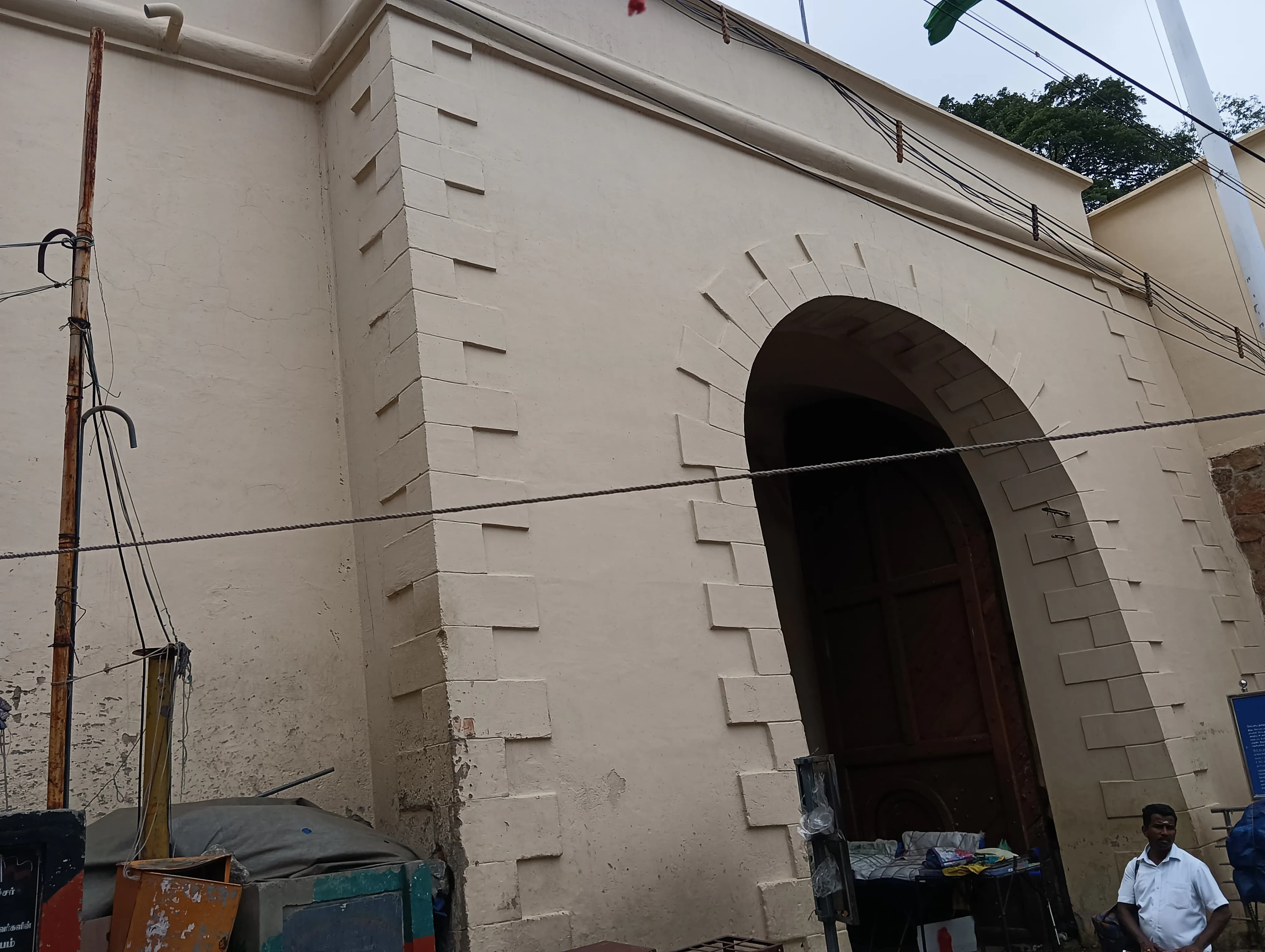
Tiruchirapalli Fort Tiruchirapalli
The Rockfort, as it’s locally known, dominates the Tiruchirapalli skyline. Rising abruptly from the plains, this massive outcrop isn't just a fort, it's a layered testament to centuries of power struggles and religious fervor. My lens, accustomed to the sandstone hues of Madhya Pradesh, was immediately captivated by the stark, almost bleached, granite of this southern behemoth. The sheer scale of the rock itself is awe-inspiring, a natural fortress enhanced by human ingenuity. My climb began through a bustling marketplace that clings to the rock's lower slopes, a vibrant tapestry of daily life unfolding in the shadow of history. The air, thick with the scent of jasmine and spices, resonated with the calls of vendors and the chiming bells of the Sri Thayumanaswamy Temple, carved into the rock face. This temple, dedicated to Lord Shiva, is an architectural marvel. The intricate carvings, some weathered smooth by time, others remarkably preserved, speak to the skill of the artisans who labored here centuries ago. The sheer audacity of excavating and sculpting such a complex within the rock itself left me speechless. Ascending further, I reached the Manikka Vinayagar Temple, dedicated to Lord Ganesha. The contrast between the two temples is striking. While the Shiva temple is a study in verticality, reaching towards the sky, the Ganesha temple feels more grounded, nestled within the rock's embrace. The vibrant colours of the gopuram, a stark contrast to the muted tones of the rock, add a touch of playful energy to the otherwise austere surroundings. The climb to the Upper Rockfort, where the remnants of the fort itself stand, is a journey through time. The steps, worn smooth by countless pilgrims and soldiers, are a tangible link to the past. As I climbed, I noticed the strategic placement of fortifications, the remnants of ramparts and bastions that once protected this strategic location. The views from the top are breathtaking, offering a panoramic vista of the city and the meandering Kaveri River. It's easy to see why this location was so fiercely contested throughout history, from the early Cholas to the Nayaks, the Marathas, and finally the British. The architecture of the fort itself is a blend of styles, reflecting the various dynasties that held sway here. I was particularly struck by the remnants of the Lalitankura Pallaveswaram Temple, a small, almost hidden shrine near the top. Its simple, elegant lines stand in stark contrast to the more ornate temples below, offering a glimpse into an earlier architectural tradition. Beyond the grand temples and imposing fortifications, it was the smaller details that truly captured my attention. The weathered inscriptions on the rock faces, the hidden niches housing small deities, the intricate carvings on pillars and doorways – these are the whispers of history, the stories that aren't found in textbooks. The experience of photographing the Rockfort was more than just documenting a historical site; it was a conversation with the past. The rock itself seemed to emanate a sense of timeless presence, a silent witness to the ebb and flow of human ambition and devotion. As I descended, leaving the towering rock behind, I carried with me not just images, but a profound sense of connection to a place where history, spirituality, and human ingenuity converge. The Rockfort is not just a fort; it is a living monument, a testament to the enduring power of the human spirit.
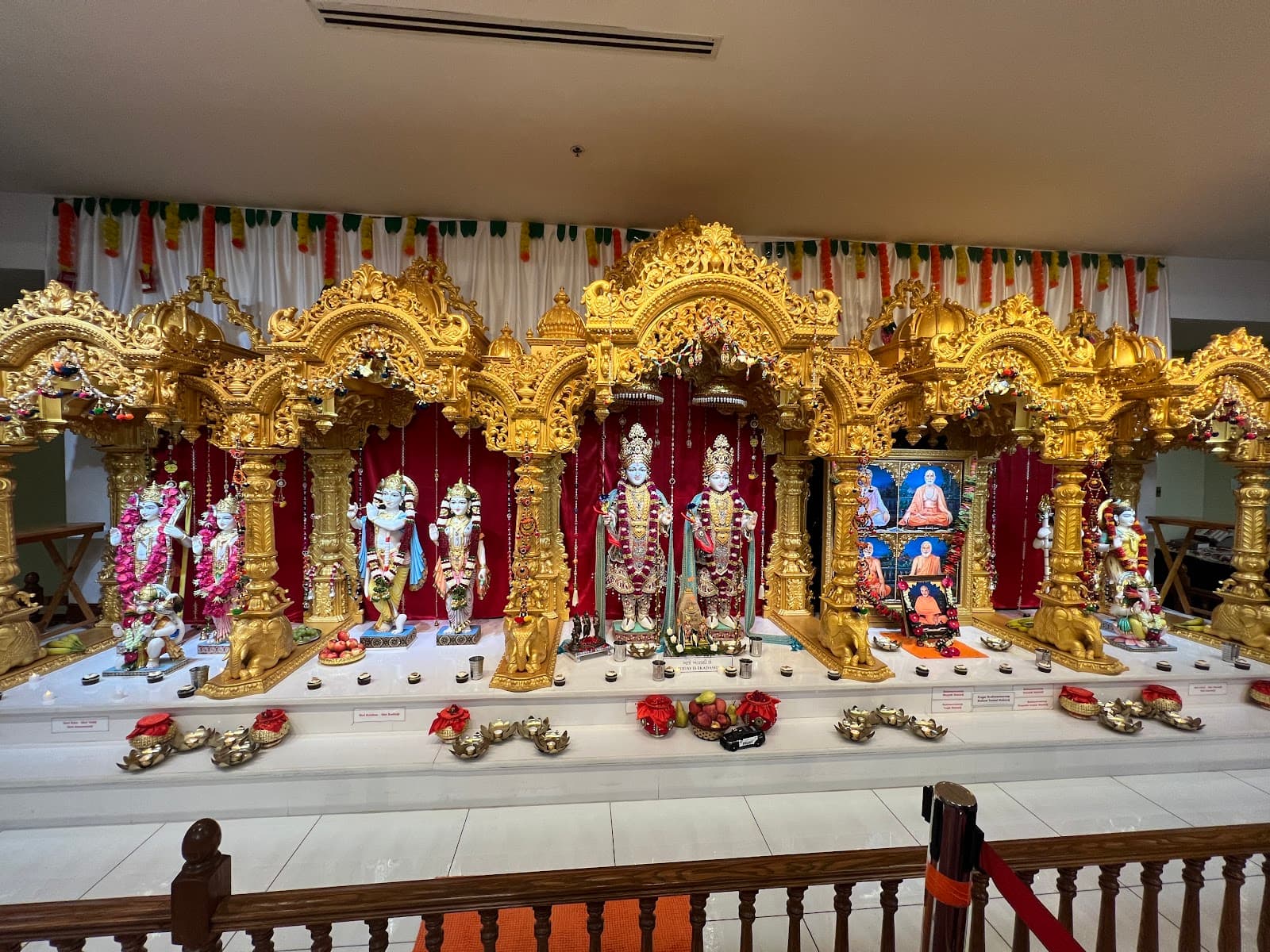
Shree Swaminarayan Mandir Scarborough
Shree Swaminarayan Mandir Scarborough is dedicated to Bhagwan Swaminarayan and anchors Scarborough’s Markham Road corridor as a vibrant spiritual, cultural, and humanitarian hub within the ISSO Canada network since its 2004 consecration ([1][2]). The mandir opens daily 7:00 AM-12:00 PM and 4:00 PM-9:00 PM, with sabha evenings, youth assemblies, seniors’ yoga, and Gujarati school filling the classrooms and auditorium throughout the week ([1][3]). Reception volunteers manage RFID sign-in, shoe storage, seva booking, and parking rotation, then guide visitors through colour-coded paths to the marble mandir hall, cafeteria, or cultural wing. The vegetarian kitchen prepares annadhanam, Food Bank hampers, and community tiffin deliveries while maintaining halal-free compliance, allergen logs, and composting streams. Accessibility features include heated ramps, an elevator, tactile markers, quiet rooms, captioned signage, and hearing loops in the main hall; digital screens and WhatsApp alerts broadcast aarti times, traffic advisories, and volunteer rosters. BAS dashboards monitor HVAC, humidity, lighting, and security, while on-site training keeps emergency wardens, health professionals, and broadcast crews ready for Diwali Annakut, Janmashtami, Swaminarayan Jayanti, Canada Day seva, and city town halls alongside daily darshan ([2][3]).
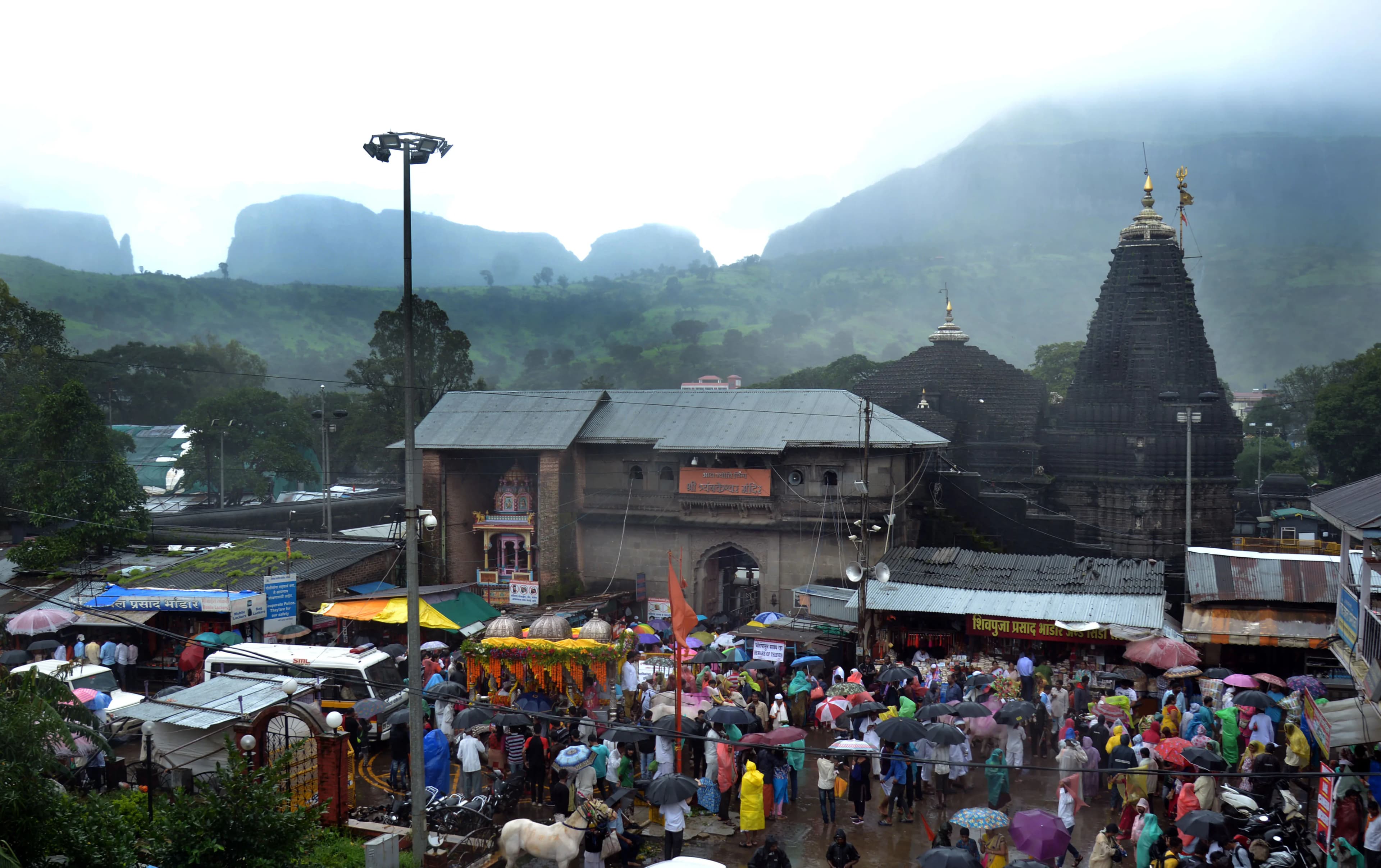
Trimbakeshwar Shiva Temple Nashik
The air, thick with incense and the murmur of Sanskrit chants, hung heavy as I stepped into the courtyard of the Trimbakeshwar Shiva Temple. Having explored countless ancient sites across North India, I’ve developed a keen eye for architectural nuances, and Trimbakeshwar immediately struck me as unique. Unlike the sandstone and marble structures I was accustomed to in the north, this temple, dedicated to one of the twelve Jyotirlingas, was crafted from black basalt stone, lending it a sombre, almost mystical aura. The intricately carved façade, darkened by time and weather, narrated stories of dynasties past. Eroded sculptures of deities, celestial beings, and mythical creatures intertwined, a testament to the skilled artisans who had painstakingly brought this temple to life centuries ago. The main entrance, guarded by imposing dwarapalas (gatekeepers), led into a mandap, its pillars intricately carved with floral motifs and geometric patterns. Sunlight filtered through the jaali screens, casting dancing shadows on the polished stone floor, creating an ethereal atmosphere. The heart of the temple, the garbhagriha, housed the revered Jyotirlinga. Unlike other Jyotirlingas, which are typically cylindrical lingams, the one at Trimbakeshwar is a depression in the ground, a small hollow from which a perpetual stream of water flows. This unique feature, explained by local priests as symbolic of the origin of the Godavari River, added to the sanctity of the place. The constant trickle of water, the chanting of priests, and the hushed reverence of the devotees created a palpable sense of spiritual energy. I spent a considerable amount of time observing the devotees. Their faces, etched with devotion and hope, reflected the deep-rooted faith that had drawn them to this sacred site. From elderly women whispering prayers to young couples seeking blessings, the temple served as a melting pot of human emotions and spiritual aspirations. I witnessed a young boy meticulously offering flowers to the deity, his eyes closed in concentration, a poignant reminder of the enduring power of faith across generations. The architecture of the temple, while predominantly Hemadpanti – characterized by its precision and use of interlocking stones – also displayed influences from other styles. I noticed elements of the Chalukyan style in the ornate carvings and the use of decorative motifs. This fusion of architectural styles, a testament to the region’s rich history and cultural exchanges, added another layer of intrigue to the temple's narrative. Beyond the main shrine, the temple complex housed several smaller shrines dedicated to various deities. I explored these smaller shrines, each with its own unique character and history. The surrounding courtyards, though bustling with activity, retained a sense of serenity. The rhythmic clang of temple bells, the fragrance of incense, and the soft murmur of prayers created a symphony of sounds and scents that enveloped me. As I left the temple, the image of the Jyotirlinga, the source of the sacred Godavari, remained etched in my mind. Trimbakeshwar, with its unique architecture, spiritual significance, and palpable energy, offered a glimpse into the rich tapestry of Indian faith and heritage. It was a journey not just to a geographical location, but also a journey into the heart of a culture deeply rooted in spirituality and tradition. My experience at Trimbakeshwar reinforced my belief that these ancient sites are not merely monuments of the past, but living, breathing entities that continue to inspire and connect us to something larger than ourselves.

Virupaksha Temple Hampi
The sun beat down on the ochre boulders of Hampi, casting long shadows across the sprawling ruins. My journey through Uttar Pradesh’s architectural wonders had led me south, to this UNESCO World Heritage site, and my first stop was the magnificent Virupaksha Temple, a vibrant splash of life amidst the hushed whispers of history. Unlike the sandstone temples of my home state, this temple, dedicated to Lord Virupaksha, a form of Shiva, was predominantly built of granite, its dark grey stone shimmering under the intense Karnataka sun. Entering through the towering gopuram, its intricate carvings narrating tales from the epics, I was immediately struck by the palpable energy of the place. This wasn't a relic of the past; it was a living, breathing temple, with the rhythmic chants of priests, the fragrance of incense, and the devout murmurings of pilgrims creating a symphony of faith. The gopuram itself was a marvel, its nine tiers reaching towards the heavens, adorned with vibrant depictions of gods, goddesses, and mythical creatures. The sheer scale of it dwarfed me, a testament to the architectural prowess of the Vijayanagara Empire. The temple complex unfolded before me like a storybook. I wandered through the pillared halls, the granite columns intricately carved with scenes from the Ramayana and Mahabharata. The carvings weren't mere decorations; they were narratives etched in stone, each panel a window into the rich mythology of the region. I noticed a distinct South Indian influence in the sculptural style, a departure from the more North Indian aesthetics I was accustomed to. The figures were more elongated, their features sharper, their ornamentation more elaborate. One particular carving caught my attention – a depiction of Lord Shiva’s marriage to Pampa, the goddess of the Tungabhadra River. The river, a lifeline for Hampi, flowed just beyond the temple walls, its presence a constant reminder of the symbiotic relationship between nature and faith. This narrative, carved centuries ago, resonated deeply, highlighting the reverence for rivers that has been integral to Indian culture for millennia. The main shrine, housing the deity of Virupaksha, exuded an aura of serenity. The air was thick with the scent of sandalwood and flowers, and the soft chanting created an atmosphere of profound peace. I observed the rituals, fascinated by the continuity of tradition, the same chants and offerings likely performed for centuries within these very walls. It was a powerful reminder of the enduring power of faith. Beyond the main shrine, I explored the ruins of the marketplace, imagining the bustling activity that once filled this space. The remnants of shops and stalls hinted at a thriving commercial hub, a testament to Hampi's past glory as the capital of the Vijayanagara Empire. The architecture here was more functional, less ornate than the temple itself, yet it spoke volumes about the city's sophisticated urban planning. Climbing the Hemakuta Hill, located within the temple complex, offered a panoramic view of the surrounding landscape. The sprawling ruins, interspersed with giant boulders, stretched as far as the eye could see, a poignant reminder of the empire's grandeur and its eventual decline. From this vantage point, the Virupaksha Temple stood tall, a beacon of faith amidst the ruins, a symbol of resilience and continuity. As I descended, the late afternoon sun cast a golden glow over the temple. The carvings seemed to come alive, their stories whispering in the gentle breeze. My visit to the Virupaksha Temple was more than just a sightseeing experience; it was a journey through time, a glimpse into a rich tapestry of history, faith, and art. It was a powerful reminder of the interconnectedness of cultures, and the enduring legacy of India's architectural heritage. Leaving the temple, I carried with me not just photographs and memories, but a deeper understanding of the cultural nuances that make India so incredibly diverse and captivating.
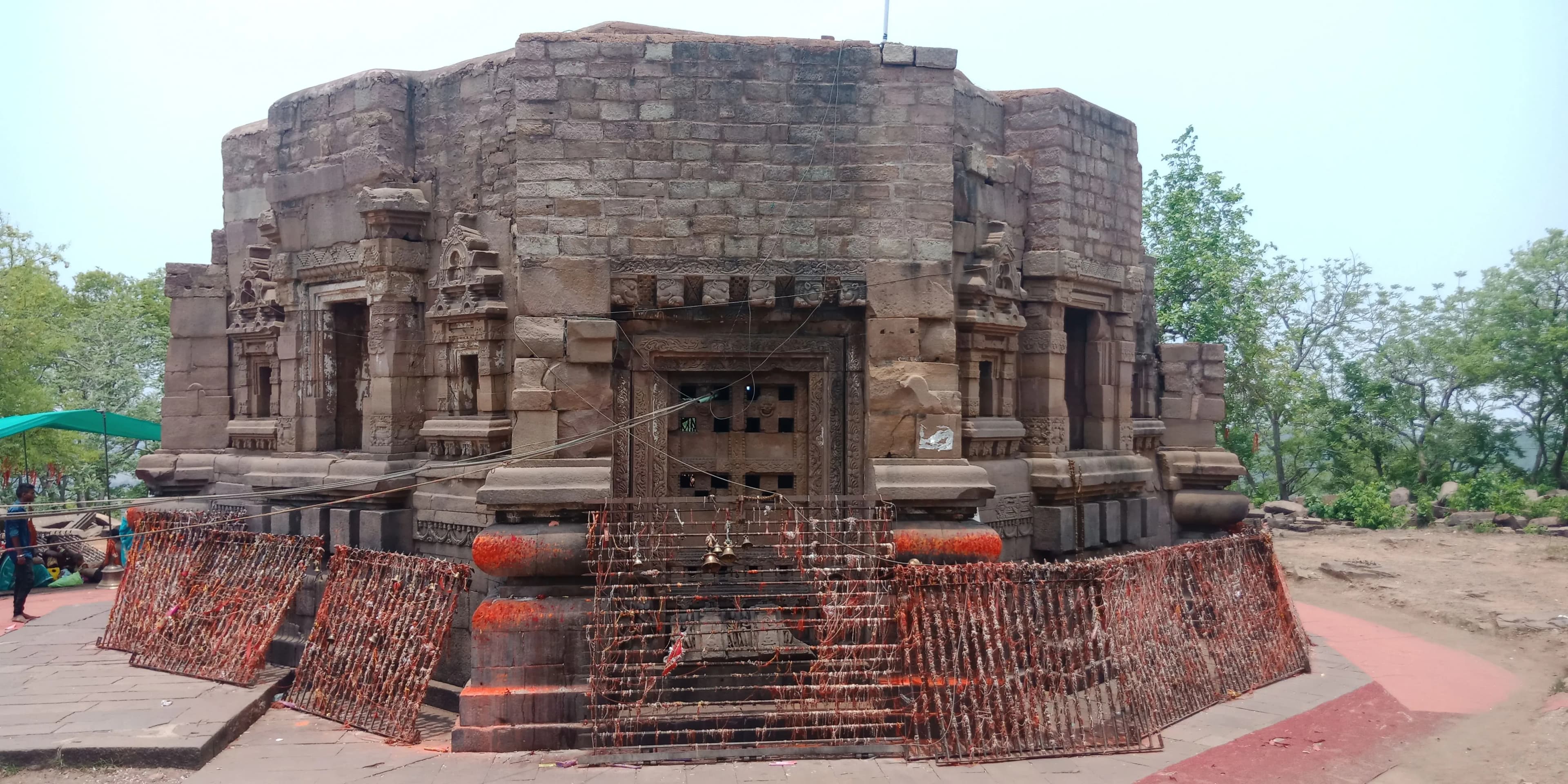
Mundeshwari Devi Temple Kaura
The sun beat down on the Kaimur hills, painting the landscape in hues of ochre and brown as I climbed the winding path towards the Mundeshwari Devi Temple. Located atop the Piwara hill near Kaura in Bihar, this ancient structure emanated an aura of history that even the midday heat couldn't diminish. Having explored countless temples across North India, I was prepared to be impressed, but Mundeshwari offered something uniquely captivating. The first thing that struck me was the temple's unusual octagonal shape, a stark contrast to the more common square or rectangular structures I'd encountered. Built of red sandstone blocks, the temple seemed to grow organically from the hill itself, its weathered stones whispering tales of centuries past. The Archaeological Survey of India recognizes it as the oldest functional Hindu temple in India, a claim that felt palpable standing in its presence. The weight of history, the tangible connection to generations of worshippers, hung heavy in the air. As I circumambulated the temple, I observed the intricate carvings adorning its exterior walls. While time and the elements had taken their toll, I could still discern depictions of various deities, including Ganesha and Vishnu, their forms softened by erosion yet retaining a distinct power. The octagonal design, I learned, represents the eight directions, symbolically placing the deity at the center of the cosmos. This architectural choice, combined with the hilltop location, created a powerful sense of sacred space, a place where the earthly and the divine converged. Entering the sanctum sanctorum was a transformative experience. The low ceiling and dimly lit interior fostered an atmosphere of reverence. Here, enshrined within the heart of the temple, resided the four-headed image of Devi Mundeshwari. Unlike the more common depictions of Durga or Kali, this representation of Shakti, the divine feminine, felt primal, ancient. The four heads, facing the cardinal directions, seemed to embody the all-encompassing power of the goddess. The priest, a kind-faced man with eyes that held the wisdom of generations, explained that the temple is dedicated to both Shiva and Shakti, represented by the Chaturmukhi Shivling within the sanctum. This dual dedication, he explained, symbolizes the harmonious balance of masculine and feminine energies, a concept central to Hindu cosmology. He pointed out the unique placement of the Shivling, directly beneath the feet of the Devi, further emphasizing the primacy of Shakti in this particular manifestation. Stepping back out into the sunlight, I took a moment to absorb the panoramic view from the hilltop. The Kaimur range stretched out before me, a tapestry of green and brown, dotted with villages and fields. It was easy to see why this location was chosen for a temple. The elevated position, the commanding view, the palpable sense of connection to the natural world – it all contributed to the sacred aura of the place. My visit to Mundeshwari Devi Temple wasn't just about observing architecture or documenting history; it was about experiencing a living tradition. The temple wasn't a relic of the past, but a vibrant center of faith, a place where devotees continue to offer prayers and seek blessings. Witnessing their devotion, their unwavering faith in the power of the goddess, added another layer of meaning to my experience. Leaving the temple, I carried with me not just photographs and notes, but a profound sense of connection to this ancient site and the enduring power of belief. It's a place I urge every traveler exploring North India to experience, a place where history, spirituality, and the raw beauty of the natural world converge to create something truly unforgettable.
Shree Ayyappa Seva Sangam Temple Durban
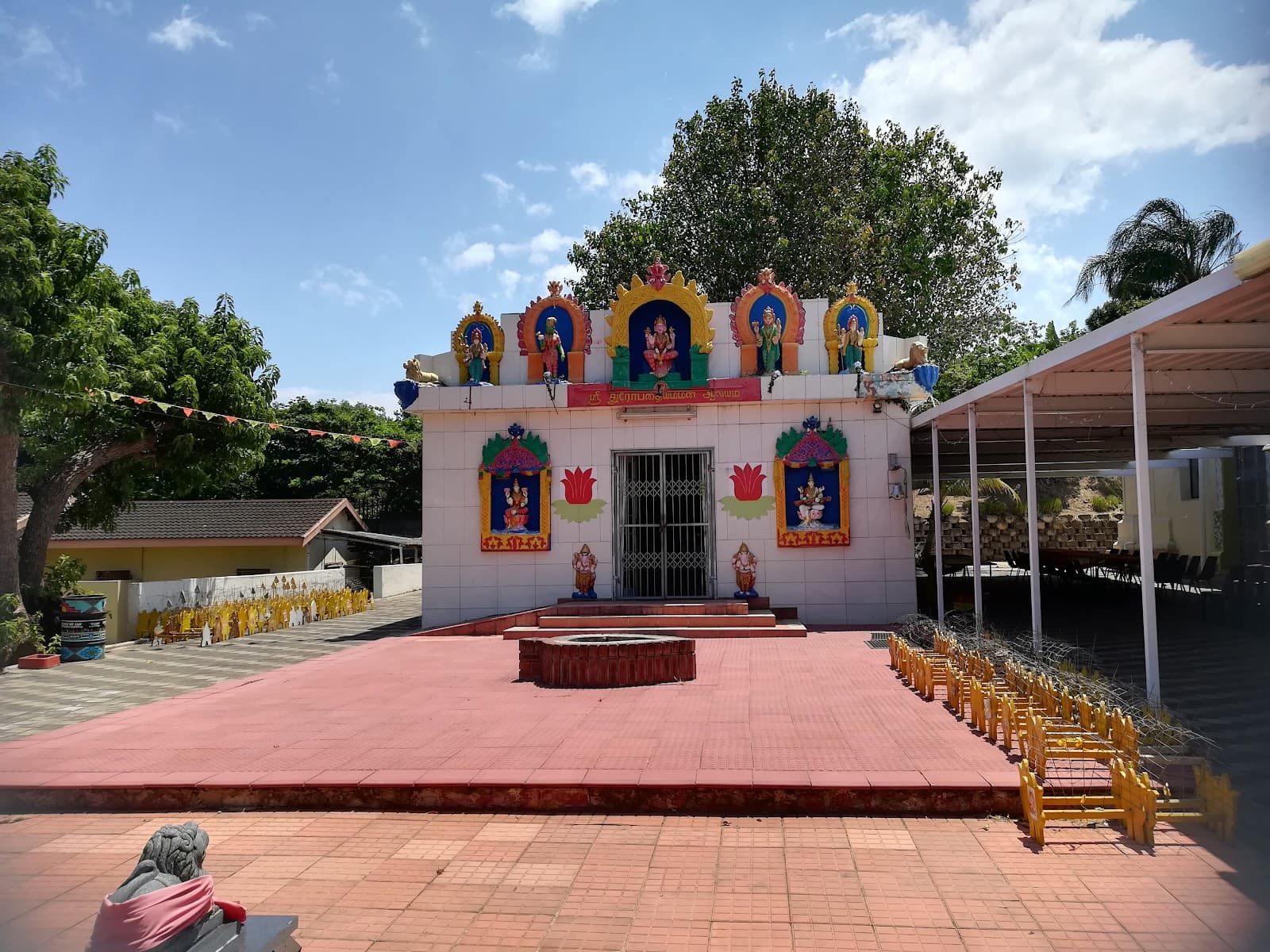
The Shree Ayyappa Seva Sangam Temple, located at 359 Langton Road, Montclair, Durban, KwaZulu-Natal, South Africa, stands as a profound testament to India's millennia-spanning cultural heritage and the continuous tradition of Indic civilization [1] [2]. Dedicated to Lord Ayyappa, a revered deity primarily worshipped in South India, particularly Kerala, this temple embodies ancient indigenous architectural styles, materials, and cultural practices that reflect India's deep historical roots [3] [4]. The temple's design integrates elements of both Kerala Temple architecture and Dravida architecture, showcasing a synthesis of South Indian temple building traditions [1] [5]. Kerala temple architecture, characterized by its unique religious sanctuary design, often features circular or square ground plans, steeply sloping roofs covered with copper sheets or terracotta tiles, and extensive use of timber [5] [2]. These architectural choices are historically adapted to the region's heavy rainfall and tropical climate, emphasizing functionality alongside aesthetic and spiritual principles [2]. The structural elements typically involve a granite plinth (adhisthana), laterite walls, and a superstructure predominantly crafted from wood, adhering to canonical rules of proportionate systems detailed in ancient treatises [5] [4]. The Shree Ayyappa Seva Sangam Temple incorporates these principles, utilizing locally available materials while maintaining the traditional forms [1]. The temple complex is designed according to the Hindu practices of 'Vaastu Shastra' and 'Agama Shastra', ensuring auspicious orientation, spatial harmony, and ritualistic correctness [1]. This adherence to ancient texts underscores the continuity of architectural knowledge passed down through generations [5]. Dravida architectural influences are evident in the temple's overall layout and decorative motifs, which often include intricate carvings and sculptures [3]. While Kerala temples typically feature simpler exteriors, the broader South Indian temple style, from which Dravida architecture evolved, is known for its elaborate gopurams (entrance towers), vimanas (superstructures over the sanctum), and mandapas (pillared halls) [3]. Though the Durban temple may not possess the monumental scale of ancient Dravidian complexes, its design principles and decorative elements draw from this rich tradition, manifesting in detailed iconography and sacred geometry [1]. The temple's sanctum (sreekovil) houses the main deity, Lord Ayyappa, and is surrounded by a circumambulatory path (pradakshina-patha), facilitating traditional devotional practices [3]. The current state of the temple reflects ongoing maintenance and active programming, serving as a vital spiritual and cultural hub for the Malayali and Tamil diaspora in Durban [2]. It offers regular pujas, festivals, and cultural education, ensuring the preservation and transmission of Indic traditions [2]. The site is fully operational and accessible to devotees and visitors, upholding its role as a living heritage site [1].
Sri Karphaga Vinayakar Temple Homebush West
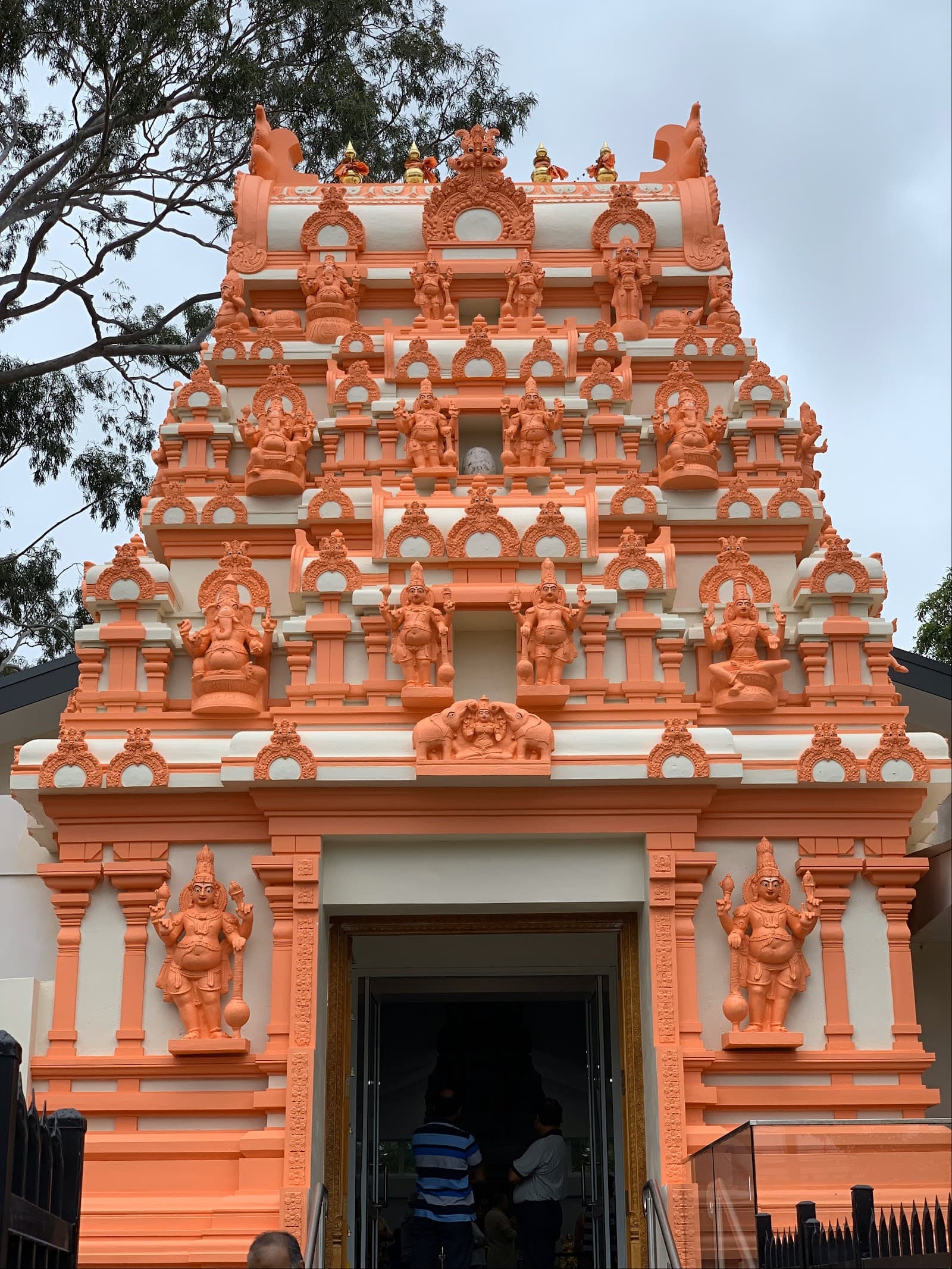
Sri Karphaga Vinayakar Temple Homebush West is dedicated to Lord Ganesha and anchors Sydney’s Inner West as a Dravidian mandir integrated within a heritage-listed former Presbyterian church shell ([1][2]). Daily darshan runs 6:00 AM-12:00 PM and 4:00 PM-9:00 PM, with special Vinayagar Chaturthi, Skanda Sashti, and Panguni Uthiram observances extending to 10:30 PM; ushers stage the nave with retractable queue rails so devotees flow through the nave, circumnavigate the sanctum, and exit via the south transept without cross-traffic ([1][3]). The annadhanam kitchen occupies the church hall annex, fitted with stainless benches, induction hobs, and grease arrestors, while a dumbwaiter lifts prasadam to the upper gallery for elders ([1][4]). Accessible entries include a 1:14 ramp along Arthur Street, tactile paving, and a small platform lift that bridges the chancel step, ensuring wheelchair users reach the brass railing before the sanctum ([2]). Climate control uses split-system HVAC with HEPA filtration and ceiling fans to maintain comfort in the vaulted interior, and acoustic panels tucked behind timber trusses keep devotional music within safe levels ([3]). Digital signage and QR codes deliver trilingual Tamil-English-Hindi schedules, contactless seva bookings, and City of Strathfield evacuation diagrams, while a broadcast booth near the former organ loft live-streams pujas for remote devotees ([1][5]). With fire wardens rostered, first aid kits stocked, and volunteer teams drilled, the temple remains operationally ready for daily worship, youth programs, and civic partnerships across the Homebush community ([1][2]).
Thousand Pillar Temple Hanamkonda
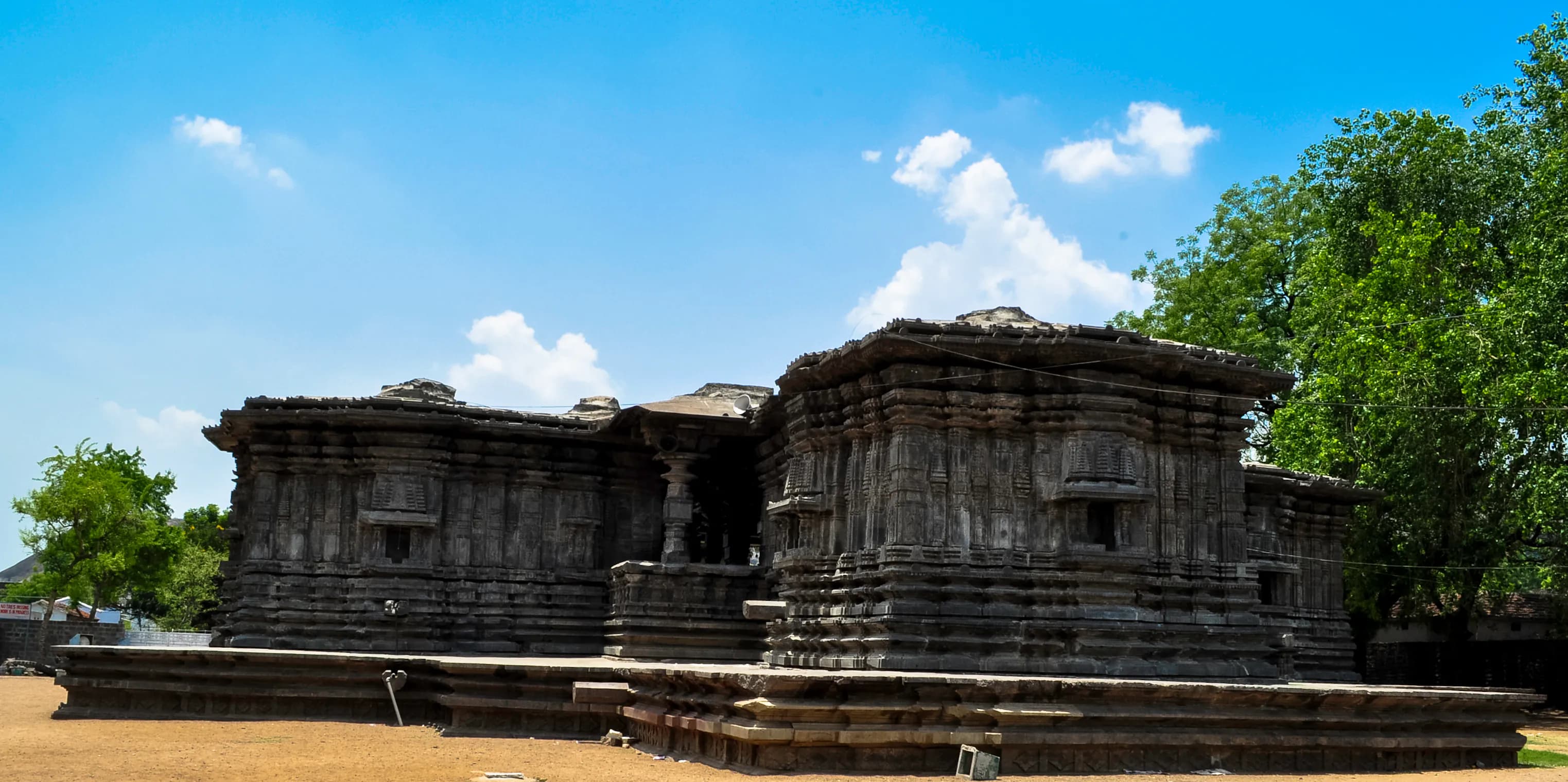
The midday sun beat down on the stone, radiating heat that shimmered in the air above the Thousand Pillar Temple. Having explored countless caves and temples across Maharashtra, I’ve developed a keen eye for architectural nuances, and this temple in Hanamkonda, Telangana, promised a feast for the senses. Even before stepping through the imposing entrance, the sheer scale of the structure was breathtaking. It wasn't just a temple; it was a testament to the architectural prowess of the Kakatiya dynasty. The name "Thousand Pillar Temple" is a bit of a misnomer. While it evokes a sense of grandeur, there aren't actually a thousand pillars. Closer to 280 support this marvel, intricately carved and strategically placed to create a seemingly endless colonnade. These pillars aren't merely structural supports; they are storytellers. Each one is adorned with elaborate carvings depicting scenes from Hindu mythology, celestial beings, and scenes of courtly life. I spent a considerable amount of time just circling the pillars, tracing the stories etched into the stone, marveling at the skill of the artisans who breathed life into these granite monoliths centuries ago. The temple is dedicated to a trinity of deities: Lord Shiva (as Rudreshwara), Lord Vishnu (as Vaikuntha Vishnu), and Lord Surya (the Sun God). This dedication to three major deities within a single complex is a testament to the Kakatiyan's inclusive religious philosophy. The main shrines, each housing one of the deities, are connected by a central mandapam, a large pillared hall. The play of light and shadow within this space, filtered through the intricately carved pillars, creates an ethereal atmosphere. It's easy to imagine the vibrant religious ceremonies that would have once filled this hall with chanting and the scent of incense. One of the most striking features of the temple is the star-shaped sanctum of Lord Vishnu. The precision of the architecture is remarkable. The angles, the proportions, the intricate carvings on the outer walls – everything points to a deep understanding of geometry and aesthetics. I noticed a subtle shift in the architectural style in this section, hinting at the influence of different artisans or perhaps even a slightly later period of construction. This blend of styles adds another layer of intrigue to the temple's narrative. As I moved through the complex, I noticed the remnants of vibrant paint on some of the carvings. While much of the original color has faded with time, these remnants offer a glimpse into the temple’s past glory. I could envision the vibrant hues that once adorned these sculptures, transforming the temple into a kaleidoscope of color. It's a reminder that these weren't just grey stone structures; they were living, breathing expressions of faith and artistry. Beyond the main shrines, the temple complex also houses several smaller shrines and mandapas. I discovered a particularly captivating Nandi mandapa, housing a large monolithic Nandi (the sacred bull of Lord Shiva). The sheer size of the Nandi is impressive, and the intricate detailing on its form is a testament to the sculptor's skill. The Thousand Pillar Temple isn't just a collection of stones; it's a living testament to a rich cultural heritage. It's a place where history, mythology, and artistry converge. Walking through its hallowed halls, I felt a profound connection to the past, a sense of awe at the ingenuity and devotion of those who built this magnificent structure. It’s a must-see for anyone seeking to understand the architectural brilliance of the Kakatiya dynasty and experience the spiritual heart of Telangana. My journey through the caves and temples of Maharashtra has prepared me for many breathtaking sights, but the Thousand Pillar Temple stands out as a truly exceptional experience.
Shirdi Sai Baba Temple Dubai
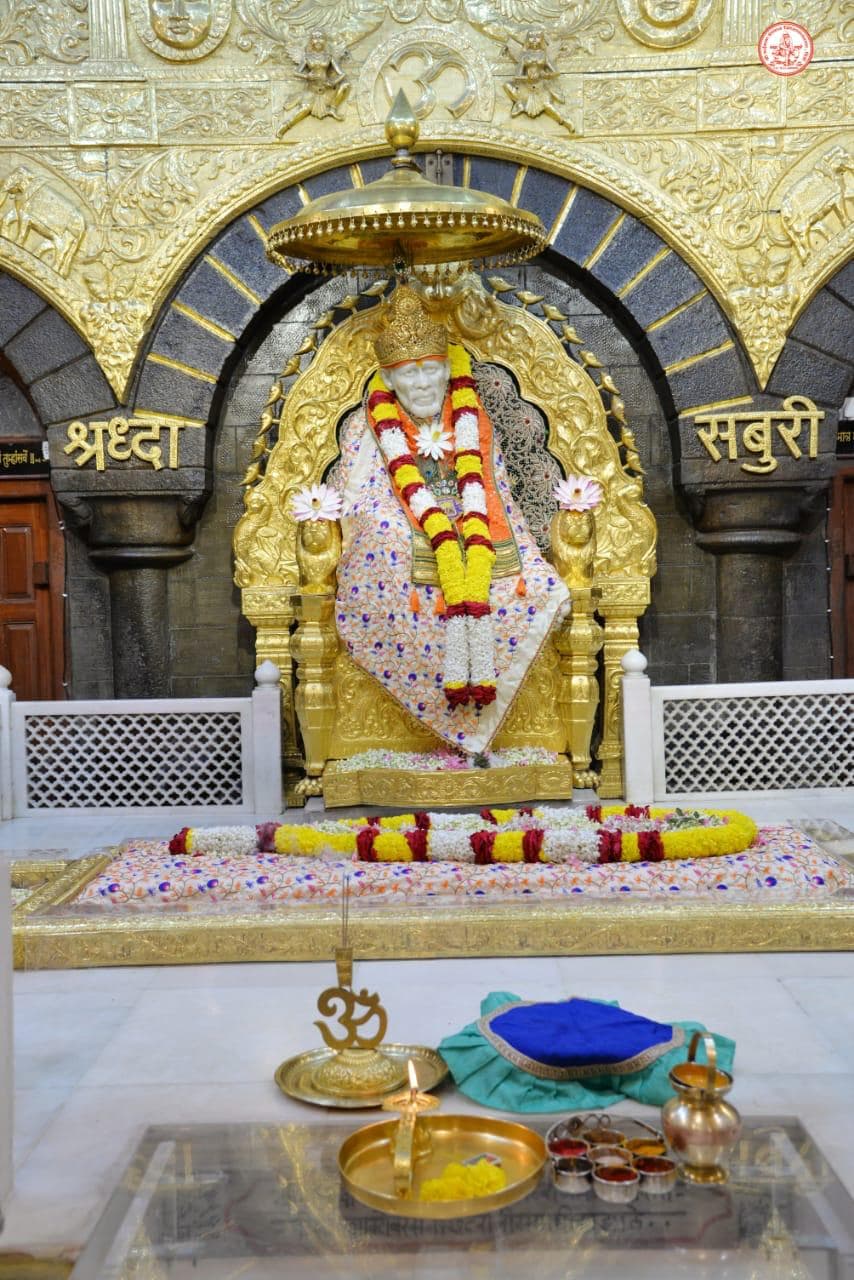
The Shirdi Sai Baba Temple, located in Jumeirah 1, Dubai, is a significant spiritual center dedicated to Shirdi Sai Baba, embodying the enduring legacy of India's millennia-spanning cultural and spiritual heritage in a contemporary global setting. This temple serves as a vital nexus for the Indian diaspora, fostering a profound sense of belonging and cultural continuity through its adherence to ancient Indian spiritual traditions and architectural principles [1] [5]. The architectural design of the temple integrates the indigenous Nagara architecture style, Indo-Modern elements, and the specific characteristics of a Samadhi Mandir, reflecting a continuous tradition of Hindu temple construction [5] . The main temple structure, which houses the Garbhagriha (sanctum sanctorum), is centrally positioned within a larger 11.11-acre complex, itself part of a 338-acre master plan development [3]. The architectural form is a sophisticated reinterpretation of India's vernacular temple architecture, utilizing parametric design to manifest an 11-sided polygon, or hendecagon, articulated as a three-dimensional polyhedron [3]. This intricate design balances sacred geometry, deeply rooted in ancient Indian Vastu Shastra and numerological beliefs, with modern engineering logic [3]. The structural system was developed through an algorithmic process, considering spatial and structural constraints, and evaluating environmental factors such as daylight penetration, solar heat gain, and shadow patterns to optimize the internal environment [3]. Internally, the Garbhagriha presents a pure white space, illuminated by natural sunlight diffused through an oculus at the apex of the polygonal roof [3]. The roof itself features a double-fold origami structure, providing a rigid yet aesthetically fluid long-span shell-like enclosure supported by columns that seamlessly blend into the interior [3]. The flooring pattern within the main hall is a mathematical looping system derived from the 11 vertices of the hendecagon, creating interstitial spaces that subtly guide visitors towards the deity for prayers and offerings [3]. The precise placement of the primary deity within the sanctum sanctorum was determined by dividing the outer circumference into 11 equal segments, with radiating arcs forming a petal-like pattern that is mirrored in the oculus above, ensuring both symmetry and spiritual focus [3]. The temple complex includes a front promenade, designed with functional divisions for baggage storage, shoe removal, frisking areas, and ablution facilities, marking a ceremonial entry point [3]. A gopuram offers the initial framed view of the temple, with green strips and shops along a 525-foot promenade breaking visual monotony [3]. A podium provides panoramic views of the entire development, granting access to the main temple, three subsidiary shrines, meditation pockets, and gathering spaces [3]. A temple tank, integrated into the podium design, features steps that double as an amphitheater for larger spiritual gatherings and outdoor bhajans [3]. The temple houses multiple shrines dedicated to revered deities such as Lord Ganesh, Lord Shiva, Lord Vishnu, Goddess Durga, Goddess Lakshmi, Lord Murugan, Shirdi Sai Baba, and Lord Hanuman, adorned with intricate carvings and vibrant decorations that reflect India's rich cultural heritage [5] . The site is a registered worship center with the Community Development Authority (CDA) and is recognized as part of Dubai's religious tolerance initiatives [site info]. It actively hosts regular bhajans, aartis, spiritual discourses, and community festivals, fostering an environment for meditation and introspection [5] . The temple is fully operational, providing continuous spiritual services and cultural programming, and is maintained in accordance with contemporary standards for public worship centers [1].
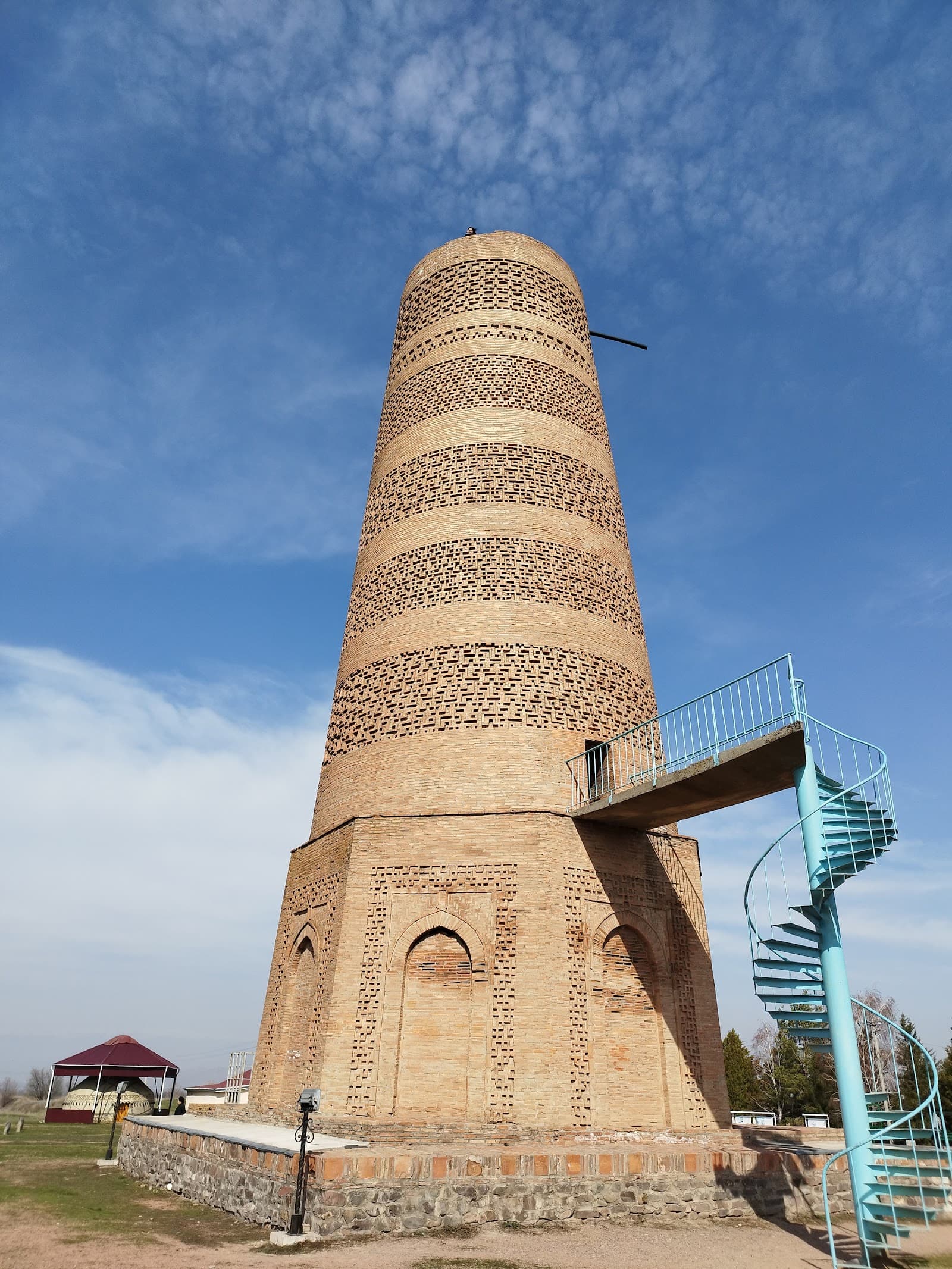
Burana Tower Complex Tokmok Kyrgyzstan
Rising dramatically from the Chui Valley, the Burana Tower, situated near Tokmok, Kyrgyzstan, marks the site of the ancient city of Balasagun ([1][2]). Constructed around 850 CE by the Karakhanid Khanate, this medieval minaret reflects Indian architectural influences along the Silk Road ([1]). Although originally reaching 45 meters, earthquake damage has reduced the tower to a height of 25 meters, yet it remains a significant cultural symbol ([1]). Fired brick and mud brick construction techniques, incorporating stone, lime mortar, metal, and wood, highlight advanced engineering practices ([1][2]). Intricate carvings adorning the walls and the tower's tapering form echo design principles similar to those in ancient Indian architecture ([1]). These elements suggest a transmission of knowledge, mirroring the *Shikhara* (spire) design found in Indian temples, indicative of the broader transmission of Indian architectural knowledge ([1][2]). The influence of *Vastu Shastra* principles, the ancient Indian science of architecture, can be observed in the tower's layout and proportions, suggesting a deliberate integration of Indian design concepts ([3]). Archaeological excavations have uncovered artifacts, including Buddhist sculptures, further illustrating the site's role as a nexus of trade and cultural exchange ([1][2][4]). This synthesis of Indian architectural traditions with local Central Asian aesthetics underscores the profound impact of Indian civilization on Central Asian architectural development, showcasing the interconnectedness of these regions during the medieval period ([1][2]). The tower's design incorporates elements reminiscent of the *Mandapa* (pillared hall) concept, adapted to suit the tower's function ([5]). The Burana Tower stands as a crucial landmark, exemplifying the transmission of architectural and cultural ideas across continents ([4][5]). Its existence highlights the interconnectedness of cultures along the Silk Road and the lasting impact of Indian architectural and artistic traditions on the broader Central Asian region ([3][4]).
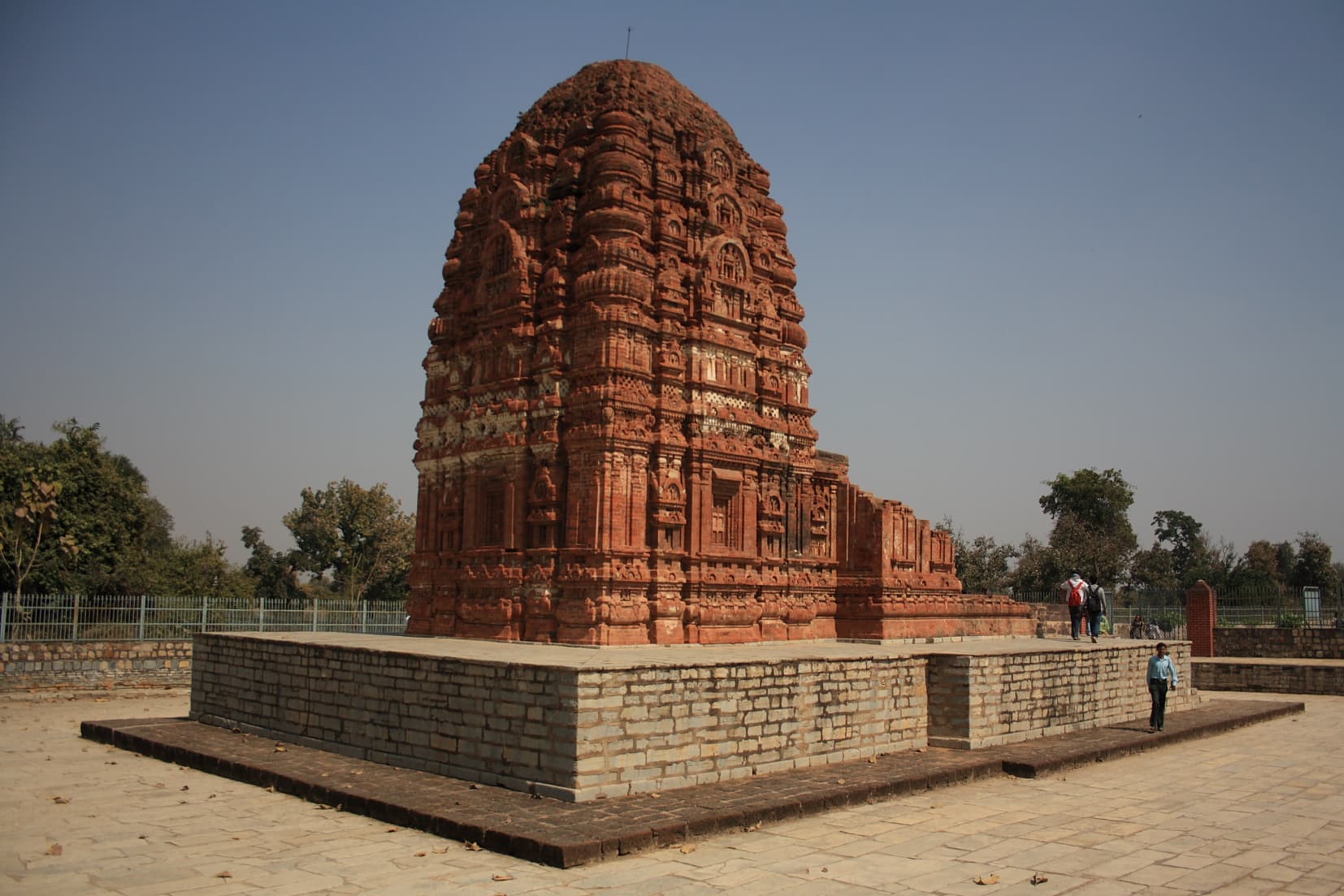
Laxman Temple Sirpur
The late afternoon sun cast long shadows across the brick-strewn expanse, illuminating the Laxman Temple in Sirpur, Chhattisgarh, in a warm, ochre glow. Having crisscrossed North India, exploring countless ancient sites, I thought I’d become somewhat immune to the awe these structures inspire. Yet, standing before this 7th-century marvel, I felt a familiar thrill, a sense of connection to a past both glorious and enigmatic. Unlike the ornate sandstone structures common in Rajasthan or the intricate carvings of Khajuraho, the Laxman Temple, dedicated to Lord Vishnu, exudes a quiet strength. Built of brick, it stands as a testament to the architectural prowess of the Dakshin Kosala period. The sheer scale is impressive. The temple rises on a high plinth, its walls adorned with intricate terracotta panels depicting scenes from the Ramayana, the Puranas, and everyday life. These panels, though weathered by time, retain a remarkable clarity, offering glimpses into the artistic sensibilities and societal norms of a bygone era. I climbed the broad flight of steps leading to the main sanctum, noticing the subtle shift in the brickwork. The lower levels showcased larger, more robust bricks, while the upper sections transitioned to smaller, finer ones, almost creating a sense of visual lightness as the temple ascended. The sanctum, now empty, still resonated with a palpable sense of reverence. I could almost imagine the chanting of priests and the fragrance of incense filling the air, transporting me back centuries. Circling the temple, I examined the terracotta panels more closely. The narrative scenes were particularly captivating. One panel depicted a royal procession, complete with elephants, horses, and musicians. Another showcased a scene from the Ramayana, possibly the abduction of Sita. The details were astonishing – the expressions on the faces, the intricate headdresses, even the folds of the garments were rendered with remarkable skill. These weren't mere decorations; they were stories etched in clay, offering a window into the rich cultural tapestry of the time. The architectural style of the Laxman Temple is distinct. The pancharatha plan, with its projections on the walls, creates a dynamic interplay of light and shadow. The shikhara, though partially damaged, still retains its elegant curvilinear form, a hallmark of the Nagara style prevalent in North India. However, what truly sets this temple apart is the extensive use of brick. While brick temples are not uncommon, the Laxman Temple showcases a level of sophistication rarely seen in brick construction. The precision of the brickwork, the intricate carvings, and the sheer scale of the structure are a testament to the mastery of the artisans who built it. As I descended the steps, I noticed a group of local children playing near the temple ruins. Their laughter echoed across the ancient site, a poignant reminder that life continues, even amidst the remnants of a forgotten empire. Sirpur, once a bustling centre of art, culture, and religion, now stands as a quiet testament to the ebb and flow of time. My visit to the Laxman Temple was more than just a sightseeing trip; it was a journey through time. It was a reminder of the rich cultural heritage of India, a heritage that often lies hidden in plain sight, waiting to be discovered and appreciated. As I left Sirpur, the image of the temple bathed in the golden light of the setting sun remained etched in my mind, a symbol of resilience, artistry, and the enduring power of the past.
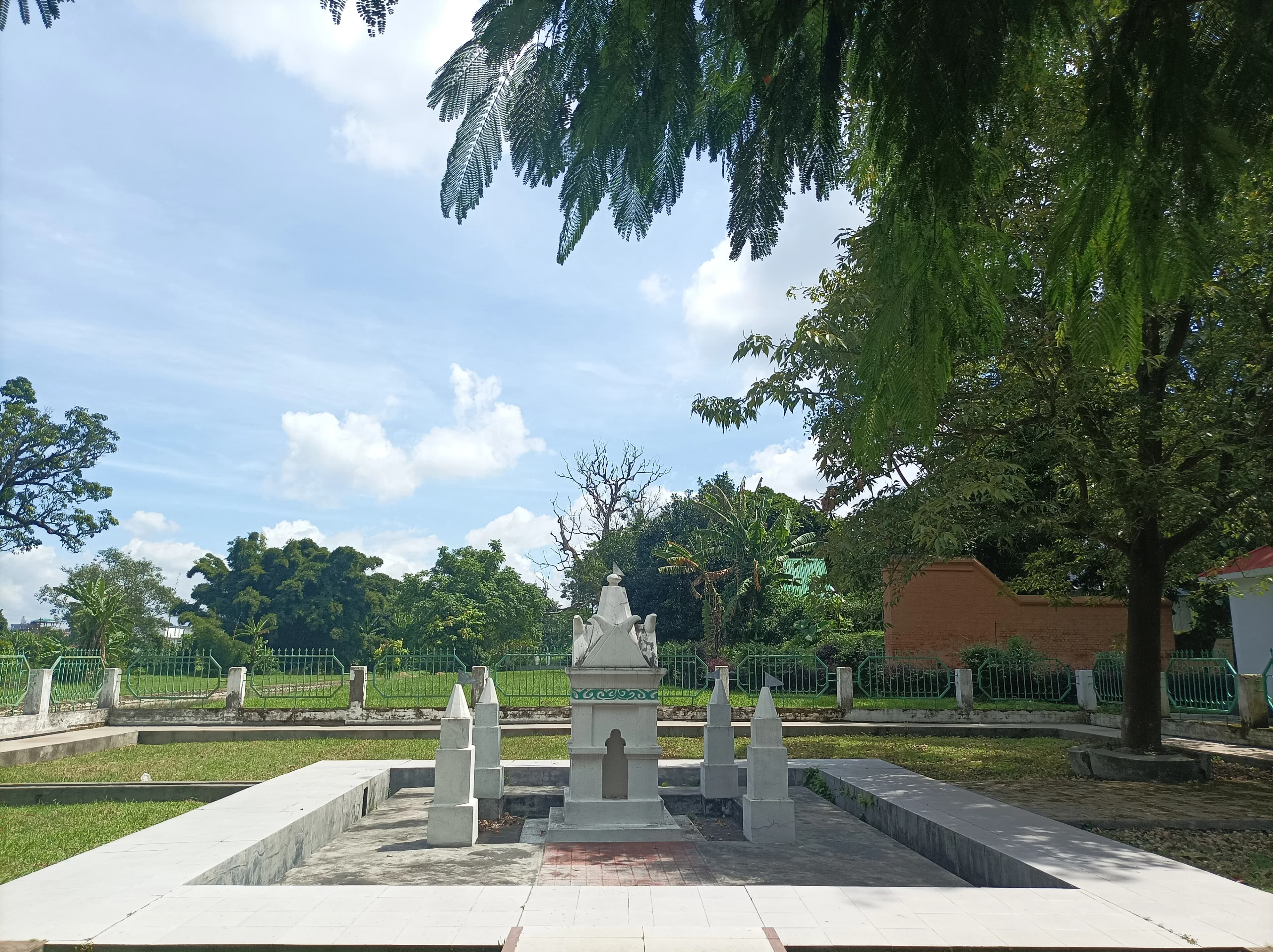
Kangla Fort Imphal
The midday sun beat down on Imphal, casting long shadows across the sprawling grounds of Kangla Fort. This wasn't just another stop on my UNESCO World Heritage journey across India; this was a pilgrimage to the heart of Manipur's history. The very air within these ancient walls seemed to vibrate with the echoes of centuries past, whispering tales of kings and conquests, rituals and resilience. Entering through the imposing western gate, I was immediately struck by the sheer scale of the complex. Kangla, meaning "dry land" in Meiteilon, sprawls across a vast area, bounded on one side by the Imphal River. This strategic location, offering both fertile land and natural defense, explains why it served as the royal seat for centuries, from the reign of the Ningthouja dynasty in the 14th century right up to the arrival of the British in 1891. The scars of history are etched deep into the fort's fabric. I walked past the ruins of the Govindaji Temple, its brickwork ravaged by time and conflict, a poignant reminder of the Anglo-Manipuri War. The temple, dedicated to Lord Krishna, once stood as a symbol of religious harmony, but was tragically destroyed during the British occupation. Its skeletal remains now stand as a silent testament to the enduring power of faith and the destructive nature of war. Further exploration revealed a fascinating blend of architectural styles. The Uttra Sanglen, a brick-built structure with a distinctive curved roof, showcases the ingenuity of Meitei craftsmanship. Its intricate carvings, though weathered, still hint at the grandeur it once possessed. Nearby, the ruins of the Shree Govindajee Temple complex, with its distinctive dome and arched gateways, reveal a Mughal influence, a testament to the cultural exchange that shaped this region. One of the most captivating aspects of Kangla Fort is its spiritual significance. It's not just a collection of historical buildings; it's a living, breathing sacred site. I witnessed locals performing rituals, offering prayers at ancient shrines, their devotion palpable. The sanctity of the place is undeniable, a powerful reminder of the deep connection between the Meitei people and their ancestral land. The Kangla Museum, housed within the fort's walls, provided valuable context to my visit. The exhibits, ranging from ancient pottery and weaponry to royal regalia and manuscripts, offered a glimpse into the rich cultural heritage of Manipur. I was particularly fascinated by the Puyas, the sacred texts of the Meitei people, which offer insights into their cosmology, history, and social customs. As I stood by the banks of the Imphal River, watching the sun begin its descent, I reflected on the profound impact of my visit. Kangla Fort is more than just a historical site; it's a repository of memories, a testament to the resilience of a culture that has endured centuries of change. It's a place where the past and present intertwine, where the whispers of history can still be heard, reminding us of the enduring power of place and the importance of preserving our shared heritage. My journey through India's UNESCO sites had taken me to many magnificent places, but Kangla Fort held a unique resonance, a deep connection to the soul of Manipur.
Quick Links
Plan Your Heritage Journey
Get personalized recommendations and detailed visitor guides