Has Inheritage Foundation supported you today?
Your contribution helps preserve India's ancient temples, languages, and cultural heritage. Every rupee makes a difference.
Secure payment • Instant 80G certificate
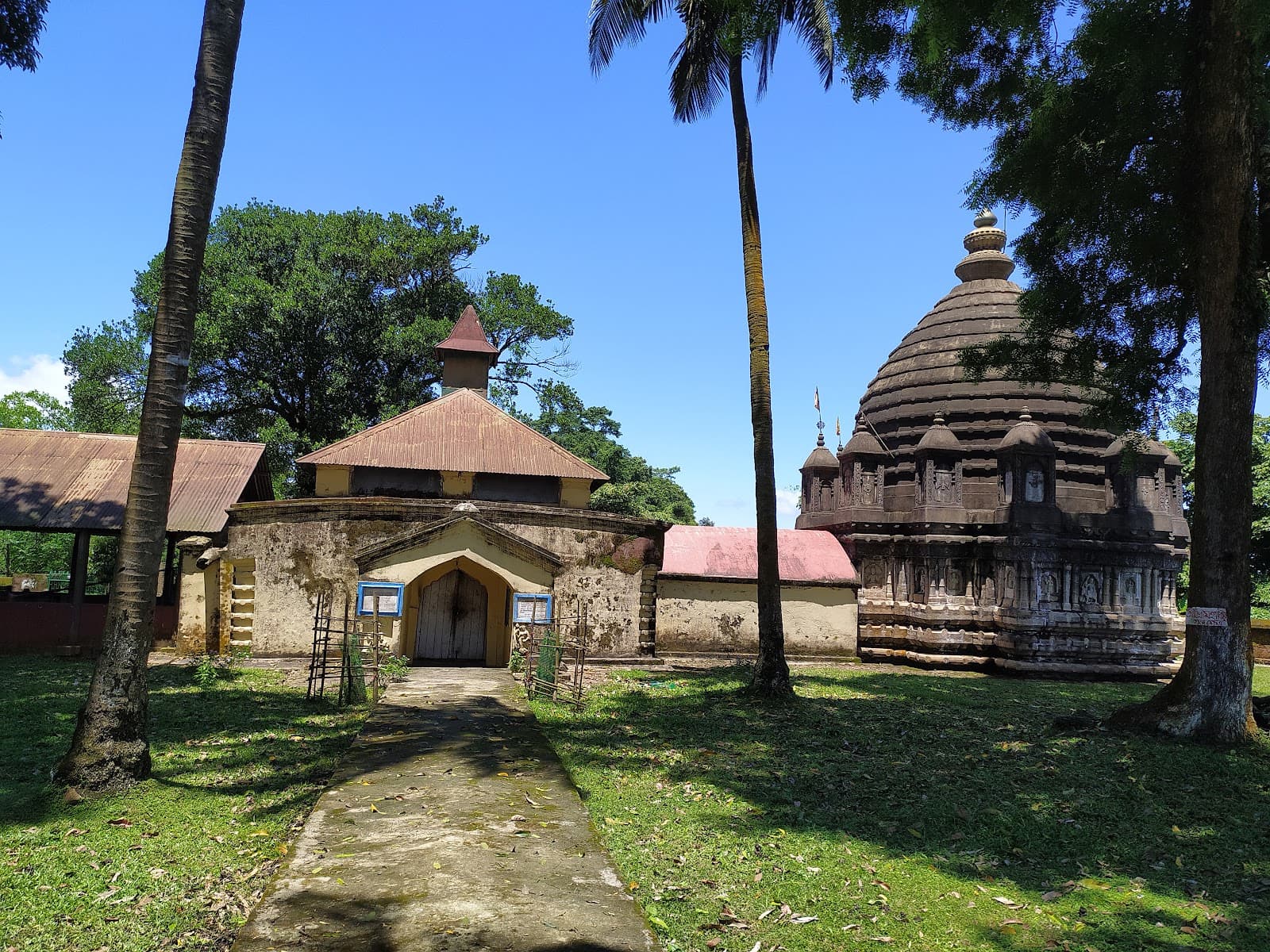
Asvakranta Temple Guwahati
Nestled on the northern bank of the Brahmaputra River in Guwahati, Assam, the Asvakranta Temple stands as a testament to the enduring architectural traditions of the region, dating back to 1565 CE ([1][2]). Commissioned by King Naranarayan of the Koch dynasty during the Kamarupa period, this sacred site reflects Gupta architectural influences in its design and stone-carved narratives ([1][3]). The name Asvakranta, meaning "where the horse stopped," originates from local lore that recounts Lord Krishna's horse pausing at this very spot ([4]). Stone platforms and foundations form the base of the temple, highlighting the primary construction material ([3]). The temple's relatively small structure features a pyramidal form, crowned by a curved Shikhara (spire) ([3]). Within the Garbhagriha (sanctum), devotees find Anantashayana Vishnu, a symbolic representation of Lord Vishnu reclining on the serpent Ananta ([4]). The temple's serene atmosphere draws visitors seeking spiritual solace. During the 16th century, temple architecture in Assam flourished, yet Asvakranta maintains its distinctive character ([1][2]). The Brahmaputra River's proximity has led to erosion, revealing layers of the complex's history ([4]). Despite the river's impact, Asvakranta continues to embody unwavering faith ([4]). Broken pillars and scattered stones hint at a more expansive past, beckoning further exploration and conservation efforts ([4][5]). The temple's design, while modest, incorporates elements that reflect the broader architectural styles prevalent during the Kamarupa period, showcasing a blend of regional and pan-Indian influences ([1][3]). The use of stone, brick, wood, and terracotta further enriches the temple's material palette, adding to its unique charm and historical significance ([3]).
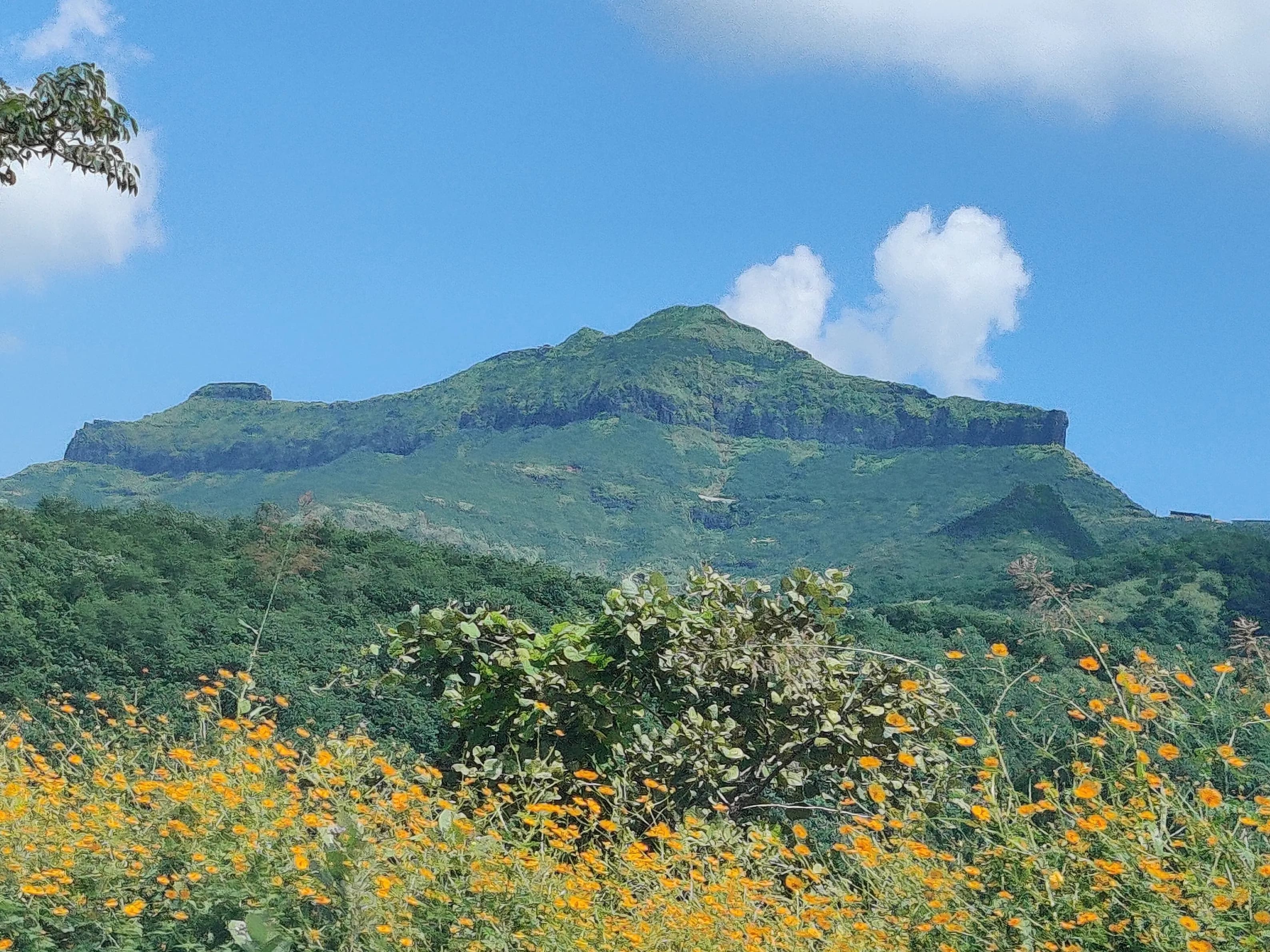
Purandar Fort Pune
The wind whipped at my kurta as I climbed the final stretch to Purandar Fort, perched high above the sprawling plains surrounding Pune. The air, thin and crisp, carried with it the whispers of history, a palpable sense of the Maratha empire that once commanded these heights. My camera, a constant companion, felt heavy in my hand, almost inadequate to capture the grandeur unfolding before me. Purandar isn't just one fort, but two – Purandar proper and Vajragad, its slightly lower, twin-peaked companion. This duality, this mirroring of structures, immediately captured my attention. The climb itself was a journey through time, the rough-hewn basalt steps worn smooth by centuries of footfalls. I paused often, not just to catch my breath, but to absorb the changing perspectives of the landscape below – the patchwork quilt of fields, the distant glint of the Mula-Mutha river, the tiny villages scattered like pebbles across the valley. Reaching the top, I was greeted by the imposing Kedareshwar Temple, its weathered stone a testament to the passage of time. The intricate carvings, though softened by erosion, still spoke of a skilled hand, a devotion poured into every chisel stroke. Unlike the opulent temples of Madhya Pradesh, this one felt austere, almost military in its simplicity, reflecting perhaps the strategic importance of this location. The fort itself is a fascinating blend of natural defenses and carefully planned fortifications. The steep cliffs form natural ramparts, while the strategically placed bastions and gateways speak of a sophisticated understanding of military architecture. I spent hours exploring the ruins, my lens drawn to the remnants of the past. The crumbling walls, the broken arches, the silent cannons – each element told a story. I was particularly intrigued by the 'Bini Darwaza', a hidden escape route carved into the cliff face. Imagining the hurried footsteps of soldiers and royalty using this secret passage during times of siege sent a shiver down my spine. The view from the ramparts was breathtaking, a panoramic sweep of the surrounding countryside. It was easy to see why this location was so fiercely contested, a strategic vantage point commanding the trade routes and the surrounding territories. The most poignant moment of my visit, however, was at the site of Shivaji Maharaj's son, Sambhaji’s birth. A small, unassuming structure marks the spot, but the historical weight of the location was immense. Here, within these very walls, a key figure in Maratha history was born. It was a humbling experience, a reminder of the human stories woven into the fabric of these ancient stones. As the sun began its descent, casting long shadows across the fort, I made my way down, my memory card filled with images, my mind buzzing with impressions. Purandar is more than just a fort; it's a living testament to the resilience and ingenuity of the Maratha empire. It's a place where history whispers in the wind, where the stones themselves hold memories, and where the landscape unfolds like a tapestry woven with the threads of time. My photographs, I hope, will capture a fraction of this magic, a glimpse into the soul of this magnificent historical site. But the true essence of Purandar, the feeling of standing on the precipice of history, is something that can only be experienced firsthand.
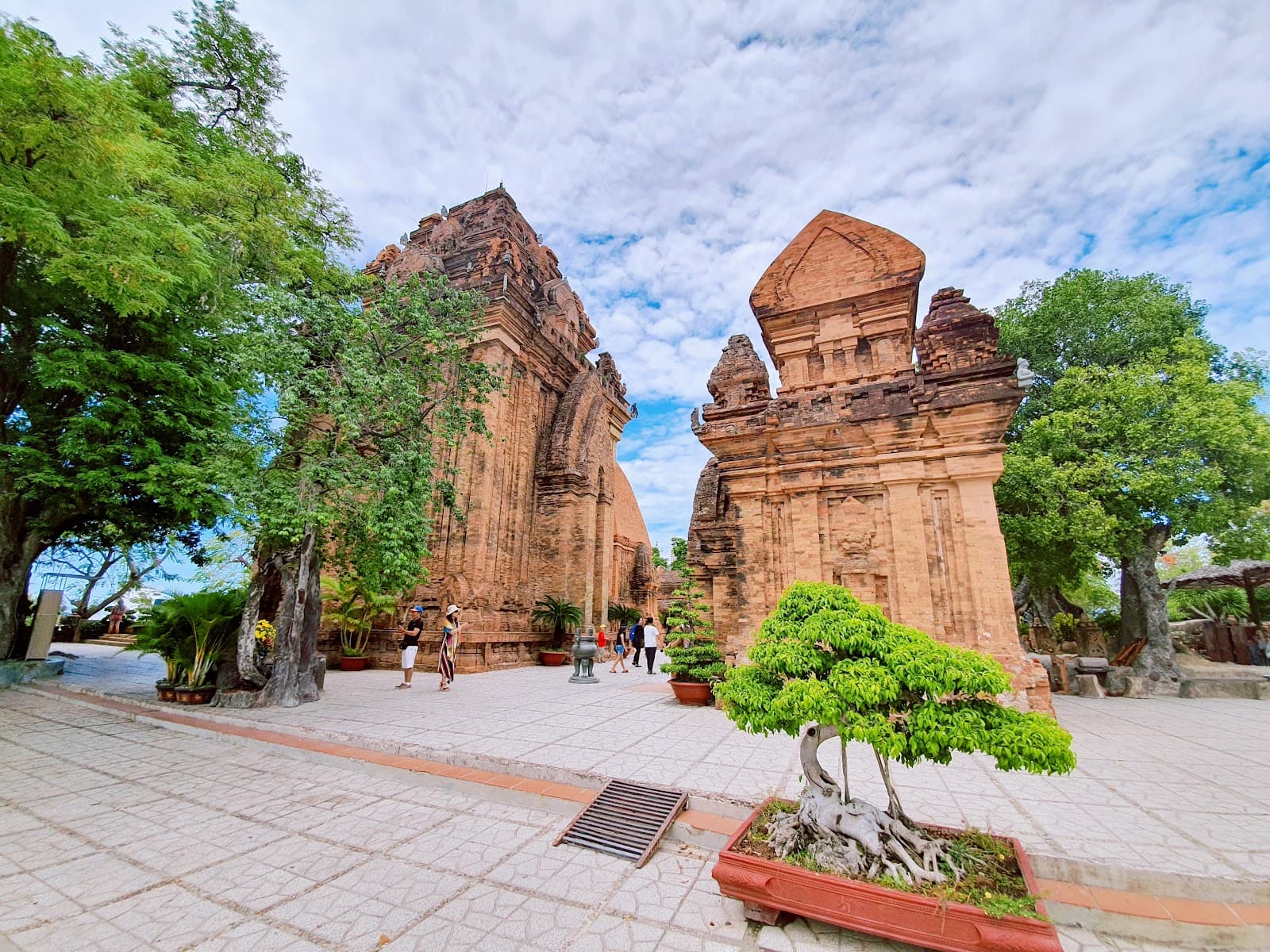
Po Nagar Cham Towers Nha Trang Vietnam
Po Nagar Cham Towers, majestically perched on a hill overlooking the Cai River in Nha Trang, Khanh Hoa Province, Vietnam, represent one of the most magnificent and spiritually significant Cham Hindu temple complexes in Vietnam, constructed from the 7th to 12th centuries CE and dedicated to Yan Po Nagar, the mother goddess of the Champa Kingdom who is identified with the Hindu goddess Bhagavati, creating a powerful testament to the profound transmission of Indian Hindu religious and artistic traditions to Southeast Asia. The temple complex, originally comprising eight towers of which four survive today, features extraordinary red brick structures adorned with intricate sandstone bas-reliefs and sculptures that demonstrate the sophisticated synthesis of Indian Hindu temple architecture, particularly the Dravidian traditions of southern India, with indigenous Cham building techniques, creating a unique architectural expression that reflects Champa's deep engagement with Indian religious and cultural traditions. The main tower, standing at 23 meters tall and dedicated to Yan Po Nagar, features elaborate decorative programs including bas-reliefs depicting Hindu deities, mythological scenes, and Cham royal processions that demonstrate the direct transmission of Indian Hindu iconography and artistic traditions, while the discovery of Sanskrit inscriptions provides crucial evidence of the site's role as a center for the transmission of Indian religious texts and practices to Southeast Asia. The temple complex served as a major center of Hindu worship for the Champa Kingdom for over five centuries, attracting devotees from across the region, while the site's location on a prominent hill overlooking the river, chosen according to Indian cosmological principles emphasizing the connection between earth and sky, underscores its spiritual significance as a place where the divine and earthly realms intersected. Archaeological evidence reveals that the complex underwent multiple phases of construction and modification, with each successive dynasty adding new towers and enhancing existing structures, creating an architectural palimpsest that documents the evolution of Cham Hindu architecture and its continued engagement with Indian traditions, while the site's continued use as an active place of worship by both Cham and Vietnamese devotees demonstrates the enduring vitality of Hindu religious practices in Vietnam. The towers feature distinctive Cham architectural elements including tiered pyramidal roofs, elaborate false doors, and extensive decorative programs that demonstrate the adaptation of Indian temple architecture to local materials and aesthetic preferences, while the sophisticated brick construction techniques, including the unique Cham method of firing bricks in situ, created exceptionally durable structures that have withstood centuries of environmental stress and human activity. Today, Po Nagar stands as a UNESCO Tentative List site and represents one of the most important Cham Hindu temples in Vietnam, serving as a powerful testament to the transmission of Indian Hindu culture and architecture to Southeast Asia, while the site's continued function as an active place of worship and its prominent location in modern Nha Trang ensure its ongoing significance as both a cultural monument and a living religious center that bridges ancient Cham traditions with contemporary Vietnamese society. ([1][2])
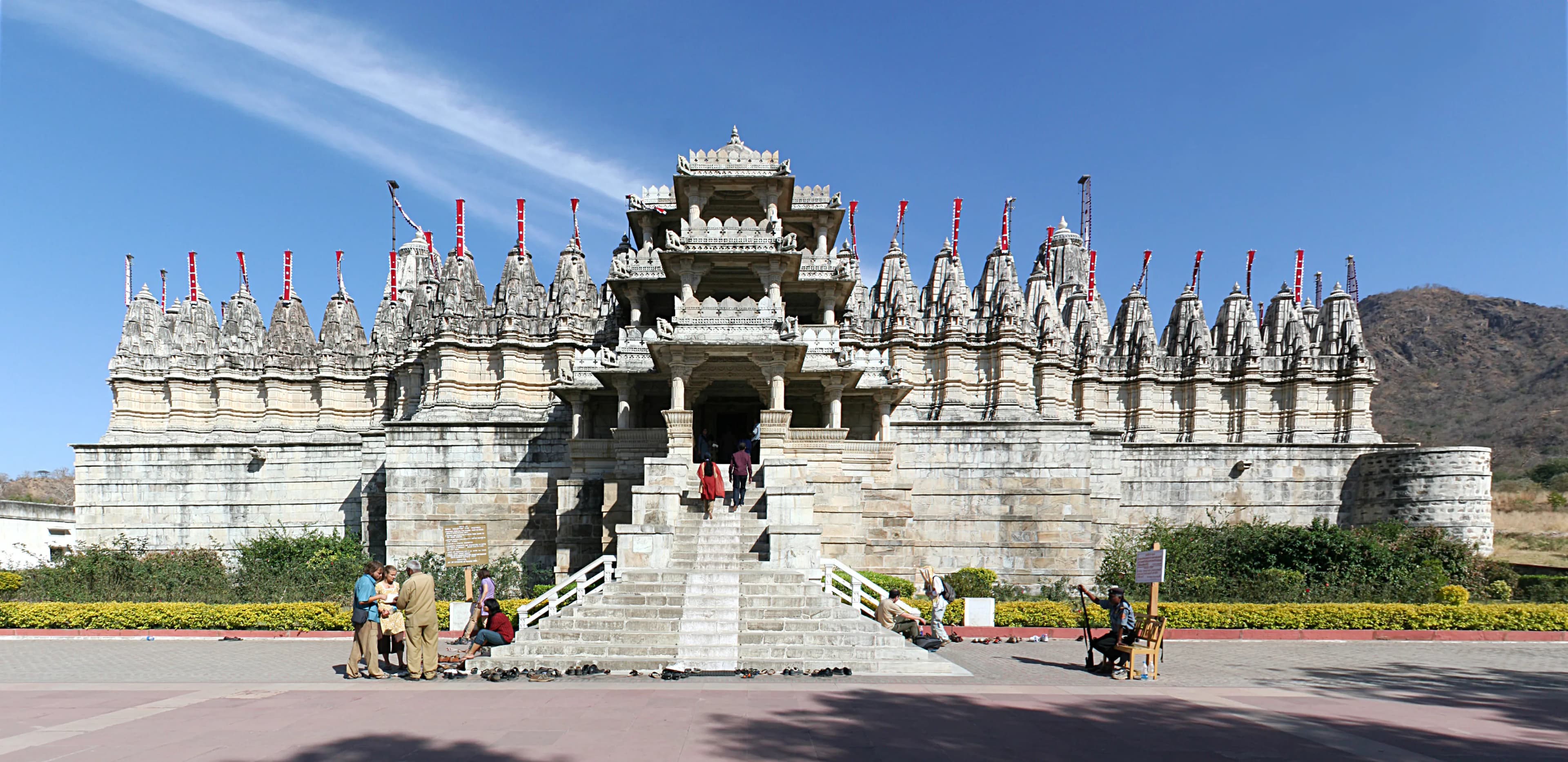
Ranakpur Jain Temple Ranakpur
The air, thick with the scent of incense and marigold garlands, vibrated with a low hum of chanting as I stepped into the Chaumukha Temple at Ranakpur. Sunlight, filtered through the intricate marble latticework, dappled the courtyard in a mosaic of light and shadow, illuminating the sheer scale of this architectural marvel. It wasn't just a temple; it was a sculpted poem in marble, an ode to Tirthankara Rishabhanatha. My initial impression was one of overwhelming complexity. 1444 intricately carved pillars, each unique, support the temple's vast expanse. No two are alike, a testament to the skill and dedication of the artisans who, legend says, toiled for over 50 years to bring this vision to life. Craning my neck, I traced the delicate floral patterns, the sinuous celestial nymphs (apsaras), and the fierce depictions of mythical creatures that adorned every surface. The marble, a pale, almost translucent white, seemed to glow from within, radiating an ethereal beauty. The temple's layout, a complex network of mandapas (halls) and shrines, invited exploration. I wandered through the labyrinthine corridors, each turn revealing a new vista, a fresh perspective on the central shrine. The four-faced image of Rishabhanatha, serene and meditative, gazed out in all directions, symbolizing his omniscience. The play of light and shadow on his face, shifting with the sun's movement, created an almost hypnotic effect. One particular carving captivated me – a miniature shrine, barely a few inches high, tucked away in a corner pillar. It was a perfect replica of the main temple, complete with its own miniature pillars and domes. This fractal-like repetition, a microcosm within the macrocosm, spoke volumes about the meticulous planning and execution that went into the temple's construction. It wasn't just about grandeur; it was about the meticulous attention to detail, the dedication to replicating the sacred on every scale. Ascending the steps to the upper levels, I gained a panoramic view of the entire complex. The domes, clustered like a mountain range, seemed to rise organically from the earth, their intricate carvings softening their imposing size. From this vantage point, I could appreciate the temple's relationship with its surroundings. Nestled within the Aravalli hills, it seemed to draw strength and serenity from the landscape, its white marble a stark contrast to the rugged, brown hills. Beyond the main temple, smaller shrines dedicated to other Jain Tirthankaras dotted the complex. Each possessed its own unique character, its own intricate carvings and stories. I spent hours exploring these smaller temples, discovering hidden carvings and deciphering the symbolic language of Jain iconography. As the day drew to a close, the temple was bathed in the warm glow of the setting sun. The marble, now tinged with orange and gold, seemed to radiate a different kind of beauty, a warmth that contrasted with the cool serenity of the day. The chanting grew louder, the air thicker with the scent of incense, as devotees gathered for the evening prayers. Leaving the temple, I carried with me not just images of breathtaking architecture, but a sense of awe and wonder. Ranakpur was more than just a temple; it was a testament to human ingenuity, devotion, and the enduring power of art. It was a place where stone had been transformed into poetry, where architecture had become a spiritual experience. It was a place I knew I would carry within me, long after I had left its hallowed halls.
Palamu Fort Latehar
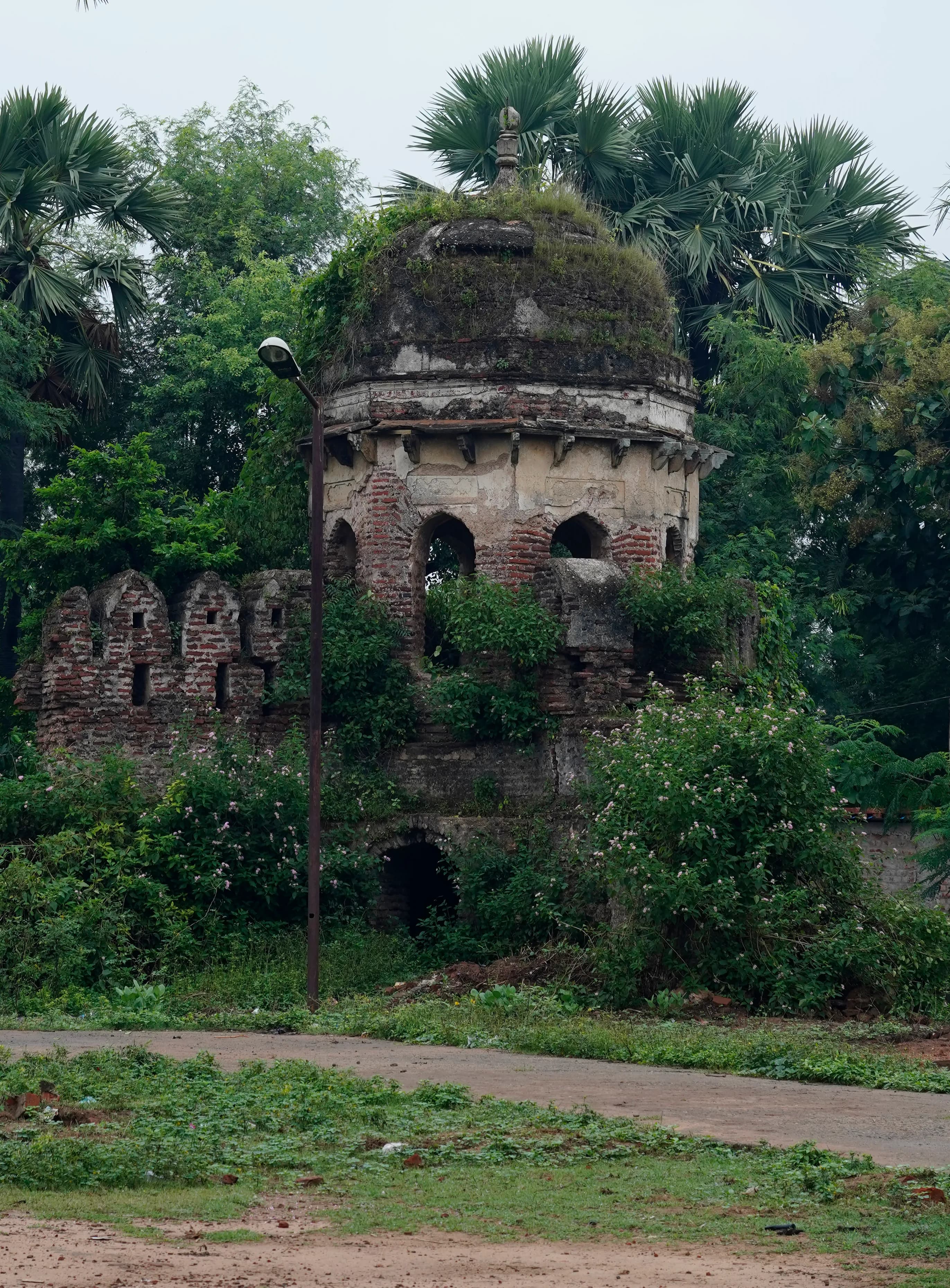
The imposing silhouette of Palamu Fort, rising from a forested plateau in Jharkhand’s Latehar district, held me captive long before I reached its weathered gates. The Chero dynasty, who ruled this region for centuries, left an indelible mark on this landscape, and the fort stands as a silent testament to their power and architectural prowess. My journey from Gujarat, a land rich in its own architectural heritage, had brought me here, eager to witness this relatively unexplored gem. The approach to the fort was a winding climb through dense Sal forests, a stark contrast to the arid landscapes I was accustomed to. The air, thick with the scent of damp earth and vegetation, buzzed with unseen life. This natural fortification, I realized, must have been a significant advantage for the Chero rulers. As I neared the fort, the three enormous gateways, the Ran Darwaza, the Nagpuri Darwaza, and the Pachwati Darwaza, came into view, each a formidable barrier in its own right. The weathered stone, a mix of granite and laterite, spoke of centuries of sun, wind, and rain. The Ran Darwaza, the main entrance, was particularly impressive, its massive archway flanked by two sturdy bastions. Stepping through the Ran Darwaza felt like stepping back in time. The sprawling complex within revealed a blend of architectural styles, reflecting the fort’s long and complex history. The influence of the Chero, Mughal, and even British periods was evident in the structures that remained. The Raja’s Palace, though now in ruins, still exuded a sense of grandeur. I could almost picture the opulent life that once thrived within its walls. The intricately carved stone brackets and pillars, though weathered and worn, hinted at the craftsmanship of a bygone era. I was particularly struck by the remnants of the vibrant murals that once adorned the palace walls, their faded colours still whispering stories of courtly life. The fort’s strategic location offered breathtaking panoramic views of the surrounding landscape. From the ramparts, I could see the undulating hills stretching as far as the eye could see, a tapestry of green punctuated by the occasional village. It was easy to understand why this location was chosen for the fort. The Chero rulers had a clear view of approaching enemies, giving them a significant tactical advantage. Within the fort complex, several temples dedicated to various deities stand as testaments to the religious beliefs of the rulers and the people. The most prominent among them is the Shiva temple, its shikhara rising above the other structures. The temple’s architecture, though simpler than the palace, possessed a quiet dignity. The worn stone steps leading to the sanctum sanctorum spoke of countless pilgrims who had sought solace within its walls. Exploring the fort’s extensive network of underground tunnels was a particularly intriguing experience. These tunnels, believed to have been used as escape routes during times of siege, were dark and damp, their air thick with the smell of earth. Walking through these narrow passageways, I felt a palpable sense of history, imagining the hurried footsteps of those who had once sought refuge within them. My visit to Palamu Fort was more than just a sightseeing trip; it was a journey through time. The fort’s weathered stones whispered stories of ambition, power, and resilience. It was a stark reminder of the impermanence of empires and the enduring power of human ingenuity. As I descended from the fort, the setting sun casting long shadows across the landscape, I carried with me not just photographs and memories, but a deeper understanding of the rich tapestry of Indian history and architecture. Palamu Fort, though often overlooked, deserves its place among the architectural marvels of India. It is a place that stays with you, its silent stories echoing long after you’ve left its imposing gates behind.
Hindu Temple Greater Chicago Lemont
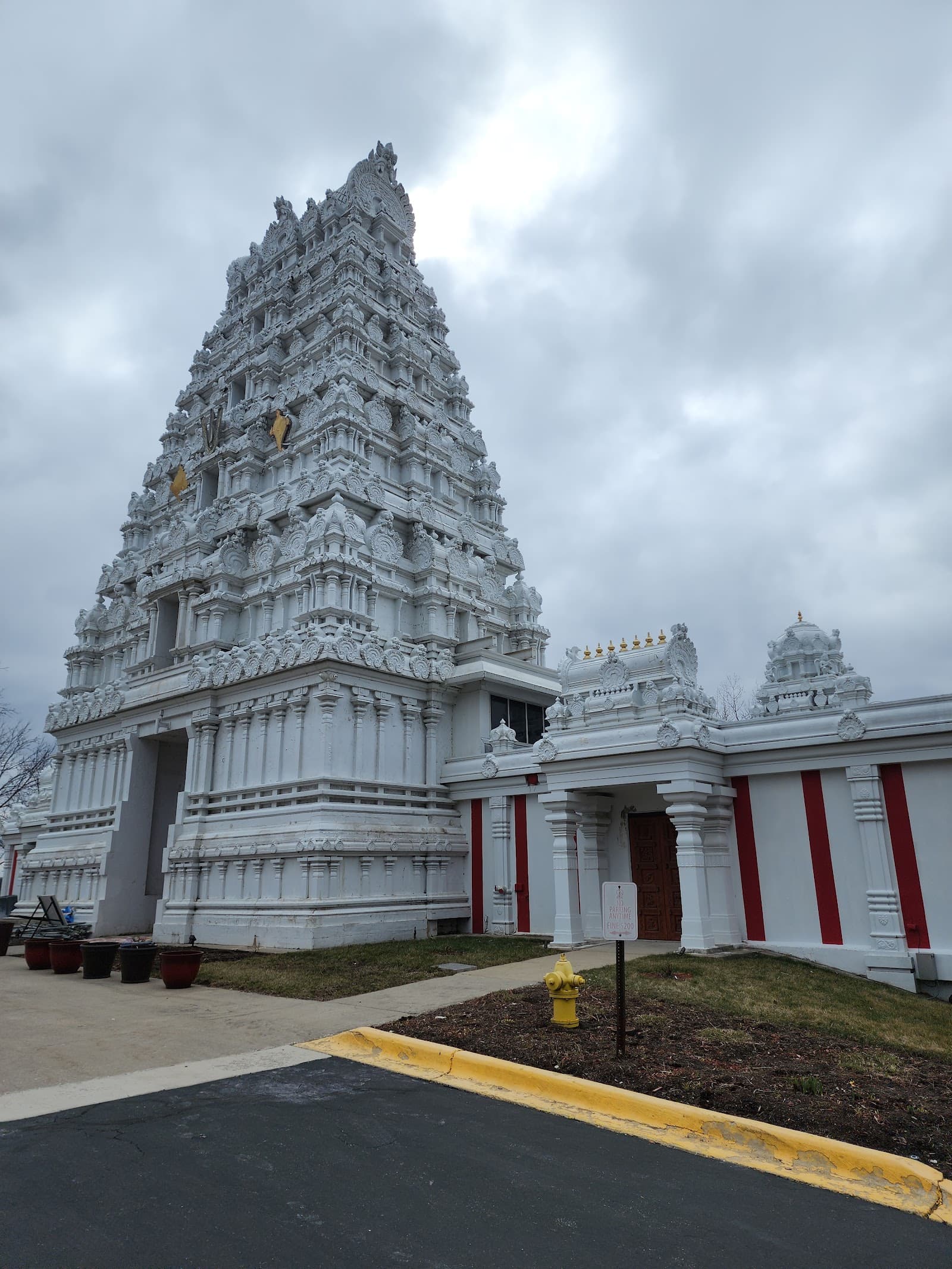
The Hindu Temple of Greater Chicago (HTGC) in Lemont, Illinois, stands as a profound testament to India's millennia-spanning cultural heritage, embodying the continuous tradition of Indian civilization through its architectural grandeur and spiritual practices [5]. Dedicated to a pantheon of Hindu deities, the complex features two primary temples: the Sri Rama Temple and the Ganesha-Shiva-Durga Temple [4]. The Sri Rama Temple, the older of the two, is constructed in the Chola style of Dravida architecture, a tradition originating from South India and renowned for its towering gopurams (entrance towers), elaborately sculpted walls, and finely detailed carvings [5]. This temple's magnificent gopuram reaches an impressive height of 80 feet, serving as a potent symbol of Hindu spirituality [4]. The Ganesha-Shiva-Durga Temple, in contrast, showcases the elegant charm of Kalinga architecture, a style from the eastern region of India characterized by its distinctive curved roofs, sculpted toranas (arched gateways), and intricately carved pillars [5]. The exterior of the Sri Rama Temple is white, while the Ganesha-Shiva-Durga Temple features a tan exterior, reflecting the regional variations in traditional Indian temple construction [3]. Both structures and their interior ornamentation were meticulously hand-crafted by skilled artisans who traveled from India, ensuring authenticity to indigenous architectural styles and cultural practices [3]. The construction adheres to the Pancharatra Agama traditions, which dictate the iconography, rituals, and architectural principles for Vaishnava temples, ensuring the sacred spaces are imbued with traditional sanctity [4]. The temple complex is situated atop a hillock, a traditional placement for Hindu temples that signifies a revered elevated status within the community [3] [5]. Symmetrical ornamentation details the ceilings, and the structures incorporate circles and squares, depicting perfect geometric shapes and a grid of padas, referencing the Sanskrit term pAdana [3]. The interior spaces are designed for quiet worship, featuring an abundance of sculptures and carvings of deities, with specific areas for worship that are part of guided tours [3]. Devotees are not permitted to enter the deity shrines directly, maintaining the sanctity of the inner sanctum [3]. Recent investments by the temple's leadership have introduced more color to the worship spaces, with newly painted pillars and trim in a rainbow of hues, enhancing the aesthetic and spiritual experience [3]. The temple complex is operational daily from 9:00 AM to 9:00 PM, with the last Archana (ritual offering) conducted at 8:15 PM [2] . It actively hosts religious rituals, services, cultural festivities, and educational initiatives throughout the year, including daily pujas and annual festivals [5]. The site also includes community rooms for events, a Vidyalaya (school) for Hindu and Indian cultural education, a library, yoga classes, and a health clinic [3]. Conservation and maintenance efforts are ongoing, with the temple undertaking projects such as the Rajagopuram Kumbhabhishekam, a rededication ceremony held every 12 years to bless and renew the temple [2] . The temple has also received grants from the Federal Emergency Management Agency (FEMA) for security upgrades and additional surveillance, ensuring the safety of its members [3]. The Hindu Temple of Greater Chicago continues to serve as a vibrant cultural and spiritual hub, welcoming tens of thousands of devotees and visitors annually, and stands as a living embodiment of India's enduring architectural and spiritual legacy [3].
Takhti Sangin Oxus Temple Khatlon Tajikistan
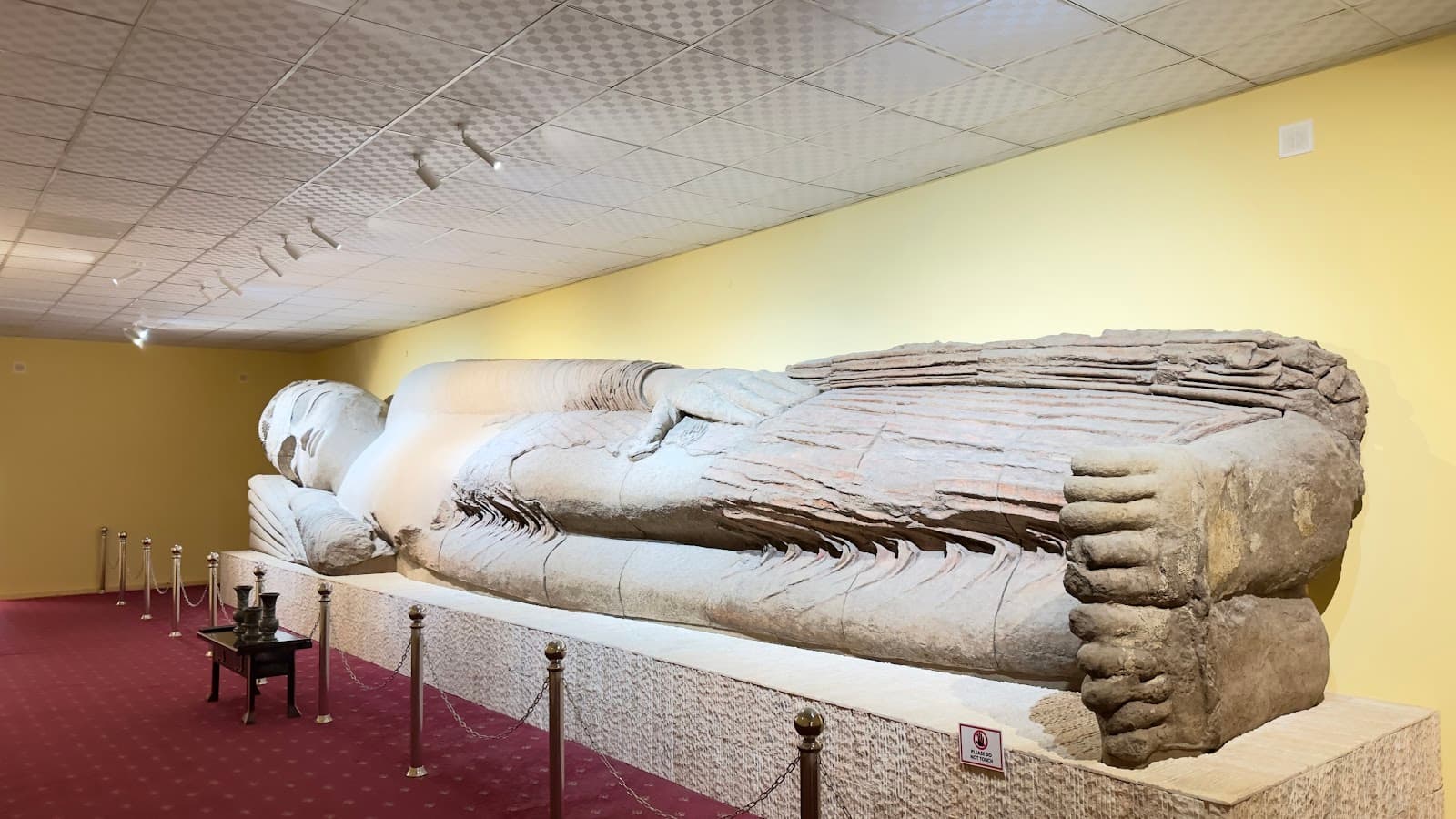
Takhti Sangin, dramatically situated at the confluence of the Vakhsh and Panj rivers in southern Tajikistan, represents one of the most extraordinary and archaeologically significant ancient temples in Central Asia, constructed in the 3rd century BCE during the Achaemenid and subsequent Hellenistic periods as a major sanctuary dedicated to the Oxus River (modern Amu Darya) that yielded extraordinary artifacts demonstrating the profound transmission of Indian religious and artistic traditions to Central Asia along the ancient trade routes. The temple complex, known as the "Oxus Temple" and excavated extensively by Soviet and Tajik archaeologists, features sophisticated architectural elements that demonstrate the synthesis of Achaemenid, Hellenistic, and Indian architectural traditions, while the site's extraordinary collection of artifacts, including numerous objects with clear Indian iconographic and stylistic influences, provides crucial evidence of the transmission of Indian religious and artistic traditions to Central Asia during the early centuries BCE. The temple's most remarkable discovery was the "Oxus Treasure," a collection of over 1,800 gold and silver artifacts including vessels, statuettes, and decorative objects, many of which demonstrate clear Indian iconographic influences including depictions of Indian deities, mythological scenes, and artistic motifs that were transmitted from the great artistic centers of India to Central Asia, while the discovery of numerous artifacts with Sanskrit inscriptions and Indian artistic styles provides crucial evidence of the site's role as a major center for the transmission of Indian religious and cultural traditions. Archaeological evidence reveals that the temple served as a major center of worship and trade, attracting pilgrims and merchants from across the ancient world including India, while the discovery of numerous artifacts with Indian iconography including depictions of Hindu deities, Buddhist symbols, and Indian artistic motifs demonstrates the sophisticated understanding of Indian religious and artistic traditions possessed by the temple's patrons and artisans. The temple's architectural layout, with its central sanctuary surrounded by courtyards and auxiliary structures, follows sophisticated planning principles that demonstrate the synthesis of various architectural traditions including Indian temple planning principles that were transmitted to Central Asia, while the temple's extensive decorative programs including sculptures, reliefs, and architectural elements demonstrate the ways in which Indian artistic traditions were integrated into Central Asian religious architecture. Today, Takhti Sangin stands as a UNESCO Tentative List site and represents one of the most important archaeological discoveries in Central Asia, serving as a powerful testament to the transmission of Indian religious and artistic traditions to Central Asia, while ongoing archaeological research and conservation efforts continue to protect and study this extraordinary cultural treasure that demonstrates the profound impact of Indian civilization on Central Asian religious and artistic traditions. ([1][2])
Wat Phu Tok Khmer Sanctuary Si Sa Ket
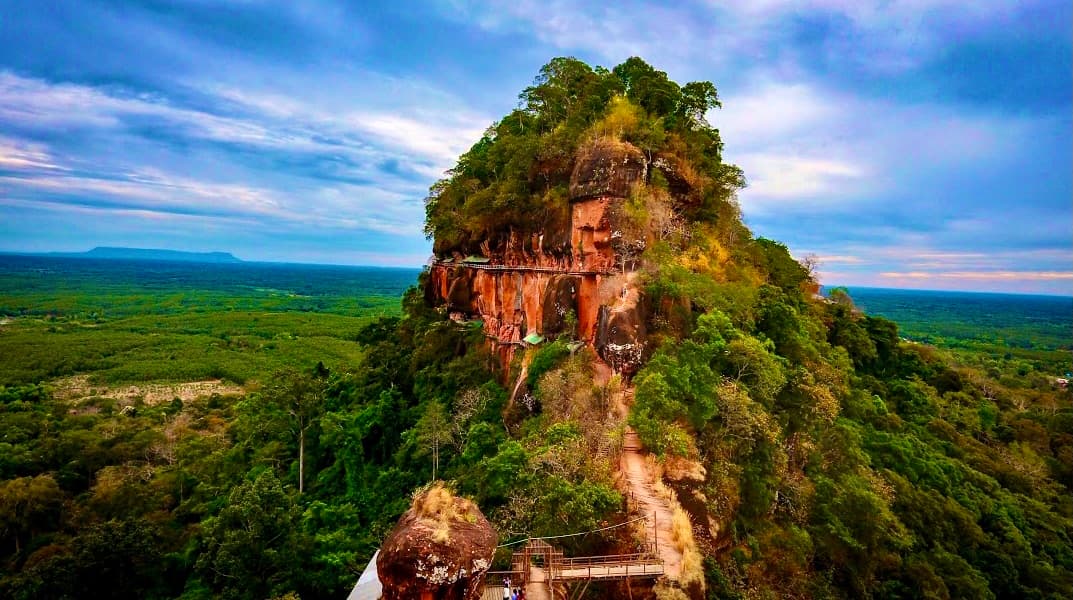
Wat Phu Tok Khmer Sanctuary, also known as Prasat Hin Phu Khao Thong, located in Kanthararom District of Si Sa Ket Province, represents an important 11th-century Khmer sandstone temple that served as a regional religious center in the Khmer Empire’s northeastern territories. The temple complex, constructed during the Baphuon period in the 11th century CE, is dedicated to Shiva, with the main prasat housing evidence of lingam worship and extensive ritual activity. The complex features a rectangular laterite enclosure wall, accessed through a single eastern gopura that leads to the inner courtyard containing the main prasat and associated structures. The main prasat, constructed from pink sandstone and laterite, rises approximately 18 meters and features a square plan with porches extending in cardinal directions, though significant portions have collapsed over centuries. The temple’s lintels and pediments, carved from pink sandstone, depict scenes from Hindu mythology, including Shiva’s cosmic dance, various deities, and mythological scenes, though many have been damaged or removed. The complex includes libraries, subsidiary shrines, and evidence of a drainage system. Archaeological evidence indicates the temple served as both a religious center and administrative hub for the Khmer Empire’s control over the region. The site has undergone partial restoration since the 1990s, involving structural stabilization and conservation of remaining decorative elements. Today, Wat Phu Tok Khmer Sanctuary remains an important site for understanding Khmer temple architecture in northeastern Thailand, attracting visitors interested in its historical significance and architectural features. ([1][2])
Sera Monastery Lhasa Tibet
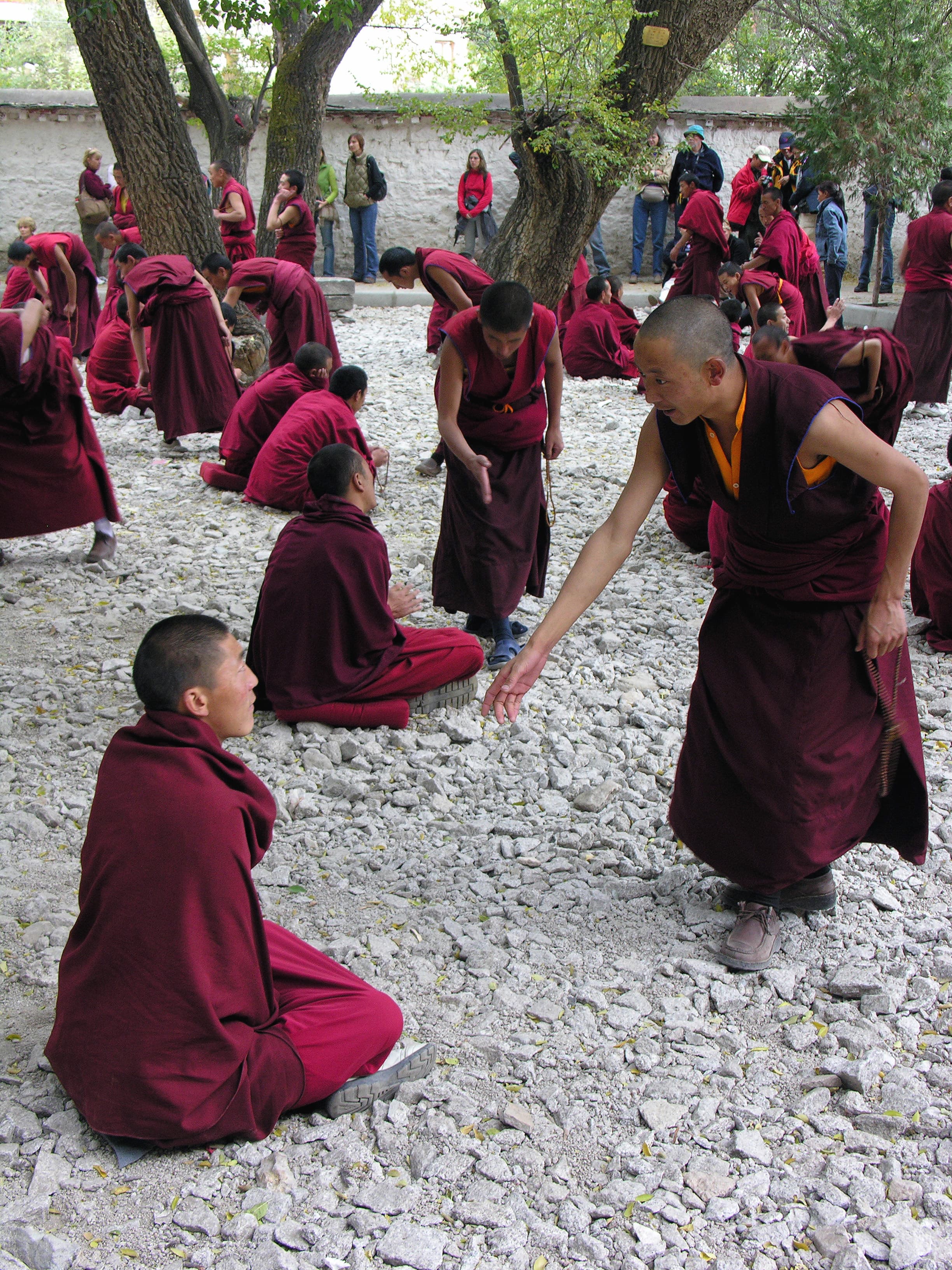
Sera Monastery, located in Lhasa, Tibet, represents one of the three great Gelugpa monasteries in Tibet and stands as a major center for Tibetan Buddhist learning, particularly renowned for its debate courtyards where monks engage in philosophical debates using methods derived from Indian Buddhist debate traditions, constructed in the 15th century CE by Jamchen Chojey, a disciple of Tsongkhapa who established the Gelugpa school with strong connections to Indian Buddhist scholastic traditions, demonstrating the profound transmission of Indian Buddhist philosophy and debate traditions to Tibet, which has maintained deep cultural, religious, and historical connections with India for over two millennia. The monastery complex, constructed primarily from stone, wood, and earth with extensive decorative elements, features a massive structure containing numerous temples, chapels, assembly halls, and extensive debate courtyards arranged according to Indian Buddhist monastery planning principles, with the overall design reflecting mandala-based cosmological principles found in Indian Buddhist architecture. The monastery’s architectural design demonstrates direct influence from Indian Buddhist monastery architecture, particularly the Nalanda model, with the debate courtyards and learning facilities reflecting traditions that were transmitted to Tibet through centuries of cultural exchange, while the emphasis on Indian Buddhist debate traditions demonstrates the transmission of Indian Buddhist philosophy to Tibet. Archaeological and historical evidence indicates the monastery was constructed with knowledge of Indian Buddhist debate traditions and scholastic methods, reflecting the close cultural connections between Tibet and India during the medieval period, when Indian Buddhist scholars, texts, and philosophical traditions continued to influence Tibetan Buddhism. The monastery has served as a major center for Tibetan Buddhist learning and practice for over five centuries, maintaining strong connections to Indian Buddhist traditions through the study and practice of Indian Buddhist debate methods and philosophy. The monastery has undergone multiple expansions and renovations over the centuries, with significant additions conducted to accommodate growing numbers of monks and expanding educational programs. Today, Sera Monastery continues to serve as an important place of Buddhist worship and learning in Tibet, demonstrating the enduring influence of Indian Buddhist debate traditions on Tibetan culture and serving as a powerful symbol of Tibet’s deep connections to Indian civilization through the study and practice of Indian Buddhist philosophy. ([1][2])
Jal Mahal Jaipur
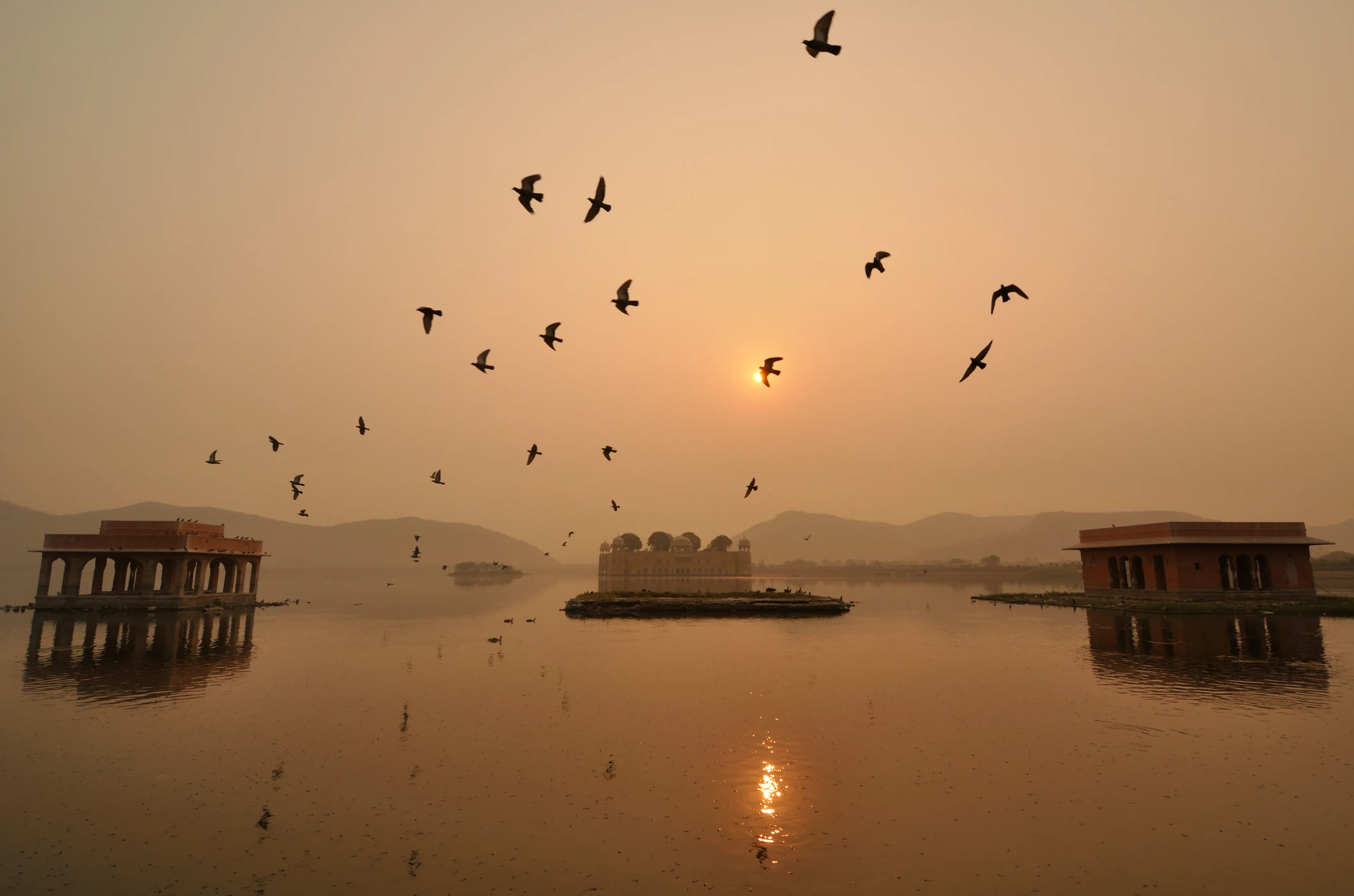
The Jal Mahal, or Water Palace, shimmers like a mirage in the heart of Man Sagar Lake in Jaipur. Having explored every UNESCO site in India, I can confidently say this one holds a unique charm, a blend of Rajput grandeur and the serene tranquility of its watery embrace. Approaching it from the bustling city, the palace seems to materialize from the lake itself, a sandstone vision rising from the placid blue. It’s a spectacle that immediately captivates, a testament to the architectural ingenuity of its creators. My visit began on a crisp winter afternoon, the sunlight glinting off the lake’s surface, creating a dazzling backdrop for the palace. The approach is restricted, no boats are allowed to reach the palace itself, adding to its mystique. This forced perspective, viewing it from the lakeshore, enhances its ethereal quality. You can’t help but wonder about the lives lived within those walls, now eerily silent, surrounded by water. The Jal Mahal is a five-storied structure, four of which remain submerged when the lake is full. The visible top story, with its exquisitely carved chhatris and delicate jalis, offers a glimpse into the opulence within. The red sandstone, a signature of Rajput architecture, glows warmly in the sunlight, contrasting beautifully with the deep blue of the lake. I spent a considerable amount of time observing the intricate details, the delicate floral patterns carved into the stone, the graceful arches, and the strategically placed balconies that would have once offered breathtaking views of the surrounding Aravalli hills. The palace was originally built as a hunting lodge for the Maharaja Jai Singh II in the 18th century and later renovated and expanded by Madho Singh I. While I couldn’t explore the interiors, I learned that the lower levels, now underwater, were designed with elaborate gardens and courtyards. Imagine the grandeur of those submerged spaces, once filled with life and laughter, now home to aquatic life. It’s a poignant reminder of the transient nature of human endeavors, how even the most magnificent creations can be reclaimed by nature. The surrounding Man Sagar Lake itself is an integral part of the Jal Mahal experience. Flocks of migratory birds, including flamingos and pelicans, often grace the lake, adding another layer of beauty to the scene. During my visit, I was fortunate enough to witness this avian spectacle, their vibrant plumage contrasting with the serene backdrop of the palace and the hills. The lake, once a haven for the royal family’s hunting expeditions, is now a sanctuary for these magnificent creatures, a testament to the changing times. One of the most striking aspects of the Jal Mahal is its reflection in the still waters of the lake. It creates a perfect mirror image, doubling the visual impact. This symmetrical beauty, the palace and its reflection, is a photographer’s dream. I spent a good hour capturing the scene from different angles, trying to capture the essence of this magical place. While the restricted access can be a bit frustrating for those eager to explore the palace’s interiors, it also contributes to its preservation. The distance allows for contemplation, for appreciating the architectural marvel from afar, and for imagining the stories it holds within its submerged walls. The Jal Mahal is more than just a palace; it’s a symbol of a bygone era, a testament to human ingenuity, and a reminder of the delicate balance between nature and human creation. It’s a must-see for anyone visiting Jaipur, a place that will stay etched in your memory long after you’ve left its shimmering shores.

Embekka Devalaya Kandy Sri Lanka
Embekka Devalaya, located in Udunuwara, Kandy District, Sri Lanka, stands as a profound testament to India's millennia-spanning cultural heritage, embodying continuous traditions of indigenous architectural and artistic practices. Dedicated primarily to Kataragama Deviyo, also known as Mahasen, and the local deity Devatha Bandara, this monument reflects a deep spiritual and artistic continuum rooted in ancient Indian civilization [1] [2]. The architectural style is a distinctive blend of Kandyan, Dravida, and Indian Wood Carving traditions, showcasing the sophisticated timber construction techniques prevalent in the region for centuries [4] [5]. The complex is renowned for its intricate wooden carvings, particularly within the Hevisi Mandapaya, or Drummer's Hall, which is considered one of the finest examples of medieval carpentry globally [1] [3]. This hall is constructed on a quadrangle stone-faced platform measuring 16.26 meters (52 feet 10 inches) long, 7.92 meters (25 feet 9 inches) wide, and 0.92 meters (3 feet) high [5]. Supporting its high-pitched roof are 32 elaborately carved wooden pillars, each approximately 3.35 meters (11 feet) tall [3] [5]. The medial panels of these pillars feature 128 distinct carvings, complemented by 256 Liyapath Wardana carvings, 64 Pekada Nelum carvings, 30 Balka carvings, and 36 Thalada carvings, totaling 514 individual wood carvings within the Digge alone [5] . These carvings depict a rich array of motifs, including the Hansa Puttuwa (entwined swans), Lanu Gataya (entwined rope), Kisimbi Muna (sneezing face), Liyawala (festoon work), Deva Ruwa (deities), Gijulihiniya (hawk), double-headed eagles, dancing female figures, a mother breast-feeding her child, wrestlers, soldiers on horseback, and mythical creatures such as Serapendiya, Bherunda Pakshiya, Gaja Sinha, and Narilatha [1] [5]. A unique carving depicts an entwined elephant and bull, demonstrating exceptional artistic expertise [1]. The entire structure, including the nails, is crafted entirely from tropical hardwood, a material chosen for its resistance to borer beetles, contributing to the structure's remarkable preservation [1] [4]. A notable engineering innovation is the 'Madol Kurupawa,' a large wooden pin that ingeniously holds 26 rafters together at one end of the Digge roof without the use of any metal fasteners [1] [5] . The Embekka Devalaya complex comprises eight main buildings, including the Vahalkada (main entrance porch), Maha Devalaya (main shrine), Palle Devalaya, Muruthengeya (kitchen), Vee Atuwa (granary), a Buddha shrine, Rittageya (Ambalama), and Sinhasana Geya (throne house) [5]. The Vahalkada, measuring 6.98 meters (22 feet 11 inches) in length and 5.69 meters (18 feet 8 inches) in width, is built on a 0.76-meter (2.5-foot) high quadrangle base and supported by 10 pillars [5]. The Garbha, or sanctum, is an innermost chamber accessible only through the roof level, with entry restricted to the Kapu-mahattaya, the chief priest [5]. The Antharalaya houses historically significant artifacts, including a palanquin and a pair of tusks believed to be offerings from King Vikramabahu III [5]. Conservation efforts have been ongoing, with the Department of Archaeology undertaking significant restoration work since the mid-1940s when the building was in a deteriorated state [5]. The roof of the Maha Devalaya, the entrance porch, and the Palle Devalaya were conserved between 1970 and 1971, followed by the conservation of the Digge in 1978 [5]. More recently, UNESCO-funded workshops in 2013 focused on precise documentation and research methods for wooden structures, emphasizing minimum intervention to preserve the original state of the carvings . The site remains an active place of worship, well-maintained and accessible to visitors, who can observe daily rituals and traditional drumming processions [3] . Embekka Devalaya is a National Heritage Site, continuously maintained and operational, offering a profound connection to India's enduring cultural legacy [5].

Jyotisar Tirth Kurukshetra
The pale dawn light cast long shadows across the placid tank at Jyotisar Tirth, revealing the ancient site where Lord Krishna is believed to have delivered the Bhagavad Gita to Arjuna. A palpable sense of serenity hung in the air, amplified by the gentle rustling of the sacred fig tree, believed to be a descendant of the very tree under which the divine discourse took place. My camera, a constant companion on my journeys documenting India's heritage, felt almost inadequate to capture the weight of history and spirituality permeating this hallowed ground. Jyotisar, meaning "the resting place of light," truly lives up to its name. The site is unassuming in its scale, lacking the towering grandeur of some of the temples I've documented. Yet, its power lies in its quiet dignity and the profound significance it holds for millions. The main temple, a relatively modern structure built in marble, houses a striking statue of Lord Krishna and Arjuna in a chariot, capturing the pivotal moment of the Gita's revelation. The intricate carvings on the temple walls depict scenes from the Mahabharata, narrating the epic tale that unfolded on the very fields surrounding the site. What struck me most, however, was the ancient banyan tree, its gnarled branches reaching towards the sky like supplicating arms. A small enclosure protects its roots, and devotees circumambulate it with reverence, whispering prayers and tying colorful threads to its branches. Standing beneath its canopy, I could almost feel the echoes of the past, the whispers of ancient wisdom carried on the breeze. The tree itself felt like a living testament to the enduring power of faith and the timeless relevance of the Gita's message. Adjacent to the temple is a raised platform marking the exact spot where Krishna is said to have delivered the sermon. A marble chariot depicting Krishna and Arjuna stands as the centerpiece, and the surrounding area is inscribed with verses from the Bhagavad Gita in various languages. The multilingual inscriptions are a powerful symbol of the Gita's universal appeal, its message transcending geographical and cultural boundaries. Walking around the site, I noticed the meticulous upkeep of the grounds. The pathways are clean, the gardens well-maintained, and the entire area exudes a sense of peaceful order. This meticulousness, I felt, reflected the deep respect and devotion that the site commands. It wasn't merely a tourist attraction; it was a living sanctuary, a place of pilgrimage where people came to seek solace, guidance, and connection to their spiritual heritage. The museum located within the complex provided further context to the site's significance. It houses a collection of artifacts and exhibits related to the Mahabharata and the Bhagavad Gita, including ancient manuscripts, paintings, and sculptures. The exhibits offered a deeper understanding of the historical and cultural context of the Gita, enriching my appreciation for the site's profound importance. As the sun climbed higher, the temple complex began to fill with devotees. The air filled with the chanting of hymns and the fragrance of incense, adding another layer to the sensory experience. Observing the devotees lost in prayer, I was reminded of the power of sacred spaces to connect individuals to something larger than themselves. Jyotisar Tirth is more than just a temple; it's a portal to the past, a living embodiment of one of the world's most revered scriptures. It's a place where history, spirituality, and natural beauty converge to create an experience that is both deeply moving and profoundly enlightening. As I packed my camera, preparing to depart, I knew that the images I captured would only be a pale reflection of the true essence of Jyotisar – a place where the light of wisdom continues to shine brightly across the ages.
Quick Links
Plan Your Heritage Journey
Get personalized recommendations and detailed visitor guides