Has Inheritage Foundation supported you today?
Your contribution helps preserve India's ancient temples, languages, and cultural heritage. Every rupee makes a difference.
Secure payment • Instant 80G certificate
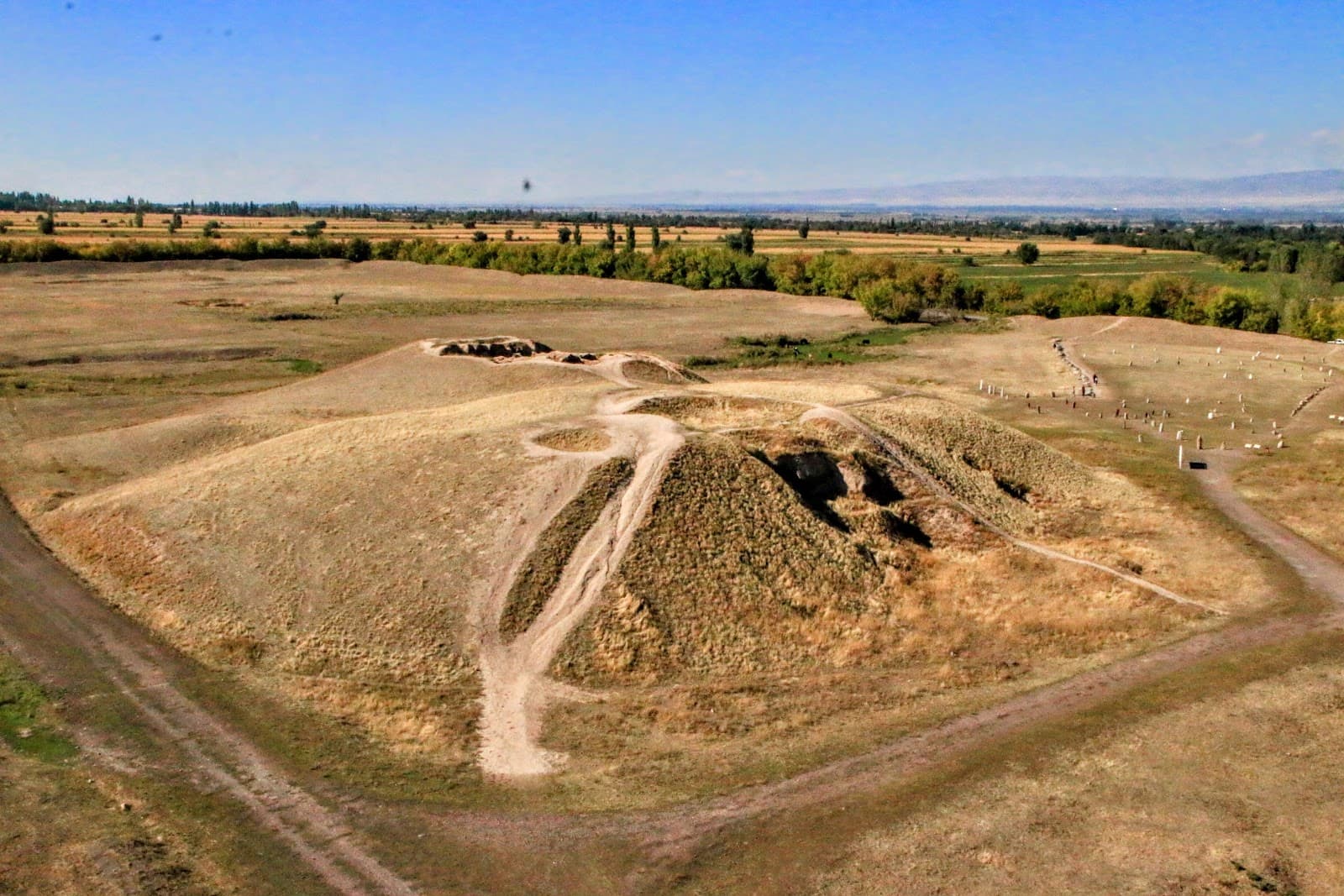
Nevaket Krasnaya Rechka Buddhist Temple Chui Valley Kyrgyzstan
Nevaket, dramatically situated near the modern village of Krasnaya Rechka in the fertile Chui Valley of northern Kyrgyzstan, represents one of the most extraordinary and archaeologically significant Buddhist temple complexes in Central Asia, dating from the 6th through 12th centuries CE and serving as a major cosmopolitan center along the Silk Road where Indian Buddhist traditions, Zoroastrian practices, Eastern Christian communities, and Manichean teachings flourished side by side, creating a powerful testament to the profound transmission of Indian Buddhist civilization to Central Asia during the early medieval period. The site, featuring sophisticated Buddhist temple structures including the remarkable discovery of an 8-meter-long reclining Buddha statue, monastic complexes, and ritual spaces that demonstrate clear connections to the architectural traditions of ancient India, particularly the sophisticated temple planning principles and monumental sculpture traditions that were transmitted from the great Buddhist centers of northern India, demonstrates the direct transmission of Indian Buddhist architectural knowledge, religious iconography, and cultural concepts from the great monastic universities of ancient India, particularly Nalanda and Taxila, which systematically transmitted Buddhist teachings and architectural traditions to Central Asia through the extensive trade and pilgrimage networks that connected India with Central Asia, while the site's most remarkable feature is its extensive Buddhist monastic complex including multiple temple structures, the extraordinary reclining Buddha statue that demonstrates remarkable parallels with Indian Buddhist sculpture traditions, particularly the Mahaparinirvana iconography that was central to Indian Buddhist art, and architectural elements that demonstrate remarkable parallels with Indian Buddhist temple architecture. The temple structures' architectural layout, with their sophisticated planning, central Buddha images surrounded by monastic cells, ritual chambers, and ceremonial spaces, follows planning principles that demonstrate remarkable parallels with Indian Buddhist monastery planning principles, particularly the vihara and chaitya hall traditions that were central to Indian Buddhist architecture, while the site's extensive archaeological remains including Buddhist sculptures with clear Indian stylistic influences, golden burial masks, and architectural elements demonstrate the sophisticated synthesis of Indian Buddhist iconography and cosmological concepts with local Central Asian aesthetic sensibilities and building materials. Archaeological evidence reveals that the site served as a major center of Buddhist learning and religious activity during the 6th through 12th centuries, attracting monks, traders, and pilgrims from across Central Asia, South Asia, and East Asia, while the discovery of numerous artifacts including the extraordinary reclining Buddha statue, Buddhist sculptures with clear Indian stylistic influences, inscriptions in Sanskrit and Prakrit languages, and architectural elements that reflect Indian Buddhist cosmological concepts provides crucial evidence of the site's role in the transmission of Indian Buddhist traditions to Central Asia, demonstrating the sophisticated understanding of Indian Buddhist architecture and religious practices possessed by the site's patrons and monastic establishment. The site's association with the ancient city of Nevaket, which flourished as a major trading center along the Silk Road with diverse religious communities including Buddhists, Zoroastrians, Eastern Christians, and Manicheans, demonstrates the sophisticated understanding of Indian Buddhist traditions that were transmitted to Central Asia, while the site's Buddhist temple structures and monumental sculptures demonstrate remarkable parallels with Indian Buddhist temple architecture and sculpture traditions that were central to ancient Indian civilization. The site has been the subject of extensive archaeological research since the 1950s, with ongoing excavations continuing to reveal new insights into the site's sophisticated architecture, religious practices, and its role in the transmission of Indian Buddhist traditions to Central Asia, while the site's status as part of the broader Silk Road cultural complex demonstrates its significance as a major center for the transmission of Indian Buddhist and cultural traditions to Central Asia. Today, Nevaket stands as one of the most important Buddhist archaeological sites in Central Asia, serving as a powerful testament to the transmission of Indian Buddhist civilization to Central Asia, while ongoing archaeological research and conservation efforts continue to protect and study this extraordinary cultural treasure that demonstrates the profound impact of Indian civilization on Central Asian religious and cultural development. ([1][2])
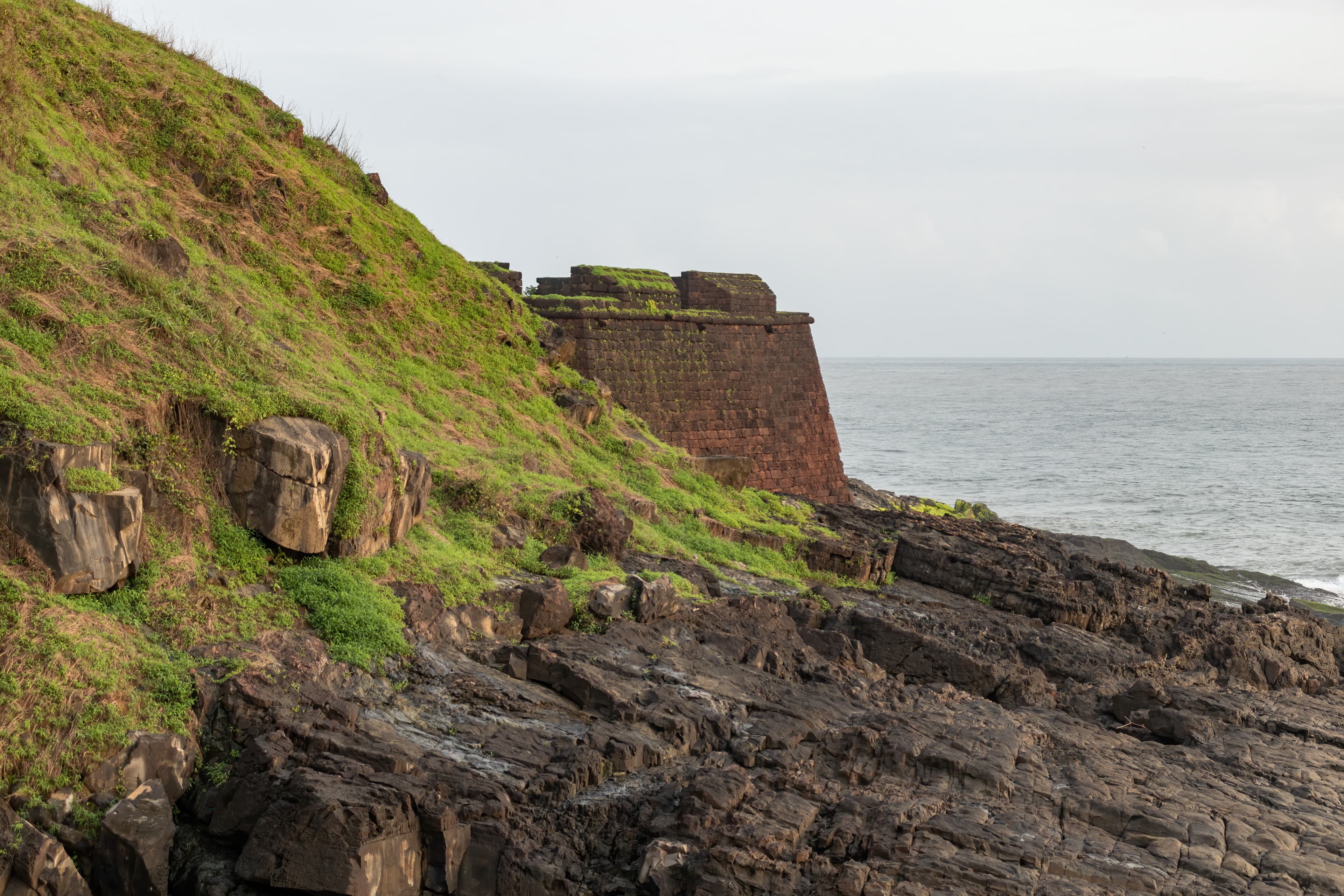
Aguada Fort Sinquerim Goa
Framing Goa's coastline is Aguada Fort, a *durg* (fortress) constructed in 1650 CE by the Portuguese, strategically positioned at the confluence of the Mandovi River and the Arabian Sea ([1][2]). The fort, built with laterite stone, exemplifies a fusion of European military design and subtle Indian influences ([3]). Its sturdy lower ramparts and strategic gun placements were intended to defend against Maratha incursions ([7]). Stone platforms and foundations underscore the fort's lasting resilience. Aguada, translating to 'water', features a freshwater spring, a prime example of *jala sthapathya* (hydraulic engineering), which supplied essential drinking water to ships ([8]). Added later, the lighthouse provides panoramic vistas. It's plausible that the fort's layout integrates *Vastu Shastra* principles, aligning structures with cardinal directions to optimize defensive capabilities and spatial harmony ([9]). However, specific textual references to *Vastu Shastra* applications within the fort's design require further documented evidence. Within the *Garbhagriha* (Sanctum) of Aguada Fort, a distinct cultural synthesis takes shape. The design elements reflect the architectural and cultural exchanges prevalent during the 17th century ([1][2]). The fort's architecture doesn't explicitly mirror the intricate details described in texts like the *Manasara Shilpa Shastra* or the *Mayamata*, which extensively cover temple construction and iconography. Instead, it represents an adaptation of European military architecture to the Indian context, utilizing locally available materials like laterite and basalt ([3]). The enduring laterite walls withstand the rigors of monsoon rains and coastal conditions, demonstrating remarkable durability ([3]). Preservation efforts at Aguada allow for appreciation of its architectural integrity. Aguada Fort embodies a unique chapter in Indo-Portuguese history, a testament to the architectural and cultural interactions of the 17th century, although direct correlations to Vedic texts or specific *Shilpa Shastras* remain limited ([1][2]).
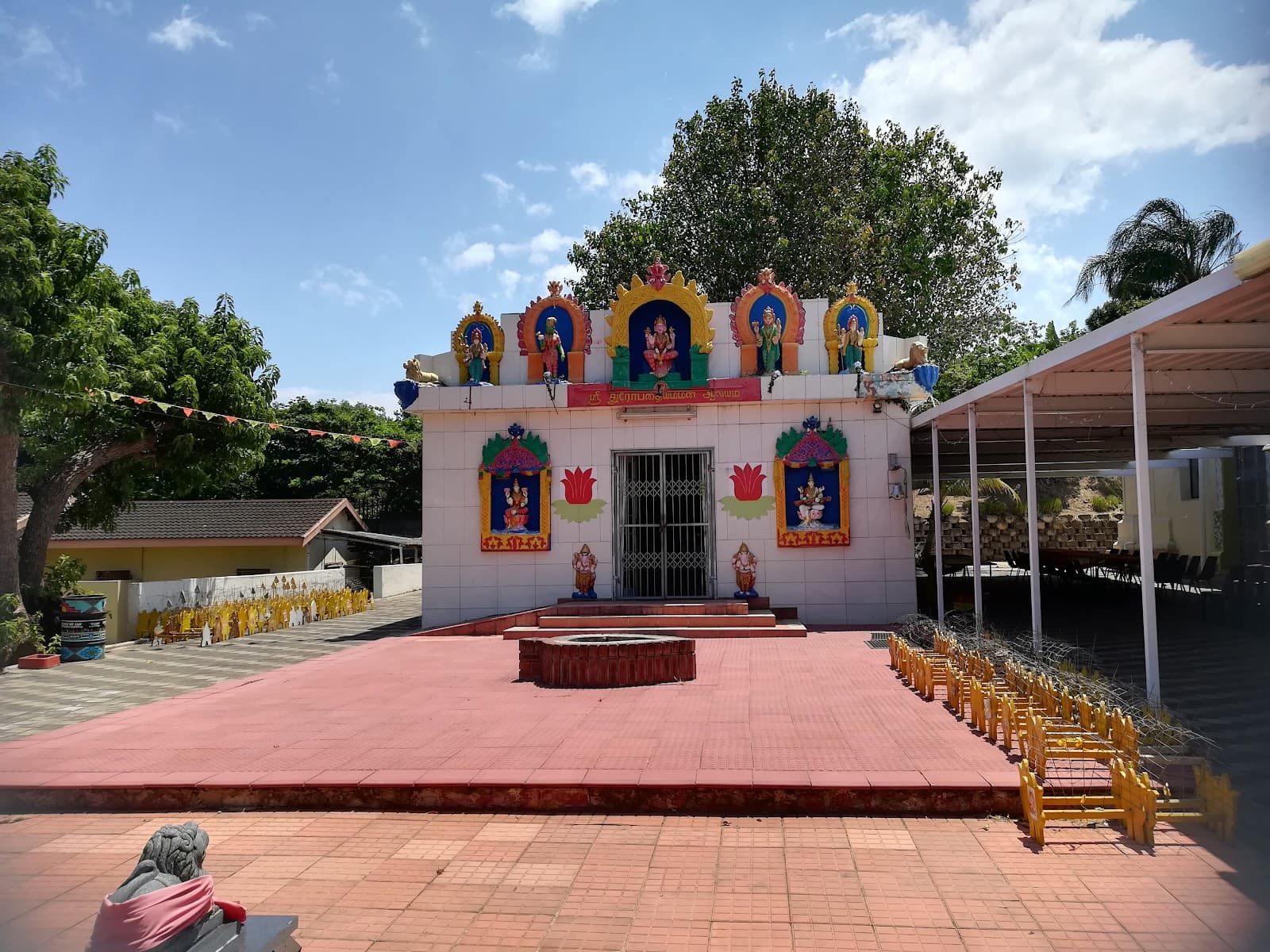
Shree Ayyappa Seva Sangam Temple Durban
The Shree Ayyappa Seva Sangam Temple, located at 359 Langton Road, Montclair, Durban, KwaZulu-Natal, South Africa, stands as a profound testament to India's millennia-spanning cultural heritage and the continuous tradition of Indic civilization [1] [2]. Dedicated to Lord Ayyappa, a revered deity primarily worshipped in South India, particularly Kerala, this temple embodies ancient indigenous architectural styles, materials, and cultural practices that reflect India's deep historical roots [3] [4]. The temple's design integrates elements of both Kerala Temple architecture and Dravida architecture, showcasing a synthesis of South Indian temple building traditions [1] [5]. Kerala temple architecture, characterized by its unique religious sanctuary design, often features circular or square ground plans, steeply sloping roofs covered with copper sheets or terracotta tiles, and extensive use of timber [5] [2]. These architectural choices are historically adapted to the region's heavy rainfall and tropical climate, emphasizing functionality alongside aesthetic and spiritual principles [2]. The structural elements typically involve a granite plinth (adhisthana), laterite walls, and a superstructure predominantly crafted from wood, adhering to canonical rules of proportionate systems detailed in ancient treatises [5] [4]. The Shree Ayyappa Seva Sangam Temple incorporates these principles, utilizing locally available materials while maintaining the traditional forms [1]. The temple complex is designed according to the Hindu practices of 'Vaastu Shastra' and 'Agama Shastra', ensuring auspicious orientation, spatial harmony, and ritualistic correctness [1]. This adherence to ancient texts underscores the continuity of architectural knowledge passed down through generations [5]. Dravida architectural influences are evident in the temple's overall layout and decorative motifs, which often include intricate carvings and sculptures [3]. While Kerala temples typically feature simpler exteriors, the broader South Indian temple style, from which Dravida architecture evolved, is known for its elaborate gopurams (entrance towers), vimanas (superstructures over the sanctum), and mandapas (pillared halls) [3]. Though the Durban temple may not possess the monumental scale of ancient Dravidian complexes, its design principles and decorative elements draw from this rich tradition, manifesting in detailed iconography and sacred geometry [1]. The temple's sanctum (sreekovil) houses the main deity, Lord Ayyappa, and is surrounded by a circumambulatory path (pradakshina-patha), facilitating traditional devotional practices [3]. The current state of the temple reflects ongoing maintenance and active programming, serving as a vital spiritual and cultural hub for the Malayali and Tamil diaspora in Durban [2]. It offers regular pujas, festivals, and cultural education, ensuring the preservation and transmission of Indic traditions [2]. The site is fully operational and accessible to devotees and visitors, upholding its role as a living heritage site [1].
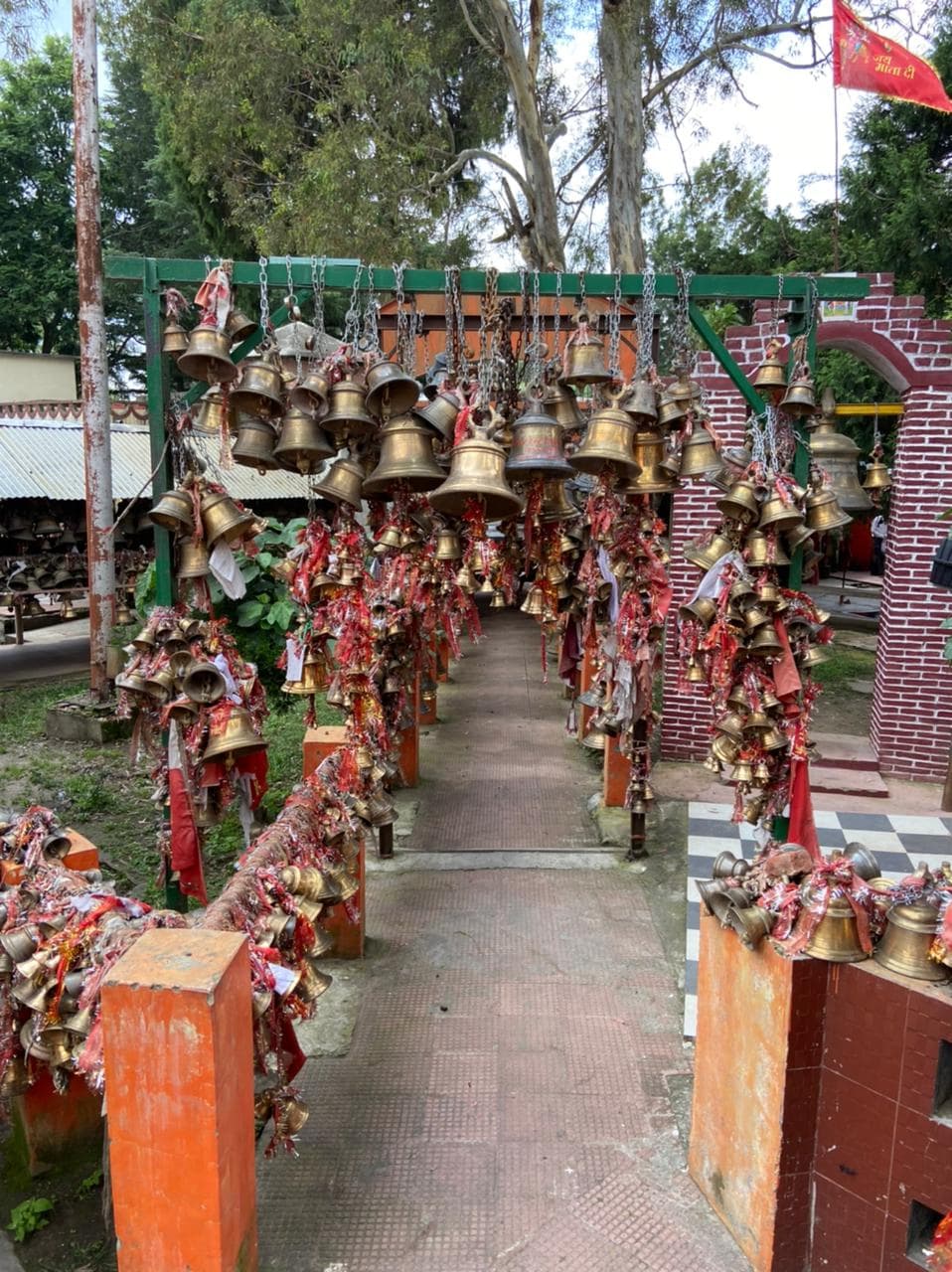
Chitai Golu Devta Temple Almora
Nestled in the tranquil hills of Almora, Uttarakhand, the Chitai Golu Devta Temple presents a unique blend of faith and architectural simplicity, primarily expressed through the countless bells offered by devotees ([1]). Unlike traditional Nagara architecture, typically characterized by elaborate Shikhara (spire), this 20th-century temple exhibits a more modest aesthetic, allowing the votive bells to take precedence ([2]). The temple is dedicated to Golu Devta, a revered deity considered an incarnation of Lord Shiva and worshipped as the dispenser of justice ([3]). Stone platforms and foundations mark the temple's enduring presence, with the courtyard serving as a vibrant hub of activity ([4]). Here, devotees present their prayers, attach bells, and pen letters, their expressions reflecting profound hope and reverence ([5]). The act of tying bells is a symbolic gesture, representing answered prayers and a tangible connection with the divine ([1][2]). This practice resonates with the broader Hindu tradition of offering symbolic objects to deities as a form of supplication and gratitude. Intricate carvings adorn the walls of the main shrine, which houses the deity, while the surrounding structure features sloping slate roofs and whitewashed walls, characteristic of regional architecture ([4]). The temple's architectural style, while not strictly adhering to classical Nagara principles outlined in texts like the *Manasara Shilpa Shastra*, reflects a vernacular adaptation, emphasizing local materials and construction techniques ([5]). The temple's modest design ensures the focus remains on the thousands of bells, creating a striking visual and auditory spectacle, a symphony of faith echoing through the Himalayan landscape ([1][3]). Letters affixed to the temple walls represent whispered pleas and heartfelt prayers, underscoring the deep bond between devotees and the deity ([3]). During the British Colonial Period, temple architecture in India often saw a fusion of traditional styles with contemporary influences, though the Chitai Golu Devta Temple largely retains its regional character ([2]). The convergence of faith and architectural modesty creates an atmosphere that resonates with the enduring power of belief ([1][2]).
Chowmahalla Palace Hyderabad
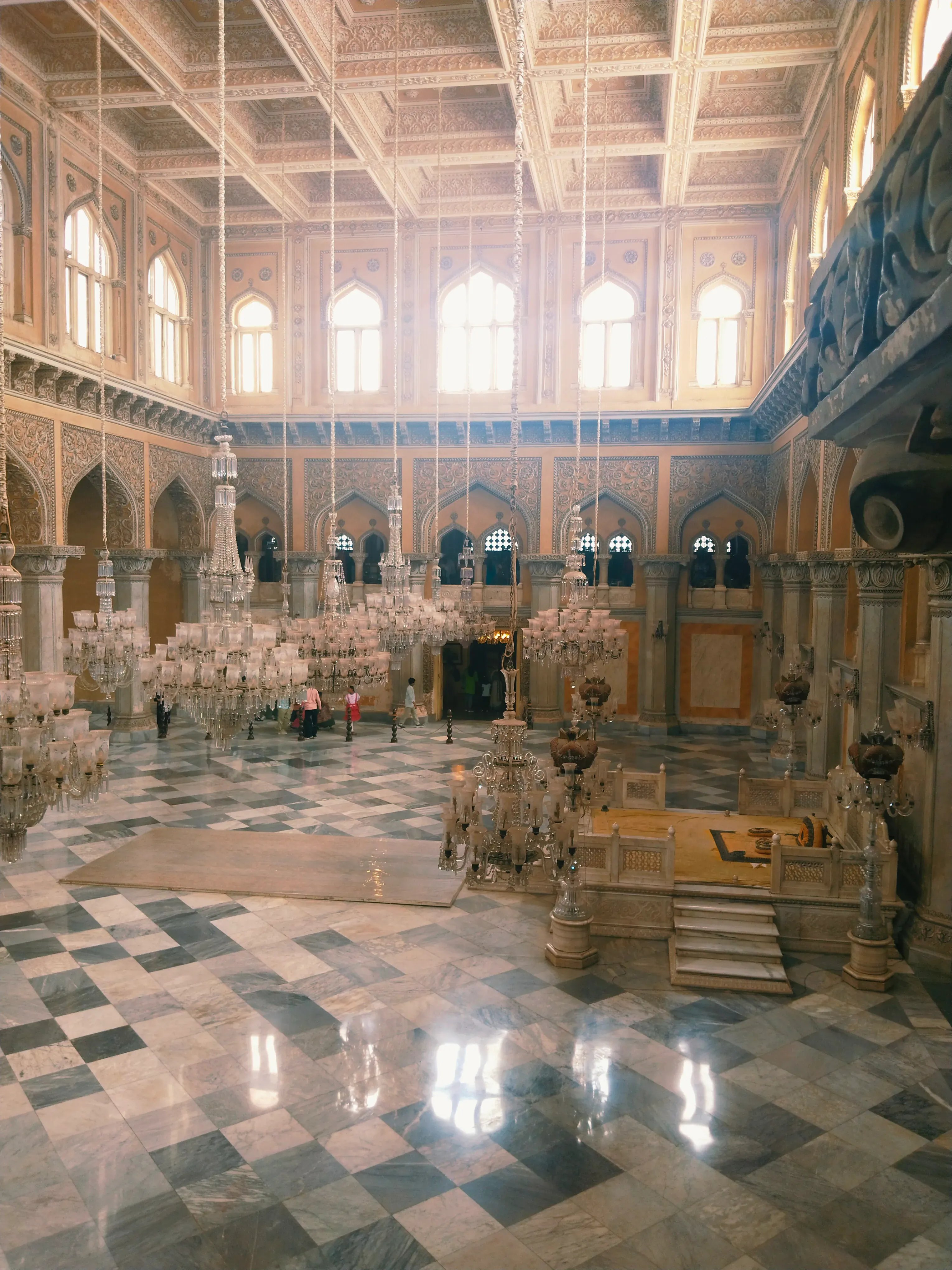
The imposing Khilwat Clock Tower offers a glimpse into Chowmahalla Palace, a network of palaces, courtyards, gardens, and halls, each distinct in character ([1]). A step through the main gate transports one to another era, away from the city's cacophony ([2]). During the British Colonial Period, the Nizams of Hyderabad constructed Chowmahalla Palace in 1768 CE, blending Mughal, Persian, and European styles ([3][4]). As a palatial complex in Khilwat, Hyderabad (500002), Telangana, India, it showcases the Indo-Saracenic Revival architectural style ([5]). Granite and sandstone blocks, meticulously carved, are found throughout the structure ([4]). The grand Southern Courtyard, dominated by the Afzal Mahal, features a neoclassical facade with Corinthian columns and ornate stucco work ([2]). Intricate jali (lattice) work whispers of a Mughal legacy, reflecting intertwined histories ([1]). Sunlight streams through Belgian crystal chandeliers in the Durbar Hall, casting rainbows across the polished marble floor ([3]). Within the Khilwat Mubarak, delicately carved arches and stucco work define the ceremonial seat of the Nizams ([2]). The central fountain creates tranquility amidst splendor ([1]). Lime mortar was used in the construction ([4]). Unlike Rajasthan's rugged fortresses, Chowmahalla exudes refined elegance ([1]). Chowmahalla seamlessly blends European influences with Mughal and local Deccani elements, reflecting Hyderabad's cosmopolitan nature ([3][5]). The palace's design incorporates elements of the Vastu Shastra principles, the ancient Indian science of architecture, particularly in the layout of the courtyards and the orientation of the buildings ([6]). This integration reflects the Nizams' respect for local traditions while embracing global influences, demonstrating the city's rich cultural synthesis ([3][5]). The patronage of the Nizams shaped Chowmahalla into a symbol of their power and refined taste ([3][4]).
Panch Mahal Fatehpur Sikri
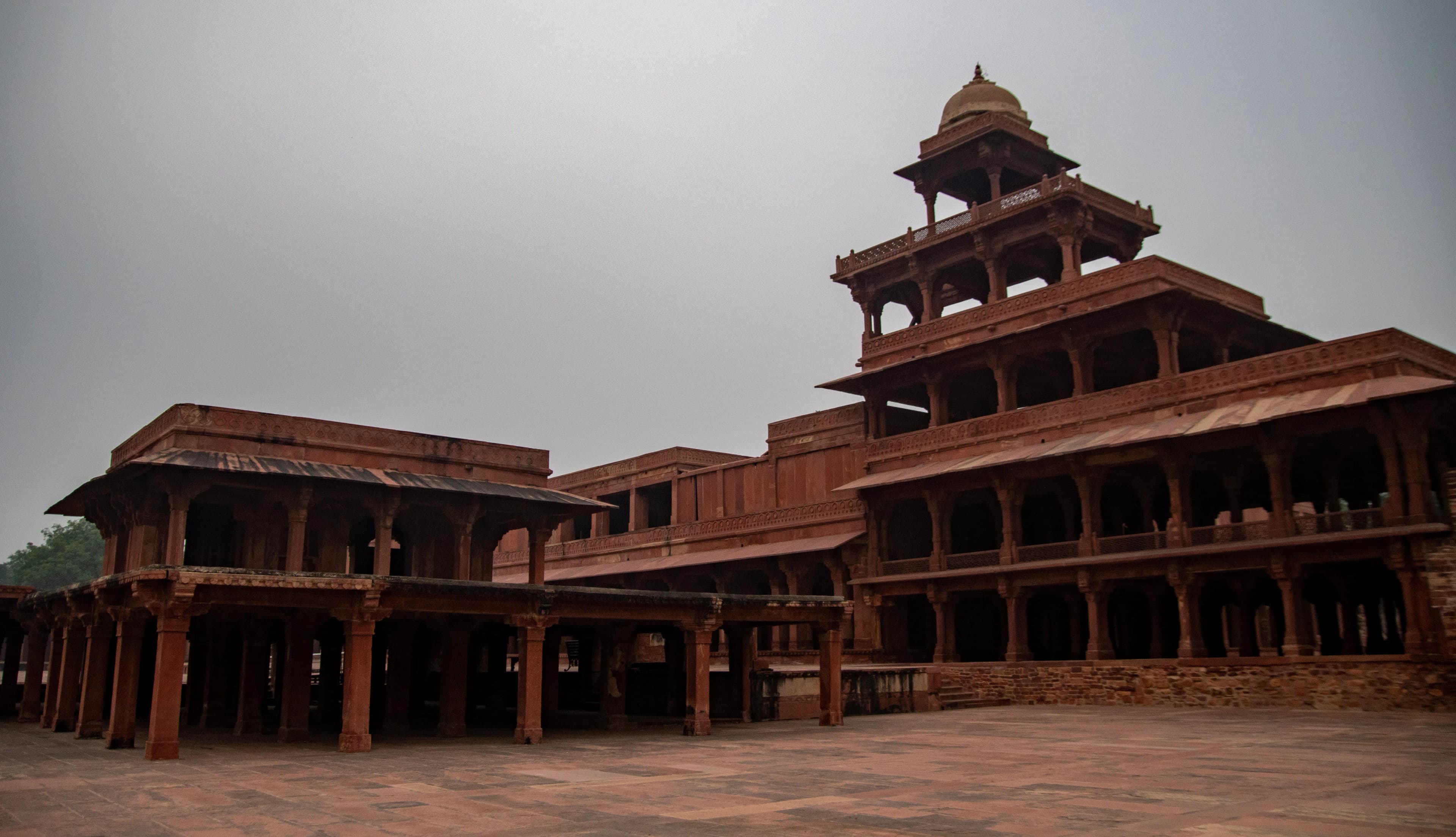
The wind whispers stories through the pierced screens of Panch Mahal, a structure that rises like a delicately carved sandcastle against the Fatehpur Sikri skyline. As I adjusted my camera, framing the pyramidal tiers against the vast Uttar Pradesh sky, I felt a palpable connection to the Mughal era. This wasn't just a building; it was a breathing testament to Akbar's vision, a blend of Hindu and Persian architectural styles that spoke volumes about the cultural confluence of the time. The ground floor, a sprawling open pavilion supported by 84 pillars, once served as a cool respite from the summer heat. I could almost envision the royal women gathered here, their laughter echoing through the now silent spaces. The pillars, each uniquely carved with intricate floral and geometric patterns, captivated my lens. The play of light and shadow through the jaalis, the intricately carved stone lattices, created a mesmerizing tapestry that shifted with the sun's journey across the sky. I spent a considerable amount of time documenting these details, trying to capture the essence of the craftsmanship that had stood the test of centuries. Ascending the levels, the structure shrinks in size, each tier offering a more exclusive and panoramic view of the surrounding city. The second story, supported by fewer pillars, felt more intimate, perhaps a space for smaller gatherings. The third, fourth, and fifth levels, each progressively smaller, culminate in a single chhatri, a domed kiosk, on the topmost tier. This final level, once Akbar's private retreat, offered an unparalleled vista of his magnificent creation. Standing there, I felt a sense of awe, imagining the emperor contemplating his empire from this vantage point. The red sandstone, bathed in the golden hues of the late afternoon sun, radiated warmth. The subtle variations in the stone's color, from a rich ochre to a pale rose, added depth and texture to my photographs. I focused on capturing the interplay of light and shadow, highlighting the intricate carvings and the graceful arches. The pillars, while seemingly uniform from a distance, revealed their unique personalities upon closer inspection. Some bore delicate floral motifs, others geometric patterns, and still others a combination of both, a testament to the artisans' skill and creativity. One aspect that particularly intrigued me was the absence of walls on the lower levels. This open design, unusual for a palace, fostered a sense of connection with the surrounding environment. I could see how the structure, while grand, was also designed for comfort and practicality, allowing for the free flow of air and offering breathtaking views. The jaalis, while providing privacy, also allowed for glimpses of the outside world, blurring the lines between inside and out. My experience at Panch Mahal transcended mere documentation. It was a journey through time, a conversation with the past. As I packed my equipment, the setting sun casting long shadows across the courtyard, I felt a deep sense of gratitude for the opportunity to witness and preserve the legacy of this magnificent structure. The photographs I captured are not just images; they are fragments of history, frozen moments in time, waiting to share their stories with the world. They are a testament to the enduring beauty of Mughal architecture and a reminder of the rich cultural heritage that India holds within its embrace.
Thanjavur Palace Thanjavur
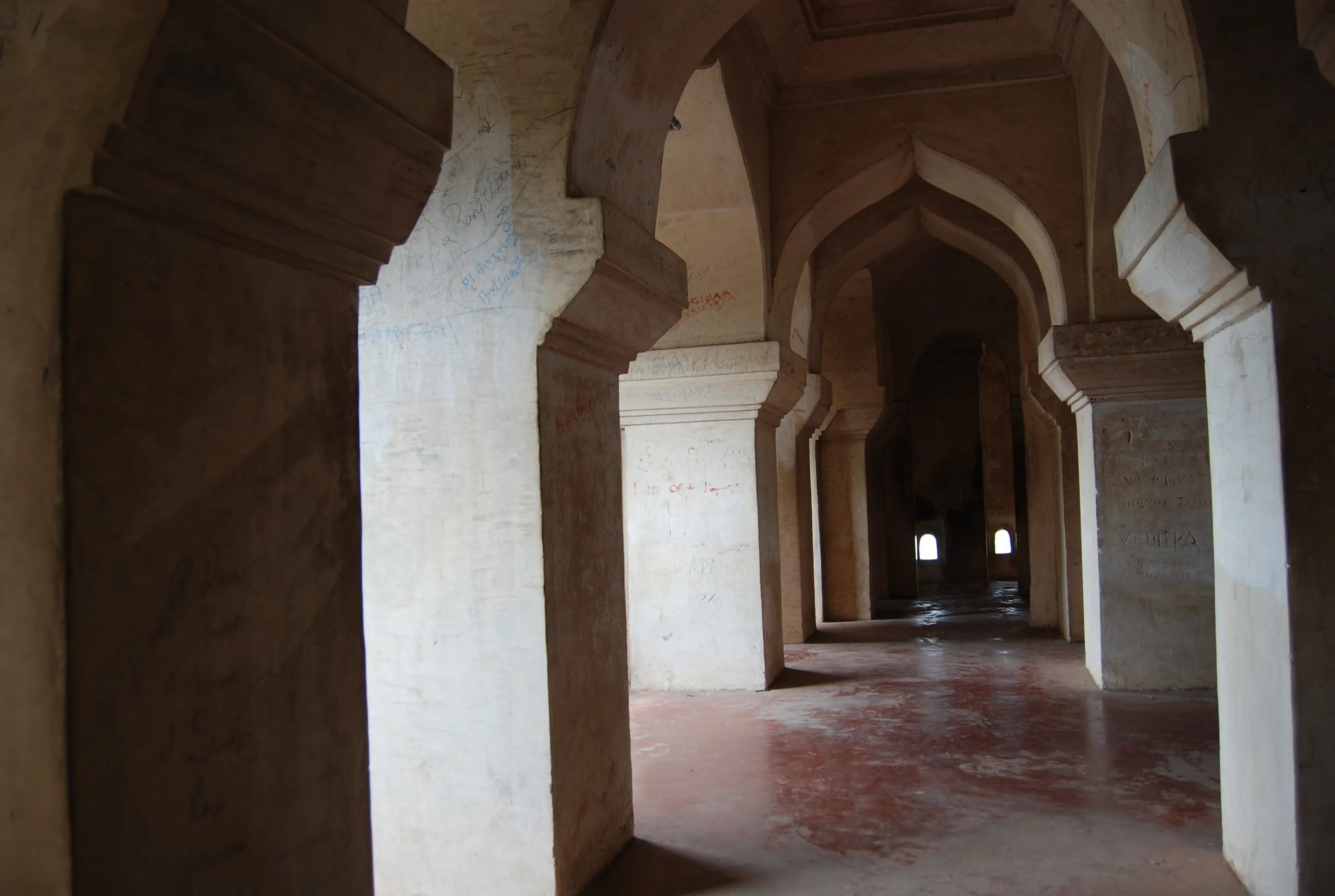
The Thanjavur Palace, or Nayak Palace, stands as a testament to the layered history of Thanjavur, a city steeped in artistic and architectural brilliance. Unlike the monolithic grandeur of the Brihadeeswarar Temple, the palace complex reveals itself in stages, a palimpsest of Nayak, Maratha, and even British influences woven into its fabric. My recent visit allowed me to unravel these layers, appreciating the distinct contributions of each era while lamenting the inevitable decay that time inflicts. Entering through the imposing gateway, I was immediately struck by the contrast between the robust, almost severe exterior and the surprisingly delicate remnants of Nayak-era artistry within. The Nayak period (16th-18th centuries) is known for its vibrant murals, and though faded and fragmented, glimpses of these masterpieces still cling to the walls of the Sadar Mahal Palace. The depictions of deities, courtly scenes, and floral motifs, even in their dilapidated state, speak volumes about the artistic sensibilities of the Nayaks. I noticed the distinct use of natural pigments, the earthy reds and ochres, and the intricate detailing of the figures, reminiscent of the Nayak paintings found in other temples and palaces across Tamil Nadu. The Maratha influence, which followed the Nayaks, is more pronounced in the overall structure and layout of the palace. The Saraswathi Mahal Library, a treasure trove of ancient manuscripts, is a prime example. While the library's collection is undoubtedly its highlight, the architecture of the building itself showcases the Maratha preference for functional design. The high ceilings, large windows, and airy corridors are a departure from the more enclosed spaces of the Nayak period, reflecting a shift in priorities towards practicality and preservation. I spent hours within the library, captivated not just by the ancient texts but also by the building's quiet elegance. The Durbar Hall, with its grand proportions and imposing pillars, is another example of the Maratha contribution. Here, the remnants of ornate chandeliers and the elevated platform where the Maratha rulers held court evoke a sense of the palace's former glory. I could almost envision the bustling court, the vibrant ceremonies, and the power that emanated from this very hall. However, the palace is not without its scars. Years of neglect and inadequate maintenance are evident in the crumbling walls, the peeling plaster, and the overgrown courtyards. The stark contrast between the grandeur of the structures and their current state of disrepair is a poignant reminder of the importance of preservation. While some sections, like the Saraswathi Mahal Library, are meticulously maintained, other areas are desperately in need of attention. The fading murals, in particular, are a heartbreaking sight, slowly disappearing under layers of dust and neglect. One of the most intriguing aspects of the Thanjavur Palace is the unexpected presence of British-era structures. The clock tower, a prominent feature of the complex, is a clear example of colonial influence. This juxtaposition of architectural styles, from the Nayak murals to the Maratha halls and the British clock tower, creates a unique narrative of the city's evolution. It's a visual representation of the continuous interplay of cultures and powers that have shaped Thanjavur's identity. My visit to the Thanjavur Palace was more than just a sightseeing trip; it was a journey through time. It was a privilege to witness the echoes of past grandeur, to decipher the architectural language of different eras, and to reflect on the impermanence of even the most magnificent creations. The palace stands as a powerful reminder of the need to protect and preserve our heritage, not just for its aesthetic value but for the invaluable stories it tells about our past. The Thanjavur Palace deserves more recognition, not just as a tourist attraction but as a living testament to the rich tapestry of South Indian history.
Zhenru Temple Shanghai China
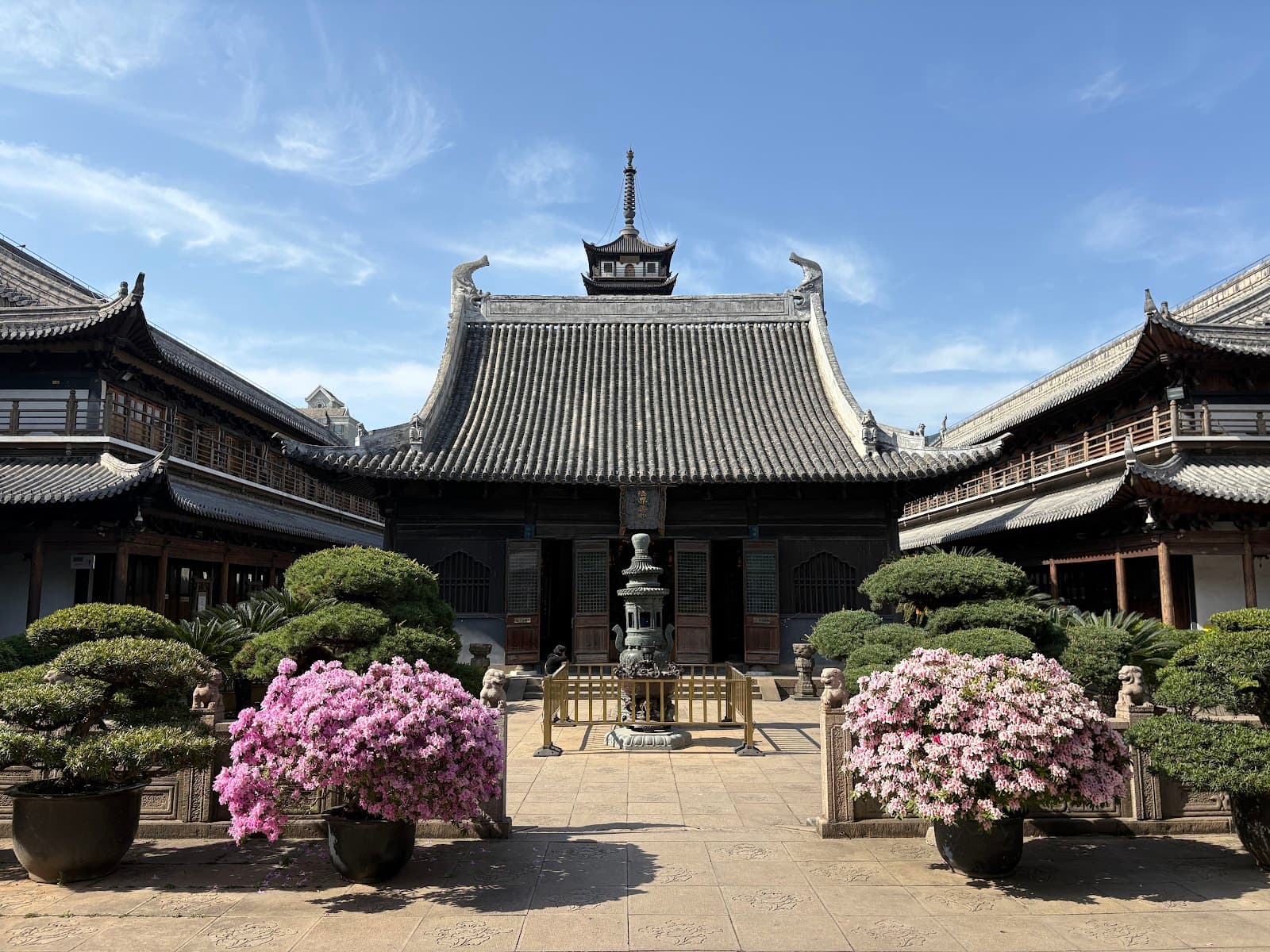
Zhenru Temple, a revered Buddhist monument in Shanghai's Putuo District, stands as a testament to the enduring legacy of Buddhist architectural traditions, which trace their origins to India's millennia-spanning heritage [1] [2]. While situated in China, the temple's architectural and spiritual lineage reflects the profound cultural exchange that saw the transmission of Buddhist philosophy and artistic forms from ancient India across Asia, contributing to a continuous tradition of Indian civilization [5] . The temple's central edifice, the Mahavira Hall, is a distinguished example of Yuan Dynasty timber-frame architecture, completed in 1320 CE [3] [4]. This hall measures 13.4 meters in width and 13 meters in depth, supported by a robust framework of 16 wooden pillars [3]. Notably, ten of these pillars are original to the Yuan Dynasty construction, showcasing the remarkable preservation of indigenous architectural techniques [1]. The hall features a single eave gable and hip roof (单檐歇山顶), a characteristic element of traditional Chinese temple design [3]. A unique structural detail includes the inward inclination of the columns in the central bay, with the Golden Pillar leaning by 16 centimeters and the Eaves Pillar by 8 centimeters, a sophisticated engineering approach observed in other significant Yuan Dynasty structures like the Longhu Hall of Yongle Palace [2]. The foundation system employs independent column bases, with the surrounding area compacted with a deep layer of yellow earth and iron slag, extending 1.8 to 2 meters, a construction method typical of Song and Yuan Dynasty wooden buildings [2]. An invaluable 26-character inscription on the ridge beam precisely documents the hall's installation date, providing critical historical and architectural data [1]. The temple complex also includes the modern Zhenru Pagoda, completed in 1999, which rises 53 meters with a square base and features nine outer layers and ten inner levels, totaling eleven stories including the basement [2]. This pagoda enshrines Shanghai's sole Buddha relic, underscoring the temple's ongoing spiritual significance [1] [2]. Its south side is adorned with two 4-meter-tall dharani steles, and the base walls are embellished with 2x3-meter blue stone reliefs depicting various Bodhisattvas, including Namo Aiyida, Namo Great Compassion Avalokiteshvara, and Namo Great Wisdom Manjushri [2]. The Yuantong Hall houses a 5.2-meter-tall, 3.5-ton Four-Faced Avalokiteshvara statue, crafted from white marble and imported from Singapore, with the Five Dhyani Buddhas adorning its crown [2]. The hall's ceiling features a chessboard-patterned sky lantern, depicting a thousand-armed and thousand-eyed Avalokiteshvara, surrounded by intricate wooden carvings of the Thirty-Two Transformations of Avalokiteshvara, creating an elegant canopy [2]. The walls are further enriched with stone-carved depictions of Avalokiteshvara's twenty-eight attendants [2]. Zhenru Temple, designated a Major National Historical and Cultural Site, actively engages in conservation efforts, with restoration work undertaken in phases since the late 20th century to preserve its ancient structures and artistic elements [3] [1]. The temple maintains active programming, including scripture lectures and meditation, and is accessible to visitors, offering a tranquil environment for reflection amidst its gardens and ancient ginkgo tree [1] [2]. The site is operationally ready, welcoming visitors to experience its profound cultural and spiritual heritage [1].
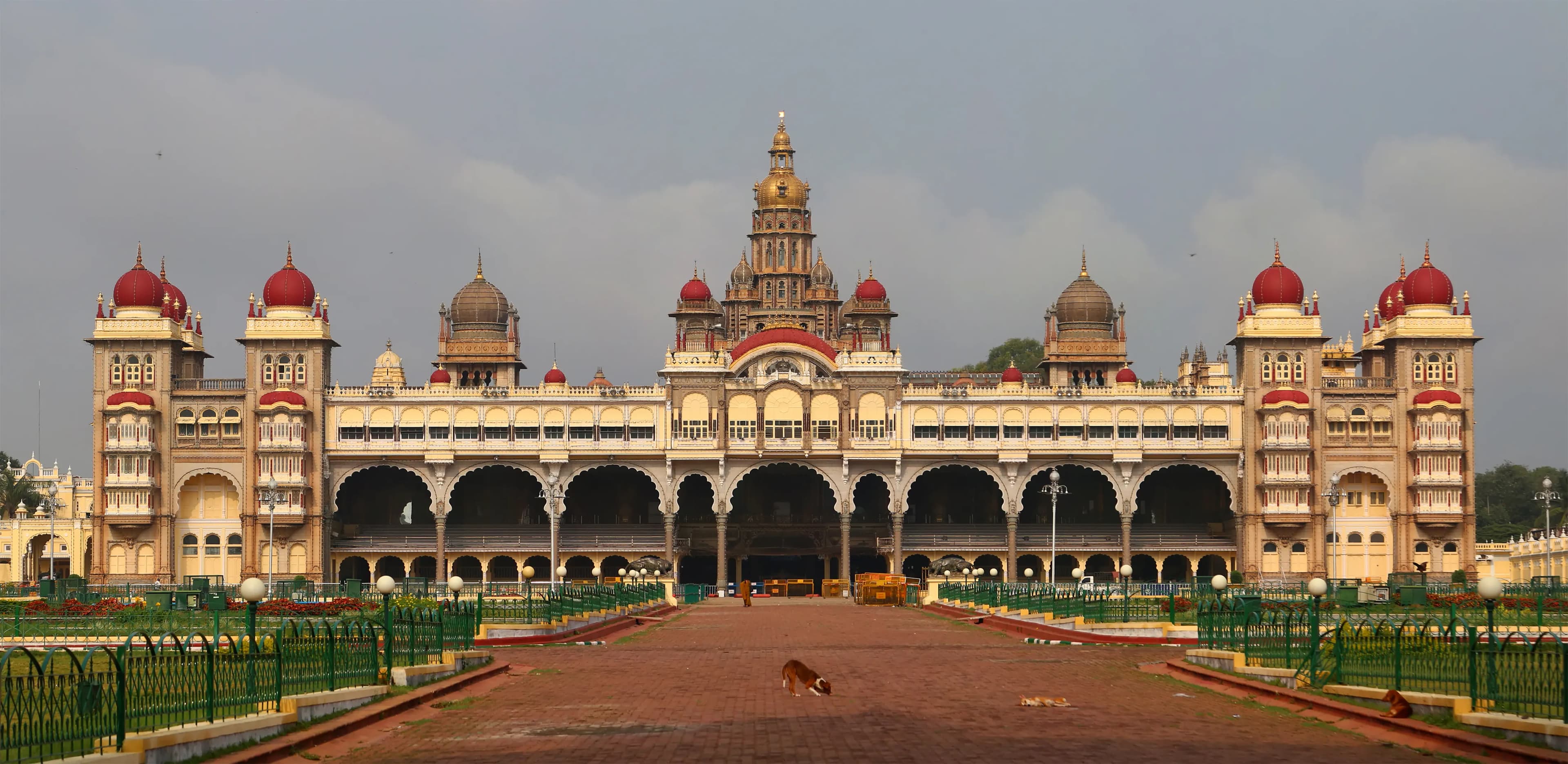
Mysore Palace Mysuru
The Mysore Palace, or Amba Vilas Palace, isn't merely a structure; it's a statement. A statement of opulence, a testament to craftsmanship, and a living chronicle of a dynasty. As a Chennai native steeped in the Dravidian architectural idiom of South Indian temples, I found myself both captivated and challenged by the Indo-Saracenic style that defines this majestic palace. The blend of Hindu, Muslim, Rajput, and Gothic elements creates a unique architectural vocabulary, a departure from the gopurams and mandapas I'm accustomed to, yet equally mesmerizing. My first impression was one of sheer scale. The sprawling palace grounds, meticulously manicured, prepare you for the grandeur within. The three-storied stone structure, with its grey granite base and deep pink marble domes, stands as a beacon against the Mysore sky. The central arch, adorned with intricate carvings and flanked by imposing towers, draws the eye upwards, culminating in the breathtaking five-story gopuram. This fusion, the gopuram atop an Indo-Saracenic structure, is a powerful symbol of the cultural confluence that shaped Mysore's history. Stepping inside, I was immediately transported to a world of intricate detail. The Durbar Hall, with its ornate pillars, stained-glass ceilings, and intricately carved doorways, is a spectacle of craftsmanship. The pillars, far from being uniform, display a fascinating variety of designs, each a testament to the skill of the artisans. I noticed subtle variations in the floral motifs, the scrollwork, and even the miniature sculptures adorning the capitals. This attention to detail, reminiscent of the meticulous carvings found in Chola temples, spoke volumes about the dedication poured into this palace. The Kalyanamantapa, the marriage hall, is another jewel in the palace's crown. The octagonal hall, with its vibrant stained-glass ceiling depicting scenes from Hindu mythology, is a riot of color and light. The floor, paved with exquisite mosaic tiles, adds another layer of intricacy. While the overall style is distinctly different from the mandapas found in South Indian temples, I could appreciate the shared emphasis on creating a sacred, visually stunning space. Exploring further, I was particularly drawn to the Gombe Thotti, or Doll's Pavilion. This museum houses a remarkable collection of dolls from around the world, offering a glimpse into diverse cultures and artistic traditions. While not strictly architectural, it provided a fascinating cultural context for the palace and its inhabitants. The palace's exterior, particularly during the evening illumination, is truly magical. Thousands of bulbs outline the structure, transforming it into a shimmering spectacle. This, I felt, was a modern interpretation of the kuthuvilakku, the traditional oil lamps used to illuminate temple towers during festivals. While the technology is different, the effect is the same – a breathtaking display of light and shadow that enhances the architectural beauty. One aspect that particularly resonated with my background in South Indian temple architecture was the use of open courtyards. These courtyards, while smaller than the prakarams found in temples, serve a similar purpose – providing ventilation, natural light, and a sense of tranquility amidst the grandeur. They also offer framed views of different parts of the palace, creating a dynamic visual experience as one moves through the complex. The Mysore Palace is not just a palace; it's a living museum, a testament to the artistry and vision of its creators. It's a place where architectural styles converge, where history whispers from every corner, and where the grandeur of the past continues to captivate visitors from around the world. As I left the palace grounds, I carried with me not just images of its splendor, but a deeper appreciation for the rich tapestry of Indian architecture and the unique stories it tells.
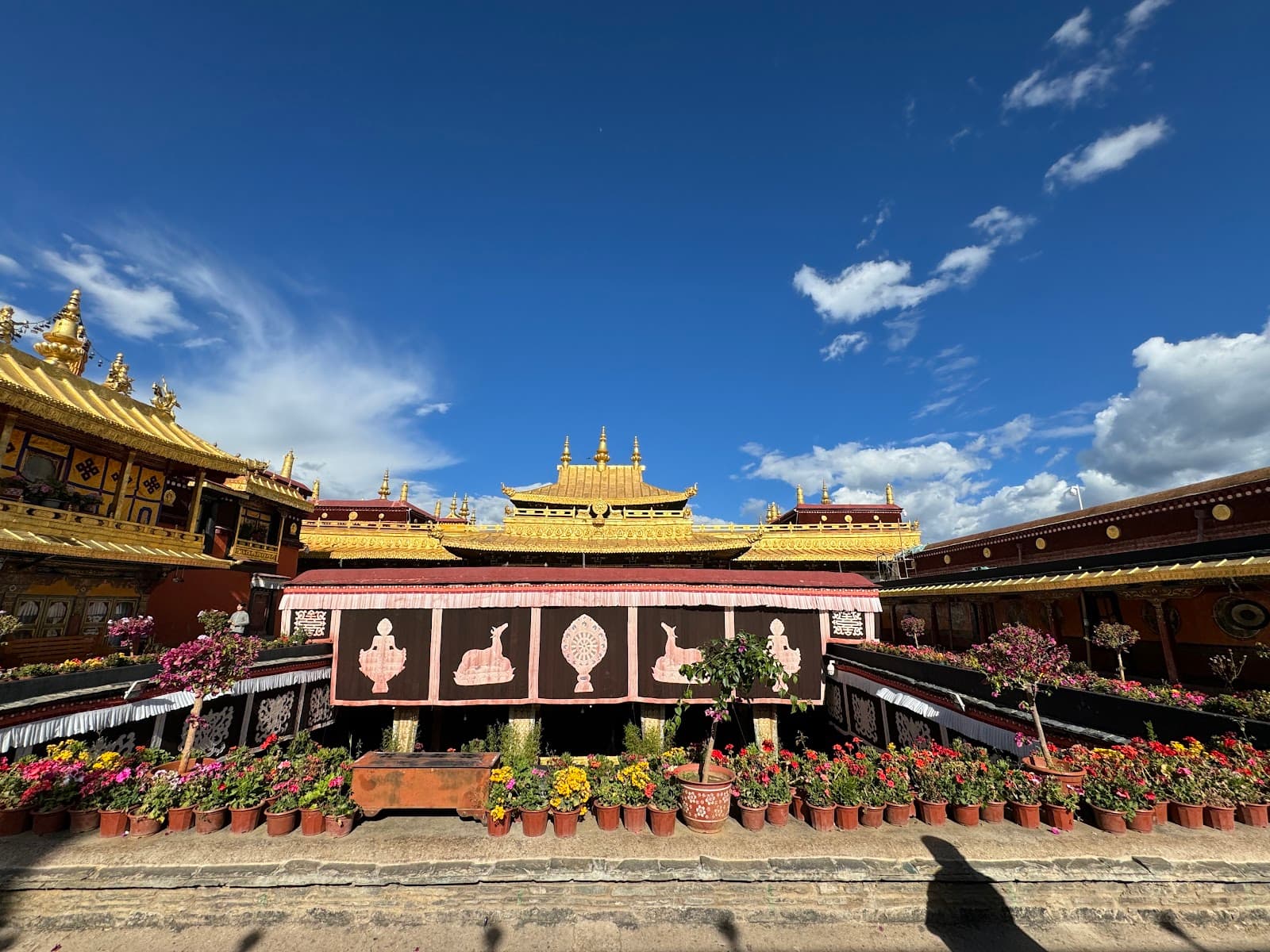
Ramoche Temple Lhasa Tibet
Ramoche Temple, located in Lhasa, Tibet, represents one of the most important Buddhist temples in Tibet, constructed in the 7th century CE during the reign of King Songtsen Gampo and housing the revered Jowo Mikyö Dorje statue, demonstrating the profound transmission of Indian Buddhist traditions to Tibet, which has maintained deep cultural, religious, and historical connections with India for over two millennia. The temple, originally constructed to house the Jowo Mikyö Dorje statue brought from India by King Songtsen Gampo’s Chinese queen Wencheng, features architectural design that synthesizes Indian vihara architecture, Nepalese temple styles, and Tibetan construction techniques, creating a unique architectural expression that reflects Tibet’s position as a cultural bridge between India and Central Asia. The temple complex, constructed primarily from stone and wood with extensive decorative elements, features a multi-story structure with numerous chapels and shrines that have served as centers of Buddhist worship and learning for over thirteen centuries. The temple’s architectural design demonstrates direct influence from Indian Buddhist vihara architecture, particularly the Gupta and Pala period styles, with the overall plan reflecting mandala-based cosmological principles found in Indian temple architecture. Archaeological and historical evidence indicates the temple was constructed with the assistance of Indian and Nepalese architects and craftsmen, reflecting the active religious and cultural exchange between Tibet and India during the 7th century, when Indian Buddhist scholars, texts, and artistic traditions were systematically introduced to Tibet. The temple has undergone multiple renovations and reconstructions over the centuries, with significant work conducted following damage, while preserving its connection to Indian Buddhist traditions. Today, Ramoche Temple continues to serve as an important place of Buddhist worship in Lhasa, demonstrating the enduring vitality of Tibetan Buddhism and its deep roots in Indian religious and cultural traditions. ([1][2])
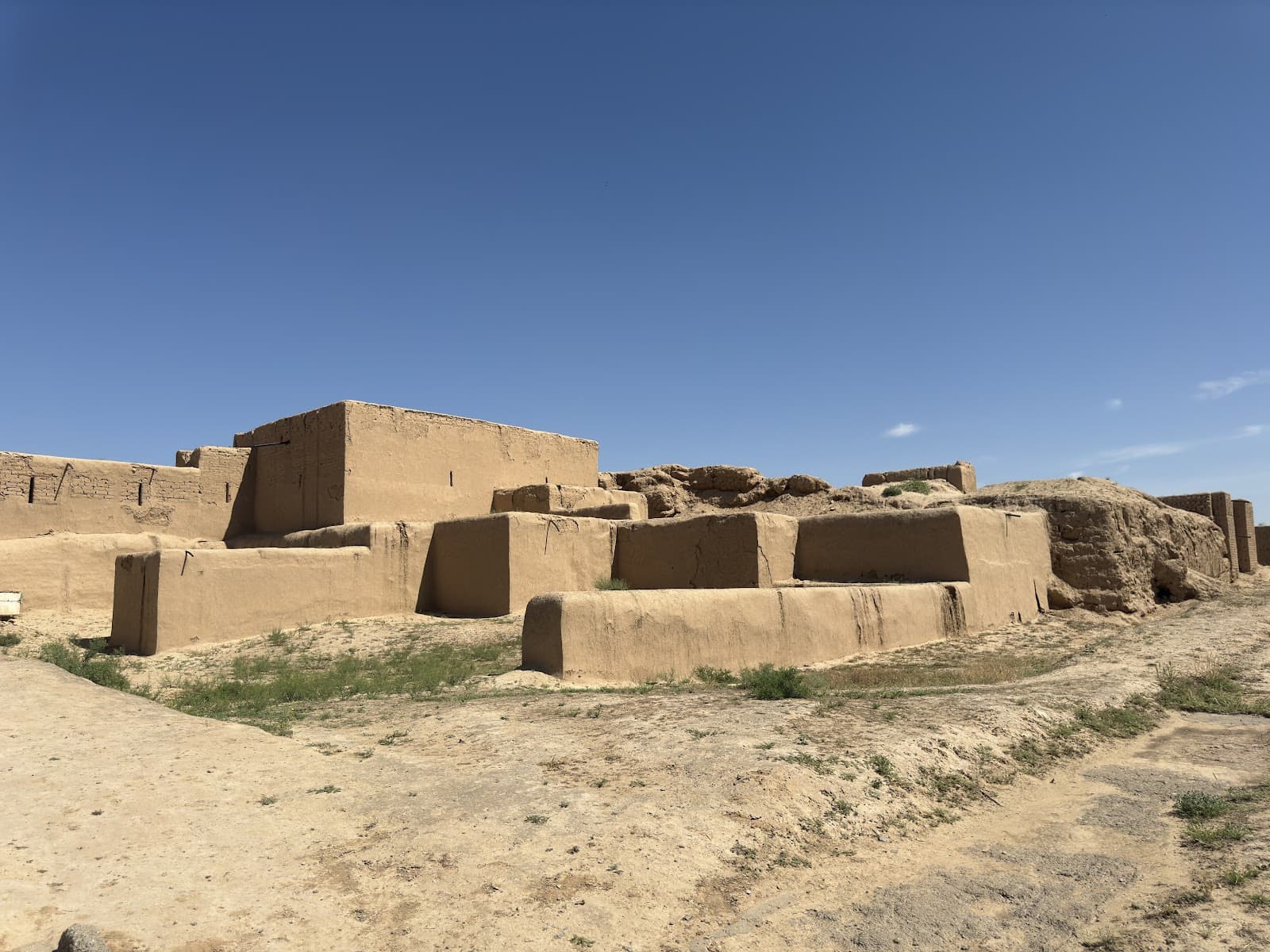
Parthian Fortresses of Nisa Ahal Turkmenistan
The Parthian Fortresses of Nisa, located near the Bagyr neighborhood of Ashgabat in Turkmenistan, represent a pivotal site in the ancient world, embodying a rich tapestry of cultural exchange that profoundly influenced regions across Central Asia and extended into the Indian subcontinent. This UNESCO World Heritage Site comprises two distinct tells: Old Nisa, which served as a ceremonial center and royal residence, and New Nisa, an urban settlement [3] [4]. The architectural styles present at Nisa, while primarily Parthian and Hellenistic, reflect a broader Indo-Parthian cultural sphere, showcasing a sophisticated blend of traditional elements with influences from the Mediterranean world and Central Asia [3] [4]. While specific Nagara or Indian Temple architectural styles are not directly documented within Nisa's structures by current archaeological findings, the site's strategic position at the crossroads of ancient trade routes facilitated extensive cultural and artistic interactions that contributed to the syncretic Indo-Parthian architectural traditions found further east [3] [4]. Old Nisa, an irregular pentagonal area spanning approximately 14 hectares, is encircled by formidable defensive mud-brick walls, punctuated by over 40 rectangular towers and robust fortified corners [3]. Within these ramparts, monumental structures like the Square House reveal intricate planning. Initially conceived for official assemblies and banqueting, this building features a large central courtyard, which in its earliest phase was surrounded by a narrow wooden cloister [4]. The courtyard is flanked by elongated rectangular rooms, each consistently designed with deep benches along the walls and roofs supported by a central row of wooden columns [4]. The Round Hall, a distinct edifice, encloses a circular inner room with a diameter of 17 meters, encased within square perimeter walls [4]. Early reconstructions posited a dome on a cylindrical drum, but detailed structural analysis now suggests a vault with a continuous elliptical outline rising from the floor [4]. This hall housed monumental clay statues, exceeding 2 meters in height, adorned with vibrant polychromy in hues of red, blue, green, yellow, black, and white, demonstrating Hellenistic artistic techniques applied by local Central Asian sculptors [4]. The Red Building, with its four-columned portico, showcases a façade adorned with stone slabs featuring flutings and a distinctive dot-and-reel pattern, further enhanced by bright polychromy and gilded wooden elements [4]. Its square hall, supported by four central elements, was likely used for secluded rites [4]. New Nisa, covering about 25 hectares, was protected by sturdy walls reaching up to 9 meters in height, featuring two main entrances [3]. The construction techniques throughout Nisa frequently employed an additive or agglutinating principle, evident in the independent construction of inner and outer walls in structures like the Round Hall [4]. Materials predominantly include mud-brick and baked brick, alongside wood, stone, clay, terracotta, and gilded iron for decorative elements [4]. Archaeological excavations have unearthed a wealth of artifacts, including richly decorated architecture, inscribed documents, and numerous Hellenistic artworks, such as ivory rhytons depicting a harmonious blend of Greek and Iranian mythological scenes [4] [5]. Ostrakons discovered at the site provide invaluable insights into the economic administration of the royal foundation, detailing agricultural products and vineyards [4]. Conservation efforts are ongoing, with the site recognized as one of Turkmenistan's State Historical and Cultural Parks [3]. It is also a focus of the World Heritage Earthen Architecture Programme (WHEAP), with a five-year plan (2006-2010) implemented to balance archaeological excavation with essential preventive maintenance and consolidation of exposed structures [3]. The site remains an active archaeological area, with ongoing research by international and national missions, ensuring its continued preservation and study [4]. The Parthian Fortresses of Nisa stand as a profound testament to the enduring legacy of ancient civilizations and their interconnectedness, contributing to the broader cultural continuum that shaped regions including India. The site is operationally ready for continued research and managed visitation. [3]
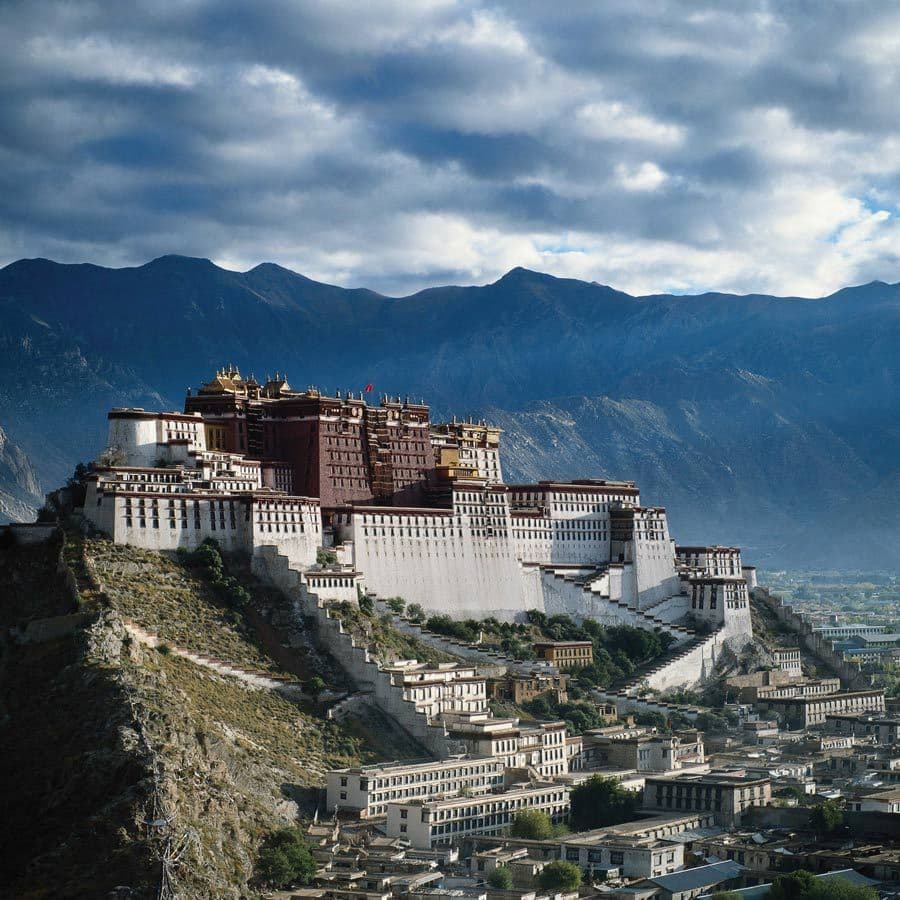
Potala Palace Lhasa Tibet
Potala Palace, located on Red Hill in Lhasa, Tibet, represents one of the most magnificent architectural achievements in Tibet and stands as the traditional seat of the Dalai Lama, constructed beginning in the 7th century CE during the reign of King Songtsen Gampo and extensively expanded in the 17th century, demonstrating the profound influence of Indian Buddhist architectural and religious traditions on Tibetan civilization, which has maintained deep cultural, religious, and historical connections with India for over two millennia. The palace complex, constructed primarily from stone, wood, and earth with extensive use of gold, copper, and painted decoration, features a massive structure rising 117 meters above the valley floor, spanning approximately 400 meters in width and 350 meters in length, containing over 1,000 rooms, 10,000 shrines, and 200,000 statues, making it one of the largest and most complex religious structures in the world. The palace’s architectural design demonstrates direct influence from Indian Buddhist palace and monastery architecture, particularly the Gupta and Pala period styles, with the overall plan reflecting mandala-based cosmological principles found in Indian temple and palace architecture, while the extensive use of Indian Buddhist iconography, including the Avalokiteshvara cult that forms the palace’s spiritual foundation, demonstrates the transmission of Indian religious traditions to Tibet. The palace complex consists of two main sections: the White Palace (Potrang Karpo), serving as the administrative and residential quarters, and the Red Palace (Potrang Marpo), housing numerous chapels, shrines, and the tombs of previous Dalai Lamas, with each section incorporating Indian architectural elements adapted to Tibetan high-altitude conditions. Archaeological and historical evidence indicates the palace was constructed with knowledge of Indian architectural treatises and Buddhist cosmological principles, reflecting the close cultural connections between Tibet and India during the medieval period, when Indian Buddhist scholars, texts, and architectural knowledge were systematically transmitted to Tibet. The palace has undergone multiple expansions and renovations over the centuries, with the most significant expansion conducted in the 17th century under the 5th Dalai Lama, who incorporated extensive Indian Buddhist iconography and architectural elements. Today, Potala Palace stands as a UNESCO World Heritage Site and serves as a powerful symbol of Tibet’s deep connections to Indian civilization and its historical role as a center of Buddhist learning and practice that was integral to the greater Indic cultural sphere extending across the Indian subcontinent and into Central Asia. ([1][2])
Quick Links
Plan Your Heritage Journey
Get personalized recommendations and detailed visitor guides