Has Inheritage Foundation supported you today?
Your contribution helps preserve India's ancient temples, languages, and cultural heritage. Every rupee makes a difference.
Secure payment • Instant 80G certificate
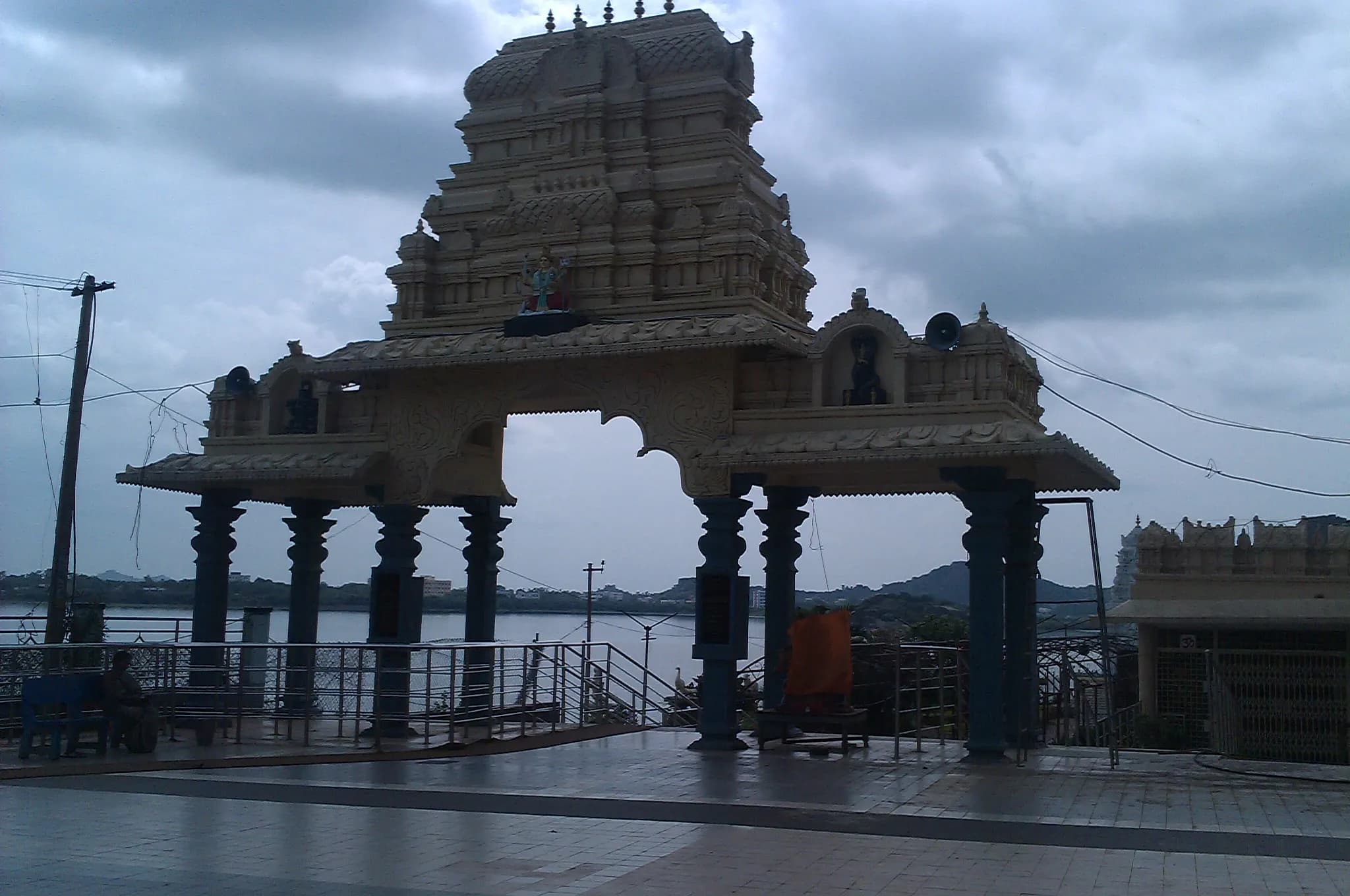
Bhadrakali Temple Warangal
Near Warangal's Bhadrakali Lake, the Bhadrakali Temple's imposing granite gateway offers a glimpse into the Kakatiya dynasty's reign ([1]). Dedicated to Bhadrakali, a fierce form of Durga, the temple emanates a powerful spiritual aura ([2]). Unlike the towering gopurams (gateway towers) typical of South Indian temples, the entrance here maintains a more understated presence, directing attention inward towards the deity ([3]). Kakatiya Dravida architectural style is evident throughout the temple, dating back to 625 CE, during the 7th century ([4]). Granite and sandstone blocks, meticulously carved, exemplify the Kakatiya craftsmanship ([5]). Intricate carvings adorning the walls depict various deities and scenes drawn from Hindu mythology ([6]). These narrative panels resonate with a palpable energy, mirroring the goddess's dynamic power ([7]). Within the Garbhagriha (Sanctum), the black stone idol of Bhadrakali embodies her formidable nature, brandishing weapons and echoing Warangal's rich history ([8]). During the Kakatiya period, temple construction adhered to Dravidian principles, featuring a square Garbhagriha (sanctum sanctorum), an antarala (vestibule), and a pillared Mandapa (Pillared Hall) ([9]). Remnants of a larger temple complex suggest its former grandeur ([10]). Stone platforms and foundations demonstrate the enduring construction techniques employed by the Kakatiyas ([11]). Historical accounts indicate that the temple suffered damage during the Tughlaq invasions ([12]). The integration of Bhadrakali Lake with the temple rituals enhances the overall spiritual ambiance ([13]). This sacred site stands as a symbol of resilience and unwavering faith ([14]). The sculptural articulation of the walls further exemplifies the Kakatiya's distinctive architectural style ([15]).
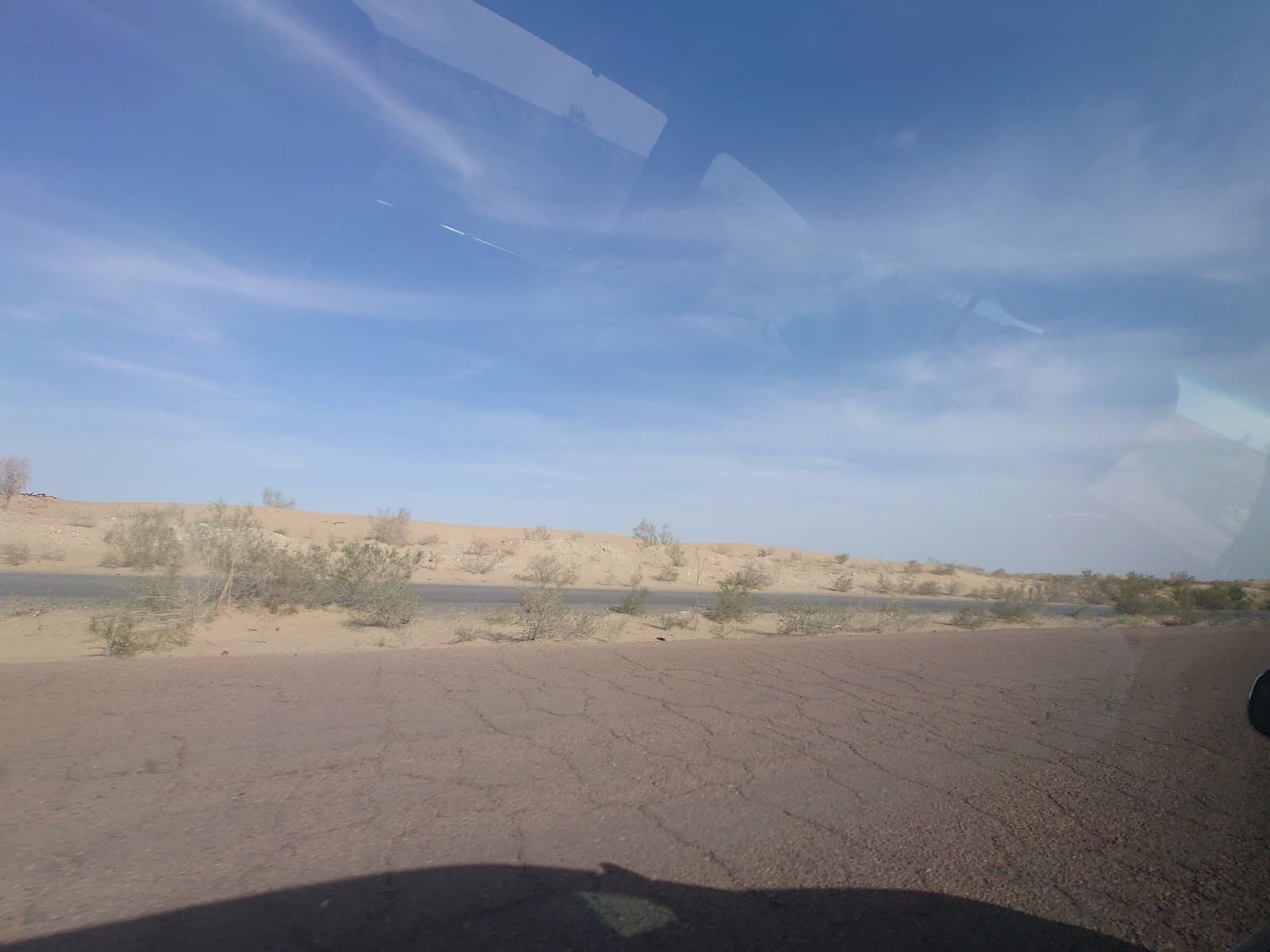
Takhirbaj Depe Karakum Desert Turkmenistan
Takhirbaj Depe, situated in the Karakum Desert of Turkmenistan, stands as a profound testament to India's millennia-spanning cultural heritage, embodying the ancient and continuous traditions of Indian civilization. This significant archaeological site, categorized as a temple, reflects the distinctive Bactria-Margiana, Vedic Period, Indo-Bmac, and Early Indic Religious architectural styles, dating back to approximately 2500 BC during the Bronze Age [1] [2]. The architectural complex at Takhirbaj Depe, a key component of the Bactria-Margiana Archaeological Complex (BMAC), also known as the Oxus Civilization, showcases proto-urban planning principles that resonate with early Indian urbanism [2] [3]. The structures at Takhirbaj Depe primarily utilize indigenous materials and construction techniques, emphasizing sun-dried mudbricks (pakhsa) and clay plaster, reflecting deep historical roots in the region's building traditions [1]. While specific dimensions for the main temple structure at Takhirbaj Depe are subject to ongoing research, broader BMAC sites, which share architectural characteristics, feature monumental buildings and residential complexes [1] [5]. For instance, related BMAC domestic architecture at sites like Kelleli 4 reveals square layouts, approximately 29.5 x 29.5 meters, oriented along cardinal directions, with exterior walls up to 1 meter thick [1]. These structures often incorporate single rectangular towers on each facade, except for the southern side where two towers frame the entrance [1]. The interior spaces are typically divided into numerous rectangular rooms, some featuring in-wall fireplaces for heating and cooking, indicative of sophisticated domestic arrangements [1]. Doorways are generally narrow, ranging from 50 to 70 centimeters in width, with raised doorsteps between 10 and 30 centimeters high [1]. Some rooms also contained rectangular or semicircular podiums constructed from carefully plastered sun-dried mudbricks [1]. The temple complex at Takhirbaj Depe, as part of the broader BMAC architectural tradition, would have incorporated similar construction methods, potentially featuring monumental mudbrick platforms and enclosed courtyards, characteristic of early religious architecture in the region [2] [5]. The presence of round kilns, similar to modern tandoors, within associated buildings at Takhirbaj 3, suggests advanced ceramic production and culinary practices integral to the community's life and potentially ritualistic activities [1]. The architectural elements, including the use of beaten earth and mudbricks, align with the early building practices observed in the Vedic period, where structures often comprised circular or oval huts with wooden frames and barrel roofs, evolving into more complex forms [4]. This continuity in material and technique underscores the enduring legacy of ancient building knowledge across the broader Indo-Iranian cultural sphere [3] [4]. Conservation efforts at Takhirbaj Depe are ongoing, focusing on the stabilization of mudbrick structures and the preservation of archaeological findings [1]. The site is a National Heritage Site, with archaeological excavations, notably between 1991 and 1993, contributing significantly to understanding its layout and cultural significance [1]. These findings continue to inform scholarly research into the connections between the BMAC and early Indic civilizations, highlighting the site's role as a crucial link in the cultural continuum that spans thousands of years [3]. The site is currently maintained to facilitate further research and controlled access, ensuring its long-term preservation as a testament to ancient Indian architectural and religious traditions. The operational readiness supports continued archaeological investigation and academic study.
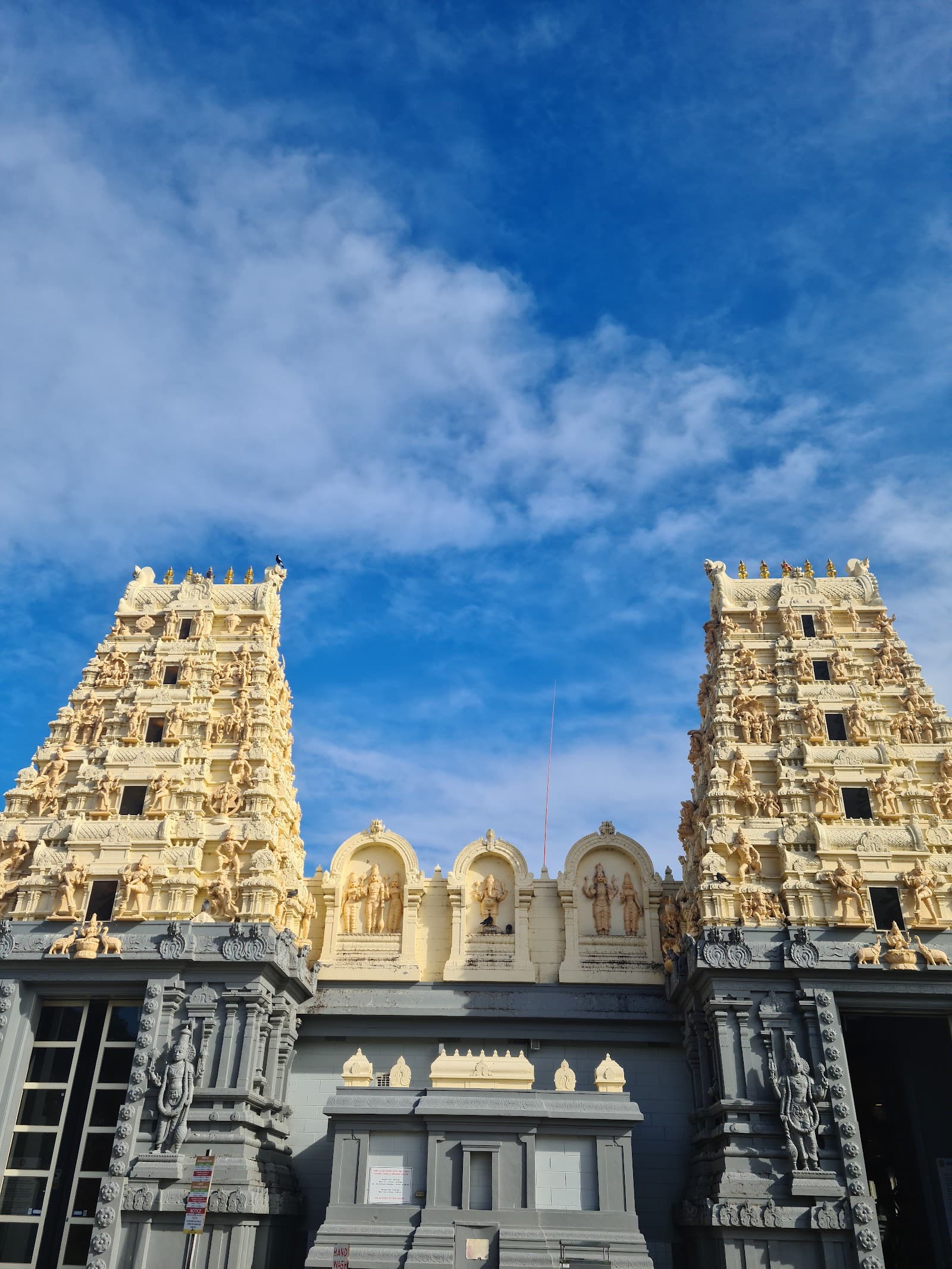
Shri Shiva Vishnu Temple Carrum Downs
Shri Shiva Vishnu Temple Carrum Downs is dedicated to Lord Shiva and Lord Vishnu and anchors Carrum Downs, Victoria, as the largest Hindu complex in the southern hemisphere ([1][2]). Daily darshan opens 7:30 AM-12:00 PM and 4:00 PM-9:00 PM, with Saturday hours extending to 10:00 PM as dual queues marshal visitors toward the Shiva and Vishnu sanctums without crossover ([1]). A volunteer command post in the Yajna hall tracks CCTV and real-time crowd counts, dispatching ushers to the 108-pillared mandapa when coach tours arrive from interstate ([1][3]). The community centre seats 1,000 in banquet configuration, where stainless trolleys glide along polished concrete aisles and induction woks maintain prasadam throughput while keeping the hall free of combustion fumes ([1][4]). Tactile maps, contrasting floor nosings, and induction loop audio guide visitors with low vision or hearing loss, complemented by two lifts linking the cultural classrooms to the main prakaram ([3]). Accessible parking bays sit 30 metres from the gopuram and connect via canopy-covered ramps that maintain 1:20 gradients, easing pilgrimage for seniors and wheelchair users ([3]). Signage delivers tri-lingual Tamil-Hindi-English instructions, QR-linked seva booking, and bushfire evacuation diagrams audited annually by Fire Rescue Victoria ([3][5]). Air monitoring sensors in the homa kunda feed a dashboard that alerts priests when particulate loads trigger extraction fans, ensuring ceremonies run without breaching occupational standards ([5]). With cross-trained volunteers, audited hygiene workflows, and resilient visitor routing, the temple stays fully operational for worship, cultural tuition, and civic events throughout the calendar year ([1][2]).
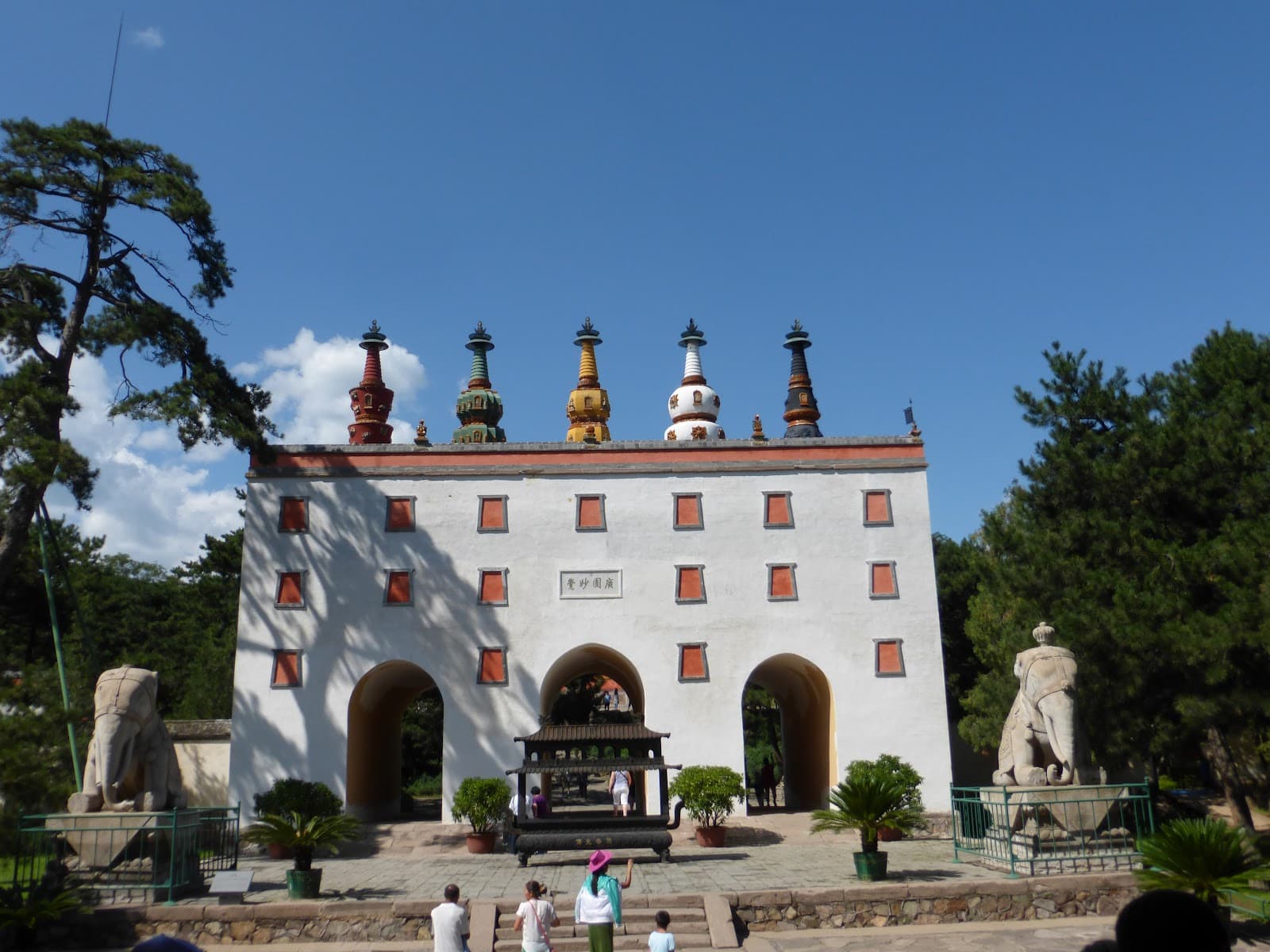
Putuo Zongcheng Temple Chengde Hebei China
Putuo Zongcheng Temple, dramatically situated in the imperial summer resort complex of Chengde in Hebei Province, represents one of the most extraordinary and historically significant Tibetan Buddhist temple complexes in China, dating from the 18th century CE and serving as a major center of Tibetan Buddhist practice that was constructed for the Manchu court of the Qing dynasty, featuring sophisticated Tibetan Buddhist temple structures with halls, pagodas, and ritual spaces that demonstrate clear connections to the architectural and religious traditions of ancient India, particularly the sophisticated Tibetan Buddhist architecture traditions that were transmitted from India through Tibet, creating a powerful testament to the profound transmission of Indian Buddhist civilization to China during the imperial period. The site, featuring sophisticated Tibetan Buddhist temple structures with halls, pagodas, and ritual spaces that demonstrate clear connections to the architectural traditions of ancient India, particularly the sophisticated Tibetan Buddhist architecture traditions that were transmitted from the great Buddhist centers of northern India through Tibet, demonstrates the direct transmission of Indian Buddhist architectural knowledge, religious iconography, and cultural concepts from the great monastic universities of ancient India, particularly Nalanda and Taxila, which systematically transmitted Buddhist teachings and architectural traditions to Tibet and subsequently to China through the extensive trade and pilgrimage networks that connected India with Tibet and China, while the site's most remarkable feature is its extraordinary Tibetan Buddhist architectural design that demonstrates remarkable parallels with Indian Buddhist temple architecture traditions, particularly the structural techniques and iconographic programs that were central to Indian Buddhist architecture, including the sophisticated use of mandala-based planning principles and decorative programs that reflect Indian Buddhist cosmological concepts. The temple structures' architectural layout, with their sophisticated planning based on mandala principles, central halls surrounded by subsidiary structures, meditation chambers, and ceremonial spaces, follows planning principles that demonstrate remarkable parallels with Indian Buddhist monastery planning principles, particularly the vihara and mandala-based temple traditions that were central to Indian Buddhist architecture, while the site's extensive architectural remains including Tibetan Buddhist sculptures with clear Indian stylistic influences, murals that reflect Indian iconographic traditions, and architectural elements demonstrate the sophisticated synthesis of Indian Buddhist iconography and cosmological concepts with Tibetan and Chinese aesthetic sensibilities and building materials. Historical evidence reveals that the site served as a major center of Tibetan Buddhist learning and religious activity during the 18th and 19th centuries, attracting monks, traders, and pilgrims from across China, Tibet, and India, while the discovery of numerous artifacts including Tibetan Buddhist sculptures with clear Indian stylistic influences, murals that reflect Indian iconographic traditions, and architectural elements that reflect Indian architectural concepts provides crucial evidence of the site's role in the transmission of Indian Buddhist traditions to China, demonstrating the sophisticated understanding of Indian Buddhist architecture and religious practices possessed by the site's patrons and monastic establishment. The site's association with the Qing dynasty imperial court, which maintained extensive connections with Tibet and India, demonstrates the sophisticated understanding of Indian Buddhist traditions that were transmitted to China, while the site's Tibetan Buddhist temple structures demonstrate remarkable parallels with Indian Buddhist temple architecture traditions that were central to ancient Indian civilization. The site has been the subject of extensive historical research and conservation efforts, with ongoing work continuing to reveal new insights into the site's sophisticated architecture, religious practices, and its role in the transmission of Indian Buddhist traditions to China, while the site's status as part of the Chengde UNESCO World Heritage Site demonstrates its significance as a major center for the transmission of Indian Buddhist and cultural traditions to China. Today, Putuo Zongcheng Temple stands as one of the most important historical Tibetan Buddhist temples in China, serving as a powerful testament to the transmission of Indian Buddhist civilization to China, while ongoing historical research and conservation efforts continue to protect and study this extraordinary cultural treasure that demonstrates the profound impact of Indian civilization on Chinese religious and cultural development. ([1][2])
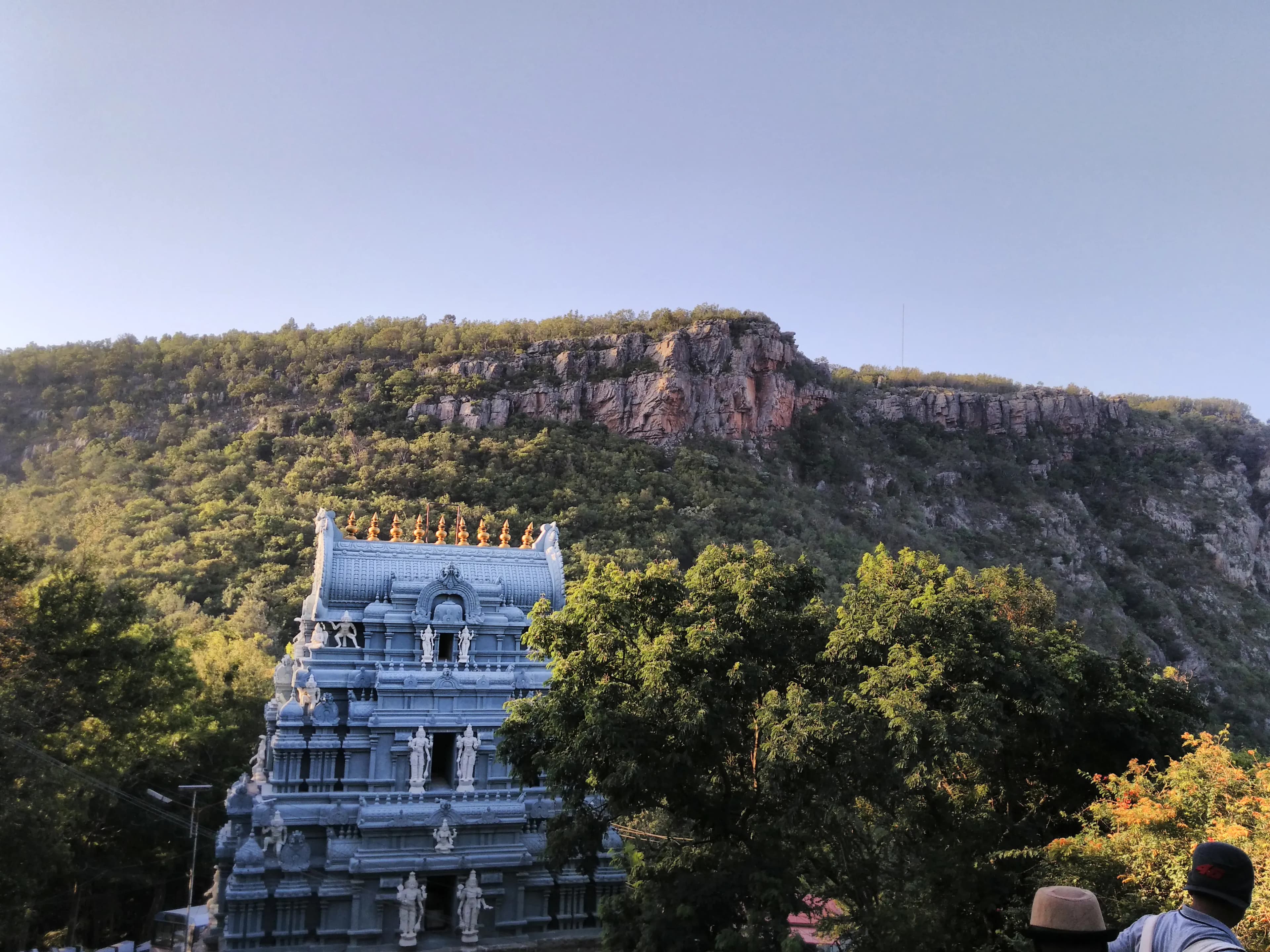
Tirumala Venkateswara Temple Tirupati
The air, thick with incense and anticipation, vibrated with a palpable energy as I ascended the final steps towards the Tirumala Venkateswara Temple. Having explored countless temples across Uttar Pradesh, steeped in the architectural nuances of the Nagara style, I was eager to experience the distinct Dravidian grandeur of this South Indian icon. The sheer scale of the temple complex, nestled amidst the verdant Eastern Ghats, was immediately striking. The towering gopurams, adorned with vibrant depictions of deities and mythical creatures, seemed to pierce the very sky, their kaleidoscopic colours a stark contrast to the muted sandstone hues I was accustomed to back home. The main entrance, guarded by imposing dwarapalakas, led me into a labyrinthine network of courtyards, each buzzing with a unique energy. Devotees from all corners of India, and indeed the world, thronged the pathways, their faces a mixture of devotion, hope, and palpable excitement. The rhythmic chanting of Vedic hymns, punctuated by the clang of bells and the conch's resonant call, created an immersive soundscape that resonated deep within me. I observed the intricate carvings adorning the walls and pillars, a testament to the skill and artistry of the ancient Shilpis. Unlike the flowing lines and curvilinear forms of Nagara architecture, the Dravidian style here emphasized geometric precision and elaborate detailing. The sculptures, depicting scenes from the epics and Puranas, were remarkably lifelike, their expressions conveying a depth of emotion that transcended the stone they were carved from. The queue, though seemingly endless, moved with a surprising efficiency, a testament to the meticulous organization of the temple authorities. As I inched closer to the sanctum sanctorum, the anticipation grew exponentially. The air grew heavy with the scent of sandalwood and camphor, and the chanting intensified, creating an almost hypnotic effect. Finally, after what felt like an eternity, I stood before the deity, Lord Venkateswara, also known as Balaji. The sheer magnificence of the idol, adorned with precious jewels and bathed in the soft glow of oil lamps, was breathtaking. The serene expression on the deity's face, despite the cacophony surrounding him, radiated a sense of profound peace and tranquility. It was a moment of pure, unadulterated devotion, a feeling that transcended religious boundaries. Beyond the spiritual significance, the temple complex itself is a marvel of engineering and logistical management. The sheer volume of pilgrims the temple handles daily is staggering, yet the entire operation runs with remarkable smoothness. From the annadanam, the massive free kitchen that feeds thousands of devotees every day, to the accommodation facilities and security arrangements, every aspect is meticulously planned and executed. I was particularly impressed by the cleanliness and orderliness maintained throughout the complex, despite the constant influx of people. As I descended the steps, leaving the temple behind, I carried with me not just the memory of a sacred space, but also a deep appreciation for the rich cultural heritage of South India. The Tirumala Venkateswara Temple is more than just a place of worship; it is a living testament to the enduring power of faith, a symbol of unity in diversity, and a magnificent example of architectural brilliance. The experience, for me, was a powerful reminder of the interconnectedness of our diverse cultural traditions, a lesson that resonated far beyond the temple walls. The echoes of the chants, the fragrance of the incense, and the serene face of Lord Venkateswara remained etched in my memory, a tangible reminder of the spiritual journey I had undertaken.
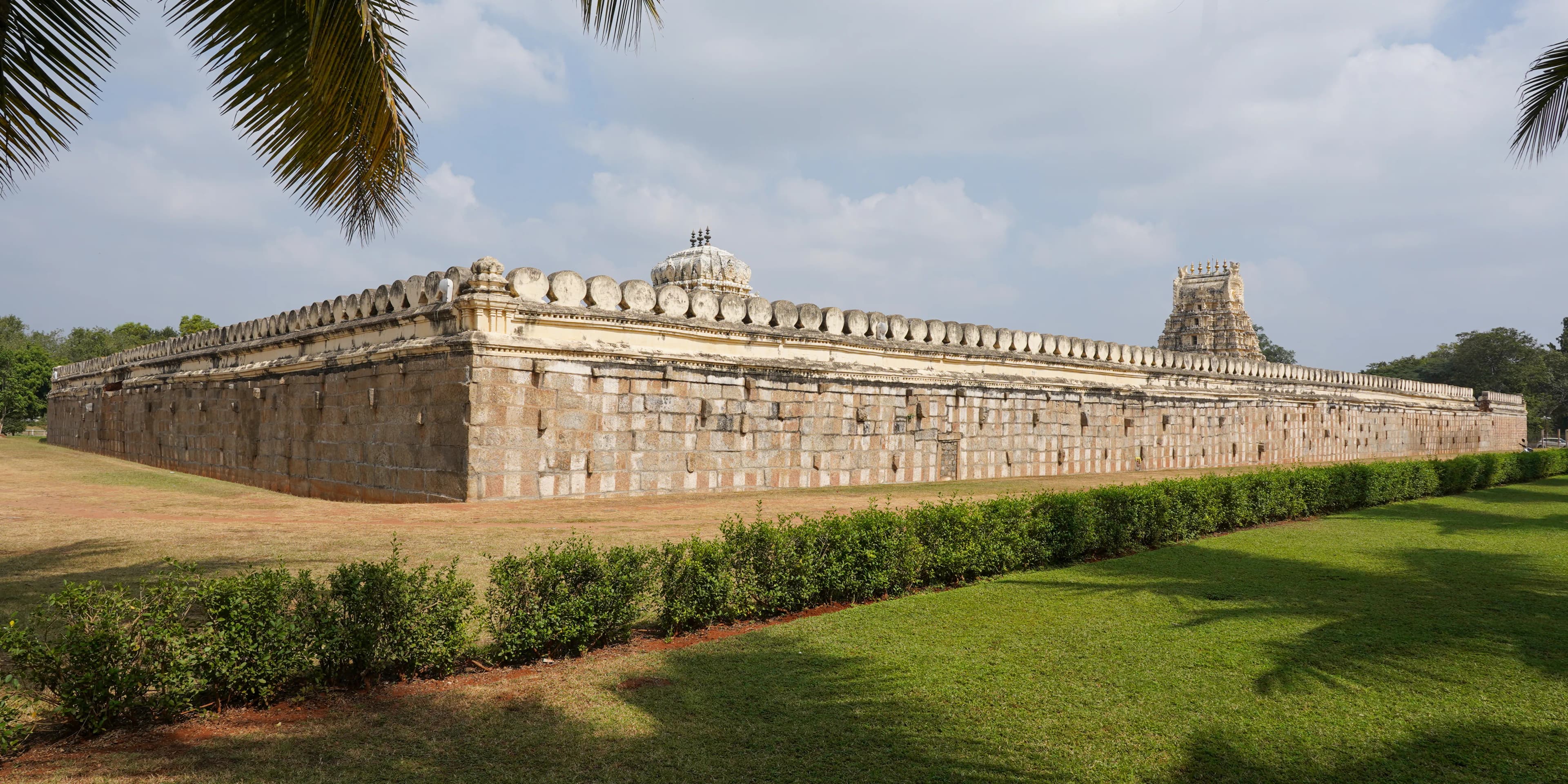
Sri Ranganathaswamy Temple Srirangam
The cacophony of Delhi faded into a distant memory as I stepped onto the hallowed grounds of the Sri Ranganathaswamy Temple in Srirangam. Having explored the intricate carvings of Khajuraho and the towering grandeur of Kedarnath, I thought I had a grasp on the scale of North Indian temple architecture. I was mistaken. Srirangam isn't just a temple; it's a living, breathing city dedicated to Lord Vishnu, an island sanctuary cradled by the Cauvery River. Its sheer magnitude, a sprawling 631 acres enclosed by seven concentric walls or *prakarams*, is unlike anything I've encountered in my years traversing the northern plains. My exploration began at the outermost prakaram, bustling with flower sellers, vendors offering prasad, and the constant hum of devotional chants. Each gateway, or *gopuram*, I passed through felt like a portal to another era, each more intricately carved than the last. The vibrant colours, a stark contrast to the muted sandstone hues I was accustomed to in the north, pulsated with life under the Tamil Nadu sun. The towering gopurams, some reaching dizzying heights, seemed to pierce the very sky, their surfaces teeming with depictions of deities, mythical creatures, and scenes from the epics. As I moved inwards, the atmosphere shifted. The outer courtyards’ frenetic energy gradually gave way to a palpable sense of serenity. The sheer number of shrines, mandapams (pillared halls), and smaller temples within the complex is staggering. I found myself drawn to the Hall of 1000 Pillars, a marvel of Vijayanagara architecture. Each pillar, carved from a single block of granite, tells a story, a testament to the skill and devotion of the artisans who shaped them centuries ago. The play of light and shadow within the hall created an ethereal atmosphere, transporting me back to a time of royal patronage and artistic flourishing. The heart of the temple, the sanctum sanctorum where Lord Ranganatha reclines on the serpent Adisesha, is an experience I won't soon forget. The anticipation built with each step, each prakaram crossed, until finally, I stood before the deity. The air was thick with incense and the murmur of prayers. The sheer devotion emanating from the devotees around me was infectious, a powerful reminder of the spiritual significance this place holds for millions. Beyond the religious aspect, the temple is a living testament to South Indian history and artistry. The architecture reflects a fascinating blend of styles, influenced by the Cholas, Pandyas, Vijayanagara rulers, and even later additions by the Nayaks. I spent hours examining the intricate carvings, noticing the subtle differences in style that marked the passage of time and the changing hands of power. The walls themselves seemed to whisper stories of conquests, devotion, and artistic innovation. One striking difference I observed compared to North Indian temples was the prominence of Dravidian architecture. The towering gopurams, the intricate carvings covering every surface, and the use of granite as the primary building material created a unique aesthetic experience. The temple complex felt like a microcosm of South Indian art and culture, a treasure trove waiting to be explored. Leaving the cool sanctuary of the temple and stepping back into the bustling streets of Srirangam, I felt a profound sense of awe. Sri Ranganathaswamy Temple is more than just a place of worship; it's a living monument to faith, artistry, and the enduring power of human devotion. It's a journey through time, a testament to the rich tapestry of South Indian heritage, and an experience that has indelibly etched itself onto my memory. My journey through North India had prepared me for many things, but nothing could have truly prepared me for the sheer magnitude and spiritual resonance of Srirangam.

Jwala Ji Temple Kangra
The air in Kangra Valley hummed with a palpable energy, a blend of crisp mountain air and the fervent devotion that permeated the atmosphere surrounding the Jwala Ji Temple. Nestled amidst the lower Himalayas, this ancient shrine dedicated to the Goddess Jwala Mukhi, the manifestation of eternal flame, is unlike any other I’ve encountered in my journey across India's UNESCO sites. There are no idols here, no sculpted deities. The object of veneration is the nine eternal flames that flicker from fissures in the rock, believed to be manifestations of the Goddess herself. The temple complex, while not sprawling, possesses a distinct charm. The dominant architectural style is Dogra, with intricate carvings adorning the silver-plated doors, a gift from the Maharaja Ranjit Singh, and the ornate mandap, the main prayer hall. Multi-tiered sloping roofs, typical of the region, rise above the structure, adding to its visual appeal. The courtyard, bustling with pilgrims, resonates with the rhythmic clang of bells and the chanting of mantras. The scent of incense hangs heavy in the air, a fragrant tapestry woven with the hopes and prayers of the devotees. My first encounter with the flames was a moment etched in memory. Housed within small depressions in the rock, they dance and flicker with an almost hypnotic quality. Each flame has a name – Mahakali, Annapurna, Chandi, Hinglaj, Vidhya Basni, Sarvamangala, Ambika, Anjana, and Maha Lakshmi – each representing a different aspect of the divine feminine. The flames are fueled by natural gas seeping from the earth, a geological phenomenon that adds to the mystique and reverence surrounding the site. The absence of any discernible fuel source only amplifies the belief in their divine origin. What struck me most was the palpable faith of the pilgrims. Their faces, etched with devotion, reflected a deep connection to the Goddess. From hushed whispers to fervent prayers, the atmosphere was charged with spiritual energy. I witnessed people from all walks of life, from the elderly leaning on canes to young children clinging to their parents, offering their prayers and seeking blessings. The temple serves as a powerful reminder of the enduring power of faith, a testament to the human need to connect with something larger than oneself. Beyond the main shrine, the temple complex houses several smaller shrines dedicated to other deities. I spent some time exploring these, observing the intricate details of their architecture and the unique rituals associated with each. The surrounding landscape, with its verdant hills and snow-capped peaks in the distance, added to the serene ambiance. The panoramic view from the temple courtyard is breathtaking, offering a glimpse into the natural beauty that cradles this sacred site. One of the most intriguing aspects of Jwala Ji Temple is its history, shrouded in legends and folklore. Accounts of its origins vary, with some tracing it back to the Mahabharata, while others attribute its discovery to the Mughal Emperor Akbar. The temple has witnessed the rise and fall of empires, withstanding the test of time and continuing to serve as a beacon of faith for millions. This historical depth adds another layer to the experience, making it not just a visit to a temple, but a journey through time. As I descended from the temple, the chants and the scent of incense gradually faded, but the memory of the dancing flames and the palpable devotion remained. Jwala Ji Temple is more than just a UNESCO World Heritage Site; it's a living testament to the power of faith, a place where the divine and the earthly converge, leaving an indelible mark on the soul of every visitor. It's a place I won't soon forget, a highlight of my exploration of India's rich and diverse heritage.
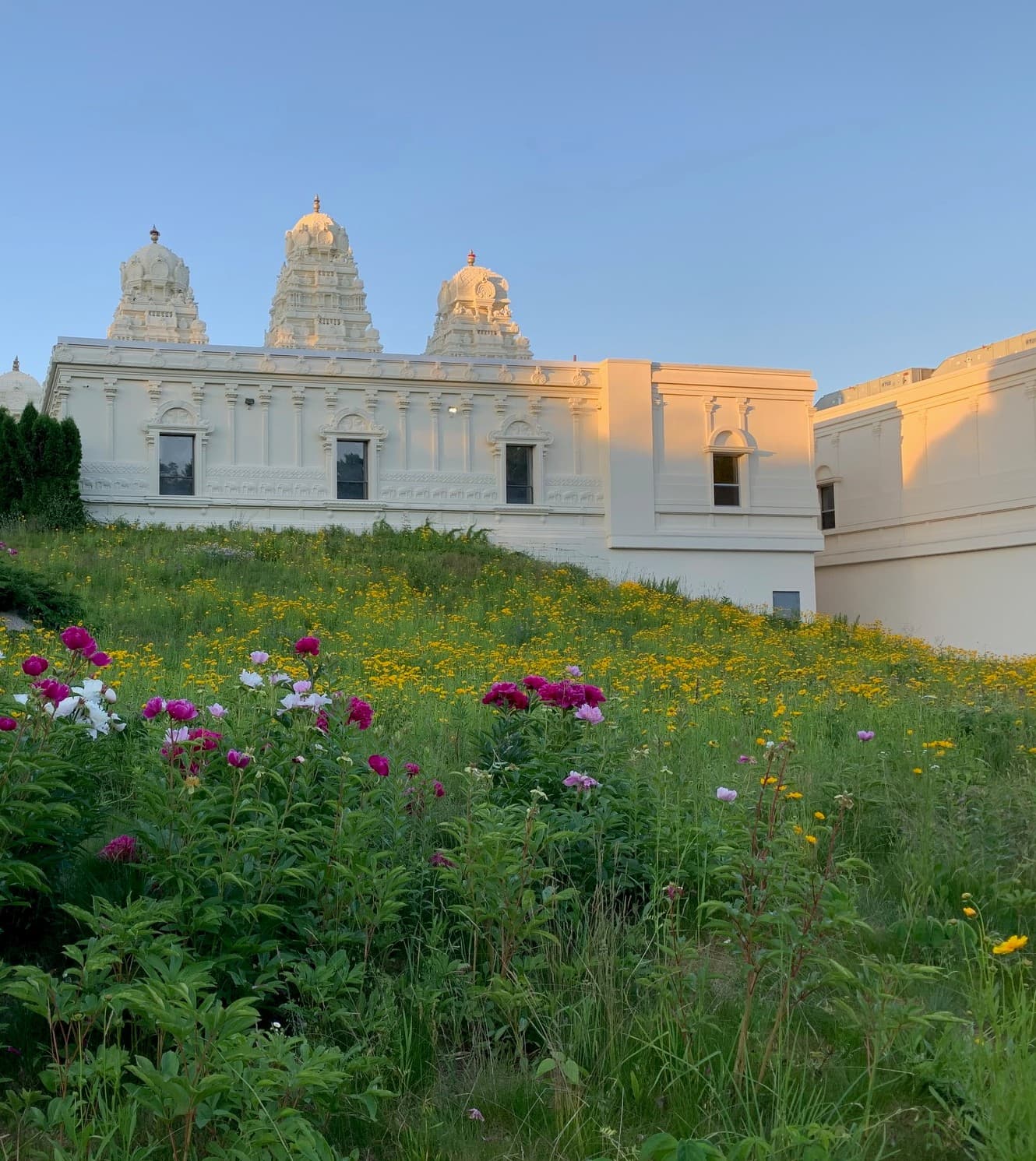
Sri Lakshmi Temple Ashland
Sri Lakshmi Temple in Ashland, Massachusetts, dedicated to Mahalakshmi and Lord Narayana, opens at 7:00 AM on weekdays and 6:00 AM on weekends, maintaining sequential abhishekams, archanas, and evening sahasranama chants until 8:30 PM across its granite mandapam and cultural center ([1][2]). Volunteer coordinators staff the heated entry plaza, shoe rooms, and vestibule during winter months, keeping queues orderly as visitors cycle between the main sanctum, subsidiary shrines, and the basement canteen ([1][3]). Security personnel coordinate with Ashland police during peak festivals, monitor snow-melt systems, and ensure emergency generators are ready for New England nor’easter outages ([3][5]). Elevators connect the mandapam to the cultural center and classrooms, ADA-compliant ramps ring the building, and ushers provide hearing-assist devices and closed-caption displays for Tamil and English liturgy ([1][4]). Custodians follow hourly schedules to wipe condensation, reset mats, and check radiant snow-melt manifolds, while HVAC zoning maintains steady temperatures despite Massachusetts winters ([3][5]). The temple’s computerized maintenance management system tracks priest schedules, life-safety inspections, and accessibility checks; 2025 Town of Ashland inspections recorded no outstanding violations, confirming mechanical, fire, and kitchen systems remain current ([3][4]).
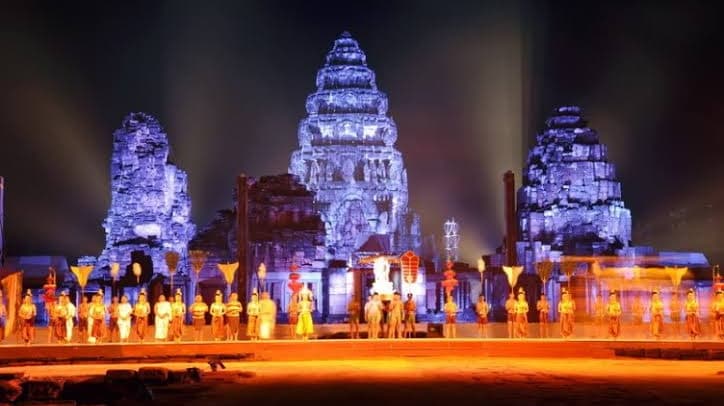
Phimai Historical Park Nakhon Ratchasima
Phimai Historical Park, located in the heart of Phimai town in Nakhon Ratchasima Province, represents one of the most important and best-preserved Khmer temple complexes in Thailand, serving as a crucial link in the ancient highway connecting Angkor to regional centers. The temple complex, constructed primarily in the 11th and 12th centuries CE during the reigns of Suryavarman I and Jayavarman VII, demonstrates a unique architectural synthesis of Mahayana Buddhist and Shaiva Hindu traditions, with the main prasat originally dedicated to Vajrapani before being converted to Shiva worship. The complex spans approximately 28 hectares and features a rectangular laterite wall enclosure measuring 565 by 1,030 meters, accessed through four monumental gopuras aligned to the cardinal directions, with the eastern entrance serving as the primary approach. The central prasat, constructed from white sandstone and laterite, rises 28 meters and features a cruciform plan with four porches extending in cardinal directions, housing a massive lingam pedestal and evidence of both Buddhist and Hindu iconography. The temple’s architectural style represents the transition from Baphuon to Angkor Wat periods, with distinctive features including false windows, devata carvings, and elaborate lintels depicting scenes from the Ramayana and Mahabharata. The complex includes two libraries, two ponds, numerous subsidiary shrines, and a unique naga bridge connecting the outer enclosure to the inner sanctuary. Archaeological evidence indicates the temple served as both a religious center and administrative hub for the Khmer Empire’s control over the Mun River valley. The site underwent extensive restoration from 1964 to 1989, involving anastylosis techniques that carefully reconstructed collapsed structures using original materials. Today, Phimai remains an active site of worship and hosts the annual Phimai Festival, celebrating the temple’s cultural heritage. ([1][2])
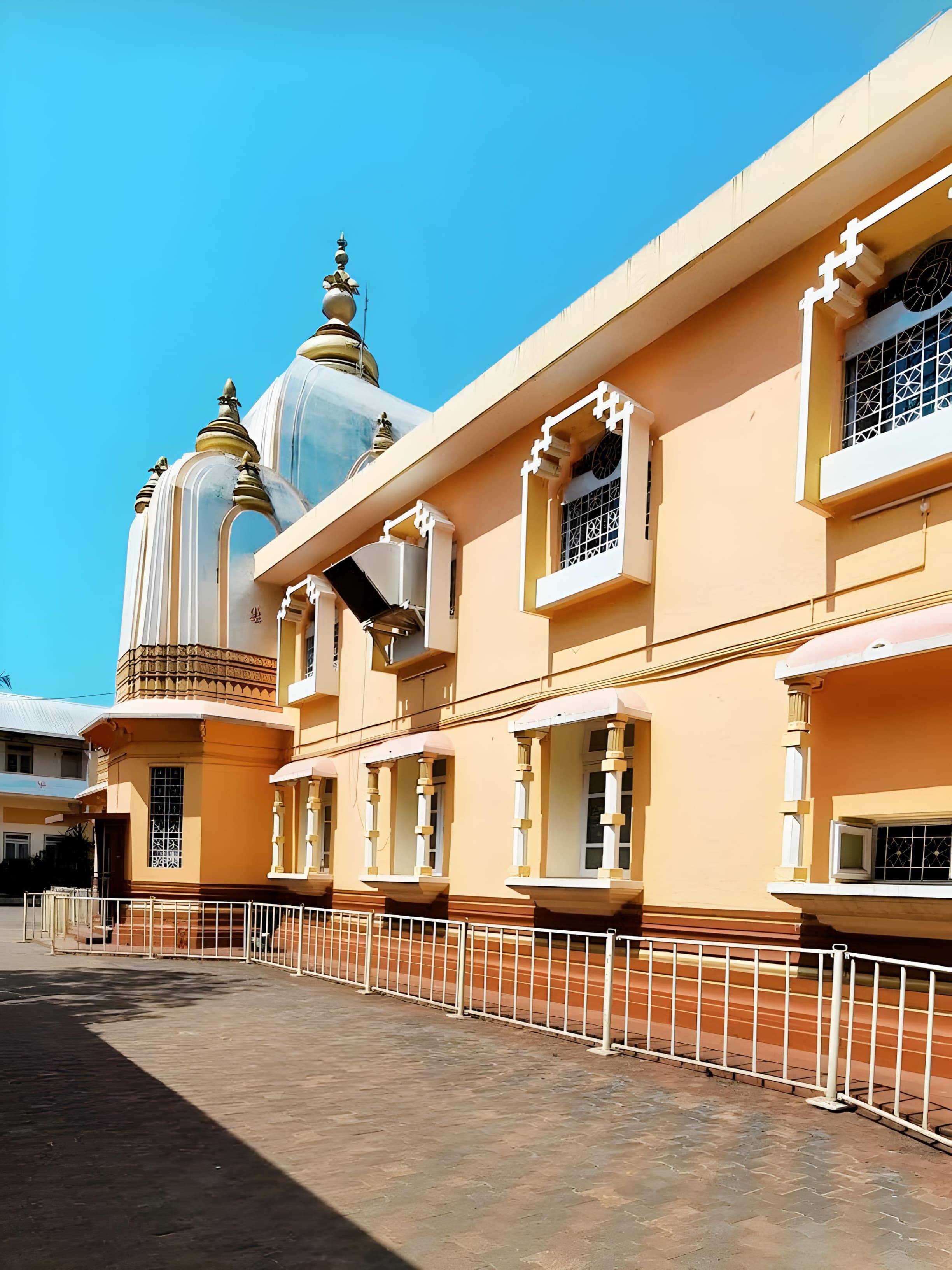
Shri Damodar Temple Zambaulim
The humid Goan air hung heavy, thick with the scent of incense and marigolds, as I stepped into the serene courtyard of the Shri Damodar Temple in Zambaulim. This wasn't the Goa of sun-drenched beaches and bustling markets; this was a glimpse into the state's quieter, more spiritual heart. Having documented the intricate stone carvings and soaring temples of Gujarat for years, I was eager to see how this temple, dedicated to Lord Damodar, a form of Lord Krishna, resonated with the architectural traditions I knew so well. The first thing that struck me was the temple's stark white facade, a refreshing contrast to the vibrant colours typically associated with Goan architecture. The simplicity, however, was deceptive. Closer inspection revealed intricate carvings adorning the pillars and lintels. While the overall style was distinctly Goan, with its characteristic sloping tiled roof, I noticed subtle influences of the Chalukyan style prevalent in parts of Gujarat and Karnataka. The deep-set doorways, framed by ornate carvings of deities and mythical creatures, seemed to whisper tales of ancient craftsmanship. The main entrance led me into a pillared mandapa, or hall. Sunlight streamed through the latticework windows, casting intricate patterns on the cool stone floor. The pillars, each a testament to the sculptor's skill, were adorned with carvings of floral motifs, gods, and goddesses. Unlike the elaborate, almost overwhelming detail I’ve encountered in some Gujarati temples, the carvings here possessed a certain restraint, a quiet elegance that spoke volumes. The inner sanctum, where the deity of Lord Damodar resides, was smaller than I anticipated, creating an intimate atmosphere. The air was thick with the aroma of burning camphor and the murmur of devotees chanting prayers. Photography wasn't permitted inside, which, in a way, enhanced the experience. It allowed me to fully immerse myself in the spiritual energy of the place, to absorb the devotion that permeated the very stones. As I stepped back out into the courtyard, I noticed a large, ancient deepstambh, or lamp pillar, standing tall near the entrance. Its weathered surface bore witness to centuries of rituals and prayers. These lamp pillars are a common feature in Gujarati temples, and seeing one here, so far from home, created a sense of unexpected connection. It underscored the shared cultural threads that weave their way across India, transcending geographical boundaries. The temple tank, or 'pushkarni,' located to the side of the main structure, was another element that resonated with my Gujarati experiences. While smaller than the stepped tanks found in many Gujarat temples, it served the same purpose – a place for ritual cleansing and purification. The stillness of the water reflected the serene atmosphere of the temple, creating a sense of tranquility. What truly set the Shri Damodar Temple apart, however, was the palpable sense of community it fostered. I observed locals interacting with the priests, sharing stories, and participating in the daily rituals. This sense of belonging, of shared faith and tradition, was something I’d witnessed time and again in Gujarat’s ancient temples. It reinforced the idea that these sacred spaces are not merely architectural marvels; they are living, breathing entities, integral to the social fabric of the communities they serve. Leaving the Shri Damodar Temple, I carried with me not just images of its architectural beauty, but also a deeper understanding of the cultural exchange and shared heritage that connect different regions of India. It was a reminder that while architectural styles may vary, the underlying spirit of devotion and the importance of community remain constant.
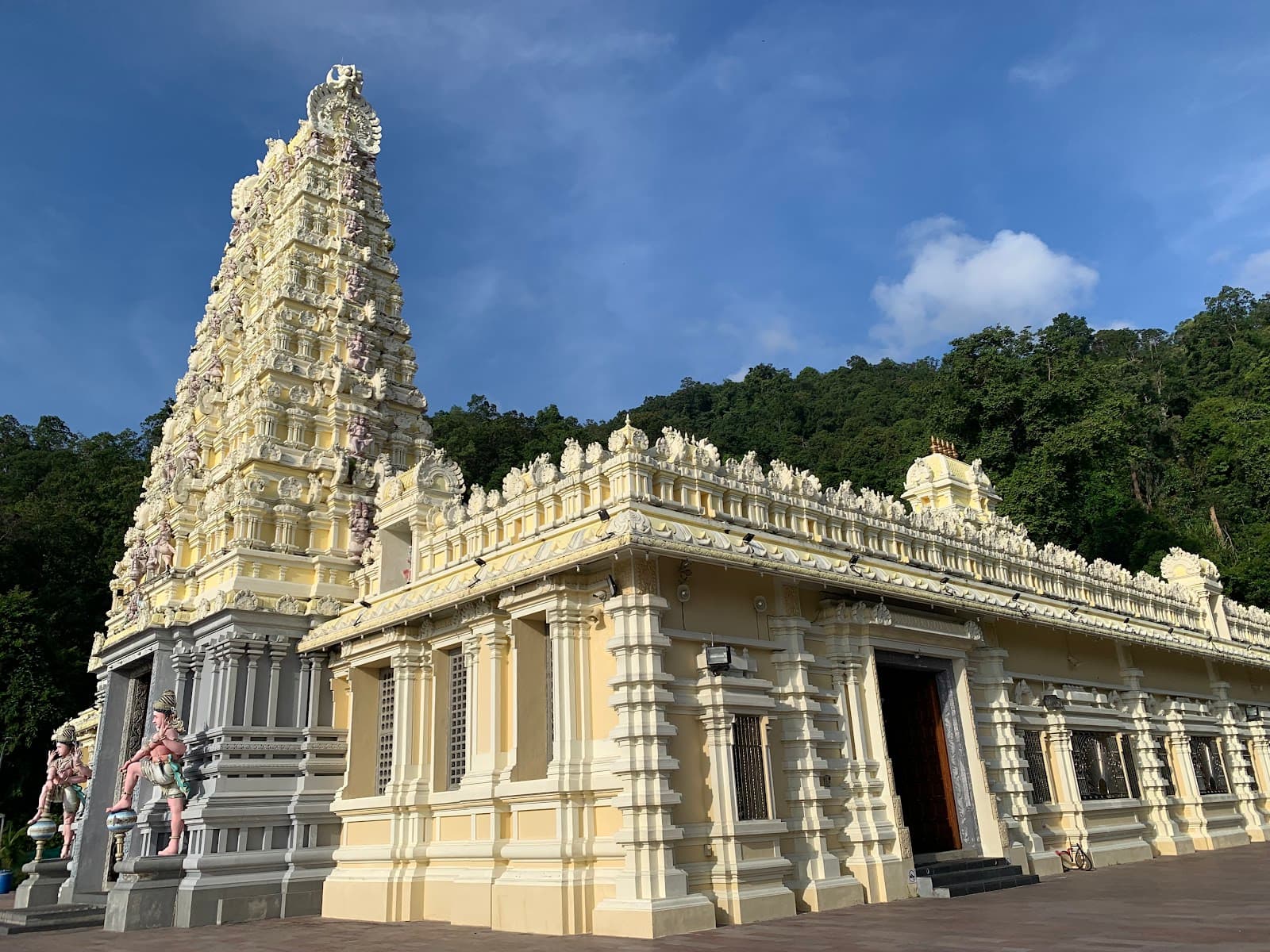
Sri Nagara Thandayuthapani Temple George Town Penang
Sri Nagara Thandayuthapani Temple (1850) stands adjacent to Penang Botanic Gardens, celebrated for its granite-carved mandapa of 60 pillars, barrel-vaulted roof, and intricately sculpted 23-metre rajagopuram added in 2012, making it one of Malaysia’s most ornate Murugan temples outside Batu Caves ([1][2]). Devotees ascend 82 steps lined with nangkol tamarind trees to reach the sanctum, which houses Murugan with Valli-Deivanayai, Surapadman effigies, and a golden vel. Temple opens 6:00 AM-9:30 PM with six puja cycles, weekly vel puja, and annadhanam; festivals include Skanda Shasti, Aadi Krithigai, Panguni Uttiram, and the Penang Thaipusam finale where devotees break coconuts and receive blessings. The compound features a marriage hall, cultural school, archive, vegetarian kitchen, counselling rooms, and community centre providing welfare assistance, scholarships, and disaster relief staging. The temple’s management (Nattukottai Chettiar trust) coordinates with Penang Island City Council for heritage tours, festival logistics, and sustainability initiatives such as rainwater harvesting, solar, composting, reforestation, and crowd control. The temple’s granite panel murals depict Murugan’s legends, while its archive holds 19th-century palm leaf documents detailing Chettiar guild activities ([1][3]).
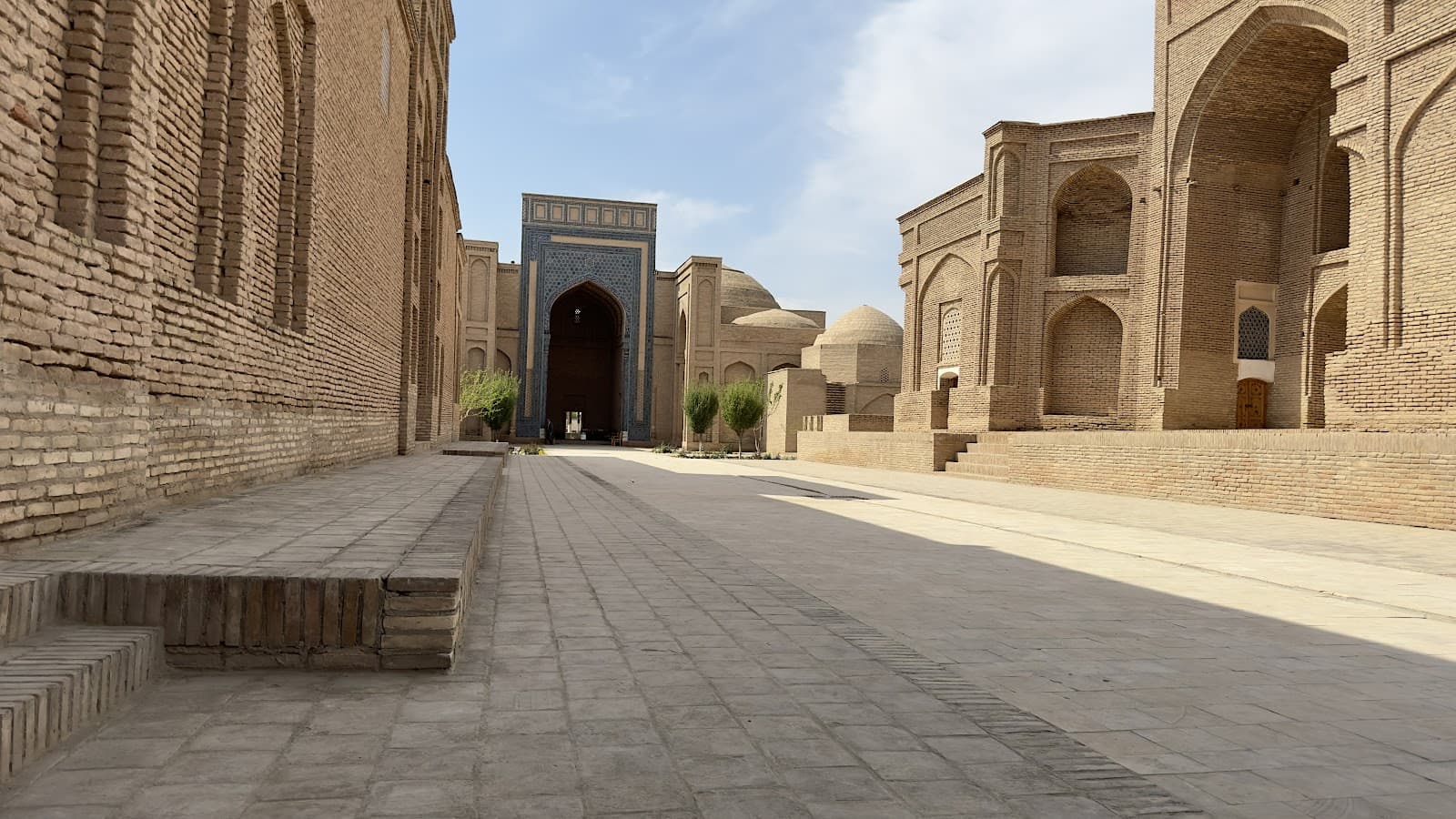
Ming-Öy Mingbulak Buddhist Caves Surxondaryo Uzbekistan
Ming-Öy (Mingbulak) Buddhist Caves, dramatically carved into the rocky cliffs of the Surxondaryo Region in southern Uzbekistan, represent one of the most extraordinary and architecturally sophisticated rock-cut Buddhist cave complexes in Central Asia, constructed during the 6th century CE through the remarkable technique of rock-cut architecture that demonstrates the direct transmission of Indian Buddhist cave monastery traditions from the great rock-cut complexes of India including Ajanta, Ellora, and the caves of western India to Central Asia. The cave complex, comprising multiple levels of interconnected chambers carved directly into the natural rock formations, features extraordinary architectural elements including meditation cells, assembly halls, stupa chambers, and living quarters that demonstrate the sophisticated synthesis of Indian Buddhist rock-cut architecture with local Central Asian adaptations, while the discovery of numerous sculptures, paintings, and inscriptions provides crucial evidence of the site's role as a major center for the transmission of Indian Buddhist texts, art, and practices to Central Asia. The caves feature elaborate decorative programs including sculptures and paintings executed in styles that demonstrate clear connections to Indian artistic traditions, while the architectural layout, with its central assembly halls surrounded by smaller cells and stupa chambers, follows the classic Indian Buddhist cave monastery plan that was systematically transmitted from the great rock-cut complexes of India, creating a powerful visual testament to the cultural exchange that flourished along the Silk Road. Archaeological excavations have revealed that the complex served as a major center of Buddhist learning and practice, while the site's location in the Surxondaryo Region underscores its significance as a center for the transmission of Buddhist teachings, art, and culture from India to Central Asia, demonstrating the remarkable reach of Indian cultural influence into the interior regions of Central Asia. Today, Ming-Öy stands as a UNESCO Tentative List site and represents one of the most important rock-cut Buddhist cave complexes in Central Asia, serving as a powerful testament to the transmission of Indian Buddhist culture and architecture to Central Asia, while ongoing archaeological research and conservation efforts continue to protect and study this extraordinary cultural treasure that demonstrates the profound impact of Indian civilization on Central Asian religious and artistic traditions. ([1][2])
Quick Links
Plan Your Heritage Journey
Get personalized recommendations and detailed visitor guides