Has Inheritage Foundation supported you today?
Your contribution helps preserve India's ancient temples, languages, and cultural heritage. Every rupee makes a difference.
Secure payment • Instant 80G certificate
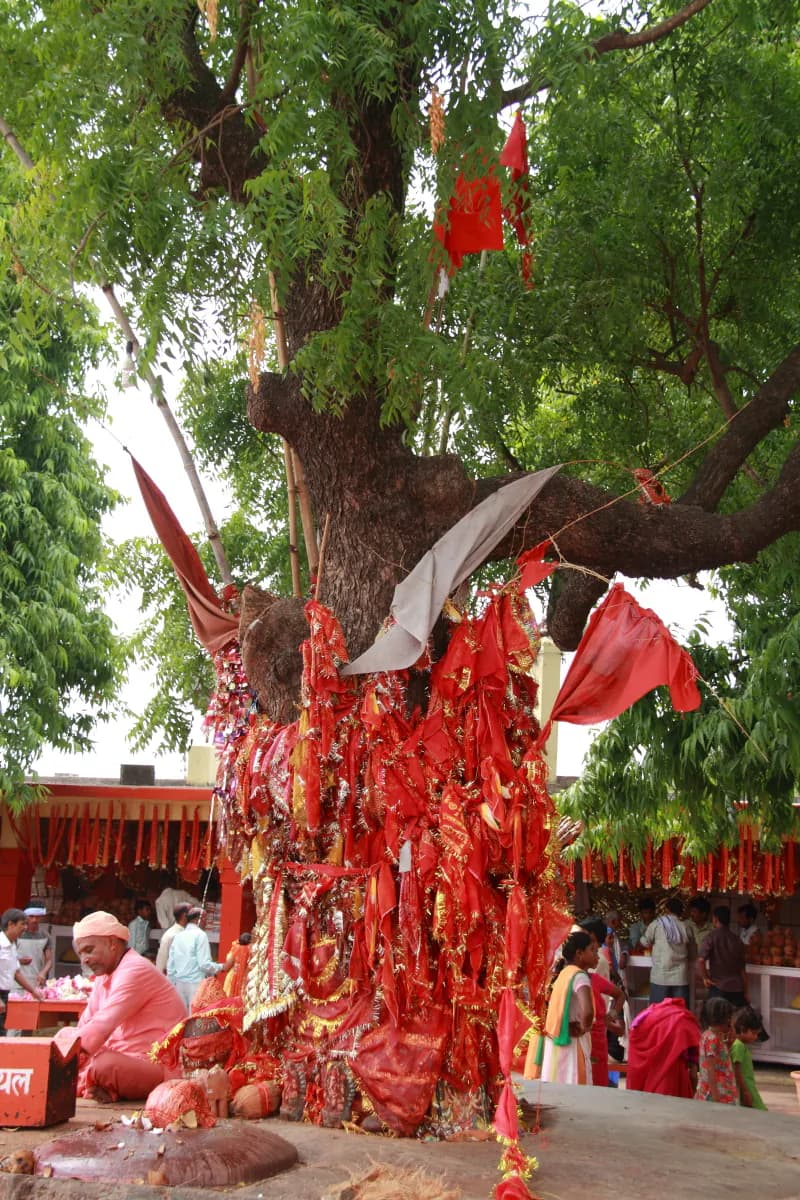
Patan Devi Temple Patna
The midday sun beat down on Patna, the air thick with humidity, but the moment I stepped onto the grounds of the Patan Devi Temple, a palpable shift occurred. It wasn't just the cooler air within the temple precincts, but a sense of stepping back in time, into a space imbued with centuries of devotion and history. Located on the banks of the Ganges, this Shakti Peetha, dedicated to the goddess Patneshwari, exudes an aura of power that’s both captivating and humbling. Unlike the elaborate, towering structures of Gujarat’s temples, Patan Devi presents a different kind of architectural beauty. The main temple, though recently renovated, retains a core of ancient simplicity. The structure is relatively small, built on a raised platform, and its modest exterior belies the spiritual weight it carries. The primary shrine houses the 'pindi' or holy stone, representing the goddess, and it's this unassuming stone that draws thousands of devotees daily. The lack of ostentatious ornamentation allows the focus to remain solely on the divine presence. What struck me most was the palpable energy of the place. The air vibrated with the chants of devotees, the rhythmic clang of bells, and the scent of incense. It was a sensory overload in the best possible way, a complete immersion in an active, living faith. I watched as families performed 'puja', their faces etched with devotion, and observed the intricate rituals performed by the temple priests. It was a powerful reminder of the enduring strength of faith and the role these sacred spaces play in people’s lives. Architecturally, the temple displays a blend of styles. While the core structure seems to echo older, perhaps even Gupta-era influences, later additions, particularly the ornate silver doors and some of the surrounding shrines, showcase Mughal and later Rajput architectural elements. This amalgamation speaks volumes about the temple's long history and its position at the crossroads of different cultures and empires. The silver doors, intricately carved with depictions of deities and floral motifs, are particularly noteworthy. They gleam in the soft light filtering through the temple entrance, creating a mesmerizing visual. Moving beyond the main shrine, I explored the surrounding complex. Smaller shrines dedicated to other deities dot the courtyard, each with its own unique character. The walls are adorned with colourful murals depicting scenes from Hindu mythology, adding a vibrant touch to the otherwise austere surroundings. I noticed the recurring motif of lions, perhaps a nod to the goddess’s power and strength. One aspect that resonated deeply with my Gujarati sensibilities was the sense of community within the temple complex. Just as in the temples back home, Patan Devi serves as a social hub, a place where people from all walks of life come together to connect with the divine and with each other. I saw families sharing 'prasad', friends catching up, and elders narrating stories to younger generations. This social fabric woven around faith is something I’ve always found deeply moving, and it was evident here in Patna as well. Leaving the temple, I carried with me not just photographs and notes, but a profound sense of connection to a place steeped in history and spirituality. Patan Devi is more than just a temple; it’s a living testament to the enduring power of faith and a fascinating example of how architecture can serve as a conduit to the divine. It’s a must-see for anyone seeking to understand the rich tapestry of Indian culture and spirituality.
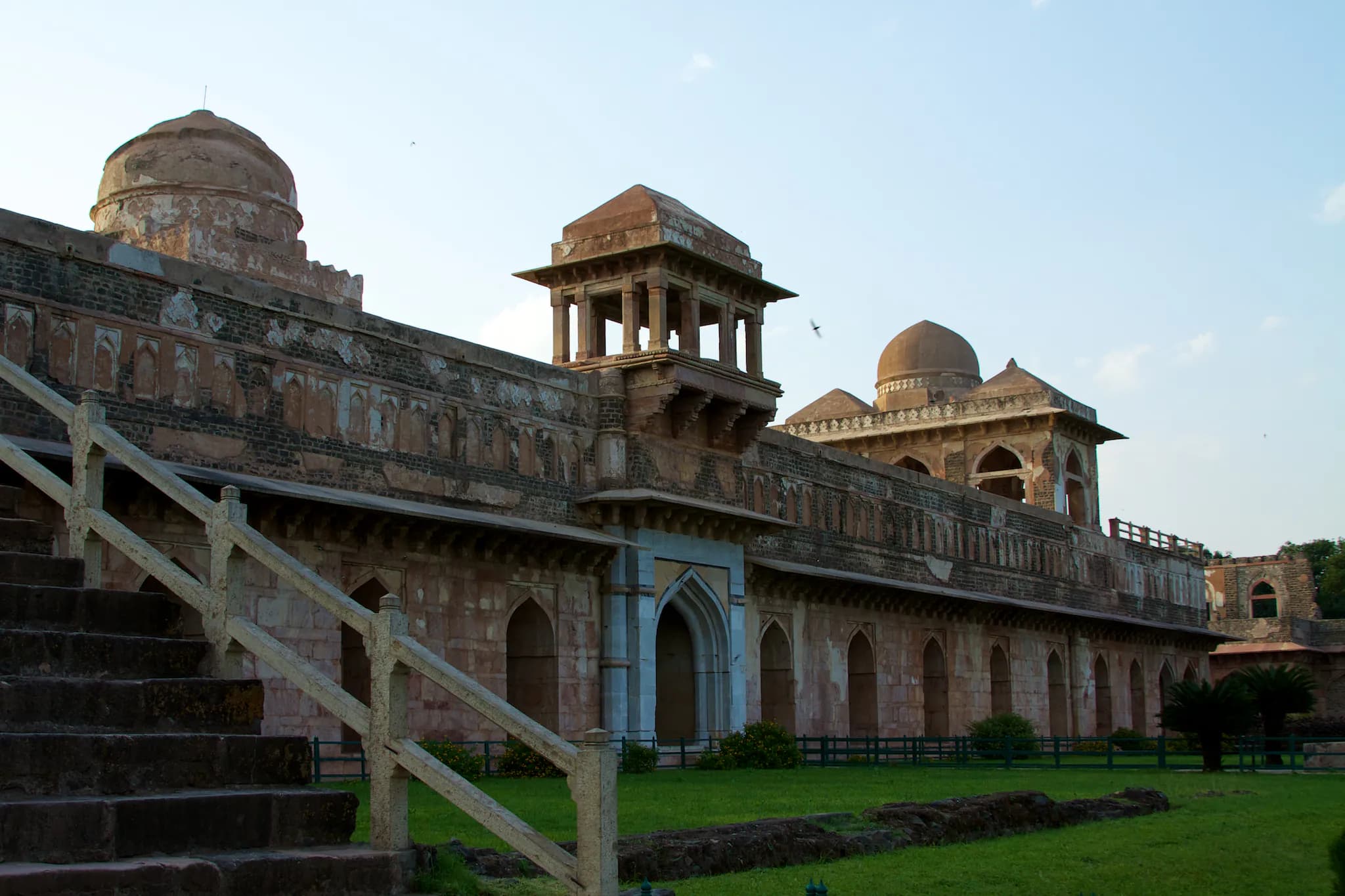
Mandu Fort Mandu
The wind whispers stories in Mandu. Not just any stories, but tales of romance, intrigue, and empires long gone. Perched atop the Vindhya Range, the fort city of Mandu isn't just a fort; it's a sprawling testament to the rise and fall of several dynasties, each leaving their indelible mark on this plateau. Having explored every UNESCO site in India, I can confidently say Mandu holds a unique charm, a melancholic beauty that sets it apart. My exploration began at the Delhi Darwaza, the principal gateway to this fortified city. The sheer scale of the structure immediately impressed – a massive archway flanked by sturdy bastions, hinting at the grandeur within. As I walked through, I felt transported back in time. The road, worn smooth by centuries of travelers, led me deeper into the heart of Mandu. The Jahaz Mahal, or Ship Palace, was next, and it truly lives up to its name. Flanked by two artificial lakes, the palace appears to float, an illusion further enhanced by its long, narrow structure. I spent hours wandering its corridors, imagining the royal women who once graced its halls, their laughter echoing through the now-silent chambers. The intricate latticework screens, the delicate jharokhas (overhanging enclosed balconies), and the expansive courtyards spoke of a life of luxury and leisure. I noticed the clever use of water channels and fountains throughout the palace, a testament to the architectural ingenuity of the period. These weren't mere decorative elements; they were part of a sophisticated system designed to cool the palace during the scorching summer months. From the Jahaz Mahal, I made my way to the Hindola Mahal, or Swinging Palace. Its sloping walls, giving the impression of swaying, are a remarkable architectural feat. I was struck by the sheer audacity of the design. It's as if the architects were challenging gravity itself. Inside, the vast halls, devoid of ornamentation, spoke of a different kind of grandeur – one of power and authority. The Hoshang Shah's Tomb, a pristine marble structure, offered a stark contrast to the red sandstone architecture prevalent throughout Mandu. This tomb, predating the Taj Mahal, is said to have inspired Shah Jahan's masterpiece. The intricate marble latticework, the serene dome, and the peaceful courtyard created an atmosphere of reverence. I could see the connection to the Taj, but Hoshang Shah's Tomb possessed a quiet dignity, a subtle elegance that felt distinct. My journey culminated at Roopmati's Pavilion, perched on the edge of the plateau, offering breathtaking panoramic views of the surrounding plains. Legend has it that Roopmati, the queen of Baz Bahadur, would gaze longingly at the Narmada River from this vantage point. Standing there, the wind whipping through my hair, I could understand the allure of this place. The pavilion, though now in ruins, still exudes a sense of romance and longing. The setting sun cast long shadows across the landscape, painting the sky in hues of orange and purple, a fitting end to my exploration of this magical city. Mandu is more than just a collection of monuments; it's an experience. It's the feeling of the wind on your face as you stand on the ramparts, the echoes of history whispering in the corridors, the breathtaking views that stretch out before you. It's a place that stays with you long after you've left, a reminder of the grandeur and fragility of empires, the enduring power of love and loss, and the beauty that can be found in the ruins of the past. If you're seeking a journey through time, a glimpse into a world lost and found, then Mandu is waiting to tell you its stories.
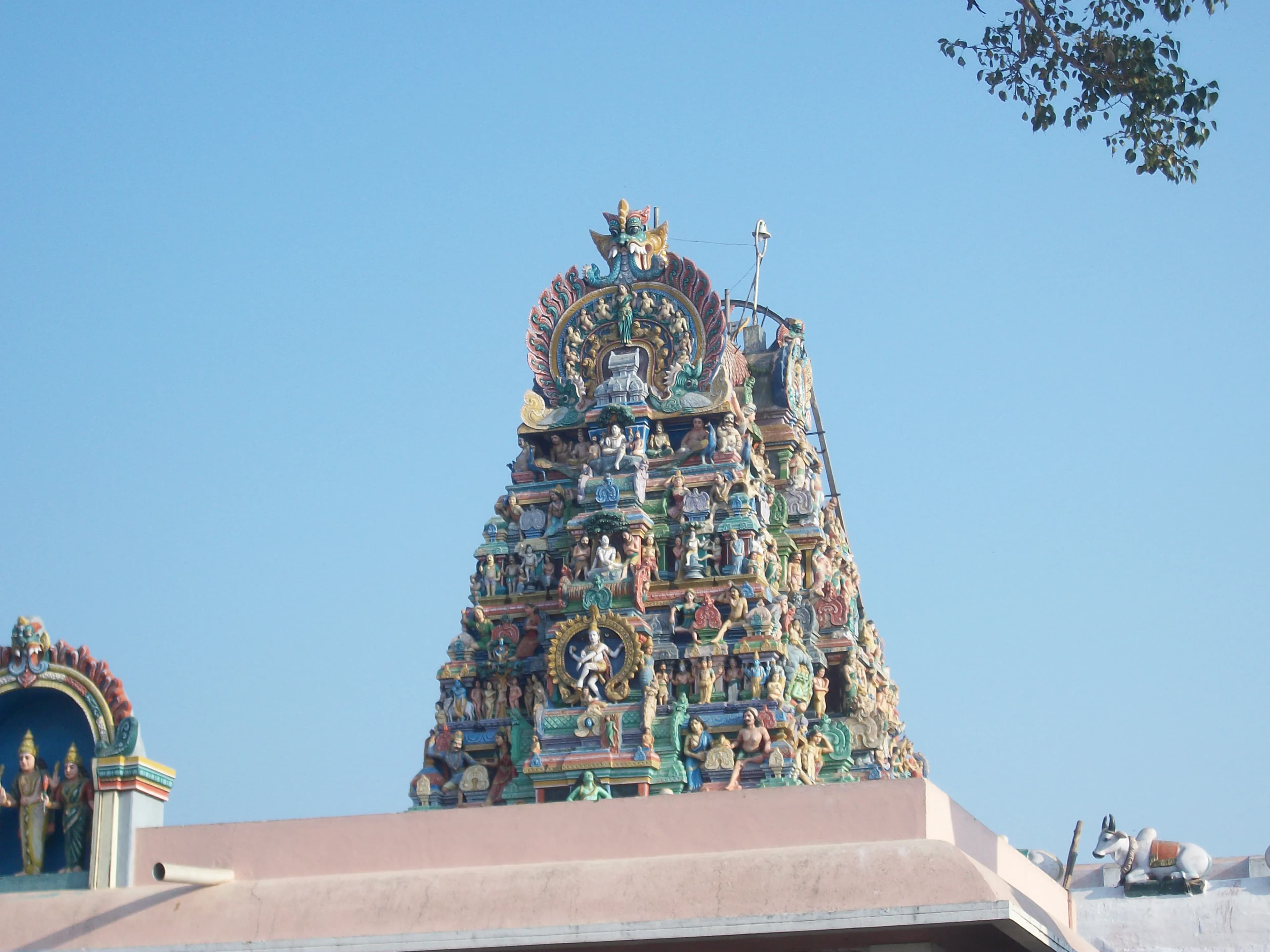
Palani Murugan Temple Palani
The air, thick with incense and the murmur of countless prayers, vibrated around me as I ascended the steep steps leading to the Palani Murugan Temple. Having explored the sandstone grandeur of Rajasthan's forts and palaces for years, I was eager to experience the distinct architectural and spiritual landscape of this South Indian pilgrimage site. The climb itself, a physical manifestation of devotion, offered glimpses of Palani sprawling below, the town cradled by the rolling hills. Pilgrims, some choosing the arduous penance of climbing barefoot, their faces etched with determination, moved with a quiet reverence that was palpable. Reaching the summit, I was immediately struck by the temple's unique construction. Unlike the ornate carvings and expansive courtyards I was accustomed to, the Palani temple, dedicated to Lord Muruga, presented a more austere aesthetic. The main shrine, known as the Dhandayuthapani Swami Temple, is built primarily from granite, its dark grey stone a stark contrast to the vibrant colours of the surrounding landscape. The architecture is characteristically Dravidian, with a gopuram, though smaller than those found in other major South Indian temples, marking the entrance. Instead of elaborate sculptures, the focus here seemed to be on the raw power of the deity and the unwavering faith of the devotees. Inside the sanctum sanctorum, the air crackled with an almost tangible energy. The deity, Lord Muruga, is represented by a statue not of stone or metal, but of a unique alloy called Navapashanam, said to possess potent medicinal properties. The simplicity of the idol, devoid of opulent adornments, seemed to amplify its spiritual significance. Photography is strictly prohibited within the inner sanctum, a rule I respected, allowing myself to fully absorb the atmosphere and the palpable devotion of the worshippers. The temple complex, though compact, is a labyrinth of smaller shrines, each dedicated to a different deity within the Hindu pantheon. I spent time exploring these, observing the intricate details of the metalwork on the doors and the subtle variations in the architectural styles. One particularly captivating feature was the golden chariot, used during festivals to carry the deity in procession. The craftsmanship was exquisite, the metal gleaming under the filtered sunlight that streamed through the temple corridors. Beyond the spiritual aspects, the temple also offered a fascinating glimpse into the social fabric of the region. The diversity of the pilgrims, representing different social and economic backgrounds, united in their devotion, was a powerful testament to the enduring influence of faith. I observed families sharing simple meals, vendors selling flowers and religious offerings, and the constant hum of chants and prayers creating a unique soundscape. Descending the hill, I chose the rope car, offering a panoramic view of the landscape. The experience, though physically demanding, was profoundly enriching. The Palani Murugan Temple, with its unique architecture, powerful spiritual energy, and the unwavering faith of its devotees, offered a starkly different, yet equally compelling, experience compared to the majestic forts and palaces of my home state. It was a reminder that the essence of heritage lies not just in the grandeur of structures, but in the intangible threads of faith, devotion, and the shared human experience that bind us across cultures and geographies.
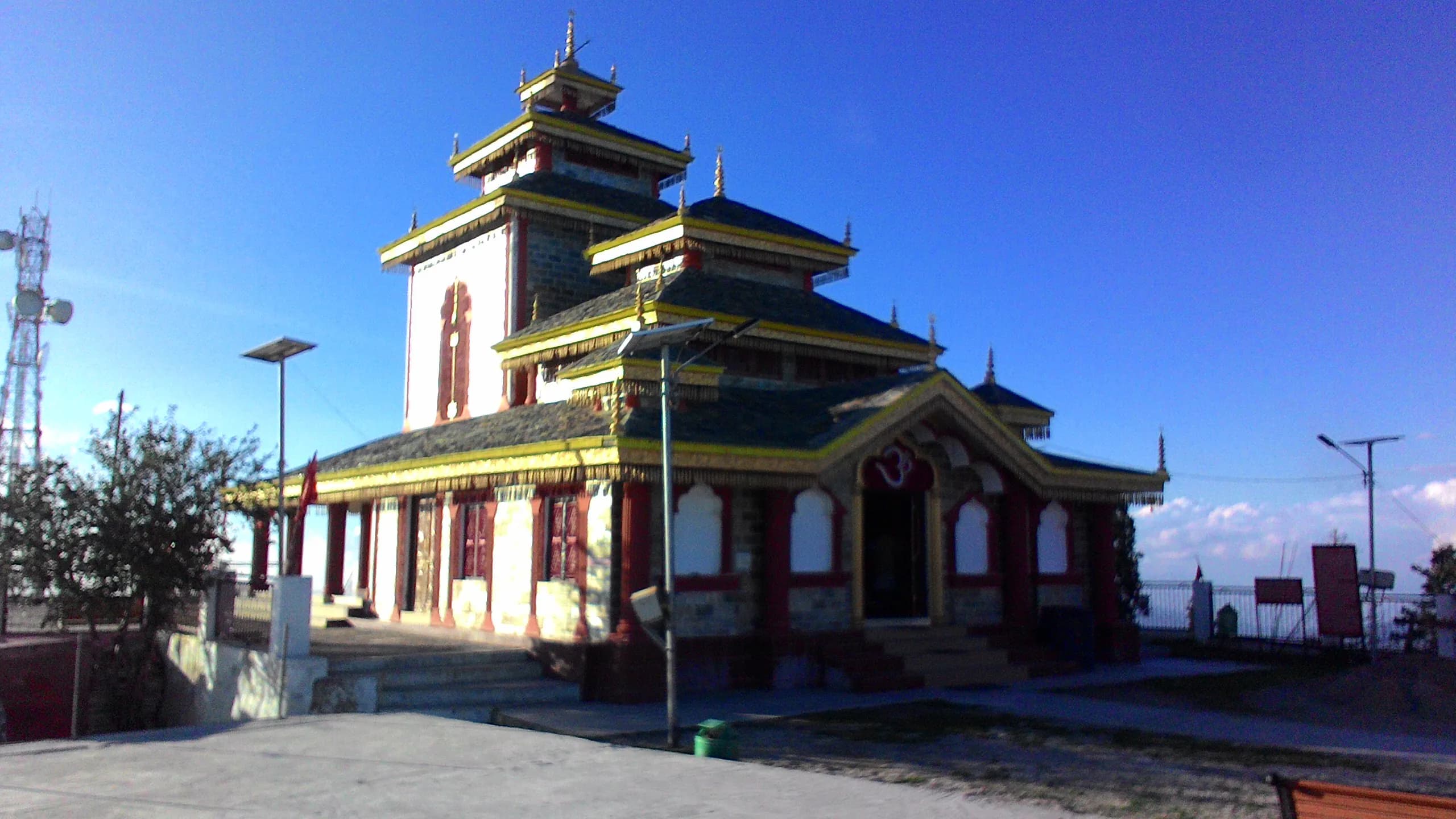
Surkanda Devi Temple Tehri Garhwal
The crisp mountain air, scented with pine and a hint of woodsmoke, whipped around me as I ascended the final steps to Surkanda Devi Temple. Perched at an altitude of almost 10,000 feet in the Tehri Garhwal district of Uttarakhand, the temple commands a breathtaking panorama of the Himalayan peaks. It's a view that instantly justifies the arduous journey, a blend of winding roads and a steep, albeit scenic, climb. My camera, a constant companion, felt almost inadequate to capture the grandeur of the snow-capped giants against the azure sky. Surkanda Devi, dedicated to the goddess Sati, holds a profound significance in Hindu mythology. Local legend recounts this spot as the place where Sati's head fell after she self-immolated. This narrative imbues the location with a palpable sense of reverence, a quiet energy that hums beneath the surface of the bustling activity of pilgrims. The temple itself is relatively small, a stark contrast to the vastness of the landscape it inhabits. Its architecture is a simple yet elegant example of traditional Himalayan temple design. The main shrine, constructed of grey stone, features a sloping slate roof adorned with a golden trident, glinting in the sunlight. Unlike the ornate carvings found in many South Indian temples, the aesthetic here is one of understated beauty, allowing the natural surroundings to take center stage. I spent hours observing the intricate details. The stonework, though weathered by time and the elements, displayed a remarkable craftsmanship. The mortar, seemingly a simple mixture of lime and sand, had held the structure together for centuries, a testament to the ingenuity of the builders. Small brass bells, tied to the eaves, chimed melodiously in the wind, adding another layer to the sensory experience. Inside the sanctum sanctorum, photography is prohibited, a rule I respected. However, the memory of the dimly lit space, filled with the fragrance of incense and the murmur of prayers, remains vivid. The atmosphere was thick with devotion, a collective energy that transcended language and background. It was a privilege to witness this intimate expression of faith. Beyond the main shrine, the temple complex includes several smaller structures and open spaces. I noticed a series of small stone platforms, likely used for rituals. The surrounding walls were adorned with faded murals depicting scenes from Hindu mythology. These weathered paintings, though partially obscured by time, offered a glimpse into the rich artistic traditions of the region. I meticulously documented these fragments of history, hoping to preserve their stories through my lens. One of the most striking aspects of Surkanda Devi is the seamless integration of the built environment with the natural landscape. The temple seems to grow organically from the mountainside, a harmonious blend of human creation and nature's artistry. The panoramic views from the temple courtyard are simply mesmerizing. The rolling hills, blanketed in dense forests, stretch out as far as the eye can see, punctuated by the towering peaks of the Himalayas. As the sun began to dip below the horizon, casting long shadows across the valley, I felt a profound sense of peace. Surkanda Devi is more than just a temple; it's a sanctuary, a place where the spiritual and the natural converge. My experience here transcended the purely visual; it was a journey into the heart of the Himalayas, a testament to the enduring power of faith and the breathtaking beauty of the natural world. Leaving the temple, I carried with me not just photographs, but a deeper appreciation for the rich cultural and spiritual heritage of Uttarakhand.

Shivani Maa Temple Kanker
The air hung thick and humid, a stark contrast to the arid landscapes of my native Rajasthan. Here, nestled amidst the dense Sal forests of Kanker, Chhattisgarh, the Shivani Maa Temple rose, a beacon of white against the emerald green. Having explored countless forts and palaces back home, I was eager to experience a different flavour of heritage, and this temple, dedicated to the goddess Shivani, a form of Durga, promised a unique perspective. The approach to the temple was a gentle climb up a paved pathway, flanked by smaller shrines and vendors selling offerings. The fragrance of incense mingled with the earthy scent of the forest, creating an atmosphere of quiet reverence. The temple itself is relatively modern, lacking the centuries-old patina of the structures I’m accustomed to in Rajasthan. However, its pristine white facade, punctuated by vibrant splashes of colour from the flags and decorative elements, held a distinct charm. The main entrance, a towering archway, was adorned with intricate carvings depicting scenes from Hindu mythology. I paused, captivated by the detail – the expressive faces of the deities, the dynamic portrayal of battles, and the delicate floral motifs. While the architectural style wasn't as elaborate as the ornate carvings of Rajasthani temples, it possessed a simple elegance, a quiet strength that resonated with the surrounding natural beauty. Stepping inside the main sanctum, I was greeted by the serene presence of the goddess Shivani. The idol, crafted from marble, radiated a powerful aura. Unlike the elaborate ornamentation of Rajput deities, Shivani Maa’s depiction was relatively simple, yet her expression conveyed a sense of profound peace and strength. The air within the sanctum was thick with the murmur of prayers and the scent of fresh flowers. I observed the local devotees, their faces etched with devotion, as they offered prayers and performed rituals. It was a poignant reminder of the deep-rooted faith that permeates the cultural fabric of India, regardless of regional variations. The temple complex also houses several smaller shrines dedicated to other deities, each with its own unique character. I was particularly drawn to a small shrine dedicated to Lord Hanuman, tucked away in a quiet corner. The vibrant orange hue of the idol and the surrounding decorations stood out against the white backdrop of the temple. Exploring further, I discovered a large open courtyard behind the main temple. It offered a panoramic view of the surrounding hills, blanketed in lush greenery. The gentle breeze rustling through the trees carried the distant sounds of birdsong, creating a sense of tranquility that was truly captivating. This space, I realized, was not just a part of the temple complex, but an integral part of the experience. It provided a moment of quiet contemplation, a chance to connect with the natural world, and to reflect on the spiritual significance of the site. As I descended the steps, leaving the temple behind, I carried with me a sense of quiet awe. The Shivani Maa Temple, while different from the grand forts and palaces I’m familiar with, offered a unique glimpse into the rich tapestry of Indian spirituality. It wasn't just a place of worship; it was a testament to the enduring power of faith, a sanctuary nestled within the heart of nature, and a reminder that beauty can be found in simplicity. The experience underscored the fact that heritage isn't just about grand structures and intricate carvings; it's about the stories they tell, the faith they embody, and the connection they forge between humanity and the divine.
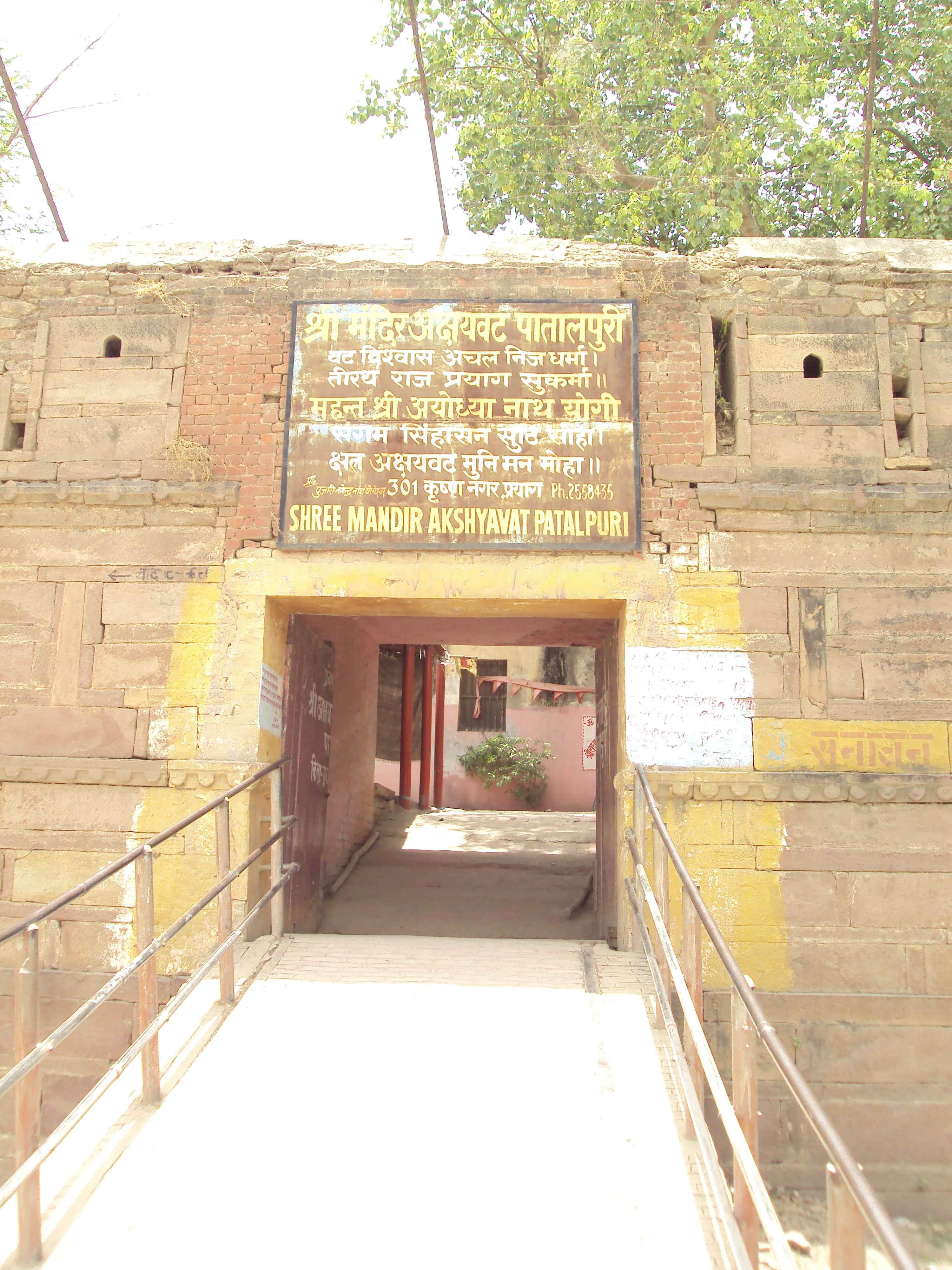
Allahabad Fort Prayagraj
The imposing sandstone ramparts of Allahabad Fort, erected in 1583 CE by the Mughal Emperor Akbar ([1][2]), dominate the sacred confluence, or *Triveni Sangam*, of the Ganga and Yamuna rivers. This strategic military construction exemplifies Mughal architectural prowess, designed to consolidate imperial power over the region ([1]). Within this fortified expanse, the sheer scale of Mughal military architecture is striking ([3]). Granite and sandstone blocks, meticulously carved, constitute the Ashoka Pillar, predating the fort and bearing inscriptions from Emperor Ashoka ([5]). This pillar connects the fort to the Mauryan Empire, underscoring the region's layered history ([5]). Intricate carvings adorning the Zenana (women's quarters) reveal the refined artistry of the Mughal era ([3]). The delicate *jaali* (latticework) exemplifies Mughal craftsmanship, providing both ventilation and privacy ([3]). Also within the fort's walls, the Akshayavat, an ancient banyan tree, holds deep reverence for its mythological significance ([4]). Local traditions connect it to Hindu cosmology, adding a spiritual dimension to the site ([4]). Presenting a contrasting architectural style, the Patalpuri Temple, an underground shrine, features a simpler and more ancient design than the Mughal structures above ([4]). As a confluence of cultures, religions, and empires, the fort's stones and light reverberate with history ([1][2][3][4][5]). The fort's design, while primarily Mughal, may incorporate certain principles of spatial arrangement reminiscent of *Vastu Shastra*, the ancient Indian science of architecture, adapted to the demands of military defense. Sophisticated planning ensured the fort's strategic importance and resilience, reflecting both Mughal innovation and the enduring legacy of the region's earlier empires. The fort stands as a powerful reminder of India's complex and interwoven past, where different traditions have converged and left their indelible marks.
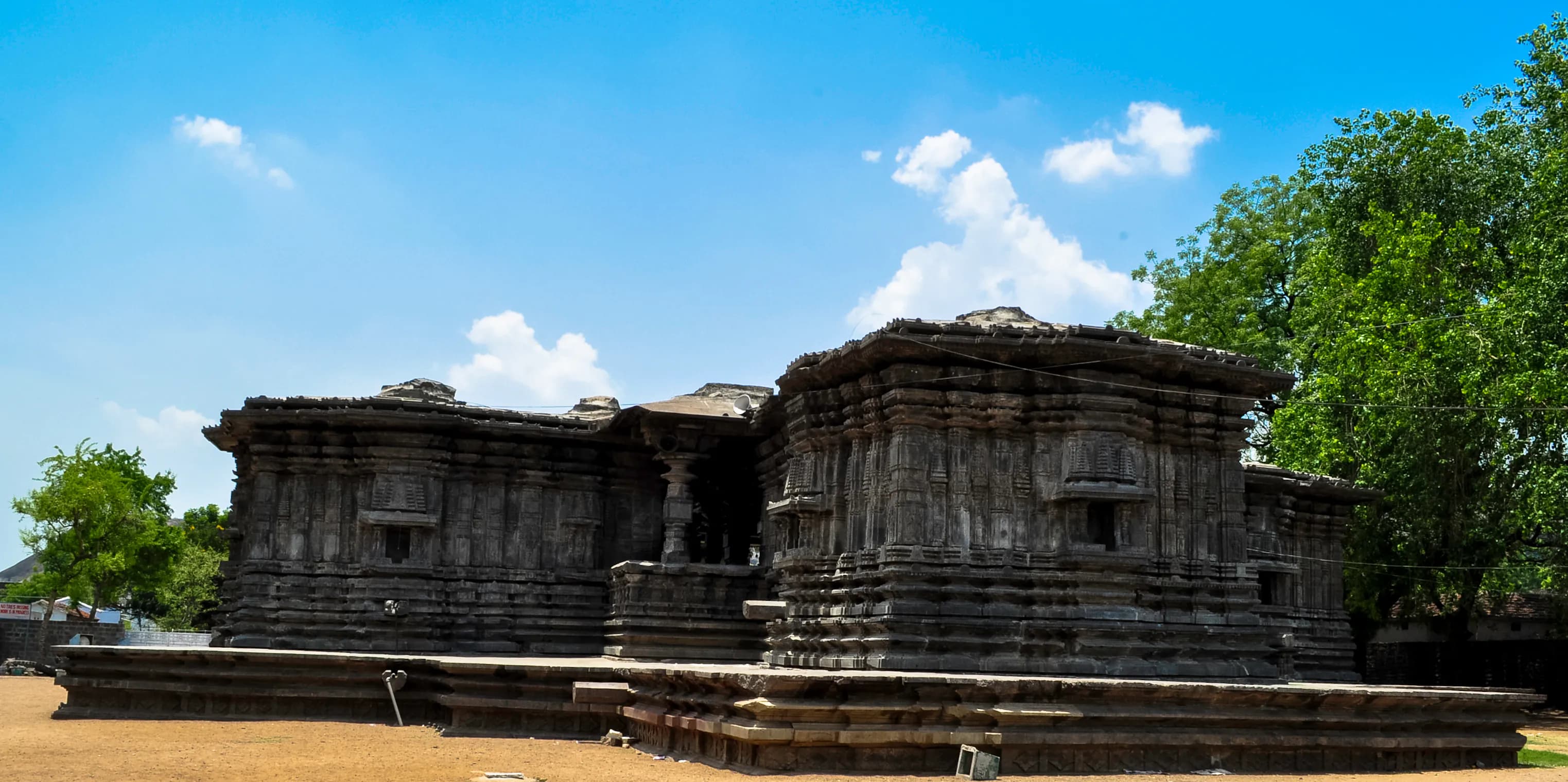
Thousand Pillar Temple Hanamkonda
The midday sun beat down on the stone, radiating heat that shimmered in the air above the Thousand Pillar Temple. Having explored countless caves and temples across Maharashtra, I’ve developed a keen eye for architectural nuances, and this temple in Hanamkonda, Telangana, promised a feast for the senses. Even before stepping through the imposing entrance, the sheer scale of the structure was breathtaking. It wasn't just a temple; it was a testament to the architectural prowess of the Kakatiya dynasty. The name "Thousand Pillar Temple" is a bit of a misnomer. While it evokes a sense of grandeur, there aren't actually a thousand pillars. Closer to 280 support this marvel, intricately carved and strategically placed to create a seemingly endless colonnade. These pillars aren't merely structural supports; they are storytellers. Each one is adorned with elaborate carvings depicting scenes from Hindu mythology, celestial beings, and scenes of courtly life. I spent a considerable amount of time just circling the pillars, tracing the stories etched into the stone, marveling at the skill of the artisans who breathed life into these granite monoliths centuries ago. The temple is dedicated to a trinity of deities: Lord Shiva (as Rudreshwara), Lord Vishnu (as Vaikuntha Vishnu), and Lord Surya (the Sun God). This dedication to three major deities within a single complex is a testament to the Kakatiyan's inclusive religious philosophy. The main shrines, each housing one of the deities, are connected by a central mandapam, a large pillared hall. The play of light and shadow within this space, filtered through the intricately carved pillars, creates an ethereal atmosphere. It's easy to imagine the vibrant religious ceremonies that would have once filled this hall with chanting and the scent of incense. One of the most striking features of the temple is the star-shaped sanctum of Lord Vishnu. The precision of the architecture is remarkable. The angles, the proportions, the intricate carvings on the outer walls – everything points to a deep understanding of geometry and aesthetics. I noticed a subtle shift in the architectural style in this section, hinting at the influence of different artisans or perhaps even a slightly later period of construction. This blend of styles adds another layer of intrigue to the temple's narrative. As I moved through the complex, I noticed the remnants of vibrant paint on some of the carvings. While much of the original color has faded with time, these remnants offer a glimpse into the temple’s past glory. I could envision the vibrant hues that once adorned these sculptures, transforming the temple into a kaleidoscope of color. It's a reminder that these weren't just grey stone structures; they were living, breathing expressions of faith and artistry. Beyond the main shrines, the temple complex also houses several smaller shrines and mandapas. I discovered a particularly captivating Nandi mandapa, housing a large monolithic Nandi (the sacred bull of Lord Shiva). The sheer size of the Nandi is impressive, and the intricate detailing on its form is a testament to the sculptor's skill. The Thousand Pillar Temple isn't just a collection of stones; it's a living testament to a rich cultural heritage. It's a place where history, mythology, and artistry converge. Walking through its hallowed halls, I felt a profound connection to the past, a sense of awe at the ingenuity and devotion of those who built this magnificent structure. It’s a must-see for anyone seeking to understand the architectural brilliance of the Kakatiya dynasty and experience the spiritual heart of Telangana. My journey through the caves and temples of Maharashtra has prepared me for many breathtaking sights, but the Thousand Pillar Temple stands out as a truly exceptional experience.
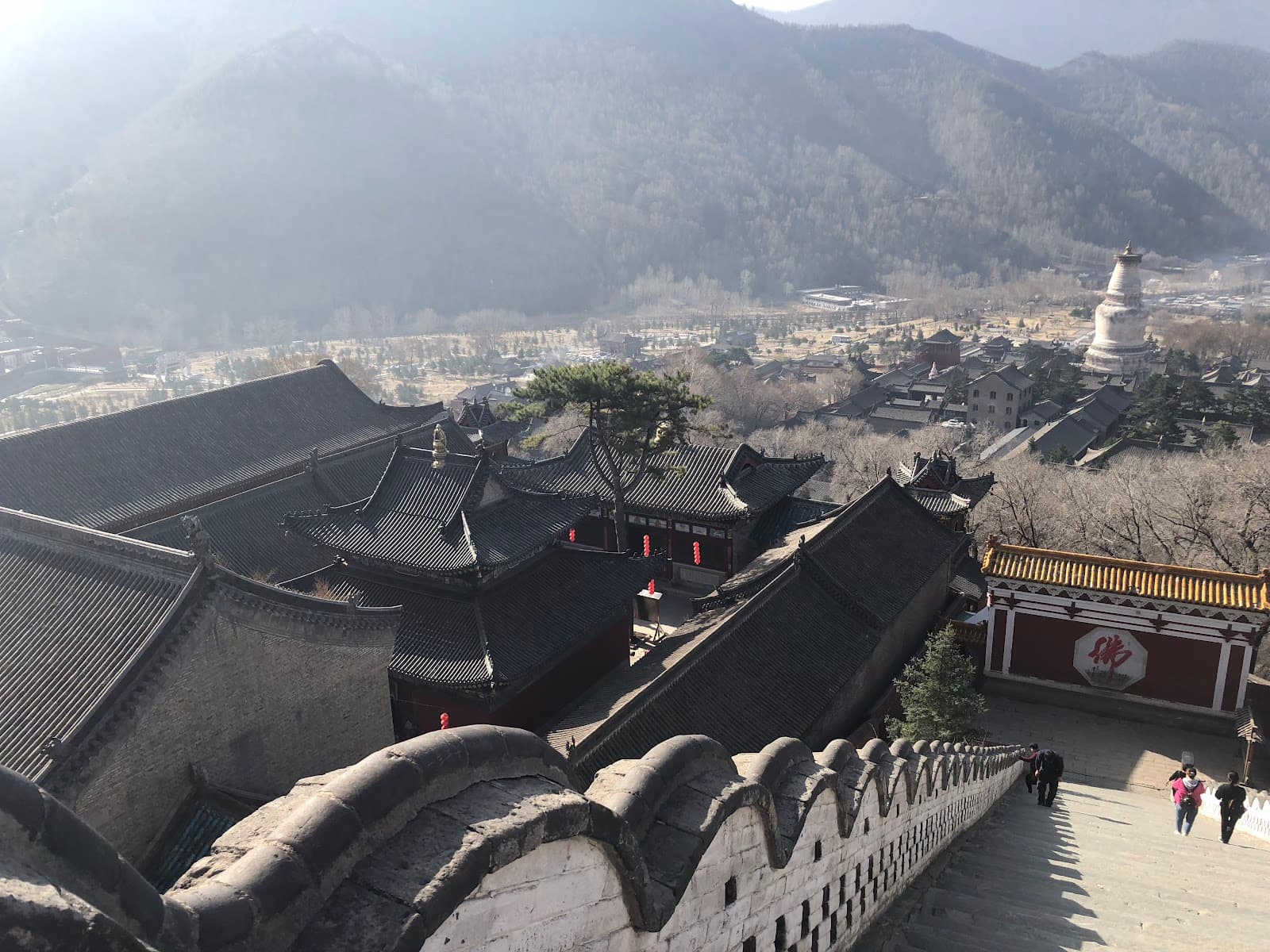
Mount Wutai Monasteries Shanxi China
Mount Wutai, dramatically rising from the rugged terrain of northern Shanxi Province, represents one of the most extraordinary and historically significant Buddhist mountain complexes in China, dating from the 1st century CE and serving as one of the Four Sacred Buddhist Mountains of China that flourished as a major center of Buddhist learning and practice with remarkable connections to Indian Buddhist traditions, particularly through its association with Manjushri, the Bodhisattva of Wisdom who is central to Indian Buddhist cosmology, and featuring over 53 monasteries and temples that demonstrate clear connections to the architectural and religious traditions of ancient India, particularly the sophisticated mountain monastery planning principles and Hindu guardian deity traditions that were transmitted from the great Buddhist centers of northern India, creating a powerful testament to the profound transmission of Indian Buddhist civilization to China during the early medieval period. The site, featuring sophisticated Buddhist temple structures with halls, pagodas, and ritual spaces that demonstrate clear connections to the architectural traditions of ancient India, particularly the sophisticated mountain monastery planning principles and the remarkable preservation of Hindu guardian deities that reflect the integration of Indian Hindu and Buddhist traditions, demonstrates the direct transmission of Indian Buddhist architectural knowledge, religious iconography, and cultural concepts from the great monastic universities of ancient India, particularly Nalanda and Taxila, which systematically transmitted Buddhist teachings and architectural traditions to China through the extensive trade and pilgrimage networks that connected India with China, while the site's most remarkable feature is its extraordinary collection of over 53 monasteries and temples, including the ancient Nanchan Temple dating from the 8th century, that demonstrate remarkable parallels with Indian mountain monastery traditions, particularly the structural techniques and iconographic programs that were central to Indian Buddhist architecture, including depictions of Hindu guardian deities that reflect the sophisticated synthesis of Indian Hindu and Buddhist traditions. The temple structures' architectural layout, with their sophisticated planning, central halls surrounded by subsidiary structures, meditation chambers, and ceremonial spaces, follows planning principles that demonstrate remarkable parallels with Indian Buddhist monastery planning principles, particularly the vihara and mountain monastery traditions that were central to Indian Buddhist architecture, while the site's extensive archaeological remains including Hindu guardian deity sculptures with clear Indian stylistic influences, Buddhist sculptures that reflect Indian iconographic traditions, and architectural elements demonstrate the sophisticated synthesis of Indian Hindu and Buddhist iconography and cosmological concepts with local Chinese aesthetic sensibilities and building materials. Historical evidence reveals that the site served as a major center of Buddhist learning and religious activity during the 1st through 13th centuries, attracting monks, traders, and pilgrims from across China, South Asia, and Central Asia, while the discovery of numerous artifacts including Hindu guardian deity sculptures with clear Indian connections, Buddhist sculptures that reflect Indian iconographic traditions, and architectural elements that reflect Indian architectural concepts provides crucial evidence of the site's role in the transmission of Indian Buddhist and Hindu traditions to China, demonstrating the sophisticated understanding of Indian religious architecture and practices possessed by the site's patrons and monastic establishment. The site's association with Manjushri, the Bodhisattva of Wisdom who is central to Indian Buddhist cosmology and is traditionally said to reside on Mount Wutai, demonstrates the sophisticated understanding of Indian Buddhist traditions that were transmitted to China, while the site's Buddhist temple structures and Hindu guardian deities demonstrate remarkable parallels with Indian Buddhist temple architecture and Hindu religious traditions that were central to ancient Indian civilization. The site has been the subject of extensive historical research and conservation efforts, with ongoing work continuing to reveal new insights into the site's sophisticated architecture, religious practices, and its role in the transmission of Indian religious traditions to China, while the site's status as a UNESCO World Heritage Site demonstrates its significance as a major center for the transmission of Indian Buddhist and cultural traditions to China. Today, Mount Wutai stands as one of the most important historical Buddhist sites in China, serving as a powerful testament to the transmission of Indian Buddhist civilization to China, while ongoing historical research and conservation efforts continue to protect and study this extraordinary cultural treasure that demonstrates the profound impact of Indian civilization on Chinese religious and cultural development. ([1][2])
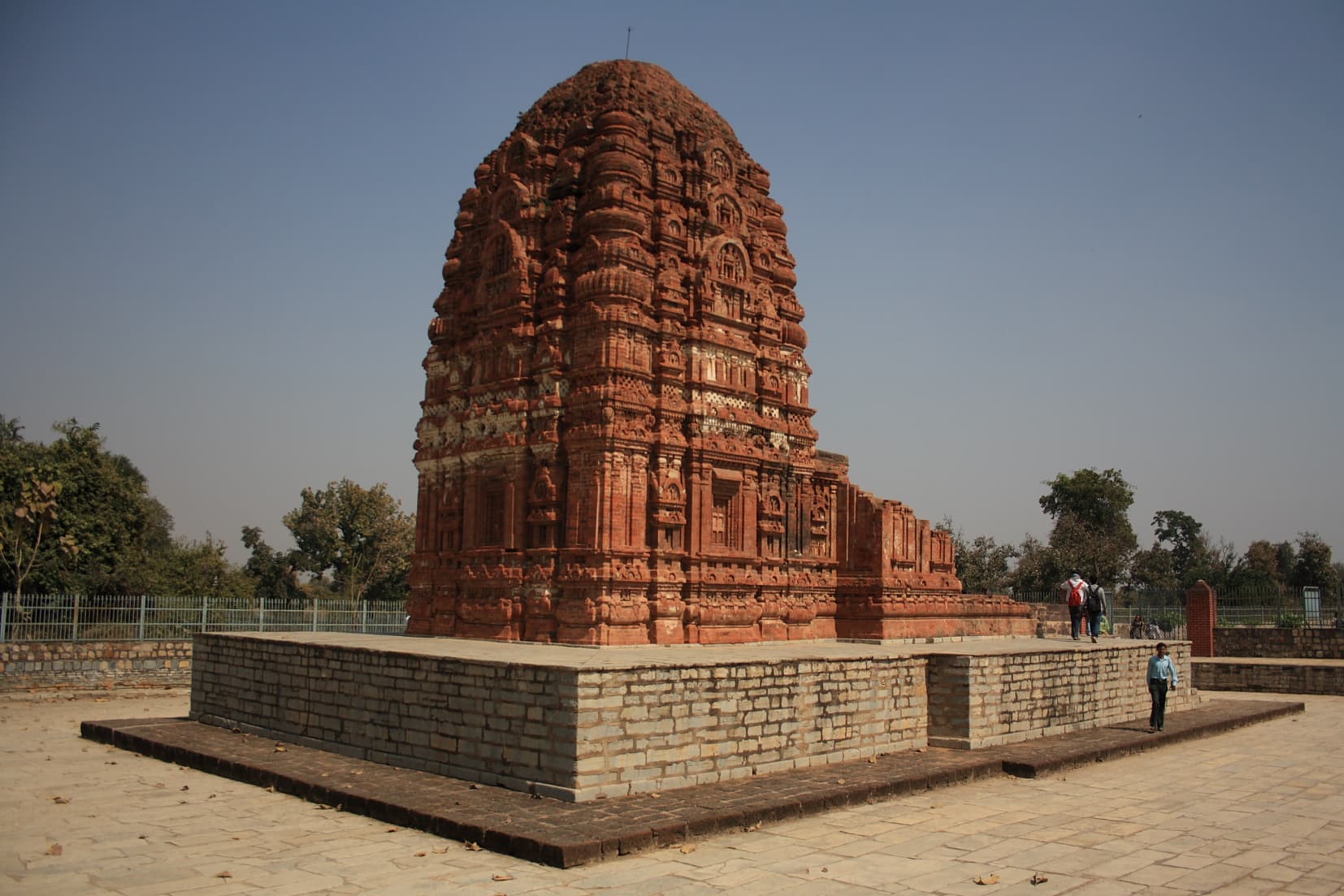
Laxman Temple Sirpur
The late afternoon sun cast long shadows across the brick-strewn expanse, illuminating the Laxman Temple in Sirpur, Chhattisgarh, in a warm, ochre glow. Having crisscrossed North India, exploring countless ancient sites, I thought I’d become somewhat immune to the awe these structures inspire. Yet, standing before this 7th-century marvel, I felt a familiar thrill, a sense of connection to a past both glorious and enigmatic. Unlike the ornate sandstone structures common in Rajasthan or the intricate carvings of Khajuraho, the Laxman Temple, dedicated to Lord Vishnu, exudes a quiet strength. Built of brick, it stands as a testament to the architectural prowess of the Dakshin Kosala period. The sheer scale is impressive. The temple rises on a high plinth, its walls adorned with intricate terracotta panels depicting scenes from the Ramayana, the Puranas, and everyday life. These panels, though weathered by time, retain a remarkable clarity, offering glimpses into the artistic sensibilities and societal norms of a bygone era. I climbed the broad flight of steps leading to the main sanctum, noticing the subtle shift in the brickwork. The lower levels showcased larger, more robust bricks, while the upper sections transitioned to smaller, finer ones, almost creating a sense of visual lightness as the temple ascended. The sanctum, now empty, still resonated with a palpable sense of reverence. I could almost imagine the chanting of priests and the fragrance of incense filling the air, transporting me back centuries. Circling the temple, I examined the terracotta panels more closely. The narrative scenes were particularly captivating. One panel depicted a royal procession, complete with elephants, horses, and musicians. Another showcased a scene from the Ramayana, possibly the abduction of Sita. The details were astonishing – the expressions on the faces, the intricate headdresses, even the folds of the garments were rendered with remarkable skill. These weren't mere decorations; they were stories etched in clay, offering a window into the rich cultural tapestry of the time. The architectural style of the Laxman Temple is distinct. The pancharatha plan, with its projections on the walls, creates a dynamic interplay of light and shadow. The shikhara, though partially damaged, still retains its elegant curvilinear form, a hallmark of the Nagara style prevalent in North India. However, what truly sets this temple apart is the extensive use of brick. While brick temples are not uncommon, the Laxman Temple showcases a level of sophistication rarely seen in brick construction. The precision of the brickwork, the intricate carvings, and the sheer scale of the structure are a testament to the mastery of the artisans who built it. As I descended the steps, I noticed a group of local children playing near the temple ruins. Their laughter echoed across the ancient site, a poignant reminder that life continues, even amidst the remnants of a forgotten empire. Sirpur, once a bustling centre of art, culture, and religion, now stands as a quiet testament to the ebb and flow of time. My visit to the Laxman Temple was more than just a sightseeing trip; it was a journey through time. It was a reminder of the rich cultural heritage of India, a heritage that often lies hidden in plain sight, waiting to be discovered and appreciated. As I left Sirpur, the image of the temple bathed in the golden light of the setting sun remained etched in my mind, a symbol of resilience, artistry, and the enduring power of the past.
Prambanan Temple Compounds Yogyakarta
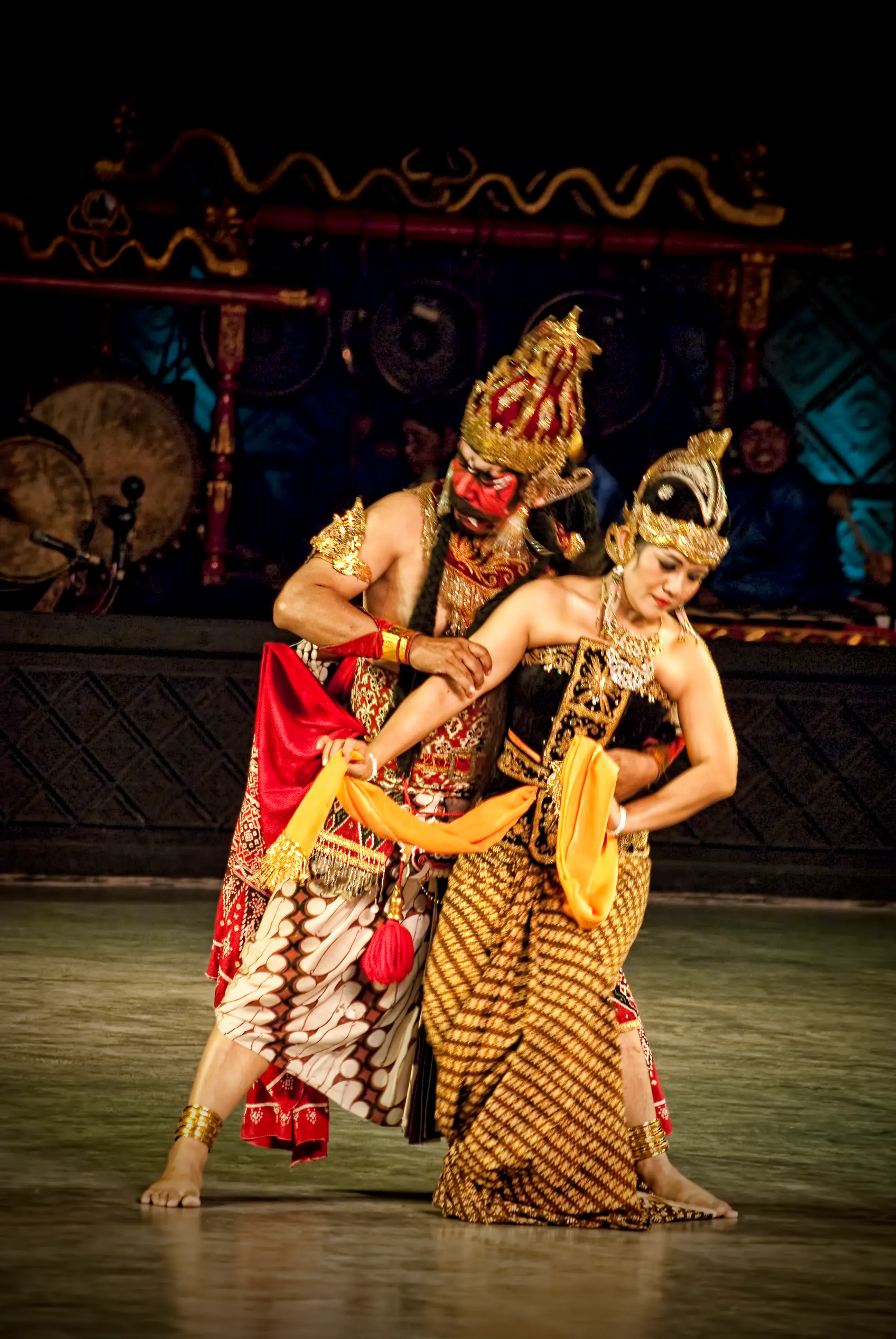
The rising sun cast long, dramatic shadows across the dew-kissed plains of Java, illuminating the towering spires of Prambanan. I’d documented hundreds of temples across India, from the intricate carvings of Khajuraho to the monolithic marvels of Mahabalipuram, but the sheer scale and verticality of Prambanan took my breath away. This wasn't just a temple complex; it was a symphony in stone, a testament to the architectural prowess of the 9th-century Medang Mataram kingdom. My lens, accustomed to the sandstone hues of Indian temples, struggled to capture the grey volcanic rock of Prambanan. The texture was different, rougher, yet the intricate reliefs carved into the stone possessed a similar narrative power. These weren't mere decorations; they were stories etched in stone, depicting scenes from the Ramayana epic, celestial beings, and intricate floral motifs. I found myself tracing the lines of these narratives with my fingers, feeling the history embedded within each groove. The central compound, dominated by the three main temples dedicated to the Hindu trinity – Brahma, Vishnu, and Shiva – commanded the landscape. Shiva’s temple, the loftiest of the three, soared 244 feet into the sky, a majestic representation of Mount Meru, the mythical abode of the gods. The smaller accompanying temples, dedicated to the respective mounts of the deities – the bull Nandi for Shiva, the goose Hamsa for Brahma, and Garuda, the mythical bird, for Vishnu – added another layer of symbolic depth. As I circled the temples, I noticed the distinct architectural style. The tall, slender spires, the receding tiers adorned with miniature shrines, and the profusion of decorative elements reminded me of the Dravidian architecture of South India, yet there was a unique Javanese sensibility infused within it. The influence of Indian temple architecture was undeniable, a testament to the cultural exchange that flourished across the seas centuries ago. It felt like witnessing a fascinating conversation between two distinct architectural traditions. Climbing the steep steps to the inner sanctums, I was struck by the interplay of light and shadow within the temple chambers. The narrow doorways and strategically placed openings created a mystical atmosphere, enhancing the spiritual significance of the space. I imagined the rituals and ceremonies that would have once filled these hallowed halls, the chanting of priests, the fragrance of incense, the devotion of the worshippers. Beyond the central compound, the ruins of hundreds of smaller temples stretched across the vast expanse, a poignant reminder of the destructive power of earthquakes and the passage of time. These crumbling structures, though ravaged, still held a certain beauty, their weathered stones whispering tales of a glorious past. I spent hours wandering through these ruins, my camera diligently documenting each fragment, each fallen lintel, each weathered carving. The restoration work undertaken at Prambanan was evident, a careful balance between preserving the historical integrity of the site and ensuring its structural stability. Seeing the meticulous efforts to reconstruct these ancient marvels filled me with a sense of hope. These weren't just ruins; they were living monuments, testaments to human ingenuity and resilience. As the day drew to a close, the setting sun bathed the temples in a warm, golden glow. I stood there, mesmerized by the spectacle, feeling a deep connection to this ancient site. Prambanan wasn't just a collection of stones; it was a repository of stories, a testament to the enduring power of faith and artistry. It was a place that had spoken to me across centuries, reminding me of the shared cultural heritage that binds us together, despite geographical boundaries.
Bhadrakali Temple Warangal
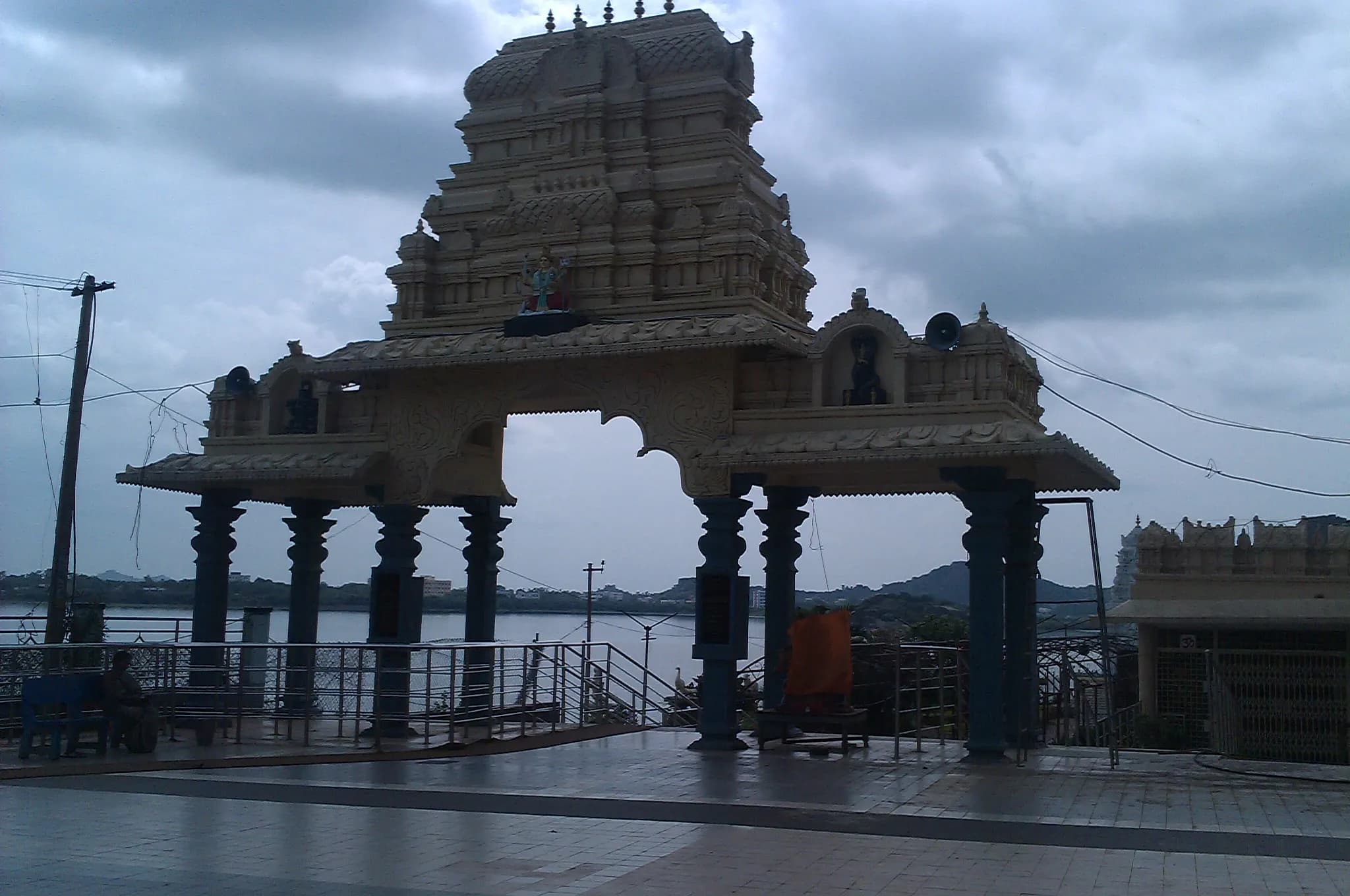
Near Warangal's Bhadrakali Lake, the Bhadrakali Temple's imposing granite gateway offers a glimpse into the Kakatiya dynasty's reign ([1]). Dedicated to Bhadrakali, a fierce form of Durga, the temple emanates a powerful spiritual aura ([2]). Unlike the towering gopurams (gateway towers) typical of South Indian temples, the entrance here maintains a more understated presence, directing attention inward towards the deity ([3]). Kakatiya Dravida architectural style is evident throughout the temple, dating back to 625 CE, during the 7th century ([4]). Granite and sandstone blocks, meticulously carved, exemplify the Kakatiya craftsmanship ([5]). Intricate carvings adorning the walls depict various deities and scenes drawn from Hindu mythology ([6]). These narrative panels resonate with a palpable energy, mirroring the goddess's dynamic power ([7]). Within the Garbhagriha (Sanctum), the black stone idol of Bhadrakali embodies her formidable nature, brandishing weapons and echoing Warangal's rich history ([8]). During the Kakatiya period, temple construction adhered to Dravidian principles, featuring a square Garbhagriha (sanctum sanctorum), an antarala (vestibule), and a pillared Mandapa (Pillared Hall) ([9]). Remnants of a larger temple complex suggest its former grandeur ([10]). Stone platforms and foundations demonstrate the enduring construction techniques employed by the Kakatiyas ([11]). Historical accounts indicate that the temple suffered damage during the Tughlaq invasions ([12]). The integration of Bhadrakali Lake with the temple rituals enhances the overall spiritual ambiance ([13]). This sacred site stands as a symbol of resilience and unwavering faith ([14]). The sculptural articulation of the walls further exemplifies the Kakatiya's distinctive architectural style ([15]).

Sarakhs Medieval Silk Road City Mary Region Turkmenistan
Sarakhs, dramatically situated on the border between Turkmenistan and Iran in the Mary Region, represents one of the most extraordinary and archaeologically significant medieval cities in Central Asia, dating from the 11th through 14th centuries CE and serving as a major center along the Silk Road, featuring sophisticated urban structures, mosque complexes, fortifications, and architectural elements that demonstrate remarkable connections to ancient Indian architectural traditions and the transmission of architectural and cultural knowledge from South Asia to Central Asia through the extensive trade networks that connected India with Central Asia, creating a powerful testament to the profound impact of Indian civilization on Central Asian urban and architectural development during the medieval period. The site, featuring sophisticated urban structures including mosques, fortifications, residential quarters, and public buildings that demonstrate clear connections to the architectural traditions of ancient India, particularly the sophisticated structural techniques and decorative programs that were transmitted from South Asia, demonstrates the direct transmission of architectural knowledge, urban planning principles, and cultural concepts from the great centers of ancient India, particularly the sophisticated architectural techniques and decorative traditions that were systematically transmitted to Central Asia through trade and cultural exchange, while the site's most remarkable feature is its extensive urban remains including impressive mosque complexes, fortifications with sophisticated brickwork, and architectural elements that demonstrate remarkable parallels with Indian architectural traditions, particularly the structural techniques and decorative programs that were central to Indian temple and palace architecture. The urban structures' architectural layout, with their sophisticated planning, monumental buildings, residential quarters, and public spaces, follows planning principles that demonstrate remarkable parallels with Indian urban planning principles, while the site's extensive architectural remains including mosques, fortifications, and decorative elements demonstrate the sophisticated synthesis of Indian architectural traditions with local Central Asian aesthetic sensibilities and Islamic architectural requirements. Archaeological evidence reveals that the site served as a major center of trade, culture, and religious activity during the medieval period, attracting traders, scholars, and artisans from across Central Asia, South Asia, and the Middle East, while the discovery of numerous artifacts including architectural elements with motifs that demonstrate clear Indian influences, decorative programs that parallel Indian traditions, and structural techniques that reflect Indian architectural concepts provides crucial evidence of the site's role in the transmission of Indian architectural and cultural traditions to Central Asia, demonstrating the sophisticated understanding of Indian architectural traditions possessed by the site's builders and patrons. The site's association with the Silk Road trade networks that connected India with Central Asia demonstrates the sophisticated understanding of Indian architectural traditions that were transmitted to Central Asia, while the site's architectural remains demonstrate remarkable parallels with Indian architectural traditions that were central to ancient Indian civilization. The site has been the subject of extensive archaeological research, with ongoing excavations continuing to reveal new insights into the site's sophisticated architecture, urban planning, and its role in the transmission of Indian architectural traditions to Central Asia, while the site's status as one of the most important medieval cities in Central Asia demonstrates its significance as a major center for the transmission of Indian architectural and cultural traditions to Central Asia. Today, Sarakhs stands as one of the most important medieval archaeological sites in Central Asia, serving as a powerful testament to the transmission of Indian architectural and cultural traditions to Central Asia, while ongoing archaeological research and conservation efforts continue to protect and study this extraordinary cultural treasure that demonstrates the profound impact of Indian civilization on Central Asian architectural and cultural development. ([1][2])
Quick Links
Plan Your Heritage Journey
Get personalized recommendations and detailed visitor guides