Has Inheritage Foundation supported you today?
Your contribution helps preserve India's ancient temples, languages, and cultural heritage. Every rupee makes a difference.
Secure payment • Instant 80G certificate

Sarveshwar Mahadev Temple Kurukshetra
The late afternoon sun cast long shadows across the Kurukshetra battlefield, imbuing the landscape with a palpable sense of history. But it wasn't the echoes of ancient warfare that drew me here; it was the Sarveshwar Mahadev Temple, a structure whispering tales of devotion amidst the whispers of war. Standing before its weathered facade, I felt a tug, a connection to layers of history often obscured by the more prominent narratives of this land. The temple, dedicated to Lord Shiva, isn't imposing in the way of some grand Southern Indian temples. Instead, it exudes a quiet dignity, its Nagara style architecture a testament to the enduring influence of North Indian temple traditions. The shikhara, the curvilinear tower rising above the sanctum sanctorum, displays a classic beehive shape, though time and the elements have softened its edges, lending it a sense of venerable age. Unlike the ornate, multi-tiered shikharas of later temples, this one possesses a simpler elegance, its surface punctuated by vertical bands and miniature decorative motifs that hint at a more austere aesthetic. Stepping inside the dimly lit garbhagriha, the sanctum sanctorum, I was struck by the palpable sense of reverence. The air was thick with the scent of incense and the murmur of prayers. The lingam, the symbolic representation of Lord Shiva, stood at the center, bathed in the soft glow of oil lamps. The smooth, dark stone seemed to absorb the ambient light, radiating a quiet power. The walls within the sanctum were plain, devoid of elaborate carvings, further emphasizing the focus on the central deity. Circumambulating the sanctum, I observed the outer walls of the temple. Here, the narrative shifted. Panels of intricate carvings depicted scenes from Hindu mythology, predominantly stories related to Lord Shiva. The figures, though weathered, retained a remarkable dynamism. I was particularly captivated by a depiction of Shiva’s cosmic dance, Tandava, the energy of the scene seemingly frozen in stone. The sculptor had masterfully captured the fluidity of movement, the divine frenzy contained within the rigid confines of the stone panel. The temple’s location within the historically significant Kurukshetra adds another layer of intrigue. Local legends link the temple to the Mahabharata, claiming it was built by the Pandavas themselves after the great war. While historical evidence for this claim remains elusive, the connection underscores the temple's enduring presence in the cultural memory of the region. It stands as a silent witness to centuries of change, a testament to the enduring power of faith amidst the ebb and flow of empires and ideologies. As I walked around the temple complex, I noticed several smaller shrines dedicated to other deities within the Hindu pantheon. This syncretic element, common in many Indian temples, speaks to the evolving nature of religious practice, the absorption and assimilation of diverse beliefs over time. The presence of these smaller shrines creates a sense of community, a spiritual ecosystem where different deities coexist within a shared sacred space. Leaving the Sarveshwar Mahadev Temple, I carried with me more than just photographs and notes. I carried a sense of connection to the past, a deeper understanding of the intricate tapestry of Indian history and spirituality. The temple, in its quiet dignity, had spoken volumes, revealing glimpses into the artistic, religious, and cultural landscape of a bygone era. It stands as a reminder that even amidst the clamor of history, the whispers of faith continue to resonate, offering solace and meaning across the ages.

Gunabati Temples Udaipur Tripura
The terracotta friezes of the Gunabati Group of Temples shimmered under the Tripura sun, a muted orange against the backdrop of lush green. Located a short distance from Udaipur, the former capital of the Tripura kingdom, this cluster of brick temples, though smaller in scale compared to some of Gujarat's colossal structures, held a unique charm. My journey from the arid landscapes of Kutch to the humid embrace of Tripura had already been a study in contrasts, and Gunabati proved to be yet another fascinating chapter. The complex, dedicated to various deities, is dominated by two main temples. The larger one, dedicated to Lord Shiva, immediately drew my attention. Its square base, typical of the region's architecture, rose in a gently curving pyramidal shikhara, culminating in a rounded finial. The surface was richly adorned with terracotta panels depicting scenes from Hindu mythology – Krishna leela, episodes from the Ramayana, and processions of celestial beings. Unlike the intricately carved stonework I'm accustomed to in Gujarat, these terracotta reliefs possessed a rustic, almost primal quality. The figures, though stylized, were expressive, their narratives unfolding across the temple walls like an ancient storybook. I circled the temple, my fingers tracing the weathered surfaces of the terracotta panels. The dampness in the air, a stark contrast to the dry heat of my homeland, seemed to cling to the brickwork, imbuing the temple with a sense of age and mystery. The smaller temple, dedicated to Chaturmukha Shiva (four-faced Shiva), stood nearby. Its unique feature was the four identical doorways, each facing a cardinal direction, leading to a central chamber housing the deity. The terracotta ornamentation here was sparser, but the architectural symmetry was striking. As I stepped inside the main temple, the air grew heavy with the scent of incense and marigold garlands. The inner sanctum, though dimly lit, revealed a simple Shiva lingam, the object of reverence for generations of devotees. The cool, dark interior offered respite from the midday sun, and I spent a few moments absorbing the quiet spirituality of the space. The echoes of ancient chants seemed to resonate within the thick walls, whispering tales of devotion and faith. What struck me most about Gunabati was its intimate scale. Unlike the sprawling temple complexes of Gujarat, this cluster felt more personal, more connected to the local community. I observed families performing pujas, their whispered prayers mingling with the rustling of leaves in the surrounding trees. Children played in the courtyard, their laughter echoing against the ancient brickwork. This vibrant tapestry of faith and everyday life woven into the fabric of the temple complex was truly captivating. The preservation efforts, however, seemed somewhat lacking. While the structural integrity of the temples appeared sound, the terracotta panels showed signs of weathering and erosion. Some panels were damaged, their intricate details lost to the ravages of time and neglect. It saddened me to see this rich artistic heritage slowly fading away. I compared this to the meticulous preservation efforts undertaken at sites like Rani ki Vav in Gujarat, and felt a pang of concern for the future of Gunabati. Leaving the temple complex, I carried with me a sense of quiet admiration for the artistry and devotion that had shaped this unique site. Gunabati stands as a testament to the rich cultural heritage of Tripura, a hidden gem waiting to be discovered and cherished. It is a reminder that architectural marvels don't always have to be grand in scale to be profound in their impact. And it is a plea, whispered in the rustle of the leaves and the crumbling terracotta, for greater attention to the preservation of these invaluable treasures.
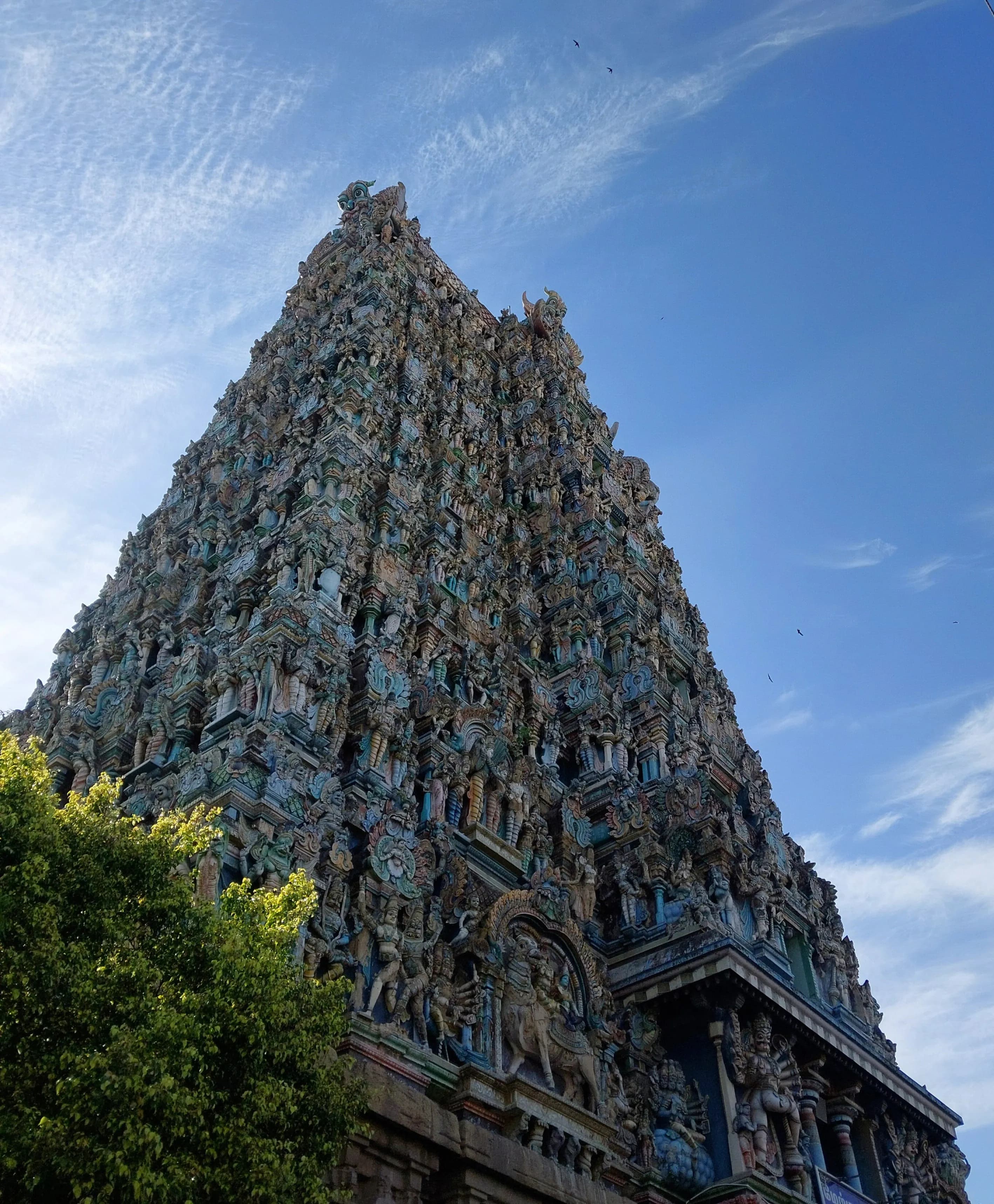
Meenakshi Amman Temple Madurai
The riot of colour hit me first. Emerging from the shaded corridor, I blinked, momentarily stunned by the kaleidoscope of hues that is the Meenakshi Amman Temple. Having spent years immersed in the muted sandstone and marble architecture of Uttar Pradesh, this explosion of vibrant paint felt almost overwhelming. Thousands of sculpted figures, each meticulously painted and adorned, clambered up the gopurams, vying for attention against the azure Madurai sky. It was a visual feast, a testament to a vibrant artistic tradition vastly different from anything I had encountered in the north. The sheer scale of the temple complex is staggering. Spread across 14 acres, it's a city within a city, a labyrinth of shrines, pillared halls, and sacred tanks. My initial disorientation gave way to a sense of awe as I began to navigate the space, guided by the flow of devotees. The air thrummed with a palpable energy, a blend of devotion, ritual, and the sheer weight of centuries of history. The scent of jasmine and incense hung heavy, mingling with the earthy aroma of the temple pond. The Hall of Thousand Pillars, true to its name, is a marvel of engineering and artistry. Each pillar is intricately carved with scenes from Hindu mythology, no two alike. I spent a considerable amount of time just wandering through this forest of stone, tracing the narratives etched into the granite. The play of light and shadow across the carvings created an ethereal atmosphere, transporting me back to the era of the Nayak dynasty, the patrons of this architectural masterpiece. The temple's two main shrines, dedicated to Goddess Meenakshi and Lord Sundareswarar, are the heart of the complex. The queue to enter Meenakshi's sanctum snaked through the corridors, a vibrant tapestry of saris and dhotis. The anticipation was palpable, the air thick with whispered prayers. When I finally reached the inner sanctum, the sight of the goddess, adorned in shimmering silks and jewels, was breathtaking. It was a moment of profound serenity amidst the bustling activity of the temple. The contrast between the temple's vibrant exterior and the relative simplicity of the inner sanctums struck me. While the gopurams are a celebration of exuberance and artistic expression, the inner spaces exude a sense of quiet contemplation. It's as if the riot of colour and form on the outside serves to prepare the devotee for the spiritual experience within. One of the most captivating aspects of the Meenakshi Amman Temple is its integration with the daily life of Madurai. The temple isn't just a place of worship; it's a social hub, a marketplace, a meeting point. I saw families sharing meals, vendors selling flowers and trinkets, and children playing in the courtyards. This seamless blending of the sacred and the secular is something I hadn't witnessed to this extent in the north Indian temples I'm familiar with. As I left the temple complex, the setting sun casting long shadows across the gopurams, I felt a sense of both exhilaration and peace. The Meenakshi Amman Temple is more than just a monument; it's a living, breathing entity, a testament to the enduring power of faith and the artistic genius of a bygone era. It's a place that stays with you long after you've left, its vibrant colours and intricate carvings etched into your memory. The experience broadened my understanding of Indian temple architecture, highlighting the regional variations and the unique cultural context that shapes each sacred space. The journey from the muted tones of the north to the vibrant hues of Madurai was a journey of discovery, a reminder of the incredible diversity and richness of India's cultural heritage.
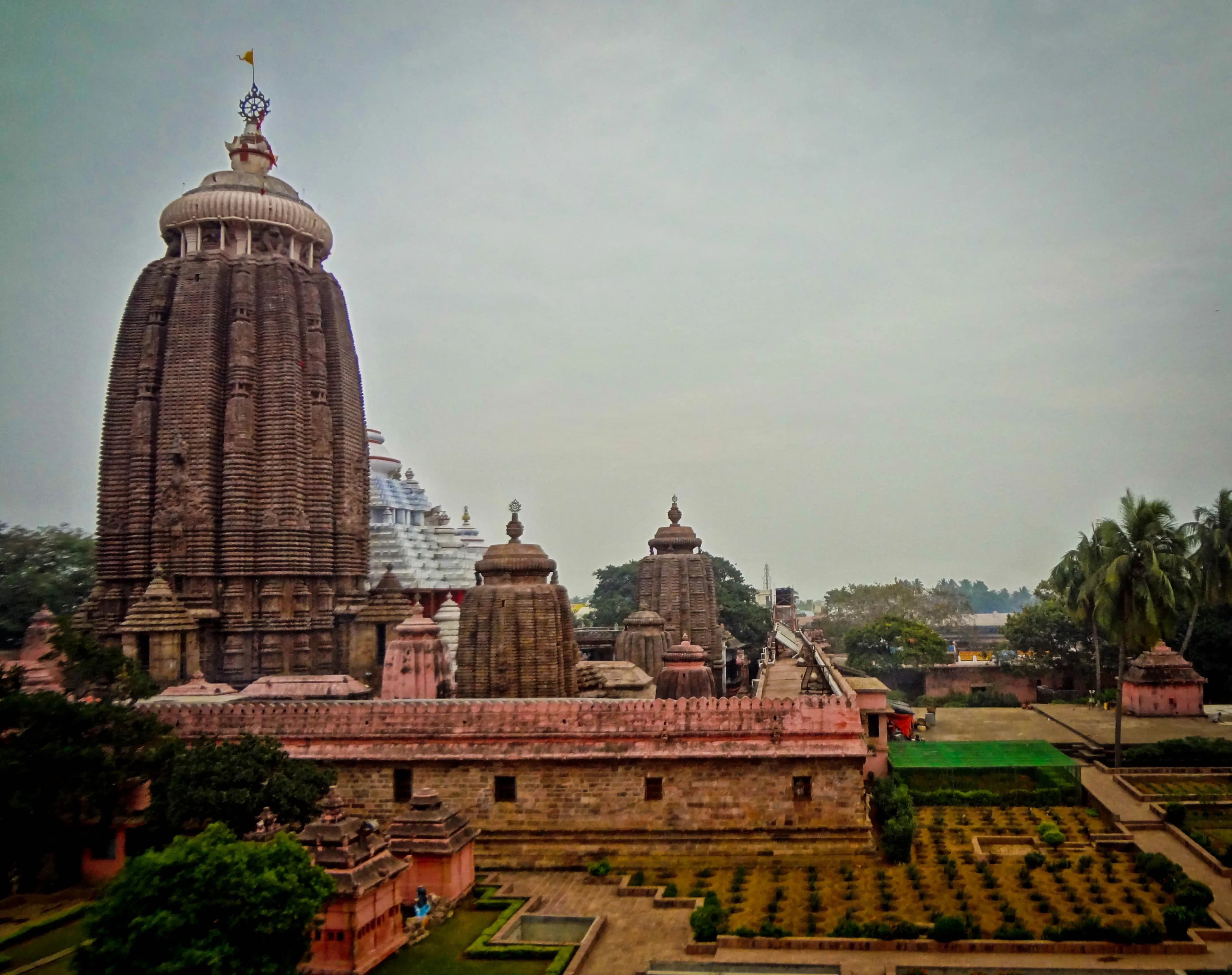
Jagannath Temple Puri
The Jagannath Temple in Puri, Odisha, stands as a profound testament to India's millennia-spanning cultural heritage, dedicated to Lord Jagannath, a form of Vishnu, alongside his siblings Balabhadra and Subhadra [2]. This monumental complex, located on Grand Road, Puri, is a vibrant center of continuous Indian civilization, embodying indigenous architectural styles and spiritual practices that reflect the nation's deep historical roots [1]. The temple is a prime example of Kalinga architecture, characterized by its curvilinear tower (rekha deul) and intricate sculptural ornamentation, which distinguishes it from other pan-Indian temple styles like Nagara and Dravida [3]. The temple complex is enclosed within a massive laterite wall known as Meghanada Pacheri, measuring approximately 202.70 meters by 196.29 meters and standing 6.1 meters high [3] . An inner wall, the Kurma Bedha, further encircles the main temple . The central shrine, or Vimana (Deula), rises to an impressive height of 57.28 meters from the inner parikrama floor to the apex of the Nila Chakra [3]. The temple's main structure comprises four distinct components arranged in an east-west alignment: the Vimana (sanctum sanctorum), the Jagamohana (porch or assembly hall), the Natamandapa (hall for cultural performances), and the Bhogamandapa (hall for offerings) [2] [3]. The Vimana is designed on a Pancha Ratha (five chariot) floor plan, where the vertical structure is divided into five projected column-like features, lending a unique vertical rhythm [2]. The Jagamohana, in contrast, is built in the Pidha deula style, featuring a pyramidal roof composed of horizontal layers [2]. Construction primarily utilized massive laterite blocks, quarried locally, fitted without mortar, showcasing the precision of Kalinga architecture [1]. Iron beams were incorporated to hold sections together, indicating advanced metallurgical knowledge for the period [1]. The temple's vertical structure is divided into five principal parts: Pitha (foundation), Bada (vertical wall), Gandi (main tower), and Mastaka (crowning elements), which includes the sacred Nila Chakra [2]. The Nila Chakra, an eight-spoked wheel made of Ashtadhatu (an alloy of eight metals), is 3.5 meters high with a circumference of about 11 meters, and is considered sacrosanct . Intricate carvings adorn the temple walls, depicting scenes from Hindu mythology, celestial beings, and floral motifs, often exhibiting a level of detail resembling wood or ivory [2] [3]. Friezes on the lower walls portray elephants, horses, and warriors in procession [2]. Niches on the Raha paga (central projection) house Parsva-devatas (side deities) such as Varaha, Trivikrama, and Nrusimha, sculpted from chlorite stone [2]. The temple features four elaborately carved gates: Singhadwara (Eastern Gate) flanked by crouching lions, Ashwadwara (Southern Gate) depicting horses, Vyaghrdwara (Western Gate) representing tigers, and Hastidwara (Northern Gate) featuring elephants [2]. The Singhadwara, the main entrance, is fronted by the monolithic Aruna Stambha, a sixteen-sided pillar topped with an idol of Aruna, the charioteer of Surya . The temple's kitchen is renowned as one of the largest in the world, preparing vegetarian Mahaprasad for thousands of devotees daily using traditional methods with earthen pots and firewood, a practice preserved for centuries [1] . The Archaeological Survey of India (ASI) plays a crucial role in the conservation of this Monument of National Importance, undertaking structural repairs using traditional methods and materials like laterite and lime plaster, and meticulously cleaning and conserving carvings [1] . Ongoing structural monitoring and repairs are in place, with efforts to incorporate both advanced conservation techniques and traditional knowledge systems to ensure durability and authenticity [1] . The temple remains an active place of worship, ensuring consistent ritual maintenance and upkeep of its architectural integrity [1]. The site is fully operational, welcoming pilgrims and visitors, with ongoing efforts to enhance accessibility, including a new ramp near the North Gate for the elderly and persons with disabilities .
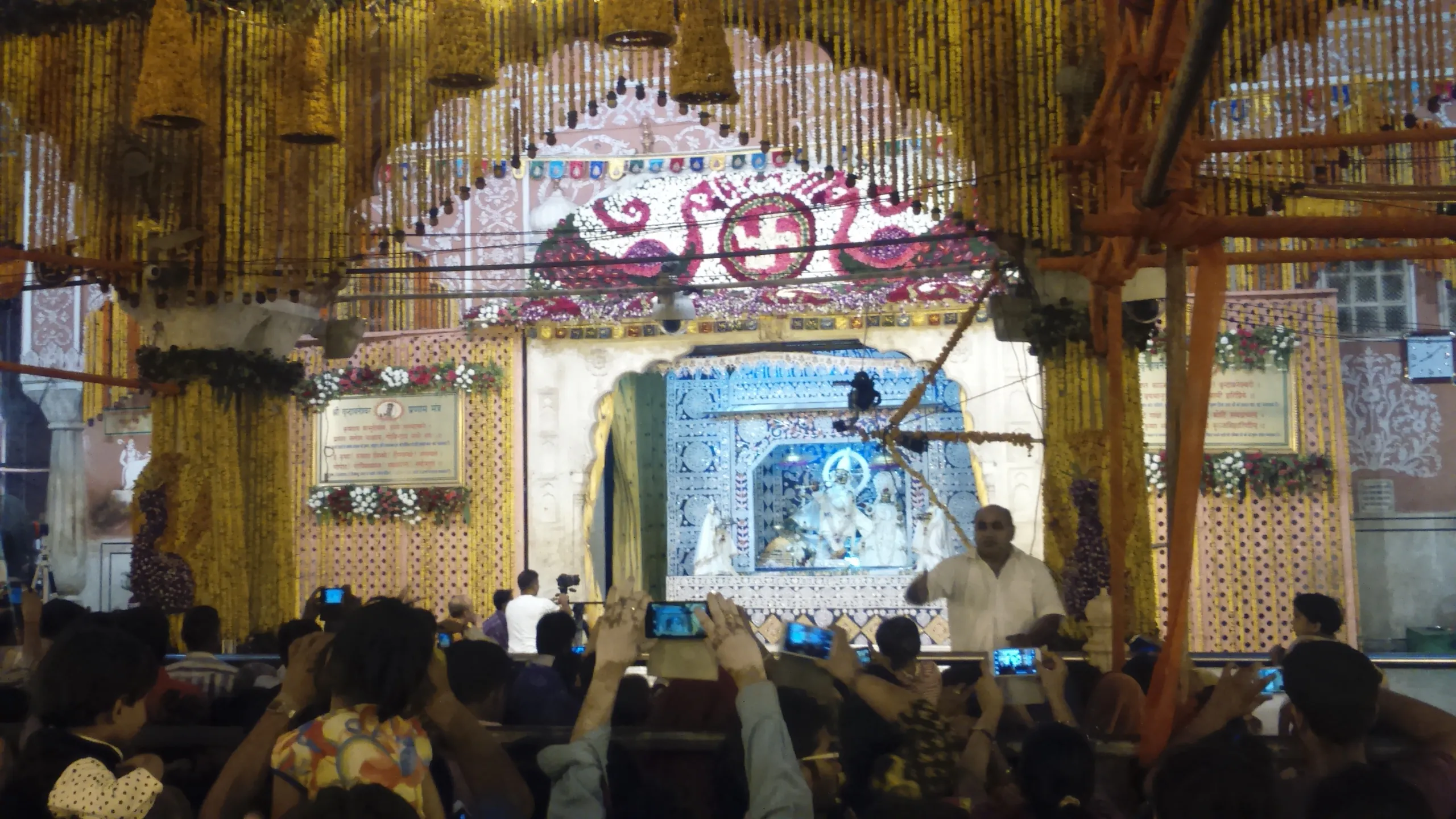
Govind Dev Ji Temple Jaipur
The Govind Dev Ji Temple in Jaipur isn't just a place of worship; it's a living testament to a unique blend of architectural styles that captivated me from the moment I stepped within its precincts. Having spent years studying the Dravidian architecture of South Indian temples, I was eager to experience the distinct architectural vocabulary of this North Indian shrine, and I wasn't disappointed. Located within the City Palace complex, the temple almost feels like a private sanctuary for the royal family, a feeling amplified by its relatively modest exterior compared to the grandeur of the surrounding palace buildings. The first thing that struck me was the absence of the towering gopurams that define South Indian temple gateways. Instead, the entrance is marked by a series of chhatris, elevated, dome-shaped pavilions supported by ornate pillars. These chhatris, with their delicate carvings and graceful curves, speak to the Rajput influence, a stark contrast to the pyramidal vimanas of the South. The use of red sandstone, a hallmark of Rajasthani architecture, lends the temple a warm, earthy hue, quite different from the granite and sandstone palettes I'm accustomed to seeing in Tamil Nadu. As I moved through the courtyard, I observed the seven-storied structure housing the main shrine. While not a gopuram in the traditional sense, it does serve a similar function, drawing the eye upwards towards the heavens. The multiple stories, each adorned with arched openings and intricate jali work, create a sense of verticality and lightness, a departure from the solid mass of South Indian temple towers. The jalis, or perforated stone screens, not only serve as decorative elements but also allow for natural ventilation, a practical consideration in the arid climate of Rajasthan. The main sanctum, where the image of Govind Dev Ji (Krishna) resides, is a relatively simple chamber, its focus squarely on the deity. The absence of elaborate sculptures on the walls within the sanctum surprised me. South Indian temples often feature intricate carvings depicting mythological scenes and deities on every available surface. Here, the emphasis is on the devotional experience, a direct connection with the divine, unmediated by elaborate ornamentation. The silver-plated doors of the sanctum, however, are exquisitely crafted, showcasing the artistry of the region's metalworkers. The courtyard itself is a marvel of spatial planning. The open space allows for the free flow of devotees, while the surrounding colonnades provide shade and a sense of enclosure. The pillars supporting these colonnades are slender and elegant, adorned with intricate floral motifs and geometric patterns. I noticed a distinct Mughal influence in some of these decorative elements, a testament to the cultural exchange that shaped the region's artistic traditions. The use of marble for flooring, another Mughal influence, adds a touch of opulence to the space. One of the most captivating aspects of the Govind Dev Ji Temple is its integration with the City Palace. The temple's location within the palace complex blurs the lines between the sacred and the secular, reflecting the close relationship between the royal family and the deity. This integration is a departure from the South Indian tradition where temples, while often patronized by royalty, maintain a distinct identity as separate entities. My visit to the Govind Dev Ji Temple was a fascinating cross-cultural experience. It highlighted the diversity of India's architectural heritage and underscored the power of architecture to reflect regional identities and religious beliefs. While the temple's architectural vocabulary differed significantly from the Dravidian style I'm familiar with, the underlying spirit of devotion and the artistic skill evident in its construction resonated deeply with my understanding of sacred architecture.

Chottanikkara Bhagavathy Temple Ernakulam
Nestled in the verdant landscapes of Kerala, the Chottanikkara Bhagavathy Temple, near Ernakulam, allures devotees with its spiritual sanctity. Dating back to 800 CE, during the reign of the Chera Dynasty, the temple exemplifies Keralan architecture ([1]). Dedicated to Bhagavathy, the revered mother goddess, the temple complex serves as a vibrant center for devotion ([2]). Intricate carvings adorning the walls narrate tales from Hindu mythology, reflecting the region's artistic legacy ([3]). During the Chera period, temple architecture flourished, supported by royal patronage ([4]). Within the Garbhagriha (Sanctum), Rajarajeswari, the benevolent manifestation of Bhagavathy, captivates devotees with her serene presence ([5]). The Keezhkkaavu, or lower sanctum, houses Rakthachaamundi, the goddess's fierce aspect, where devotees make unique offerings ([6]). Vastu Shastra principles, the ancient Indian science of architecture, guided the construction, evident in the temple's layout and orientation ([7]). Granite and laterite blocks, meticulously carved, form the structural elements, showcasing the craftsmanship of the era ([8]). The sloping roofs, a hallmark of Keralan architecture, protect the temple from the heavy monsoon rains ([9]). The use of wood, especially in the detailing and the roof structure, adds to the aesthetic appeal ([10]). The temple pond, known as 'Theertham', is revered for its purported healing properties, attracting devotees for ritualistic cleansing ([11]). This sacred site exemplifies the enduring power of faith, seamlessly blending ancient traditions with contemporary devotion, offering a glimpse into India's rich spiritual heritage ([12]). The Chottanikkara Bhagavathy Temple stands as a testament to the architectural prowess and religious fervor of the Chera Dynasty and the people of Kerala ([13]).
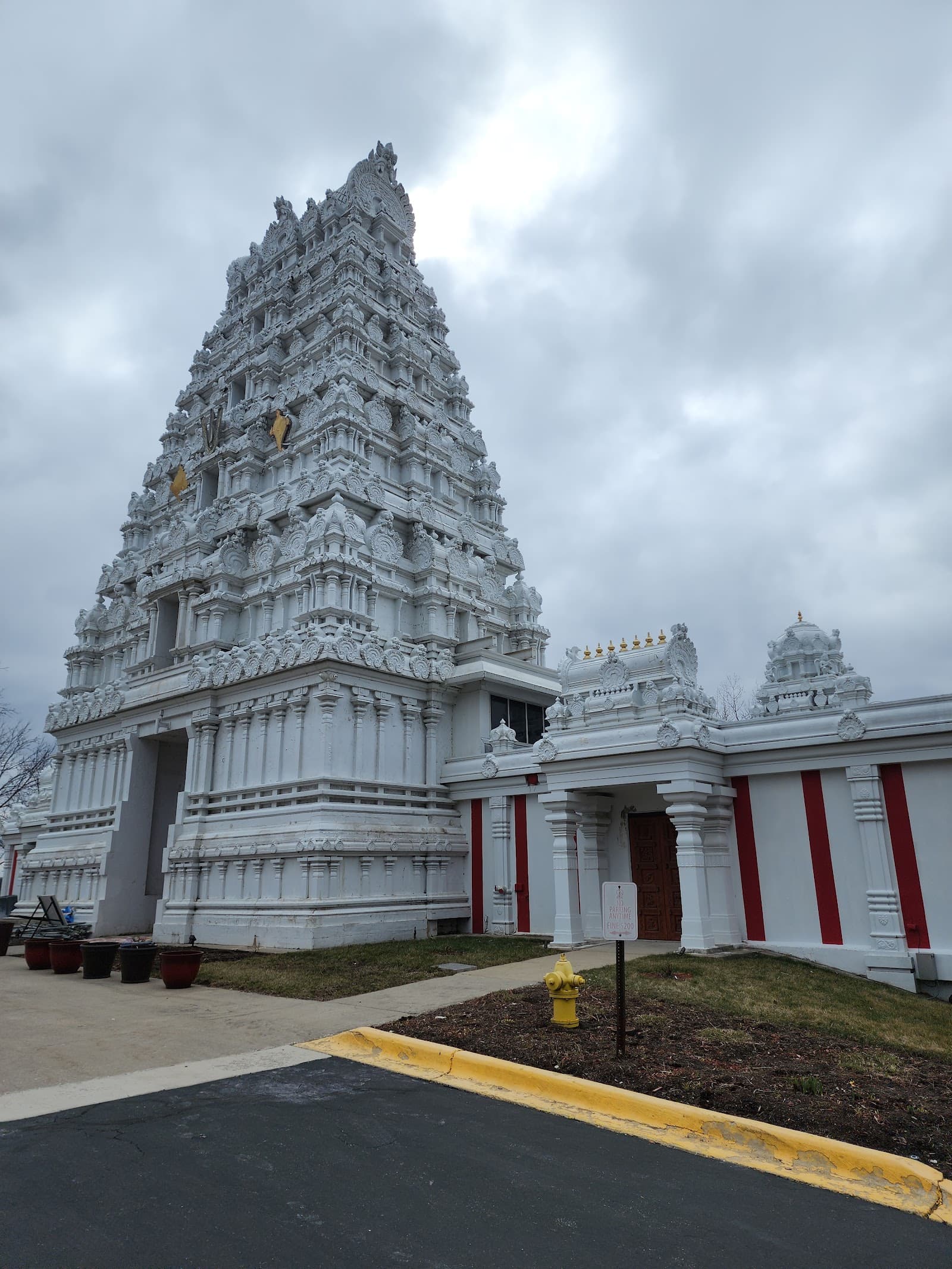
Hindu Temple Greater Chicago Lemont
The Hindu Temple of Greater Chicago (HTGC) in Lemont, Illinois, stands as a profound testament to India's millennia-spanning cultural heritage, embodying the continuous tradition of Indian civilization through its architectural grandeur and spiritual practices [5]. Dedicated to a pantheon of Hindu deities, the complex features two primary temples: the Sri Rama Temple and the Ganesha-Shiva-Durga Temple [4]. The Sri Rama Temple, the older of the two, is constructed in the Chola style of Dravida architecture, a tradition originating from South India and renowned for its towering gopurams (entrance towers), elaborately sculpted walls, and finely detailed carvings [5]. This temple's magnificent gopuram reaches an impressive height of 80 feet, serving as a potent symbol of Hindu spirituality [4]. The Ganesha-Shiva-Durga Temple, in contrast, showcases the elegant charm of Kalinga architecture, a style from the eastern region of India characterized by its distinctive curved roofs, sculpted toranas (arched gateways), and intricately carved pillars [5]. The exterior of the Sri Rama Temple is white, while the Ganesha-Shiva-Durga Temple features a tan exterior, reflecting the regional variations in traditional Indian temple construction [3]. Both structures and their interior ornamentation were meticulously hand-crafted by skilled artisans who traveled from India, ensuring authenticity to indigenous architectural styles and cultural practices [3]. The construction adheres to the Pancharatra Agama traditions, which dictate the iconography, rituals, and architectural principles for Vaishnava temples, ensuring the sacred spaces are imbued with traditional sanctity [4]. The temple complex is situated atop a hillock, a traditional placement for Hindu temples that signifies a revered elevated status within the community [3] [5]. Symmetrical ornamentation details the ceilings, and the structures incorporate circles and squares, depicting perfect geometric shapes and a grid of padas, referencing the Sanskrit term pAdana [3]. The interior spaces are designed for quiet worship, featuring an abundance of sculptures and carvings of deities, with specific areas for worship that are part of guided tours [3]. Devotees are not permitted to enter the deity shrines directly, maintaining the sanctity of the inner sanctum [3]. Recent investments by the temple's leadership have introduced more color to the worship spaces, with newly painted pillars and trim in a rainbow of hues, enhancing the aesthetic and spiritual experience [3]. The temple complex is operational daily from 9:00 AM to 9:00 PM, with the last Archana (ritual offering) conducted at 8:15 PM [2] . It actively hosts religious rituals, services, cultural festivities, and educational initiatives throughout the year, including daily pujas and annual festivals [5]. The site also includes community rooms for events, a Vidyalaya (school) for Hindu and Indian cultural education, a library, yoga classes, and a health clinic [3]. Conservation and maintenance efforts are ongoing, with the temple undertaking projects such as the Rajagopuram Kumbhabhishekam, a rededication ceremony held every 12 years to bless and renew the temple [2] . The temple has also received grants from the Federal Emergency Management Agency (FEMA) for security upgrades and additional surveillance, ensuring the safety of its members [3]. The Hindu Temple of Greater Chicago continues to serve as a vibrant cultural and spiritual hub, welcoming tens of thousands of devotees and visitors annually, and stands as a living embodiment of India's enduring architectural and spiritual legacy [3].
Neermahal Palace Melaghar Tripura
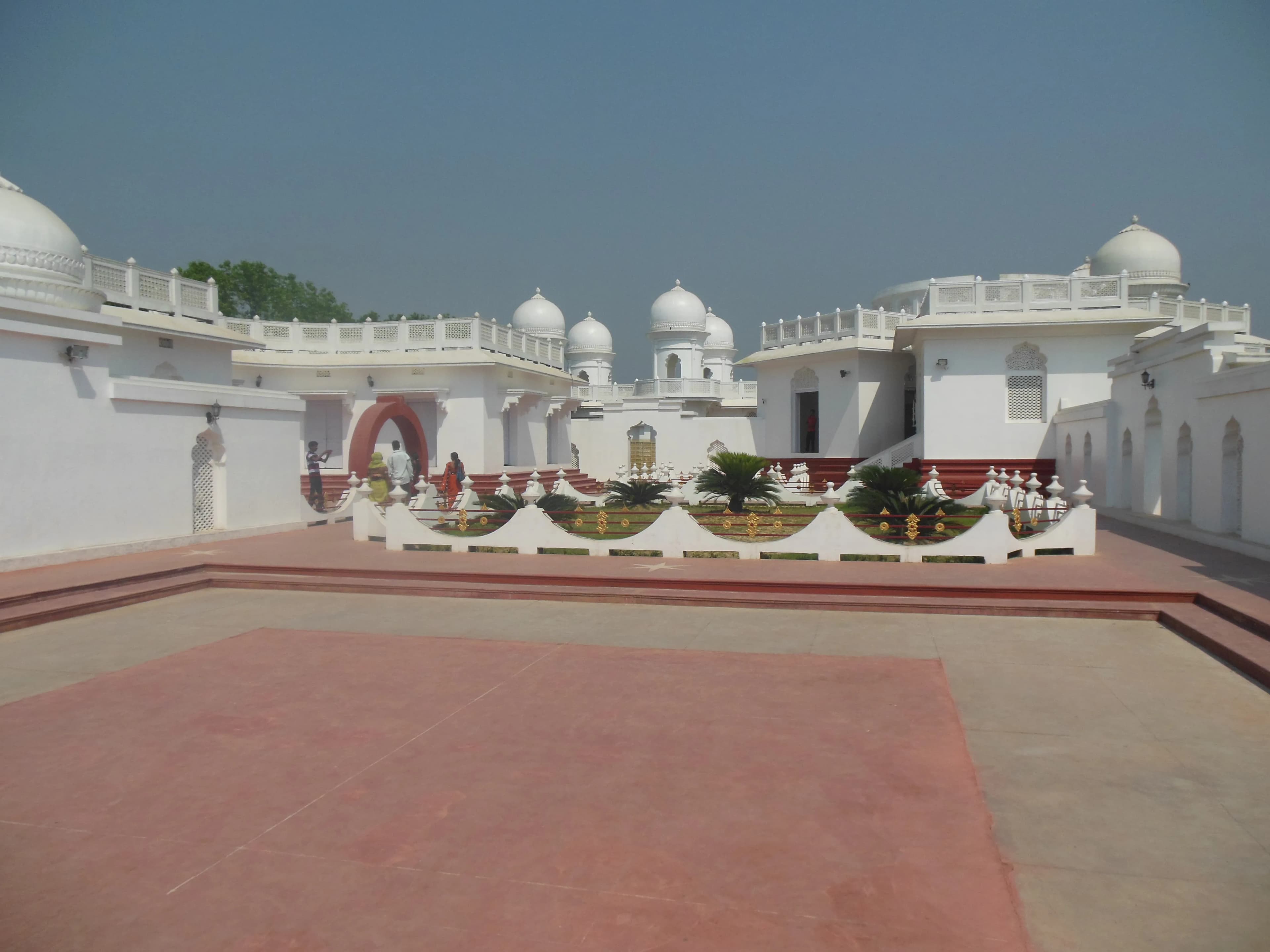
The shimmering reflection of Neermahal Palace rippled across Rudrasagar Lake, a sight that instantly justified the long journey to Melaghar, Tripura. The "Lake Palace," as it's often called, isn't the imposing sandstone behemoth one might expect from Rajasthan, but rather a unique blend of Hindu and Mughal architectural styles, a testament to Maharaja Bir Bikram Kishore Manikya Bahadur's vision in the early 20th century. Having documented over 500 monuments across India, I've become accustomed to the grandeur of empires past, but Neermahal held a distinct charm, a quiet dignity amidst the placid waters. The boat ride to the palace itself is an experience. The lake, vast and serene, creates a sense of anticipation, the palace gradually growing larger, its white and light pink facade becoming clearer against the backdrop of the green hills. As we approached, the intricate details began to emerge – the curved arches, the ornate domes, the delicate floral motifs. The blend of styles is striking. The domes and chhatris speak to the Mughal influence, while the overall structure, particularly the use of timber and the sloping roofs, leans towards traditional Hindu architecture. This fusion isn't jarring; it feels organic, a reflection of the cultural confluence that has shaped this region. Stepping onto the landing, I was immediately struck by the scale of the palace. It's larger than it appears from afar, spread across two courtyards. The western courtyard, designed for royal functions, is grand and open, while the eastern courtyard, the zenana, or women's quarters, is more intimate, with smaller rooms and balconies overlooking the lake. This segregation, typical of many Indian palaces, offers a glimpse into the social structures of the time. The interior, while sadly showing signs of neglect in places, still retains echoes of its former glory. The durbar hall, with its high ceilings and remnants of intricate plasterwork, speaks of lavish gatherings and royal pronouncements. The smaller rooms, once vibrant with life, now stand silent, their peeling paint and crumbling walls whispering stories of a bygone era. I spent hours exploring these spaces, my camera capturing the interplay of light and shadow, documenting the decay as much as the remaining beauty. One of the most captivating aspects of Neermahal is its setting. The lake isn't merely a backdrop; it's integral to the palace's identity. The reflection of the palace on the still water creates a mesmerizing visual, doubling its impact. The surrounding hills, covered in lush greenery, add another layer to the picturesque scene. I noticed several strategically placed balconies and viewing points, designed to maximize the views of the lake and surrounding landscape. It's clear that the Maharaja, a known connoisseur of beauty, intended for Neermahal to be a place of leisure and aesthetic appreciation. My visit to Neermahal wasn't just about documenting the architecture; it was about experiencing a place frozen in time. It was about imagining the lives lived within those walls, the laughter and music that once filled the courtyards, the boats gliding across the lake carrying royalty and guests. It was about witnessing the inevitable passage of time, the slow but relentless decay that affects even the grandest of structures. Neermahal, in its present state, is a poignant reminder of the impermanence of things, a beautiful ruin that continues to captivate and inspire. It's a place that deserves to be preserved, not just for its architectural significance, but for the stories it holds within its crumbling walls.
Mahabodhi Temple Bodh Gaya
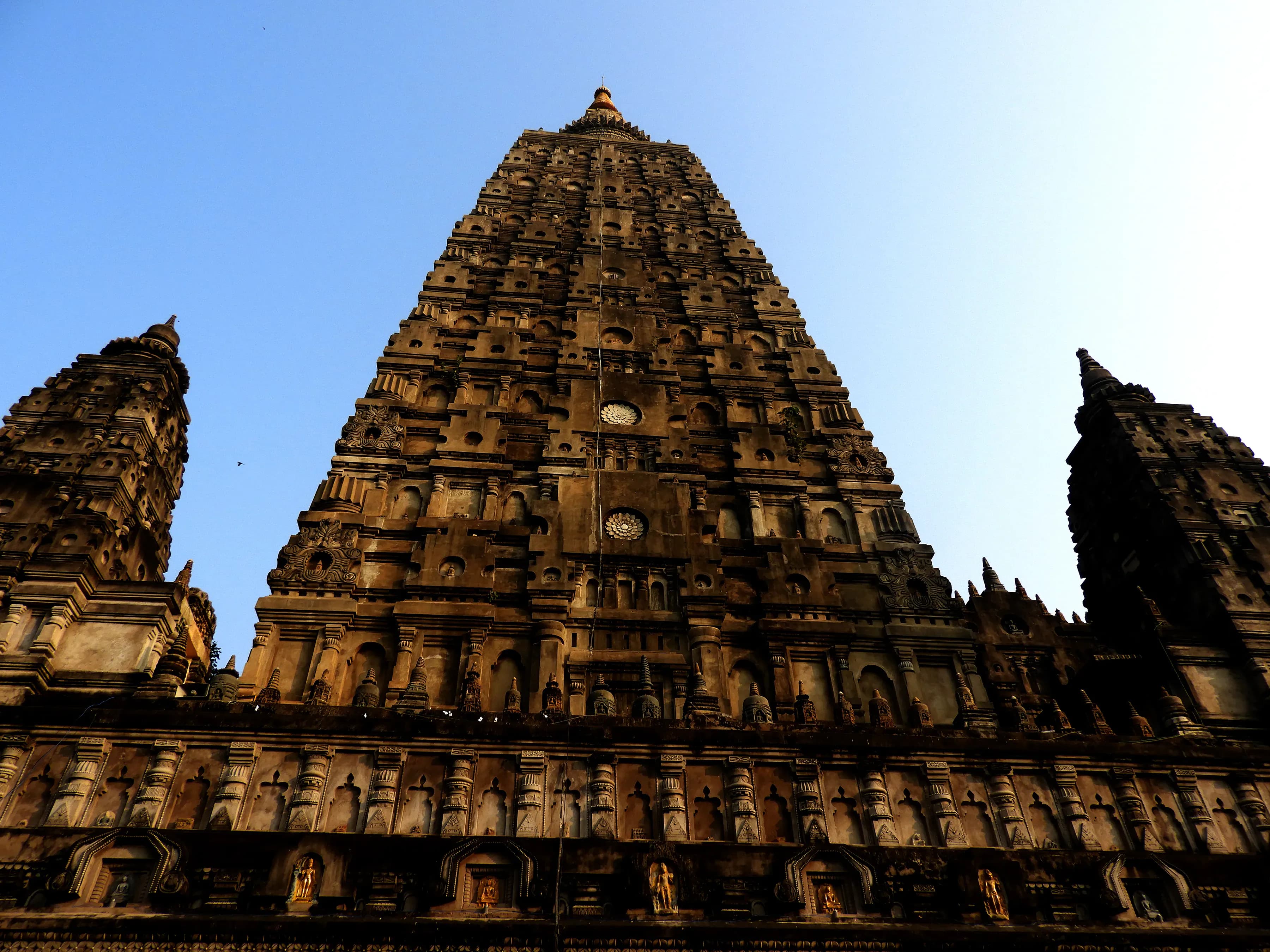
The midday sun beat down on my shoulders, but the shade of the Bodhi tree offered a welcome respite. I sat there, much like countless pilgrims before me, gazing up at the Mahabodhi Temple, its towering pyramidal spire a beacon against the brilliant blue sky. As a Rajasthani journalist accustomed to the sandstone hues and intricate carvings of our forts and palaces, the Mahabodhi Temple presented a striking contrast – a different narrative etched in stone and brick. The sheer scale of the structure is breathtaking. Rising to a height of 55 meters, the main tower is surrounded by four smaller, similarly shaped towers, creating a harmonious, ascending rhythm. The temple’s architecture, distinct from the Rajputana style I’m familiar with, speaks volumes about the historical and cultural exchange that has shaped this region. The shikhara, the pyramidal tower, is a classic feature of North Indian temple architecture, yet here at Bodh Gaya, it takes on a unique character. The brickwork, weathered by centuries of sun and monsoon, lends a sense of antiquity, a palpable connection to the past. Intricate carvings of various deities, celestial beings, and floral motifs adorn the facade, a testament to the skilled craftsmanship of the era. I walked around the temple complex, my fingers tracing the worn stones of the circumambulation path. The air hummed with a quiet energy, a blend of devotion and serenity. Pilgrims from across the globe chanted softly, their faces etched with reverence. I observed the distinct architectural elements – the railings surrounding the main temple, crafted from intricately carved stone, a blend of the older Gupta period style and later additions. These railings, I learned, are among the earliest surviving examples of their kind in India, offering a glimpse into the evolution of Buddhist art and architecture. The Vajrasana, the diamond throne, located at the foot of the Bodhi tree, marks the spot where Siddhartha Gautama is said to have attained enlightenment. The very ground beneath my feet felt charged with history. I noticed the red sandstone slabs surrounding the Vajrasana, a stark contrast to the grey stone of the temple itself, perhaps a later addition or a deliberate choice to highlight the sacred spot. Inside the main sanctum, a colossal gilded statue of the Buddha sits in meditation, radiating an aura of tranquility. The dimly lit chamber, filled with the scent of incense and the murmur of prayers, fostered a sense of introspection. The walls, though bare now, once bore vibrant frescoes, fragments of which can still be seen, hinting at the temple’s former glory. Beyond the main temple, the complex houses several smaller shrines, votive stupas, and meditation platforms. I spent some time exploring these, each structure whispering tales of devotion and spiritual seeking. The variety of architectural styles within the complex reflects the centuries of patronage and renovation the temple has undergone, a testament to its enduring significance. As I left the Mahabodhi Temple, the setting sun casting long shadows across the complex, I carried with me not just images of its architectural grandeur, but a deeper understanding of its spiritual resonance. It was a journey from the familiar landscapes of Rajasthan to the heart of Buddhism, a journey that highlighted the rich tapestry of India’s cultural heritage. The Mahabodhi Temple stands not just as a monument of brick and stone, but as a living testament to the enduring power of faith and the pursuit of enlightenment.

Shiv-Parvati Mandir Hnahthial
The air hung thick and humid, a stark contrast to the arid landscapes of Rajasthan I’m accustomed to. Here in Hnahthial, Mizoram, nestled amidst verdant hills, the Shiv-Parvati Mandir stands as a testament to the surprising religious diversity of this northeastern state. The temple, a relatively recent construction compared to the ancient forts and palaces I’ve explored back home, possesses a unique charm, blending traditional North Indian temple architecture with local Mizo influences. The first thing that struck me was the vibrant colours. Unlike the sandstone hues of Rajasthan’s temples, this one is painted in bright shades of orange, yellow, and red, creating a cheerful, almost festive atmosphere. The main structure rises in a series of tiered roofs, reminiscent of a classic Nagara style shikhara, yet the curvature is gentler, less pronounced. Instead of intricate carvings, the exterior walls are adorned with simpler, bolder motifs – geometric patterns and stylized floral designs that hint at Mizo artistic traditions. Ascending the steps to the main entrance, I noticed the absence of the elaborate gateways and towering gopurams common in South Indian temples. The entrance is relatively modest, framed by two pillars decorated with colourful depictions of deities. Stepping inside, I was greeted by the cool, dimly lit interior. The main sanctum houses the idols of Shiva and Parvati, adorned with vibrant clothing and garlands. The atmosphere was serene, filled with the murmur of prayers and the scent of incense. What truly captivated me was the seamless integration of local elements within the predominantly North Indian architectural framework. The use of locally sourced materials, like bamboo and wood, in the construction of the ancillary structures surrounding the main temple, is a clear example. I observed a small pavilion, crafted entirely from bamboo, serving as a resting place for devotees. The intricate weaving patterns on the bamboo walls showcased the remarkable craftsmanship of the local artisans. The temple complex also houses a small garden, a welcome splash of green amidst the concrete structures. Unlike the meticulously manicured gardens of Rajasthan’s palaces, this one felt more natural, with flowering plants and fruit trees growing in abundance. The gentle rustling of leaves in the breeze added to the tranquil atmosphere. Interacting with the local priest, I learned about the history of the temple. It was fascinating to hear how the local community, predominantly Christian, embraced the construction of this Hindu temple, reflecting the spirit of religious tolerance that permeates Mizoram. He explained how the temple serves as a focal point not just for religious ceremonies but also for social gatherings and cultural events, further strengthening the bonds within the community. As I walked around the temple complex, observing the devotees offering prayers, I couldn't help but draw parallels between the religious practices here and those back home. Despite the geographical distance and cultural differences, the underlying devotion and reverence remained the same. The ringing of bells, the chanting of mantras, the offering of flowers – these rituals transcended regional boundaries, reminding me of the unifying power of faith. Leaving the Shiv-Parvati Mandir, I carried with me a sense of quiet admiration. This temple, a unique blend of architectural styles and cultural influences, stands as a symbol of harmony and acceptance. It’s a testament to the fact that even in the most unexpected corners of India, one can find expressions of faith that resonate deeply with the human spirit. It’s a far cry from the majestic forts and palaces of Rajasthan, yet it holds its own unique charm, offering a glimpse into the rich tapestry of India’s cultural and religious landscape.
Khandoba Temple Jejuri
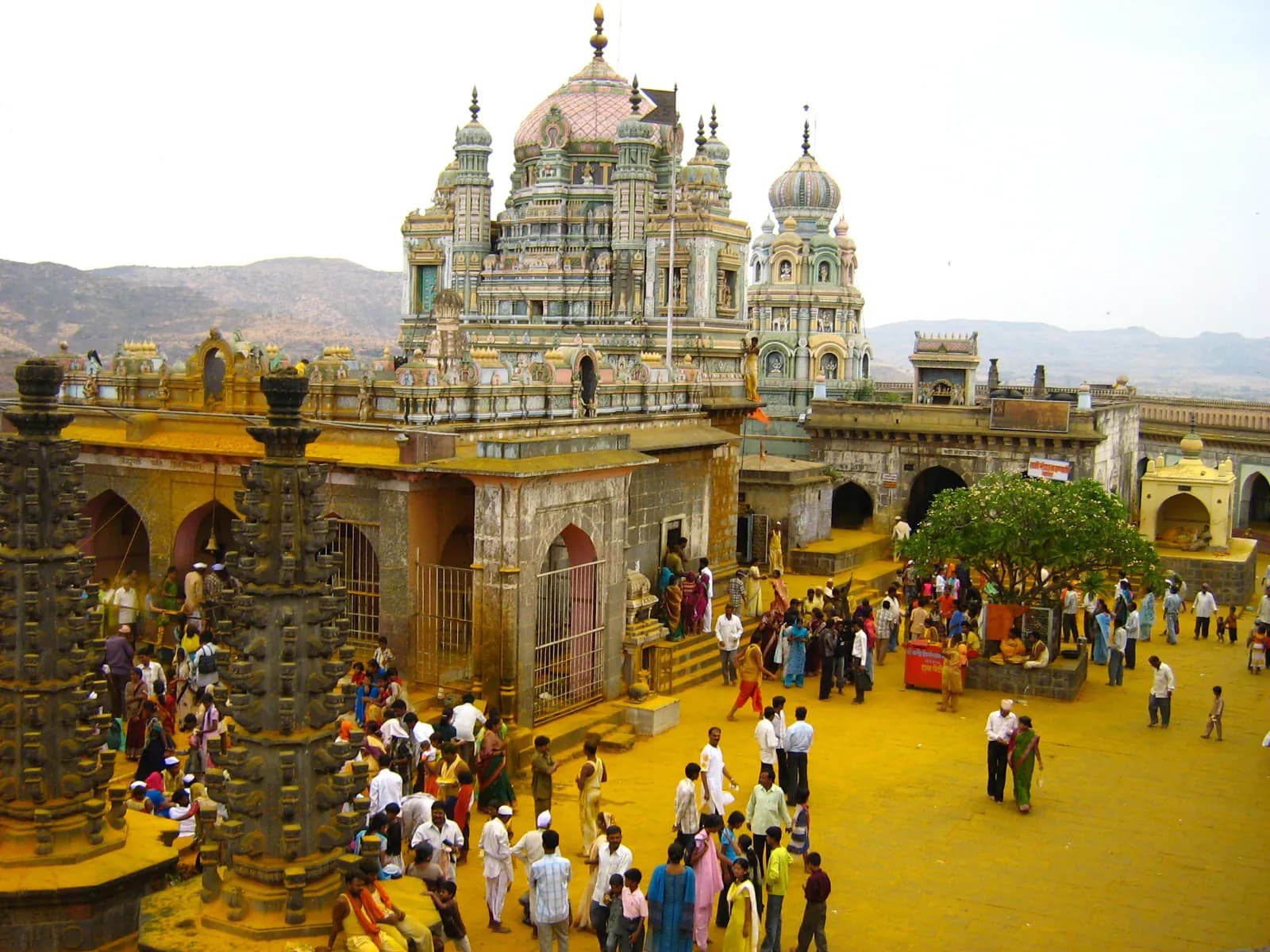
The air crackled with an energy I hadn’t anticipated. Not just the humid Maharashtra air, thick with the promise of monsoon, but a palpable buzz that vibrated through the very stones of the Khandoba Temple in Jejuri. Ascending the steep, worn steps, I felt the weight of centuries pressing down, the echoes of countless pilgrims who had trod this same path before me. This wasn't just a temple; it was a living, breathing testament to unwavering faith. The first thing that struck me, even from a distance, was the sheer dominance of the deep saffron that cloaked the structure. It wasn't a gentle hue, but a vibrant, almost aggressive orange that seemed to pulsate under the midday sun. This bold colour, so characteristic of the region's religious architecture, immediately set the tone for the experience. As I drew closer, the intricate details began to emerge from the saffron canvas: delicate carvings depicting scenes from mythology, sturdy pillars adorned with floral motifs, and the imposing brass-clad main gate, gleaming like a portal to another realm. The temple is a layered structure, built on a hill, creating a sense of ascension, both physically and spiritually. Each level offers a different perspective, a new vantage point from which to admire the surrounding landscape and the architectural marvel itself. The Yadava dynasty’s influence is evident in the robust construction and the use of locally sourced basalt stone, a material that has weathered the centuries with remarkable resilience. Unlike the intricate marble work I’m accustomed to seeing in Gujarati temples, the Khandoba Temple possesses a raw, almost primal beauty. The inner sanctum, where the deity Khandoba resides, is a relatively small chamber, but the energy within is intense. The air is thick with the scent of incense and the murmur of prayers. Devotees throng the space, their faces etched with devotion, offering turmeric, coconuts, and red powder to the deity. The rhythmic clang of bells and the fervent chanting create an atmosphere that is both chaotic and deeply spiritual. It’s a sensory overload, but one that I found strangely comforting. What truly captivated me, however, were the remnants of older structures within the complex. Peeking through the more recent additions, I could discern fragments of earlier temples, hinting at layers of history and architectural evolution. A worn stone lintel here, a weathered pillar base there – these whispers of the past spoke volumes about the enduring significance of this sacred site. It wasn’t merely a static monument, but a dynamic entity, constantly evolving and adapting while retaining its core spiritual essence. As I descended the steps, leaving the vibrant energy of the temple behind, I couldn’t help but reflect on the stark contrast between the architectural styles of Gujarat and Maharashtra. While the Gujarati temples often showcase intricate carvings and delicate filigree work, the Khandoba Temple exudes a powerful, almost austere beauty. It’s a testament to the diverse tapestry of Indian architecture, where each region has developed its own unique expression of faith and artistry. The experience was a powerful reminder that architectural marvels aren’t just about aesthetics; they are about the stories they tell, the history they embody, and the spiritual resonance they evoke. The Khandoba Temple, with its saffron-clad walls and vibrant energy, is a story etched in stone, a story that continues to unfold with each passing generation.
Shree Jagannatha Temple UAE
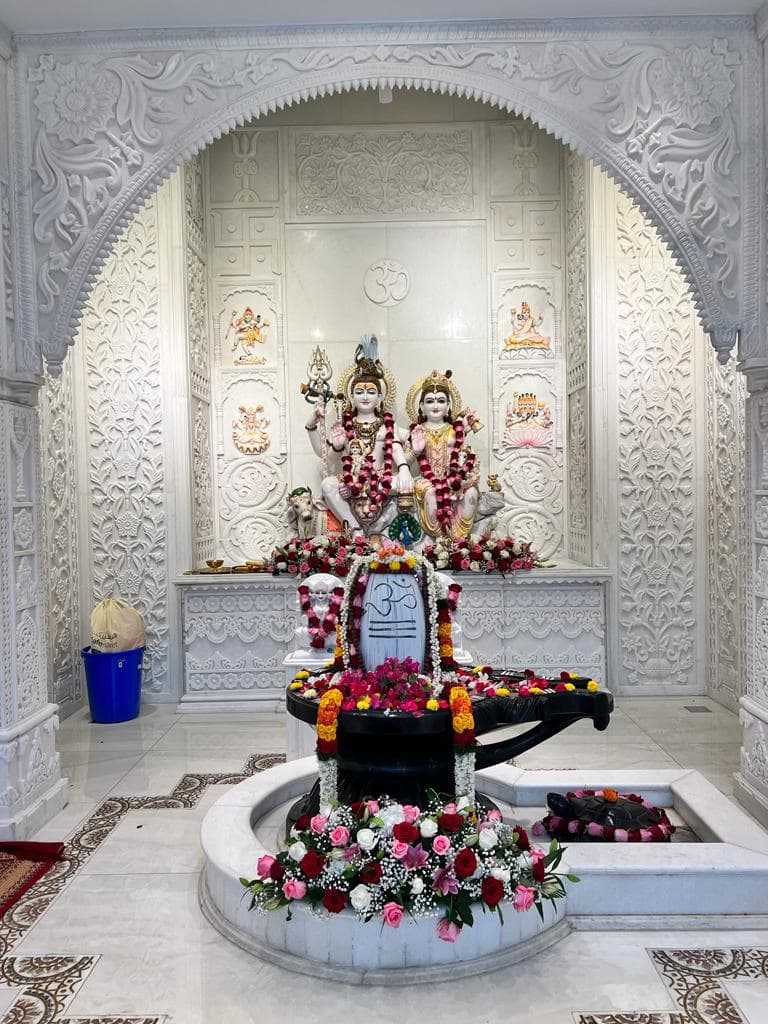
The Shree Jagannatha Temple, situated in Plot No. 37, Jebel Ali Industrial Area 1, Dubai, United Arab Emirates, stands as a profound embodiment of India's millennia-spanning cultural heritage, dedicated to Lord Jagannatha, a revered deity deeply rooted in the spiritual traditions of India [4] [5]. Consecrated in 2022 CE, this temple meticulously adheres to the indigenous Kalinga Nagara architectural style, reflecting a continuous tradition of Indian civilization that has evolved over thousands of years [2] [3]. The architectural design faithfully replicates the distinctive features of Odishan temple architecture, a prominent regional variation within the broader Nagara style [2] . The temple complex is distinguished by its construction primarily with white marble, featuring intricately carved pillars and elaborate geometric designs on its facade, which subtly integrate both Hindu and local aesthetic influences [1]. A notable architectural element is the expansive 3D-printed pink lotus motif that unfurls across the central dome, symbolizing purity and divinity while showcasing a blend of traditional artistry with modern fabrication techniques [1]. The Kalinga Nagara style is fundamentally composed of a Rekha Deula, which houses the sanctum sanctorum (garbhagriha), and a Pidha Deula, serving as the assembly hall (jagamohana) [2] [3]. The Rekha Deula is characterized by its curvilinear shikhara (spire), which ascends gracefully from a perpendicular wall section known as the bada, culminating in a mastaka (crowning element) adorned with an amalaka and kalasha [3]. In contrast, the Pidha Deula features a distinctive pyramidal roof, constructed from a series of diminishing flat platforms, typically topped with an amalaka [3]. While precise dimensions for the Dubai temple's individual components are not extensively publicized, its design principles rigorously follow these established Kalinga Nagara proportions and spatial arrangements, creating a sacred environment that resonates with ancient Indian temple layouts [2]. The interior of the temple enshrines sixteen deities, with the principal triad of Lord Jagannatha, Balabhadra, and Subhadra occupying the central position [1]. The iconography of Lord Jagannatha, uniquely depicted with large, circular eyes and the absence of fully formed limbs, is faithfully rendered, symbolizing his all-encompassing vigilance and reliance on the profound devotion of his followers, a spiritual meaning deeply embedded in Indian mythology [4] [5]. Decorative elements throughout the temple, including traditional bells suspended from the ceiling, enhance the authentic temple ambiance [1]. The construction techniques employed integrate contemporary engineering practices with traditional aesthetic principles to ensure both structural integrity and longevity, particularly adapted to the environmental conditions of the region. The Shree Jagannatha Temple UAE is fully operational, having received its license from the Dubai Community Development Authority, and actively participates in the UAE Year of Tolerance programming, underscoring its role in fostering interfaith understanding and cultural exchange [1]. It serves as a partner site for Incredible India tourism promotion, showcasing the enduring legacy of Indian culture on a global stage. The temple is designed to accommodate a substantial number of devotees, with a capacity for 1,000 to 1,200 worshippers daily, and utilizes a QR-code-based appointment system for efficient crowd management, ensuring both accessibility and a serene visitor experience [1]. This modern temple thus functions as a vibrant cultural and spiritual hub, preserving and propagating the ancient traditions of Jagannatha worship and Kalinga Nagara architecture, thereby extending India's profound and continuous cultural legacy into the 21st century.
Quick Links
Plan Your Heritage Journey
Get personalized recommendations and detailed visitor guides