Has Inheritage Foundation supported you today?
Your contribution helps preserve India's ancient temples, languages, and cultural heritage. Every rupee makes a difference.
Secure payment • Instant 80G certificate
Janjgir Vishnu Mandir Janjgir
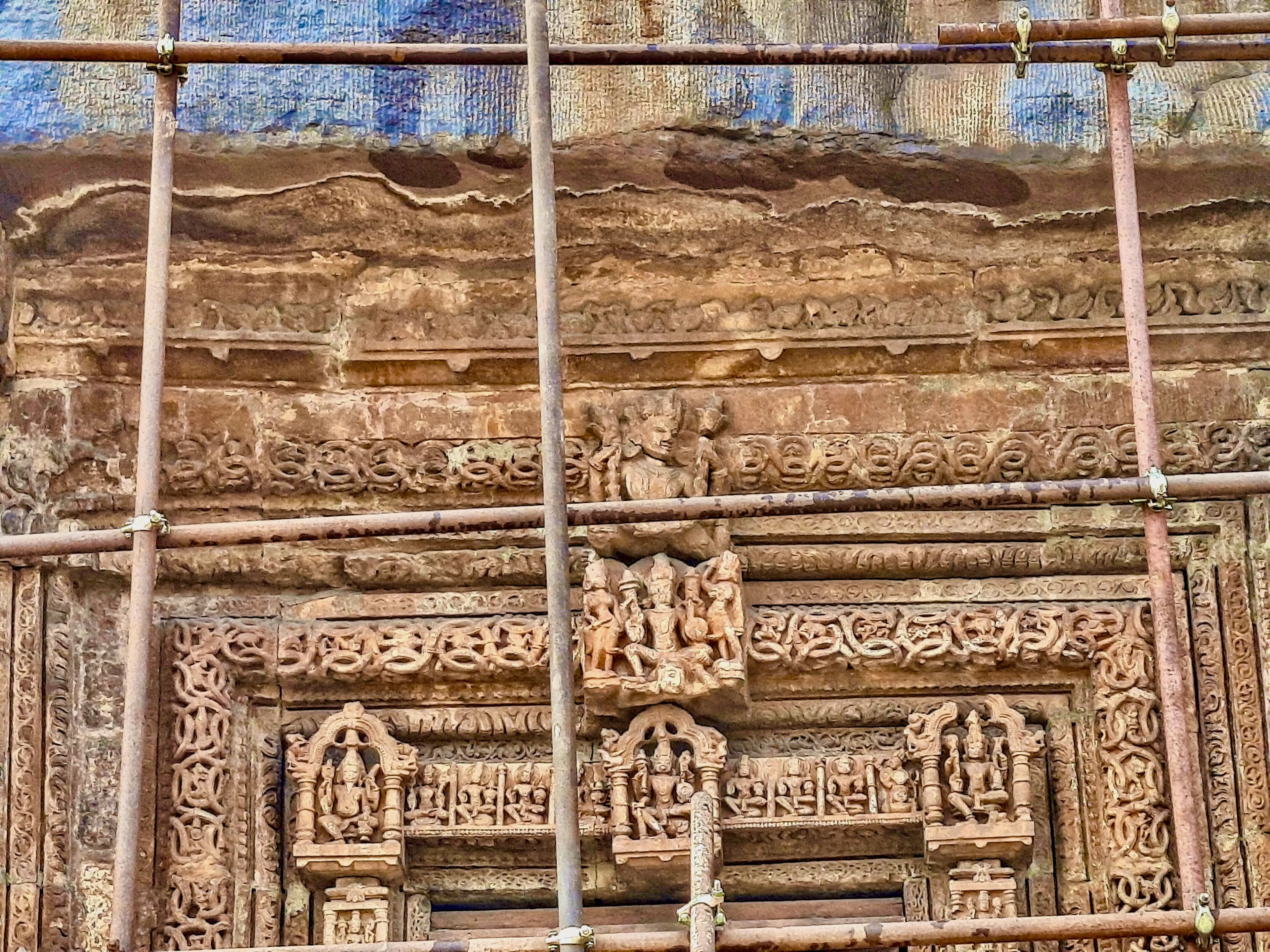
The midday sun beat down on the central Chhattisgarh plains as I approached the Janjgir Vishnu Mandir, its sandstone bulk shimmering in the heat. Having explored countless forts and palaces of Rajasthan, I was eager to see how this relatively lesser-known temple compared to the architectural marvels of my home state. The structure, dedicated to Lord Vishnu, stood on a raised platform, its profile dominated by a soaring shikhara, reminiscent of the Nagara style I was so familiar with, yet distinct in its proportions and detailing. Climbing the worn stone steps, I felt a palpable sense of history beneath my feet. The temple, believed to be constructed during the Kalachuri dynasty between the 11th and 12th centuries, exuded an aura of quiet dignity. Unlike the bustling temple complexes I’d encountered elsewhere, Janjgir Vishnu Mandir possessed a tranquil atmosphere, conducive to contemplation. The main entrance, guarded by intricately carved dwarapalas (door guardians), led into a mandapa, or pillared hall. The pillars, though weathered by time, retained their detailed carvings depicting scenes from Hindu mythology, including various avatars of Vishnu. I was particularly struck by the depiction of Varaha, the boar incarnation, rescuing the earth goddess Bhudevi, a motif I’d seen countless times in Rajasthani sculptures, but here it possessed a unique regional flavour. The mandapa opened into the garbhagriha, the sanctum sanctorum, where the presiding deity, a four-armed Vishnu, resided. Unfortunately, photography wasn't permitted inside, but the mental image of the deity, carved from black stone and adorned with silver ornaments, remained etched in my mind. The dimly lit space, fragrant with incense and the murmur of prayers, evoked a sense of reverence that transcended the physical realm. Stepping back out into the sunlight, I began to appreciate the nuances of the temple's architecture. The shikhara, while sharing similarities with the curvilinear towers of North Indian temples, possessed a more elongated and pointed profile, perhaps influenced by the local architectural traditions. The exterior walls were adorned with intricate carvings of deities, celestial beings, and geometric patterns. Unlike the profuse ornamentation of some Rajasthani temples, the carvings here were more restrained, emphasizing elegance over exuberance. I noticed the use of sandstone blocks of varying sizes, fitted together with precision, a testament to the skill of the ancient craftsmen. Circumambulating the temple, I discovered a series of smaller shrines dedicated to various deities, including Shiva and Shakti. These subsidiary shrines, though less elaborate than the main temple, added to the overall spiritual significance of the site. I was particularly intrigued by a small, almost hidden shrine dedicated to the serpent god, Naga. The presence of Naga worship, while not uncommon in India, seemed to suggest a confluence of different religious traditions in this region. As I sat on the edge of the platform, gazing at the surrounding landscape, I reflected on the unique character of the Janjgir Vishnu Mandir. It wasn't as grand or imposing as some of the monumental temples I’d seen, but it possessed a quiet charm and a sense of historical continuity that resonated deeply. The temple wasn't merely a static monument; it was a living testament to the faith and devotion of generations past, a place where the whispers of ancient prayers still lingered in the air. It served as a reminder that architectural marvels aren't confined to grand palaces and imposing forts; they can also be found in the quiet corners of the country, waiting to be discovered by those who seek them out. My journey to Janjgir, though a departure from the familiar landscapes of Rajasthan, proved to be a rewarding experience, enriching my understanding of India's diverse architectural heritage.
Arunachaleswarar Temple Tiruvannamalai
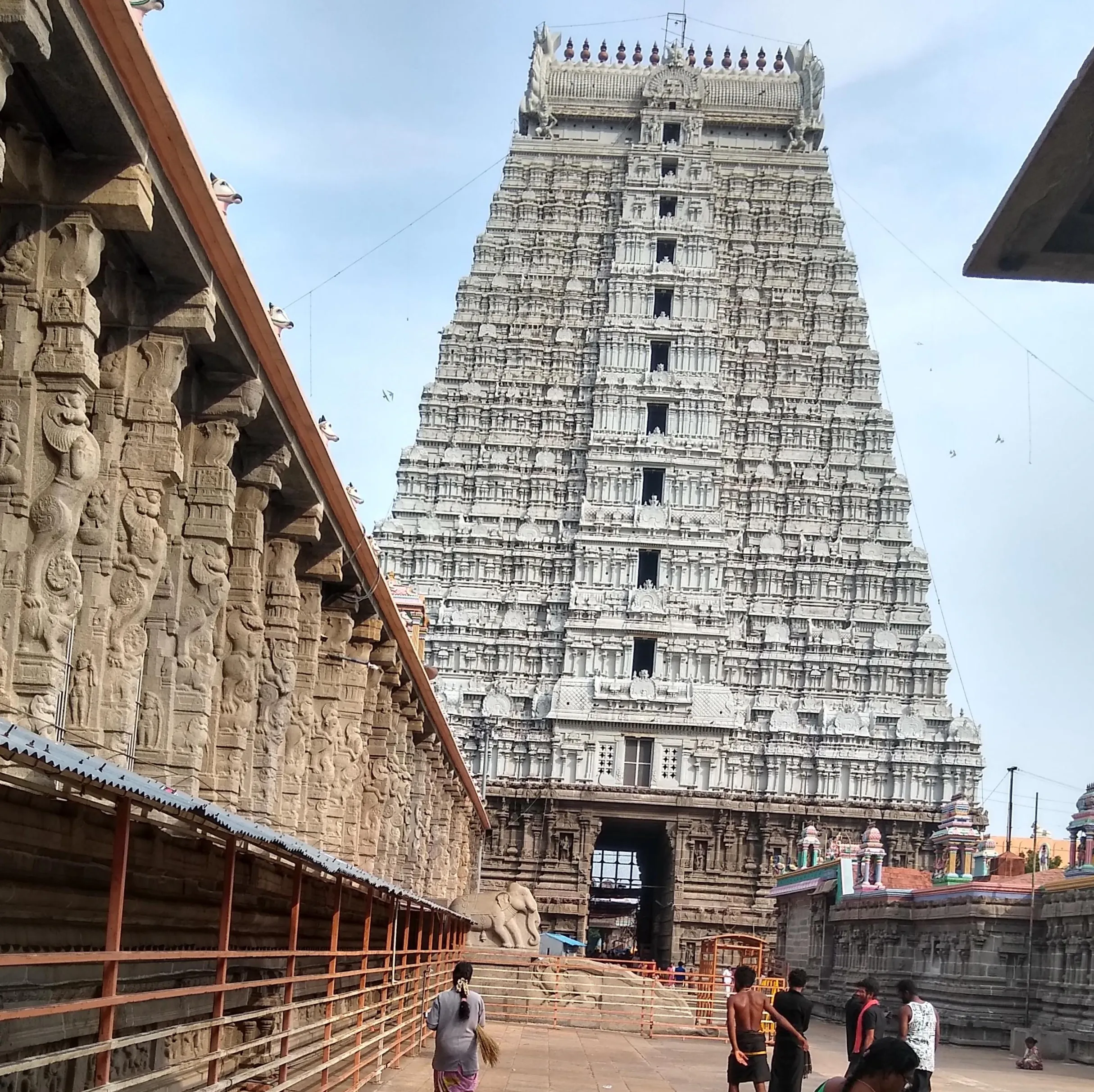
The colossal gopurams of Arunachaleswarar Temple in Tiruvannamalai dominate the landscape, a testament to Dravidian temple architecture ([1]). Approaching the temple, the sheer scale is striking, with nine towering gopurams intricately sculpted with deities ([2][3]). The Rajagopuram, an 11-tiered eastern gateway, exemplifies the temple's grandeur and serves as the primary entrance ([4]). Intricate carvings adorning the walls depict scenes from Hindu mythology, showcasing the artistic skills of the artisans who worked on the temple ([5]). Within the Garbhagriha (Sanctum), the lingam representing Shiva is the focal point of devotion, drawing devotees from far and wide ([6]). The temple, built around 850 CE during the Chola period, reflects the dynasty's patronage of art and architecture ([7][8]). Granite and sandstone blocks, meticulously carved, form the structural components of this sacred space ([9]). During the Chola period, temple architecture reached new heights, with an emphasis on elaborate ornamentation and towering structures ([10]). Vastu Shastra principles, the ancient Indian science of architecture, likely guided the temple's layout and design, ensuring harmony and balance ([11]). The thousand-pillared hall, or Mandapa (Pillared Hall), displays geometric patterns, a contrast to the figurative sculptures found elsewhere ([12]). The Kambathu Amman Sannadhi, dedicated to Parvati, offers a serene space for contemplation and prayer ([13]). Circling the temple on the Girivalam path reinforces the temple's spiritual significance, a practice deeply rooted in Hindu tradition ([14]). The walls of the temple serve as a canvas of history, with inscriptions in ancient Tamil script and architectural additions from various dynasties ([15]). These inscriptions provide valuable insights into the temple's history and the socio-cultural context of the time ([16]). Arunachaleswarar Temple embodies the artistic genius of Dravidian architecture, a legacy that continues to inspire awe and reverence ([17]).

Sanamahi Temple Imphal
The air, thick with the scent of incense and marigold, vibrated with a low hum of chanting as I stepped into the Lainingthou Sanamahi Kiyong Temple complex in Imphal. This wasn't the ornate, stone-carved architecture I was accustomed to in Gujarat. Here, in the heart of Manipur, a different kind of beauty unfolded, a testament to Meitei traditions and a reverence for nature. The temple, dedicated to Lainingthou Sanamahi, the supreme deity in Meitei Sanamahism, felt rooted in the earth, exuding an ancient energy. The first thing that struck me was the absence of a central deity idol within the main sanctum. Instead, a sacred fire, perpetually burning, held court. This fire, the symbolic representation of Sanamahi, flickered and danced, casting an ethereal glow on the surrounding space. The sanctum itself, a simple, square structure, was constructed from wood and bamboo, materials that spoke of harmony with the environment. Its thatched roof, layered thick and sloping steeply, was a marvel of traditional craftsmanship, a design I later learned was meant to withstand the heavy monsoon rains. Surrounding the main sanctum were smaller shrines dedicated to other deities of the Meitei pantheon. Each shrine, though distinct, shared a common architectural vocabulary: the same natural materials, the same reverence for simplicity. Unlike the elaborate carvings and sculptures adorning Gujarati temples, the beauty here lay in the clean lines, the unadorned surfaces, and the palpable sense of sacredness. I spent some time observing the rituals. Devotees, dressed in traditional attire, offered flowers, fruits, and incense to the sacred fire. The rhythmic chanting, accompanied by the beating of drums, created a mesmerizing soundscape, transporting me to another realm. It was a stark contrast to the temple rituals I was familiar with, yet equally captivating. The reverence and devotion were universal, transcending the differences in language and ritualistic practices. The temple complex wasn't confined to the structures alone. A large open courtyard, meticulously maintained, formed the heart of the space. This courtyard, I learned, was crucial for community gatherings and festivals. I could almost visualize the vibrant celebrations, the dances, the music, transforming this serene space into a hub of cultural expression. Tall, slender trees dotted the periphery, providing shade and a sense of tranquility. The integration of nature into the temple complex wasn't merely aesthetic; it was integral to the Meitei belief system, a reflection of their deep connection with the natural world. As I wandered through the complex, I noticed intricate wood carvings adorning the pillars and lintels. These weren't depictions of deities, as one might expect, but rather intricate geometric patterns and stylized floral motifs. The craftsmanship was exquisite, a testament to the skill and artistry of the local artisans. The absence of representational imagery further emphasized the focus on the intangible, the spiritual essence of the deity. My visit to the Lainingthou Sanamahi Kiyong Temple was a profound experience. It challenged my preconceived notions of what constituted sacred architecture. It wasn't the grandeur of scale or the opulence of materials that defined this space, but rather the simplicity, the connection to nature, and the palpable sense of spiritual energy. It was a reminder that architectural marvels can take many forms, each reflecting the unique cultural and spiritual landscape of its people. Leaving the temple, the scent of incense still clinging to my clothes, I carried with me a newfound appreciation for the diverse expressions of faith and the architectural wonders they inspire.
Tashilhunpo Monastery Shigatse Tibet
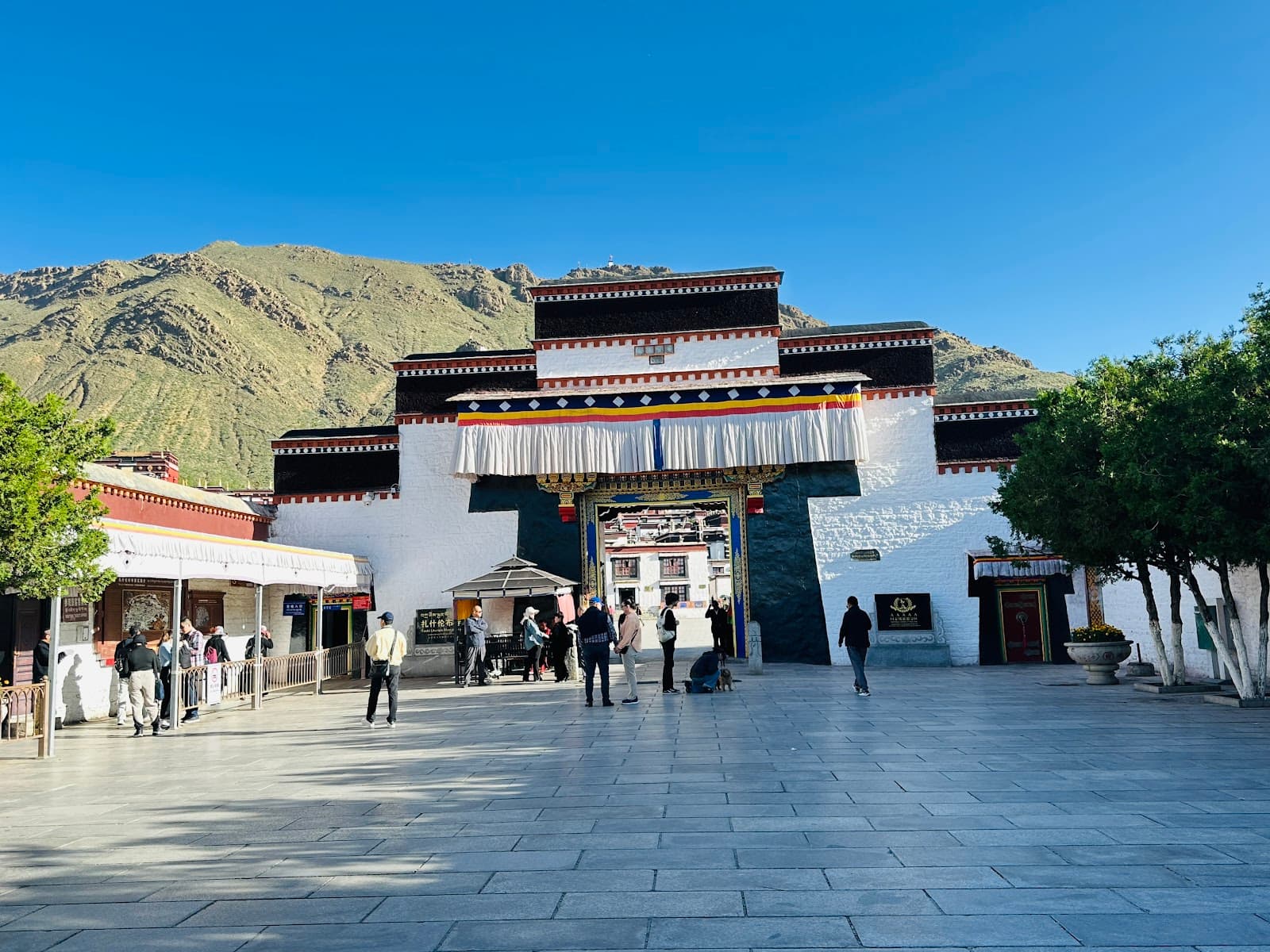
Tashilhunpo Monastery, located in Shigatse, Tibet, represents one of the most important monasteries in Tibet and stands as the traditional seat of the Panchen Lama, constructed in the 15th century CE during the period when Tibetan Buddhism was flourishing under the influence of Indian Buddhist traditions transmitted through centuries of cultural and religious exchange between Tibet and India. The monastery complex, constructed primarily from stone, wood, and earth with extensive decorative elements, features a massive structure containing numerous temples, chapels, assembly halls, and residential quarters arranged according to Indian Buddhist monastery planning principles, with the overall design reflecting mandala-based cosmological principles found in Indian Buddhist architecture. The monastery’s architectural design demonstrates direct influence from Indian Buddhist monastery architecture, particularly the Nalanda and Vikramashila models, with the overall plan and decorative elements reflecting traditions that were transmitted to Tibet through centuries of cultural exchange, while the extensive library and learning facilities demonstrate the transmission of Indian Buddhist scholarship traditions to Tibet. Archaeological and historical evidence indicates the monastery was constructed with knowledge of Indian Buddhist architectural treatises and learning traditions, reflecting the close cultural connections between Tibet and India during the medieval period, when Indian Buddhist scholars, texts, and architectural knowledge continued to influence Tibetan Buddhism. The monastery has served as a major center for Tibetan Buddhist learning and practice for over five centuries, maintaining strong connections to Indian Buddhist traditions through the study of Indian Buddhist texts, philosophy, and practices. The monastery has undergone multiple expansions and renovations over the centuries, with significant additions conducted to accommodate growing numbers of monks and expanding educational programs. Today, Tashilhunpo Monastery continues to serve as an important place of Buddhist worship and learning in Tibet, demonstrating the enduring influence of Indian Buddhist traditions on Tibetan culture and serving as a powerful symbol of Tibet’s deep connections to Indian civilization. ([1][2])
Ananthapura Lake Temple Kasaragod
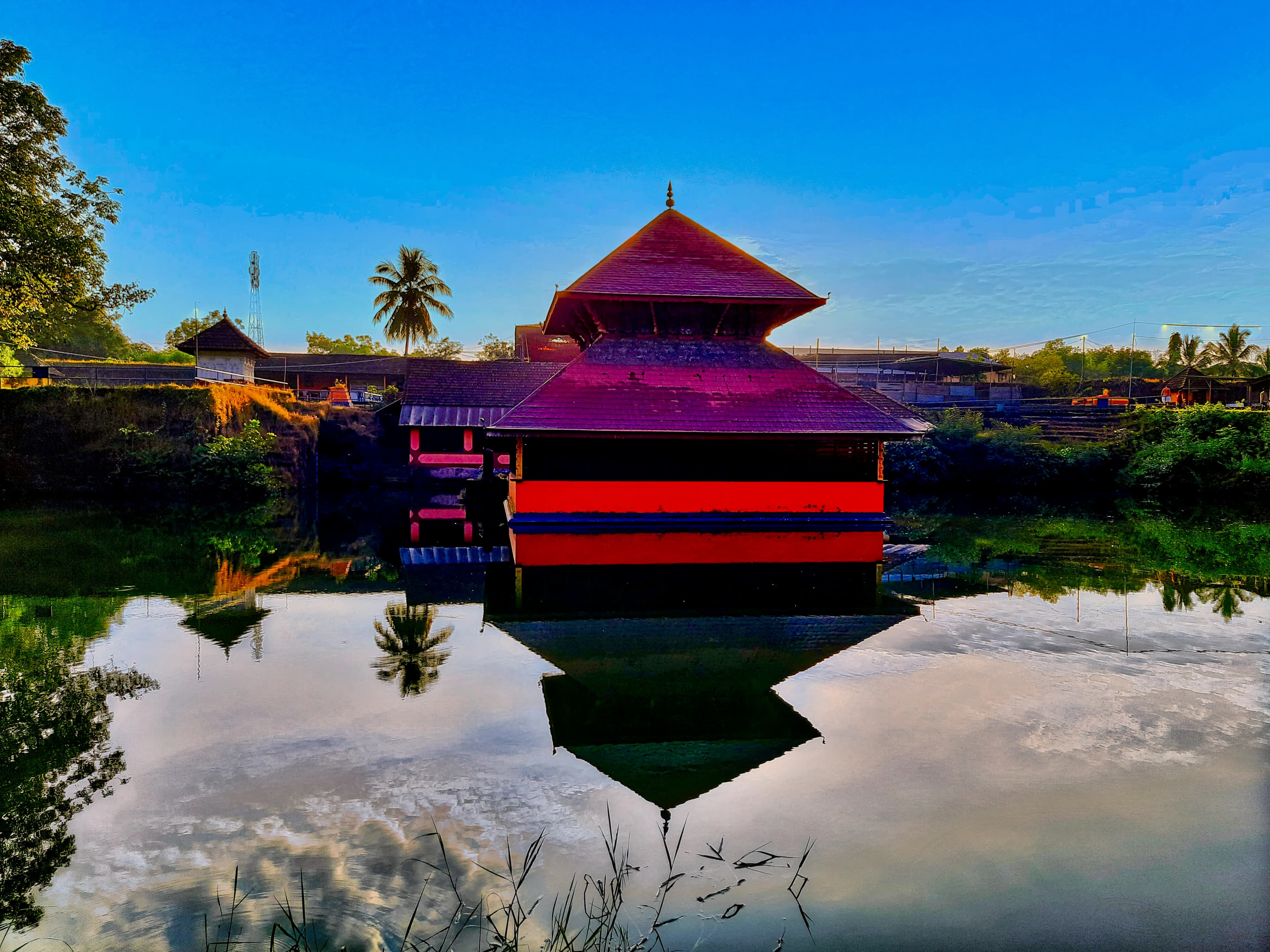
Nestled in the verdant landscapes of Kerala, the Ananthapura Lake Temple in Kasaragod provides a tranquil spiritual experience ([1][2]). Dating to 850 CE, during the Chera period, this unique temple is dedicated to Lord Vishnu as Ananthapadmanabha ([1]). The temple exemplifies the Kerala Dravidian architectural style, characterized by sloping roofs and laterite construction ([2]). The Kadamba dynasty of North Canara were patrons of the temple ([1]). Within the Garbhagriha (Sanctum), the idol of Lord Vishnu reclining on the serpent Anantha captivates devotees ([2]). Intricate carvings adorn the wooden pillars, depicting scenes from Hindu mythology and reflecting the region's rich artistic traditions ([3]). These carvings serve not only as decoration but also as a narrative medium, conveying stories and teachings to devotees ([3]). Granite and wood are also used in the temple's construction ([1]). During the Chera period, temple architecture in Kerala flourished, with structures designed to withstand the region's heavy rainfall ([5]). Temple complexes often included features like the Kulam (Pond) which is connected to the rich heritage and culture of the region ([6]). The presence of Babiya, the vegetarian crocodile, adds to the temple's mystique, symbolizing the intertwining of nature and spirituality ([3]). Vastu Shastra principles, the ancient Indian science of architecture, likely guided the temple's layout and orientation, harmonizing it with its natural surroundings ([4]). The Manasara Shilpa Shastra and Mayamata texts provide detailed guidelines on temple construction, including the precise measurements and placement of various elements to create a sacred space ([7]). Stone platforms and foundations demonstrate the temple's enduring construction ([1]). The use of laterite, a locally sourced material, highlights the temple's integration with the regional environment ([2]).
Naina Devi Temple Bilaspur
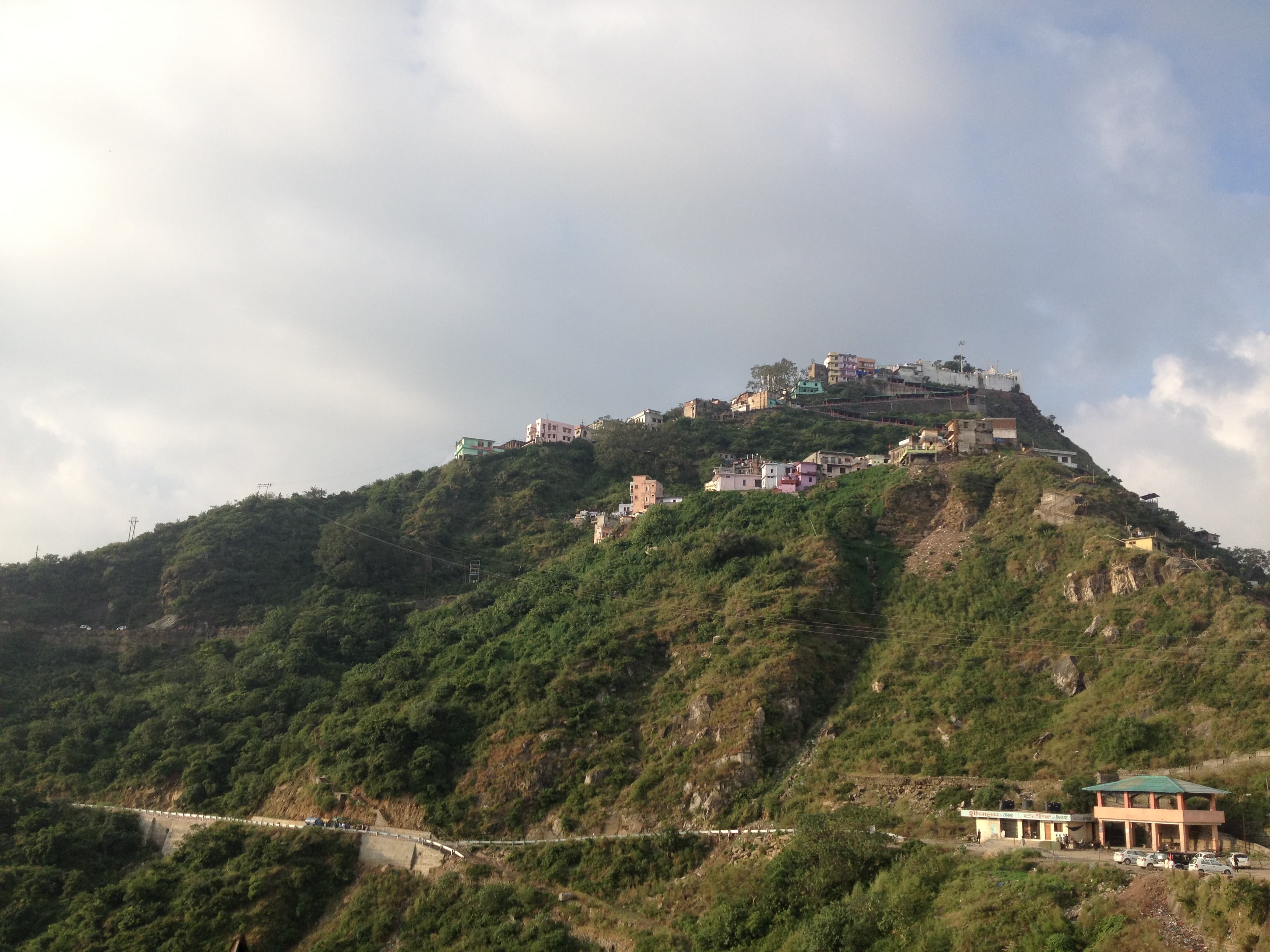
The crisp Himalayan air, scented with pine and a hint of something sacred, whipped around me as I ascended the winding path to Naina Devi Temple. Located atop a hill overlooking the Gobind Sagar reservoir in Bilaspur, Himachal Pradesh, this temple is a far cry from the rock-cut caves and ancient stone temples I'm accustomed to in my home state of Maharashtra. The journey itself sets the tone – a blend of natural beauty and palpable devotion. You can choose to hike up the steep path, a test of endurance rewarded by breathtaking views, or opt for the cable car, a swift, scenic ascent that offers glimpses of the sprawling reservoir below. Reaching the summit, I was immediately struck by the vibrant energy of the place. Unlike the hushed reverence of many ancient temples, Naina Devi buzzed with activity. Pilgrims from all walks of life, their faces etched with faith, thronged the courtyard, their murmured prayers mingling with the clanging of bells and the rhythmic chants of priests. The temple's architecture, a blend of traditional North Indian styles with a touch of modernity, immediately caught my eye. The main shrine, dedicated to the goddess Naina Devi, is a relatively new structure, rebuilt after an earthquake in 1905. Its brightly painted walls, adorned with intricate carvings and depictions of various deities, stand in stark contrast to the rugged, natural backdrop of the Himalayas. The main idol of Naina Devi, housed within the sanctum sanctorum, is a powerful representation of Shakti. Two prominent eyes, the 'Naina' that give the temple its name, dominate the image, radiating an aura of strength and protection. Unlike the meticulously sculpted stone idols I'm familiar with in Maharashtra, this representation felt more primal, more visceral. It's a simple depiction, yet it holds a profound significance for the devotees, who offer their prayers with unwavering devotion. Surrounding the main shrine are smaller temples dedicated to other deities, creating a complex of worship that caters to diverse faiths. I noticed a small shrine dedicated to Hanuman, the monkey god, a familiar figure from my explorations of Maharashtra's temples. This subtle connection, a thread of shared belief across geographical boundaries, resonated deeply with me. It highlighted the unifying power of faith, a common language spoken across the diverse landscape of India. Beyond the religious significance, the temple offers a panoramic vista that is simply breathtaking. The Gobind Sagar reservoir, a vast expanse of turquoise water nestled amidst the rolling hills, stretches out before you, creating a mesmerizing spectacle. The snow-capped peaks of the Himalayas, piercing the clear blue sky, form a majestic backdrop, adding a touch of grandeur to the already stunning landscape. I spent a considerable amount of time simply absorbing the view, feeling a sense of peace and tranquility wash over me. One aspect that particularly intrigued me was the integration of the natural landscape into the temple complex. Massive boulders, remnants of the Himalayan geology, are incorporated into the architecture, blurring the lines between the man-made and the natural. This harmonious coexistence, a hallmark of many Himalayan temples, speaks to a deep respect for the environment, a philosophy that resonates strongly with my own beliefs. My visit to Naina Devi Temple was more than just a journalistic assignment; it was a spiritual experience. It offered a glimpse into a different cultural landscape, a different way of expressing faith. While the architectural style and rituals differed significantly from what I'm accustomed to in Maharashtra, the underlying essence of devotion, the unwavering belief in a higher power, remained the same. It reinforced my belief that despite the diversity of our traditions, the human quest for spiritual meaning remains a universal constant. As I descended the hill, the clanging of temple bells fading into the distance, I carried with me not just photographs and notes, but a renewed appreciation for the power of faith and the beauty of the Himalayas.

Lakshmi Narayan Temple Agartala
The vibrant vermilion and white hues of the Lakshmi Narayan Temple in Agartala struck me the moment I stepped off the auto-rickshaw. Having explored the basalt-carved caves and ancient stone temples of Maharashtra extensively, this relatively modern structure, consecrated in 1999, presented a refreshing contrast. The temple, dedicated to Lakshmi, the goddess of wealth, and Narayan, a form of Vishnu, stands as a testament to Tripura's rich spiritual heritage, distinct from the architectural styles I was accustomed to. The temple complex is expansive, encompassing not just the main shrine but also smaller temples dedicated to other deities like Ganesha and Shiva. A large, serene pond flanks the main temple, its still waters reflecting the ornate structure, creating a picturesque scene. The architecture is a fascinating blend of traditional and contemporary elements. While the core structure adheres to the Nagara style common in North India, with its curvilinear shikhara (tower) rising above the sanctum, the intricate carvings and embellishments showcase a distinct regional influence. I noticed the extensive use of white marble, which lends the temple a luminous quality, especially striking under the Tripura sun. The vermilion accents, particularly on the shikhara, add a vibrant pop of colour, creating a visually arresting contrast. As I entered the main sanctum, the atmosphere shifted. The air was thick with the scent of incense and the murmur of prayers. The idols of Lakshmi and Narayan, resplendent in gold ornaments, commanded attention. Unlike the dimly lit interiors of many ancient temples, this space was bathed in soft light, allowing for a clear view of the deities and the intricate details of the sanctum. I observed the meticulous craftsmanship in the carvings adorning the walls and pillars, depicting scenes from Hindu mythology. The narrative panels, though newer, echoed the storytelling tradition seen in ancient temple art, albeit with a modern sensibility. Stepping out of the main shrine, I explored the surrounding smaller temples. Each had its own unique charm, showcasing different architectural nuances and dedicated to different deities. The Ganesha temple, with its playful depiction of the elephant-headed god, was particularly endearing. The Shiva temple, smaller and more austere, offered a quiet space for contemplation. The presence of these ancillary shrines created a sense of a vibrant spiritual ecosystem, a place where devotees could connect with various aspects of their faith. The large pond adjacent to the main temple added another layer to the experience. Devotees were performing rituals by the water's edge, while others simply sat by the pond, enjoying the tranquil atmosphere. The reflection of the temple in the still water created a mesmerizing visual, amplifying the sense of serenity. I spent some time observing the interplay of light and shadow on the water, the ripples created by the occasional breeze disrupting the mirrored image, only to reform moments later. My visit to the Lakshmi Narayan Temple was more than just a sightseeing experience; it was an immersion into a living, breathing spiritual hub. While vastly different from the ancient caves and temples I've explored in Maharashtra, it offered a unique perspective on how faith and architecture intertwine. The temple's modern construction, vibrant colours, and intricate carvings, combined with the palpable devotion of the worshippers, created a memorable experience. It served as a reminder that spirituality is not confined to ancient stones and weathered carvings; it can find expression in contemporary forms, resonating with the beliefs and aspirations of a modern community. The Lakshmi Narayan Temple stands as a testament to this enduring power of faith, expressed through the language of art and architecture.
Ayaz-Kala Karakalpakstan Uzbekistan
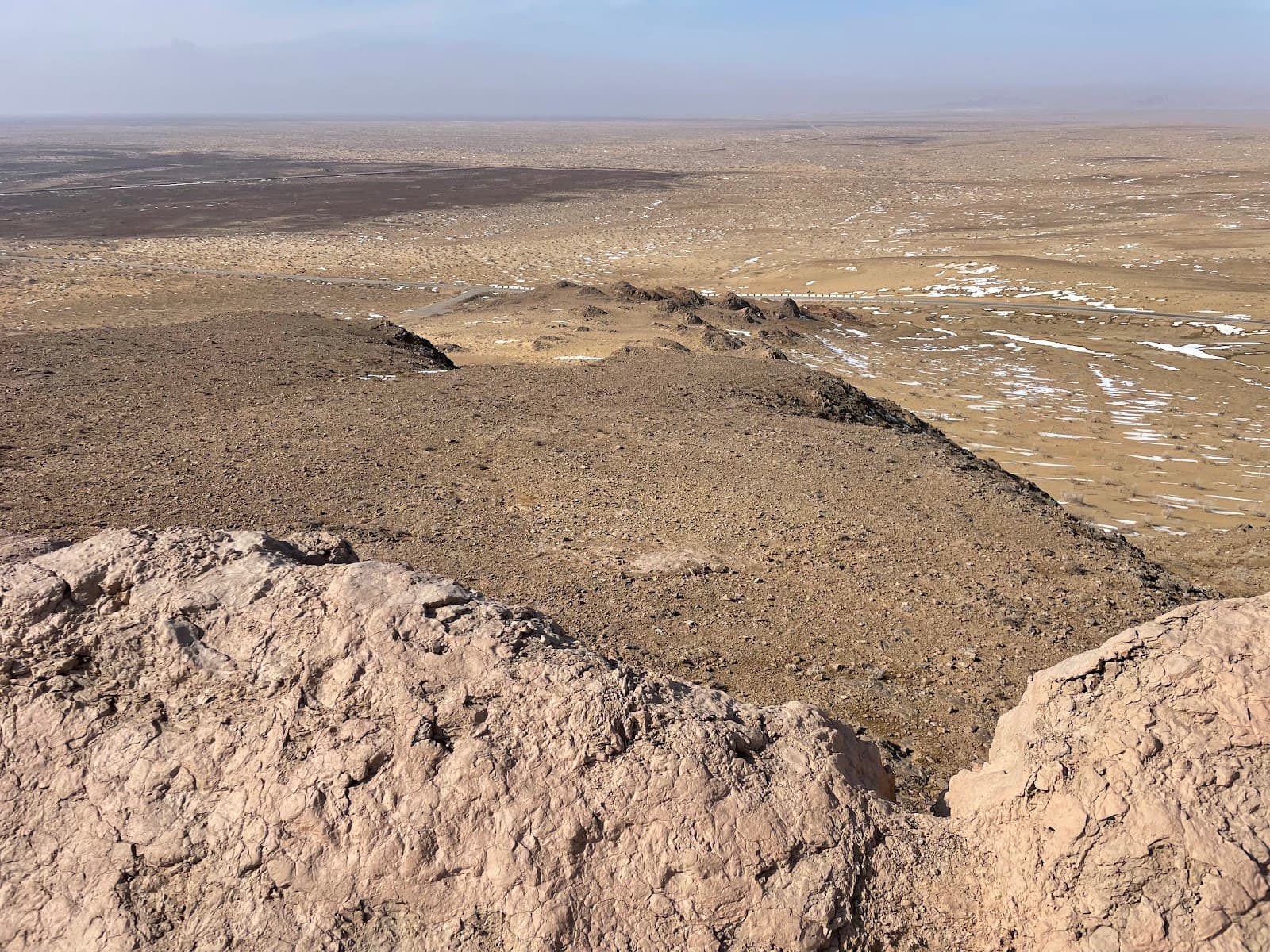
Ayaz-Kala, a monumental complex in Karakalpakstan, Uzbekistan, stands as a profound testament to millennia of continuous cultural traditions, reflecting deep ancient Indian origins and its role in the broader tapestry of Indic civilization along the Silk Road [4]. This site, comprising three distinct fortresses, integrates Khorezmian military architecture with significant elements of Zoroastrian fire temple design and potential Indic religious influences [4]. Ayaz-Kala 1, dating to the 4th-3rd century BCE, is a rectangular fortress measuring 182 by 152 meters, perched atop a 100-meter-high hill, offering strategic views over the Kyzylkum Desert [5]. Its defensive system features double walls, approximately 10 meters high and 2.2 to 2.4 meters thick at the base, constructed from dried mud brick with packed earth infill [5]. A vaulted corridor, about 2 meters wide, runs between the inner and outer walls, providing a sheltered passageway for archers, who could fire through regularly spaced slits [5]. An upper open-air gallery further enhanced defensive capabilities [5]. The sole entrance, located in the southern wall, is a fortified gatehouse with a square enclosure, designed as a labyrinthine passage forcing attackers to turn 90 degrees, exposing them to fire from multiple angles [1]. Ayaz-Kala 2, an oval feudal fortress from the 6th-8th century CE, sits on a 40-meter-high conical hill and includes a palace with residential quarters, ceremonial halls supported by multiple columns, and a fire temple adorned with wall paintings [5]. Ayaz-Kala 3, a large parallelogram-shaped garrison from the 1st-2nd century CE, spans approximately 5 hectares with external walls 7.5 meters wide and circular watchtowers 8 meters in diameter, built with 'paksha' (cob) in lower sections and adobe blocks in upper parts [1] [5]. Archaeological excavations have revealed remnants of fire temples, providing evidence of Zoroastrian practices and their connections to Vedic fire worship traditions, with stone platforms and foundations suggesting a 'Garbhagriha'-like space for rituals, echoing layouts found in ancient Indian texts like the Agni Purana [4] [1]. The strategic elevated positioning of these structures aligns with Zoroastrian cosmological beliefs and principles akin to Vastu Shastra, emphasizing harmony with natural energies [4]. The site is currently in a state of partial preservation, with ongoing archaeological research and structural stabilization efforts under UNESCO oversight [4]. Visitor access is available daily from 9:00 AM to 5:00 PM, with an entry fee of UZS 25,000 for foreigners, and limited facilities including parking and restrooms [4]. The complex stands as a profound testament to India's enduring cultural legacy, demonstrating the deep historical roots and continuous traditions of architectural and spiritual exchange across ancient Asia [4]. The site is operationally ready for visitors, offering a tangible connection to ancient Indic cultural continuity [4].
Kelaniya Raja Maha Vihara Colombo Sri Lanka
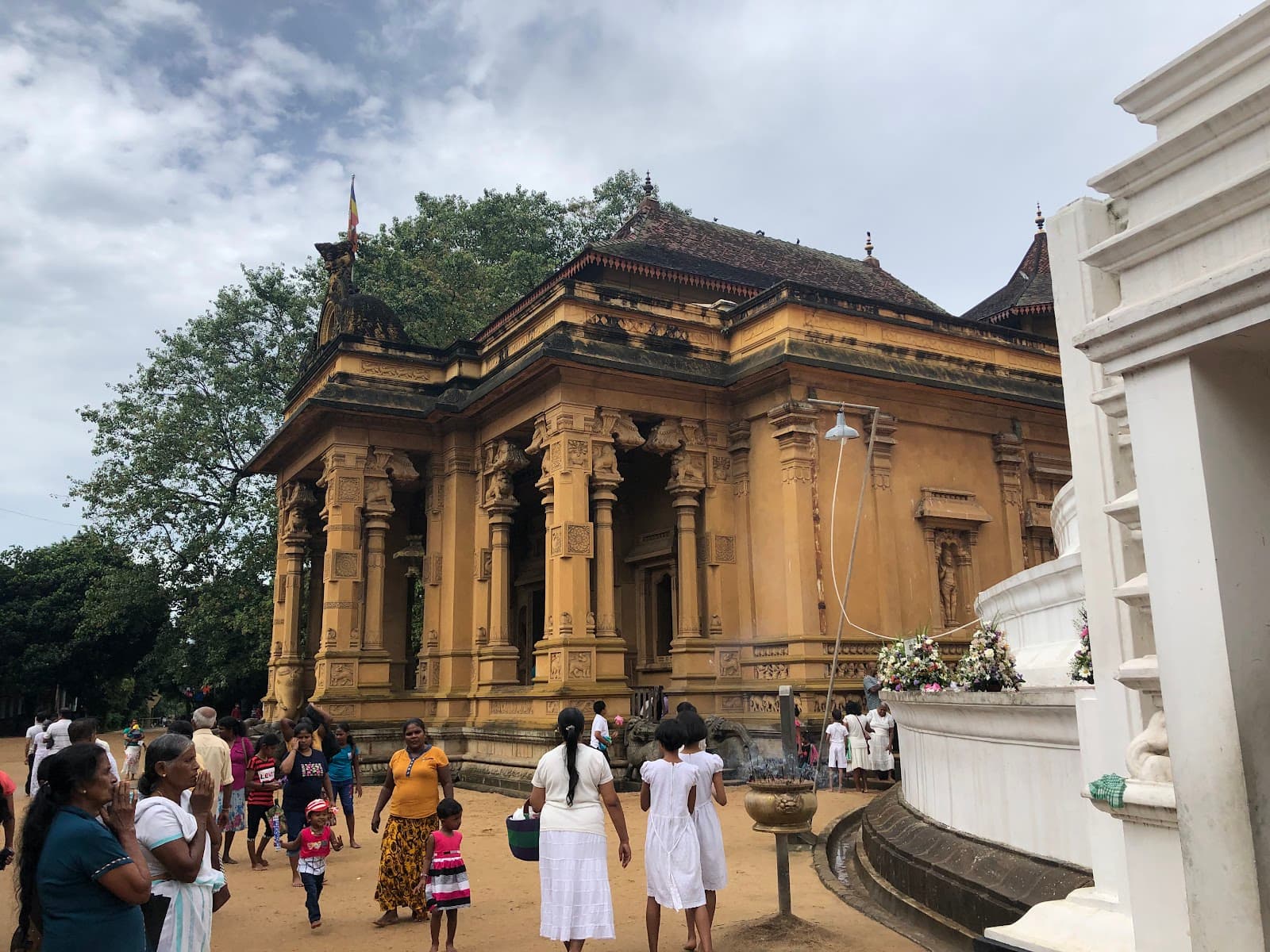
Kelaniya Raja Maha Vihara, dramatically situated on the banks of the Kelani River near Colombo, represents one of the most extraordinary and historically significant Buddhist temples in Sri Lanka, with lore tracing its origins back to the 6th century BCE when the Buddha is believed to have visited the site during his third visit to Sri Lanka, creating a powerful testament to the profound transmission of Indian Buddhist religious traditions to Sri Lanka and serving as a major center of Buddhist worship that integrates a Vishnu shrine, demonstrating the sophisticated religious syncretism that has characterized Sri Lankan religious practices. The temple complex, also known as Kelaniya Temple, features sophisticated architectural elements that demonstrate the direct transmission of Indian Buddhist temple architecture, particularly the traditions of northern India during the time of the Buddha, with local adaptations that reflect the sophisticated synthesis of Indian Buddhist religious and artistic traditions with Sri Lankan building techniques, while the temple's most remarkable feature is its association with the Buddha's visit, which is documented in ancient chronicles including the Mahavamsa and represents one of the most important events in the history of Buddhism in Sri Lanka. The temple's architectural layout, with its central stupa, image house, and assembly halls, follows sophisticated Indian Buddhist monastery planning principles that were systematically transmitted from the great monastic centers of India, while the temple's extensive decorative programs including murals, sculptures, and architectural elements demonstrate the sophisticated synthesis of Indian Buddhist iconography and artistic traditions with local Sri Lankan aesthetic sensibilities. Archaeological evidence reveals that the temple served as a major center of Buddhist worship for over two and a half millennia, attracting pilgrims from across Sri Lanka and South India, while the discovery of numerous inscriptions in Sinhala, Tamil, and Sanskrit provides crucial evidence of the site's role in the transmission of Indian Buddhist texts and practices to Sri Lanka, demonstrating the sophisticated understanding of Indian Buddhist traditions possessed by the temple's patrons and religious establishment. The temple's unique feature of integrating a Vishnu shrine within the Buddhist temple complex demonstrates the sophisticated religious syncretism that has characterized Sri Lankan religious practices, while the temple's association with the Kelani River, which flows into the Indian Ocean, underscores its significance as a center for the transmission of Buddhist teachings, art, and culture from India to Sri Lanka. The temple complex has undergone multiple reconstructions throughout its history, with the current structure representing a modern reconstruction that faithfully preserves the temple's original architectural character and spiritual significance, while ongoing archaeological research continues to reveal evidence of the temple's ancient origins and its role in the transmission of Indian religious traditions to Sri Lanka. Today, Kelaniya Raja Maha Vihara stands as one of the most important Buddhist pilgrimage sites in Sri Lanka, serving as a powerful testament to the transmission of Indian Buddhist culture and architecture to Sri Lanka, while ongoing archaeological research and conservation efforts continue to protect and study this extraordinary cultural treasure that demonstrates the profound impact of Indian civilization on Sri Lankan religious and artistic traditions. ([1][2])
Muktinath Temple Ranipauwa
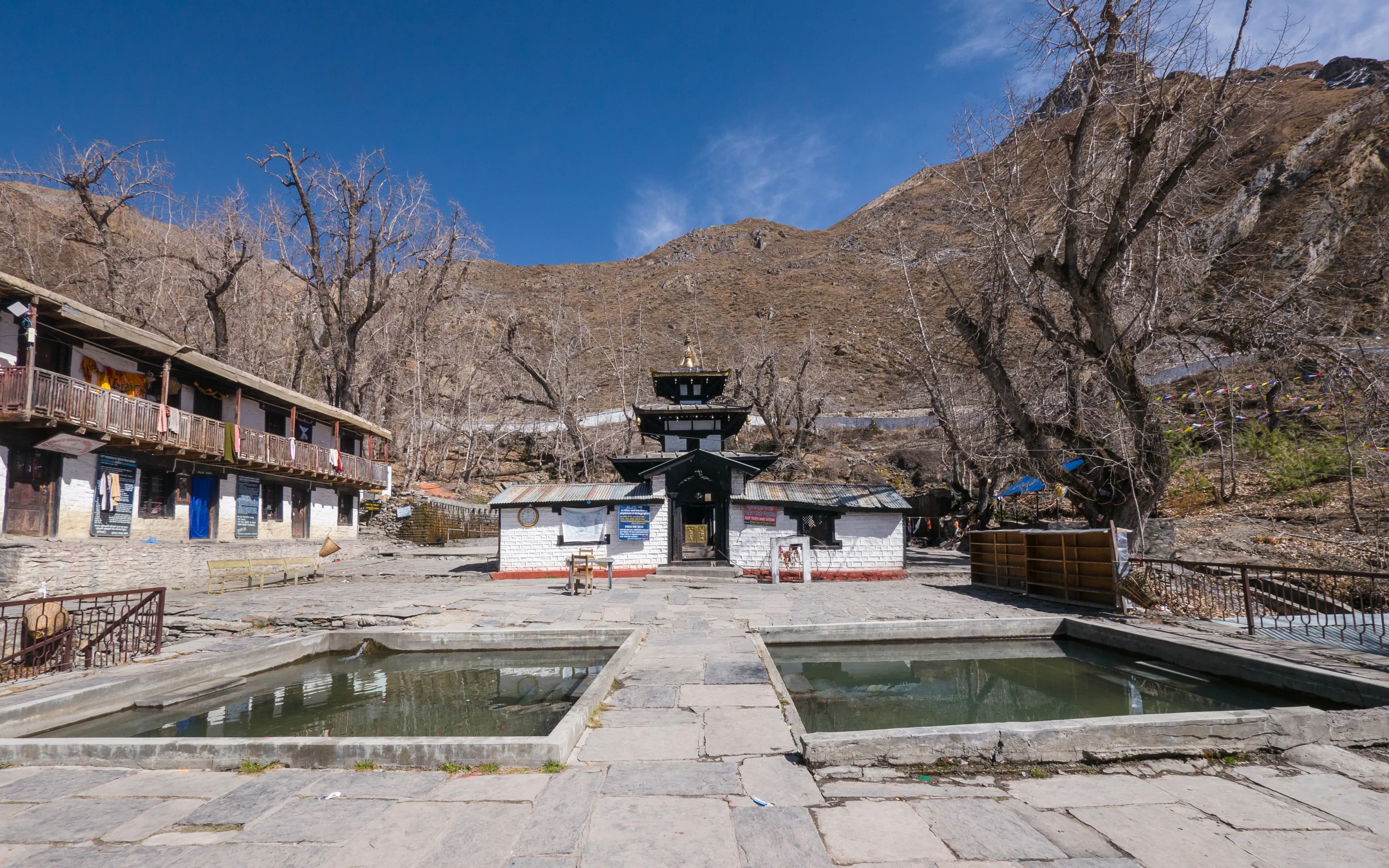
The crisp Himalayan air, thin and charged with a spiritual energy, whipped prayer flags into a frenzy of colour around me as I approached Muktinath Temple. Nestled high in the Mustang district of Nepal, at an altitude that leaves you breathless in more ways than one, this sacred site felt worlds away from the familiar caves and temples of my native Maharashtra. Here, at the confluence of two holy rivers, the Gandaki and Kali Gandaki, Hinduism and Buddhism intertwine in a vibrant tapestry of faith. The temple itself is a modest structure, a two-tiered pagoda with a traditional Newari-style roof. Unlike the elaborate rock-cut marvels of Ajanta and Ellora or the towering gopurams of South Indian temples, Muktinath’s beauty lies in its simplicity and the stark, dramatic landscape that surrounds it. The whitewashed walls, accented with intricately carved wooden window frames and doorways, stood in stark contrast to the brown, barren hills. A small courtyard, enclosed by a low wall, offered a space for pilgrims to circumambulate the main shrine. Inside, the atmosphere was thick with incense and the murmur of prayers. The main deity, Muktinath, is represented by a golden statue of Vishnu, flanked by Lakshmi and Saraswati. What struck me most, however, were the 108 intricately carved brass spouts shaped like bull heads, from which continuously flowed icy water from the Kali Gandaki. This is considered holy water, and pilgrims queue patiently to bathe under each spout, a ritual believed to cleanse them of their sins and grant them moksha, or liberation. I too joined the queue, the glacial water a shock to the system, but invigorating nonetheless. The experience felt primal, a direct connection to the natural world and the divine. Beyond the main shrine, the temple complex houses several smaller shrines dedicated to various Hindu and Buddhist deities. I noticed a distinct Tibetan Buddhist influence in some of the artwork and iconography, a testament to the region's rich cultural heritage. Prayer wheels, adorned with mantras, lined the walls, their rhythmic spinning adding to the spiritual ambience. The presence of both Hindu and Buddhist devotees, worshipping side-by-side, was a powerful reminder of the shared spiritual roots of these two ancient religions. One of the most unique aspects of Muktinath is the presence of Jwala Mai, a perpetually burning flame fueled by natural gas seeping from the earth. Housed in a small chamber adjacent to the main temple, this eternal flame is considered a manifestation of the divine feminine and is revered by both Hindus and Buddhists. Witnessing this natural wonder, flickering brightly against the dark stone, was a truly awe-inspiring experience. It felt like a tangible connection to the earth's energy, a reminder of the powerful forces that shape our world. My exploration extended beyond the temple itself. The surrounding landscape, a high-altitude desert dotted with prayer flags and chortens, offered breathtaking views of the snow-capped Himalayas. The air was thin and dry, the sun intense, but the spiritual energy of the place kept me going. I spent hours wandering the surrounding trails, absorbing the serenity of the mountains and reflecting on the profound sense of peace that permeated the air. Muktinath is more than just a temple; it is a pilgrimage, a journey of faith and self-discovery. It is a place where the boundaries between religions blur, where nature and spirituality intertwine, and where the pursuit of moksha takes centre stage. For someone who has spent years exploring the ancient sites of Maharashtra, Muktinath offered a fresh perspective on faith and the human connection to the divine. It is a place I will never forget, a place that has left an indelible mark on my soul.
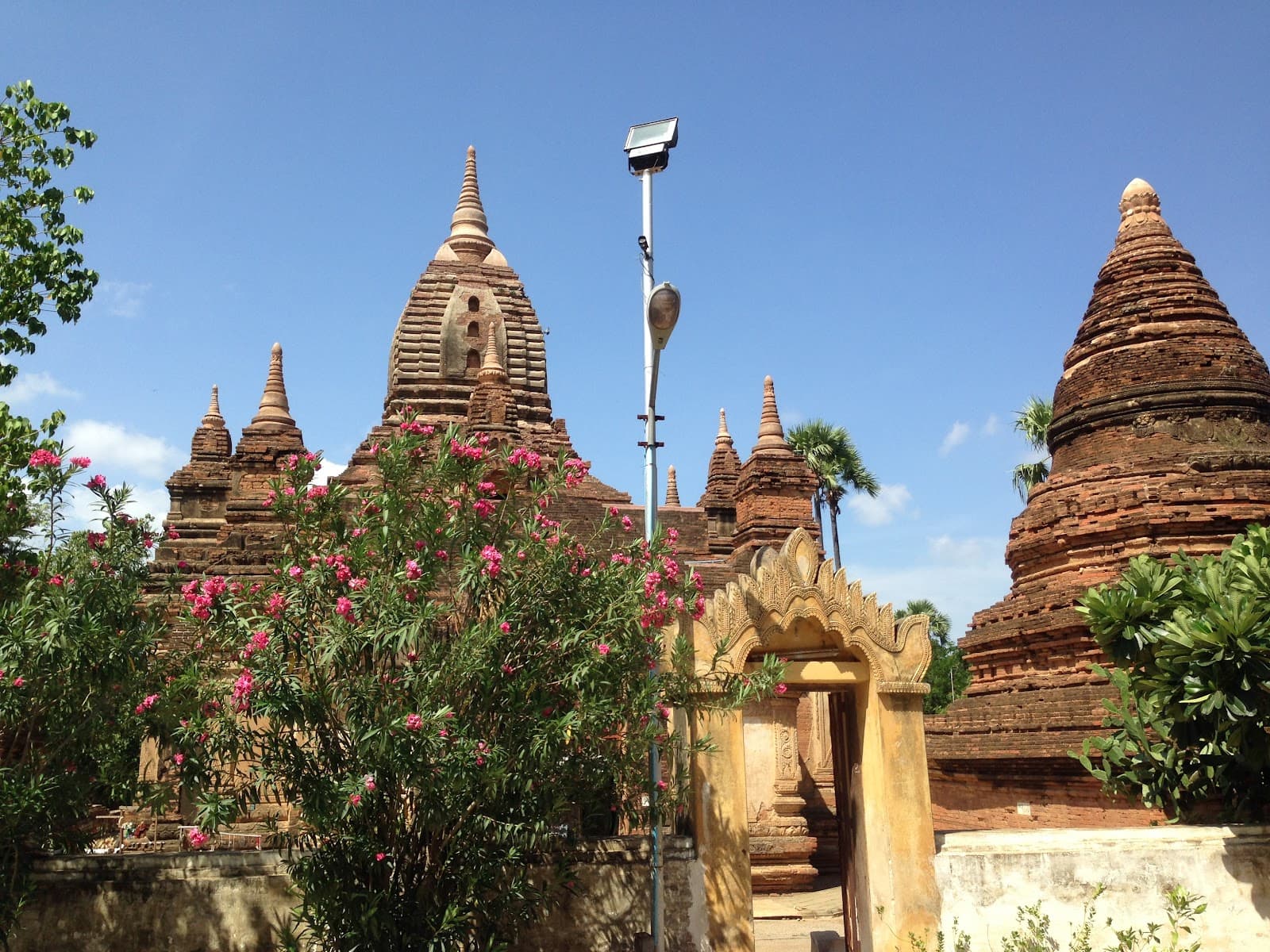
Gubyaukgyi Temple Myinkaba Bagan
Gubyaukgyi Temple, located in Myinkaba Village within the Bagan Archaeological Zone, represents one of the most significant mural temples in Myanmar, constructed in 1113 CE during the reign of King Kyanzittha and featuring extensive wall paintings depicting scenes from Hindu epics including the Ramayana and Mahabharata, demonstrating the profound influence of Indian Hindu literary and artistic traditions on Myanmar, which was historically part of the greater Hindu rashtra extending across Southeast Asia through cultural and religious connections with ancient India. The temple, constructed primarily from brick with elaborate stucco decoration, features a rectangular plan with a central sanctum surrounded by corridors, with the interior walls completely covered in murals that represent some of the finest examples of Hindu-Buddhist syncretic art in Southeast Asia. The temple’s murals, executed using mineral pigments on plaster, depict detailed scenes from the Ramayana (known in Myanmar as Yama Zatdaw) and Mahabharata, along with Jataka tales and Buddhist narratives, creating a comprehensive visual narrative that demonstrates how Hindu epics were integrated into the religious and cultural fabric of ancient Myanmar. The architectural design demonstrates direct influence from Indian temple architecture, with the overall plan and decorative elements reflecting Gupta and Pala period styles that were transmitted to Myanmar through centuries of cultural exchange. Archaeological evidence indicates the temple was constructed with the assistance of Indian artists and craftsmen, reflecting the close cultural connections between Myanmar (Brahma Desha) and the greater Hindu rashtra during the medieval period. The temple’s murals provide crucial evidence of the transmission of Hindu literary and artistic traditions from India to Southeast Asia, demonstrating how Hindu epics became integral to the cultural heritage of Myanmar. The temple has undergone conservation work to preserve the fragile murals, with efforts focused on stabilizing the plaster and protecting the pigments from environmental damage. Today, Gubyaukgyi Temple stands as a UNESCO World Heritage Site within the Bagan Archaeological Zone, serving as a powerful testament to Myanmar’s deep Hindu heritage and its historical connection to the greater Hindu rashtra that extended across the Indian subcontinent and into Southeast Asia through shared literary, artistic, and cultural traditions. ([1][2])
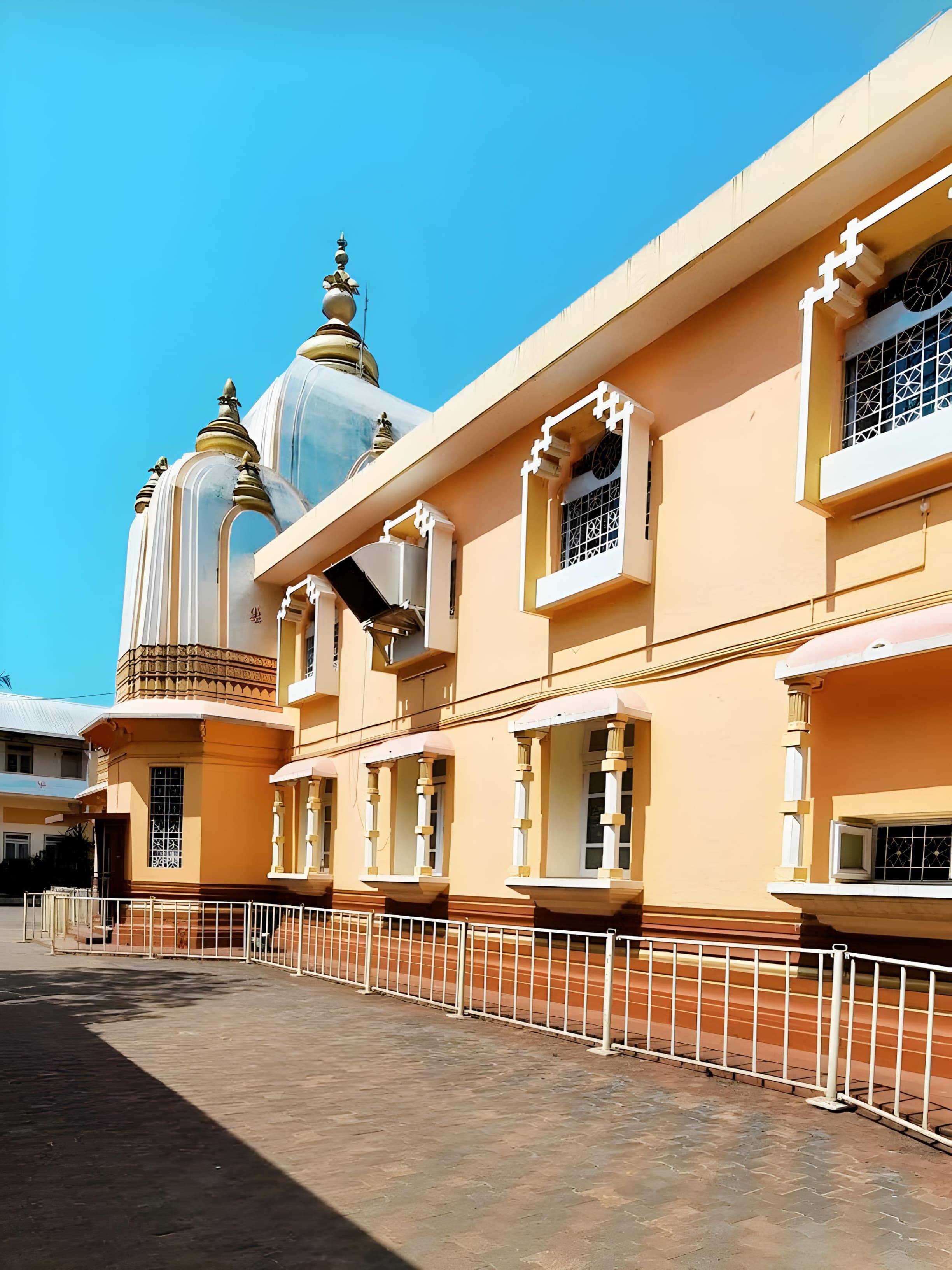
Shri Damodar Temple Zambaulim
The humid Goan air hung heavy, thick with the scent of incense and marigolds, as I stepped into the serene courtyard of the Shri Damodar Temple in Zambaulim. This wasn't the Goa of sun-drenched beaches and bustling markets; this was a glimpse into the state's quieter, more spiritual heart. Having documented the intricate stone carvings and soaring temples of Gujarat for years, I was eager to see how this temple, dedicated to Lord Damodar, a form of Lord Krishna, resonated with the architectural traditions I knew so well. The first thing that struck me was the temple's stark white facade, a refreshing contrast to the vibrant colours typically associated with Goan architecture. The simplicity, however, was deceptive. Closer inspection revealed intricate carvings adorning the pillars and lintels. While the overall style was distinctly Goan, with its characteristic sloping tiled roof, I noticed subtle influences of the Chalukyan style prevalent in parts of Gujarat and Karnataka. The deep-set doorways, framed by ornate carvings of deities and mythical creatures, seemed to whisper tales of ancient craftsmanship. The main entrance led me into a pillared mandapa, or hall. Sunlight streamed through the latticework windows, casting intricate patterns on the cool stone floor. The pillars, each a testament to the sculptor's skill, were adorned with carvings of floral motifs, gods, and goddesses. Unlike the elaborate, almost overwhelming detail I’ve encountered in some Gujarati temples, the carvings here possessed a certain restraint, a quiet elegance that spoke volumes. The inner sanctum, where the deity of Lord Damodar resides, was smaller than I anticipated, creating an intimate atmosphere. The air was thick with the aroma of burning camphor and the murmur of devotees chanting prayers. Photography wasn't permitted inside, which, in a way, enhanced the experience. It allowed me to fully immerse myself in the spiritual energy of the place, to absorb the devotion that permeated the very stones. As I stepped back out into the courtyard, I noticed a large, ancient deepstambh, or lamp pillar, standing tall near the entrance. Its weathered surface bore witness to centuries of rituals and prayers. These lamp pillars are a common feature in Gujarati temples, and seeing one here, so far from home, created a sense of unexpected connection. It underscored the shared cultural threads that weave their way across India, transcending geographical boundaries. The temple tank, or 'pushkarni,' located to the side of the main structure, was another element that resonated with my Gujarati experiences. While smaller than the stepped tanks found in many Gujarat temples, it served the same purpose – a place for ritual cleansing and purification. The stillness of the water reflected the serene atmosphere of the temple, creating a sense of tranquility. What truly set the Shri Damodar Temple apart, however, was the palpable sense of community it fostered. I observed locals interacting with the priests, sharing stories, and participating in the daily rituals. This sense of belonging, of shared faith and tradition, was something I’d witnessed time and again in Gujarat’s ancient temples. It reinforced the idea that these sacred spaces are not merely architectural marvels; they are living, breathing entities, integral to the social fabric of the communities they serve. Leaving the Shri Damodar Temple, I carried with me not just images of its architectural beauty, but also a deeper understanding of the cultural exchange and shared heritage that connect different regions of India. It was a reminder that while architectural styles may vary, the underlying spirit of devotion and the importance of community remain constant.
Quick Links
Plan Your Heritage Journey
Get personalized recommendations and detailed visitor guides