Has Inheritage Foundation supported you today?
Your contribution helps preserve India's ancient temples, languages, and cultural heritage. Every rupee makes a difference.
Secure payment • Instant 80G certificate
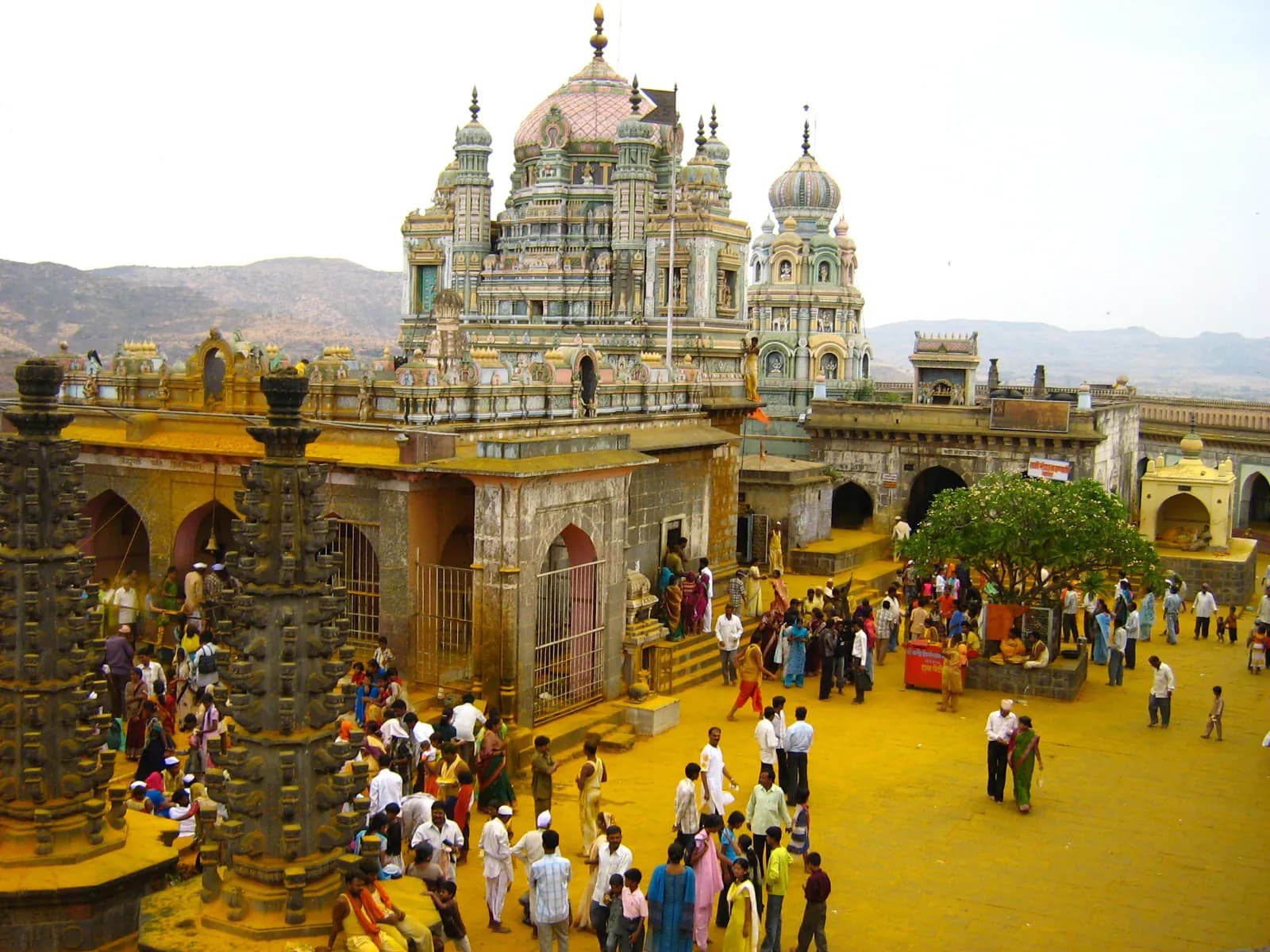
Khandoba Temple Jejuri
The air crackled with an energy I hadn’t anticipated. Not just the humid Maharashtra air, thick with the promise of monsoon, but a palpable buzz that vibrated through the very stones of the Khandoba Temple in Jejuri. Ascending the steep, worn steps, I felt the weight of centuries pressing down, the echoes of countless pilgrims who had trod this same path before me. This wasn't just a temple; it was a living, breathing testament to unwavering faith. The first thing that struck me, even from a distance, was the sheer dominance of the deep saffron that cloaked the structure. It wasn't a gentle hue, but a vibrant, almost aggressive orange that seemed to pulsate under the midday sun. This bold colour, so characteristic of the region's religious architecture, immediately set the tone for the experience. As I drew closer, the intricate details began to emerge from the saffron canvas: delicate carvings depicting scenes from mythology, sturdy pillars adorned with floral motifs, and the imposing brass-clad main gate, gleaming like a portal to another realm. The temple is a layered structure, built on a hill, creating a sense of ascension, both physically and spiritually. Each level offers a different perspective, a new vantage point from which to admire the surrounding landscape and the architectural marvel itself. The Yadava dynasty’s influence is evident in the robust construction and the use of locally sourced basalt stone, a material that has weathered the centuries with remarkable resilience. Unlike the intricate marble work I’m accustomed to seeing in Gujarati temples, the Khandoba Temple possesses a raw, almost primal beauty. The inner sanctum, where the deity Khandoba resides, is a relatively small chamber, but the energy within is intense. The air is thick with the scent of incense and the murmur of prayers. Devotees throng the space, their faces etched with devotion, offering turmeric, coconuts, and red powder to the deity. The rhythmic clang of bells and the fervent chanting create an atmosphere that is both chaotic and deeply spiritual. It’s a sensory overload, but one that I found strangely comforting. What truly captivated me, however, were the remnants of older structures within the complex. Peeking through the more recent additions, I could discern fragments of earlier temples, hinting at layers of history and architectural evolution. A worn stone lintel here, a weathered pillar base there – these whispers of the past spoke volumes about the enduring significance of this sacred site. It wasn’t merely a static monument, but a dynamic entity, constantly evolving and adapting while retaining its core spiritual essence. As I descended the steps, leaving the vibrant energy of the temple behind, I couldn’t help but reflect on the stark contrast between the architectural styles of Gujarat and Maharashtra. While the Gujarati temples often showcase intricate carvings and delicate filigree work, the Khandoba Temple exudes a powerful, almost austere beauty. It’s a testament to the diverse tapestry of Indian architecture, where each region has developed its own unique expression of faith and artistry. The experience was a powerful reminder that architectural marvels aren’t just about aesthetics; they are about the stories they tell, the history they embody, and the spiritual resonance they evoke. The Khandoba Temple, with its saffron-clad walls and vibrant energy, is a story etched in stone, a story that continues to unfold with each passing generation.
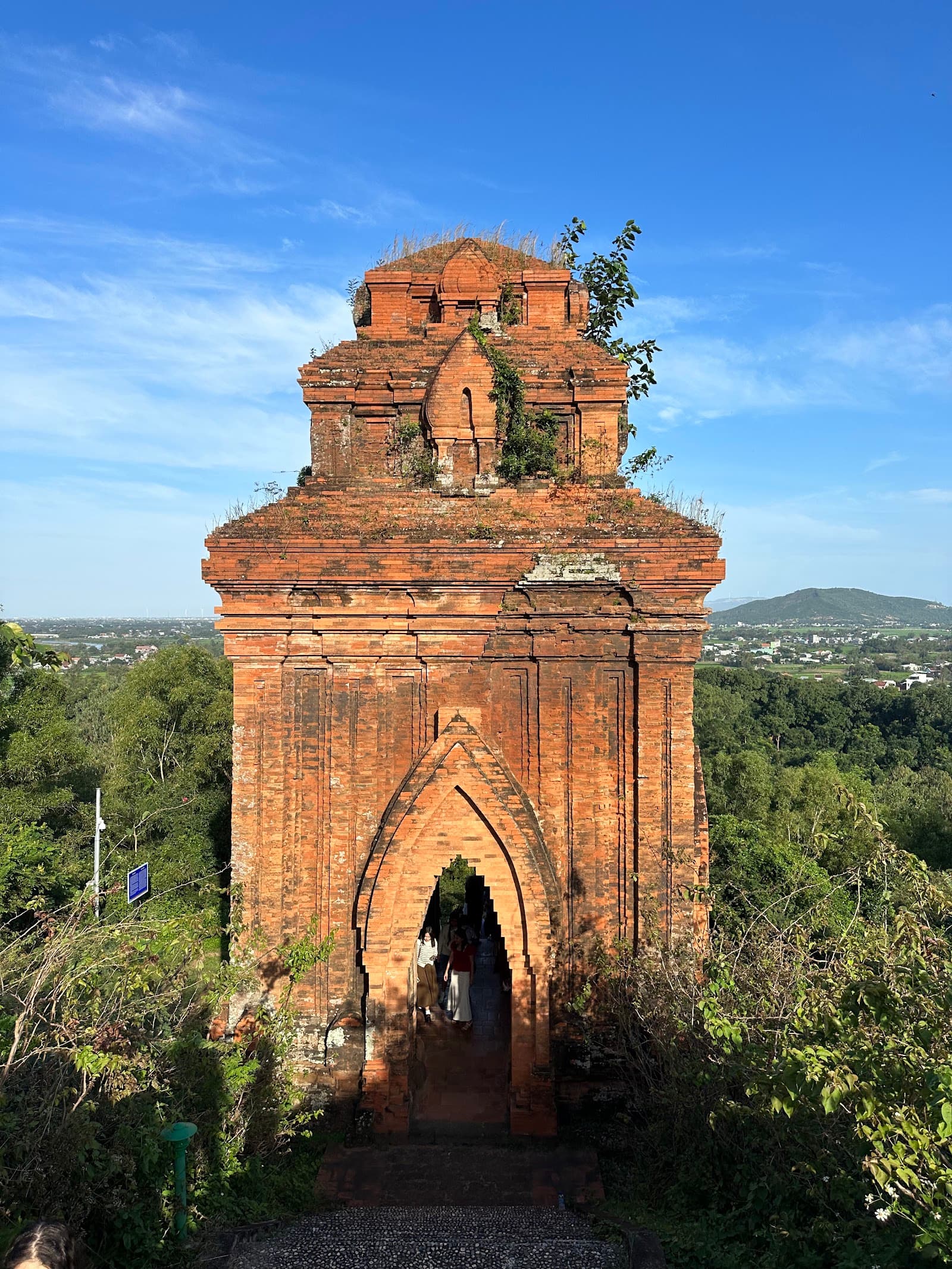
Thap Banh It Silver Towers Binh Dinh Vietnam
Thap Banh It, also known as the Silver Towers, dramatically situated on a hilltop in Binh Dinh Province, Vietnam, represents one of the most visually striking and architecturally sophisticated Cham Hindu temple complexes in Vietnam, constructed in the late 11th century CE during the height of Champa power, comprising four towers arranged in a distinctive configuration that demonstrates the continued transmission of Indian Hindu religious and architectural traditions to Southeast Asia. The temple complex, featuring a main tower dedicated to Shiva standing at 22 meters tall, along with three smaller towers arranged around it, showcases extraordinary red brick structures adorned with intricate sandstone carvings and bas-reliefs that demonstrate the sophisticated synthesis of Indian Hindu temple architecture, particularly the Dravidian traditions of southern India, with indigenous Cham building techniques, creating a unique architectural expression that reflects Champa's deep engagement with Indian religious and cultural traditions. The main tower, dedicated to Shiva, features elaborate decorative programs including bas-reliefs depicting Hindu deities, mythological scenes, and Cham royal iconography that demonstrate the direct transmission of Indian Hindu iconography and artistic traditions, while the discovery of Sanskrit inscriptions provides crucial evidence of the site's role as a center for the transmission of Indian religious texts and practices to Southeast Asia. The site's location on a prominent hilltop, chosen according to Indian cosmological principles emphasizing the connection between earth and sky, underscores its spiritual significance as a place where the divine and earthly realms intersected, while the complex's distinctive configuration, with towers arranged to create a harmonious architectural composition, demonstrates the sophisticated understanding of Indian temple planning principles possessed by Cham architects. Archaeological evidence reveals that the complex served as a major center of Hindu worship for the Champa Kingdom, attracting devotees from across the region, while the site's excellent preservation provides crucial insights into the sophisticated engineering and artistic techniques employed in Cham temple construction, including the unique Cham method of firing bricks in situ and the use of sandstone for decorative elements. The towers feature distinctive Cham architectural elements including tiered pyramidal roofs, elaborate false doors, and extensive decorative programs that demonstrate the adaptation of Indian temple architecture to local materials and aesthetic preferences, while the site's prominent hilltop location offers panoramic views of the surrounding countryside, adding to its spiritual and aesthetic appeal. Today, Thap Banh It stands as one of the most important Cham Hindu temples in Vietnam, serving as a powerful testament to the transmission of Indian Hindu culture and architecture to Southeast Asia, while the site's excellent preservation and prominent location ensure its ongoing significance as both a cultural monument and a testament to the enduring legacy of Indian-Cham cultural exchange. ([1][2])

Agroha Dham Hisar
Embodying the spirit of the Agrawal community, Agroha Dham is a contemporary temple complex that echoes the architectural traditions of ancient Bharatavarsha (India) ([2][6]). More than a mere mandir (temple), it serves as a reconstruction of a sacred space, believed to be built upon the grounds of ancient Agroha, a historically significant trade center ([7]). Within the Garbhagriha (sanctum sanctorum), the deity Mahalaxmi is enshrined, adorned with silks and flowers, amidst fragrant incense and prayers ([3]). A magnificent temple dedicated to Goddess Mahalaxmi dominates the complex, its white facade reflecting the skills of Indian shilpakars (artisans) ([4]). Intricate carvings of floral motifs and devatas (deities) embellish the structure, creating a visually stunning spectacle ([2]). Rising towards the heavens, the towering shikhara (spire), a defining element of North Indian temple architecture, evokes the grandeur of sacred spaces ([6]). Approaching the temple, the scale inspires awe, a tangible expression of the community's bhakti (devotion) and shraddha (reverence) ([3][7]). Built in 1976 CE during the contemporary period, Agroha Dham exhibits a unique Agroha style, incorporating religious and civic elements ([2][6]). Burnt bricks, terracotta, stone, and wood form the primary materials, reflecting traditional Indian construction techniques ([7]). Fortifications and a planned layout, reminiscent of ancient Indian cities, are evident in the Agrawal community's patronage, ensuring the continuity of cultural heritage ([3][4]). Agroha Dham stands as a testament to the enduring traditions of India, preserving and celebrating them for future generations. The complex reflects the community’s dedication to preserving their heritage and traditions ([2][7]). The use of terracotta bricks connects the structure to ancient building practices found across the Indian subcontinent ([3][6]).
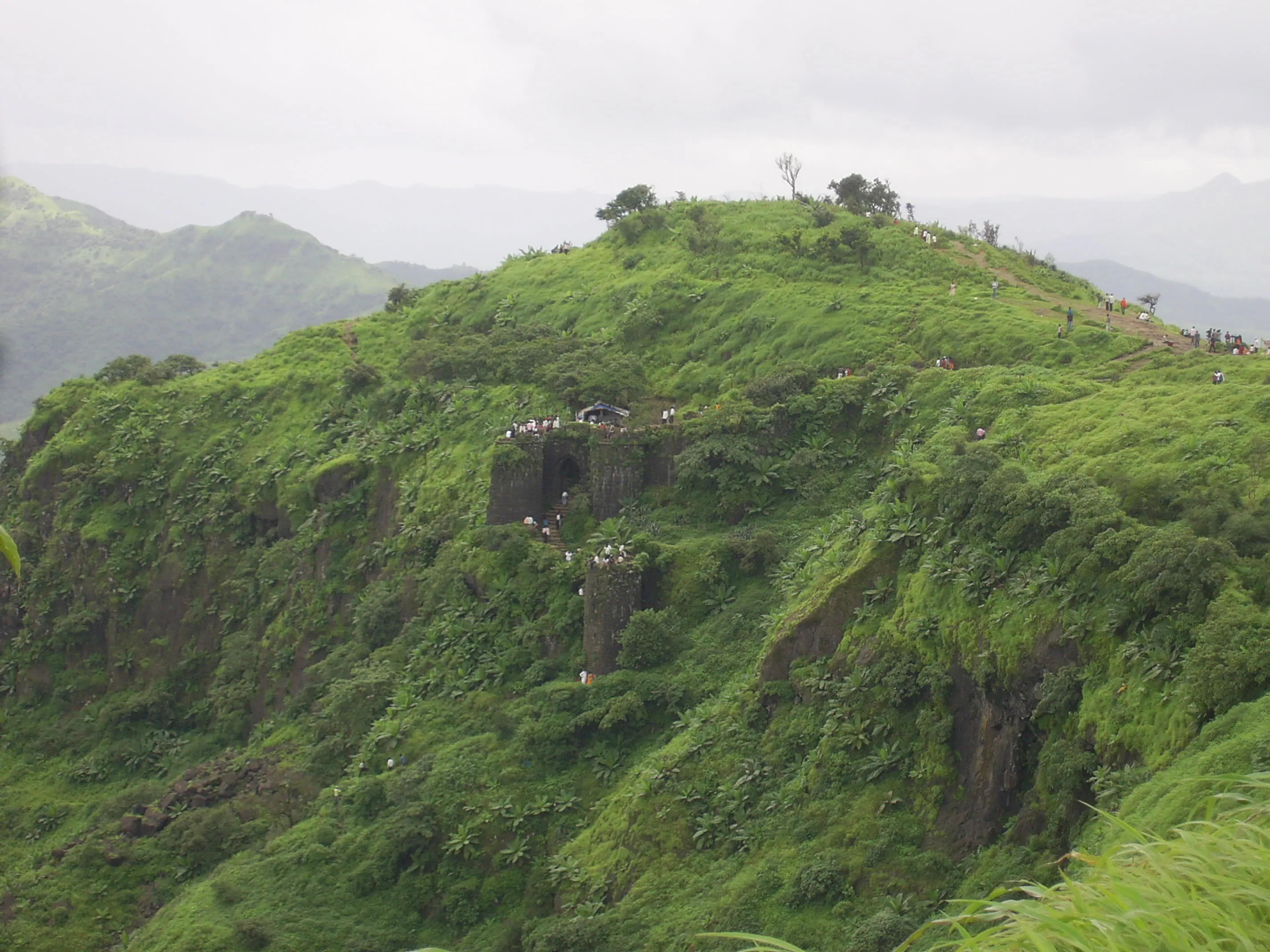
Sinhagad Fort Pune
The wind whipped around me, carrying whispers of history as I stood atop Sinhagad Fort, a formidable sentinel overlooking the sprawling landscape below. The ascent itself, a winding road clinging to the Sahyadri hills, had been a prelude to the grandeur that awaited. Having spent years documenting the ancient sites of Madhya Pradesh, I've developed a keen eye for the nuances of historical architecture, and Sinhagad, with its rugged charm and strategic brilliance, immediately captivated me. The fort, originally known as Kondhana, has witnessed centuries of power struggles, its stones absorbing the echoes of Maratha resilience. Standing at the very spot where pivotal battles were fought, I felt a palpable connection to the past. The panoramic view from the ramparts stretched across undulating hills, punctuated by the occasional glint of a distant village. It's easy to see why this location was so fiercely contested – control of Sinhagad meant command over the surrounding valleys and trade routes. The architecture of Sinhagad is a testament to its military purpose. Unlike the ornate palaces I've documented in Mandu, Sinhagad's structures prioritize function over embellishment. The massive walls, built from locally quarried stone, are punctuated by strategically placed bastions and fortified gates. The Kalyan Darwaza and Pune Darwaza, the two main entrances, still bear the scars of past sieges, their thick wooden doors reinforced with iron bands. I spent considerable time photographing these gates, trying to capture the weight of history etched into their weathered surfaces. Within the fort walls, the remnants of various structures paint a picture of life within this military stronghold. The Amruteshwar Temple, a modest stone structure dedicated to Lord Shiva, stands in stark contrast to the surrounding fortifications. Its simple elegance offered a moment of quiet contemplation amidst the echoes of war. I was particularly struck by the intricate carvings on the temple's doorway, a testament to the enduring artistry of the region. The Dev Take, a steep precipice on the eastern side of the fort, offers a breathtaking, if somewhat dizzying, view. Local legend claims that Tanaji Malusare, a celebrated Maratha warrior, scaled this cliff face with the help of a monitor lizard during a daring nighttime raid. Standing at the edge, feeling the wind buffet me, I could almost visualize the scene unfolding centuries ago. One of the most intriguing aspects of Sinhagad is its water management system. Several strategically placed tanks and cisterns, carved into the rock, collected rainwater, ensuring a continuous supply for the fort's inhabitants. This foresight, crucial for withstanding prolonged sieges, speaks volumes about the ingenuity of the fort's builders. I was fascinated by the intricate network of channels and sluices that regulated the flow of water, a testament to the sophisticated engineering of the time. My visit to Sinhagad wasn't just about documenting the physical structures; it was about absorbing the spirit of the place. The fort isn't just a collection of stones and mortar; it's a living testament to human resilience, strategic brilliance, and the enduring power of history. As I descended the winding path, leaving the fort behind, I carried with me not just photographs, but a deeper understanding of the rich tapestry of India's past. The whispers of history, carried on the wind, had found a new echo in my own heart.

Kal Bhairav Temple Ujjain
The air crackled with an energy I hadn’t anticipated. Not the usual tourist hubbub, but something older, thicker, woven into the very stones of the Kal Bhairav Temple in Ujjain. Dust motes danced in the shafts of sunlight slicing through the ancient gateway, illuminating the worn carvings that hinted at stories untold. This wasn't just a temple; it was a palimpsest of history, each layer whispering secrets of devotion and time. My camera, usually a reliable extension of myself, felt inadequate. How could I possibly capture the weight of centuries etched into the weathered stone? The temple, dedicated to the fearsome form of Shiva, Kal Bhairav, sits nestled on the banks of the Shipra River. The river itself seemed to hold its breath as it flowed past, a silent witness to the countless rituals performed on these banks. The main entrance, guarded by two imposing dwarapalas, felt like a portal to another realm. Their expressions, eroded by time yet still potent, spoke of a power beyond human comprehension. Stepping through the archway, I was struck by the contrast between the vibrant energy of the devotees and the stoic stillness of the temple structure. The scent of incense hung heavy in the air, mingling with the earthy aroma of the river and the metallic tang of offerings. Architecturally, the temple is a marvel. The shikhara, the towering spire that dominates the skyline, is a testament to the skill of the ancient artisans. Intricate carvings of deities, mythical creatures, and floral motifs adorn every surface, each telling a story from Hindu mythology. I spent hours tracing the lines of these carvings with my lens, trying to decipher the narratives they held. The play of light and shadow on the stone created an ever-shifting tapestry, adding another layer of complexity to the visual narrative. One particular carving caught my attention – a depiction of Kal Bhairav himself, eight-armed and fearsome, astride his vahana, the dog. The detail was astonishing; I could almost feel the raw power emanating from the deity. This wasn't just a representation; it felt like a presence. It was in moments like these, lost in the minutiae of the carvings, that I truly understood the devotion this place inspired. Beyond the main shrine, the temple complex sprawls, encompassing smaller shrines, courtyards, and pillared halls. Each space has its own unique character, its own story to tell. I found myself drawn to a quieter corner, a small shrine dedicated to the Goddess Parvati. The serenity of this space offered a stark contrast to the vibrant energy of the main shrine, providing a moment of quiet contemplation amidst the throngs of devotees. The most striking aspect of the Kal Bhairav Temple, however, is its palpable connection to the past. This isn't a museum piece; it's a living, breathing entity, still actively worshipped by thousands. Witnessing the rituals, the offerings, the fervent prayers, I felt a profound sense of connection to something larger than myself. It was a humbling experience, a reminder of the enduring power of faith and tradition. As the day drew to a close, and the last rays of sunlight painted the temple in hues of gold and ochre, I knew I had only scratched the surface of this ancient site. My photographs, though meticulously composed, could only capture a fraction of the experience. The true essence of the Kal Bhairav Temple lies in the intangible – the energy, the devotion, the whispers of history that echo through its hallowed halls. It's a place that stays with you long after you've left, a testament to the enduring power of the sacred.
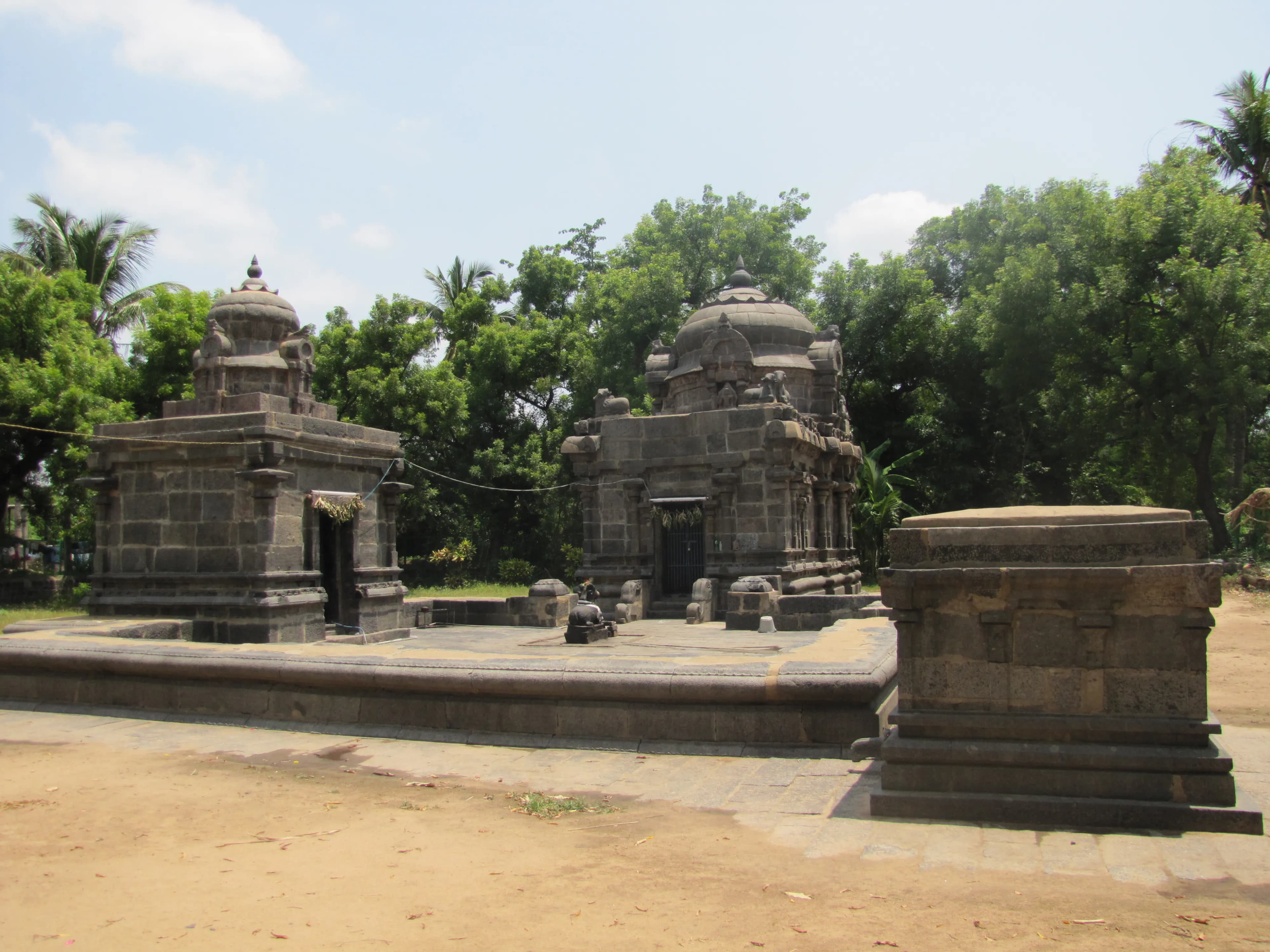
Kundankuzhi Mahadevar Temple Nagercoil
The humid Kanyakumari air hung heavy as I approached the Kundankuzhi Mahadevar Temple, tucked away in a quiet village near Nagercoil. The temple, dedicated to Lord Shiva, doesn't boast the towering gopurams of some of Tamil Nadu's more famous temples, but it possesses a quiet dignity and architectural nuances that captivated me from the first glance. The relatively modest size allows for an intimate exploration, a chance to truly connect with the structure and its history. The first thing that struck me was the distinct Kerala architectural influence, a testament to the region's historical fluidity and cultural exchange. The sloping tiled roofs, reminiscent of Kerala's traditional houses and temples, were a departure from the typical Dravidian style I'm accustomed to seeing in Chennai. The muted ochre walls, devoid of elaborate carvings on the exterior, further emphasized this unique blend. This simplicity, however, wasn't stark; it felt more like a conscious choice, directing the visitor's attention inwards, towards the spiritual heart of the temple. Stepping inside the main mandapam, I was greeted by a series of intricately carved pillars. While the exterior was understated, the interior showcased the artisans' skill. The pillars, though weathered by time, displayed a variety of motifs – stylized lotuses, mythical creatures, and intricate geometric patterns. I noticed a subtle difference in the carving styles on some pillars, suggesting additions or renovations over different periods. This layering of history, visible in the very fabric of the temple, added to its charm. The garbhagriha, the sanctum sanctorum, housed the lingam, the symbolic representation of Lord Shiva. The air within was thick with the scent of incense and the murmur of prayers. The dimly lit space, illuminated by oil lamps, created an atmosphere of reverence and tranquility. I spent some time observing the worn stone floor, polished smooth by centuries of devotees' feet, a tangible connection to the generations who had worshipped here before me. Moving towards the outer prakaram, I discovered a small shrine dedicated to the Goddess Parvati. The carvings here were noticeably different, featuring a more flowing, feminine aesthetic. The presence of both Shiva and Parvati, representing the complementary forces of creation and destruction, underscored the temple's adherence to traditional Shaivite principles. One of the most intriguing aspects of the Kundankuzhi Mahadevar Temple was its integration with the natural surroundings. Ancient trees shaded the temple grounds, their roots intertwining with the stone structures, creating a sense of harmony between the built and natural environments. A small pond, located to the west of the main temple, added to the serene atmosphere. It was easy to imagine how this tranquil setting would have provided a sanctuary for both spiritual contemplation and community gatherings over the centuries. My visit to the Kundankuzhi Mahadevar Temple wasn't just about observing architectural details; it was an immersive experience. The temple's unassuming exterior belied a rich history and a palpable spiritual energy. It offered a glimpse into the cultural exchange between Tamil Nadu and Kerala, showcasing a unique blend of architectural styles. Unlike the grand, often crowded temples of larger cities, Kundankuzhi allowed for a quiet, personal connection, a chance to appreciate the subtleties of craftsmanship and the enduring power of faith. It's a testament to the fact that architectural marvels don't always need to be grand in scale to be profoundly impactful. They can be found in quiet corners, whispering stories of history, faith, and artistic expression.
Purandar Fort Pune
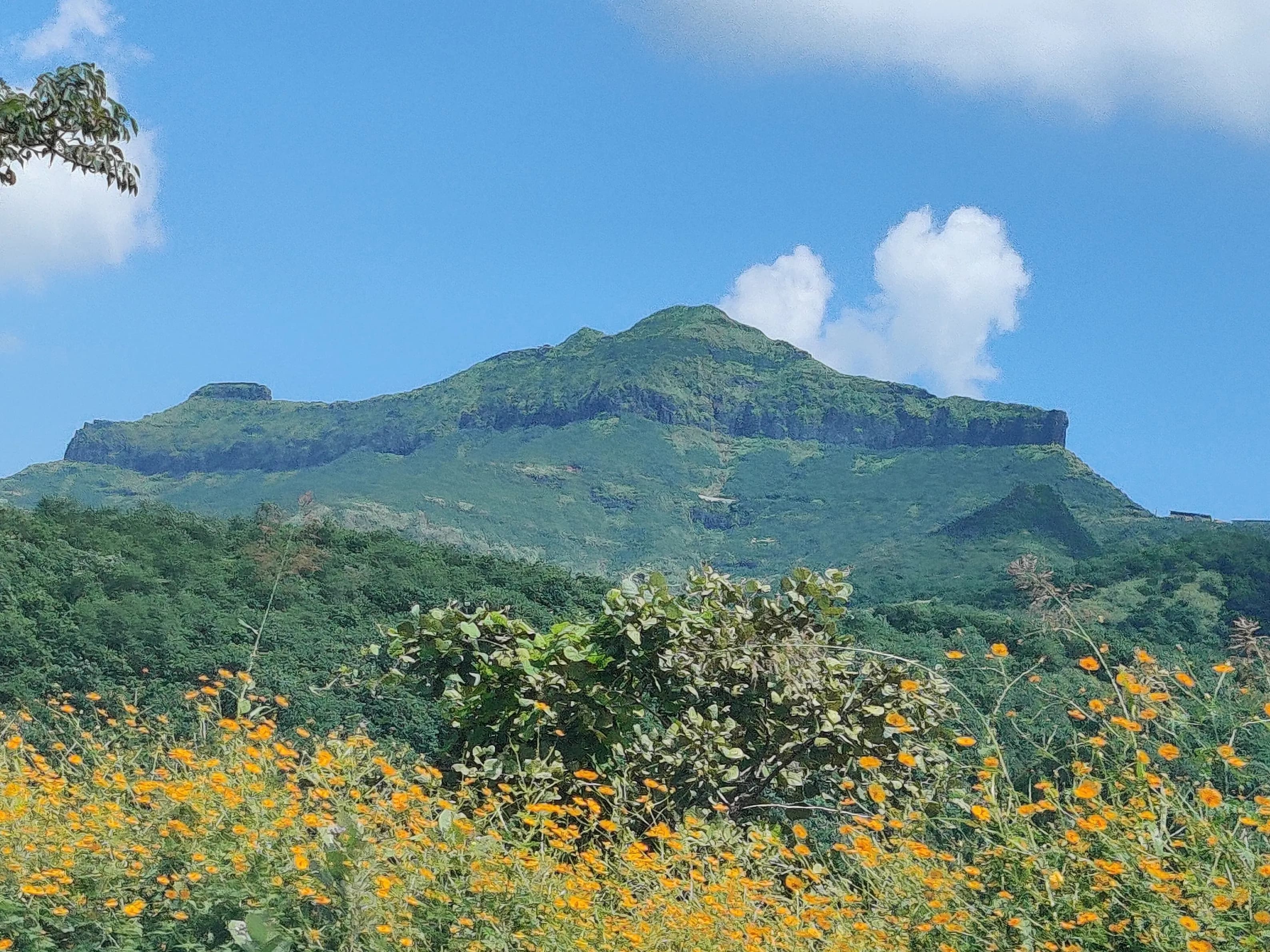
The wind whipped at my kurta as I climbed the final stretch to Purandar Fort, perched high above the sprawling plains surrounding Pune. The air, thin and crisp, carried with it the whispers of history, a palpable sense of the Maratha empire that once commanded these heights. My camera, a constant companion, felt heavy in my hand, almost inadequate to capture the grandeur unfolding before me. Purandar isn't just one fort, but two – Purandar proper and Vajragad, its slightly lower, twin-peaked companion. This duality, this mirroring of structures, immediately captured my attention. The climb itself was a journey through time, the rough-hewn basalt steps worn smooth by centuries of footfalls. I paused often, not just to catch my breath, but to absorb the changing perspectives of the landscape below – the patchwork quilt of fields, the distant glint of the Mula-Mutha river, the tiny villages scattered like pebbles across the valley. Reaching the top, I was greeted by the imposing Kedareshwar Temple, its weathered stone a testament to the passage of time. The intricate carvings, though softened by erosion, still spoke of a skilled hand, a devotion poured into every chisel stroke. Unlike the opulent temples of Madhya Pradesh, this one felt austere, almost military in its simplicity, reflecting perhaps the strategic importance of this location. The fort itself is a fascinating blend of natural defenses and carefully planned fortifications. The steep cliffs form natural ramparts, while the strategically placed bastions and gateways speak of a sophisticated understanding of military architecture. I spent hours exploring the ruins, my lens drawn to the remnants of the past. The crumbling walls, the broken arches, the silent cannons – each element told a story. I was particularly intrigued by the 'Bini Darwaza', a hidden escape route carved into the cliff face. Imagining the hurried footsteps of soldiers and royalty using this secret passage during times of siege sent a shiver down my spine. The view from the ramparts was breathtaking, a panoramic sweep of the surrounding countryside. It was easy to see why this location was so fiercely contested, a strategic vantage point commanding the trade routes and the surrounding territories. The most poignant moment of my visit, however, was at the site of Shivaji Maharaj's son, Sambhaji’s birth. A small, unassuming structure marks the spot, but the historical weight of the location was immense. Here, within these very walls, a key figure in Maratha history was born. It was a humbling experience, a reminder of the human stories woven into the fabric of these ancient stones. As the sun began its descent, casting long shadows across the fort, I made my way down, my memory card filled with images, my mind buzzing with impressions. Purandar is more than just a fort; it's a living testament to the resilience and ingenuity of the Maratha empire. It's a place where history whispers in the wind, where the stones themselves hold memories, and where the landscape unfolds like a tapestry woven with the threads of time. My photographs, I hope, will capture a fraction of this magic, a glimpse into the soul of this magnificent historical site. But the true essence of Purandar, the feeling of standing on the precipice of history, is something that can only be experienced firsthand.
Hinglaj Mata Temple Lasbela Balochistan
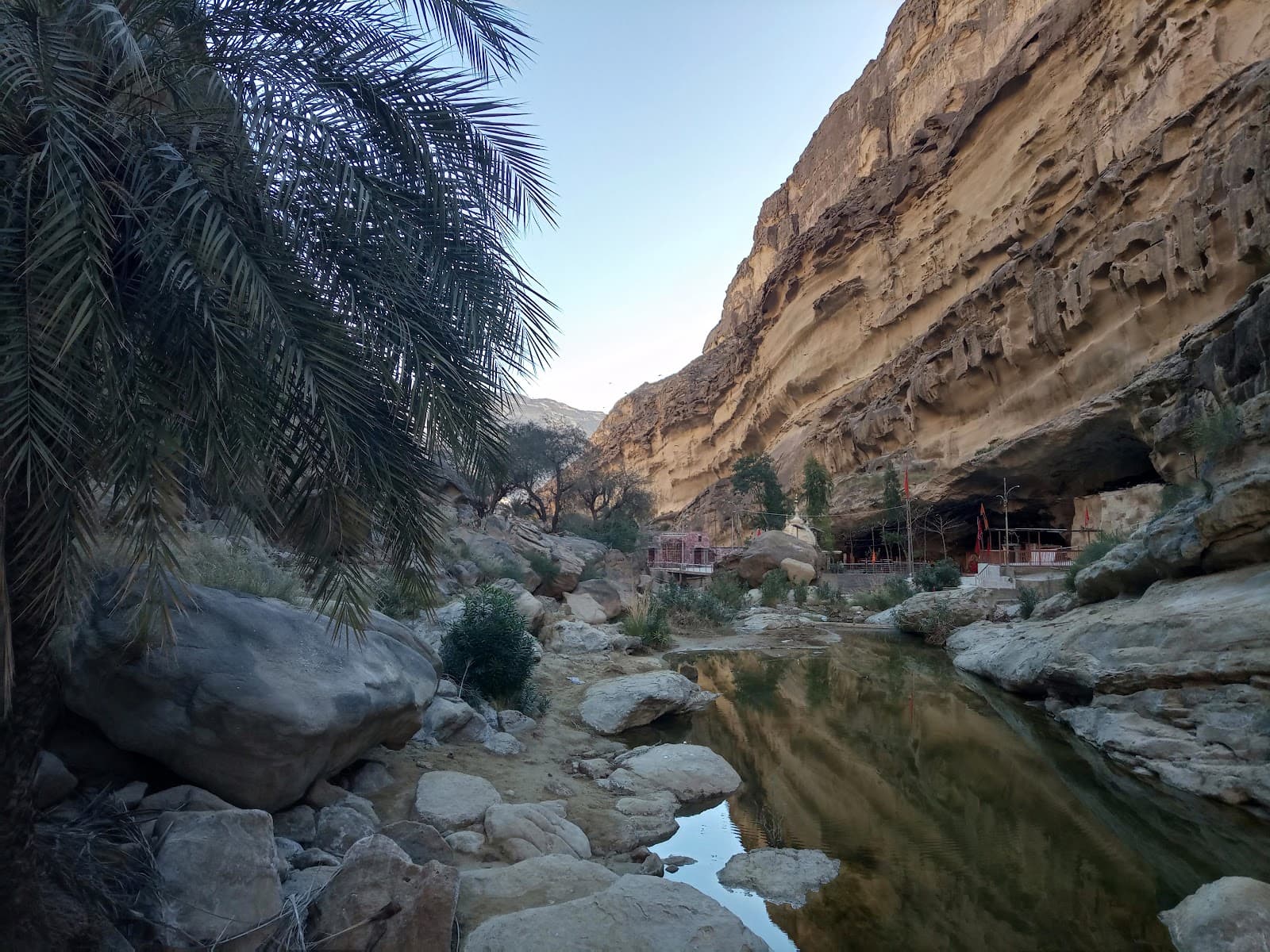
Hinglaj Mata Temple, also known as Nani Mandir, located in the remote Hingol National Park of Balochistan Province, represents one of the 52 Shakti Peethas—the most sacred sites in Hinduism where parts of the goddess Sati are believed to have fallen—and stands as a testament to the ancient Hindu heritage of the Makran coast region that was part of the greater Hindu rashtra extending across the Indian subcontinent for millennia. The temple, situated within a natural cave formation in the rugged Hingol River valley approximately 250 kilometers west of Karachi, is dedicated to Hinglaj Mata, a form of the goddess Shakti, and according to Hindu mythology marks the site where Sati’s head fell after her self-immolation and Shiva’s cosmic dance of destruction. The temple complex, dating to ancient times with evidence of continuous worship from at least the 1st millennium CE, features a natural cave sanctuary approximately 50 meters deep, accessed through a narrow opening in the limestone cliffs, with the main shrine housing a naturally formed stone image of the goddess that has been venerated for over two thousand years. The site spans approximately 10 hectares within the national park, with the temple cave positioned at the base of a 100-meter-high cliff, surrounded by desert landscape and the Hingol River, creating a dramatic natural setting that has drawn pilgrims since ancient times. Archaeological evidence indicates the site was an important pilgrimage destination during the period when this region formed part of ancient Indian kingdoms, with inscriptions and artifacts suggesting continuous Hindu worship from the Gupta period through the medieval era. The annual Hinglaj Yatra, the largest Hindu pilgrimage in Pakistan attracting over 250,000 devotees, demonstrates the enduring significance of this site as a center of Shakti worship and a symbol of the shared Hindu heritage of the Indian subcontinent. The temple’s remote location and natural cave setting have preserved its ancient character, with minimal structural modifications over centuries, allowing it to retain its original spiritual atmosphere. Today, Hinglaj Mata Temple remains one of the most important Hindu pilgrimage sites in Pakistan, serving as a powerful reminder of the region’s ancient Hindu heritage and its connection to the greater Hindu rashtra that once extended across present-day Pakistan, India, and beyond. ([1][2])
Jakhoo Temple Shimla
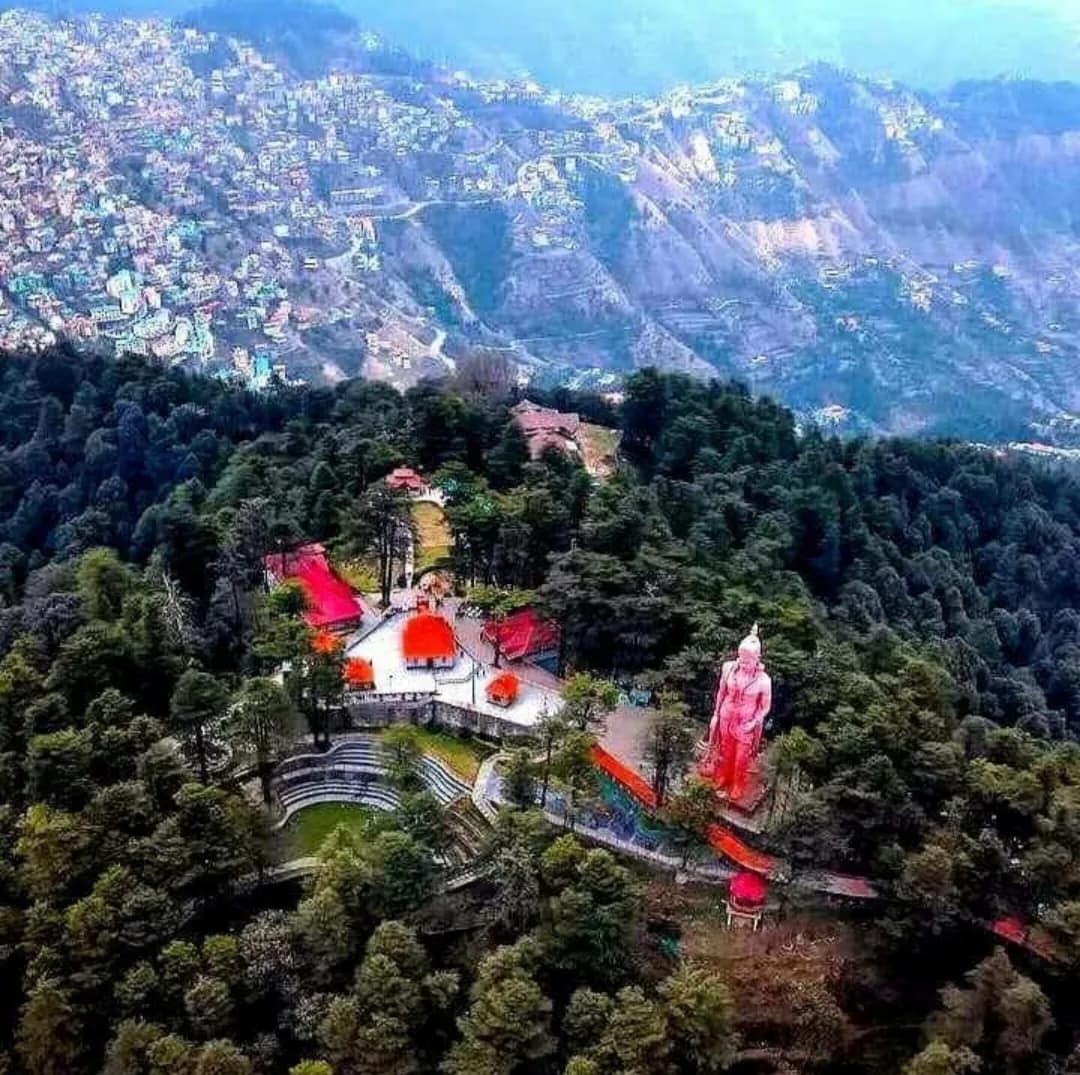
The crisp mountain air, scented with pine and a hint of incense, whipped around me as I ascended to the Jakhoo Temple, perched atop Shimla's highest peak. The climb itself was a pilgrimage of sorts, winding through a dense deodar forest, the path punctuated by the chattering of monkeys and the distant chime of temple bells. Having documented over 500 monuments across India, I've learned to appreciate the journey as much as the destination, and Jakhoo’s approach was particularly evocative. Emerging from the tree line, the colossal statue of Hanuman, a vibrant saffron against the cerulean sky, dominated the landscape. Its sheer scale – 108 feet tall – is breathtaking, a modern marvel seamlessly integrated into the ancient narrative of the temple. This wasn't the weathered stone and intricate carvings I’d encountered in countless other temples; this was a statement of devotion on a grand scale, a testament to faith in the digital age. The temple itself, dedicated to Lord Hanuman, is comparatively smaller, a modest structure nestled in the shadow of the giant statue. Its architecture, typical of Himalayan temples, features sloping roofs covered in slate tiles, designed to withstand the heavy snowfall. The wood carvings adorning the entrance, though worn by time and weather, depicted scenes from the Ramayana, adding a layer of narrative richness to the site. Unlike the meticulously preserved monuments I’d seen in Rajasthan or the grand temple complexes of South India, Jakhoo felt intimate, a place of active worship woven into the fabric of the local community. Inside, the air was thick with the scent of burning incense and the murmur of prayers. Devotees, a mix of locals and tourists, offered their respects to the deity, their faces illuminated by the flickering oil lamps. The walls were covered in vibrant murals depicting various incarnations of Lord Hanuman, a kaleidoscope of colours that contrasted sharply with the muted tones of the exterior. It was here, amidst the chanting and the clanging of bells, that I truly felt the pulse of the temple, a living testament to centuries of faith. What struck me most about Jakhoo, however, wasn't just its religious significance, but its unique blend of the ancient and the modern. The juxtaposition of the traditional temple architecture with the towering Hanuman statue created a fascinating dialogue between past and present. The statue, while a recent addition, didn't feel out of place; rather, it seemed to amplify the existing energy of the site, drawing the eye upwards, towards the heavens. As I photographed the temple, capturing the interplay of light and shadow on the weathered stone, I noticed the monkeys, ever-present companions on this mountaintop pilgrimage. They scampered across the rooftops, swung from the trees, and interacted with the devotees, adding a touch of playful chaos to the serene atmosphere. Their presence, while sometimes disruptive, felt integral to the Jakhoo experience, a reminder of the wildness that still clung to this sacred space. Descending the mountain, the city of Shimla spread out below me, a tapestry of buildings clinging to the hillside. The Jakhoo Temple, perched high above, felt like a silent guardian, watching over the bustling life below. It was a place where faith and nature intertwined, where ancient stories met modern expressions, and where the journey to the summit was as rewarding as the destination itself. It’s a site that will undoubtedly stay etched in my memory, another vibrant thread in the rich tapestry of India's heritage.
Geok Tepe Fortress Temple Complex Ahal Turkmenistan
Geok Tepe, dramatically situated in the Ahal Region of southern Turkmenistan, represents one of the most extraordinary and historically significant fortress complexes in Central Asia, dating from the medieval period through the 19th century CE and serving as a major center of Turkmen resistance and cultural identity, featuring sophisticated fortifications, defensive structures, and architectural elements that demonstrate remarkable connections to ancient Indian architectural traditions and the transmission of architectural and cultural knowledge from South Asia to Central Asia through the extensive trade and cultural networks that connected India with Central Asia, creating a powerful testament to the profound impact of Indian civilization on Central Asian architectural and cultural development. The site, featuring sophisticated fortifications including massive defensive walls, towers, gates, and architectural elements that demonstrate clear connections to the architectural traditions of ancient India, particularly the sophisticated defensive techniques and structural principles that were transmitted from South Asia, demonstrates the direct transmission of architectural knowledge, defensive planning principles, and cultural concepts from the great centers of ancient India, particularly the sophisticated fortification techniques and architectural traditions that were systematically transmitted to Central Asia through trade and cultural exchange, while the site's most remarkable feature is its extensive fortification system including massive defensive walls, towers with sophisticated brickwork, and architectural elements that demonstrate remarkable parallels with Indian fortification traditions, particularly the structural techniques and defensive principles that were central to Indian fortress architecture. The fortification structures' architectural layout, with their sophisticated defensive planning, massive walls, towers, and gates, follows planning principles that demonstrate remarkable parallels with Indian fortification planning principles, while the site's extensive architectural remains including defensive walls, towers, and architectural elements demonstrate the sophisticated synthesis of Indian architectural traditions with local Central Asian aesthetic sensibilities and defensive requirements. Historical evidence reveals that the site served as a major center of resistance and cultural identity during the 19th century, particularly during the Battle of Geok Tepe in 1881, while the site's architectural remains demonstrate remarkable parallels with Indian fortification traditions that were central to ancient Indian civilization. The site's association with the broader cultural exchange networks that connected India with Central Asia demonstrates the sophisticated understanding of Indian architectural traditions that were transmitted to Central Asia, while the site's fortification structures demonstrate remarkable parallels with Indian fortification traditions that were central to ancient Indian civilization. The site has been the subject of extensive historical and archaeological research, with ongoing studies continuing to reveal new insights into the site's sophisticated architecture, defensive systems, and its role in the transmission of Indian architectural traditions to Central Asia, while the site's status as one of the most important historical sites in Turkmenistan demonstrates its significance as a major center for understanding the transmission of Indian architectural and cultural traditions to Central Asia. Today, Geok Tepe stands as one of the most important historical sites in Turkmenistan, serving as a powerful testament to the transmission of Indian architectural and cultural traditions to Central Asia, while ongoing historical research and conservation efforts continue to protect and study this extraordinary cultural treasure that demonstrates the profound impact of Indian civilization on Central Asian architectural and cultural development. ([1][2])
Kangla Fort Imphal
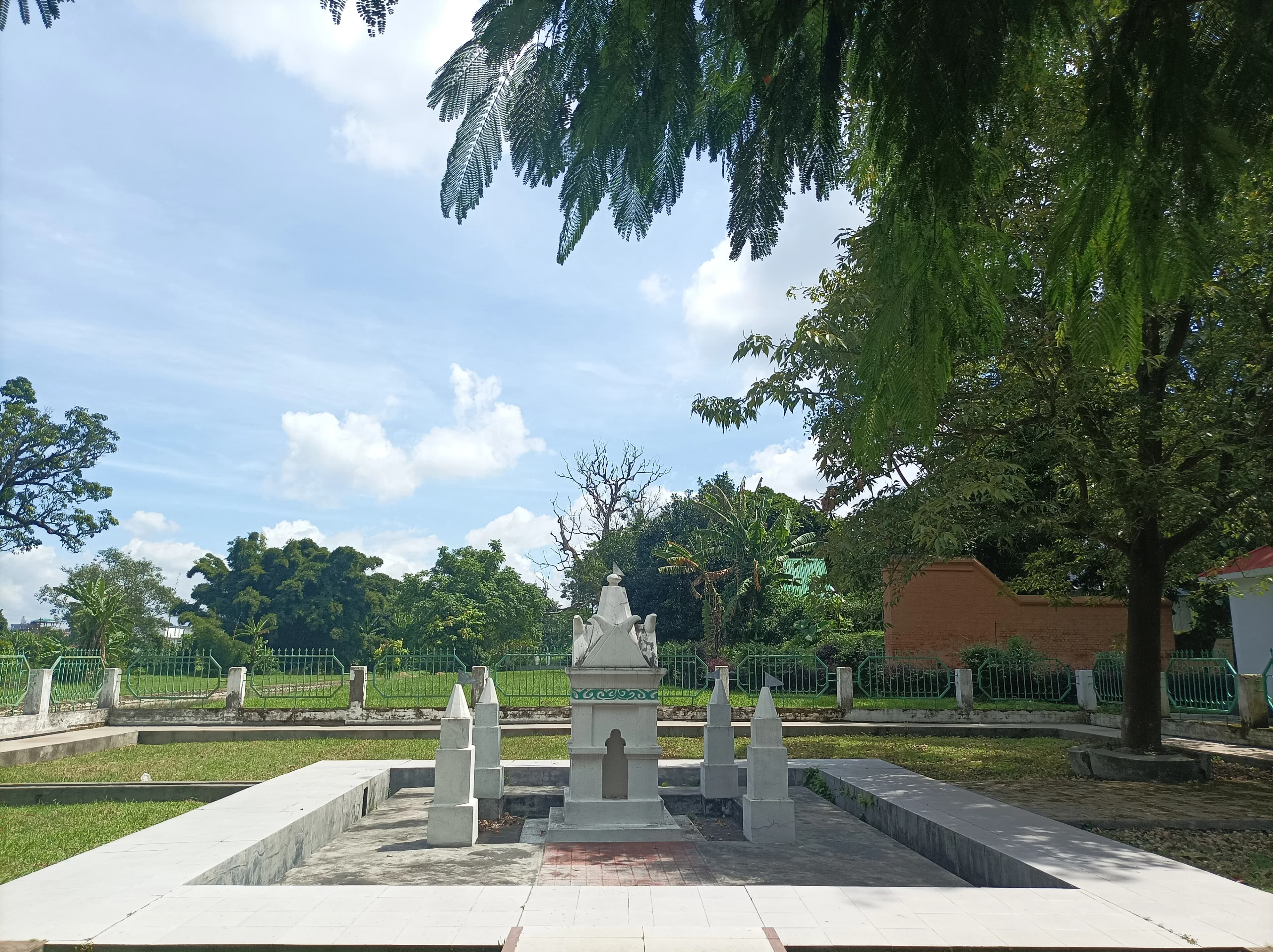
The midday sun beat down on Imphal, casting long shadows across the sprawling grounds of Kangla Fort. This wasn't just another stop on my UNESCO World Heritage journey across India; this was a pilgrimage to the heart of Manipur's history. The very air within these ancient walls seemed to vibrate with the echoes of centuries past, whispering tales of kings and conquests, rituals and resilience. Entering through the imposing western gate, I was immediately struck by the sheer scale of the complex. Kangla, meaning "dry land" in Meiteilon, sprawls across a vast area, bounded on one side by the Imphal River. This strategic location, offering both fertile land and natural defense, explains why it served as the royal seat for centuries, from the reign of the Ningthouja dynasty in the 14th century right up to the arrival of the British in 1891. The scars of history are etched deep into the fort's fabric. I walked past the ruins of the Govindaji Temple, its brickwork ravaged by time and conflict, a poignant reminder of the Anglo-Manipuri War. The temple, dedicated to Lord Krishna, once stood as a symbol of religious harmony, but was tragically destroyed during the British occupation. Its skeletal remains now stand as a silent testament to the enduring power of faith and the destructive nature of war. Further exploration revealed a fascinating blend of architectural styles. The Uttra Sanglen, a brick-built structure with a distinctive curved roof, showcases the ingenuity of Meitei craftsmanship. Its intricate carvings, though weathered, still hint at the grandeur it once possessed. Nearby, the ruins of the Shree Govindajee Temple complex, with its distinctive dome and arched gateways, reveal a Mughal influence, a testament to the cultural exchange that shaped this region. One of the most captivating aspects of Kangla Fort is its spiritual significance. It's not just a collection of historical buildings; it's a living, breathing sacred site. I witnessed locals performing rituals, offering prayers at ancient shrines, their devotion palpable. The sanctity of the place is undeniable, a powerful reminder of the deep connection between the Meitei people and their ancestral land. The Kangla Museum, housed within the fort's walls, provided valuable context to my visit. The exhibits, ranging from ancient pottery and weaponry to royal regalia and manuscripts, offered a glimpse into the rich cultural heritage of Manipur. I was particularly fascinated by the Puyas, the sacred texts of the Meitei people, which offer insights into their cosmology, history, and social customs. As I stood by the banks of the Imphal River, watching the sun begin its descent, I reflected on the profound impact of my visit. Kangla Fort is more than just a historical site; it's a repository of memories, a testament to the resilience of a culture that has endured centuries of change. It's a place where the past and present intertwine, where the whispers of history can still be heard, reminding us of the enduring power of place and the importance of preserving our shared heritage. My journey through India's UNESCO sites had taken me to many magnificent places, but Kangla Fort held a unique resonance, a deep connection to the soul of Manipur.
Bhaktivedanta Manor Watford
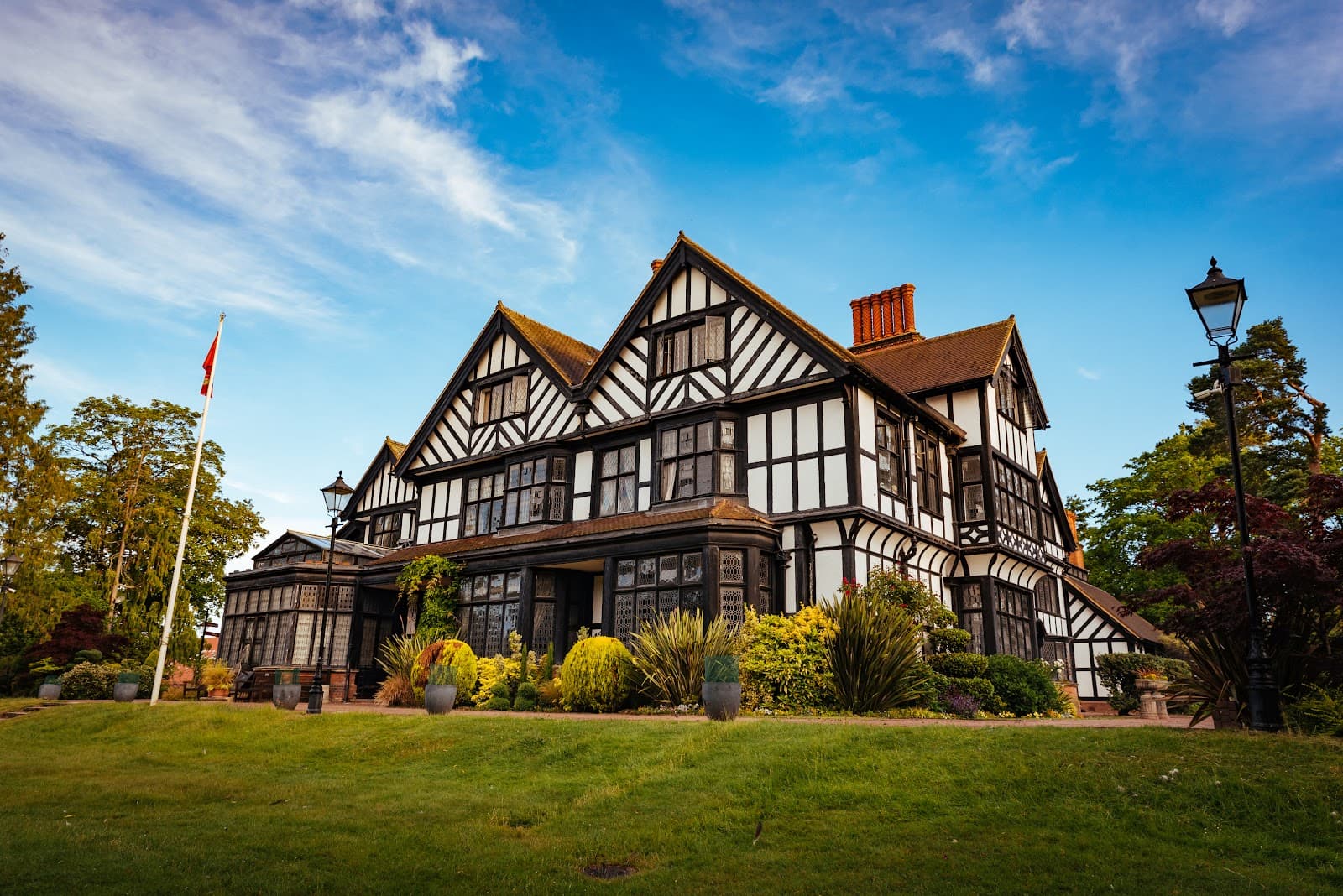
Bhaktivedanta Manor, located in Aldenham, Watford, Hertfordshire, England, serves as a prominent Gaudiya Vaishnava Hindu temple dedicated to Sri Sri Radha Gokulananda, embodying a continuous tradition of Indian civilization that spans millennia [1] [2]. While the physical structure of the manor house dates to the Victorian period, its current function as a temple, established in 1973, integrates indigenous Indian architectural principles and cultural practices, reflecting the deep historical roots of Vaishnavism [1] [3]. The site's architectural style is characterized by an adaptive reuse approach, blending the original mock-Tudor mansion with elements of Gaudiya Vaishnava temple architecture, particularly evident in the Sri Krishna Haveli development completed in 2020 [2] [5]. This new facility, costing £10.65 million, is a 2000-square-meter building designed to complement the existing mock-Tudor mansion without overshadowing it [2] [5]. Its construction utilized local materials such as oak, timber, tile, and traditional red brick with stone paving, respecting the Hertfordshire vernacular, while incorporating bespoke line patterns based on Rajasthani and formal English designs [5]. Teak mouldings, carved in India, were imported and further developed for the inner ceilings of the veranda walkway, showcasing a direct connection to Indian craftsmanship [5]. The Haveli features a Chakra Garden at its entrance, symbolizing the heart's centrality in the Bhakti tradition, and includes a Kirtan Hall with wood paneling and a stage, a Seva Hall with a fully equipped kitchen for serving prasadam, and the Bhakti Vidyalaya learning area with Atma Vidya and Paramatma Vidya rooms for educational purposes [5]. An outdoor Haveli playground, inspired by Krishna's childhood pastimes, is crafted from old trees, providing a safe and creative space for children [5]. The main temple room within the original manor house features an altar of carved wood and gilt, housing three domed shrines [3]. The central shrine is dedicated to Radha and Krishna, known as "Radha Gokulananda," while another houses Gaura-Nitai deities, and a third enshrines Sita, Rama, Lakshmana, and Hanuman [3]. The property, spanning 78 acres, also includes an organic farm, a cow sanctuary housing 66 cows and bulls, a primary school, ashrams, and a small theatre for performances illustrating bhakti yoga [1] [3]. Conservation efforts have included extensive renovation of the original manor building, both internally and externally, restoring it to its 1884 appearance [2]. The site actively hosts daily worship, educational programs, cultural events, and serves thousands of vegetarian meals weekly [1] [2]. Bhaktivedanta Manor is fully operational, providing a vibrant spiritual sanctuary and a testament to the enduring cultural legacy of India, continuously adapting and thriving in its mission [1] [2].
Quick Links
Plan Your Heritage Journey
Get personalized recommendations and detailed visitor guides