Has Inheritage Foundation supported you today?
Your contribution helps preserve India's ancient temples, languages, and cultural heritage. Every rupee makes a difference.
Secure payment • Instant 80G certificate
Anuradhapura Ancient City North Central Province Sri Lanka
Anuradhapura, located in Sri Lanka's North Central Province, served as the island's first capital, flourishing from around 350 BC for over 1,300 years ([1][2]). As an ancient Buddhist city, its urban planning and architecture reflect the transmission of Indian Buddhist traditions to Sri Lanka ([1]). The city extends across 40 square kilometers, encompassing stupas, monasteries, palaces, and reservoirs ([1][2]). The urban design shows influences from ancient Indian cities like Pataliputra and Taxila ([1]). Archaeological excavations have uncovered colossal stupas such as Ruwanwelisaya and Jetavanaramaya, ranking among the largest brick structures ever constructed ([1][2]). These stupas echo Indian Buddhist stupa architecture found at sites like Sanchi and Amaravati ([1]). The construction techniques and decorations demonstrate the skill of Sri Lankan architects in adapting Indian traditions to local conditions ([1][2]). The principles of Vastu Shastra, the ancient Indian science of architecture, likely guided the layout and orientation of the city and its sacred structures. Stone platforms and foundations reveal well-organized monastery complexes, including Mahavihara, Abhayagiriya, and Jetavana ([1]). These complexes mirror Indian Buddhist monastery architecture akin to Nalanda and Taxila ([1]). Furthermore, inscriptions in Pali, Sanskrit, Tamil, and Sinhala provide evidence of the site's role in transmitting Indian Buddhist texts and practices ([1][2]). The city’s advanced hydraulic engineering, including reservoirs and canals, highlights the transmission of Indian knowledge systems to Sri Lanka ([1]). Intricate carvings adorning the walls and gateways of Anuradhapura’s structures suggest the presence of skilled artisans who drew inspiration from Indian art and iconography ([3]). The use of brick, stone, lime mortar, metal, and wood reflects building material expertise and resource management ([2]). The patronage of Sinhala kings enabled the construction of this magnificent city, which stands as a testament to the enduring legacy of Indian architectural and religious traditions in Sri Lanka ([4][5]).
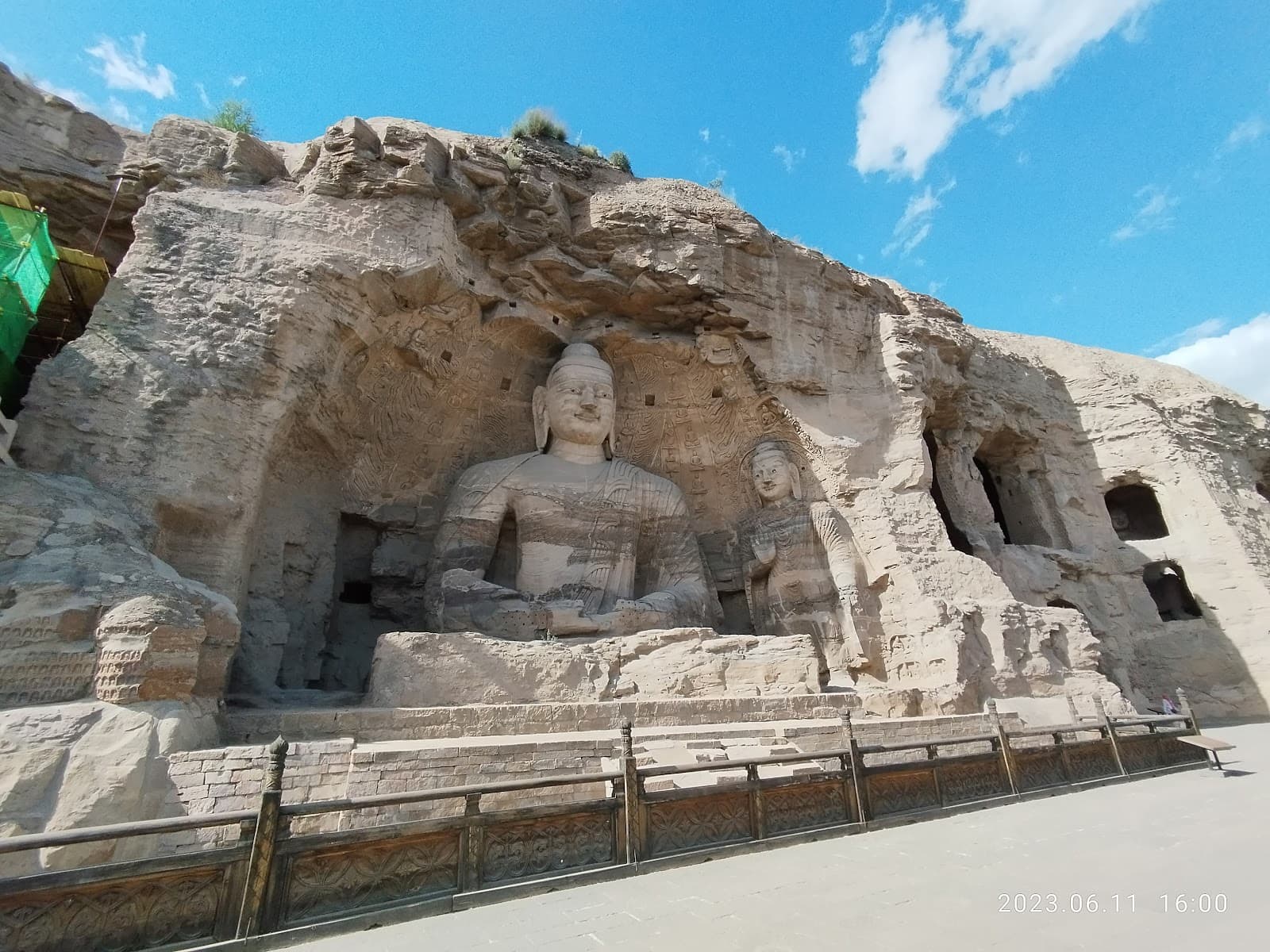
Yungang Grottoes Datong Shanxi China
The Yungang Grottoes, located in Yungang Town, Datong, Shanxi Province, China, stand as a monumental testament to the enduring legacy of Indian Buddhist art and its profound influence on East Asian cultural traditions, reflecting a continuous heritage spanning millennia [2] [3]. This UNESCO World Heritage Site comprises 252 caves and niches, housing over 51,000 statues carved into the sandstone cliffs, extending for approximately one kilometer along the Wuzhou Mountains [1] . The architectural style is deeply rooted in Gandhara-influenced and Indian rock-cut traditions, which were transmitted along the ancient Silk Road [2] [4]. The earliest and most significant phase of construction, known as the 'Tanyao Five Caves' (Caves 16-20), initiated around 460 CE, showcases colossal Buddha figures that adhere closely to the iconic forms developed in Gandhara, a significant Buddhist center in ancient northwestern India [2] [3]. These monumental Buddhas, such as the central seated figure in Cave 20, which measures approximately 13 meters in height, exhibit distinct Indian stylistic elements including plump cheeks, thick necks, elongated eyes, and robes that cling tightly to the body, rendered with schematic patterns [2] . The right shoulder of the main Buddha in Cave 20 is exposed, a characteristic feature of early Indian Buddhist iconography [2]. The structural elements within the grottoes often feature central pillars, a design adapted from Indian chaityas (sanctuary or prayer halls) found in sites like the Ajanta Caves in India, though at Yungang, these pillars frequently incorporate Chinese gable roofs [3] . The caves are carved directly into the natural rock, utilizing the local sandstone as the primary material. Decorative elements are rich and varied, including flame patterns and miniature seated Buddhas within the halos, as well as flying apsaras, lotuses, and honeysuckle motifs [1] [5]. The honeysuckle patterns, in particular, demonstrate influences from Greco-Roman art, filtered through Indian and Central Asian traditions, highlighting the multicultural integration at the site [5]. Cave 6, for instance, features an antechamber and a square main chamber supported by a central pillar, with walls divided into three vertical registers depicting scenes from the Buddha's life, such as the First Sermon at Deer Park, identifiable by deer carved on the Buddha's throne [2]. Technical details include the careful excavation of the caves to create vast interior spaces, some designed to accommodate thousands for Buddhist activities, as seen in the original design of Cave 3 . Currently, the Yungang Grottoes are subject to extensive conservation efforts, including advanced digital preservation techniques . Since 2003, high-precision 3D laser scanning and photogrammetry have been employed to create detailed digital models, ensuring comprehensive documentation and facilitating archaeological research and virtual exploration . The Yungang Grottoes Research Academy, in collaboration with various universities, has established the Digital Yungang Joint Laboratory to further these efforts, including the production of full-size 3D-printed replicas of caves, such as Cave 3 (17.9m x 13.6m x 10.0m) and Cave 18 (17 meters high), for exhibition and public education . These replicas, constructed from nearly 1000 3D-printed blocks reinforced with polymer materials and custom-lacquered to match the original stone, demonstrate innovative approaches to heritage dissemination . Ongoing physical conservation addresses threats such as water seepage, rain erosion, and weathering, with interventions adhering to principles of minimal impact [1] . The site is fully operational, offering visitor access to the grottoes and engaging programming, while maintaining strict compliance with international heritage preservation standards [1] .
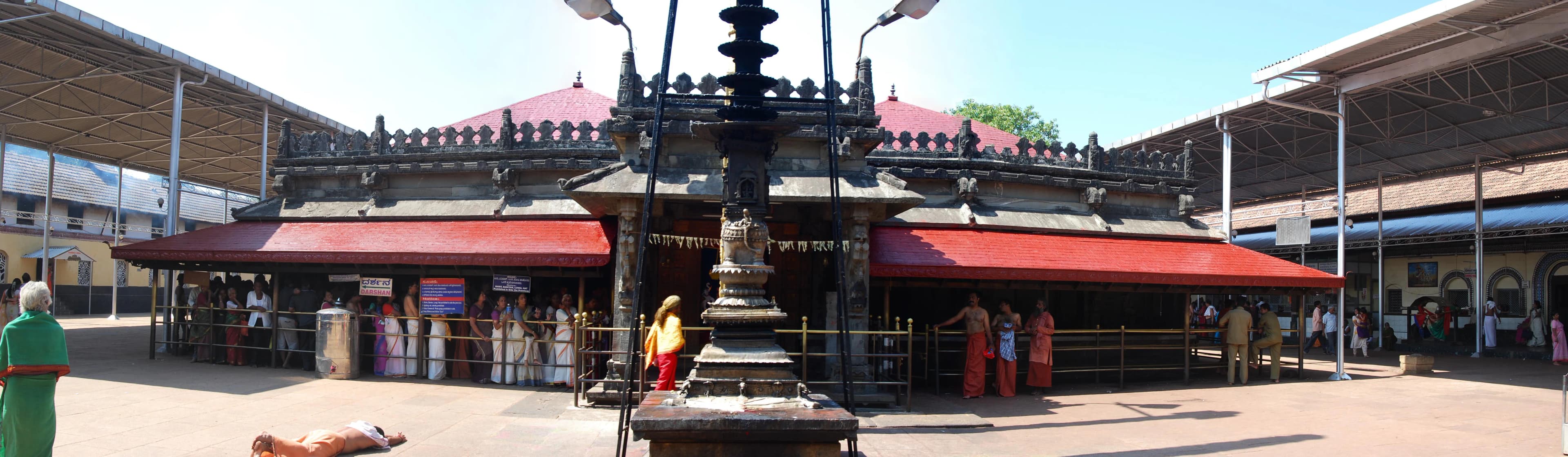
Kollur Mookambika Temple Udupi
The air hung heavy with the scent of incense and jasmine as I ascended the stone steps leading to the Kollur Mookambika Temple. Nestled amidst the verdant embrace of the Kodachadri hills in Karnataka's Udupi district, this temple, dedicated to Goddess Mookambika, exudes a palpable aura of sanctity. Unlike the towering gopurams that characterize many South Indian temples, Mookambika's entrance is comparatively understated, marked by a modest gateway. This architectural choice, I felt, immediately sets the tone for a more intimate spiritual experience. Stepping into the inner courtyard, my gaze was drawn to the main shrine. The temple's architecture, while predominantly Dravidian, displays interesting influences from Kerala's architectural traditions. The sloping tiled roofs, reminiscent of Kerala temple styles, blend seamlessly with the granite structure, creating a unique aesthetic. The absence of a traditional *prakara* or circumambulatory passage around the sanctum sanctorum further enhances the sense of closeness to the deity. The sanctum sanctorum houses the unique *Jyotirlinga* of Goddess Mookambika. Unlike traditional Shiva lingams, this one is a *swayambhu* (self-manifested) and is not carved or shaped. It is believed to be a confluence of the energies of Saraswati, Lakshmi, and Parvati. The golden *kavacha* adorning the lingam glittered under the soft glow of oil lamps, adding to the mystical atmosphere. I observed the intricate carvings on the silver-plated doorway leading to the sanctum. These depictions, while weathered by time, still showcased the skill of the artisans who crafted them centuries ago. One of the most striking features of the Kollur Mookambika Temple is the presence of a *Chakra* and *Shankha* (discus and conch), symbols typically associated with Vishnu, placed alongside the Jyotirlinga. This unique amalgamation of Shakta and Vaishnava iconography speaks volumes about the temple's inclusive spiritual ethos. It’s a testament to the syncretic nature of Hindu belief systems, a phenomenon I’ve often encountered in my explorations of South Indian temples. The temple complex also houses smaller shrines dedicated to other deities like Subramanya and Ganesha. These shrines, while simpler in design, echo the architectural vocabulary of the main temple. I noticed the use of laterite stone in some of the ancillary structures, a common building material in the coastal regions of Karnataka and Kerala. The temple tank, located a short distance from the main shrine, is believed to have healing properties. Observing the devotees taking a dip in the sacred waters, I reflected on the deep-rooted cultural significance of temple tanks in South India, serving as spaces for ritual purification and community gathering. As I walked around the temple, I observed the diverse crowd of devotees. People from all walks of life, speaking different languages, had converged at this sacred site, united by their faith. The rhythmic chanting of Vedic hymns, the fragrance of burning camphor, and the clanging of bells created a sensory tapestry that resonated deep within me. My visit to the Kollur Mookambika Temple was more than just an architectural study; it was a spiritual immersion. The temple's unique blend of architectural styles, its inclusive iconography, and the palpable devotion of its pilgrims left an indelible impression on me. It reinforced my belief that these ancient structures are not merely monuments of stone and mortar, but living embodiments of faith, culture, and history. They serve as vital links to our past, offering glimpses into the rich tapestry of India's spiritual heritage.
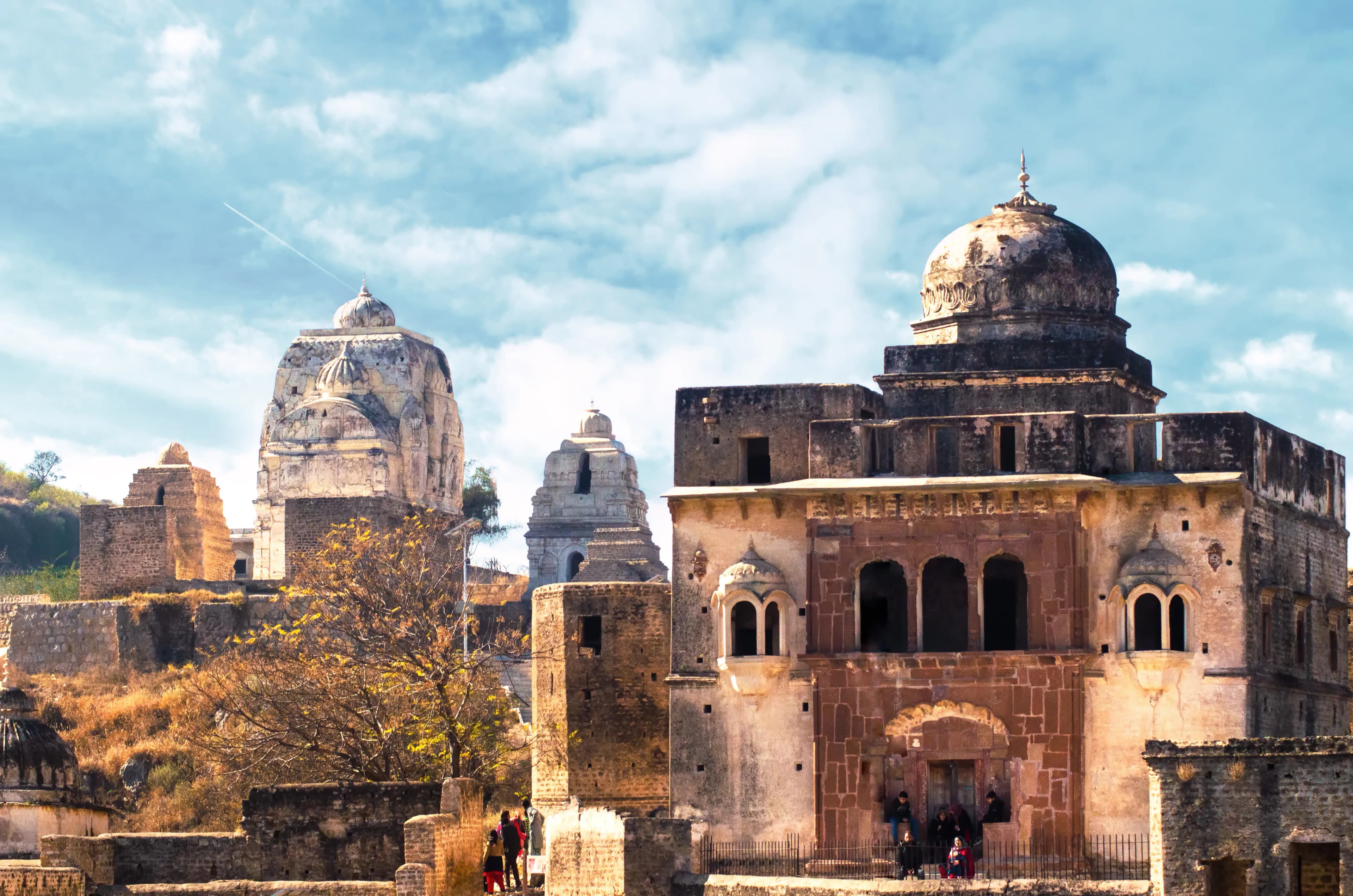
Katas Raj Temples Chakwal
The midday sun beat down on the Katas Raj Temples, casting long shadows across the courtyard and reflecting blindingly off the placid surface of the sacred pond. As a Maharashtrian steeped in the cave and temple architecture of my home state, I felt a strange sense of familiarity mixed with awe standing amidst this ancient complex in the heart of Punjab, Pakistan. The journey here, through the undulating Salt Range, had already hinted at the historical significance of this site, a significance that resonated far beyond geographical boundaries. The first structure that drew my attention was the Ramachandra Mandir, its crumbling sandstone walls whispering tales of centuries past. Unlike the basalt rock-cut marvels of Maharashtra, these temples were constructed from finely dressed stone, exhibiting a distinct architectural style. The intricate carvings, though weathered by time and neglect, still bore testament to the skill of the artisans who had painstakingly created them. I noticed a striking similarity in the decorative motifs – floral patterns and geometric designs – echoing elements I’d seen in the Hemadpanti temples back home. However, the overall structure, with its shikharas reaching towards the sky, leaned more towards the North Indian Nagara style, a departure from the Deccan styles I was accustomed to. Circling the sacred pond, or Katas, I observed the Hari Singh Haveli, a relatively recent addition to the complex, its stark white walls contrasting sharply with the aged sandstone of the older structures. The haveli, with its Mughal-influenced architecture, spoke of a later period, a layering of history upon history that made this site even more compelling. The pond itself, the heart of the complex, held an almost ethereal stillness. Legend has it that Shiva shed tears upon Sati's death, and two of those tears formed this pond and another in Pushkar, Rajasthan. Gazing at the water, I could almost feel the weight of centuries of devotion and belief that had gathered around this sacred spot. Moving towards the Shiva temple, I was struck by the stark contrast between its current state and its imagined past. The main shrine, dedicated to Shiva, was partially collapsed, the remnants of its grandeur scattered around. Yet, even in ruins, it exuded an undeniable aura of sanctity. I climbed carefully over fallen stones, trying to piece together the original layout in my mind. The remnants of pillars, carved with intricate detail, hinted at a once-magnificent mandapa. The sanctum sanctorum, though damaged, still held a lingering sense of reverence. The smaller shrines surrounding the main temple, dedicated to various deities, were in slightly better condition. I spent time examining the carvings on the exterior walls, noting the depictions of gods and goddesses, celestial beings, and scenes from Hindu mythology. The style, while sharing some similarities with the carvings I’d seen in Ellora and Ajanta, possessed a unique regional flavour. The use of sandstone, as opposed to the basalt of Maharashtra, also lent a different texture and feel to the artwork. My exploration of the Katas Raj Temples was a journey through time, a tangible connection to a shared past. While the ravages of time and neglect were evident, the spiritual and historical significance of the site remained undiminished. Standing amidst these ancient stones, I felt a profound sense of continuity, a reminder that the threads of history, culture, and faith weave intricate patterns across borders and through time. The Katas Raj Temples, though geographically distant from my familiar Maharashtra, resonated with a familiar echo of devotion and artistic expression, a testament to the enduring power of human belief and creativity.

Koneurgench Dash Mosque Temple Remnants Dashoguz Turkmenistan
Koneurgench, dramatically situated in the Dashoguz Region of northern Turkmenistan, represents one of the most extraordinary and archaeologically significant medieval cities in Central Asia, serving as the capital of the Khorezm Empire and featuring the remarkable Dash Mosque with its 12th-13th century temple remnants that demonstrate pre-Islamic layers with remarkable parallels to Indian religious and architectural traditions, creating a powerful testament to the sophisticated synthesis of Indian and Central Asian cultural traditions during the medieval period. The ancient city, also known as Kunya-Urgench and designated as a UNESCO World Heritage Site, features extraordinary architectural elements including the Dash Mosque with its underlying temple structures that demonstrate clear Indian architectural influences from periods before the Islamic conquest, while the site's most remarkable feature is its sophisticated pre-Islamic temple remnants featuring architectural elements, ritual structures, and decorative programs that demonstrate clear parallels with Indian temple architecture and religious practices. The temple remnants' architectural layout, with their central ritual structures surrounded by ceremonial spaces and architectural elements, follows sophisticated planning principles that demonstrate remarkable parallels with Indian temple planning principles, while the temple remnants' extensive decorative programs including architectural elements and religious iconography demonstrate the sophisticated synthesis of Indian religious iconography and architectural traditions with local Central Asian aesthetic sensibilities. Archaeological evidence reveals that the site served as a major center of religious and cultural activity for centuries before the Islamic period, attracting traders, priests, and elites from across Central Asia, South Asia, and beyond, while the discovery of numerous artifacts including architectural elements that demonstrate clear Indian influences, ritual objects that parallel Indian practices, and religious iconography that reflects Indian cosmological concepts provides crucial evidence of the site's role in the transmission of Indian religious traditions to Central Asia, demonstrating the sophisticated understanding of Indian religious and architectural traditions possessed by the site's patrons and religious establishment. The site's association with the Khorezm Empire, which had extensive trade and cultural connections with India throughout its history, demonstrates the sophisticated understanding of Indian religious traditions that were transmitted to Central Asia, while the site's pre-Islamic temple remnants and architectural elements demonstrate remarkable parallels with Indian temple architecture and religious practices that were central to ancient Indian religious traditions. The site has been the subject of extensive archaeological research, with ongoing excavations continuing to reveal new insights into the site's sophisticated architecture, religious practices, and its role in the transmission of Indian religious traditions to Central Asia, while the site's status as a UNESCO World Heritage Site demonstrates its significance as a major center for the transmission of Indian cultural traditions to Central Asia. Today, Koneurgench stands as a UNESCO World Heritage Site and represents one of the most important medieval cities in Central Asia, serving as a powerful testament to the transmission of Indian religious and architectural traditions to Central Asia, while ongoing archaeological research and conservation efforts continue to protect and study this extraordinary cultural treasure that demonstrates the profound impact of Indian civilization on Central Asian religious and cultural traditions. ([1][2])
Krishna Temple Bur Dubai
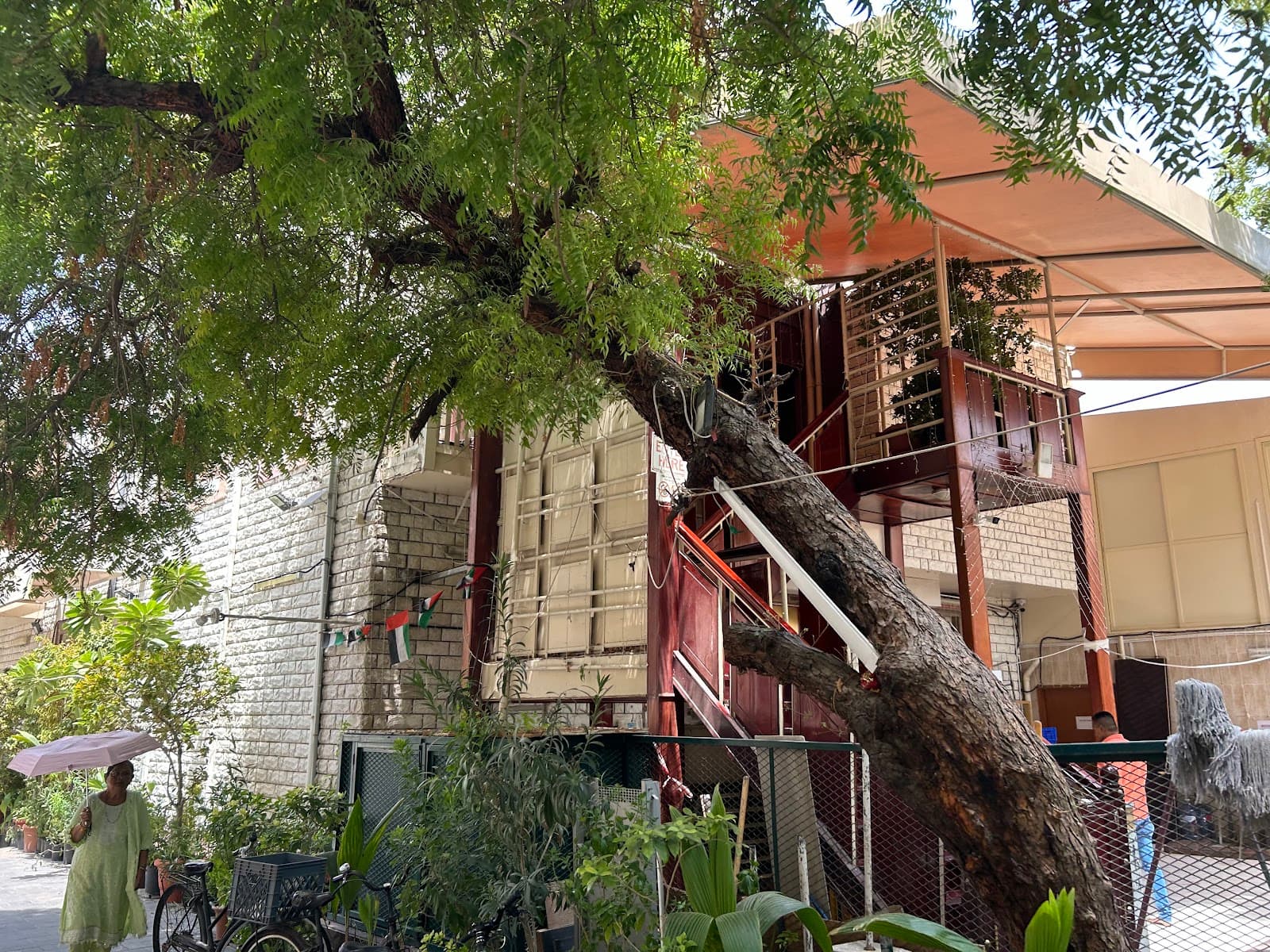
The Krishna Temple in Bur Dubai has been Dubai’s oldest continuously operating Hindu shrine since 1958, tucked on the mezzanine of a sandalwood-scented souq courtyard in the historic Al Fahidi district where hundreds climb a narrow stair each dawn for darshan of Sri Nathji, Radha-Krishna, Mahalakshmi, and Sai Baba before winding through the lattice-screen corridor that overlooks the Creek ([1][2]). The 1,500-square-foot mandir retains teak balustrades, hand-carved pillars, brass finials, and the nine-domed roofline that peeks above coral-stone shophouses; priests weave through the throng performing arti with oil lamps held inches from glass-fronted sancta while volunteers chant bhajans. Daily timings stretch 5:00 AM-11:30 AM and 5:00 PM-9:30 PM, accommodating 3,000 devotees on weekdays and up to 6,000 during Janmashtami or Diwali. The temple’s shoe racks, prasad counter, and queue rails occupy the ground-level courtyard shared with souvenir shops and the adjacent Sikh Gurudwara, symbolising Dubai’s intercultural tapestry. Canonical rituals include Radha Ashtami, Satyanarayana katha, Tulsi Vivah, and mass annadhanam delivered by Indian restaurants who donate vegetarian meals. The small admin office manages marriage registrations, birth certificate attestations, and diaspora documentation in coordination with the Indian Consulate ([2][3]).
Salasar Balaji Temple Churu
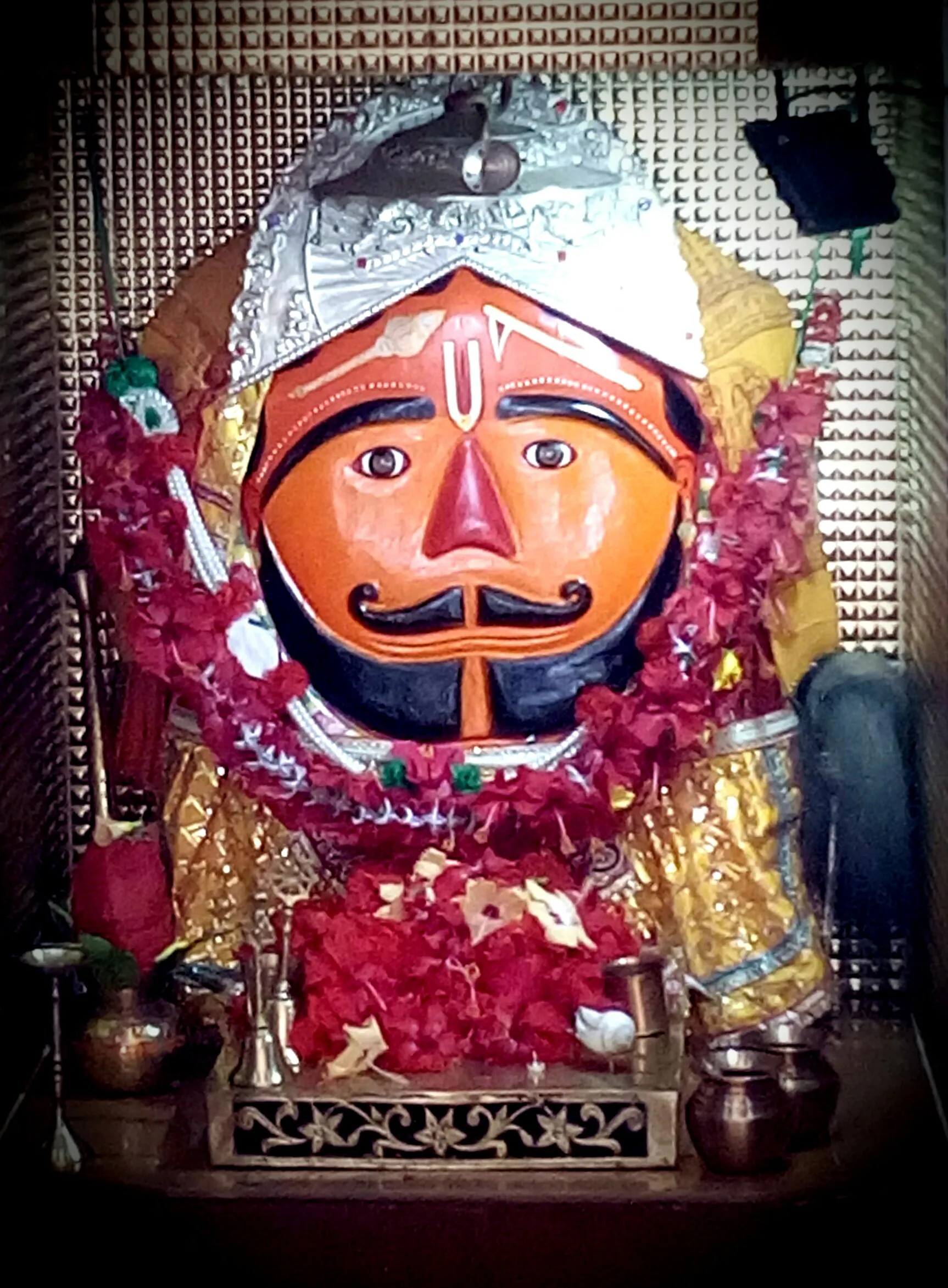
The desert wind whipped around me, carrying fine sand that stung my eyes as I approached the Salasar Balaji Temple. Emerging from the flat, arid landscape of Rajasthan's Churu district, the temple complex felt like an oasis, a vibrant splash of colour against the muted ochre backdrop. It wasn't the grandeur of scale that struck me initially, but the palpable sense of devotion that permeated the air. The steady stream of pilgrims, their faces etched with faith, created a humming energy that resonated within the temple walls. The temple itself is a fascinating blend of architectural styles. While predominantly Rajput in character, with its characteristic chhatris (elevated, dome-shaped pavilions) and jharokhas (overhanging enclosed balconies), there are subtle Mughal influences woven into the fabric of the structure. The ornate carvings on the marble pillars, for instance, display a delicate floral intricacy reminiscent of Mughal artistry. This fusion isn't surprising, given the historical context of Rajasthan, a region where these two powerful empires often intersected and influenced each other. The main shrine, housing the revered idol of Lord Hanuman, known here as Salasar Balaji, is relatively small and unassuming. Unlike the towering gopurams of South Indian temples or the sprawling complexes of North Indian ones, Salasar Balaji’s sanctum sanctorum exudes a sense of intimacy. The walls are covered in silver plating, reflecting the flickering lamps and creating a warm, ethereal glow. The idol itself, a dark, imposing figure, is believed to have self-manifested from the earth, adding to its mystique and drawing devotees from across the country. What truly captivated me, however, was the intricate marble work that adorned every surface. The pillars, the arches, even the flooring, were covered in a tapestry of carved floral patterns, geometric designs, and depictions of mythological scenes. The craftsmanship was exquisite, each detail meticulously rendered, a testament to the skill of the artisans who had poured their devotion into this sacred space. I spent a considerable amount of time studying the panels depicting scenes from the Ramayana, marveling at the fluidity of the lines and the expressiveness of the figures. The narrative unfolded across the marble, bringing the epic to life in a way that mere words could not. The courtyard surrounding the main shrine was a hive of activity. Devotees offered prayers, chanted hymns, and performed rituals, their voices blending in a harmonious cacophony. The air was thick with the scent of incense and the vibrant colours of saffron, red, and marigold added to the sensory overload. I observed the intricate rituals with fascination, noting the specific gestures, offerings, and prayers that formed part of the devotional practice. It was a powerful reminder of the enduring strength of faith and the role that these sacred spaces play in the lives of millions. As I left the temple complex, the setting sun cast long shadows across the desert landscape. The experience had been more than just a visit to an architectural marvel; it was an immersion into a living, breathing tradition. The Salasar Balaji Temple is not merely a structure of stone and marble; it is a repository of faith, a testament to human devotion, and a vibrant expression of India’s rich cultural heritage. The image of the silver-clad idol, bathed in the warm glow of lamps, and the echoes of the devotional chants stayed with me long after I had left, a poignant reminder of the spiritual heart that beats within the arid landscape of Rajasthan.
Chilpik Kala Tower of Silence Karakalpakstan Uzbekistan
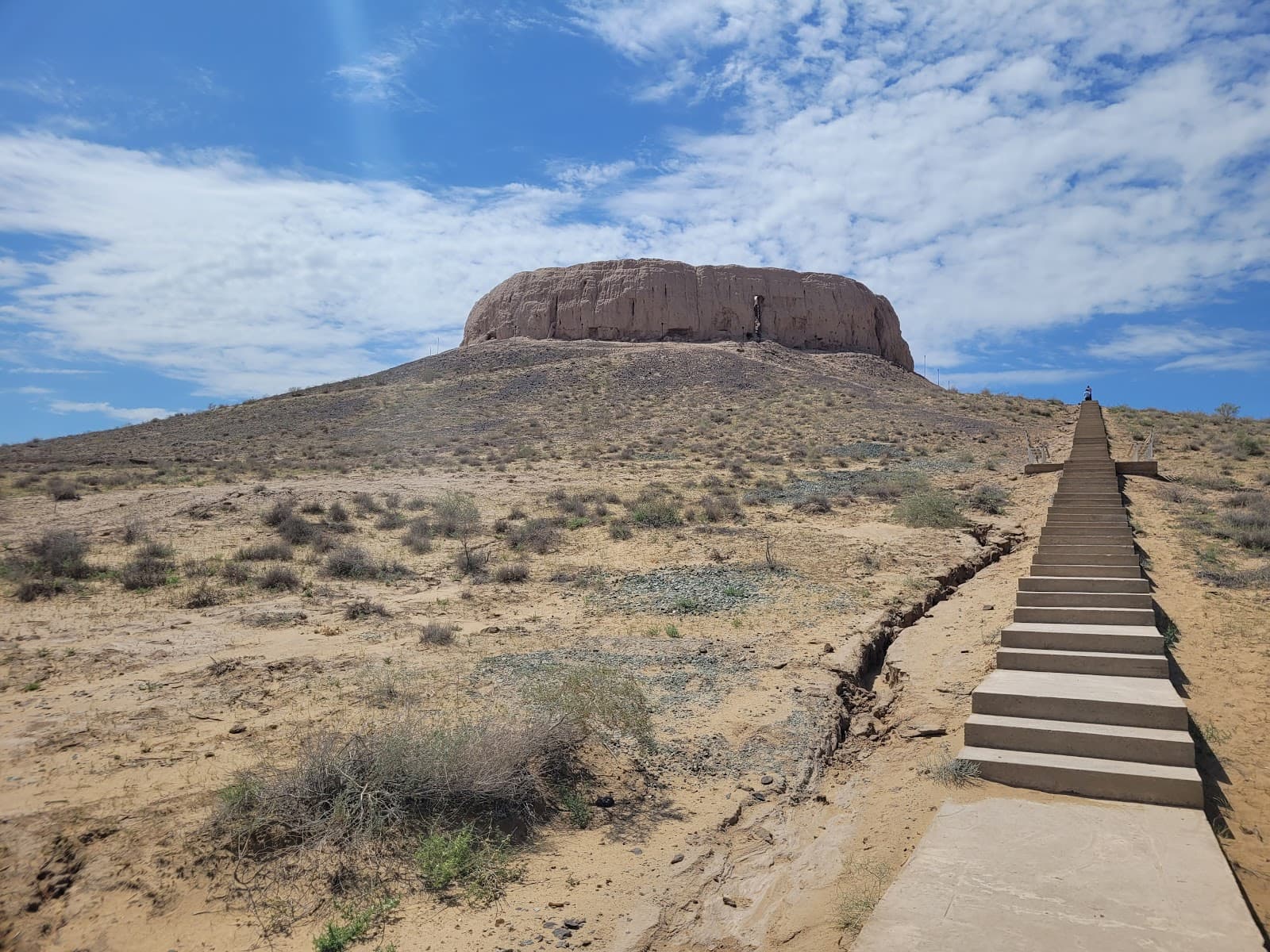
The Chilpik Kala Tower of Silence, located in Karakalpakstan, Uzbekistan, stands as a profound testament to ancient funerary practices and the enduring legacy of Zoroastrian communities in Central Asia, reflecting a broader cultural sphere that historically interacted with Indic traditions for millennia [3] [4]. This monumental circular structure, often referred to as a dakhma, is situated atop a natural hill rising approximately 35 meters from the desert floor, with the tower itself reaching a height of 15 meters and boasting a diameter of 65 meters [4]. Its construction, dating from the 1st century BCE to the 1st century CE, marks it as one of the earliest known examples of a Zoroastrian Tower of Silence, an indigenous architectural form developed for the ritual of excarnation [3] [4]. The dakhma's primary function was to expose the deceased to the elements and birds of prey, a practice rooted in the Zoroastrian belief that a corpse could contaminate sacred elements like fire and earth [4]. The structure is built predominantly from stone and loosely compacted mud, materials readily available in the arid Central Asian landscape, reflecting an adaptive and sustainable indigenous construction technique . The interior of Chilpik Kala features a plane clay area, which was historically covered with fragments of black sandstone, providing a surface for the ritual [4]. While specific decorative carvings or elaborate sculptures are not characteristic of dakhmas due to their functional nature, the sheer scale and circular geometry represent a sophisticated understanding of monumental construction for religious purposes [4]. Archaeological findings at Chilpik Kala include fragments of clay ossuaries on its slopes, which provide tangible evidence of its original cultic destination as a dakhma [4]. These ossuaries, used to collect the bones after excarnation, are a key feature of Zoroastrian funerary architecture and demonstrate the continuity of these practices [4]. The current state of the monument shows signs of erosion due to wind and rain, which have naturally altered some access points, though a newly built stairway facilitates visitor access, albeit not reaching the very top . Conservation efforts focus on maintaining the structural integrity of the ancient mud-brick walls and managing visitor impact . The site is actively programmed as a significant cultural landmark, drawing visitors who seek to understand ancient religious practices and the historical depth of the region . Lights have been installed around the tower, making it visible at night and enhancing its symbolic presence . The monument's operational readiness is maintained through ongoing site management and accessibility improvements, ensuring its preservation and public engagement .
Bishnupur Terracotta Temples Bishnupur
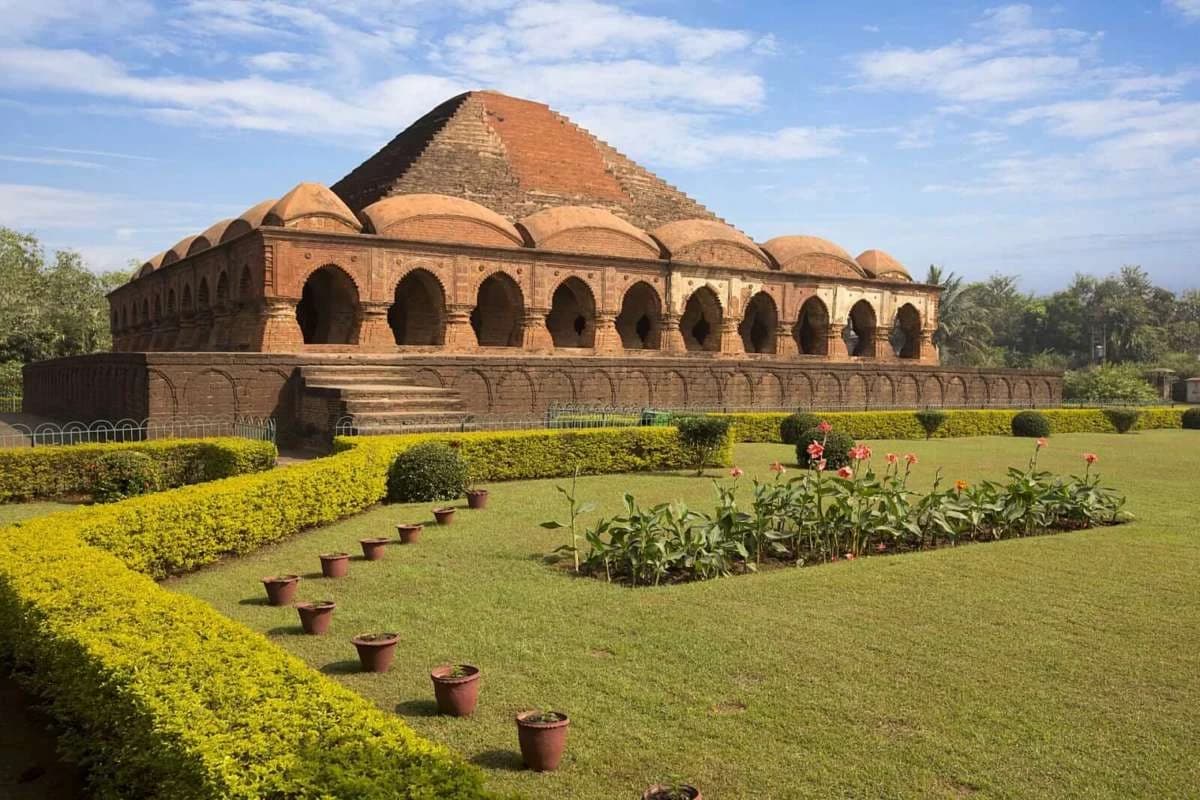
Fired brick and mud brick construction techniques reached a zenith in Bishnupur, West Bengal, during the Bengal Renaissance period, as exemplified by its terracotta temples ([1][2]). These temples, constructed by the Malla dynasty who ruled from approximately the 7th to the 18th centuries CE ([3]), present a unique architectural style that blends classical Bengali forms with intricate terracotta artistry ([4]). The Malla kings, serving as patrons, facilitated the construction of these elaborate structures ([3]). Intricate carvings adorning the walls narrate stories from the Ramayana, Mahabharata, and various Hindu Puranas, effectively bringing these ancient epics to life ([2][5]). The Jor Bangla temple, distinguished by its chala (hut-shaped) roof, is a prime example of this narrative tradition ([4]). The Rasmancha, commissioned by King Bir Hambir in the 17th century, provided a platform for displaying Radha-Krishna idols during the annual Ras festival ([3]). Stone platforms and foundations demonstrate the structural integrity of temples like the Madan Mohan Temple, which is further adorned with floral and geometric terracotta designs ([1][4]). Within the Garbhagriha (Sanctum), deities are enshrined, representing the focal point of devotion and architectural design ([2]). The Shyam Rai Temple, a pancharatna (five-pinnacled) structure, showcases a diverse range of themes, including scenes from courtly life alongside depictions of various deities ([2][5]). During the Bengal Renaissance period, temple architecture in Bishnupur achieved a distinctive aesthetic, where the terracotta medium lends a warm, intimate quality, creating a striking contrast to the grandeur often associated with stone structures found elsewhere in India ([1]). These temples not only served as places of worship but also as vibrant canvases that preserved and propagated cultural narratives for generations to come ([3][5]). The legacy of Bishnupur's terracotta temples remains a significant chapter in India's architectural heritage ([1][4]).
Pemayangtse Monastery Pelling
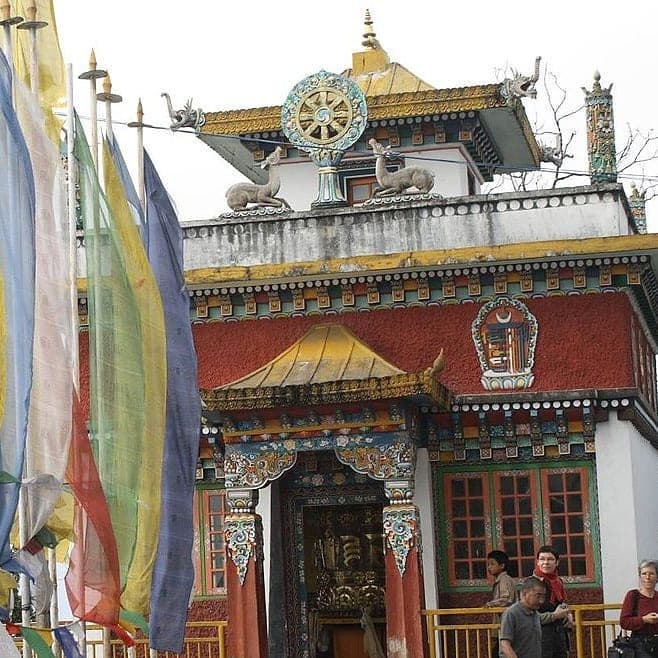
The biting Himalayan wind whipped prayer flags into a frenzy of colour against the backdrop of Kanchenjunga’s snow-capped majesty. Here, perched on a hilltop overlooking Pelling, stood the Pemayangtse Monastery, a structure that seemed to breathe history. As a cultural journalist from Uttar Pradesh, steeped in the grandeur of our own ancient temples and mosques, I was eager to experience the unique spiritual and architectural tapestry of this Sikkimese Buddhist sanctuary. The climb to the monastery itself was a pilgrimage of sorts, the winding path lined with vibrant rhododendrons. The monastery, built in 1705, is one of the oldest and most important in Sikkim, belonging to the Nyingma order, the oldest of the four major schools of Tibetan Buddhism. Its very name, Pemayangtse, translates to "Perfect Sublime Lotus," a moniker that felt entirely appropriate as I stepped through the intricately carved wooden doorway. The architecture struck me immediately. Unlike the stone structures I was accustomed to back home, Pemayangtse is primarily constructed of wood, lending it a sense of organic warmth. The multi-tiered roofs, adorned with ornate carvings and vibrant paint, curved upwards towards the heavens, echoing the surrounding peaks. The intricate woodwork, a testament to the skill of Sikkimese artisans, depicted mythical creatures, deities, and intricate floral patterns. It was a visual feast, every inch narrating a story from Buddhist scriptures. Inside, the atmosphere was hushed and reverent. The main prayer hall, or 'Lhakhang', was dimly lit, the air thick with the scent of burning incense. Giant thangkas, religious scrolls depicting Buddhist iconography, hung from the walls, their vibrant colours seeming to glow in the soft light filtering through the small windows. The centrepiece, however, was the seven-tiered wooden model of 'Sangthok Palri', the heavenly abode of Guru Rinpoche, also known as Padmasambhava, the founder of Tibetan Buddhism. This intricate structure, a marvel of craftsmanship, is said to be rebuilt every three years, a ritual that underscores the cyclical nature of Buddhist philosophy. I spent hours exploring the monastery, each room revealing new treasures. Ancient scriptures bound in leather, ceremonial masks used in religious dances, and antique musical instruments – each artefact whispered tales of centuries-old traditions and unwavering faith. I was particularly captivated by the wall paintings, which, unlike the frescoes I’d seen in Uttar Pradesh, possessed a distinct Tibetan style, characterized by bold lines, vibrant colours, and a focus on symbolic representation. One of the monks, a young man with a gentle smile, explained the significance of various symbols and rituals. He spoke of the importance of compassion, mindfulness, and the pursuit of enlightenment, principles that resonated deeply, transcending geographical and cultural boundaries. His words, coupled with the serene atmosphere of the monastery, fostered a sense of inner peace, a feeling I hadn’t anticipated amidst the grandeur of the Himalayas. As I descended the hill, the setting sun casting long shadows across the valley, I carried with me more than just photographs and notes. Pemayangtse Monastery was not merely a historical site; it was a living testament to the power of faith, the beauty of artistic expression, and the enduring legacy of a rich cultural heritage. It served as a powerful reminder that despite the diversity of our traditions, the human quest for spiritual understanding remains a universal thread that binds us together. The experience, for me, was a poignant reminder of the interconnectedness of cultures and the profound impact such places can have on shaping our understanding of the world.
Hill Palace Tripunithura
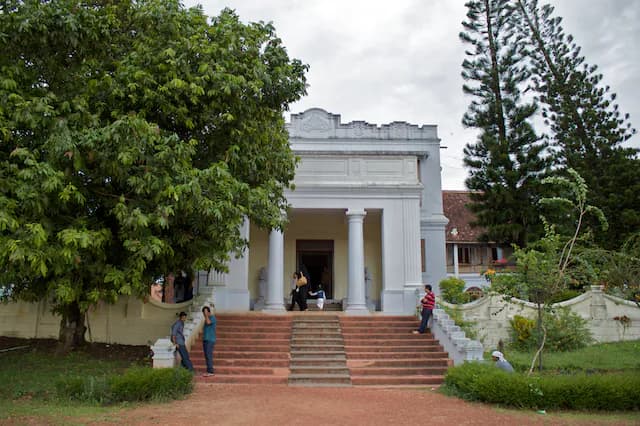
The ochre walls of the Hill Palace, muted under the Kerala sun, seemed to exhale stories. As I stepped onto the grounds, the humid air, thick with the scent of frangipani, transported me far from the familiar plains of Uttar Pradesh. This wasn't the imposing grandeur of a Mughal fort, but a subtler, more intimate kind of royalty. The Hill Palace, once the administrative seat of the Kingdom of Kochi, whispered of a different era, a different rhythm of life. The complex, a sprawling network of 49 buildings, isn't a single monolithic structure. Instead, it's a collection of traditional Kerala architecture, interconnected courtyards, and sloping tiled roofs, all nestled within a generous expanse of greenery. The buildings, varying in size and purpose, seemed to have grown organically over time, reflecting the evolving needs of the royal family. I noticed the distinct lack of ostentatious ornamentation. The beauty lay in the simplicity, the earthy tones, and the harmony with the surrounding landscape. The sloping roofs, designed to combat the heavy monsoon rains, were a stark contrast to the flatter rooftops I was accustomed to back home. I began my exploration with the main palace building, now a museum. The wooden floors, polished smooth by generations of footsteps, creaked softly under my weight. The air inside was cool, a welcome respite from the midday heat. The museum houses an impressive collection of artifacts belonging to the Kochi royal family – ornate palanquins, gleaming weaponry, and intricate ivory carvings. One piece that particularly caught my eye was a traditional Kerala lamp, its intricate brasswork casting dancing shadows on the wall. It spoke volumes about the craftsmanship prevalent in this region, a testament to the artistic sensibilities of the people. Moving through the various sections, I was struck by the distinct Kerala aesthetic. The influence of traditional architectural styles like "nalukettu" – a structure with four blocks around a central courtyard – was evident. The use of local materials like laterite, wood, and terracotta tiles created a sense of rootedness, a connection to the land. Unlike the grand marble structures of the north, the Hill Palace felt more integrated with its environment, almost as if it had sprung from the earth itself. I spent a considerable amount of time in the section dedicated to archaeological finds. Ancient pottery shards, coins from bygone eras, and remnants of early settlements painted a vivid picture of the region's rich history. It was fascinating to see the confluence of different cultures – the influence of Arab traders, the legacy of the Portuguese and Dutch colonizers – all layered within the local narrative. Beyond the museum, the palace grounds offer a tranquil escape. I wandered through the deer park, observing the gentle creatures grazing peacefully. The medicinal plants garden, with its labelled specimens, provided a glimpse into the traditional healing practices of Kerala. The pre-historic park, with its life-sized models of dinosaurs, felt slightly incongruous but nevertheless added a touch of whimsy to the experience. As I sat on a stone bench, overlooking the lush greenery, I reflected on the contrasts between the north and south of India. The Hill Palace, with its understated elegance and intimate scale, offered a different perspective on royalty. It wasn't about imposing power, but about a harmonious coexistence with nature and a deep respect for tradition. This visit wasn't just a journey through a historical site; it was a journey into a different cultural landscape, a reminder of the incredible diversity that makes India so unique.
Bhojeshwar Temple Bhojpur
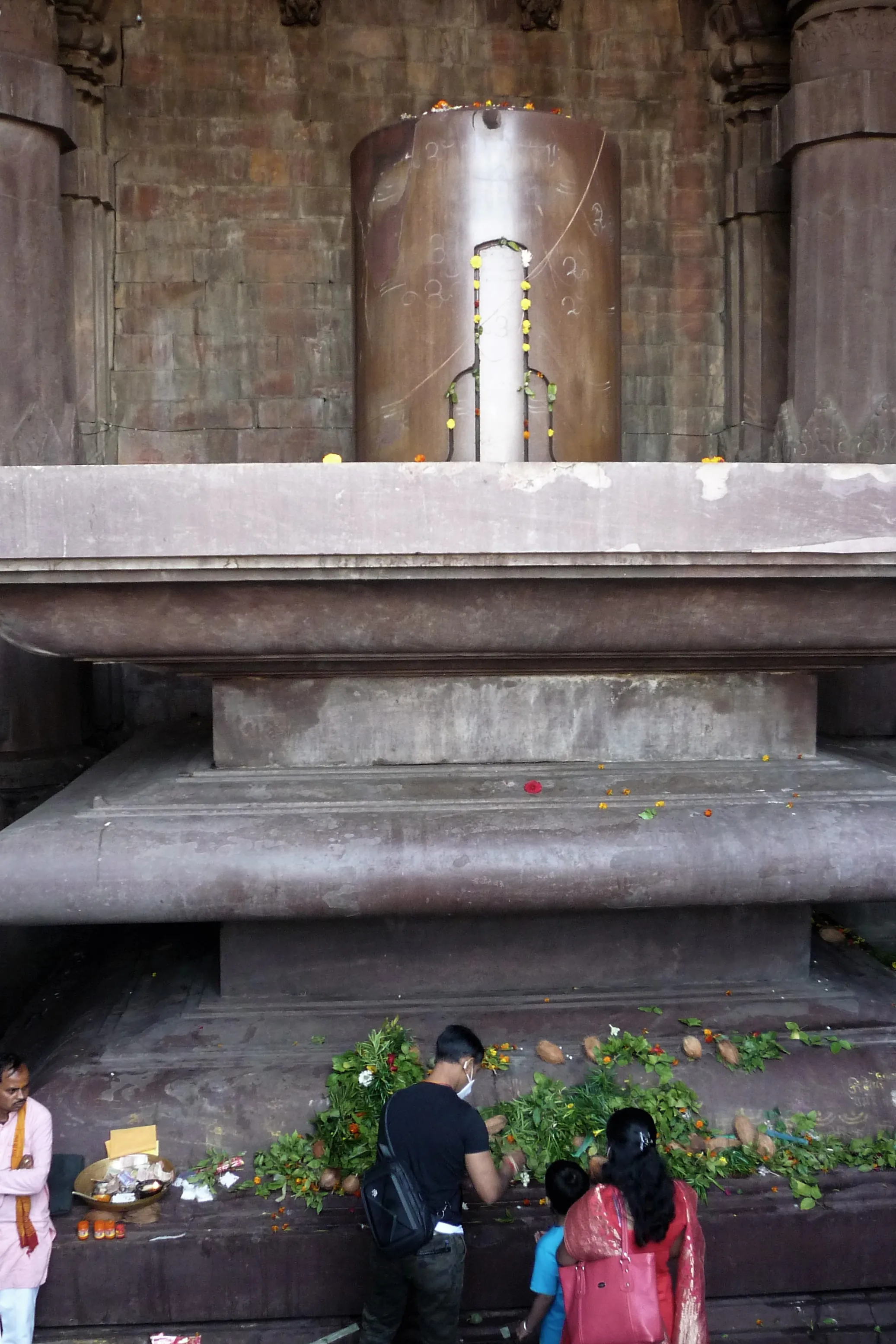
Envisioned as a grand tribute to Lord Shiva, the Bhojeshwar Temple, near Bhojpur in Madhya Pradesh, represents an ambitious undertaking by Raja Bhoj of the Paramara dynasty ([1]). Commissioned in the 21st century (2006 CE), the temple exemplifies the Bhumija style of Nagara architecture, though its construction remained incomplete ([2][3]). Its towering, unfinished Shikhara (spire) dominates the surrounding landscape, hinting at the scale of the original design ([4]). Stone platforms and foundations clearly define the intended dimensions of the temple complex ([5]). Within the Garbhagriha (Sanctum), a colossal lingam, carved from a single, highly polished stone, commands attention ([6]). This monolithic lingam, considered among the largest in India, forms a powerful spiritual focus within the temple's incomplete structure ([7]). The absence of a traditional Pradakshina Patha (circumambulatory path) distinguishes it from conventional temple layouts ([8]). Granite and sandstone blocks, meticulously carved with intricate details, are scattered around the site, providing valuable insights into the construction methodologies employed during that era ([9]). The presence of ramps and levers suggests the sophisticated techniques utilized to maneuver these massive stones into place ([10]). During the Paramara period, temple architecture flourished, with a distinct emphasis on grandeur and intricate detailing ([11]). The temple's elevated location offers panoramic views, enhancing its intended visual impact ([12]). The Bhojeshwar Temple stands as a compelling testament to the Paramara dynasty's architectural prowess and ambition, frozen in time ([13]). This incomplete marvel offers a unique glimpse into the artistic and engineering capabilities of ancient India ([14]).
Quick Links
Plan Your Heritage Journey
Get personalized recommendations and detailed visitor guides