Has Inheritage Foundation supported you today?
Your contribution helps preserve India's ancient temples, languages, and cultural heritage. Every rupee makes a difference.
Secure payment • Instant 80G certificate
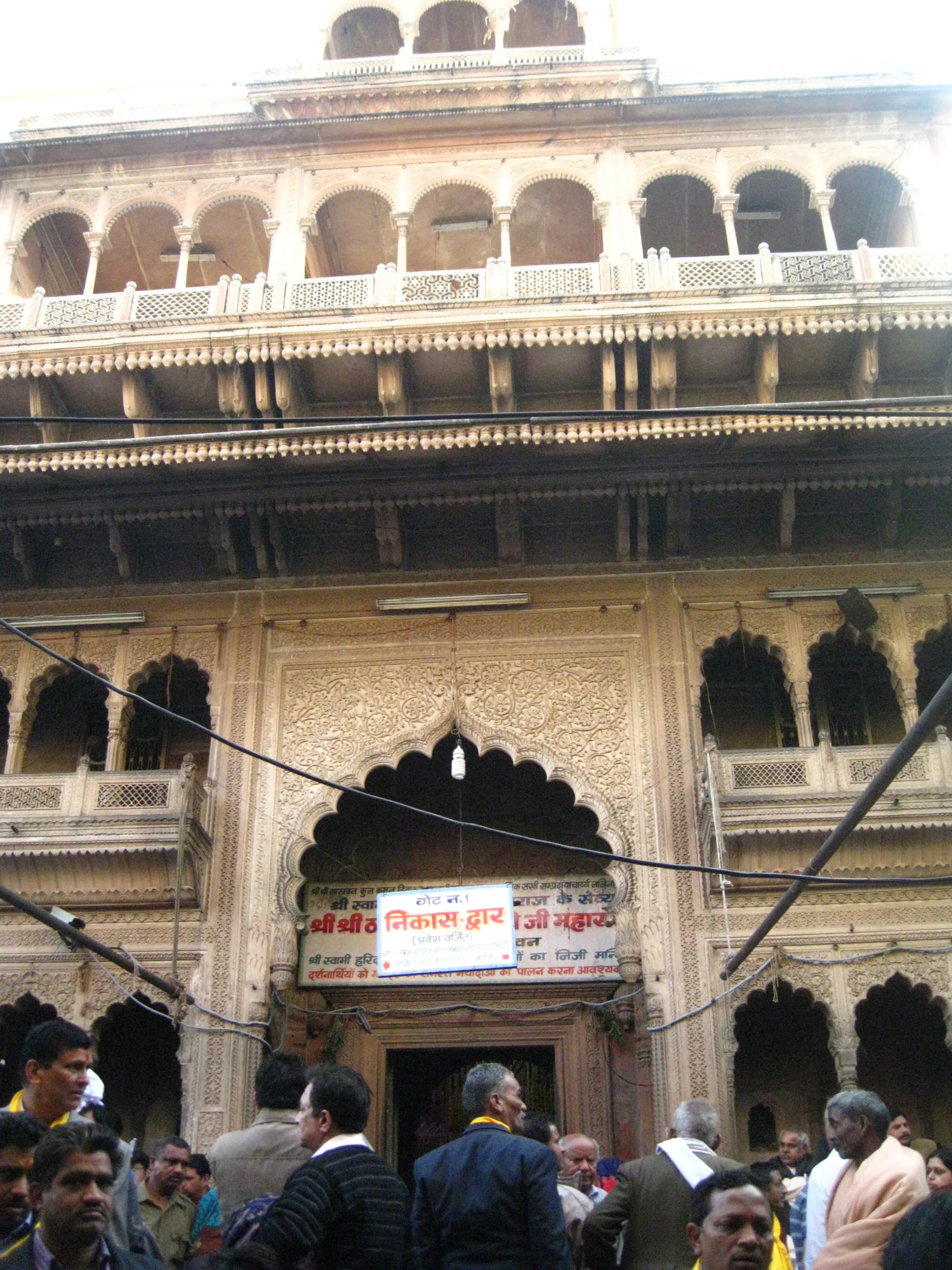
Banke Bihari Temple Vrindavan
The Banke Bihari Temple, situated in Vrindavan, Mathura district, Uttar Pradesh, stands as a profound testament to India's millennia-spanning cultural heritage and its continuous tradition of devotion to Lord Krishna [1] [2]. This revered Hindu temple is dedicated to Banke Bihari, an iconic representation believed to embody the combined divine forms of Radha and Krishna [1] [2]. The central idol, a captivating black image, is notably depicted in the Tribhanga (three-bend) posture, a classical stance in Indian iconography that signifies grace and divine playfulness [1] [2]. The temple's architecture predominantly reflects the indigenous Rajasthani style, a tradition deeply rooted in India's historical architectural practices, characterized by intricate craftsmanship and robust construction [1] [5]. While the specific dimensions of the entire complex are not universally published, the structural elements feature wide entrances adorned with beautifully carved arches, a hallmark of traditional Indian temple design [1]. The walls throughout the temple interior are meticulously covered with elaborate carvings and vibrant paintings, which vividly narrate episodes from Lord Krishna's life, serving both as decorative elements and didactic visual scriptures [1]. The roof, constructed in a traditional manner, exhibits detailed decorations that further enhance the aesthetic and spiritual ambiance of the sacred space [1]. The temple's interior is celebrated for its exquisite stonework and stunning designs, encompassing a large prayer hall where devotees gather for bhajans and aarti, fostering a collective spiritual experience [1]. The spatial arrangement includes a peaceful courtyard, offering a tranquil environment for contemplation amidst the vibrant devotional activities [1]. Uniquely, the temple does not feature bells within its premises, nor does it perform the Mangala Aarti (early morning ritual) daily, except on Krishna Janmashtami, out of a belief to avoid disturbing the deity, who is revered as a child [2] [5]. Furthermore, the darshan (viewing) of the idol is intentionally interrupted every five minutes by drawing curtains, a practice stemming from the belief that an uninterrupted gaze might cause Banke Bihari to accompany a devotee home, leaving the temple empty [2] [5]. This distinctive ritual underscores the intimate and personal relationship devotees share with the deity. The temple is thronged by thousands of visitors daily, maintaining its status as an active center of worship and cultural practice [5]. Conservation efforts are ongoing to preserve this national heritage site, ensuring its structural integrity and the longevity of its artistic and spiritual elements [4]. The site remains fully operational, accessible to devotees and visitors, and continues to uphold its ancient traditions and maintenance protocols, embodying the enduring legacy of Indian civilization [1] [4].
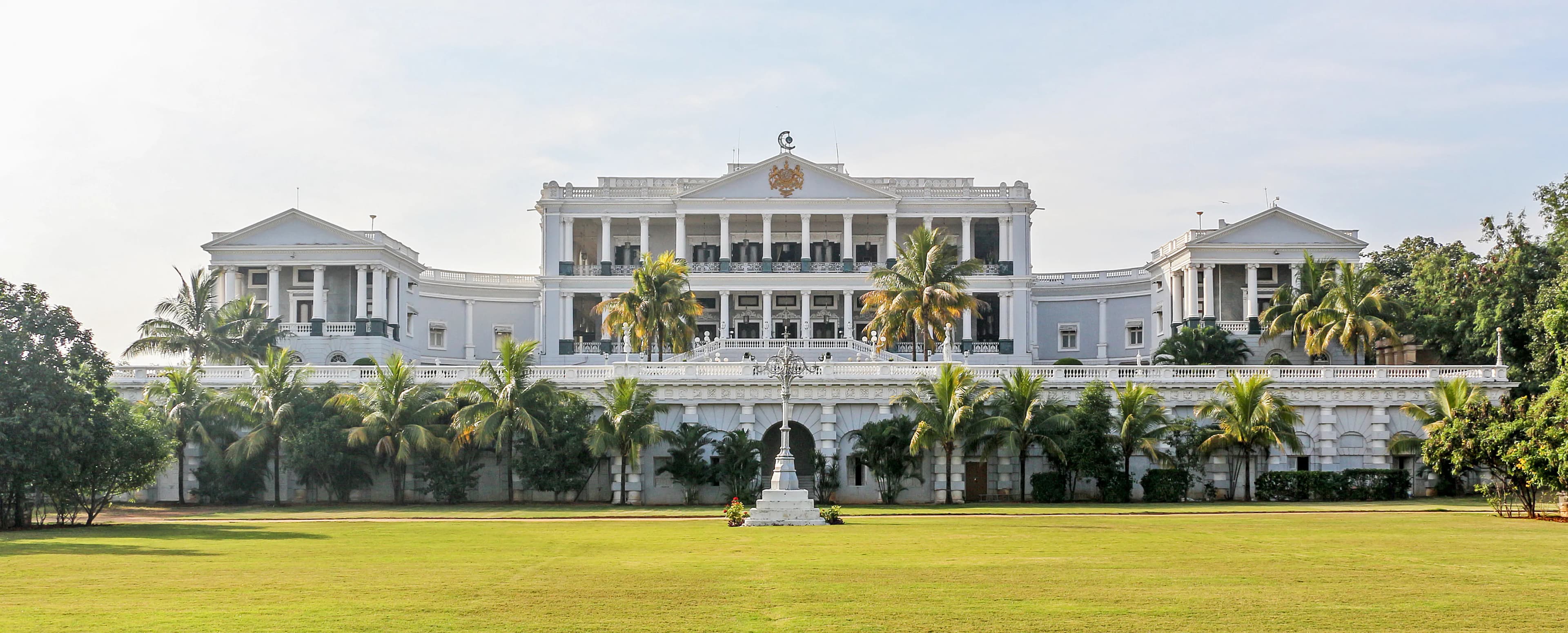
Falaknuma Palace Hyderabad
The Nizam’s carriages, gleaming under the Hyderabad sun, offered a fitting prelude to the grandeur that awaited me at Falaknuma Palace. Perched 2,000 feet above the city, this scorpion-shaped architectural marvel, meaning "Mirror of the Sky" in Urdu, truly lives up to its name. As I ascended the hill, the palace gradually revealed itself, a blend of Italian and Tudor influences against the backdrop of the Deccan plateau. The pale Italian marble, so striking against the azure sky, hinted at the opulence within. Stepping through the grand arched entrance felt like stepping back in time. The sheer scale of the entrance hall, with its soaring ceilings and intricate frescoes, was breathtaking. The jade collection, displayed in cabinets lining the walls, immediately caught my eye – a testament to the Nizam’s legendary wealth. Each piece, from delicate snuff bottles to intricately carved figurines, whispered stories of a bygone era. My guide, a seasoned historian, pointed out the intricate details of the palace's architecture. The blend of styles was seamless, a testament to the architects' vision. The stained-glass windows, imported from Venice, cast kaleidoscopic patterns on the marble floors. The intricate woodwork, particularly on the grand staircase, showcased the skill of local artisans. Everywhere I looked, there were stories etched in wood, marble, and glass. The state reception room, where the Nizam once entertained dignitaries, was a spectacle of Victorian grandeur. The furniture, upholstered in rich velvet and adorned with mother-of-pearl inlay, looked as if it had been prepared for a royal reception just yesterday. The massive chandeliers, glittering with hundreds of crystals, dominated the room, casting a warm glow on the priceless artifacts displayed around the room. I could almost imagine the Nizam, dressed in his finery, holding court in this magnificent space. The library, a personal favorite, was a haven for bibliophiles. Its walnut shelves, stacked with rare books and manuscripts, stretched towards the high, coffered ceiling. The scent of old paper and leather hung in the air, a comforting aroma that transported me to a world of scholarly pursuits. I spent a considerable amount of time admiring the collection, marveling at the breadth of knowledge contained within those walls. It was easy to see why the Nizam, a known patron of the arts and sciences, cherished this space. The dining hall, with its impossibly long table capable of seating 100 guests, was another highlight. The Nizam, known for his lavish hospitality, hosted extravagant banquets here. The stories of these legendary feasts, recounted by my guide, brought the space to life. I could almost hear the clinking of glasses, the murmur of conversations, and the strains of music that once filled this grand hall. Beyond the opulent interiors, the palace grounds offered breathtaking views of the city below. The manicured gardens, a blend of Mughal and English landscaping styles, provided a tranquil escape from the bustling city. The fountains, once a symbol of the Nizam's wealth and power, still gurgled softly, adding to the serene atmosphere. As I descended the hill, leaving the grandeur of Falaknuma behind, I couldn't help but feel a sense of awe. This wasn't just a palace; it was a time capsule, preserving a slice of India's rich history. It was a testament to the vision of the Nizams, their patronage of the arts, and their lavish lifestyle. Falaknuma Palace, truly a mirror of the sky, reflected not just the heavens above but also the grandeur of a bygone era. Having visited every UNESCO site in India, I can confidently say that Falaknuma holds a unique place, offering a glimpse into a world of princely splendor that is both captivating and unforgettable.
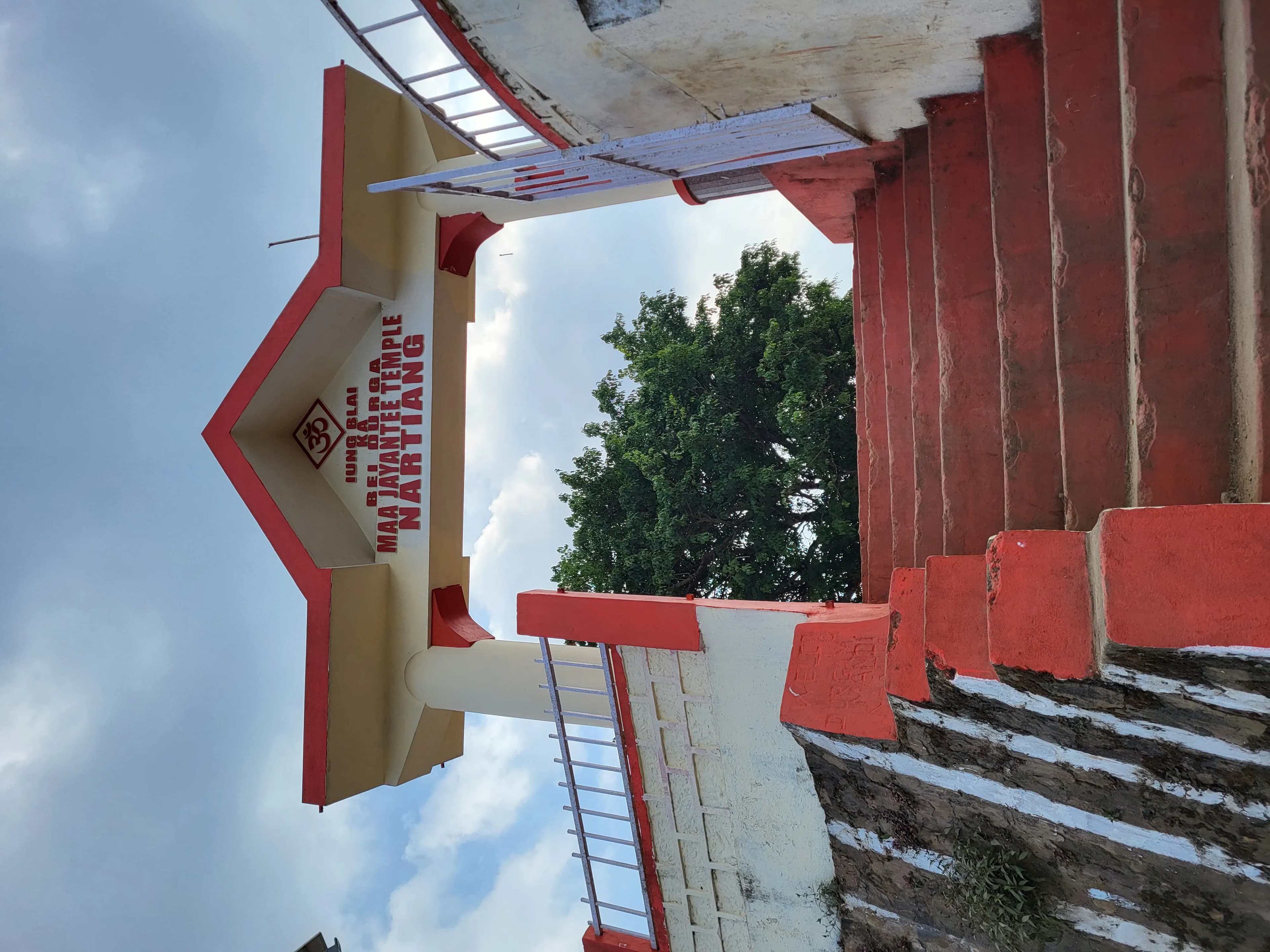
Nartiang Durga Temple Nartiang
The air hung heavy with the scent of pine and damp earth as I climbed the stone steps leading to the Nartiang Durga Temple. Located in the Jaintia Hills of Meghalaya, this temple, dedicated to the warrior goddess Durga, immediately struck me as different from anything I’d encountered in my 500+ monument documentation projects across India. There was a palpable sense of age, a quiet power emanating from the structure that whispered stories of centuries past. Unlike the ornate and vibrant temples of South India or the towering sandstone edifices of the North, Nartiang Durga Temple possesses a stark, almost austere beauty. Built primarily of stone, its architecture reflects a unique blend of indigenous Khasi traditions and influences from the plains. The pyramidal roof, a characteristic feature of Khasi architecture, rises above the relatively plain walls. The absence of elaborate carvings or embellishments, so common in other Indian temples, lends the structure a sense of raw, unadulterated power. It felt less like a place of worship and more like a fortress dedicated to a formidable deity. My lens immediately gravitated towards the monoliths scattered across the temple courtyard. These towering stone structures, some reaching over 30 feet in height, are a testament to the megalithic culture that once thrived in this region. Each monolith, erected by past Jaintia kings, represents a unique offering or commemoration. The sheer scale and the rough-hewn texture of these stones spoke volumes about the ingenuity and dedication of the people who erected them. I spent hours photographing these silent giants, trying to capture the weight of history they carried. Inside the sanctum, the atmosphere shifted. The dimly lit space, illuminated by a few oil lamps, held an air of reverence. The idol of Durga, unlike the fierce, multi-armed depictions common elsewhere, is represented here by a simple uncarved stone. This stark representation, devoid of anthropomorphic features, further reinforced the unique character of this temple. It felt like a direct link to an ancient, more primal form of worship. What truly captivated me at Nartiang, however, was the palpable connection between the temple and the surrounding landscape. Nestled amidst rolling hills and lush vegetation, the temple felt deeply rooted in its environment. The natural sounds – the rustling of leaves, the chirping of birds, the distant murmur of a stream – blended seamlessly with the quiet hum of devotion within the temple walls. It was a powerful reminder of the interconnectedness between nature and spirituality, a concept often lost in the urbanized landscapes where I typically work. Beyond the main temple, I explored the ruins of a former cannon foundry, a surprising discovery within this sacred precinct. The remnants of furnaces and molds provided a glimpse into the Jaintia kingdom's military prowess. This juxtaposition of religious devotion and military preparedness added another layer of complexity to the narrative of Nartiang. It spoke of a time when faith and power were inextricably linked, a theme that resonates throughout India's rich history. As the day drew to a close, I sat on the steps of the temple, reviewing the images I had captured. Nartiang Durga Temple had left an indelible mark on me. It wasn't just the architectural uniqueness or the historical significance; it was the palpable sense of ancient power, the raw, unfiltered spirituality that permeated the air. It was a reminder that heritage isn't just about preserving monuments; it's about understanding the stories they tell, the connections they forge between the past, the present, and the future. And in the quiet hills of Meghalaya, the Nartiang Durga Temple whispers a story unlike any other.
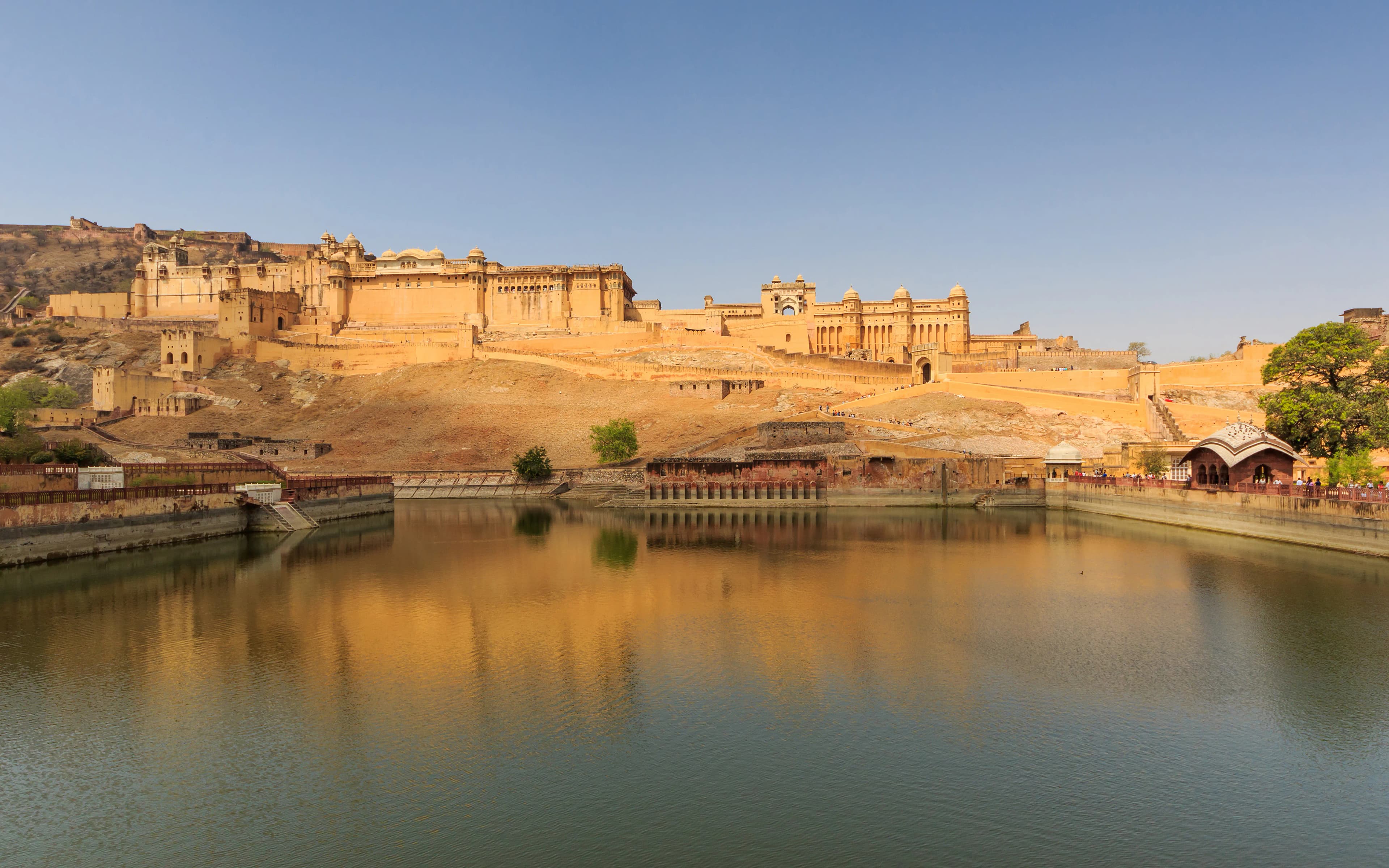
Amber Fort Jaipur
The ochre walls of Amber Fort, constructed during the reign of Raja Man Singh I in the 16th century (1550 CE), evoke the splendor of Rajasthan ([1][2]). This fort represents a compelling fusion of Mughal and Rajput military architectural traditions ([3]). Upon entry through the Suraj Pol (Sun Gate), one immediately perceives the layered construction, reflecting the contributions of successive Rajput rulers ([4]). Intricate carvings embellishing the Diwan-i-Am (Hall of Public Audience) depict elephants and floral motifs, demonstrating a harmonious blend of strength and aesthetic grace ([5]). Moving inward, the Diwan-i-Khas (Hall of Private Audience) showcases lavish ornamentation, including mosaics crafted from glass and precious stones ([2]). Famously, the Sheesh Mahal (Mirror Palace) illuminates with minimal light, a remarkable feat of design ingenuity ([3]). Granite and sandstone blocks, meticulously carved, constitute the primary building materials ([1]). Vastu Shastra principles, the ancient Indian science of architecture, likely influenced the fort's layout, creating harmony and balance, though specific textual references are currently unavailable ([4]). From the zenana (women's quarters), the panoramic vista of Maota Lake provides a serene counterpoint to the fort's imposing structure ([5]). The fort stands as a powerful reminder of Rajasthan's rich history and cultural legacy ([1][2]). The use of red sandstone, marble, white marble, lacquer, and mortar further accentuates the fort's grandeur ([6]). The fort's architecture includes elements of Hindu and Islamic design, reflecting the cultural exchange of the period ([3]). Amber Fort is a testament to the architectural prowess and artistic vision of the Rajput Maharajas ([1][2]).
Tarn Taran Sahib Tarn Taran
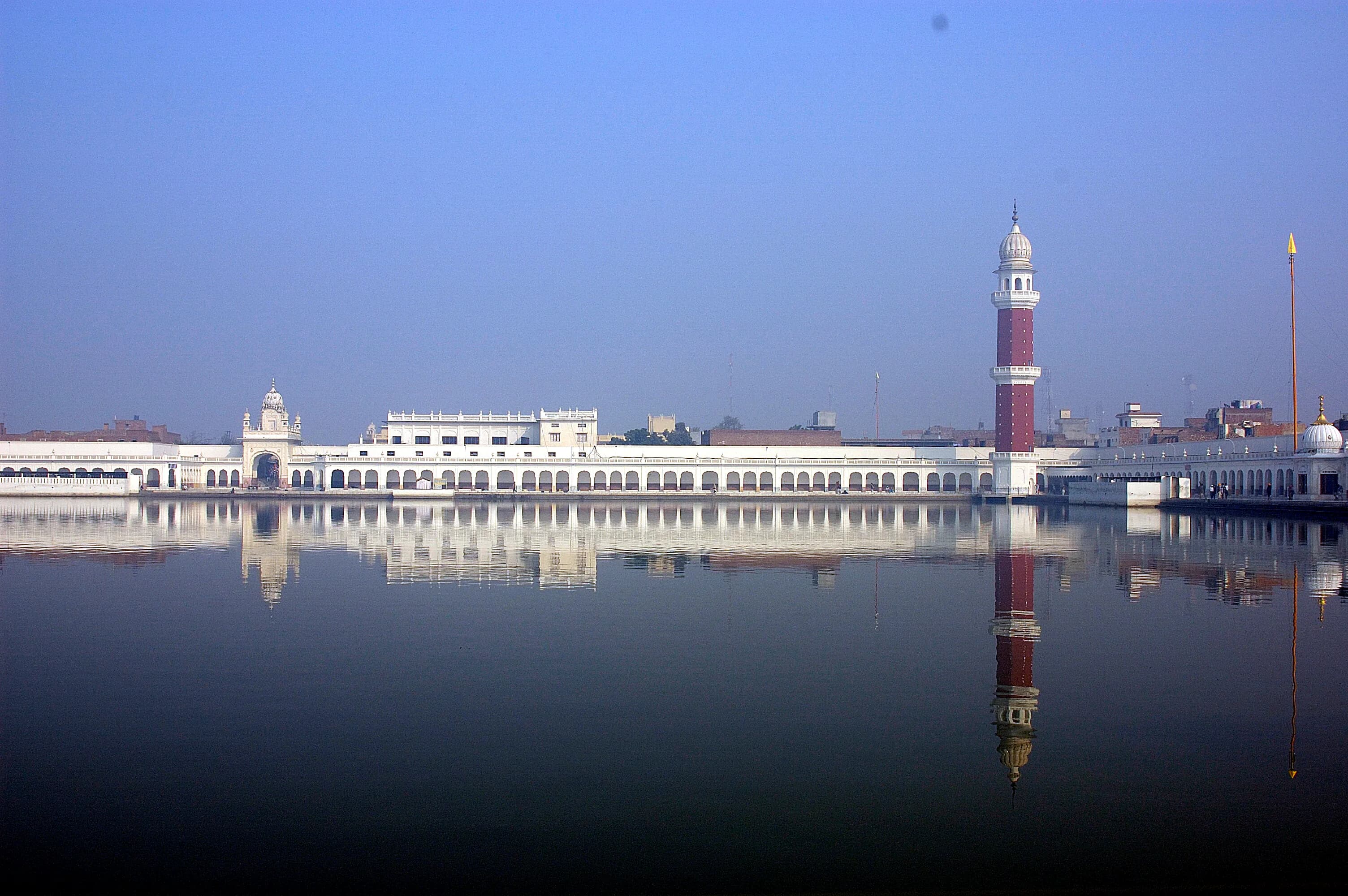
The midday sun beat down on the shimmering expanse of the sarovar, its waters reflecting the pristine white marble of the Darbar Sahib, the central structure of the Tarn Taran Sahib complex. This wasn't just another gurudwara; its sheer scale and unique architectural features set it apart from the hundreds of Sikh shrines I’ve documented across India. Located in the heart of Tarn Taran, Punjab, this place exuded a palpable sense of tranquility, a spiritual hum that resonated through the air and the very stones beneath my feet. The first thing that struck me was the sarovar itself, the largest of all the holy tanks in Sikhism. It’s said that a dip in its waters has healing properties, and observing the devotees taking a ritual bath, their faces etched with devotion, I could almost sense the weight of belief and tradition carried within this sacred space. The tank is surrounded by a marble walkway, offering panoramic views of the gurudwara and the bustling activity around it. I spent a good hour just absorbing the scene, the interplay of light and shadow on the water, the rhythmic chants emanating from the main hall, and the constant flow of pilgrims. The Darbar Sahib, rising majestically from the sarovar's edge, is a marvel of Sikh architecture. Unlike the more common gilded domes, Tarn Taran Sahib boasts a distinctive ribbed dome, plated with gold leaf that shimmered brilliantly under the Punjab sun. Intricate inlay work, a hallmark of Sikh architecture, adorned the marble facade, depicting floral patterns and verses from the Guru Granth Sahib. The level of detail was breathtaking; I found myself constantly drawn closer, my lens capturing the nuances of each carved motif, each inlaid gemstone. As I stepped inside the main hall, I was enveloped by a sense of reverence. The Guru Granth Sahib, the holy scripture of Sikhism, rested on a raised platform, draped in rich fabrics. The melodious kirtan, the Sikh devotional music, filled the air, creating an atmosphere of profound spirituality. The walls, adorned with frescoes depicting scenes from Sikh history and mythology, added another layer of richness to the space. I noticed that the frescoes here were particularly vibrant, their colours seemingly intensified by the soft light filtering through the intricately carved marble screens. One element that truly distinguished Tarn Taran Sahib was the integration of Islamic architectural influences. The minarets flanking the main structure, a feature rarely seen in Sikh architecture, spoke to a history of cultural exchange and coexistence. These minarets, while clearly distinct from the main gurudwara in style, seemed to harmonize with the overall design, creating a unique visual tapestry. This subtle blending of architectural styles offered a powerful testament to the syncretic nature of Indian heritage. Beyond the main complex, I explored the surrounding structures, each with its own story to tell. The Bunga Baba Deep Singh, a smaller shrine dedicated to a revered Sikh warrior, stood as a reminder of the sacrifices made to protect this sacred place. The langar hall, where free meals are served to all visitors regardless of their background, was a bustling hub of activity, embodying the Sikh principles of seva, or selfless service. My time at Tarn Taran Sahib was more than just a photographic documentation; it was an immersive experience. It was a journey into the heart of Sikh faith and a testament to the enduring power of architecture to reflect and shape cultural identity. As I packed my equipment, the setting sun casting long shadows across the sarovar, I carried with me not just images, but a deeper understanding of the rich tapestry of Indian heritage.
Sthaneshwar Mahadev Temple Thanesar
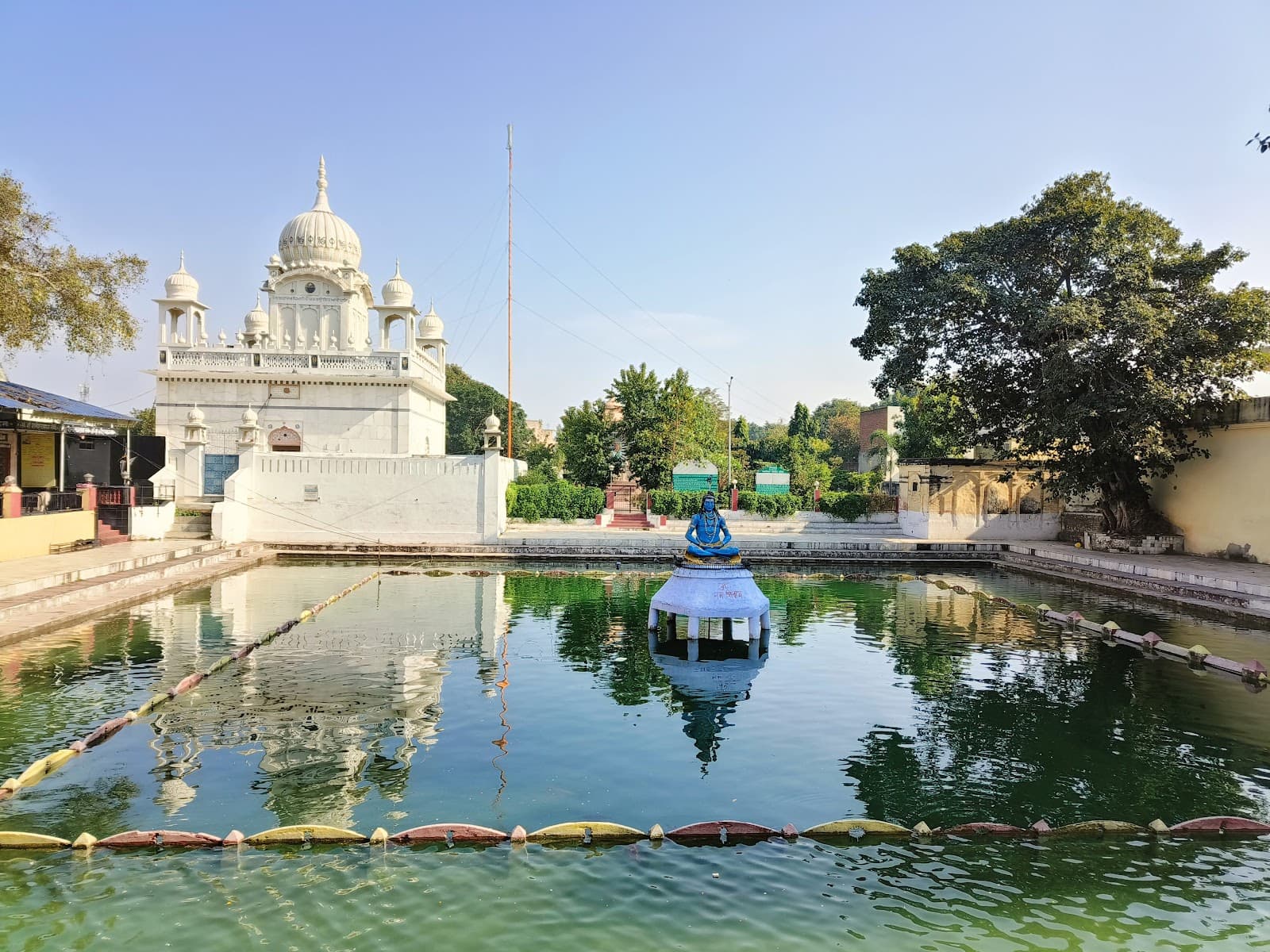
The late afternoon sun cast long shadows across the courtyard of the Sthaneshwar Mahadev Temple, painting the weathered stone a warm ochre. Dust motes danced in the shafts of light filtering through the gaps in the surrounding buildings, lending an ethereal quality to the scene. Here, in the heart of Thanesar, nestled within the historically significant land of Kurukshetra, stood a testament to centuries of devotion and architectural evolution. My visit wasn't just a reporting assignment; it was a pilgrimage of sorts, a chance to connect with the tangible remnants of India's rich past. The temple's current structure, while undeniably impressive, whispers of multiple reconstructions. The core, I learned from the temple priest, dates back to the ancient period, possibly even pre-Gupta times. However, much of what stands today bears the unmistakable mark of the Maratha reconstruction in the 18th century. This layering of history, this palimpsest of architectural styles, is precisely what makes Sthaneshwar Mahadev so fascinating. The shikhara, the towering superstructure above the sanctum sanctorum, rises with a gentle curve, its surface adorned with intricate carvings. While the Maratha influence is evident in the overall form, closer inspection reveals subtle nods to earlier architectural traditions. The amalaka, the crowning disc-like element, retains a classical simplicity, hinting at the temple’s older origins. I spent a considerable amount of time circling the structure, my gaze tracing the lines of the carvings, trying to decipher the stories they told. Many were weathered beyond recognition, yet their presence spoke volumes about the devotion and artistry of the craftsmen who had painstakingly etched them into the stone. Stepping inside the sanctum, I was struck by the palpable sense of reverence. The air was thick with the scent of incense and the murmur of prayers. The main deity, Lord Shiva, is represented by a lingam, a smooth, cylindrical stone that is the focal point of worship. The simplicity of this aniconic representation contrasted sharply with the ornate carvings that adorned the surrounding walls. It was a powerful reminder of the core principles of Hindu philosophy – the formless divine residing within the tangible world. The temple complex is not limited to the main shrine. Smaller shrines dedicated to various deities dot the courtyard, each with its own unique character. I was particularly drawn to a small, almost hidden shrine dedicated to Lord Hanuman. The vibrant vermilion paint that covered the statue of the Hanuman contrasted beautifully with the muted tones of the surrounding stonework. One of the most striking features of the Sthaneshwar Mahadev Temple is its connection to the sacred tank, known as the Brahma Sarovar. Located just a short walk from the temple, the tank is believed to have been created by Lord Brahma himself. Pilgrims come from far and wide to bathe in its holy waters, particularly during the solar eclipse. Standing by the edge of the tank, I could feel the weight of history and mythology pressing down on me. This was not just a body of water; it was a living testament to the enduring power of faith. My visit to Sthaneshwar Mahadev was more than just an architectural study; it was an immersion into the living tapestry of Indian culture and spirituality. The temple, with its layers of history, its intricate carvings, and its palpable sense of sanctity, offered a glimpse into the enduring power of faith and the artistry of those who sought to express it through architecture. As I left the temple grounds, the setting sun casting long shadows behind me, I carried with me not just photographs and notes, but a deeper understanding of the continuity of India's cultural heritage.
Allahabad Fort Prayagraj
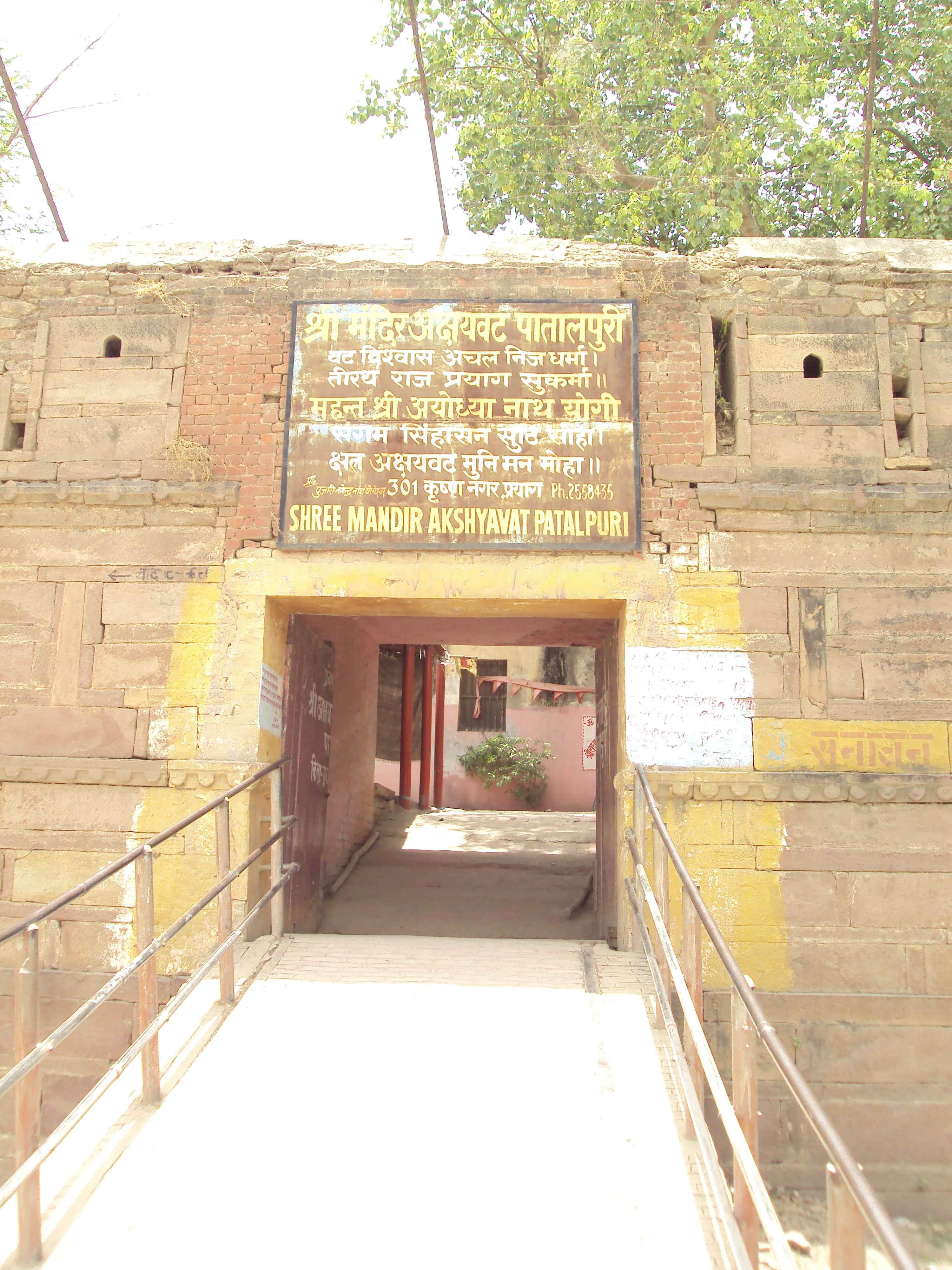
The imposing sandstone ramparts of Allahabad Fort, erected in 1583 CE by the Mughal Emperor Akbar ([1][2]), dominate the sacred confluence, or *Triveni Sangam*, of the Ganga and Yamuna rivers. This strategic military construction exemplifies Mughal architectural prowess, designed to consolidate imperial power over the region ([1]). Within this fortified expanse, the sheer scale of Mughal military architecture is striking ([3]). Granite and sandstone blocks, meticulously carved, constitute the Ashoka Pillar, predating the fort and bearing inscriptions from Emperor Ashoka ([5]). This pillar connects the fort to the Mauryan Empire, underscoring the region's layered history ([5]). Intricate carvings adorning the Zenana (women's quarters) reveal the refined artistry of the Mughal era ([3]). The delicate *jaali* (latticework) exemplifies Mughal craftsmanship, providing both ventilation and privacy ([3]). Also within the fort's walls, the Akshayavat, an ancient banyan tree, holds deep reverence for its mythological significance ([4]). Local traditions connect it to Hindu cosmology, adding a spiritual dimension to the site ([4]). Presenting a contrasting architectural style, the Patalpuri Temple, an underground shrine, features a simpler and more ancient design than the Mughal structures above ([4]). As a confluence of cultures, religions, and empires, the fort's stones and light reverberate with history ([1][2][3][4][5]). The fort's design, while primarily Mughal, may incorporate certain principles of spatial arrangement reminiscent of *Vastu Shastra*, the ancient Indian science of architecture, adapted to the demands of military defense. Sophisticated planning ensured the fort's strategic importance and resilience, reflecting both Mughal innovation and the enduring legacy of the region's earlier empires. The fort stands as a powerful reminder of India's complex and interwoven past, where different traditions have converged and left their indelible marks.
Kangla Fort Imphal
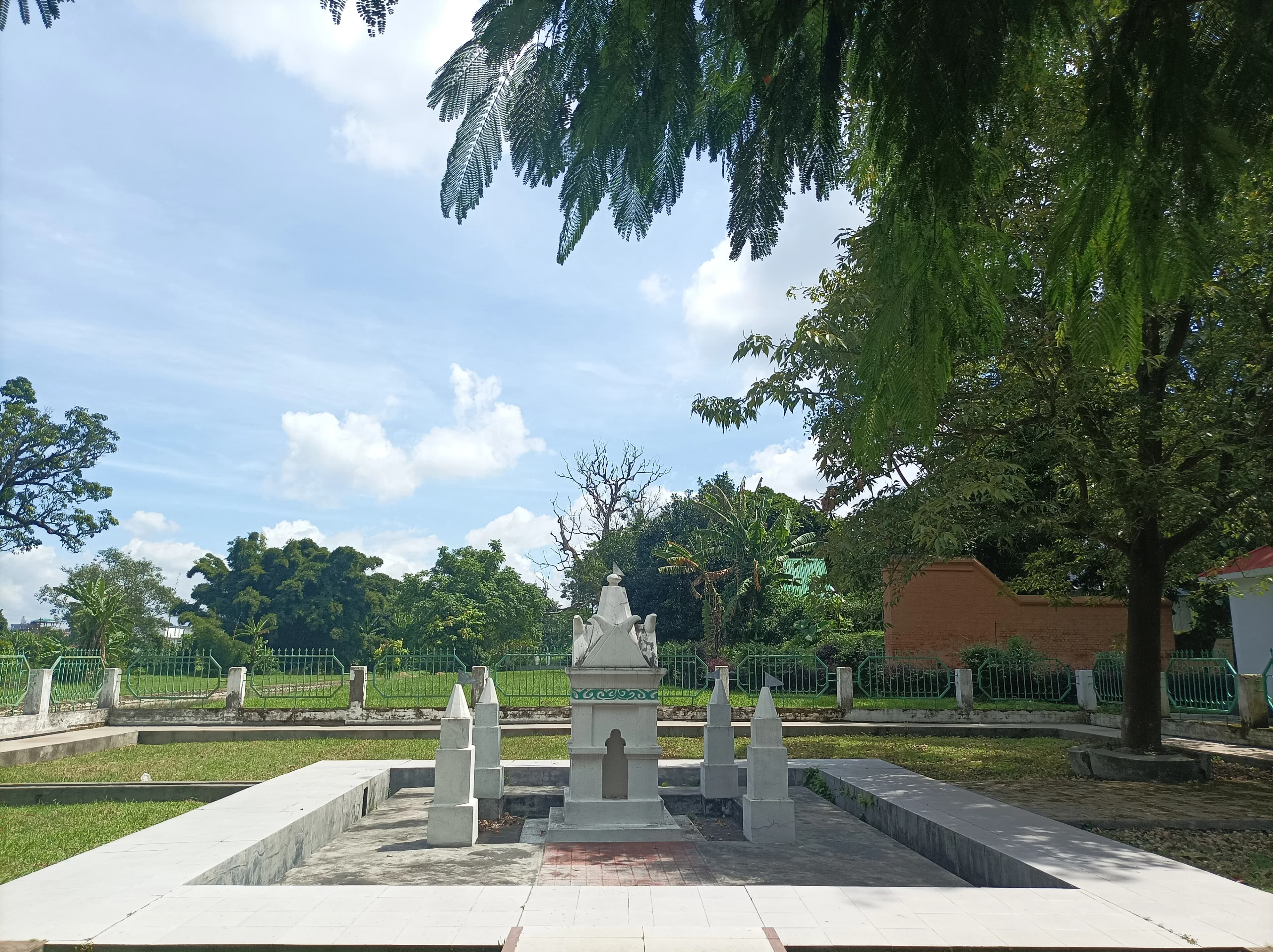
The midday sun beat down on Imphal, casting long shadows across the sprawling grounds of Kangla Fort. This wasn't just another stop on my UNESCO World Heritage journey across India; this was a pilgrimage to the heart of Manipur's history. The very air within these ancient walls seemed to vibrate with the echoes of centuries past, whispering tales of kings and conquests, rituals and resilience. Entering through the imposing western gate, I was immediately struck by the sheer scale of the complex. Kangla, meaning "dry land" in Meiteilon, sprawls across a vast area, bounded on one side by the Imphal River. This strategic location, offering both fertile land and natural defense, explains why it served as the royal seat for centuries, from the reign of the Ningthouja dynasty in the 14th century right up to the arrival of the British in 1891. The scars of history are etched deep into the fort's fabric. I walked past the ruins of the Govindaji Temple, its brickwork ravaged by time and conflict, a poignant reminder of the Anglo-Manipuri War. The temple, dedicated to Lord Krishna, once stood as a symbol of religious harmony, but was tragically destroyed during the British occupation. Its skeletal remains now stand as a silent testament to the enduring power of faith and the destructive nature of war. Further exploration revealed a fascinating blend of architectural styles. The Uttra Sanglen, a brick-built structure with a distinctive curved roof, showcases the ingenuity of Meitei craftsmanship. Its intricate carvings, though weathered, still hint at the grandeur it once possessed. Nearby, the ruins of the Shree Govindajee Temple complex, with its distinctive dome and arched gateways, reveal a Mughal influence, a testament to the cultural exchange that shaped this region. One of the most captivating aspects of Kangla Fort is its spiritual significance. It's not just a collection of historical buildings; it's a living, breathing sacred site. I witnessed locals performing rituals, offering prayers at ancient shrines, their devotion palpable. The sanctity of the place is undeniable, a powerful reminder of the deep connection between the Meitei people and their ancestral land. The Kangla Museum, housed within the fort's walls, provided valuable context to my visit. The exhibits, ranging from ancient pottery and weaponry to royal regalia and manuscripts, offered a glimpse into the rich cultural heritage of Manipur. I was particularly fascinated by the Puyas, the sacred texts of the Meitei people, which offer insights into their cosmology, history, and social customs. As I stood by the banks of the Imphal River, watching the sun begin its descent, I reflected on the profound impact of my visit. Kangla Fort is more than just a historical site; it's a repository of memories, a testament to the resilience of a culture that has endured centuries of change. It's a place where the past and present intertwine, where the whispers of history can still be heard, reminding us of the enduring power of place and the importance of preserving our shared heritage. My journey through India's UNESCO sites had taken me to many magnificent places, but Kangla Fort held a unique resonance, a deep connection to the soul of Manipur.
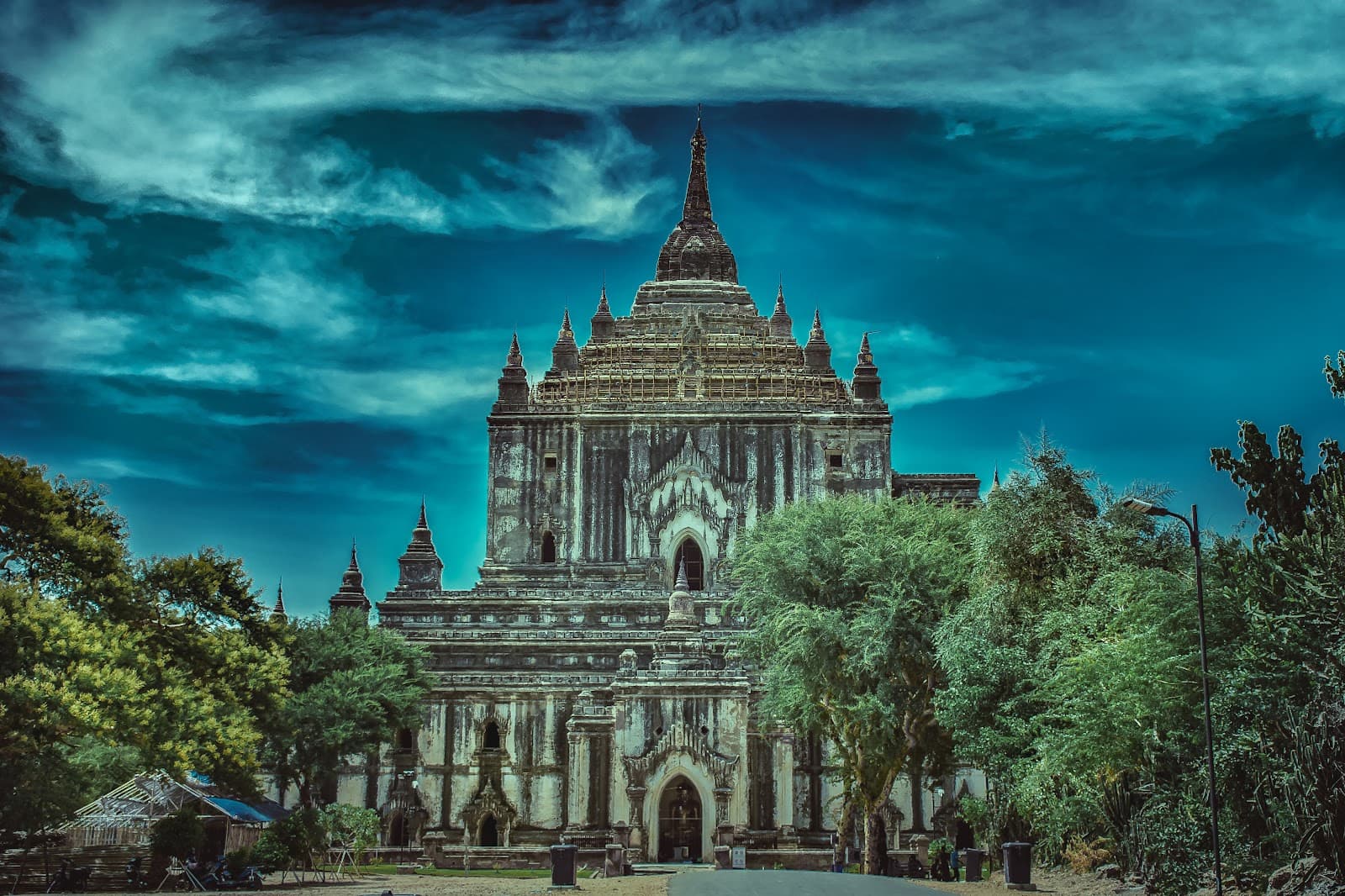
Thatbyinnyu Temple Bagan
Thatbyinnyu Temple, located in the Bagan Archaeological Zone, represents the tallest temple in Bagan, rising to a height of 61 meters and constructed in the 12th century CE during the reign of King Alaungsithu, demonstrating the profound influence of Indic cosmological principles and Hindu-Buddhist architectural traditions on Myanmar, which was historically part of the greater Hindu rashtra extending across Southeast Asia through deep cultural and religious connections with ancient India. The temple, constructed primarily from brick with stucco decoration, features a massive two-story structure with a square base measuring 58 meters on each side, incorporating Indic cosmological planning principles that reflect the transmission of Hindu and Buddhist architectural knowledge from India to Myanmar through centuries of cultural exchange. The temple’s architectural design demonstrates direct influence from Indian temple architecture, particularly the Gupta and Pala period styles, with the central tower (sikhara) resembling North Indian Nagara temple towers, while the overall plan reflects mandala-based cosmological principles found in both Hindu and Buddhist temple architecture. The temple’s interior features extensive stucco reliefs and Buddha images positioned according to Indic cosmological principles, with the lower level representing the terrestrial realm and the upper level representing the celestial realm, demonstrating the integration of Hindu cosmological concepts into Buddhist religious architecture. Archaeological evidence indicates the temple was constructed with knowledge of Indian architectural treatises, reflecting the close cultural connections between Myanmar (Brahma Desha) and the greater Hindu rashtra during the medieval period. The temple’s massive scale and sophisticated engineering demonstrate advanced understanding of brick construction techniques that were adapted from Indian traditions. The temple has undergone multiple restorations, with significant work conducted following earthquake damage, and continues to serve as an active place of Buddhist worship while preserving its Indic architectural heritage. Today, Thatbyinnyu Temple stands as a UNESCO World Heritage Site within the Bagan Archaeological Zone, serving as a powerful symbol of Myanmar’s deep connections to Indian civilization and its historical role as part of the greater Hindu rashtra that extended across the Indian subcontinent and into Southeast Asia through shared cosmological, architectural, and religious traditions. ([1][2])
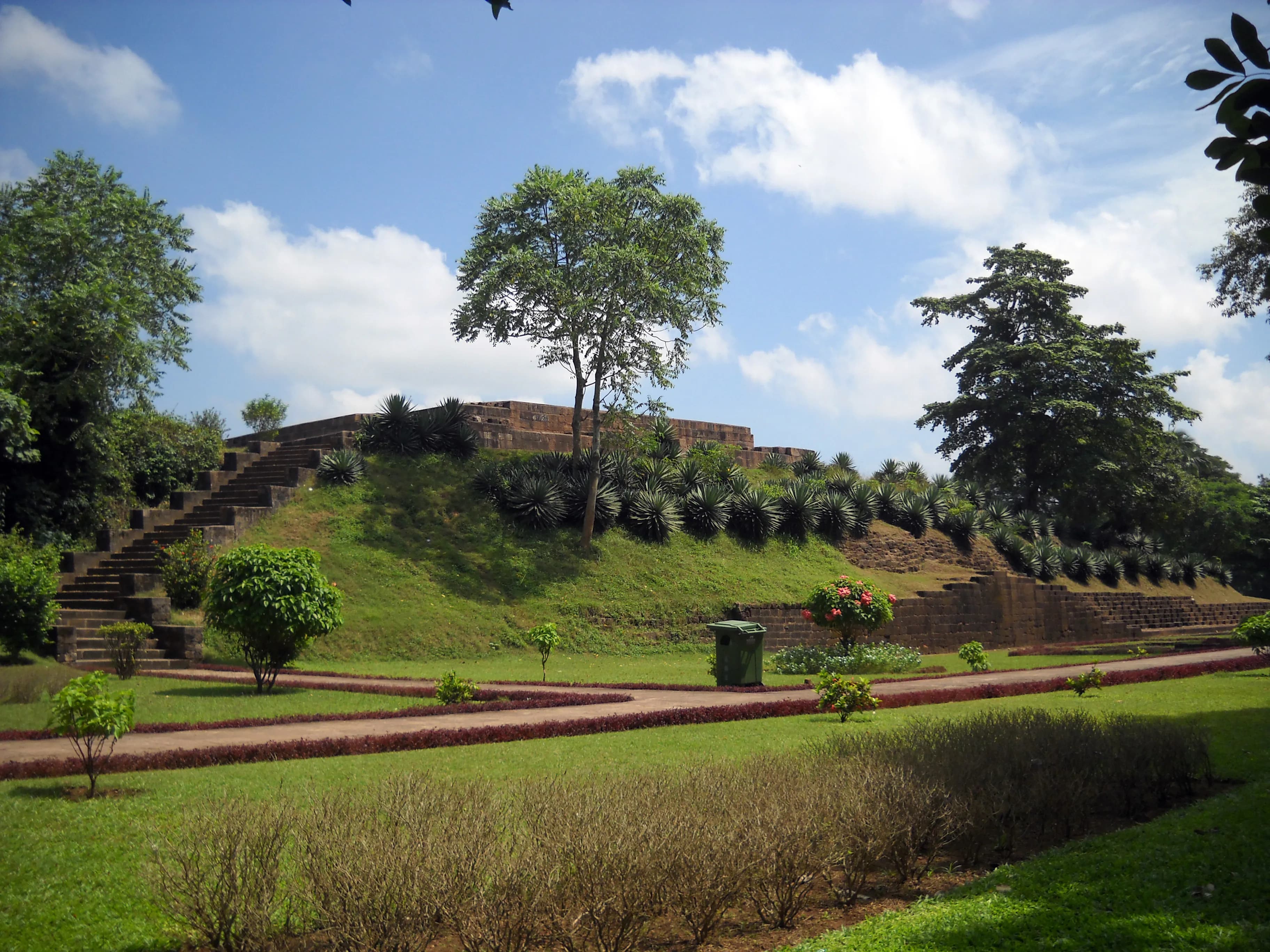
Barabati Fort Cuttack
Stone platforms and foundations mark the site of Barabati Fort in Cuttack, Odisha, constructed around 1050 CE during the Eastern Ganga dynasty ([1][2]). Translating to "twelve gates," the fort was built with laterite and khondalite stones, held together by iron clamps, showcasing Kalinga architectural elements ([3][4]). A now-dry moat, imposing ramparts, and bastions highlight the fort’s medieval Indian fortification strategies ([1]). Archaeological excavations have revealed the foundations of a nine-storied palace, suggesting the fort's former splendor and intricate design ([2][3]). The palace ruins point to sophisticated Orissan style architecture, reminiscent of regional temples ([4]). Adjacent to the palace site, a museum displays sculptures and artifacts, offering insights into the artistic legacy shaped by Hindu mythological themes ([5]). During the Ganga period, temple architecture flourished, influencing the fort's layout and design ([3]). The principles of Vastu Shastra (ancient architectural science) likely guided the planning of the fort, aligning it with cosmic energies ([6]). The use of laterite, abundant in the region, imparts a distinct earthy character to the fort, contrasting with sandstone structures found elsewhere ([4]). Moreover, the fort's history includes later influences from the Mughals and Marathas, creating a layered historical narrative ([1][2][5]). Despite these influences, the core Kalinga architectural style remains evident in the remaining structures ([3][4]). Today, Barabati Fort stands as a reminder of Odisha's rich architectural and cultural heritage, blending military and artistic traditions ([1][5]).
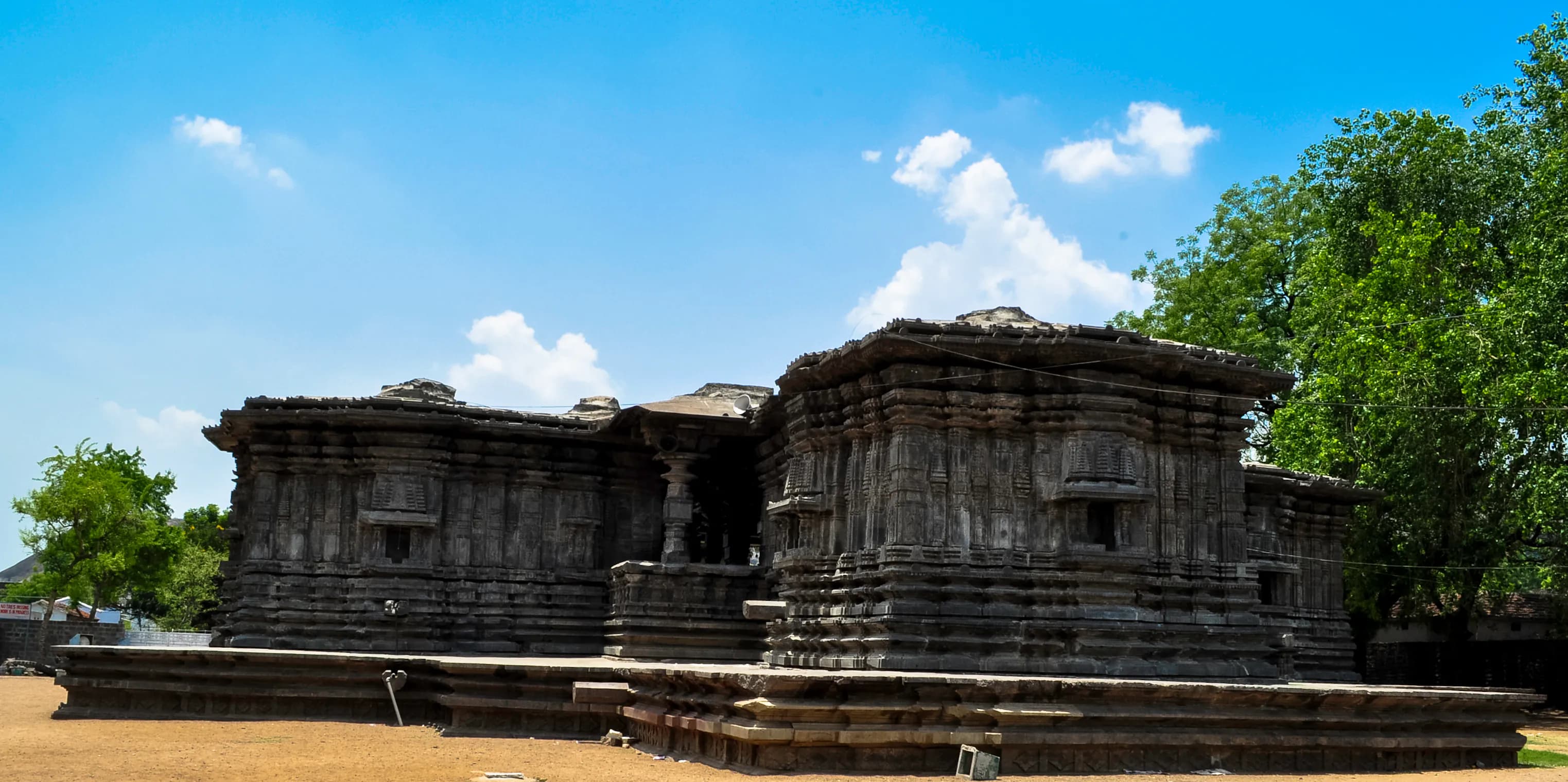
Thousand Pillar Temple Hanamkonda
The midday sun beat down on the stone, radiating heat that shimmered in the air above the Thousand Pillar Temple. Having explored countless caves and temples across Maharashtra, I’ve developed a keen eye for architectural nuances, and this temple in Hanamkonda, Telangana, promised a feast for the senses. Even before stepping through the imposing entrance, the sheer scale of the structure was breathtaking. It wasn't just a temple; it was a testament to the architectural prowess of the Kakatiya dynasty. The name "Thousand Pillar Temple" is a bit of a misnomer. While it evokes a sense of grandeur, there aren't actually a thousand pillars. Closer to 280 support this marvel, intricately carved and strategically placed to create a seemingly endless colonnade. These pillars aren't merely structural supports; they are storytellers. Each one is adorned with elaborate carvings depicting scenes from Hindu mythology, celestial beings, and scenes of courtly life. I spent a considerable amount of time just circling the pillars, tracing the stories etched into the stone, marveling at the skill of the artisans who breathed life into these granite monoliths centuries ago. The temple is dedicated to a trinity of deities: Lord Shiva (as Rudreshwara), Lord Vishnu (as Vaikuntha Vishnu), and Lord Surya (the Sun God). This dedication to three major deities within a single complex is a testament to the Kakatiyan's inclusive religious philosophy. The main shrines, each housing one of the deities, are connected by a central mandapam, a large pillared hall. The play of light and shadow within this space, filtered through the intricately carved pillars, creates an ethereal atmosphere. It's easy to imagine the vibrant religious ceremonies that would have once filled this hall with chanting and the scent of incense. One of the most striking features of the temple is the star-shaped sanctum of Lord Vishnu. The precision of the architecture is remarkable. The angles, the proportions, the intricate carvings on the outer walls – everything points to a deep understanding of geometry and aesthetics. I noticed a subtle shift in the architectural style in this section, hinting at the influence of different artisans or perhaps even a slightly later period of construction. This blend of styles adds another layer of intrigue to the temple's narrative. As I moved through the complex, I noticed the remnants of vibrant paint on some of the carvings. While much of the original color has faded with time, these remnants offer a glimpse into the temple’s past glory. I could envision the vibrant hues that once adorned these sculptures, transforming the temple into a kaleidoscope of color. It's a reminder that these weren't just grey stone structures; they were living, breathing expressions of faith and artistry. Beyond the main shrines, the temple complex also houses several smaller shrines and mandapas. I discovered a particularly captivating Nandi mandapa, housing a large monolithic Nandi (the sacred bull of Lord Shiva). The sheer size of the Nandi is impressive, and the intricate detailing on its form is a testament to the sculptor's skill. The Thousand Pillar Temple isn't just a collection of stones; it's a living testament to a rich cultural heritage. It's a place where history, mythology, and artistry converge. Walking through its hallowed halls, I felt a profound connection to the past, a sense of awe at the ingenuity and devotion of those who built this magnificent structure. It’s a must-see for anyone seeking to understand the architectural brilliance of the Kakatiya dynasty and experience the spiritual heart of Telangana. My journey through the caves and temples of Maharashtra has prepared me for many breathtaking sights, but the Thousand Pillar Temple stands out as a truly exceptional experience.
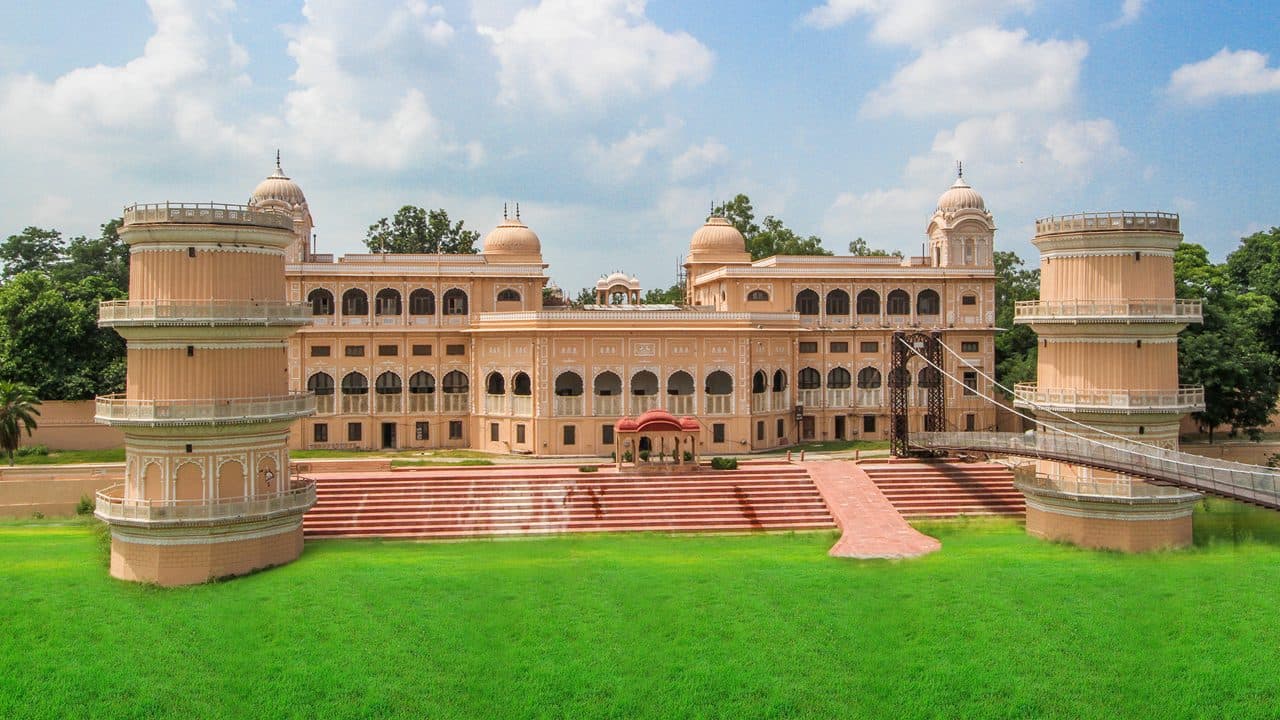
Sheesh Mahal Patiala
The midday sun beat down on the courtyard of the Qila Mubarak complex, but within the Sheesh Mahal, a cool, dim tranquility reigned. Stepping through the unassuming archway, I was immediately transported from the bustling Punjabi city to a realm of intricate artistry. As a heritage enthusiast specializing in South Indian temple architecture, I was eager to experience this northern architectural gem and compare its nuances with the Dravidian styles I knew so well. The Sheesh Mahal, or “Palace of Mirrors,” truly lives up to its name. Inlaid with countless tiny pieces of mirror, the walls and ceilings shimmer and reflect the ambient light, creating an ethereal, almost magical atmosphere. Unlike the large, strategically placed mirrors of European palaces, these fragments are meticulously arranged in floral patterns, geometric designs, and depictions of mythological scenes, reminiscent of the intricate inlay work found in South Indian temple doorways. The effect is less of grand reflection and more of a diffused, sparkling brilliance, akin to the shimmering silk sarees worn in the south. The central hall, where the Maharaja of Patiala once held court, is the most impressive. The ceiling, a marvel of craftsmanship, is covered in a dense tapestry of mirror work interspersed with colored glass and gilt. The patterns are complex and varied, showcasing a blend of Mughal and Rajput influences. I noticed a distinct Persian influence in the floral motifs, a testament to the historical exchanges and artistic cross-pollination that shaped this region. This syncretism reminded me of the Vijayanagara period in South India, where Islamic architectural elements were subtly incorporated into temple designs. While the mirror work is undoubtedly the star attraction, the Sheesh Mahal offers more than just glittering surfaces. The frescoes adorning the walls depict scenes from Hindu epics like the Ramayana and the Mahabharata, as well as secular themes of courtly life and hunting expeditions. The vibrant colors, though faded in places, still retain their richness, narrating stories that resonate across centuries. The detailing in the figures, particularly the costumes and ornamentation, provided a fascinating glimpse into the fashion and aesthetics of the era. I found myself comparing the depiction of deities here with the sculpted figures on the gopurams of South Indian temples, noting the differences in iconography and artistic style. Moving through the various chambers of the palace, I observed the use of different architectural elements. The arches, while pointed like those found in Islamic architecture, lacked the elaborate calligraphy and geometric patterns I'd seen in mosques. Instead, they were often adorned with floral motifs, creating a softer, more decorative effect. The jharokhas, or overhanging balconies, offered a commanding view of the courtyard below and were reminiscent of similar structures found in Rajput palaces. However, unlike the heavy stone jharokhas of Rajasthan, these were lighter and more ornate, perhaps reflecting the Punjabi preference for intricate woodwork. One aspect that particularly intrigued me was the use of water within the palace complex. A small, rectangular pool, lined with marble and surrounded by mirrored walls, created a mesmerizing play of light and reflection. This reminded me of the stepped tanks and water features integral to South Indian temple architecture, serving both practical and symbolic purposes. While the scale and function differed, the underlying principle of incorporating water as a cooling and aesthetically pleasing element remained consistent. My visit to the Sheesh Mahal was a journey of discovery, highlighting the rich diversity of Indian architectural traditions. While distinct from the Dravidian architecture I was familiar with, the palace shared a similar spirit of artistic innovation and meticulous craftsmanship. The experience underscored the power of architecture to transcend regional boundaries and tell stories of cultural exchange, artistic brilliance, and the enduring legacy of a bygone era.
Quick Links
Plan Your Heritage Journey
Get personalized recommendations and detailed visitor guides