Has Inheritage Foundation supported you today?
Your contribution helps preserve India's ancient temples, languages, and cultural heritage. Every rupee makes a difference.
Secure payment • Instant 80G certificate
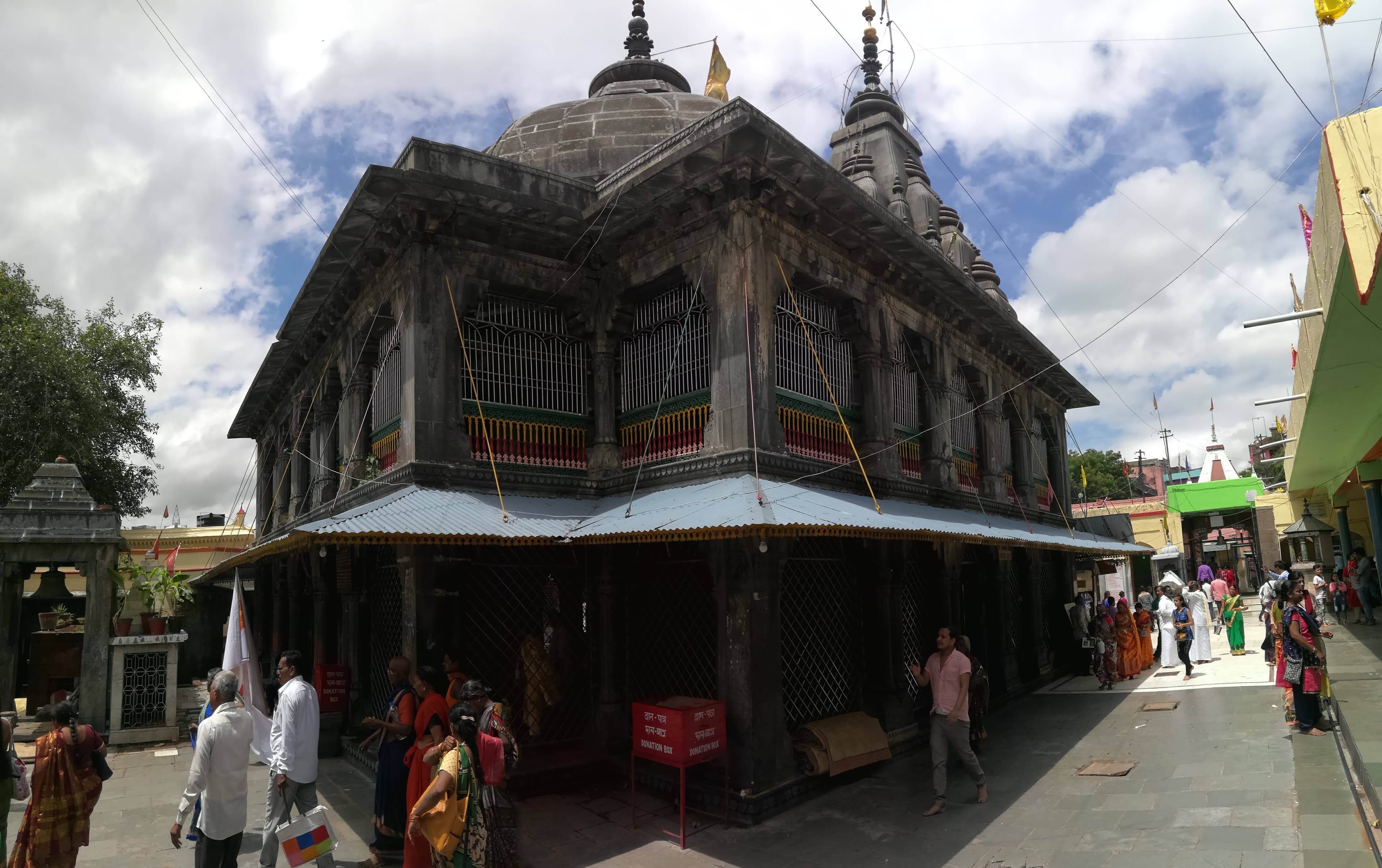
Vishnupad Temple Gaya
The midday sun beat down on the sprawling Vishnupad Temple complex in Gaya, its heat radiating off the smooth, grey stones. As a Chennai native steeped in the Dravidian architectural tradition, I found myself immediately struck by the distinct North Indian flavour of this sacred site. Unlike the towering gopurams and intricate carvings that characterize temples in my home city, the Vishnupad presented a different aesthetic – a blend of Mughal and Rajput influences woven into a structure dedicated to Lord Vishnu. The temple’s centerpiece is the 40cm long footprint of Vishnu, the “Vishnupad,” enshrined within a silver-plated basin inside the main sanctum. This footprint, believed to be imprinted on a basalt rock, is the very reason Gaya holds such immense religious significance for Hindus. The sanctum itself, a tall pyramidal structure, is crowned by an octagonal shikhara, a feature reminiscent of Rajput architecture. This shikhara, though less ornate than the elaborate vimanas of South Indian temples, possesses a certain stark beauty, its simple lines drawing the eye upwards towards the heavens. Surrounding the main shrine are smaller shrines dedicated to various deities, creating a complex network of sacred spaces. I noticed the prevalence of cusped arches and intricate jaali work, elements borrowed from Mughal architecture, adorning these smaller structures. This fusion of styles, a testament to India's rich and layered history, is what truly captivated me. It’s a visual representation of cultural exchange and assimilation, a narrative etched in stone. The temple complex is situated on the banks of the Falgu River, adding another layer of sanctity to the site. Observing pilgrims performing rituals by the riverbank, I was reminded of the vital role rivers play in Hindu cosmology, serving as conduits between the earthly and the divine. The Falgu, though shallow during my visit, seemed to carry the weight of centuries of devotion within its gentle flow. One aspect that particularly intrigued me was the use of stone. Unlike the granite commonly employed in South Indian temples, the Vishnupad Temple is primarily constructed from sandstone. This choice of material lends the structure a softer, warmer hue, contrasting with the darker, more imposing granite of the south. The sandstone also exhibits a greater degree of weathering, giving the temple a sense of age and history, a tangible connection to the countless pilgrims who have walked these very stones over centuries. Wandering through the temple complex, I observed the intricate carvings adorning the pillars and walls. While less profuse than the elaborate sculptural programs of South Indian temples, these carvings depicted scenes from Hindu mythology, adding a narrative dimension to the architecture. I was particularly drawn to the depictions of Vishnu's various avatars, each telling a story of divine intervention and cosmic balance. The Vishnupad Temple, with its unique blend of architectural styles and its profound religious significance, offered a fascinating glimpse into a different facet of Hindu temple architecture. It highlighted the regional variations within a shared religious tradition, demonstrating how local influences and historical context shape the built environment. As I left the temple complex, the image of the Vishnupad, imprinted on the basalt rock, remained etched in my mind, a symbol of faith and the enduring power of sacred spaces. The experience served as a powerful reminder that architectural exploration is not just about admiring aesthetics; it's about understanding the cultural, historical, and spiritual narratives embedded within the very stones of a structure.
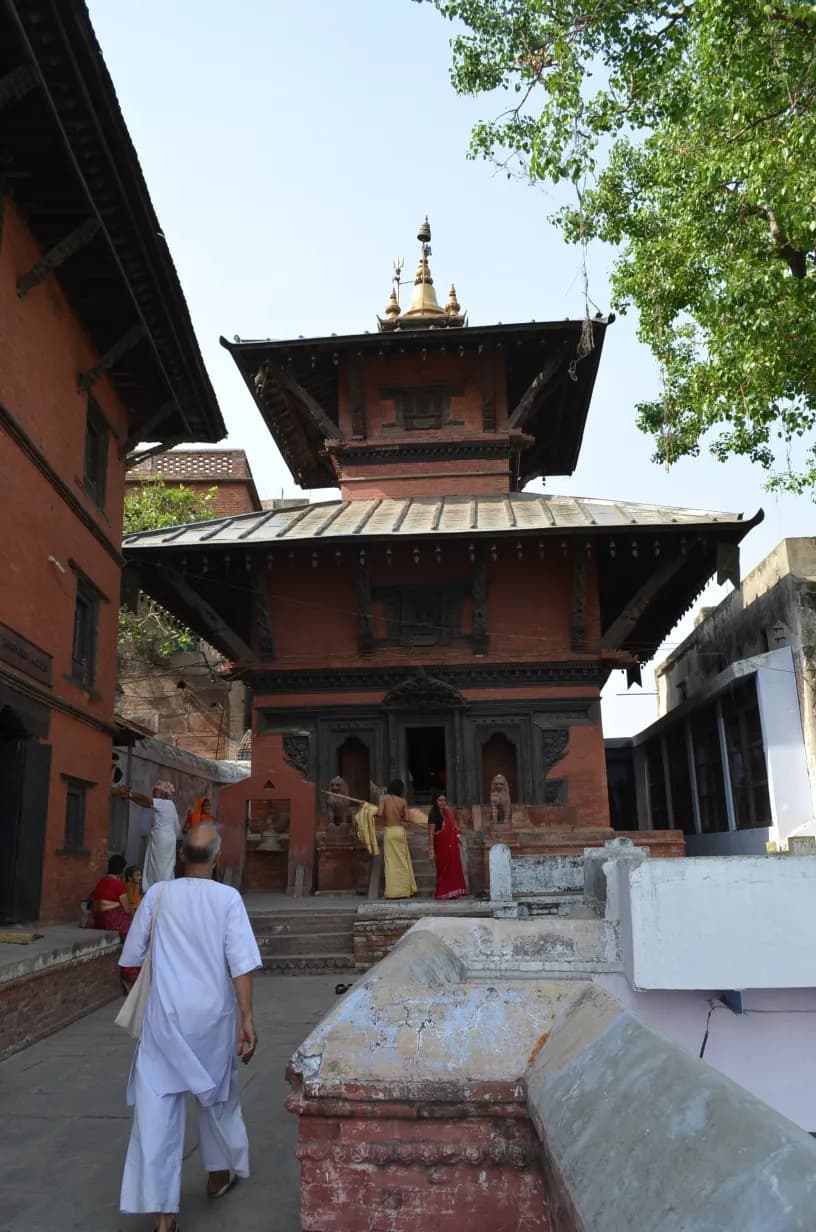
Nepali Mandir Kohima
The Nepali Mandir, located on P.R. Hill in Kohima, Nagaland, stands as a significant Hindu temple dedicated to various deities, embodying a continuous tradition of Indian civilization that spans millennia. This sacred site, though formally established in the 20th century, draws upon ancient indigenous architectural styles and cultural practices, reflecting India's deep historical roots and enduring spiritual legacy [1]. The temple primarily showcases the Nepali Pagoda architecture style, characterized by its multi-tiered roofs and timber-framed construction, a style that has historically interacted with and influenced Indian architectural traditions [4] [5]. Additionally, elements of the Nagara architecture style, prevalent in Northern, Central, Western, and Eastern India, including the northeastern states, are subtly integrated, demonstrating a blend of regional influences within a broader Indian architectural continuum . The structure is predominantly crafted from wood, a material central to vernacular architecture in the Himalayan region, allowing for intricate carvings and detailed sculptural work [3]. These wooden elements contribute to the temple's distinctive aesthetic, with sculptures that have been noted for their resemblance to those found in the Khajuraho Group of Monuments, highlighting a shared artistic vocabulary within Indian temple art [3]. The temple's design incorporates pitched roofs, a characteristic feature of the Nepali Pagoda style, which are both aesthetically pleasing and functionally adapted to the local climate [2]. The intricate architecture and serene atmosphere provide a spiritual haven for devotees and visitors alike, fostering a sense of peace and reflection [1]. Beautifully carved idols and vibrant offerings adorn the temple, reflecting the profound devotion of the local community and the continuity of Hindu spiritual practices [1]. While specific dimensions are not widely documented, the temple's construction techniques emphasize traditional craftsmanship, utilizing timber framing for structural integrity [2]. The site is recognized as a National Heritage Site, underscoring its cultural importance within India [2]. Conservation efforts are ongoing, though detailed information on specific restoration projects or archaeological findings at this particular site is limited in public records [2]. The temple remains an active place of worship, with regular rituals and community engagement, ensuring its operational readiness and continued role as a vibrant cultural anchor in Kohima [1]. Visitors are encouraged to engage with local temple caretakers to gain deeper insights into the rituals and historical significance of the temple, further connecting with the rich cultural tapestry of Nagaland [1].
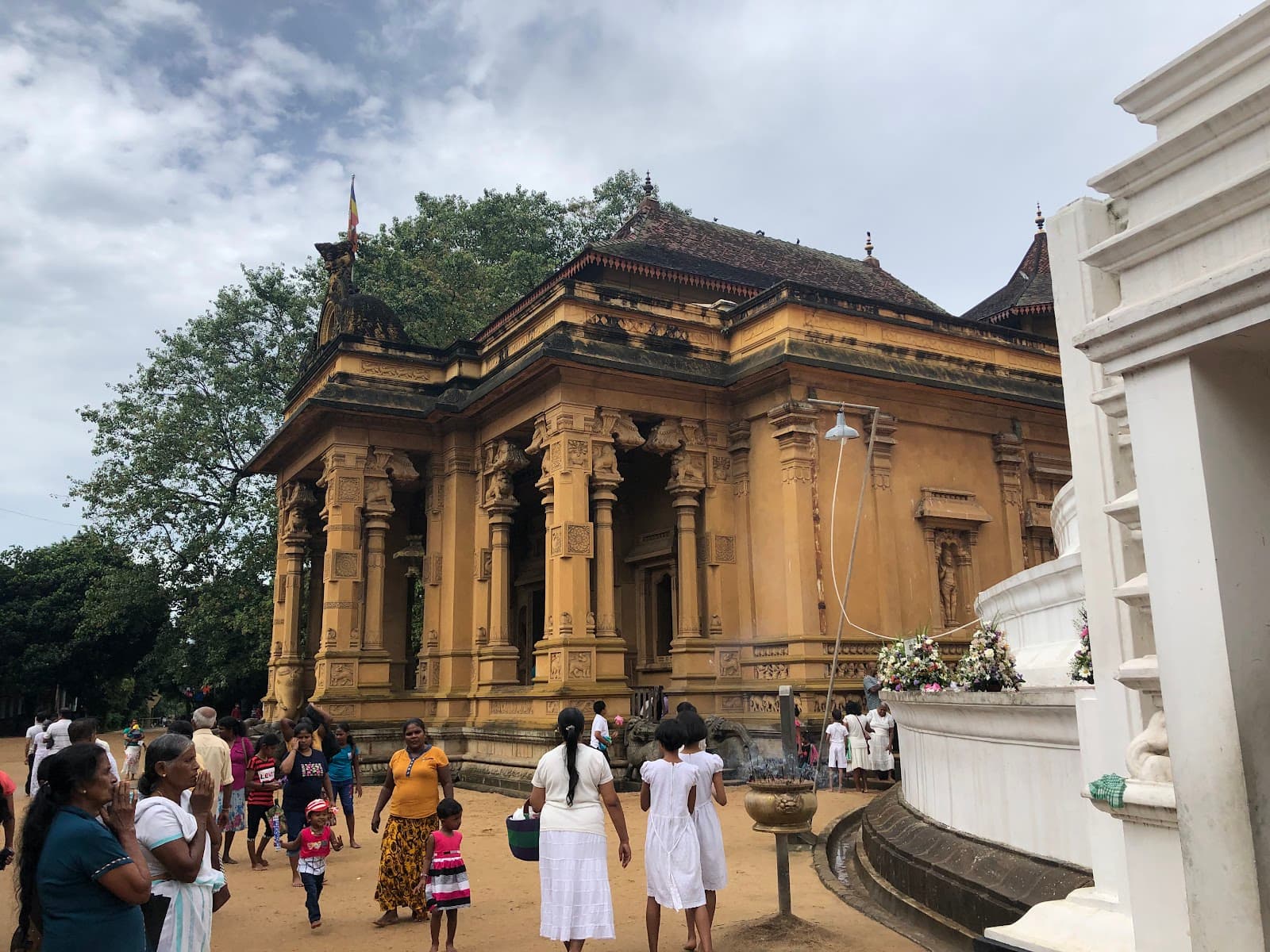
Kelaniya Raja Maha Vihara Colombo Sri Lanka
Kelaniya Raja Maha Vihara, dramatically situated on the banks of the Kelani River near Colombo, represents one of the most extraordinary and historically significant Buddhist temples in Sri Lanka, with lore tracing its origins back to the 6th century BCE when the Buddha is believed to have visited the site during his third visit to Sri Lanka, creating a powerful testament to the profound transmission of Indian Buddhist religious traditions to Sri Lanka and serving as a major center of Buddhist worship that integrates a Vishnu shrine, demonstrating the sophisticated religious syncretism that has characterized Sri Lankan religious practices. The temple complex, also known as Kelaniya Temple, features sophisticated architectural elements that demonstrate the direct transmission of Indian Buddhist temple architecture, particularly the traditions of northern India during the time of the Buddha, with local adaptations that reflect the sophisticated synthesis of Indian Buddhist religious and artistic traditions with Sri Lankan building techniques, while the temple's most remarkable feature is its association with the Buddha's visit, which is documented in ancient chronicles including the Mahavamsa and represents one of the most important events in the history of Buddhism in Sri Lanka. The temple's architectural layout, with its central stupa, image house, and assembly halls, follows sophisticated Indian Buddhist monastery planning principles that were systematically transmitted from the great monastic centers of India, while the temple's extensive decorative programs including murals, sculptures, and architectural elements demonstrate the sophisticated synthesis of Indian Buddhist iconography and artistic traditions with local Sri Lankan aesthetic sensibilities. Archaeological evidence reveals that the temple served as a major center of Buddhist worship for over two and a half millennia, attracting pilgrims from across Sri Lanka and South India, while the discovery of numerous inscriptions in Sinhala, Tamil, and Sanskrit provides crucial evidence of the site's role in the transmission of Indian Buddhist texts and practices to Sri Lanka, demonstrating the sophisticated understanding of Indian Buddhist traditions possessed by the temple's patrons and religious establishment. The temple's unique feature of integrating a Vishnu shrine within the Buddhist temple complex demonstrates the sophisticated religious syncretism that has characterized Sri Lankan religious practices, while the temple's association with the Kelani River, which flows into the Indian Ocean, underscores its significance as a center for the transmission of Buddhist teachings, art, and culture from India to Sri Lanka. The temple complex has undergone multiple reconstructions throughout its history, with the current structure representing a modern reconstruction that faithfully preserves the temple's original architectural character and spiritual significance, while ongoing archaeological research continues to reveal evidence of the temple's ancient origins and its role in the transmission of Indian religious traditions to Sri Lanka. Today, Kelaniya Raja Maha Vihara stands as one of the most important Buddhist pilgrimage sites in Sri Lanka, serving as a powerful testament to the transmission of Indian Buddhist culture and architecture to Sri Lanka, while ongoing archaeological research and conservation efforts continue to protect and study this extraordinary cultural treasure that demonstrates the profound impact of Indian civilization on Sri Lankan religious and artistic traditions. ([1][2])
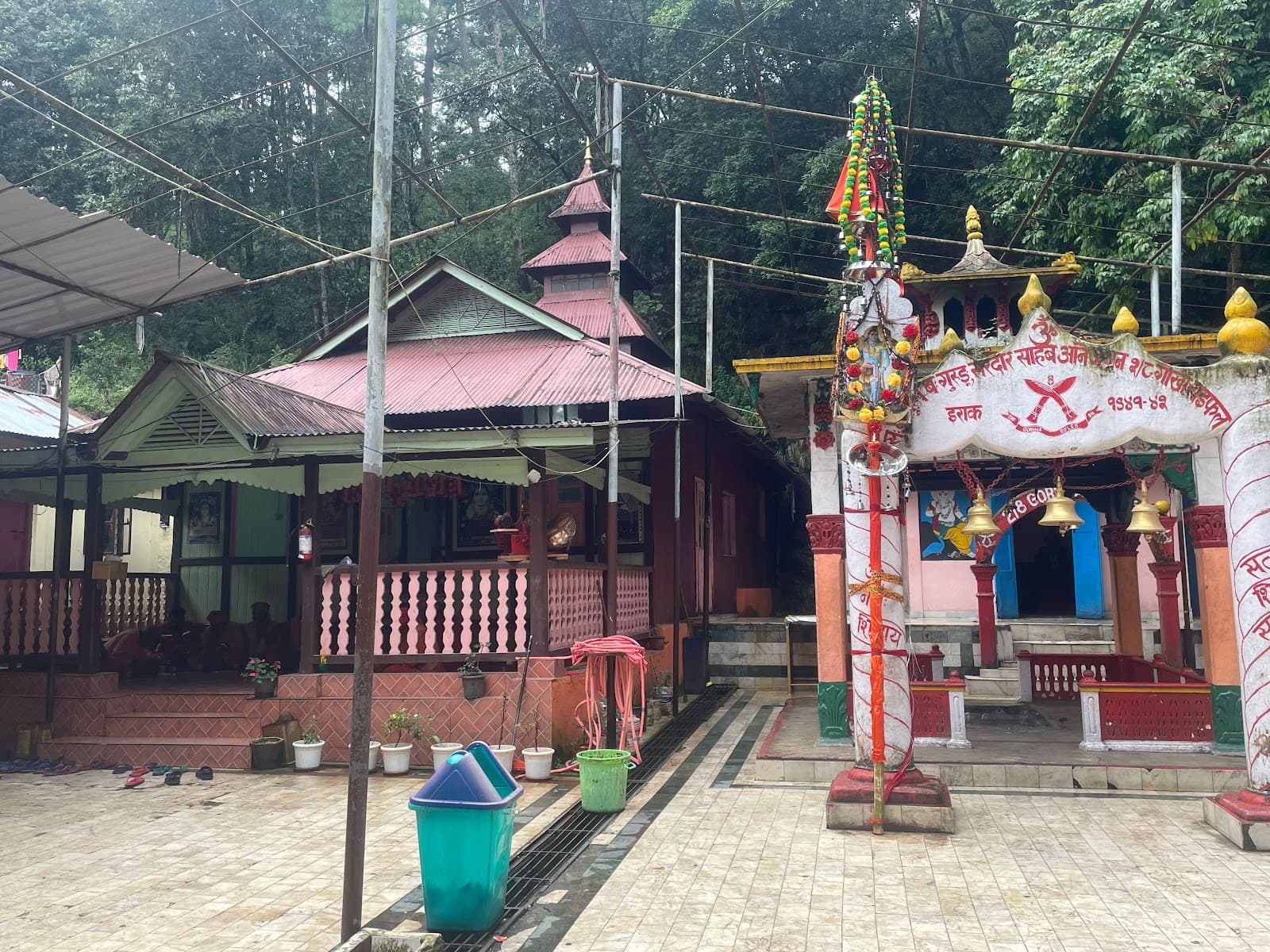
Mahadev Khola Dham Shillong
The air, thick with the scent of pine and damp earth, vibrated with a low hum as I descended the steep steps leading to Mahadev Khola Dham. Nestled in a verdant gorge just outside Shillong, this temple dedicated to Lord Shiva felt worlds away from the bustling city. Sunlight, filtered through the dense canopy, dappled the moss-covered stones, creating an ethereal atmosphere. This wasn't just a temple; it was a sanctuary woven into the very fabric of the landscape. My initial impression was one of awe at the sheer scale of the natural amphitheater surrounding the temple. Towering cliffs, draped in emerald green vegetation, embraced the site, creating a sense of intimacy and seclusion. A small stream, the namesake 'Khola,' gurgled its way through the gorge, its music adding to the symphony of the forest. The temple itself, while not imposing in size, possessed a quiet dignity. Built from locally sourced stone, its architecture blended seamlessly with the natural surroundings. The shikhara, unlike the towering structures of North Indian temples, was relatively modest, almost merging with the rocky backdrop. As I approached the main shrine, I noticed intricate carvings adorning the stone façade. While weathered by time and the elements, these depictions of deities and mythological scenes spoke volumes about the craftsmanship of the artisans who built this sacred space. The carvings, though distinctly Hindu in their iconography, also seemed to incorporate elements of local Khasi symbolism, a testament to the syncretic nature of faith in this region. A Nandi statue, typically found guarding Shiva temples, was present, but its form seemed subtly different, perhaps reflecting a local interpretation of the divine bull. Inside the garbhagriha, the sanctum sanctorum, the atmosphere was charged with a palpable sense of devotion. The lingam, the symbolic representation of Lord Shiva, was bathed in the soft glow of oil lamps, casting flickering shadows on the damp walls. The air was heavy with the fragrance of incense and the murmur of prayers. Devotees, a mix of locals and tourists, offered flowers and whispered their supplications, their faces reflecting a quiet reverence. What struck me most about Mahadev Khola Dham was the harmonious coexistence of nature and spirituality. The temple wasn't merely built *in* the landscape; it felt like an integral *part* of it. The natural elements – the flowing water, the towering trees, the whispering wind – were not just backdrop but active participants in the sacred narrative of the place. This was a stark contrast to many urban temples I’ve documented, where the sacred space often feels divorced from the surrounding environment. Climbing back up the steps, I paused to take one last look at the temple nestled in its verdant embrace. The experience transcended mere documentation; it was a visceral encounter with a place where faith and nature intertwined. Mahadev Khola Dham wasn't just a temple; it was a testament to the human capacity to find the sacred in the heart of the natural world. It was a reminder that sometimes, the most profound expressions of spirituality are found not in grand structures, but in the quiet whispers of a stream, the rustling of leaves, and the stillness of ancient stones. This was a story my lens was privileged to capture, a story etched not just in stone, but in the very soul of Meghalaya.
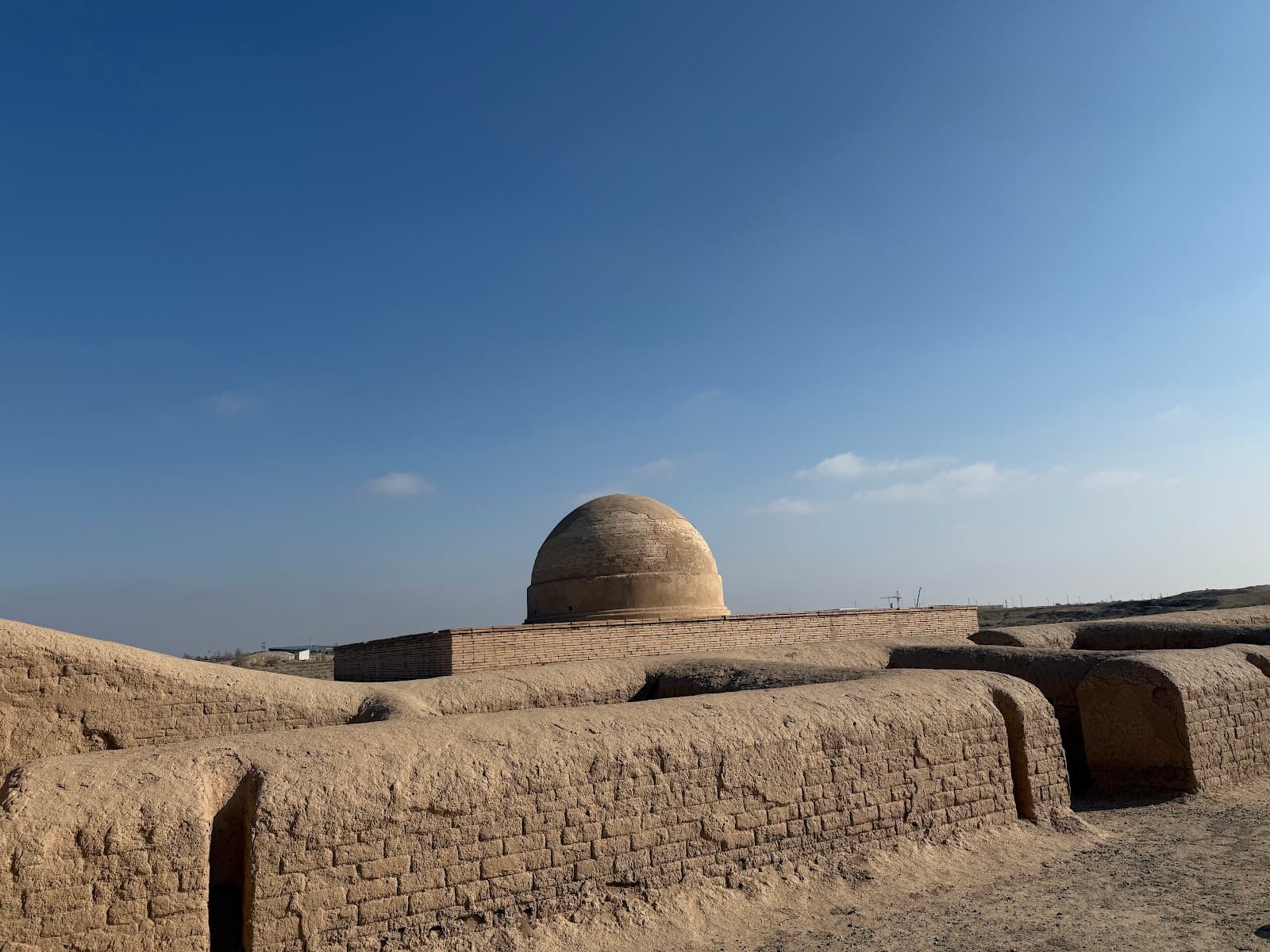
Fayaz Tepe Monastery Termez Uzbekistan
Fayaz Tepe Monastery, located near Termez in southern Uzbekistan, represents one of the most extraordinary and archaeologically significant Buddhist monastic complexes along the ancient Silk Road, constructed from the 1st to 3rd centuries CE during the height of the Kushan Empire, creating a powerful testament to the profound transmission of Indian Buddhist religious and architectural traditions to Central Asia. The monastery complex, comprising multiple structures including stupas, chapels, monastic cells, and assembly halls arranged around a central courtyard, features remarkable architectural elements that demonstrate the direct transmission of Indian Buddhist monastery architecture, particularly the traditions of northern India during the Kushan period, with local adaptations that reflect the sophisticated synthesis of Indian religious and artistic traditions with Central Asian building techniques. The site's most remarkable feature is the discovery of numerous Sanskrit inscriptions carved into stone and written on various materials, providing crucial evidence of the site's role as a major center for the transmission of Indian Buddhist texts and practices to Central Asia, while the architectural layout, with its central stupa surrounded by monastic cells and assembly halls, follows the classic Indian Buddhist monastery plan that was systematically transmitted from the great monastic centers of India including Taxila, Nalanda, and Gandhara. Archaeological excavations have revealed extraordinary Buddhist sculptures and reliefs executed in the distinctive Gandharan style, demonstrating the direct transmission of Indian Buddhist iconography and artistic traditions to Central Asia, while the discovery of numerous artifacts including coins, pottery, and ritual objects provides crucial evidence of the site's role as a major center of Buddhist learning and practice that attracted monks, traders, and pilgrims from across the Buddhist world. The monastery's location near Termez, a major Silk Road crossroads, underscores its significance as a center for the transmission of Buddhist teachings, art, and culture from India to Central Asia and beyond, while the site's architectural sophistication and extensive decorative programs demonstrate the sophisticated understanding of Indian Buddhist traditions possessed by the monks and artisans who created this extraordinary complex. Today, Fayaz Tepe stands as a UNESCO Tentative List site and represents one of the most important Buddhist archaeological discoveries in Central Asia, serving as a powerful testament to the transmission of Indian Buddhist culture and architecture to Central Asia, while ongoing archaeological research and conservation efforts continue to protect and study this extraordinary cultural treasure that demonstrates the profound impact of Indian civilization on Central Asian religious and artistic traditions. ([1][2])
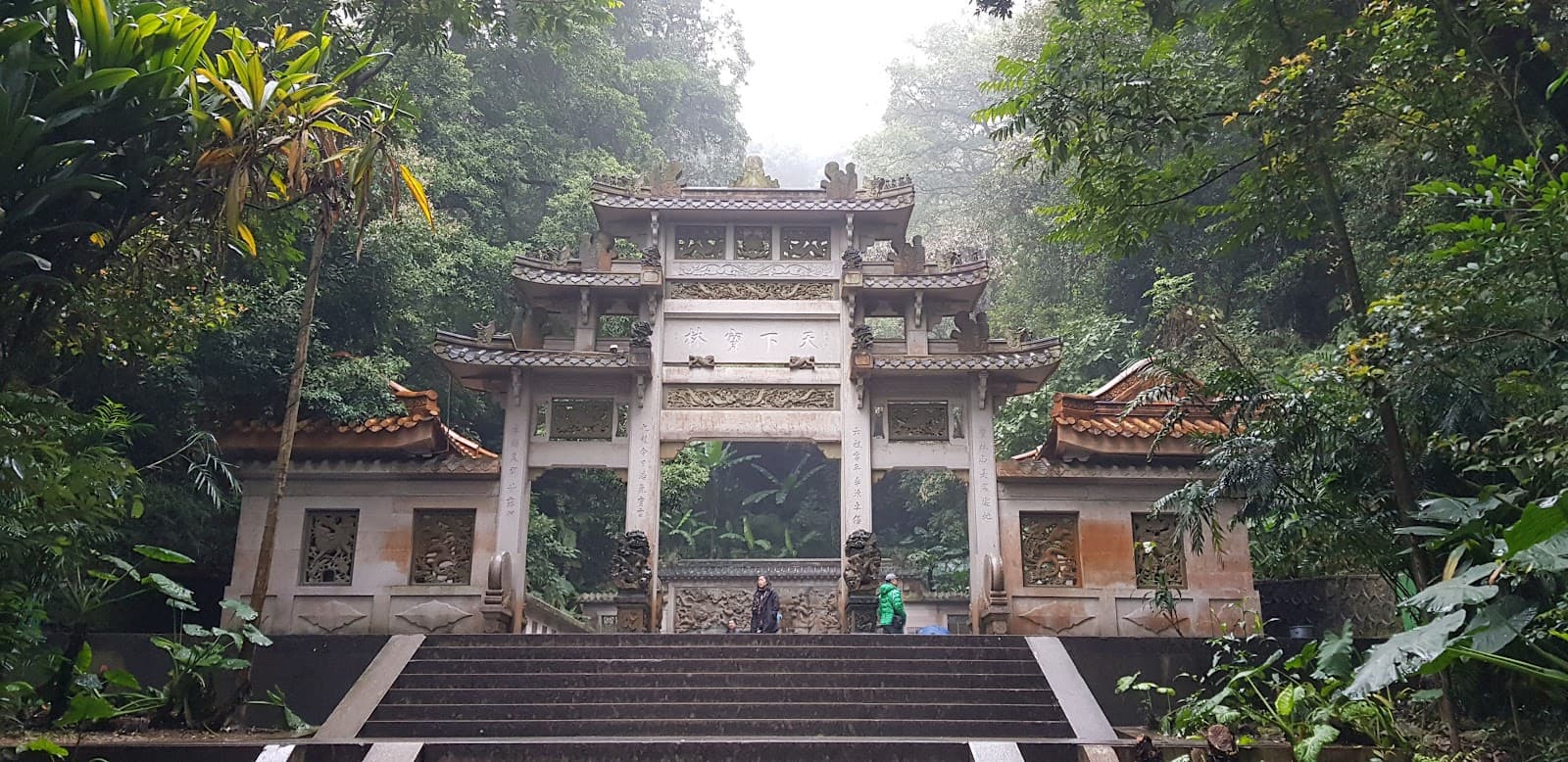
Nanhua Temple Shaoguan Guangdong China
Nanhua Temple, a revered Buddhist monastery in Shaoguan, Guangdong Province, China, stands as a profound testament to India's millennia-spanning cultural heritage and the continuous tradition of Indian civilization. Founded in 550 CE by the Indian monk Zhiyao Sanzang, the temple complex embodies a unique Indo-Chinese Buddhist architectural style, deeply rooted in Indian Buddhist traditions, particularly the stupa form [1] [2]. Spanning an expansive area of 42.5 hectares, the site is strategically positioned against a mountain, facing south, a traditional orientation in both Indian and Chinese sacred architecture [1]. The architectural ensemble, while featuring elements of traditional Chinese design, integrates distinctive Indian Buddhist influences, reflecting the transmission of spiritual and artistic practices from ancient India [2]. The Grand Hall, a central and imposing structure, is recognized as the largest Buddhist architectural edifice in Guangdong Province [3]. Its roof is adorned with vibrant glazed tiles, a characteristic decorative element [3]. Within its sanctum, sublime statues of Sakyamuni Buddha, Medicine Buddha, and Amitabha Buddha are enshrined, accompanied by an assembly of 500 intricately crafted clay sculptures depicting Buddhist arhats, showcasing a rich iconographic program [1]. The Lingxi Tower, also known as the Pagoda of the Sixth Patriarch, represents a significant architectural feature. Originally constructed in timber during the early Tang Dynasty, it underwent a substantial reconstruction in brick during the Ming Dynasty, evolving its material composition while retaining its spiritual function [1]. This tower serves as a reliquary, housing the preserved 'real body' of Huineng, the Sixth Patriarch of Chan Buddhism, a practice reminiscent of Indian stupa architecture where relics of enlightened beings are venerated [4]. The construction primarily utilizes durable materials such as wood, brick, and stone, reflecting indigenous building practices adapted over centuries [2]. The temple complex is meticulously arranged with a series of halls, courtyards, and pagodas, creating a harmonious spatial flow that facilitates meditation and pilgrimage [4]. Decorative elements throughout the temple include intricate carvings and sculptures that narrate Buddhist narratives and depict various deities and enlightened figures, reflecting a synthesis of Indian and local artistic expressions. Ongoing conservation efforts at Nanhua Temple involve historical documentation, archaeological excavations, and structural stabilization to preserve its ancient fabric [2]. These initiatives ensure the integrity of its architectural elements and the longevity of its cultural relics, which include an ancient silken cassock embroidered with a thousand Buddhas, a decree issued by Empress Wu Zetian, wood-carved arhats from the Northern Song Dynasty, a thousand-jin copper clock, a thousand-person pan from the Yuan Dynasty, a thousand-Buddha steel tower from the Qing Dynasty, and the Dazang Sutra inscribed in gold [1]. The site remains operationally ready, welcoming visitors and pilgrims, and continues to be a vibrant center for Buddhist practice and a living testament to India's enduring cultural legacy [5].
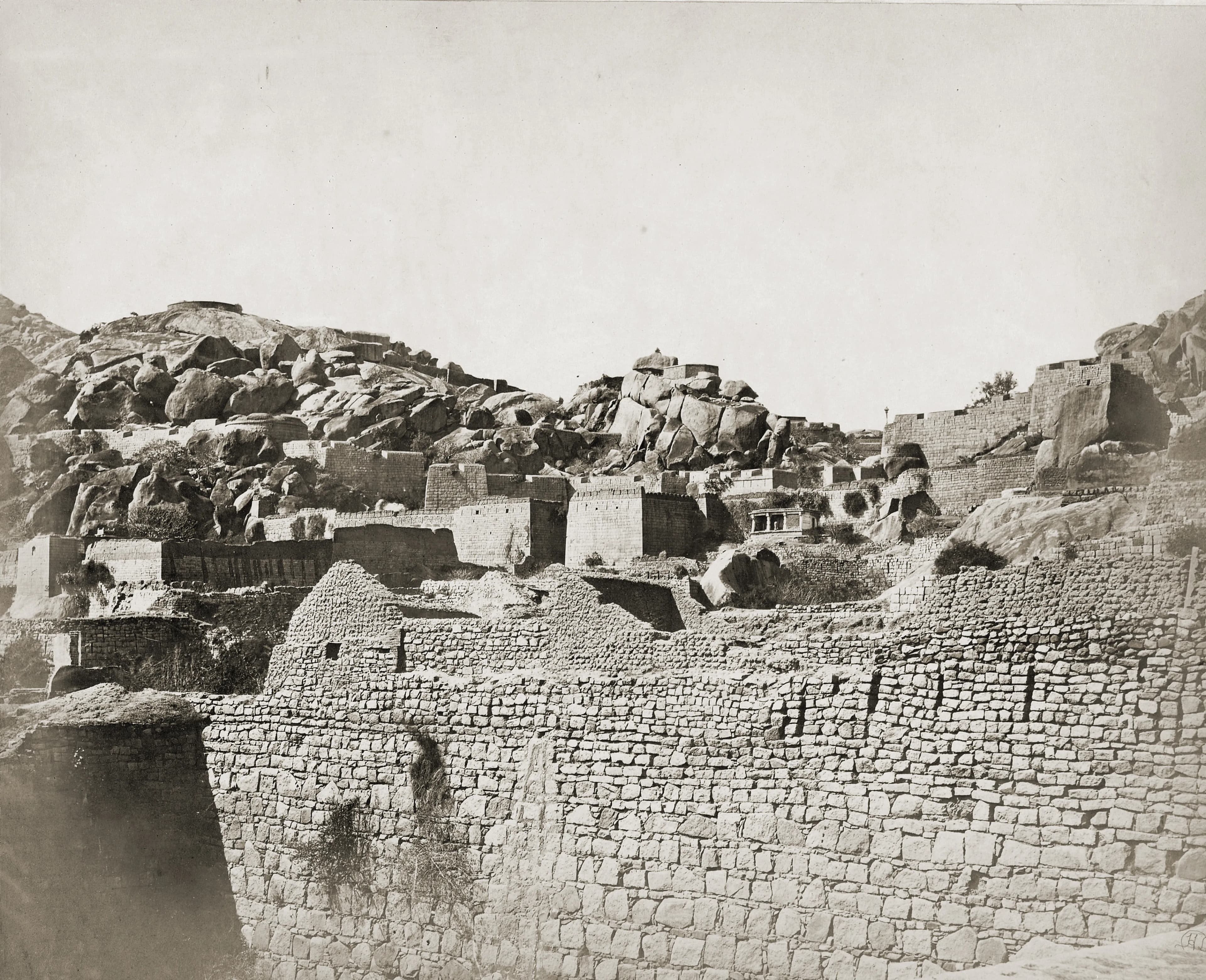
Chitradurga Fort Chitradurga
Majestically rising from the rocky terrain of Karnataka, Chitradurga Fort embodies the Nayaka dynasty's military prowess and architectural vision ([1]). Established around 1050 CE, during the 11th century, this imposing fort exemplifies Dravidian architecture and innovative fortification strategies ([2]). Its construction during the Vijayanagara period showcases the integration of natural elements into its robust defenses ([3]). Seven concentric walls, each named after figures from Hindu mythology, form the fort's strategic layout, designed to repel invaders ([3]). Granite and trap rock, fortified with mud mortar and laterite, constitute the fort's durable structure ([4]). These materials, sourced locally, reflect the Nayakas' resourcefulness and understanding of the regional landscape ([4]). Local stone was used to create sloping walls. Intricate carvings embellishing the Hidimbeshwara Temple within the fort complex depict scenes from Hindu epics, reflecting the religious beliefs of the Nayaka rulers ([5]). This artistic counterpoint to the fort's military function highlights the dynasty's patronage of both the martial and fine arts ([5]). Sophisticated rainwater harvesting systems ensured water security during prolonged sieges, showcasing advanced engineering capabilities ([6]). These systems, designed to collect and store monsoon rains, sustained the garrison and civilian population within the fort ([6]). During the rule of the Nayakas of Chitradurga, the fort expanded, incorporating the natural landscape into its defensive design ([3]). Tales of hidden tunnels and secret passages add to the fort's mystique, evoking a sense of intrigue and adventure ([7]). The fort's silhouette against the Karnataka skyline serves as a powerful reminder of India's rich architectural heritage, inviting visitors to explore its storied past ([1][2]). The fort reflects the rich heritage of the Nayaka dynasty.
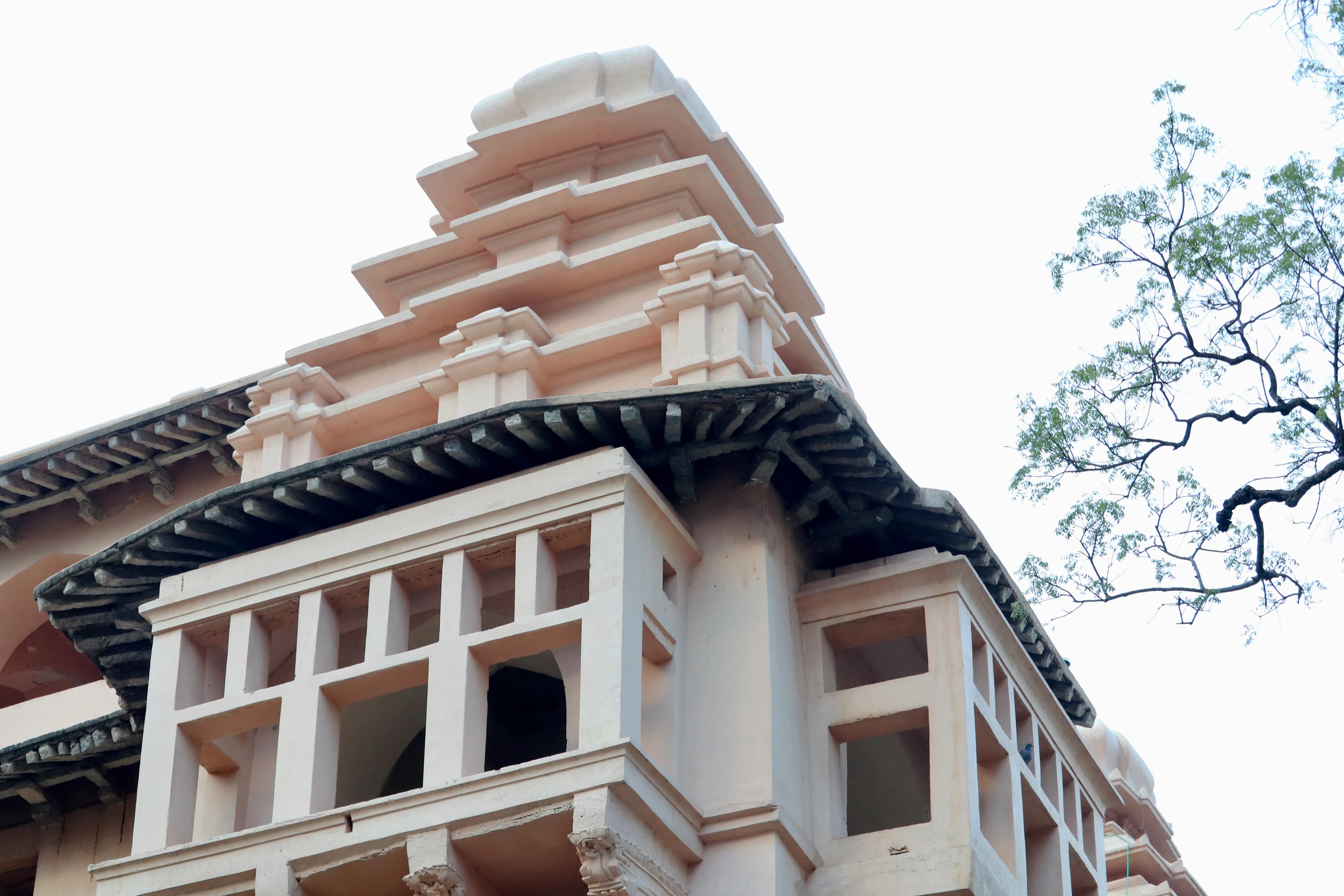
Chandragiri Fort Chittoor
Nestled in Chittoor, Andhra Pradesh, Chandragiri Fort was erected around 1050 CE by the Yadava dynasty ([1][2]). This 11th-century fort exemplifies the Indo-Saracenic architectural style, visibly merging Hindu and Islamic construction techniques ([3]). The fort is constructed using stone, mortar, bricks and wood ([4]). Unlike typical rock-cut fortifications, Chandragiri rises distinctly above the surrounding terrain. The fort is divided into two sections: a lower fort, which historically served as a marketplace, and an upper fort, which houses the Raja Mahal Palace complex ([1]). Intricate carvings adorning the gateways showcase the skill of Vijayanagara artisans ([2][3]). The stone used in the construction, lighter in color than basalt, gives the structure its unique aesthetic ([4]). Sophisticated water management systems ensured a consistent water supply within the fort ([1][2]). Large tanks (reservoirs) and wells were strategically positioned to collect rainwater through an intricate network of channels ([3][4]). From its elevated position, the fort provides panoramic views of the surrounding landscape, a crucial element for controlling trade routes and for defense ([1]). The fort’s architecture reflects the influence of multiple dynasties that have occupied it throughout its history ([2][3]). During the Vijayanagara period, Chandragiri gained prominence and served as their fourth capital ([5]). The Raja Mahal within the upper fort now functions as an archaeological museum ([6]). The museum houses a collection of artifacts, sculptures, and historical relics, providing insights into the fort's rich past and the dynasties that shaped it ([5][6]). The fort stands as a reminder of the region's layered history and architectural heritage ([3]).

Kal Bhairav Temple Ujjain
The air crackled with an energy I hadn’t anticipated. Not the usual tourist hubbub, but something older, thicker, woven into the very stones of the Kal Bhairav Temple in Ujjain. Dust motes danced in the shafts of sunlight slicing through the ancient gateway, illuminating the worn carvings that hinted at stories untold. This wasn't just a temple; it was a palimpsest of history, each layer whispering secrets of devotion and time. My camera, usually a reliable extension of myself, felt inadequate. How could I possibly capture the weight of centuries etched into the weathered stone? The temple, dedicated to the fearsome form of Shiva, Kal Bhairav, sits nestled on the banks of the Shipra River. The river itself seemed to hold its breath as it flowed past, a silent witness to the countless rituals performed on these banks. The main entrance, guarded by two imposing dwarapalas, felt like a portal to another realm. Their expressions, eroded by time yet still potent, spoke of a power beyond human comprehension. Stepping through the archway, I was struck by the contrast between the vibrant energy of the devotees and the stoic stillness of the temple structure. The scent of incense hung heavy in the air, mingling with the earthy aroma of the river and the metallic tang of offerings. Architecturally, the temple is a marvel. The shikhara, the towering spire that dominates the skyline, is a testament to the skill of the ancient artisans. Intricate carvings of deities, mythical creatures, and floral motifs adorn every surface, each telling a story from Hindu mythology. I spent hours tracing the lines of these carvings with my lens, trying to decipher the narratives they held. The play of light and shadow on the stone created an ever-shifting tapestry, adding another layer of complexity to the visual narrative. One particular carving caught my attention – a depiction of Kal Bhairav himself, eight-armed and fearsome, astride his vahana, the dog. The detail was astonishing; I could almost feel the raw power emanating from the deity. This wasn't just a representation; it felt like a presence. It was in moments like these, lost in the minutiae of the carvings, that I truly understood the devotion this place inspired. Beyond the main shrine, the temple complex sprawls, encompassing smaller shrines, courtyards, and pillared halls. Each space has its own unique character, its own story to tell. I found myself drawn to a quieter corner, a small shrine dedicated to the Goddess Parvati. The serenity of this space offered a stark contrast to the vibrant energy of the main shrine, providing a moment of quiet contemplation amidst the throngs of devotees. The most striking aspect of the Kal Bhairav Temple, however, is its palpable connection to the past. This isn't a museum piece; it's a living, breathing entity, still actively worshipped by thousands. Witnessing the rituals, the offerings, the fervent prayers, I felt a profound sense of connection to something larger than myself. It was a humbling experience, a reminder of the enduring power of faith and tradition. As the day drew to a close, and the last rays of sunlight painted the temple in hues of gold and ochre, I knew I had only scratched the surface of this ancient site. My photographs, though meticulously composed, could only capture a fraction of the experience. The true essence of the Kal Bhairav Temple lies in the intangible – the energy, the devotion, the whispers of history that echo through its hallowed halls. It's a place that stays with you long after you've left, a testament to the enduring power of the sacred.
Suket Palace Sundernagar
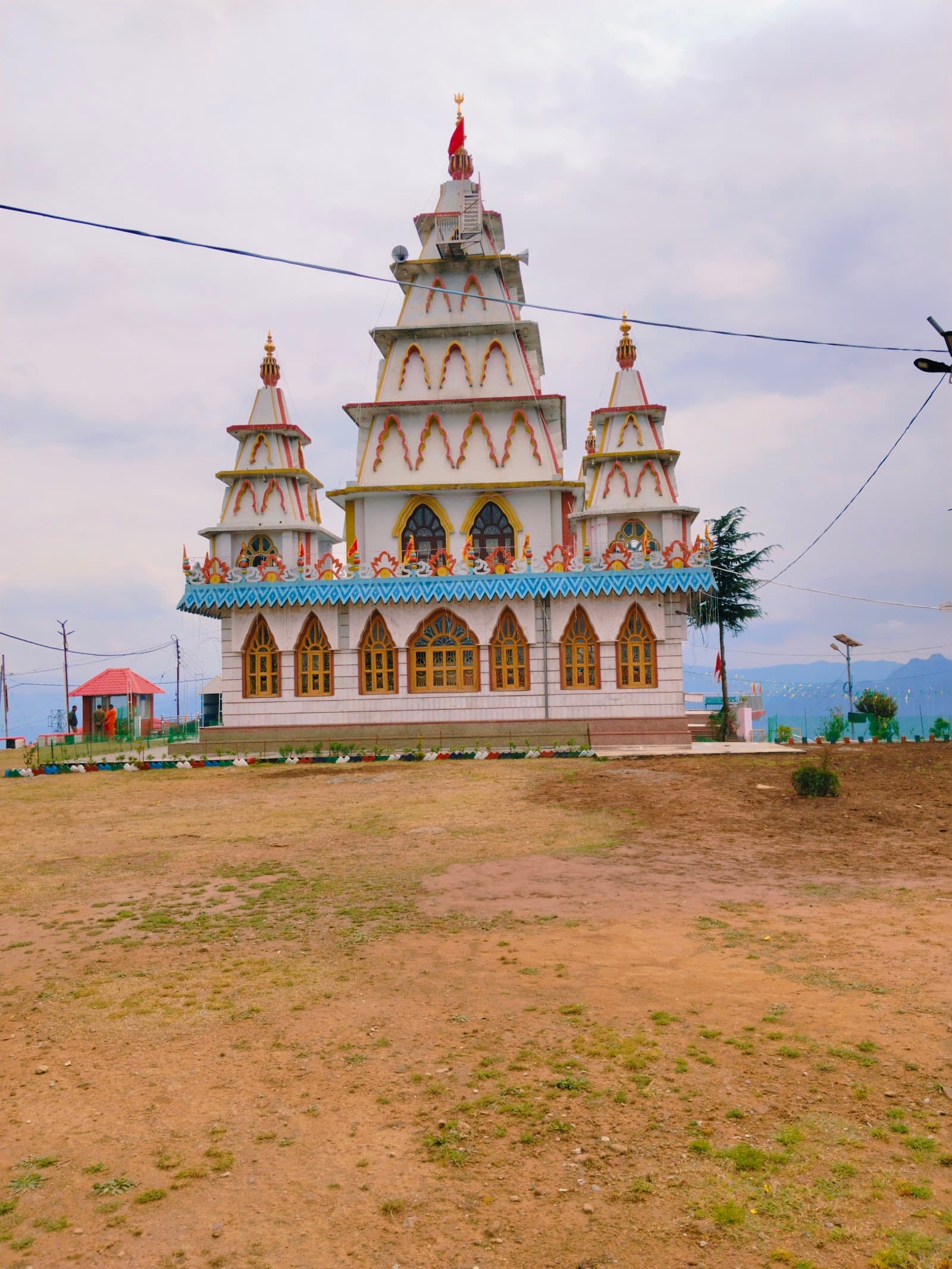
The crisp mountain air of Sundernagar carried the scent of pine as I approached Suket Palace. Nestled amidst the verdant slopes of the Himachal Pradesh valley, this former royal residence, though not imposing in the scale I'm accustomed to seeing in South Indian temple complexes, possessed a quiet dignity. Its relatively modest size, compared to, say, the Brihadeeswarar Temple, belied the rich history it held within its walls. Built in a blend of colonial and indigenous hill architectural styles, it presented a fascinating departure from the Dravidian architecture I've spent years studying. The palace’s cream-colored façade, punctuated by dark wood balconies and intricately carved window frames, stood in stark contrast to the vibrant hues of gopurams back home. The sloping slate roof, a practical necessity in this snowy region, was a far cry from the towering vimanas of Southern temples. This adaptation to the local climate and available materials was a recurring theme I observed throughout my visit. The use of locally sourced wood, both for structural elements and decorative carvings, spoke to a sustainable building practice that resonated deeply with the traditional construction methods employed in ancient South Indian temples. Stepping inside, I was struck by the relative simplicity of the interiors. While lacking the opulent ornamentation of some Rajput palaces, Suket Palace exuded a sense of understated elegance. The spacious rooms, with their high ceilings and large windows, offered breathtaking views of the surrounding valley. The wooden floors, polished smooth by time and countless footsteps, creaked softly under my feet, whispering stories of bygone eras. I was particularly drawn to the intricate woodwork adorning the doors, window frames, and ceilings. The patterns, while distinct from the elaborate sculptures found in South Indian temples, displayed a similar level of craftsmanship and attention to detail. Floral motifs, geometric designs, and depictions of local flora and fauna intertwined to create a visual narrative unique to this region. One room, converted into a museum, housed a collection of royal artifacts, including portraits of past rulers, antique furniture, and weaponry. These objects offered a glimpse into the lives of the Suket dynasty and the cultural influences that shaped their reign. The portraits, in particular, were fascinating. The regal attire and stoic expressions of the rulers provided a stark contrast to the more stylized and often deified representations of royalty found in South Indian temple art. The palace gardens, though not as expansive as the temple gardens I'm familiar with, were meticulously maintained. Terraced flowerbeds, brimming with colorful blooms, cascaded down the hillside, creating a vibrant tapestry against the backdrop of the towering Himalayas. The integration of the natural landscape into the palace design reminded me of the sacred groves that often surround South Indian temples, highlighting the reverence for nature that transcends geographical boundaries. As I wandered through the palace grounds, I couldn't help but draw parallels between the architectural traditions of the north and south. While the styles and materials differed significantly, the underlying principles of functionality, aesthetics, and spiritual significance remained remarkably similar. The use of local materials, the adaptation to the climate, and the incorporation of symbolic motifs were all testament to the ingenuity and artistry of the builders, regardless of their geographical location. Suket Palace, in its own unique way, echoed the same reverence for history, culture, and craftsmanship that I've always admired in the grand temples of South India. It was a humbling experience, a reminder that architectural marvels can be found in the most unexpected places, each whispering its own unique story of the people and the land that shaped it.
BAPS Shri Swaminarayan Mandir Toronto
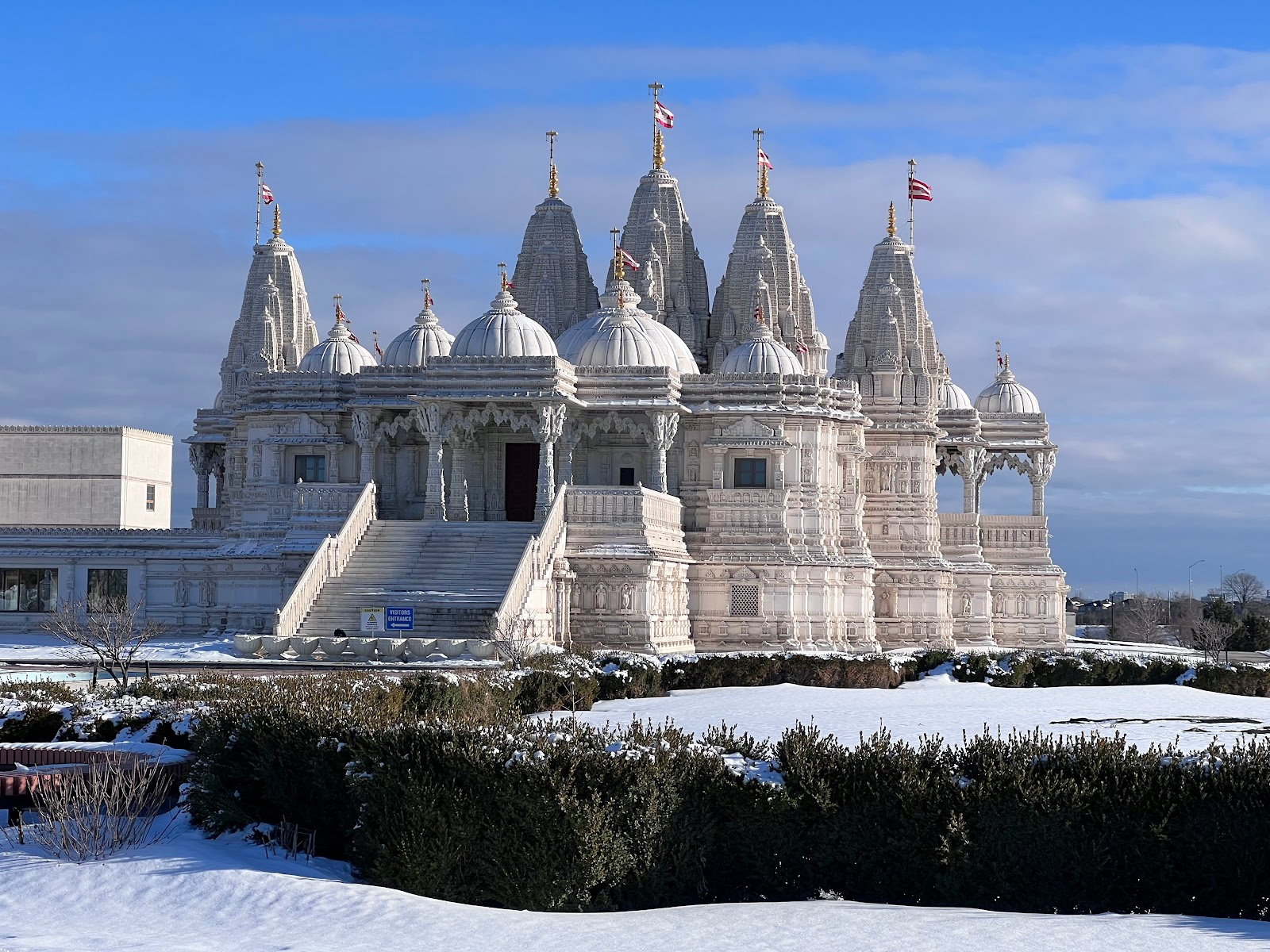
Anchoring Etobicoke's Claireville corridor, the BAPS Shri Swaminarayan Mandir Toronto represents Canada’s largest traditional stone mandir, dedicated to Bhagwan Swaminarayan ([1][2]). Consecrated in 2007 CE, this Nagara-style marvel seamlessly blends ancient architectural principles with modern engineering ([1]). The mandir incorporates 24,000 hand-carved Turkish limestone pieces, meticulously assembled without the use of structural steel ([1]). Intricate carvings adorning the walls reflect the Maharaj Sthapatya craft, echoing the detailed artistry documented in texts like the *Manasara Shilpa Shastra* ([2][3]). Vastu Shastra principles, the ancient Indian science of architecture, are demonstrably present in the temple's layout and orientation, fostering harmony and spiritual resonance ([3][4]). These principles, aiming to integrate architecture with nature, are meticulously applied, reflecting a deep understanding of spatial arrangements and their impact on well-being ([4]). Burmese teak, Italian Carrara marble, and copper *kalashas* (finials) further enrich the structure, harmonizing traditional materials with contemporary design elements like the glass curtainwall ([1][5]). The *Garbhagriha* (Sanctum) houses the enshrined deities, continuing a tradition of worship that spans millennia ([4]). Annadhanam, the offering of food, operates with modern efficiency, utilizing commercial kitchen equipment and allergen tracking ([1]). Accessibility features, including ramps and tactile strips, ensure inclusivity, while digital signage provides information in multiple languages ([5]). Built by the BAPS Swaminarayan Sanstha, the complex serves as a vibrant center for community, culture, and spiritual practice ([1][2]). The integration of traditional craftsmanship with modern amenities exemplifies the enduring relevance of ancient Indian architectural sciences in contemporary society ([3][5]). The Mandir stands as a testament to the adaptability and timeless appeal of Nagara-style temple architecture ([1][2]).
Seetha Amman Temple Nuwara Eliya Sri Lanka
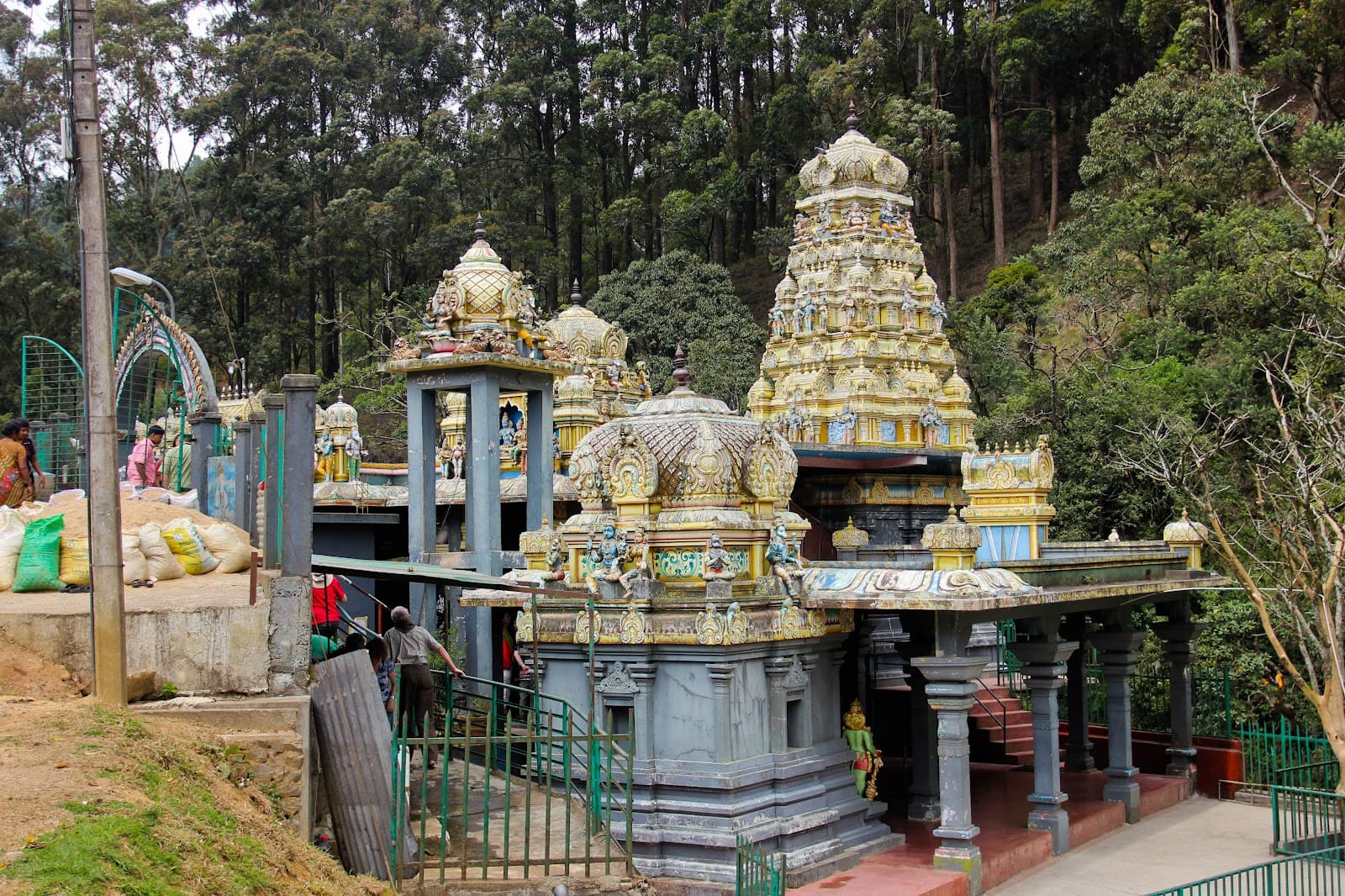
The Seetha Amman Temple, located in Sita Eliya, Nuwara Eliya District, Central Province, Sri Lanka, stands as a profound testament to India's millennia-spanning cultural heritage and its continuous civilizational traditions. Dedicated primarily to Goddess Sita, alongside Lord Rama, Lakshmana, and Hanuman, this sacred site is deeply embedded in the ancient Hindu epic, the Ramayana, reflecting an unbroken spiritual lineage that extends across the Indian subcontinent and beyond [2] [4]. The temple's architecture adheres to the indigenous Dravida and South Indian Temple styles, characterized by its elaborate and vibrant aesthetic, which celebrates the rich sculptural and decorative traditions of Hindu temple building [3] [4]. The temple complex features a grand entrance, or gopuram, adorned with intricate carvings and sculptures depicting various deities and mythological narratives from the Ramayana, serving as a visual gateway to the sacred space [4]. The primary shrine houses the idols of Sita, Rama, Lakshmana, and Hanuman, crafted with meticulous detail, reflecting traditional iconography and artistic principles [4]. The structural elements typically employ a combination of stone and concrete, finished with stucco and polychrome painting, a common practice in modern Dravidian temple construction that maintains traditional forms while utilizing contemporary materials for durability and intricate detailing [3]. The vibrant colors used in the temple's ornamentation are characteristic of South Indian temple architecture, enhancing its visual appeal and spiritual ambiance [3]. Adjacent to the temple flows the Seeta River, a natural feature revered for its mythological association as the place where Goddess Sita is believed to have bathed and offered prayers during her captivity [2] [5]. Near the river, distinct footprints, believed to be those of Lord Hanuman, are visible on a rock face, further cementing the site's legendary connection to the Ramayana [4] [5]. The surrounding soil is notably black in color, a phenomenon attributed by local legend to Lord Hanuman setting Lanka ablaze during his mission to find Sita [2] [5]. While specific dimensions of the 1998 CE structure are not widely documented, the overall design follows the traditional layout of a Hindu temple, incorporating a sanctum sanctorum (garbhagriha), circumambulatory paths (pradakshina-patha), and various mandapams (halls) for devotees [3]. The temple is well-maintained, with active programming including daily poojas and special rituals, drawing pilgrims and visitors from across the globe [2] [5]. Accessibility is facilitated by its proximity to major routes, and the site operates with established timings for worship, ensuring a continuous flow of devotees [2]. The Seetha Amman Temple stands as a vibrant, operational center of Hindu worship, embodying the enduring legacy and continuous cultural practices of Indian civilization [2] [4].
Quick Links
Plan Your Heritage Journey
Get personalized recommendations and detailed visitor guides