Has Inheritage Foundation supported you today?
Your contribution helps preserve India's ancient temples, languages, and cultural heritage. Every rupee makes a difference.
Secure payment • Instant 80G certificate
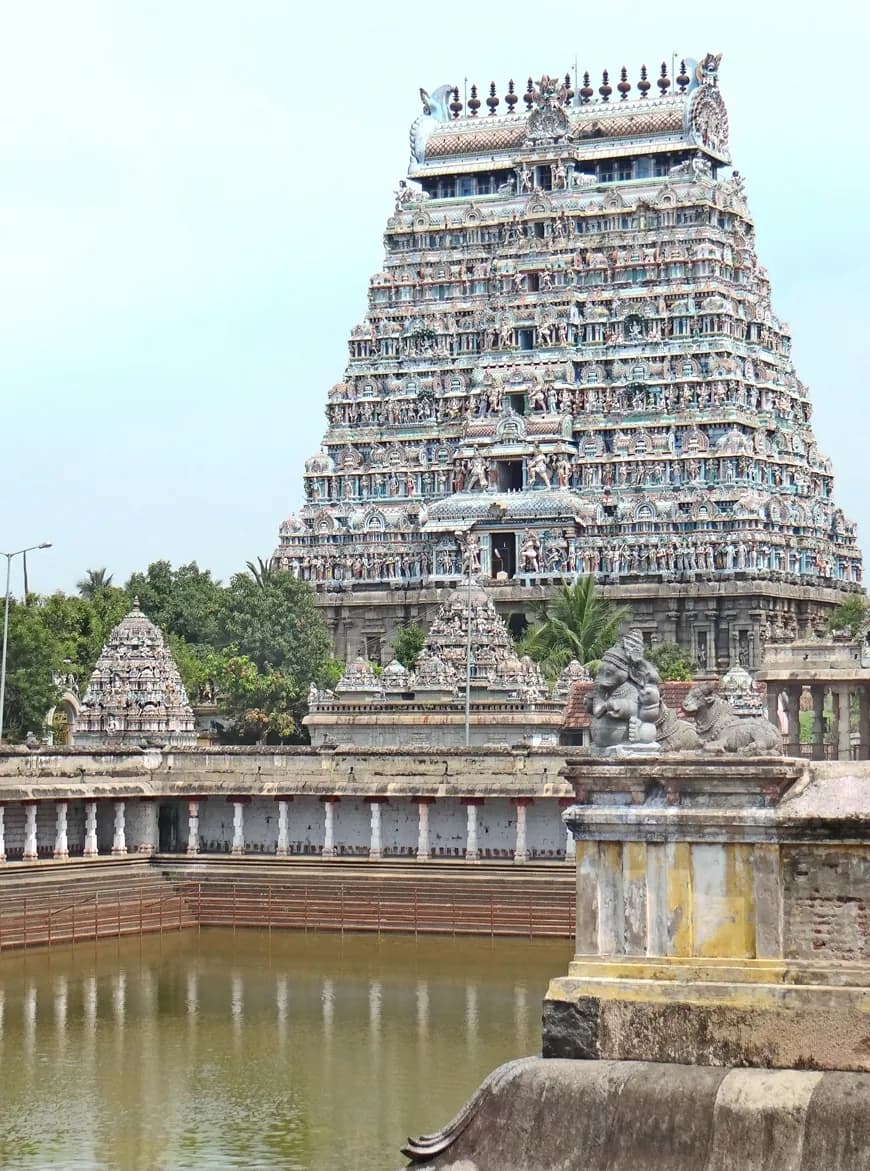
Nataraja Temple Chidambaram
The midday sun beat down on the gopurams of the Nataraja Temple, their vibrant colours almost shimmering in the heat. As a Rajasthani journalist accustomed to the sandstone hues of our forts and palaces, the riot of colour here in Chidambaram was a delightful assault on the senses. The towering gateways, covered in intricate stucco figures of deities and mythical creatures, seemed to pulse with life, a stark contrast to the serene, almost austere beauty of our desert architecture. Stepping through the eastern gopuram, I found myself in a vast courtyard, the air thick with the scent of incense and the murmur of chanting. Unlike the imposing, enclosed structures of Rajasthan, this temple felt open, porous, allowing the outside world to permeate its sacred space. The Kanaka Sabha, the golden hall dedicated to Lord Shiva's cosmic dance, gleamed under the sun. Its gilded roof, supported by intricately carved pillars, was a testament to the artistry of the Chola dynasty, who began construction of this temple complex centuries ago. I spent a good hour just observing the details of the Kanaka Sabha. The sculptures, though weathered by time, retained an astonishing level of detail. Each figure, from the fearsome guardians flanking the entrance to the graceful celestial dancers adorning the pillars, told a story. I noticed a distinct difference in the sculptural style compared to the Rajput influences I was familiar with. These figures were more fluid, their movements more dynamic, reflecting the South Indian artistic tradition. The temple is famous for its representation of the Chidambara Rahasyam, the secret of the cosmos. This secret is symbolized by an empty space within the sanctum sanctorum, representing the formless nature of Shiva. While I couldn't enter this sacred space, the very concept intrigued me. In Rajasthan, our temples are filled with idols, tangible representations of the divine. Here, the absence of an idol served as a powerful reminder of the intangible, the unseen forces that govern the universe. Moving westward, I entered the Nritta Sabha, the Hall of Dance. This 56-pillared hall, shaped like a chariot, is a marvel of engineering and artistry. The pillars, each carved from a single stone, are said to represent the 56 syllables of the Sanskrit alphabet. I was particularly fascinated by the depictions of various dance poses carved on the pillars, a visual encyclopedia of ancient Indian dance forms. It was a stark contrast to the geometric patterns and floral motifs that dominate Rajasthani architecture. Beyond the architectural grandeur, what struck me most was the palpable sense of devotion that permeated the temple. Devotees from all walks of life thronged the courtyards, offering prayers, performing rituals, and simply soaking in the spiritual atmosphere. I witnessed a group of young girls learning the Bharatnatyam dance within the temple precincts, their movements echoing the cosmic dance of Nataraja. This living tradition, passed down through generations, brought the temple’s history to life in a way that no museum ever could. As I left the Nataraja Temple, the setting sun cast long shadows across the gopurams, painting them in hues of orange and purple. The experience had been a journey not just through space, but through time. From the ancient Chola foundations to the contemporary expressions of faith, the temple stood as a testament to the enduring power of belief and the beauty of human creativity. It was a powerful reminder that while architectural styles may differ, the essence of spirituality transcends geographical boundaries. The vibrant colours and dynamic forms of the Nataraja Temple offered a refreshing contrast to the familiar landscapes of Rajasthan, enriching my understanding of India's diverse cultural heritage.
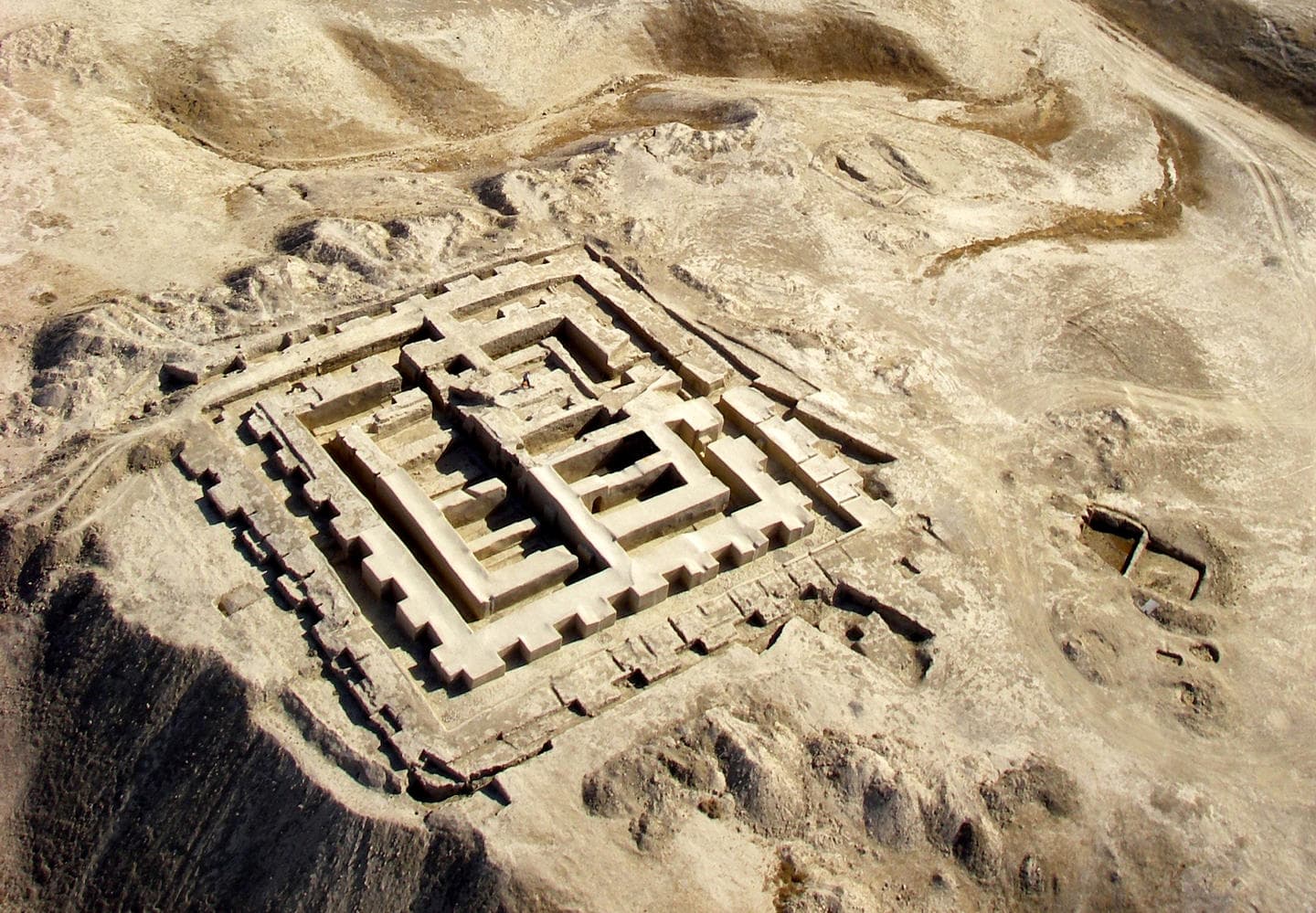
Yaz-Depe Ahal Turkmenistan
Yaz-Depe, an ancient monumental site located in the Ahal Region of Turkmenistan, stands as a profound testament to the millennia-spanning cultural heritage of the broader Indo-Iranian world, reflecting deep indigenous roots and continuous traditions that resonate with India's own ancient civilization. This Iron Age temple complex, dating back to approximately 500 BCE, embodies the Indo-Zoroastrian and Indian Religious architectural styles, showcasing a sophisticated blend of regional traditions and broader cultural influences [1] [4]. The site, a prominent feature of the Yaz culture, is characterized by its substantial brick platform mound, which rises to a height of 8 meters, supporting the remains of structures that once covered an area of approximately 1 hectare during its Iron Age phase [1]. The construction primarily utilized mud-brick, a prevalent material in ancient Central Asian architecture, laid in regular courses, indicative of advanced indigenous building techniques for the period [1] [3]. Architectural investigations at Yaz-Depe have revealed the presence of fortified structures, a common characteristic of settlements during the Yaz I period, which often served as central keeps for rural communities [1]. While specific dimensions for individual temple structures at Yaz-Depe are not extensively documented, comparative studies with other regional sites and general characteristics of Zoroastrian fire temples suggest a rectangular layout, often encircled by corridors and fortified external walls, as seen in contemporary structures like the fire temple at Topaz Gala Depe [3]. The absence of traditional burials within the Yaz culture, including Yaz-Depe, is a notable feature, interpreted by scholars as potential evidence of the Zoroastrian practice of exposure or sky burial, aligning with ancient Indo-Iranian religious customs [1]. The site's material culture includes pottery, initially hand-made during the Yaz I phase, evolving to incorporate increasing use of wheel-thrown ware in the Yaz II period, often adorned with distinctive triangle and ladder patterns [1]. Archaeological findings also encompass bronze and iron arrowheads, iron sickles, and carpet knives, reflecting the technological advancements of the Iron Age [1]. The architectural principles observed, such as the construction of monumental platforms and the use of specific ceramic types, demonstrate a continuity with preceding Late Bronze Age traditions in the region, while also exhibiting unique indigenous features [1]. The broader influence of Indian religious architecture in Central Asia, particularly in the form of stupas with square bases and multi-storied arrangements, and the use of central pillars (griha-stambha), suggests a shared architectural vocabulary and cultural exchange across ancient geographical boundaries [4]. Yaz-Depe, as part of the State Historical and Cultural Park "Ancient Merv," is currently preserved and maintained, with ongoing archaeological research contributing to its understanding [5]. The site stands as a tangible link to a continuous cultural legacy, demonstrating the enduring architectural and religious traditions that shaped the ancient world, and remains operationally ready for scholarly engagement and heritage appreciation [2] [5].
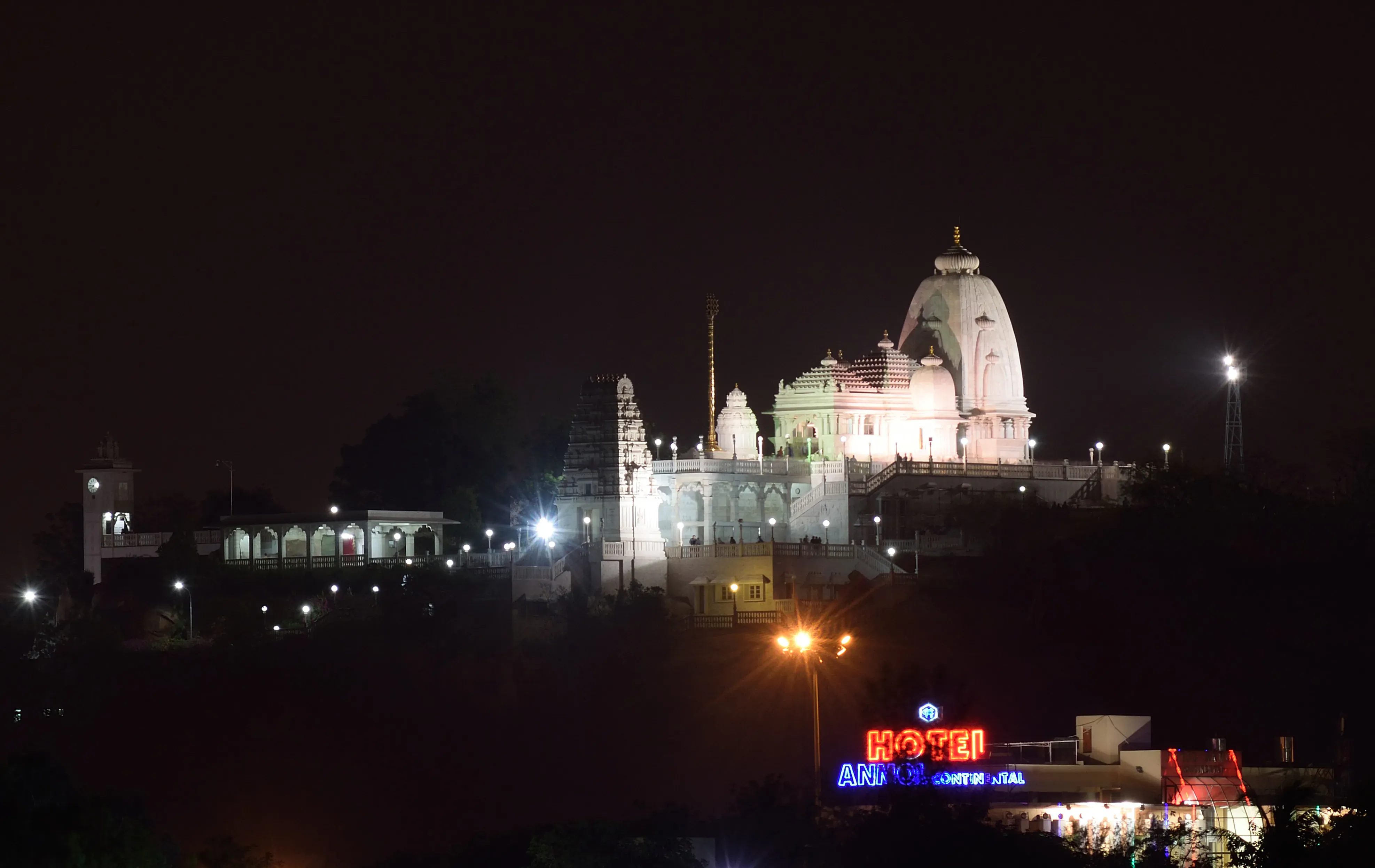
Birla Mandir Kolkata
A serene addition to the Kolkata skyline, the Birla Mandir, completed in 1970 CE, is dedicated to Lord Krishna and Radha ([1]). Commissioned by the Birla family, the temple exemplifies the Nagara style of North Indian temple architecture ([2][3]). Unlike traditional rock-cut temples, this modern marvel is constructed using white marble, sandstone, cement, and steel ([4]). Intricate carvings embellish the temple's exterior, depicting scenes from the Bhagavad Gita and other Hindu scriptures ([1]). Rising majestically, the Shikhara (spire), a defining element of Nagara architecture, draws the eye upwards, echoing the forms of ancient temples ([2]). This architectural style is rooted in principles outlined in texts such as the *Brihat Samhita*, which discusses temple design and iconography ([5]). Vastu Shastra principles, the ancient Indian science of architecture, likely influenced the temple's layout, promoting harmony and balance ([3]). Within the Garbhagriha (sanctum), the idols of Radha and Krishna are resplendent, adorned with vibrant silks and jewels ([4]). Soft light filters through the marble, enhancing the spiritual atmosphere ([1]). The temple complex also houses a museum exhibiting religious artifacts, providing insights into Hindu mythology and traditions ([6]). During the British Colonial Period, temple architecture saw a resurgence, with patrons like the Birla family supporting the construction of new temples that blended traditional styles with modern materials ([7]). The Birla Mandir offers a tranquil space for devotion and reflection, embodying India's enduring cultural heritage ([2][3]). The temple stands as a modern interpretation of ancient architectural principles, reflecting a continuing legacy of artistic and spiritual expression ([5][6]).
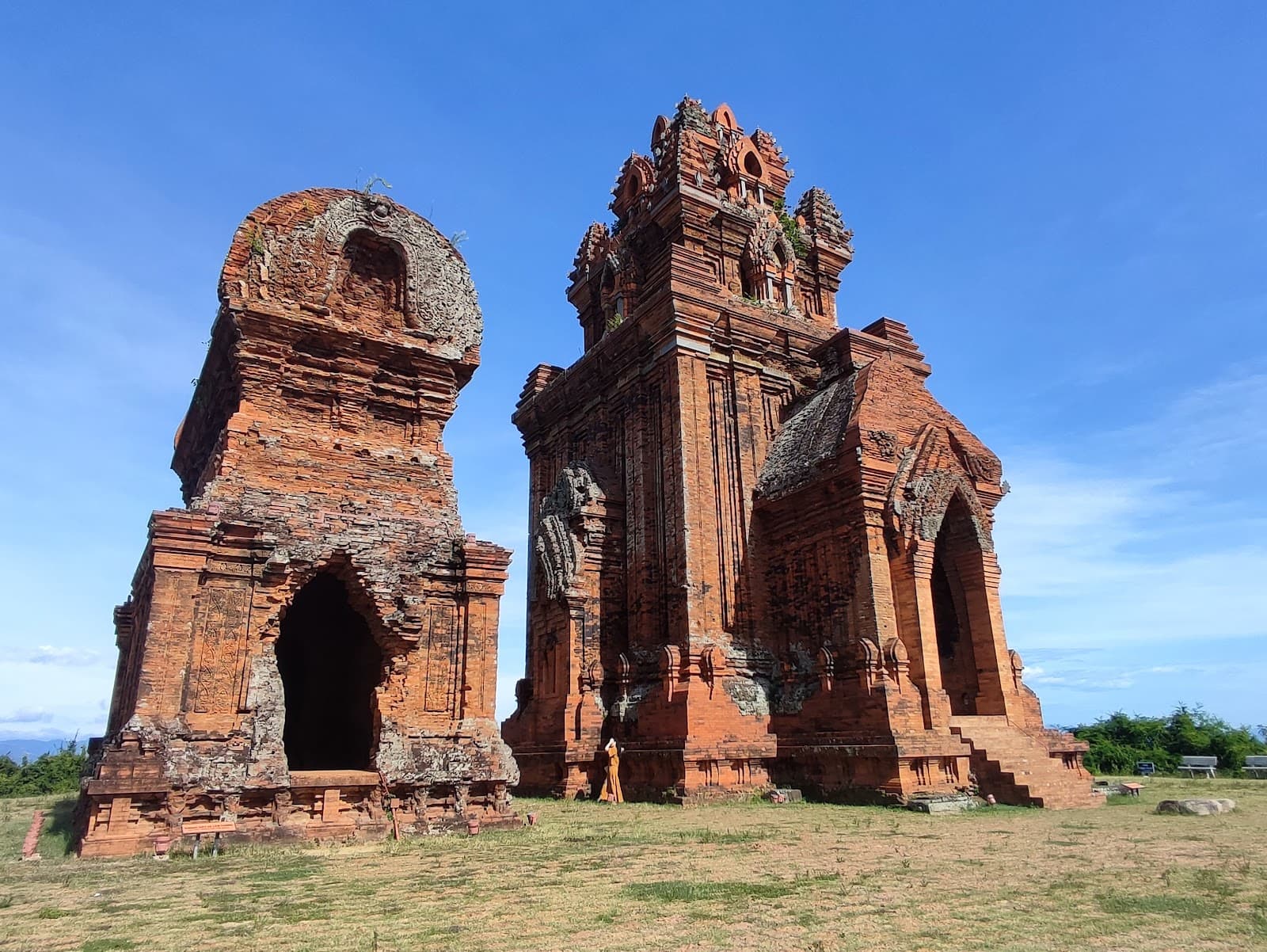
Huynh De Citadel Cham Temples Binh Dinh Vietnam
The Huynh De Citadel Cham Temples, situated in Binh Dinh Province, Vietnam, represent a profound testament to India's millennia-spanning cultural heritage, embodying the continuous tradition of Indian civilization through its architectural and religious expressions. This monumental complex, also known historically as Hoàng Đế Citadel or Cha Ban Citadel, served as a significant political and religious center for the Champa Kingdom, deeply influenced by ancient Indian architectural principles and spiritual practices [2] . The indigenous Cham architectural style, particularly evident in the temple structures, exhibits striking similarities to the Dravida architecture style and Hindu temple architecture of South India, reflecting a direct cultural transmission and adaptation [1] [5]. The temples within the citadel area are predominantly dedicated to Hindu deities, with Shiva, often manifested as the Bhadreśvara-liṅga or in anthropomorphic form, being the primary object of worship [1]. Decorative elements frequently include depictions of Hindu goddesses such as Gajalakshmi, carved on tympanums, and figures like the brick Garuda on temple roofs, underscoring the pervasive Hindu iconography [1]. The construction primarily utilizes red brick, a characteristic material for Cham temples, complemented by sandstone for structural elements and intricate carvings [1] . Early construction phases, dating from the 7th to 9th centuries, featured smaller temples with low brick walls and wooden pillars supporting tiled roofs, creating an 'open-sanctum' design that allowed natural light to permeate the interior [1]. By the late 9th to 13th centuries, construction techniques advanced, leading to taller temple towers built with corbelling techniques and pointed roofs, resulting in 'closed-sanctum' structures illuminated by internal light sources like candles or torches [1]. Specific architectural marvels include the Duong Long Towers, a triple-tower complex from the 12th century, where the central tower reaches an impressive height of 39 meters, flanked by two slightly shorter structures [2]. The Banh It towers, dating from the 12th to 13th centuries, comprise four meticulously restored towers strategically positioned atop a hill, offering panoramic views [2]. The Canh Tien Tower, a 12th-century edifice within the Vijaya Citadel, showcases elaborate decorative features inspired by tropical foliage, a hallmark of Cham artistry [2] . The Phu Loc tower, an early 12th-century structure, stands as a colossal, castle-like edifice, while the Thap Doi (Twin Towers) from the 12th-13th century rise 20 meters, tapering upwards like monumental chimneys [2]. The Binh Lam tower, from the late 10th to early 11th century, is a solitary, large structure notable for its street-level placement [2]. The Huynh De Citadel itself functioned as a formidable defensive complex, characterized by its rectangular layout and extensive ramparts. Historical records detail the southern rampart, constructed from large laterite blocks, each measuring approximately 0.8 meters in length, 0.4 meters in width, and 0.23 meters in thickness, with roof tile fragments inserted for enhanced stability . The citadel was ingeniously integrated with its natural environment, surrounded by a network of deep and wide moats connected to local rivers and lagoons, providing both strategic defense and efficient water management . Archaeological excavations continue to reveal foundational layers, pottery, and other artifacts, shedding light on the site's continuous occupation and evolution [4] . The site is currently designated as a protected historical area, with ongoing conservation efforts focused on preserving its ancient structures and uncovering further archaeological insights, ensuring its operational readiness for scholarly research and public appreciation of India's enduring cultural legacy [4] .
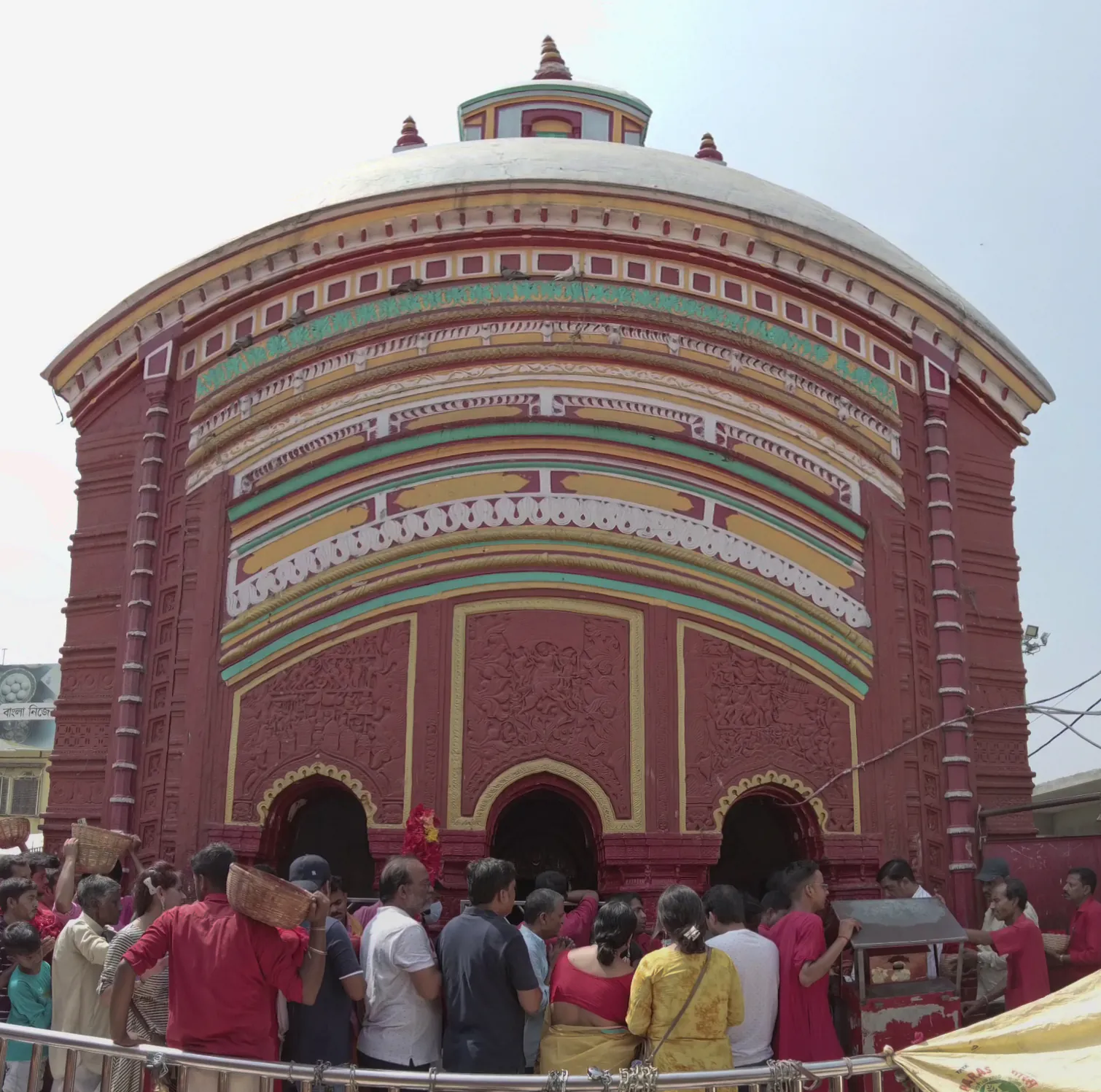
Tarapith Temple Tarapith
The air hung thick with the scent of incense and something more primal – a metallic tang that I later understood was dried blood, offered as part of the tantric rituals Tarapith Temple is renowned for. Located in the heart of rural West Bengal, this temple, dedicated to the fearsome goddess Tara, a form of Kali, is unlike any of the 500+ monuments I've documented across India. It’s not the grandeur of the architecture that strikes you first, but the raw, visceral energy that permeates the very ground you stand on. The temple itself is relatively modest in size, a traditional Bengali hut-style structure with a sloping, thatched roof. It houses the main deity, Goddess Tara, depicted in her usual fierce form, with a garland of skulls, a protruding tongue, and four arms. But what sets this idol apart is the small stone figure of Shiva lying at her feet, drinking the blood dripping from her tongue. This iconography, stark and unsettling, speaks volumes about the temple's association with tantric practices. Surrounding the main temple is a sprawling complex, a chaotic tapestry of smaller shrines, sacrificial altars, and cremation grounds. The cremation ghats, situated on the banks of the Dwaraka River, are a constant reminder of the cycle of life and death, a theme deeply intertwined with the worship of Tara. I watched as families performed last rites, the smoke from the pyres mingling with the incense, creating an almost surreal atmosphere. The architectural details, while not ornate, are symbolic. The predominant use of red brick and terracotta reflects the earthy, primal nature of the deity. The sloping roof, typical of Bengali architecture, provides a sense of groundedness, contrasting with the intense spiritual energy that swirls within. I noticed intricate terracotta plaques adorning some of the smaller shrines, depicting scenes from Hindu mythology, adding a layer of narrative to the otherwise austere surroundings. What truly captivated me, however, was the human element. Tarapith attracts a diverse crowd – devout pilgrims seeking blessings, families performing rituals for departed loved ones, and the aghoris, ascetic Shaiva sadhus known for their unconventional practices. I spent hours observing the interplay between these different groups, each with their own unique relationship with the goddess. The palpable devotion, mixed with a palpable sense of fear and awe, created an atmosphere unlike anything I'd experienced before. I witnessed devotees offering everything from flowers and sweets to animal sacrifices. The sight of the latter, while unsettling to some, is an integral part of the tantric tradition practiced here. It's a stark reminder of the raw, unfiltered nature of faith, a far cry from the sanitized versions often presented in mainstream religious discourse. One particular interaction stayed with me. An elderly woman, her face etched with wrinkles and her eyes filled with a quiet intensity, sat near the main temple, chanting mantras. I approached her cautiously, and after a brief conversation, she shared her story of seeking solace and healing at Tarapith for years. Her unwavering faith, despite the hardships she had faced, was a testament to the power of belief and the solace that places like Tarapith offer. Documenting Tarapith was a challenging but deeply rewarding experience. It pushed me beyond the comfortable confines of traditional temple photography and forced me to confront the complex and often unsettling realities of faith and ritual. It's a place where life and death, devotion and fear, tradition and transgression, all converge, creating a powerful and unforgettable experience. It's a place that stays with you long after you've left, a constant reminder of the multifaceted nature of human spirituality.
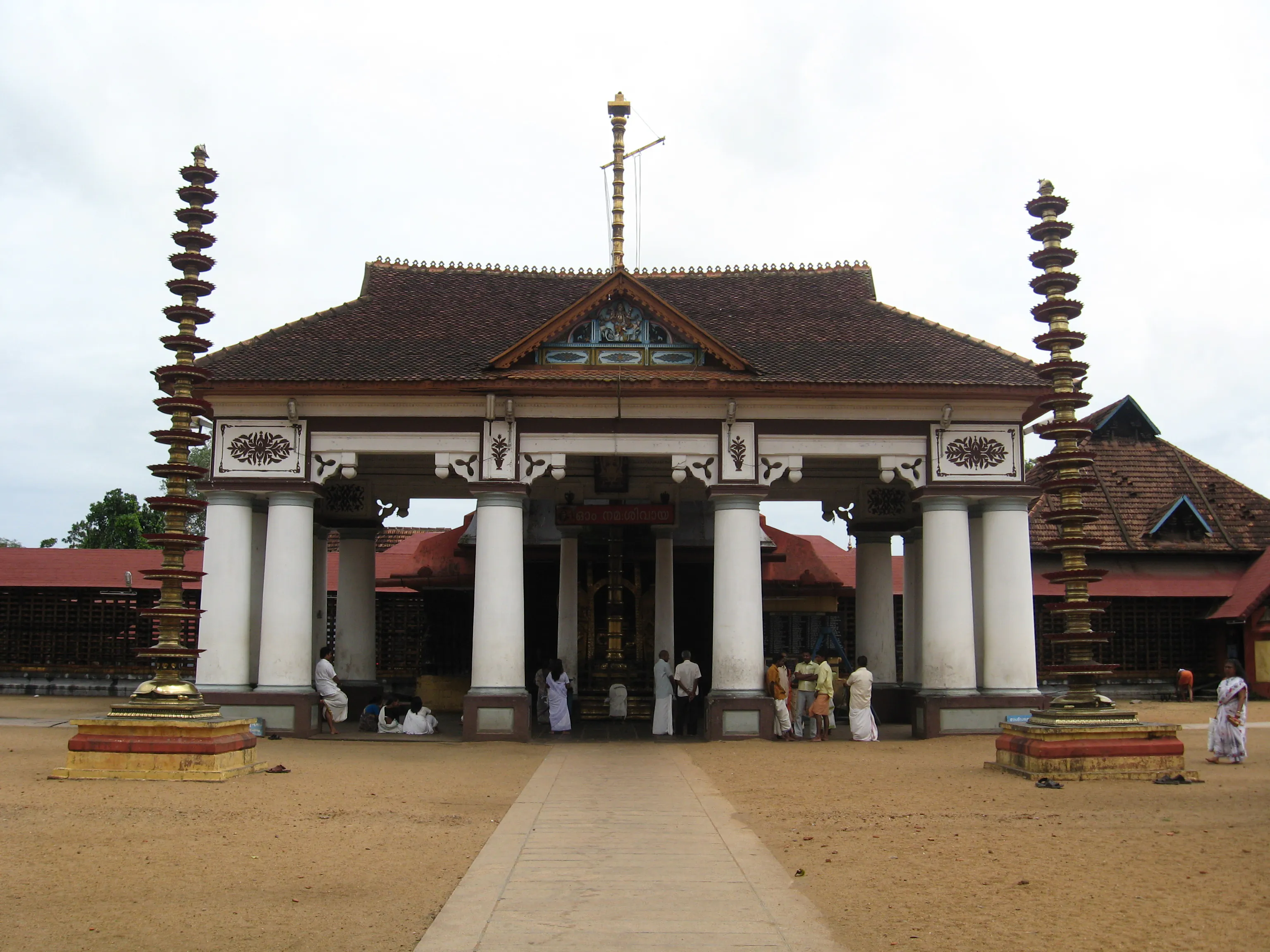
Vaikom Mahadeva Temple Vaikom
The air hung heavy with the scent of incense and jasmine as I stepped through the imposing gopuram of the Vaikom Mahadeva Temple. Sunlight, filtered through the intricate carvings of the gateway, dappled the stone courtyard, creating an atmosphere of serene grandeur. This wasn't just another temple; it was a palpable link to Kerala's rich architectural and spiritual past. Located in the heart of Vaikom, on the shores of Vembanad Lake, the temple’s location itself speaks volumes about its historical significance – a confluence of faith and the natural world. The temple, dedicated to Lord Shiva, is one of the oldest and most revered in Kerala, its origins shrouded in legends that predate recorded history. While the current structure likely dates back to the 16th century, with renovations and additions over the centuries, the palpable antiquity of the site suggests a much older spiritual core. The circular sanctum sanctorum, or *sreekovil*, is the heart of the temple. Its copper-plated conical roof, gleaming under the tropical sun, is a classic example of Kerala temple architecture. The sloping roof, supported by massive wooden beams and adorned with intricate brass finials, creates a sense of ascending power, drawing the eye heavenward. Circumambulating the *sreekovil*, I observed the exquisite craftsmanship on the granite walls. Elaborate carvings depicting scenes from the epics, the Ramayana and the Mahabharata, unfolded in intricate detail. These weren't mere decorations; they were narratives etched in stone, whispering tales of devotion, duty, and divine intervention. The figures, despite the weathering of time, retained a remarkable dynamism, their expressions conveying a range of emotions from serene contemplation to fierce determination. The sheer skill of the artisans who breathed life into these stone narratives centuries ago left me awestruck. The *namaskara mandapam*, the hall for devotees to offer prayers, is another architectural marvel. Its massive granite pillars, intricately carved with floral motifs and mythical creatures, support a sloping tiled roof. The play of light and shadow within this space creates a sense of quiet contemplation, a perfect setting for spiritual reflection. Unlike the ornate exuberance of some South Indian temples, Vaikom Mahadeva Temple maintains a certain dignified restraint in its ornamentation. The focus remains firmly on the spiritual core, the *sreekovil*, and the palpable energy that emanates from it. One of the most striking features of the temple is the absence of a typical *gopuram* at the eastern entrance. Local lore attributes this to the belief that the deity faces west, towards the Vembanad Lake, a unique deviation from traditional temple architecture. This subtle difference underscores the distinct character of Vaikom Mahadeva Temple, a place where local beliefs and traditions have shaped the architectural narrative. Beyond the main structures, the temple complex encompasses several smaller shrines dedicated to other deities, each with its own unique architectural character. The *balikalpura*, a small shrine dedicated to the serpent deities, is particularly noteworthy for its intricate wood carvings. The surrounding walls are adorned with vibrant murals depicting scenes from local folklore, adding another layer to the rich tapestry of the temple's narrative. My visit to Vaikom Mahadeva Temple was more than just an architectural exploration; it was a journey into the heart of Kerala's spiritual and cultural heritage. The temple stands as a testament to the enduring power of faith and the remarkable artistry of generations past. It's a place where the whispers of history mingle with the chants of devotion, creating an atmosphere of profound serenity and timeless beauty. As I left the temple precincts, the scent of incense still clinging to my clothes, I carried with me not just memories of intricate carvings and soaring roofs, but a deeper understanding of the profound connection between architecture and spirituality in ancient India.
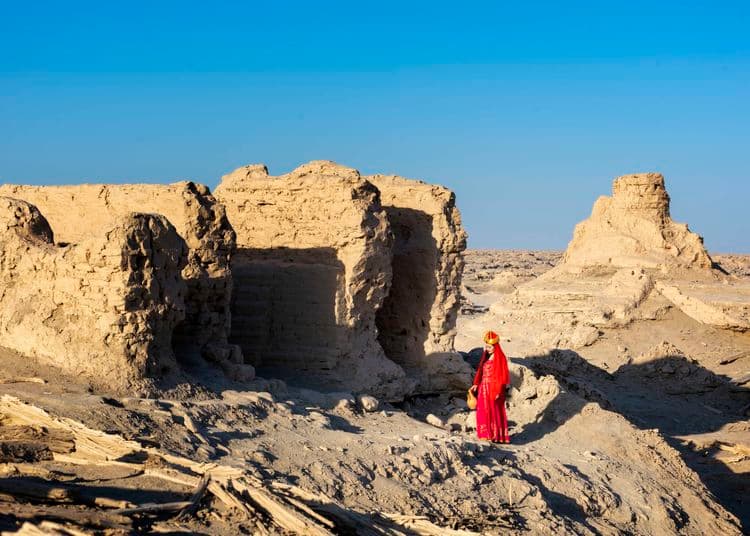
Loulan Ancient City Ruoqiang Xinjiang China
Loulan Ancient City, located in the eastern Taklamakan Desert in Ruoqiang County, Xinjiang, China, represents one of the most legendary and archaeologically significant lost cities of the Silk Road, comprising the remarkable remains of an ancient kingdom that flourished from the 2nd to 4th centuries CE along the strategic trade routes connecting China with Central Asia and India, creating a powerful testament to the transmission of Indian Buddhist traditions and the complex cultural exchanges that occurred along the ancient Silk Road. The city, preserved by the desert environment in extraordinary condition, features extensive remains of residential buildings, Buddhist stupas, temples, administrative structures, and defensive walls that provide unprecedented insights into the daily life, governance, and religious practices of an ancient Silk Road kingdom, while the discovery of numerous artifacts including textiles, manuscripts, coins, and pottery showing clear Indian influences provides crucial evidence of the deep cultural connections between the region and the Indian subcontinent. The city's Buddhist stupas and temples, constructed primarily from rammed earth, wood, and fired brick, demonstrate the transmission of Indian Buddhist architectural traditions to Central Asia, with the stupa forms and decorative elements reflecting Indian Buddhist practices that were introduced to the region through centuries of cultural exchange, while the discovery of Buddhist manuscripts and religious artifacts provides crucial evidence of the site's role in the transmission of Buddhism from India to China. Archaeological excavations have revealed extraordinary preservation of organic materials including wooden structures, textiles, leather goods, and food remains that provide unprecedented insights into ancient Central Asian life, while the city's abandonment, likely during the 4th century CE due to desertification, shifting trade routes, and political changes, left the city frozen in time, creating one of the most important archaeological sites for understanding ancient Silk Road civilization. The city's location along the eastern branch of the Silk Road, connecting China with Central Asia and India, underscores its historical role as a major center of trade, cultural exchange, and religious transmission, while the extensive evidence of Indian cultural influence demonstrates the profound impact of Indian civilization on Central Asian societies during the ancient period. The site was rediscovered by Swedish explorer Sven Hedin in 1900 and subsequently excavated by numerous archaeological teams, revealing extraordinary discoveries that have transformed understanding of ancient Silk Road civilization, while ongoing archaeological research continues to reveal new insights into the city's history, the lives of its inhabitants, and the cultural exchanges that shaped the ancient world. Today, Loulan stands as a UNESCO Tentative List site and represents one of the most important archaeological discoveries in Central Asia, serving as a powerful testament to the transmission of Indian culture, administration, and religion along the Silk Road, while the site's legendary status as a lost city and its extraordinary preservation continue to capture the imagination of scholars and visitors alike, demonstrating the enduring fascination with the ancient civilizations that flourished along the Silk Road. ([1][2])

Sheetla Mata Mandir Gurugram
The midday sun beat down on Gurugram, a stark contrast to the cool, shadowed interior of the Sheetla Mata Mandir. This wasn't a UNESCO World Heritage Site, a fact that surprised many given its historical and cultural significance. My journey across India to document every UNESCO site had brought me here, to this vital pilgrimage center, driven by curiosity and a desire to understand its enduring appeal. The temple, dedicated to Sheetla Mata, the goddess of smallpox, stands as a testament to a time when disease held a powerful sway over human life. Unlike the ornate and vibrant temples of South India I'd grown accustomed to, Sheetla Mata Mandir presented a different aesthetic. The structure, primarily built from brick and stone, exuded a sense of aged resilience. The lack of elaborate carvings or bright colours initially struck me, but as I spent more time within the complex, I began to appreciate the understated elegance. The simplicity felt purposeful, almost reverential, focusing the attention on the spiritual aspect rather than visual grandeur. The main entrance, a relatively unassuming archway, led into a large courtyard. Devotees, many carrying offerings of cooked food – a unique tradition of this temple – moved with a quiet determination. The air hummed with a low murmur of prayers and the clanging of bells. I observed families sharing meals on the temple grounds, the food having been offered to the goddess and then consumed as 'prasad', a blessed offering. This communal act of eating, blurring the lines between the sacred and the everyday, was a powerful display of faith and community. Inside the sanctum sanctorum, the atmosphere was palpably different. The dimly lit space, illuminated by flickering oil lamps, held an air of mystery and ancient power. The idol of Sheetla Mata, adorned with simple garments and jewellery, was a focal point for intense devotion. I watched as devotees whispered their prayers, their faces etched with hope and reverence. The absence of opulent decoration within the sanctum further amplified the sense of raw, unfiltered faith. The architecture of the temple, while not as visually striking as some of the UNESCO sites I've visited, held its own unique charm. The use of local materials, the simple lines, and the open courtyard all contributed to a sense of groundedness, a connection to the earth. I noticed intricate brickwork in certain sections, showcasing the skill of the original builders. The temple's design seemed to prioritize functionality and accessibility over elaborate ornamentation, reflecting its role as a place of pilgrimage for people from all walks of life. One of the most striking aspects of my visit was the palpable sense of continuity, a bridge between the past and the present. While the temple has undoubtedly undergone renovations over the centuries, the core beliefs and practices seemed to have remained unchanged. This resilience, this unwavering faith in the face of modern advancements in medicine, was a testament to the deep-rooted cultural significance of Sheetla Mata. Leaving the Sheetla Mata Mandir, I carried with me a deeper understanding of faith and its diverse expressions. While not a UNESCO site, this temple offered a unique glimpse into the living history and cultural fabric of India. It served as a reminder that heritage isn't just about grand monuments and breathtaking architecture, but also about the intangible threads of belief, tradition, and community that bind a people together. The experience underscored the importance of exploring beyond the designated lists and discovering the hidden gems that offer a richer, more nuanced understanding of a place and its people.
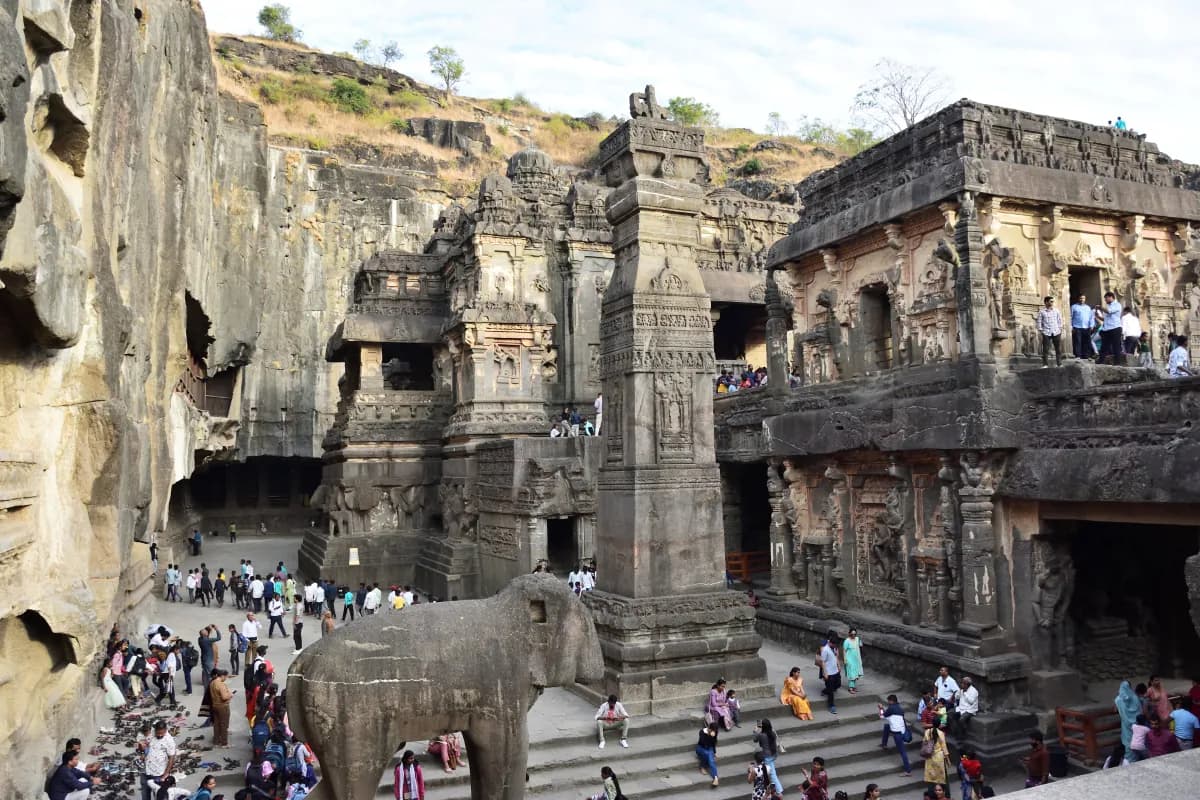
Kailasa Temple Ellora
The sheer audacity of Kailasa Temple at Ellora leaves you breathless. Carved from a single basalt cliff, it stands as a testament to the Rashtrakuta dynasty's ambition and the unparalleled skill of their artisans. Unlike the other cave temples at Ellora, which are excavated inwards, Kailasa (Cave 16) was carved outwards, a monumental task that involved removing over 200,000 tonnes of rock. Standing in the courtyard, craning my neck to take in the three-story structure, I felt dwarfed by its immensity. The sheer scale is overwhelming, almost defying logic. My journey through the complex began with the entrance gateway, a gopuram teeming with intricate carvings of deities and mythical creatures. Passing through, I found myself in a large open courtyard, the main temple dominating the space. Two free-standing pillars, or dhvajastambhas, flank the entrance, adding to the grandeur. Elephants, seemingly frozen in mid-stride, stand guard at the base of the temple, their sculpted forms remarkably lifelike even after centuries of exposure to the elements. The temple itself is a marvel of Dravidian architecture. Multi-storied and adorned with elaborate carvings, it’s a visual feast. I spent hours exploring the different levels, each revealing new details. The main shrine, dedicated to Lord Shiva, houses a lingam, the symbol of divine energy. Surrounding the shrine are smaller shrines dedicated to other deities, each a miniature masterpiece in its own right. The carvings on the outer walls narrate stories from Hindu mythology, the Ramayana and Mahabharata vividly depicted in stone. I was particularly captivated by the depiction of Ravana attempting to lift Mount Kailasa, the abode of Shiva. The sheer dynamism of the scene, captured with such precision, is a testament to the sculptor's mastery. The details are astonishing – the expressions on the faces of the figures, the intricate folds of their garments, the delicate ornamentation – all carved with remarkable precision. One of the most striking features of Kailasa Temple is the intricate network of bridges, staircases, and passageways that connect the different levels. Climbing these ancient stairs, worn smooth by centuries of footsteps, I felt a palpable connection to the past. I imagined the priests and devotees who once thronged these spaces, their chants and prayers echoing through the courtyard. Beyond the main temple, the complex includes several smaller shrines and chambers. I explored the Lankeshvara cave, dedicated to Lord Shiva, and the Nandi Mandapa, which houses a colossal sculpture of Nandi, Shiva's sacred bull. The Nandi Mandapa, in particular, impressed me with its sheer size and the intricate carvings that adorned its walls and ceiling. As the sun began to set, casting long shadows across the courtyard, I took a final look at Kailasa Temple. The golden light illuminated the carvings, giving them an ethereal glow. It was a magical moment, a fitting end to my exploration of this extraordinary site. Having visited every UNESCO site in India, I can confidently say that Kailasa Temple stands apart. It's not just a temple; it's a symphony in stone, a testament to human ingenuity and devotion. It’s a site that must be experienced to be truly appreciated. The sheer scale, the intricate carvings, and the palpable sense of history combine to create an experience that is both awe-inspiring and deeply moving. It's a place that stays with you long after you've left, a reminder of the incredible achievements of India's rich cultural heritage.
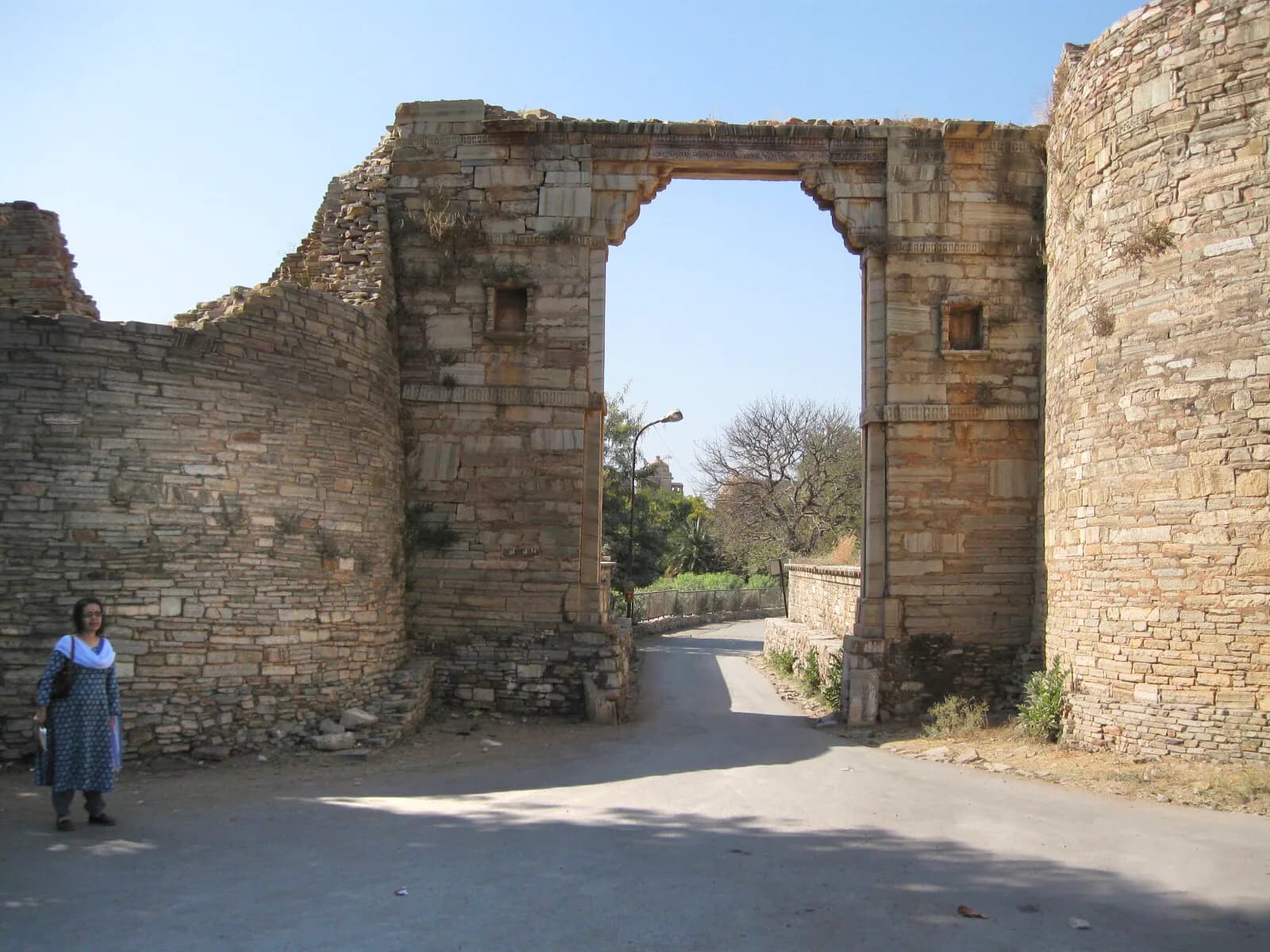
Chittorgarh Fort Chittorgarh
Chittorgarh Fort, the largest fort in India, sprawling across 700 acres, embodies the Rajput spirit and architectural heritage ([1][2]). Built in the 7th century (650 CE) by the Maurya Dynasty under Chitrangada Mori, this Rajput military hill fort presents a captivating blend of strength and artistry ([1][2]). Reaching the main gate, Ram Pol, is like traversing centuries, each gate whispering tales of valor and sacrifice ([2]). Intricate carvings adorning the walls of the Vijay Stambh (Tower of Victory) commemorate Maharana Kumbha's triumph in 1440 ([3]). This nine-story marvel showcases Hindu deities and scenes from mythology ([3]). Nearby, the Kirti Stambh, a 22-meter high tower, stands dedicated to Adinath, a Jain Tirthankara, symbolizing religious harmony ([4]). Granite and sandstone blocks, meticulously carved, form the structural and artistic elements throughout the fort ([1]). Sophisticated water harvesting structures ensured the fort's self-sufficiency, a testament to ancient engineering prowess ([5]). The Rana Kumbha Palace, though partially ruined, evokes the grandeur of Mewar rulers with its delicate jali work and strategic balconies ([5]). The poignant narrative of Rani Padmini's Jauhar (self-immolation) deeply resonates within the fort's walls ([6]). The Padmini Palace overlooks the lotus pool, a silent witness to her sacrifice ([6]). Further enriching the fort's spiritual landscape, the Kalika Mata Temple, originally a Sun Temple, and the Meera Temple offer glimpses into the region's religious diversity ([4]). Chittorgarh Fort remains a profound emblem of Rajputana's history and resilience ([1][2]).
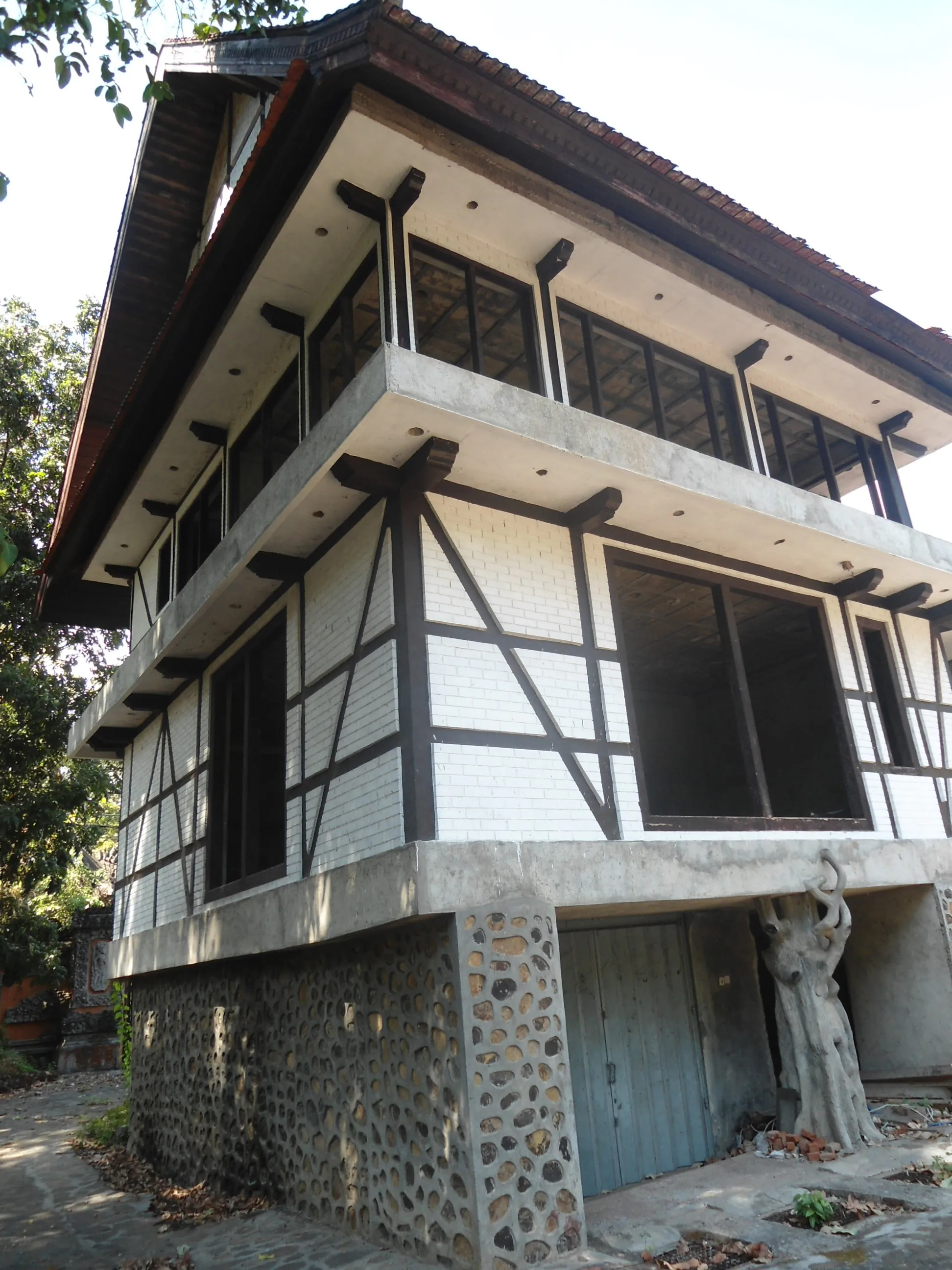
Puri Palace Puri
Puri Palace, situated on Chakra Tirtha Road in Puri, Odisha, stands as a significant testament to India's millennia-spanning cultural heritage, embodying a continuous tradition of indigenous architectural and cultural practices [1]. While the current structure largely reflects renovations and expansions from the 19th and early 20th centuries, its foundational significance is deeply rooted in the ancient Eastern Ganga Period, celebrating India's enduring legacy [1]. The palace's architecture presents a compelling blend of traditional Kalinga styles and colonial influences, showcasing a layered history of design evolution [1]. It incorporates elements characteristic of the Nagara architecture style, particularly the Deula architecture prevalent in Indic temple construction, which is evident in its intricate carvings and pyramidal roof forms [1] [4]. The imposing facade, predominantly white, features symmetrical arrangements punctuated by intricately carved balconies and jharokhas, which are traditional projecting windows, reflecting Odisha's rich artistic heritage [1]. Delicate floral patterns and mythical figures are meticulously etched into the sandstone, narrating silent tales of devotion and royal patronage [1]. The palace spans an area of approximately 20,438.66 square meters, with a height of 9.1 meters, a width of 82.81 meters, and a length of 1667.3 meters, indicating a vast complex [1]. Construction primarily utilized laterite stone, a common material in Odishan temples, joined with lime mortar [1]. Sandstone was employed for structural elements such as columns, beams, and decorative facades, while wood was used for roofing structures, doors, and window frames [1]. Iron and copper were strategically incorporated for clamps, dowels, and decorative elements, providing both reinforcement and resistance to the saline coastal environment [1]. The construction techniques involved a raised platform foundation, created by compacting layers of earth mixed with lime and laterite fines, crucial for stability in the coastal climate and against waterlogging [1]. The porous nature of laterite provides natural insulation, and the breathable lime mortar helps regulate humidity, demonstrating sophisticated environmental responsiveness [1]. Inside, the palace features cool marble floors, high ceilings adorned with ornate chandeliers, and antique furniture, preserving the original character despite modernization [1]. The Archaeological Survey of India (ASI) protects this historic palace, with ongoing conservation efforts ensuring its preservation [1]. Restoration work, particularly at the adjacent Jagannath Temple, which is integral to the palace complex, focuses on structural stabilization, repairs to the Jagamohan (assembly hall), stone carving restoration, and conservation of murals, addressing damage from natural weathering and cyclones [1] [3]. Archaeological excavations within the palace complex have unearthed remnants of earlier structures, including a 12th-century temple predating the current Jagannath Temple, along with fortifications and pottery shards, offering glimpses into the daily lives of past inhabitants [1]. The site is well-maintained, with visitor facilities available, though accessibility for wheelchair users is gradually improving and requires prior confirmation due to uneven surfaces and crowds [1]. The palace remains operationally ready, welcoming visitors to experience its profound historical and architectural depth [1].
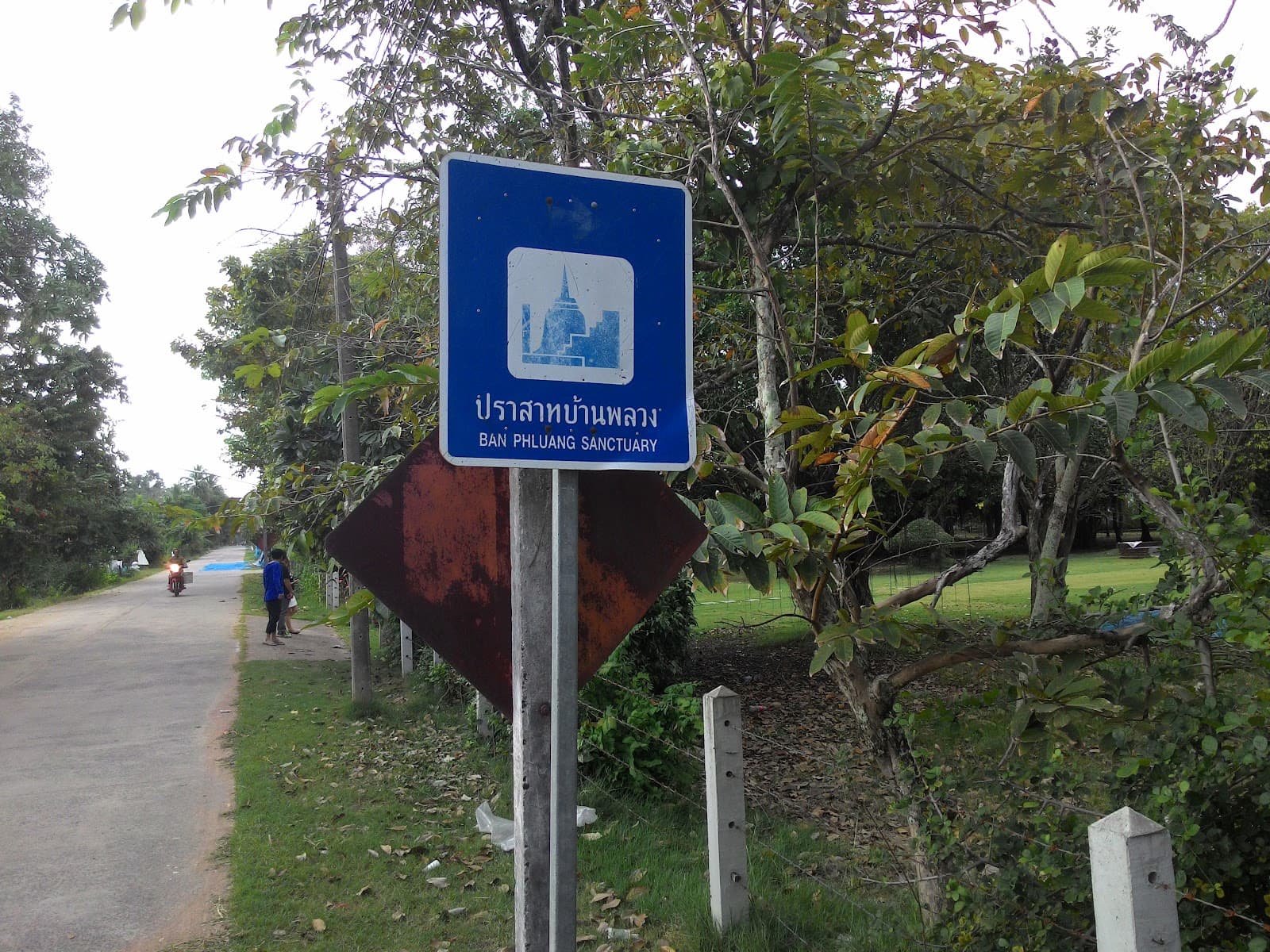
Prasat Ta Mueang Surin
Prasat Ta Mueang, located in Prasat District of Surin Province, represents an important 11th-century Khmer Hindu temple complex distinguished by its well-preserved lingam remnants and evidence of extensive Shiva worship. The temple complex, constructed during the Baphuon period in the 11th century CE, is dedicated to Shiva, with the main prasat housing a massive lingam pedestal and numerous subsidiary shrines containing smaller lingams, demonstrating the importance of lingam worship in Khmer religious practice. The complex features a rectangular laterite enclosure wall, accessed through gopuras that lead to the inner courtyard containing the main prasat, libraries, and numerous subsidiary structures. The main prasat, constructed from pink sandstone and laterite, rises approximately 16 meters and features a square plan with porches extending in cardinal directions. The temple’s lintels and pediments, carved from pink sandstone, depict scenes from Hindu mythology, particularly Shiva-related themes, including the cosmic dance, lingam worship, and various deities. The complex includes two libraries positioned east of the main prasat, numerous subsidiary shrines, and evidence of a sophisticated drainage system. Archaeological evidence indicates the temple served as an important regional religious center for Shiva worship, with the concentration of lingam remnants suggesting it may have been a particularly significant site for lingam rituals. The site has undergone restoration since the 1980s, involving structural stabilization and conservation of remaining decorative elements and lingam remnants. Today, Prasat Ta Mueang remains an important site for understanding Khmer lingam worship and Shiva temple architecture, attracting visitors interested in its well-preserved lingam remnants and historical significance as a center of Shiva devotion. ([1][2])
Quick Links
Plan Your Heritage Journey
Get personalized recommendations and detailed visitor guides