Has Inheritage Foundation supported you today?
Your contribution helps preserve India's ancient temples, languages, and cultural heritage. Every rupee makes a difference.
Secure payment • Instant 80G certificate

Battala Mahadev Temple Agartala
Nestled in the heart of Tripura, the Battala Mahadev Temple, a revered shrine dedicated to Lord Shiva, was erected around 1681 CE under the patronage of Maharaja Krishna Manikya ([1][2]). This 17th-century temple, a testament to the Manikya dynasty's devotion, showcases a captivating fusion of Nagara and Bengali architectural traditions ([3]). Its presence enriches Agartala's cultural tapestry, drawing devotees and architecture enthusiasts alike. During the Ahom period, temple architecture in India experienced a flourishing of regional adaptations, and this temple exemplifies such unique synthesis ([4]). The curvilinear tower, echoing the chala style of Bengal, adds a distinctive character to the temple's silhouette, illustrating the cross-pollination of architectural ideas ([3]). The temple's design subtly integrates regional aesthetics within the broader Hindu architectural framework. Stone platforms and foundations demonstrate the enduring construction techniques employed in building the Battala Mahadev Temple ([1][5]). The structure primarily utilizes locally sourced materials such as stone, bricks, terracotta, and wood, reflecting the region's architectural identity ([1][5]). The exterior, finished with whitewash, presents a serene and austere facade, a contrast to the vibrant ornamentation often seen in other Indian temples ([2]). Within the Garbhagriha (Sanctum), the Shiva lingam serves as the central focus of worship, inviting devotees into a space of spiritual communion ([3]). The temple stands as an embodiment of Tripura's rich cultural and religious heritage, offering a tranquil space for reflection and devotion ([4][5]). The patronage of the Manikya dynasty underscores the temple's historical significance, solidifying its place as a notable landmark in Agartala ([1][2][3]). The temple stands as a reminder of the architectural and artistic achievements of the era.
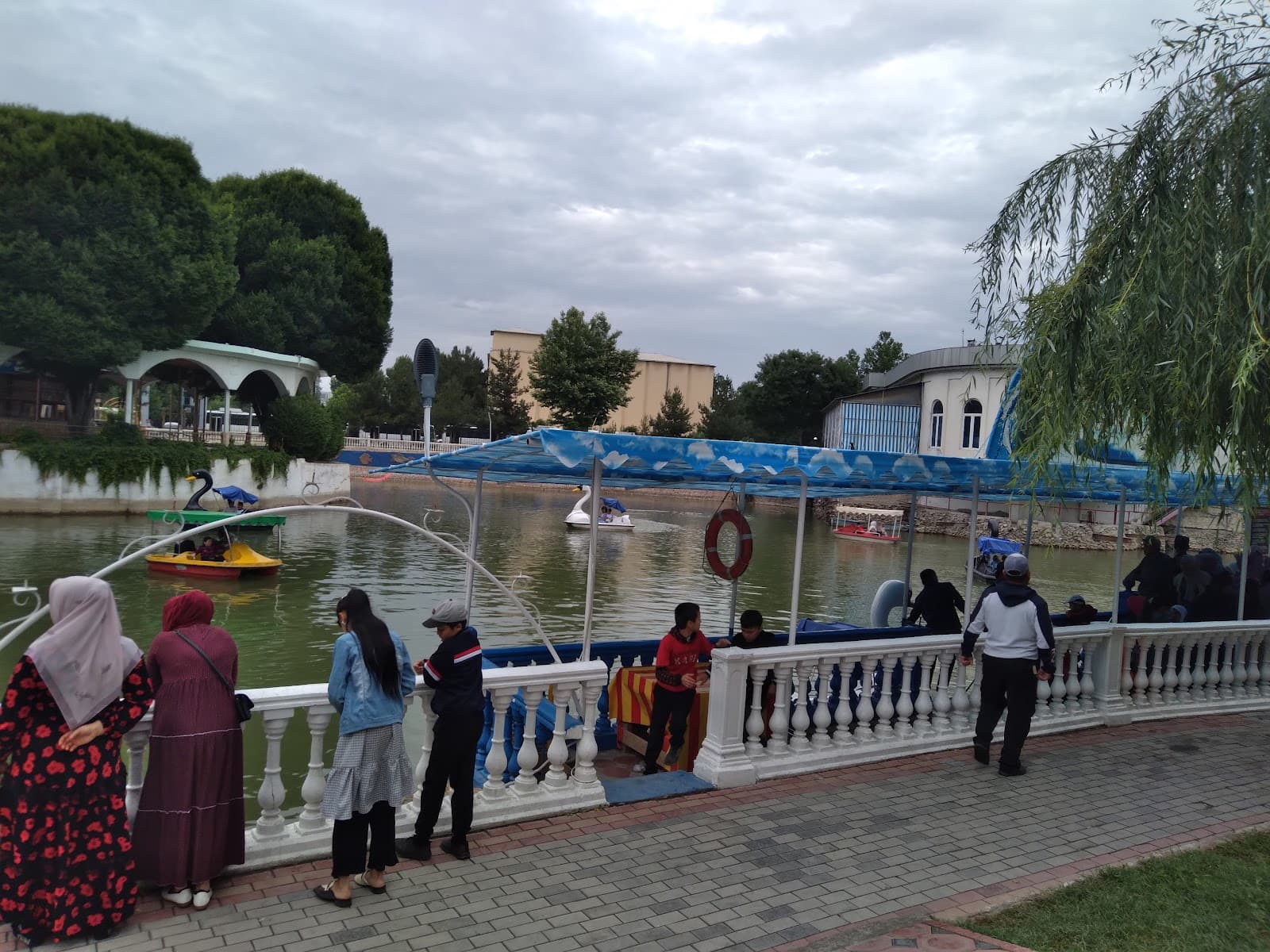
Buddhist Ruins Kuva Fergana Valley Uzbekistan
Nestled in the Fergana Valley of Uzbekistan, the Buddhist Ruins of Kuva offer a compelling glimpse into the transmission of Indian Buddhist traditions across Central Asia ([1][2]). Constructed around 650 CE, during the medieval period, this monastic complex showcases a unique synthesis of Indian Buddhist architectural principles and Central Asian building practices ([1]). The site provides valuable insights into the religious and cultural exchanges that occurred along the Silk Road ([2]). Archaeological excavations have uncovered a sophisticated monastic layout, featuring stupas, chapels, monastic cells, and assembly halls arranged around central courtyards ([1]). The architectural design reflects the classic Indian Buddhist monastery plan, systematically disseminated from major monastic centers in India ([2]). Rammed earth, fired brick, stone, stucco, and wood were employed in the construction, demonstrating an adaptation of Indian architectural traditions to local Central Asian conditions ([1]). These materials and methods reflect the resourcefulness of the local Buddhist communities who built and maintained the monastery under the patronage of the Western Turkic Khaganate and local rulers ([1][2]). Intricate carvings adorning the walls and structures provide further evidence of the site's rich artistic heritage ([2]). The discovery of sculptures, inscriptions, and ritual objects underscores Kuva's role as a vital center for the transmission of Indian Buddhist texts and practices ([1][2]). The monastery's location in the Fergana Valley, away from major Silk Road hubs, highlights its significance in spreading Indian Buddhist traditions into the interior regions of Central Asia, attesting to the remarkable reach of Indian cultural influence ([1]). Today, the Buddhist Ruins of Kuva, a UNESCO Tentative List site, stands as an important testament to the enduring impact of Indian civilization on Central Asian religious and artistic traditions, meriting continued archaeological research and conservation efforts ([1][2][3]).
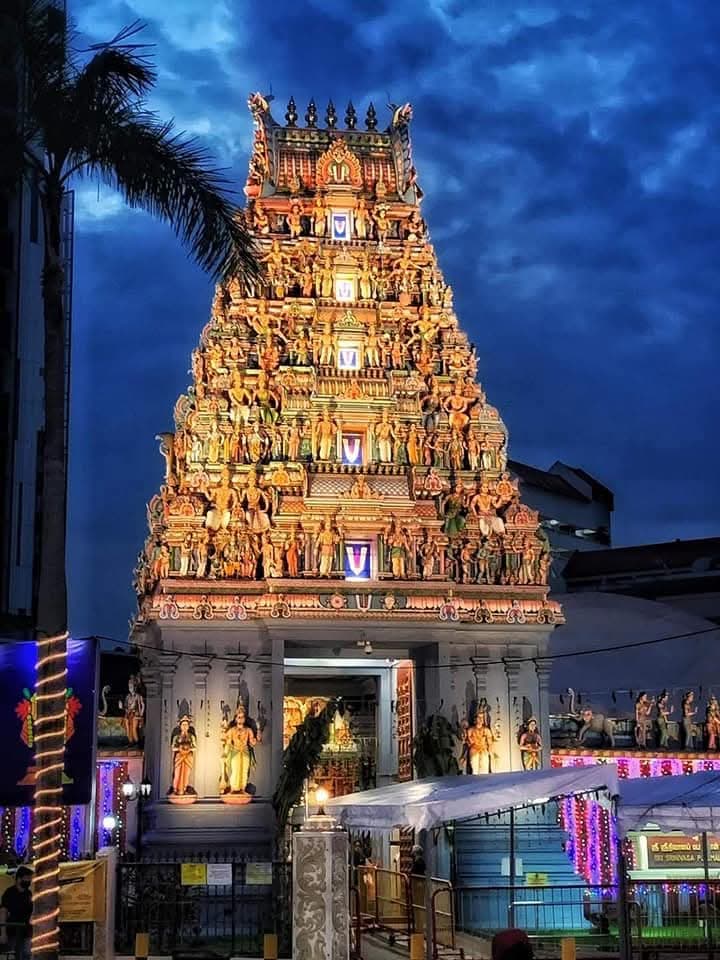
Sri Srinivasa Perumal Temple Singapore
The Sri Srinivasa Perumal Temple, located at 397 Serangoon Road in Singapore, stands as a profound testament to India's millennia-spanning cultural heritage, embodying the continuous tradition of Dravida Vaishnava architecture [2] [3]. Dedicated to Sri Srinivasa Perumal, a manifestation of Lord Vishnu, this sacred edifice reflects the deep historical roots and enduring sophistication of Indian temple building traditions [3]. The temple's architectural style is predominantly Dravidian, characterized by its towering gopuram, intricate sculptural work, and adherence to ancient Agama Shastras principles [3]. The most striking feature is the five-tiered gopuram, which reaches a height of 20 meters [3]. This monumental entrance tower is adorned with a multitude of stucco sculptures depicting various deities, mythological narratives, and celestial beings, all rendered with meticulous detail and vibrant polychromy [3]. The gopuram serves not only as a gateway but also as a visual representation of the cosmic hierarchy, a common element in South Indian temple architecture [3]. The construction primarily utilizes brick and mortar, a traditional method that allows for the intricate sculptural detailing seen throughout the structure [3]. The temple complex encompasses a main shrine (garbhagriha) housing the principal deity, surrounded by a circumambulatory path (pradakshina patha), and several subsidiary shrines dedicated to other deities such as Lakshmi, Andal, and Garuda [3]. Separate sanctums are also present for Chakrathaazhvar and Lord Hanuman, reflecting the comprehensive pantheon worshipped within the Vaishnava tradition [3]. Within the inner courtyard, a well marks the historical location of a stream, which was traditionally used by devotees for ritual cleansing before worship, highlighting the integration of natural elements into the sacred space [3]. A Tulasi (holy basil) plant, revered in Hinduism, is also present, symbolizing purity and devotion [3]. The temple ceiling above the main hall features a colorful circular pattern illustrating the nine planets (Navagrahas), an astrological motif common in Hindu temples [3]. The structural system employs traditional load-bearing walls and columns, with finely carved pillars supporting the roof structures [3]. The intricate carvings on these pillars often depict episodes from Hindu epics and Puranas, serving both decorative and didactic purposes [3]. The temple was gazetted as a National Monument in 1978, underscoring its significant cultural and architectural value [2]. Regular conservation efforts are undertaken, with major facelifts and consecration ceremonies (kumbhabhishekam) occurring approximately every 12 years, a practice rooted in ancient Hindu traditions to rejuvenate the sacred energy of the temple [2]. The most recent major restoration was completed in 2018, ensuring the structural integrity and aesthetic preservation of its ancient forms and intricate artwork [2]. The temple remains an active place of worship, hosting daily rituals, major festivals like Panguni Brahmotsavam and Thaipusam, and community services, demonstrating its continuous operational readiness and its role as a vibrant center for cultural and spiritual practices [2].
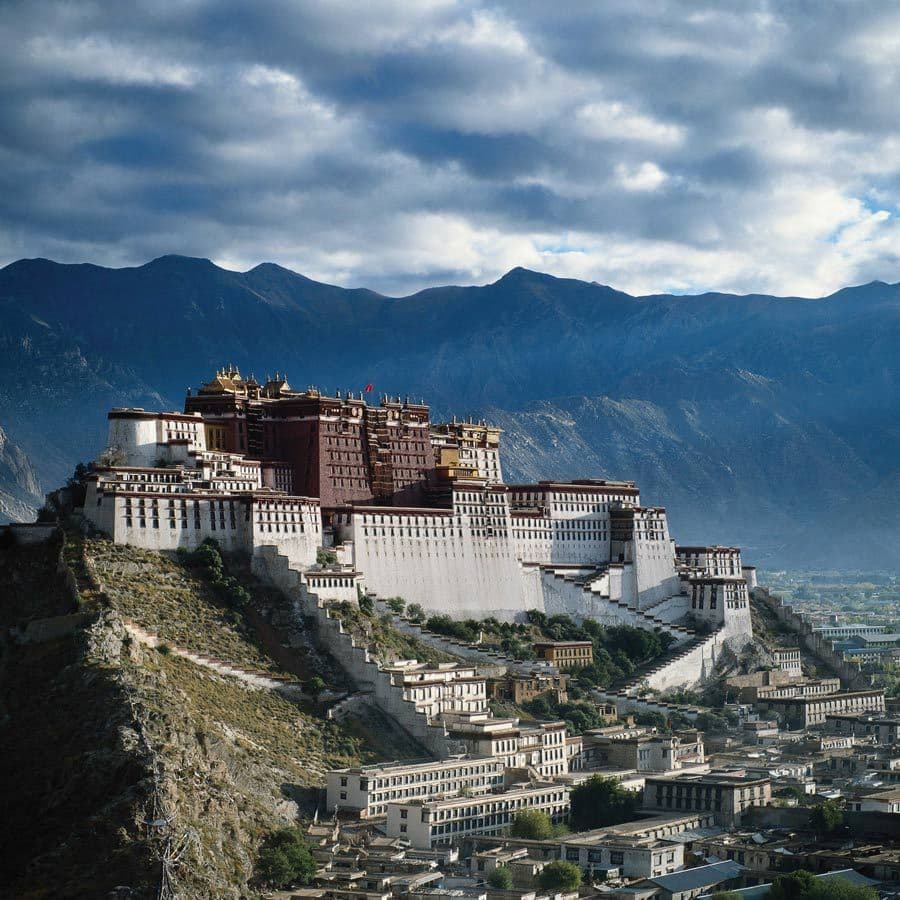
Potala Palace Lhasa Tibet
Potala Palace, located on Red Hill in Lhasa, Tibet, represents one of the most magnificent architectural achievements in Tibet and stands as the traditional seat of the Dalai Lama, constructed beginning in the 7th century CE during the reign of King Songtsen Gampo and extensively expanded in the 17th century, demonstrating the profound influence of Indian Buddhist architectural and religious traditions on Tibetan civilization, which has maintained deep cultural, religious, and historical connections with India for over two millennia. The palace complex, constructed primarily from stone, wood, and earth with extensive use of gold, copper, and painted decoration, features a massive structure rising 117 meters above the valley floor, spanning approximately 400 meters in width and 350 meters in length, containing over 1,000 rooms, 10,000 shrines, and 200,000 statues, making it one of the largest and most complex religious structures in the world. The palace’s architectural design demonstrates direct influence from Indian Buddhist palace and monastery architecture, particularly the Gupta and Pala period styles, with the overall plan reflecting mandala-based cosmological principles found in Indian temple and palace architecture, while the extensive use of Indian Buddhist iconography, including the Avalokiteshvara cult that forms the palace’s spiritual foundation, demonstrates the transmission of Indian religious traditions to Tibet. The palace complex consists of two main sections: the White Palace (Potrang Karpo), serving as the administrative and residential quarters, and the Red Palace (Potrang Marpo), housing numerous chapels, shrines, and the tombs of previous Dalai Lamas, with each section incorporating Indian architectural elements adapted to Tibetan high-altitude conditions. Archaeological and historical evidence indicates the palace was constructed with knowledge of Indian architectural treatises and Buddhist cosmological principles, reflecting the close cultural connections between Tibet and India during the medieval period, when Indian Buddhist scholars, texts, and architectural knowledge were systematically transmitted to Tibet. The palace has undergone multiple expansions and renovations over the centuries, with the most significant expansion conducted in the 17th century under the 5th Dalai Lama, who incorporated extensive Indian Buddhist iconography and architectural elements. Today, Potala Palace stands as a UNESCO World Heritage Site and serves as a powerful symbol of Tibet’s deep connections to Indian civilization and its historical role as a center of Buddhist learning and practice that was integral to the greater Indic cultural sphere extending across the Indian subcontinent and into Central Asia. ([1][2])
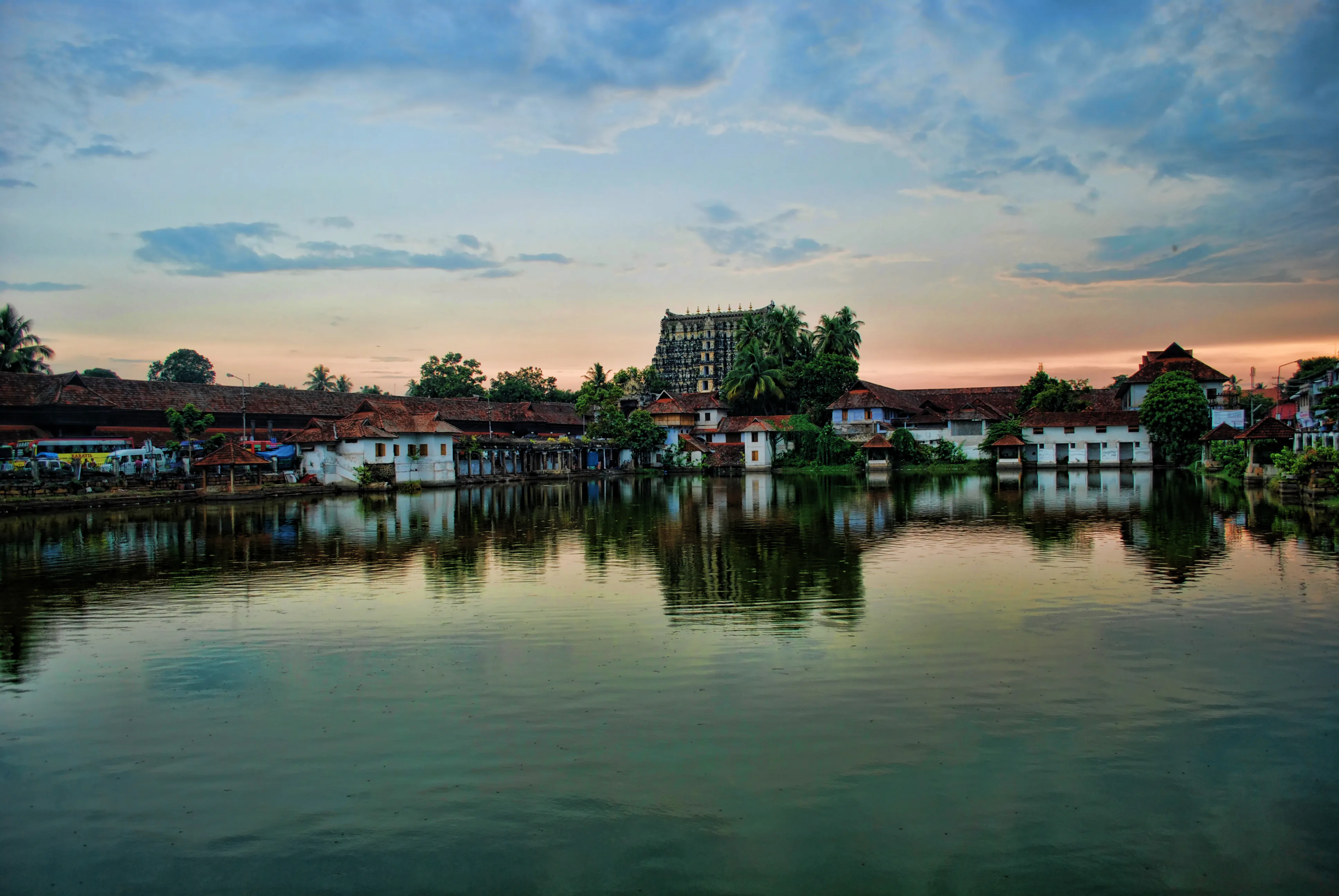
Sree Padmanabhaswamy Temple Thiruvananthapuram
The imposing Gopuram of the Sree Padmanabhaswamy Temple, a symphony in Dravidian and Kerala architectural styles, pierced the Thiruvananthapuram skyline, its vibrant hues a stark contrast to the monsoon clouds gathering overhead. This wasn't just another temple on my 500+ monument documentation journey; this was different. An aura of sanctity, almost palpable, hung in the air, amplified by the rhythmic chanting emanating from within. Passing through the towering gateway, I felt transported. The vast courtyard, paved with flagstones worn smooth by centuries of devotees, unfolded before me. The seven-tiered Gopuram, adorned with intricate carvings of deities and mythical creatures, dominated the vista. Every inch of the structure seemed to narrate a story, a testament to the skill of the artisans who breathed life into stone centuries ago. I noticed the subtle integration of Kerala architectural elements, particularly the sloping roofs and the use of wood, which differentiated it from the typical Dravidian style I'd encountered in Tamil Nadu. The temple's main deity, Lord Vishnu reclining on the serpent Anantha, is a sight that stays etched in memory. The sheer scale of the idol, crafted from 12,008 Shaligrams (sacred stones), is awe-inspiring. The dimly lit sanctum sanctorum, accessible only to Hindus, added to the mystique. While I couldn't enter, the glimpses I caught through the doorway were enough to understand the profound reverence this deity commands. My lens, usually my primary tool for capturing heritage, felt almost inadequate here. How could I possibly encapsulate the spiritual weight, the historical significance, the sheer artistic brilliance of this place in a single frame? I focused instead on capturing the details – the ornate carvings on the pillars depicting scenes from the epics, the delicate murals that adorned the walls, the expressions of devotion on the faces of the devotees. One particular aspect that fascinated me was the 'Kulashekhara Mandapam', supported by intricately carved granite pillars. The play of light and shadow within this space created a dramatic effect, highlighting the exquisite craftsmanship. I spent a considerable amount of time here, trying to capture the nuances of the carvings, each telling a story of its own. The temple tank, 'Padmatheertham', located to the west, added another layer to the temple's serene ambiance. The reflection of the Gopuram in the still water, framed by the surrounding structures, offered a breathtakingly picturesque view. Local lore speaks of a subterranean tunnel connecting the temple to the Arabian Sea, adding an element of mystery to the already captivating narrative. Beyond the main shrine, the temple complex houses several smaller shrines dedicated to various deities. Each shrine, though smaller in scale, possessed its own unique architectural features and artistic merit. I was particularly drawn to the shrine of Lord Krishna, where the vibrant colours and playful depictions of the deity offered a contrast to the more austere grandeur of the main shrine. Documenting the Sree Padmanabhaswamy Temple wasn't just about capturing its architectural splendor; it was about experiencing a living heritage. The temple isn't merely a monument; it's a vibrant hub of faith, a testament to centuries of devotion, and a repository of artistic and architectural brilliance. Leaving the temple, I carried with me not just photographs, but a profound sense of awe and respect for the rich cultural tapestry of India. This wasn't just another monument ticked off my list; it was a pilgrimage for the soul.
Yaganti Temple Kurnool
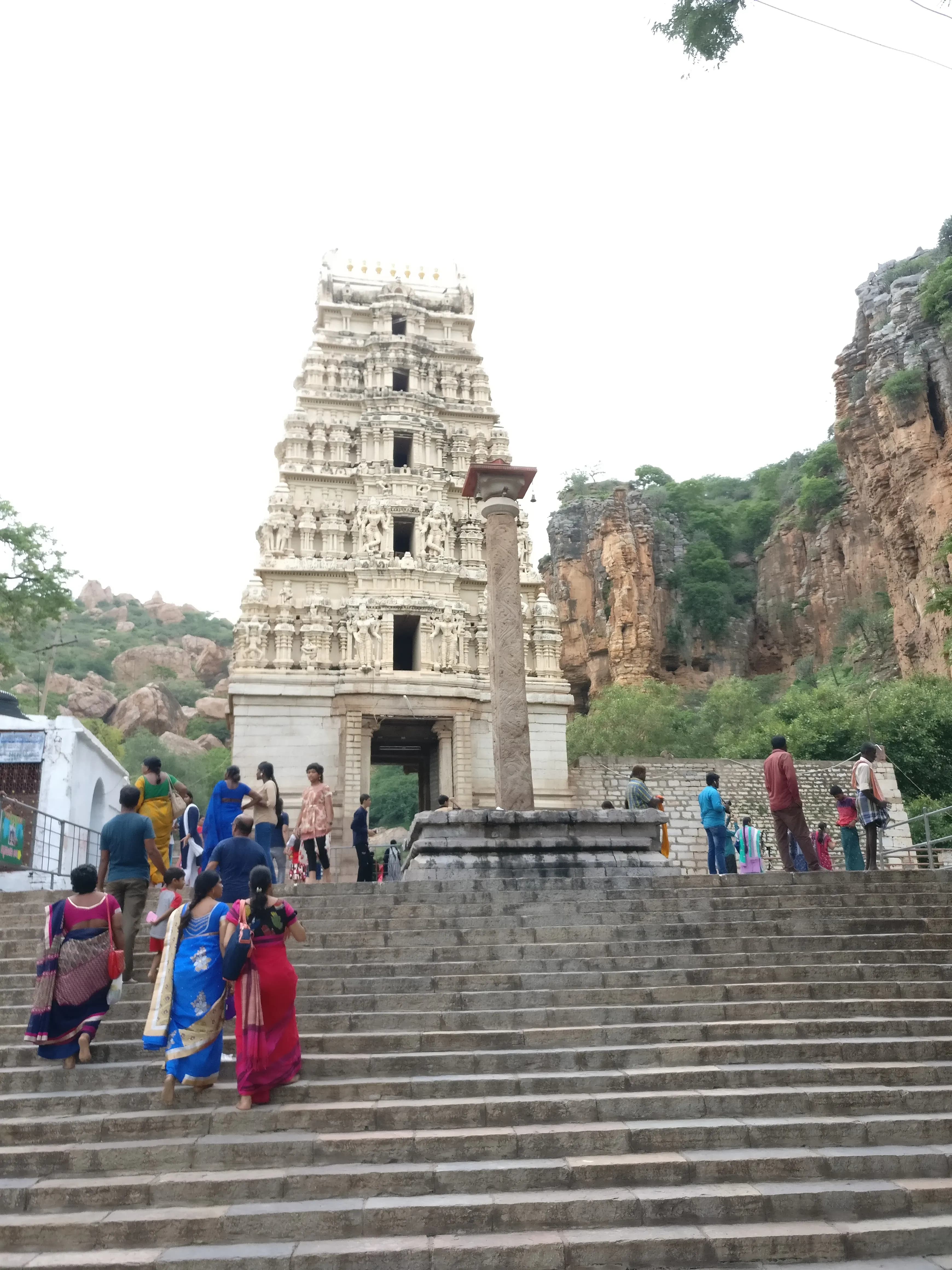
The air hung thick with the scent of incense and the murmur of chanting as I approached the Yaganti temple, nestled in the Nallamalla hills of Andhra Pradesh. Hewn from the living rock, the monolithic marvel rose before me, an ode to the Vishwakarma sthapathis who sculpted it from a single granite boulder. Unlike the elaborate, multi-tiered structures common in South Indian temple architecture, Yaganti possesses a stark, almost primal beauty. The main shrine, dedicated to Sri Yaganti Uma Maheswara Swamy, felt anchored to the earth, exuding a sense of timeless stability. My gaze was immediately drawn to the intricate carvings adorning the temple walls. While some panels depicted scenes from the epics – the Ramayana and Mahabharata – others showcased a fascinating blend of Shaiva and Vaishnava iconography, a testament to the region's rich and syncretic religious history. I noticed the distinct lack of mortar; the stones, fitted together with astonishing precision, spoke volumes about the advanced architectural knowledge prevalent during the Vijayanagara period, to which significant portions of the temple are attributed. Inside the dimly lit sanctum, the air was heavy with devotion. The lingam, naturally formed and perpetually moist, is a unique feature of Yaganti. Local legend attributes this to a subterranean spring and links it to the temple's name, 'Yaganti,' derived from 'Agastya' and 'ganti' – the bell of Agastya, the revered sage. While the scientific explanation points to capillary action drawing moisture from the surrounding rock, the aura of mystique surrounding the lingam was undeniable. Stepping out into the sunlight, I explored the Pushkarini, a sacred tank located within the temple complex. The water, remarkably clear and cool even under the midday sun, is believed to possess healing properties. Observing the devotees taking a ritual dip, I was struck by the continuity of tradition, a living link to centuries past. The architecture surrounding the Pushkarini, while simpler than the main temple, displayed a similar attention to detail. The stepped ghats, carved from the same granite bedrock, seamlessly integrated the tank into the natural landscape. Further exploration revealed the remnants of earlier architectural phases. The influence of the Badami Chalukyas, who are believed to have laid the foundation of the temple, was evident in certain stylistic elements, particularly in the older sections of the complex. This layering of architectural styles, from the early Chalukyan period to the later Vijayanagara additions, provided a tangible record of the temple's evolution over centuries. One of the most striking features of Yaganti is the unfinished Nandi, located a short distance from the main temple. This colossal monolithic bull, still partially attached to the bedrock, offers a glimpse into the arduous process of sculpting these monumental figures. The sheer scale of the unfinished Nandi, coupled with the precision of the already completed portions, left me in awe of the skill and dedication of the ancient artisans. As I left Yaganti, the image of the monolithic temple, rising from the earth like an organic outgrowth, remained etched in my mind. It was more than just a structure; it was a testament to human ingenuity, a repository of cultural memory, and a living embodiment of faith. The experience transcended mere observation; it was a journey through time, a dialogue with the past, and a profound reminder of the enduring power of art and architecture.
Raigarh Fort Raigarh
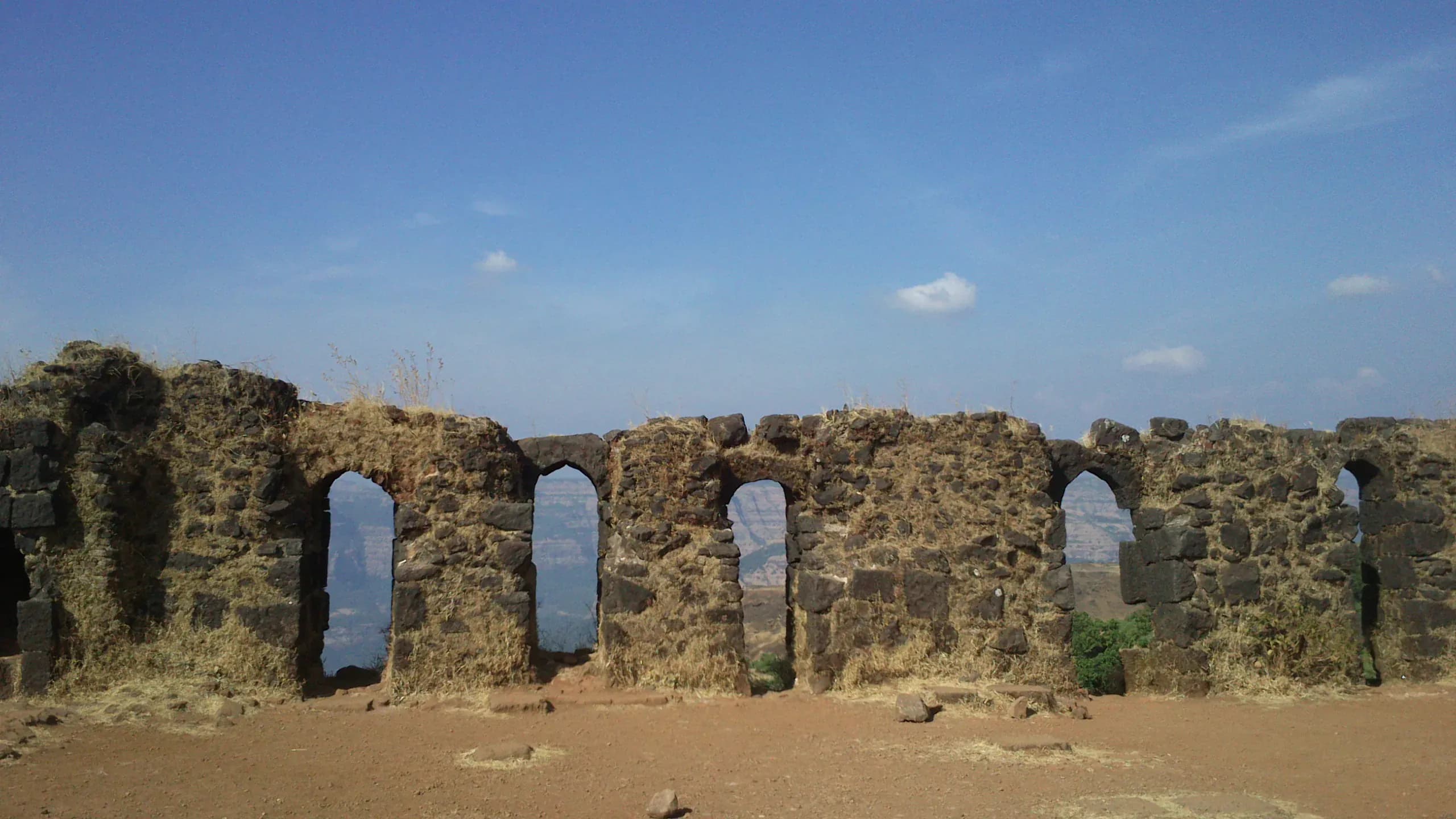
The imposing silhouette of Raigarh Fort, rising from the Chhattisgarh plains, has always held a particular allure for me. Having explored countless forts across North India, I was eager to experience this lesser-known gem, and it certainly didn't disappoint. The sheer scale of the fort, sprawling across 15 acres, is immediately striking. Unlike the sandstone and marble structures I’m accustomed to in Rajasthan, Raigarh Fort is predominantly built of laterite bricks, lending it a distinctive reddish-brown hue that seems to absorb the intense Chhattisgarh sun. My ascent began through the imposing main gate, the "Maha Darwaza." The intricate carvings, though weathered by time and the elements, hinted at a rich history. The gate’s archway, framed by sturdy bastions, felt like a portal to another era. As I stepped inside, I was greeted not by the usual tourist throngs, but by a palpable sense of tranquility. Local children played cricket in the open spaces, their laughter echoing against the ancient walls, while a few families enjoyed picnics under the shade of sprawling trees. This organic integration of the fort into the daily lives of the community was truly heartwarming. The fort's layout is a fascinating blend of military pragmatism and royal grandeur. The outer walls, punctuated by strategically placed bastions and watchtowers, speak volumes about the fort's defensive capabilities. I climbed one of these towers, the "Budha Talaab Burj," and was rewarded with a panoramic view of the surrounding countryside, the Kelo river snaking its way through the landscape. It was easy to imagine sentries keeping vigil from this vantage point centuries ago, scanning the horizon for potential threats. Within the fort walls, the remnants of palaces, temples, and administrative buildings offer glimpses into the lives of the rulers who once called this place home. The "Raj Mahal," or Royal Palace, though now in ruins, still retains an aura of majesty. I could almost picture the opulent courtyards, bustling with activity, and the grand durbars held within its walls. The intricate carvings on the remaining pillars and doorways showcased a blend of local and Mughal architectural influences, a testament to the region's diverse cultural heritage. One of the most intriguing aspects of Raigarh Fort is its network of underground tunnels. Local legends speak of secret passages leading to hidden chambers and escape routes. While many of these tunnels are now inaccessible, I was able to explore a short section. The cool, damp air and the low-hanging ceilings created an almost claustrophobic atmosphere, adding a touch of mystery to the experience. The "Kamakhya Temple," perched atop the highest point within the fort, is another highlight. Dedicated to the tantric goddess Kamakhya, the temple attracts devotees from across the region. The climb to the temple is steep, but the breathtaking views from the summit make it well worth the effort. Standing there, amidst the ancient stones, I felt a profound sense of connection to the past. My visit to Raigarh Fort wasn't just about exploring its architectural marvels; it was about experiencing a slice of Chhattisgarh's rich history and culture. Unlike the more heavily touristed forts of North India, Raigarh Fort retains an authentic, unpolished charm. It’s a place where history whispers from every crumbling wall and echoes in every deserted courtyard. It’s a place that deserves to be discovered, explored, and cherished. And for me, it stands as a testament to the enduring power of the past to captivate and inspire.
Dharmasthala Manjunatha Temple Dharmasthala
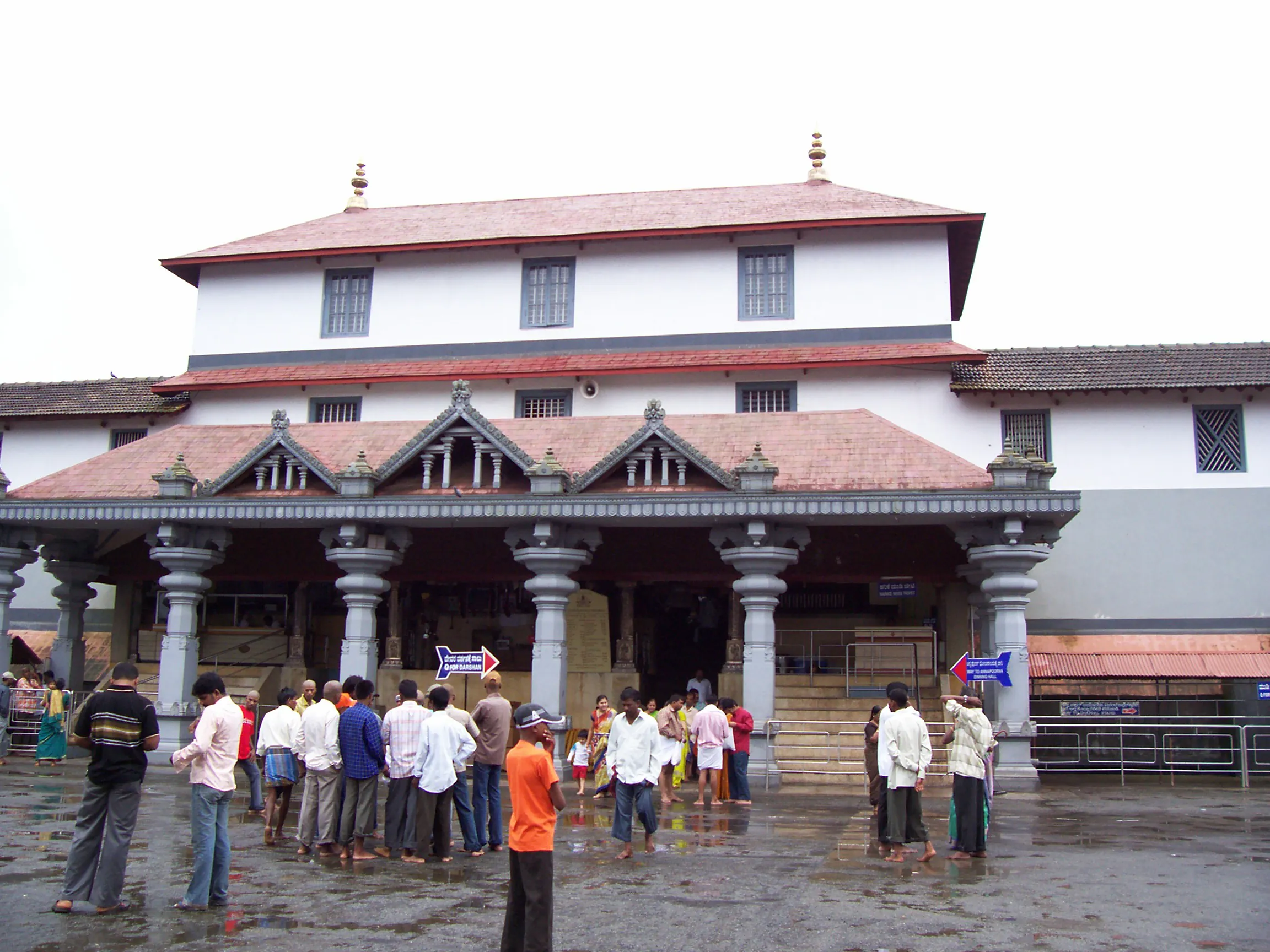
Stepping into the Dharmasthala Manjunatha Temple is an immersion into a world where faith and art converge. The temple, nestled in Dharmasthala, Karnataka, has roots tracing back to the 8th century (750 CE) [1][2]. It stands as a testament to the architectural prowess of the Vijayanagara period [3]. Intricate carvings adorning the granite pillars narrate tales from Hindu epics, reflecting the Dravidian style that characterizes the temple [4]. The Alupa dynasty's patronage shaped its early form, while the Jain Bunt community continues to uphold its traditions [1][2]. Unlike the predominantly sandstone architecture of Madhya Pradesh, the granite used here lends a sense of timelessness. The temple complex also incorporates Kerala architectural influences, evident in the copper-tiled, sloping roofs and ornate wooden brackets [5]. What truly sets Dharmasthala apart is its unique synthesis of faiths. Within the complex, a Jain basadi (shrine) exists harmoniously alongside the Shaiva temple [3]. This inclusivity is further highlighted by the Heggade, the temple's hereditary administrator, who belongs to the Jain faith, yet oversees the worship of Lord Manjunatha (Shiva) [1][2]. The Rathotsava (chariot festival) is an integral part of the temple's annual celebrations, showcasing a wooden chariot intricately carved with mythological figures and embellished with gold leaf [4]. Beyond its architectural and religious significance, the temple embodies a spirit of community service. The Annadana (free community kitchen) feeds thousands of pilgrims daily, transcending caste and creed [3]. This act of selfless service encapsulates the essence of Dharmasthala, making it not just a place of worship but also a beacon of social responsibility and compassion. The temple's architecture and traditions are a living example of India's rich cultural heritage, blending devotion, art, and community in a truly unique way [1][2][5].
Sri Maha Bodhi Mahamevnawa Anuradhapura Sri Lanka
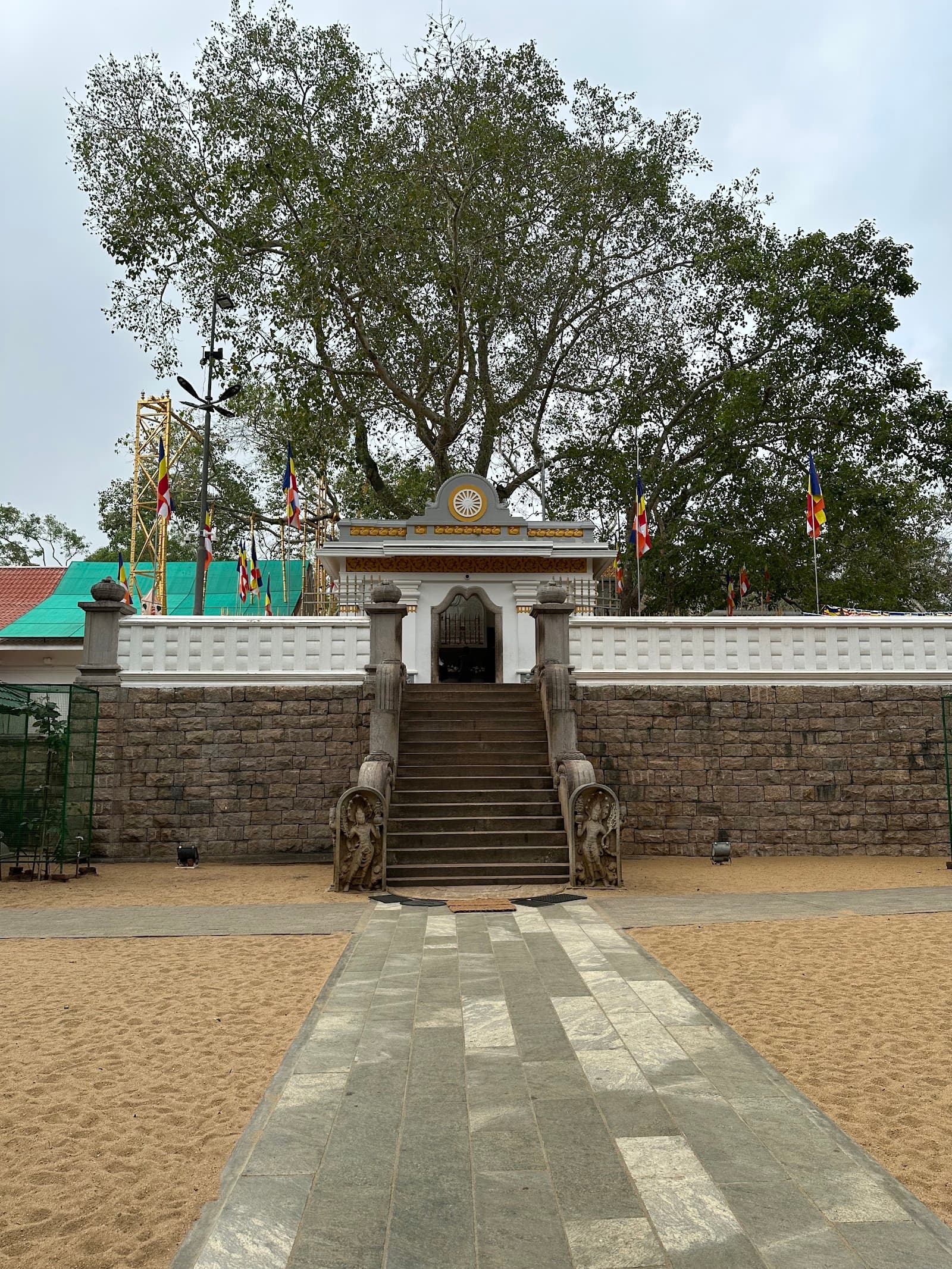
Sri Maha Bodhi, dramatically situated in the Mahamevnawa Park in the ancient city of Anuradhapura, represents one of the most extraordinary and spiritually significant living trees in the world, planted in 288 BCE from a sapling of the original Bodhi tree under which the Buddha attained enlightenment in Bodh Gaya, India, creating a powerful testament to the profound transmission of Indian Buddhist religious traditions to Sri Lanka and serving as the oldest historically authenticated tree in the world. The sacred fig tree (Ficus religiosa), known as Jaya Sri Maha Bodhi, stands as a living link to the Buddha's enlightenment and represents one of the most important Buddhist pilgrimage sites in the world, while the tree's history is deeply intertwined with the introduction of Buddhism to Sri Lanka by Mahinda, the son of the Indian Emperor Ashoka, and his sister Sanghamitta, who brought the sapling from India as part of the mission to establish Buddhism in Sri Lanka. The tree's location within the Mahamevnawa Park, surrounded by ancient monasteries, stupas, and religious structures, demonstrates the sophisticated understanding of Indian Buddhist monastery planning principles that were transmitted from the great monastic centers of India including Nalanda, Taxila, and Bodh Gaya to Sri Lanka, while the tree's association with the ancient city of Anuradhapura, which served as the capital of Sri Lanka for over a millennium, underscores its significance as a center for the transmission of Buddhist teachings, art, and culture from India to Sri Lanka. Archaeological evidence reveals that the tree has been continuously venerated for over 2,300 years, making it one of the oldest continuously venerated objects in the world, while the discovery of numerous inscriptions, chronicles, and historical records provides crucial evidence of the site's role in the transmission of Indian Buddhist texts and practices to Sri Lanka, demonstrating the sophisticated understanding of Indian Buddhist traditions possessed by the Sri Lankan Buddhist establishment. The tree's association with the Mahavamsa and Dipavamsa chronicles, which document the history of Buddhism in Sri Lanka, demonstrates the sophisticated understanding of Indian Buddhist historiography that was transmitted from India to Sri Lanka, while the tree's continued veneration by millions of Buddhists from across the world demonstrates the profound impact of Indian Buddhist culture on Sri Lankan religious traditions. The tree is protected by a sophisticated system of terraces, railings, and protective structures that have been constructed over centuries, demonstrating the continued devotion of the Sri Lankan people to this sacred symbol of the Buddha's enlightenment, while ongoing conservation efforts ensure the tree's continued health and vitality. Today, Sri Maha Bodhi stands as a UNESCO World Heritage Site and represents one of the most important Buddhist pilgrimage sites in the world, serving as a powerful testament to the transmission of Indian Buddhist culture to Sri Lanka, while ongoing archaeological research and conservation efforts continue to protect and study this extraordinary cultural treasure that demonstrates the profound impact of Indian civilization on Sri Lankan religious traditions. ([1][2])
Fayaz Tepe Monastery Termez Uzbekistan
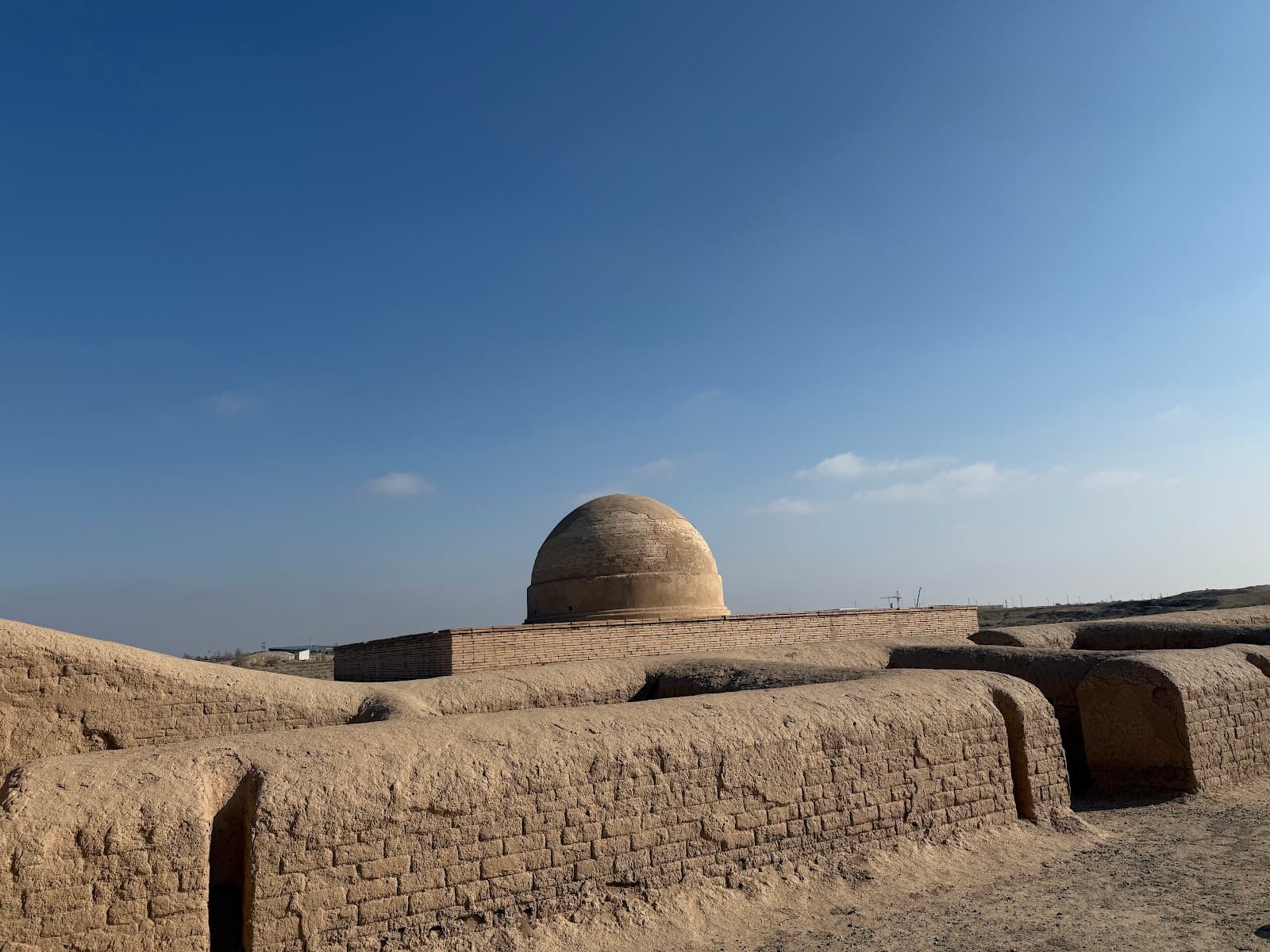
Fayaz Tepe Monastery, located near Termez in southern Uzbekistan, represents one of the most extraordinary and archaeologically significant Buddhist monastic complexes along the ancient Silk Road, constructed from the 1st to 3rd centuries CE during the height of the Kushan Empire, creating a powerful testament to the profound transmission of Indian Buddhist religious and architectural traditions to Central Asia. The monastery complex, comprising multiple structures including stupas, chapels, monastic cells, and assembly halls arranged around a central courtyard, features remarkable architectural elements that demonstrate the direct transmission of Indian Buddhist monastery architecture, particularly the traditions of northern India during the Kushan period, with local adaptations that reflect the sophisticated synthesis of Indian religious and artistic traditions with Central Asian building techniques. The site's most remarkable feature is the discovery of numerous Sanskrit inscriptions carved into stone and written on various materials, providing crucial evidence of the site's role as a major center for the transmission of Indian Buddhist texts and practices to Central Asia, while the architectural layout, with its central stupa surrounded by monastic cells and assembly halls, follows the classic Indian Buddhist monastery plan that was systematically transmitted from the great monastic centers of India including Taxila, Nalanda, and Gandhara. Archaeological excavations have revealed extraordinary Buddhist sculptures and reliefs executed in the distinctive Gandharan style, demonstrating the direct transmission of Indian Buddhist iconography and artistic traditions to Central Asia, while the discovery of numerous artifacts including coins, pottery, and ritual objects provides crucial evidence of the site's role as a major center of Buddhist learning and practice that attracted monks, traders, and pilgrims from across the Buddhist world. The monastery's location near Termez, a major Silk Road crossroads, underscores its significance as a center for the transmission of Buddhist teachings, art, and culture from India to Central Asia and beyond, while the site's architectural sophistication and extensive decorative programs demonstrate the sophisticated understanding of Indian Buddhist traditions possessed by the monks and artisans who created this extraordinary complex. Today, Fayaz Tepe stands as a UNESCO Tentative List site and represents one of the most important Buddhist archaeological discoveries in Central Asia, serving as a powerful testament to the transmission of Indian Buddhist culture and architecture to Central Asia, while ongoing archaeological research and conservation efforts continue to protect and study this extraordinary cultural treasure that demonstrates the profound impact of Indian civilization on Central Asian religious and artistic traditions. ([1][2])
Brahma Temple Pushkar
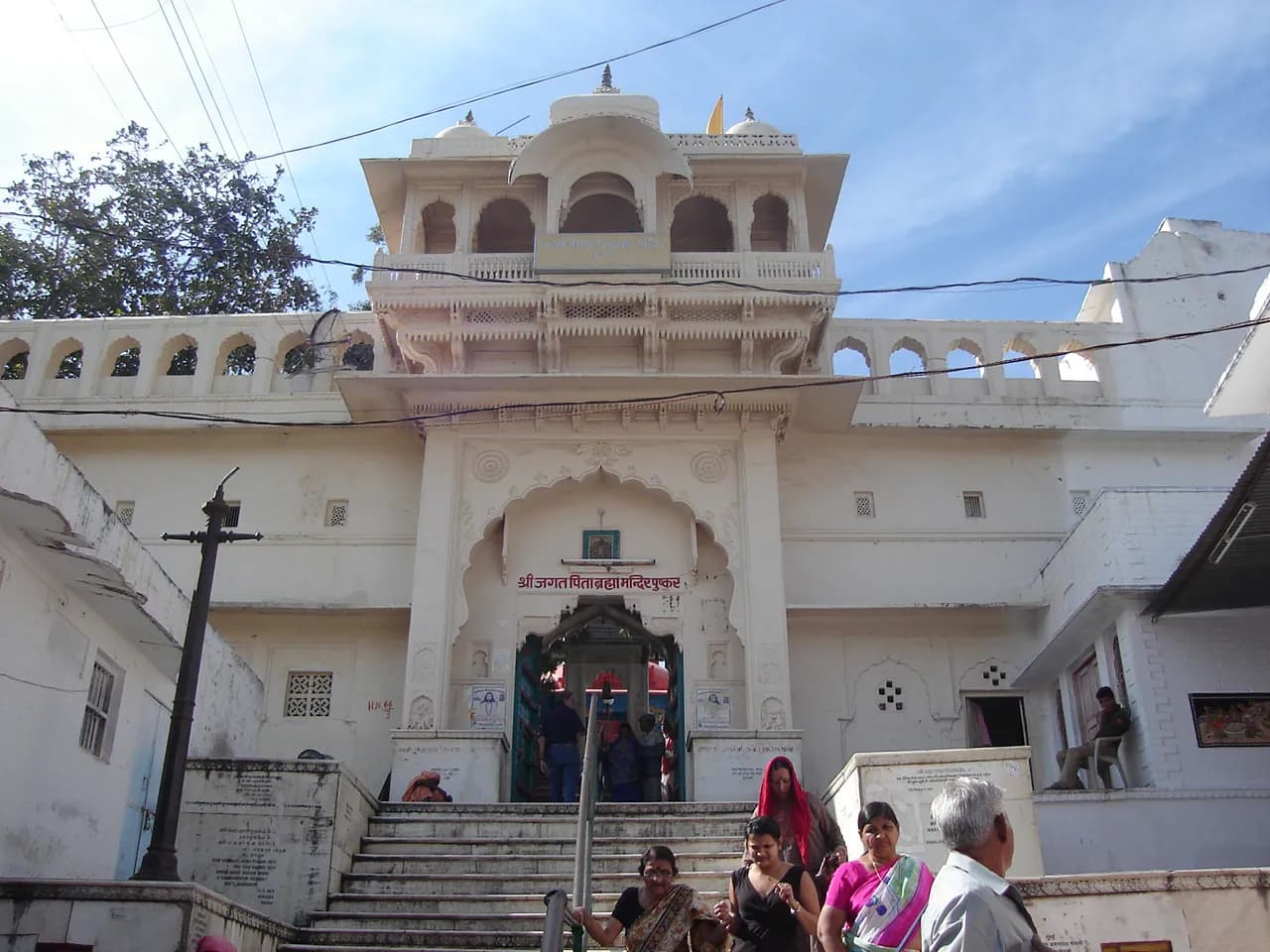
Nestled in the Aravalli Range, the Jagatpita Brahma Mandir in Pushkar, Rajasthan, stands as a testament to North Indian temple architecture ([1][2]). Constructed around 1350 CE during the Rajput period, this sacred site is primarily built of marble and stone ([3]). Rana Lakha of Mewar is credited with providing patronage for the temple's construction ([4]). Intricate carvings embellish the temple walls, depicting scenes from Hindu mythology, reflecting the artistic influences of the Gujarat region ([5]). The Nagara-style Shikhara (spire), crowned with a Kalasha (finial), dominates the temple's skyline ([6]). Within the Garbhagriha (sanctum), the four-faced murti (idol) of Lord Brahma radiates a serene aura ([7]). Silver coins, offered by devotees and embedded in the red marble floor, contribute to the temple's unique sacred ambiance ([8]). Granite and sandstone blocks, meticulously carved, constitute the temple's structure, exemplifying the architectural skills of the Rajput era ([9]). The absence of a separate Antarala (antechamber) fosters a more intimate experience within the sanctum ([10]). During the Rajput Period, temple architecture saw a resurgence, blending regional styles and traditions ([11]). Smaller shrines dedicated to Saraswati and Savitri enhance the main temple complex, creating visual harmony ([12]). Vastu Shastra principles, the ancient Indian science of architecture, likely guided the temple's orientation and design, aligning it with cosmic energies ([13]). The adjacent Pushkar Lake complements the temple's spiritual ambiance, its reflections creating a serene atmosphere, reminiscent of traditional integrated temple and water body designs ([14]). Vedic traditions emphasize the significance of Brahma as the creator, making this temple a vital pilgrimage site ([15]).
Jayanti Devi Temple Ropar
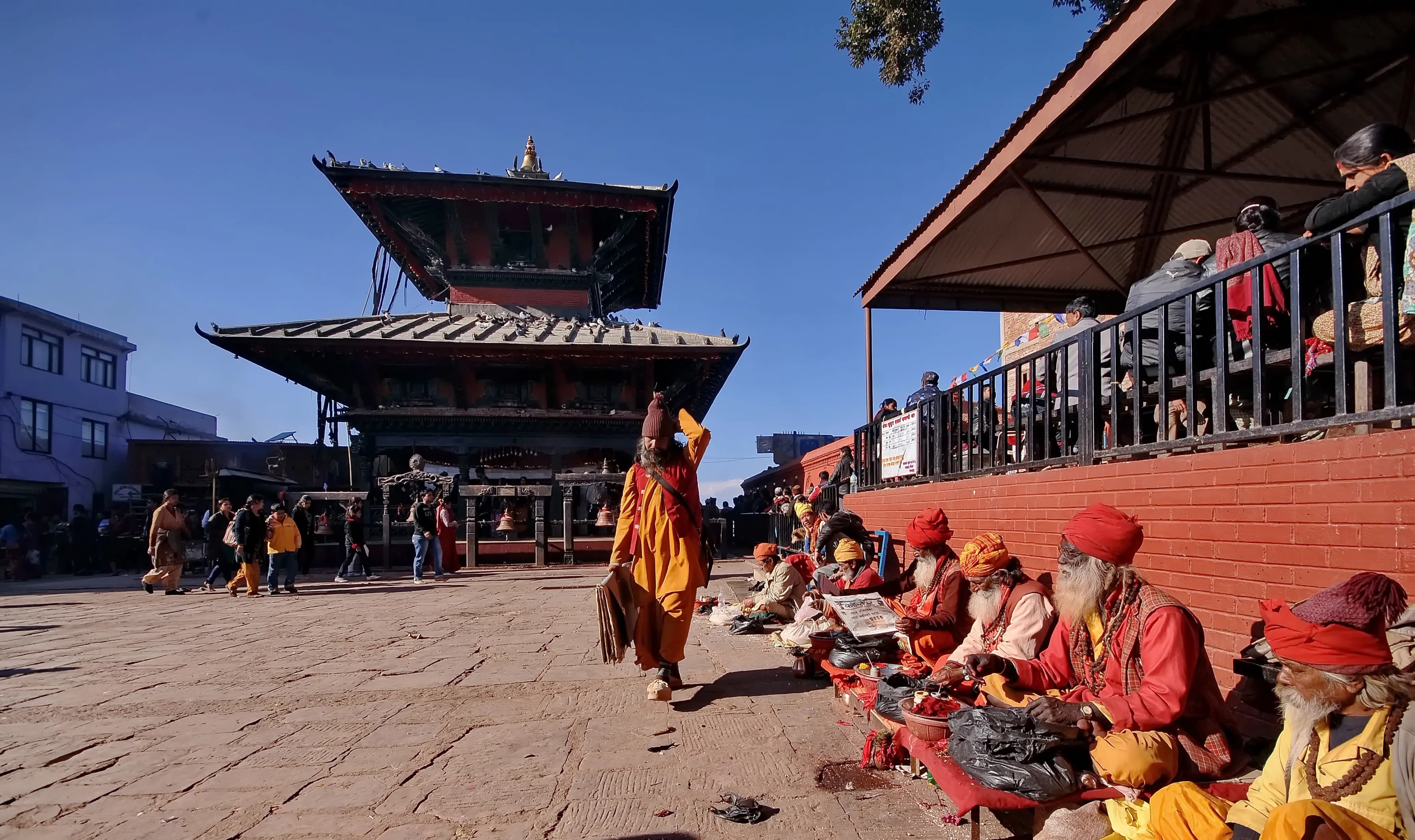
The crisp Punjab air, scented with woodsmoke and the faint sweetness of jaggery, carried the rhythmic clang of temple bells as I approached the Jayanti Devi Temple. Perched atop a hill overlooking the Sutlej River near Ropar, this wasn't the typical cave temple I was accustomed to back home in Maharashtra. Instead, it presented a fascinating blend of ancient and modern architecture, a testament to layers of devotion built over centuries. The climb itself was an experience. A winding road led me through a vibrant tapestry of green fields, offering glimpses of the river below. As I ascended, the temple complex gradually revealed itself, a cluster of structures clinging to the hillside, crowned by the main shrine. The initial impression was one of vibrant colour – saffron, red, and gold dominating the palette, a stark contrast to the muted tones of the Deccan caves I’m so familiar with. The main temple dedicated to Jayanti Devi, the goddess of victory, is a relatively modern structure, its gleaming white marble exterior intricately carved with depictions of various deities. However, the real historical weight lies within the smaller, older shrines nestled around it. These, built from rough-hewn stone and brick, spoke of a history far older than the marble edifice. One particular shrine, tucked away in a corner, captivated me. Its dark, weathered stones bore faded remnants of ancient frescoes, hinting at a rich artistic heritage. I peered inside, the air thick with the scent of incense and years of accumulated prayers. Though the frescoes were damaged, I could discern the outlines of divine figures, their forms imbued with a quiet power. The temple complex is a labyrinth of courtyards, interconnected by narrow passageways and staircases. Each turn revealed a new shrine, a new deity, a new story whispered by the stones. Unlike the structured layouts of many Maharashtrian temples, this felt organic, almost haphazard, as if each shrine had sprung up independently, driven by the fervent devotion of its builders. This unplanned growth added to the temple's charm, creating a sense of discovery and wonder. I noticed a distinct architectural influence from the surrounding region. The sloping roofs, reminiscent of Himalayan architecture, were a departure from the flat or domed roofs common in Maharashtra. The use of local materials like sandstone and brick also contributed to this regional flavour. Intriguingly, I also observed elements that echoed Mughal architecture, particularly in the decorative arches and intricate jali work adorning some of the older structures. This fusion of styles spoke volumes about the region's history, a confluence of cultures and influences. The atmosphere within the temple complex was electric. Devotees thronged the courtyards, their prayers mingling with the rhythmic chanting of priests. The air was thick with the scent of incense, flowers, and the ghee used in the countless lamps flickering before the deities. I watched as families offered prayers, their faces etched with devotion. The palpable faith resonated deeply, transcending language and cultural barriers. From the highest point of the complex, the view was breathtaking. The Sutlej River snaked through the plains below, a silver ribbon against the verdant landscape. The surrounding hills, dotted with villages, stretched out as far as the eye could see. It was a panorama that spoke of peace and tranquility, a fitting backdrop for a place of worship. My visit to the Jayanti Devi Temple was a departure from my usual explorations of Maharashtra’s caves. It was a journey into a different architectural landscape, a different cultural context, and a different expression of faith. Yet, the underlying essence remained the same – the human need to connect with something larger than oneself, to find solace and meaning in the sacred. And that, I realized, is a universal language, spoken as fluently in the vibrant courtyards of a hillside temple in Punjab as it is in the hushed chambers of a cave temple in Maharashtra.
Quick Links
Plan Your Heritage Journey
Get personalized recommendations and detailed visitor guides