Has Inheritage Foundation supported you today?
Your contribution helps preserve India's ancient temples, languages, and cultural heritage. Every rupee makes a difference.
Secure payment • Instant 80G certificate
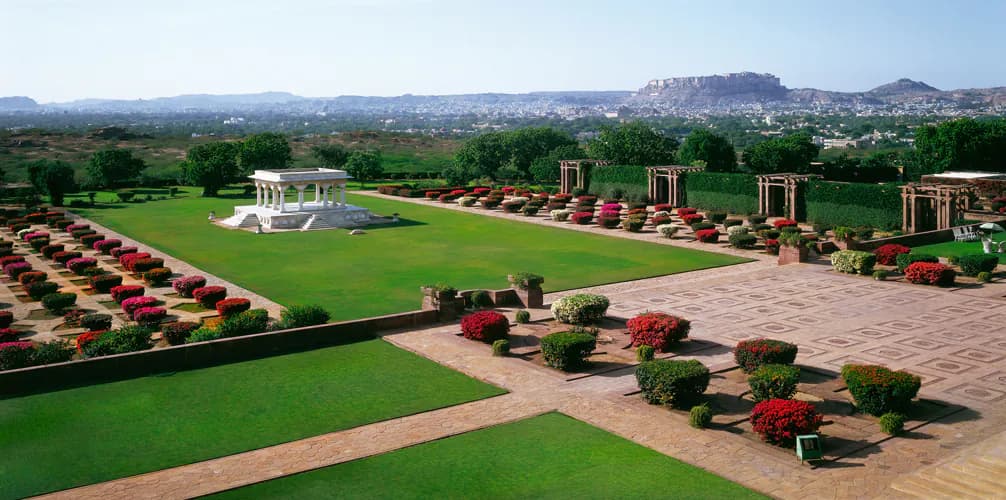
Umaid Bhawan Palace Jodhpur
The imposing sandstone edifice of Umaid Bhawan Palace, perched atop Chittar Hill overlooking Jodhpur's blue-washed expanse, is a breathtaking spectacle. As a South Indian steeped in the Dravidian architectural idiom, I was immediately struck by the distinct shift in style. Here, the intricacies of granite carvings and towering gopurams I was accustomed to were replaced by the sweeping grandeur of Rajput and Art Deco influences. The sheer scale of the palace, a harmonious blend of Indo-Saracenic, Classical Revival, and Western Art Deco styles, was truly awe-inspiring. The palace's warm, honey-coloured sandstone, quarried locally, glowed in the afternoon sun. The intricate latticework jalis, a feature I recognized from Mughal architecture, offered glimpses of the meticulously manicured gardens below while providing shade and ventilation – a practical solution elegantly executed. Unlike the vibrant colours often associated with Rajasthani architecture, Umaid Bhawan exuded a sense of restrained opulence. The dominant sandstone was offset by polished marble flooring and subtle accents of black granite, creating a visual harmony that was both regal and inviting. Stepping inside, the central dome, a masterpiece of Art Deco design, captivated my attention. Its geometric patterns and soaring height created a sense of grandeur that rivalled the vast courtyards of South Indian temples. The use of stained glass, a Western architectural element, added a splash of colour, filtering the sunlight and casting kaleidoscopic patterns on the marble floors. The interior spaces seamlessly blended Indian and European aesthetics. Intricate murals depicting scenes from Hindu epics adorned some walls, while others showcased Art Deco motifs, a testament to the Maharaja's appreciation for both traditional and contemporary art forms. The Durbar Hall, with its gilded furniture and imposing portraits of the Jodhpur royal family, offered a glimpse into the lavish lifestyle of the Maharajas. The intricate detailing on the wooden furniture, reminiscent of the intricate woodwork found in Chettinad mansions back home, highlighted the skilled craftsmanship prevalent in both regions, albeit expressed through different mediums. The throne room, with its ornate silver chairs and intricate chandeliers, exuded an air of regal authority. Exploring the museum wing, housed within a section of the palace, provided valuable context to the building's history and the vision of Maharaja Umaid Singh. The collection of vintage cars, clocks, and photographs offered a fascinating glimpse into the Maharaja's personal interests and the era in which the palace was built. Observing the architectural plans and models on display, I could appreciate the meticulous planning and engineering that went into creating this architectural marvel. The integration of modern amenities, such as a swimming pool and a squash court, within the traditional palace structure, showcased a forward-thinking approach that resonated with me. One of the most striking aspects of Umaid Bhawan was its integration with the landscape. The palace, built on a raised platform, seemed to emerge organically from the rocky terrain. The expansive gardens, designed with geometric precision, provided a refreshing contrast to the arid landscape surrounding the palace. The panoramic views of Jodhpur's blue cityscape from the palace ramparts were simply mesmerizing. The "blue city," a sea of indigo houses stretching towards the horizon, offered a visual spectacle that was both unique and unforgettable. Umaid Bhawan Palace is more than just a building; it's a testament to a bygone era, a symbol of the grandeur and vision of the Jodhpur royal family. While vastly different from the temple architecture I was familiar with, the palace's meticulous craftsmanship, attention to detail, and harmonious blend of diverse architectural styles resonated deeply with my appreciation for architectural heritage. It served as a powerful reminder that architectural beauty transcends regional boundaries and stylistic differences, speaking a universal language of artistry and human ingenuity.
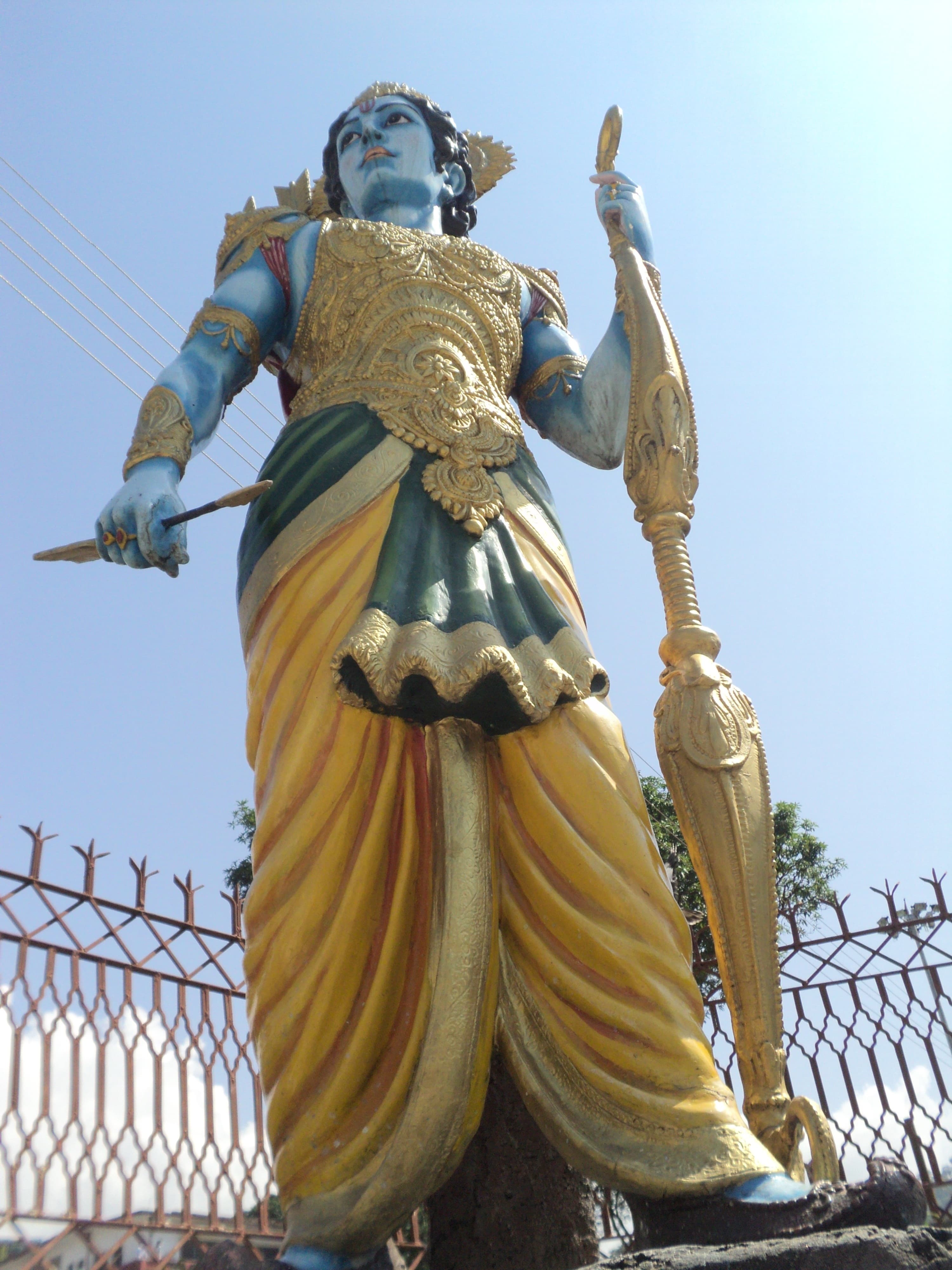
Chamunda Devi Temple Kangra
The Chamunda Devi Temple, located in the village of Chamunda Devi, Kangra, Himachal Pradesh, India, stands as a profound testament to India's millennia-spanning cultural heritage and the continuous tradition of indigenous temple architecture [1]. Dedicated to Shri Chamunda Devi, a fierce manifestation of Goddess Durga, this sacred site embodies the enduring spiritual practices and artistic expressions that have flourished in the Indian subcontinent for thousands of years [2]. The temple primarily exhibits the indigenous Pahari architectural style, characterized by its adaptation to the mountainous terrain, alongside elements of the Nagara and Latina Nagara styles, reflecting a rich synthesis of regional and pan-Indian architectural traditions [4] [5]. The main shrine, constructed around the 16th-17th century CE, is a significant example of Himachali architecture, often featuring a wooden structure with intricate carvings and a sloping roof designed to withstand the region's climate [5] [2]. While specific dimensions are not widely documented, the temple complex is designed to accommodate a substantial flow of devotees, indicating a considerable structural footprint [1]. The sanctum sanctorum houses the sacred idol of Goddess Chamunda, which is traditionally adorned with red and black cloths, garlands of flowers, and sometimes lemons, rather than skulls, signifying a localized interpretation of the deity [1]. Flanking the main entrance of the sanctum are idols of Hanuman and Bhairav, revered as the guardians of Goddess Chamunda [1]. Within the temple complex, a 'Kund' (a sacred lake or pond) is present, where devotees traditionally perform ritualistic dips for purification, highlighting the continuity of ancient Indian water management and spiritual practices [1]. A marble staircase within the complex leads to a cave housing a Shiva Linga, further emphasizing the syncretic nature of Hindu worship at the site, where Shiva and Shakti are believed to reside together, leading to its alternative name, Chamunda Nandikeshwar Dham [1]. The temple's construction utilizes traditional local materials, ensuring resilience in design against the challenging mountain environment [4] . Conservation efforts are ongoing, with organizations like the Inheritage Foundation engaging volunteers for documentation, research, and site maintenance, including 3D documentation using photogrammetry and drone photography, to preserve its structural integrity and cultural value [3]. The temple is an active center of worship, with daily aartis and free langar (community kitchen) services provided by the temple trust, accommodating a continuous flow of pilgrims throughout the year [1]. It also operates a Sanskrit Mahavidyalaya, preserving ancient Indian knowledge systems [1]. The site is operationally ready, ensuring accessibility and facilities for visitors, including proper parking, water, and toilet systems, and security personnel [1].
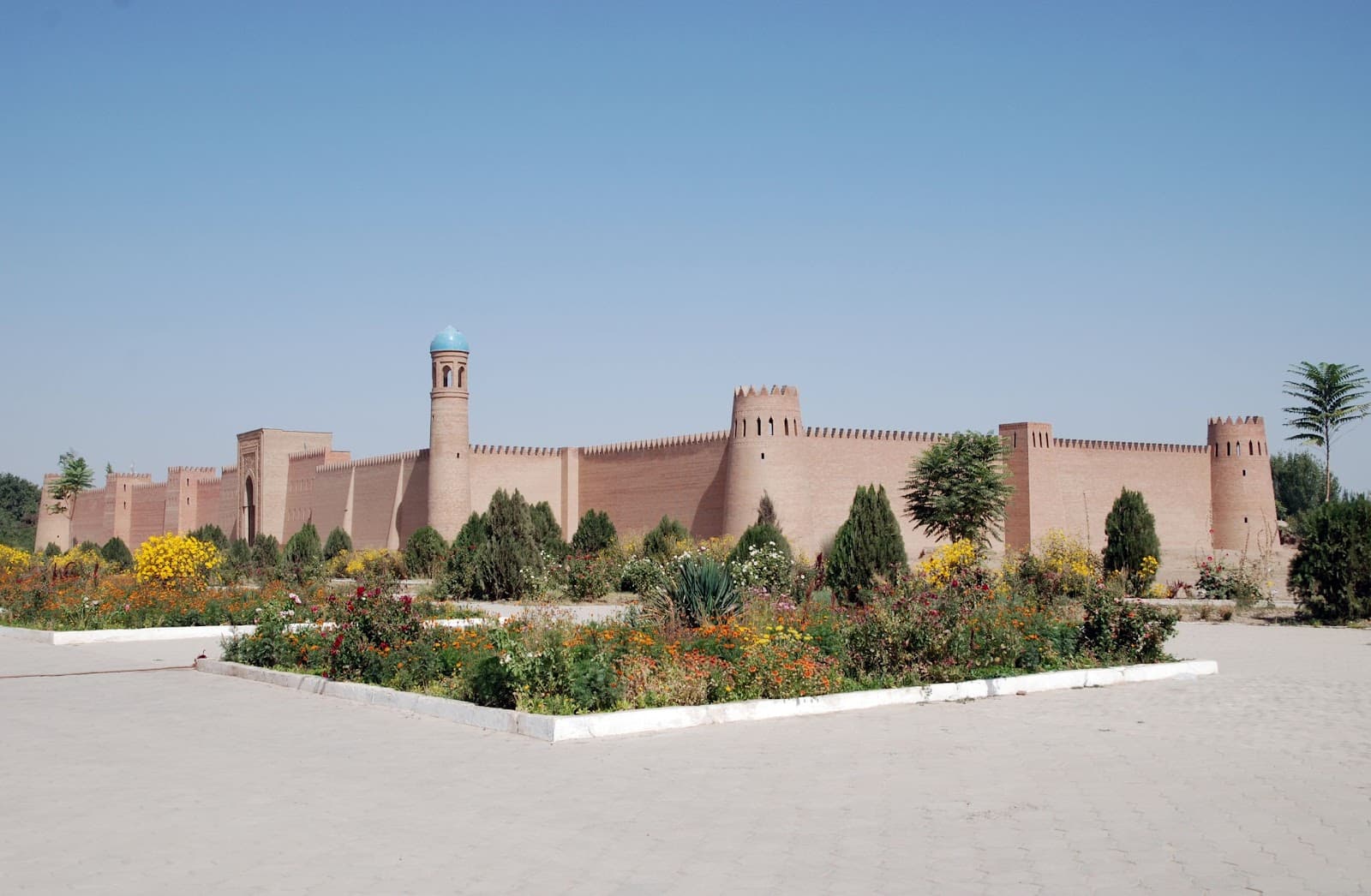
Hulbuk Palace Complex Vose Tajikistan
Hulbuk Palace Complex, dramatically situated in the Vose District of southern Tajikistan, represents one of the most extraordinary and archaeologically significant medieval palace complexes in Central Asia, constructed in the 9th-12th centuries CE during the Samanid and subsequent periods as a major administrative and cultural center that includes extraordinary Buddhist and Hindu artifacts in its museum collection, creating a powerful testament to the continued transmission of Indian religious and artistic traditions to Central Asia even after the Islamic conquest. The palace complex, featuring sophisticated architectural elements that demonstrate the synthesis of Islamic, Central Asian, and Indian architectural traditions, while the site's museum collection includes numerous Buddhist and Hindu artifacts including sculptures, reliefs, and decorative objects that demonstrate clear Indian iconographic and stylistic influences, providing crucial evidence of the continued presence and influence of Indian religious and artistic traditions in Central Asia during the medieval period. Archaeological excavations have revealed extraordinary architectural elements including courtyards, halls, and decorative programs that demonstrate the sophisticated synthesis of various architectural traditions, while the discovery of numerous Buddhist and Hindu artifacts in the museum collection provides crucial evidence of the site's role as a center for the preservation and display of Indian religious and artistic traditions, demonstrating the sophisticated understanding of Indian cultural heritage possessed by the palace's patrons and curators. The palace complex's architectural layout, with its central courtyards surrounded by halls and administrative structures, follows sophisticated planning principles that demonstrate the synthesis of various architectural traditions including Indian palace planning principles that were transmitted to Central Asia, while the palace's extensive decorative programs including architectural elements and artifacts demonstrate the ways in which Indian artistic traditions were integrated into Central Asian palace architecture and collections. The palace complex's location in the Vose District, a major administrative and cultural center, underscores its significance as a center for the preservation and display of Indian religious and artistic traditions, while the site's museum collection demonstrates the sophisticated understanding of Indian cultural heritage possessed by Central Asian rulers and administrators. Today, Hulbuk Palace Complex stands as a UNESCO Tentative List site and represents one of the most important medieval palace complexes in Central Asia, serving as a powerful testament to the transmission and preservation of Indian religious and artistic traditions in Central Asia, while ongoing archaeological research and conservation efforts continue to protect and study this extraordinary cultural treasure that demonstrates the profound impact of Indian civilization on Central Asian religious and artistic traditions. ([1][2])
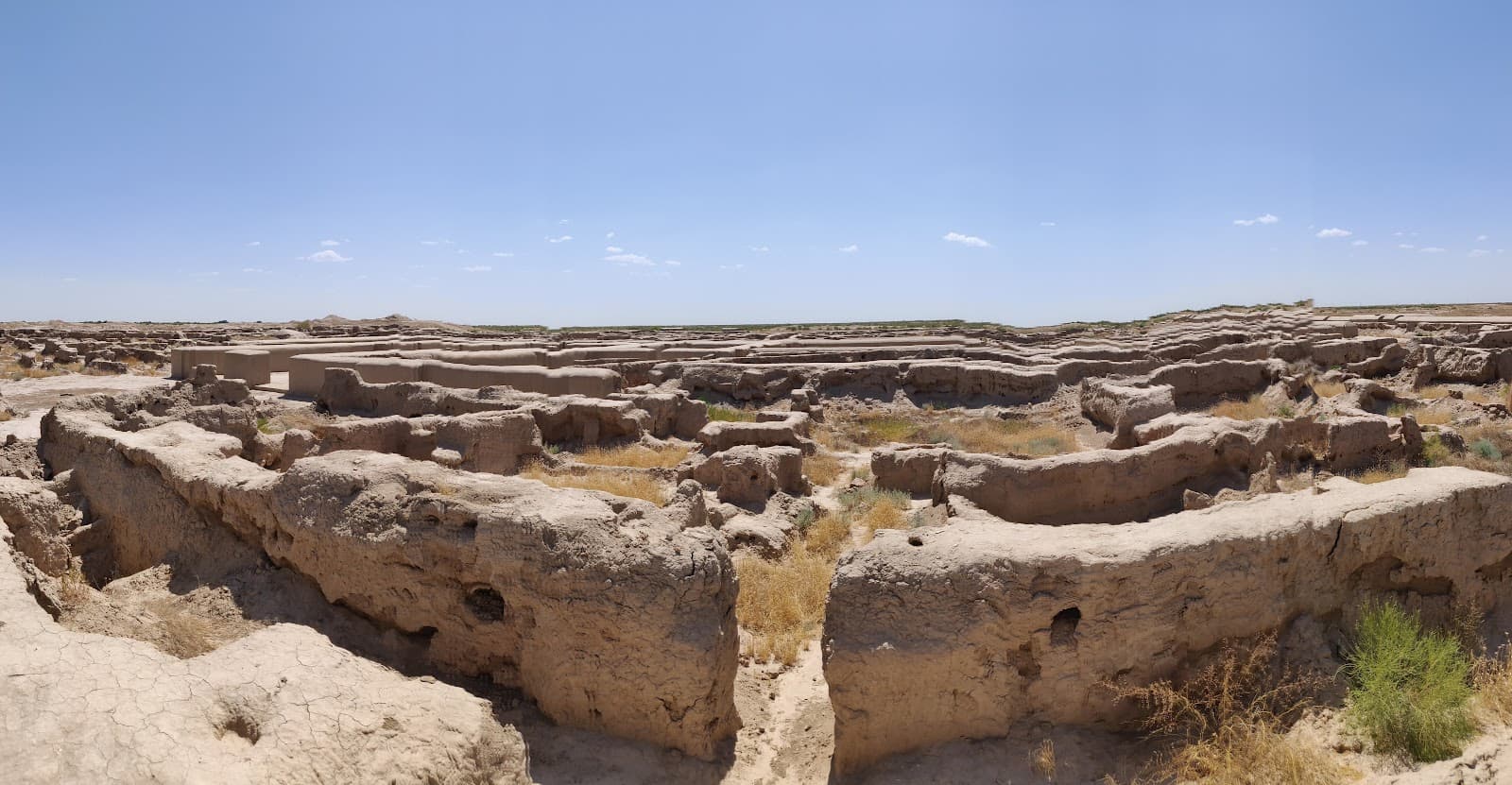
Gonur Depe Karakum Desert Turkmenistan
Gonur Depe, dramatically rising from the vast expanse of the Karakum Desert in southeastern Turkmenistan, represents one of the most extraordinary and archaeologically significant Bronze Age sites in Central Asia, dating to the 3rd millennium BCE and serving as the capital of the Bactria-Margiana Archaeological Complex (BMAC), also known as the Oxus Civilization, featuring a sophisticated temple complex with remarkable Vedic parallels that demonstrate the profound transmission of Indian religious and cosmological traditions to Central Asia, creating a powerful testament to the sophisticated synthesis of Indian and Central Asian cultural traditions during the Bronze Age. The site, spanning over 50 hectares and featuring a massive fortified citadel, palace complex, and extensive temple structures, demonstrates the direct transmission of Indian religious and cosmological concepts from the great religious centers of ancient India, particularly Vedic traditions that were systematically transmitted to Central Asia, while the site's most remarkable feature is its sophisticated temple complex featuring fire altars, ritual structures, and architectural elements that demonstrate clear parallels with Vedic fire altars and ritual practices described in ancient Indian texts including the Vedas and Brahmanas. The temple complex's architectural layout, with its central fire altar surrounded by ritual chambers, storage areas, and ceremonial spaces, follows sophisticated planning principles that demonstrate remarkable parallels with Vedic temple planning principles described in ancient Indian texts, while the temple complex's extensive decorative programs including ritual objects, seals, and architectural elements demonstrate the sophisticated synthesis of Indian religious iconography and cosmological concepts with local Central Asian aesthetic sensibilities. Archaeological evidence reveals that the site served as a major center of religious and political power for over 800 years, attracting traders, priests, and elites from across Central Asia, South Asia, and the Middle East, while the discovery of numerous artifacts including seals with motifs that demonstrate clear Indian influences, ritual objects that parallel Vedic practices, and architectural elements that reflect Indian cosmological concepts provides crucial evidence of the site's role in the transmission of Indian religious traditions to Central Asia, demonstrating the sophisticated understanding of Indian religious and cosmological traditions possessed by the site's patrons and religious establishment. The site's association with the BMAC, which had extensive trade and cultural connections with the Indus Valley Civilization and later Indian civilizations, demonstrates the sophisticated understanding of Indian religious traditions that were transmitted to Central Asia, while the site's fire altars and ritual structures demonstrate remarkable parallels with Vedic fire altars and ritual practices that were central to ancient Indian religious traditions. The site has been the subject of extensive archaeological research by Russian archaeologist Viktor Sarianidi and his team, with ongoing excavations continuing to reveal new insights into the site's sophisticated architecture, religious practices, and its role in the transmission of Indian religious traditions to Central Asia, while the site's status as a UNESCO Tentative List site demonstrates its significance as a major center for the transmission of Indian cultural traditions to Central Asia. Today, Gonur Depe stands as a UNESCO Tentative List site and represents one of the most important Bronze Age archaeological sites in Central Asia, serving as a powerful testament to the transmission of Indian religious and cosmological traditions to Central Asia, while ongoing archaeological research and conservation efforts continue to protect and study this extraordinary cultural treasure that demonstrates the profound impact of Indian civilization on Central Asian religious and cultural traditions. ([1][2])
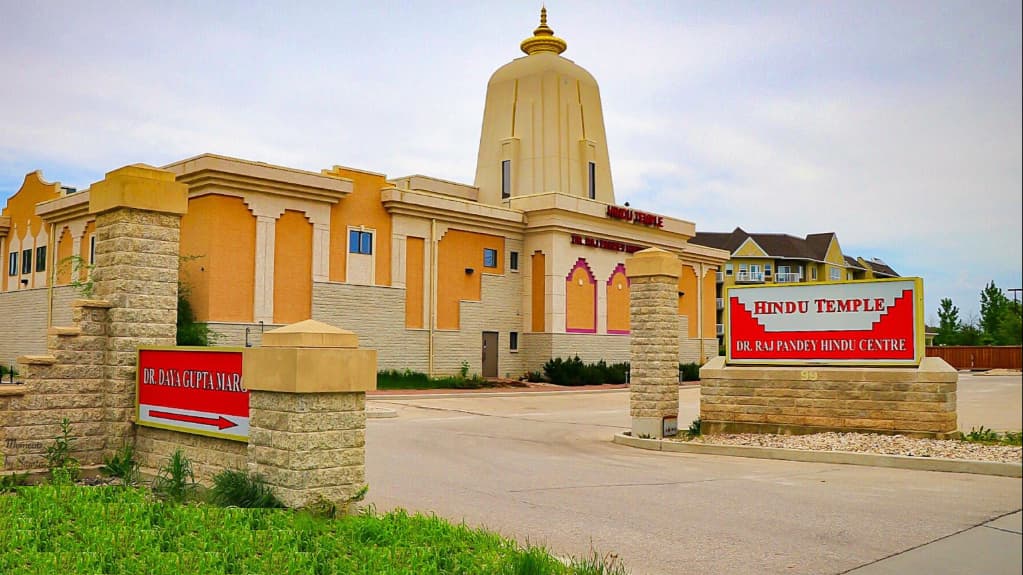
Hindu Temple of Winnipeg
Hindu Temple of Winnipeg is dedicated to multiple deities with primary shrines to Vishnu, Shiva, Durga, and Ganesha, and anchors Manitoba’s south end as a spiritual, cultural, and social service centre since its consecration in 1970 ([1][2]). The mandir opens daily 7:00 AM-12:00 PM and 5:00 PM-9:00 PM, while the multipurpose hall, classrooms, and library operate from 9:00 AM onward for language, music, and seniors’ wellness programs coordinated by volunteer committees ([1][3]). Reception teams manage footwear, RFID attendance counters, and contactless seva booking, then guide devotees toward the marble sanctum, cafeteria, or auditorium via colour-coded wayfinding. The on-site vegetarian kitchen operates under Manitoba Health permits, serving annadhanam, Meals on Wheels, and Food Bank drives, and migration counsellors host newcomer sessions in dedicated offices. Accessibility features include heated ramps, a 1,360-kilogram elevator, tactile markers, and captioned screens broadcasting aarti schedules and community notices. Maintenance crews monitor Building Automation System dashboards covering HVAC, humidification, energy use, and security integration with Winnipeg Police Service, keeping the Prairie climate at bay while the temple supports Diwali fireworks, youth robotics clubs, and emergency response networks ([2][3]).
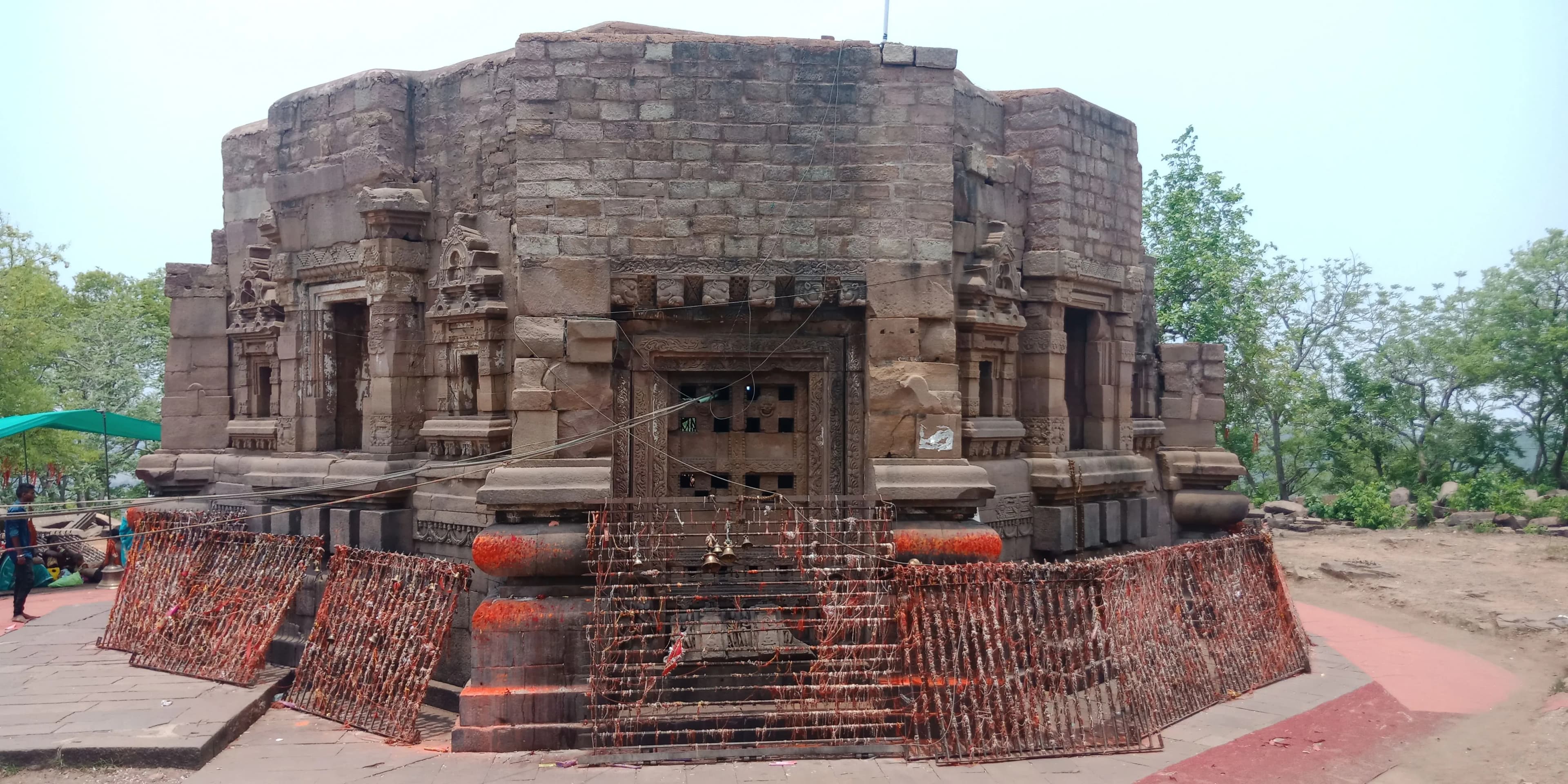
Mundeshwari Devi Temple Kaura
The sun beat down on the Kaimur hills, painting the landscape in hues of ochre and brown as I climbed the winding path towards the Mundeshwari Devi Temple. Located atop the Piwara hill near Kaura in Bihar, this ancient structure emanated an aura of history that even the midday heat couldn't diminish. Having explored countless temples across North India, I was prepared to be impressed, but Mundeshwari offered something uniquely captivating. The first thing that struck me was the temple's unusual octagonal shape, a stark contrast to the more common square or rectangular structures I'd encountered. Built of red sandstone blocks, the temple seemed to grow organically from the hill itself, its weathered stones whispering tales of centuries past. The Archaeological Survey of India recognizes it as the oldest functional Hindu temple in India, a claim that felt palpable standing in its presence. The weight of history, the tangible connection to generations of worshippers, hung heavy in the air. As I circumambulated the temple, I observed the intricate carvings adorning its exterior walls. While time and the elements had taken their toll, I could still discern depictions of various deities, including Ganesha and Vishnu, their forms softened by erosion yet retaining a distinct power. The octagonal design, I learned, represents the eight directions, symbolically placing the deity at the center of the cosmos. This architectural choice, combined with the hilltop location, created a powerful sense of sacred space, a place where the earthly and the divine converged. Entering the sanctum sanctorum was a transformative experience. The low ceiling and dimly lit interior fostered an atmosphere of reverence. Here, enshrined within the heart of the temple, resided the four-headed image of Devi Mundeshwari. Unlike the more common depictions of Durga or Kali, this representation of Shakti, the divine feminine, felt primal, ancient. The four heads, facing the cardinal directions, seemed to embody the all-encompassing power of the goddess. The priest, a kind-faced man with eyes that held the wisdom of generations, explained that the temple is dedicated to both Shiva and Shakti, represented by the Chaturmukhi Shivling within the sanctum. This dual dedication, he explained, symbolizes the harmonious balance of masculine and feminine energies, a concept central to Hindu cosmology. He pointed out the unique placement of the Shivling, directly beneath the feet of the Devi, further emphasizing the primacy of Shakti in this particular manifestation. Stepping back out into the sunlight, I took a moment to absorb the panoramic view from the hilltop. The Kaimur range stretched out before me, a tapestry of green and brown, dotted with villages and fields. It was easy to see why this location was chosen for a temple. The elevated position, the commanding view, the palpable sense of connection to the natural world – it all contributed to the sacred aura of the place. My visit to Mundeshwari Devi Temple wasn't just about observing architecture or documenting history; it was about experiencing a living tradition. The temple wasn't a relic of the past, but a vibrant center of faith, a place where devotees continue to offer prayers and seek blessings. Witnessing their devotion, their unwavering faith in the power of the goddess, added another layer of meaning to my experience. Leaving the temple, I carried with me not just photographs and notes, but a profound sense of connection to this ancient site and the enduring power of belief. It's a place I urge every traveler exploring North India to experience, a place where history, spirituality, and the raw beauty of the natural world converge to create something truly unforgettable.
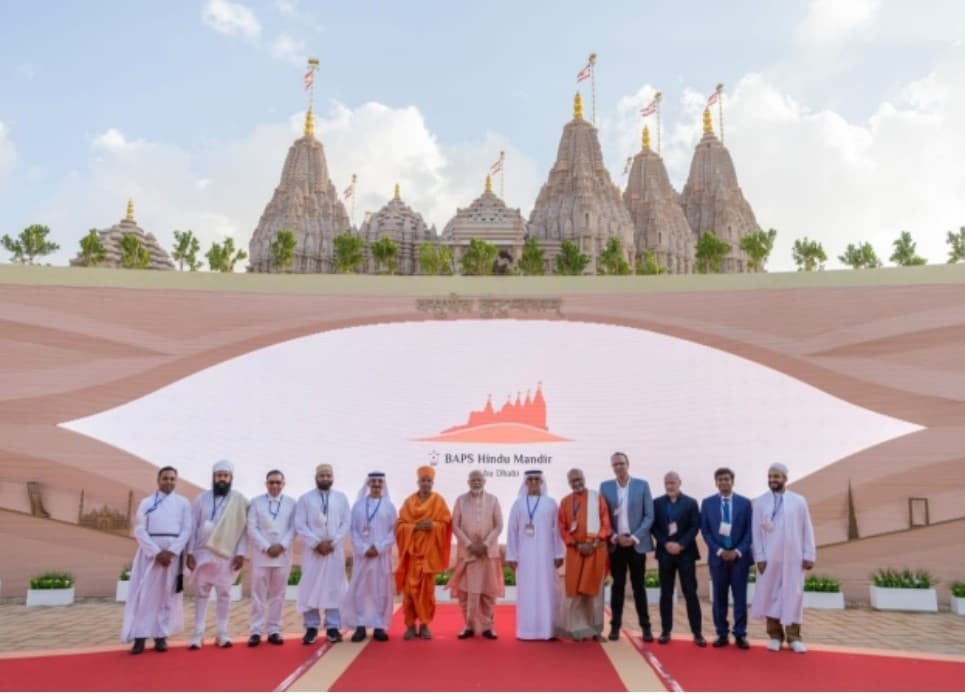
Maha Lakshmi Temple Abu Dhabi (BAPS Campus)
The Maha Lakshmi Temple forms the southern devotional wing of the BAPS Hindu Mandir campus in Abu Dhabi, providing a dedicated sanctum for Sri Mahalaxmi-Narayana with a Vaikuntha-inspired sinhasan crafted from Italian marble, gold-plated lotuses, and fibre-optic constellations that mirror Abu Dhabi's desert night sky ([1][2]). Consecrated alongside the main mandir in February 2024, the Lakshmi sanctum offers a quieter devotional experience focused on prosperity, education, and wellbeing—hosting specialised Lakshmi Pujas for entrepreneurs, students, and families moving to the Gulf. The hall seats 600 devotees, features carved marble columns, and integrates digital translation kiosks offering arti lyrics in Hindi, English, Malayalam, and Tagalog. Daily schedule aligns with the mandir's 6:00 AM-9:00 PM operations, but the Lakshmi wing hosts additional Friday evening Ashtalakshmi satsang, Saturday bridal blessings, and quarterly finance literacy workshops led by community volunteers. Donors can participate in Navagraha homa, Kuber puja, or annadhanam out of the adjoining seva kitchen. A micro-museum displays stories of Gulf entrepreneurs whose philanthropy supported the mandir and documents historic trade links between Gujarat, the Malabar coast, and the Trucial States.
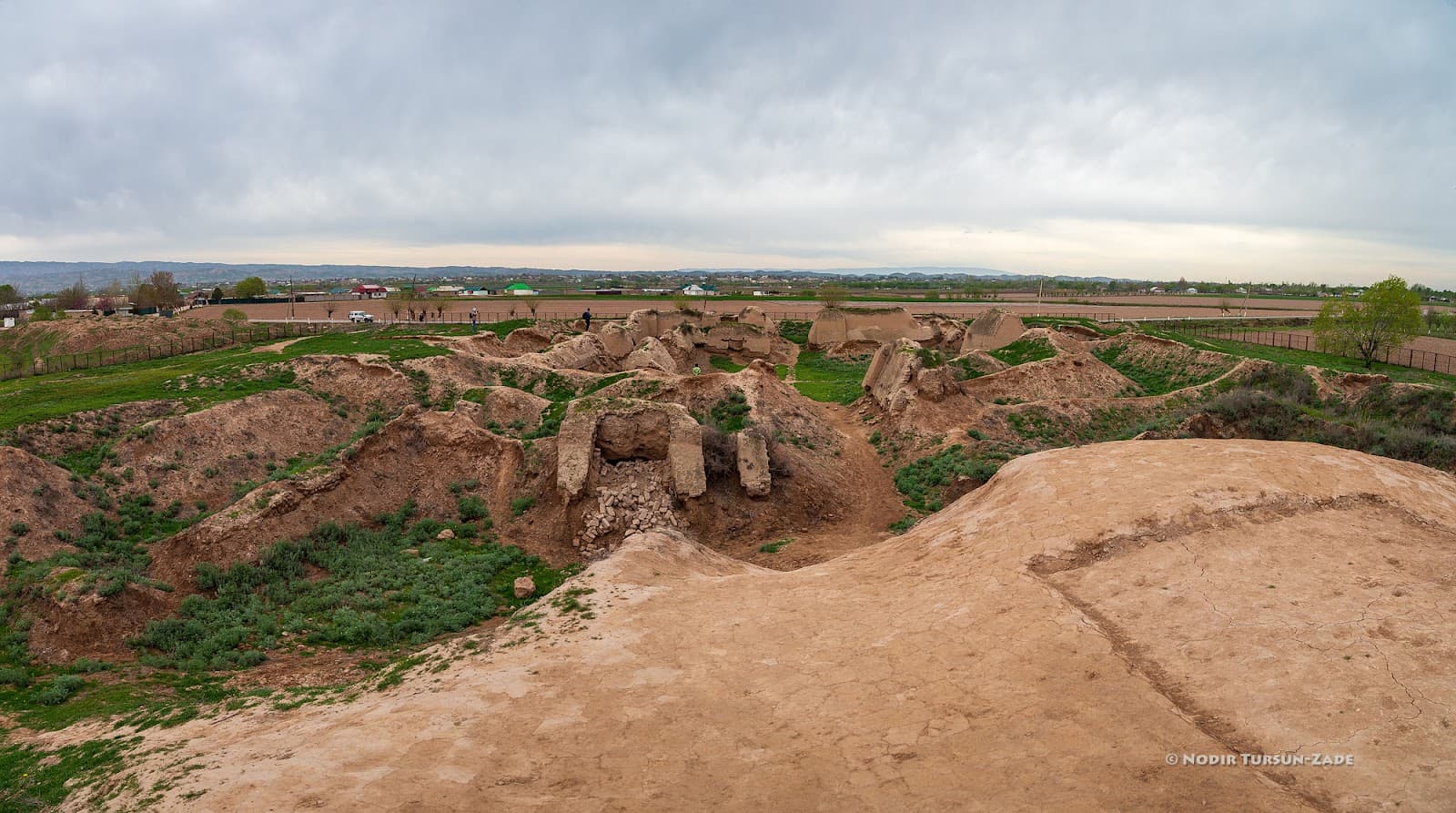
Ajina Tepa Monastery Vakhsh Valley Tajikistan
Nestled in Tajikistan's Vakhsh Valley, Ajina Tepa Monastery, constructed around 650 CE, marks a significant chapter in the eastward expansion of Indian Buddhist art and architectural traditions ([1][2]). During the Tokharistan period, under the patronage of the Western Turkic Khaganate, this monastic complex emerged as a vibrant hub along the Silk Road, facilitating profound cultural and religious exchanges ([1]). This UNESCO Tentative List site offers insights into the interconnectedness of cultures along ancient trade routes ([2][6]). Archaeological excavations have uncovered a layout reminiscent of classic Indian Buddhist monastery designs ([1]). At its heart lies a central stupa (reliquary mound), encircled by monastic cells and assembly halls, echoing the layouts prescribed in ancient texts such as the *Manasara Shilpa Shastra* ([1]). Intricate carvings adorning the walls reveal strong Indian Buddhist iconographic influences, demonstrating a deep understanding of Indian artistic traditions ([1]). The colossal 13-meter reclining Buddha statue, fashioned from clay, symbolizes Parinirvana and mirrors the adoption of Indian iconographic programs from prominent centers like Nalanda and Gandhara ([1]). Fired brick and mud brick construction techniques, combined with local Central Asian aesthetics, birthed a distinctive architectural style ([1][2]). The use of rammed earth, clay, stucco, wood, and metal further exemplifies the diverse materials employed in its construction ([7][8]). Within this monastic setting, monks, traders, and pilgrims fostered the exchange of Buddhist teachings and art between India and Central Asia ([1]). Preserving this site is crucial for understanding the profound impact of Indian civilization on Central Asian religious and artistic traditions ([2][6]). The monastery exemplifies the architectural prowess that facilitated the spread of *dharma* (righteous conduct) across the ancient world.
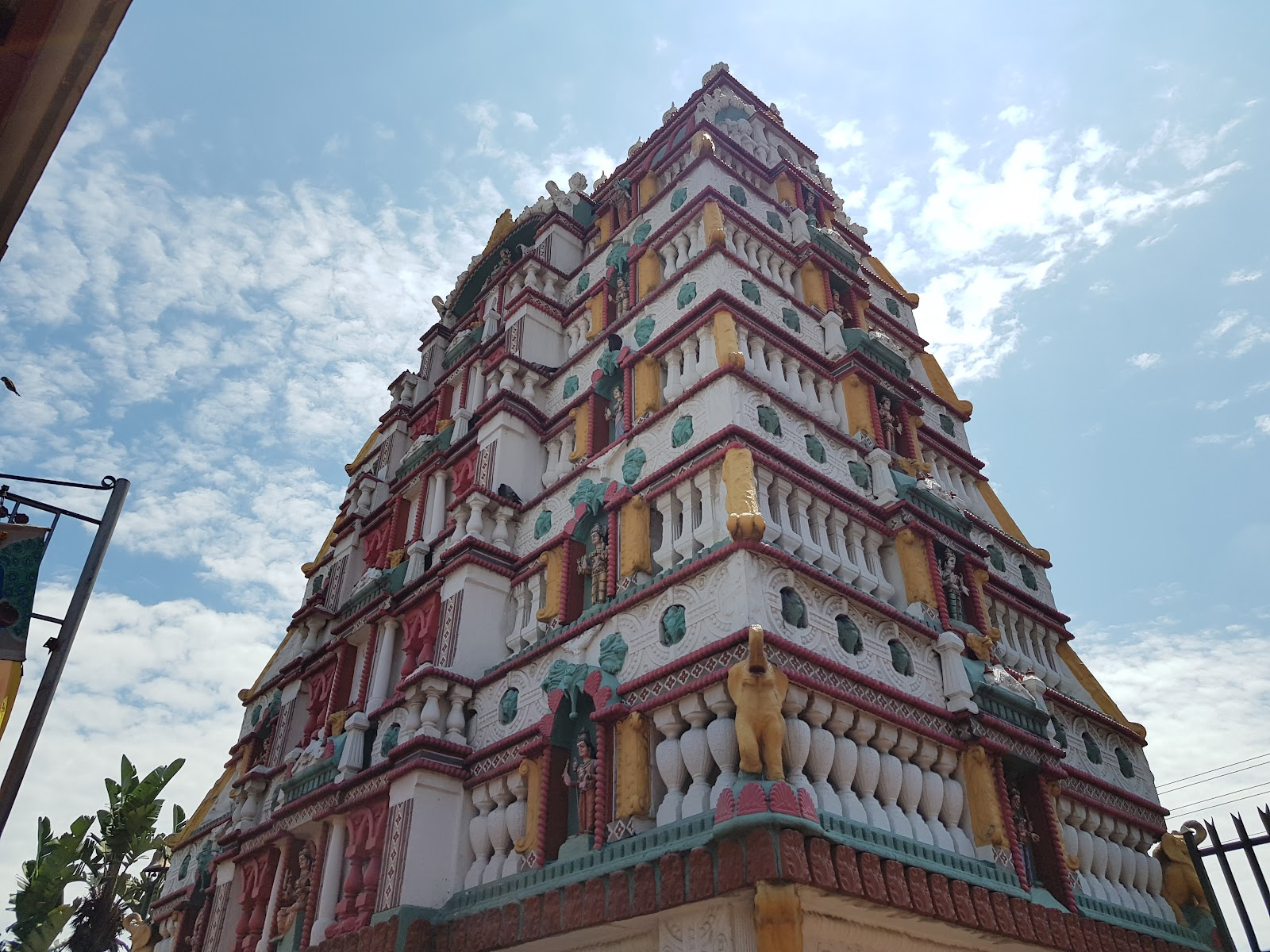
Tshwane India Charity & Cultural Centre (Mariamman Temple Pretoria)
The Tshwane India Charity & Cultural Centre, popularly known as the Mariamman Temple of Pretoria, is the city's oldest Hindu temple—completed in 1905 by indentured Indian traders who modelled its stucco gopuram, pillared mandapam, and circumambulatory corridor on South Indian Amman shrines while adapting to the semi-arid Highveld climate ([1][2]). The complex, restored in recent decades, now anchors a broader community campus with classrooms, a library, medical clinic, and charity hall. Devotees enter through an east-facing gopuram painted in vivid blues and reds, pass the flagstaff and Nandi pavilion, and offer coconuts, turmeric, and neem at the granite sanctum of goddess Mariamman—protector against epidemics—alongside shrines to Ganesha, Muruga, and Venkateswara. The trust operates Tamil language and Bharatanatyam classes, a senior lunch programme, Food for Life distribution, bursaries for township students, and interfaith dialogues. Annual highlights include Panguni Uttiram, Theemithi firewalking staged in an adjacent courtyard, and Deepavali charity drives that supply hampers across Tshwane.
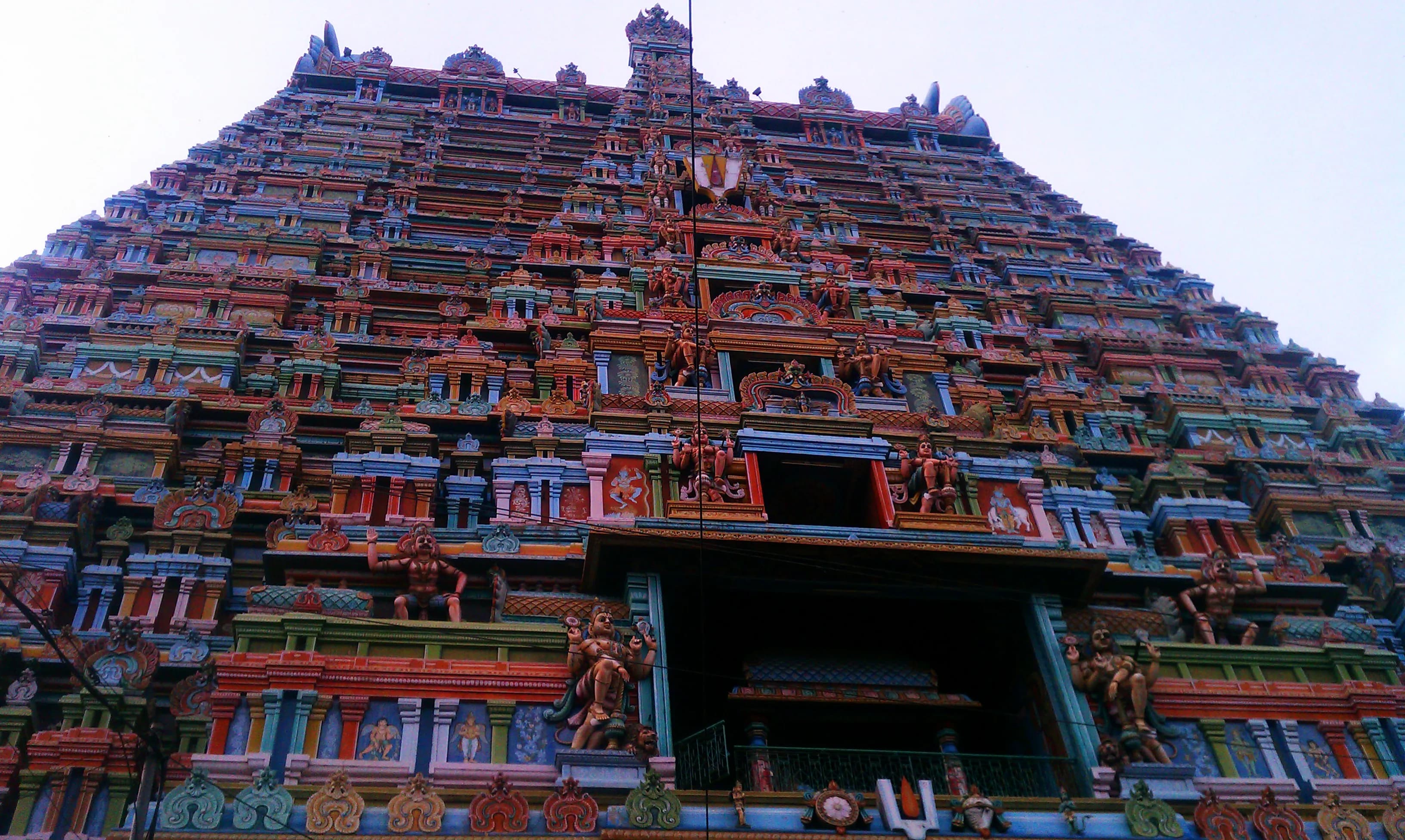
Ranganatha Temple Nellore
The midday sun beat down on Nellore, the heat shimmering off the gopurams of the Ranganatha Swamy Temple. Having explored countless sandstone marvels in Rajasthan, I was eager to experience the distinct Dravidian architecture of this South Indian temple. Stepping through the towering eastern gateway, I was immediately struck by the sheer scale of the complex. The vast courtyard, paved with worn stone, stretched before me, punctuated by smaller shrines and mandapams. Unlike the intricate carvings that adorn Rajasthani temples, the architecture here felt bolder, more geometric. The gopurams, tiered pyramids that mark the temple entrances, were adorned with vibrant stucco figures depicting deities and mythological scenes. The colours, though faded with time, still held a certain vibrancy, a testament to the artistry of the craftsmen who had brought them to life centuries ago. I noticed that the gopurams here seemed less ornate than those I'd seen in Tamil Nadu, perhaps reflecting a regional variation in the Dravidian style. The main shrine, dedicated to Lord Ranganatha, a reclining form of Vishnu, dominated the courtyard. The structure, built from granite, exuded a sense of solidity and permanence. As I approached, I observed the intricate carvings that adorned the pillars and walls. While the overall style was Dravidian, I noticed subtle influences of the Vijayanagara Empire in the ornate detailing, a reminder of the region's rich history. The pillars, in particular, were fascinating. Many featured yalis, mythical lion-like creatures, a common motif in South Indian temple architecture. However, the yalis here seemed more stylized, less ferocious than those I'd seen elsewhere, lending a unique character to the temple. Inside the sanctum sanctorum, the atmosphere was hushed and reverent. Photography was prohibited, which allowed me to fully immerse myself in the spiritual energy of the place. The air was thick with the scent of incense and the murmur of prayers. While I couldn't capture the image of the reclining deity, the mental picture I formed was far more vivid. The serenity of the Lord's expression, the intricate details of his adornments, and the palpable devotion of the worshippers created an unforgettable experience. Exiting the main shrine, I wandered through the sprawling complex, discovering hidden corners and smaller shrines dedicated to various deities. One particularly captivating structure was the Kalyana Mandapam, the marriage hall. Its intricately carved pillars, depicting scenes from Hindu mythology, were a testament to the skill of the artisans. I imagined the vibrant ceremonies that must have taken place within these walls, the air filled with music and celebration. The Pushkarini, the temple tank, located to the north, offered a welcome respite from the midday heat. The steps leading down to the water were worn smooth by centuries of use, a tangible link to the generations who had come before. The stillness of the water reflected the surrounding gopurams, creating a mesmerizing image. I observed locals performing rituals at the water's edge, their faith evident in every gesture. My visit to the Ranganatha Swamy Temple was a journey of discovery, a chance to appreciate the nuances of Dravidian architecture and experience the spiritual heart of Nellore. While the grandeur of Rajasthan's forts and palaces will always hold a special place in my heart, the serene beauty and intricate artistry of this South Indian temple offered a fresh perspective, a reminder of the rich diversity of India's architectural heritage. The temple isn't just a structure of stone and stucco; it's a living testament to faith, artistry, and the enduring power of tradition.
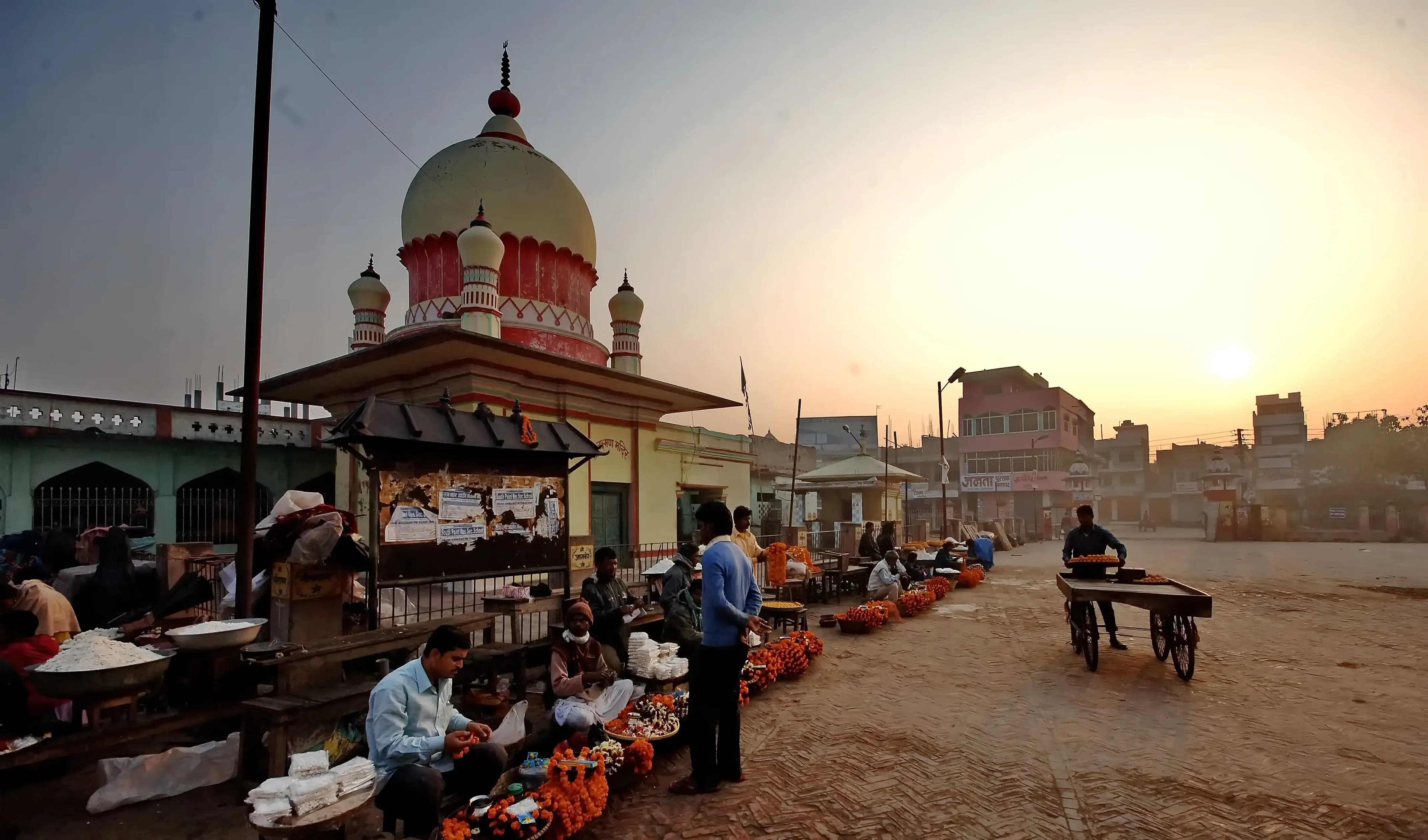
Naulakha Temple Deoghar
The midday sun beat down on Deoghar, casting long shadows across the paved courtyard as I approached the Naulakha Temple. Its gleaming white marble exterior, a stark contrast to the dusty landscape, radiated an almost ethereal glow. Nine lakhs, or nine hundred thousand rupees, is said to have been spent on its construction in 1949, hence the name. Having explored countless temples across North India, I was prepared for another ornate structure, but the Naulakha Temple surprised me with its unique blend of traditional and modern elements. The temple is dedicated to Lord Shiva, and the towering shikhara, the curvilinear tower rising above the sanctum sanctorum, immediately draws the eye. Unlike the intricate carvings that adorn most North Indian temples, the shikhara here is relatively plain, its smooth marble surface reflecting the sunlight. This simplicity, however, is not a sign of austerity, but rather a deliberate aesthetic choice that emphasizes the temple's grandeur. It’s a powerful statement of faith, a monument built not with elaborate ornamentation, but with sheer scale and the purity of white marble. As I circumambulated the temple, I noticed the subtle carvings around the base. Floral motifs and depictions of deities, though less prominent than in other temples I’ve visited, were executed with precision and grace. The interplay of light and shadow on the marble surface brought these carvings to life, creating a dynamic visual experience. It's a testament to the skill of the artisans who managed to imbue even the smallest details with a sense of devotion. Stepping inside the cool, dimly lit sanctum was a welcome respite from the scorching heat. The air was thick with the scent of incense and the murmur of prayers. The main deity, a Shiva lingam, resided in the centre, bathed in the soft glow of oil lamps. The atmosphere was charged with a palpable sense of reverence, a feeling amplified by the hushed whispers of devotees. I observed families offering prayers, their faces etched with devotion, a scene that plays out in temples across India, yet each time feels unique and deeply personal. What struck me most about the Naulakha Temple was its accessibility. Unlike many ancient temples where photography is restricted, here, I was free to document my experience. I captured the intricate details of the carvings, the serene faces of the devotees, and the imposing structure of the temple against the backdrop of the Jharkhand sky. This openness, I felt, reflected a modern approach to faith, a willingness to embrace and share the spiritual experience. Beyond the main temple, the complex houses several smaller shrines dedicated to other deities. I spent some time exploring these, observing the variations in architectural styles and the unique offerings made at each shrine. The presence of these smaller temples within the larger complex creates a sense of community, a microcosm of the Hindu pantheon. Leaving the Naulakha Temple, I carried with me not just photographs and memories, but a deeper understanding of the evolving landscape of faith in India. The temple, with its blend of traditional elements and modern sensibilities, represents a bridge between the past and the present. It's a place where ancient rituals are performed within a contemporary setting, a testament to the enduring power of belief in a rapidly changing world. The Naulakha Temple is not just a place of worship; it's a living testament to the enduring spirit of devotion and a fascinating study in the architectural evolution of religious spaces. It is a must-see for anyone travelling through Jharkhand, offering a glimpse into the heart of Hindu faith and the rich cultural tapestry of India.
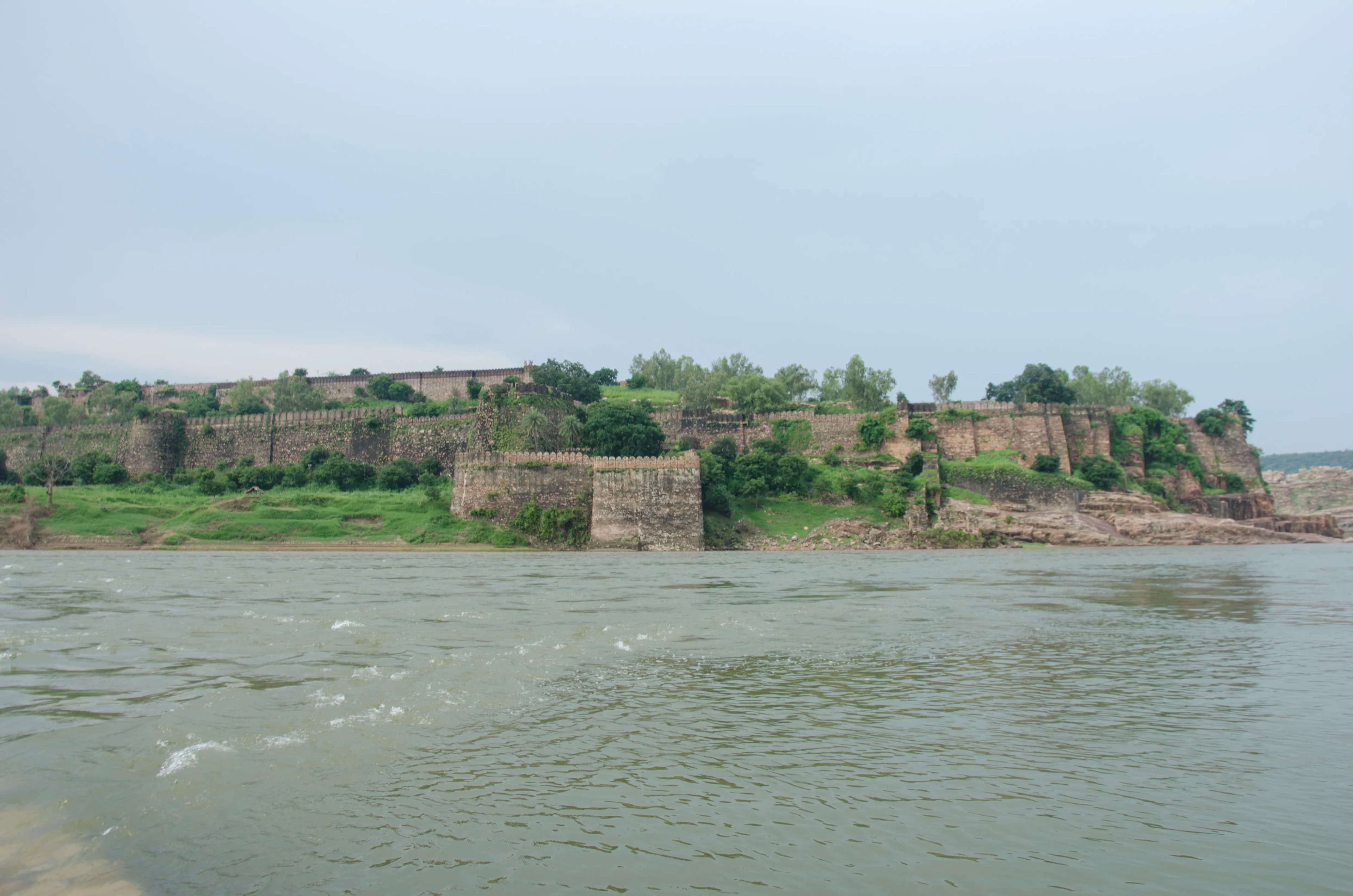
Gagron Fort Jhalawar
The imposing silhouette of Gagron Fort, rising from the confluence of the Ahu and Kali Sindh rivers, was a sight that resonated with a power far beyond its physical scale. Having spent years immersed in the Dravidian architecture of South India, I arrived at this Rajput fortress with a keen eye for comparison and a thirst to understand a different architectural idiom. The stark contrast between the granite behemoths of my homeland and this sandstone sentinel was immediately apparent, yet the underlying principles of fortification and strategic placement felt strangely familiar. Gagron, a UNESCO World Heritage Site, is one of the few hill and water forts in Rajasthan. The unique 'jal durg' classification, meaning water fort, is immediately justified by its position. Unlike the moat-encircled forts I’m accustomed to seeing in the South, Gagron is virtually embraced by the rivers on three sides, creating a natural, formidable barrier. This inherent strength is further enhanced by massive sandstone walls that rise directly from the water, their warm hues glowing in the afternoon sun. Entering through the imposing Nahar Pol gate, I was struck by the intricate carvings adorning the archway. While less ornate than the Gopurams of South Indian temples, the detailed depictions of deities and floral motifs spoke volumes about the Rajput patronage of the arts. The fort's layout, a labyrinthine network of narrow lanes, palaces, temples, and reservoirs, unfolded before me like a medieval urban plan. The steep inclines and strategically placed gates clearly demonstrated a focus on defense, reminding me of the intricate fortifications of Gingee Fort back home. The architecture within the fort displayed a fascinating blend of Rajput military architecture and subtle Mughal influences. The Kirttistambh, a victory tower, stood tall, its intricate carvings a testament to Rajput craftsmanship. It reminded me of the Vijayanagara period pillars, though the stylistic differences were pronounced. The Rani Mahal palace, overlooking the confluence of the rivers, offered breathtaking views and a glimpse into the lives of the royalty who once inhabited this fortress. The delicate jali work, allowing for ventilation and veiled views, was a feature I found echoed in many South Indian palaces, though the geometric patterns here were distinctly Rajasthani. One of the most striking features of Gagron Fort is its water management system. The numerous baoris, or stepwells, within the fort complex are marvels of engineering. These deep, multi-storied structures, designed to collect and store rainwater, showcase an understanding of water conservation that was crucial in this arid region. The sophistication of these systems resonated deeply with me, having witnessed similar ingenuity in the ancient tank irrigation systems of Tamil Nadu. Exploring the fort, I came across several temples dedicated to various Hindu deities. The architecture of these temples, while smaller in scale, bore the hallmarks of Rajput temple design, with their shikharas and mandapas. The coexistence of these religious structures within the fort highlighted the integral role of faith in the lives of the Rajput rulers. This integration of secular and religious architecture is a feature I've often observed in South Indian temple complexes as well. My visit to Gagron Fort was more than just a sightseeing trip; it was a cross-cultural architectural dialogue. It was a testament to the ingenuity and artistry of two distinct yet interconnected building traditions. While the materials, styles, and ornamentation differed significantly, the underlying principles of fortification, water management, and the integration of faith into architecture resonated deeply with my understanding of South Indian heritage. Gagron Fort stands not just as a monument to Rajput valor, but as a powerful reminder of the shared architectural heritage of India.
Quick Links
Plan Your Heritage Journey
Get personalized recommendations and detailed visitor guides