Has Inheritage Foundation supported you today?
Your contribution helps preserve India's ancient temples, languages, and cultural heritage. Every rupee makes a difference.
Secure payment • Instant 80G certificate
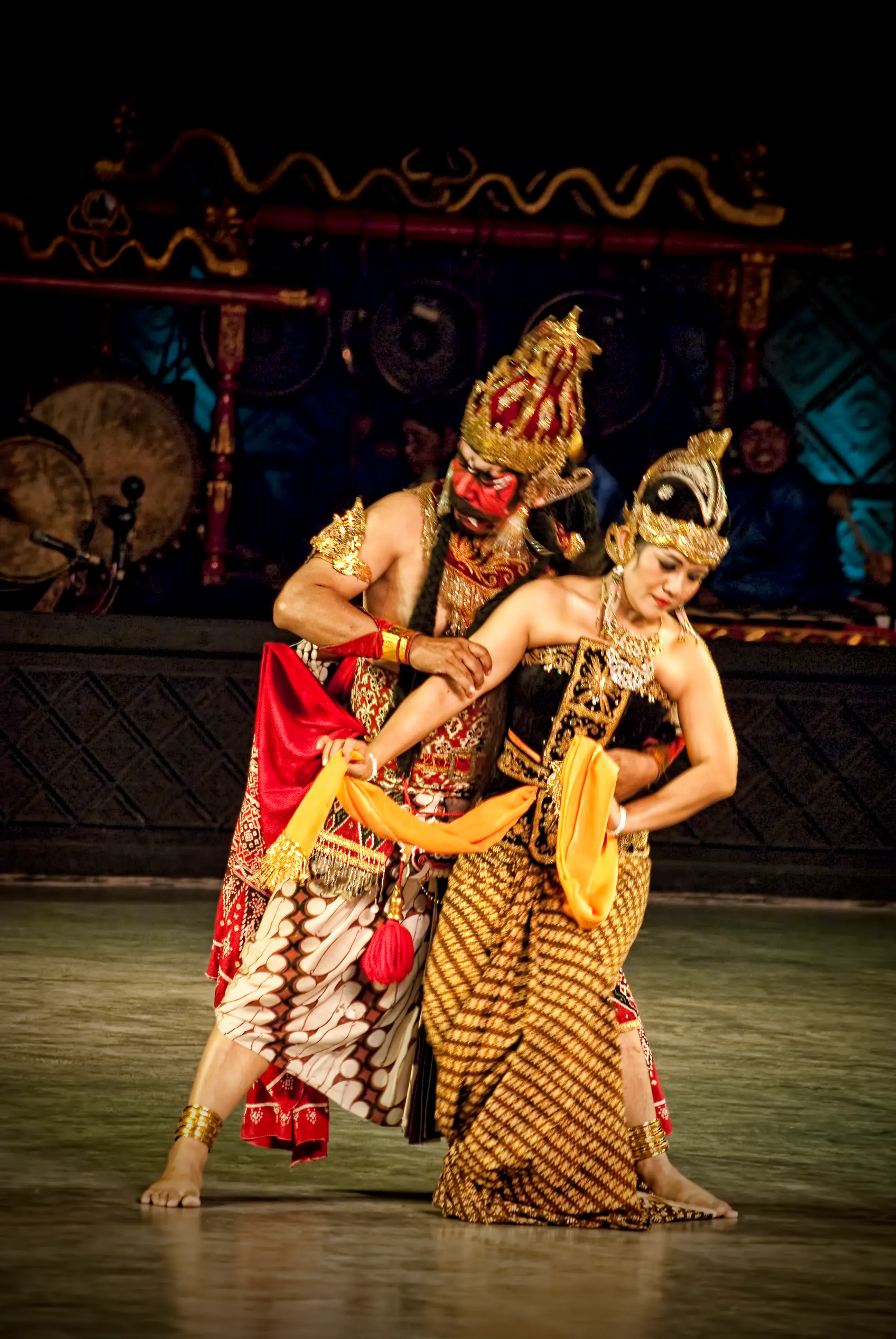
Prambanan Temple Compounds Yogyakarta
The rising sun cast long, dramatic shadows across the dew-kissed plains of Java, illuminating the towering spires of Prambanan. I’d documented hundreds of temples across India, from the intricate carvings of Khajuraho to the monolithic marvels of Mahabalipuram, but the sheer scale and verticality of Prambanan took my breath away. This wasn't just a temple complex; it was a symphony in stone, a testament to the architectural prowess of the 9th-century Medang Mataram kingdom. My lens, accustomed to the sandstone hues of Indian temples, struggled to capture the grey volcanic rock of Prambanan. The texture was different, rougher, yet the intricate reliefs carved into the stone possessed a similar narrative power. These weren't mere decorations; they were stories etched in stone, depicting scenes from the Ramayana epic, celestial beings, and intricate floral motifs. I found myself tracing the lines of these narratives with my fingers, feeling the history embedded within each groove. The central compound, dominated by the three main temples dedicated to the Hindu trinity – Brahma, Vishnu, and Shiva – commanded the landscape. Shiva’s temple, the loftiest of the three, soared 244 feet into the sky, a majestic representation of Mount Meru, the mythical abode of the gods. The smaller accompanying temples, dedicated to the respective mounts of the deities – the bull Nandi for Shiva, the goose Hamsa for Brahma, and Garuda, the mythical bird, for Vishnu – added another layer of symbolic depth. As I circled the temples, I noticed the distinct architectural style. The tall, slender spires, the receding tiers adorned with miniature shrines, and the profusion of decorative elements reminded me of the Dravidian architecture of South India, yet there was a unique Javanese sensibility infused within it. The influence of Indian temple architecture was undeniable, a testament to the cultural exchange that flourished across the seas centuries ago. It felt like witnessing a fascinating conversation between two distinct architectural traditions. Climbing the steep steps to the inner sanctums, I was struck by the interplay of light and shadow within the temple chambers. The narrow doorways and strategically placed openings created a mystical atmosphere, enhancing the spiritual significance of the space. I imagined the rituals and ceremonies that would have once filled these hallowed halls, the chanting of priests, the fragrance of incense, the devotion of the worshippers. Beyond the central compound, the ruins of hundreds of smaller temples stretched across the vast expanse, a poignant reminder of the destructive power of earthquakes and the passage of time. These crumbling structures, though ravaged, still held a certain beauty, their weathered stones whispering tales of a glorious past. I spent hours wandering through these ruins, my camera diligently documenting each fragment, each fallen lintel, each weathered carving. The restoration work undertaken at Prambanan was evident, a careful balance between preserving the historical integrity of the site and ensuring its structural stability. Seeing the meticulous efforts to reconstruct these ancient marvels filled me with a sense of hope. These weren't just ruins; they were living monuments, testaments to human ingenuity and resilience. As the day drew to a close, the setting sun bathed the temples in a warm, golden glow. I stood there, mesmerized by the spectacle, feeling a deep connection to this ancient site. Prambanan wasn't just a collection of stones; it was a repository of stories, a testament to the enduring power of faith and artistry. It was a place that had spoken to me across centuries, reminding me of the shared cultural heritage that binds us together, despite geographical boundaries.
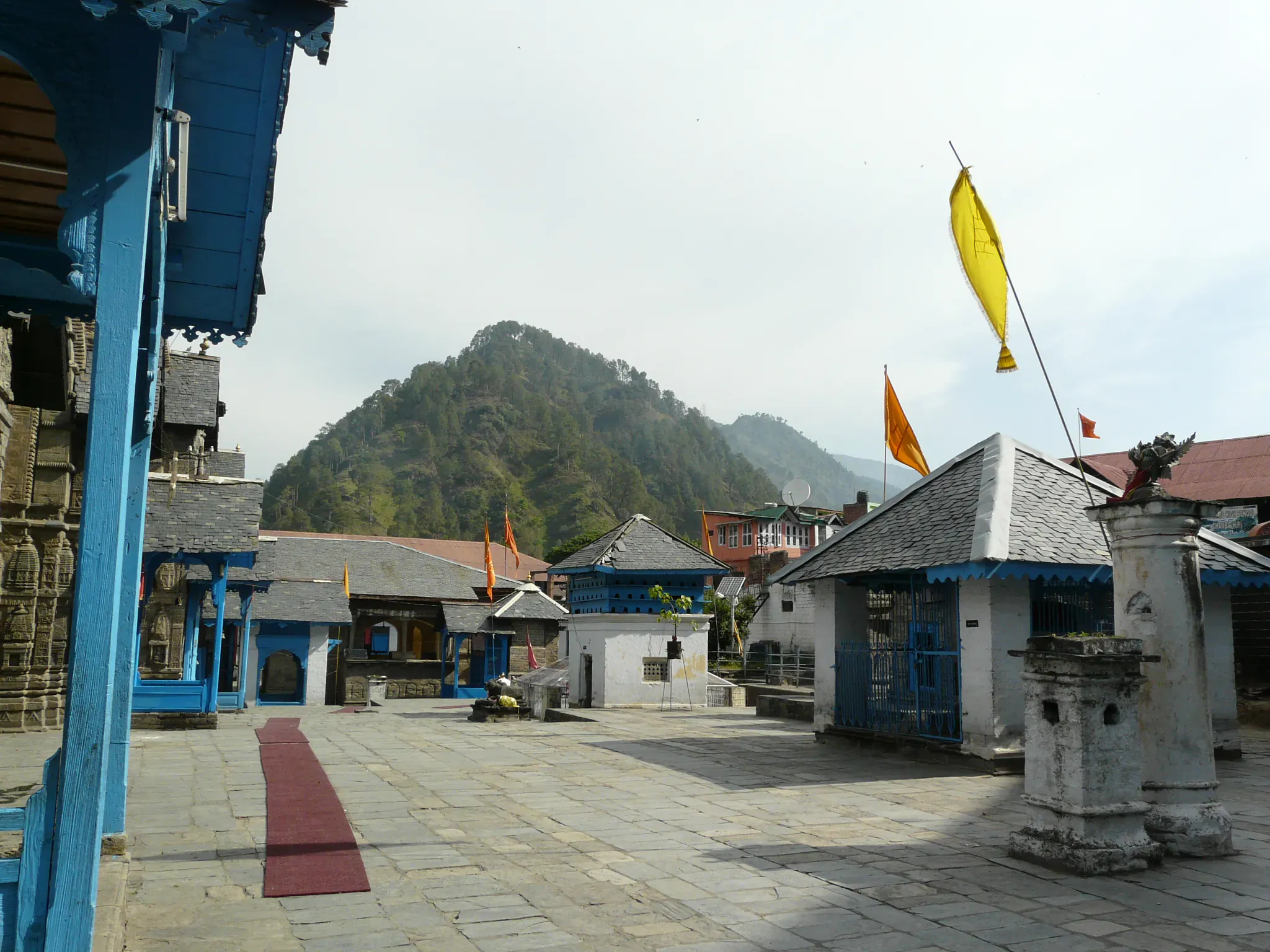
Lakshmi Narayan Temple Chamba
The crisp Himalayan air vibrated with the faint clang of temple bells as I stepped into the Lakshmi Narayan Temple complex in Chamba. Nestled against the dramatic backdrop of the Dhauladhar range, this cluster of intricately carved shrines, a testament to the artistic prowess of the Chamba rulers, felt both imposing and intimate. Having documented over 500 monuments across India, I’ve developed a keen eye for architectural nuances, and Chamba’s temple complex offered a feast for the senses. The first structure that captured my attention was the Lakshmi Narayan Temple, the oldest and largest within the complex. Built primarily of wood and stone in the Shikhara style, its towering conical roof, adorned with intricate carvings of deities and mythical creatures, reached towards the azure sky. The weathered wooden panels, darkened by time and the elements, spoke of centuries of devotion and whispered stories of bygone eras. I was particularly drawn to the ornate brass doorways, their intricate floral and geometric patterns gleaming in the afternoon sun. These weren't mere entrances; they were portals to a realm of spiritual significance. As I moved deeper into the complex, I encountered a series of smaller temples, each dedicated to a different deity within the Hindu pantheon. The Radha Krishna Temple, with its delicate carvings of Krishna playing the flute, exuded a sense of playful devotion. The Shiva Temple, its stone walls adorned with depictions of the fearsome yet benevolent deity, felt palpably different, radiating an aura of quiet power. The architectural styles varied subtly, showcasing the evolution of temple architecture in the region over several centuries. Some featured sloping slate roofs, a characteristic of the local vernacular, while others echoed the Shikhara style of the main temple, creating a harmonious blend of architectural influences. One aspect that truly captivated me was the intricate woodwork. The Chamba region is renowned for its skilled woodcarvers, and their artistry is on full display throughout the complex. From the elaborately carved pillars and beams to the delicate latticework screens, every surface seemed to tell a story. I spent hours photographing these details, trying to capture the essence of the craftsmanship and the devotion that inspired it. The wood, though aged, retained a warmth and richness that contrasted beautifully with the cool grey stone. Beyond the architectural marvels, the complex pulsed with a living spirituality. Devotees moved through the courtyards, offering prayers and performing rituals. The air was thick with the scent of incense and the murmur of chants, creating an atmosphere of profound reverence. I observed a group of women circumambulating the main temple, their faces etched with devotion, their colorful saris adding vibrant splashes of color against the muted tones of the stone and wood. These weren't mere tourists; they were active participants in a centuries-old tradition, their presence adding another layer of meaning to the already rich tapestry of the site. The Lakshmi Narayan Temple complex isn't just a collection of beautiful buildings; it’s a living testament to the enduring power of faith and the artistic brilliance of a bygone era. It's a place where history, spirituality, and architecture intertwine, creating an experience that resonates deep within the soul. As I packed my equipment, preparing to leave this haven of tranquility, I felt a sense of gratitude for having witnessed this remarkable confluence of art and devotion. The images I captured, I knew, would serve as a reminder of the rich cultural heritage of Chamba and the enduring spirit of India.
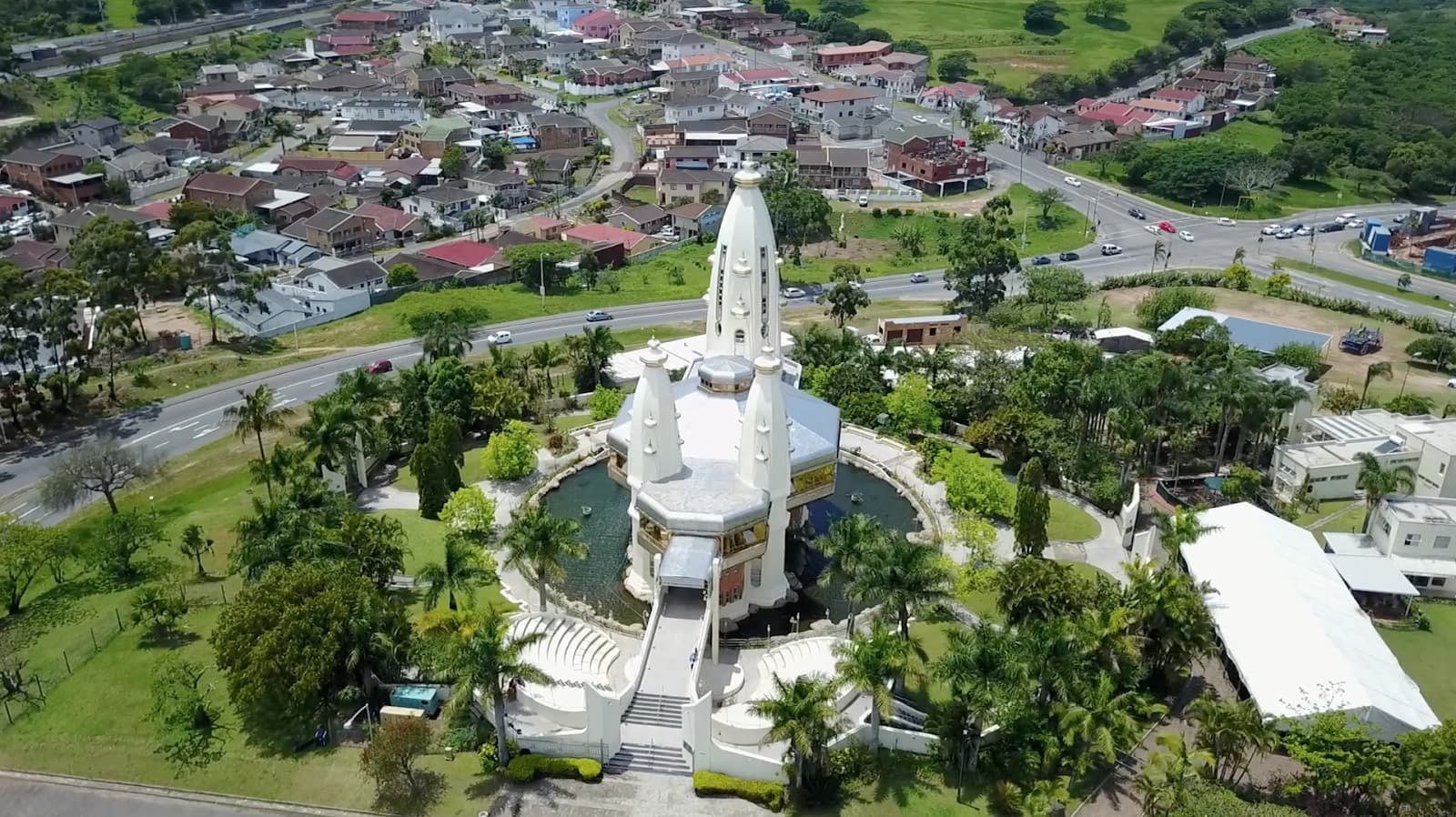
Sri Sri Radha Radhanath Temple (Temple of Understanding)
Sri Sri Radha Radhanath Temple—popularly called the Temple of Understanding—opened in 1985 atop Chatsworth’s Lotus Park with a 56-metre triple-domed hall, mirrored ceiling panels, stained glass lotus windows, and marble balustrades that reinterpret classical Indian temple geometry for a modern South African skyline ([1][2]). The ISKCON complex houses the deities Sri Sri Radha Radhanath, Lord Jagannath Baladeva Subhadra, and Sri Sri Gaura-Nitai on a gold-leafed altar backed by Italian marble reliefs; devotees circumambulate beneath parabolic arches while chandeliers reflect across the glass mosaic vault. Daily worship begins 4:30 AM with mangala-arati and extends through twelve services culminating in night-time shayana arati accompanied by Durban’s signature kirtan ensembles. Beyond ritual, the 3.5-hectare campus functions as a social engine: a commercial-grade kitchen cooks up to 15,000 vegetarian meals weekly for the Food For Life programme, the Bhaktivedanta College offers spiritual education, yoga, counselling, and youth mentorship, and the Govinda’s restaurant and bakery anchor a vegetarian culinary tradition for the city. The temple’s amphitheatre hosts annual Festival of Chariots cultural productions, multi-faith dialogues, and classical Indian arts festivals broadcast worldwide via ISKCON's media network ([1][2]).
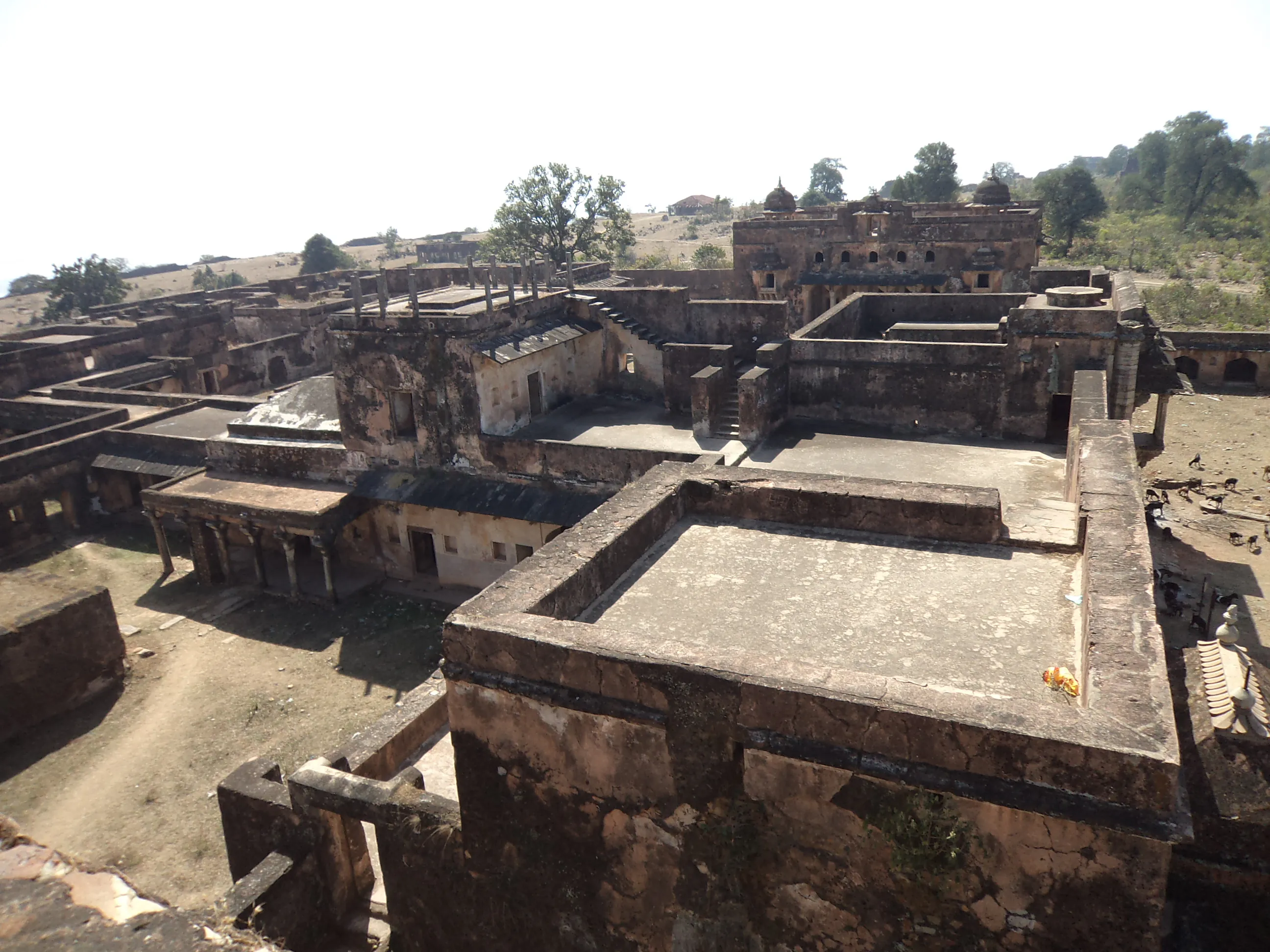
Rohtasgarh Fort Rohtas
The cyclopean walls of Rohtasgarh Fort rose before me, a stark silhouette against the Bihar sky. Ascending the winding road, I felt a palpable shift, a journey not just upwards, but backwards in time. This wasn't merely a fort; it was a palimpsest of history, layered with the narratives of Suryavanshi kings, Afghan rulers, and even a brief, intriguing brush with the Mughals. My first impression was of sheer scale. Rohtasgarh isn't a compact citadel; it sprawls across a plateau, encompassing over 70 square kilometers. The outer fortifications, following the natural contours of the hill, are a testament to strategic brilliance. These aren't just walls; they are integrated with the landscape, utilizing the steep cliffs and ravines as natural defenses. The sheer drop from the ramparts is breathtaking, and I could easily imagine the daunting task faced by any would-be attacker. Passing through the multiple gateways, each a marvel of military engineering, I began to appreciate the fort's layered history. The initial impression of robust, almost crude, strength gave way to glimpses of refined artistry. The 'Hathi Pol' or Elephant Gate, for instance, displays a surprising elegance despite its defensive purpose. The carvings, though weathered by time, hinted at a period of artistic flourishing. Later, I discovered that many of these finer details were added during the Suri dynasty, showcasing their distinct aesthetic sensibilities. Within the fort's vast expanse, the structures range from the purely functional to the surprisingly ornate. The 'Rajmahal,' or royal palace, though now in ruins, still whispers of past grandeur. I was particularly struck by the 'Rang Mahal,' its faded frescoes a testament to the vibrant court life that once thrived within these walls. The intricate jali work, allowing for both ventilation and privacy, spoke of a sophisticated understanding of architectural principles. One of the most intriguing aspects of Rohtasgarh is its water management system. The numerous baolis, or stepwells, are not just utilitarian structures; they are architectural marvels. The most impressive, the 'Ganesh Baoli,' descends several stories, its intricate steps and landings creating a mesmerizing geometric pattern. Standing at the bottom, looking up at the sliver of sky framed by the well's opening, I felt a sense of awe at the ingenuity of the ancient builders. They had not just conquered the terrain but had also mastered the essential element of water, ensuring the fort's self-sufficiency. Beyond the grand structures, it was the smaller details that captured my attention. The remnants of a marketplace, the carved doorways of private residences, the hidden passages – each element contributed to a richer understanding of life within the fort. I spent hours exploring the lesser-known corners, tracing the faint outlines of past lives. Rohtasgarh isn't just a collection of stones and mortar; it's a living testament to human ingenuity and resilience. Standing on the ramparts, gazing out at the vast panorama, I felt a profound connection to the past. This wasn't just a visit; it was an immersion in history, a journey through time etched in stone. The fort stands as a silent sentinel, guarding the stories of empires risen and fallen, a powerful reminder of the enduring legacy of ancient Indian architecture.
Sri Srinivasa Perumal Temple Singapore
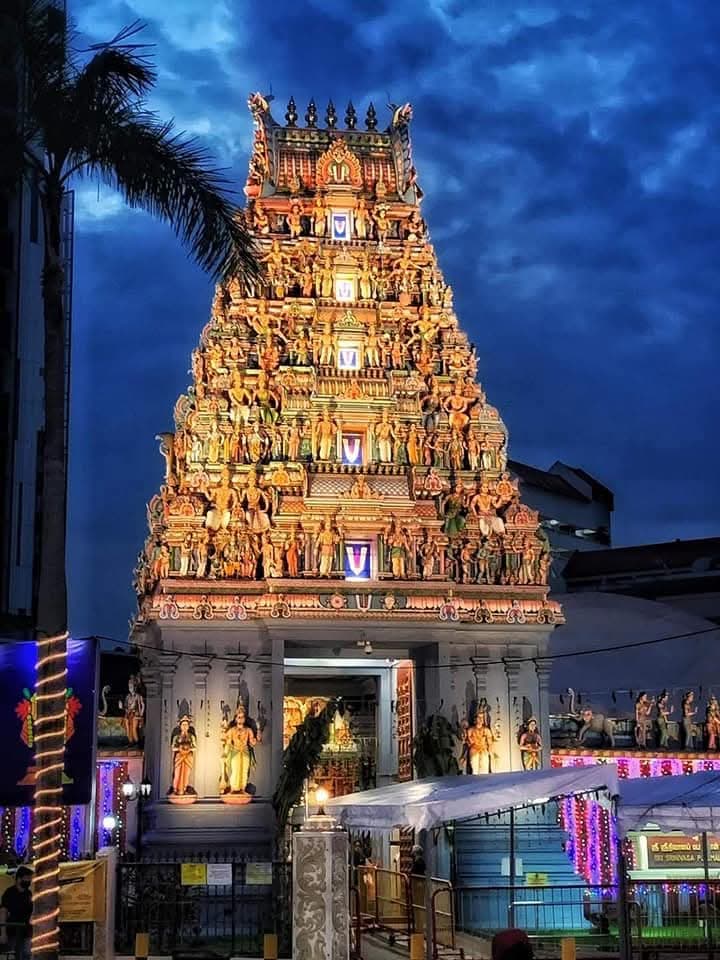
The Sri Srinivasa Perumal Temple, located at 397 Serangoon Road in Singapore, stands as a profound testament to India's millennia-spanning cultural heritage, embodying the continuous tradition of Dravida Vaishnava architecture [2] [3]. Dedicated to Sri Srinivasa Perumal, a manifestation of Lord Vishnu, this sacred edifice reflects the deep historical roots and enduring sophistication of Indian temple building traditions [3]. The temple's architectural style is predominantly Dravidian, characterized by its towering gopuram, intricate sculptural work, and adherence to ancient Agama Shastras principles [3]. The most striking feature is the five-tiered gopuram, which reaches a height of 20 meters [3]. This monumental entrance tower is adorned with a multitude of stucco sculptures depicting various deities, mythological narratives, and celestial beings, all rendered with meticulous detail and vibrant polychromy [3]. The gopuram serves not only as a gateway but also as a visual representation of the cosmic hierarchy, a common element in South Indian temple architecture [3]. The construction primarily utilizes brick and mortar, a traditional method that allows for the intricate sculptural detailing seen throughout the structure [3]. The temple complex encompasses a main shrine (garbhagriha) housing the principal deity, surrounded by a circumambulatory path (pradakshina patha), and several subsidiary shrines dedicated to other deities such as Lakshmi, Andal, and Garuda [3]. Separate sanctums are also present for Chakrathaazhvar and Lord Hanuman, reflecting the comprehensive pantheon worshipped within the Vaishnava tradition [3]. Within the inner courtyard, a well marks the historical location of a stream, which was traditionally used by devotees for ritual cleansing before worship, highlighting the integration of natural elements into the sacred space [3]. A Tulasi (holy basil) plant, revered in Hinduism, is also present, symbolizing purity and devotion [3]. The temple ceiling above the main hall features a colorful circular pattern illustrating the nine planets (Navagrahas), an astrological motif common in Hindu temples [3]. The structural system employs traditional load-bearing walls and columns, with finely carved pillars supporting the roof structures [3]. The intricate carvings on these pillars often depict episodes from Hindu epics and Puranas, serving both decorative and didactic purposes [3]. The temple was gazetted as a National Monument in 1978, underscoring its significant cultural and architectural value [2]. Regular conservation efforts are undertaken, with major facelifts and consecration ceremonies (kumbhabhishekam) occurring approximately every 12 years, a practice rooted in ancient Hindu traditions to rejuvenate the sacred energy of the temple [2]. The most recent major restoration was completed in 2018, ensuring the structural integrity and aesthetic preservation of its ancient forms and intricate artwork [2]. The temple remains an active place of worship, hosting daily rituals, major festivals like Panguni Brahmotsavam and Thaipusam, and community services, demonstrating its continuous operational readiness and its role as a vibrant center for cultural and spiritual practices [2].
Barabati Fort Cuttack
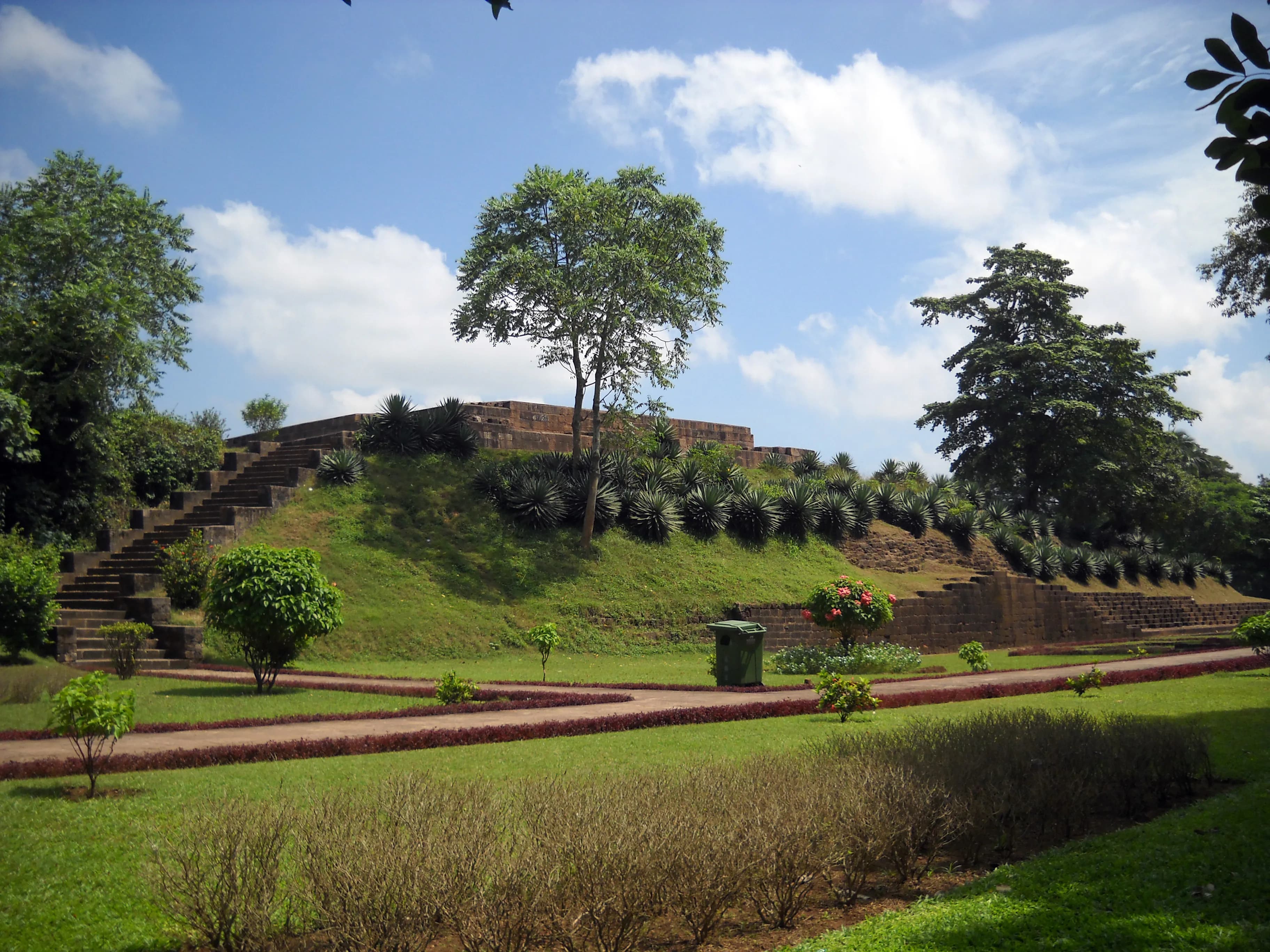
Stone platforms and foundations mark the site of Barabati Fort in Cuttack, Odisha, constructed around 1050 CE during the Eastern Ganga dynasty ([1][2]). Translating to "twelve gates," the fort was built with laterite and khondalite stones, held together by iron clamps, showcasing Kalinga architectural elements ([3][4]). A now-dry moat, imposing ramparts, and bastions highlight the fort’s medieval Indian fortification strategies ([1]). Archaeological excavations have revealed the foundations of a nine-storied palace, suggesting the fort's former splendor and intricate design ([2][3]). The palace ruins point to sophisticated Orissan style architecture, reminiscent of regional temples ([4]). Adjacent to the palace site, a museum displays sculptures and artifacts, offering insights into the artistic legacy shaped by Hindu mythological themes ([5]). During the Ganga period, temple architecture flourished, influencing the fort's layout and design ([3]). The principles of Vastu Shastra (ancient architectural science) likely guided the planning of the fort, aligning it with cosmic energies ([6]). The use of laterite, abundant in the region, imparts a distinct earthy character to the fort, contrasting with sandstone structures found elsewhere ([4]). Moreover, the fort's history includes later influences from the Mughals and Marathas, creating a layered historical narrative ([1][2][5]). Despite these influences, the core Kalinga architectural style remains evident in the remaining structures ([3][4]). Today, Barabati Fort stands as a reminder of Odisha's rich architectural and cultural heritage, blending military and artistic traditions ([1][5]).
Mattancherry Palace Kochi
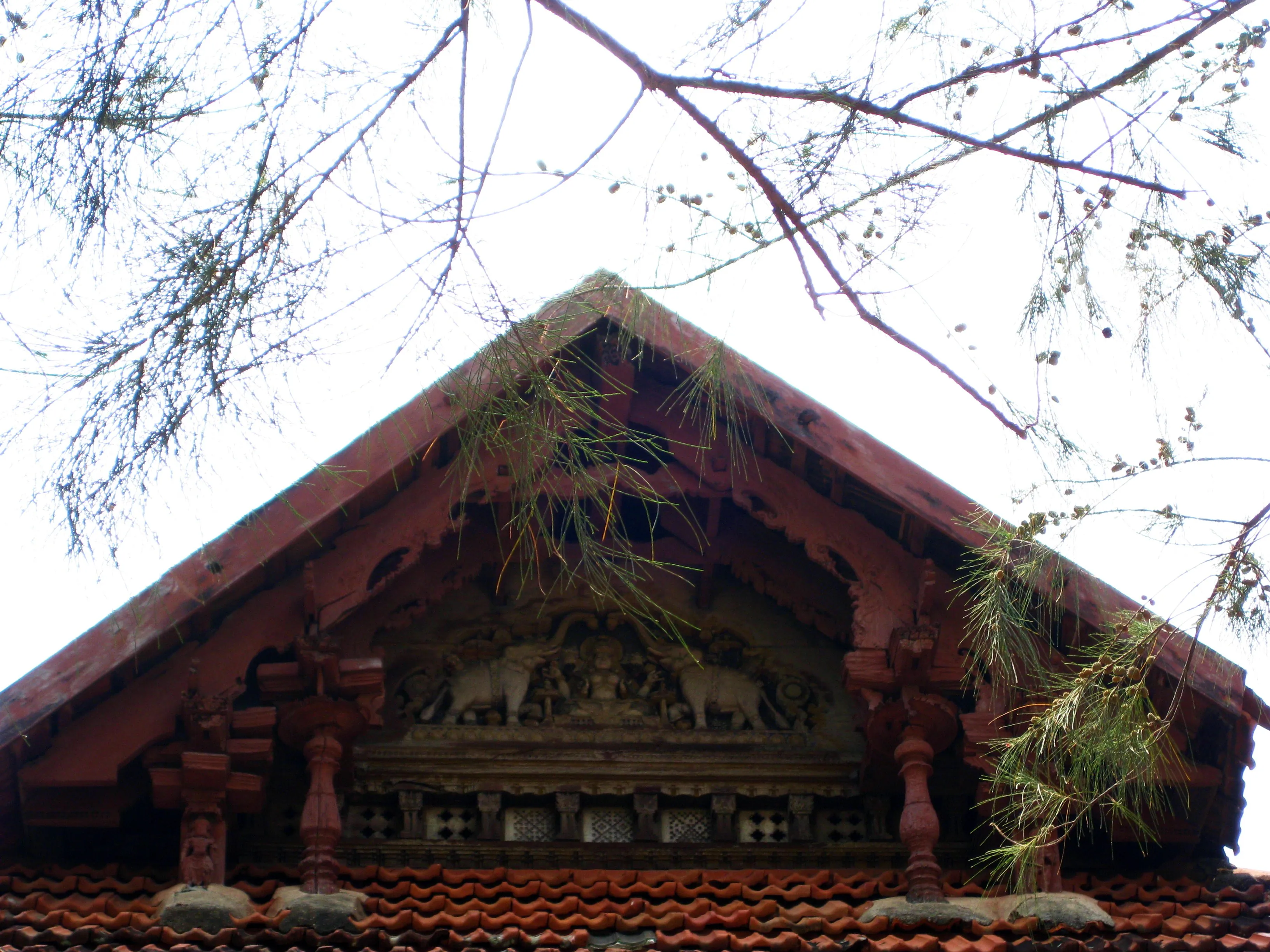
The Mattancherry Palace, also known as the Dutch Palace, stands as a testament to the layered history of Kochi, a city where the whispers of Portuguese, Dutch, and Indian influences intertwine. Having explored every UNESCO site in India, I can confidently say that this palace offers a unique glimpse into this cultural confluence, a narrative etched onto its walls and woven into its very fabric. Stepping through the unassuming entrance, I was immediately struck by the contrast between the simple exterior and the vibrant world within. The palace, gifted to the Raja of Kochi by the Portuguese in 1557 and later renovated by the Dutch, is a fascinating blend of Kerala architecture and European aesthetics. The sloping roof, typical of the region, is adorned with terracotta tiles, while the interiors showcase a stunning collection of murals, arguably the most captivating feature of the palace. These murals, primarily depicting scenes from the Ramayana, Mahabharata, and Puranic legends, are a visual feast. The vibrant colours, predominantly red, green, and yellow, retain a surprising freshness despite the passage of time. I spent hours captivated by the intricate details – the expressive eyes of the characters, the elaborate costumes, and the dynamic portrayal of the stories. The sheer scale of some of these murals, covering entire walls and ceilings, is breathtaking. One particular panel depicting the coronation of Rama left a lasting impression, its sheer grandeur and the meticulous detailing of the royal court showcasing the skill of the artists. Beyond the murals, the palace houses a fascinating collection of royal portraits, showcasing the lineage of the Kochi Rajas. These portraits, while not as visually striking as the murals, offer a valuable historical perspective, documenting the changing styles and influences over centuries. I found myself drawn to the portraits of the later Rajas, where the subtle incorporation of European elements in their attire and posture hinted at the growing Western influence. The palace architecture itself is a study in adaptation and fusion. The central courtyard, open to the sky, is a classic Kerala architectural element, providing natural ventilation and light. Surrounding this courtyard are four wings, each housing different sections of the palace. The influence of the Dutch renovations is evident in the long, airy corridors and the large windows, a departure from the more enclosed spaces typically found in traditional Kerala homes. I noticed the use of European-style tiles in certain sections, further highlighting the interplay of architectural styles. One of the more intriguing aspects of the palace is the presence of Hindu temples within the complex. Dedicated to Pazhayannur Bhagavathi, the tutelary deity of the Kochi royal family, these temples demonstrate the seamless integration of religious practices within the royal household. The contrast between the opulent palace interiors and the serene atmosphere of the temples added another layer to the overall experience. My visit to the Mattancherry Palace wasn't just a tour; it was a journey through time, a tangible experience of history unfolding. It's a place where the stories of kings and deities, of Portuguese traders and Dutch merchants, are interwoven into the very fabric of the building. For anyone seeking to understand the rich tapestry of Kerala's history and culture, the Mattancherry Palace is an essential stop, a place where the past comes alive in vibrant colour and intricate detail. It's a reminder that history isn't just about dates and events; it's about the stories etched onto walls, whispered through generations, and waiting to be discovered.
Kondapalli Fort Kondapalli
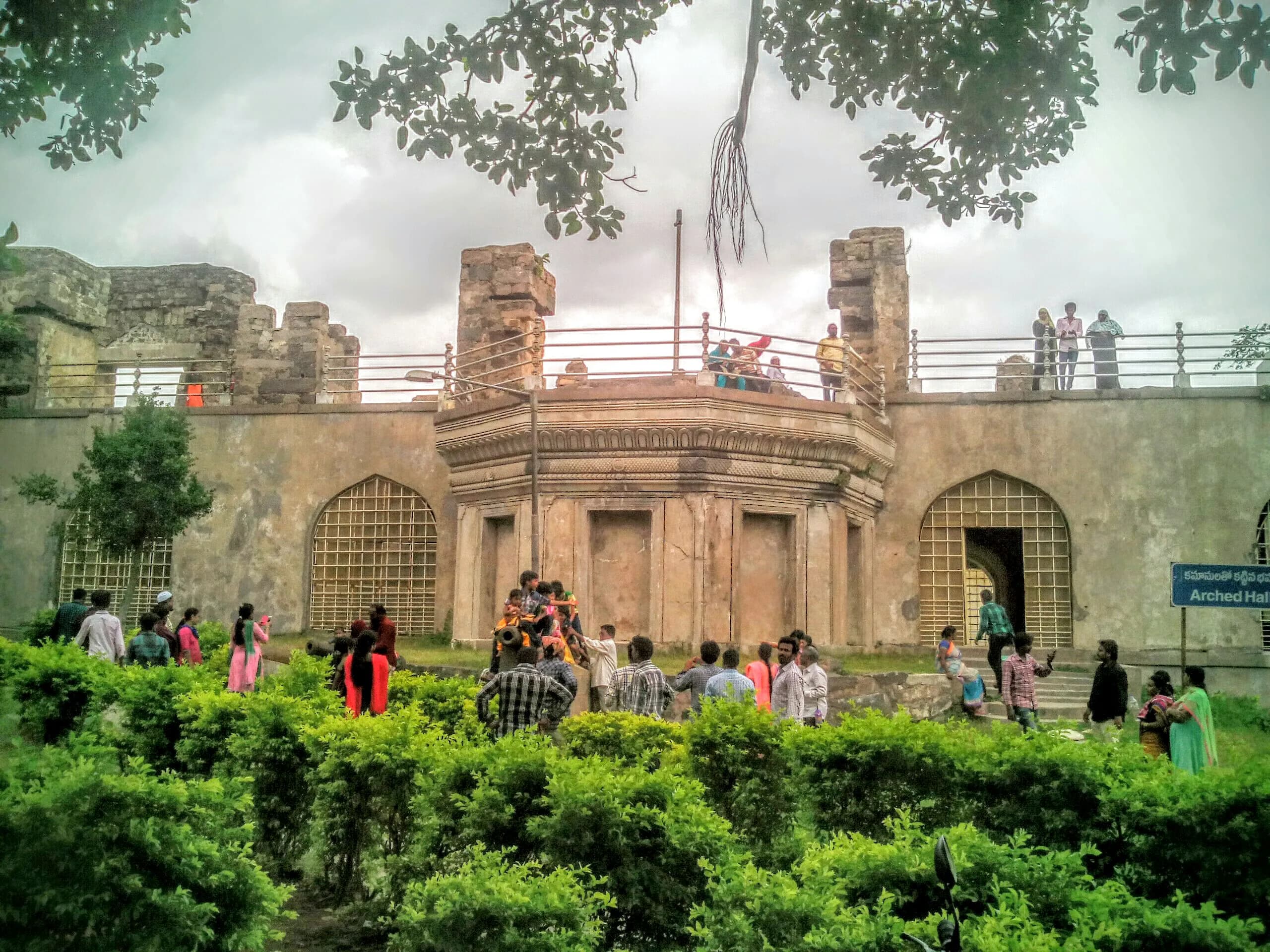
The wind whipped around me, carrying whispers of history as I stood atop Kondapalli Fort, gazing over the sprawling Krishna district. The panoramic view, a tapestry of green fields and distant villages, was a fitting reward for the climb. Coming from Gujarat, where forts often rise from arid landscapes, the lush setting of Kondapalli was a striking contrast, a testament to the diverse beauty of India's fortifications. My journey through the fort began with the imposing Dargah of Gulab Shah, a Sufi saint revered by both Hindus and Muslims. This syncretic element, so common in India, immediately piqued my interest. The Dargah, with its simple yet elegant architecture, served as a gentle prelude to the grandeur within. Passing through the colossal three-storied entrance, I was struck by the scale of the fort. Kondapalli is not just a single structure but a complex, a miniature city enclosed within its ramparts. The architecture displayed a fascinating blend of styles. While the robust construction and strategic layout bore the hallmarks of a formidable military stronghold, delicate carvings and intricate details hinted at a period of artistic flourishing. The influence of various dynasties – the Reddy Kings, the Vijayanagara Empire, and the Qutb Shahis – was evident in the eclectic mix of architectural elements. I noticed the distinct Vijayanagara style in the sturdy granite walls and the strategically placed bastions, while the later additions, like the Tanisha Mahal, showcased a more refined, almost palatial aesthetic. Exploring the ruins of the Tanisha Mahal was a particularly poignant experience. This "Queen's Palace," once a symbol of royal luxury, now stands in graceful decay. The remnants of ornate balconies, delicate arches, and intricately carved pillars spoke volumes about the fort's opulent past. I could almost picture the royal court in its heyday, the halls filled with music and laughter. The light filtering through the broken arches cast long shadows, adding to the melancholic beauty of the place. One of the most striking features of Kondapalli Fort is its ingenious water management system. Massive cisterns, carved into the rock, collected rainwater, ensuring a continuous supply for the inhabitants. This foresight, crucial in a region prone to dry spells, highlighted the architectural ingenuity of the builders. I was particularly impressed by the intricate network of channels and pipes that distributed the water throughout the fort, a testament to their advanced understanding of hydraulic engineering. As I walked along the ramparts, I noticed the strategically placed cannons, silent sentinels guarding the fort. The sheer size of these cannons, some of them impressively large, underscored the fort's military importance. The views from the ramparts were breathtaking, offering a 360-degree panorama of the surrounding countryside. I could see the winding Krishna River in the distance, its waters glinting in the sunlight. The Kondapalli Fort is more than just stones and mortar; it's a living testament to a rich and layered history. It's a place where architectural grandeur meets strategic brilliance, where whispers of royal splendor mingle with echoes of battles fought. As I descended from the fort, I carried with me not just photographs and notes, but a deeper appreciation for the architectural heritage of Andhra Pradesh. This fort, standing proud against the backdrop of time, is a must-see for anyone seeking to unravel the fascinating tapestry of Indian history. It's a place that stays with you long after you've left, its stories etched in your memory.

Shri Ramnath Temple Bandora
The ochre walls of Shri Ramnath Temple, nestled amidst the emerald embrace of Bandora's foliage, exuded a tranquility that instantly captivated me. This wasn't the imposing grandeur of some of the larger Goan temples, but a quiet dignity, a whispered history etched into the laterite stone and whitewashed plaster. The temple, dedicated to Lord Rama, felt deeply rooted in the land, a testament to the enduring syncretism of Goan culture. My first impression was one of intimate enclosure. A modest courtyard, paved with uneven stones worn smooth by centuries of footsteps, welcomed me. The main entrance, a relatively unadorned gateway, didn't prepare me for the burst of colour within. The deep red of the main temple structure, contrasted against the white of the surrounding buildings, created a vibrant visual harmony. The architecture, while predominantly influenced by the regional Goan style, hinted at subtle elements borrowed from other traditions. The sloping tiled roof, a hallmark of Goan temple architecture, was present, but the detailing around the windows and doorways showcased a delicate intricacy reminiscent of some of the older temples I've encountered in Karnataka. Stepping inside the main sanctum, I was struck by the palpable sense of devotion. The air, thick with the fragrance of incense and flowers, hummed with a quiet energy. The deity of Lord Ramnath, flanked by Sita and Lakshman, held a serene presence. Unlike the ornate, heavily embellished idols found in some temples, these felt more grounded, more accessible. The simple adornments, the soft lighting, and the intimate scale of the sanctum fostered a sense of personal connection, a direct line to the divine. What truly fascinated me, however, were the intricate carvings that adorned the wooden pillars supporting the mandap, or the covered pavilion. These weren't mere decorative flourishes; they narrated stories. Episodes from the Ramayana unfolded in intricate detail, each panel a miniature masterpiece. The battle scenes were particularly captivating, the dynamism of the figures captured with remarkable skill. I spent a considerable amount of time studying these panels, tracing the narrative flow with my fingers, marveling at the artistry and the devotion that had gone into their creation. The temple complex also houses smaller shrines dedicated to other deities, including Lord Ganesha and Lord Hanuman. Each shrine, while distinct, maintained a stylistic coherence with the main temple. This architectural unity, this seamless blending of different elements, spoke volumes about the community that had built and maintained this sacred space. As I wandered through the courtyard, I noticed a small, almost hidden, well. The priest, noticing my interest, explained that the well was considered sacred and its water used for ritual purposes. This integration of natural elements into the temple complex, this reverence for water as a life-giving force, resonated deeply with me. It reminded me of the ancient Indian architectural principles that emphasized the harmonious coexistence of the built environment and the natural world. Leaving the Shri Ramnath Temple, I carried with me not just images of intricate carvings and vibrant colours, but a sense of having touched a living history. This wasn't just a monument; it was a vibrant hub of faith, a testament to the enduring power of belief, and a beautiful example of how architectural traditions can evolve and adapt while retaining their core essence. The quiet dignity of the temple, its intimate scale, and the palpable devotion within its walls left an indelible mark on my mind, a reminder of the rich tapestry of cultural narratives woven into the fabric of India.

Vishwakarma Mandir Lawngtlai
The vibrant green hills of Mizoram, an unexpected canvas for architectural exploration, cradled the Vishwakarma Mandir in Lawngtlai. Having spent years immersed in the Dravidian temple architecture of South India, I arrived at this site with a mixture of curiosity and anticipation. The temple, dedicated to Vishwakarma, the Hindu deity of architects and craftsmen, presented a fascinating departure from the towering gopurams and intricate carvings I was accustomed to. The first thing that struck me was the temple's relative simplicity. Unlike the sprawling complexes of Tamil Nadu, this mandir occupied a smaller, more intimate space. The main structure, a single-storeyed building, was painted a cheerful yellow, a stark contrast to the verdant surroundings. A small flight of stairs led to the entrance, flanked by two unassuming pillars. No elaborate sculptures adorned the facade, no towering shikharas pierced the sky. Instead, a sense of quiet dignity permeated the air. Stepping inside, I found a single, spacious hall. The deity, Vishwakarma, was enshrined in a simple, yet elegant sanctum. The iconography was familiar – Vishwakarma depicted with his tools, embodying the spirit of creation and craftsmanship. However, the artistic style differed significantly from the traditional South Indian representations. The lines were simpler, the ornamentation less elaborate, reflecting a distinct local influence. It was a testament to the fluidity of religious iconography, adapting and evolving across geographical boundaries. The absence of elaborate carvings and sculptures allowed me to focus on the architectural elements themselves. The hall's ceiling, supported by sturdy pillars, showcased a simple yet effective design. The interplay of light and shadow created a serene atmosphere, conducive to contemplation. The walls, devoid of intricate frescoes, were painted a calming white, further enhancing the sense of peace. What truly captivated me was the integration of the temple with its natural surroundings. Large windows offered breathtaking views of the rolling hills, blurring the lines between the sacred space and the natural world. This seamless connection with nature, a characteristic often absent in the densely populated urban temples of South India, resonated deeply with me. It brought to mind the ancient concept of sacred groves, where nature itself was revered as a manifestation of the divine. The surrounding courtyard, though modest in size, was meticulously maintained. Flowering plants added splashes of color to the green backdrop, creating a vibrant and welcoming environment. A sense of community permeated the space, as locals gathered for prayers and celebrations. Observing their devotion, I realized that the true essence of a sacred space lies not in its grandeur or ornamentation, but in the faith and reverence it inspires. My visit to the Vishwakarma Mandir in Lawngtlai was a humbling experience. It challenged my preconceived notions of temple architecture and broadened my understanding of how faith manifests itself in diverse cultural contexts. While the temple lacked the opulence and grandeur of the South Indian temples I was familiar with, it possessed a unique charm and a quiet dignity that resonated deeply. It served as a powerful reminder that spirituality transcends architectural styles and that the essence of devotion lies in the connection between the human heart and the divine, regardless of the physical form it takes. The temple's simplicity, its integration with nature, and the palpable sense of community made it a truly remarkable and memorable experience. It was a testament to the fact that architectural beauty can be found not only in grand monuments but also in the quiet harmony of a simple structure nestled amidst the serenity of nature.

Virupaksha Temple Hampi
The sun beat down on the ochre boulders of Hampi, casting long shadows across the sprawling ruins. My journey through Uttar Pradesh’s architectural wonders had led me south, to this UNESCO World Heritage site, and my first stop was the magnificent Virupaksha Temple, a vibrant splash of life amidst the hushed whispers of history. Unlike the sandstone temples of my home state, this temple, dedicated to Lord Virupaksha, a form of Shiva, was predominantly built of granite, its dark grey stone shimmering under the intense Karnataka sun. Entering through the towering gopuram, its intricate carvings narrating tales from the epics, I was immediately struck by the palpable energy of the place. This wasn't a relic of the past; it was a living, breathing temple, with the rhythmic chants of priests, the fragrance of incense, and the devout murmurings of pilgrims creating a symphony of faith. The gopuram itself was a marvel, its nine tiers reaching towards the heavens, adorned with vibrant depictions of gods, goddesses, and mythical creatures. The sheer scale of it dwarfed me, a testament to the architectural prowess of the Vijayanagara Empire. The temple complex unfolded before me like a storybook. I wandered through the pillared halls, the granite columns intricately carved with scenes from the Ramayana and Mahabharata. The carvings weren't mere decorations; they were narratives etched in stone, each panel a window into the rich mythology of the region. I noticed a distinct South Indian influence in the sculptural style, a departure from the more North Indian aesthetics I was accustomed to. The figures were more elongated, their features sharper, their ornamentation more elaborate. One particular carving caught my attention – a depiction of Lord Shiva’s marriage to Pampa, the goddess of the Tungabhadra River. The river, a lifeline for Hampi, flowed just beyond the temple walls, its presence a constant reminder of the symbiotic relationship between nature and faith. This narrative, carved centuries ago, resonated deeply, highlighting the reverence for rivers that has been integral to Indian culture for millennia. The main shrine, housing the deity of Virupaksha, exuded an aura of serenity. The air was thick with the scent of sandalwood and flowers, and the soft chanting created an atmosphere of profound peace. I observed the rituals, fascinated by the continuity of tradition, the same chants and offerings likely performed for centuries within these very walls. It was a powerful reminder of the enduring power of faith. Beyond the main shrine, I explored the ruins of the marketplace, imagining the bustling activity that once filled this space. The remnants of shops and stalls hinted at a thriving commercial hub, a testament to Hampi's past glory as the capital of the Vijayanagara Empire. The architecture here was more functional, less ornate than the temple itself, yet it spoke volumes about the city's sophisticated urban planning. Climbing the Hemakuta Hill, located within the temple complex, offered a panoramic view of the surrounding landscape. The sprawling ruins, interspersed with giant boulders, stretched as far as the eye could see, a poignant reminder of the empire's grandeur and its eventual decline. From this vantage point, the Virupaksha Temple stood tall, a beacon of faith amidst the ruins, a symbol of resilience and continuity. As I descended, the late afternoon sun cast a golden glow over the temple. The carvings seemed to come alive, their stories whispering in the gentle breeze. My visit to the Virupaksha Temple was more than just a sightseeing experience; it was a journey through time, a glimpse into a rich tapestry of history, faith, and art. It was a powerful reminder of the interconnectedness of cultures, and the enduring legacy of India's architectural heritage. Leaving the temple, I carried with me not just photographs and memories, but a deeper understanding of the cultural nuances that make India so incredibly diverse and captivating.
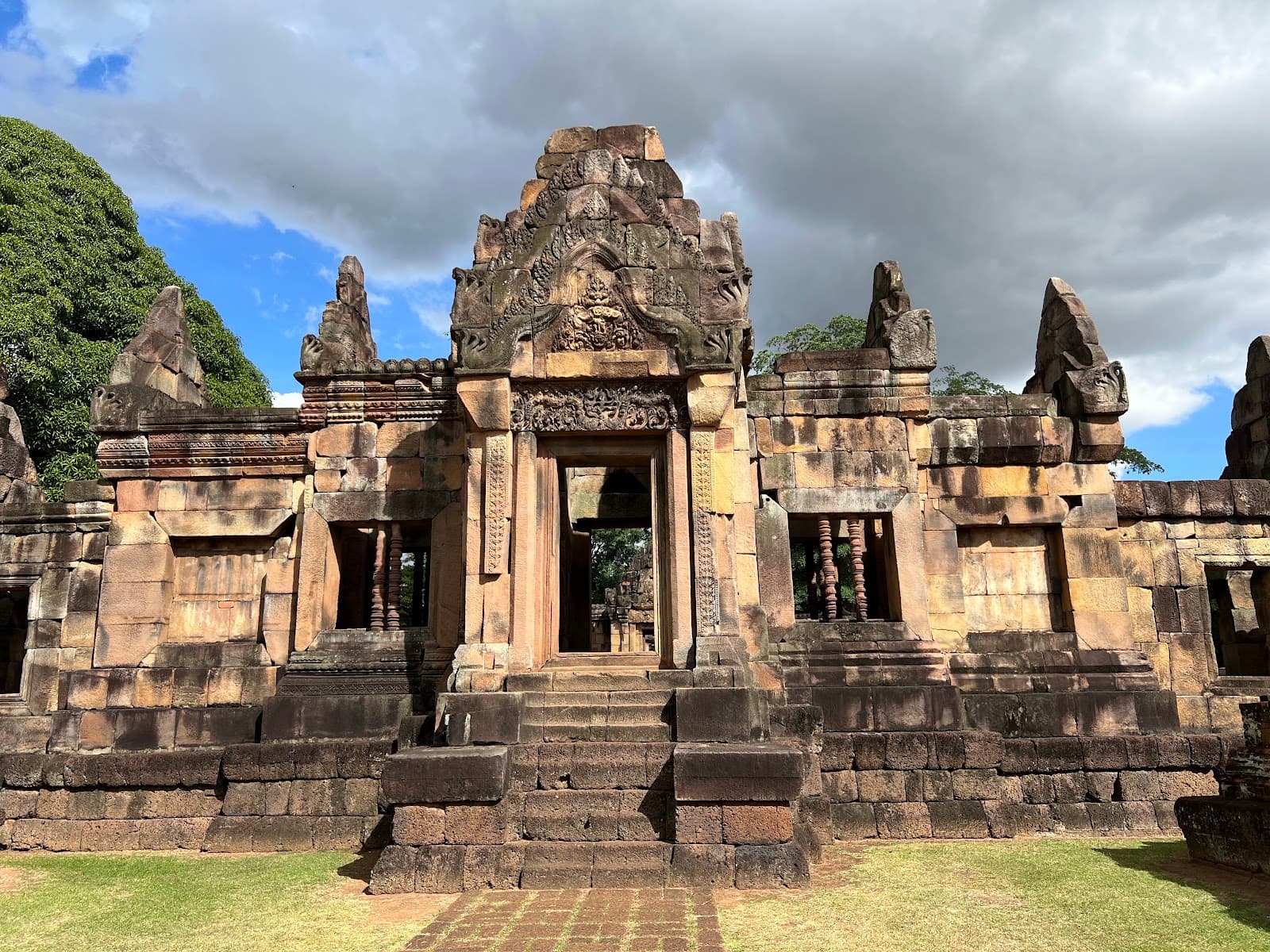
Prasat Hin Muang Tam Buri Ram
Prasat Hin Muang Tam, located approximately 8 kilometers southeast of Phanom Rung in Buri Ram Province, represents a unique Khmer temple complex distinguished by its flat concentric layout and exceptional integration of water features symbolizing the cosmic oceans surrounding Mount Meru. The temple, constructed in the late 10th and early 11th centuries CE during the Baphuon period, is dedicated primarily to Shiva, with evidence of Vishnu worship in subsidiary shrines, demonstrating the syncretic nature of Khmer religious practice. The complex features a distinctive quincunx arrangement of five sandstone prasats—one central tower surrounded by four corner towers—all constructed from pink sandstone and laterite, set within a rectangular laterite enclosure measuring 274 by 420 meters. The temple’s most remarkable feature is its four L-shaped ponds positioned at the cardinal directions, each measuring approximately 50 by 100 meters, symbolizing the four oceans of Hindu cosmology and creating a unique architectural expression of cosmic geography. The central prasat rises 15 meters and houses a massive lingam pedestal, while the four corner towers contain smaller shrines. The temple’s lintels and pediments showcase exceptional bas-relief work depicting scenes from Hindu mythology, including the churning of the ocean of milk, Shiva’s cosmic dance, and various deities. The complex includes two libraries positioned east of the central prasat, numerous subsidiary shrines, and a sophisticated drainage system that channels water from the ponds through the temple complex. Archaeological evidence indicates the temple served as a regional religious center complementing the larger Phanom Rung complex. The site underwent restoration from 1984 to 1995, involving structural stabilization and conservation of decorative elements. Today, Prasat Hin Muang Tam remains an important site for understanding Khmer temple architecture and Hindu cosmology, attracting visitors interested in its unique water-based design and exceptional stone carvings. ([1][2])
Quick Links
Plan Your Heritage Journey
Get personalized recommendations and detailed visitor guides