Has Inheritage Foundation supported you today?
Your contribution helps preserve India's ancient temples, languages, and cultural heritage. Every rupee makes a difference.
Secure payment • Instant 80G certificate
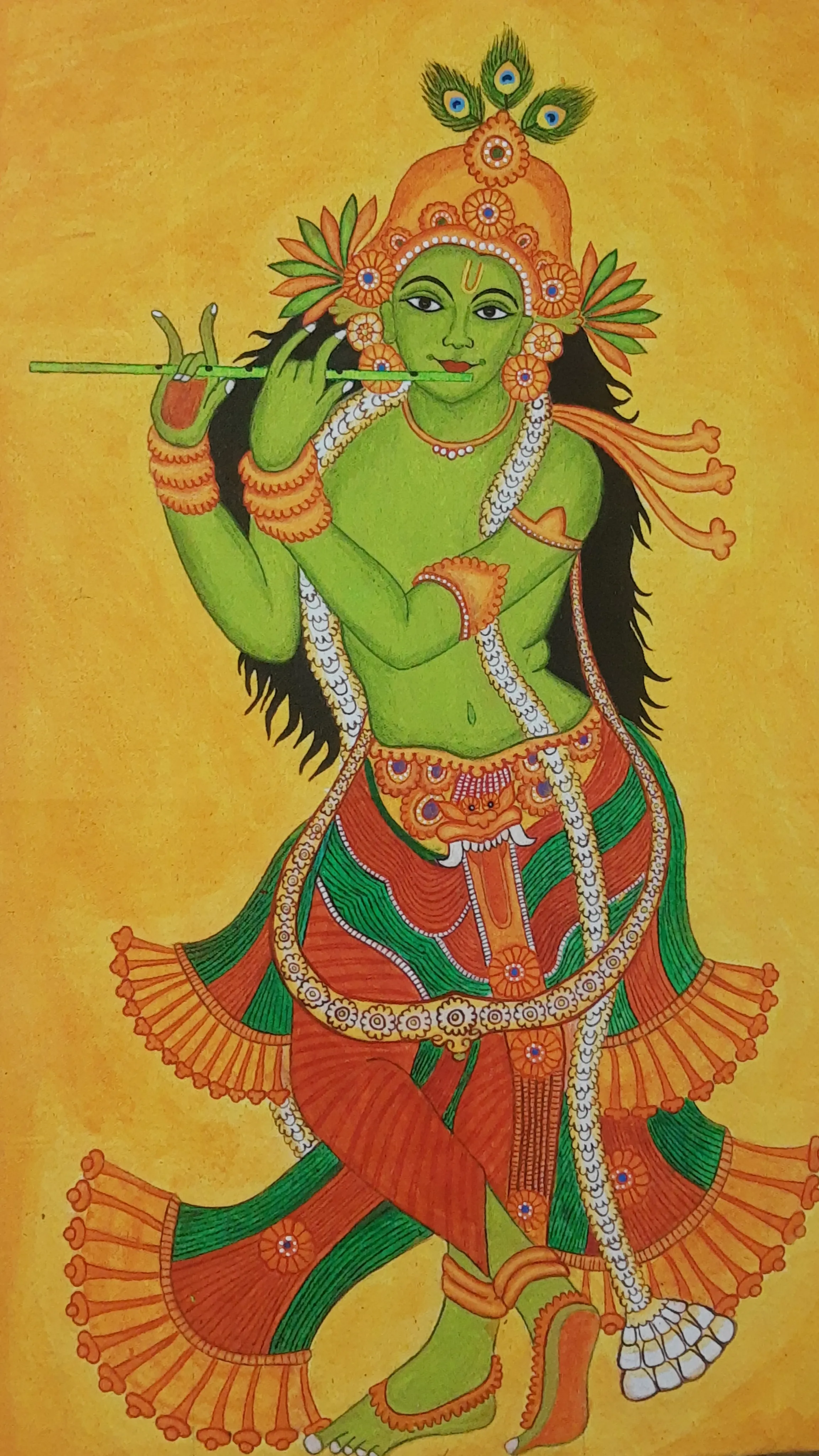
Guruvayur Temple Guruvayur
The air hung thick and sweet with the scent of sandalwood and jasmine, a fragrance that seemed woven into the very fabric of Guruvayur. The eastern sky, still holding the soft hues of pre-dawn, reflected in the shimmering gold of the Guruvayur Sri Krishna Temple’s gopuram. This wasn't just another temple on my list; this was Guruvayur, a place that resonated with a palpable spiritual energy even before I stepped inside. Having documented over 500 monuments across India, I've developed a keen eye for architectural nuances. The Kerala style here is distinct – a sloping tiled roof, vibrant murals adorning the outer walls, and the four-armed deity of Lord Krishna visible through the main doorway, a sight that instantly captivated me. Unlike the towering gopurams of Tamil Nadu, this one felt more intimate, drawing you in rather than overwhelming you with its scale. The temple’s koothambalam, the traditional theatre for Keralan performing arts, immediately caught my attention. Its intricate woodwork, depicting scenes from the epics, was a testament to the craftsmanship of a bygone era. I spent a good hour circling it, capturing the delicate details of the carved figures, each telling a silent story. The pillars, polished smooth by centuries of touch, seemed to hum with the echoes of ancient performances. Entering the chuttambalam, the outer enclosure, the energy shifted. The rhythmic chanting of Vedic hymns filled the air, intertwining with the clanging of bells and the murmur of devotees. Photography is restricted within the inner sanctum, a rule I respect deeply, but the experience transcended the visual. It was about absorbing the atmosphere, the devotion that permeated every corner. I observed the devotees, their faces etched with a mix of reverence and anticipation, as they circumambulated the sanctum. The sheer faith on display was humbling. The temple tank, Rudratheertham, located to the west, offered a moment of tranquility amidst the vibrant activity. Pilgrims took ritual dips in the sacred waters, their faces reflecting the serene surface. The architectural harmony between the tank and the temple itself was striking – a seamless blend of the spiritual and the natural. One of the most captivating aspects of Guruvayur is its unique rituals. I was fortunate to witness the 'Seeveli,' a ceremonial procession where the deity is carried around the temple grounds on an elephant. The sheer grandeur of the moment, the vibrant colours, the rhythmic chanting, and the palpable devotion of the crowd created an unforgettable spectacle. It wasn't just a visual feast; it was a sensory immersion into a centuries-old tradition. Beyond the main temple, the surrounding town added another layer to the experience. The narrow streets, bustling with vendors selling everything from flowers and incense to traditional handicrafts, offered a glimpse into the local life intertwined with the temple. The aroma of freshly prepared prasadam, the temple offering, wafted through the air, adding to the sensory tapestry. Leaving Guruvayur, I carried more than just photographs. I carried the resonance of the chants, the scent of sandalwood, and the palpable devotion that permeated the air. It wasn't just a documentation of a historical site; it was an immersion into a living, breathing spiritual heart of Kerala. It reinforced my belief that heritage photography isn't just about capturing the visual; it's about capturing the intangible essence of a place, the stories it whispers, and the emotions it evokes. And Guruvayur whispered volumes.
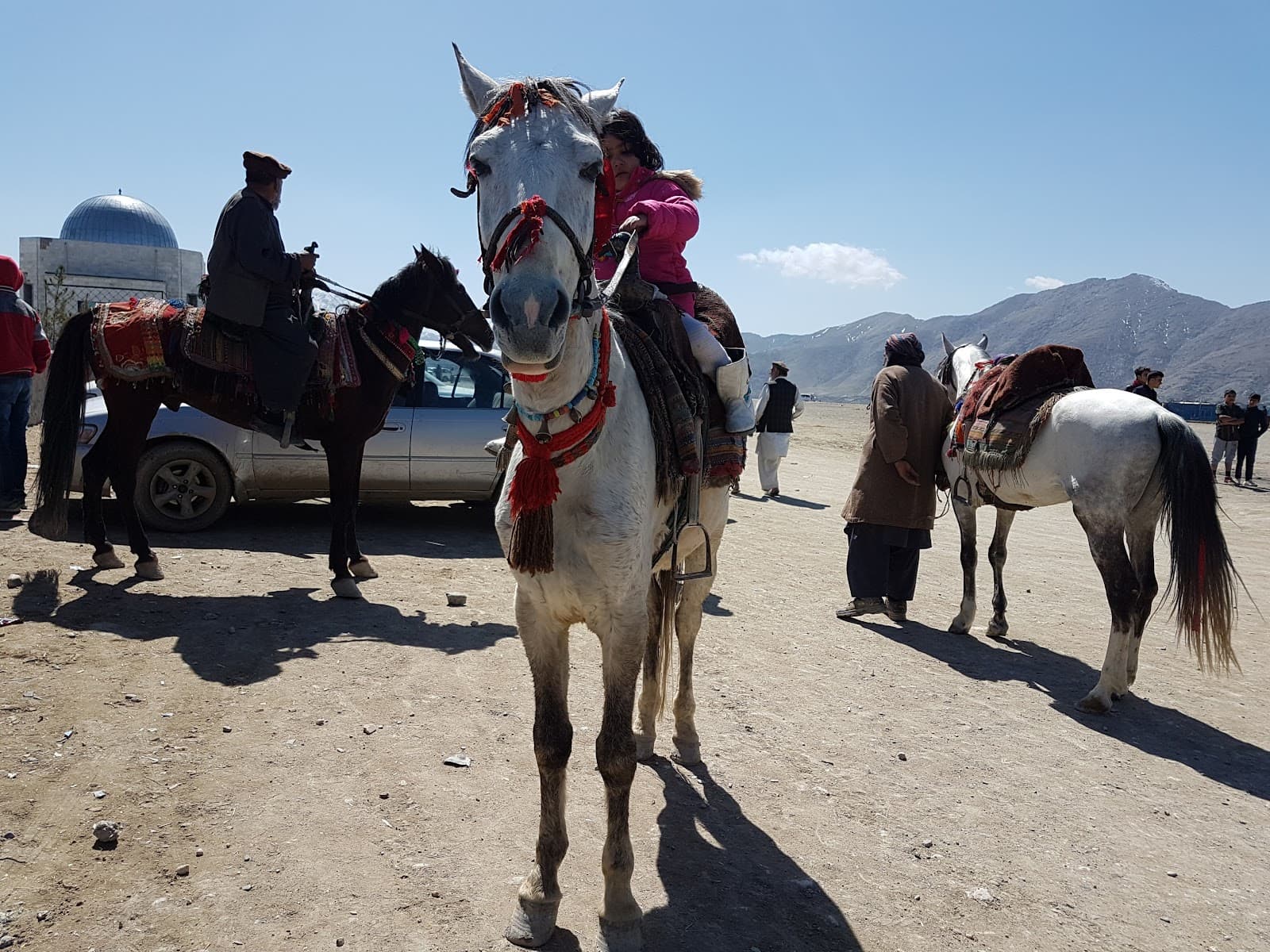
Stupa of Tepe Maranjan Kabul Afghanistan
Tepe Maranjan, located on a prominent hill overlooking Kabul, Afghanistan, preserves the remarkable remains of a 3rd to 4th century CE Buddhist stupa that represents one of the earliest and most significant Buddhist monuments in the Kabul region, demonstrating the early transmission of Indian Buddhist architectural and religious traditions to Afghanistan during the Kushan period, when Buddhism flourished across the region under the patronage of the Kushan Empire that ruled over vast territories from Central Asia to northern India. The stupa, constructed primarily from stone and stucco with extensive decorative elements, features a massive domed structure rising from a square base, following the classic Indian stupa form that was transmitted from India to Afghanistan, while the discovery of Buddhist relics and inscriptions at the site provides crucial evidence of the stupa's role as a major center of Buddhist devotion and the transmission of Indian Buddhist practices to Central Asia. The site's architectural design demonstrates direct influence from Indian Buddhist stupa architecture, particularly the early Buddhist traditions of northern India, with the overall form, decorative elements, and structural principles reflecting Indian Buddhist practices that were systematically transmitted to Afghanistan, while the site's prominent hilltop location emphasizes its spiritual significance and visibility as a landmark of Buddhist presence in the region. Archaeological excavations have revealed evidence of extensive Buddhist activity at the site, including the discovery of reliquaries, coins, and artifacts that demonstrate the stupa's importance as a center of Buddhist worship and pilgrimage, while the site's location near Kabul underscores its role as a major religious center in the region during the Kushan period. The stupa was likely constructed during the height of Kushan power in the 3rd to 4th centuries CE, when the Kushan Empire facilitated extensive cultural and religious exchange between India and Central Asia, creating conditions that allowed for the flourishing of Buddhism and the transmission of Indian architectural and artistic traditions to Afghanistan. The site continued to function as a Buddhist center through the 5th and 6th centuries CE before gradually declining following the decline of the Kushan Empire and the eventual spread of other religious traditions in the region, while the substantial architectural remains that survive provide crucial evidence of the site's original grandeur and importance. Today, Tepe Maranjan stands as an important archaeological site in Afghanistan, serving as a powerful testament to the country's ancient Buddhist heritage and its historical role as a center for the early transmission of Indian religious and architectural traditions, while ongoing archaeological research and preservation efforts continue to reveal new insights into the site's construction, religious practices, and cultural significance. ([1][2])
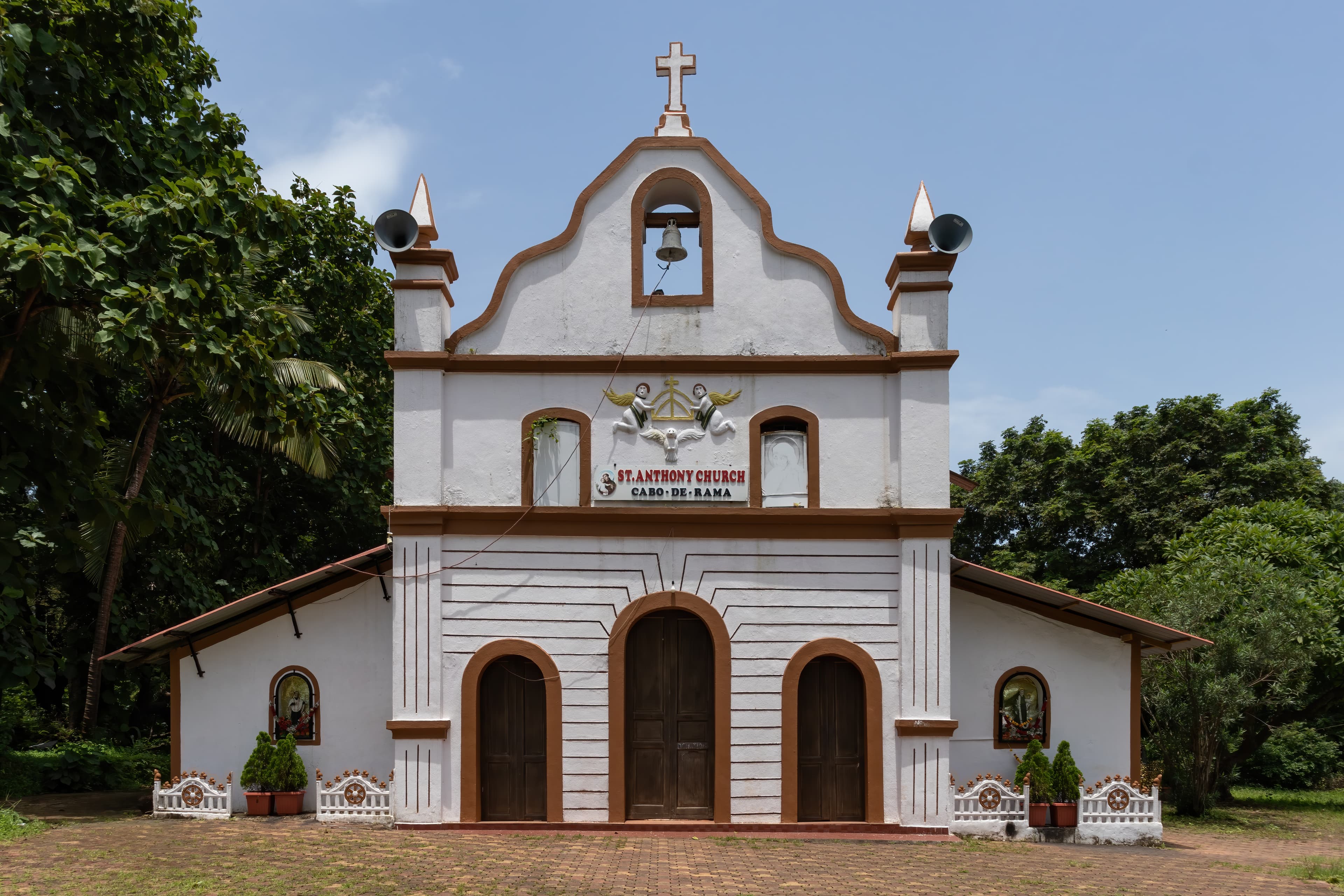
Cabo de Rama Fort Canacona
Nestled in Goa, Cabo de Rama Fort, erected around 1350 CE by the Sundara Pandya Dynasty ([1][2]), embodies a unique Indo-Portuguese architectural synthesis. This coastal fortification, unlike its more embellished inland counterparts, prioritizes strategic strength, evident in its commanding views of the Arabian Sea. The fort's construction employs laterite stone, basalt, and lime mortar ([3]), materials chosen for their durability in the coastal climate. Initially conceived with Indian architectural principles, the fort saw subsequent modifications under Portuguese rule. The remnants of barracks and a chapel ([4]) stand as testaments to this colonial influence, creating a compelling juxtaposition with the fort's earlier Indian origins. Local legends even suggest links to the epic Ramayana ([5]), adding another layer to its rich history. Such narratives often intertwine with ancient sites, reflecting the deep cultural roots embedded within the land. Strategically positioned bastions showcase sophisticated military architecture, crucial for coastal defense. Even the weathered church of Santo Antonio contributes to the site's multi-layered historical narrative. Cabo de Rama stands as a confluence of cultures and eras, seamlessly blending ancient Indian traditions with Portuguese colonialism to forge a unique architectural identity ([3][4]). This fusion exemplifies the diverse expressions of power and resilience that have shaped India's architectural landscape, leaving behind a legacy etched in stone and legend. This blend reflects the diverse expressions of power and resilience across India.

Lakshmi Narayan Mandir Kolasib
The vibrant green hills of Mizoram cradle many surprises, and for a temple architecture enthusiast like myself, steeped in the Dravidian idiom of South India, the Lakshmi Narayan Mandir in Kolasib was a fascinating anomaly. Perched atop a hill overlooking the town, this temple, dedicated to Vishnu and Lakshmi, presents a unique blend of architectural styles, a testament to the cultural confluence in this northeastern state. The first thing that struck me was the temple's shikhara. While reminiscent of the Nagara style prevalent in North India, with its curvilinear tower rising towards the heavens, it lacked the intricate carvings and elaborate ornamentation I’m accustomed to seeing in temples like the Kandariya Mahadeva in Khajuraho. Instead, the shikhara here was relatively plain, its smooth sandstone surface punctuated by simple horizontal bands and a modest amalaka crowning the top. This simplicity, however, lent it a certain elegance, allowing the natural beauty of the sandstone to shine through. The mandapa, or pillared hall, leading to the sanctum sanctorum, displayed a different influence altogether. The pillars, while square in section, were devoid of the intricate sculptures and narrative friezes that adorn South Indian temple pillars. Instead, they were adorned with simple geometric patterns, painted in vibrant hues of red, blue, and yellow, reminiscent of Mizo traditional designs. This unexpected burst of colour against the muted sandstone created a visually arresting contrast. Inside the garbhagriha, the deities of Lakshmi and Narayan resided, their serene presence radiating a sense of peace. The iconography was familiar, yet subtly different. Lakshmi, usually depicted seated on a lotus, here stood beside Vishnu, a posture more commonly seen in North Indian depictions. This subtle shift in iconography further highlighted the temple's unique blend of regional influences. The temple's location itself added to its charm. The panoramic view of Kolasib town and the surrounding hills, visible from the temple courtyard, was breathtaking. The lush greenery and the crisp mountain air created a serene atmosphere, conducive to contemplation and reflection. Unlike the bustling temple complexes of South India, the Lakshmi Narayan Mandir offered a sense of quietude, a space for personal communion with the divine. What intrigued me most was the narrative behind this architectural hybrid. Built in the late 20th century, the temple reflects the migration of people and ideas across India. While the core architectural style is North Indian, the local Mizo artisans have clearly left their mark, incorporating their own artistic traditions into the temple's decorative elements. This fusion of styles is not merely an aesthetic choice; it’s a reflection of the cultural exchange and assimilation that has shaped the region's identity. The Lakshmi Narayan Mandir is not just a place of worship; it's a living testament to India's diverse cultural tapestry. It challenges preconceived notions of architectural purity and demonstrates how different styles can harmoniously coexist, creating something unique and beautiful. For me, this temple was a powerful reminder that heritage is not static; it's a dynamic process of evolution and adaptation, constantly being shaped by the people and the environment that surround it. My visit to the Lakshmi Narayan Mandir was more than just a sightseeing trip; it was a lesson in architectural syncretism, a testament to the enduring power of cultural exchange. The temple stands as a symbol of unity in diversity, showcasing how different traditions can intertwine to create something truly special.
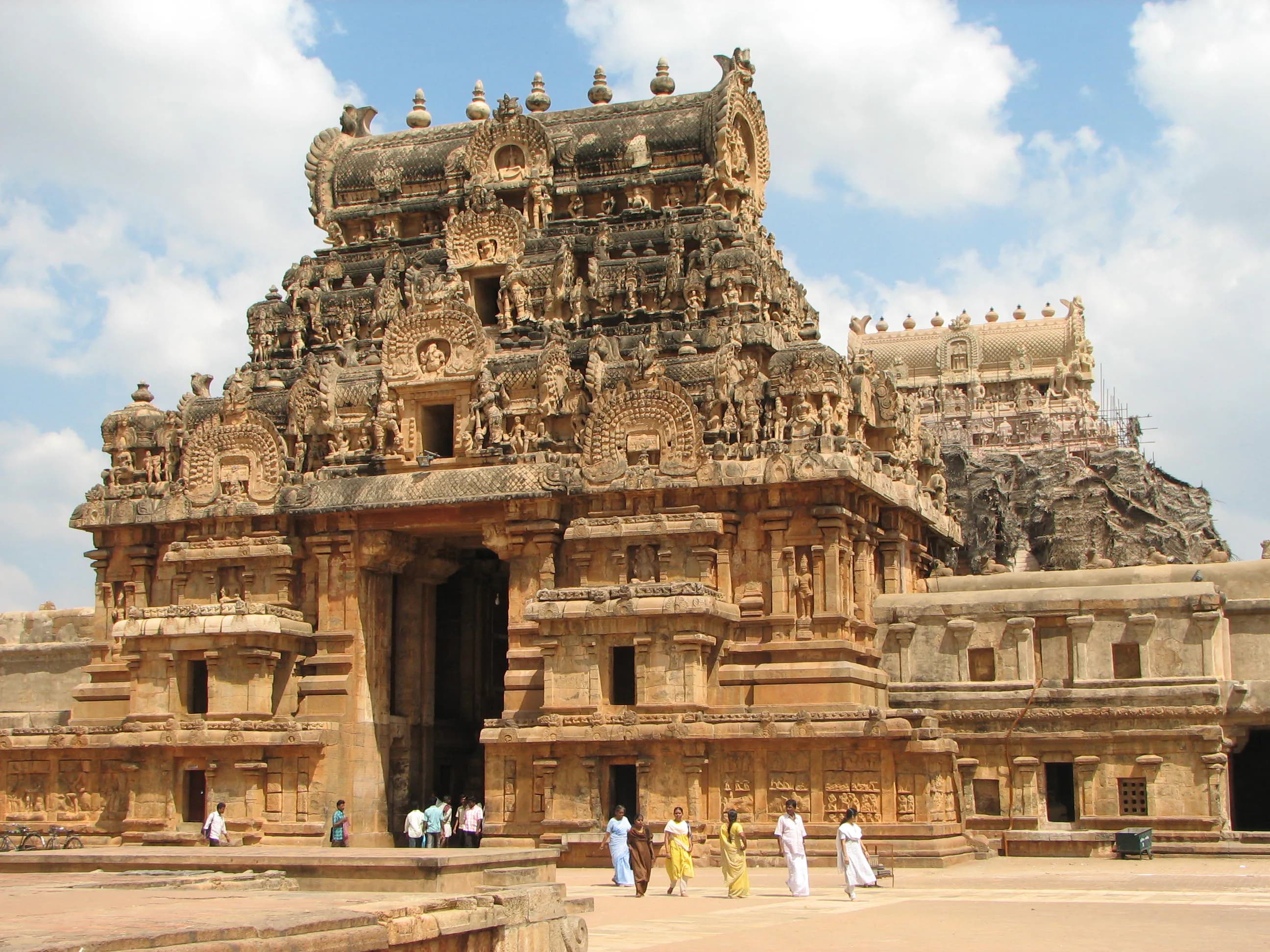
Brihadeeswarar Temple Thanjavur
The sheer scale of the Brihadeeswarar Temple in Thanjavur stopped me dead in my tracks. Having explored countless caves and temples across Maharashtra, I thought I was prepared for anything. I was wrong. This UNESCO World Heritage Site, a testament to the architectural prowess of the Chola dynasty, transcends mere grandeur ([1]). It’s a symphony in stone, a colossal expression of devotion that left me humbled and awestruck. Soaring to a height of 216 feet, the Vimana (temple tower) dominates the landscape ([2]). Unlike the stepped pyramidal structures, this Vimana (temple tower) is a singular, curvilinear structure, crowned by a monolithic Kumbham (cupola). The sheer weight of this massive granite dome, estimated at 80 tons, is an engineering feat ([3]). How the artisans managed to lift it to such a height in the 11th century is worthy of reverence. Granite and sandstone blocks, meticulously carved, form the Nandi Mandapa (Pillared Hall), which houses a colossal monolithic Nandi bull ([4]). The Nandi, carved from a single rock, exudes a quiet strength, its gaze fixed eternally on the main deity within. The intricate carvings on the Mandapa (Pillared Hall), depict scenes from Hindu mythology, a testament to the skill of the Chola artisans ([5]). Within the Garbhagriha (Sanctum), a palpable sense of serenity envelops you. The towering Lingam, the symbol of Lord Shiva, commands attention, its smooth, dark stone radiating a powerful energy. The walls surrounding the sanctum are adorned with frescoes, narrating tales of devotion and divine intervention ([6]). During the Chola Period, temple architecture revealed a deep understanding of geometry and proportion ([7]). The Vimana (temple tower), for example, is designed according to the principles of Dravidian architecture, with its intricate carvings and rhythmic vertical lines creating a sense of harmony and balance. The use of interlocking stones, without any mortar, is a testament to the precision and skill of the Chola builders ([8]). My visit to the Brihadeeswarar Temple was more than just a sightseeing trip; it was a pilgrimage of sorts. It was a journey into the heart of ancient India, a testament to the ingenuity, devotion, and artistic brilliance of a civilization that flourished centuries ago. The Brihadeeswarar Temple has carved its own niche in my memory. It stands as a powerful reminder of the enduring legacy of India's rich cultural heritage, a legacy that continues to inspire awe and wonder even today.
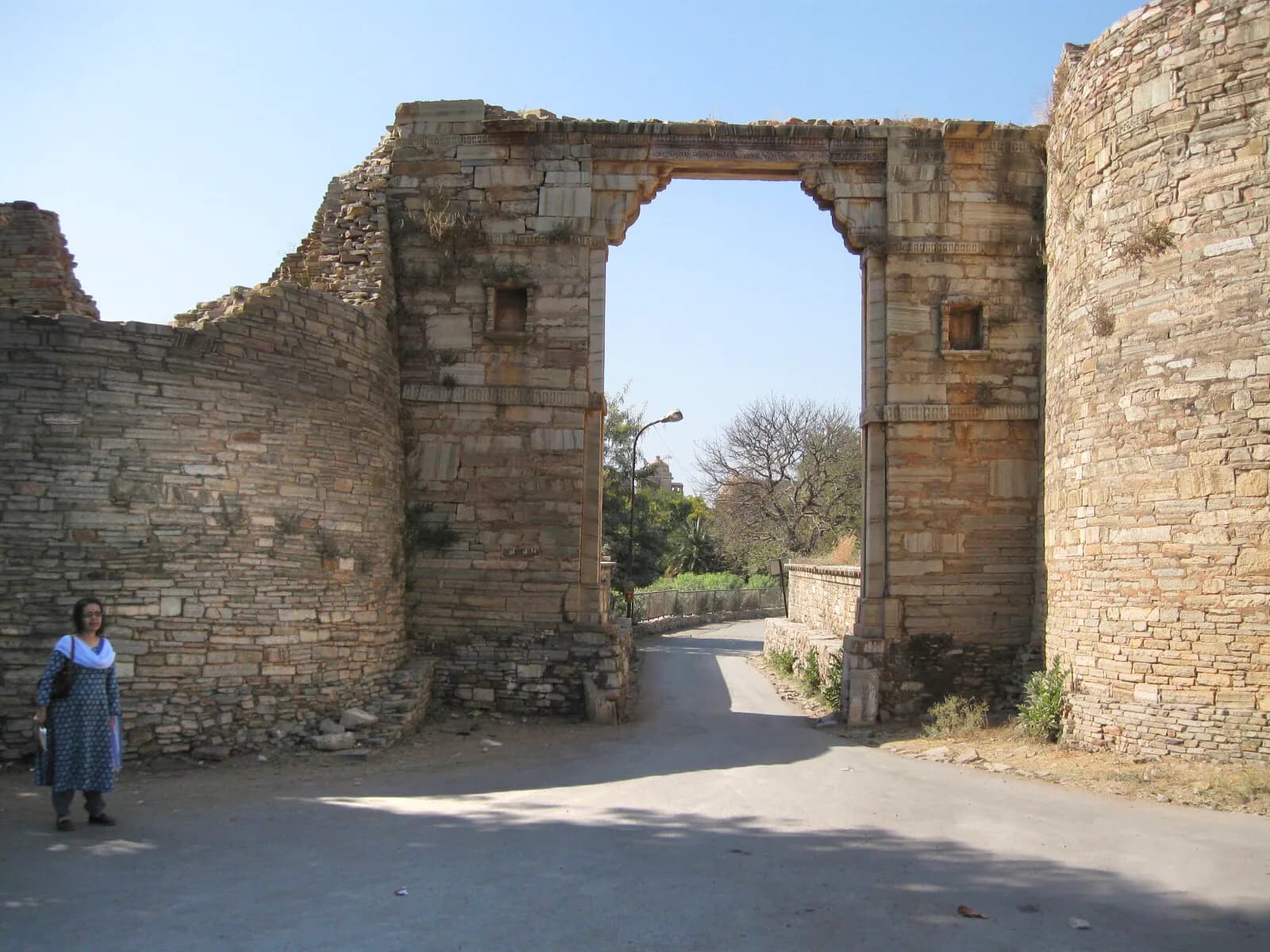
Chittorgarh Fort Chittorgarh
Chittorgarh Fort, the largest fort in India, sprawling across 700 acres, embodies the Rajput spirit and architectural heritage ([1][2]). Built in the 7th century (650 CE) by the Maurya Dynasty under Chitrangada Mori, this Rajput military hill fort presents a captivating blend of strength and artistry ([1][2]). Reaching the main gate, Ram Pol, is like traversing centuries, each gate whispering tales of valor and sacrifice ([2]). Intricate carvings adorning the walls of the Vijay Stambh (Tower of Victory) commemorate Maharana Kumbha's triumph in 1440 ([3]). This nine-story marvel showcases Hindu deities and scenes from mythology ([3]). Nearby, the Kirti Stambh, a 22-meter high tower, stands dedicated to Adinath, a Jain Tirthankara, symbolizing religious harmony ([4]). Granite and sandstone blocks, meticulously carved, form the structural and artistic elements throughout the fort ([1]). Sophisticated water harvesting structures ensured the fort's self-sufficiency, a testament to ancient engineering prowess ([5]). The Rana Kumbha Palace, though partially ruined, evokes the grandeur of Mewar rulers with its delicate jali work and strategic balconies ([5]). The poignant narrative of Rani Padmini's Jauhar (self-immolation) deeply resonates within the fort's walls ([6]). The Padmini Palace overlooks the lotus pool, a silent witness to her sacrifice ([6]). Further enriching the fort's spiritual landscape, the Kalika Mata Temple, originally a Sun Temple, and the Meera Temple offer glimpses into the region's religious diversity ([4]). Chittorgarh Fort remains a profound emblem of Rajputana's history and resilience ([1][2]).
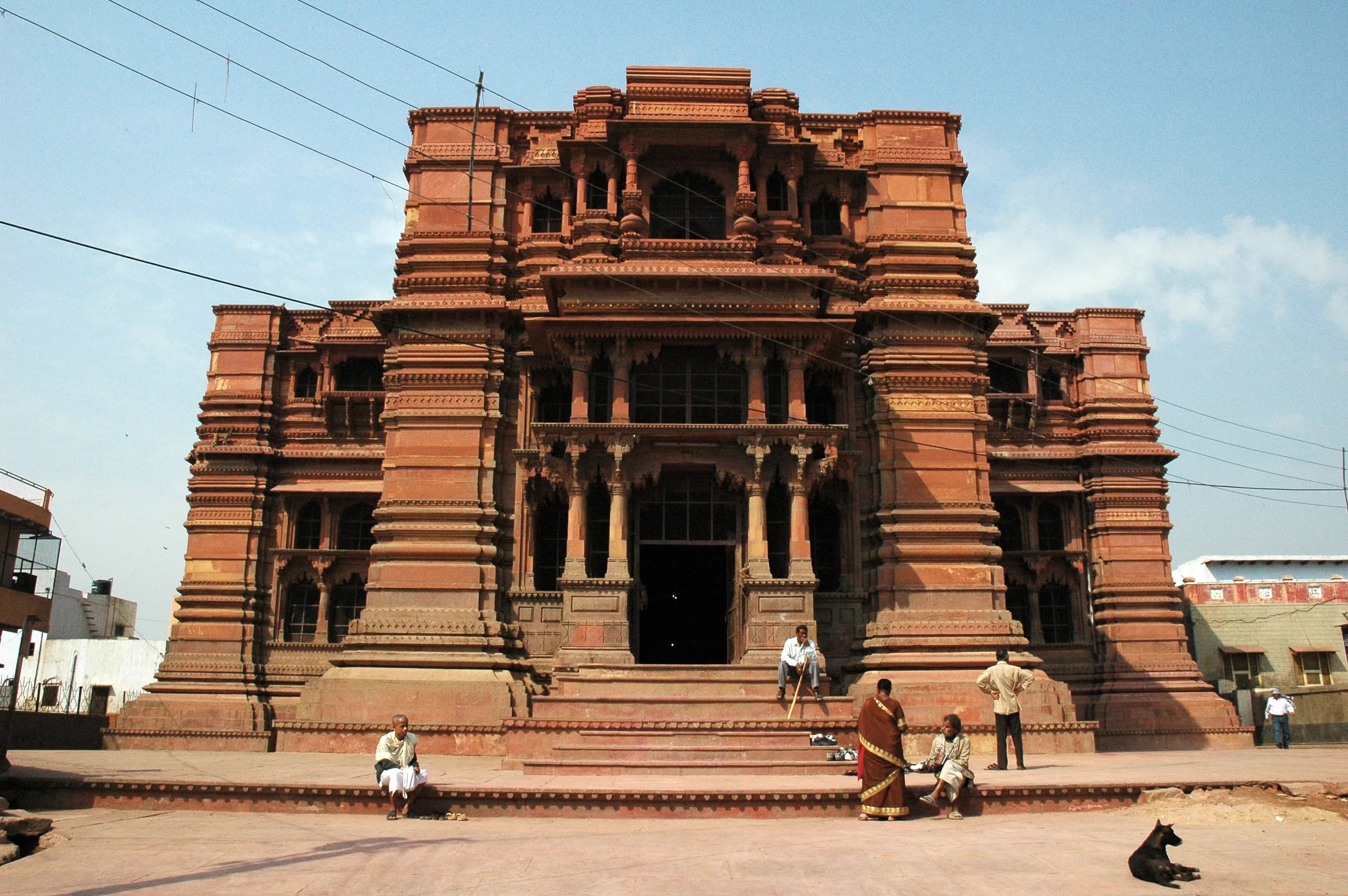
Govind Dev Temple Vrindavan
The red sandstone glowed, almost humming with a palpable energy under the late afternoon sun. Govind Dev Temple in Vrindavan, though no longer in its complete glory, still exudes a majestic aura that transported me back to a Vrindavan of centuries past. Having documented Gujarat's intricate temples for years, I was eager to experience the architectural nuances of this Braj marvel, and I wasn't disappointed. The first thing that struck me was the unique blend of architectural styles. While the temple’s core exhibits a distinctly Rajput influence, reminiscent of some of the grand structures I’ve seen in Rajasthan, the seven-storied structure (now sadly reduced to three) bore a striking resemblance to European architecture, particularly reminiscent of a cathedral. This fusion, I learned, was a result of the Mughal emperor Akbar's relatively tolerant religious policies during the late 16th century, a period that allowed for such cross-cultural architectural experimentation. Stepping inside the pillared hall, which now serves as the main prayer area, I was immediately drawn upwards. The soaring ceilings, even in their truncated state, evoked a sense of grandeur. The intricate carvings on the remaining pillars, depicting scenes from Krishna's life, were a testament to the skill of the artisans. Each carving told a story, each curve and line imbued with devotion. I spent a considerable amount of time tracing these narratives with my fingers, imagining the temple in its original seven-storied splendor. The absence of the upper four stories, destroyed by Aurangzeb in the 17th century, is a poignant reminder of the tumultuous history this temple has witnessed. Yet, the resilience of the structure and the continued devotion of the pilgrims who throng its courtyard speak volumes about its enduring spiritual significance. The air vibrated with chants and the fragrance of incense, creating an atmosphere thick with reverence. The temple complex is built around a rectangular courtyard, and while the main shrine is dedicated to Govind Dev (Krishna), smaller shrines dedicated to Radha and other deities dot the periphery. I observed the local devotees engaging in various rituals, their faces reflecting a deep connection to the divine. The rhythmic clang of bells and the melodic chanting of hymns further intensified the spiritual ambiance. The use of red sandstone, a material I'm intimately familiar with from Gujarat's architectural heritage, lends the temple a warm, earthy hue. However, unlike the intricate, almost lace-like carvings often seen in Gujarati temples, the carvings here are bolder, more pronounced, reflecting a different aesthetic sensibility. The interplay of light and shadow on the sandstone surfaces created a dynamic visual experience, constantly shifting throughout the day. One particular detail that captivated me was the remnants of the original staircase that once led to the upper floors. Though now inaccessible, the sheer scale and craftsmanship of the remaining steps hinted at the lost magnificence of the complete structure. I could almost visualize the devotees ascending those stairs, their hearts filled with anticipation, to reach the inner sanctum. Leaving the temple complex, I carried with me a profound sense of awe and a touch of melancholy. Awe at the architectural brilliance and spiritual energy that permeated the space, and melancholy for the lost grandeur of a structure that once touched the sky. Govind Dev Temple stands as a testament to the enduring power of faith and a poignant reminder of the fragility of our heritage. It is a site that deserves to be experienced, not just seen, and its story, etched in stone and whispered in chants, continues to resonate through the ages.
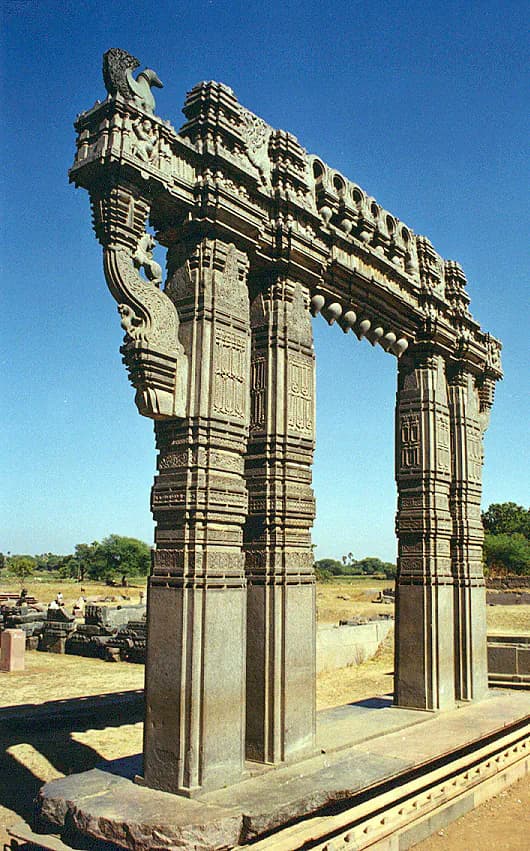
Warangal Fort Warangal
The imposing granite ramparts of Warangal Fort rose before me, shimmering under the Telangana sun. Having explored countless caves and temples across Maharashtra, I've developed a keen eye for architectural nuances, and Warangal Fort, with its blend of Kakatiya and subsequent influences, promised a feast for the senses. The four massive gateways, known as Kakatiya Kala Thoranam, are truly magnificent. Their intricate carvings, depicting mythical creatures and floral patterns, speak volumes about the artistic prowess of the Kakatiya dynasty. I spent a considerable amount of time studying the exquisitely preserved Swayambhu temple gateway, its arches adorned with intricate carvings of goddesses and celestial beings. The sheer scale of these structures, combined with the delicate artistry, is breathtaking. Stepping through the arched entrance, I was immediately transported back in time. The fort, though in ruins, retains an aura of grandeur. The remnants of the once-imposing walls, the scattered pillars, and the crumbling structures all whisper tales of a glorious past. Unlike many forts I've visited in Maharashtra, which often feature basalt construction, Warangal's granite lends it a unique, almost ethereal quality. The stone, weathered by centuries of sun and rain, glows with a warm, reddish hue, particularly striking during the golden hour. My exploration led me to the Khush Mahal, a fascinating structure that showcases a blend of architectural styles. The arched openings and intricate jaali work clearly demonstrate later additions, likely during the Qutb Shahi period. This layering of history, visible in the very stones of the fort, is what makes Warangal so compelling. It's not just a monument; it's a palimpsest of time, each layer revealing a different chapter in the region's story. The central structure, the Sri Venkateswara Swamy Temple, though a later addition, stands as a testament to the enduring spiritual significance of the site. While the original Kakatiya temple was destroyed, the current structure retains a sense of reverence. I observed locals offering prayers, a poignant reminder that these ancient spaces continue to hold meaning for contemporary communities. One of the most striking features of Warangal Fort is its ingenious water management system. The numerous tanks and wells scattered throughout the complex, including the large, rectangular Ek Batti Baoli (stepwell), highlight the Kakatiyas' understanding of hydraulic engineering. I descended the steps of the baoli, marveling at the intricate network of channels and the foresight of the builders who ensured a sustainable water supply within the fort. This attention to practical details, alongside the artistic flourishes, speaks to the holistic approach of the Kakatiya rulers. As I wandered through the ruins, I noticed the distinct lack of interpretative signage. While this allowed for a more immersive experience, relying solely on my observations and prior research, I felt that more information could enhance the visitor's understanding of the site's historical and architectural significance. This is an area where improvements could be made, perhaps by incorporating discreetly placed information panels or offering guided tours. Leaving Warangal Fort, I carried with me a profound sense of awe and a deeper appreciation for the Kakatiya dynasty's contributions to Indian architecture and history. The fort is not merely a collection of ruins; it is a living testament to a powerful kingdom, a testament etched in stone, resonating with the echoes of a bygone era. It stands as a powerful counterpoint to the cave temples and forts of my home state, Maharashtra, showcasing the diversity and richness of India's architectural heritage.
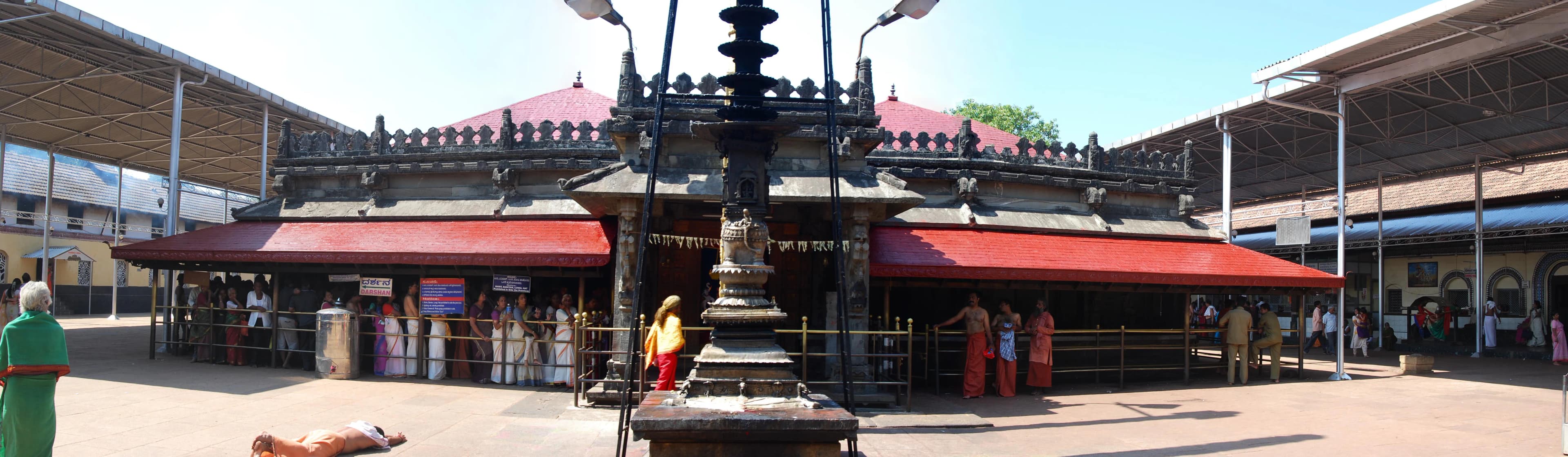
Kollur Mookambika Temple Udupi
The air hung heavy with the scent of incense and jasmine as I ascended the stone steps leading to the Kollur Mookambika Temple. Nestled amidst the verdant embrace of the Kodachadri hills in Karnataka's Udupi district, this temple, dedicated to Goddess Mookambika, exudes a palpable aura of sanctity. Unlike the towering gopurams that characterize many South Indian temples, Mookambika's entrance is comparatively understated, marked by a modest gateway. This architectural choice, I felt, immediately sets the tone for a more intimate spiritual experience. Stepping into the inner courtyard, my gaze was drawn to the main shrine. The temple's architecture, while predominantly Dravidian, displays interesting influences from Kerala's architectural traditions. The sloping tiled roofs, reminiscent of Kerala temple styles, blend seamlessly with the granite structure, creating a unique aesthetic. The absence of a traditional *prakara* or circumambulatory passage around the sanctum sanctorum further enhances the sense of closeness to the deity. The sanctum sanctorum houses the unique *Jyotirlinga* of Goddess Mookambika. Unlike traditional Shiva lingams, this one is a *swayambhu* (self-manifested) and is not carved or shaped. It is believed to be a confluence of the energies of Saraswati, Lakshmi, and Parvati. The golden *kavacha* adorning the lingam glittered under the soft glow of oil lamps, adding to the mystical atmosphere. I observed the intricate carvings on the silver-plated doorway leading to the sanctum. These depictions, while weathered by time, still showcased the skill of the artisans who crafted them centuries ago. One of the most striking features of the Kollur Mookambika Temple is the presence of a *Chakra* and *Shankha* (discus and conch), symbols typically associated with Vishnu, placed alongside the Jyotirlinga. This unique amalgamation of Shakta and Vaishnava iconography speaks volumes about the temple's inclusive spiritual ethos. It’s a testament to the syncretic nature of Hindu belief systems, a phenomenon I’ve often encountered in my explorations of South Indian temples. The temple complex also houses smaller shrines dedicated to other deities like Subramanya and Ganesha. These shrines, while simpler in design, echo the architectural vocabulary of the main temple. I noticed the use of laterite stone in some of the ancillary structures, a common building material in the coastal regions of Karnataka and Kerala. The temple tank, located a short distance from the main shrine, is believed to have healing properties. Observing the devotees taking a dip in the sacred waters, I reflected on the deep-rooted cultural significance of temple tanks in South India, serving as spaces for ritual purification and community gathering. As I walked around the temple, I observed the diverse crowd of devotees. People from all walks of life, speaking different languages, had converged at this sacred site, united by their faith. The rhythmic chanting of Vedic hymns, the fragrance of burning camphor, and the clanging of bells created a sensory tapestry that resonated deep within me. My visit to the Kollur Mookambika Temple was more than just an architectural study; it was a spiritual immersion. The temple's unique blend of architectural styles, its inclusive iconography, and the palpable devotion of its pilgrims left an indelible impression on me. It reinforced my belief that these ancient structures are not merely monuments of stone and mortar, but living embodiments of faith, culture, and history. They serve as vital links to our past, offering glimpses into the rich tapestry of India's spiritual heritage.
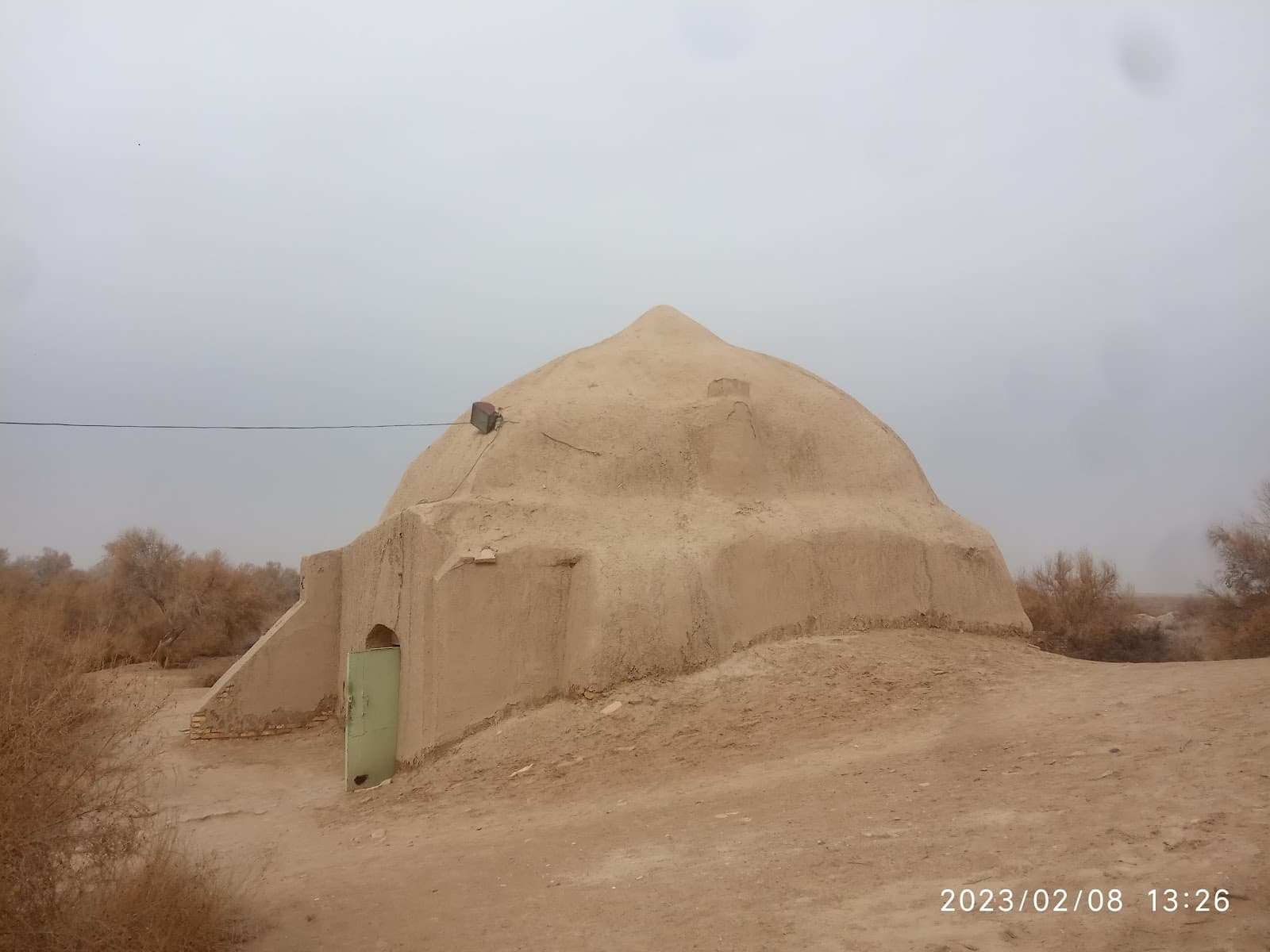
Dandânqan Fortress Temple Area Mary Region Turkmenistan
Nestled in the Mary Region of Turkmenistan, Dandânqan Fortress stands as a significant medieval fortress, notable for its fusion of Central Asian and Indian Buddhist architectural traditions ([1][2]). The fortress features a temple area displaying influences from Indian Buddhist temple architecture and artistic programs ([1]). This synthesis highlights the transmission of Indian religious and architectural concepts to Central Asia during the medieval period ([1][2]). Archaeological excavations have uncovered Buddhist fragments, including sculptures, architectural elements, and religious iconography, revealing parallels with Indian Buddhist art centers like Gandhara and Mathura ([1]). The layout of the temple area, with its central structures and ritual spaces, mirrors Indian Buddhist temple planning principles ([1][2]). These discoveries provide crucial evidence of the site's role in transmitting Indian Buddhist traditions to Central Asia ([1]). During the medieval period, when Central Asia experienced extensive trade and cultural connections with India, Dandânqan Fortress became a major center of religious and military activity ([1]). The patronage of the Samanid Dynasty facilitated the integration of Indian Buddhist elements into the fortress's design ([1][2]). Mud brick, fired brick, stone, lime mortar, metal, and wood were employed in the construction, showcasing the architectural prowess of the era ([1]). Intricate carvings adorning the walls and structures further exemplify the blending of Indian and Central Asian aesthetics ([1][2]). The presence of Buddhist fragments and architectural elements demonstrates a remarkable understanding of Indian Buddhist temple architecture and iconographic programs ([1]). Today, as a UNESCO Tentative List site, Dandânqan Fortress represents a vital cultural treasure, illustrating the profound impact of Indian civilization on Central Asian religious and cultural traditions ([1][2]). The ongoing archaeological research and conservation efforts ensure the protection and study of this extraordinary site ([1]).
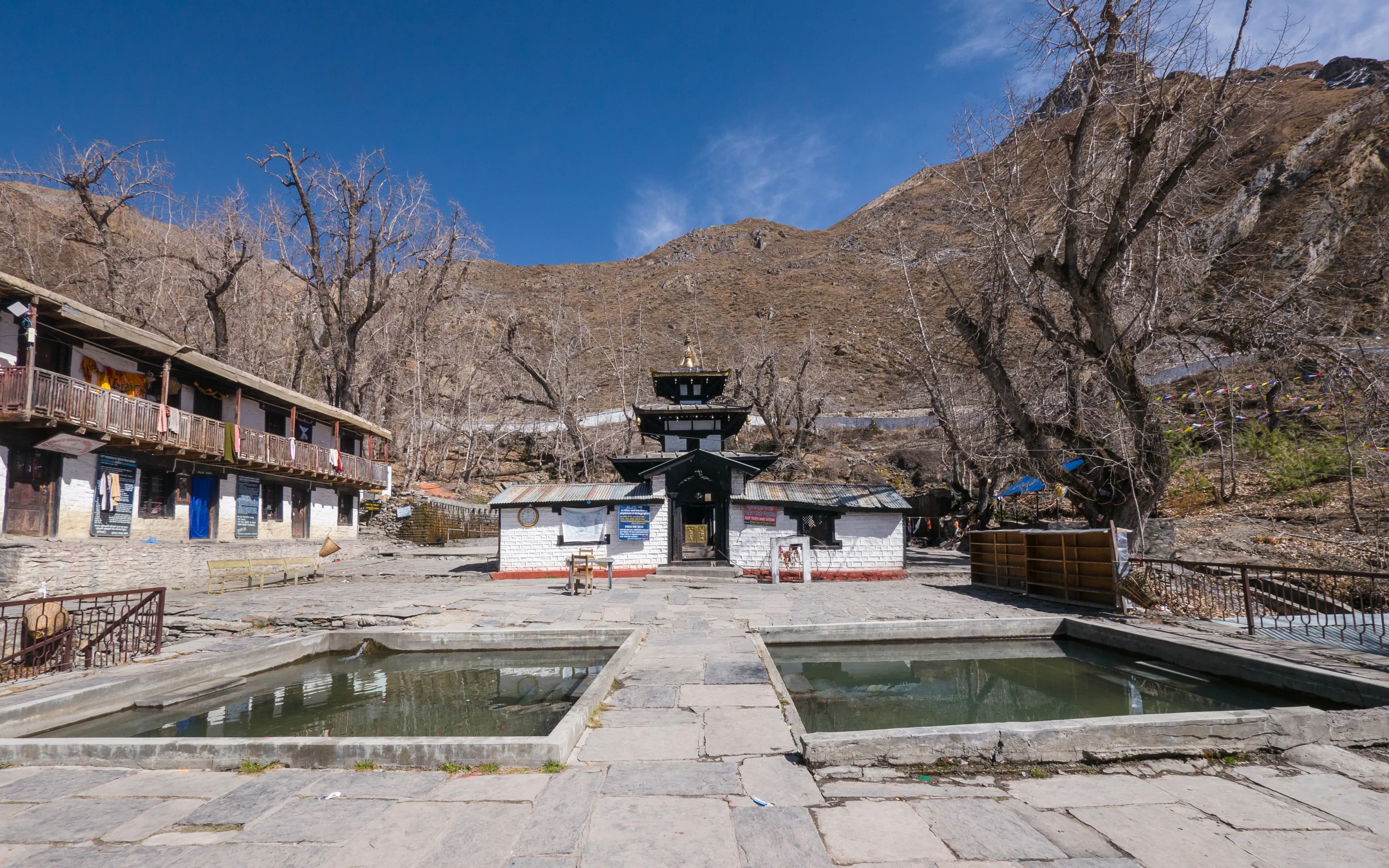
Muktinath Temple Ranipauwa
The crisp Himalayan air, thin and charged with a spiritual energy, whipped prayer flags into a frenzy of colour around me as I approached Muktinath Temple. Nestled high in the Mustang district of Nepal, at an altitude that leaves you breathless in more ways than one, this sacred site felt worlds away from the familiar caves and temples of my native Maharashtra. Here, at the confluence of two holy rivers, the Gandaki and Kali Gandaki, Hinduism and Buddhism intertwine in a vibrant tapestry of faith. The temple itself is a modest structure, a two-tiered pagoda with a traditional Newari-style roof. Unlike the elaborate rock-cut marvels of Ajanta and Ellora or the towering gopurams of South Indian temples, Muktinath’s beauty lies in its simplicity and the stark, dramatic landscape that surrounds it. The whitewashed walls, accented with intricately carved wooden window frames and doorways, stood in stark contrast to the brown, barren hills. A small courtyard, enclosed by a low wall, offered a space for pilgrims to circumambulate the main shrine. Inside, the atmosphere was thick with incense and the murmur of prayers. The main deity, Muktinath, is represented by a golden statue of Vishnu, flanked by Lakshmi and Saraswati. What struck me most, however, were the 108 intricately carved brass spouts shaped like bull heads, from which continuously flowed icy water from the Kali Gandaki. This is considered holy water, and pilgrims queue patiently to bathe under each spout, a ritual believed to cleanse them of their sins and grant them moksha, or liberation. I too joined the queue, the glacial water a shock to the system, but invigorating nonetheless. The experience felt primal, a direct connection to the natural world and the divine. Beyond the main shrine, the temple complex houses several smaller shrines dedicated to various Hindu and Buddhist deities. I noticed a distinct Tibetan Buddhist influence in some of the artwork and iconography, a testament to the region's rich cultural heritage. Prayer wheels, adorned with mantras, lined the walls, their rhythmic spinning adding to the spiritual ambience. The presence of both Hindu and Buddhist devotees, worshipping side-by-side, was a powerful reminder of the shared spiritual roots of these two ancient religions. One of the most unique aspects of Muktinath is the presence of Jwala Mai, a perpetually burning flame fueled by natural gas seeping from the earth. Housed in a small chamber adjacent to the main temple, this eternal flame is considered a manifestation of the divine feminine and is revered by both Hindus and Buddhists. Witnessing this natural wonder, flickering brightly against the dark stone, was a truly awe-inspiring experience. It felt like a tangible connection to the earth's energy, a reminder of the powerful forces that shape our world. My exploration extended beyond the temple itself. The surrounding landscape, a high-altitude desert dotted with prayer flags and chortens, offered breathtaking views of the snow-capped Himalayas. The air was thin and dry, the sun intense, but the spiritual energy of the place kept me going. I spent hours wandering the surrounding trails, absorbing the serenity of the mountains and reflecting on the profound sense of peace that permeated the air. Muktinath is more than just a temple; it is a pilgrimage, a journey of faith and self-discovery. It is a place where the boundaries between religions blur, where nature and spirituality intertwine, and where the pursuit of moksha takes centre stage. For someone who has spent years exploring the ancient sites of Maharashtra, Muktinath offered a fresh perspective on faith and the human connection to the divine. It is a place I will never forget, a place that has left an indelible mark on my soul.
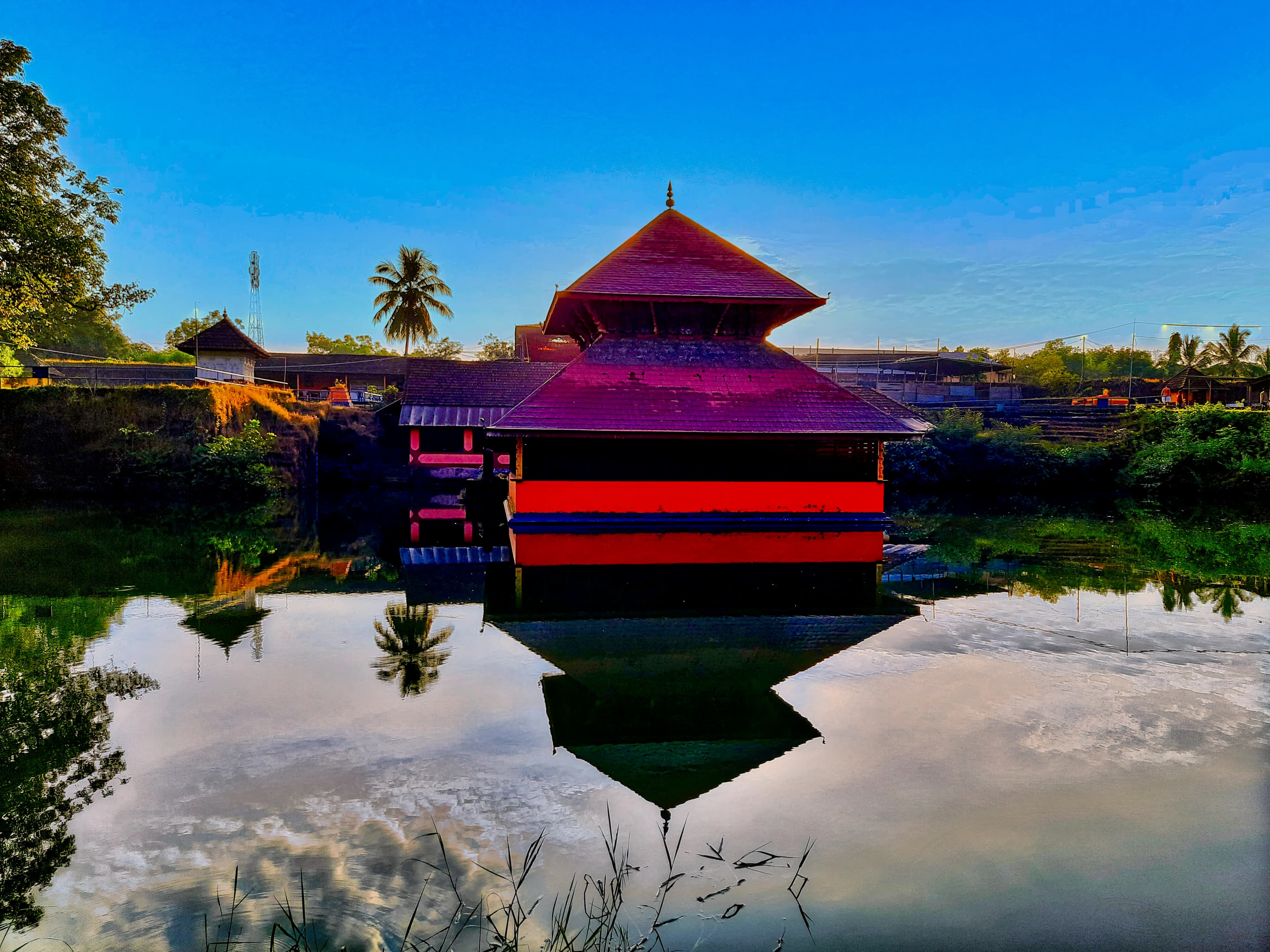
Ananthapura Lake Temple Kasaragod
Nestled in the verdant landscapes of Kerala, the Ananthapura Lake Temple in Kasaragod provides a tranquil spiritual experience ([1][2]). Dating to 850 CE, during the Chera period, this unique temple is dedicated to Lord Vishnu as Ananthapadmanabha ([1]). The temple exemplifies the Kerala Dravidian architectural style, characterized by sloping roofs and laterite construction ([2]). The Kadamba dynasty of North Canara were patrons of the temple ([1]). Within the Garbhagriha (Sanctum), the idol of Lord Vishnu reclining on the serpent Anantha captivates devotees ([2]). Intricate carvings adorn the wooden pillars, depicting scenes from Hindu mythology and reflecting the region's rich artistic traditions ([3]). These carvings serve not only as decoration but also as a narrative medium, conveying stories and teachings to devotees ([3]). Granite and wood are also used in the temple's construction ([1]). During the Chera period, temple architecture in Kerala flourished, with structures designed to withstand the region's heavy rainfall ([5]). Temple complexes often included features like the Kulam (Pond) which is connected to the rich heritage and culture of the region ([6]). The presence of Babiya, the vegetarian crocodile, adds to the temple's mystique, symbolizing the intertwining of nature and spirituality ([3]). Vastu Shastra principles, the ancient Indian science of architecture, likely guided the temple's layout and orientation, harmonizing it with its natural surroundings ([4]). The Manasara Shilpa Shastra and Mayamata texts provide detailed guidelines on temple construction, including the precise measurements and placement of various elements to create a sacred space ([7]). Stone platforms and foundations demonstrate the temple's enduring construction ([1]). The use of laterite, a locally sourced material, highlights the temple's integration with the regional environment ([2]).
Quick Links
Plan Your Heritage Journey
Get personalized recommendations and detailed visitor guides