Has Inheritage Foundation supported you today?
Your contribution helps preserve India's ancient temples, languages, and cultural heritage. Every rupee makes a difference.
Secure payment • Instant 80G certificate
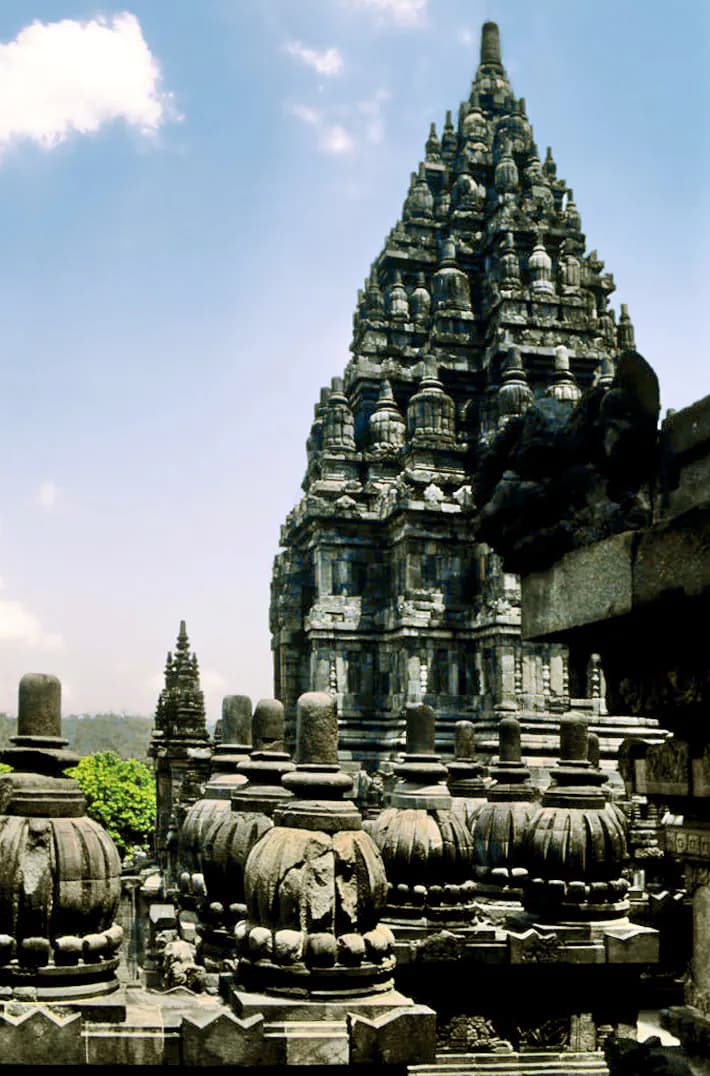
Brahma Temple Carambolim
Amidst Goa's lush landscapes, the Brahma Temple in Carambolim whispers tales of the Kadamba Dynasty's artistic achievements ([1][2]). Forged in the 11th century (1050 CE) by the Kadamba Dynasty, this temple embodies Dravidian architectural influences in the region ([3]). Diverging from the towering gopurams typical of South India, the temple presents a more subtle aesthetic, harmonizing with its natural environment ([4]). Laterite stone constitutes the main building material, bestowing a warm, earthy hue to the structure ([1]). The pyramidal Shikhara (spire) atop the Garbhagriha (sanctum) echoes the Kadamba style prevalent from the 10th to 14th centuries ([2][3]). Within the Garbhagriha, the basalt idol of Lord Brahma radiates a serene presence ([5]). The relative absence of intricate carvings emphasizes simplicity and spiritual focus ([4]). Stone platforms and foundations exemplify the enduring craftsmanship of the Kadamba artisans ([1][2]). Architectural elements like the Mandapa (pillared hall) might have existed, though evidence requires further exploration of regional Kadamba temple layouts. The temple tank, mirroring the temple's form, amplifies the tranquil atmosphere ([5]). Temples dedicated to Brahma are relatively rare, making this site a unique example of religious patronage during the Kadamba period ([3]). During the Kadamba Period, temple architecture in Goa saw a unique blend of regional styles with Dravidian influences ([1][2]). The Brahma Temple, therefore, represents a crucial link to Goa's cultural past, echoing narratives of a bygone era ([3][5]). The temple's design, while understated, adheres to principles of sacred architecture, creating a space conducive to contemplation and reverence ([4]). This sacred space invites reflection and reverence, epitomizing the fusion of faith, architecture, and nature ([1][5]).
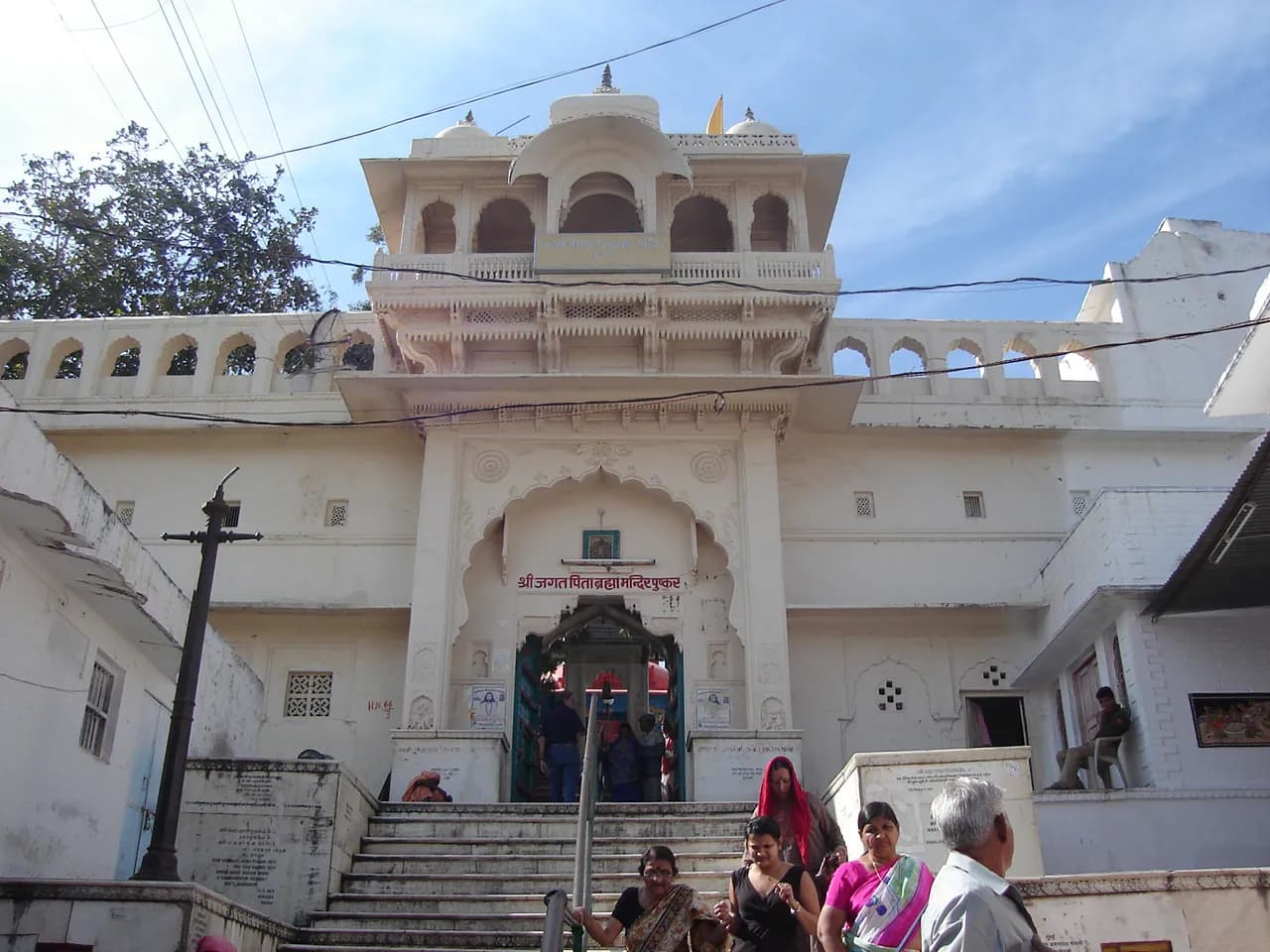
Brahma Temple Pushkar
Nestled in the Aravalli Range, the Jagatpita Brahma Mandir in Pushkar, Rajasthan, stands as a testament to North Indian temple architecture ([1][2]). Constructed around 1350 CE during the Rajput period, this sacred site is primarily built of marble and stone ([3]). Rana Lakha of Mewar is credited with providing patronage for the temple's construction ([4]). Intricate carvings embellish the temple walls, depicting scenes from Hindu mythology, reflecting the artistic influences of the Gujarat region ([5]). The Nagara-style Shikhara (spire), crowned with a Kalasha (finial), dominates the temple's skyline ([6]). Within the Garbhagriha (sanctum), the four-faced murti (idol) of Lord Brahma radiates a serene aura ([7]). Silver coins, offered by devotees and embedded in the red marble floor, contribute to the temple's unique sacred ambiance ([8]). Granite and sandstone blocks, meticulously carved, constitute the temple's structure, exemplifying the architectural skills of the Rajput era ([9]). The absence of a separate Antarala (antechamber) fosters a more intimate experience within the sanctum ([10]). During the Rajput Period, temple architecture saw a resurgence, blending regional styles and traditions ([11]). Smaller shrines dedicated to Saraswati and Savitri enhance the main temple complex, creating visual harmony ([12]). Vastu Shastra principles, the ancient Indian science of architecture, likely guided the temple's orientation and design, aligning it with cosmic energies ([13]). The adjacent Pushkar Lake complements the temple's spiritual ambiance, its reflections creating a serene atmosphere, reminiscent of traditional integrated temple and water body designs ([14]). Vedic traditions emphasize the significance of Brahma as the creator, making this temple a vital pilgrimage site ([15]).
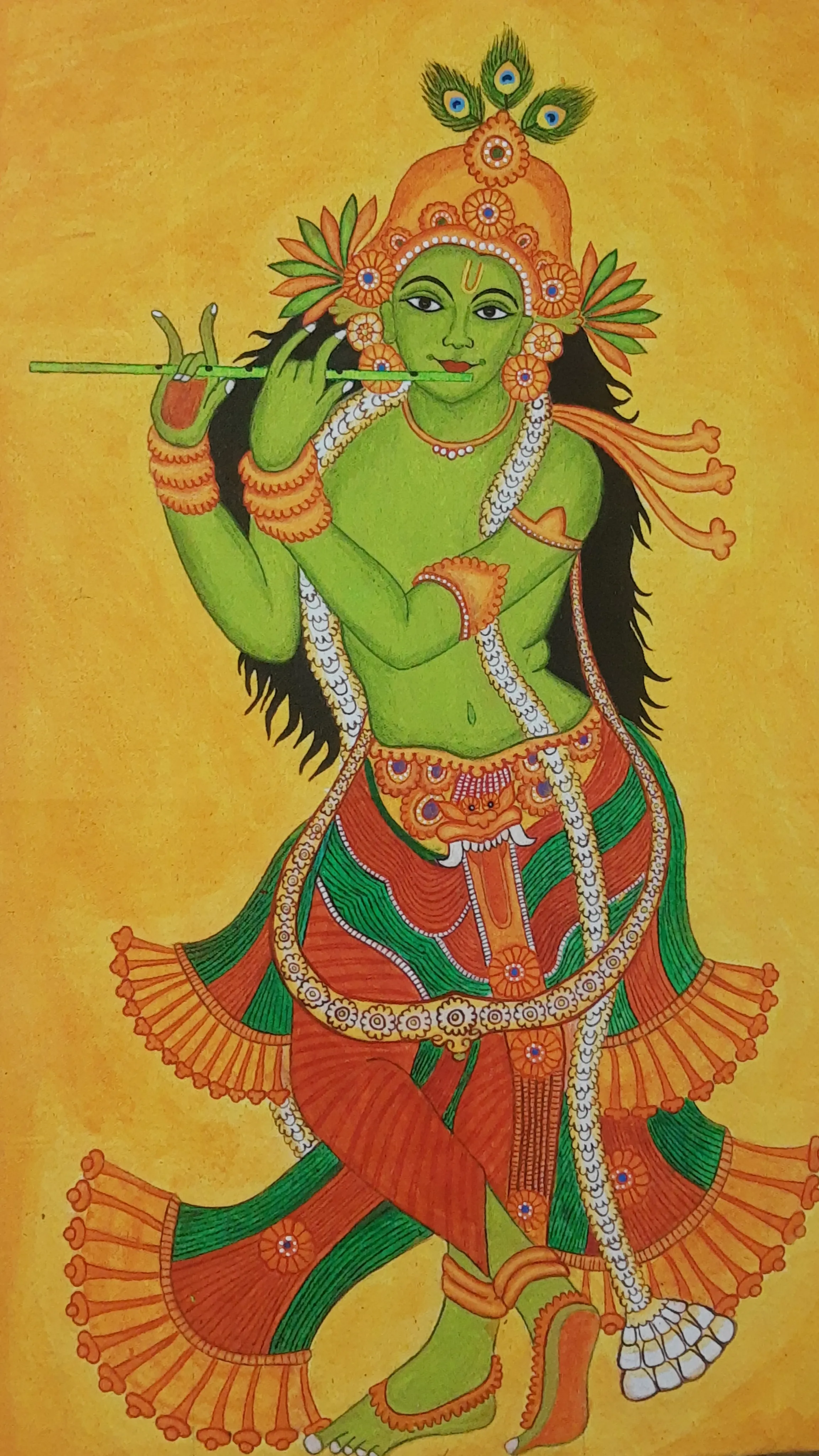
Guruvayur Temple Guruvayur
The air hung thick and sweet with the scent of sandalwood and jasmine, a fragrance that seemed woven into the very fabric of Guruvayur. The eastern sky, still holding the soft hues of pre-dawn, reflected in the shimmering gold of the Guruvayur Sri Krishna Temple’s gopuram. This wasn't just another temple on my list; this was Guruvayur, a place that resonated with a palpable spiritual energy even before I stepped inside. Having documented over 500 monuments across India, I've developed a keen eye for architectural nuances. The Kerala style here is distinct – a sloping tiled roof, vibrant murals adorning the outer walls, and the four-armed deity of Lord Krishna visible through the main doorway, a sight that instantly captivated me. Unlike the towering gopurams of Tamil Nadu, this one felt more intimate, drawing you in rather than overwhelming you with its scale. The temple’s koothambalam, the traditional theatre for Keralan performing arts, immediately caught my attention. Its intricate woodwork, depicting scenes from the epics, was a testament to the craftsmanship of a bygone era. I spent a good hour circling it, capturing the delicate details of the carved figures, each telling a silent story. The pillars, polished smooth by centuries of touch, seemed to hum with the echoes of ancient performances. Entering the chuttambalam, the outer enclosure, the energy shifted. The rhythmic chanting of Vedic hymns filled the air, intertwining with the clanging of bells and the murmur of devotees. Photography is restricted within the inner sanctum, a rule I respect deeply, but the experience transcended the visual. It was about absorbing the atmosphere, the devotion that permeated every corner. I observed the devotees, their faces etched with a mix of reverence and anticipation, as they circumambulated the sanctum. The sheer faith on display was humbling. The temple tank, Rudratheertham, located to the west, offered a moment of tranquility amidst the vibrant activity. Pilgrims took ritual dips in the sacred waters, their faces reflecting the serene surface. The architectural harmony between the tank and the temple itself was striking – a seamless blend of the spiritual and the natural. One of the most captivating aspects of Guruvayur is its unique rituals. I was fortunate to witness the 'Seeveli,' a ceremonial procession where the deity is carried around the temple grounds on an elephant. The sheer grandeur of the moment, the vibrant colours, the rhythmic chanting, and the palpable devotion of the crowd created an unforgettable spectacle. It wasn't just a visual feast; it was a sensory immersion into a centuries-old tradition. Beyond the main temple, the surrounding town added another layer to the experience. The narrow streets, bustling with vendors selling everything from flowers and incense to traditional handicrafts, offered a glimpse into the local life intertwined with the temple. The aroma of freshly prepared prasadam, the temple offering, wafted through the air, adding to the sensory tapestry. Leaving Guruvayur, I carried more than just photographs. I carried the resonance of the chants, the scent of sandalwood, and the palpable devotion that permeated the air. It wasn't just a documentation of a historical site; it was an immersion into a living, breathing spiritual heart of Kerala. It reinforced my belief that heritage photography isn't just about capturing the visual; it's about capturing the intangible essence of a place, the stories it whispers, and the emotions it evokes. And Guruvayur whispered volumes.
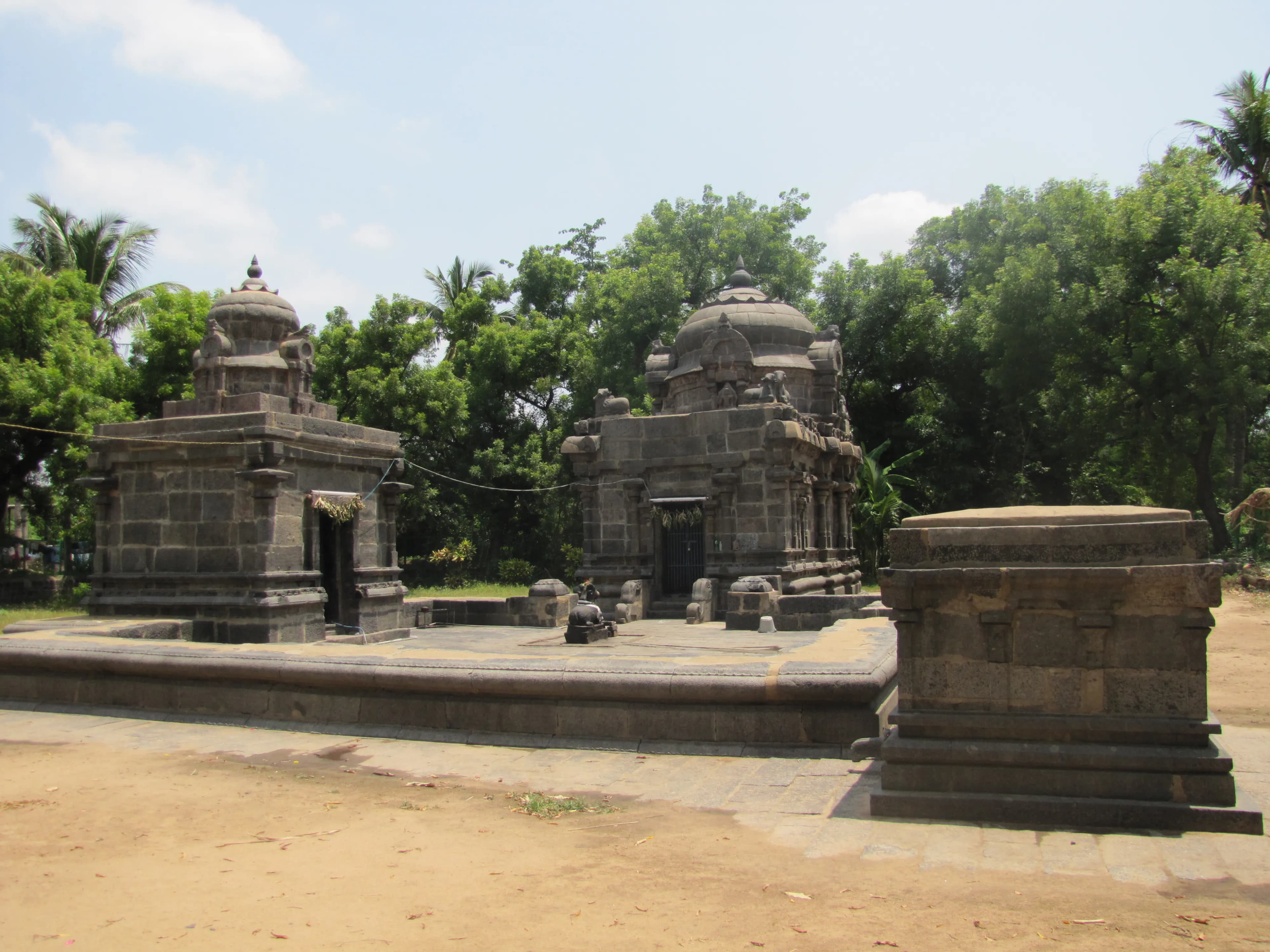
Kundankuzhi Mahadevar Temple Nagercoil
The humid Kanyakumari air hung heavy as I approached the Kundankuzhi Mahadevar Temple, tucked away in a quiet village near Nagercoil. The temple, dedicated to Lord Shiva, doesn't boast the towering gopurams of some of Tamil Nadu's more famous temples, but it possesses a quiet dignity and architectural nuances that captivated me from the first glance. The relatively modest size allows for an intimate exploration, a chance to truly connect with the structure and its history. The first thing that struck me was the distinct Kerala architectural influence, a testament to the region's historical fluidity and cultural exchange. The sloping tiled roofs, reminiscent of Kerala's traditional houses and temples, were a departure from the typical Dravidian style I'm accustomed to seeing in Chennai. The muted ochre walls, devoid of elaborate carvings on the exterior, further emphasized this unique blend. This simplicity, however, wasn't stark; it felt more like a conscious choice, directing the visitor's attention inwards, towards the spiritual heart of the temple. Stepping inside the main mandapam, I was greeted by a series of intricately carved pillars. While the exterior was understated, the interior showcased the artisans' skill. The pillars, though weathered by time, displayed a variety of motifs – stylized lotuses, mythical creatures, and intricate geometric patterns. I noticed a subtle difference in the carving styles on some pillars, suggesting additions or renovations over different periods. This layering of history, visible in the very fabric of the temple, added to its charm. The garbhagriha, the sanctum sanctorum, housed the lingam, the symbolic representation of Lord Shiva. The air within was thick with the scent of incense and the murmur of prayers. The dimly lit space, illuminated by oil lamps, created an atmosphere of reverence and tranquility. I spent some time observing the worn stone floor, polished smooth by centuries of devotees' feet, a tangible connection to the generations who had worshipped here before me. Moving towards the outer prakaram, I discovered a small shrine dedicated to the Goddess Parvati. The carvings here were noticeably different, featuring a more flowing, feminine aesthetic. The presence of both Shiva and Parvati, representing the complementary forces of creation and destruction, underscored the temple's adherence to traditional Shaivite principles. One of the most intriguing aspects of the Kundankuzhi Mahadevar Temple was its integration with the natural surroundings. Ancient trees shaded the temple grounds, their roots intertwining with the stone structures, creating a sense of harmony between the built and natural environments. A small pond, located to the west of the main temple, added to the serene atmosphere. It was easy to imagine how this tranquil setting would have provided a sanctuary for both spiritual contemplation and community gatherings over the centuries. My visit to the Kundankuzhi Mahadevar Temple wasn't just about observing architectural details; it was an immersive experience. The temple's unassuming exterior belied a rich history and a palpable spiritual energy. It offered a glimpse into the cultural exchange between Tamil Nadu and Kerala, showcasing a unique blend of architectural styles. Unlike the grand, often crowded temples of larger cities, Kundankuzhi allowed for a quiet, personal connection, a chance to appreciate the subtleties of craftsmanship and the enduring power of faith. It's a testament to the fact that architectural marvels don't always need to be grand in scale to be profoundly impactful. They can be found in quiet corners, whispering stories of history, faith, and artistic expression.
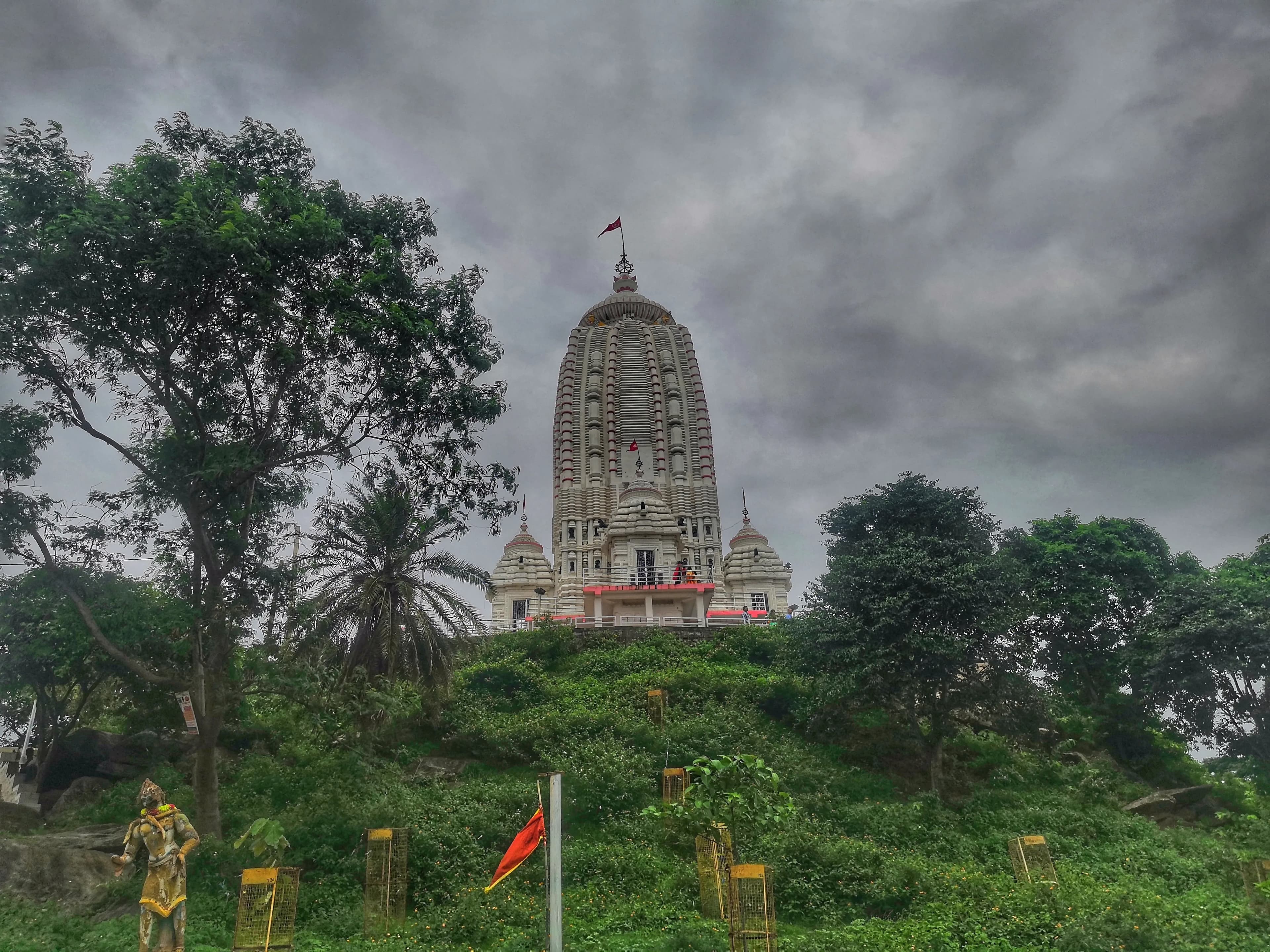
Jagannath Temple Ranchi
The crisp Jharkhand air, a welcome change from Maharashtra's humidity, carried the scent of incense as I approached the Jagannath Temple in Ranchi. Perched atop a small hillock, the temple’s pristine white shikhara, reminiscent of Odisha's famed Puri Jagannath Temple, dominated the skyline. Having explored countless caves and temples across Maharashtra, I was eager to see how this architectural marvel compared to the familiar terrain of my home state. The climb to the temple was a pilgrimage in itself. A wide flight of stairs, flanked by vendors selling everything from religious trinkets to local delicacies, led to the main entrance. The vibrant energy of the place was palpable, a blend of devotion and everyday life that is so characteristic of India's sacred spaces. Unlike the often chaotic scenes at Maharashtra's popular temples, there was a sense of calm order here, perhaps influenced by the temple's elevated position. The temple's architecture is a striking blend of traditional Odishan and contemporary styles. The shikhara, with its curvilinear silhouette and intricate carvings, is undoubtedly the highlight. While echoing the style of the Puri temple, it possesses a unique character, perhaps due to the use of locally sourced laterite stone. This reddish-brown stone, so different from the basalt and black stone I’m accustomed to seeing in Maharashtra’s temples, lends the structure a warm, earthy hue. The carvings, though weathered by time and elements, still retain a remarkable level of detail, depicting scenes from Hindu mythology and showcasing the skill of the artisans who crafted them. Stepping inside the main sanctum, I was greeted by the imposing idols of Jagannath, Balabhadra, and Subhadra. The atmosphere was thick with the fragrance of sandalwood and the murmur of prayers. The deities, with their distinctive large eyes and cylindrical forms, exuded a powerful aura. While smaller than their counterparts in Puri, they held the same captivating presence. I observed the rituals with fascination, noting the distinct regional variations compared to the temple practices I’ve witnessed in Maharashtra. The rhythmic chanting of the priests, the clanging of bells, and the flickering of oil lamps created a mesmerizing sensory experience. Beyond the main shrine, the temple complex houses several smaller shrines dedicated to various deities. I was particularly drawn to the intricate carvings adorning the walls of these smaller structures. They depicted a fascinating array of mythological figures, celestial beings, and floral motifs. The level of detail was astonishing, each carving a testament to the artistic prowess of the craftsmen. I spent a considerable amount of time studying these panels, drawing parallels and contrasts with the sculptural traditions of Maharashtra. The panoramic view from the temple grounds was breathtaking. The sprawling city of Ranchi lay spread out below, a tapestry of green and grey punctuated by the occasional glint of sunlight reflecting off a distant building. The cool breeze carried the sounds of the city, a gentle hum that blended seamlessly with the temple’s serene atmosphere. It was a moment of quiet contemplation, a chance to reflect on the journey that had brought me to this sacred place. Leaving the Jagannath Temple, I carried with me not just photographs and memories, but a deeper understanding of India's rich architectural and spiritual heritage. The temple, a testament to the enduring power of faith and artistry, stands as a beacon of hope and devotion, offering solace and inspiration to all who visit. While my heart remains rooted in the ancient caves and temples of Maharashtra, the Jagannath Temple of Ranchi has carved a special place in my travelogue, a reminder of the diverse and captivating tapestry of India's sacred landscape.
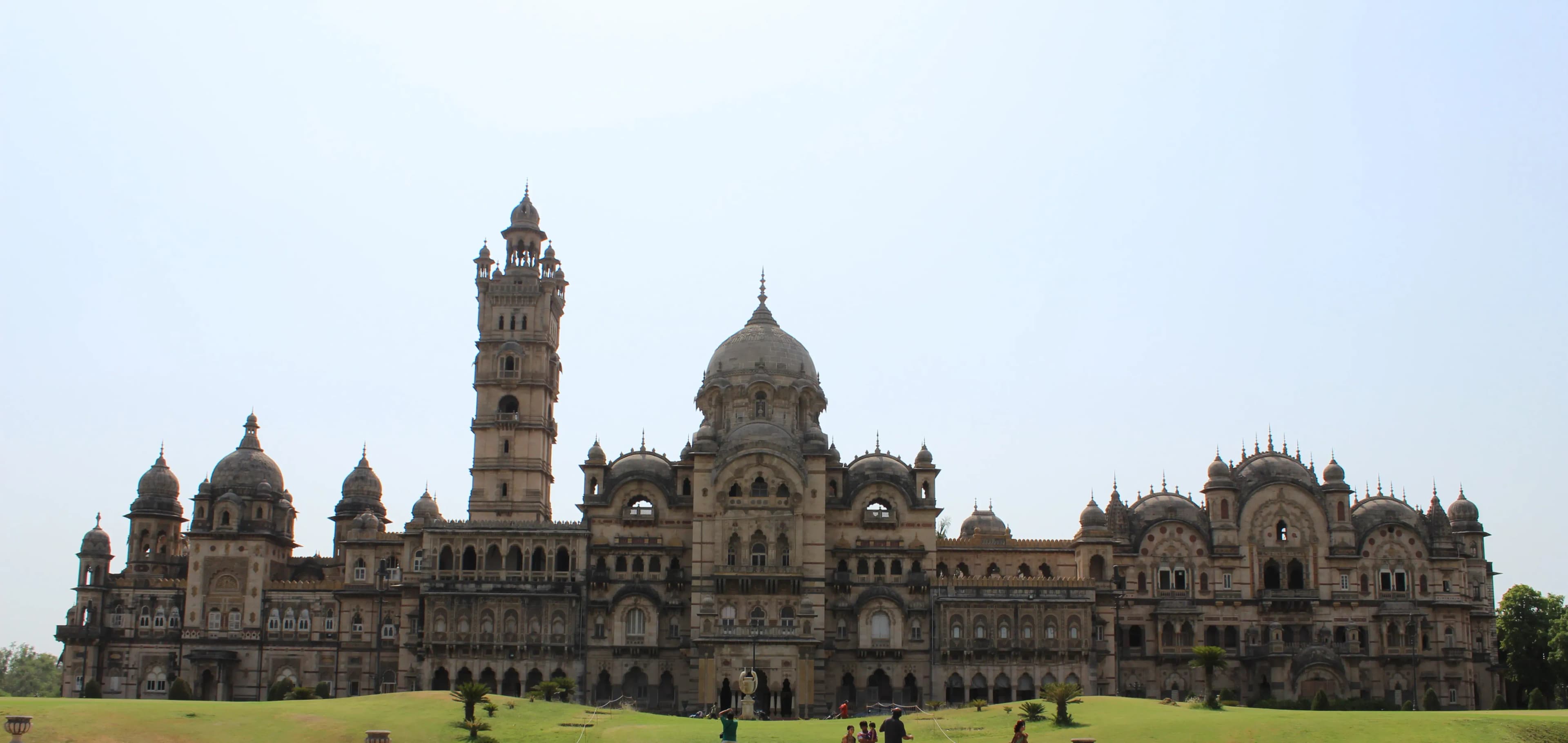
Laxmi Vilas Palace Vadodara
The wrought iron gates of Laxmi Vilas Palace, embellished with the Gaekwad coat of arms, seemed to whisper tales of a bygone era as I stepped onto the sprawling grounds. This wasn't merely a palace; it was a statement – a testament to the grandeur and vision of Maharaja Sayajirao Gaekwad III. The sheer scale of the Indo-Saracenic structure, dwarfing even the impressive structures I’m accustomed to in Kolkata, left me momentarily speechless. Built in 1890, it remains the largest private dwelling in India, four times the size of Buckingham Palace, a fact that continually echoed in my mind as I explored its vast expanse. The first thing that struck me was the seamless blend of architectural styles. While the domes and arches spoke of Mughal influence, the intricate carvings and jalis (perforated stone screens) were distinctly Gujarati. The use of European architectural elements, such as the Italian marble columns and stained-glass windows, added another layer of complexity, showcasing the Maharaja's cosmopolitan outlook. It wasn't just a fusion of styles, but a conversation between them, each element complementing the other in a harmonious symphony of stone and artistry. Inside, the Durbar Hall, with its Venetian mosaic floors and Belgian stained-glass windows depicting scenes from the Mahabharata, was breathtaking. The sheer opulence was almost overwhelming, yet there was a sense of restraint, a refusal to descend into gaudiness. The delicate floral motifs carved into the sandstone walls, the intricate chandeliers hanging from the high ceilings, and the portraits of the Gaekwad dynasty lining the walls all spoke of a refined aesthetic sensibility. I was particularly fascinated by the Navlakhi stepwell, tucked away in a corner of the vast gardens. Descending into its cool depths, I felt transported back in time. The intricate carvings on the stepwell walls, depicting deities and celestial beings, were remarkably well-preserved, a testament to the quality of the craftsmanship. It was a space of quiet contemplation, a stark contrast to the grandeur of the palace itself. The palace museum, housed within a section of the main building, provided a fascinating glimpse into the lives of the Gaekwad rulers. The collection of weaponry, including swords, guns, and armor, was impressive, but it was the personal artifacts – the Maharaja's vintage cars, his collection of clocks, and the portraits of his family – that truly captured my attention. These objects humanized the Maharaja, transforming him from a historical figure into a man with passions and interests. As I wandered through the manicured gardens, past fountains and sculptures, I couldn't help but reflect on the legacy of Maharaja Sayajirao Gaekwad III. He was not just a builder of palaces, but a visionary ruler who invested heavily in education, infrastructure, and social reforms. Laxmi Vilas Palace, therefore, is not just a symbol of his wealth, but a reflection of his progressive ideals. The palace continues to be the residence of the royal family, a living testament to a dynasty that shaped the history of Vadodara. Leaving the palace grounds, I felt a sense of awe and gratitude. Awe at the sheer magnificence of the structure and the artistry of its creators, and gratitude for the opportunity to witness a piece of history firsthand. Laxmi Vilas Palace is not just a building; it is a story etched in stone, a story of ambition, vision, and a deep appreciation for beauty. It is a must-see for anyone interested in Indian architecture and history, a place where the past comes alive in all its splendor.
Anuradhapura Ancient City North Central Province Sri Lanka
Anuradhapura, located in Sri Lanka's North Central Province, served as the island's first capital, flourishing from around 350 BC for over 1,300 years ([1][2]). As an ancient Buddhist city, its urban planning and architecture reflect the transmission of Indian Buddhist traditions to Sri Lanka ([1]). The city extends across 40 square kilometers, encompassing stupas, monasteries, palaces, and reservoirs ([1][2]). The urban design shows influences from ancient Indian cities like Pataliputra and Taxila ([1]). Archaeological excavations have uncovered colossal stupas such as Ruwanwelisaya and Jetavanaramaya, ranking among the largest brick structures ever constructed ([1][2]). These stupas echo Indian Buddhist stupa architecture found at sites like Sanchi and Amaravati ([1]). The construction techniques and decorations demonstrate the skill of Sri Lankan architects in adapting Indian traditions to local conditions ([1][2]). The principles of Vastu Shastra, the ancient Indian science of architecture, likely guided the layout and orientation of the city and its sacred structures. Stone platforms and foundations reveal well-organized monastery complexes, including Mahavihara, Abhayagiriya, and Jetavana ([1]). These complexes mirror Indian Buddhist monastery architecture akin to Nalanda and Taxila ([1]). Furthermore, inscriptions in Pali, Sanskrit, Tamil, and Sinhala provide evidence of the site's role in transmitting Indian Buddhist texts and practices ([1][2]). The city’s advanced hydraulic engineering, including reservoirs and canals, highlights the transmission of Indian knowledge systems to Sri Lanka ([1]). Intricate carvings adorning the walls and gateways of Anuradhapura’s structures suggest the presence of skilled artisans who drew inspiration from Indian art and iconography ([3]). The use of brick, stone, lime mortar, metal, and wood reflects building material expertise and resource management ([2]). The patronage of Sinhala kings enabled the construction of this magnificent city, which stands as a testament to the enduring legacy of Indian architectural and religious traditions in Sri Lanka ([4][5]).
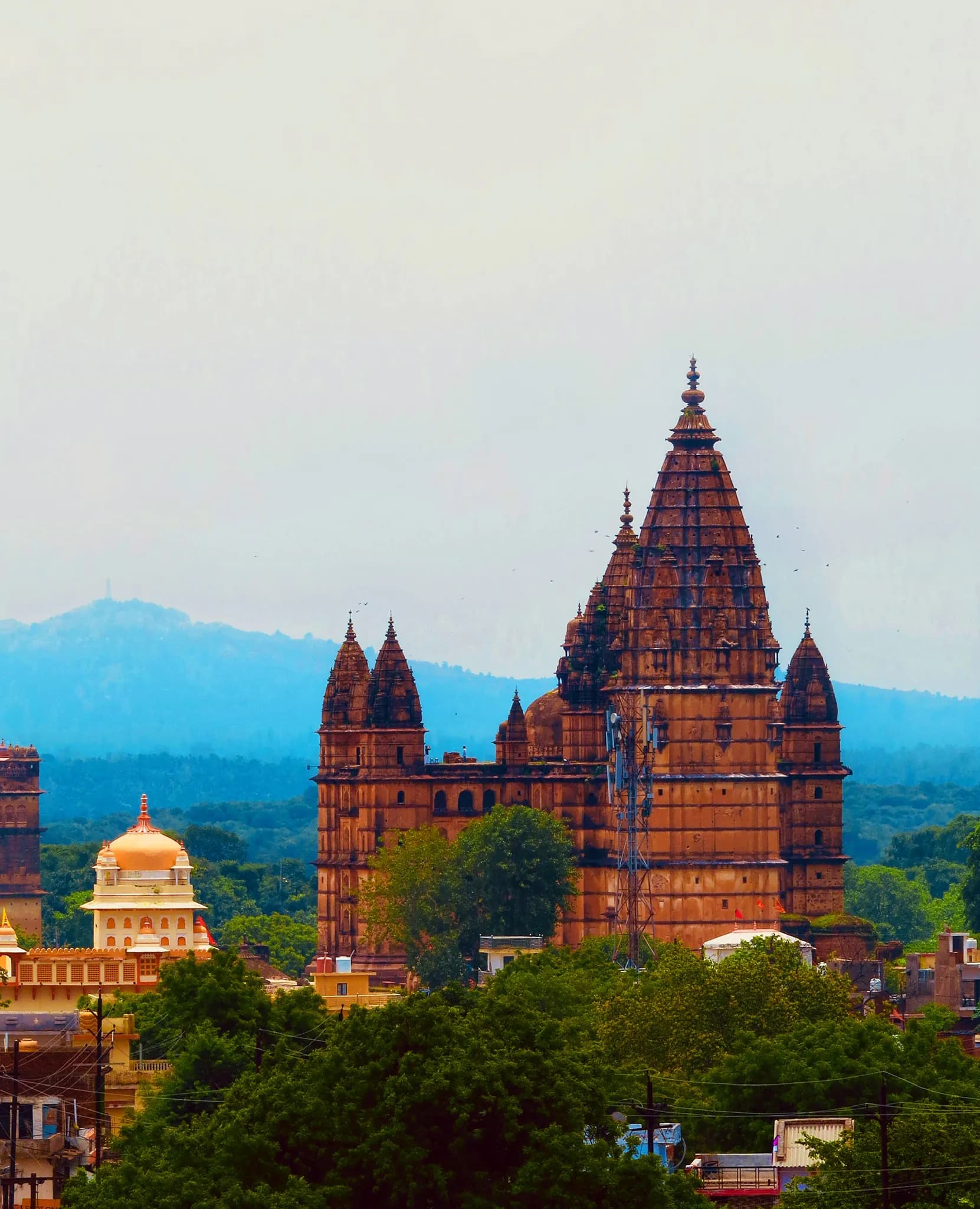
Chaturbhuj Temple Orchha
The Chaturbhuj Temple in Orchha, Madhya Pradesh, stands as a compelling example of architectural fusion ([1][2]). Commissioned by the Bundela Rajput chiefs in 1558 CE, during the 16th century, the temple represents a unique blend of Indo-Islamic styles ([2][3]). Though originally intended to enshrine Lord Vishnu, it is now recognized for the absence of its deity ([4]). Granite and sandstone blocks, meticulously carved, constitute the temple's imposing structure ([1][3]). The integration of Hindu and Mughal architectural elements is seamless ([2]). Intricate carvings embellish the facade, depicting mythological narratives and floral designs characteristic of the Rajput era ([5]). Rising above, the tall Shikhara (spire), a quintessential feature of Hindu temple architecture, dominates Orchha's skyline ([1]). This architectural element is rooted in the principles outlined in texts like the *Brihat Samhita*, which dedicates an entire chapter to the construction and design of temple spires. Ascending the temple steps rewards visitors with panoramic vistas of Orchha ([4]). Inside, the absence of a deity allows for an unobstructed appreciation of the soaring vaulted ceilings and massive pillars ([3]). One's gaze is immediately captured by the delicate Jali (latticework) windows, showcasing the craftsmanship of the period ([5]). The use of Jali is consistent with design principles found in the *Vastu Shastras*, which emphasize natural light and ventilation. As a testament to the Bundela's architectural skill, the Chaturbhuj Temple embodies a convergence of history and artistry ([2][4]). This temple serves as a potent reminder of India's vast and multifaceted cultural legacy ([1][3]). The temple is a beautiful synthesis of diverse styles, creating a unique architectural marvel.

Pinjore Fort Panchkula
The midday sun cast long shadows across the Mughal Gardens, highlighting the geometric precision that frames the Pinjore Fort. Stepping through the arched gateway, I felt a palpable shift, a transition from the bustling present of Panchkula to the serene whispers of the past. This wasn't just another fort; it was a carefully curated experience, a blend of military might and refined aesthetics. The fort itself, known locally as Yadavindra Gardens, isn't a towering behemoth like some of the Rajput strongholds I've documented in Madhya Pradesh. Instead, it presents a more intimate scale, a series of interconnected structures nestled within the embrace of the gardens. The seven-terraced Mughal Gardens, inspired by the legendary Shalimar Bagh, are integral to the fort's character. Fountains, once powered by an ingenious system of natural springs, now lie dormant, yet the intricate channels and symmetrical flowerbeds still evoke a sense of grandeur. My lens was immediately drawn to the Sheesh Mahal, the palace of mirrors. While smaller than its namesake in Jaipur, the delicate inlay work here possesses a unique charm. Tiny fragments of mirror, meticulously arranged in floral patterns, catch the light, creating a kaleidoscope of reflections. I spent hours capturing the interplay of light and shadow, trying to convey the sheer artistry involved in this intricate craft. The Rang Mahal, with its open courtyards and intricately carved balconies, offered another perspective. I imagined the vibrant life that once filled these spaces, the rustle of silk, the melodies of court musicians, the scent of exotic perfumes. Climbing the steps to the upper levels of the fort, I was rewarded with panoramic views of the gardens and the surrounding Shivalik foothills. The strategic location of the fort, guarding the passage into the hills, became immediately apparent. The ramparts, though not as imposing as those of Gwalior Fort, still spoke of a time of skirmishes and sieges. I noticed the remnants of defensive structures, the strategically placed bastions, the narrow embrasures for archers. These details, often overlooked by casual visitors, are crucial in understanding the fort's historical context. What struck me most about Pinjore was the seamless integration of nature and architecture. The gardens aren't merely an adjunct to the fort; they are an integral part of its design. The architects skillfully incorporated the natural contours of the land, using terraces and water channels to create a harmonious blend of built and natural environments. This sensitivity to the landscape is a hallmark of Mughal architecture, and it's beautifully exemplified here. As I wandered through the Jal Mahal, a pavilion situated amidst a tranquil water tank, I couldn't help but compare it to the water palaces of Mandu. While the scale and grandeur are different, the underlying principle of using water as a cooling and aesthetic element is the same. The reflections of the pavilion in the still water created a mesmerizing visual effect, a testament to the architects' understanding of light and perspective. My time at Pinjore Fort was a journey through layers of history, a testament to the enduring legacy of Mughal artistry and engineering. It's a place where the whispers of the past resonate in the present, inviting visitors to connect with a rich and complex heritage. As I packed my equipment, the setting sun cast a golden glow over the fort, etching the scene in my memory, a reminder of the beauty and resilience of India's architectural treasures. This wasn't just a photographic assignment; it was an immersive experience, a privilege to document a piece of history.
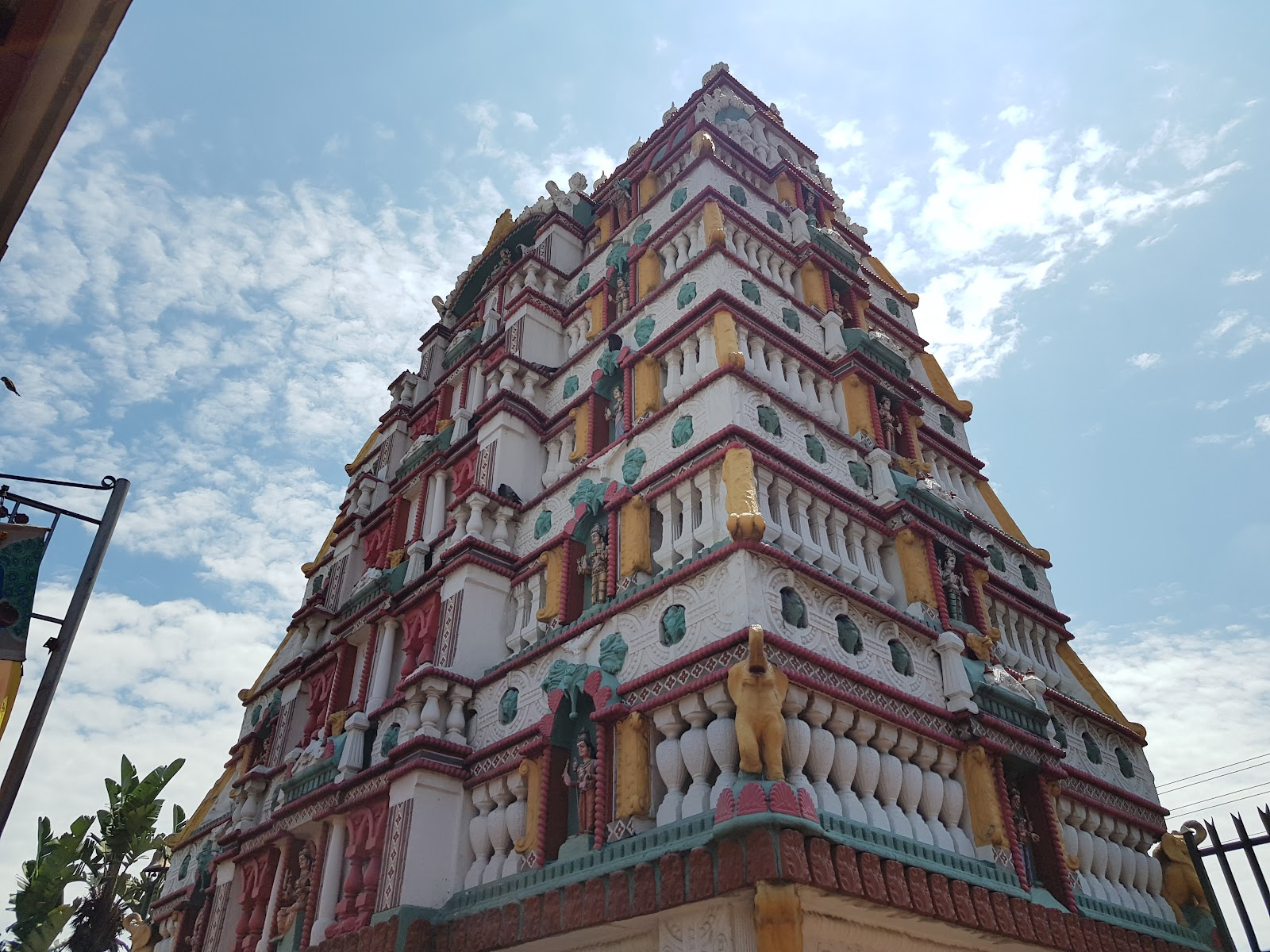
Tshwane India Charity & Cultural Centre (Mariamman Temple Pretoria)
The Tshwane India Charity & Cultural Centre, popularly known as the Mariamman Temple of Pretoria, is the city's oldest Hindu temple—completed in 1905 by indentured Indian traders who modelled its stucco gopuram, pillared mandapam, and circumambulatory corridor on South Indian Amman shrines while adapting to the semi-arid Highveld climate ([1][2]). The complex, restored in recent decades, now anchors a broader community campus with classrooms, a library, medical clinic, and charity hall. Devotees enter through an east-facing gopuram painted in vivid blues and reds, pass the flagstaff and Nandi pavilion, and offer coconuts, turmeric, and neem at the granite sanctum of goddess Mariamman—protector against epidemics—alongside shrines to Ganesha, Muruga, and Venkateswara. The trust operates Tamil language and Bharatanatyam classes, a senior lunch programme, Food for Life distribution, bursaries for township students, and interfaith dialogues. Annual highlights include Panguni Uttiram, Theemithi firewalking staged in an adjacent courtyard, and Deepavali charity drives that supply hampers across Tshwane.
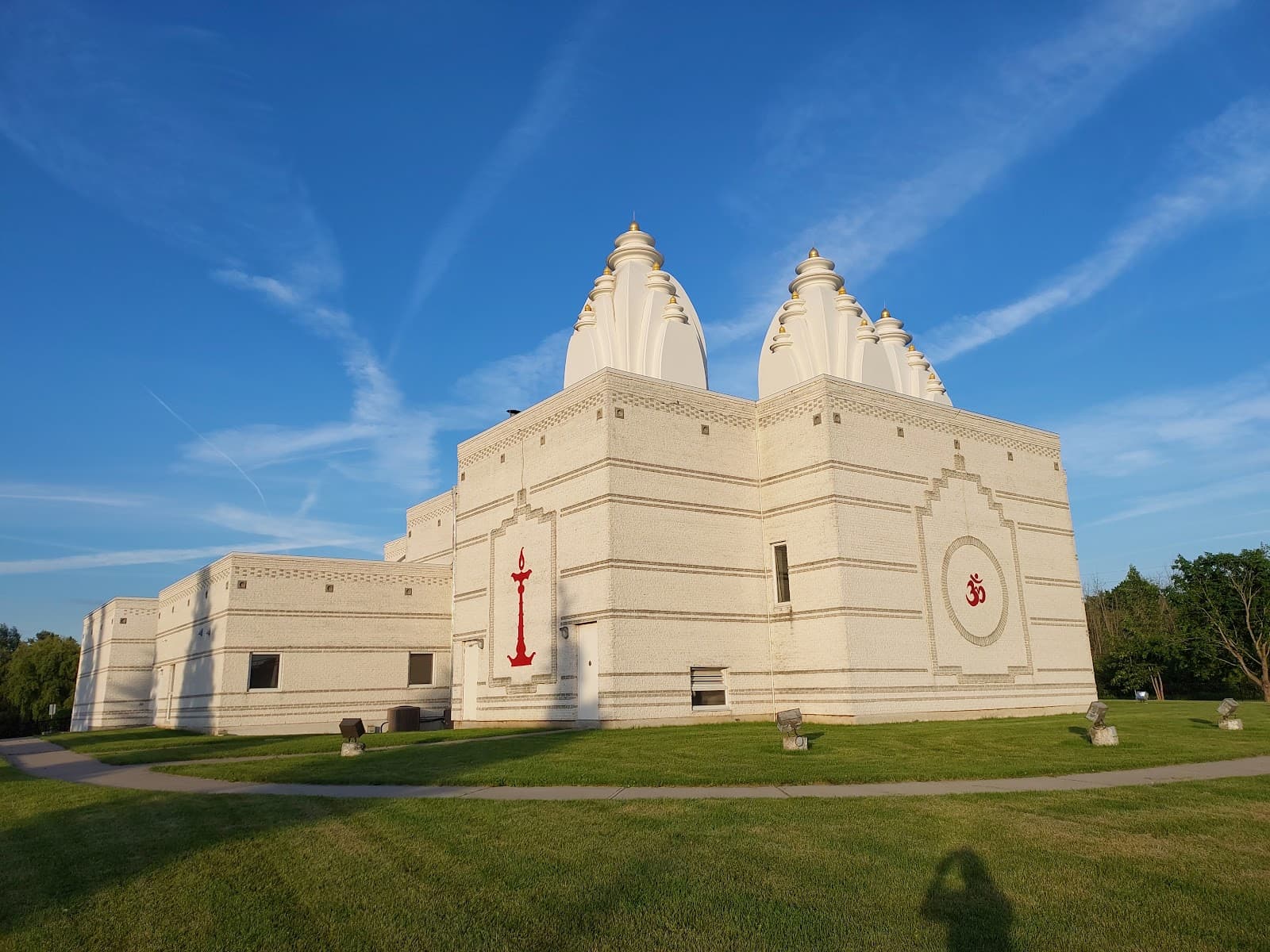
Hindu Temple of Ottawa-Carleton Ottawa
Hindu Temple of Ottawa-Carleton Ottawa is dedicated to multiple deities with a principal focus on Lord Vishnu and anchors the south Ottawa corridor as the region’s oldest Hindu mandir ([1][2]). Daily worship runs from 8:00 AM to 12:00 PM and 5:00 PM to 9:00 PM, and the bilingual front desk routes visitors through the foyer shoe racks before ushers guide them into the double-height mandapa, keeping wheelchair lanes clear along the polished granite floor ([1][5]). Priests conduct archana in Tamil, Hindi, and English while volunteers manage RFID-counted queues during Vaikunta Ekadasi, Navaratri, and community food drives, ensuring separated lines for annadhanam service in the cafeteria wing ([1][3]). The cultural hall seats 400 for language classes, music rehearsals, and city-led newcomer orientations, and is equipped with induction ranges, grease interceptors, and HEPA filtration to keep air quality stable when prasadam is prepared for public events ([1][4]). Accessibility upgrades integrate Alberta spruce handrails, 1:12 ramps, and a platform lift that reaches the library mezzanine, while tactile wayfinding, hearing loop audio, and bilingual signage support seniors and newcomers navigating the campus ([2][5]). A building management system logs HVAC performance, humidity levels around the deities, and rainwater tank reserves so maintenance crews have weekday data before the evening aarti commences. Flu-shot clinics, mansion tax workshops, and newcomer resource fairs share the calendar with weekly satsang, demonstrating the temple’s civic readiness alongside devotional programming ([3][5]).
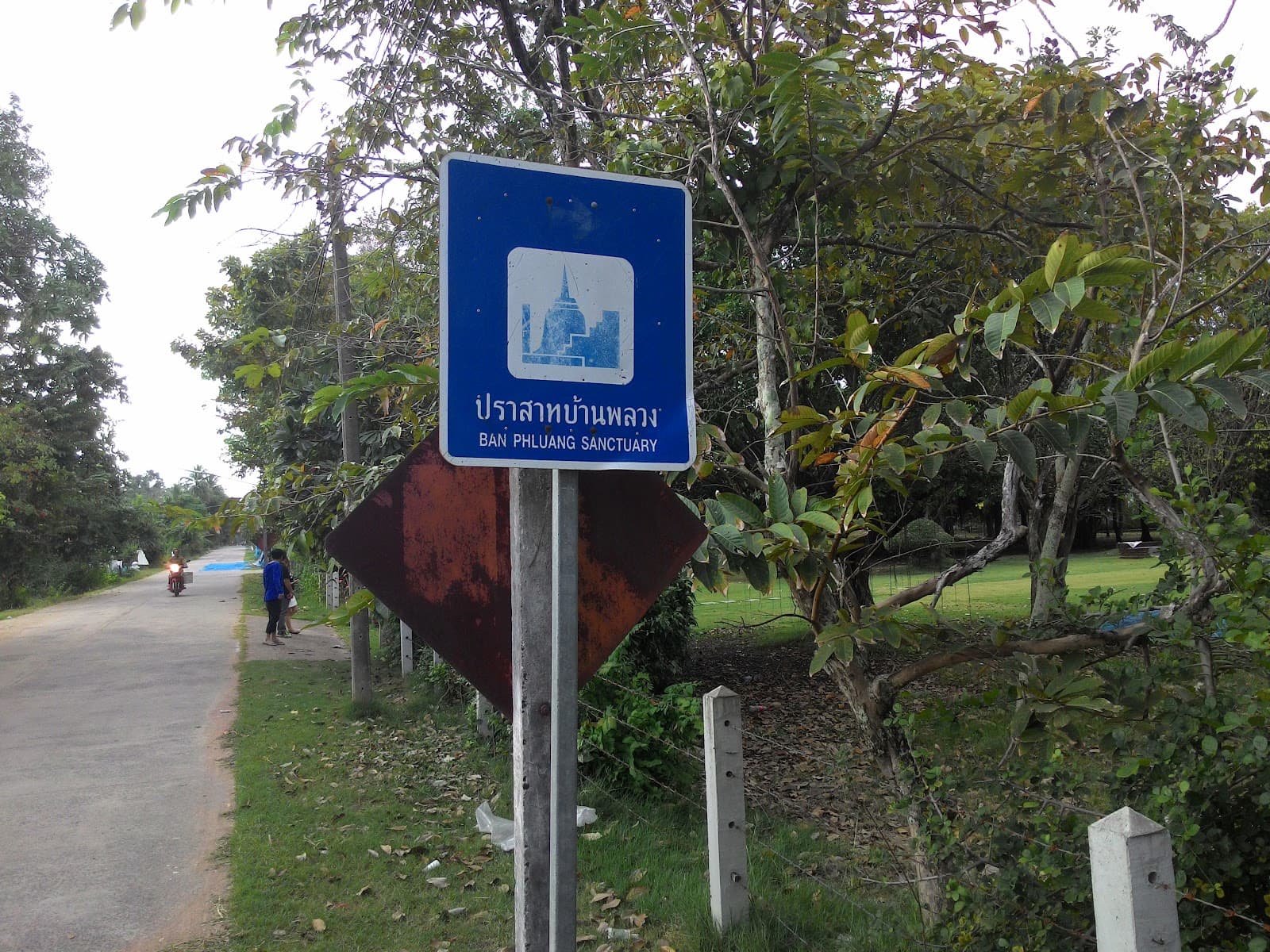
Prasat Ta Mueang Surin
Prasat Ta Mueang, located in Prasat District of Surin Province, represents an important 11th-century Khmer Hindu temple complex distinguished by its well-preserved lingam remnants and evidence of extensive Shiva worship. The temple complex, constructed during the Baphuon period in the 11th century CE, is dedicated to Shiva, with the main prasat housing a massive lingam pedestal and numerous subsidiary shrines containing smaller lingams, demonstrating the importance of lingam worship in Khmer religious practice. The complex features a rectangular laterite enclosure wall, accessed through gopuras that lead to the inner courtyard containing the main prasat, libraries, and numerous subsidiary structures. The main prasat, constructed from pink sandstone and laterite, rises approximately 16 meters and features a square plan with porches extending in cardinal directions. The temple’s lintels and pediments, carved from pink sandstone, depict scenes from Hindu mythology, particularly Shiva-related themes, including the cosmic dance, lingam worship, and various deities. The complex includes two libraries positioned east of the main prasat, numerous subsidiary shrines, and evidence of a sophisticated drainage system. Archaeological evidence indicates the temple served as an important regional religious center for Shiva worship, with the concentration of lingam remnants suggesting it may have been a particularly significant site for lingam rituals. The site has undergone restoration since the 1980s, involving structural stabilization and conservation of remaining decorative elements and lingam remnants. Today, Prasat Ta Mueang remains an important site for understanding Khmer lingam worship and Shiva temple architecture, attracting visitors interested in its well-preserved lingam remnants and historical significance as a center of Shiva devotion. ([1][2])
Quick Links
Plan Your Heritage Journey
Get personalized recommendations and detailed visitor guides