Has Inheritage Foundation supported you today?
Your contribution helps preserve India's ancient temples, languages, and cultural heritage. Every rupee makes a difference.
Secure payment • Instant 80G certificate
Topraq-Kala Karakalpakstan Uzbekistan
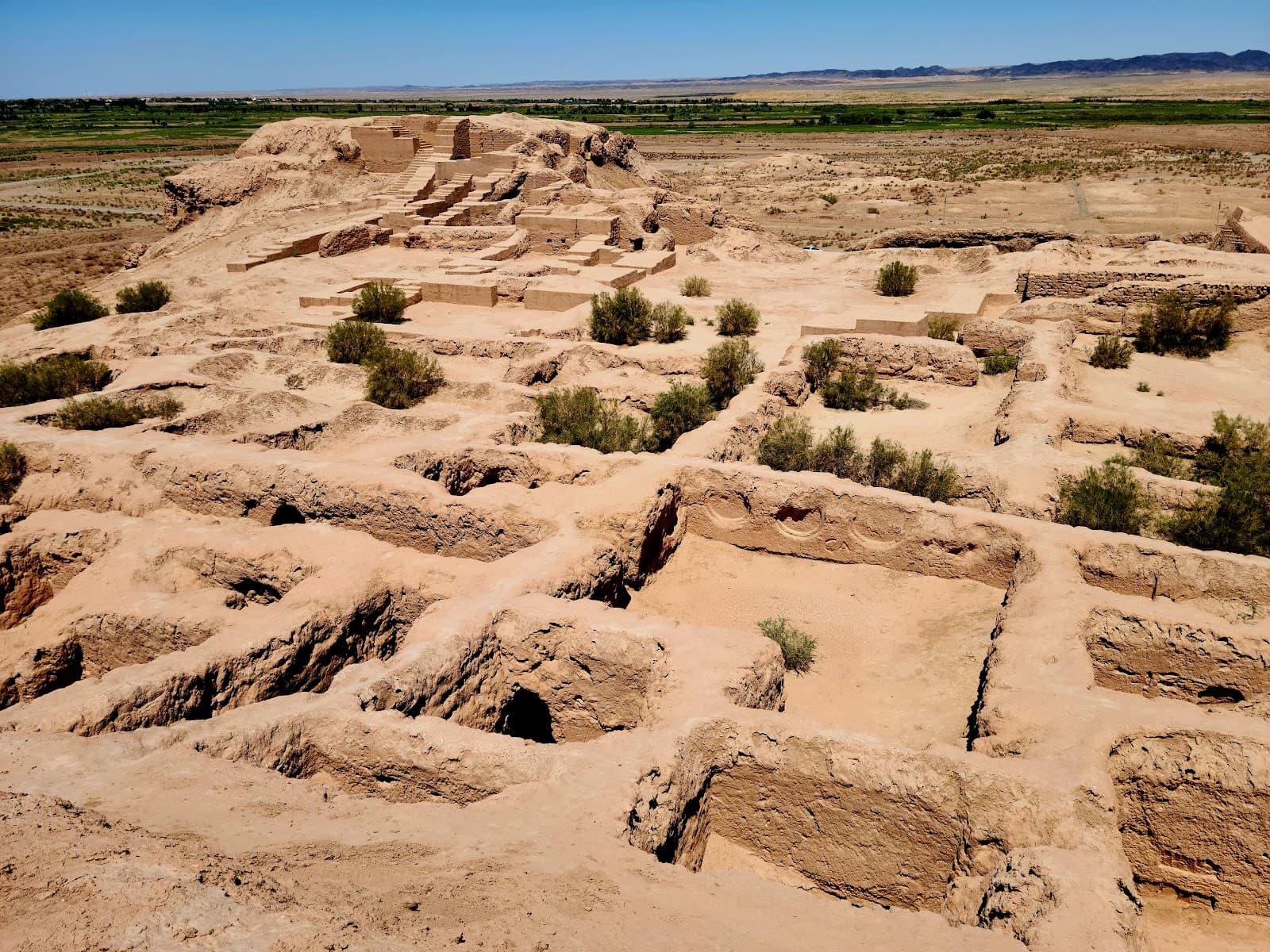
Topraq-Kala, located in the Karakalpakstan region of Uzbekistan, represents one of the most magnificent and archaeologically significant Khorezmian palace-temple complexes in Central Asia, constructed from the 1st to 4th centuries CE as a major administrative and religious center that demonstrates the extraordinary synthesis of Central Asian palace architecture with Indian Hindu religious iconography and artistic traditions, creating a powerful testament to the profound transmission of Indian religious and cultural traditions to Central Asia during the ancient period. The complex, comprising an extensive fortified palace with multiple courtyards, residential quarters, and religious structures, features remarkable archaeological discoveries including temple remains adorned with Hindu iconography including sculptures and reliefs depicting Hindu deities that demonstrate the direct transmission of Indian Hindu religious and artistic traditions to Central Asia, while the discovery of numerous artifacts including sculptures of Shiva, Vishnu, and other Hindu deities provides crucial evidence of the site's role as a center where Indian Hindu religious practices flourished in Central Asia. The palace-temple complex demonstrates sophisticated architectural planning with multiple levels, courtyards, and specialized structures that reflect both Central Asian palace traditions and Indian temple architectural influences, while the extensive decorative programs including sculptures and reliefs executed in styles that demonstrate clear connections to Indian artistic traditions provide crucial evidence of the ways in which Indian Hindu iconography was adapted and transformed in the Central Asian context. Archaeological excavations have revealed that the complex served as both a major administrative center for the Khorezmian state and a center of Hindu worship, while the discovery of numerous artifacts including coins, pottery, and ritual objects provides crucial evidence of the site's role in the transmission of Indian religious, artistic, and cultural traditions to Central Asia, demonstrating the sophisticated understanding of Indian traditions possessed by the inhabitants of this remarkable complex. The site's location along major trade routes underscores its significance as a center for the transmission of Indian religious and cultural traditions to Central Asia, while the extensive archaeological remains provide crucial insights into the ways in which Indian Hindu practices were integrated into Central Asian palace and religious architecture. Today, Topraq-Kala stands as a UNESCO Tentative List site and represents one of the most important Khorezmian archaeological sites in Central Asia, serving as a powerful testament to the transmission of Indian Hindu culture and architecture to Central Asia, while ongoing archaeological research and conservation efforts continue to protect and study this extraordinary cultural treasure that demonstrates the profound impact of Indian civilization on Central Asian religious and artistic traditions. ([1][2])
Kamakhya Temple Guwahati
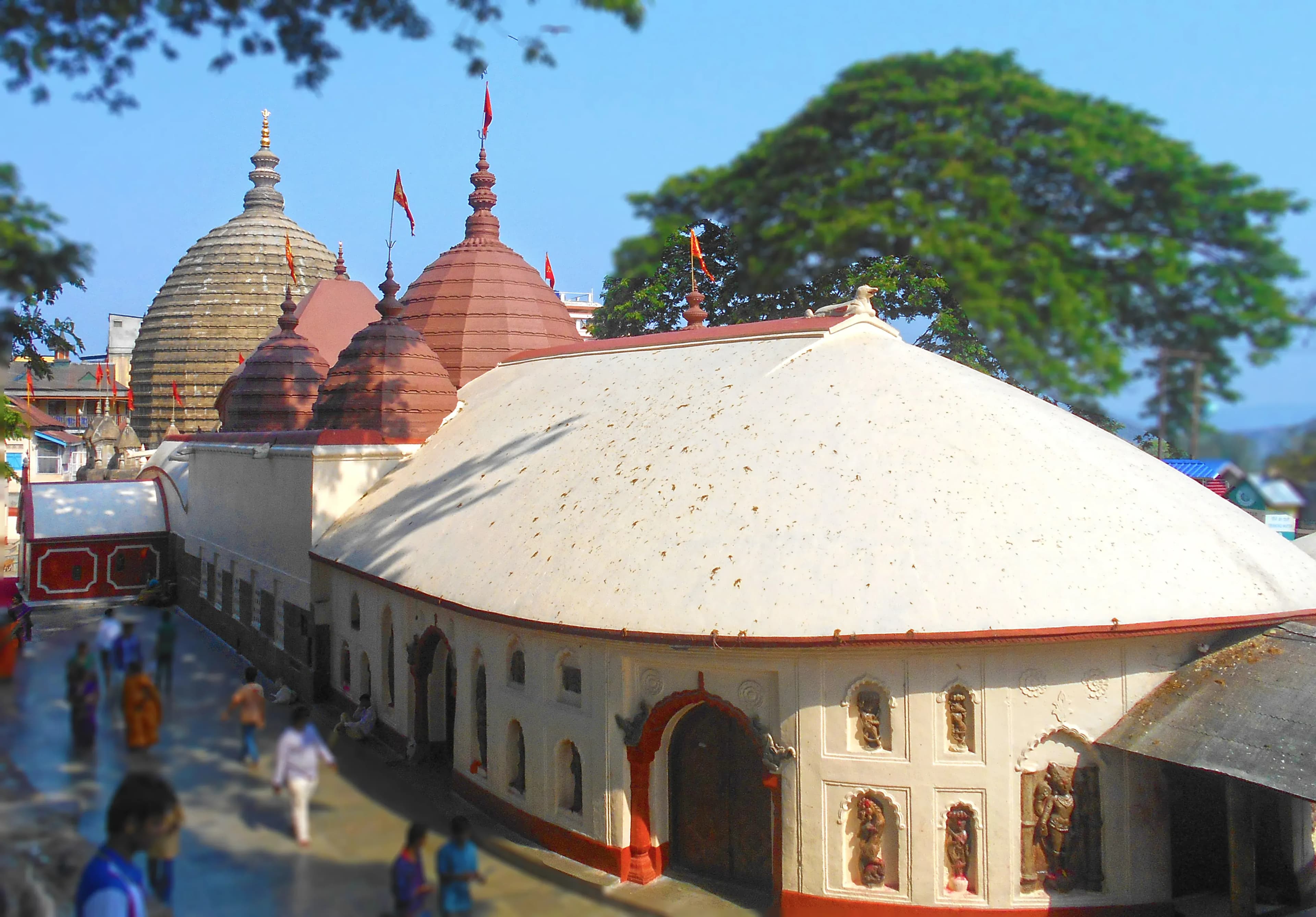
The air hung thick and heavy, not just with the monsoon humidity of Guwahati, but with an almost palpable sense of ancient power. Climbing the steep steps to the Kamakhya Temple, carved into the Nilachal Hill, felt like ascending into a different realm altogether. This wasn’t just a temple; it was a living, breathing entity, pulsating with centuries of devotion and shrouded in an aura of mystique unlike anything I’ve encountered in Uttar Pradesh, despite its own rich tapestry of sacred sites. The temple complex itself is a labyrinthine structure, a blend of traditional Assamese architecture with influences from various periods. The primary shrine, dedicated to the goddess Kamakhya, is uniquely devoid of any idol. Instead, the object of veneration is a *yoni*, a natural rock fissure in the shape of a vulva, perpetually bathed by a spring. This powerful symbol of Shakti, the feminine divine principle, sets Kamakhya apart from most other Hindu temples and imbues the site with a raw, primal energy. The walls of the temple are adorned with intricate carvings depicting various deities and mythological scenes. I noticed a distinct stylistic difference from the temple sculptures I’m accustomed to in Uttar Pradesh. The figures here possess a certain dynamism, a fluidity of form that speaks to the influence of tantric traditions. The vibrant colours, though faded in places by time and weather, still hinted at the rich artistic heritage of the region. The atmosphere within the temple was charged with devotion. Devotees from all walks of life, not just from Assam but from across India and even beyond, thronged the courtyard, their faces etched with reverence. The air was thick with the scent of incense and flowers, and the rhythmic chanting of mantras created a hypnotic backdrop. Witnessing the fervent prayers and rituals, I felt a deep sense of connection to something larger than myself, a shared human yearning for the divine. One of the most striking aspects of Kamakhya is its embrace of the natural world. The temple is nestled amidst lush greenery, with trees and plants forming an integral part of the sacred landscape. This reverence for nature, so deeply ingrained in the local culture, resonated deeply with me. It reminded me of the ancient groves and sacred trees that dot the landscape of Uttar Pradesh, echoing a shared past where nature and divinity were inextricably linked. As I explored the various shrines within the complex, each dedicated to a different manifestation of the goddess, I couldn't help but reflect on the syncretic nature of Hinduism. Kamakhya, with its unique blend of tantric practices, folk beliefs, and mainstream Hindu traditions, stands as a testament to the religion's remarkable ability to absorb and integrate diverse influences. It’s a far cry from the more orthodox forms of Hinduism prevalent in parts of Uttar Pradesh, highlighting the fascinating regional variations within the broader faith. The Ambubachi Mela, an annual festival celebrating the goddess's menstrual cycle, is a particularly significant event at Kamakhya. Though I wasn't fortunate enough to witness it firsthand, the stories I heard from locals painted a vivid picture of the sheer scale and intensity of the celebrations. The temple doors are closed for three days, symbolizing the goddess's period of seclusion, and reopen to a massive influx of devotees eager to receive her blessings. This open acknowledgement of menstruation, a subject often treated with taboo in many parts of India, struck me as a powerful statement of female empowerment. Leaving Kamakhya Temple, I carried with me a profound sense of awe and wonder. It was more than just a pilgrimage site; it was a portal to a different world, a place where ancient traditions and beliefs continue to thrive. The experience offered me a fresh perspective on the multifaceted nature of Indian spirituality and deepened my appreciation for the rich cultural tapestry of the Northeast, a region that deserves far more attention and exploration than it often receives.
Junagadh Fort Junagadh
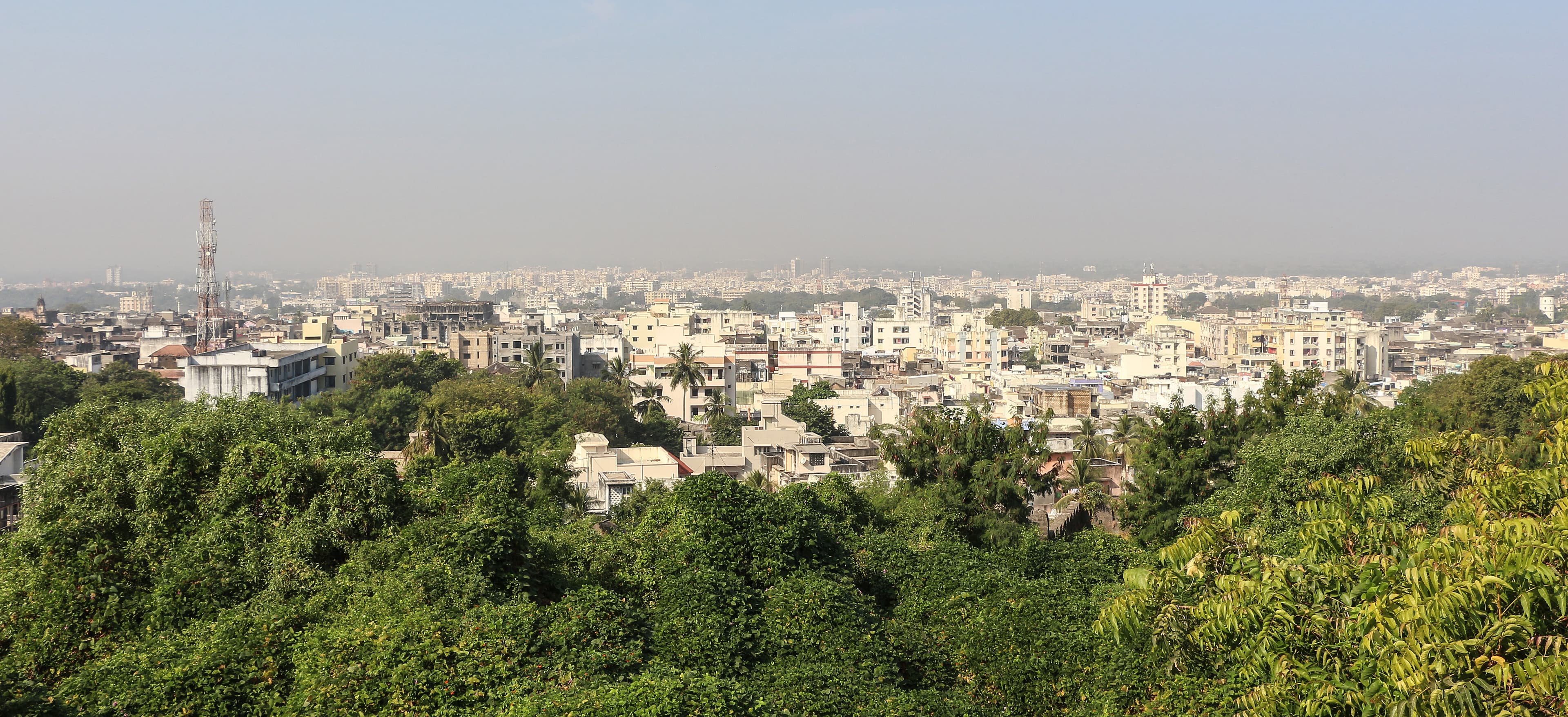
The imposing Junagadh Fort, perched atop a small hill, dominates the skyline of Junagadh city. The sheer scale of the fortifications, rising almost vertically from the ground, is the first thing that strikes you. My Madhya Pradesh lens, accustomed to the sandstone hues of Mandu and Gwalior, was immediately captivated by the distinct greyish-black basalt stone used here. This dark, volcanic rock lends the fort a formidable, almost brooding presence, quite unlike the warmer tones of the forts I'm used to. Passing through the triple-gated entrance, I felt a palpable shift in atmosphere. The bustling city sounds faded, replaced by the whispers of history echoing within the thick stone walls. The main gate, known as the Aadi Kadi Vav, is a marvel of engineering. Its intricate carvings, though weathered by time and conflict, still speak volumes of the craftsmanship of a bygone era. I spent a considerable amount of time photographing the interplay of light and shadow on the deep recesses of the gate, trying to capture the weight of centuries etched into the stone. Within the fort walls, a complex network of structures unfolds. The Uparkot Caves, carved into the hillside, are a fascinating testament to ancient rock-cut architecture. The smooth, polished surfaces of the caves, some adorned with remnants of intricate carvings, contrast sharply with the rough-hewn basalt of the fort walls. I was particularly struck by the play of natural light within the caves, creating an ethereal atmosphere that transported me back in time. My camera worked overtime, attempting to capture the nuances of this unique environment. The Adi Chadi Vav, a stepwell within the fort complex, is another architectural gem. Descending into its cool depths, I was mesmerized by the intricate geometric patterns formed by the descending steps. The sheer scale of the stepwell, extending several stories below ground, is a testament to the ingenuity of the ancient water harvesting systems. I found myself drawn to the patterns of light filtering down from the small opening above, illuminating the weathered stone in a dramatic fashion. The most prominent structure within the fort is the Mohabbat Maqbara, a stunning example of Indo-Islamic architecture. The intricate carvings, delicate jalis (lattice screens), and soaring minarets are a visual feast. The juxtaposition of the dark basalt base with the gleaming white marble domes creates a striking contrast. I spent hours exploring the mausoleum, photographing the intricate details from every angle. The ornate carvings, depicting floral motifs and geometric patterns, are a testament to the rich artistic traditions of the region. Beyond the grand structures, it was the smaller details that captured my attention. The worn stone steps, the weathered inscriptions on the walls, the remnants of ancient frescoes – each element whispered stories of the fort's long and tumultuous history. I found myself drawn to these subtle nuances, trying to capture the essence of the fort's past through my lens. My experience at Junagadh Fort was more than just a photographic expedition; it was a journey through time. The fort's layered history, etched into its very stones, offers a glimpse into the rich cultural tapestry of Gujarat. From the ancient rock-cut caves to the grandeur of the Mohabbat Maqbara, Junagadh Fort stands as a powerful testament to the enduring legacy of human ingenuity and artistic expression. Leaving the fort, I carried with me not just photographs, but a profound sense of connection to the past, a feeling that the stones themselves had shared their stories with me.
Mahamuni Pagoda Agartala
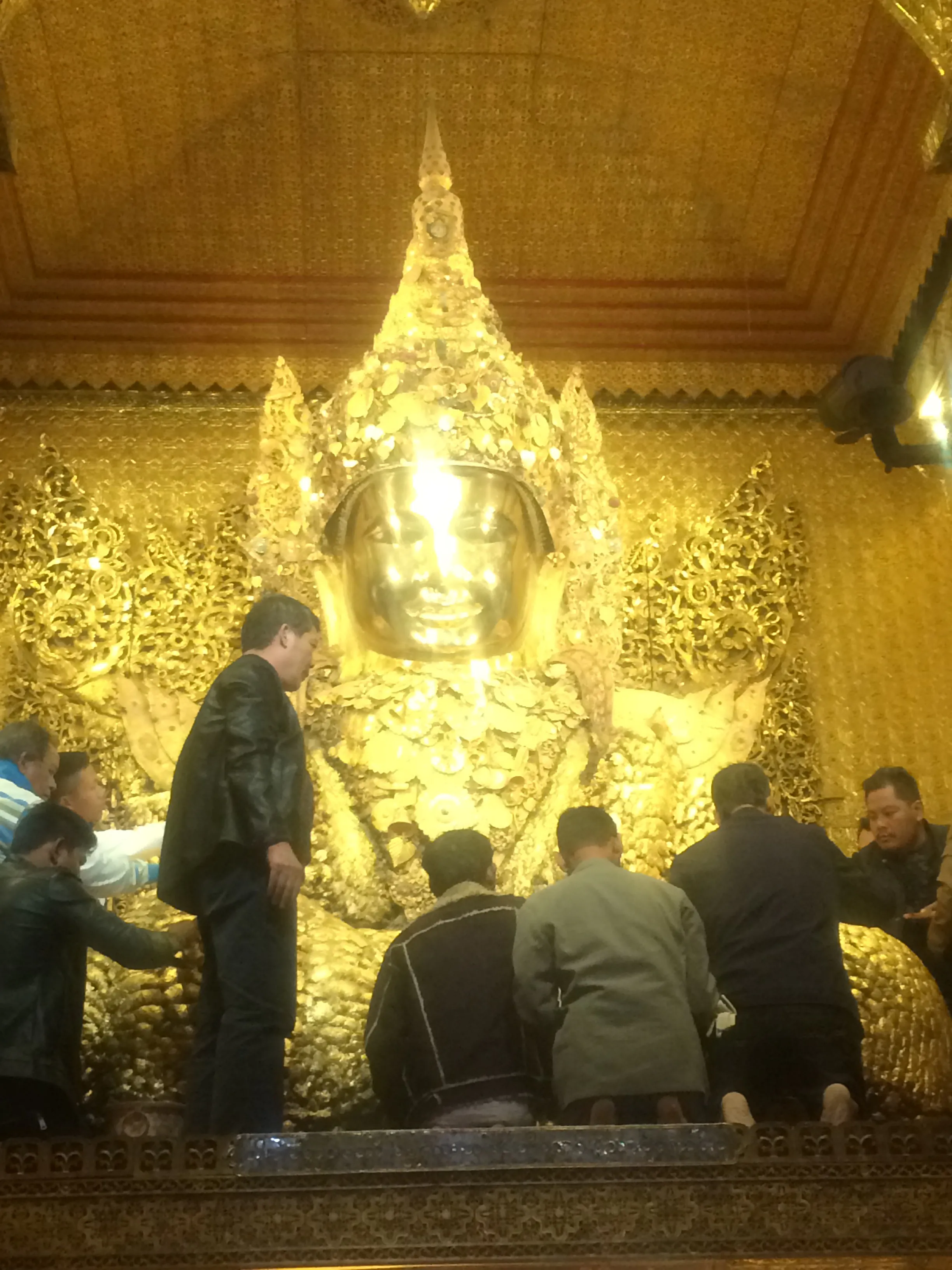
The Mahamuni Pagoda, a revered Buddhist shrine, stands as a testament to India's millennia-spanning cultural heritage in Manubankul village, located in the Sabroom Sub-Division of South Tripura, approximately 134 kilometers from Agartala [2] [3]. This ancient monastery embodies the continuous tradition of Indian civilization, showcasing indigenous architectural styles that reflect deep historical roots [3]. The pagoda is dedicated to the Mahamuni Buddha, a central figure of veneration for Buddhist communities across the region and beyond [2]. Its architectural design is a unique synthesis, primarily reflecting the Arakanese Buddhist architecture style, with discernible influences from Bengali Temple architecture and indigenous Tripura architectural traditions, creating a distinctive Indo-Colonial architectural overlay in its later phases [4]. The structure is characterized by its intricate temple architecture, featuring detailed carvings and ornate ceilings within the central shrine complex, which exemplify exquisite craftsmanship [1]. These decorative elements often depict Buddhist iconography, mythological narratives, and floral motifs, deeply embedded in the region's artistic lexicon [1]. The primary construction materials likely include locally sourced brick and stucco, common in the region for religious edifices, with timber elements for structural support and decorative finishes, though specific dimensions are not widely documented [4]. The pagoda's design incorporates a central shrine, typically housing the principal Buddha image, surrounded by an extensive, well-maintained grass lawn, contributing to the serene ambiance of the site [3]. While specific technical details regarding structural systems, engineering innovations, water management, or defensive features are not extensively published, the enduring nature of the structure over centuries suggests robust traditional construction techniques adapted to the local environment [2]. The Mahamuni Pagoda holds the dual designation of a 'Protected Monument of State Importance' and an 'Important Buddhist Site' by the Government of Tripura, ensuring its preservation and inclusion in state conservation programs [5]. Current conservation efforts focus on maintaining the structural integrity of the ancient monastery and preserving its artistic elements, with ongoing archaeological findings contributing to a deeper understanding of its layered history [5]. The site is actively programmed, hosting a famous week-long fair annually in March-April, alongside traditional Mahamuni and 'Owha' festivals, which draw thousands of Buddhist and non-Buddhist pilgrims from India, Myanmar, Thailand, Sri Lanka, Japan, and Bangladesh [2] [3]. Visitor flow is managed to ensure both spiritual reverence and heritage preservation, with accessibility provisions in place. The pagoda remains operationally ready, serving as a vibrant center for Buddhist worship and cultural exchange, upholding its legacy as a key heritage landmark within India's unbroken cultural continuum [5].
Thanjavur Palace Thanjavur
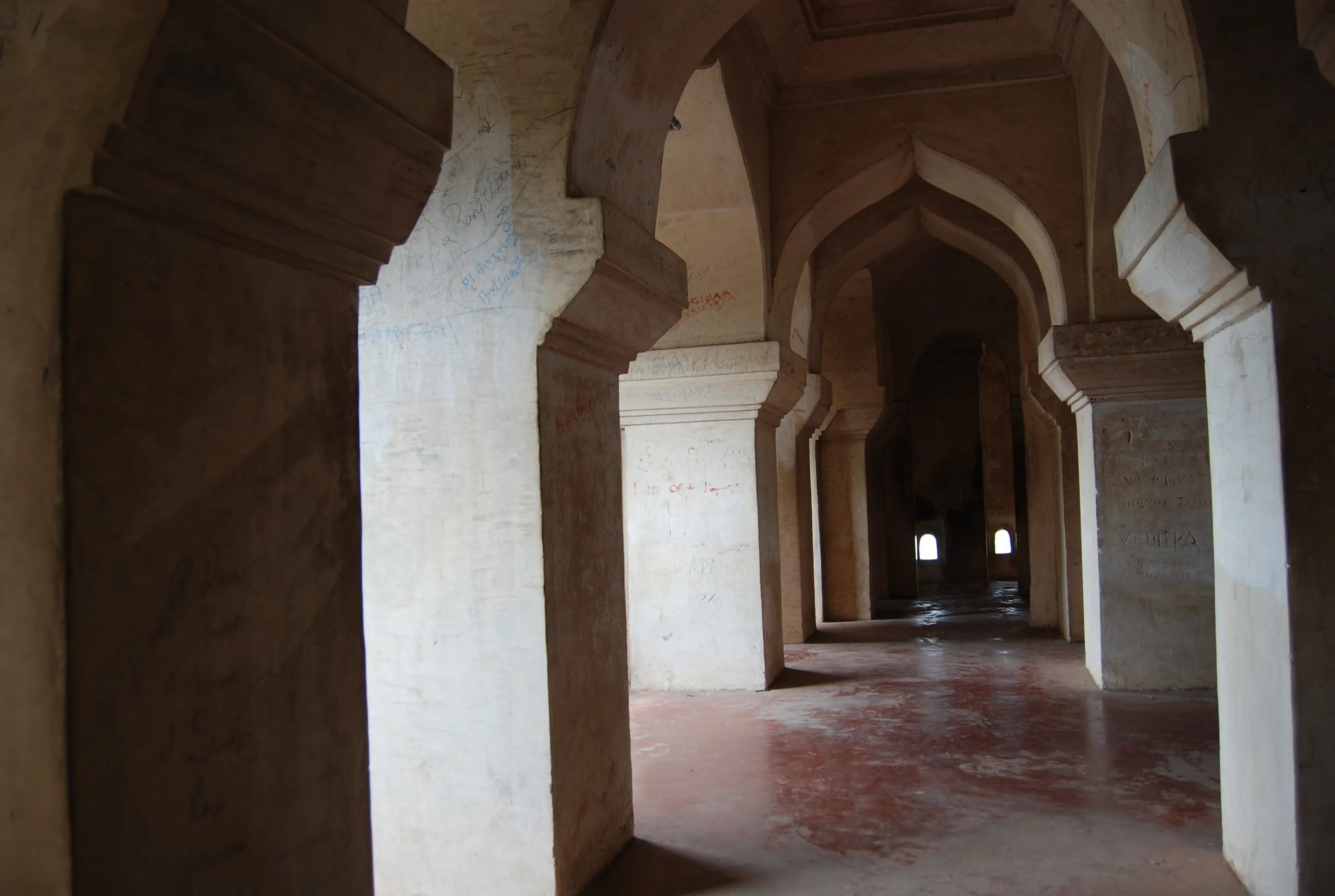
The Thanjavur Palace, or Nayak Palace, stands as a testament to the layered history of Thanjavur, a city steeped in artistic and architectural brilliance. Unlike the monolithic grandeur of the Brihadeeswarar Temple, the palace complex reveals itself in stages, a palimpsest of Nayak, Maratha, and even British influences woven into its fabric. My recent visit allowed me to unravel these layers, appreciating the distinct contributions of each era while lamenting the inevitable decay that time inflicts. Entering through the imposing gateway, I was immediately struck by the contrast between the robust, almost severe exterior and the surprisingly delicate remnants of Nayak-era artistry within. The Nayak period (16th-18th centuries) is known for its vibrant murals, and though faded and fragmented, glimpses of these masterpieces still cling to the walls of the Sadar Mahal Palace. The depictions of deities, courtly scenes, and floral motifs, even in their dilapidated state, speak volumes about the artistic sensibilities of the Nayaks. I noticed the distinct use of natural pigments, the earthy reds and ochres, and the intricate detailing of the figures, reminiscent of the Nayak paintings found in other temples and palaces across Tamil Nadu. The Maratha influence, which followed the Nayaks, is more pronounced in the overall structure and layout of the palace. The Saraswathi Mahal Library, a treasure trove of ancient manuscripts, is a prime example. While the library's collection is undoubtedly its highlight, the architecture of the building itself showcases the Maratha preference for functional design. The high ceilings, large windows, and airy corridors are a departure from the more enclosed spaces of the Nayak period, reflecting a shift in priorities towards practicality and preservation. I spent hours within the library, captivated not just by the ancient texts but also by the building's quiet elegance. The Durbar Hall, with its grand proportions and imposing pillars, is another example of the Maratha contribution. Here, the remnants of ornate chandeliers and the elevated platform where the Maratha rulers held court evoke a sense of the palace's former glory. I could almost envision the bustling court, the vibrant ceremonies, and the power that emanated from this very hall. However, the palace is not without its scars. Years of neglect and inadequate maintenance are evident in the crumbling walls, the peeling plaster, and the overgrown courtyards. The stark contrast between the grandeur of the structures and their current state of disrepair is a poignant reminder of the importance of preservation. While some sections, like the Saraswathi Mahal Library, are meticulously maintained, other areas are desperately in need of attention. The fading murals, in particular, are a heartbreaking sight, slowly disappearing under layers of dust and neglect. One of the most intriguing aspects of the Thanjavur Palace is the unexpected presence of British-era structures. The clock tower, a prominent feature of the complex, is a clear example of colonial influence. This juxtaposition of architectural styles, from the Nayak murals to the Maratha halls and the British clock tower, creates a unique narrative of the city's evolution. It's a visual representation of the continuous interplay of cultures and powers that have shaped Thanjavur's identity. My visit to the Thanjavur Palace was more than just a sightseeing trip; it was a journey through time. It was a privilege to witness the echoes of past grandeur, to decipher the architectural language of different eras, and to reflect on the impermanence of even the most magnificent creations. The palace stands as a powerful reminder of the need to protect and preserve our heritage, not just for its aesthetic value but for the invaluable stories it tells about our past. The Thanjavur Palace deserves more recognition, not just as a tourist attraction but as a living testament to the rich tapestry of South Indian history.
Raigad Fort Raigad
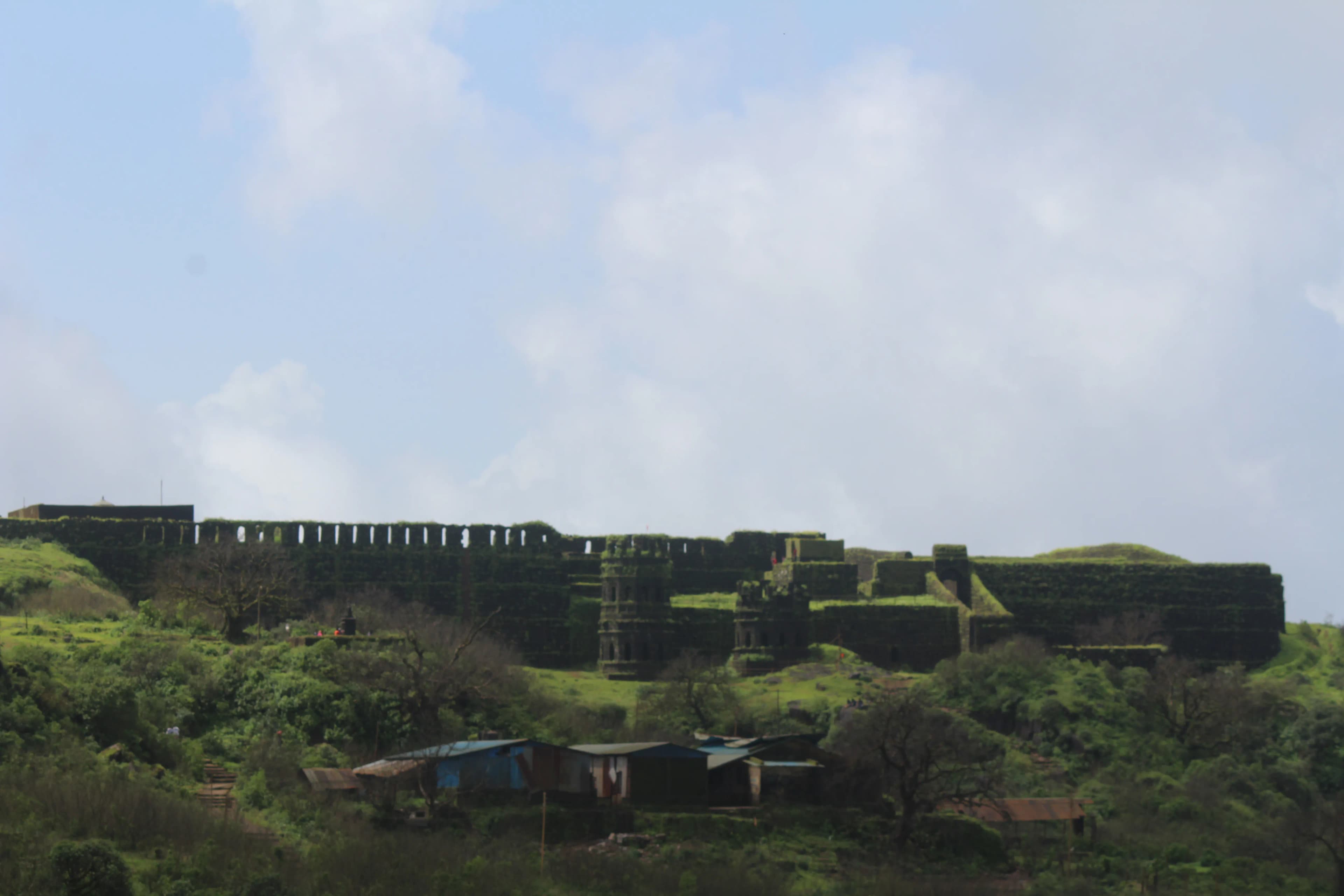
The imposing silhouette of Raigad Fort, etched against the Sahyadri mountain range, is a sight that commands reverence. Ascending via the ropeway, the sheer scale of the fortifications became immediately apparent. Unlike the granite behemoths of South India, Raigad’s laterite stone construction lends it a unique reddish-brown hue, a stark contrast to the verdant backdrop. The climb, even aided by the ropeway, instilled a sense of the strategic brilliance behind its location. One can only imagine the arduous journey undertaken by those who scaled it in centuries past. Stepping onto the Mahadarwaja, the main entrance, I was struck by the robust simplicity of its design. The absence of elaborate carvings, so characteristic of South Indian temple gateways, highlighted the fort's primarily defensive function. The massive basalt pillars flanking the entrance, however, hinted at a degree of ceremonial importance. The remnants of the once-formidable wooden doors, reinforced with iron studs, spoke volumes about the fort's resilience against sieges. The layout of the fort, spread across a plateau, is a testament to meticulous planning. The strategically placed granaries, water cisterns, and armories revealed a deep understanding of logistical necessities. The ruins of the market area, though overgrown, allowed me to visualize the bustling life that once thrived within these walls. The royal mint, with its surprisingly sophisticated equipment, offered a glimpse into the economic prowess of the Maratha empire. The Jagdishwar Temple, dedicated to Lord Shiva, stands as a poignant reminder of Chhatrapati Shivaji Maharaj's devout faith. While smaller and simpler than the grand temples of the South, its location within the fort complex underscored the integration of religious and secular life. The basalt construction of the temple, distinct from the laterite used for the fort walls, suggested that it might have pre-dated the fort itself, possibly repurposed and incorporated into the larger complex. The highlight of my visit was undoubtedly the Meghadambari, the royal palace. While only the foundations and a few walls remain, the sheer scale of the structure is awe-inspiring. I could almost picture the grandeur of the court, the vibrant tapestries, and the echoes of important discussions that once filled these halls. The panoramic view from the palace site, encompassing the surrounding valleys and hills, was breathtaking. It was easy to see why Shivaji Maharaj chose this location for his capital – a vantage point offering both strategic advantage and unparalleled natural beauty. One aspect that particularly intrigued me was the sophisticated water management system. The numerous rock-cut cisterns, strategically placed to collect rainwater, showcased a remarkable understanding of hydraulic engineering. This efficient system ensured a continuous supply of water, crucial for sustaining a large population within the fort, especially during prolonged sieges. The presence of several smaller fortifications and watchtowers scattered across the plateau further emphasized the emphasis on defense. The ingenious use of the natural terrain, incorporating cliffs and steep slopes into the defensive strategy, was a testament to the military acumen of the Maratha architects. Raigad Fort is more than just a historical monument; it's a living testament to the vision and resilience of Chhatrapati Shivaji Maharaj. While the grandeur of the South Indian temples I'm accustomed to is absent, the stark beauty and strategic brilliance of Raigad offer a different kind of architectural marvel. It's a place that resonates with history, echoing the footsteps of warriors, kings, and the everyday people who once called this fort their home. My visit to Raigad was not just a journey through time; it was an immersive experience that left me with a profound appreciation for the ingenuity and fortitude of the Maratha empire.
Allahabad Fort Prayagraj
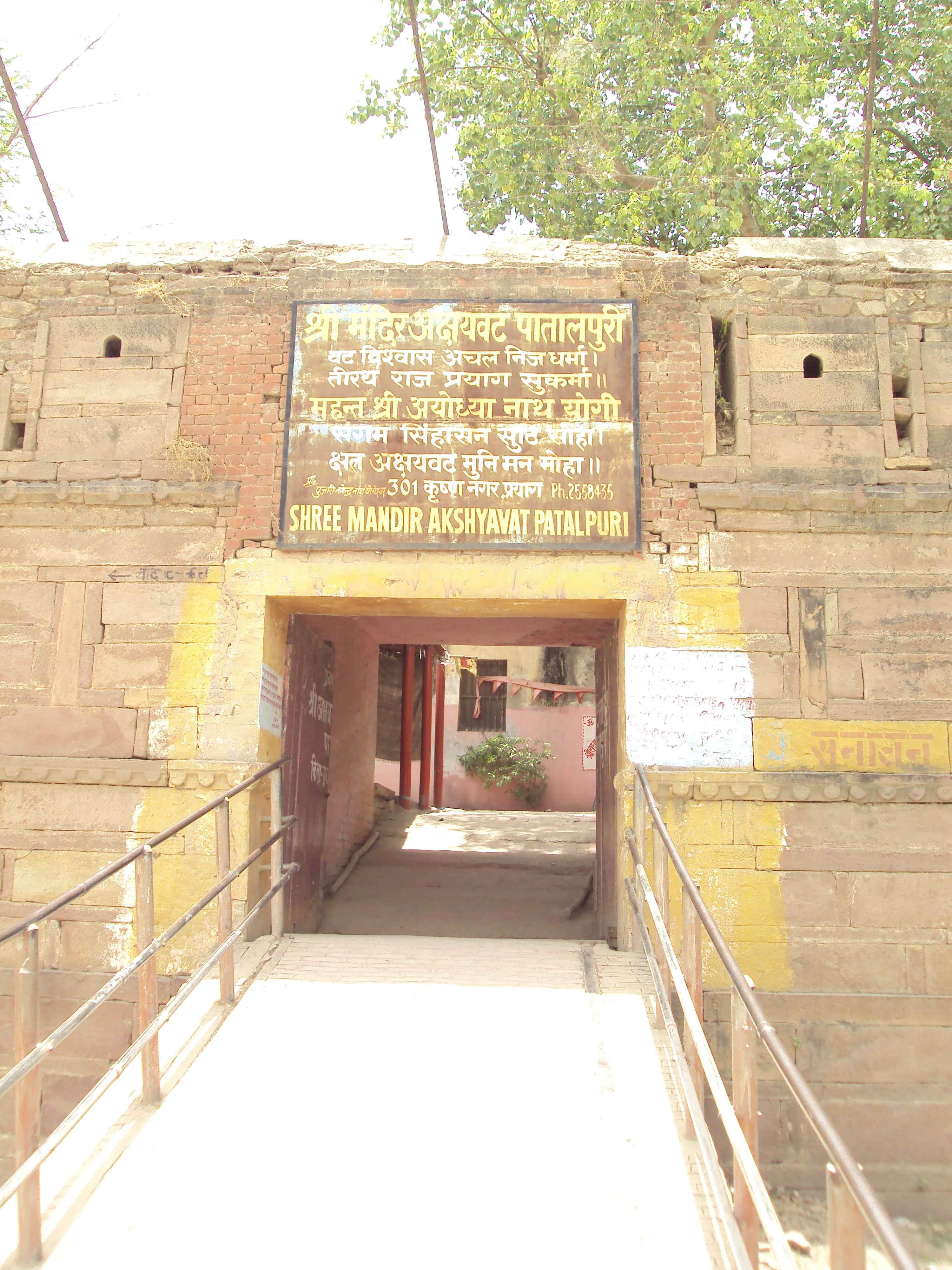
The imposing sandstone ramparts of Allahabad Fort, erected in 1583 CE by the Mughal Emperor Akbar ([1][2]), dominate the sacred confluence, or *Triveni Sangam*, of the Ganga and Yamuna rivers. This strategic military construction exemplifies Mughal architectural prowess, designed to consolidate imperial power over the region ([1]). Within this fortified expanse, the sheer scale of Mughal military architecture is striking ([3]). Granite and sandstone blocks, meticulously carved, constitute the Ashoka Pillar, predating the fort and bearing inscriptions from Emperor Ashoka ([5]). This pillar connects the fort to the Mauryan Empire, underscoring the region's layered history ([5]). Intricate carvings adorning the Zenana (women's quarters) reveal the refined artistry of the Mughal era ([3]). The delicate *jaali* (latticework) exemplifies Mughal craftsmanship, providing both ventilation and privacy ([3]). Also within the fort's walls, the Akshayavat, an ancient banyan tree, holds deep reverence for its mythological significance ([4]). Local traditions connect it to Hindu cosmology, adding a spiritual dimension to the site ([4]). Presenting a contrasting architectural style, the Patalpuri Temple, an underground shrine, features a simpler and more ancient design than the Mughal structures above ([4]). As a confluence of cultures, religions, and empires, the fort's stones and light reverberate with history ([1][2][3][4][5]). The fort's design, while primarily Mughal, may incorporate certain principles of spatial arrangement reminiscent of *Vastu Shastra*, the ancient Indian science of architecture, adapted to the demands of military defense. Sophisticated planning ensured the fort's strategic importance and resilience, reflecting both Mughal innovation and the enduring legacy of the region's earlier empires. The fort stands as a powerful reminder of India's complex and interwoven past, where different traditions have converged and left their indelible marks.

Sheetla Mata Mandir Gurugram
The midday sun beat down on Gurugram, a stark contrast to the cool, shadowed interior of the Sheetla Mata Mandir. This wasn't a UNESCO World Heritage Site, a fact that surprised many given its historical and cultural significance. My journey across India to document every UNESCO site had brought me here, to this vital pilgrimage center, driven by curiosity and a desire to understand its enduring appeal. The temple, dedicated to Sheetla Mata, the goddess of smallpox, stands as a testament to a time when disease held a powerful sway over human life. Unlike the ornate and vibrant temples of South India I'd grown accustomed to, Sheetla Mata Mandir presented a different aesthetic. The structure, primarily built from brick and stone, exuded a sense of aged resilience. The lack of elaborate carvings or bright colours initially struck me, but as I spent more time within the complex, I began to appreciate the understated elegance. The simplicity felt purposeful, almost reverential, focusing the attention on the spiritual aspect rather than visual grandeur. The main entrance, a relatively unassuming archway, led into a large courtyard. Devotees, many carrying offerings of cooked food – a unique tradition of this temple – moved with a quiet determination. The air hummed with a low murmur of prayers and the clanging of bells. I observed families sharing meals on the temple grounds, the food having been offered to the goddess and then consumed as 'prasad', a blessed offering. This communal act of eating, blurring the lines between the sacred and the everyday, was a powerful display of faith and community. Inside the sanctum sanctorum, the atmosphere was palpably different. The dimly lit space, illuminated by flickering oil lamps, held an air of mystery and ancient power. The idol of Sheetla Mata, adorned with simple garments and jewellery, was a focal point for intense devotion. I watched as devotees whispered their prayers, their faces etched with hope and reverence. The absence of opulent decoration within the sanctum further amplified the sense of raw, unfiltered faith. The architecture of the temple, while not as visually striking as some of the UNESCO sites I've visited, held its own unique charm. The use of local materials, the simple lines, and the open courtyard all contributed to a sense of groundedness, a connection to the earth. I noticed intricate brickwork in certain sections, showcasing the skill of the original builders. The temple's design seemed to prioritize functionality and accessibility over elaborate ornamentation, reflecting its role as a place of pilgrimage for people from all walks of life. One of the most striking aspects of my visit was the palpable sense of continuity, a bridge between the past and the present. While the temple has undoubtedly undergone renovations over the centuries, the core beliefs and practices seemed to have remained unchanged. This resilience, this unwavering faith in the face of modern advancements in medicine, was a testament to the deep-rooted cultural significance of Sheetla Mata. Leaving the Sheetla Mata Mandir, I carried with me a deeper understanding of faith and its diverse expressions. While not a UNESCO site, this temple offered a unique glimpse into the living history and cultural fabric of India. It served as a reminder that heritage isn't just about grand monuments and breathtaking architecture, but also about the intangible threads of belief, tradition, and community that bind a people together. The experience underscored the importance of exploring beyond the designated lists and discovering the hidden gems that offer a richer, more nuanced understanding of a place and its people.
Grishneshwar Temple Verul
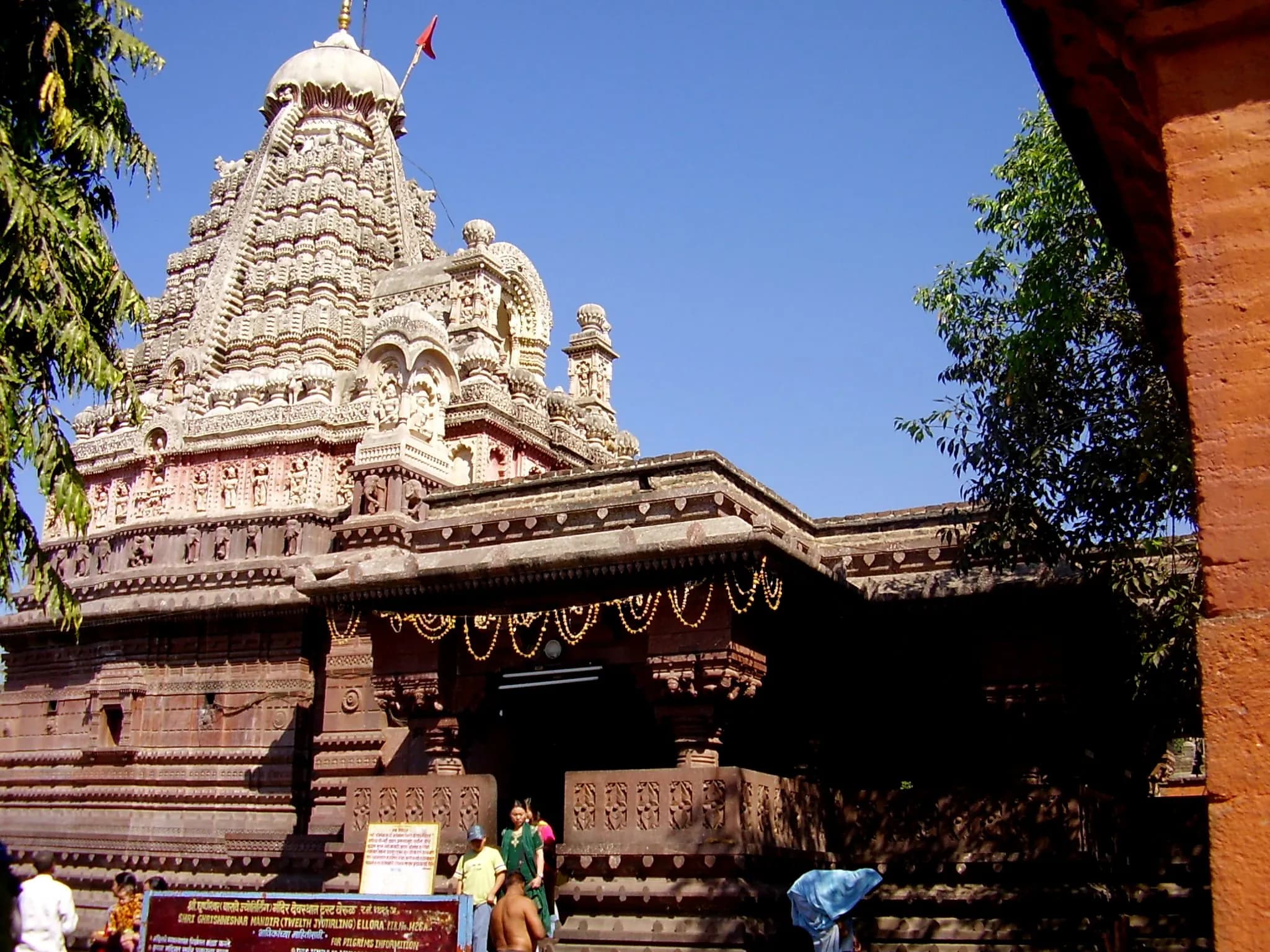
The late afternoon sun cast long shadows across the basalt courtyard of the Grishneshwar Temple, illuminating the intricate carvings that covered every inch of its surface. Standing before this resurrected marvel, the twelfth Jyotirlinga, I felt a palpable connection to the centuries of devotion that have imbued this site with a quiet power. Unlike some of the grander, more imposing temples I’ve encountered, Grishneshwar possesses a subtle elegance, a whispered grandeur that speaks volumes about the enduring spirit of its builders. Reconstructed in the 18th century by Ahilyabai Holkar, the temple stands as a testament to her dedication to preserving India's sacred heritage. While the current structure is relatively recent, the site itself is ancient, with its roots tracing back to the Yadava period. This layering of history, the palimpsest of architectural styles, is what makes Grishneshwar so fascinating. One can discern the influence of the earlier Hemadpanti style in the simple, yet robust, forms of the mandapa and the shikhara, while the later Maratha additions bring a flourish of ornamentation, a riot of sculpted figures and decorative motifs. The red stone shikhara, rising towards the cerulean sky, is a masterpiece of proportion and detail. Each tier, adorned with miniature shrines and celestial beings, tells a story, a fragment of the rich tapestry of Hindu mythology. I spent a considerable amount of time simply circling the temple, my gaze tracing the lines of the carvings, trying to decipher the narratives etched in stone. From depictions of Shiva’s various forms to scenes from the epics, the shikhara is a visual encyclopedia of Hindu iconography. Stepping inside the dimly lit garbhagriha, the sanctum sanctorum, the atmosphere shifted dramatically. The air was thick with the scent of incense and the murmur of prayers. The lingam, the symbolic representation of Shiva, rested in a simple depression, its smooth, dark stone absorbing the reverence of the devotees. Despite the constant flow of worshippers, a sense of tranquility pervaded the space, a stillness that allowed for a moment of introspection, a connection with the divine. The mandapa, the pillared hall leading to the sanctum, is equally captivating. The massive pillars, each carved with intricate designs, support a richly decorated ceiling. I was particularly struck by the depictions of the Ashtadikpalakas, the eight guardian deities, each occupying a cardinal direction, their presence adding a sense of cosmic order to the space. The play of light and shadow within the mandapa created a mesmerizing effect, highlighting the depth and detail of the carvings. Beyond the architectural marvels, it was the palpable devotion of the pilgrims that truly resonated with me. Their quiet reverence, their whispered prayers, their offerings of flowers and fruits, all contributed to the sacred ambiance of the site. Witnessing their faith, their connection to this ancient place of worship, reinforced the enduring power of these sacred spaces. Leaving the cool confines of the temple, I paused at the entrance to look back. The setting sun bathed the stone in a warm, golden light, accentuating its timeless beauty. Grishneshwar is more than just a temple; it is a living testament to India’s rich cultural and spiritual heritage, a place where history, art, and faith converge to create an experience that is both humbling and inspiring. It is a place I will long remember, not just for its architectural splendor, but for the profound sense of connection it evoked.
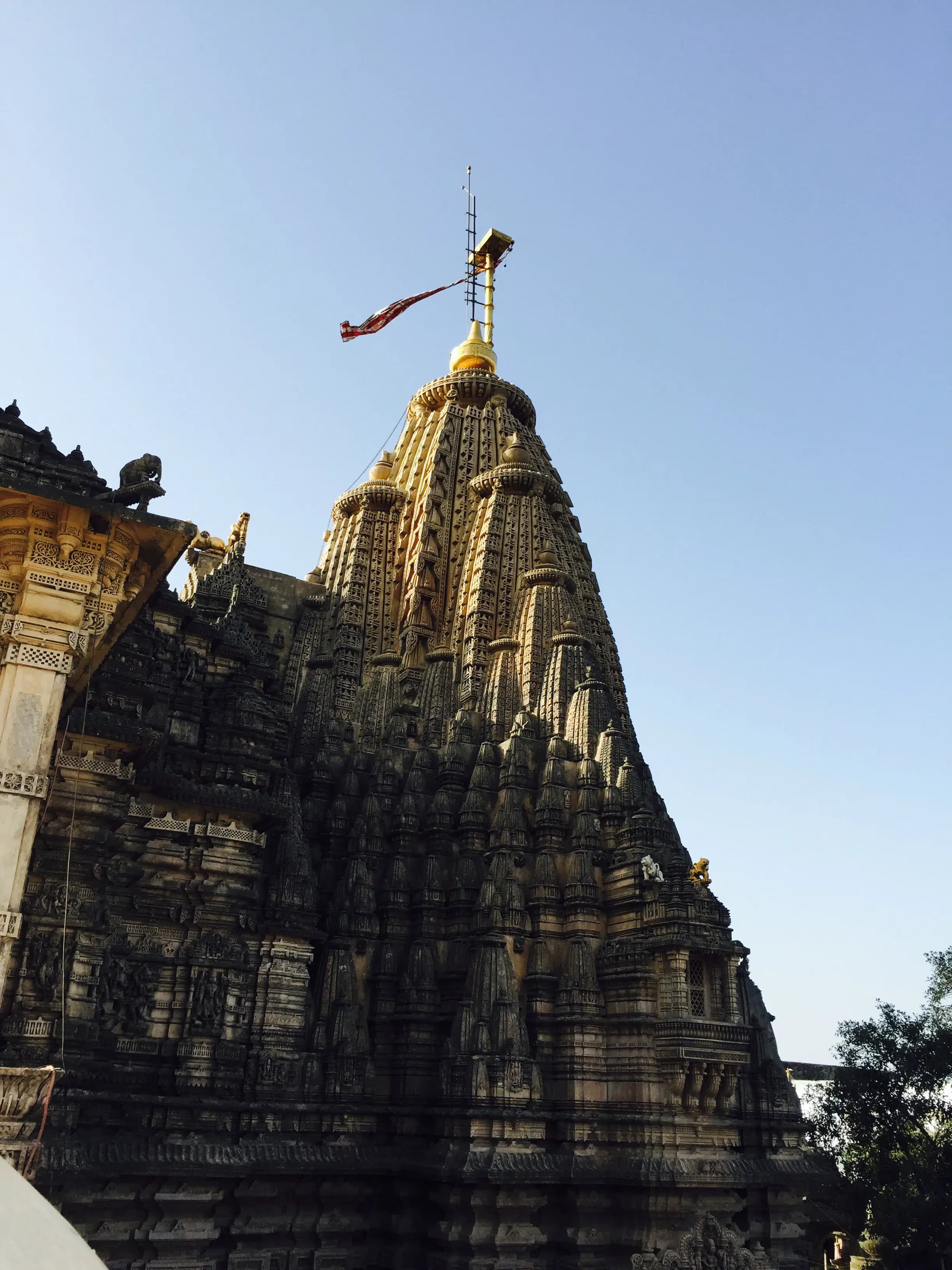
Palitana Jain Temples of Palitana
The first glimpse of Palitana, shimmering like a mirage under the relentless Gujarati sun, is enough to steal your breath. Rising from the dusty plains of Bhavnagar district, Shatrunjaya Hill, crowned by its celestial city of Jain temples, evokes a sense of awe that transcends mere architectural appreciation. It's a pilgrimage not just of faith, but of aesthetics. My own ascent, a slow, deliberate climb up the 3500 stone steps, was a meditation in anticipation. Each upward glance revealed more of the intricate tapestry of marble against the sky, a promise of the grandeur that awaited. The sheer scale of Palitana is overwhelming. Over 860 temples, a symphony in marble, cluster together, creating a city seemingly sculpted from a single, colossal block. It's a testament to centuries of devotion, each temple a unique expression of faith and artistry. The cool, polished marble underfoot, worn smooth by countless pilgrims, felt strangely grounding amidst the ethereal beauty. The air, thin and crisp at this altitude, hummed with a palpable energy, a blend of reverence and the quiet murmur of prayers. The architecture is a mesmerizing blend of styles, reflecting the different periods of construction spanning nearly a millennium. Delicate carvings, intricate filigree work, and soaring shikharas (spires) dominate the landscape. I spent hours tracing the narratives etched into the marble, stories of Jain Tirthankaras, celestial beings, and mythical creatures. The main temple, dedicated to Adinath, the first Jain Tirthankara, is a masterpiece of proportion and detail. Its towering shikhara, adorned with miniature shrines and sculptures, draws the eye heavenward, a physical manifestation of spiritual aspiration. One of the most striking aspects of Palitana is the uniformity of material. The exclusive use of marble creates a visual harmony that's breathtaking. The stone, sourced from nearby quarries, glows with a soft luminescence, its subtle variations in color and texture adding depth and character to the structures. Under the midday sun, the temples shimmer, almost blindingly white, while at sunset, they are bathed in a warm, golden light, their intricate carvings thrown into sharp relief. Beyond the grand temples, smaller shrines and courtyards offer moments of quiet contemplation. I found myself drawn to these intimate spaces, where the sheer scale of the complex felt less daunting. In one such courtyard, I watched a group of Jain nuns, their white robes stark against the marble, perform their evening prayers. The rhythmic chanting, the scent of incense, and the soft clinking of bells created an atmosphere of profound serenity. The descent, as the sun dipped below the horizon, painting the sky in hues of orange and purple, was equally memorable. Looking back at the illuminated city, a constellation of marble stars against the darkening sky, I felt a deep sense of connection to this sacred place. Palitana is more than just a collection of temples; it's a living testament to human faith and artistic ingenuity, a place where the earthly and the divine converge. My visit to Palitana wasn't just a reporting assignment; it was a transformative experience. It's a place that stays with you long after you've descended the mountain, a reminder of the power of belief and the enduring beauty of human creation. The echoes of chanting, the feel of cool marble underfoot, and the breathtaking panorama of spires against the sky – these are the memories I carry with me, fragments of a sacred city etched into my mind.
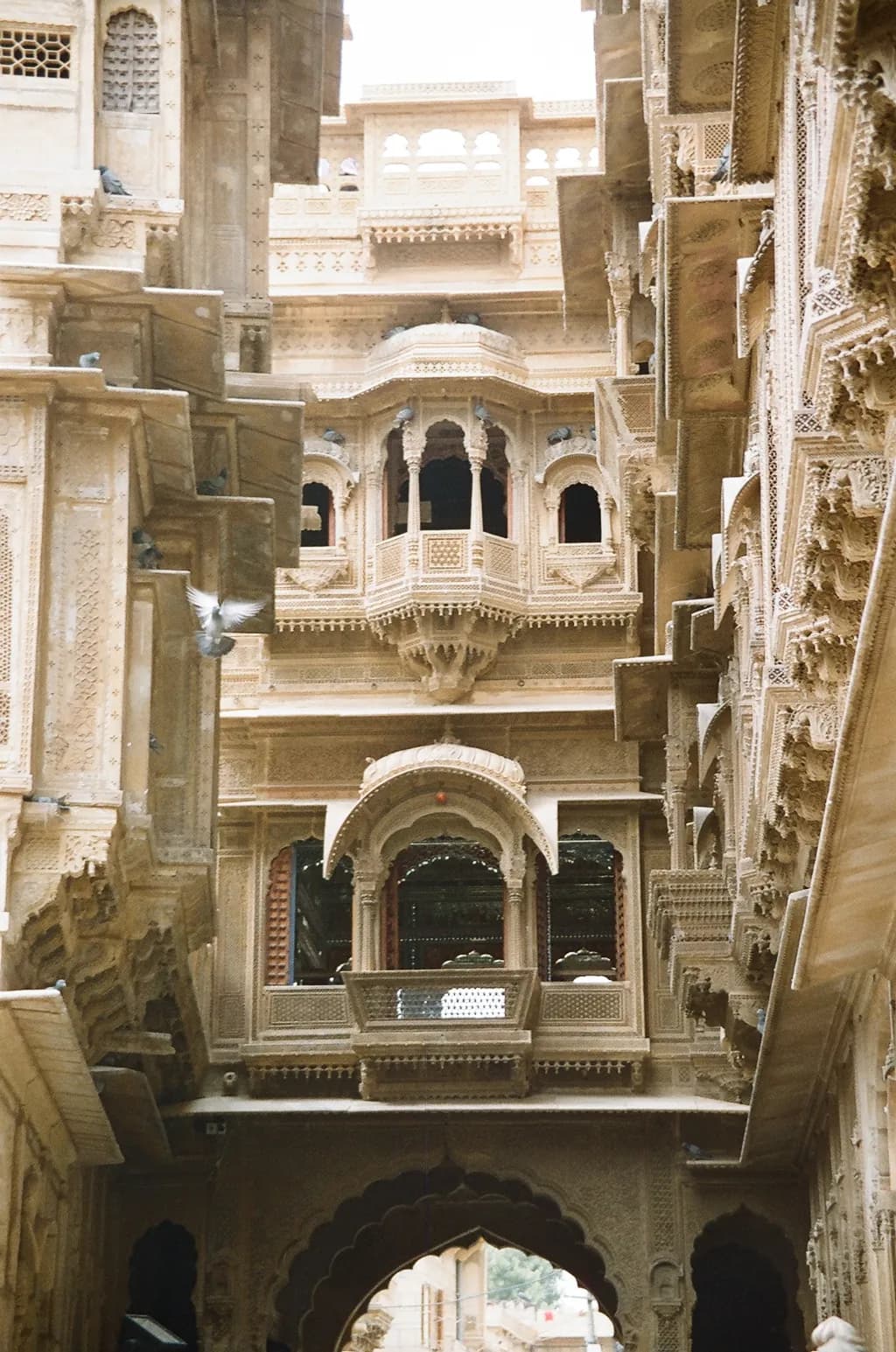
Patwa Haveli Ahmedabad
The Patwa Haveli, nestled within the bustling heart of Ahmedabad's old city, stands as a testament to a bygone era of mercantile prosperity. Stepping through its unassuming entrance, I felt an immediate shift, as if transported back to the 19th century. The cacophony of the city faded, replaced by the hushed whispers of history echoing within the haveli's intricately carved sandstone walls. Commissioned by a wealthy Jain merchant, Maneklal Bhagwandas Patwa, this five-story structure isn't just a house; it's a narrative etched in stone and wood, a story of a family's ambition and the artistry of a time when craftsmanship reigned supreme. My lens immediately gravitated towards the ornate facades. Each window, each jharokha (overhanging enclosed balcony), and each archway presented a unique tableau of intricate carvings. Floral motifs intertwined with depictions of birds, animals, and even scenes from daily life, all rendered with astonishing detail. The deep brown of the sandstone, weathered by time and the elements, provided a rich backdrop to these intricate designs, creating a visual feast that kept me captivated for hours. I found myself constantly adjusting my camera settings, trying to capture the interplay of light and shadow that danced across the carved surfaces, revealing new nuances with every passing hour. The sheer scale of the haveli is impressive. Five stories rise above the narrow streets, a symbol of the Patwa family's wealth and influence. As I ascended the wooden staircases, worn smooth by generations of footsteps, I noticed the subtle shifts in architectural style. The lower floors, dedicated to business and storage, are more austere, while the upper residential floors become progressively more ornate, culminating in the exquisitely carved family quarters on the topmost level. This gradual increase in decorative complexity speaks volumes about the social hierarchy of the time. One of the most striking features of the Patwa Haveli is its ingenious ventilation system. Long before the advent of air conditioning, the architects incorporated clever design elements to ensure a comfortable living environment even in the scorching Gujarat heat. High ceilings, strategically placed windows, and internal courtyards create a natural airflow, allowing cool air to circulate throughout the building. I could feel the subtle breeze as I explored the upper floors, a testament to the ingenuity of the craftsmen who built this magnificent structure. Beyond the architectural marvel, the Patwa Haveli offers glimpses into the lifestyle of its former inhabitants. The remnants of frescoes on the walls, though faded with time, hint at the vibrant colours that once adorned the interiors. Imagining the bustling activity that once filled these rooms – merchants discussing trade deals, families gathering for meals, children playing in the courtyards – brought the haveli to life in a way that mere observation could not. I spent a considerable amount of time documenting these remnants, hoping to preserve these fragments of a vanished world through my photographs. However, the passage of time has taken its toll. While some sections of the haveli have been meticulously restored, others bear the scars of neglect. Peeling paint, crumbling plaster, and damaged carvings serve as a poignant reminder of the fragility of our heritage. It underscores the importance of conservation efforts to ensure that these architectural treasures continue to inspire and educate future generations. Leaving the Patwa Haveli, I carried with me not just photographs, but a profound appreciation for the artistry and ingenuity of the past. It's a place where history whispers from every corner, a place that deserves to be cherished and protected. My hope is that my photographs will not only showcase the beauty of this architectural gem but also inspire others to explore and appreciate the rich heritage of India.

Khalchayan Temple Ruins Lebap Turkmenistan
Khalchayan Temple Ruins, dramatically situated in the Lebap Region of eastern Turkmenistan, represents one of the most extraordinary and archaeologically significant Kushan-period sites in Central Asia, dating to the 2nd century BCE and featuring remarkable Indic sculptures and architectural elements that demonstrate the profound transmission of Indian Buddhist and Hindu religious and artistic traditions to Central Asia during the Kushan period, creating a powerful testament to the sophisticated synthesis of Indian and Central Asian cultural traditions. The temple ruins, featuring sophisticated architectural elements and extraordinary Indic sculptures executed in the distinctive Kushan-Gandharan style that emerged from the synthesis of Indian and Central Asian artistic traditions, demonstrates the direct transmission of Indian Buddhist and Hindu iconographic programs and artistic traditions from the great artistic centers of India including Gandhara, Mathura, and the monastic centers of northern India, while the site's most remarkable feature is its extraordinary collection of Indic sculptures featuring Buddha images, Bodhisattvas, and Hindu deities executed with remarkable artistic sophistication and iconographic accuracy that demonstrate the sophisticated understanding of Indian Buddhist and Hindu iconography possessed by Kushan artists. The temple ruins' architectural layout, with their central structures surrounded by ritual spaces and architectural elements, follows sophisticated planning principles that demonstrate remarkable parallels with Indian Buddhist and Hindu temple planning principles, while the temple ruins' extensive decorative programs including Indic sculptures, architectural elements, and religious iconography demonstrate the sophisticated synthesis of Indian Buddhist and Hindu iconography and artistic traditions with local Central Asian aesthetic sensibilities, particularly the distinctive Kushan-Gandharan style that emerged from the synthesis of Indian and Central Asian artistic traditions. Archaeological evidence reveals that the site served as a major center of religious and artistic activity during the Kushan period, attracting traders, artists, and religious practitioners from across Central Asia, South Asia, and beyond, while the discovery of numerous Indic sculptures including Buddha images, Bodhisattvas, and Hindu deities that demonstrate clear Indian influences, architectural elements that parallel Indian practices, and religious iconography that reflects Indian Buddhist and Hindu cosmological concepts provides crucial evidence of the site's role in the transmission of Indian religious and artistic traditions to Central Asia, demonstrating the sophisticated understanding of Indian Buddhist and Hindu traditions possessed by the site's patrons and artistic establishment. The site's association with the Kushan Empire, which had strong connections to India and played a crucial role in the transmission of Indian religious and artistic traditions to Central Asia, demonstrates the sophisticated understanding of Indian religious and artistic traditions that were transmitted to Central Asia, while the site's Indic sculptures and architectural elements demonstrate remarkable parallels with Indian Buddhist and Hindu temple architecture and iconographic programs that were central to ancient Indian religious traditions. The site has been the subject of extensive archaeological research, with ongoing excavations continuing to reveal new insights into the site's sophisticated architecture, artistic programs, and its role in the transmission of Indian religious and artistic traditions to Central Asia, while the site's status as a UNESCO Tentative List site demonstrates its significance as a major center for the transmission of Indian cultural traditions to Central Asia. Today, Khalchayan Temple Ruins stands as a UNESCO Tentative List site and represents one of the most important Kushan-period sites in Central Asia, serving as a powerful testament to the transmission of Indian Buddhist and Hindu culture and art to Central Asia, while ongoing archaeological research and conservation efforts continue to protect and study this extraordinary cultural treasure that demonstrates the profound impact of Indian civilization on Central Asian religious and artistic traditions. ([1][2])
Quick Links
Plan Your Heritage Journey
Get personalized recommendations and detailed visitor guides