Has Inheritage Foundation supported you today?
Your contribution helps preserve India's ancient temples, languages, and cultural heritage. Every rupee makes a difference.
Secure payment • Instant 80G certificate
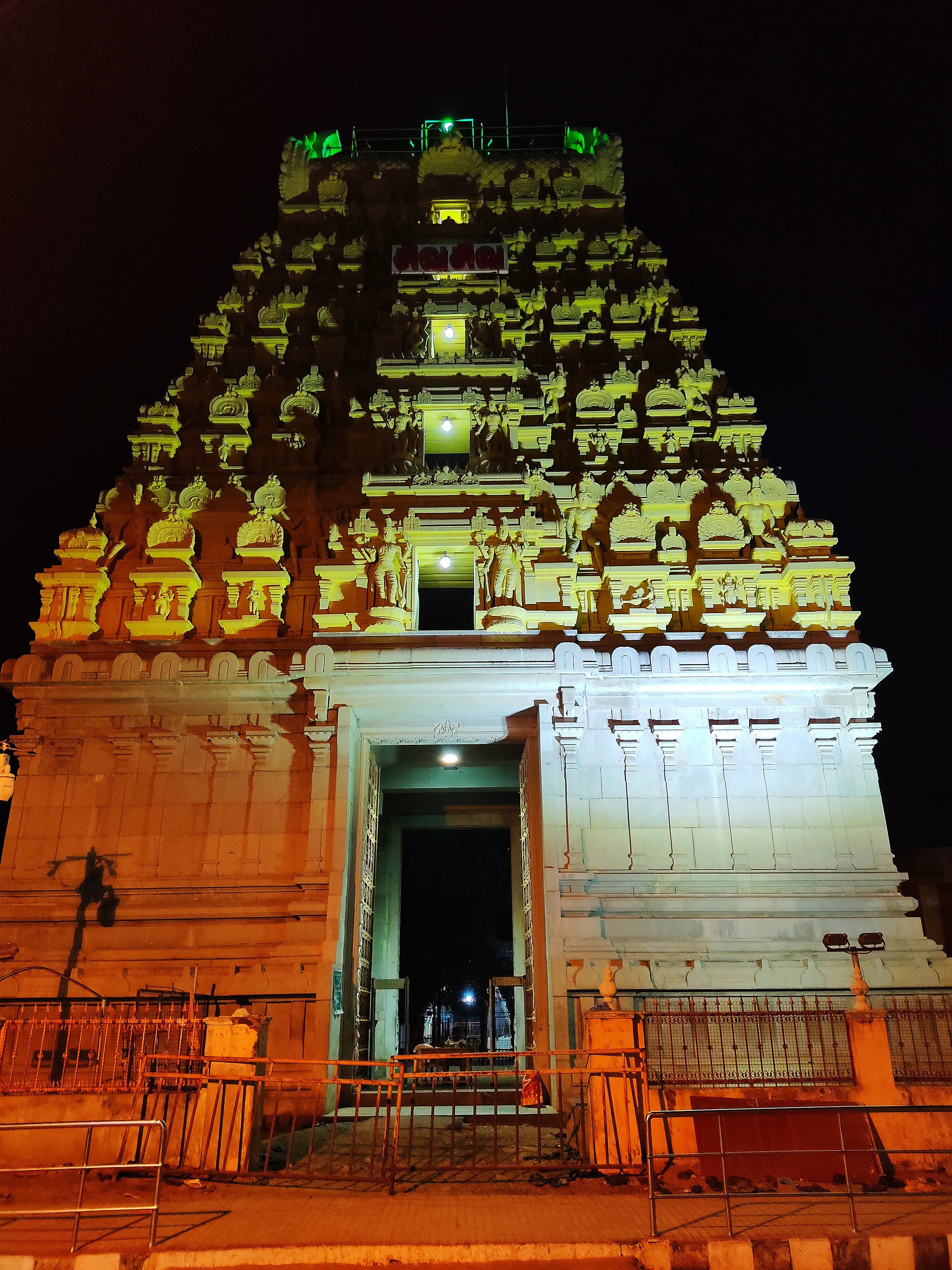
Ramanathaswamy Temple Rameswaram
The scorching sun beat down on the ghats of Rameswaram, but the cool, echoing expanse of the Ramanathaswamy Temple offered a welcome respite. As a Gujarati accustomed to the intricate stonework of our own temples, I was immediately struck by the sheer scale of this Dravidian masterpiece. It sprawls across 15 acres, a city within a city, its towering gopurams visible for miles. The eastern gopuram, though unfinished, still dominates the skyline, a testament to the ambition of its builders. My first instinct was to circumambulate the outer corridor, the longest in the world, they say. The rhythmic thud of my sandals on the polished stone floor mingled with the chanting of devotees and the clang of temple bells. The seemingly endless colonnade, supported by thousands of intricately carved pillars, felt like a procession frozen in time. Each pillar, a unique work of art, depicted scenes from mythology, celestial beings, and everyday life. I paused, captivated by the narrative unfolding on the cool, grey stone, recognizing familiar motifs shared across India's diverse artistic traditions, yet rendered here with a distinctly Tamil sensibility. The play of light and shadow within the corridor was mesmerizing. Sunlight filtering through the gaps in the gopurams created dancing patterns on the floor, illuminating the sculpted surfaces and adding a sense of dynamism to the otherwise static structure. I noticed the subtle shift in the stone used – the warm sandstone of the outer structures giving way to the darker, cooler granite within the sanctum sanctorum. The temple tank, Agni Theertham, shimmered under the midday sun. Pilgrims, having completed their ritual bath, walked with a palpable sense of serenity, their wet clothes clinging to their bodies. Observing them, I felt a connection to the ancient rituals that have been performed here for centuries. The temple, I realized, was not just a monument to architectural prowess, but a living, breathing entity, intertwined with the faith and lives of millions. Entering the inner sanctum, where the lingam of Ramanathaswamy is enshrined, I was struck by a sense of profound peace. The air was thick with the scent of incense and the murmur of prayers. The intricate carvings on the walls and ceilings seemed to dissolve in the dim light, creating an atmosphere of otherworldly tranquility. I observed the distinctive Dravidian shikhara above the sanctum, its pyramidal form contrasting with the curvilinear towers of Gujarat's temples. One of the most captivating features of the Ramanathaswamy Temple is its network of twenty-two wells, each said to possess unique properties. I tasted the water from a few, noticing the subtle variations in salinity and mineral content. This intricate water management system, integrated within the temple complex, spoke volumes about the ingenuity of the ancient builders and their understanding of the environment. Leaving the temple, I carried with me not just photographs and memories, but a deeper understanding of the Dravidian architectural style. The Ramanathaswamy Temple is not merely a collection of beautiful structures; it is a testament to human devotion, architectural ingenuity, and the enduring power of faith. It stands as a beacon of cultural heritage, a place where history, mythology, and spirituality converge, offering a glimpse into the rich tapestry of India's past. The experience resonated deeply with my own Gujarati heritage, highlighting the interconnectedness of our diverse architectural traditions while celebrating their unique expressions. The echoes of chanting, the cool touch of the stone, and the sheer grandeur of the space stayed with me long after I left Rameswaram, a powerful reminder of the enduring legacy of India's architectural marvels.
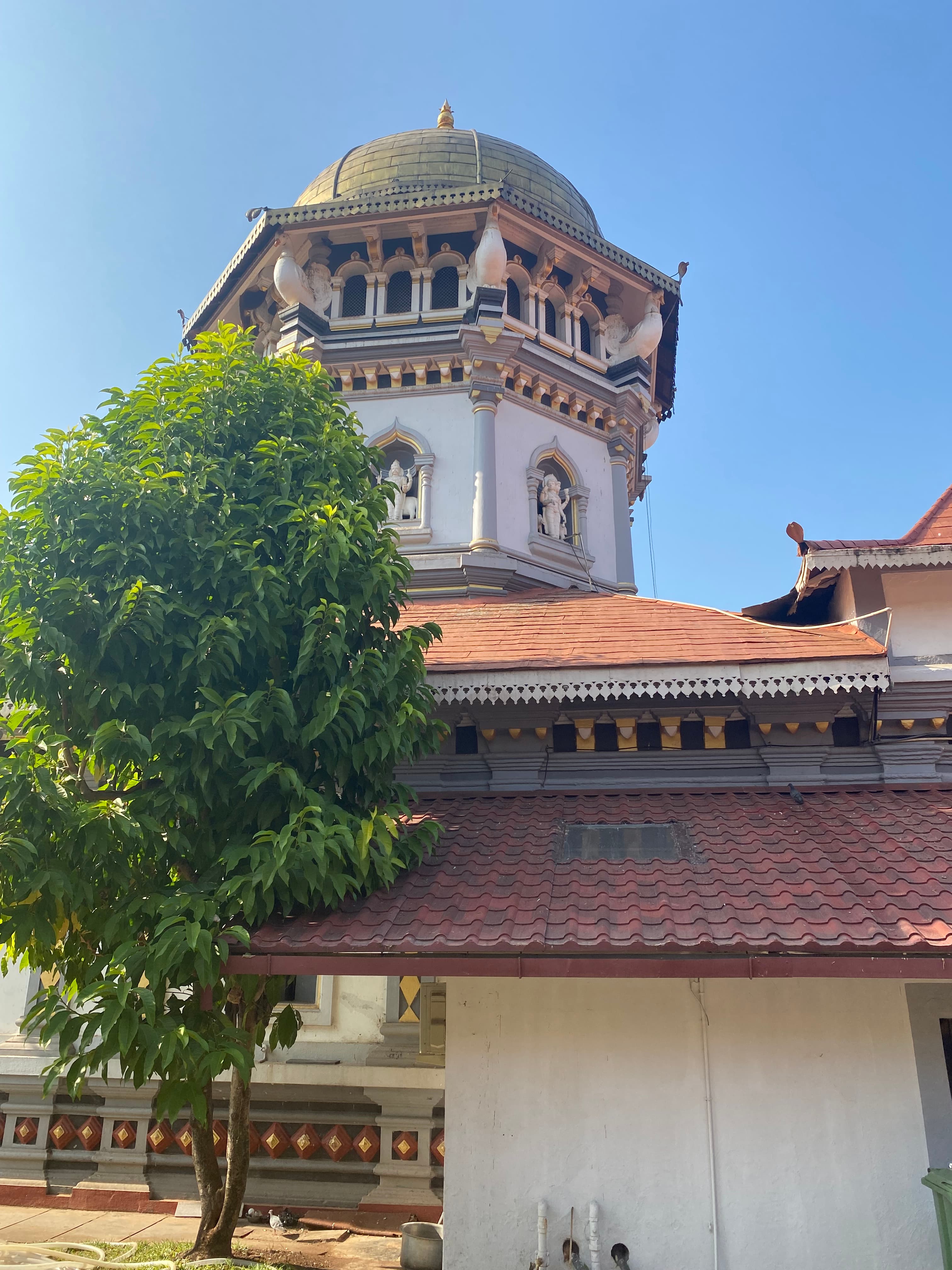
Mahalasa Narayani Temple Ponda
The emerald green paddy fields of Mardol, Goa, shimmered under the afternoon sun, a stark contrast to the pristine white walls of the Mahalasa Narayani Temple that rose before me. Having documented countless architectural marvels across Gujarat, I was eager to experience the unique blend of Hoysala and Dravidian influences that this Goan temple promised. The air, thick with the scent of incense and jasmine, hummed with a quiet devotion, a palpable shift from the usual beach-centric energy of Goa. Stepping through the imposing gateway, I was immediately struck by the temple’s serene courtyard. Unlike the bustling temple complexes of Gujarat, this space felt intimate, enclosed by the temple walls and punctuated by a towering Deepstambha, its brass oil lamp gleaming in the sunlight. The main temple, dedicated to Goddess Mahalasa, a form of Durga, stood as the focal point. Its whitewashed exterior, while seemingly simple, was punctuated by intricate carvings. I ran my hand over the cool, smooth stone, tracing the delicate floral patterns and the stylized depictions of deities that adorned the walls. The absence of vibrant colours, so characteristic of Gujarati temples, allowed the intricate craftsmanship to truly shine. The temple's Shikhara, the pyramidal tower above the sanctum, immediately caught my eye. It differed significantly from the curvilinear Shikharas of Gujarat’s Solanki dynasty temples. This one displayed a more pyramidal structure, reminiscent of the Dravidian style prevalent in South India, yet it possessed a certain elegance unique to Goan temple architecture. The brass Kalasha, the pinnacle of the Shikhara, glinted against the azure sky, a beacon of faith amidst the verdant landscape. Inside the temple, the atmosphere was hushed and reverent. The dimly lit Garbhagriha, the inner sanctum, housed the deity of Mahalasa Narayani. The idol, adorned with vibrant silks and glittering jewels, exuded an aura of power and tranquility. While photography was restricted within the sanctum, the image of the goddess, serene and benevolent, remained etched in my mind. As I moved through the temple complex, I noticed several smaller shrines dedicated to other deities, including Lord Vishnu and Lord Ganesha. Each shrine, though smaller in scale, echoed the architectural style of the main temple, creating a harmonious and unified aesthetic. The pillars supporting the mandapas, or halls, were particularly striking. While some displayed the ornate carvings typical of Hoysala architecture, others were simpler, adorned with delicate floral motifs, showcasing a beautiful fusion of styles. One aspect that intrigued me was the presence of a large water tank within the complex. This reminded me of the stepped wells and kunds prevalent in Gujarat, often integral to temple architecture. Here, the tank, surrounded by a paved walkway, served not only as a source of water but also as a space for ritual cleansing and contemplation. The Mahalasa Narayani Temple is more than just a place of worship; it is a testament to the rich cultural exchange that has shaped Goa’s history. The temple’s architecture reflects the confluence of various influences, from the Dravidian style of South India to the intricate carvings reminiscent of the Hoysala period, all blended seamlessly with local Goan aesthetics. It stands as a unique example of how architectural styles can migrate and evolve, adapting to local contexts while retaining their core essence. Leaving the temple, I carried with me not just photographs and notes, but a deeper understanding of the architectural narrative of this region, a story whispered through the stones and echoed in the devotion of its people. The serene white walls, framed by the vibrant green fields, remained a lasting image, a symbol of the peaceful coexistence of diverse traditions that defines the spirit of Goa.
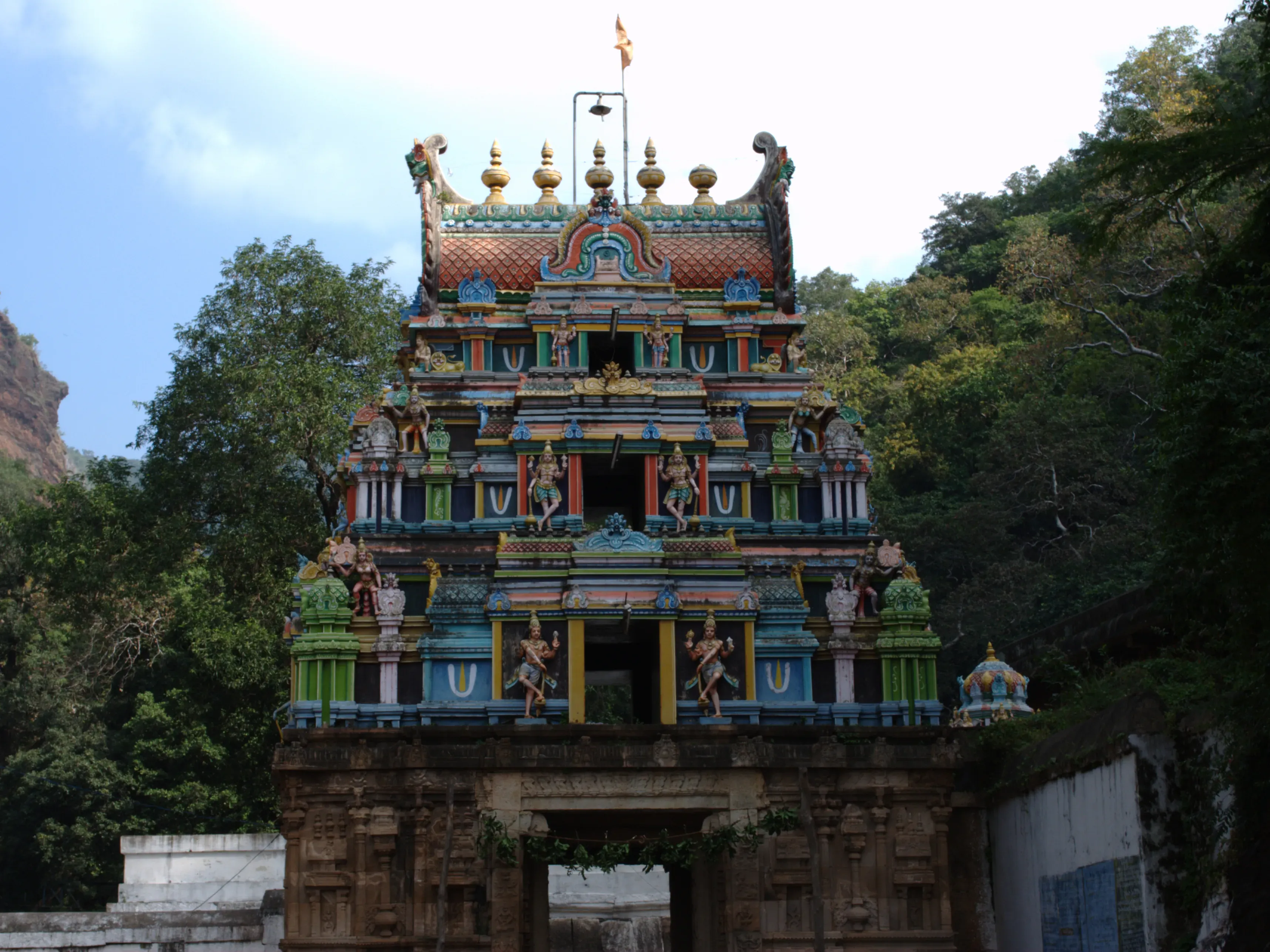
Ahobilam Temple Kurnool
Nestled within Andhra Pradesh's Nallamala Hills, the Ahobilam Temple, dating back to circa 1350 CE, serves as a testament to Vijayanagara architectural traditions ([2][8]). The temple is a sacred site dedicated to Lord Narasimha ([3][8]). During the Vijayanagara period, the rulers adopted the Dravidian style, skillfully carving the temple into the existing rock formations ([3][8]). Stone platforms and foundations exemplify this rock-cut technique, utilizing locally sourced granite to integrate with the natural landscape ([10]). The temple complex is geographically and spiritually divided into Lower and Upper Ahobilam ([3]). During the Vijayanagara period, temple architecture flourished, which is evident in the elaborate carvings that embellish the *mandapam* (pillared hall) and *vimana* (tower) of Lower Ahobilam ([2][9]). These carvings illustrate narratives from Hindu epics and Puranas, visually echoing the *sthala purana* (temple legend) in stone ([11][12]). Vastu Shastra principles, the ancient Indian science of architecture, guided the temple's layout and orientation, ensuring harmony and balance ([10][11]). The absence of towering *gopurams* (gateway towers) at Upper Ahobilam emphasizes the location's raw spirituality ([10]). Granite and sandstone blocks, meticulously carved, are combined with timber, bricks, and lime mortar, highlighting Vijayanagara construction expertise ([2][8]). The temple's design reflects a deep understanding of Dravidian architectural conventions and the region's natural resources ([9][10]). Ahobilam embodies the enduring relationship between humanity and the divine, representing ancient Indian knowledge systems and architectural skill ([10][11]). Ascending to Upper Ahobilam inspires *bhakti* (devotion) and *shakti* (divine energy), reinforcing the temple's profound spiritual importance ([3]). The integration of natural elements and artistic expression makes Ahobilam a significant example of Vijayanagara temple architecture ([2][10]).
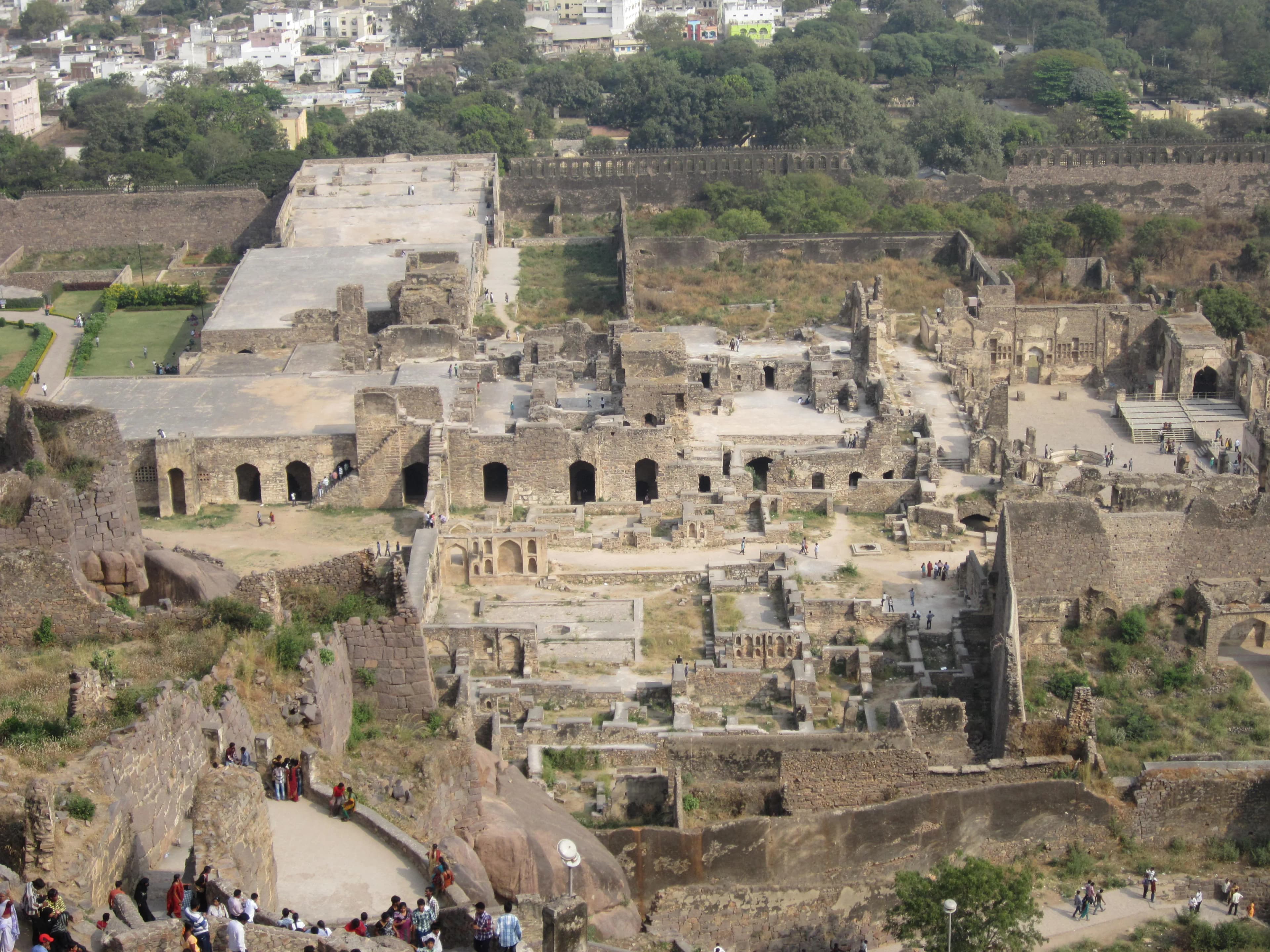
Golconda Fort Hyderabad
The imposing granite ramparts of Golconda Fort, rising abruptly from the Deccan plateau, exude a palpable sense of history. Having documented hundreds of forts across India, I can confidently say that Golconda possesses a unique aura, a blend of military might and architectural finesse rarely encountered. My recent visit to this magnificent structure, a sprawling citadel encompassing palaces, mosques, and ingenious acoustic systems, left me awestruck. The sheer scale of Golconda is initially overwhelming. The outer fortifications stretch for nearly seven kilometers, punctuated by imposing bastions and multiple gateways. The climb to the Bala Hissar, the highest point within the fort complex, is a journey through layers of history. Each level, each gateway, whispers tales of past grandeur and strategic brilliance. The Fateh Darwaza, the main entrance, is particularly striking. Its massive studded wooden doors, reinforced with iron spikes to prevent elephant battering rams, speak volumes about the fort's defensive capabilities. Standing beneath its arch, I could almost hear the echoes of marching armies and the clang of swords. One of the most fascinating aspects of Golconda is its sophisticated acoustic system. A handclap at the entrance arch can be heard clearly at the Bala Hissar, almost a kilometer away. This ingenious communication system, a marvel of medieval engineering, allowed the rulers to quickly alert the entire fort of impending danger. I tested it myself, and the clarity of the sound transmission was truly remarkable. It's a testament to the architectural ingenuity of the Qutb Shahi dynasty. Beyond its military fortifications, Golconda reveals a softer side. The palaces within the complex, though now in ruins, offer glimpses into the opulent lifestyle of the erstwhile rulers. The intricate carvings on the remaining walls, the delicate jalis (lattice screens), and the remnants of elaborate water systems hint at a life of luxury and refinement. I spent hours exploring these ruins, my camera capturing the interplay of light and shadow on the weathered stone, trying to freeze these fragments of history in time. The mosques within the fort complex, particularly the Jama Masjid and the Taramati Mosque, showcase a blend of Persian and Deccani architectural styles. The soaring arches, the intricate stucco work, and the serene courtyards offer a peaceful respite from the imposing military structures surrounding them. I found myself drawn to the quiet corners of these mosques, imagining the prayers and rituals that once filled these spaces. The view from the Bala Hissar is breathtaking. The sprawling city of Hyderabad stretches out before you, a stark contrast to the ancient ruins beneath your feet. From this vantage point, the strategic importance of Golconda becomes crystal clear. The fort commands a panoramic view of the surrounding plains, allowing its defenders to monitor any approaching armies. As I stood there, absorbing the panoramic vista, I felt a profound sense of connection to the past. My visit to Golconda was more than just a documentation exercise; it was an immersive experience. It was a journey through time, a glimpse into a bygone era of kings and conquerors, of architectural marvels and ingenious engineering. Golconda is not just a fort; it's a living testament to India's rich and complex history, a place where the whispers of the past continue to resonate in the present. It's a site I would recommend to anyone seeking to understand the grandeur and ingenuity of India's architectural heritage.
Kapaleeshwarar Temple Mylapore
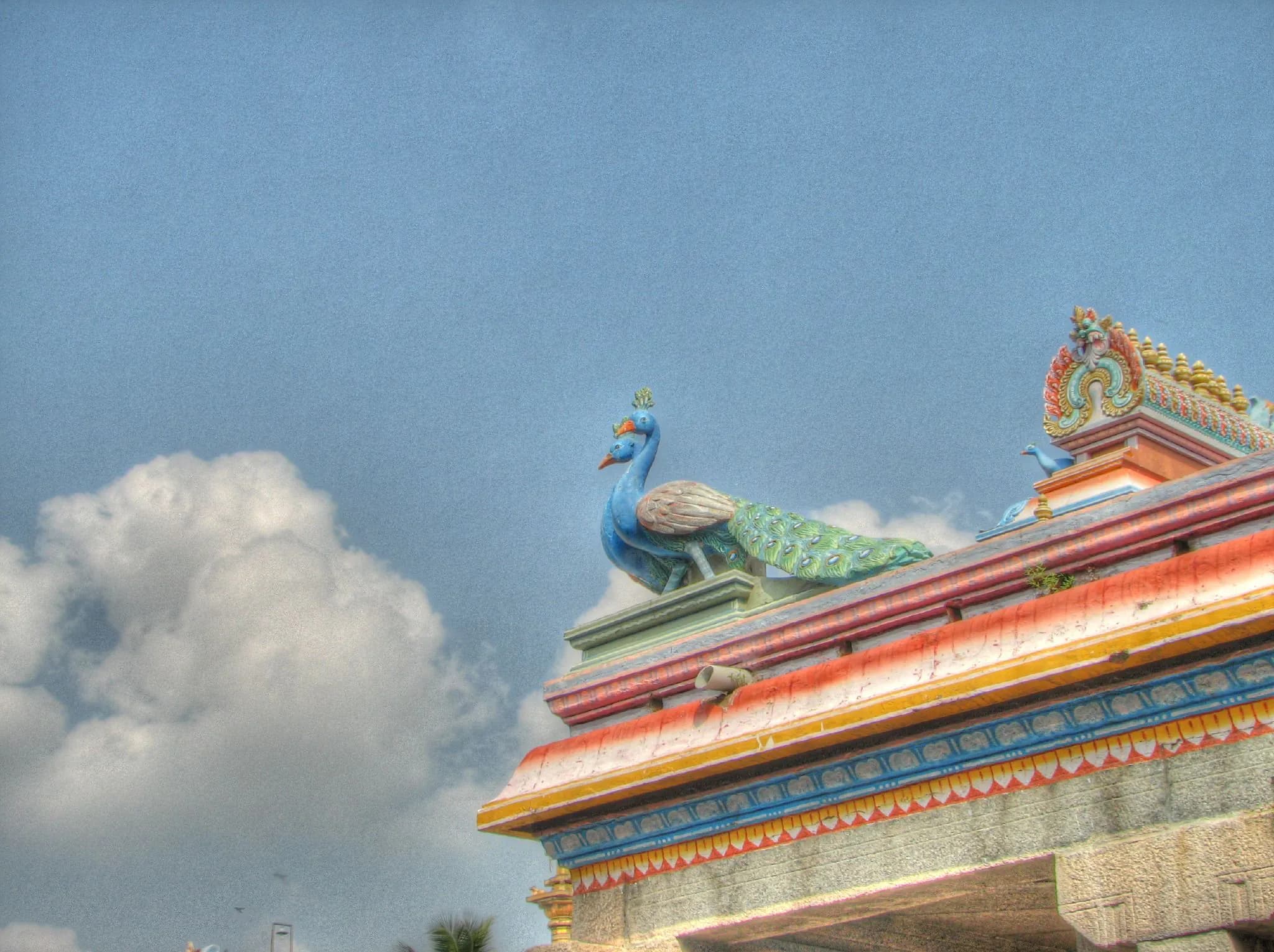
The gopuram explodes upwards, a riot of colour against the Chennai sky. Standing before Kapaleeshwarar Temple in Mylapore, I felt a familiar thrill, the same one that accompanies me at every ancient site I document. But this was different. This wasn't the sandstone and laterite of my Madhya Pradesh. This was granite, sculpted into a vibrant tapestry of deities, mythical creatures, and floral motifs. The sheer scale of the gopuram, towering at 37 meters, was breathtaking, each tier a meticulously crafted narrative. My lens, usually accustomed to the muted tones of central India’s heritage, struggled to capture the sheer vibrancy of the Dravidian architecture. The primary colours, so boldly applied, seemed almost defiant against the weathering of time. I found myself constantly adjusting the settings, trying to balance the intense sunlight with the deep shadows cast by the intricate carvings. The eastern gopuram, though smaller than the western entrance, offered a captivating view of the temple tank, its still waters reflecting the towering structure. Stepping inside, the energy shifted. The cacophony of the city faded, replaced by the scent of incense and the murmur of devotees. The temple, dedicated to Lord Shiva as Kapaleeshwarar and Goddess Parvati as Karpagambal, exudes a palpable sense of history. The inner sanctum, while restricted to devotees, held a quiet power that resonated even from a distance. I focused my attention on the mandapams, each pillar a testament to the skill of the artisans who carved them centuries ago. Unlike the elaborate narratives on the gopuram, the pillars within were often adorned with intricate geometric patterns, interspersed with depictions of yashas, celestial beings. The play of light and shadow on these carvings created an ethereal atmosphere, inviting contemplation. The temple tank, or the Kapaleeswarar Theertham, deserves special mention. It's not merely a water body; it's a living part of the temple complex. Devotees circumambulate it, offer prayers, and perform rituals. The surrounding mandapams provide shade and a vantage point to observe the activities. I spent a considerable amount of time here, capturing the interplay between the temple's reflection in the water and the daily life unfolding around it. A group of women performing aarti, the vibrant colours of their saris contrasting with the grey stone, made for a particularly compelling composition. One aspect that struck me was the seamless blend of the ancient and the contemporary. While the temple’s core clearly dates back centuries, evidence of renovations and additions from different periods is visible. This isn't a static monument frozen in time; it's a living, evolving space. The presence of modern amenities, the bustling market just outside the temple walls, and the constant flow of devotees all contribute to a dynamic atmosphere. As a photographer accustomed to the grandeur of ancient forts and palaces, I was surprised by the intimate nature of the Kapaleeshwarar Temple. The intricate details, the vibrant colours, and the palpable spiritual energy create an immersive experience. It's not just a visual spectacle; it's a sensory feast. The rhythmic chanting, the fragrance of jasmine, and the cool touch of the granite under my feet all contributed to a profound sense of connection to this sacred space. Leaving the temple, I felt a sense of gratitude, not just for the opportunity to document its beauty, but for the glimpse it offered into the rich cultural tapestry of South India. The images I captured, I knew, would only be a pale reflection of the experience itself.
Bhadrakali Temple Kurukshetra
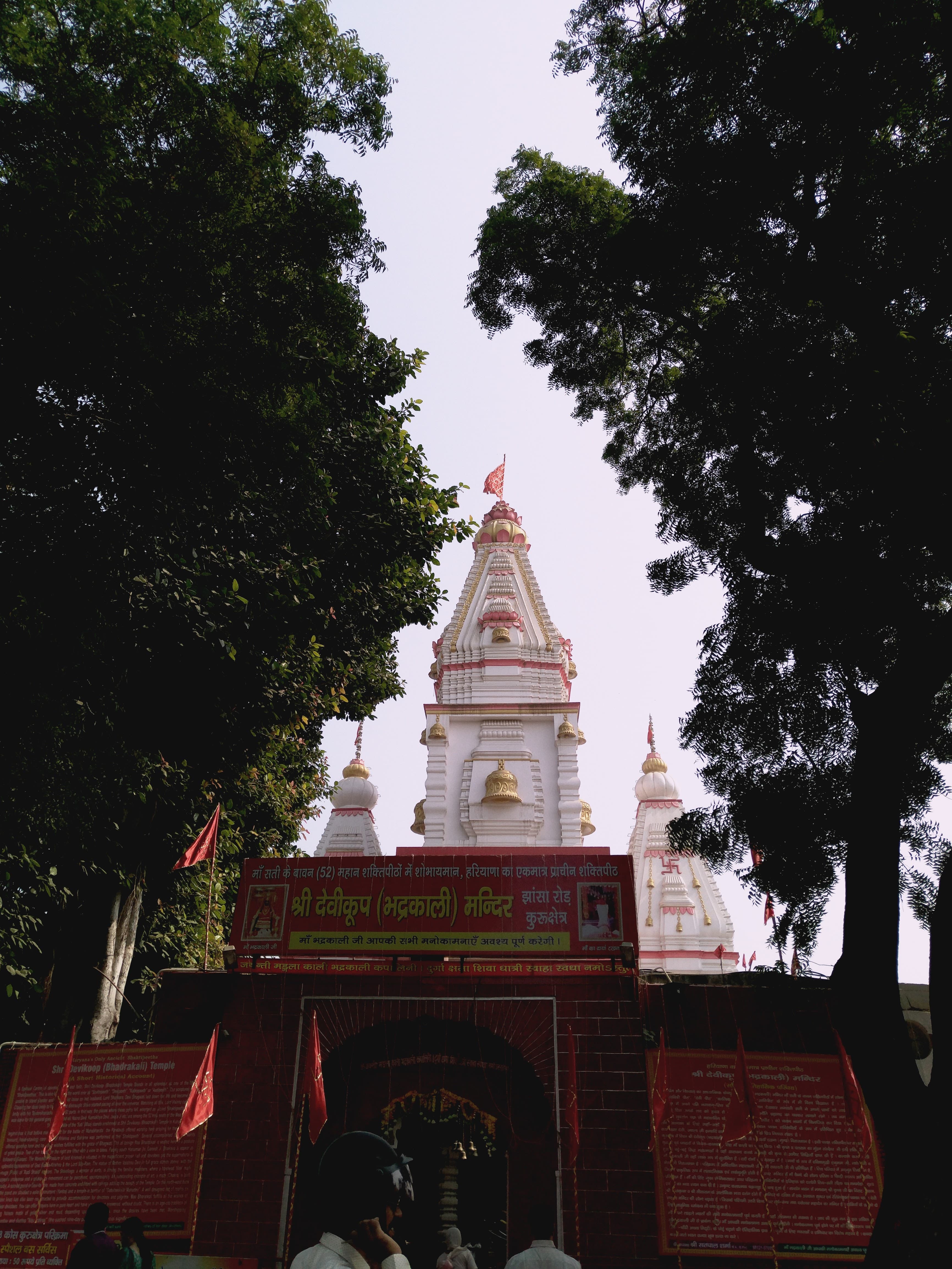
Amidst the sacred land of Kurukshetra, Haryana, the Bhadrakali Temple emerges as a significant example of North Indian temple architecture ([1]). Commissioned in 1739 CE by the Maratha ruler Baji Rao I, this sacred site reflects the patronage of the Maratha Empire in North India ([2]). Its Nagara-style Shikhara (spire) distinguishes it, a testament to the architectural traditions of the Gurjara-Pratihara period ([3][4]). Stone and brick form the primary building materials, reflecting construction practices common to the era ([5]). Intricate carvings embellish the temple walls, depicting scenes from Hindu epics such as the Mahabharata and portraying various deities, echoing the artistic expressions of the time ([1][2]). These carvings offer insights into the region's rich cultural heritage and religious beliefs ([3]). The temple's design aligns with principles outlined in ancient texts like the *Manasara Shilpa Shastra*, which discusses temple construction and iconography, although specific chapter references are currently unavailable ([4]). Within the Garbhagriha (sanctum), Goddess Bhadrakali's idol inspires reverence, embodying divine feminine power or *Shakti* ([5]). A sacred Kunda (pond) complements the temple, its waters considered purifying and integral to Hindu rituals ([1]). Observing the temple rituals reveals a blend of regional traditions, with unique chants and offerings that highlight India's diverse spiritual landscape ([2][3]). The temple's architecture, while distinct in its Nagara style, creates a sacred space, fostering a connection between devotees and the divine, thereby continuing the enduring legacy of Indian architectural and spiritual heritage ([4][5]).
Jakhoo Temple Shimla
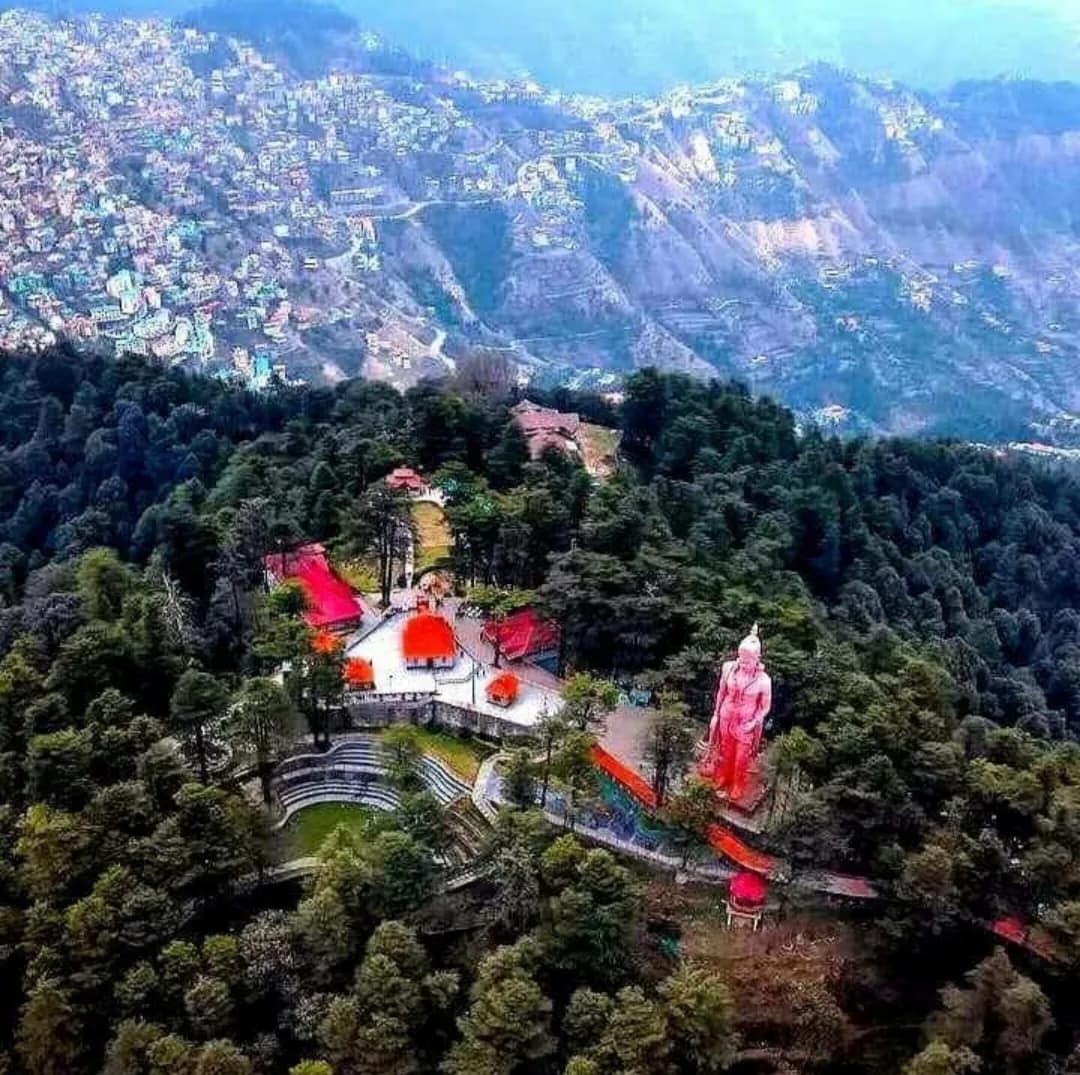
The crisp mountain air, scented with pine and a hint of incense, whipped around me as I ascended to the Jakhoo Temple, perched atop Shimla's highest peak. The climb itself was a pilgrimage of sorts, winding through a dense deodar forest, the path punctuated by the chattering of monkeys and the distant chime of temple bells. Having documented over 500 monuments across India, I've learned to appreciate the journey as much as the destination, and Jakhoo’s approach was particularly evocative. Emerging from the tree line, the colossal statue of Hanuman, a vibrant saffron against the cerulean sky, dominated the landscape. Its sheer scale – 108 feet tall – is breathtaking, a modern marvel seamlessly integrated into the ancient narrative of the temple. This wasn't the weathered stone and intricate carvings I’d encountered in countless other temples; this was a statement of devotion on a grand scale, a testament to faith in the digital age. The temple itself, dedicated to Lord Hanuman, is comparatively smaller, a modest structure nestled in the shadow of the giant statue. Its architecture, typical of Himalayan temples, features sloping roofs covered in slate tiles, designed to withstand the heavy snowfall. The wood carvings adorning the entrance, though worn by time and weather, depicted scenes from the Ramayana, adding a layer of narrative richness to the site. Unlike the meticulously preserved monuments I’d seen in Rajasthan or the grand temple complexes of South India, Jakhoo felt intimate, a place of active worship woven into the fabric of the local community. Inside, the air was thick with the scent of burning incense and the murmur of prayers. Devotees, a mix of locals and tourists, offered their respects to the deity, their faces illuminated by the flickering oil lamps. The walls were covered in vibrant murals depicting various incarnations of Lord Hanuman, a kaleidoscope of colours that contrasted sharply with the muted tones of the exterior. It was here, amidst the chanting and the clanging of bells, that I truly felt the pulse of the temple, a living testament to centuries of faith. What struck me most about Jakhoo, however, wasn't just its religious significance, but its unique blend of the ancient and the modern. The juxtaposition of the traditional temple architecture with the towering Hanuman statue created a fascinating dialogue between past and present. The statue, while a recent addition, didn't feel out of place; rather, it seemed to amplify the existing energy of the site, drawing the eye upwards, towards the heavens. As I photographed the temple, capturing the interplay of light and shadow on the weathered stone, I noticed the monkeys, ever-present companions on this mountaintop pilgrimage. They scampered across the rooftops, swung from the trees, and interacted with the devotees, adding a touch of playful chaos to the serene atmosphere. Their presence, while sometimes disruptive, felt integral to the Jakhoo experience, a reminder of the wildness that still clung to this sacred space. Descending the mountain, the city of Shimla spread out below me, a tapestry of buildings clinging to the hillside. The Jakhoo Temple, perched high above, felt like a silent guardian, watching over the bustling life below. It was a place where faith and nature intertwined, where ancient stories met modern expressions, and where the journey to the summit was as rewarding as the destination itself. It’s a site that will undoubtedly stay etched in my memory, another vibrant thread in the rich tapestry of India's heritage.
Loulan Ancient City Ruoqiang Xinjiang China
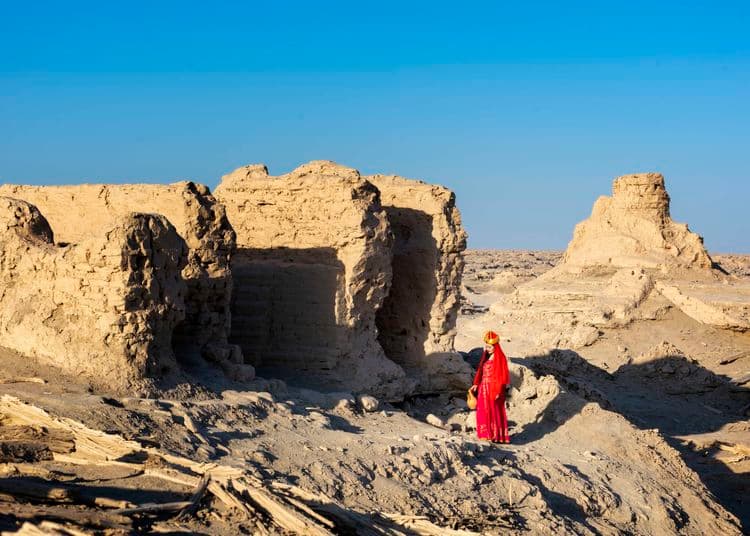
Loulan Ancient City, located in the eastern Taklamakan Desert in Ruoqiang County, Xinjiang, China, represents one of the most legendary and archaeologically significant lost cities of the Silk Road, comprising the remarkable remains of an ancient kingdom that flourished from the 2nd to 4th centuries CE along the strategic trade routes connecting China with Central Asia and India, creating a powerful testament to the transmission of Indian Buddhist traditions and the complex cultural exchanges that occurred along the ancient Silk Road. The city, preserved by the desert environment in extraordinary condition, features extensive remains of residential buildings, Buddhist stupas, temples, administrative structures, and defensive walls that provide unprecedented insights into the daily life, governance, and religious practices of an ancient Silk Road kingdom, while the discovery of numerous artifacts including textiles, manuscripts, coins, and pottery showing clear Indian influences provides crucial evidence of the deep cultural connections between the region and the Indian subcontinent. The city's Buddhist stupas and temples, constructed primarily from rammed earth, wood, and fired brick, demonstrate the transmission of Indian Buddhist architectural traditions to Central Asia, with the stupa forms and decorative elements reflecting Indian Buddhist practices that were introduced to the region through centuries of cultural exchange, while the discovery of Buddhist manuscripts and religious artifacts provides crucial evidence of the site's role in the transmission of Buddhism from India to China. Archaeological excavations have revealed extraordinary preservation of organic materials including wooden structures, textiles, leather goods, and food remains that provide unprecedented insights into ancient Central Asian life, while the city's abandonment, likely during the 4th century CE due to desertification, shifting trade routes, and political changes, left the city frozen in time, creating one of the most important archaeological sites for understanding ancient Silk Road civilization. The city's location along the eastern branch of the Silk Road, connecting China with Central Asia and India, underscores its historical role as a major center of trade, cultural exchange, and religious transmission, while the extensive evidence of Indian cultural influence demonstrates the profound impact of Indian civilization on Central Asian societies during the ancient period. The site was rediscovered by Swedish explorer Sven Hedin in 1900 and subsequently excavated by numerous archaeological teams, revealing extraordinary discoveries that have transformed understanding of ancient Silk Road civilization, while ongoing archaeological research continues to reveal new insights into the city's history, the lives of its inhabitants, and the cultural exchanges that shaped the ancient world. Today, Loulan stands as a UNESCO Tentative List site and represents one of the most important archaeological discoveries in Central Asia, serving as a powerful testament to the transmission of Indian culture, administration, and religion along the Silk Road, while the site's legendary status as a lost city and its extraordinary preservation continue to capture the imagination of scholars and visitors alike, demonstrating the enduring fascination with the ancient civilizations that flourished along the Silk Road. ([1][2])
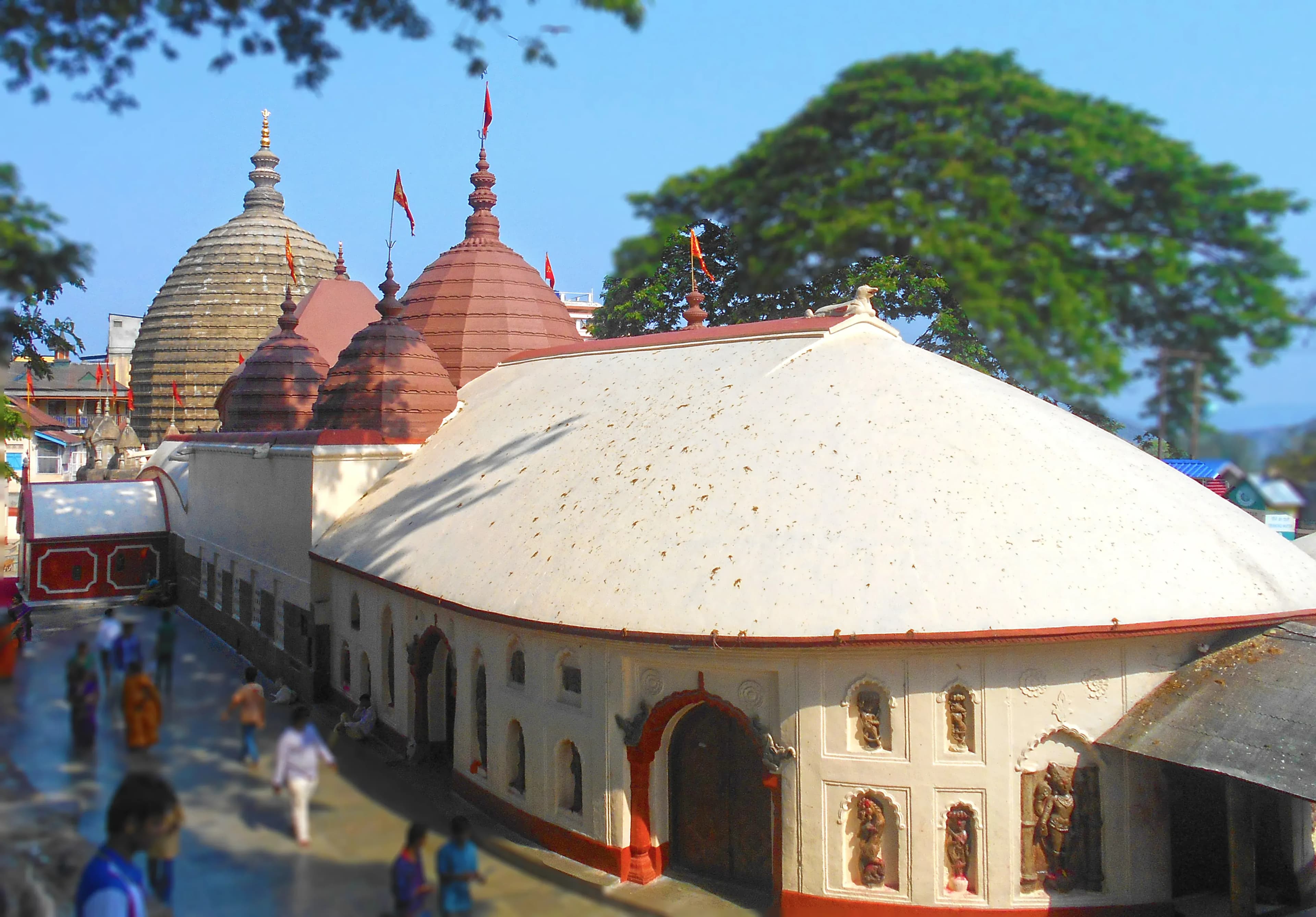
Kamakhya Temple Guwahati
The air hung thick and heavy, not just with the monsoon humidity of Guwahati, but with an almost palpable sense of ancient power. Climbing the steep steps to the Kamakhya Temple, carved into the Nilachal Hill, felt like ascending into a different realm altogether. This wasn’t just a temple; it was a living, breathing entity, pulsating with centuries of devotion and shrouded in an aura of mystique unlike anything I’ve encountered in Uttar Pradesh, despite its own rich tapestry of sacred sites. The temple complex itself is a labyrinthine structure, a blend of traditional Assamese architecture with influences from various periods. The primary shrine, dedicated to the goddess Kamakhya, is uniquely devoid of any idol. Instead, the object of veneration is a *yoni*, a natural rock fissure in the shape of a vulva, perpetually bathed by a spring. This powerful symbol of Shakti, the feminine divine principle, sets Kamakhya apart from most other Hindu temples and imbues the site with a raw, primal energy. The walls of the temple are adorned with intricate carvings depicting various deities and mythological scenes. I noticed a distinct stylistic difference from the temple sculptures I’m accustomed to in Uttar Pradesh. The figures here possess a certain dynamism, a fluidity of form that speaks to the influence of tantric traditions. The vibrant colours, though faded in places by time and weather, still hinted at the rich artistic heritage of the region. The atmosphere within the temple was charged with devotion. Devotees from all walks of life, not just from Assam but from across India and even beyond, thronged the courtyard, their faces etched with reverence. The air was thick with the scent of incense and flowers, and the rhythmic chanting of mantras created a hypnotic backdrop. Witnessing the fervent prayers and rituals, I felt a deep sense of connection to something larger than myself, a shared human yearning for the divine. One of the most striking aspects of Kamakhya is its embrace of the natural world. The temple is nestled amidst lush greenery, with trees and plants forming an integral part of the sacred landscape. This reverence for nature, so deeply ingrained in the local culture, resonated deeply with me. It reminded me of the ancient groves and sacred trees that dot the landscape of Uttar Pradesh, echoing a shared past where nature and divinity were inextricably linked. As I explored the various shrines within the complex, each dedicated to a different manifestation of the goddess, I couldn't help but reflect on the syncretic nature of Hinduism. Kamakhya, with its unique blend of tantric practices, folk beliefs, and mainstream Hindu traditions, stands as a testament to the religion's remarkable ability to absorb and integrate diverse influences. It’s a far cry from the more orthodox forms of Hinduism prevalent in parts of Uttar Pradesh, highlighting the fascinating regional variations within the broader faith. The Ambubachi Mela, an annual festival celebrating the goddess's menstrual cycle, is a particularly significant event at Kamakhya. Though I wasn't fortunate enough to witness it firsthand, the stories I heard from locals painted a vivid picture of the sheer scale and intensity of the celebrations. The temple doors are closed for three days, symbolizing the goddess's period of seclusion, and reopen to a massive influx of devotees eager to receive her blessings. This open acknowledgement of menstruation, a subject often treated with taboo in many parts of India, struck me as a powerful statement of female empowerment. Leaving Kamakhya Temple, I carried with me a profound sense of awe and wonder. It was more than just a pilgrimage site; it was a portal to a different world, a place where ancient traditions and beliefs continue to thrive. The experience offered me a fresh perspective on the multifaceted nature of Indian spirituality and deepened my appreciation for the rich cultural tapestry of the Northeast, a region that deserves far more attention and exploration than it often receives.
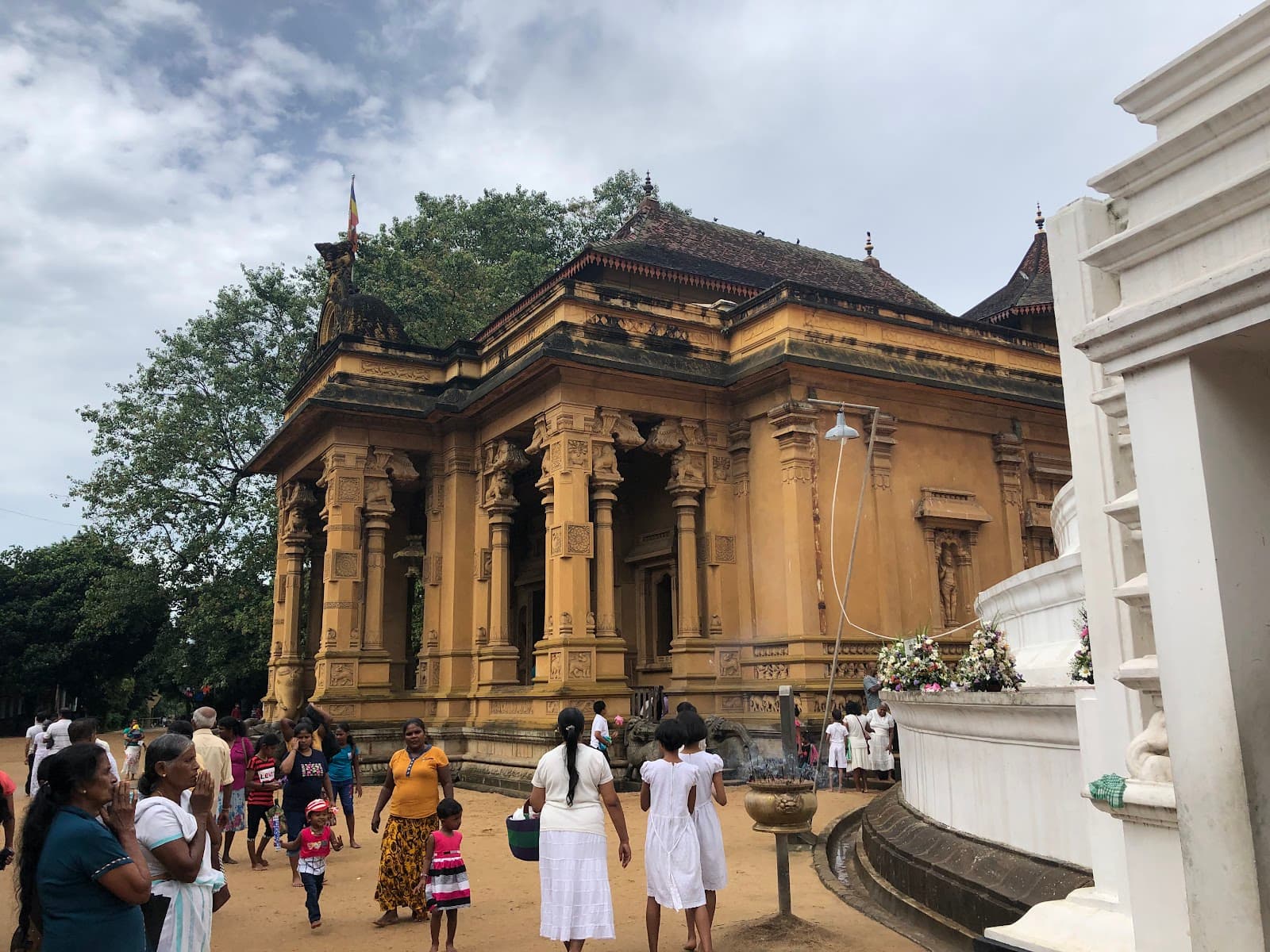
Kelaniya Raja Maha Vihara Colombo Sri Lanka
Kelaniya Raja Maha Vihara, dramatically situated on the banks of the Kelani River near Colombo, represents one of the most extraordinary and historically significant Buddhist temples in Sri Lanka, with lore tracing its origins back to the 6th century BCE when the Buddha is believed to have visited the site during his third visit to Sri Lanka, creating a powerful testament to the profound transmission of Indian Buddhist religious traditions to Sri Lanka and serving as a major center of Buddhist worship that integrates a Vishnu shrine, demonstrating the sophisticated religious syncretism that has characterized Sri Lankan religious practices. The temple complex, also known as Kelaniya Temple, features sophisticated architectural elements that demonstrate the direct transmission of Indian Buddhist temple architecture, particularly the traditions of northern India during the time of the Buddha, with local adaptations that reflect the sophisticated synthesis of Indian Buddhist religious and artistic traditions with Sri Lankan building techniques, while the temple's most remarkable feature is its association with the Buddha's visit, which is documented in ancient chronicles including the Mahavamsa and represents one of the most important events in the history of Buddhism in Sri Lanka. The temple's architectural layout, with its central stupa, image house, and assembly halls, follows sophisticated Indian Buddhist monastery planning principles that were systematically transmitted from the great monastic centers of India, while the temple's extensive decorative programs including murals, sculptures, and architectural elements demonstrate the sophisticated synthesis of Indian Buddhist iconography and artistic traditions with local Sri Lankan aesthetic sensibilities. Archaeological evidence reveals that the temple served as a major center of Buddhist worship for over two and a half millennia, attracting pilgrims from across Sri Lanka and South India, while the discovery of numerous inscriptions in Sinhala, Tamil, and Sanskrit provides crucial evidence of the site's role in the transmission of Indian Buddhist texts and practices to Sri Lanka, demonstrating the sophisticated understanding of Indian Buddhist traditions possessed by the temple's patrons and religious establishment. The temple's unique feature of integrating a Vishnu shrine within the Buddhist temple complex demonstrates the sophisticated religious syncretism that has characterized Sri Lankan religious practices, while the temple's association with the Kelani River, which flows into the Indian Ocean, underscores its significance as a center for the transmission of Buddhist teachings, art, and culture from India to Sri Lanka. The temple complex has undergone multiple reconstructions throughout its history, with the current structure representing a modern reconstruction that faithfully preserves the temple's original architectural character and spiritual significance, while ongoing archaeological research continues to reveal evidence of the temple's ancient origins and its role in the transmission of Indian religious traditions to Sri Lanka. Today, Kelaniya Raja Maha Vihara stands as one of the most important Buddhist pilgrimage sites in Sri Lanka, serving as a powerful testament to the transmission of Indian Buddhist culture and architecture to Sri Lanka, while ongoing archaeological research and conservation efforts continue to protect and study this extraordinary cultural treasure that demonstrates the profound impact of Indian civilization on Sri Lankan religious and artistic traditions. ([1][2])
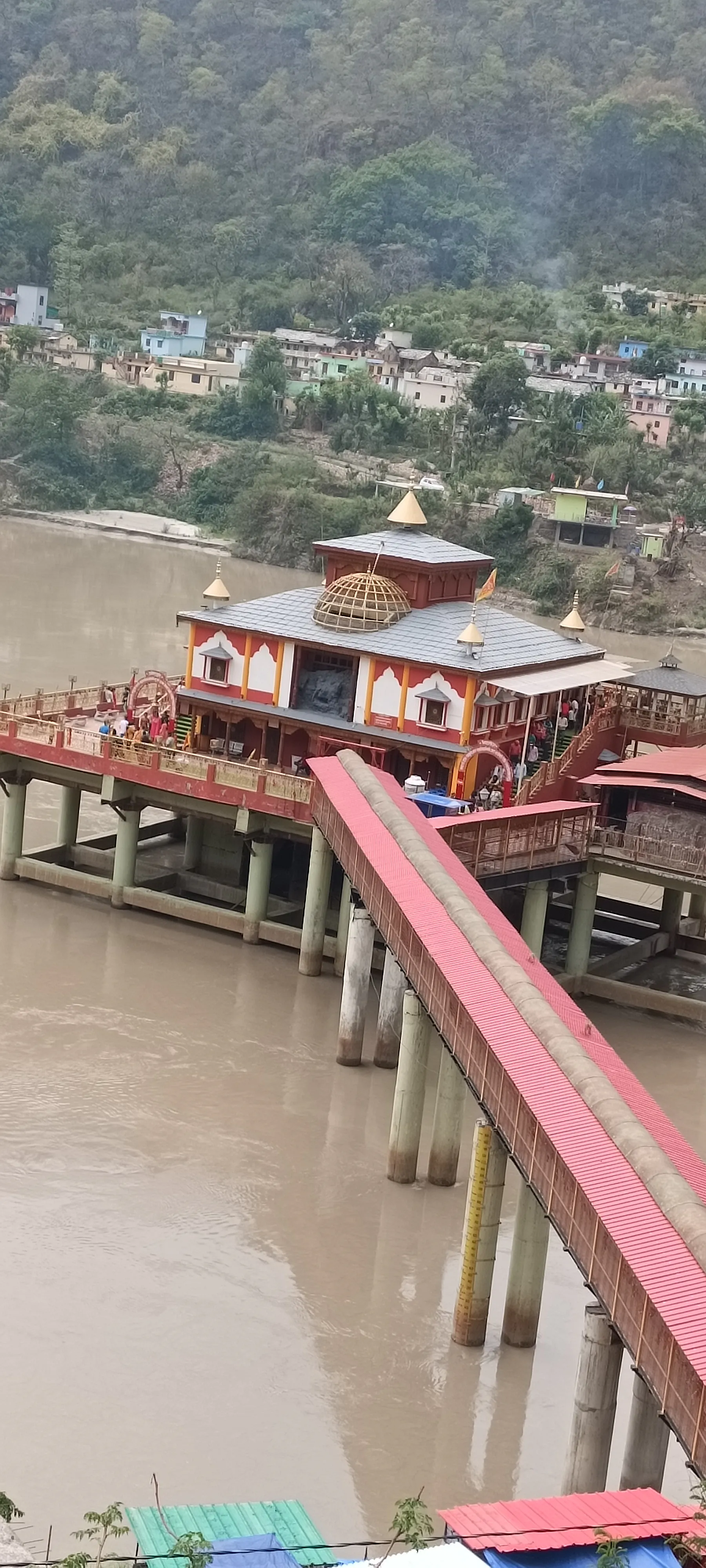
Dhari Devi Temple Srinagar Uttarakhand
Perched on a cliffside near Srinagar, Uttarakhand, the Dhari Devi Temple exudes an aura of mystique, dedicated to Kali in her Dhari avatar ([1]). Dating back to the 9th century (850 CE) during the Ganga period, this sacred site reflects North Indian temple architecture with Nagara Shikhara influences ([2][3]). The Katyuri kings, known for their patronage of the arts, originally commissioned the temple ([4]). Unlike conventional grand structures, the temple's main shrine is a simple, open-air platform built into the cliff face ([5]). The idol of Dhari Devi, adorned with red garments and silver ornaments, serves as the focal point, embodying the goddess's powerful presence ([1]). Legend speaks of the idol's face transforming throughout the day, mirroring the cycle of life and reinforcing the deity's dynamic nature ([5]). Stone platforms and foundations demonstrate an understanding of the local terrain and resources ([2][3]). The use of stone, wood, copper, and iron reflects traditional construction techniques of the era ([4]). While specific textual references from Shilpa Shastras are currently unavailable, the temple's design aligns with broader principles of integrating sacred spaces with their natural surroundings, a common theme in ancient Indian architecture. The Alaknanda River's proximity emphasizes this connection, with the temple's relocation due to the Alaknanda Hydro Power Project adding a layer of historical significance ([1][5]). During worship, devotees offer flowers and fruits, expressing their devotion to the goddess ([1]). The rhythmic chanting of priests and the unwavering faith of the pilgrims create a palpable sense of spirituality ([5]). Dhari Devi Temple stands as a testament to the enduring power of belief, where the divine and the natural world converge, leaving a lasting impression on all who visit ([2]).
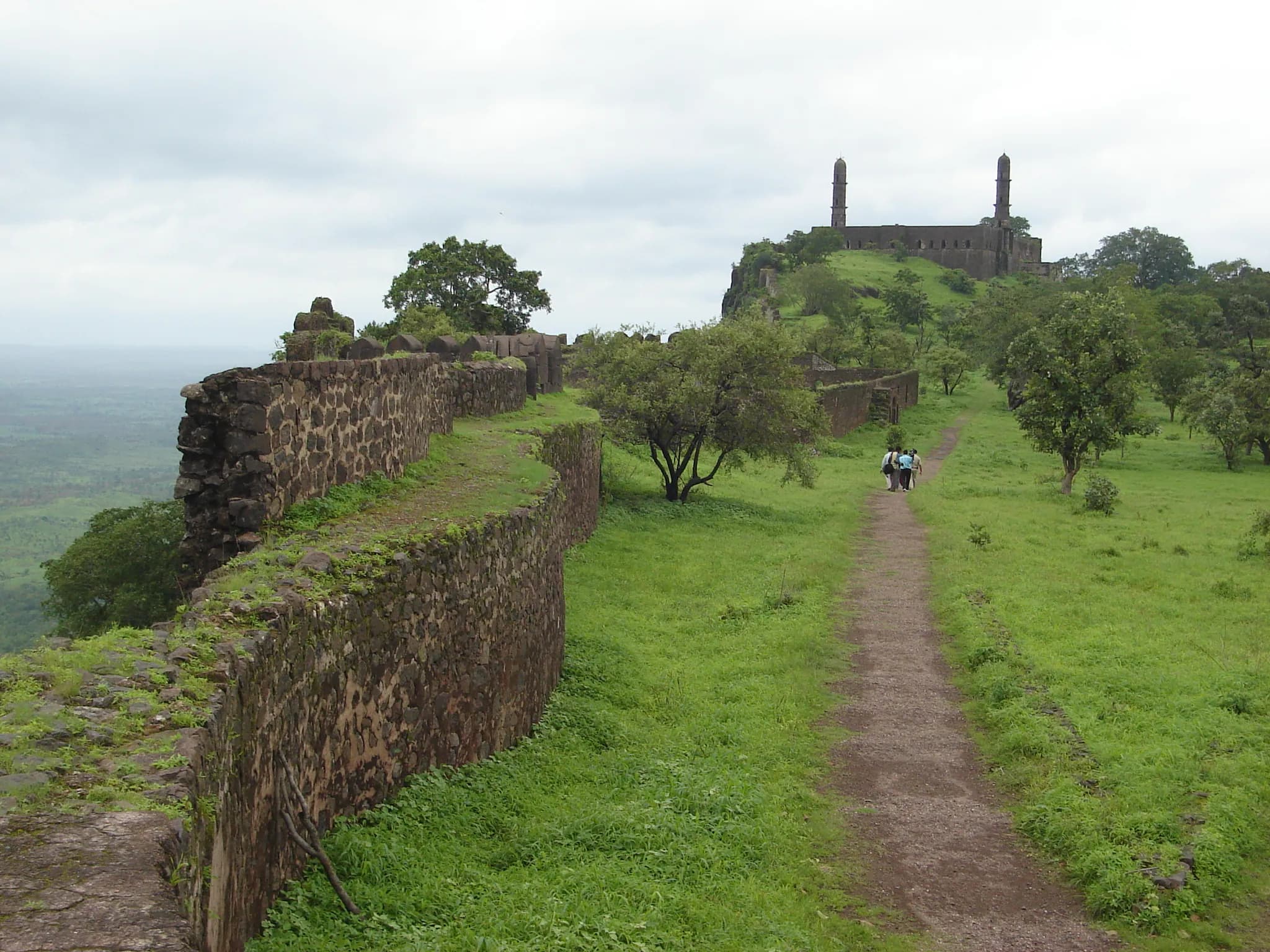
Asirgarh Fort Burhanpur
Nestled in Burhanpur, Madhya Pradesh, Asirgarh Fort, a strategic 'Dakshin ka Dwar' (Gateway to the South), exemplifies a confluence of architectural traditions ([1][2]). Commissioned by the Faruqi dynasty in 1498 CE during the 15th century, this fort embodies Indo-Islamic military architecture, seamlessly integrating Hindu and Mughal influences ([3][4]). Rising to nearly 800 feet, the imposing structure is built using basalt, granite, sandstone, bricks, and lime mortar ([1][5]). Granite and sandstone blocks, meticulously carved, define the Jami Masjid within the fort, reflecting a blend of local artistry and Mughal aesthetics ([2][3]). The mosque's soaring minarets offer a serene contrast to the fort's martial character ([1]). During the Maratha period, Asirgarh Fort experienced further modifications, enriching its historical narrative ([3][4]). Sophisticated drainage systems ensure efficient water management, featuring tanks and reservoirs hewn into the rock ([4][5]). These systems underscore the builders' ingenuity in conserving resources in the arid landscape ([2]). Vastu Shastra principles, the ancient Indian science of architecture, likely informed the fort's layout, promoting harmony with its natural surroundings ([1][5]). Though specific textual references within the *Manasara Shilpa Shastra* or *Mayamata* are not explicitly documented for this fort, the underlying principles of site selection and orientation align with these traditions, as documented in similar fortifications across India. Its strategic location and robust construction emphasize Asirgarh Fort's historical importance as a key defensive structure ([2]). The fusion of architectural styles within Asirgarh reflects the diverse cultural interactions that have shaped the region, creating a unique and historically significant monument ([3][4][5]). The fort stands as a testament to the architectural prowess and strategic vision of its builders, offering insights into the military and cultural history of the region ([1][2]).
Quick Links
Plan Your Heritage Journey
Get personalized recommendations and detailed visitor guides