Sultanate Architecture in Bihar
This curated collection presents 6 architecturally significant heritage sites across bihar, each offering authentic experiences of Hindu cultural and spiritual heritage. These monuments exemplify the Sultanate Architecture architectural tradition, these sites spanning multiple historical periods continue serving as active centers of worship and cultural transmission. recognizing exceptional universal value. Our comprehensive documentation provides detailed visitor information, architectural insights, and cultural context, enabling meaningful engagement with India's living heritage traditions while respecting the sacred nature of these spaces.
6 Sites Found
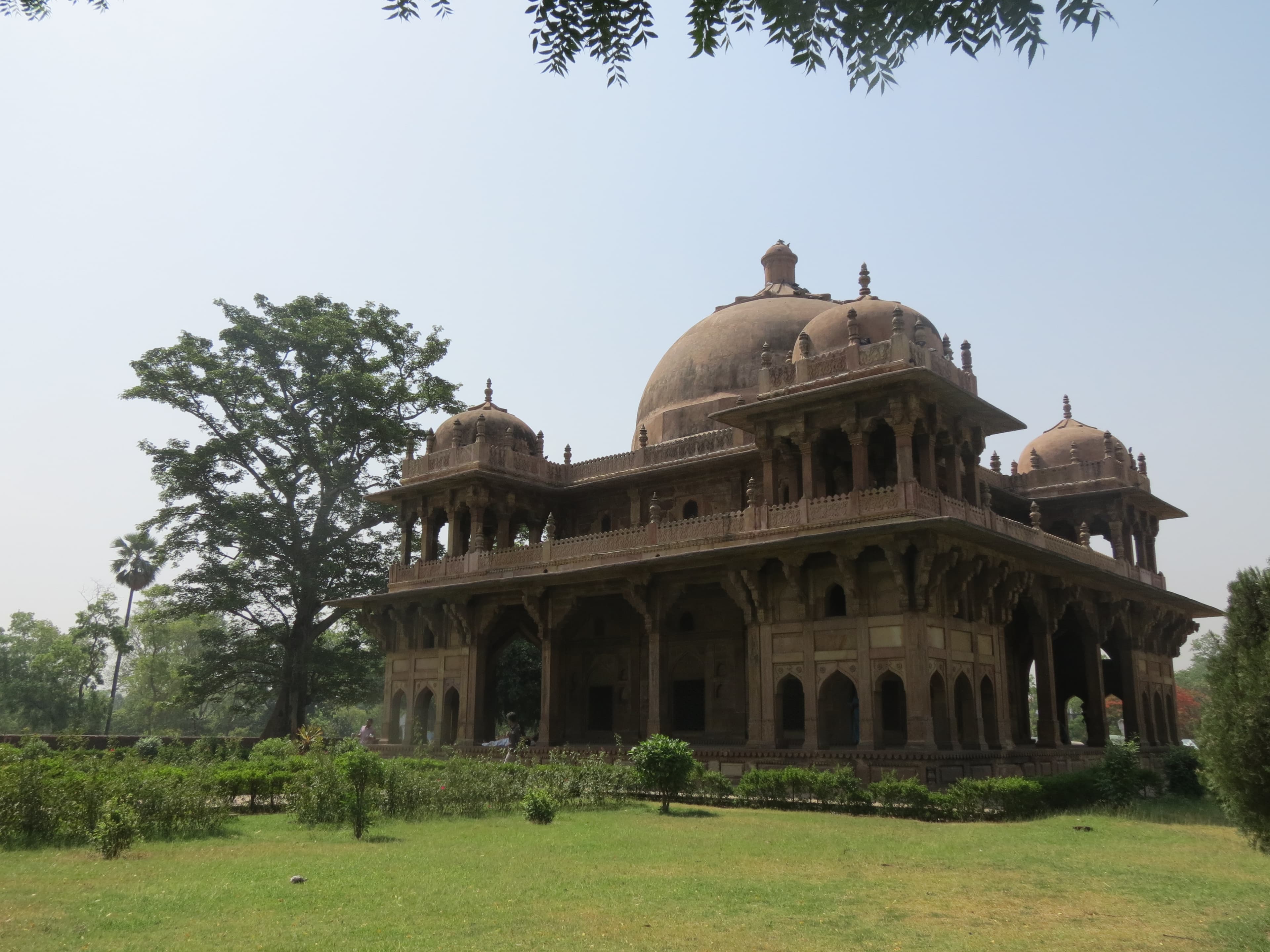
The Ganges flowed serenely beside me, a silent witness to centuries of history as I approached Maner Palace, a structure seemingly woven from the very fabric of time. Located in Maner, a small town a short distance from Patna, the palace stands as a poignant reminder of Bihar's rich and layered past, a confluence of Mughal and Rajput architectural styles. The crumbling ochre walls, kissed by the sun and etched with the passage of time, whispered stories of emperors, queens, and the ebb and flow of power. My camera, an extension of my own inquisitive gaze, immediately sought out the intricate details. The palace, though in a state of disrepair, still exuded a regal aura. The arched gateways, reminiscent of Mughal design, framed glimpses of inner courtyards, now overgrown with tenacious weeds that seemed to be reclaiming the space. The Rajput influence was evident in the chhatris, those elegant, domed pavilions that crowned the roofline, offering panoramic views of the river and the surrounding landscape. I imagined the royalty of bygone eras enjoying the same vista, perhaps contemplating the vastness of their empire. Stepping inside the main structure, I was struck by the stark contrast between the grandeur of the past and the decay of the present. Elaborate carvings, once vibrant with colour, now bore the muted hues of age and neglect. Floral motifs intertwined with geometric patterns, a testament to the skilled artisans who had painstakingly created these masterpieces. I ran my fingers along the cool stone walls, tracing the outlines of these forgotten stories. The air hung heavy with the scent of damp earth and the faint whisper of the river, creating an atmosphere both melancholic and strangely serene. One of the most captivating aspects of Maner Palace is its connection to the legendary Sher Shah Suri. The remnants of his mosque, a testament to his brief but impactful reign, stand within the palace complex. The mosque's simple yet elegant design, characterized by its imposing dome and slender minarets, spoke of a pragmatic ruler who valued functionality as much as aesthetics. I spent a considerable amount of time photographing the interplay of light and shadow on the mosque's weathered facade, trying to capture the essence of its historical significance. Climbing the narrow, winding staircase to the upper levels of the palace, I was rewarded with breathtaking views of the Ganges. The river, a lifeline for countless generations, shimmered under the midday sun. From this vantage point, I could appreciate the strategic importance of Maner, a town that had witnessed the rise and fall of empires. The wind carried with it the distant sounds of life from the town below, a stark reminder that history continues to unfold, even amidst the ruins of the past. My lens focused on the intricate jali work, the delicate lattice screens that once offered privacy to the palace's inhabitants. The patterns, intricate and varied, were a testament to the artistry of the period. I imagined the women of the court peering through these screens, observing the world outside while remaining unseen. The jali work, now fragmented and weathered, served as a poignant metaphor for the fragility of time and the ephemeral nature of power. Leaving Maner Palace, I carried with me a profound sense of awe and a renewed appreciation for the rich tapestry of Indian history. The palace, though in ruins, is not merely a collection of crumbling walls and faded frescoes. It is a living testament to the human spirit, a reminder of the enduring power of art, architecture, and the stories they tell. My photographs, I hope, will serve as a window into this forgotten world, inspiring others to explore the hidden gems of our heritage and to appreciate the beauty that lies within decay.

The midday sun beat down on Gaya, casting long shadows across the ancient stones of the Mangala Gowri Temple. Perched atop the Mangla-Gauri hill, one of the three hills surrounding Gaya, the temple offered a panoramic view of the sprawling city below. The climb itself was a pilgrimage of sorts, winding through narrow lanes lined with shops selling religious paraphernalia. The air thrummed with a palpable energy, a blend of devotion and the everyday hustle of a bustling pilgrimage town. Reaching the summit, I was immediately struck by the temple's unique architecture, a stark contrast to the ornate structures I’m accustomed to in Uttar Pradesh. Unlike the towering shikharas of our temples, Mangala Gowri is characterized by its relatively low, flat roof and a series of small domes. The red-painted walls, weathered by time and the elements, spoke volumes about the temple's antiquity. The main entrance, a modest archway adorned with simple carvings, led into a small courtyard. Here, the energy intensified, fueled by the chants of devotees and the aroma of incense. The temple is dedicated to Goddess Mangala Gowri, a form of Shakti revered as the bestower of marital bliss and progeny. As I observed the rituals, I noticed a distinct regional flavor. Unlike the elaborate pujas common in Uttar Pradesh, the ceremonies here were simpler, more intimate. Women, predominantly, formed the majority of the devotees, their faces etched with a mixture of hope and devotion as they offered vermilion, bangles, and sweets to the deity. The priest, a wizened old man with kind eyes, patiently guided them through the rituals, his voice a low murmur against the backdrop of chanting. The sanctum sanctorum, a small chamber within the courtyard, housed the idol of Mangala Gowri. Photography wasn't permitted inside, which, in a way, amplified the sanctity of the space. Peering through the doorway, I could make out the dimly lit form of the goddess, adorned with flowers and garlands. The air inside felt thick with centuries of prayers and whispered wishes. Stepping back out into the courtyard, I noticed the intricate terracotta panels that adorned the outer walls of the temple. These panels, depicting scenes from Hindu mythology, were a testament to the rich artistic heritage of the region. While some were eroded, many remained remarkably well-preserved, their vibrant colors a stark contrast to the faded red of the temple walls. I recognized familiar narratives – scenes from the Ramayana and the Mahabharata – but rendered with a distinctly local aesthetic. The figures were stylized, almost folk-like, and the compositions were dynamic, full of movement and energy. The experience of visiting Mangala Gowri Temple was more than just observing a historical site; it was an immersion into a living, breathing tradition. The temple, with its unique architecture and regional rituals, offered a glimpse into the diverse tapestry of Hindu worship. It highlighted the subtle yet significant variations in religious practices across different regions of India, even within the same faith. The palpable devotion of the devotees, the simplicity of the rituals, and the ancient art that adorned the temple walls all contributed to a powerful and moving experience. As I descended the hill, the city of Gaya spread out before me, a vibrant mix of the ancient and the modern. The visit to Mangala Gowri Temple had left an indelible mark, a reminder of the enduring power of faith and the rich cultural heritage that continues to thrive in the heart of India. It reinforced the importance of exploring beyond the familiar, of seeking out the hidden gems that offer a deeper understanding of our shared history and the diverse expressions of human belief.
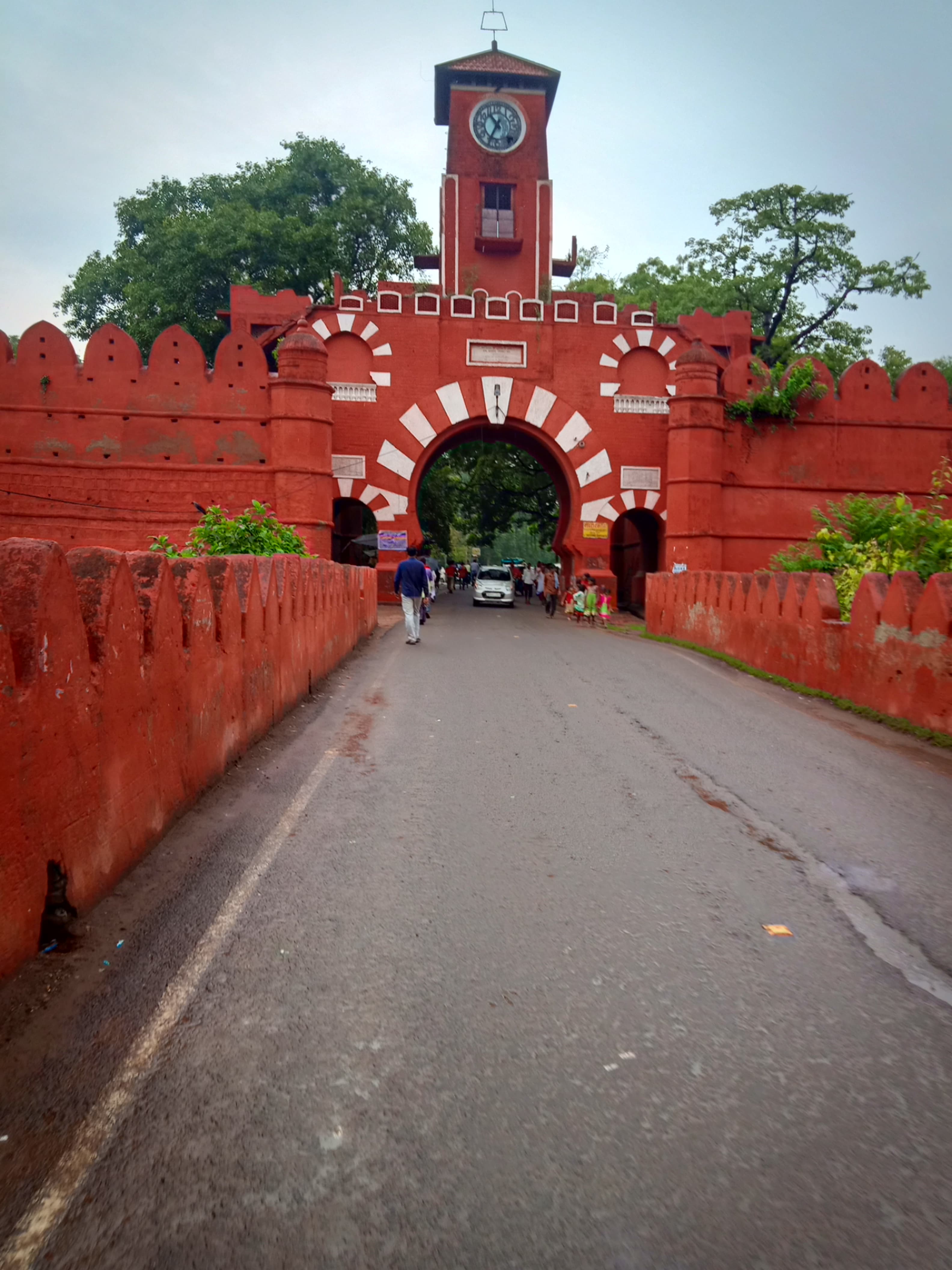
The Ganges, a ribbon of shimmering silver, embraced the base of Munger Fort, its flow a constant whisper against the aged stones. This wasn't my first fort in Bihar, but Munger held a different energy, a quiet dignity that transcended its crumbling ramparts and overgrown courtyards. Having documented over 500 monuments across India, I've developed a keen eye for the stories etched in stone, and Munger Fort had volumes to tell. The fort's strategic location, perched atop a rocky hill overlooking the river, is immediately apparent. It’s a layered structure, a palimpsest of history with contributions from various dynasties – the Mauryas, the Guptas, the Mughals, and even the British. This confluence of influences is reflected in the architecture, a fascinating blend of styles that speaks to the fort's long and complex history. I noticed remnants of ancient Hindu and Buddhist structures seamlessly integrated into later Islamic additions. A carved stone panel depicting a scene from the Ramayana, for example, was juxtaposed against a Mughal-era archway, a testament to the fort's evolving identity. My lens focused on the intricate details: the weathered sandstone blocks, some bearing faint traces of ancient inscriptions; the ornate carvings adorning the doorways and windows, now softened by time and the elements; the strategically placed bastions and watchtowers, silent sentinels guarding the river passage. The imposing ramparts, though breached in places, still conveyed a sense of impregnability, a testament to the fort's military significance. Walking through the sprawling complex, I felt a palpable sense of history. I could almost hear the echoes of marching armies, the clang of swords, the whispers of courtly intrigue. The silence, broken only by the chirping of birds and the distant hum of the city, was strangely evocative. It allowed me to connect with the past in a way that few places have. One of the most striking features of Munger Fort is its subterranean passage, rumored to lead to Patna, over 100 kilometers away. While the full extent of the tunnel remains shrouded in mystery, I was able to explore a portion of it. The air inside was cool and damp, the darkness punctuated only by the beam of my flashlight. The rough-hewn walls and low ceiling created a claustrophobic atmosphere, adding to the sense of intrigue. It's easy to imagine how this passage might have been used for secret escapes or clandestine meetings. The fort also houses several dilapidated palaces and temples, their grandeur now faded but still hinting at their former glory. The crumbling walls, the overgrown courtyards, the empty chambers – they all spoke of a bygone era, a time of kings and queens, of battles and sieges, of prosperity and decline. As I climbed to the highest point of the fort, the panoramic view of the Ganges and the surrounding countryside unfolded before me. The river, a lifeline for generations, snaked its way through the fertile plains, its banks dotted with temples and villages. It was a breathtaking vista, a reminder of the fort's strategic importance and its enduring connection to the land. Munger Fort is not just a collection of old stones and crumbling walls. It's a living testament to India's rich and layered history. It's a place where the past and the present intertwine, where stories are whispered in the wind, and where the echoes of time resonate through the silence. My time at Munger Fort was more than just a photographic assignment; it was a journey through time, an exploration of a place that has witnessed the ebb and flow of empires, the rise and fall of dynasties, and the enduring power of the human spirit. It’s a place that deserves to be preserved, not just for its architectural and historical significance, but for the stories it continues to tell.
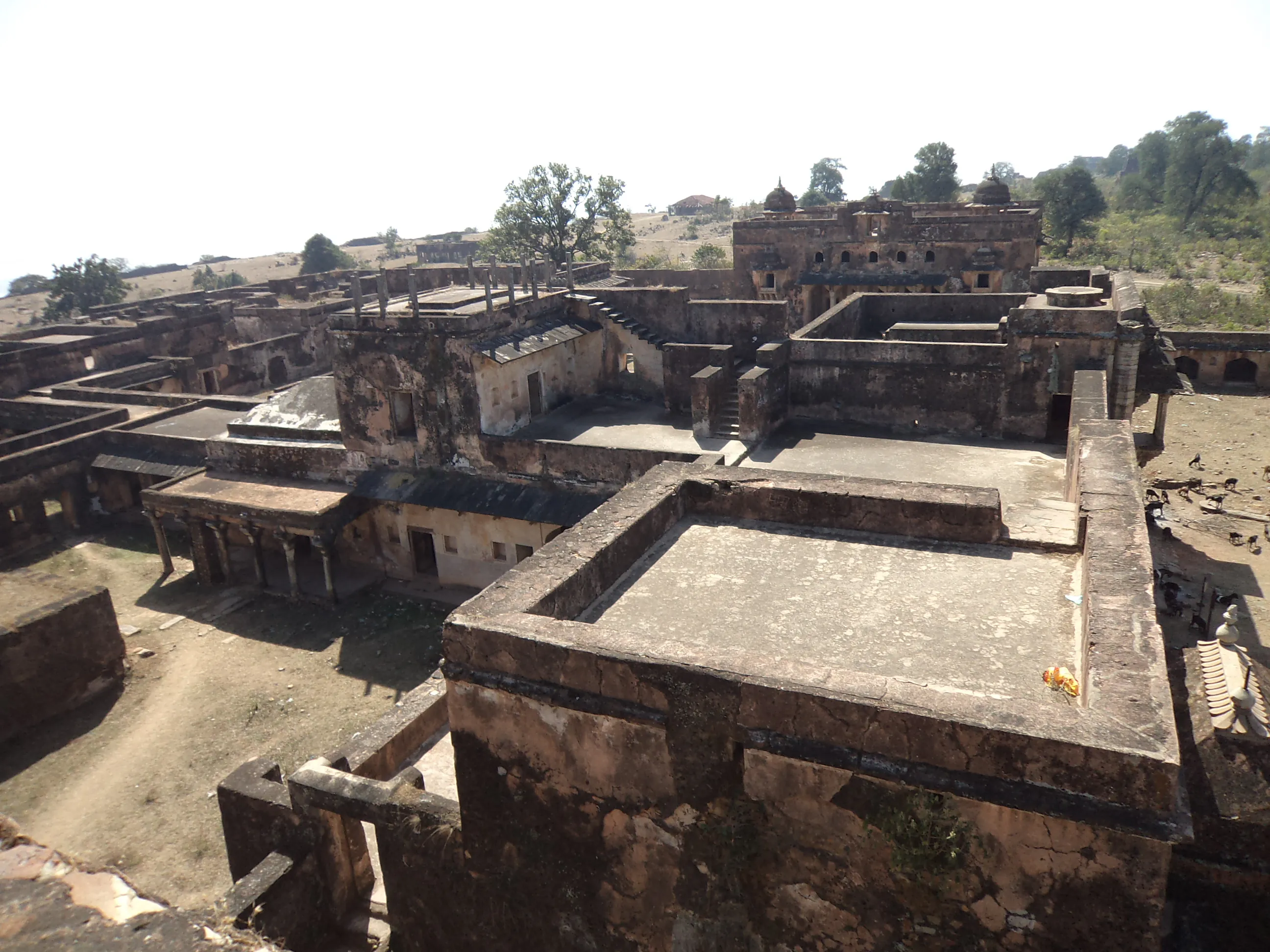
The cyclopean walls of Rohtasgarh Fort rose before me, a stark silhouette against the Bihar sky. Ascending the winding road, I felt a palpable shift, a journey not just upwards, but backwards in time. This wasn't merely a fort; it was a palimpsest of history, layered with the narratives of Suryavanshi kings, Afghan rulers, and even a brief, intriguing brush with the Mughals. My first impression was of sheer scale. Rohtasgarh isn't a compact citadel; it sprawls across a plateau, encompassing over 70 square kilometers. The outer fortifications, following the natural contours of the hill, are a testament to strategic brilliance. These aren't just walls; they are integrated with the landscape, utilizing the steep cliffs and ravines as natural defenses. The sheer drop from the ramparts is breathtaking, and I could easily imagine the daunting task faced by any would-be attacker. Passing through the multiple gateways, each a marvel of military engineering, I began to appreciate the fort's layered history. The initial impression of robust, almost crude, strength gave way to glimpses of refined artistry. The 'Hathi Pol' or Elephant Gate, for instance, displays a surprising elegance despite its defensive purpose. The carvings, though weathered by time, hinted at a period of artistic flourishing. Later, I discovered that many of these finer details were added during the Suri dynasty, showcasing their distinct aesthetic sensibilities. Within the fort's vast expanse, the structures range from the purely functional to the surprisingly ornate. The 'Rajmahal,' or royal palace, though now in ruins, still whispers of past grandeur. I was particularly struck by the 'Rang Mahal,' its faded frescoes a testament to the vibrant court life that once thrived within these walls. The intricate jali work, allowing for both ventilation and privacy, spoke of a sophisticated understanding of architectural principles. One of the most intriguing aspects of Rohtasgarh is its water management system. The numerous baolis, or stepwells, are not just utilitarian structures; they are architectural marvels. The most impressive, the 'Ganesh Baoli,' descends several stories, its intricate steps and landings creating a mesmerizing geometric pattern. Standing at the bottom, looking up at the sliver of sky framed by the well's opening, I felt a sense of awe at the ingenuity of the ancient builders. They had not just conquered the terrain but had also mastered the essential element of water, ensuring the fort's self-sufficiency. Beyond the grand structures, it was the smaller details that captured my attention. The remnants of a marketplace, the carved doorways of private residences, the hidden passages – each element contributed to a richer understanding of life within the fort. I spent hours exploring the lesser-known corners, tracing the faint outlines of past lives. Rohtasgarh isn't just a collection of stones and mortar; it's a living testament to human ingenuity and resilience. Standing on the ramparts, gazing out at the vast panorama, I felt a profound connection to the past. This wasn't just a visit; it was an immersion in history, a journey through time etched in stone. The fort stands as a silent sentinel, guarding the stories of empires risen and fallen, a powerful reminder of the enduring legacy of ancient Indian architecture.
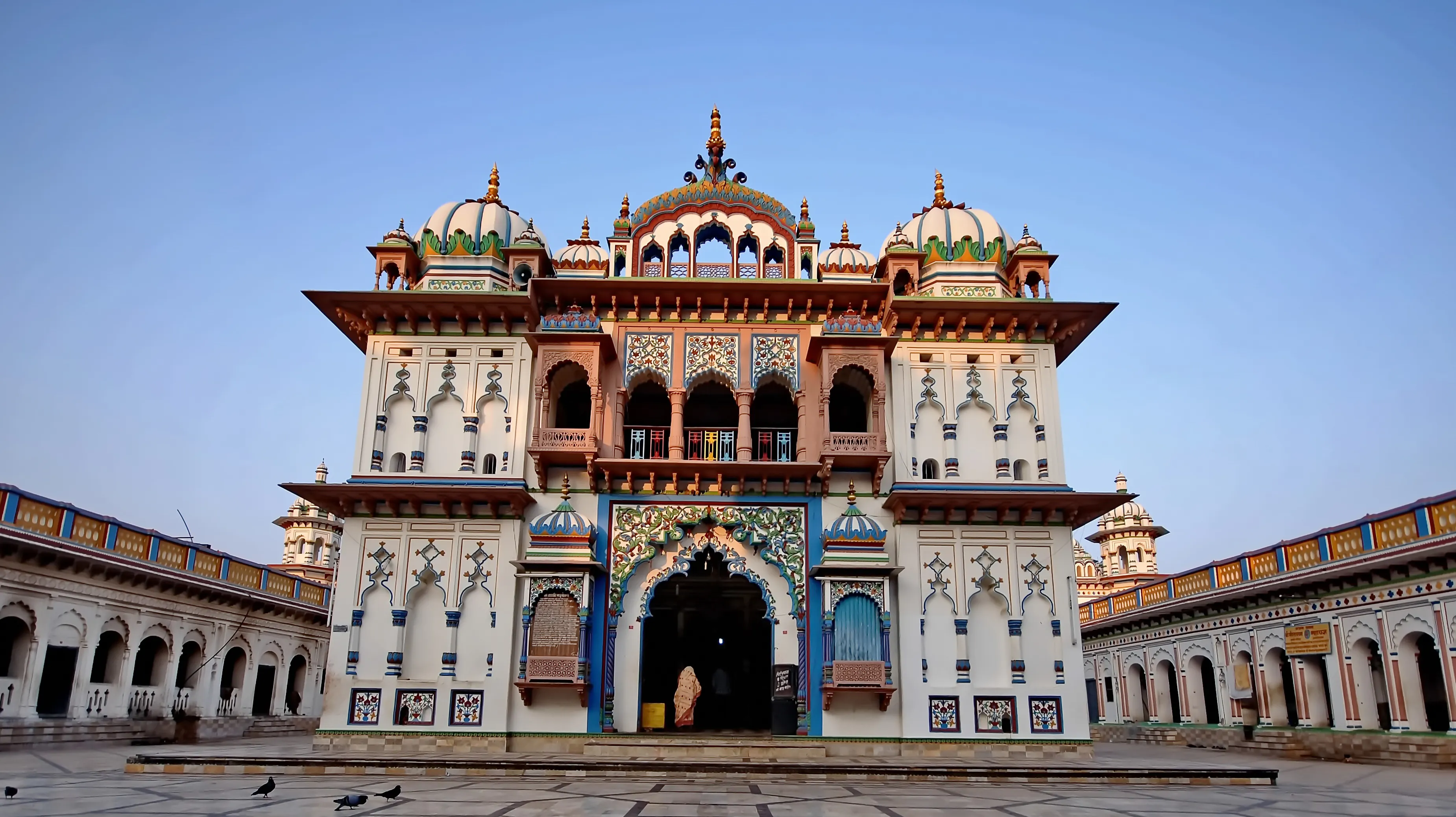
The midday sun beat down on Munger, casting long shadows that danced across the ancient stones of Sita Kund. Having explored the labyrinthine caves and soaring temples of Maharashtra, I arrived at this Bihar pilgrimage site with a sense of anticipation, eager to experience a different flavour of sacred India. Sita Kund, nestled amidst the bustling city, is a compact temple complex radiating a quiet, unassuming spirituality. It doesn't boast the grandeur of Ellora or the intricate carvings of Ajanta, but its simplicity holds a unique charm. The main attraction, the Kund itself, is a rectangular water tank enclosed within a modest structure. The water, believed to be sacred, is surprisingly clear despite the constant flow of devotees taking a holy dip. Local legend claims Sita, the exiled queen from the epic Ramayana, bathed here, lending the site its name and sanctity. While I couldn't verify the mythological claims, the palpable reverence of the pilgrims was undeniable. Women in vibrant sarees offered prayers, the scent of incense mingling with the humid air, creating an atmosphere thick with devotion. The architecture of the temple surrounding the Kund is a blend of simple practicality and subtle artistry. Unlike the elaborate rock-cut marvels I'm accustomed to in Maharashtra, Sita Kund showcases a more straightforward brick and mortar construction. The walls are adorned with faded frescoes depicting scenes from the Ramayana, their muted colours whispering tales of ancient devotion. While time and weather have taken their toll, these remnants offer glimpses into the artistic sensibilities of a bygone era. I noticed the recurring motif of the lotus flower, a symbol of purity and divinity, subtly incorporated into the pillars and archways. The architectural style, while not overtly ornate, reflects a quiet elegance, a testament to the enduring power of faith. Climbing the narrow staircase to the rooftop offered a panoramic view of Munger. The sprawling cityscape contrasted sharply with the serene atmosphere of the Kund below. From this vantage point, I could appreciate the temple's strategic location, a spiritual oasis amidst the urban hustle. The rooftop also houses a small shrine dedicated to Lord Rama, Sita's husband. The simple idol, adorned with fresh flowers, seemed to gaze serenely over the city, a silent guardian of its inhabitants. What struck me most about Sita Kund wasn't its architectural magnificence or historical significance, but the genuine devotion of the people. I witnessed families sharing quiet moments of prayer, elderly women chanting mantras with closed eyes, and young children offering flowers with innocent enthusiasm. This unpretentious display of faith, devoid of any ostentation, was deeply moving. It reminded me that spirituality isn't confined to grand temples and elaborate rituals; it can be found in the simplest of acts, in the quiet corners of a bustling city. As I left Sita Kund, the chants of the devotees still resonated in my ears. The experience was a refreshing departure from the grandeur I'm used to in Maharashtra's caves and temples. It was a reminder that the essence of faith lies not in the size or splendor of a structure, but in the sincerity of the hearts that seek solace within its walls. Sita Kund, in its unassuming simplicity, offers a powerful testament to the enduring human need for connection with the divine. It's a place where mythology and reality intertwine, where the whispers of ancient legends blend with the fervent prayers of modern devotees, creating a tapestry of faith that transcends time.
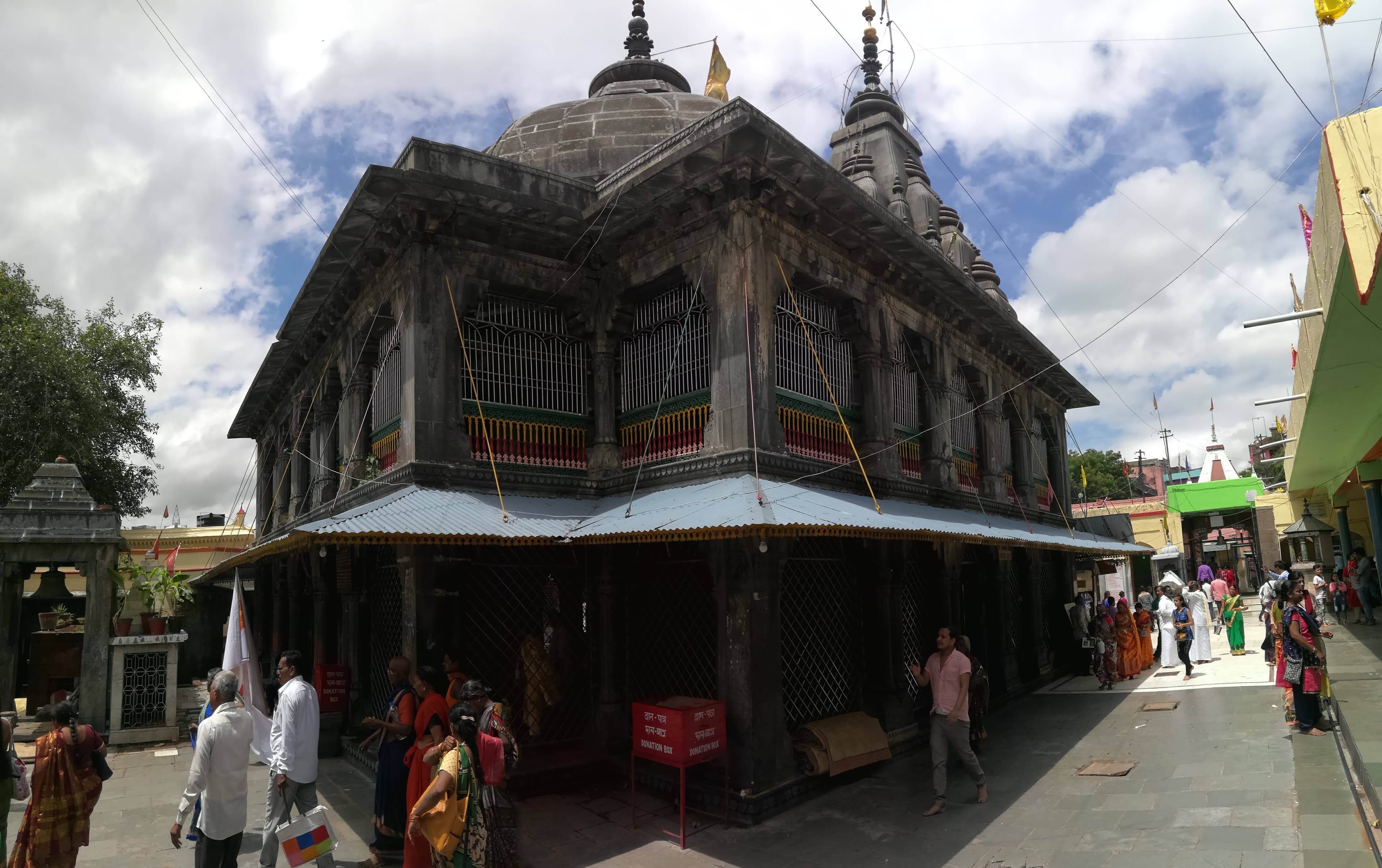
The midday sun beat down on the sprawling Vishnupad Temple complex in Gaya, its heat radiating off the smooth, grey stones. As a Chennai native steeped in the Dravidian architectural tradition, I found myself immediately struck by the distinct North Indian flavour of this sacred site. Unlike the towering gopurams and intricate carvings that characterize temples in my home city, the Vishnupad presented a different aesthetic – a blend of Mughal and Rajput influences woven into a structure dedicated to Lord Vishnu. The temple’s centerpiece is the 40cm long footprint of Vishnu, the “Vishnupad,” enshrined within a silver-plated basin inside the main sanctum. This footprint, believed to be imprinted on a basalt rock, is the very reason Gaya holds such immense religious significance for Hindus. The sanctum itself, a tall pyramidal structure, is crowned by an octagonal shikhara, a feature reminiscent of Rajput architecture. This shikhara, though less ornate than the elaborate vimanas of South Indian temples, possesses a certain stark beauty, its simple lines drawing the eye upwards towards the heavens. Surrounding the main shrine are smaller shrines dedicated to various deities, creating a complex network of sacred spaces. I noticed the prevalence of cusped arches and intricate jaali work, elements borrowed from Mughal architecture, adorning these smaller structures. This fusion of styles, a testament to India's rich and layered history, is what truly captivated me. It’s a visual representation of cultural exchange and assimilation, a narrative etched in stone. The temple complex is situated on the banks of the Falgu River, adding another layer of sanctity to the site. Observing pilgrims performing rituals by the riverbank, I was reminded of the vital role rivers play in Hindu cosmology, serving as conduits between the earthly and the divine. The Falgu, though shallow during my visit, seemed to carry the weight of centuries of devotion within its gentle flow. One aspect that particularly intrigued me was the use of stone. Unlike the granite commonly employed in South Indian temples, the Vishnupad Temple is primarily constructed from sandstone. This choice of material lends the structure a softer, warmer hue, contrasting with the darker, more imposing granite of the south. The sandstone also exhibits a greater degree of weathering, giving the temple a sense of age and history, a tangible connection to the countless pilgrims who have walked these very stones over centuries. Wandering through the temple complex, I observed the intricate carvings adorning the pillars and walls. While less profuse than the elaborate sculptural programs of South Indian temples, these carvings depicted scenes from Hindu mythology, adding a narrative dimension to the architecture. I was particularly drawn to the depictions of Vishnu's various avatars, each telling a story of divine intervention and cosmic balance. The Vishnupad Temple, with its unique blend of architectural styles and its profound religious significance, offered a fascinating glimpse into a different facet of Hindu temple architecture. It highlighted the regional variations within a shared religious tradition, demonstrating how local influences and historical context shape the built environment. As I left the temple complex, the image of the Vishnupad, imprinted on the basalt rock, remained etched in my mind, a symbol of faith and the enduring power of sacred spaces. The experience served as a powerful reminder that architectural exploration is not just about admiring aesthetics; it's about understanding the cultural, historical, and spiritual narratives embedded within the very stones of a structure.
Related Collections
Discover more heritage sites with these related collections
Explore More Heritage
Explore our comprehensive documentation of these 6 heritage sites, featuring architectural analysis, historical context, visitor information, conservation status, and detailed site-specific resources supporting meaningful engagement with India's living heritage traditions.
Historical Context
Understanding the historical context of these 6 heritage sites illuminates centuries of Hindu architectural achievement and spiritual devotion. Across successive dynasties, royal patrons and spiritual communities collaborated to create these magnificent monuments as expressions of dharmic duty and devotional fervor. Multiple dynasties contributed distinctive architectural visions, engaging master architects (sthapatis), skilled sculptors (shilpis), and specialized craft guilds who transmitted knowledge through generations. These collaborations produced monuments reflecting both royal vision and artisan mastery, incorporating ancient Vedic principles with regional innovations. Archaeological and epigraphic research continues revealing fascinating details about construction processes, guild organization, material sourcing, and patronage networks. Foundation inscriptions, donor records, and architectural evidence illuminate the devotion, resources, and expertise invested in creating these sacred spaces that honor the divine while demonstrating human achievement at its finest.
Architectural Significance
The architectural elements visible across these 6 heritage sites demonstrate the sophisticated synthesis of aesthetic beauty, structural engineering, and spiritual symbolism characteristic of Hindu temple architecture. The Sultanate Architecture tradition expresses itself through distinctive features: distinctive regional architectural elements, spatial planning principles, and decorative vocabularies. Indigenous building materials—locally sourced stone, traditional lime mortars, timber where appropriate—shaped architectural possibilities and aesthetic expressions. Monumental scale creates appropriate awe, preparing visitors psychologically for divine encounter. Intricate sculptural programs covering every surface teach Puranic narratives and iconographic conventions, transforming architecture into pedagogical instruments. Structural innovations—corbelling achieving remarkable cantilevers, domed ceilings distributing forces through hidden interlocking systems—demonstrate engineering knowledge refined through centuries of practical experience. Lighting conditions dramatically affect sculptural perception; morning and evening illumination reveals details obscured during harsh midday sun. Advanced documentation through photogrammetry and laser scanning continues discovering previously unrecorded architectural elements, enriching scholarly understanding of these magnificent achievements.
Conservation & Preservation
The preservation status of these 6 heritage sites reflects ongoing commitment to safeguarding India's irreplaceable heritage. While protection mechanisms vary, ensuring legal safeguards and systematic conservation programs. Challenges include environmental factors, material degradation, and visitor management. Professional conservation employs traditional techniques alongside modern technology: structural monitoring, condition assessments, and preventive measures addressing deterioration before critical failures occur. Advanced documentation—aerial surveys, laser scanning, material analysis—creates comprehensive records supporting evidence-based interventions. Visitor participation in heritage preservation includes respectful site conduct, reporting observed damage, and supporting conservation initiatives financially. The investment in documentation and monitoring ensures that when intervention becomes necessary, restoration maintains historical authenticity and technical compatibility with original construction methods.
Visitor Information
Planning visits to these 6 heritage sites benefits from understanding access logistics and appropriate conduct. bihar offers well-developed infrastructure with accommodation options available near major heritage sites. The optimal visiting season extends October through March. Entry fees at protected sites typically range ₹25-₹40. Photography for personal use is generally permitted, though tripods and professional equipment may require advance authorization. Respectful conduct honors both the monuments and continuing worship traditions: modest attire with covered shoulders and legs, shoe removal in temple sanctums, quiet demeanor, and abstaining from touching sculptural surfaces. Knowledgeable local guides enhance understanding of architectural features, iconographic programs, and ritual contexts, transforming visits into meaningful cultural experiences.
Key Facts & Statistics
Total documented heritage sites: 6
Monument: 2 sites
Temple: 2 sites
Palace: 1 sites
Fort: 1 sites
Indo-Islamic architecture style, Delhi Sultanate architecture style, Rajput architecture style, Bihari Vernacular architecture style architectural style: 1 sites
Kalinga architecture style, Nagara architecture style, Temple Architecture Of Mithila Style architecture style, Vernacular Architecture Of Bihar Style architecture style architectural style: 1 sites
Indo-Saracenic Revival architecture style, Mughal architecture style, Indo-Islamic architecture style, Vernacular Bihari architecture style architectural style: 1 sites
Nagara architecture style, Kalinga architecture style, Rock-Cut architecture style, Indian Temple architecture style architectural style: 1 sites
Indo-Islamic architecture style, Mughal architecture style, Sultanate architecture style, Local Bihari Vernacular architecture style architectural style: 1 sites
Rajput Period period construction: 2 sites
Vijayanagara Period period construction: 1 sites
Mahajanapada Period period construction: 1 sites
Bengal Renaissance Period period construction: 1 sites
Maratha Period period construction: 1 sites
Average documentation completion score: 78%
Featured flagship heritage sites: 6
Comprehensive digital archiving preserves heritage for future generations
Comprehensive digital archiving preserves heritage for future generations
Comprehensive digital archiving preserves heritage for future generations
Frequently Asked Questions
How many heritage sites are documented in bihar?
This collection includes 6 documented heritage sites in bihar. Each site has comprehensive documentation including photos, floor plans, and historical research.
What is the best time to visit heritage sites in bihar?
October through March is ideal for visiting heritage sites in bihar. Major festivals also offer unique cultural experiences. Check individual site pages for specific visiting hours and seasonal closures.
What are the entry fees for heritage sites?
Protected monuments typically charge ₹25-₹40. State-protected sites often have lower or no entry fees. Many temples and religious sites are free. Children often enter free. Still photography is usually included; video may require additional permits.
Are photography and videography allowed at heritage sites?
Still photography for personal use is generally permitted at most heritage sites. Tripods, flash photography, and commercial filming usually require special permissions. Some sites restrict photography of murals, sculptures, or sanctums. Drones are prohibited without explicit authorization. Always respect signage and guidelines at individual monuments.
How do I reach heritage sites in bihar?
bihar is well-connected via auto-rickshaw, Indian Railways, state buses. Major cities have airports with domestic and international flights. Public transport connects smaller towns. Most heritage sites are accessible by local transport or rental vehicles. Plan 2-3 hours per major monument.
Are these heritage sites wheelchair accessible?
Accessibility varies significantly. Major UNESCO sites and recently renovated monuments often have ramps and accessible facilities. However, many historical structures have steps, uneven surfaces, and narrow passages. Contact site authorities in advance for specific accessibility information. Our site pages indicate known accessibility features where available.
Are guided tours available at heritage sites?
Licensed guides are available at most major heritage sites, typically charging ₹200-₹500 for 1-2 hour tours. ASI-approved guides provide historical and architectural insights. Audio guides are available at select UNESCO sites. Our platform offers virtual tours and detailed documentation for major monuments.
What is the conservation status of these heritage sites?
Many sites are protected under heritage conservation laws. Active conservation includes structural stabilization, surface cleaning, vegetation control, and drainage management. Digital documentation helps monitor deterioration. Ongoing surveys track condition changes for evidence-based interventions.
What are the key features of Sultanate Architecture?
Sultanate Architecture features distinctive regional architectural elements, spatial planning principles, and decorative vocabularies. These elements evolved over centuries, reflecting regional climate, available materials, construction techniques, and cultural preferences. Each monument demonstrates unique variations within the broader architectural tradition.
What documentation is available for these heritage sites?
Each site includes high-resolution photography, architectural measurements, historical research, and expert annotations. Documentation averages 78% completion.
How much time should I allocate for visiting?
Plan 2-3 hours for major monuments to appreciate architectural details and explore grounds. Smaller sites may require 30-60 minutes. Multi-site itineraries should allocate travel time. Early morning or late afternoon visits offer better lighting for photography and fewer crowds. Check individual site pages for recommended visiting durations.
What is the cultural significance of these heritage sites?
These monuments represent India's diverse cultural heritage, reflecting centuries of architectural innovation, religious traditions, and artistic excellence. They serve as living links to historical societies, preserving knowledge about construction techniques, social structures, and cultural values. Many sites remain active centers of worship and community gathering.
What other attractions are near these heritage sites?
bihar offers diverse tourism experiences beyond heritage monuments. Explore local museums, craft villages, nature reserves, and cultural festivals. Many heritage sites are clustered in historic towns with traditional markets and cuisine. Our site pages include nearby attraction recommendations and multi-day itinerary suggestions.
How can I practice responsible heritage tourism?
Respect site rules including photography restrictions and designated pathways. Don't touch sculptures, murals, or walls. Dispose waste properly. Hire local guides to support communities. Avoid visiting during restoration work. Learn about cultural contexts before visiting. Report damage to authorities. Your responsible behavior helps preserve heritage for future generations.
References & Sources
Bihar
Sultanate
Sultanate architecture is a distinctive style of Indian temple architecture characterized by its unique design elements and construction techniques. This architectural tradition flourished in bihar and represents a significant period in Indian cultural heritage. Features include intricate carvings, precise proportions, and integration with religious symbolism.
- 1Diverse architectural styles from various periods
- 2Intricate craftsmanship and artistic excellence
- 3Historical and cultural significance
- 4Well-documented heritage value
- 5Protected under heritage conservation acts
- 6Tourist and educational significance
| 📍Bihar | 6 sites |